





Children's Vitamin C Tablets For Active Kids
(0 Results)
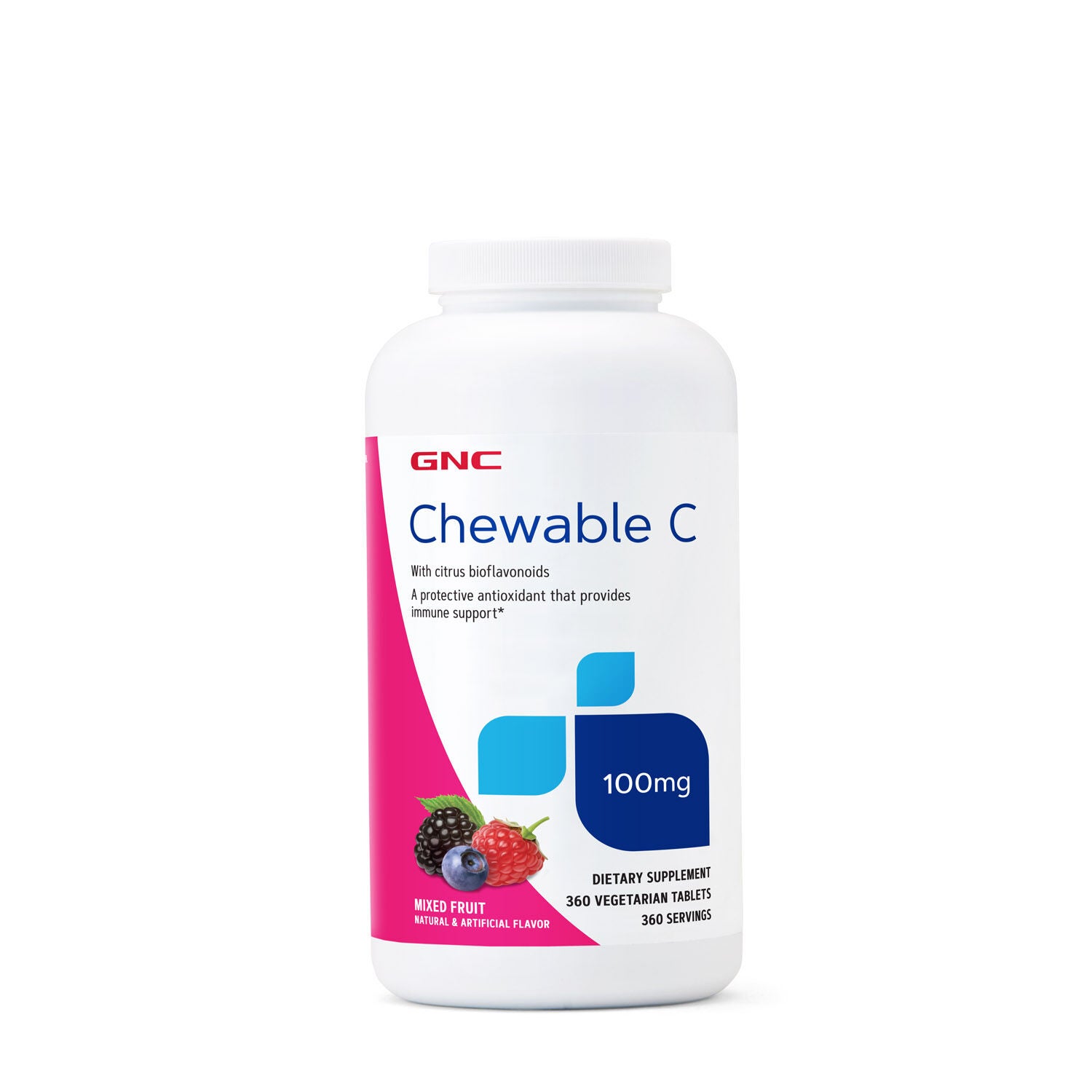
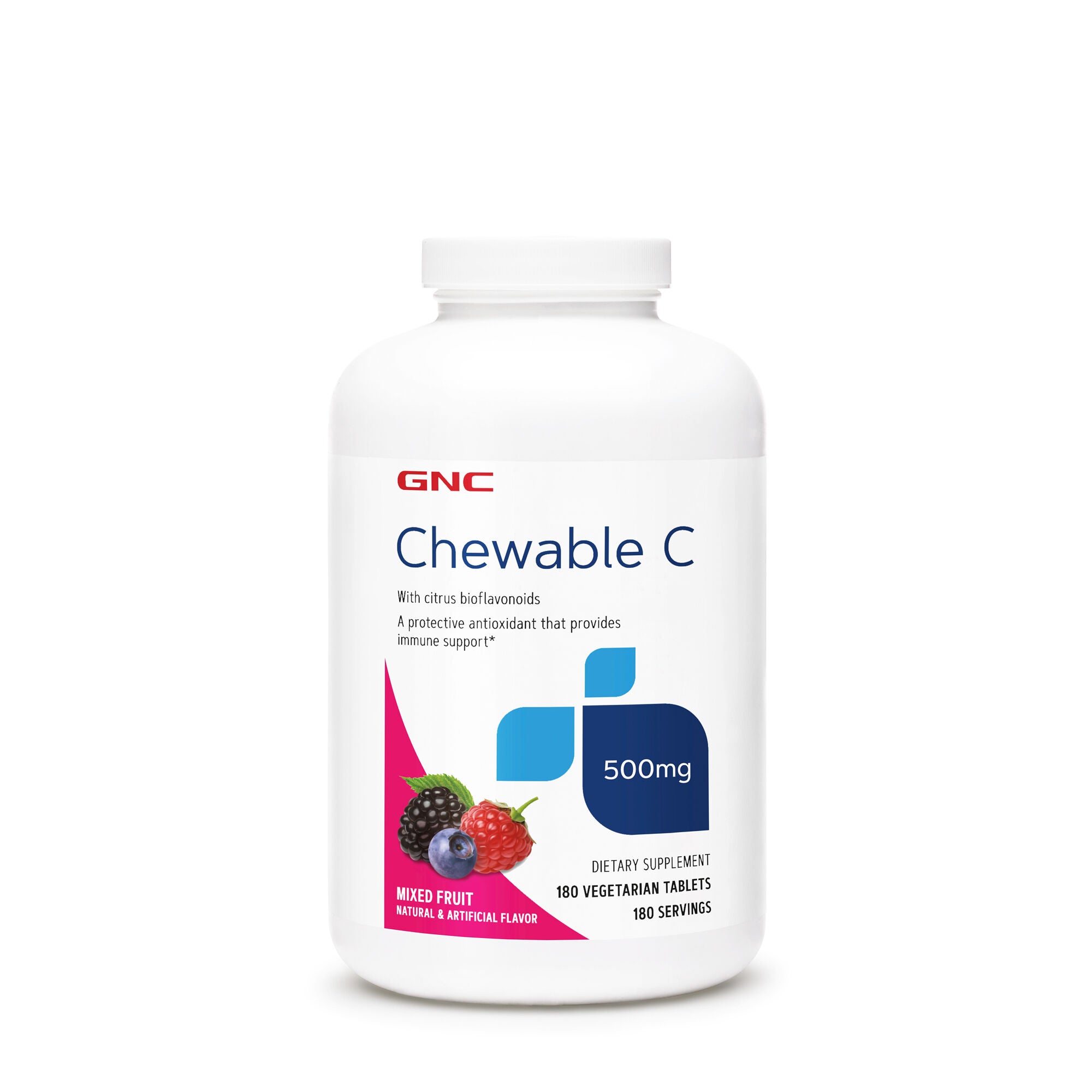
Children's vitamin C tablets for active kids could be a convenient way to support your child’s daily wellness routine. With a variety of flavors and fun shapes, these supplements may fit easily into busy schedules and on-the-go lifestyles. Explore options that might make it simple for growing kids to get their vitamin C as they play, learn, and explore every day.
-
 Orange_Front.jpg?sw=305&sh=305&sm=fit "Junior C - 180 Tablets (180 Servings) | GNC")
-
 Orange_Front.jpg?sw=305&sh=305&sm=fit "Junior C - 500 Tablets (500 Servings) | GNC")
-
-
 Orange_Front.jpg?sw=305&sh=305&sm=fit "Junior C - 90 Tablets (90 Servings) | GNC")
-
_Front.jpg?sw=305&sh=305&sm=fit "Junior Multi - 90 Tablets - 90 Tablets (90 Servings) | GNC")
-
-

-
 10$17.99
Children’s vitamin C tablets are dietary supplements in tablet form, including chewable formats with fruit-inspired flavors and directions intended for particular age groups. For families with active kids, the category sits alongside the familiar details of everyday life: breakfast before school, a packed activity bag, an afternoon at the playground, and homework at the kitchen table. The most meaningful differences between tablet options are often practical ones, such as the labeled age range, whether the tablet is chewable, the serving size, and the ingredients used to create its flavor and texture. Active schedules provide context for a family’s routine, but they do not make every children’s supplement interchangeable. A younger child and an older sibling may have different label directions, even when two containers look similar. Vitamin C also occurs naturally in foods such as oranges, strawberries, kiwi, bell peppers, and broccoli, so a tablet belongs in the broader context of meals and snacks rather than taking their place. For some households, a familiar fruit flavor may make a supplement routine more approachable; for others, the size or texture of a chewable is the more important consideration. Citrus, berry, and mixed-fruit descriptions suggest different taste profiles, while the actual experience also depends on sweeteners and other ingredients. A chewable tablet may have a firm bite, a powdery texture, or a tart finish, depending on its formulation. Flavor names alone do not explain those differences, and a fruit-shaped tablet remains a supplement rather than candy. The intended use is defined by the label, not by its color, shape, or resemblance to a familiar treat. This distinction matters in households where children recognize bright packaging or enjoy fruity snacks. Children’s vitamin C tablets for active kids are therefore best understood as an adult-managed supplement category, with attention centered on the child’s labeled age range and the details of the formulation, not on how many activities fill the day.
The ingredient panel provides a more useful comparison than a flavor name alone. Some children’s tablet formulations focus on vitamin C, while others combine it with additional vitamins or minerals. Those are different formulations, even when the front labels feature similar fruit imagery. The Supplement Facts panel identifies the nutrients and amounts per serving; the other ingredients list describes components used for purposes such as flavor, sweetness, color, and tablet structure. Serving size and nutrient amount also describe different things. A serving size states how many tablets make up the labeled serving, while the vitamin C amount is expressed separately, typically in milligrams. Likewise, the number of tablets in a container is not necessarily the number of servings. These distinctions are relevant when comparing package sizes or organizing a household routine, without assuming that a larger tablet or a larger number on the label makes a better match. Ingredient preferences can be just as specific as flavor preferences. Families may compare sugar content, the types of sweeteners used, added colors, and ingredients associated with their dietary restrictions. An orange flavor does not, by itself, establish that a tablet contains orange fruit, just as a berry-colored tablet does not explain the source of its color. Package imagery and ingredient information serve different purposes. Texture also deserves its own consideration: two chewables with similar flavors may differ in firmness, surface feel, or the way they break down when chewed. A tablet described as chewable has a different intended use from one labeled to be swallowed, and those directions are not interchangeable. Clear age information, readable serving directions, and a detailed ingredient list provide a grounded basis for comparing the category. Where more than one supplement is part of a household routine, the full formulation matters more than the largest words on the front of the package. That broader view keeps the comparison focused on what each label actually says rather than on sporty graphics or playful names.
Packaging and storage are another part of choosing children’s vitamin C tablets for a busy household. A container may spend much of its time in a kitchen cabinet, while family travel can introduce movement, crowded bags, and less familiar surroundings. The package’s storage directions describe the conditions intended for that formulation, including any guidance about moisture, light, or temperature. Tablet appearance alone cannot establish how well a supplement has been stored. A secure closure, a readable label, and packaging that protects the contents are practical details, especially when a bottle is opened repeatedly. Even a sturdy container does not make a supplement an appropriate loose addition to a child’s backpack, lunch box, or sports bag. Original packaging keeps the name, ingredient information, serving directions, age guidance, and date markings together, rather than separating a tablet from the information needed to identify it. Storage out of children’s reach also maintains the distinction between an adult-managed supplement and an ordinary snack. In a shared household, a clearly designated storage space may make the routine easier to organize, particularly when siblings use different age-labeled formulations. A breakfast routine at home, for example, has a different setting from an overnight visit with grandparents, where the original container and its directions provide important context for the supervising adult. Browse Childrens' Vitamin C. The useful distinctions remain consistent across different family schedules: intended age, tablet type, flavor, texture, nutrient amount per serving, ingredient composition, and package directions. None of those details needs a connection to athletic performance to be relevant to active kids. Whether the day includes dance rehearsal, a neighborhood bike ride, art club, or time on the playground, a thoughtful comparison stays centered on the supplement’s stated use and the practical realities of the household. That keeps children’s vitamin C tablets in perspective as one part of a family’s everyday routine, alongside varied food, regular meals, and activities children enjoy.




_Front.jpg?sw=305&sh=305&sm=fit "Children's Probiotic Tablets for Active Lifestyles | GNC")
