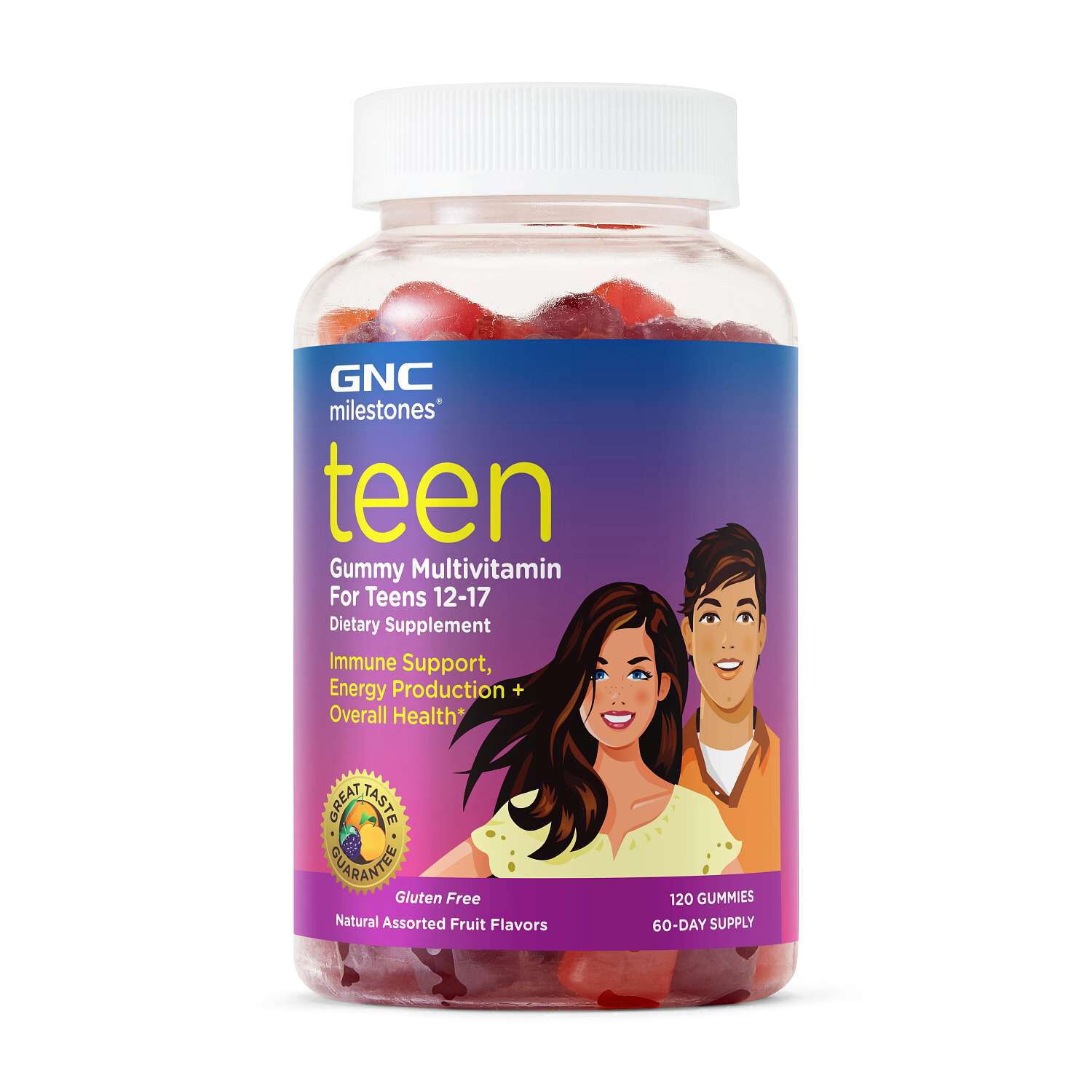
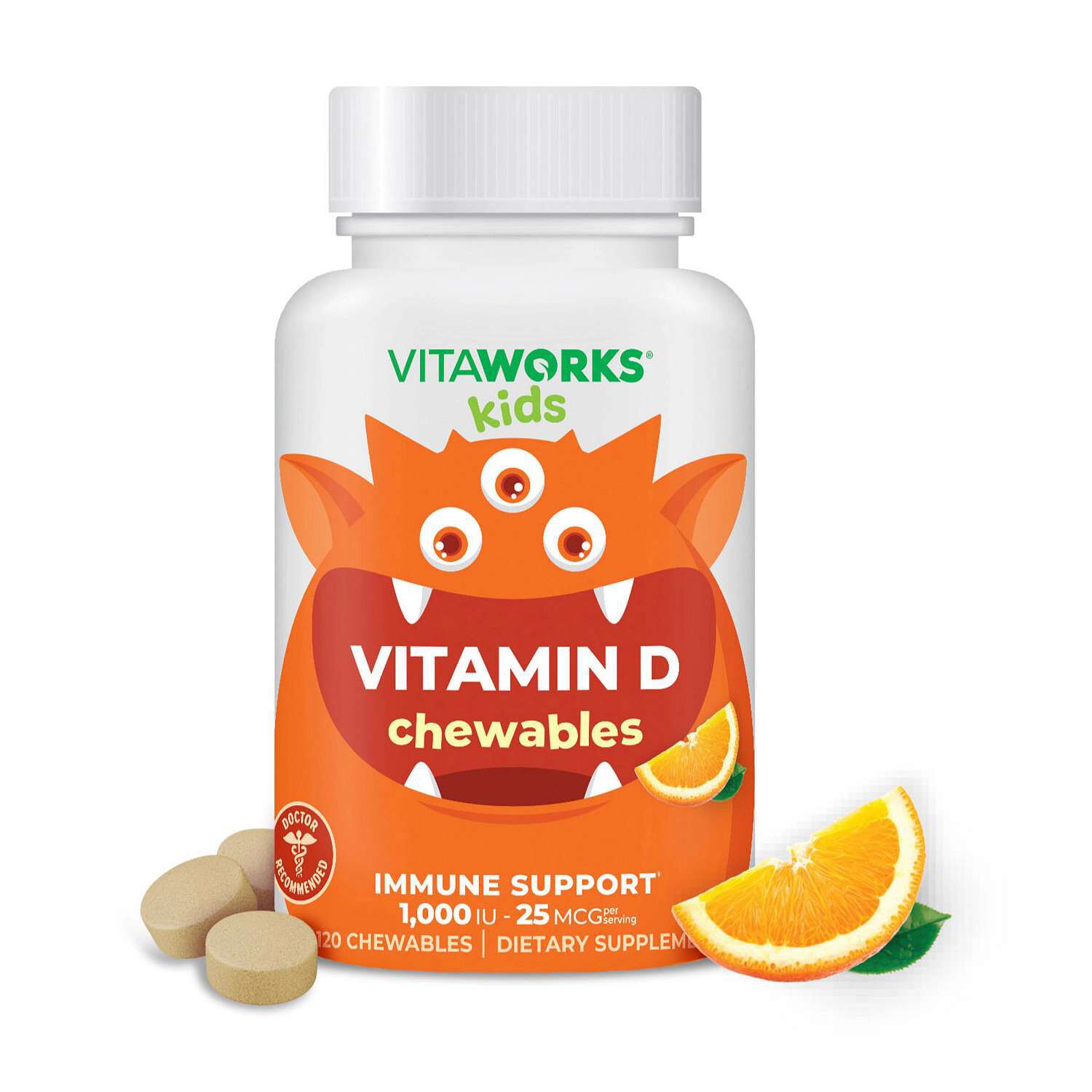
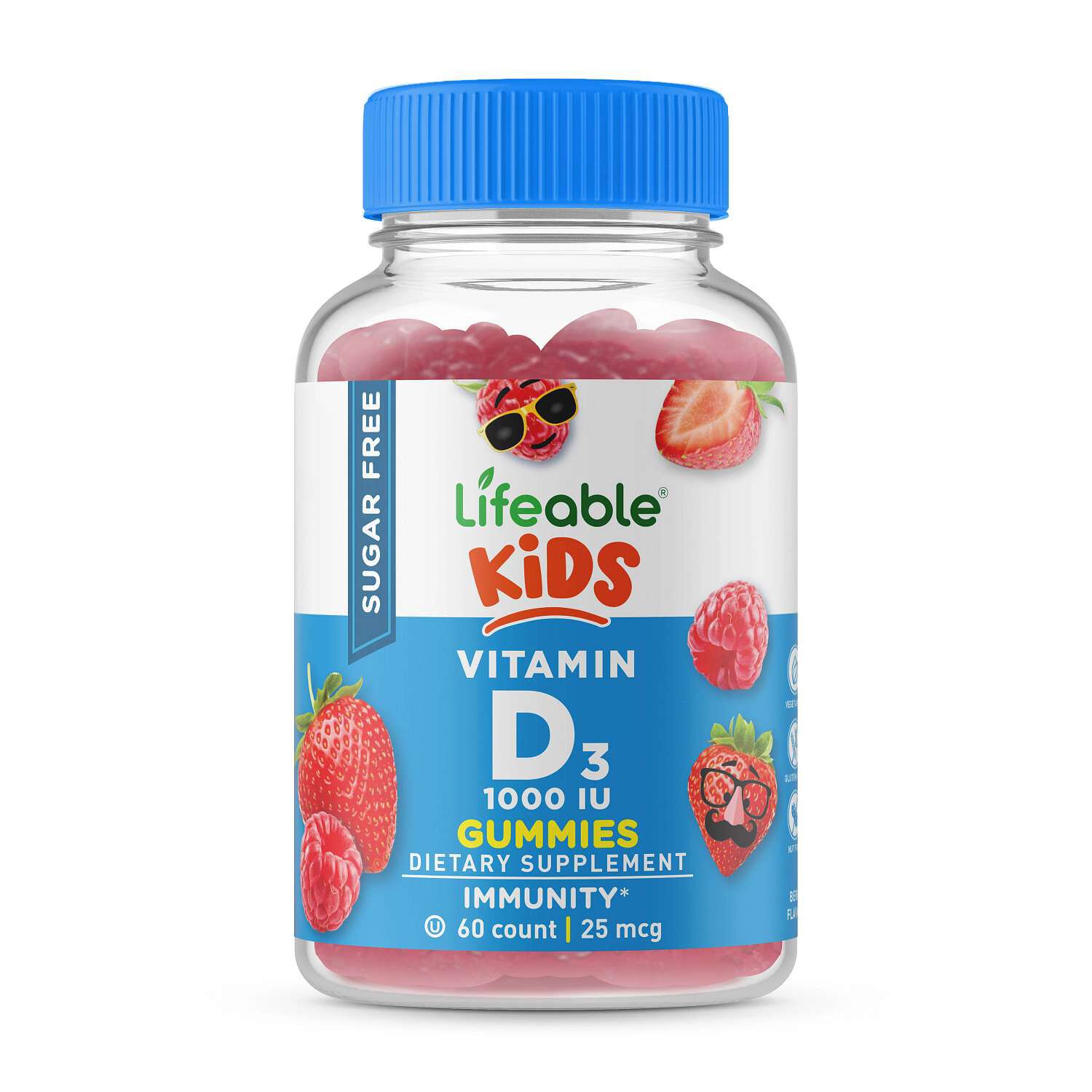
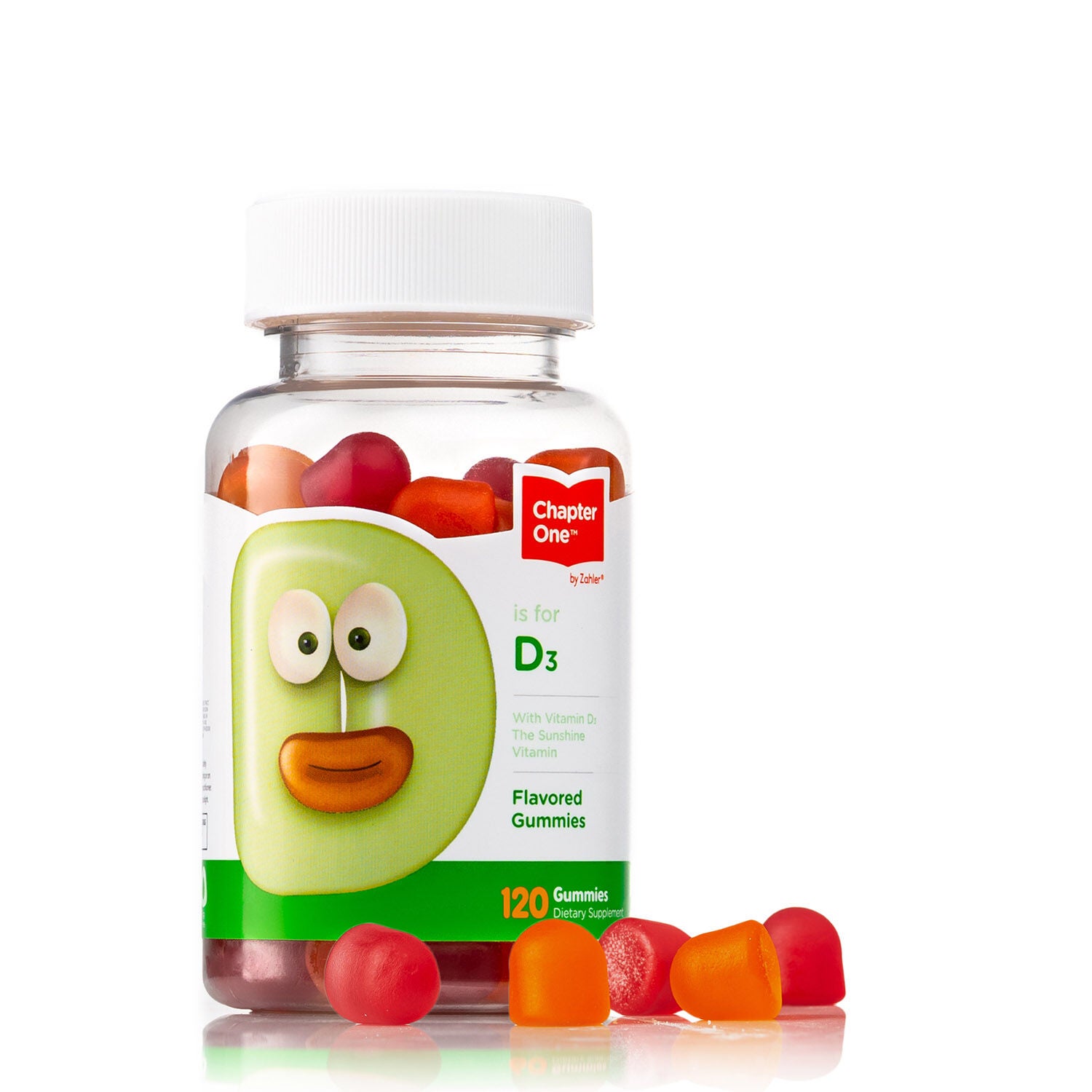
Summer Vitamin D3 Supplements For Children
(0 Results)
Long days of sunshine and outdoor play can make summer an exciting time for kids, and supporting their wellness routines with summer vitamin d3 supplements for children may be a smart choice. These supplements are designed to fit seamlessly into your child’s daily regimen, offering a convenient option for parents looking to support their little ones. Explore a range of summer vitamin d3 supplements for children that could help you keep your family’s wellness goals on track all season long.
-

-

-
 $17.99
 -
 $14.99
 -
-
-

-
 $20.99
 -
-
 $24.99
 -

-

-

-

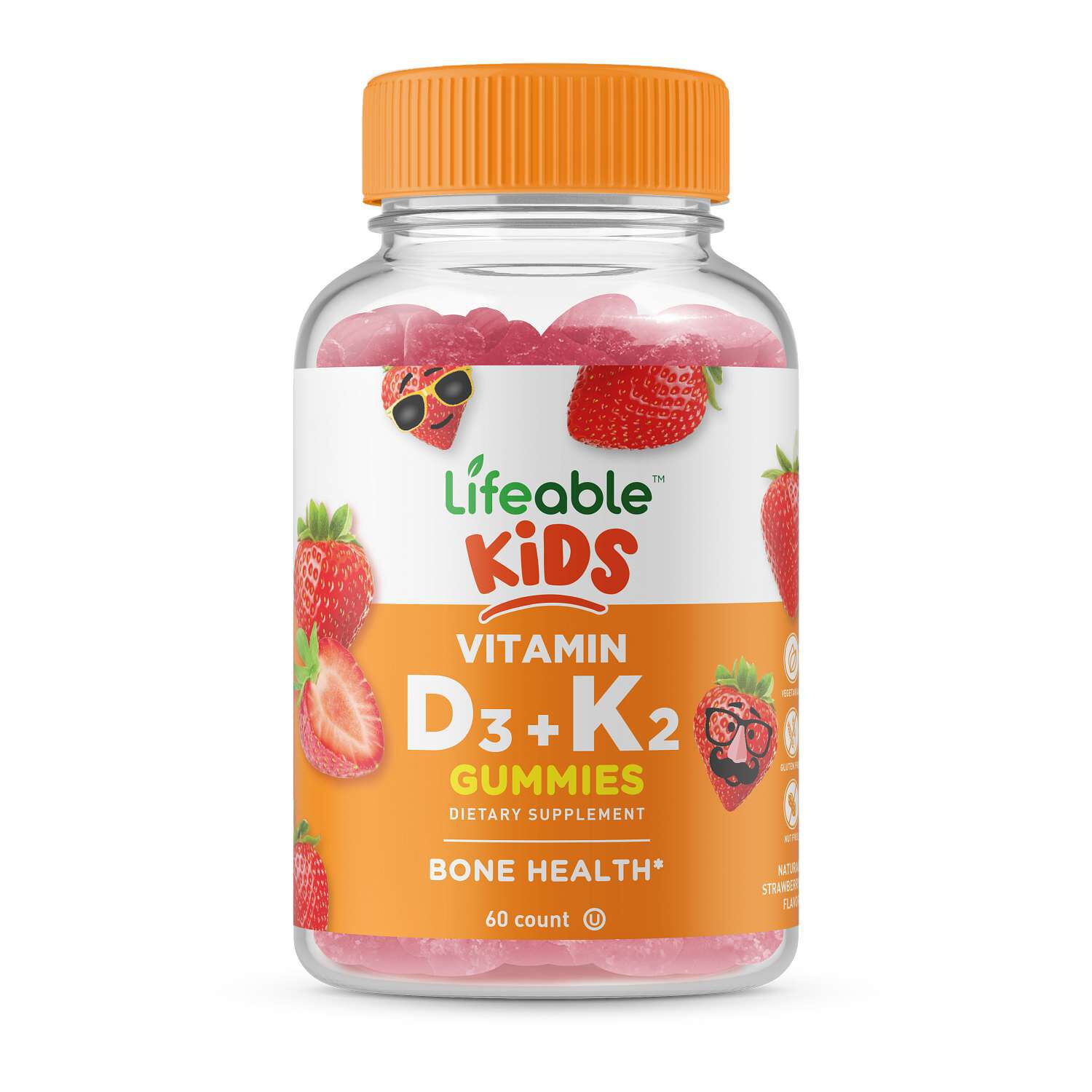



Summer Vitamin D3 supplements for children may be a practical option for families whose routines, clothing choices, or dietary patterns make it harder to include vitamin D from a variety of sources. Time outdoors during warmer weather may support the body’s own vitamin D production, yet the amount produced can vary with sunscreen use, clothing, skin tone, time of day, weather, location, and how much time a child spends outside. Some children spend much of the day indoors at camp, school, daycare, or home, while others may wear sun-protective clothing or apply sunscreen regularly during outdoor activities. These everyday choices support sun protection, but they may also mean that families look more closely at food sources and supplements. A child’s diet may provide vitamin D through fortified milk, fortified orange juice, breakfast cereals, eggs, and salmon, although food preferences can make a varied menu difficult to maintain. For that reason, a healthcare professional may suggest a children’s vitamin D3 supplement for a particular child. Families can use this collection to compare age-appropriate formats, serving instructions, ingredient lists, and package details while keeping the child’s usual diet and daily routine in mind. Since children have different nutritional needs at different ages, caregivers may wish to review supplement choices with a pediatrician or another qualified healthcare professional before adding one to a child’s routine.
The format can matter just as much as the nutrient itself. Liquid drops may suit infants and toddlers who are not ready to chew tablets or gummies, while chewable tablets or gummies may appeal to older children who can follow directions and chew confidently. A parent or caregiver may find it helpful to consider the child’s age range, ability to chew, flavor preferences, dietary needs, and comfort with a daily routine. Product labels may also list sweeteners, colors, allergens, serving size, and other ingredients that matter to a household. Families should follow the serving guidance on the package and keep supplements stored where young children cannot reach them. A simple routine can make a difference: some caregivers place the container near a breakfast item, set a phone reminder, or keep a checklist beside the family calendar. Others connect the routine with brushing teeth or packing a school bag, creating a familiar moment rather than adding another complicated task to a busy morning. During the warmer part of the year, outdoor play, swimming lessons, sports, and family trips may change a child’s schedule from day to day. As cooler weather arrives and daylight hours shift, indoor routines may become more common, making consistent organization useful. A supplement should fit naturally into the household’s established habits, with label directions and professional guidance taking priority over assumptions about age, activity, or season.
These products may also be considered when preparing a child for a new school routine, an after-school program, or time spent with grandparents and other caregivers. A caregiver assembling a back-to-school basket might pair a child-appropriate vitamin D3 option with lunchbox supplies, a water bottle, or a new backpack, while another family may choose one as a thoughtful addition to a care package for a child heading to camp or spending more time indoors during cooler weather. For more seasonal shopping context, browse Vitamin D3 Supplements For Back To School. Before choosing, check whether the product is intended for the child’s age group and whether the format works with the child’s eating and chewing abilities. Families may also compare the amount of vitamin D3 per serving, the number of servings in the package, storage directions, and any dietary preferences such as vegetarian or vegan options. It may help to keep a record of other vitamins or fortified foods a child receives so a healthcare professional can review the overall routine. Children may not always explain what they prefer, so observing whether they manage a liquid dropper, chewable tablet, or gummy comfortably can help guide the selection. With thoughtful label reading and guidance suited to the individual child, a vitamin D3 supplement may become a convenient part of a family routine across bright summer days, busy school mornings, and the cooler months that follow.


 Chewable Tablets_Front.jpg?sw=305&sh=305&sm=fit "ChildCalm - 60 Chewable Tablets (30 Servings) | GNC")