Hip Joint Support Supplements
(0 Results)
Hip joint support supplements may offer a convenient way to help maintain your active lifestyle and daily movement. Whether you're looking to stay comfortable during workouts or simply want to support your body's natural mobility, these options could be a helpful addition to your wellness routine. Explore a wide selection of hip joint support supplements designed for those seeking targeted support for their joints and overall flexibility.



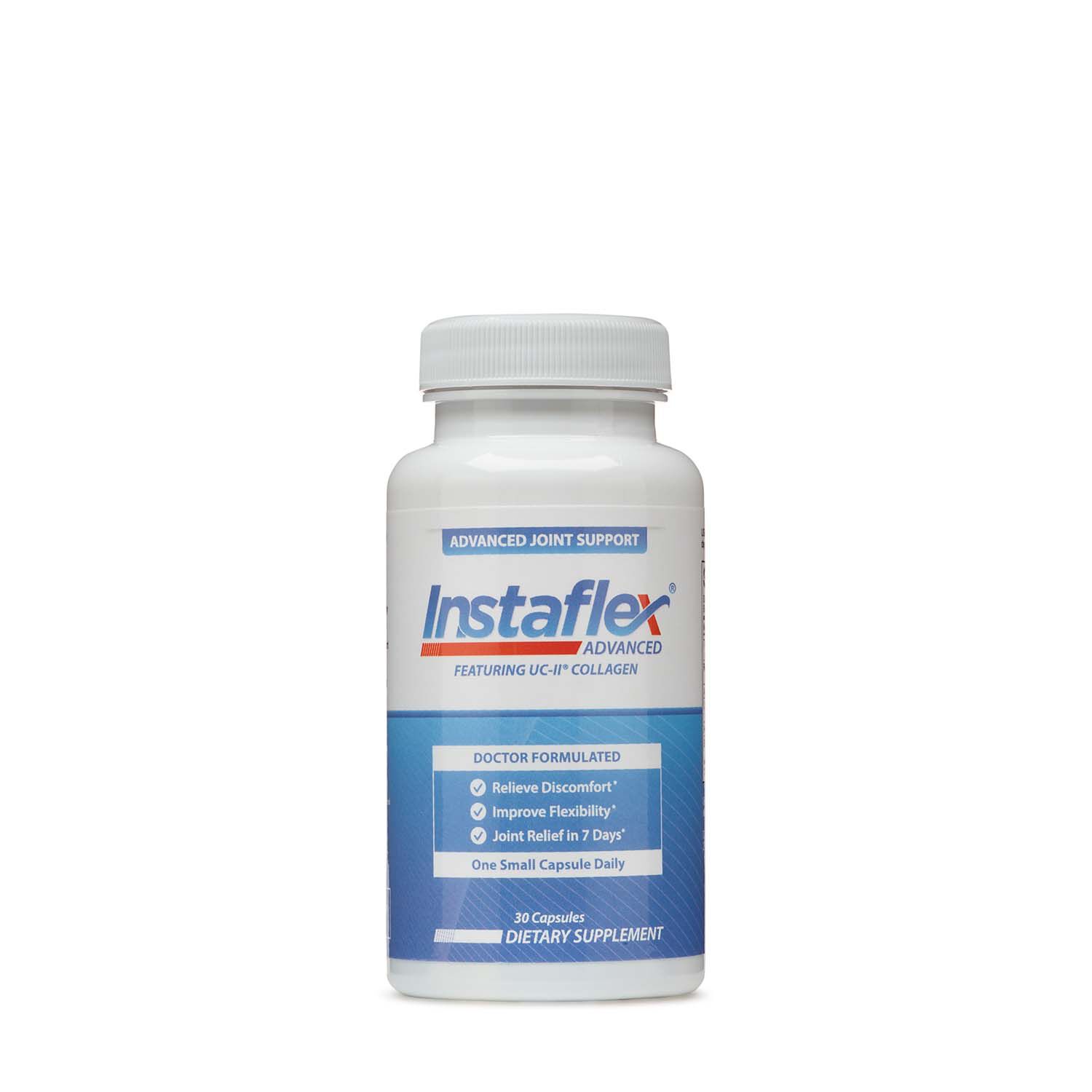


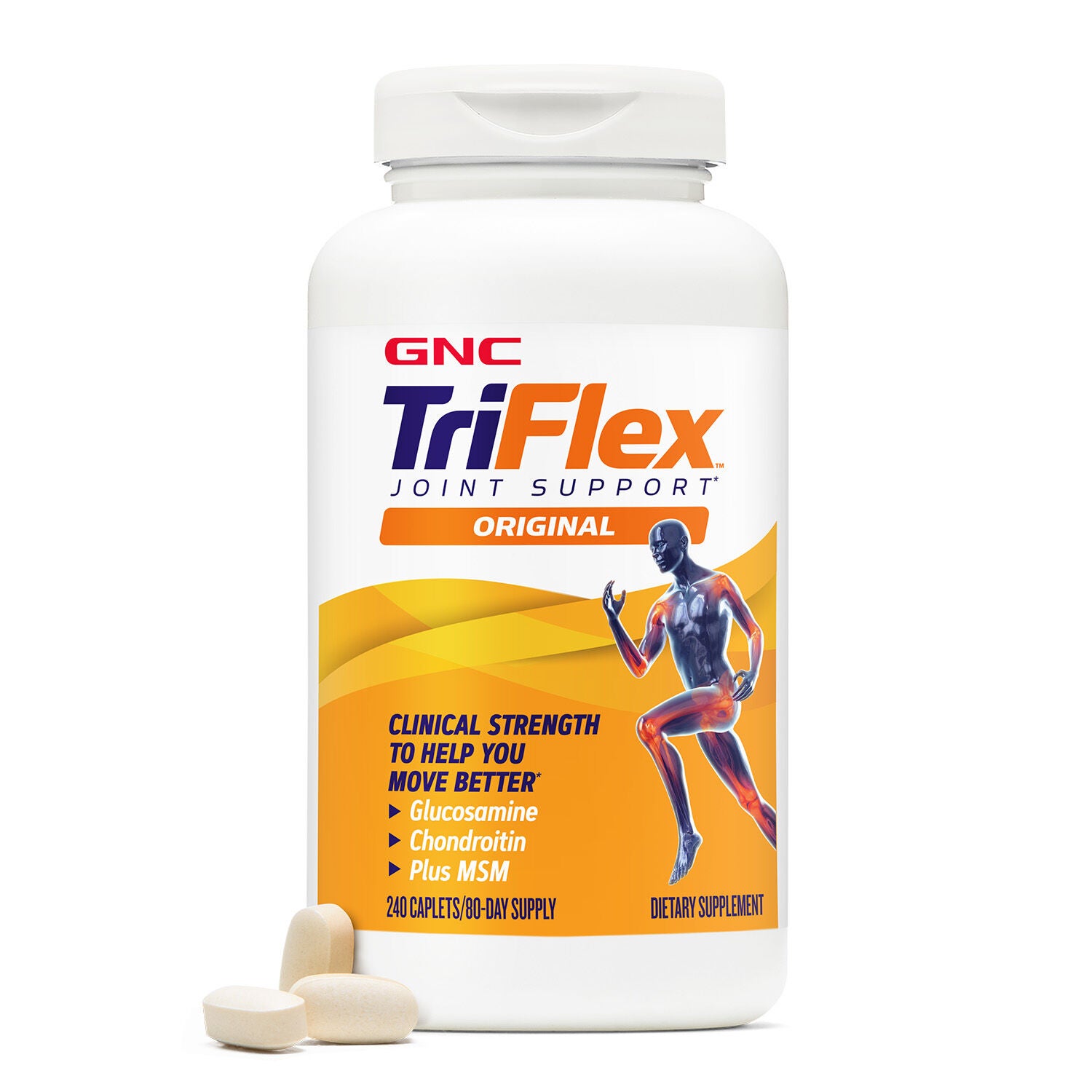

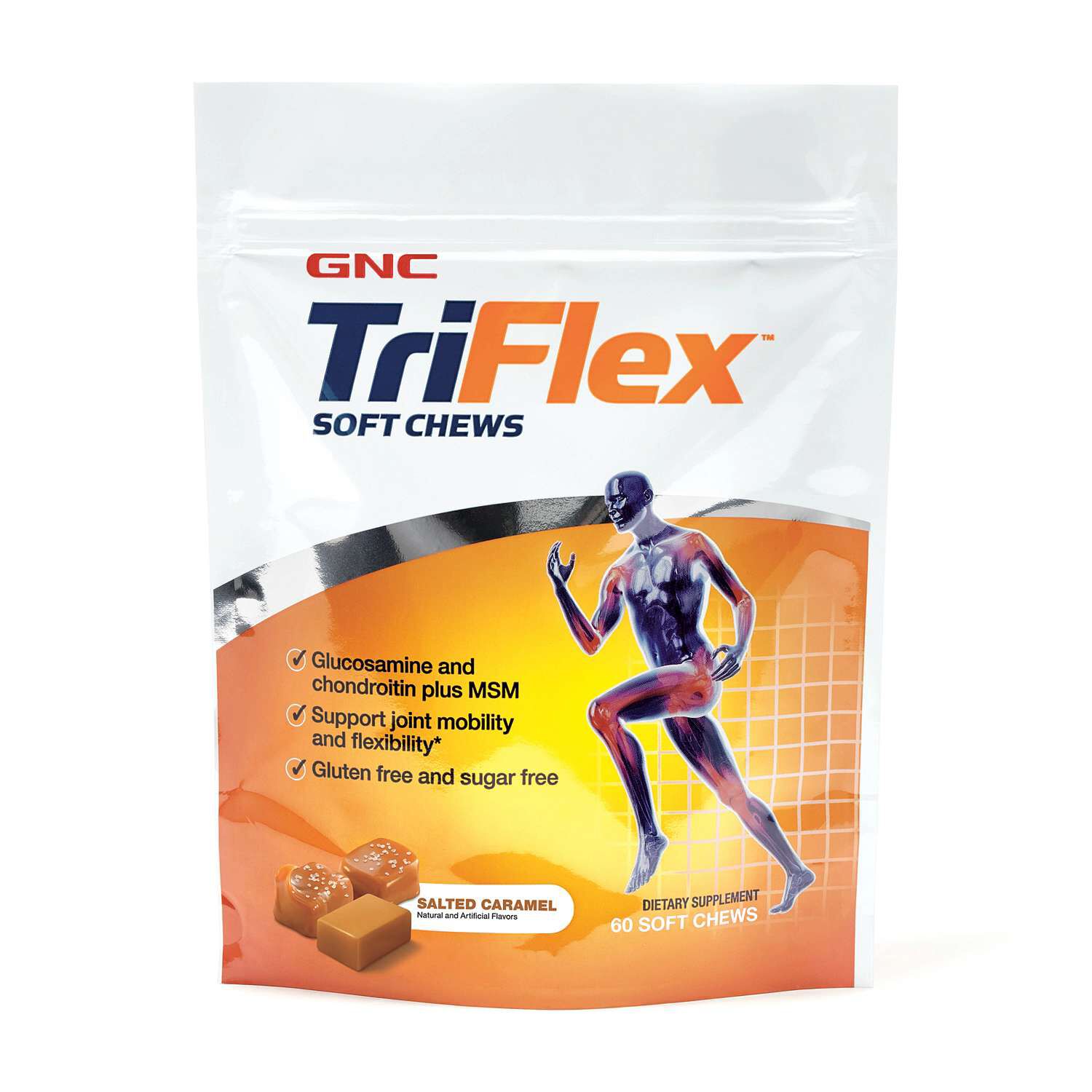
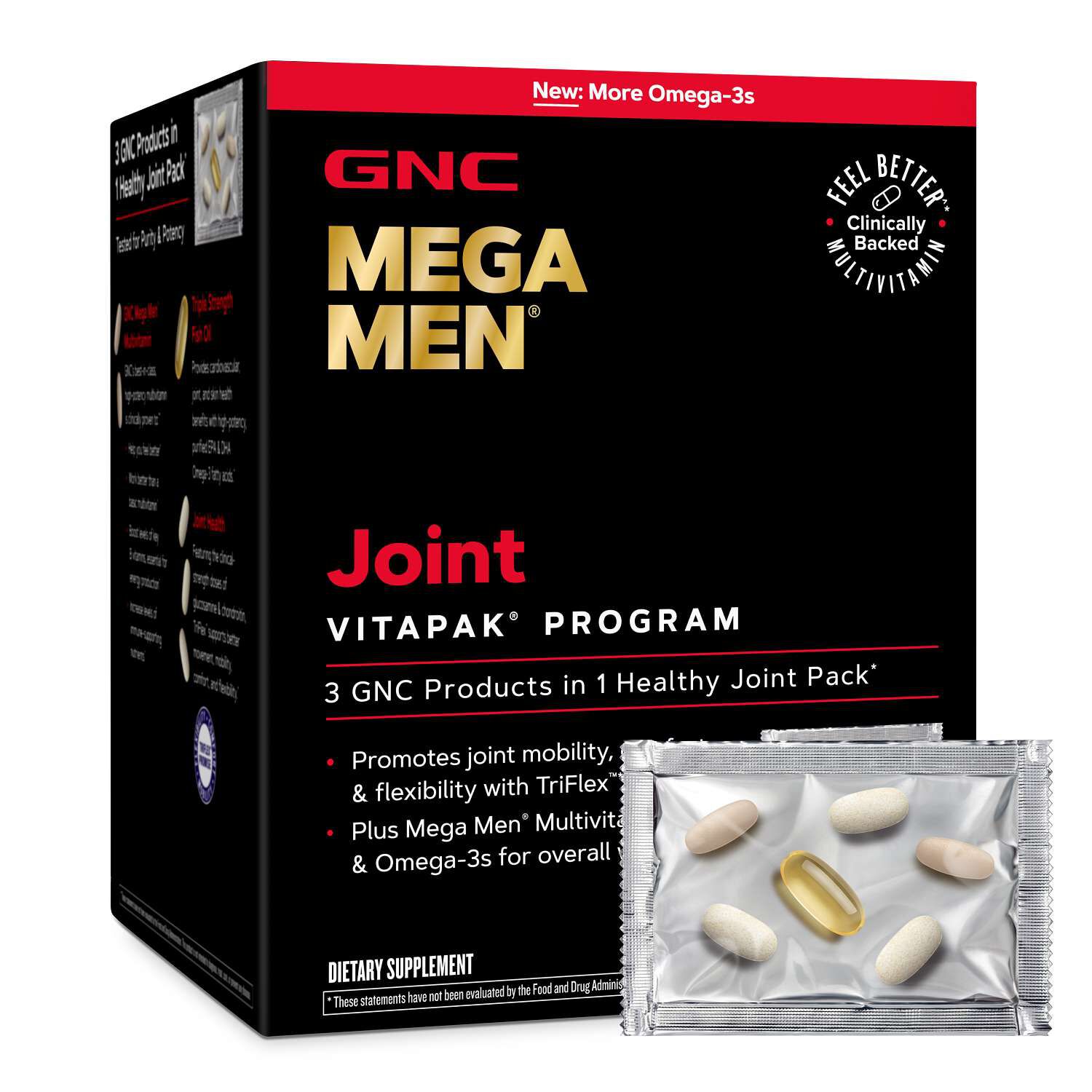
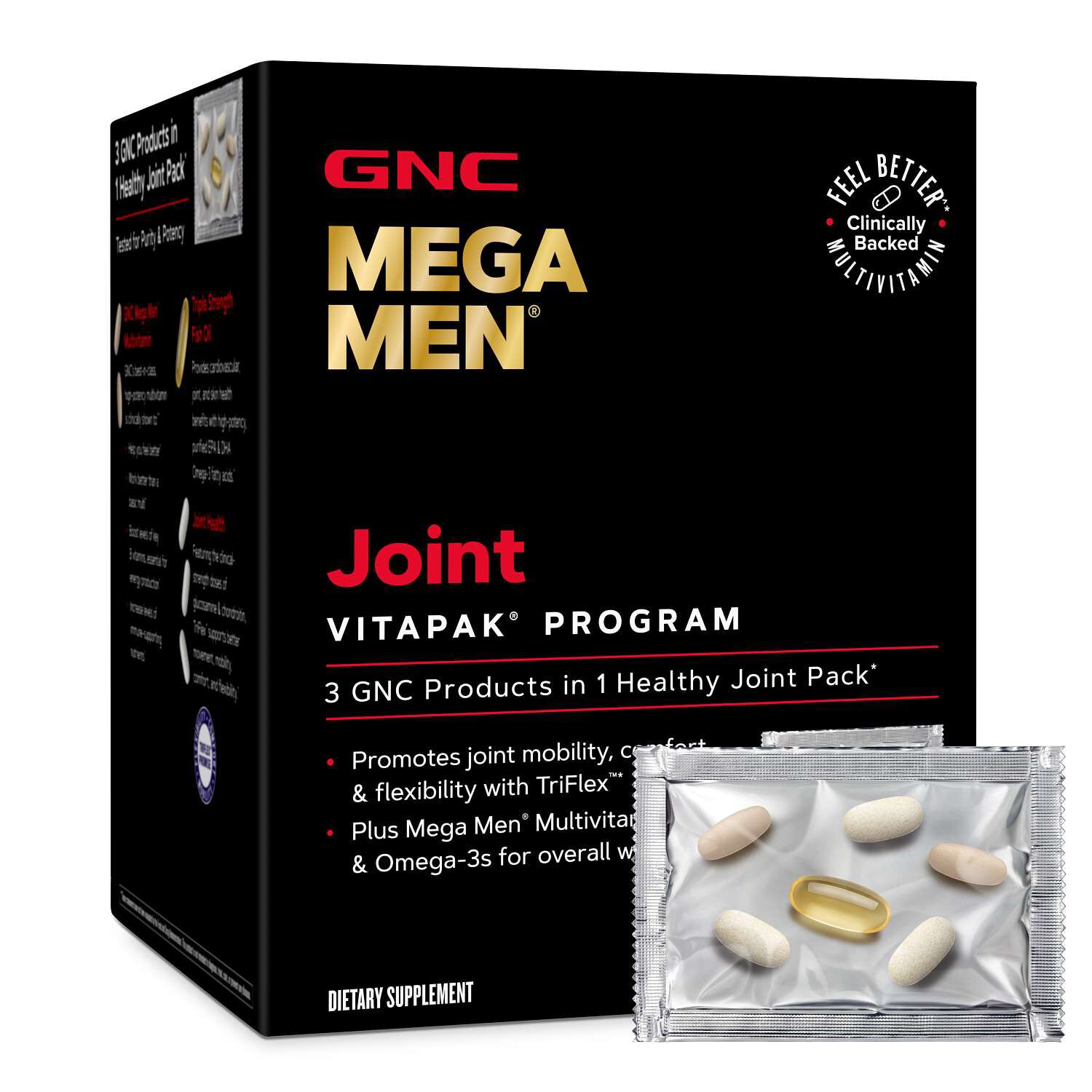

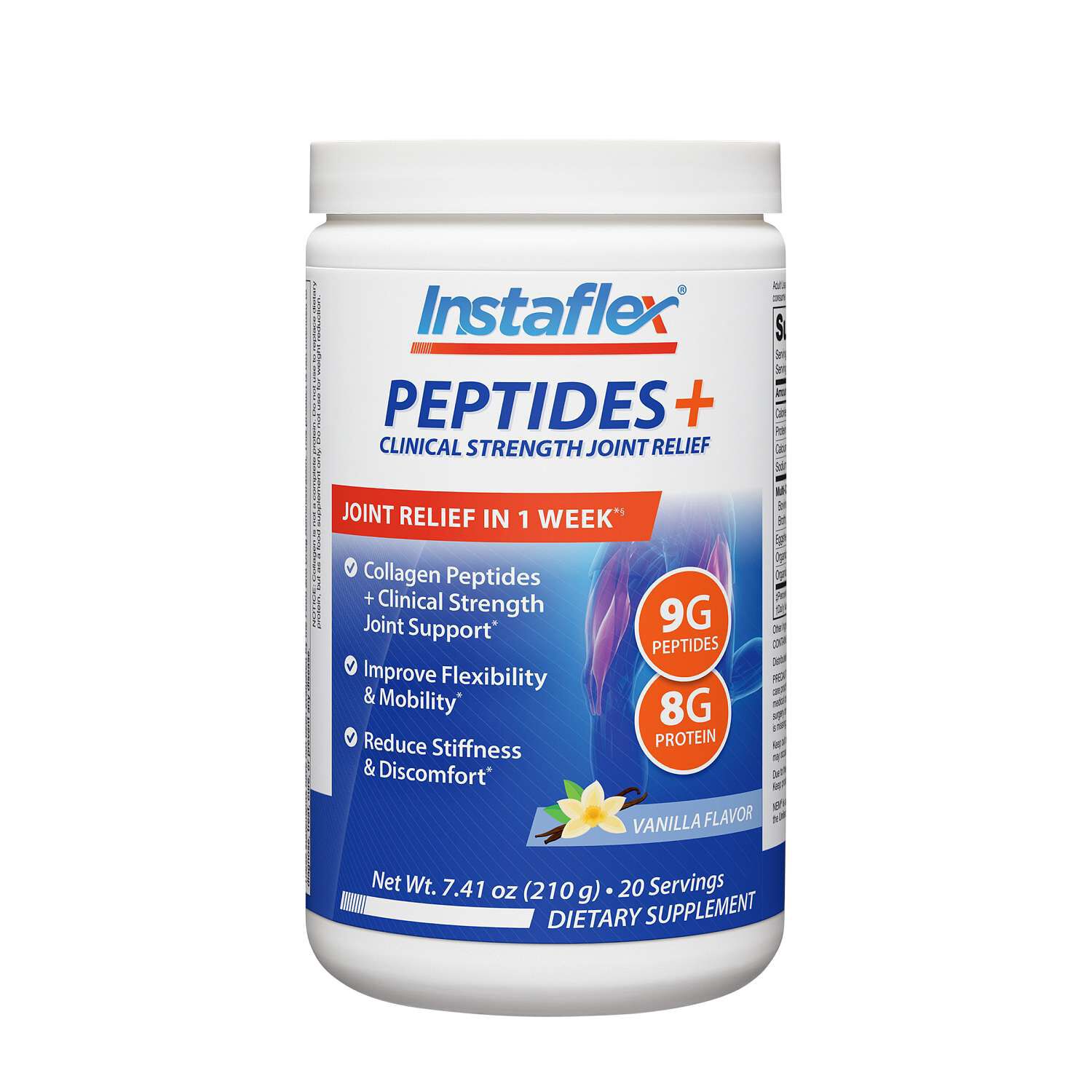
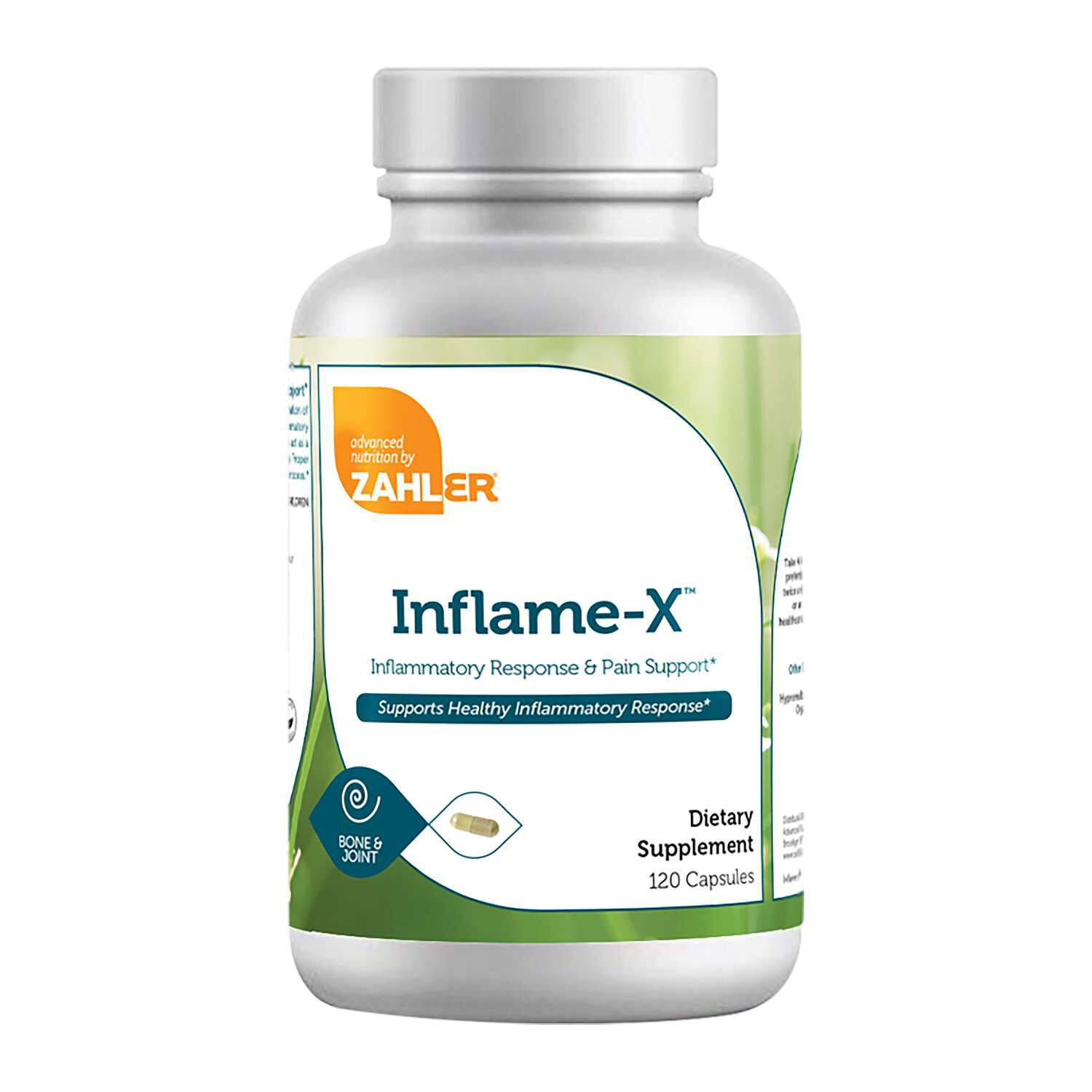

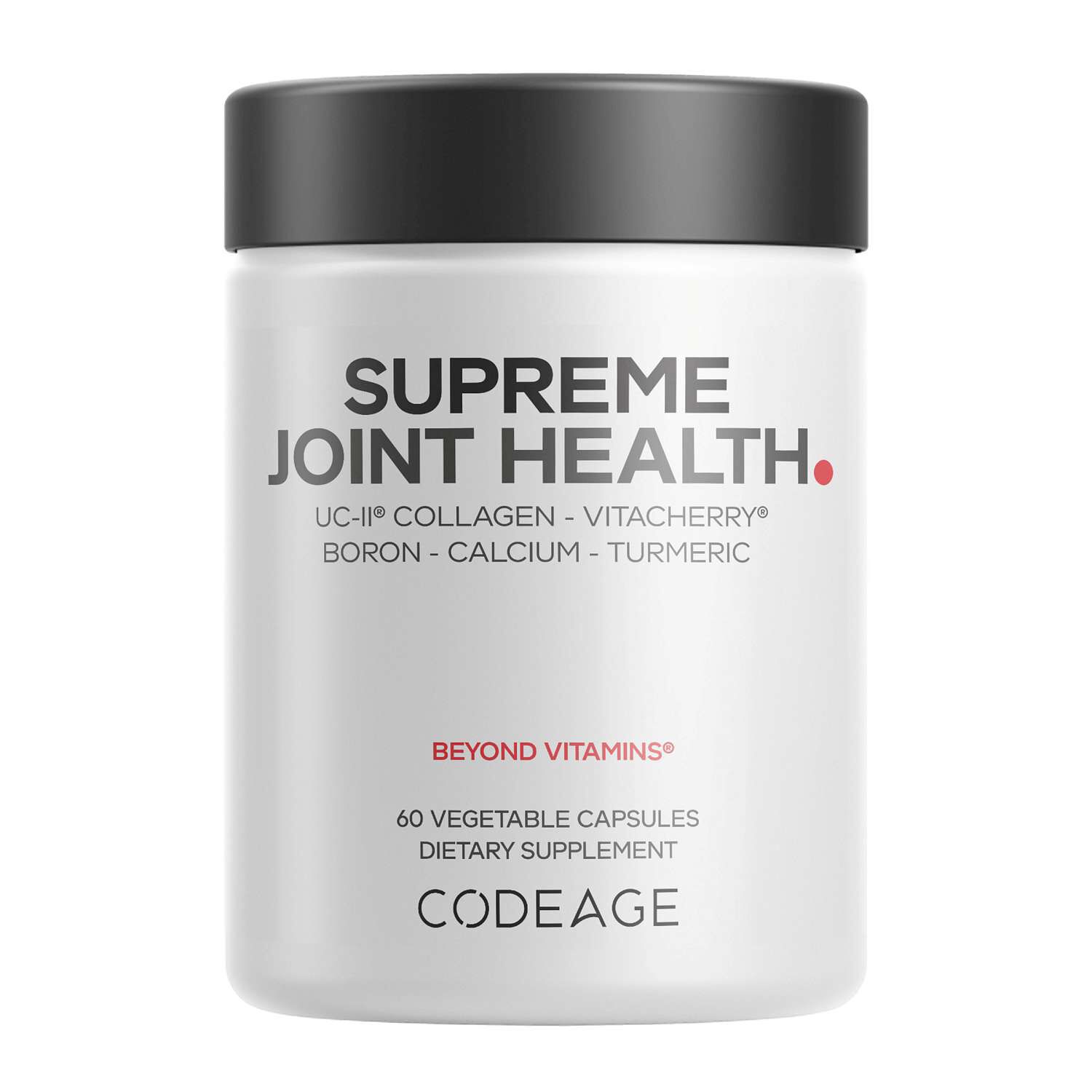


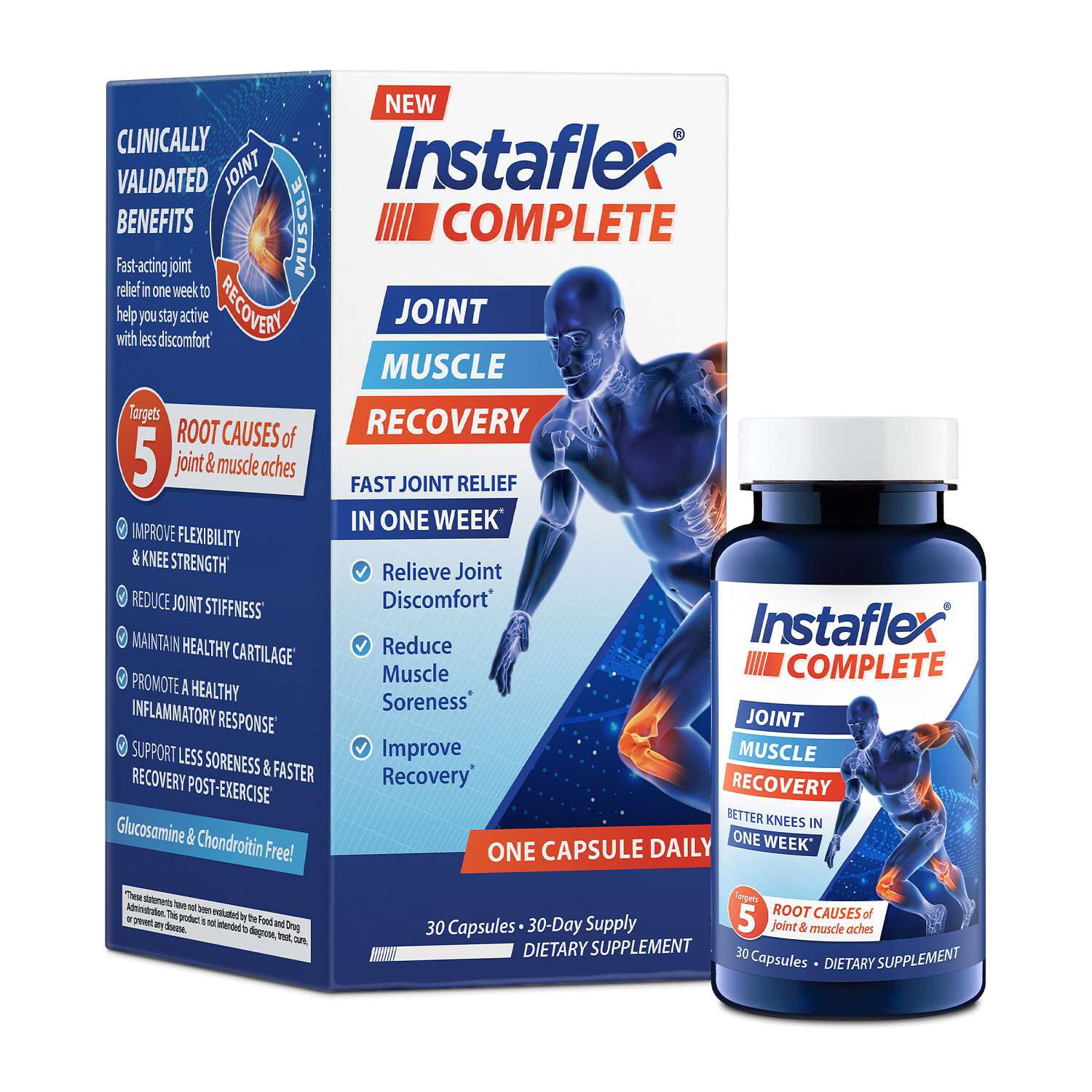


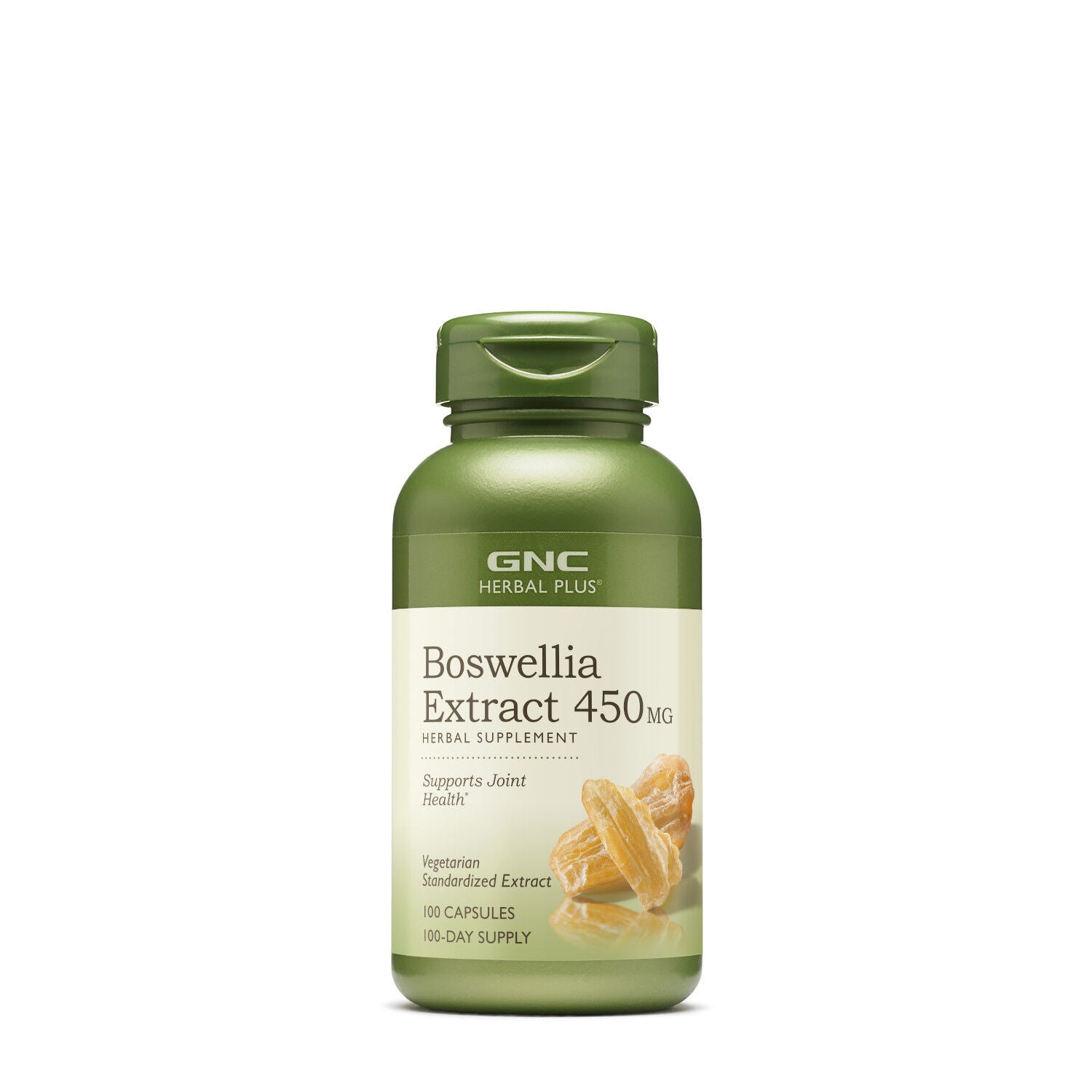
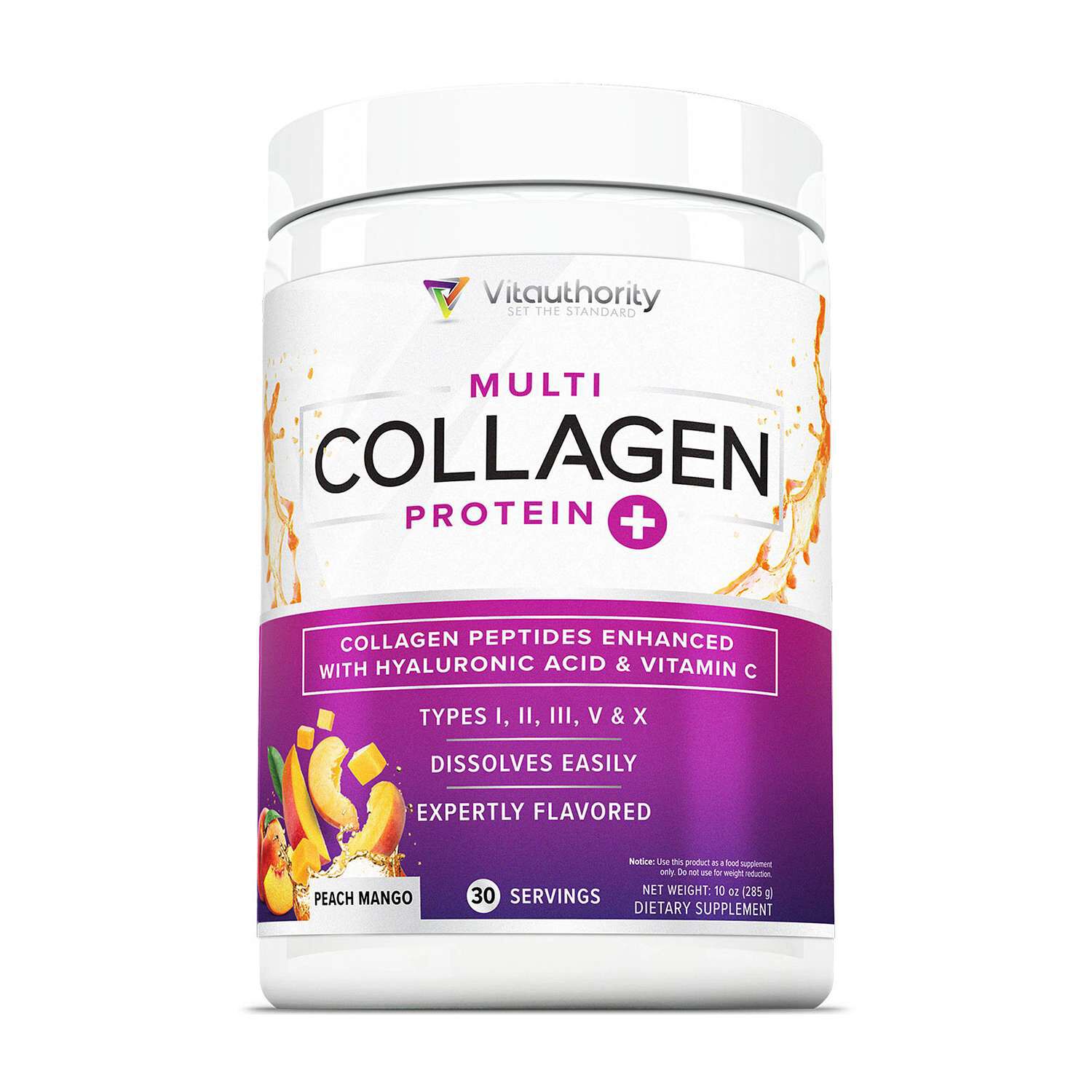
Hip joint support supplements are dietary supplements that may contain glucosamine, chondroitin, collagen, methylsulfonylmethane (MSM), fish oil, or other ingredients associated with general joint wellness. Depending on the formulation, they may support normal joint function and everyday mobility. The hip is a ball-and-socket joint involved in familiar movements such as getting out of a chair, stepping onto a curb, climbing stairs, and walking across uneven ground. Cartilage, joint fluid, muscles, and surrounding connective tissues all contribute to how that joint functions. Supplements in this category are intended to complement an everyday wellness routine, rather than replace a varied diet or regular activity. Their ingredients are not necessarily exclusive to the hips; many also appear in formulas intended for general joint support. Adults comparing these supplements may have different priorities, from maintaining an established walking routine to finding a format that fits a busy workday. Someone who spends long stretches at a desk may prefer a straightforward capsule routine, while a recreational hiker may place more emphasis on portability and packaging. Neither lifestyle determines which ingredient combination is appropriate, but both illustrate why intended use matters alongside the ingredient list. A useful comparison starts with what a formula contains, how much is provided per serving, and how it is meant to be taken. The phrase “hip joint support” describes a product category, not a uniform formula: two bottles with similar wording may have very different ingredients, serving sizes, and formats. Ingredient familiarity alone also does not establish how a finished supplement will perform. Research on an individual ingredient may involve a particular form, amount, or combination that differs from another formulation. Keeping those distinctions in view makes the category easier to understand without assuming that every joint supplement offers the same experience. A focused formula and a combination formula can therefore represent different shopping choices, even when both are described as supporting joint wellness.
Ingredient sources and forms provide another useful way to compare hip joint support supplements. Glucosamine is an amino sugar, and chondroitin is a substance naturally present in cartilage. Supplemental glucosamine may come from shellfish or fermentation-based sources, while chondroitin may come from animal sources. Collagen is a structural protein found in connective tissues, and collagen ingredients can differ by source and processing method. Hydrolyzed collagen and undenatured type II collagen are distinct forms, so the word “collagen” alone does not tell the whole story. MSM is a sulfur-containing compound used in some joint formulas, while fish oil supplies omega-3 fatty acids such as EPA and DHA. Hyaluronic acid, which occurs naturally in joint fluid, is another ingredient associated with this category. Some formulas also combine joint-focused ingredients with vitamins, minerals, or botanical extracts. These combinations may support different aspects of a general wellness routine, but a longer ingredient list is not automatically a better match. Source information is especially relevant for shoppers with dietary preferences or ingredient sensitivities. A plant-derived active ingredient does not necessarily mean that the capsule shell or every supporting ingredient is plant-derived. Gelatin, flavorings, colors, sweeteners, and other ingredients belong in the comparison, along with the main ingredients listed on the Supplement Facts panel. The physical format matters, too. Tablets and capsules differ in size and serving count; softgels have their own texture and dimensions; powders involve measuring and mixing. Gummies may include added sugars or sugar alcohols, which are listed separately from the joint-focused ingredients. A powder may fit naturally into a breakfast routine, whereas individually packaged servings may be more convenient for a commuter bag. Taste, scent, texture, and preparation can all influence how well a format fits ordinary life. Label photographs and package details can clarify these differences before a purchase. For someone who dislikes mixing powders or carrying a shaker, a formula that looks appealing on paper may still be an awkward everyday choice.
Serving information brings those comparisons into sharper focus. The amount printed prominently on a package may refer to several capsules, tablets, or gummies rather than a single piece, so serving size deserves a close look. For fish oil, the weight of the oil and the listed amounts of EPA and DHA describe different parts of the formula. For combination supplements, individual ingredient amounts offer more context than the combined weight of a blend alone. When amounts are grouped together without separate quantities, the label provides less detail for ingredient-by-ingredient comparison. Shoppers who prefer a coordinated format can also explore Joint Mobility Supplement Packs, with attention to each included formula and the directions for the pack as a whole. Comparing those details with any existing supplement routine can reveal overlapping ingredients without assuming that more is better. Beyond the formula itself, packaging and storage instructions matter for ongoing use. A tightly closing container, a readable label, and packaging suited to the chosen storage space are practical considerations. Manufacturer directions explain the intended storage conditions, and the date on the package provides another reference point. A bathroom counter, car console, and kitchen cabinet can expose a bottle to very different conditions, making the stated storage instructions more useful than appearance alone. Travel introduces another set of considerations: container size, secure closures, and access to the original ingredient and serving information. At home, a complicated serving schedule may feel less practical than it first appeared, particularly when several pieces or a mixing step are involved. These ordinary details can matter as much to the shopping experience as a familiar ingredient name. Hip joint support supplements may have a place in an adult wellness routine, but individual experiences can vary. A thoughtful comparison centers on transparent labeling, ingredient sources, serving amounts, dietary fit, and a format that suits daily habits—not expectations of a particular result.