





Joint Support Supplements For Older Adults
(0 Results)
Explore joint support supplements for older adults and compare options by ingredients, serving size, and suggested use. Review each product’s label for dietary information and directions to help you choose an option that fits your preferences and daily routine.

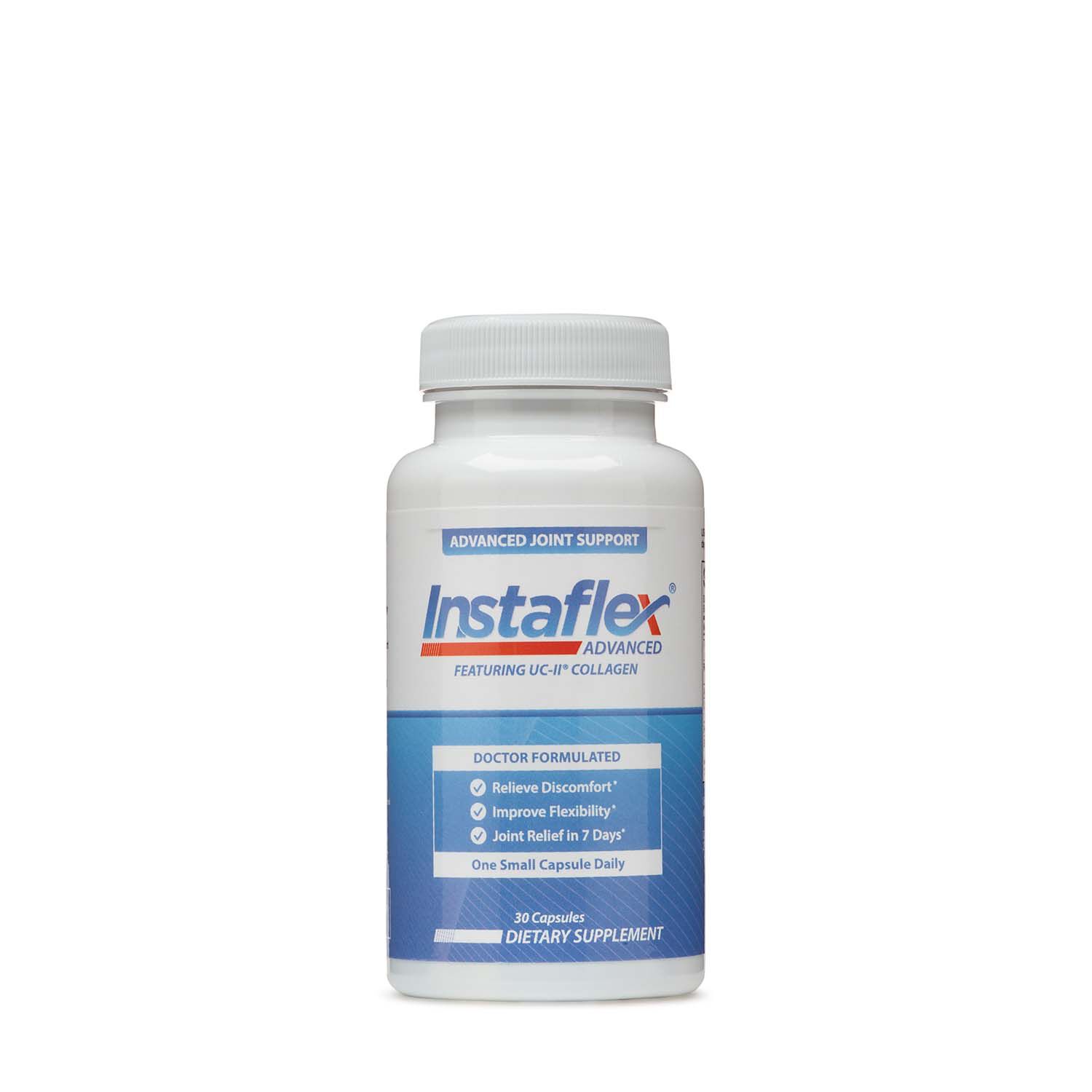


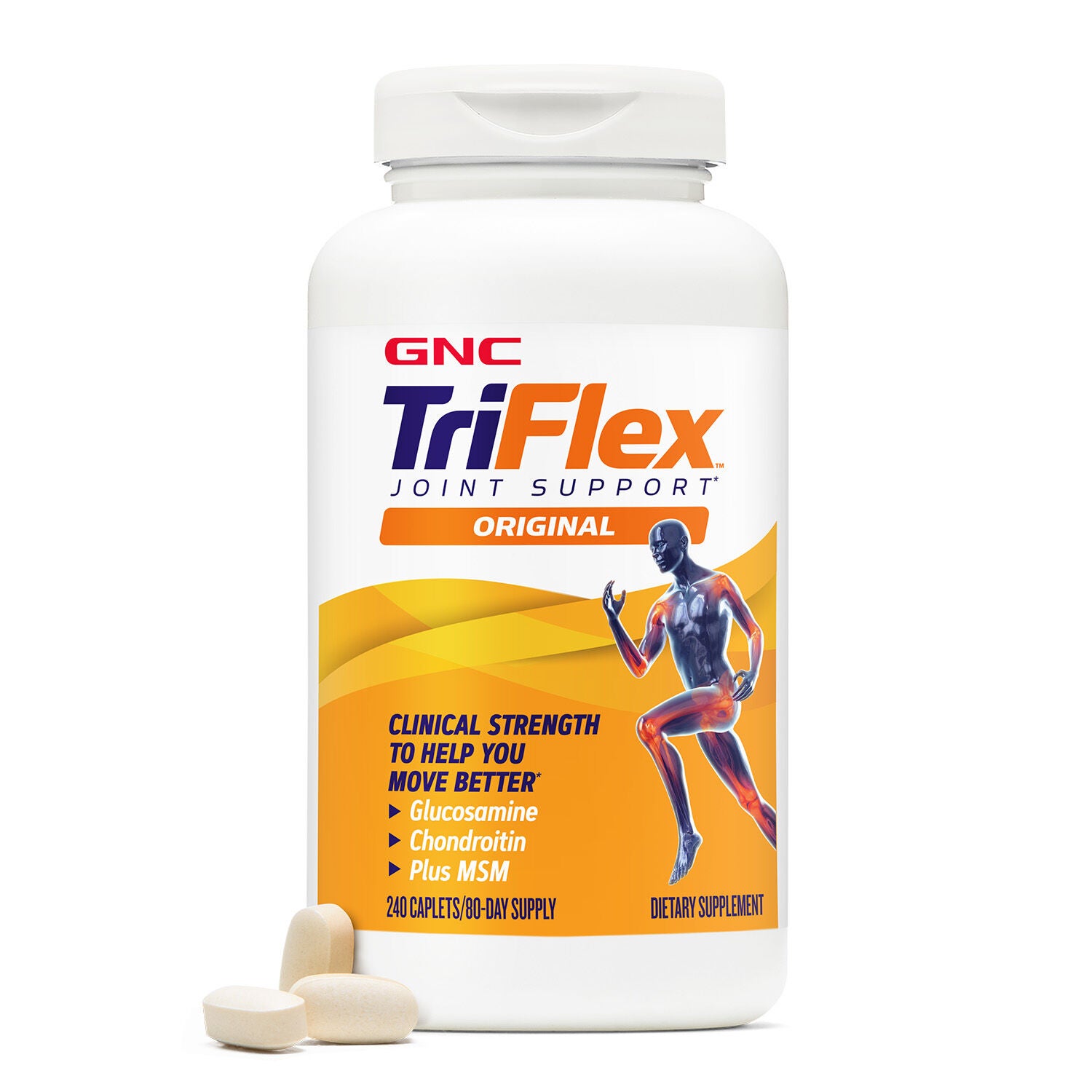

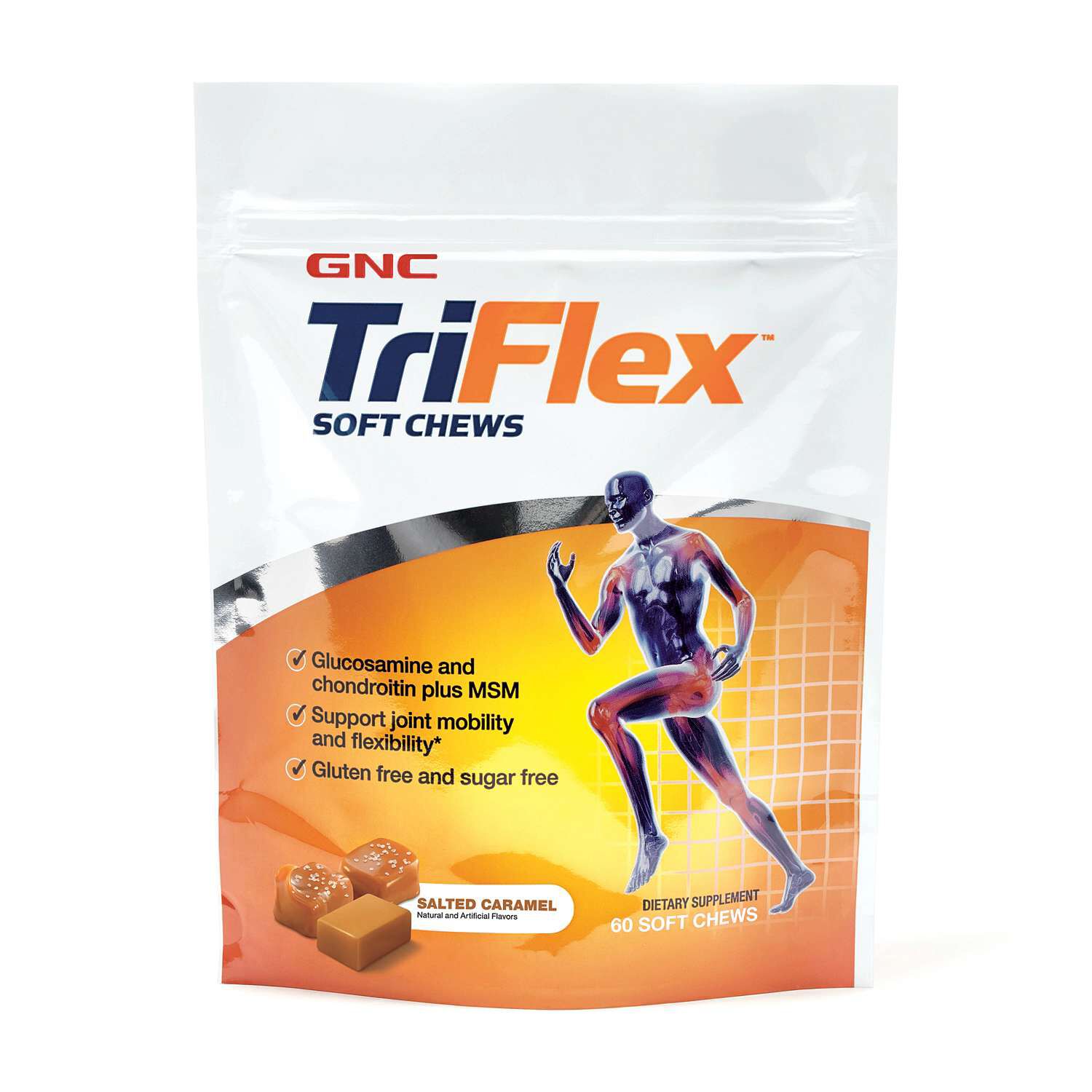
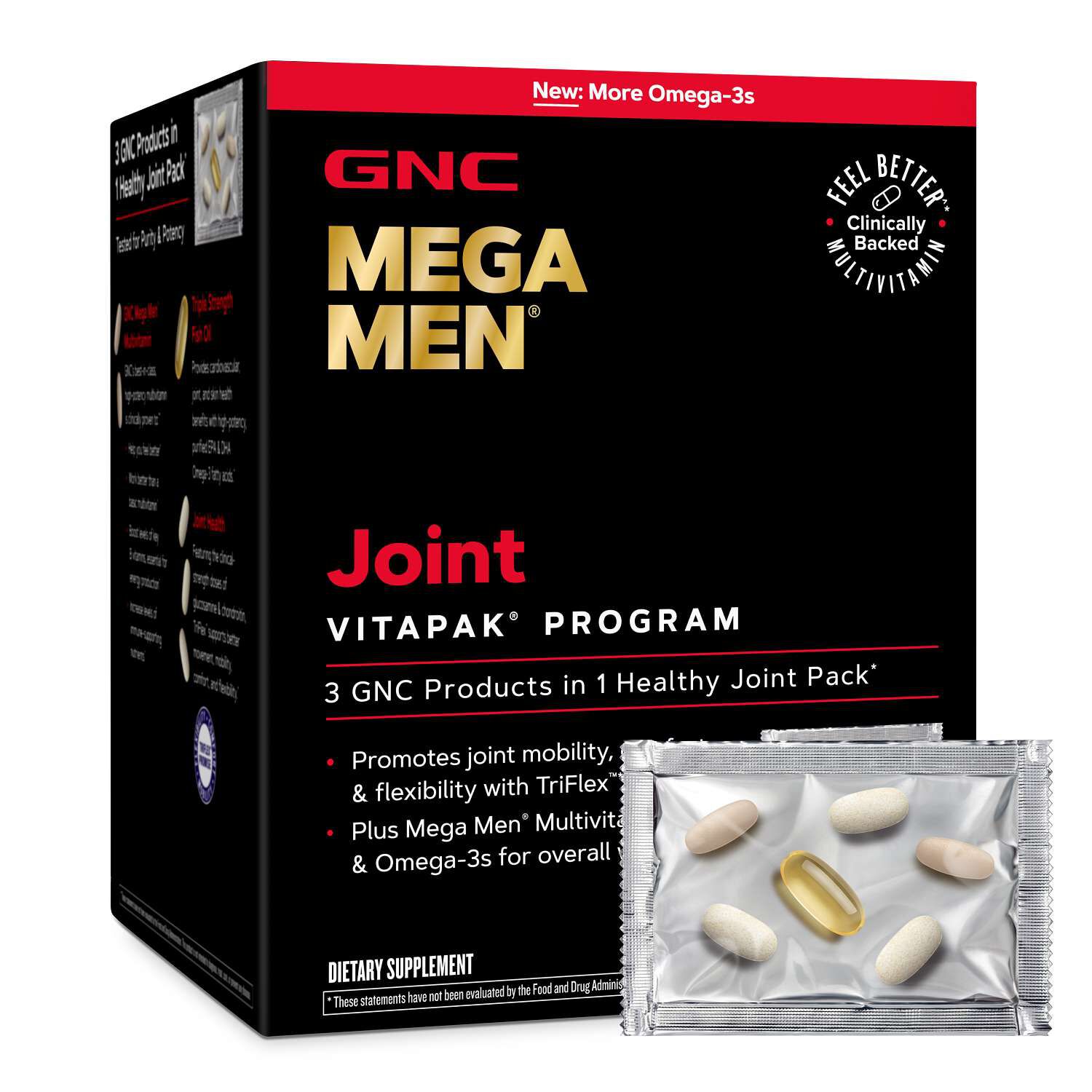
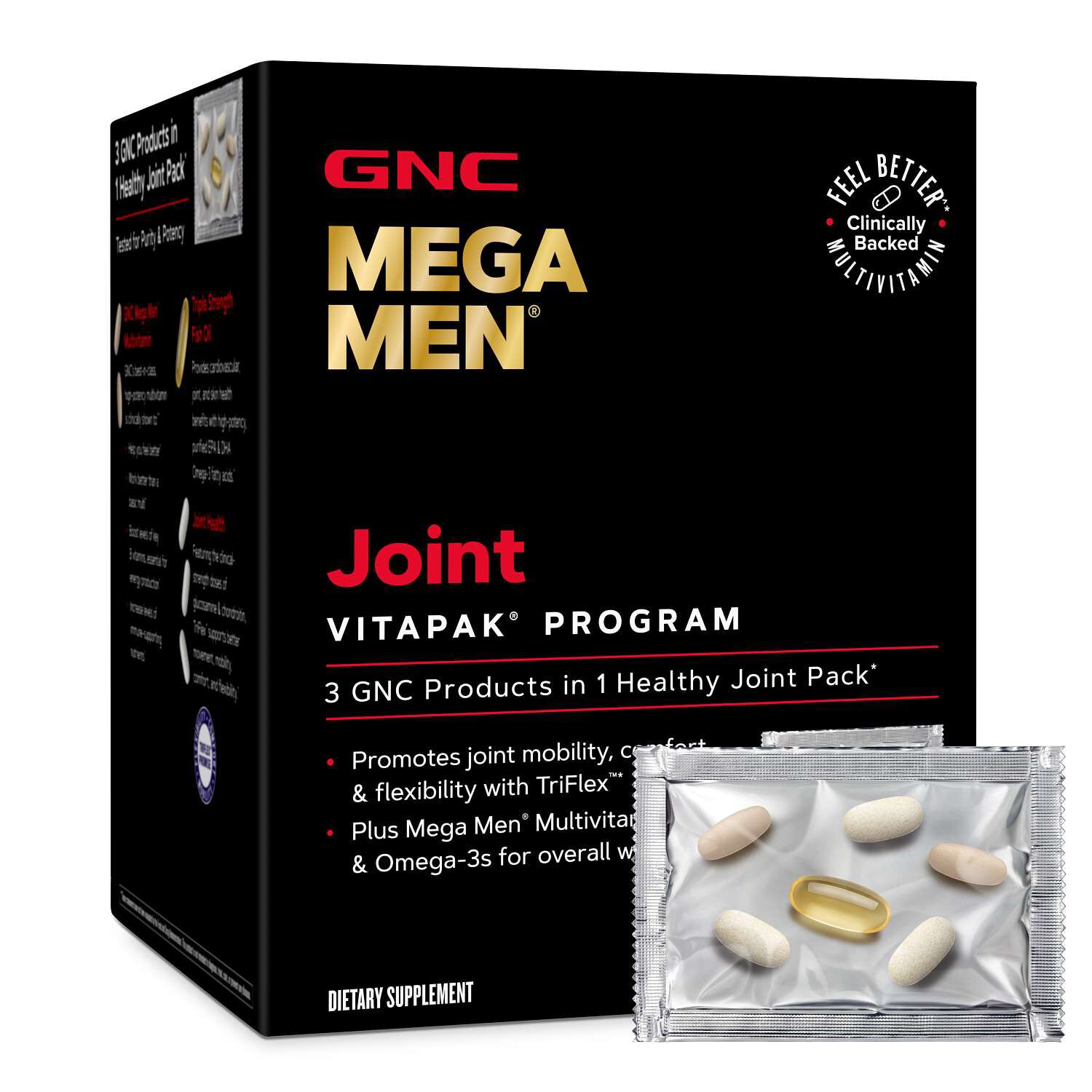


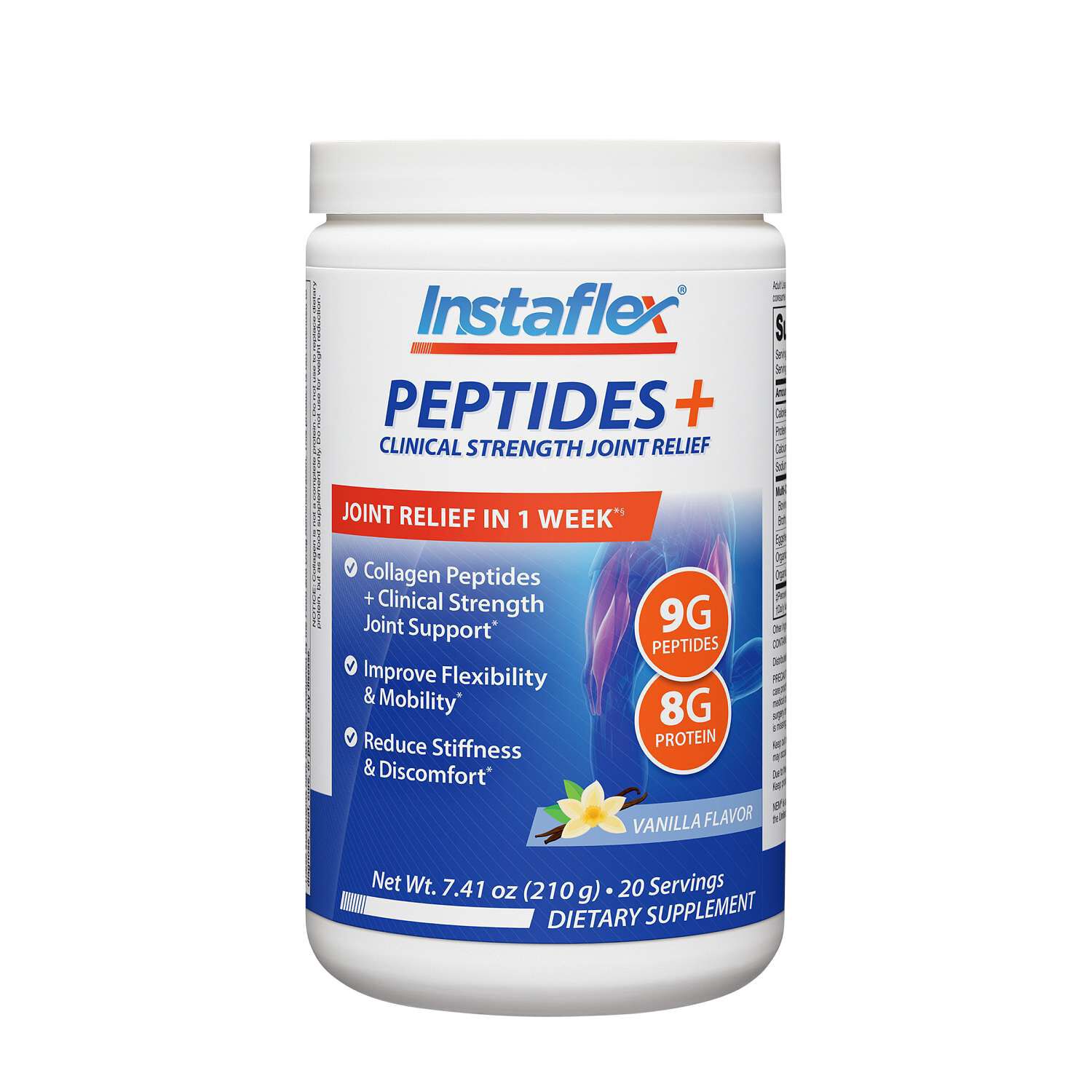

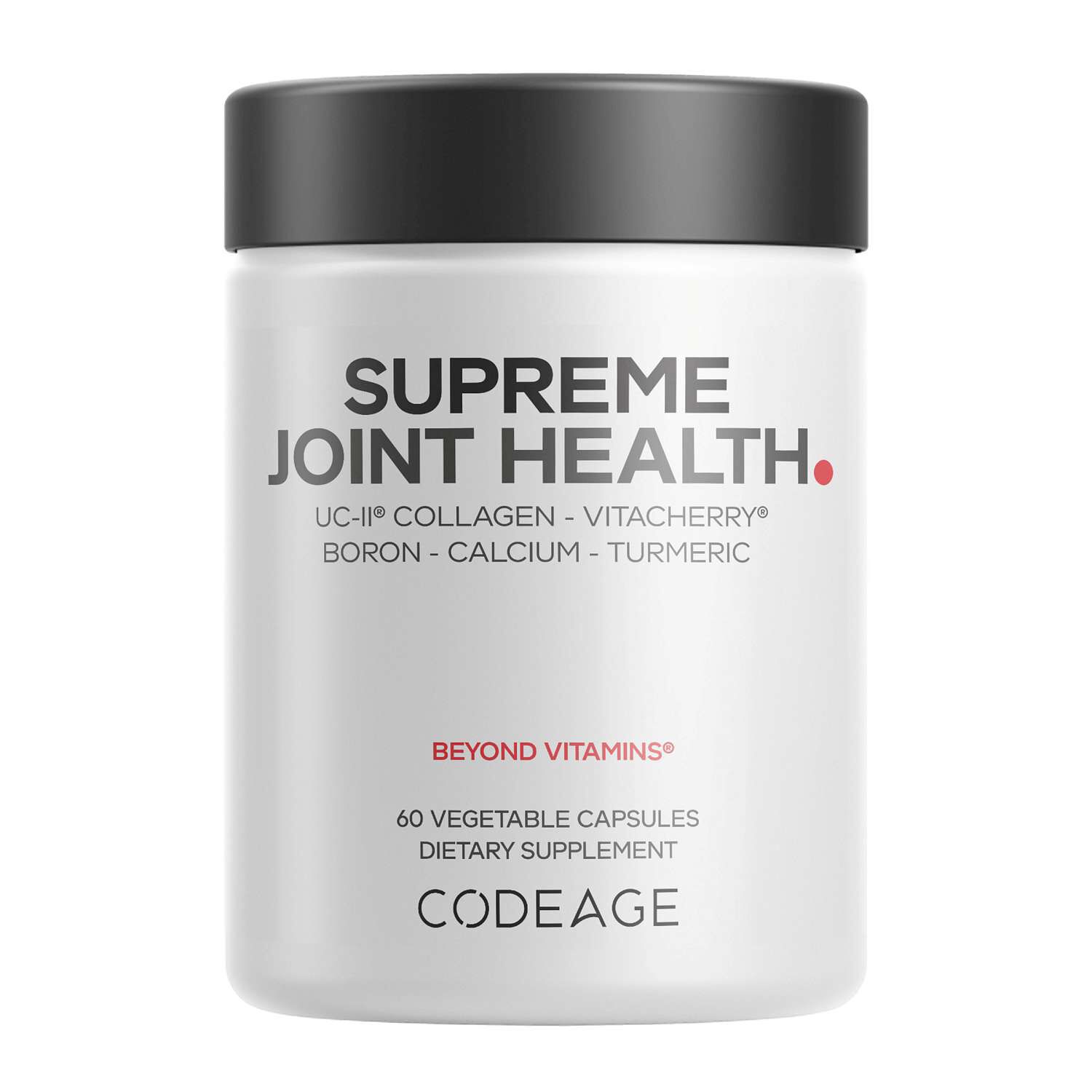

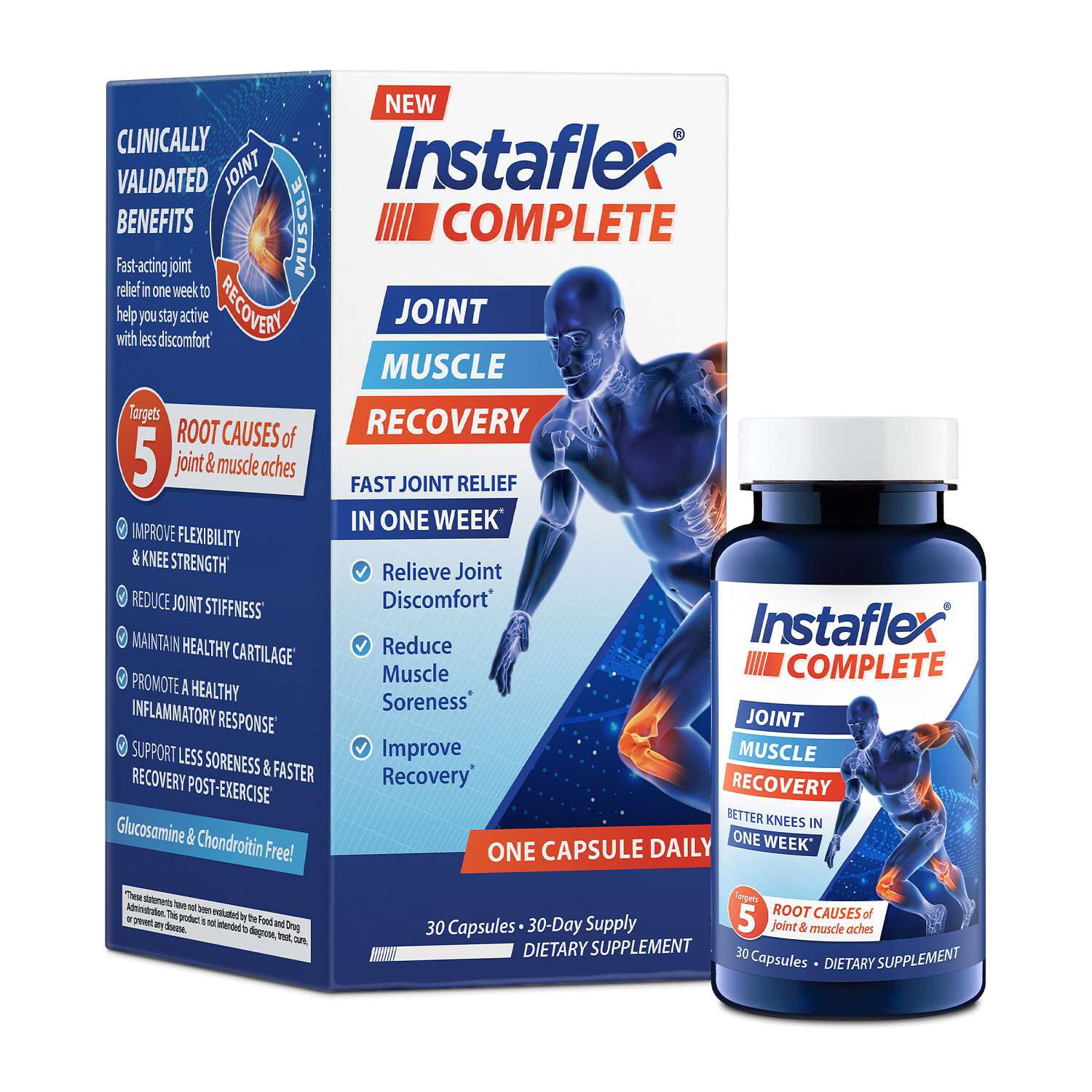


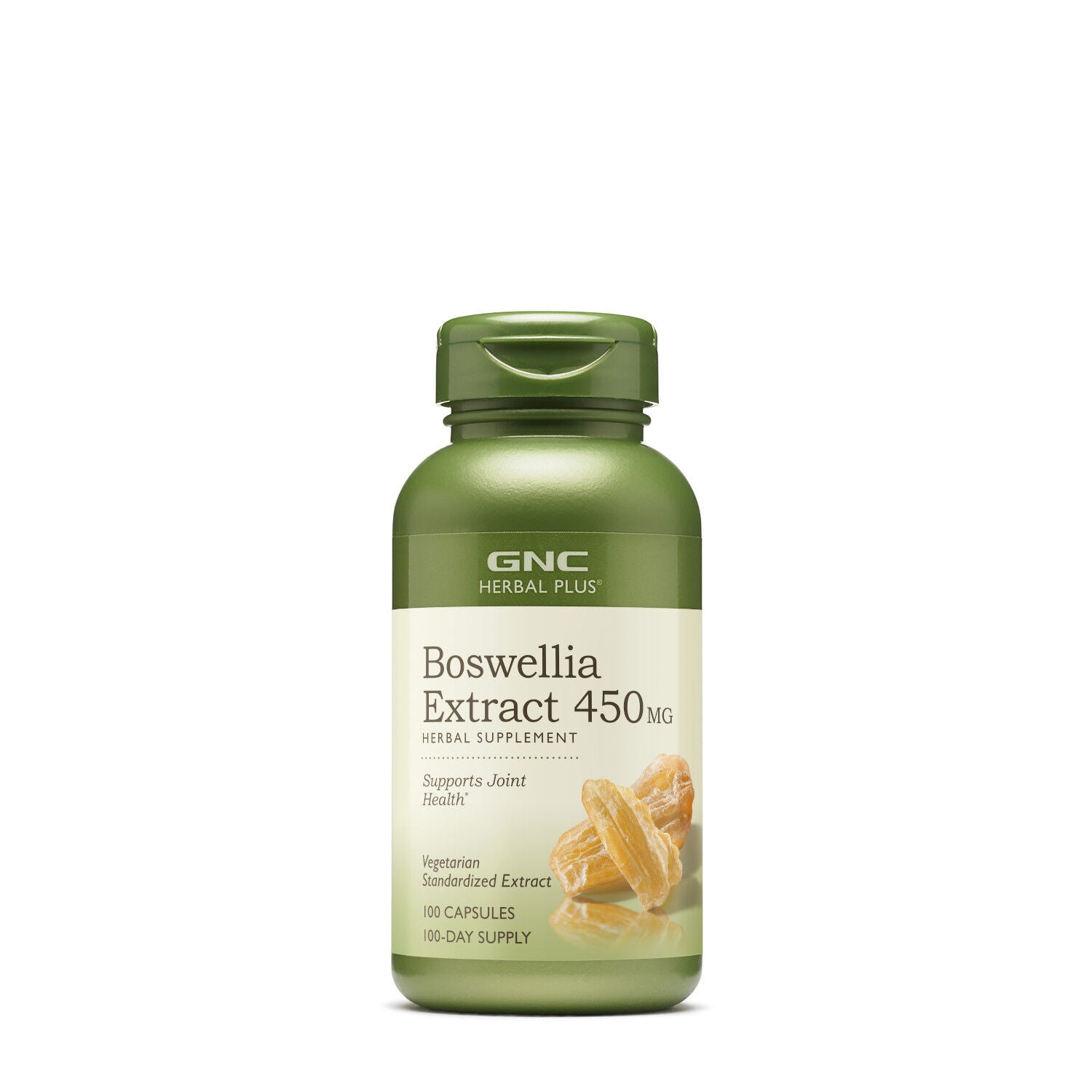


Joint support supplements for older adults may support everyday joint comfort, flexibility, and mobility as part of a regular wellness routine. The category includes formulas with glucosamine, chondroitin, methylsulfonylmethane (MSM), collagen, hyaluronic acid, and selected botanical ingredients. Some formulas center on a single ingredient, while others combine several ingredients in one serving. These differences matter because joint support supplements are not interchangeable: ingredient sources, amounts, formats, and labeled directions vary. An older adult who enjoys neighborhood walks may have different shopping preferences from someone who spends afternoons gardening, takes regular dance classes, or travels frequently to visit family. Those activities provide context for an interest in joint wellness, but they do not establish which supplement is suitable for an individual. Glucosamine and chondroitin are often paired in formulas intended for joint support, while collagen appears in both powders and other formats. MSM may appear on its own or alongside other ingredients, and botanical blends introduce another set of sourcing and label considerations. Familiarity with an ingredient name is useful, but the full label gives a more meaningful picture than the name alone. Shoppers interested in this ingredient category can also explore Glucosamine Supplements For Healthy Aging for a more focused selection. Across the broader category, personal preferences often shape the practical fit: one person may prefer a short ingredient list, while another may value a combination formula that fits an established routine. Neither approach is automatically more suitable for every older adult. Individual experiences may differ, and the presence of several familiar ingredients does not establish how a particular person will feel. The most useful comparisons keep the intended purpose, the actual contents, and the everyday experience of using the supplement in view. A straightforward label and a manageable format can be just as relevant to the shopping decision as a familiar ingredient on the front of the package.
Format is an important distinction among joint support supplements for seniors. Capsules and tablets provide premeasured portions, although their dimensions and the number required per serving differ. A small-looking bottle does not necessarily mean a one-capsule serving, and a larger tablet may not suit every shopper’s preferences. Gummies offer a chewable format, with texture, flavor, added sugars, and serving count becoming part of the comparison. Powders introduce considerations such as scoop size, mixing directions, taste, and whether the label specifies particular beverages or preparation methods. For someone who already mixes a morning beverage, a powder may fit naturally into that familiar moment; someone who prefers an organized cabinet routine may favor capsules or tablets. The Supplement Facts panel identifies the serving size and the amount of each listed dietary ingredient, making it important to distinguish an amount per serving from an amount per capsule or gummy. When several ingredients appear together, the label also shows whether individual amounts are disclosed or included within a blend. A larger number on the package is not, by itself, evidence of a better personal fit. Ingredient origins deserve similar attention. Glucosamine can come from shellfish-derived or other sources, while collagen may come from bovine, marine, or other animal sources. Capsule shells and gummy bases can introduce additional materials, including gelatin or plant-derived alternatives. A vegetable-based capsule shell does not establish the source of every ingredient inside it. Allergen statements, dietary designations, flavorings, sweeteners, and other ingredients offer context for shoppers with specific preferences or restrictions. This detail is especially relevant when comparing formulas that appear similar at first glance. Two labels may feature the same headline ingredient yet differ substantially in serving size, ingredient source, and the materials used to create the finished format. Reading those details together provides a clearer comparison than relying on package imagery or broad front-label language.
Everyday handling and storage are also part of the practical fit for joint support supplements for older adults. The original container keeps the directions, ingredient information, lot identification, and expiration date together, which is useful when questions arise later. Storage instructions vary by formula and format; moisture exposure, direct sunlight, and an unsecured closure are worth considering when deciding where a container belongs. A cabinet used for a familiar daily routine offers a different setting from a frequently opened travel bag, where containers may be jostled or separated from their labels. For powders, the scoop and closure are part of the daily experience, while gummies require attention to the handling instructions on their packaging. Capsules and tablets likewise have labeled storage conditions rather than an assumed shelf life based on appearance. Packaging condition and readable labeling provide practical information, but they do not establish a supplement’s suitability for an individual. Quality-related statements deserve the same careful reading as ingredient claims. When a formula carries an independent testing or certification mark, the organization and the scope of that assessment matter; different programs assess different characteristics. Such a mark should not be read as a prediction of personal results. For older adults who already use other supplements or take prescription medication, questions about overlapping ingredients and personal suitability belong in a conversation with a pharmacist or another qualified health professional. That conversation is separate from choosing a preferred flavor, capsule material, or container size. Within the category, a thoughtful shopping comparison brings these details together: what the formula contains, how the serving is defined, where its ingredients come from, and how its format fits ordinary habits. Whether the container sits beside a breakfast place setting or remains in a designated cabinet, the relevant details should be easy to find and understand. Joint support supplements may have a place in an individual wellness routine, with expectations grounded in the label and personal circumstances rather than broad assumptions about age.
- Q: What ingredients are commonly found in joint support supplements for older adults?
A: Common ingredients in this category include glucosamine, chondroitin, collagen, and methylsulfonylmethane, often called MSM. Ingredient combinations vary by formula, so the label is the best place to identify what a supplement contains. - Q: What forms do joint support supplements come in?
A: Joint support supplements may come as capsules, tablets, softgels, powders, gummies, or liquids. These formats offer different ways to fit supplements into a daily routine. - Q: How does collagen differ from glucosamine and chondroitin?
A: Collagen is a protein, glucosamine is an amino sugar, and chondroitin is a substance found in connective tissue. They are distinct ingredients that may appear individually or together in joint support formulas. - Q: What is the difference between single-ingredient and blended joint supplements?
A: A single-ingredient supplement centers on one dietary ingredient, such as collagen or MSM. A blended formula combines two or more dietary ingredients, which are listed in the Supplement Facts panel. - Q: What label information can older adults use to compare joint support supplements?
A: Compare the dietary ingredient names, ingredient forms, and listed amounts in the Supplement Facts panel. The other ingredients list provides additional details, such as capsule ingredients, flavorings, or sweeteners.
Best Sellers
Related Pages
Top Collections
- Zinc Supplements For Men
- Chronic Fatigue Supplements
- Metabolism Boost For Weight Loss
- Daily Collagen Supplements | Top Brands & Deals | GNC
- Supplements For Yoga Joint Flexibility
- Capsule Supplements For Energy And Stamina
- Adult Vitamins
- Vitamins For Hair Loss
- Burnout Support Supplements
- Best Brand of Magnesium Glycinate