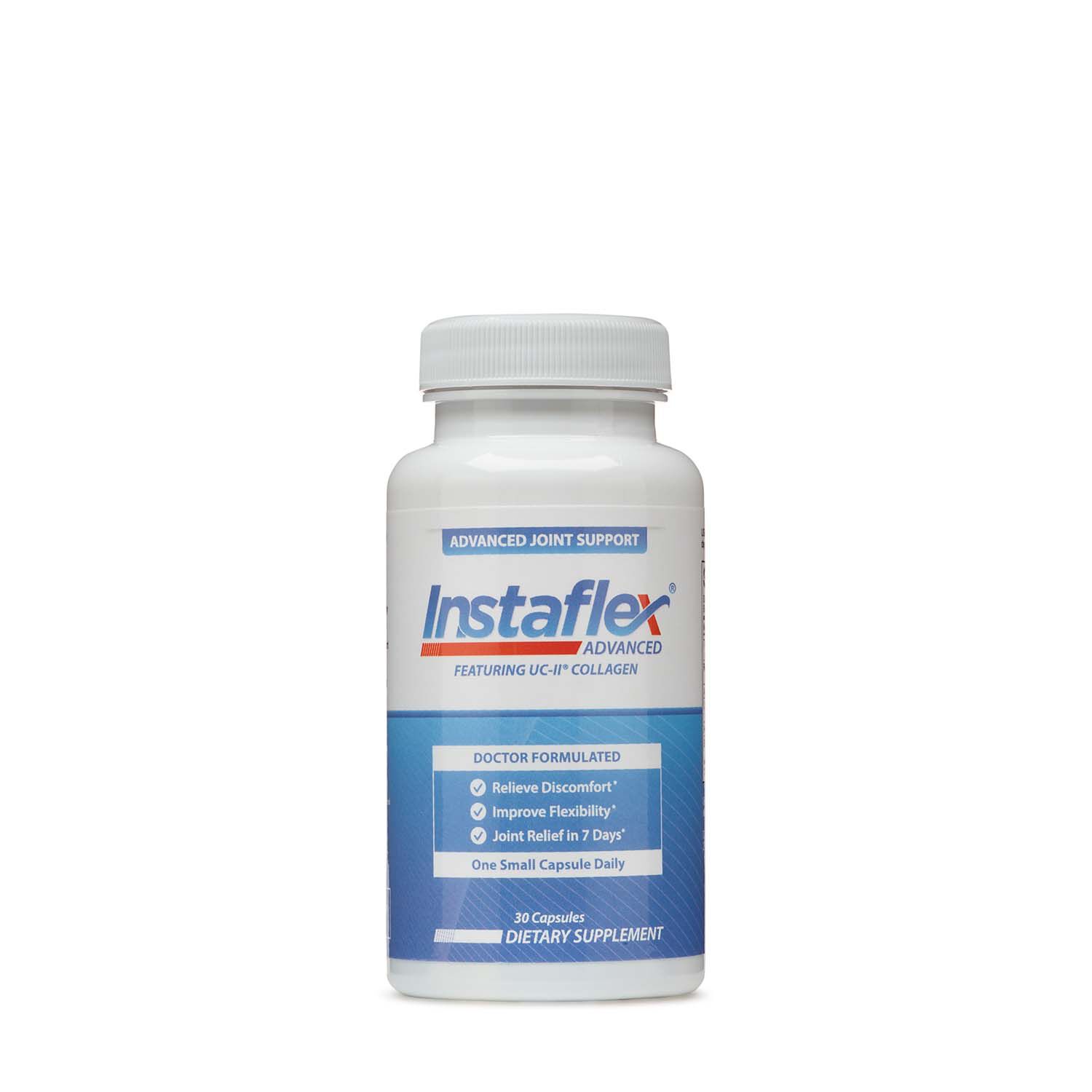
Glucosamine Supplements For Healthy Aging
(0 Results)
Glucosamine supplements for healthy aging could be a valuable addition to your daily wellness routine. As you look for ways to support an active lifestyle and overall well-being, these supplements may offer targeted nutritional support tailored to your needs. Explore a range of options designed with quality and purity in mind, so you can choose what fits best with your personal health goals.
-

-
-

-

-

-

-

-

-
-
-
-
-
 You Matter Wellness$39.99
-
.jpg?sw=305&sh=305&sm=fit "TriFlex Joint Support Complete Care (30-Day Supply) | GNC")


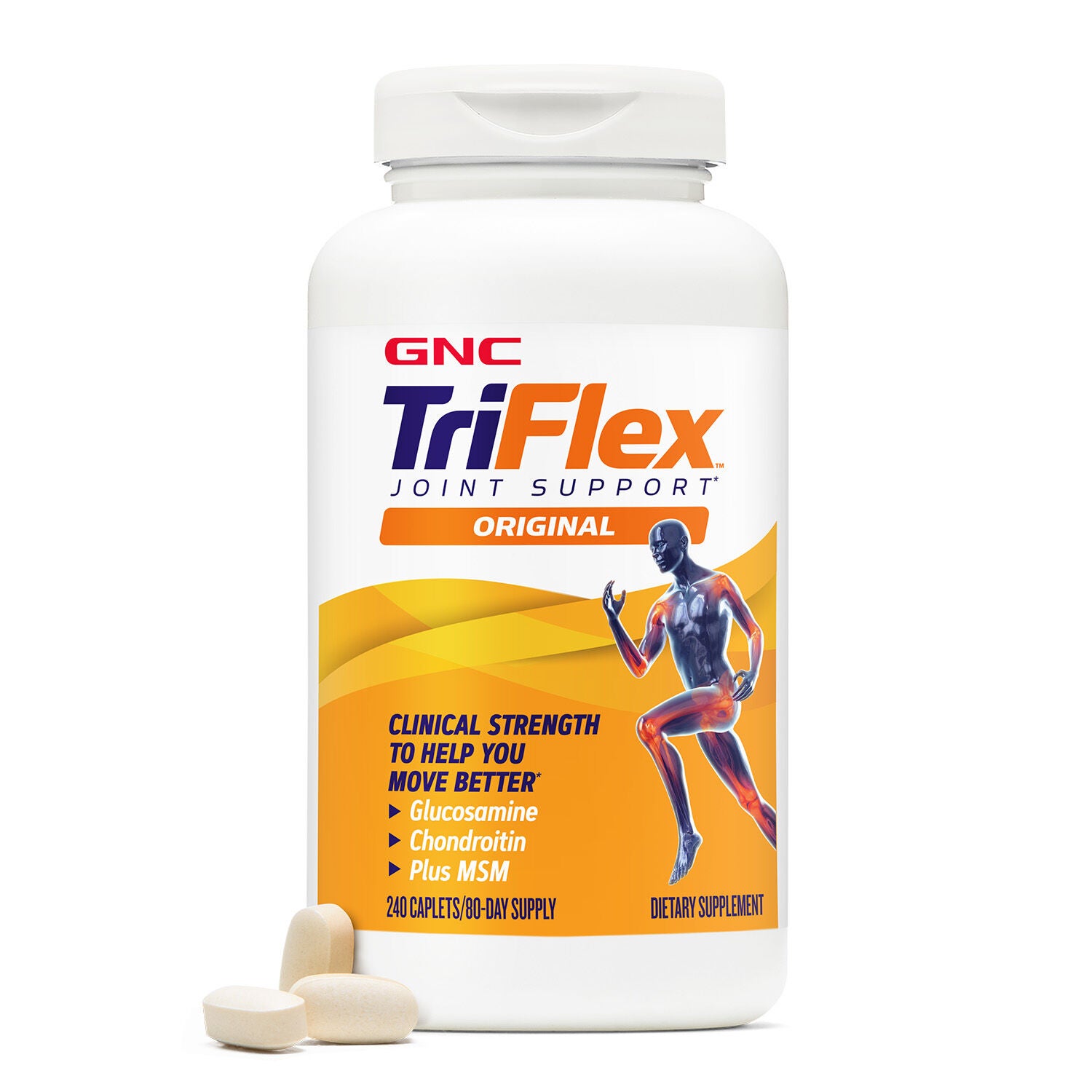
Glucosamine supplements for healthy aging bring a familiar joint-focused ingredient into a daily nutrition routine, with choices that differ in ingredient form, source, and serving format. Glucosamine is an amino sugar that occurs naturally in the body and is involved in forming components of cartilage, the connective tissue at the ends of bones within joints. Supplemental glucosamine is distinct from the body’s own production, and the presence of an ingredient in cartilage does not establish what taking it by mouth will do. Research on oral glucosamine has produced mixed findings, so these products are best understood as one category of supplements rather than a measure of how well someone is aging. Interest often comes from adults who value staying involved in familiar activities, whether that means walking the neighborhood, tending raised garden beds, or spending an afternoon at a museum. Those everyday priorities give the category context without making a particular result certain. Common label terms include glucosamine sulfate and glucosamine hydrochloride, which identify different forms of the ingredient. A product’s form, stated amount, and other ingredients help distinguish one formula from another; a similar name alone does not mean two formulas are interchangeable. Many glucosamine ingredients originate from shellfish shells, while some are produced through fermentation. Source information is particularly relevant to shoppers with dietary preferences or ingredient sensitivities, and a fermentation-derived glucosamine ingredient does not automatically describe the capsule shell or the rest of the formula. Cartilage-related language, ingredient sourcing, and serving information answer different questions, so each deserves attention on its own. Healthy aging is also broader than joint-focused nutrition: meals, movement, rest, and personal routines all have a place in the larger picture. A glucosamine supplement may fit within that picture for some adults, but a label cannot establish that it will extend lifespan or determine how a person feels during everyday activities.
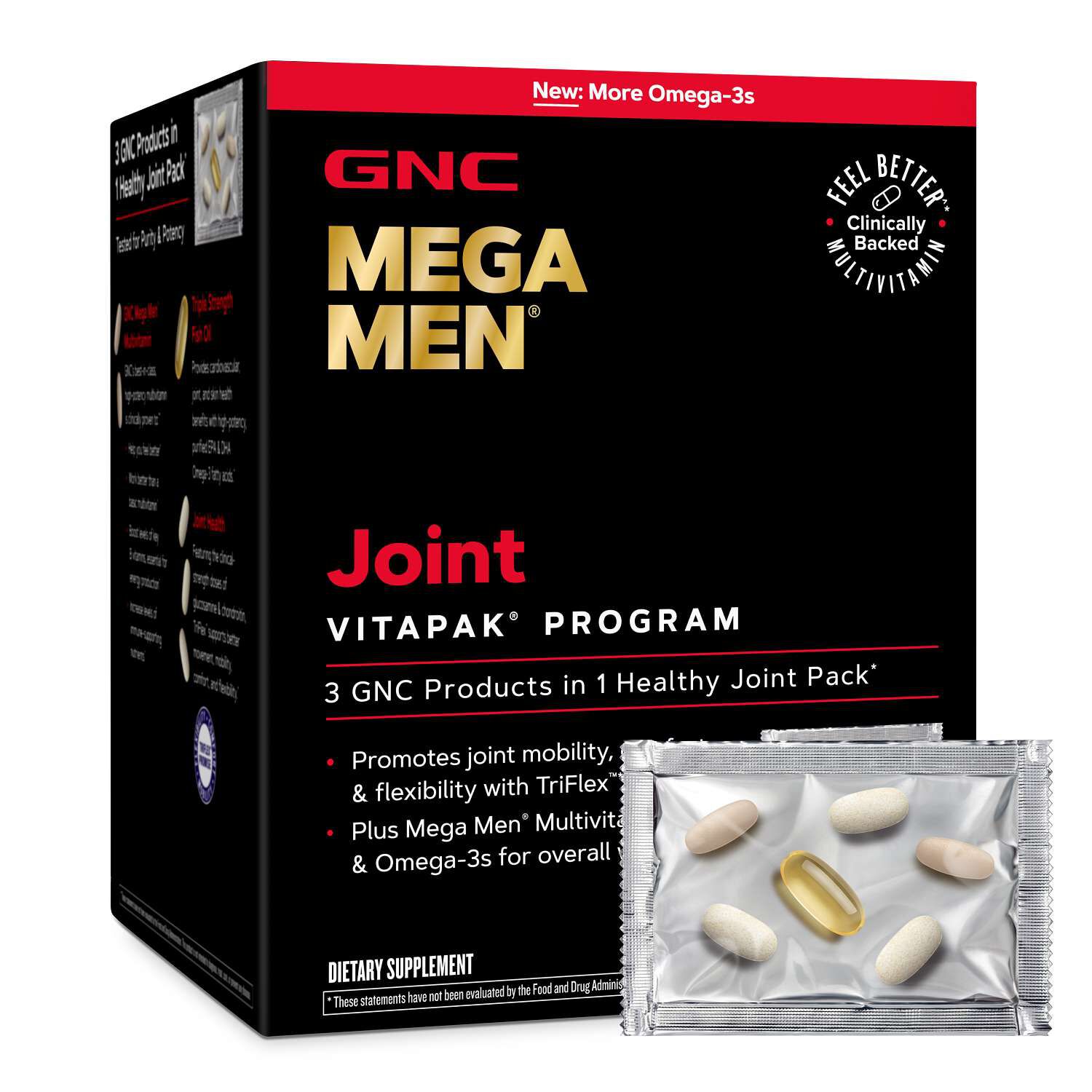
The most practical differences often emerge when comparing the Supplement Facts panels and the physical format. A serving may consist of several tablets or capsules, so the amount listed per serving is not necessarily the amount in one tablet. Looking at both serving size and servings per container gives a clearer picture of what the package represents in everyday use. Tablet dimensions and capsule materials can matter as much as the ingredient name, especially for someone who has strong preferences about how supplements fit into a routine. Capsules may use gelatin or plant-derived materials, and those details are separate from the origin of the glucosamine itself. Powder formats bring another set of considerations, including measuring, mixing directions, flavoring, and the need for a suitable beverage or container. A plain powder and a flavored blend can have quite different ingredient lists even when glucosamine appears in both. Some formulas contain glucosamine alone; others pair it with chondroitin, methylsulfonylmethane, commonly abbreviated MSM, or additional ingredients. Chondroitin is a component of cartilage, while MSM is an organic sulfur compound used in supplement formulations. Their inclusion changes what is in the serving, but a longer ingredient list does not establish a greater benefit. Likewise, a larger amount on the label does not, by itself, establish that a formula is a better fit. The quantity of each listed ingredient is more informative than the size of the lettering on the front of the bottle. Ingredient lists can also identify coatings, colors, sweeteners, and other formulation materials that shape the finished tablet, capsule, or powder. For someone comparing a single-ingredient formula with a combination, those details help keep the comparison grounded in the actual contents rather than a broad category name. Clear serving information, understandable ingredient descriptions, and readable directions may make a product easier to work into an established routine, especially when several supplements already share a place in the kitchen cabinet.
Daily use also has a practical side that goes beyond the formula. A bottle kept at home, a container taken on an extended trip, and a package opened repeatedly over several weeks bring different handling considerations. The storage directions and date markings provide the relevant information for that particular formula; there is no single storage rule that replaces the package instructions. A secure closure, legible label, and original packaging may make identification and organization more straightforward. Powders add the consideration of keeping measuring utensils clean and dry, while tablets and capsules make the condition of the container and closure worth noticing. Physical presentation is not evidence of an ingredient’s performance, but it matters when a product becomes part of a repeated routine. Packaging preferences can be quite personal: one shopper may value a compact bottle, while another may want a larger label with an easy-to-read ingredient panel. Neither preference changes the importance of comparing the actual formula. Adults exploring this category may range from regular hikers to people who prefer a short morning walk and a few hours of gardening. An active lifestyle need not revolve around organized sports; carrying groceries, taking stairs, and joining friends for a walking tour are familiar reasons people pay attention to movement as they age. The related selection of Glucosamine Supplements For Active Lifestyles offers another way to explore the category through that everyday activity focus. Across these choices, useful distinctions remain concrete: the glucosamine form, its source, the serving size, the other ingredients, and the format someone is comfortable using. A person who prefers a simple ingredient list may consider a different formula than someone comparing combinations, just as someone with a powder-based routine may view format differently from someone who prefers capsules. Those preferences make the selection personal without turning a supplement into a forecast of future health. For healthy aging, the most relevant product details describe what is in the container and how the labeled format fits an individual’s established habits.