





Immune Boosters
(0 Results)
Support your body's natural defenses with our selection of immune boosters. Strengthening your immune system is key to staying healthy and resilient year-round. Explore a variety of supplements designed to help bolster your body's ability to ward off illness and maintain optimal health. From vitamin C to echinacea, our immune boosters are formulated to provide you with essential nutrients and botanicals that may support a robust immune response. Shop our collection today and give your body an extra line of defense.
-

-

-

-

-

-

-

-

-

-
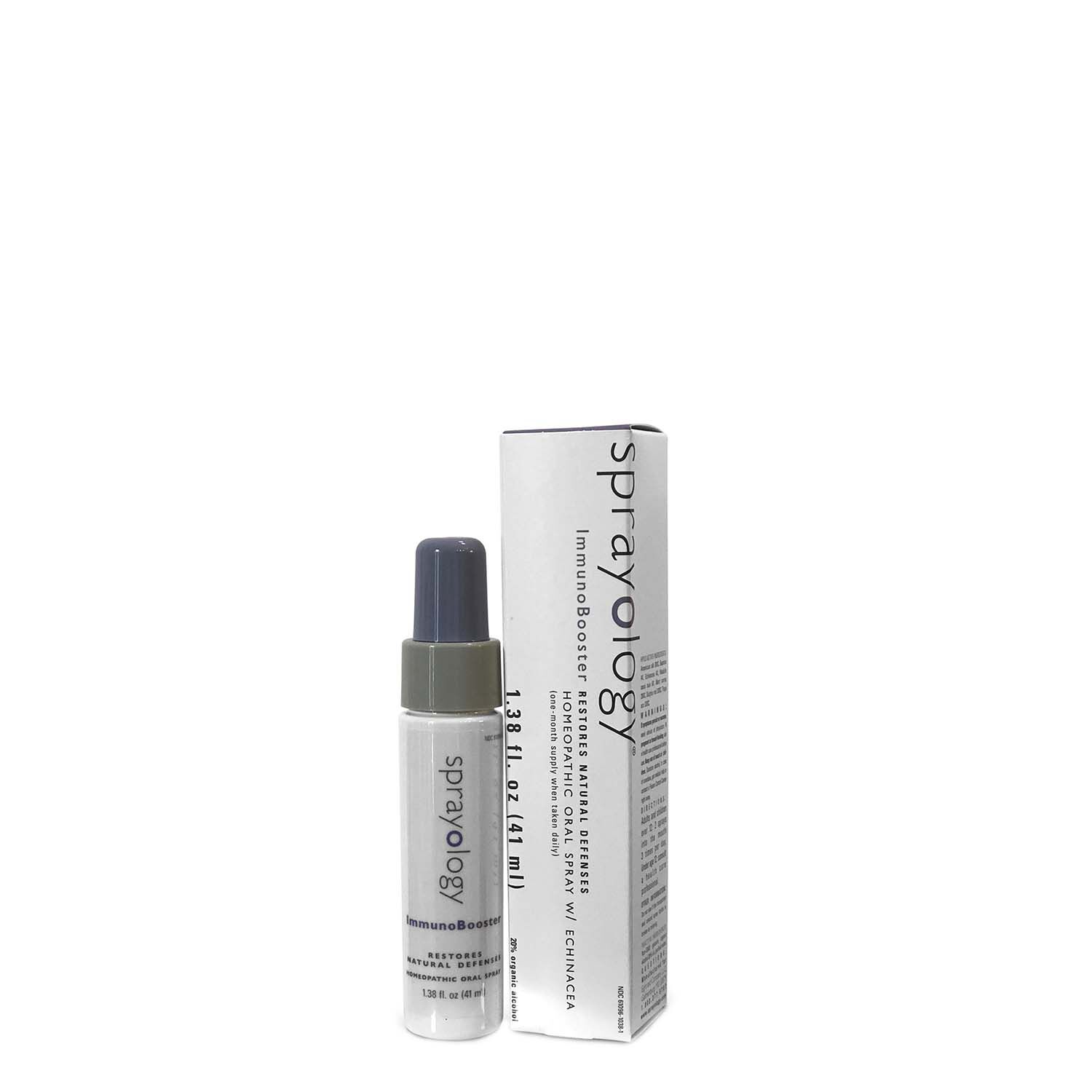 Sprayology$38.99
-

-
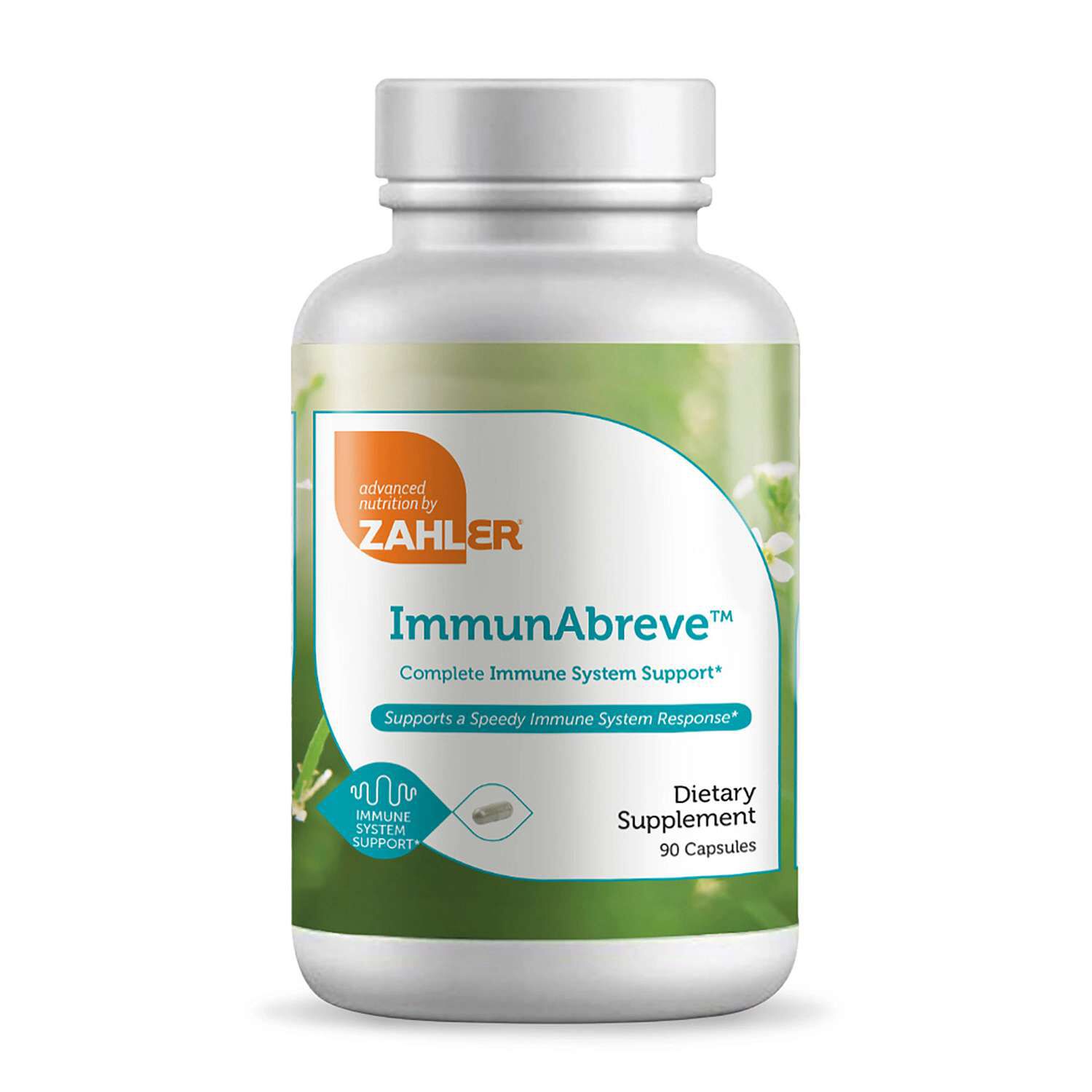
-
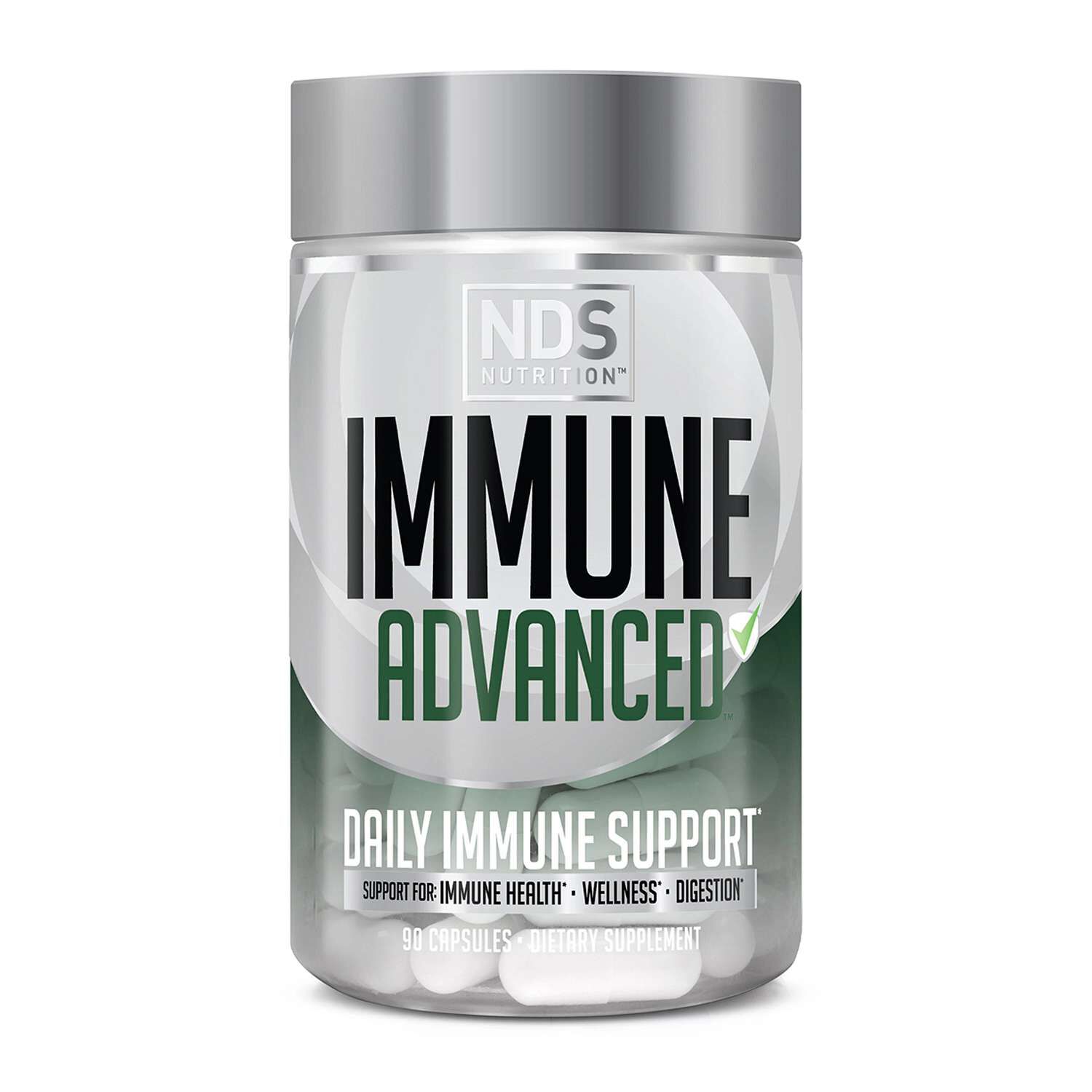
-

-

-

-

-

-
 1$14.99
-
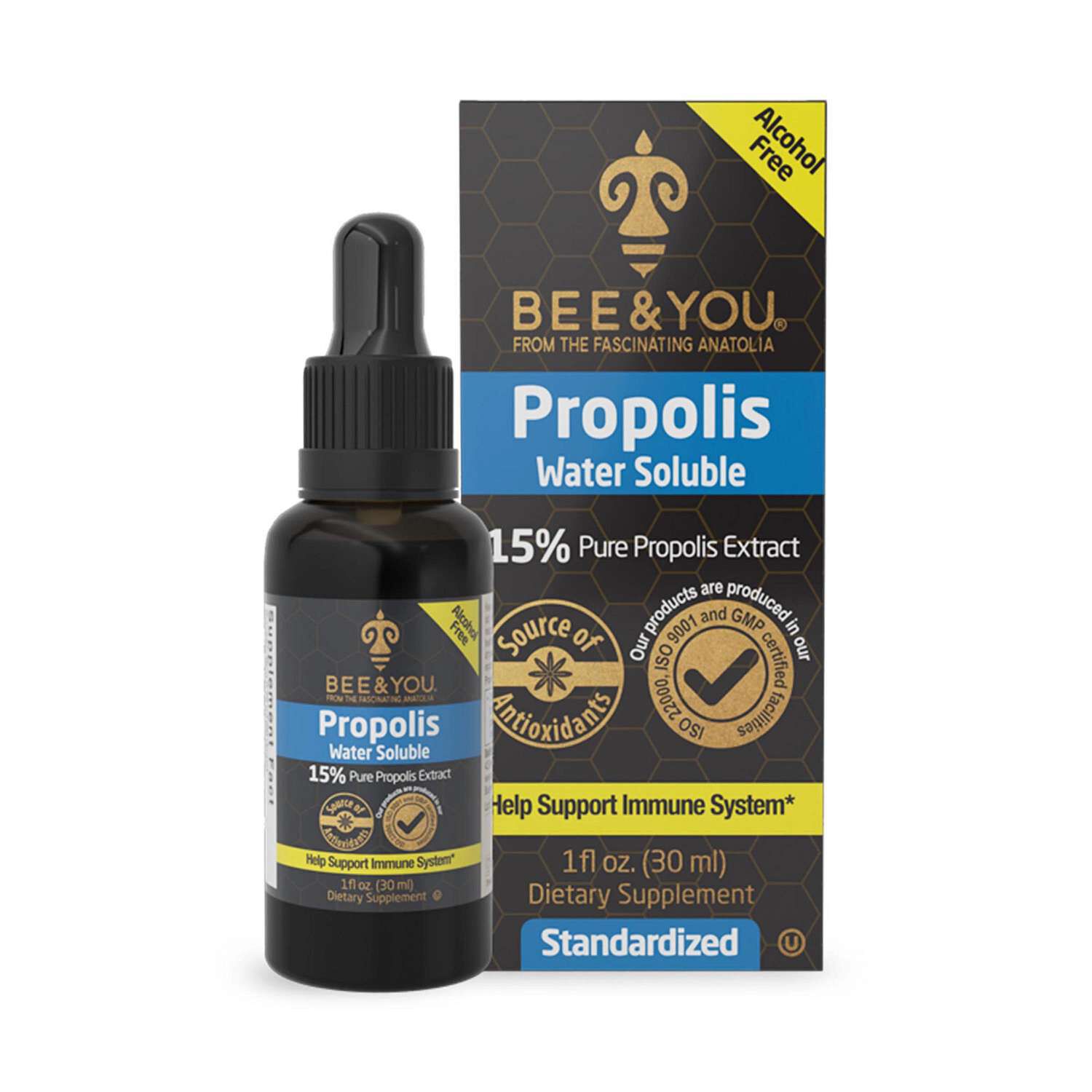
-
-
 Angry Supplements$11.99
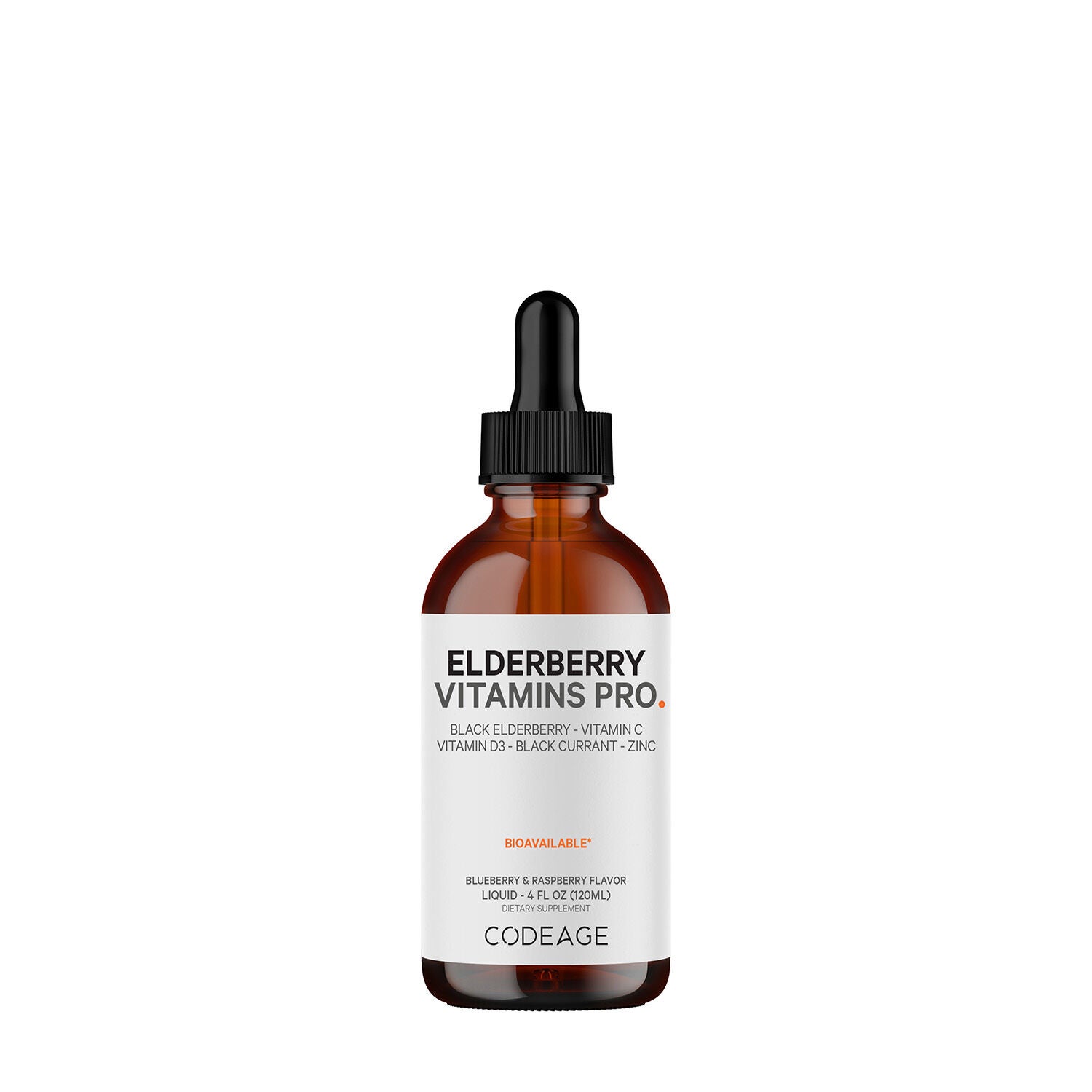

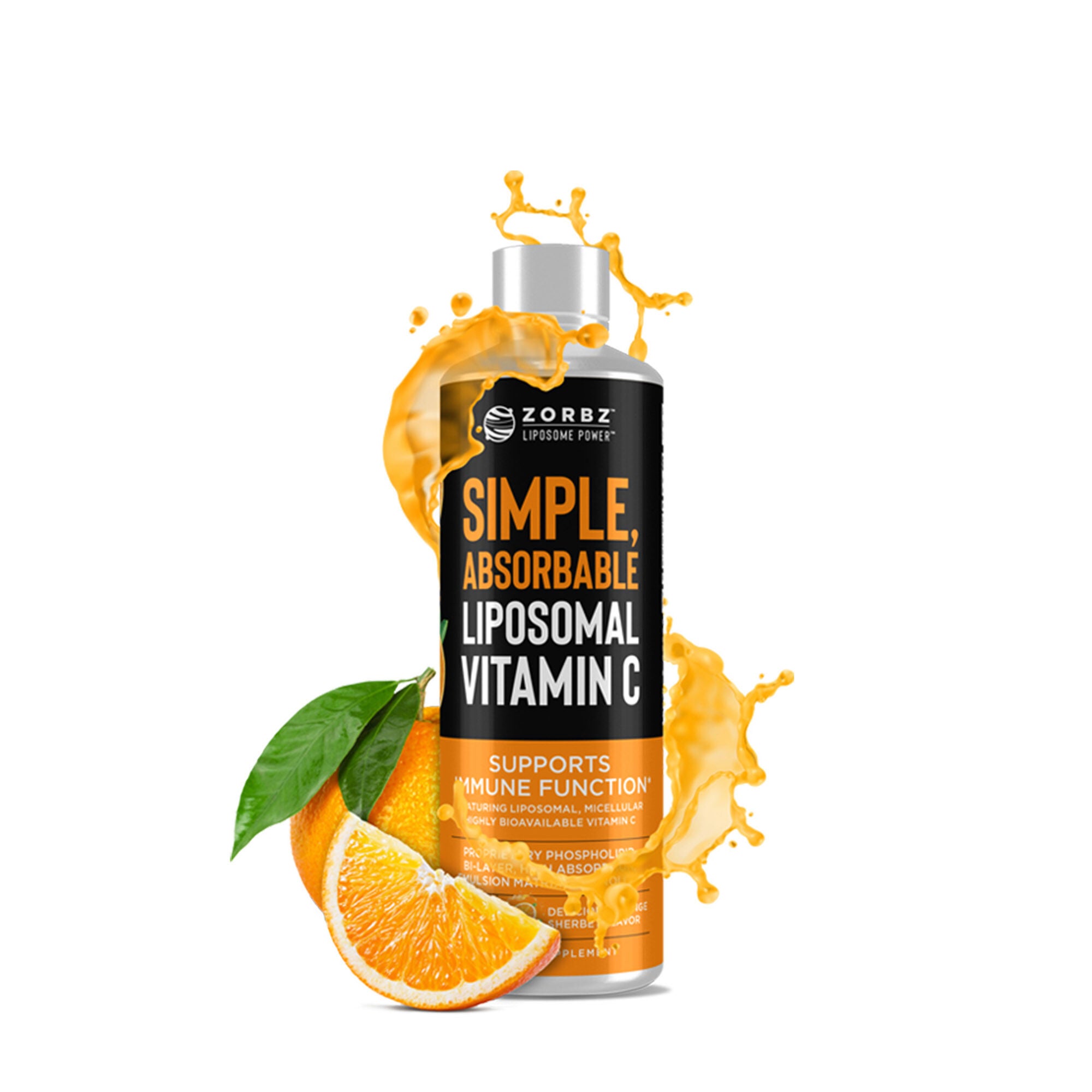
Immune support supplements may complement a varied diet, but no single supplement replaces balanced meals, consistent sleep, and regular physical activity. This category brings together vitamins, minerals, and other dietary ingredients in formats designed for different preferences and everyday routines. Vitamin C, vitamin D, and zinc are common ingredients, appearing individually or alongside other nutrients in combination formulas. Some formulas also include botanical ingredients or probiotic cultures, making the ingredient panel more informative than the wording on the front of the package. A single-nutrient option has a narrower ingredient focus, while a combination formula brings several ingredients into one serving. Neither format is automatically the right match for every shopper; the distinction is in the contents, quantities, serving directions, and intended audience. Someone who already uses a multivitamin has a different starting point from someone browsing a stand-alone nutrient, since ingredients may overlap across the products in a daily routine. The amount listed for each nutrient, its percent Daily Value when provided, and the number of capsules, tablets, or gummies in a serving give these differences useful context. A bottle containing sixty capsules, for example, does not necessarily represent sixty servings. The Supplement Facts panel separates the serving size from the number of servings per container, making it easier to understand what the package contains. Ingredient names also deserve more attention than broad descriptions: a formula featuring one named botanical differs from a blend containing several botanical sources. When a blend lists a combined quantity rather than individual amounts, the label offers a different degree of detail. These distinctions make immune support a category of varied nutritional options rather than a single uniform product type. The most useful comparisons stay grounded in what can be verified on the package, without treating a longer ingredient list, a larger number on the label, or a more elaborate formula as evidence of a better match.
Format shapes the day-to-day experience as much as the ingredient list does. Capsules and tablets offer a compact option with little preparation, while gummies and chewables bring flavor and texture into the routine. A gummy may have a fruit flavor, a chewy consistency, and added sugars; a chewable tablet may have a firmer bite and a powdery finish. Those details matter to someone who expects to use the same format regularly. Powders involve a different experience, from opening a packet or measuring a scoop to mixing the contents into the amount of liquid named on the label. Flavor strength, texture after mixing, and the size of the finished drink are practical considerations for a breakfast table, an office kitchen, or a travel bag. Liquid formats have their own serving tools, such as a marked dropper or measuring cup, and their directions are not interchangeable with those for powders or tablets. The form alone does not establish how a supplement will perform, and similar-looking packages can have different serving instructions. Materials and supporting ingredients also distinguish the options. Capsule shells may contain gelatin or plant-derived materials, while gummies can use gelatin or pectin for their texture. Sweeteners, colors, flavorings, and other ingredients appear outside the main nutrient listing and can be relevant to dietary preferences. Vegetarian or vegan labeling, allergen statements, and any manufacturing disclosures provide additional context where present. An adult formula and a formula labeled for another age group are separate choices, even when their flavors or packaging look similar. For a household with several routines, clear age labeling and recognizable packaging matter more than matching formats across everyone. Someone who enjoys a flavored drink may prefer the ritual of mixing a powder, while another shopper may value a capsule format that requires less preparation. These are differences in convenience and personal preference, not proof that one format is universally superior.
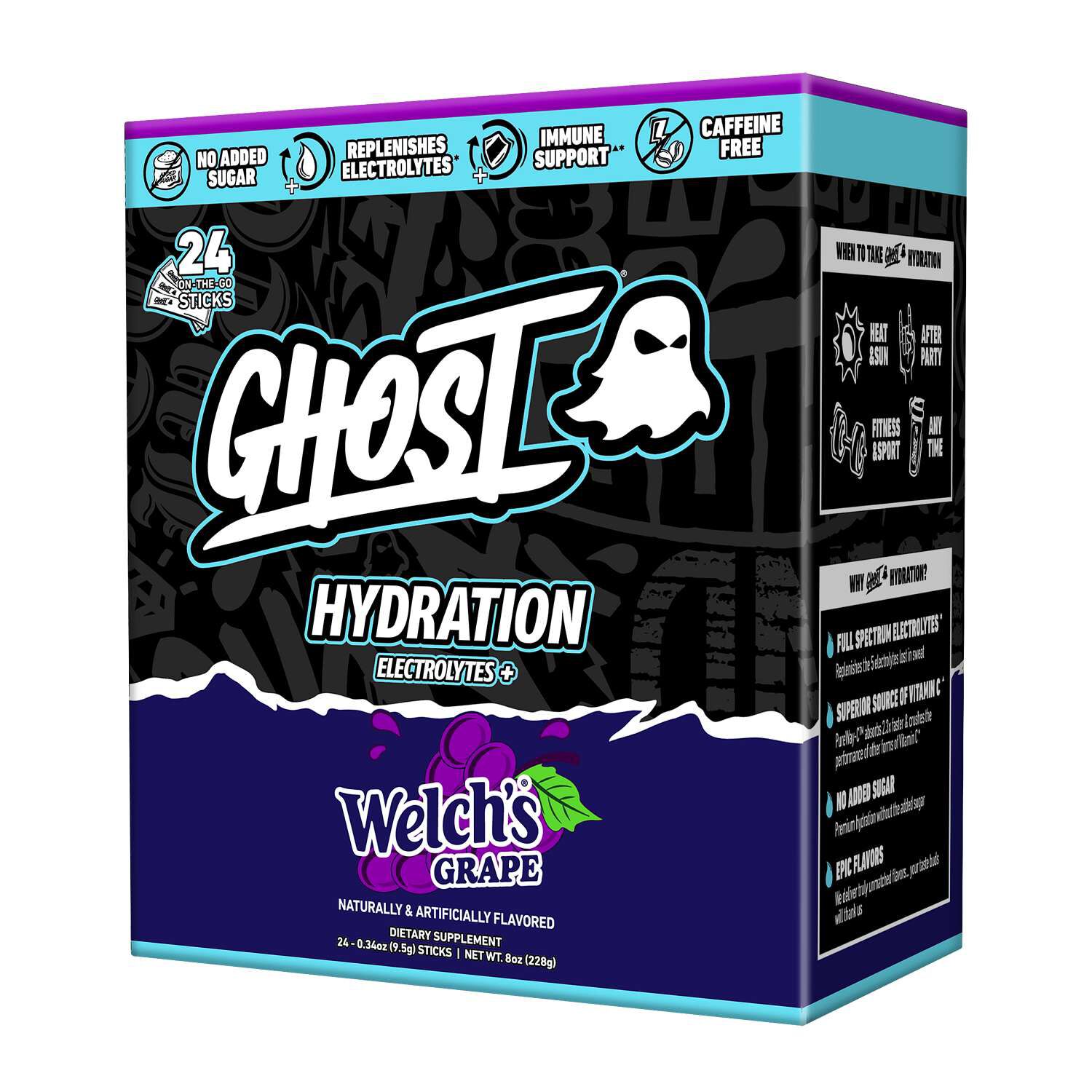
Packaging, storage directions, and intended use help round out the comparison. A resealable pouch, a bottle with a fitted cap, and individually wrapped packets each involve different handling. A pouch needs its closure secured, a bottle needs its original cap, and a packet keeps a measured portion separate until opened. For powders, a scoop belongs with the product it came with because scoop sizes and serving weights differ. The original container also preserves access to the ingredient list, directions, lot information, and date marking, details that can be lost when several supplements are transferred into an unlabeled organizer. Storage requirements vary, particularly for formulas with specific refrigeration instructions, so the package is the reference point rather than the appearance of the product. A countertop beside a steaming kettle and a bag left in a parked car present different storage conditions from a location that matches the label directions. Texture, aroma, and color can vary by formulation, but damaged packaging or an unreadable label makes a product harder to assess and use as intended. Portability is similarly specific: a small bottle may suit a desk drawer, while individual packets may be convenient for an overnight bag. Drink mixes also bring hydration into the shopping experience, and immune support hydration options offer a related category for shoppers who prefer a beverage format. Within that category, the amount of water required, the stated serving size, the ingredient quantities, and the flavor description remain useful points of comparison. A concentrated powder and a ready-to-drink format involve different preparation, even when their descriptions sound similar. Across immune support supplements, the clearest distinctions are often these tangible ones: what is inside, how much constitutes a serving, how it is prepared, and how it fits into an existing routine. That perspective keeps the focus on understandable product information and realistic expectations, with supplements considered as one part of everyday nutrition rather than a substitute for broader daily habits.
Best Sellers

Related Pages
Top Collections
- Daily Collagen Supplements | Top Brands & Deals | GNC
- Cortisol Supplements
- Top Rated Collagen | Shop Customer Favorites | GNC
- Vitamins For Hair Loss
- NAD+ Supplement Tablets
- Peptide Supplements
- Best Brand of Magnesium Glycinate
- Protein Powders For Muscle Growth Support
- Vitamins That Help Support Weight Gain
- Peptide Supplements for Muscle Growth