





Energy And Immune Supplements
(0 Results)
Explore a wide range of energy and immune supplements designed to help support your active lifestyle and overall well-being. Whether you're looking to maintain daily vitality or bolster your body's natural defenses, our selection offers various options that may cater to your specific needs. From vitamins and minerals to herbal extracts and specialty formulas, finding the right supplement could help you stay energized and support immune health. Discover how integrating these supplements into your routine might make a difference in achieving your wellness goals.
-

-
-

-

-
 Purity Products$24.99
-
-
-

-

-
-

-
 Purity Products$19.99
-
-
-
-

-
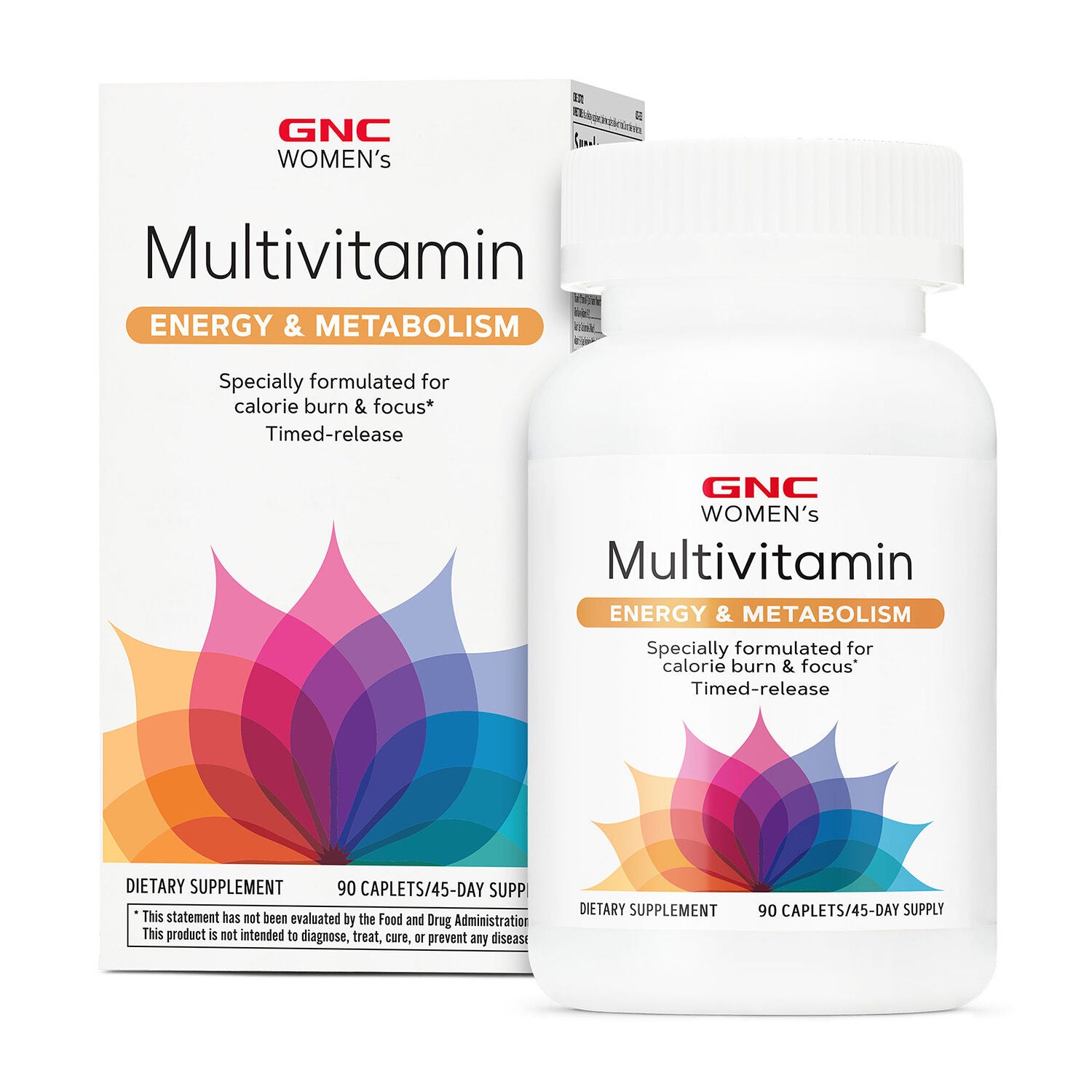
-

-
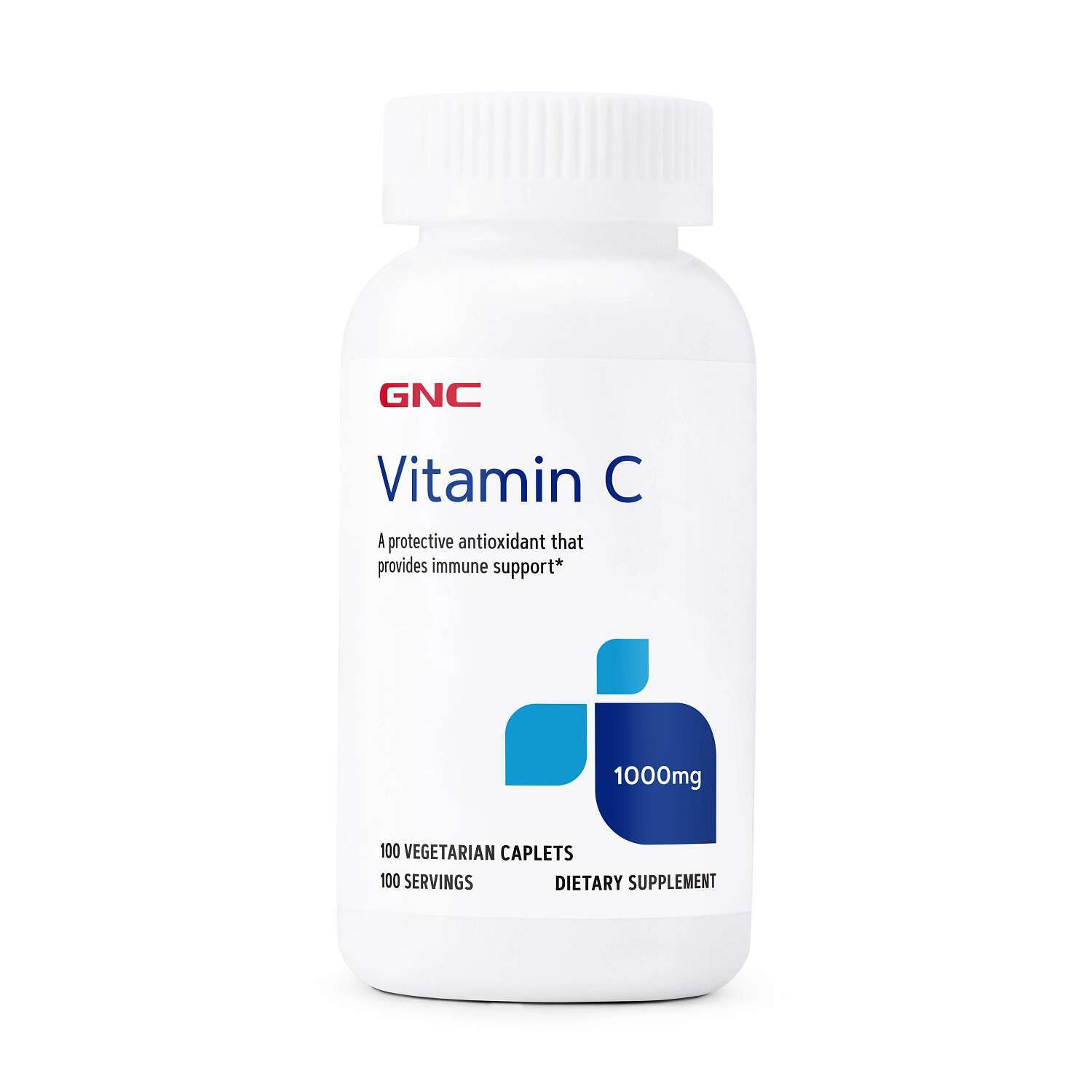
-
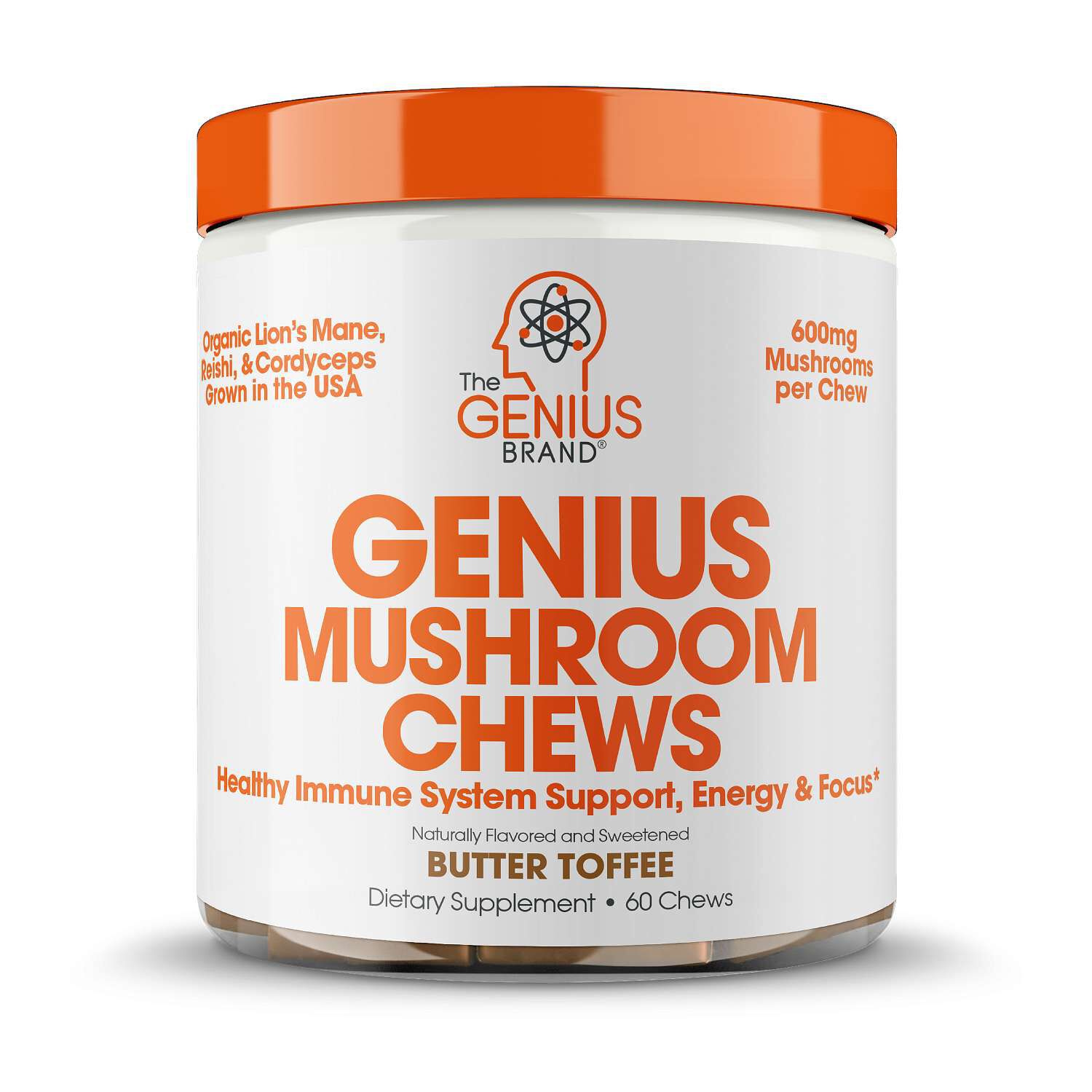 The Genius Brand$29.99
-
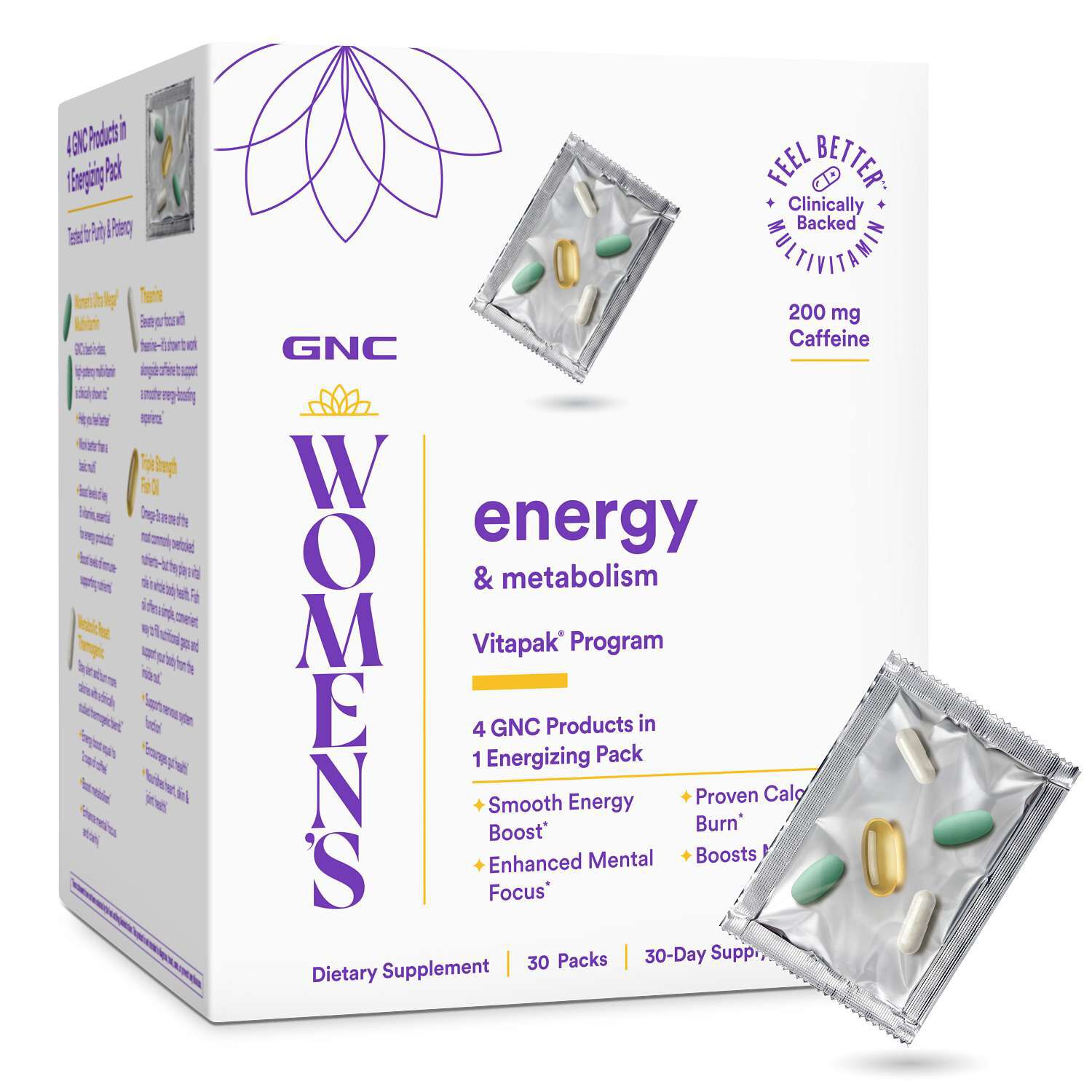
-
 4$59.99
-


Energy and immune supplements include vitamins, minerals, and combination formulas that may support normal energy metabolism, everyday immune function, or both. Common ingredients include B vitamins, vitamin C, vitamin D, and zinc, with different formulas bringing these nutrients together in different amounts. B vitamins such as B6, B12, niacin, and riboflavin may help the body use nutrients from food for normal energy production. Vitamin C, vitamin D, and zinc may support normal immune function, while vitamin C may also provide antioxidant support. These nutritional roles make the category relevant to adults interested in adding selected nutrients to an established eating routine. The word “energy” can describe several approaches, so the ingredient panel provides more useful context than the name alone. A nutrient-focused formula differs from one containing caffeine or other ingredients associated with alertness. Caffeine-containing supplements may support alertness, while formulas centered on vitamins and minerals may support the nutritional processes involved in energy metabolism. Some options combine these approaches; others concentrate on a smaller group of nutrients. Neither a longer ingredient list nor a larger amount of an individual nutrient automatically makes one formula a better match for every shopper. The distinction often comes down to intended use, serving format, dietary preferences, and how a supplement fits alongside foods and other supplements already part of a routine. For someone who likes a straightforward morning ritual, a capsule or tablet may fit naturally beside breakfast. Someone who prefers a beverage may be more interested in a powder mixed with water. Both formats belong within the same broad category, but their ingredients, serving sizes, and preparation needs can differ considerably. Product descriptions and Supplement Facts panels provide the details that separate a simple vitamin-and-mineral formula from a drink mix with added caffeine, sweeteners, botanical ingredients, or flavorings. That distinction is especially useful when comparing supplements described with similar language but designed for different everyday preferences.
Format shapes the experience of using energy and immune supplements just as much as the ingredient list. Capsules and tablets are measured servings, while powders involve mixing and may come in individual packets or larger containers. Gummies and chewables offer another texture, with flavor, sweetness, and serving count playing a larger role in the comparison. A single gummy, tablet, scoop, or packet does not necessarily represent the labeled serving, so the serving-size information gives context to the nutrient amounts listed below it. With drink mixes, the suggested water volume also influences flavor concentration and the amount of liquid involved in preparation. Someone carrying a small water bottle to work may prefer a different mixing format than someone preparing a drink in a large glass at home. Ingredient details can matter just as much as convenience: gelatin sources, plant-derived capsule materials, added sugars, sugar alcohols, colors, and sweeteners all contribute to how a formula fits personal preferences. Statements about allergens and ingredient sourcing provide additional context for shoppers comparing similar formats. Vitamin forms can vary as well, including vitamin D2 or D3 and different forms of vitamin B12. Those names identify ingredients; they do not, by themselves, establish that one option suits everyone better. Packaging adds another practical consideration. Individual packets provide separate portions, whereas a tub involves measuring each serving with the included scoop or another method specified on the label. Bottles, pouches, and drink containers also have their own storage directions, closure designs, and date markings. A package kept on a kitchen shelf has different handling demands from one carried regularly in a backpack, making a secure closure and readable label useful details. Powders may also require particular attention to moisture and keeping the measuring utensil dry, as described on the package. These everyday details help distinguish formats without treating a supplement as a substitute for varied meals or a regular eating schedule.
Intended use brings those details together. An adult comparing a daily multivitamin with a more focused energy and immune supplement may be looking at overlapping nutrients, even when the front labels emphasize different purposes. The amount per serving, the number of servings in a package, and the presence or absence of caffeine make those differences easier to understand. A beverage-style supplement also deserves a separate look from a familiar cup of coffee or tea: its vitamin content, caffeine amount, sweetness, and serving instructions may be quite different. Ready-to-drink formats, including Immune Support Energy Shots, may appeal to shoppers who prefer a small beverage format without powder preparation. Their compact size is a packaging characteristic, not a measure of how much of each ingredient they contain; the label remains the source for that information. For a commuter, the practical appeal may be a sealed container that fits beside lunch. For someone who spends the day at a desk, a powder packet and reusable bottle may fit an existing beverage routine. An adult who dislikes sweet drinks may prefer an unflavored option or a capsule, while someone who enjoys a fruit-flavored beverage may place more emphasis on taste and mixing texture. These are differences in preference and intended use rather than reasons to expect the same experience from every formula. Energy and immune supplements are not interchangeable with meals, and a convenient format does not change the directions associated with its ingredients. Some products are intended for daily use, while others have different label instructions or age-specific labeling. Clear serving information, transparent ingredient amounts, suitable packaging, and a format that works with an established routine are useful points of comparison across the category. Together, these characteristics give shoppers a grounded way to consider nutritional support without relying on dramatic language or assuming that a more concentrated format necessarily offers a better fit.
Best Sellers

Related Pages


Top Collections
- Daily Collagen Supplements | Top Brands & Deals | GNC
- Cortisol Supplements
- Top Rated Collagen | Shop Customer Favorites | GNC
- Vitamins For Hair Loss
- NAD+ Supplement Tablets
- Peptide Supplements
- Best Brand of Magnesium Glycinate
- Protein Powders For Muscle Growth Support
- Vitamins That Help Support Weight Gain
- Peptide Supplements for Muscle Growth