





Personal Energy Drinks
(0 Results)
Personal energy drinks could offer a convenient way to help you power through busy days and demanding workouts. With a wide variety of flavors and formulations, personal energy drinks may fit seamlessly into your active lifestyle. Whether you’re looking for a refreshing pick-me-up or an on-the-go option to support your daily routine, explore the selection of personal energy drinks that might align with your unique needs.
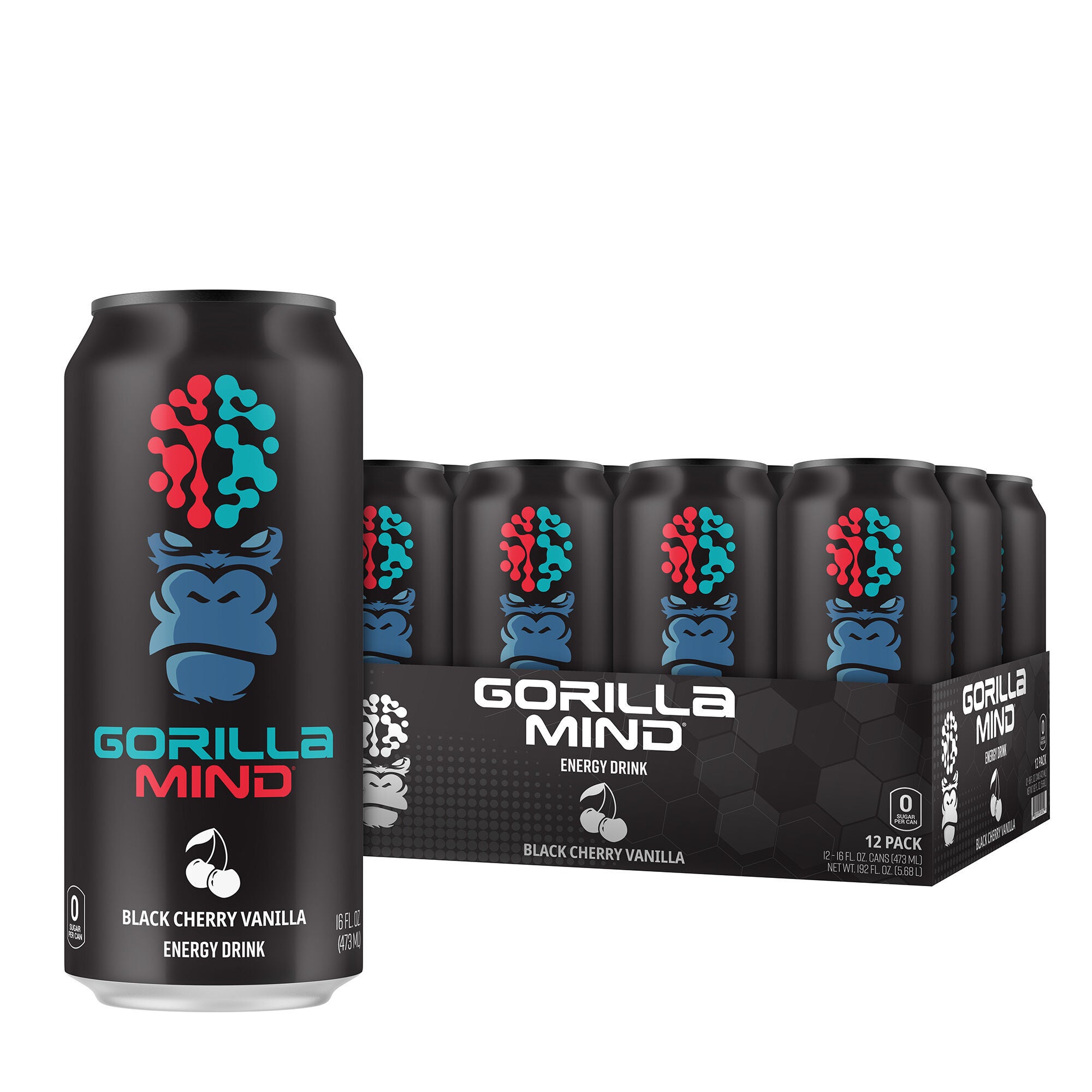
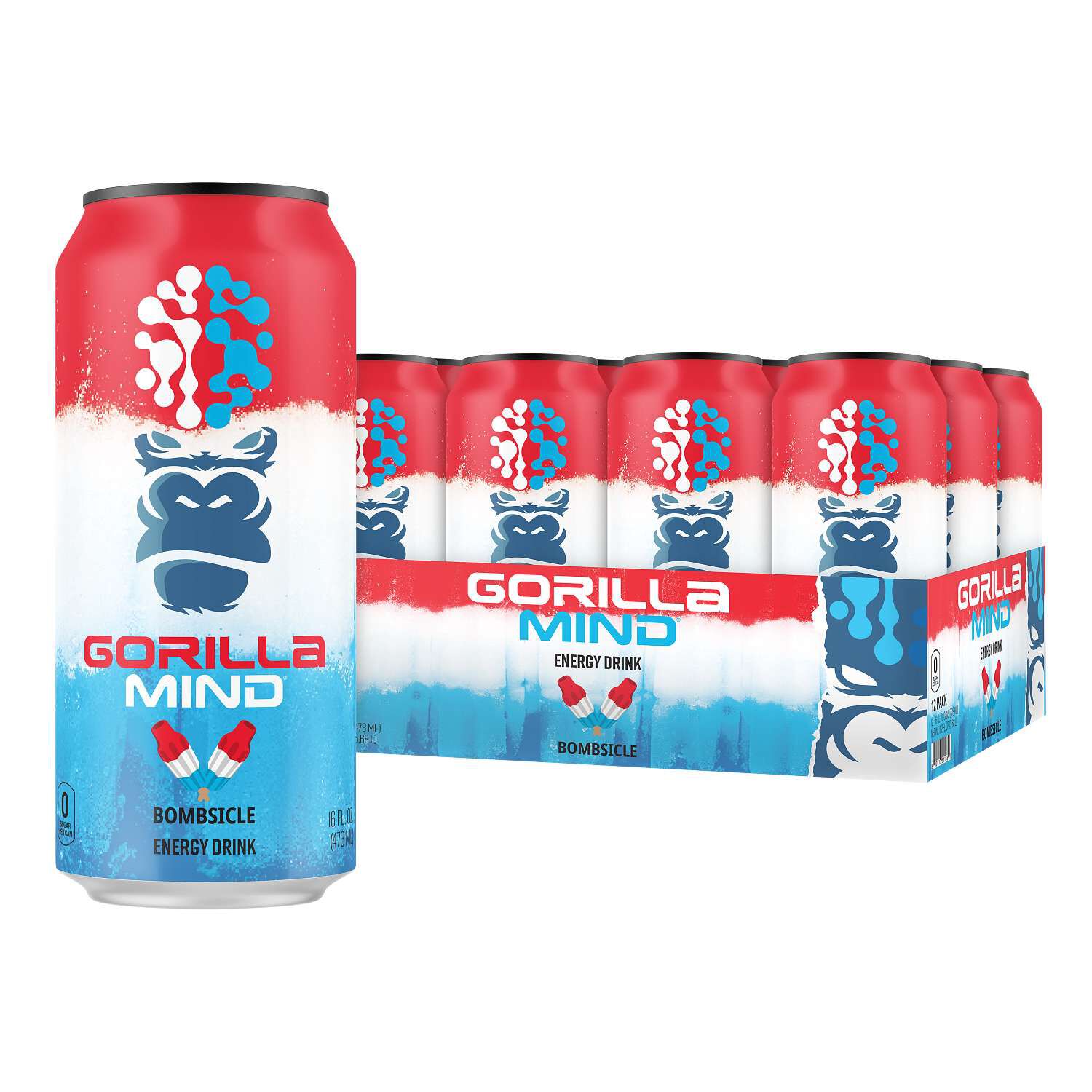
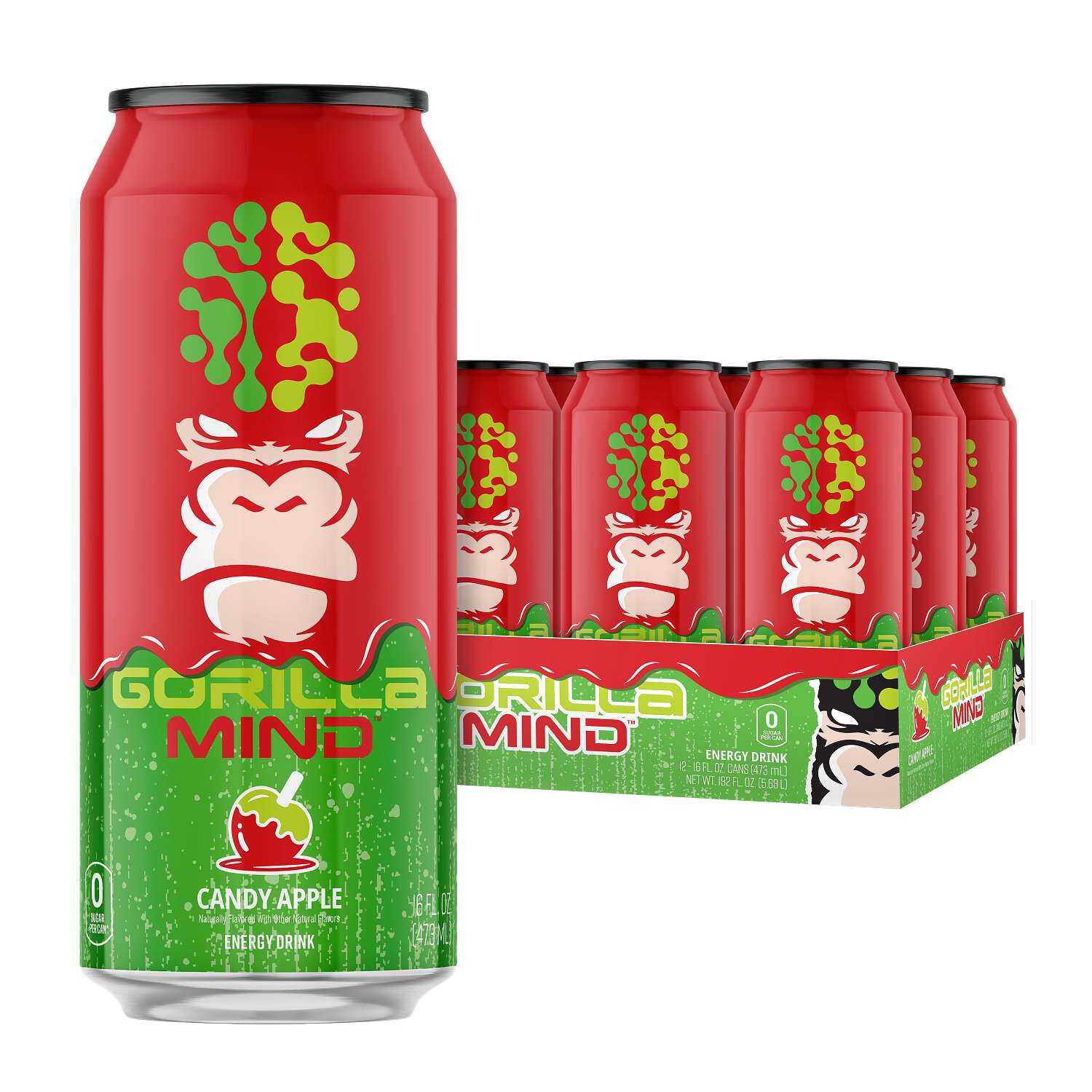
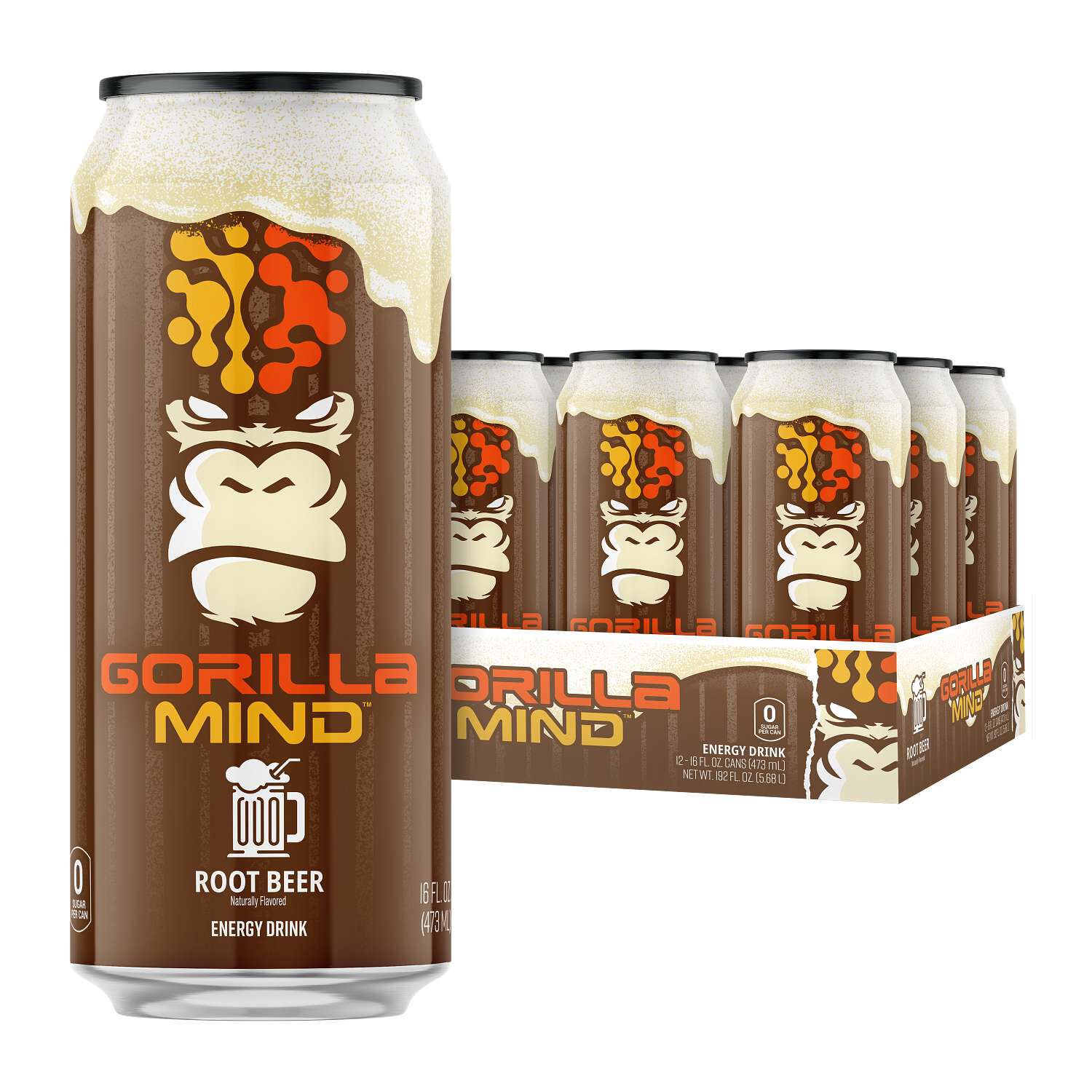
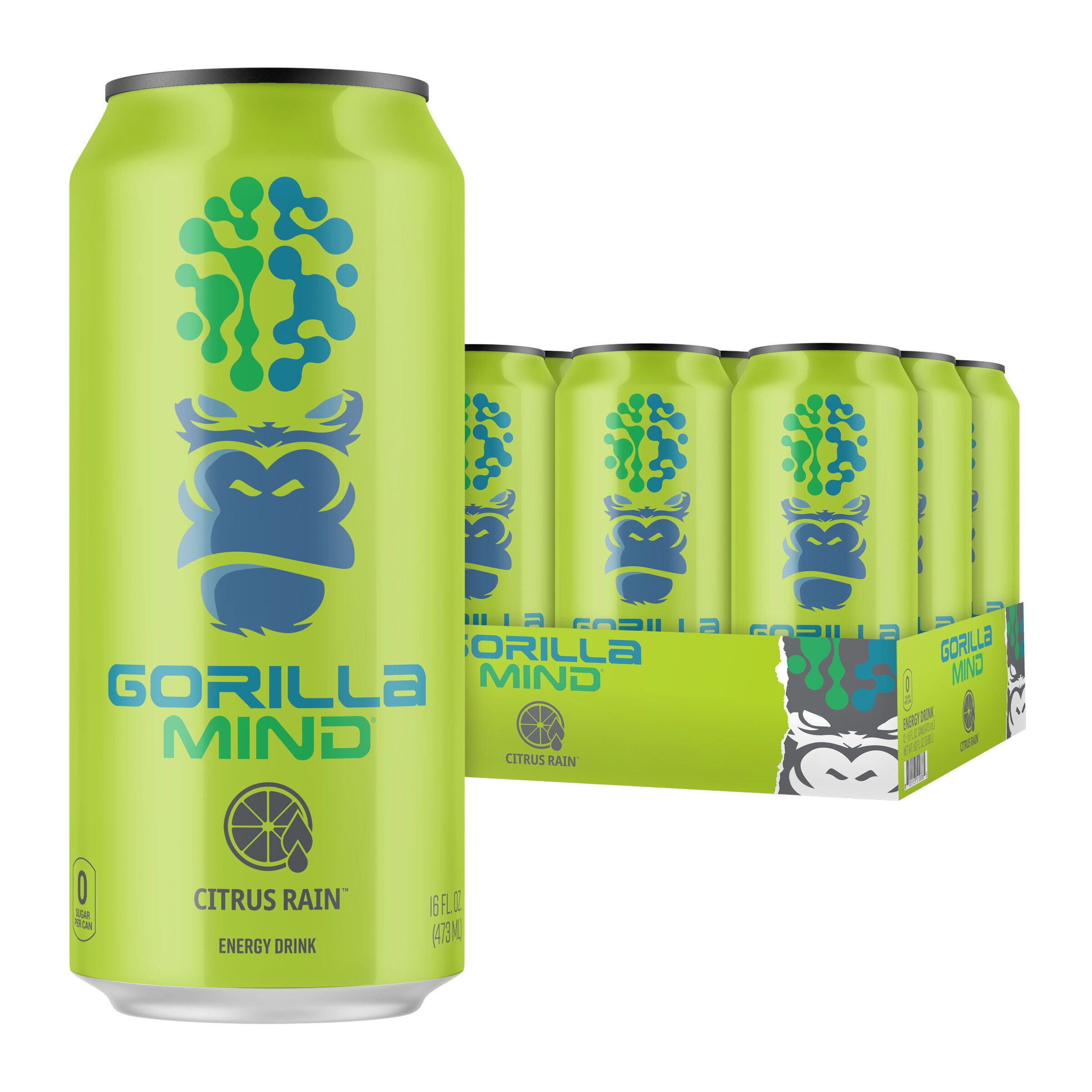
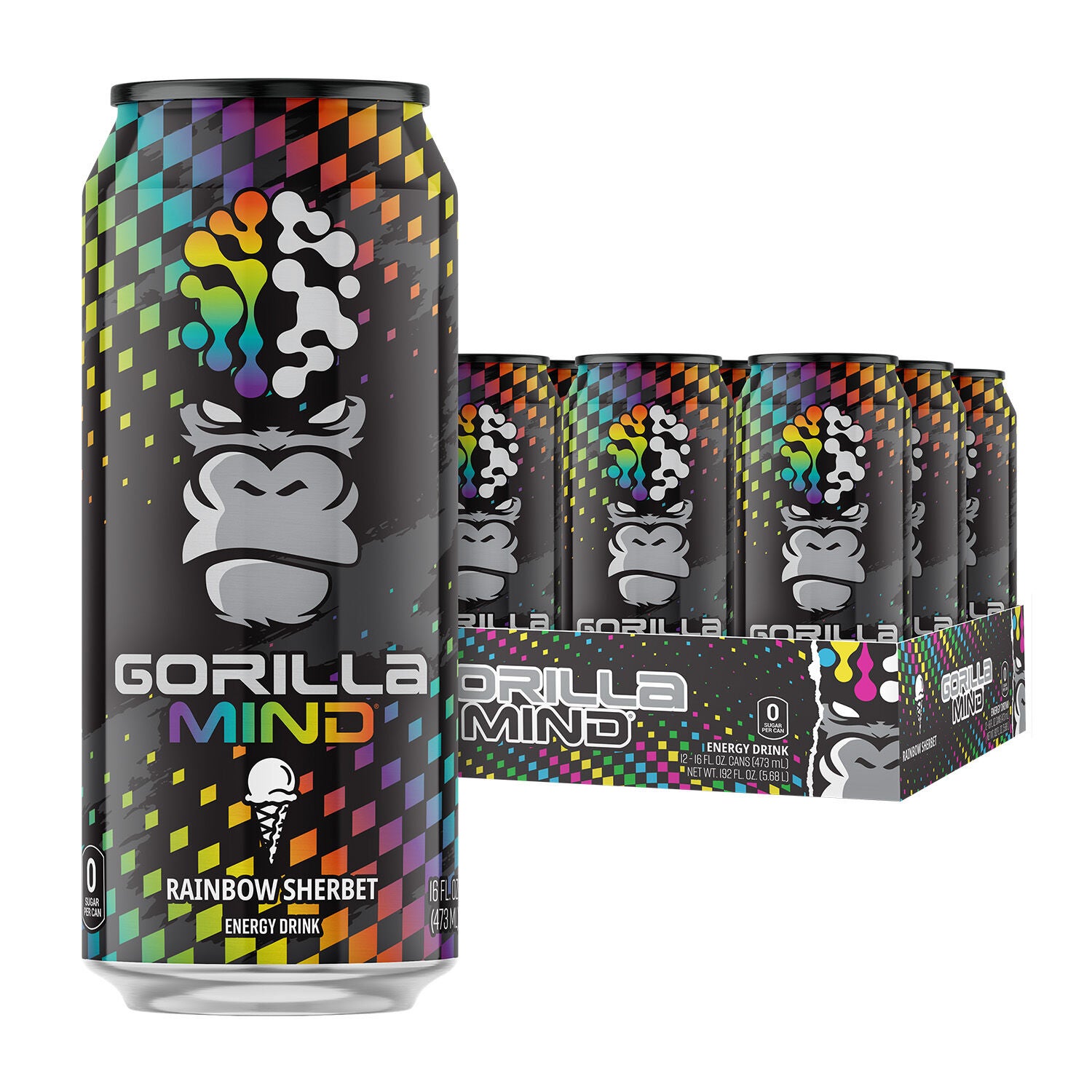
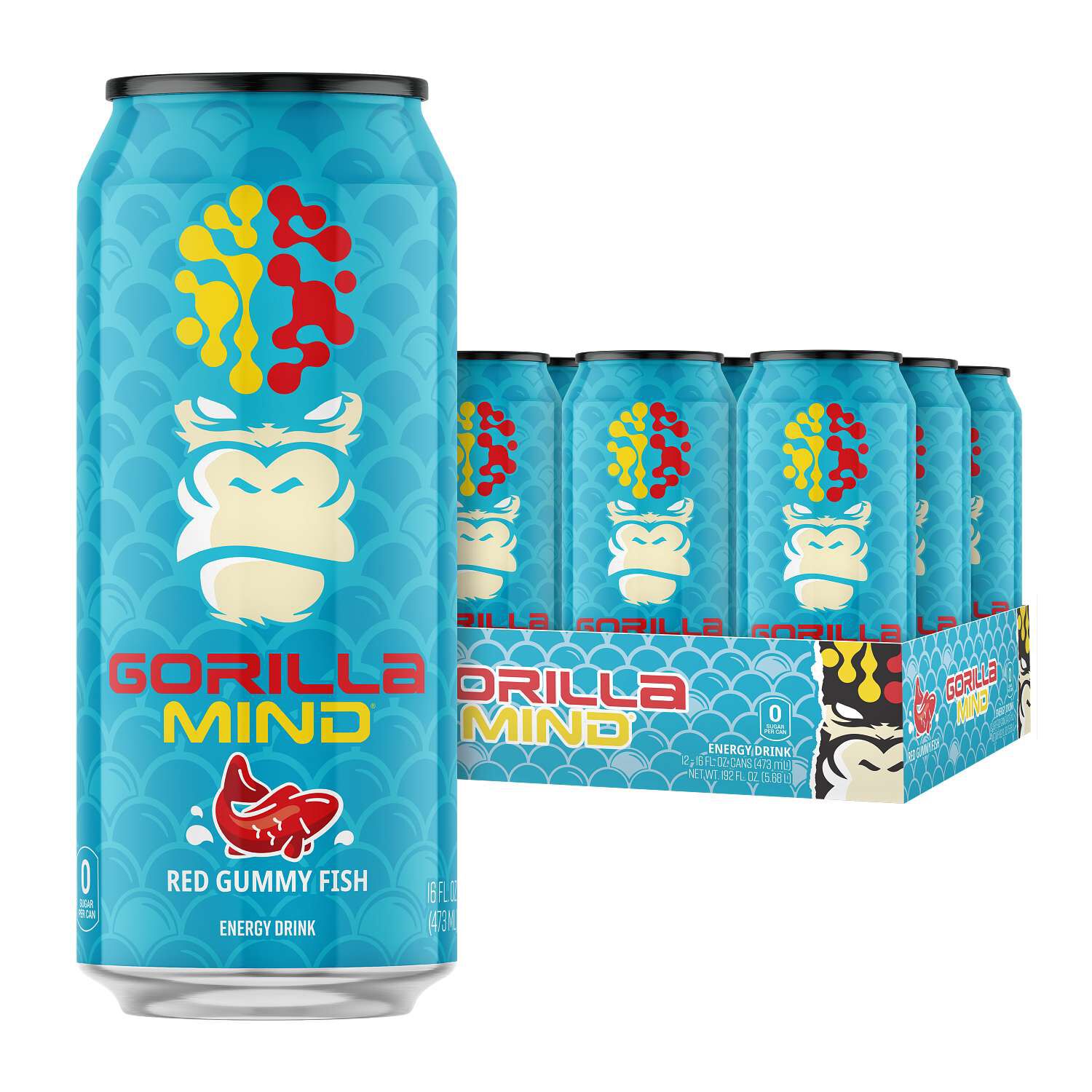


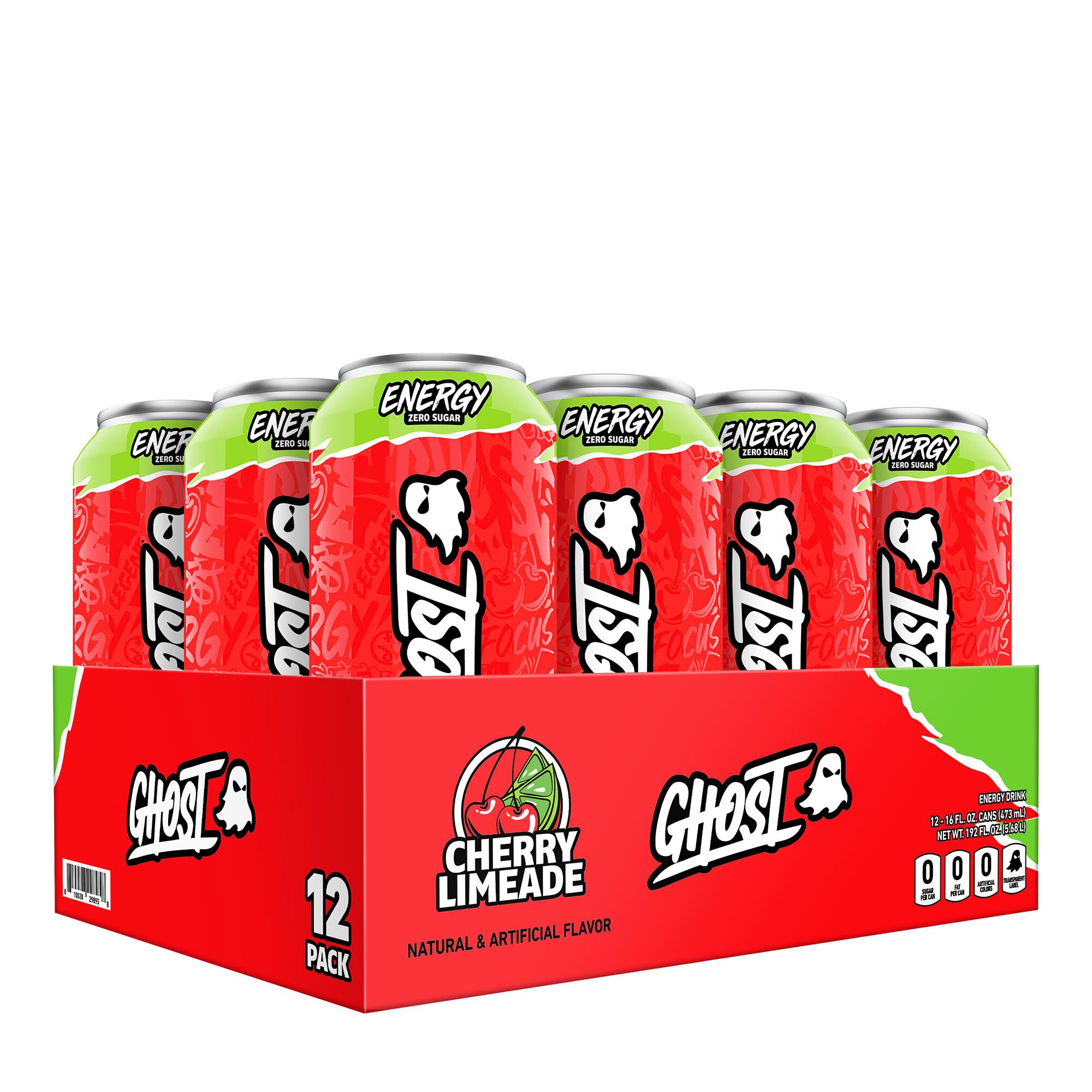


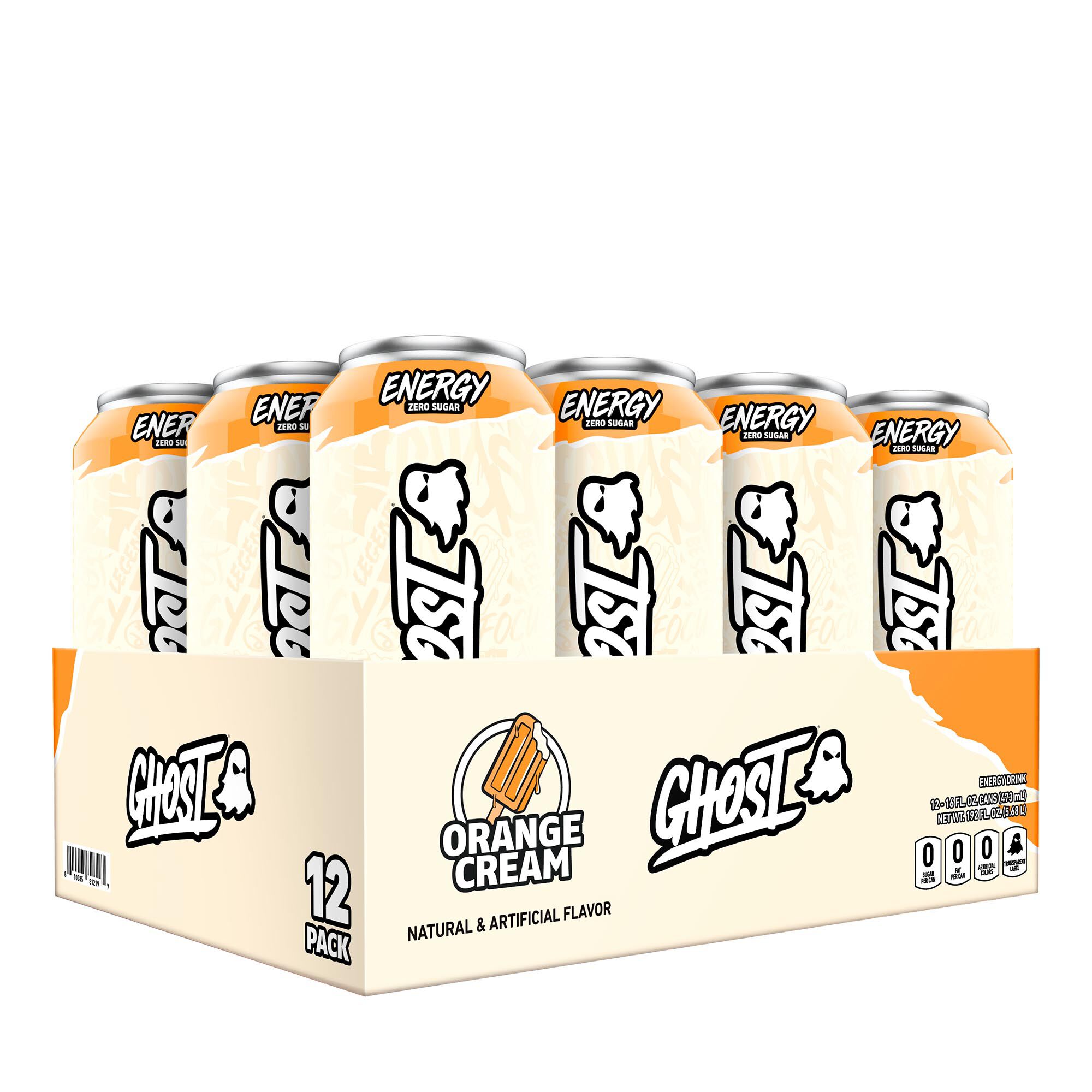


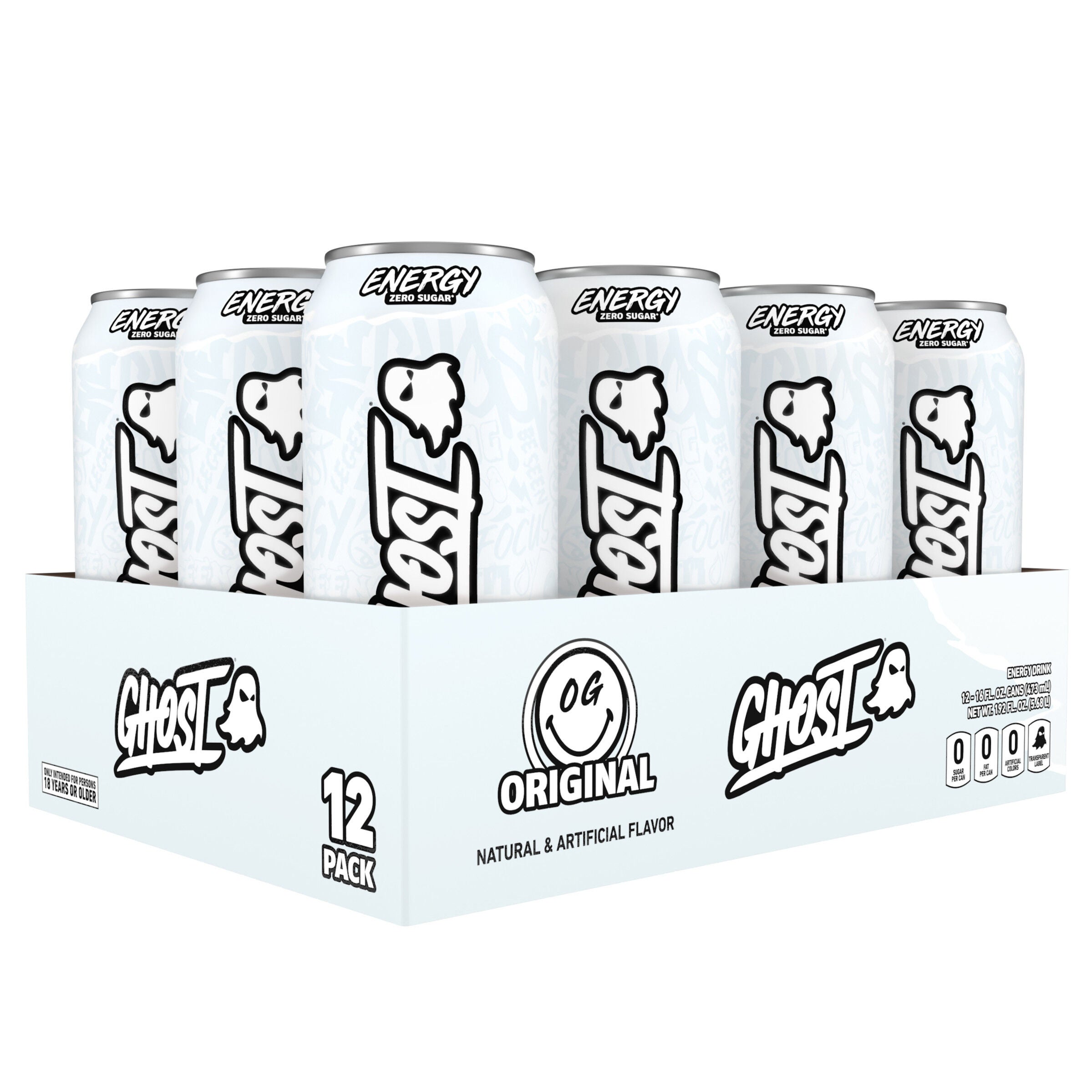

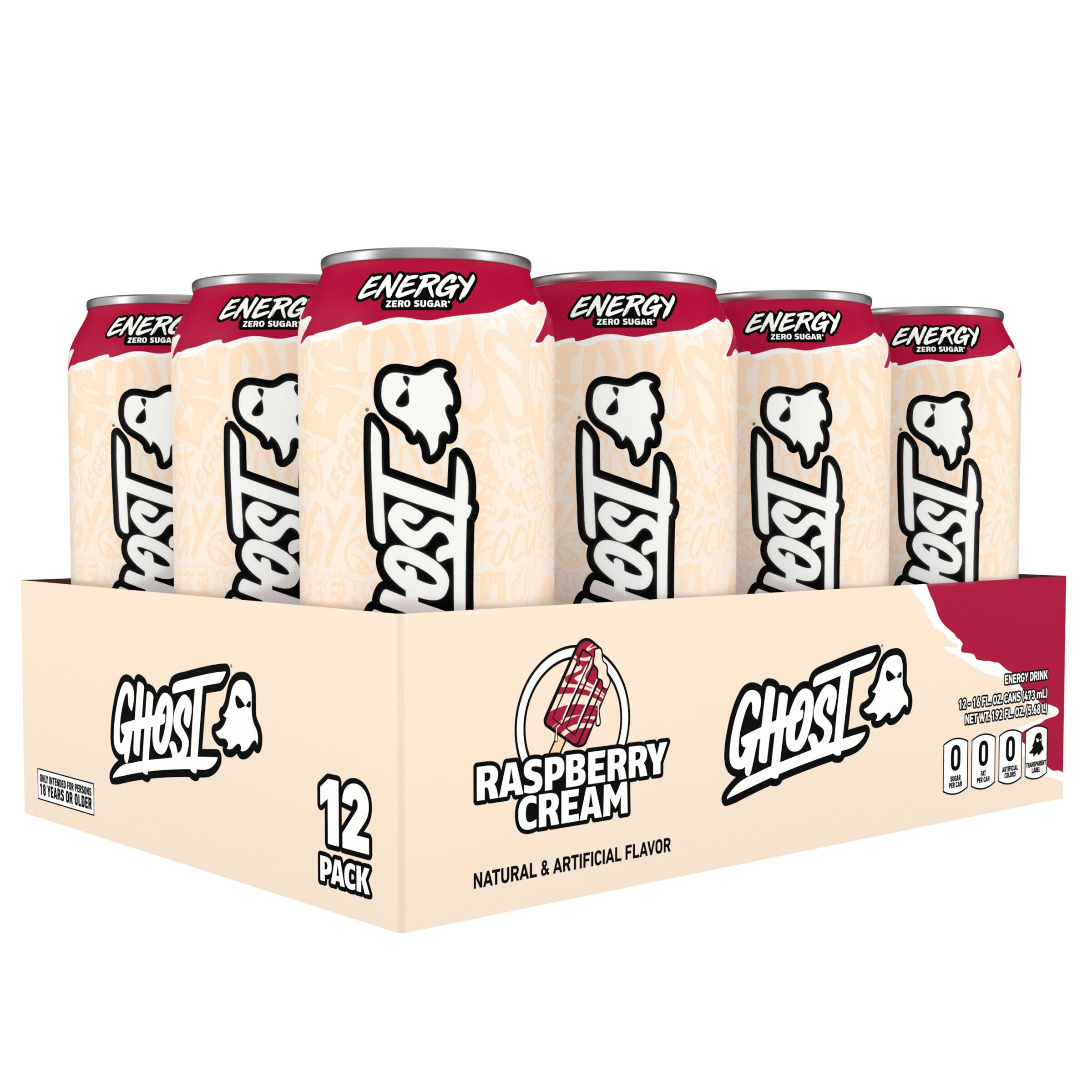
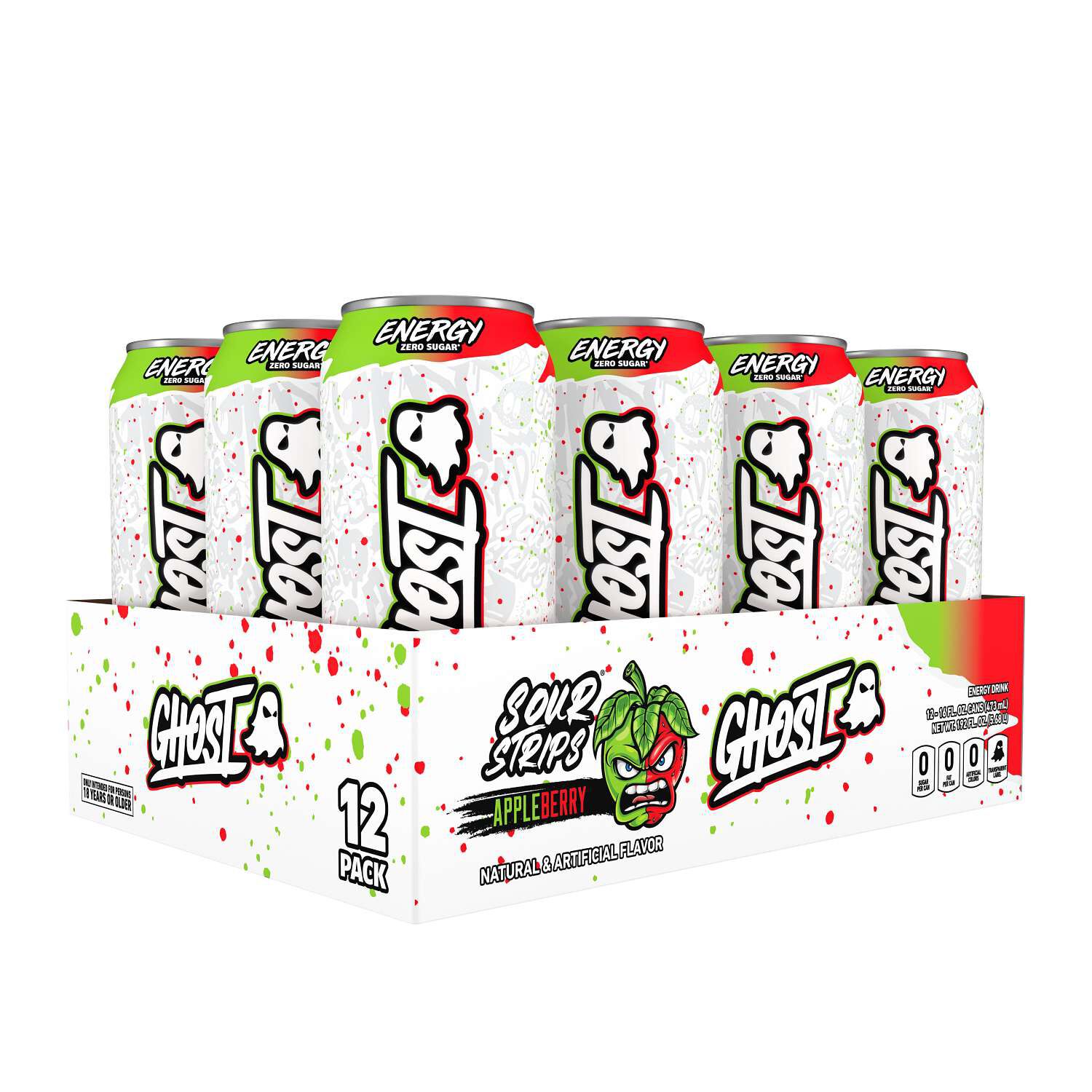
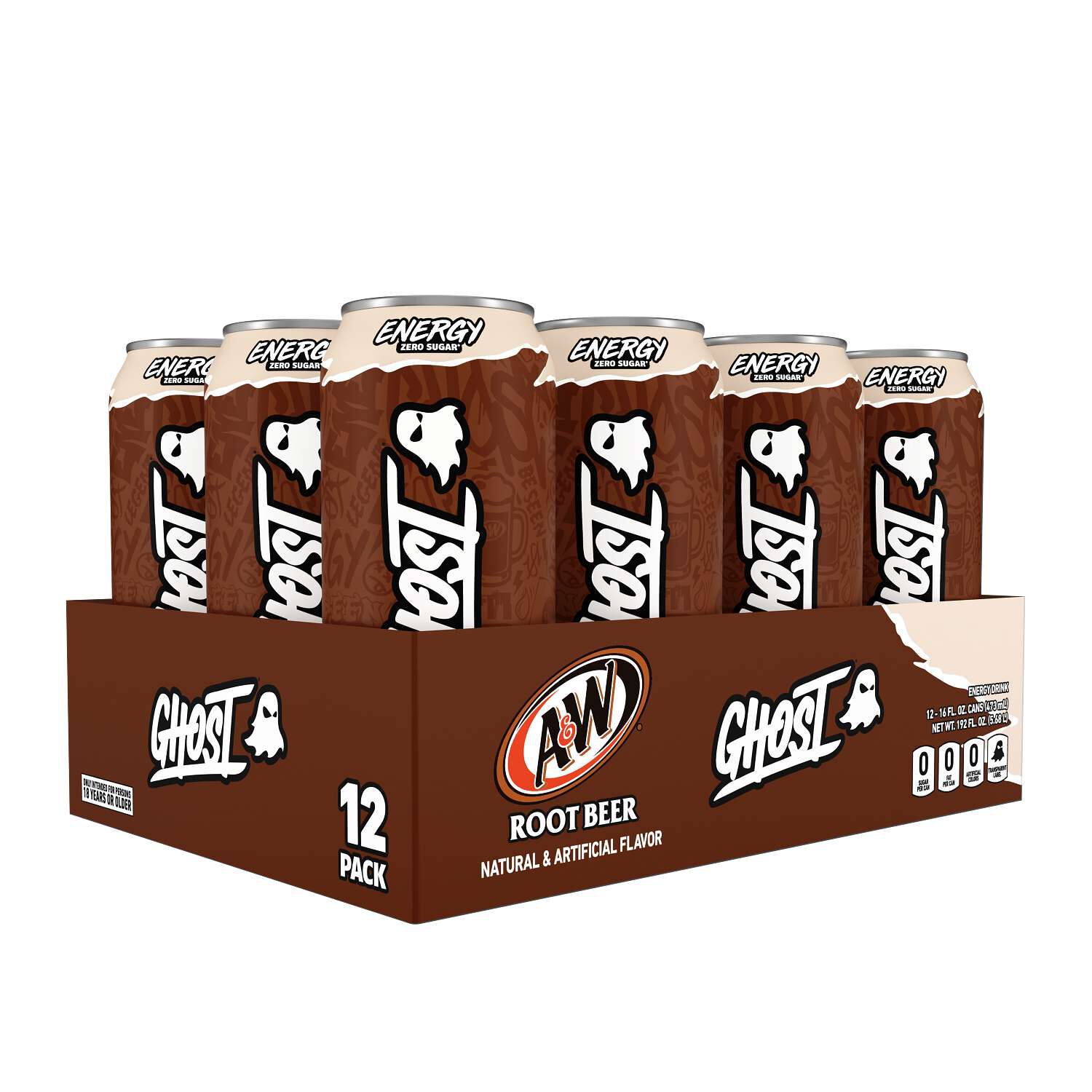
Personal energy drinks are individually portioned beverages or drink mixes that may support energy and alertness, with formats designed for everyday portability. The category generally includes ready-to-drink cans and bottles, along with single-serving powder packets mixed with water. For adults who enjoy a flavored caffeinated beverage, the choice often comes down to taste, serving size, ingredients, and how the drink fits into a familiar routine. A sealed can takes little preparation before a commute, while a narrow powder packet fits into a work bag alongside a refillable bottle. Ready-to-drink options have a set flavor concentration and may be sparkling or still. Powdered options require mixing, and their flavor intensity depends partly on the amount of water used within the package directions. Caffeine is a common ingredient, sometimes sourced from coffee beans or tea, although the source and amount differ by formula. Some drinks also contain B vitamins, amino acids, or botanical ingredients; the ingredient list identifies what is actually included rather than leaving that information to the flavor name or package design. Caffeine content can vary considerably, so a personal energy drink is not defined by one standard amount per serving. The labeled caffeine amount, serving size, and number of servings per container offer a more useful comparison than the container’s size alone. Sugar content varies as well, with options ranging from drinks made with sugar to formulas labeled zero sugar and sweetened with other ingredients. Calories, carbohydrates, and added nutrients are separate details worth comparing rather than assuming that drinks with similar names have similar contents. For shoppers browsing personal energy drinks, these distinctions make the category less about a single type of beverage and more about finding a practical combination of format, flavor, and clearly stated ingredients. A desk drawer, a lunch bag, or a kitchen beverage shelf can each call for a different package, even when the preferred flavor stays the same.
Flavor and texture often determine whether an energy drink becomes part of a regular beverage rotation. Citrus varieties can have a tart, bright character, while berry blends may lean sweet, tangy, or somewhere between the two. Tropical combinations often layer several fruit flavors, and candy-inspired profiles tend to emphasize sweetness over a straightforward fruit taste. Flavor names describe the intended taste experience, not necessarily the presence of juice, so the ingredient list remains useful when that distinction matters. Carbonation adds another point of difference: a sparkling drink has bubbles and a sharper mouthfeel, while a still drink has no fizz. Sweeteners can influence both the first sip and the finish, and two zero-sugar drinks can taste noticeably different even when they share a flavor description. Package size also shapes the experience. A smaller serving may suit someone who prefers a short beverage break, while a larger container means more liquid to carry and drink. With powders, the stated water quantity provides a reference for the intended taste, and mixing directions explain whether stirring or shaking is appropriate. A packet poured into a glass at a desk involves different preparation than one mixed in a bottle before leaving home. For the latter, a secure lid and enough room for mixing are practical considerations; directions for the drink and the bottle should determine how they are used together. Packaging matters for ready-to-drink beverages, too. Aluminum cans are compact but typically cannot be resealed after opening, whereas some bottled formats have a screw cap. An upright space in a bag or a cup holder that accommodates the container can matter more in daily use than an elaborate package design. The best fit is personal in an ordinary, practical sense: the preferred sweetness, the desired texture, the serving amount, and the amount of preparation that feels reasonable on a busy day. Those details can distinguish two otherwise similar-looking energy beverages without relying on broad claims about their effects.
Intended use provides another way to compare personal energy drinks while keeping expectations grounded in what the package actually states. An adult heading to an office may prefer a ready-to-drink format to accompany a packed lunch, while someone moving between work locations may value powder packets that take up little bag space before mixing. For a breakfast-time beverage routine, morning energy drinks offer a related category to explore, with the same considerations around caffeine, taste, and preparation. A drink’s name or colorful packaging does not establish its suitability for a particular person or activity, and an energy beverage is not automatically interchangeable with a sports drink, a protein shake, or a meal replacement. Each category has a different formulation and intended use. The label’s intended audience, directions, and caution statements are important parts of the product description, alongside the ingredient and nutrition information. Coffee, tea, and other beverages in a person’s routine may also contain caffeine, making the amount printed on an energy drink relevant beyond that one container. Clear labeling is especially useful when comparing a familiar canned format with an unfamiliar powder packet, since a smaller package does not necessarily mean less caffeine. Care and storage are mostly matters of protecting the packaging and following its directions. Powder packets need intact seals and protection from moisture before use; cans and bottles need packaging that remains sound during transport. Storage instructions, date markings, and any directions for handling after opening or mixing provide the most relevant information for the particular format. For an adult recipient who already enjoys energy drinks, a beverage gift is most thoughtful when it reflects known flavor preferences and familiar ingredient choices rather than guesswork. Across personal use and gifting, useful comparisons stay concrete: sparkling versus still, canned versus powdered, sugar content, caffeine per labeled serving, and the preparation required. Together, those details offer a clear picture of how a personal energy drink may fit into an established routine, from the first look at the label to the last sip.
Best Sellers
-
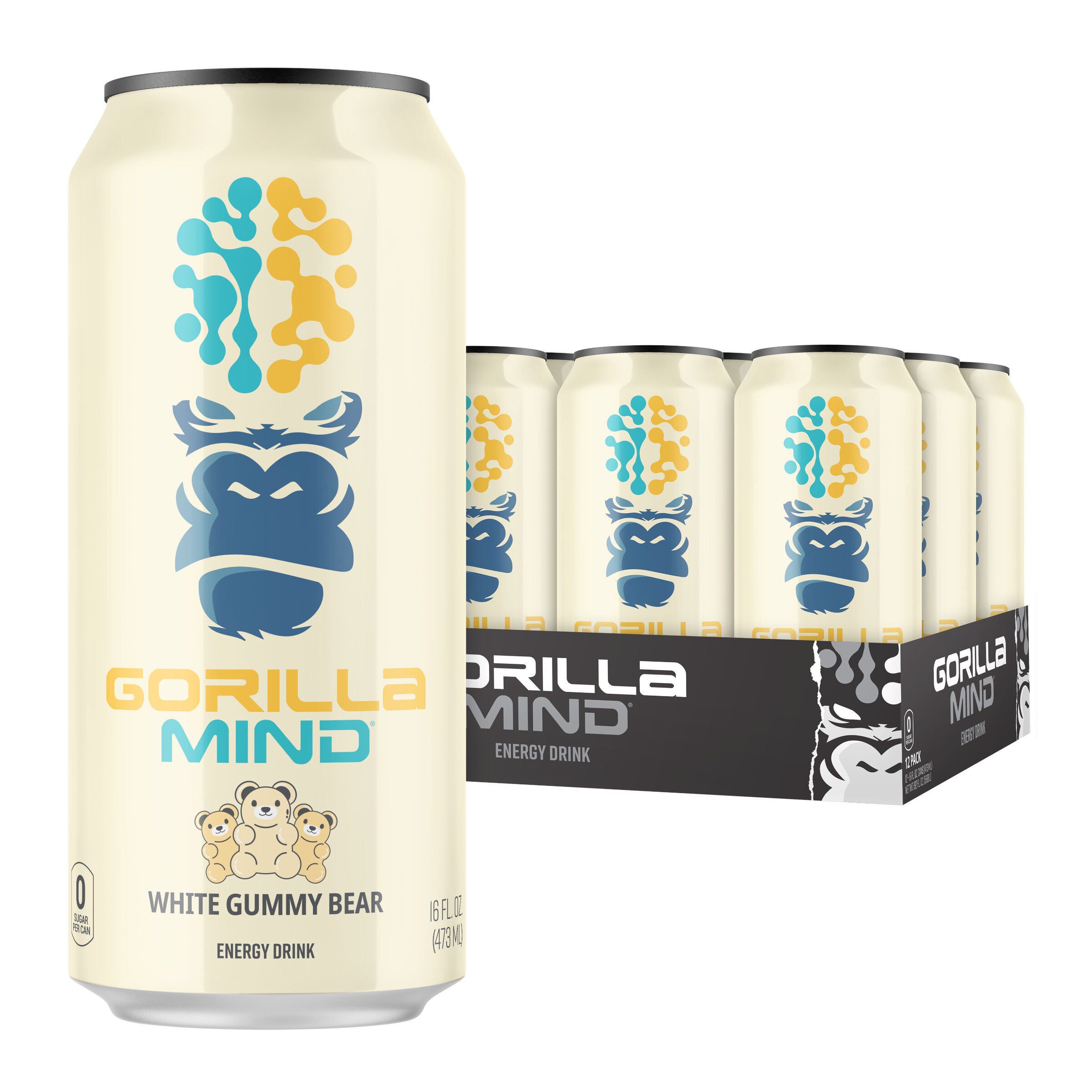 Gorilla Mind
-
 Gorilla Mind
-
 Gorilla Mind

