





Iron Supplements For Iron Absorption
(0 Results)
Iron supplements for iron absorption may offer support for those looking to maintain their daily wellness routine. These supplements could be a convenient option for individuals who want to help their body absorb iron from their diet. With a variety of formulas available, finding an iron supplement that fits your lifestyle and preferences might be easier than ever. Explore options that may complement your nutritional goals and discover how iron supplements for iron absorption could become a part of your everyday regimen.
-
-

-
-

-
-
-
-

-
-
 $16.99
-
 $15.99

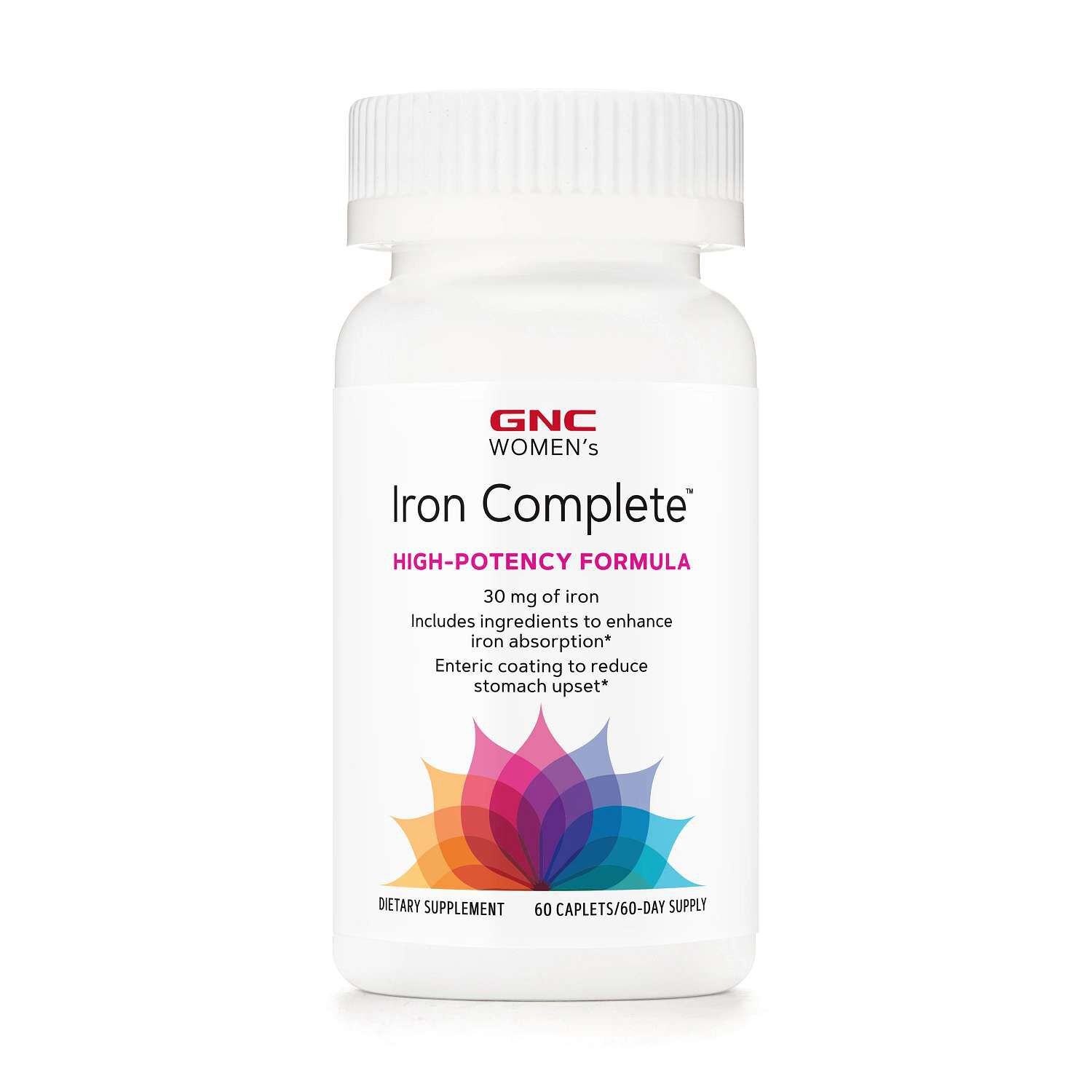
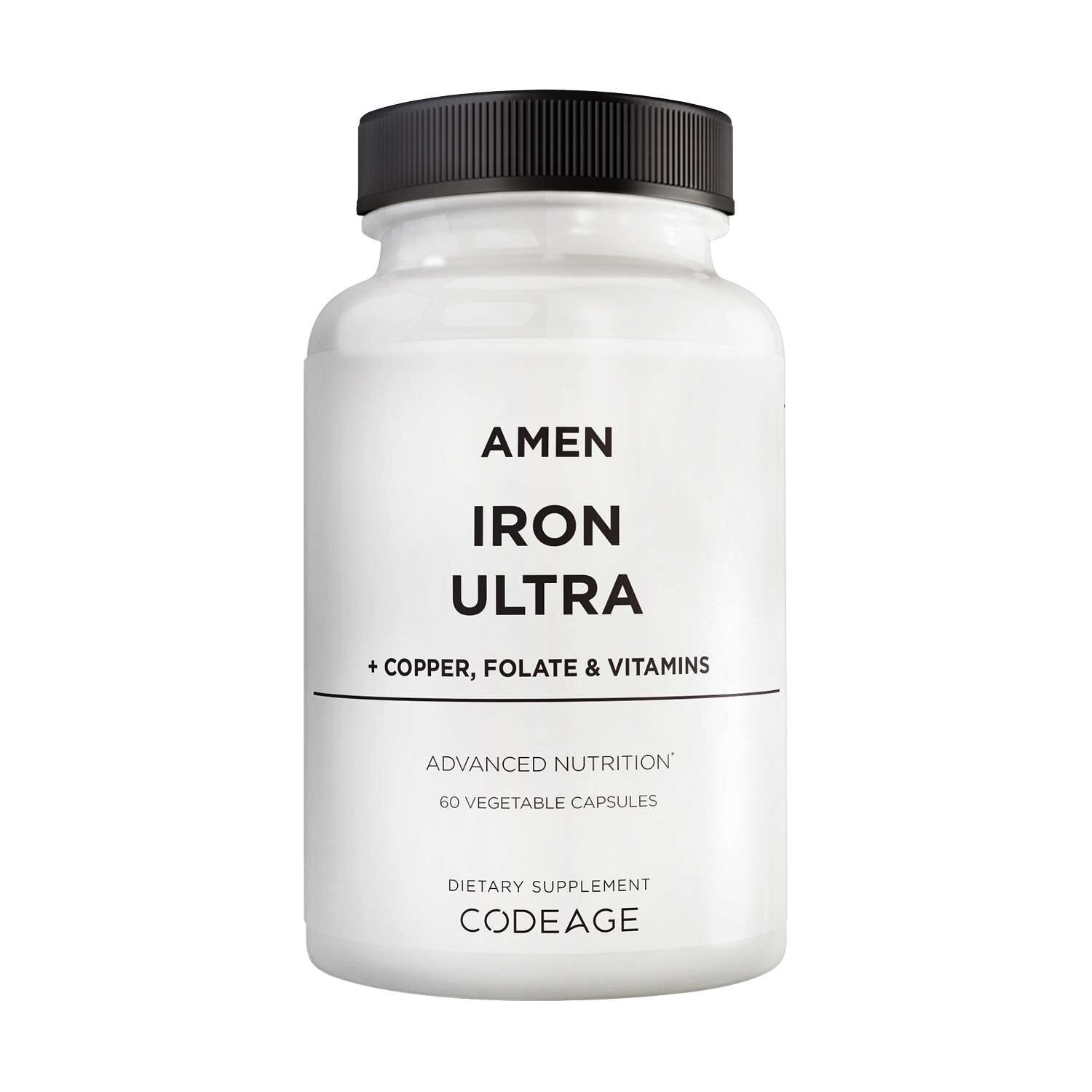
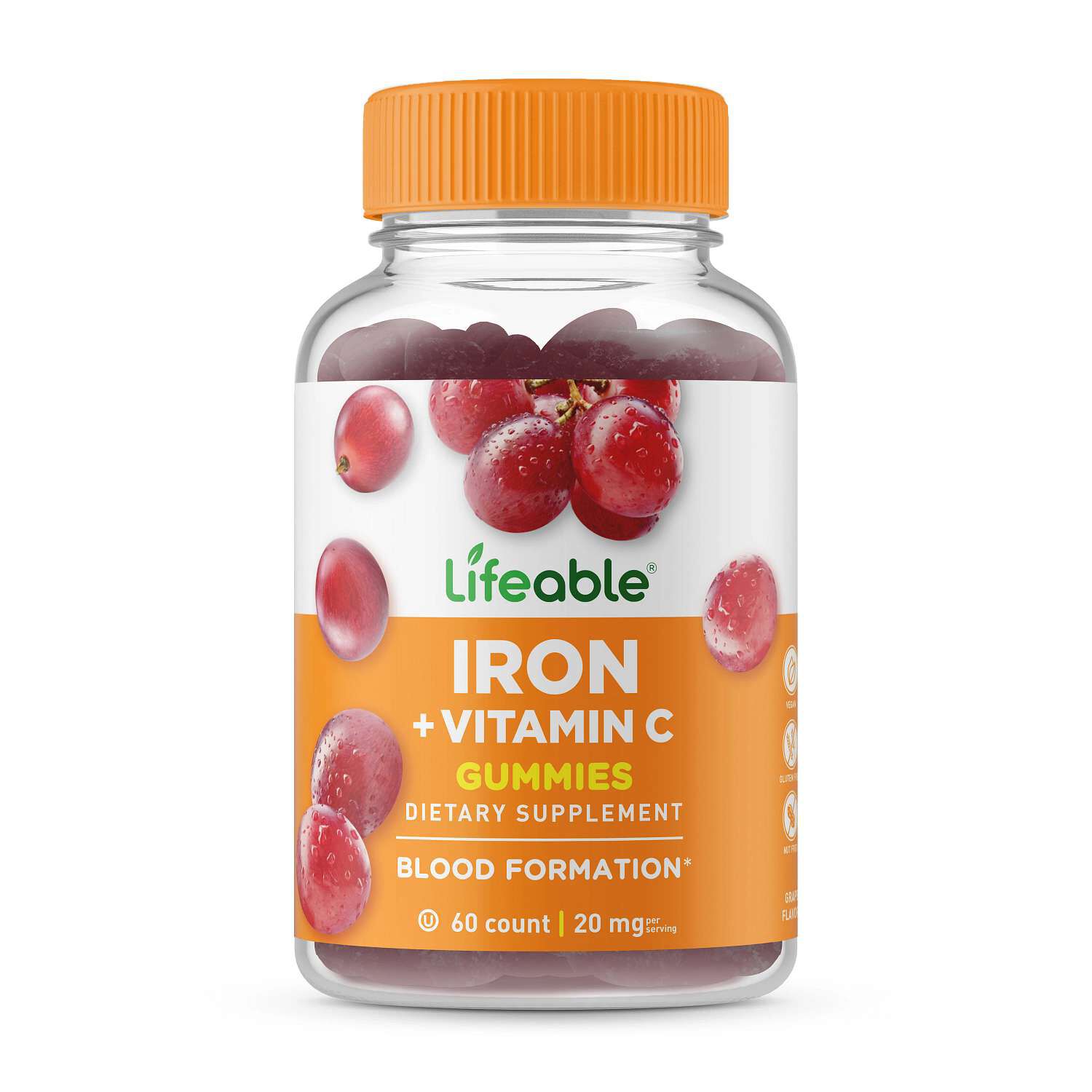
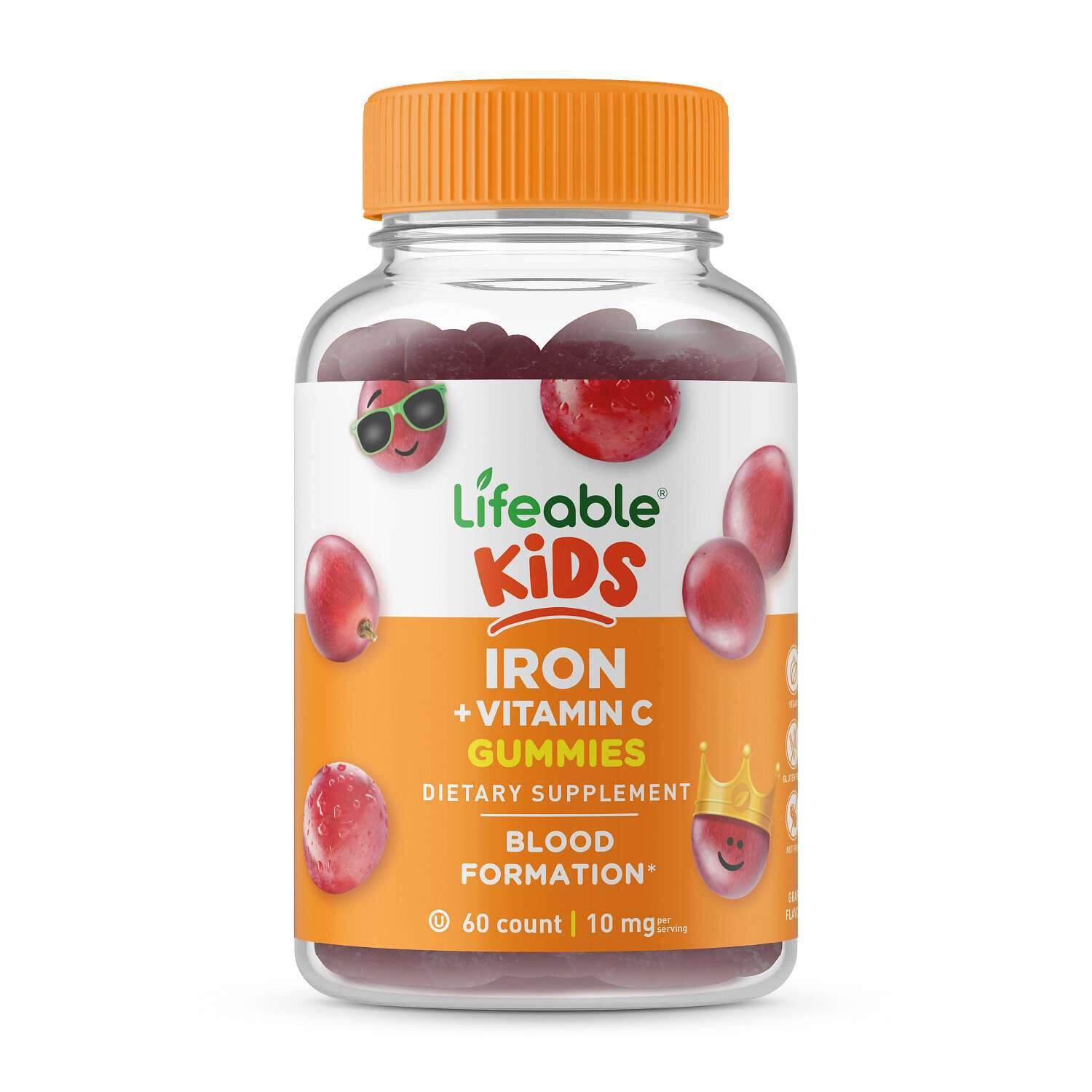
Iron supplements for iron absorption bring together two considerations: the form of iron in a formula and the other ingredients included alongside it. Vitamin C, often listed as ascorbic acid, may help the body absorb non-heme iron, the form found in plant foods and many iron supplements. That connection makes vitamin C a useful ingredient to recognize when comparing absorption-focused formulas, although its presence does not establish how much iron any individual will absorb. Some formulas pair iron with vitamin C in the same serving, while others contain iron without additional vitamins. Ingredient panels may list forms such as ferrous sulfate, ferrous fumarate, ferrous gluconate, or iron bisglycinate. These names identify different iron compounds; they are not interchangeable descriptions of serving size or mineral content. The amount of elemental iron shown in the Supplement Facts panel is a more useful comparison point than the weight of the entire compound. A larger number on a label does not, by itself, describe better absorption or make a formula more suitable for a particular person. Serving size matters just as much: an amount listed for two capsules is different from the amount provided by one capsule, even when the front labels look similar. For adults who eat mostly plant foods, the distinction between dietary iron sources and supplemental forms may be especially relevant to their shopping research. Beans, lentils, and fortified grains provide familiar context for non-heme iron, while foods such as bell peppers and citrus contribute vitamin C. Those food connections help explain why the two nutrients often appear together in supplement descriptions, without making a supplement a substitute for varied meals. Absorption is only one part of the comparison. The stated iron amount, ingredient combination, intended audience, and labeled directions all contribute to a clearer picture of what a formula contains and how it is presented for use.
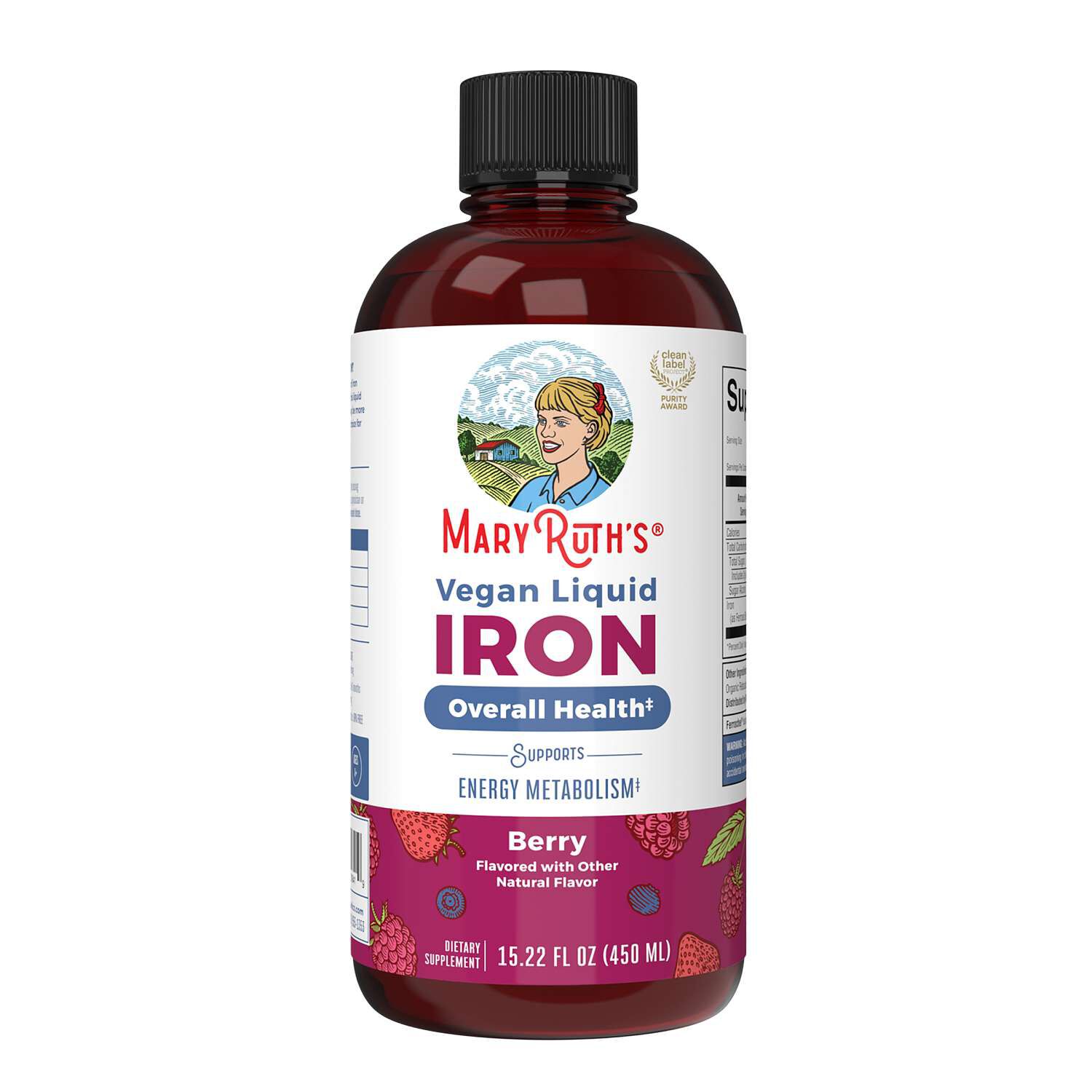
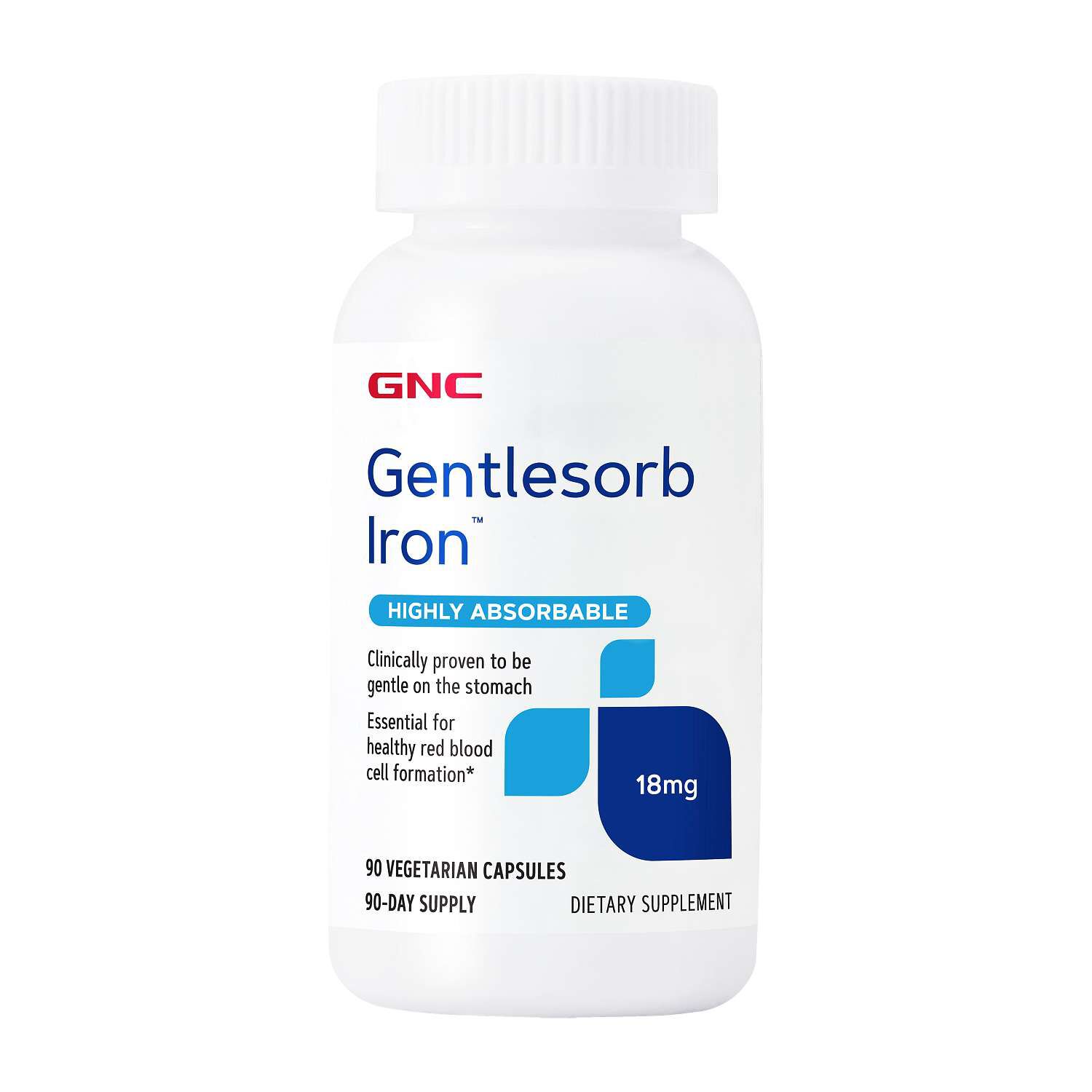
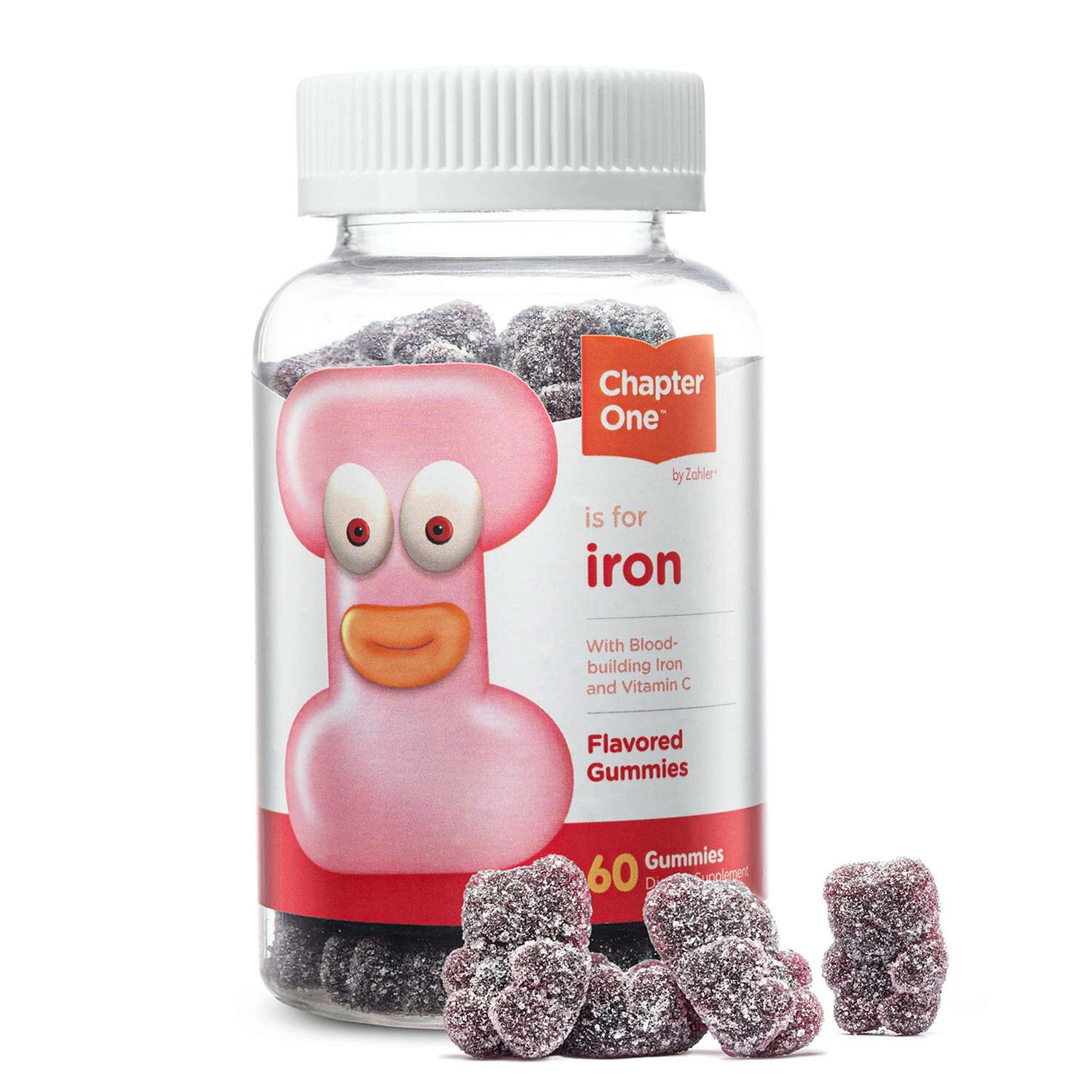
Format adds another practical layer to choosing an iron supplement. Tablets, capsules, chewables, and liquids differ in texture, size, flavor, and the way a serving is measured. A person who prefers a familiar capsule may focus on capsule dimensions and shell ingredients, while someone who dislikes larger tablets may spend more time comparing other formats. Capsule shells can contain gelatin or plant-derived materials, so the iron source alone does not establish whether the entire formula matches a vegetarian eating pattern. Tablet coatings, colors, sweeteners, and flavorings also deserve attention when ingredient preferences are part of the decision. A chewable format has a different eating experience from a capsule, and a liquid introduces details such as serving volume, bottle design, and measurement markings. A small bottle does not necessarily mean a small serving, just as a small tablet does not necessarily contain less iron. The label provides the relevant amounts. For flavored formulas, the ingredient list can identify the sweeteners and flavor components rather than leaving the comparison to a fruit name on the front of the package. Some people prefer a short ingredient list; others are comparing combinations that include vitamin C or additional nutrients. Neither approach establishes absorption on its own. When several supplements are already part of a routine, reading their panels side by side can reveal repeated ingredients that are easy to miss when each bottle is considered separately. Suitability depends on individual circumstances, and a qualified healthcare professional can assess whether supplemental iron belongs in that routine. This is particularly relevant when shopping for someone else: a preferred flavor or easy-to-carry package does not establish that iron is an appropriate gift. For a person with an established reason to use supplemental iron, however, familiar packaging, clear directions, and a format that matches personal preferences can be meaningful comparison points. Those concrete details make the shopping experience more specific than relying on broad absorption language alone.
Everyday handling also deserves a place in the comparison, especially for a supplement intended to remain part of an established routine. A bottle with a clearly printed serving size, readable directions, and an identifiable expiration date is easier to evaluate than packaging that leaves those details difficult to find. Closure design matters in a household setting, and original packaging preserves access to the ingredient panel, directions, and safety information. Storage instructions vary by formula, particularly between dry tablets or capsules and liquids, so the package is the reference for handling after opening. A tightly secured cap and the storage conditions stated on the label are practical care considerations rather than cosmetic details. Packaging should also be kept out of children’s reach, including flavored or chewable formats that might resemble ordinary snacks. For someone who carries supplements between home and another location, the bottle’s dimensions, closure, and readability may matter more than a decorative label. For someone who keeps a simple countertop routine, the distinction between one serving and one tablet may be the most important detail to notice. Absorption-focused language is best considered alongside these ordinary, tangible features. A description that mentions vitamin C provides different information from a Supplement Facts panel that identifies the iron form and amount; both deserve attention, but neither describes an individual outcome. Terms referring to a particular formulation also should not be treated as proof that every person will have the same experience. Shoppers comparing this focus with an established supplementation routine can also explore Iron Supplements For Iron Maintenance. Across either focus, the clearest comparisons come from matching serving information, ingredient preferences, format, and intended use. That approach keeps attention on what a formula actually contains and how it fits a person’s circumstances, rather than assuming that a prominent absorption statement tells the whole story.
- Q: What are iron supplements and how do they support iron absorption?
A: Iron supplements are dietary products designed to help increase your daily intake of iron, a mineral important for the body. They can support healthy iron stores, which is important for energy production and overall wellness. - Q: Are there different types of iron used in supplements?
A: Yes, iron supplements may contain various forms of iron, such as ferrous sulfate, ferrous gluconate, or ferrous fumarate. Some products also include heme iron or plant-based sources. Each type may be absorbed differently by the body. - Q: Can certain nutrients improve the absorption of iron from supplements?
A: Vitamin C is known to help with the absorption of non-heme iron found in many supplements. Some formulations include vitamin C or recommend taking the supplement with a source of vitamin C for better absorption. - Q: Are there ingredients that might reduce iron absorption when taken together?
A: Yes, calcium, certain teas, coffee, and some whole grains can interfere with iron absorption if consumed at the same time as your supplement. It's often recommended to take iron supplements separately from these foods and beverages. - Q: How should I take an iron supplement for optimal absorption?
A: For best results, many people take their iron supplement on an empty stomach with water or a source of vitamin C. However, if you experience stomach discomfort, taking it with a small amount of food may help.
Best Sellers

Related Pages
Top Collections
- Zinc Supplements | Top Brands at Great Prices | GNC
- Cortisol Supplements
- NAD+ Supplement Tablets
- Top Rated Collagen | Shop Customer Favorites | GNC
- Best Brand of Magnesium Glycinate
- Peptide Supplements
- Iron Supplements
- Protein Powders For Muscle Growth Support
- Vitamins That Help Support Weight Gain
- Peptide Supplements for Muscle Growth