





Whey Protein Powders For Shaker Bottles
(0 Results)
Discover how whey protein powders for shaker bottles could help support your active lifestyle and fitness goals. Perfect for on-the-go mixing, these convenient options may offer a simple way to enjoy a protein boost anytime, anywhere. Whether you’re heading to the gym or need a quick post-workout shake, whey protein powders for shaker bottles might fit seamlessly into your daily routine. Explore a variety of flavors and formats designed with versatility in mind.


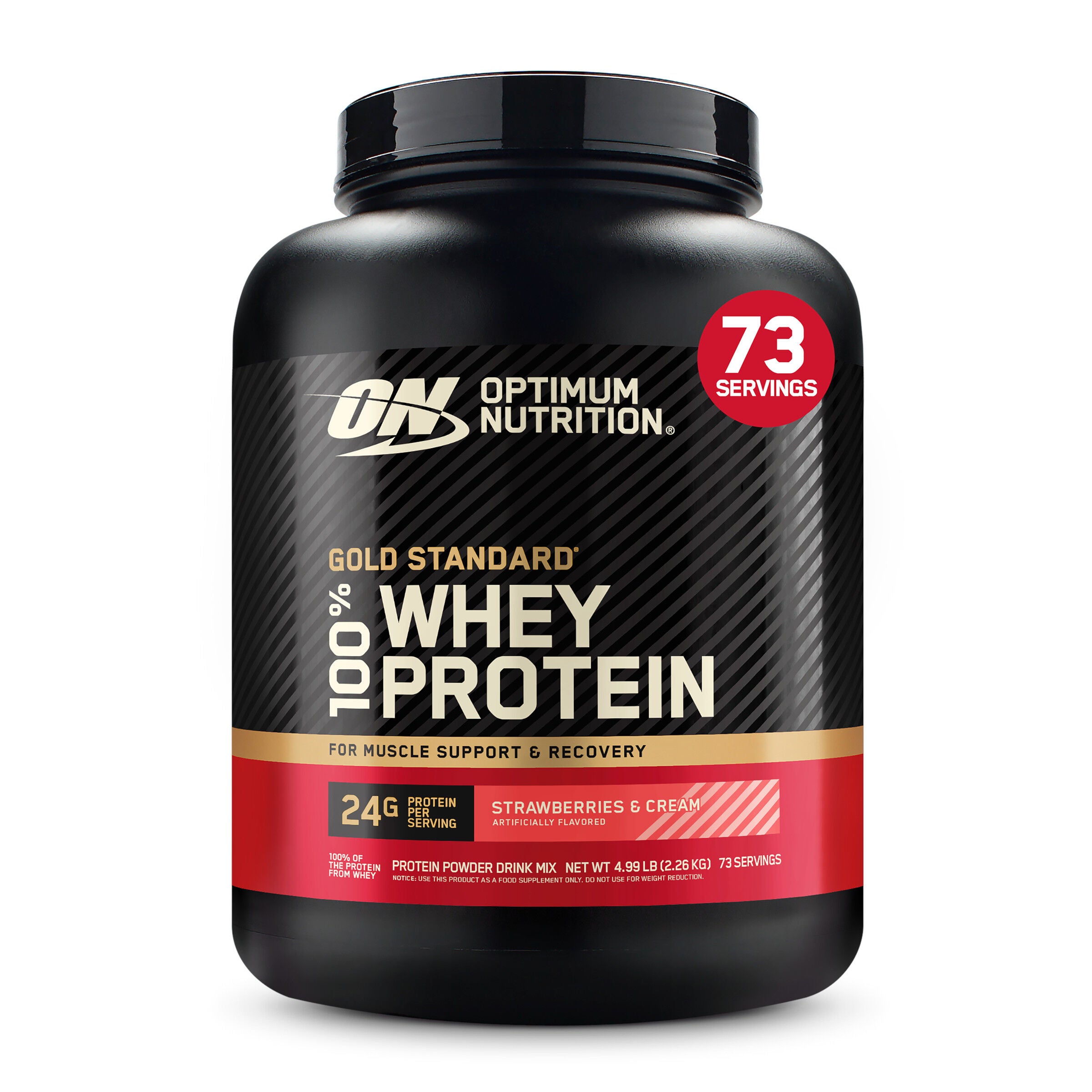

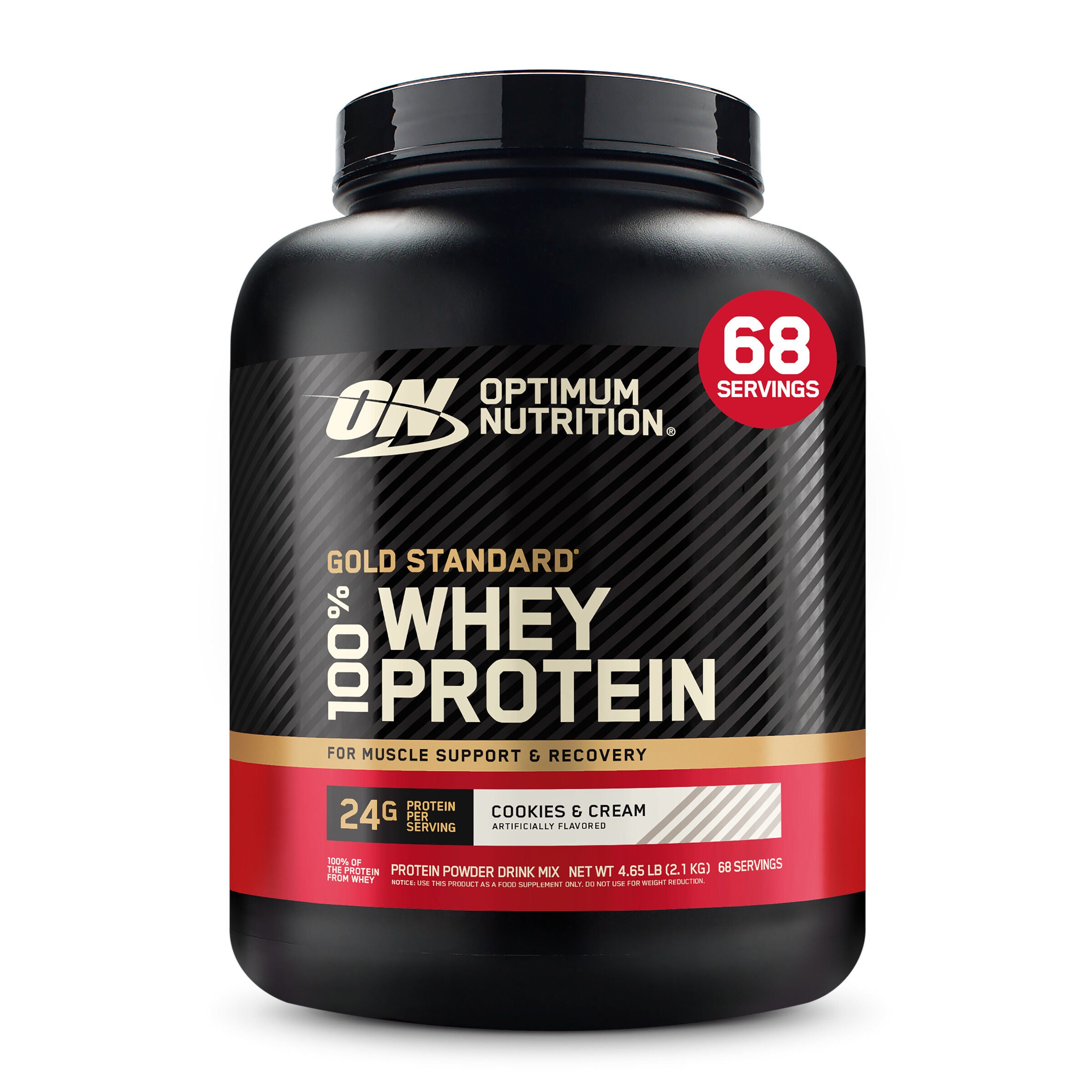


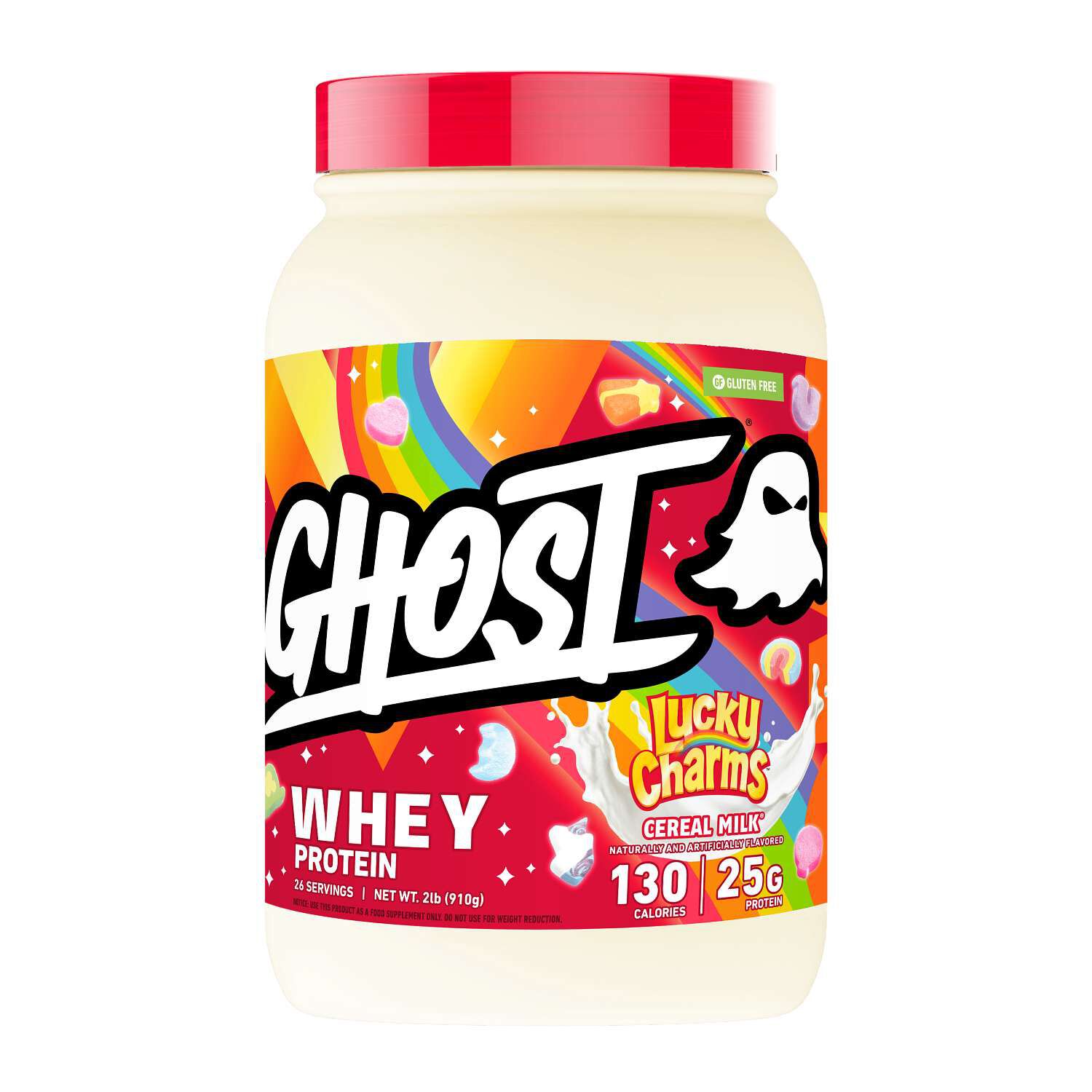


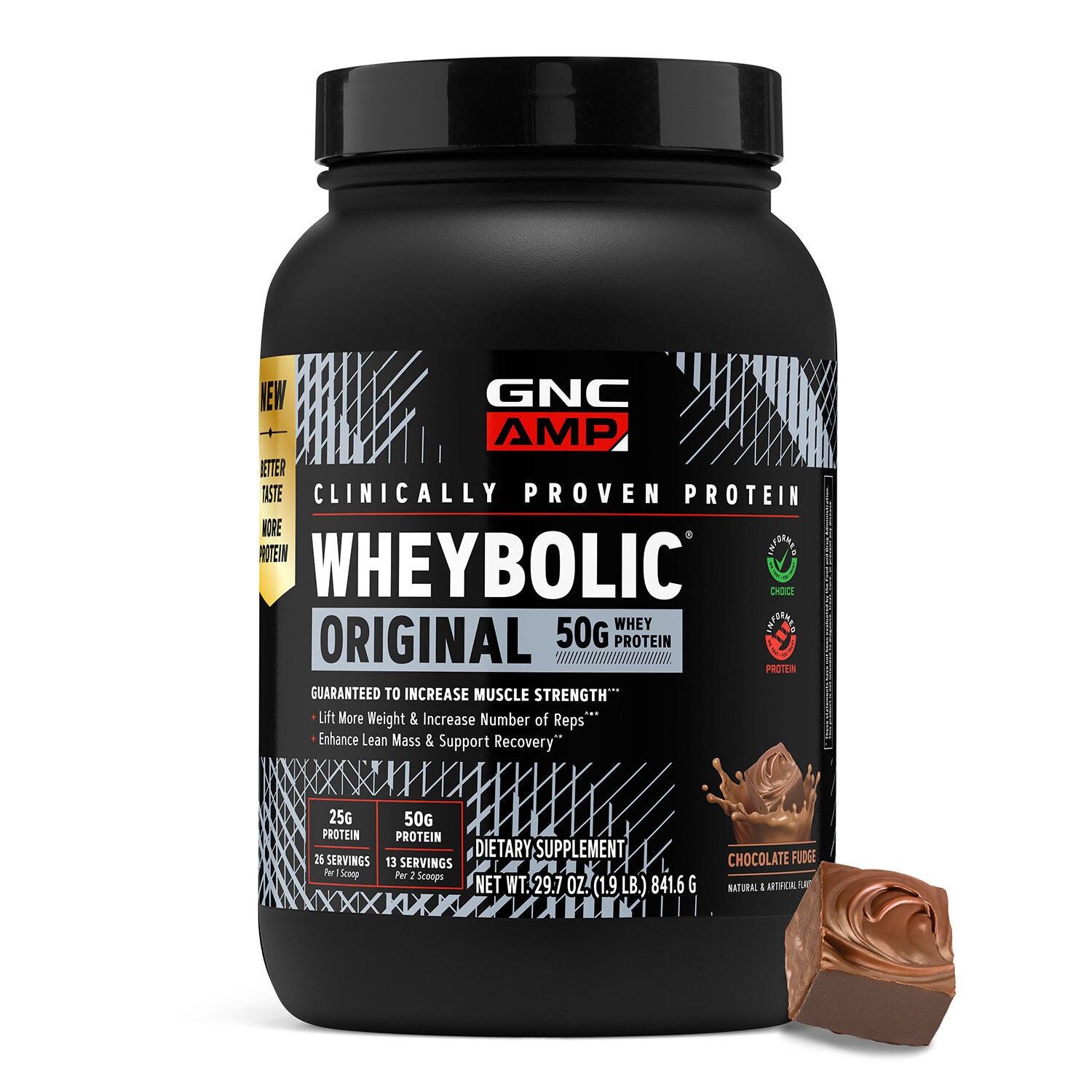

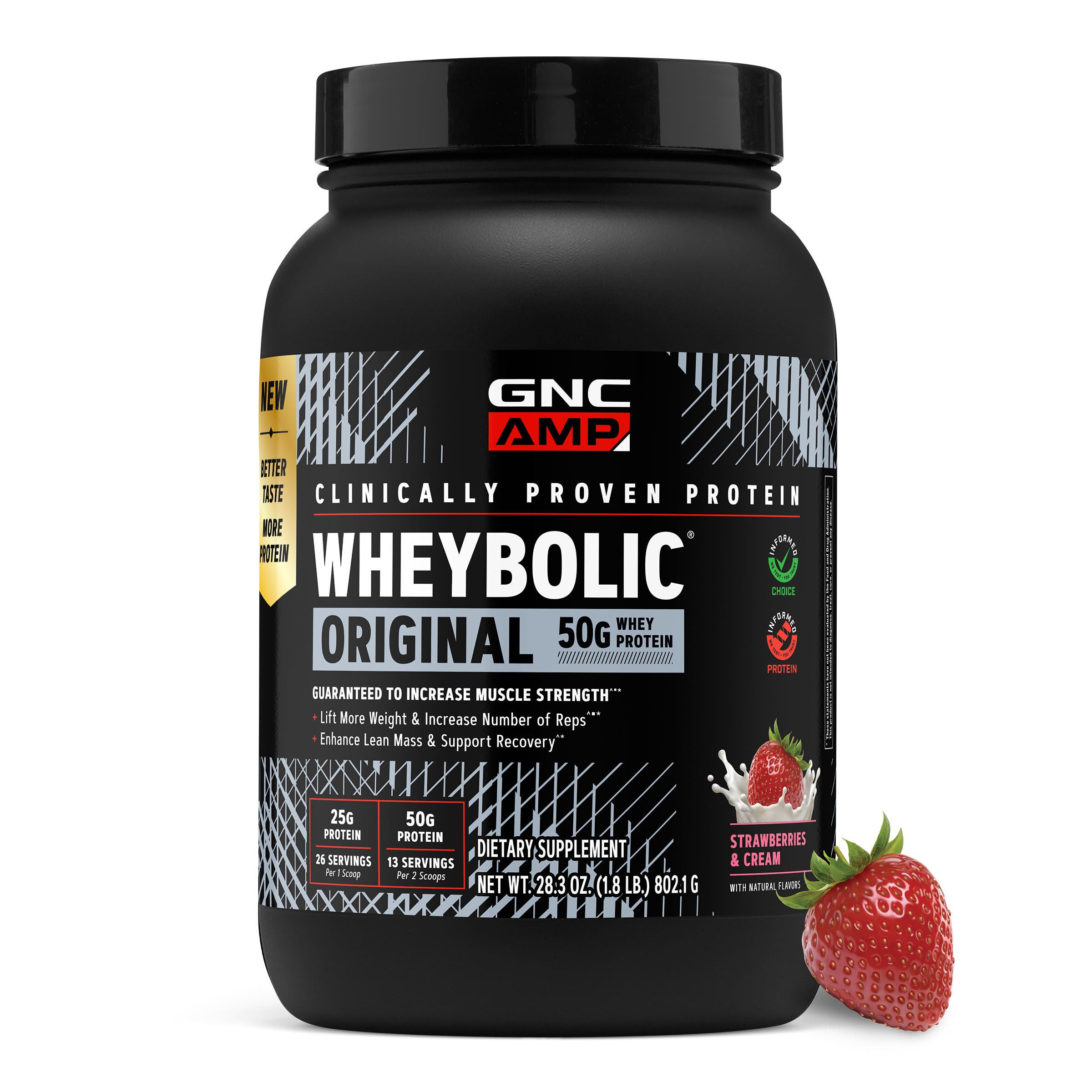
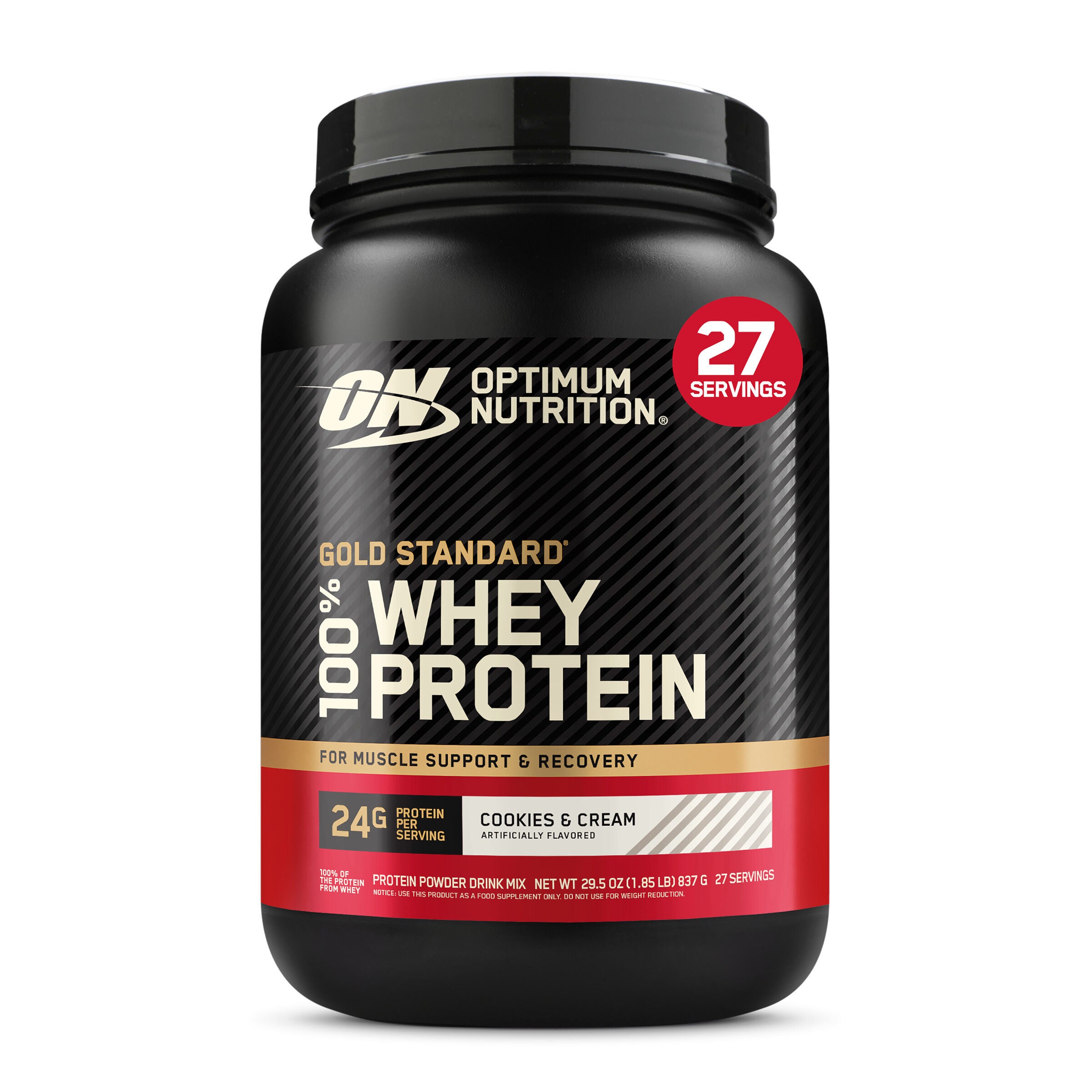
Whey protein powders for shaker bottles are milk-derived protein powders suited to preparing a drink with liquid and a hand-shaken container rather than a countertop blender. For this category, mixing characteristics matter alongside flavor, ingredients, and the amount of protein listed per serving. A powder with a fine texture and a formulation intended for shaking may disperse more readily in water or milk, while a thicker formula could require additional liquid or more room in the bottle. Some powders are described as instantized, meaning they have undergone processing intended to improve how they mix with liquid. Ingredients such as lecithin may also help with dispersion, although the finished texture depends on the formula, liquid, and mixing method. Whey concentrate, whey isolate, and blends of the two are common formats. Concentrate contains protein along with varying amounts of other milk components, while isolate generally has a higher proportion of protein and less lactose and fat. Hydrolyzed whey has undergone processing that separates proteins into shorter chains. These distinctions describe the ingredients, not a universal ranking of taste or shaker performance. Nutrition panels and ingredient lists provide a more useful comparison than the name of the protein type alone. Protein grams, serving size, carbohydrate and fat content, sweeteners, and milk allergen information all contribute to the picture. Scoop size also varies, so two powders measured with their respective scoops do not necessarily represent the same amount of powder or protein. Chocolate, vanilla, strawberry, and unflavored options offer different starting points for a daily drink. A chocolate powder may suit someone who enjoys a cocoa-style shake, while vanilla could pair with several different beverage bases. Unflavored whey still has its own dairy character and is not necessarily tasteless. Sweetness, aroma, and mouthfeel are worth considering together, especially for someone who expects to use the same flavor regularly. The most suitable choice depends on personal preferences and the preparation routine the powder needs to fit.
The relationship between powder and bottle is particularly important when a shake is prepared at a desk, in a gym changing area, or before leaving home. A shaker with a mixing ball, internal grid, or similar insert may help distribute powder through the liquid and reduce stubborn pockets of dry ingredients. Pouring liquid into the bottle before adding powder may help limit powder collecting in the bottom corners, where it can be harder to reach during shaking. Space above the drink also matters: a bottle filled close to the lid leaves little room for its contents to move. The preparation directions on the powder container provide a starting point for the liquid amount, while bottle capacity determines how comfortably that serving fits. Water may produce a lighter drink with a more noticeable powder flavor; milk could create a fuller texture and contribute its own nutrients. Plant-based beverages vary in sweetness, thickness, and ingredients, so the same whey powder may taste different in an oat beverage than in an almond beverage. Mixing whey with a plant-based beverage does not change its milk-derived origin. Ingredients such as nut butter, oats, or pieces of fruit introduce another consideration, since a shaker does not perform the same job as a powered blender. For bottle mixing, smooth liquids and the powder itself are usually the more practical combination. Bottle materials and construction also shape everyday use. Plastic and stainless steel are common options, with differences in weight, visibility, and care requirements. Clear sides and readable measurement marks may make liquid portions easier to judge. A wide opening may make adding powder and reaching inside during cleaning more manageable. Threaded lids, flip closures, removable seals, and mixing inserts deserve attention because they are the parts handled repeatedly. Cleaning directions vary by bottle, particularly for dishwasher use. Residue can collect around lid threads and under seals, making access to those areas a useful design consideration. A secure closure and a bottle that fits an everyday bag or cup holder are practical details for anyone taking a shake away from home.
Whey protein powder in a shaker format fits routines where portability and straightforward preparation matter. Recreational athletes, regular gymgoers, commuters, and adults with busy schedules may appreciate having a measured powder portion that can be mixed when convenient. A person heading to a workout might carry the powder separately from the liquid, while someone preparing a drink at home might prefer a larger bottle with room for the serving described on the label. Neither routine requires an elaborate recipe, and the choice of flavor can stay consistent from one preparation to the next. There is also a useful distinction between powders and prepared beverages. Powder requires measuring and mixing but allows a choice of liquid and consistency; ready-to-drink formats arrive already mixed. The related selection of Whey Protein Shakes and Drinks offers another format to consider alongside a bottle-and-powder routine. For powders, package design and storage instructions matter over repeated use. Resealable pouches and tubs have different shapes, openings, and footprints, which may affect how comfortably they fit in a cupboard or gym locker. A scoop that is easy to locate and an opening wide enough to use without spilling are small details that can matter during a hurried morning. A dry scoop, a securely closed package, and storage consistent with the label are useful considerations for keeping the powder in suitable condition. Prepared drinks have their own handling requirements, particularly when mixed with milk, and the powder package is not a substitute for directions about the chosen beverage base. Beyond preparation, the most relevant comparisons remain straightforward: the type of whey, the labeled protein amount, flavor, ingredient preferences, and compatibility with the bottle being used. A familiar flavor, manageable serving size, and mixing method that fits the day may make a powder a practical part of an established eating and exercise routine without requiring a blender or additional accessories.
Best Sellers


Related Pages


Top Collections
- Daily Collagen Supplements | Top Brands & Deals | GNC
- Joint Mobility Supplement Packs
- Zinc Supplements | Top Brands at Great Prices | GNC
- Supplements For Yoga Joint Flexibility
- Supplements For Balance
- Chronic Fatigue Supplements
- Capsule Supplements For Energy And Stamina
- Cortisol Supplements
- NAD+ Supplement Tablets
- Iron Supplements