

Whey Protein Powders For Meal Replacement
(0 Results)
Fueling your day with whey protein powders for meal replacement could be a convenient way to support your nutrition goals. Whether you’re on the go, looking to balance your daily intake, or seeking an easy option to help manage your busy schedule, these versatile powders might fit seamlessly into your routine. Explore a variety of flavors and formulations designed to suit different preferences and lifestyles, making it simple to find an option that aligns with your needs.



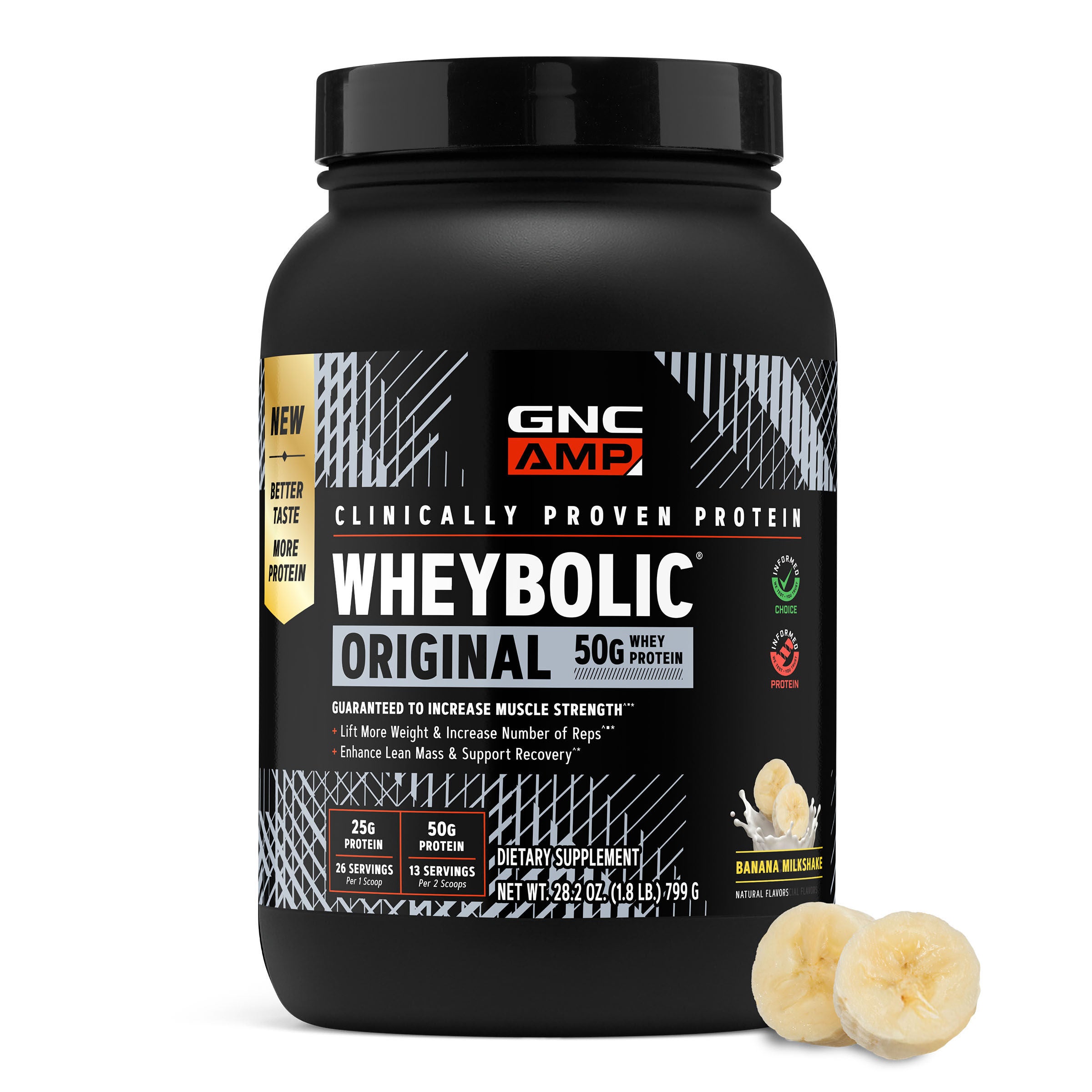
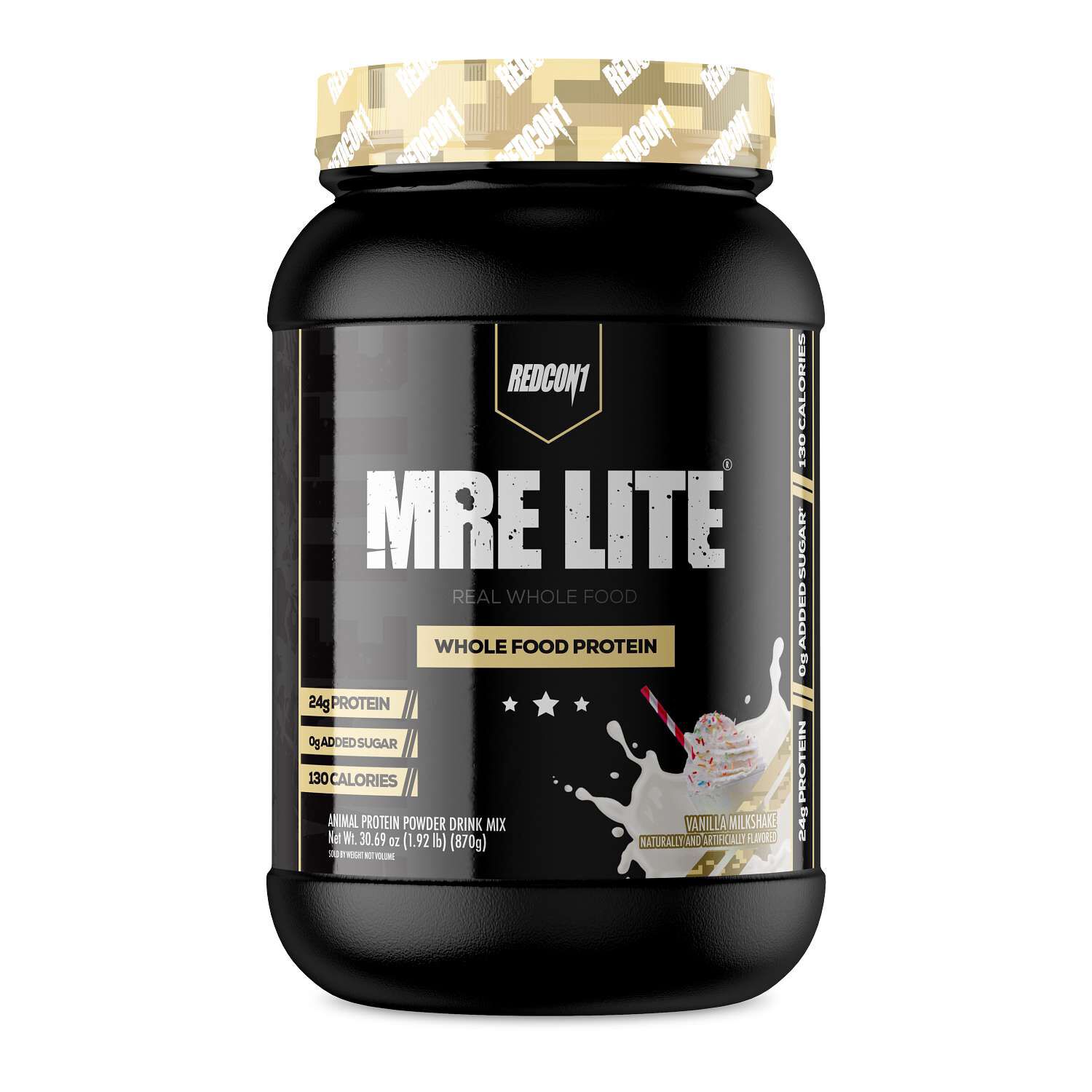
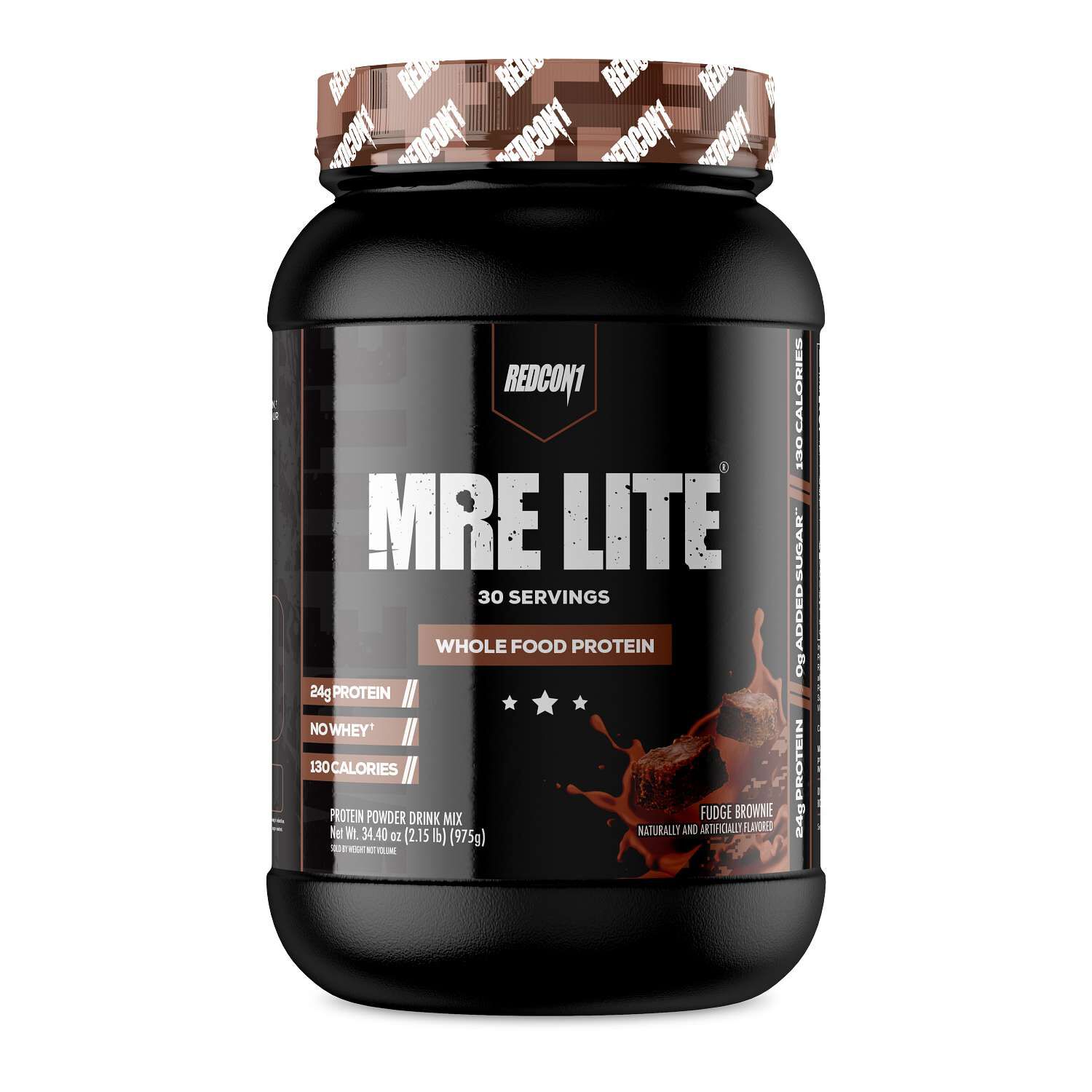

Whey protein powders for meal replacement are often used as the protein component of a blended meal, but standard whey powder alone is not nutritionally equivalent to a varied meal. Most formulas center on protein, with differing amounts of carbohydrates and fat, and may contain little fiber or only a limited range of vitamins and minerals. The distinction matters when comparing a straightforward protein powder with a formula specifically designed as a meal replacement. Whey mixed with water has a different nutritional profile from whey blended with milk, oats, fruit, and nut butter. For shoppers considering a shake in place of an occasional breakfast or lunch, the relevant details extend beyond the protein number on the label. Serving size, calories, carbohydrates, fat, fiber, and listed vitamins and minerals all help describe what is in the powder and what other ingredients would contribute. Whey is a milk-derived protein, and common forms include whey concentrate, whey isolate, and hydrolyzed whey. Concentrate typically contains more of the milk’s carbohydrates and fat than isolate, while isolate undergoes additional processing to separate more of the protein from those components. Hydrolyzed whey has proteins that have been partially separated into smaller peptides during processing. These differences do not make every formula interchangeable: flavorings, sweeteners, thickeners, and other ingredients also vary. A powder with a short ingredient list may suit someone who wants a simple base for a fruit smoothie, while a richer, flavored blend may appeal to someone who prefers a shake with just a few additions. Milk allergen information remains relevant across whey formats, and lactose content can differ between formulas. The package label is the most useful reference for understanding a particular powder’s composition, serving directions, and intended use. Product descriptions can offer context, but the distinction between a protein supplement and a meal replacement belongs at the center of any comparison.
A meal-style whey shake generally involves more than adding an extra scoop of powder. Ingredients from several food groups create a broader nutritional profile, with whey contributing protein, oats and fruit contributing carbohydrates, and nuts or seeds contributing fat. Fiber can come from ingredients such as berries, oats, chia seeds, or ground flaxseed, while the mix of foods determines the vitamins and minerals present. Milk, yogurt, and plant-based beverages each bring different characteristics, so the liquid deserves as much attention as the powder. Some plant-based beverages contain added vitamins and minerals; others have relatively little protein, and sweetened versions differ from unsweetened ones. For a breakfast with a familiar oatmeal flavor, vanilla whey can be paired with rolled oats, banana, milk, and almond butter. A chocolate version can take on a dessert-like character with peanut butter and frozen banana, while a lightly flavored powder leaves more room for berries and plain yogurt. These combinations are examples of varied ingredients rather than fixed nutritional formulas: portion sizes and labels determine the resulting nutrition. They also illustrate why flavor choice matters on a collection page devoted to meal replacement use. A bold chocolate powder may work well with coffee or nut butter but can dominate a delicate peach blend. Vanilla is adaptable across many fruit combinations, and unflavored whey offers another option for shoppers who prefer to choose the sweetness themselves. Texture is equally personal. Frozen fruit and yogurt create a thicker blend, oats add body, and seeds can change the consistency as the mixture stands. More liquid produces a thinner drink, while a spoonable version can be served in a bowl with fruit and cereal alongside it. A shaker bottle is suited to powder and liquid; oats, whole fruit, and nut butter generally call for a blender. On a morning when sitting down to breakfast is difficult, those practical differences can determine whether a particular powder fits the routine. A shake with a broader mix of ingredients may feel more substantial than powder and water, although individual experiences vary.
The best fit within this category depends on how the powder will be used, not simply on which package displays the largest protein amount. Someone blending breakfast at home may value a versatile flavor and a texture that works with oats, while someone preparing lunch in an office kitchenette may prefer a powder that mixes easily with liquid and pairs with foods packed separately. A shake does not have to contain every part of the meal in the same cup; fruit, whole-grain toast, or a portion of nuts can sit alongside it. For shoppers coordinating several kinds of meals throughout the week, Protein Powders For Meal Planners offers a related category to explore. Comparing powders by labeled serving size makes more sense than comparing scoop size, since scoops and powder densities differ. The nutrition panel, ingredient list, allergen statement, and preparation directions together give a clearer picture than flavor names alone. Package size and closure style are practical considerations, too: a resealable pouch occupies space differently from a rigid tub, and either needs a secure closure between uses. Dry powder should be stored according to its label, with a clean, dry scoop and protection from moisture. Leaving a container open beside a steaming kettle or reaching into it with a damp utensil can introduce moisture that affects the powder’s condition. Prepared shakes require separate attention, particularly when they contain milk, yogurt, or cut fruit; refrigeration and a suitable insulated container matter when a blend travels beyond the kitchen. Blender jars, shaker lids, and seals also need thorough washing after use, since thicker mixtures can collect around their edges. These everyday details are part of choosing a powder for repeated use. Whether the setting is a quiet breakfast at home or a packed workday, a suitable whey powder serves as one component of a varied meal rather than a substitute for all the foods that give that meal its nutritional range.