

Whey Protein Meal Replacement Shakes
(0 Results)
Discover a convenient way to support your nutrition goals with whey protein meal replacement shakes. Perfect for busy lifestyles, these shakes offer a simple option for those looking to incorporate more protein into their daily routine. Explore a variety of flavors and formulations that may fit seamlessly into your wellness journey. Whether you’re seeking an easy breakfast or a post-workout option, whey protein meal replacement shakes could be a versatile addition to your pantry.

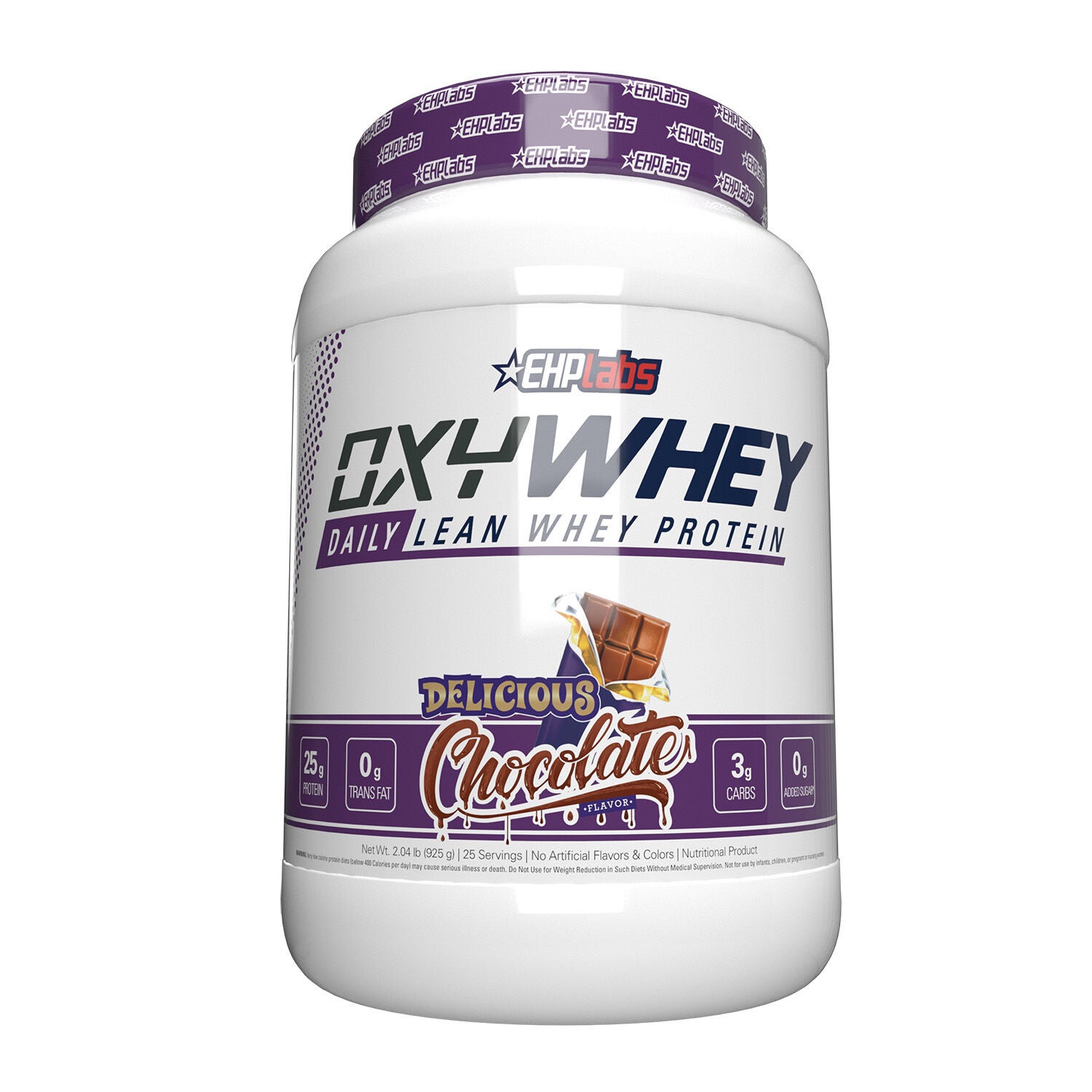
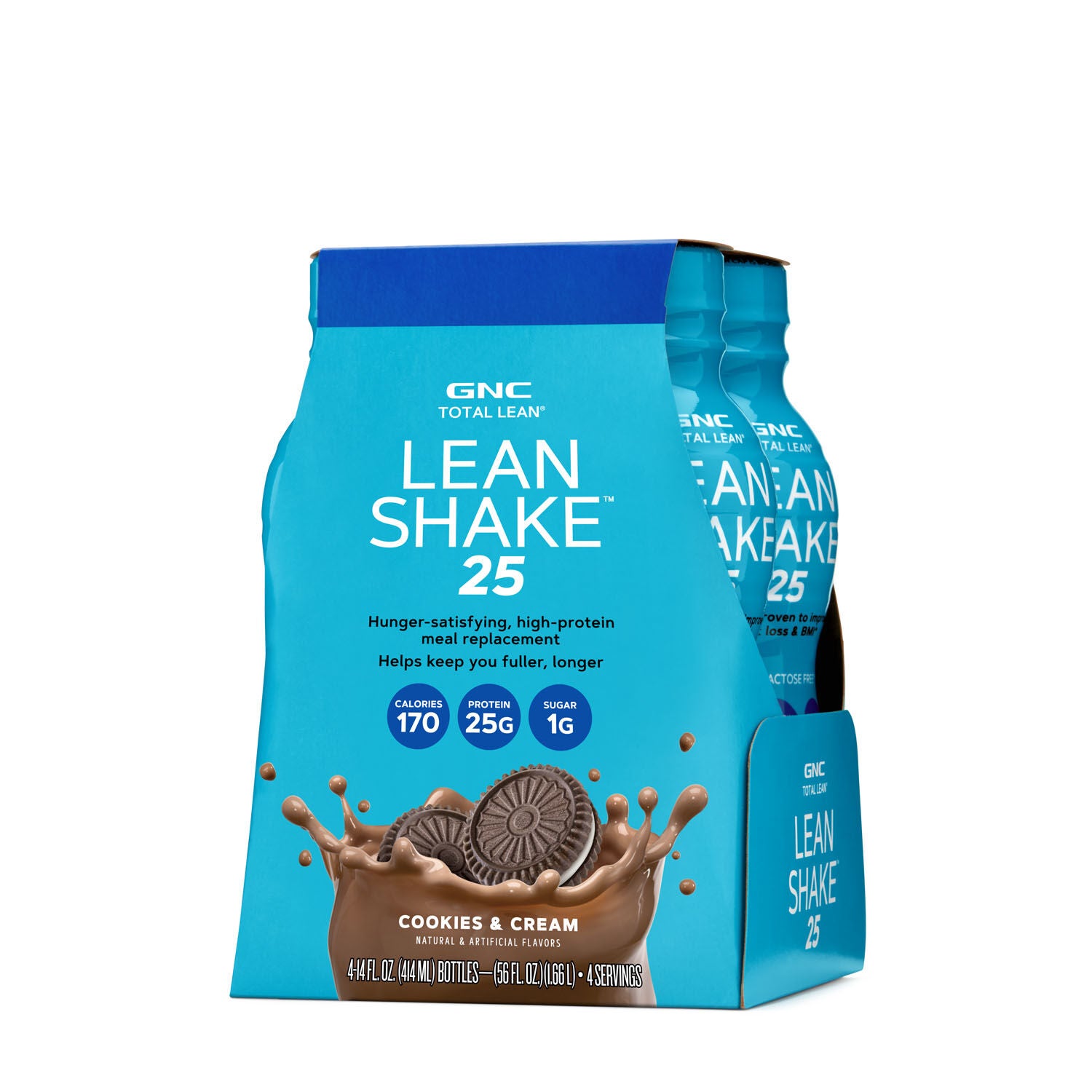
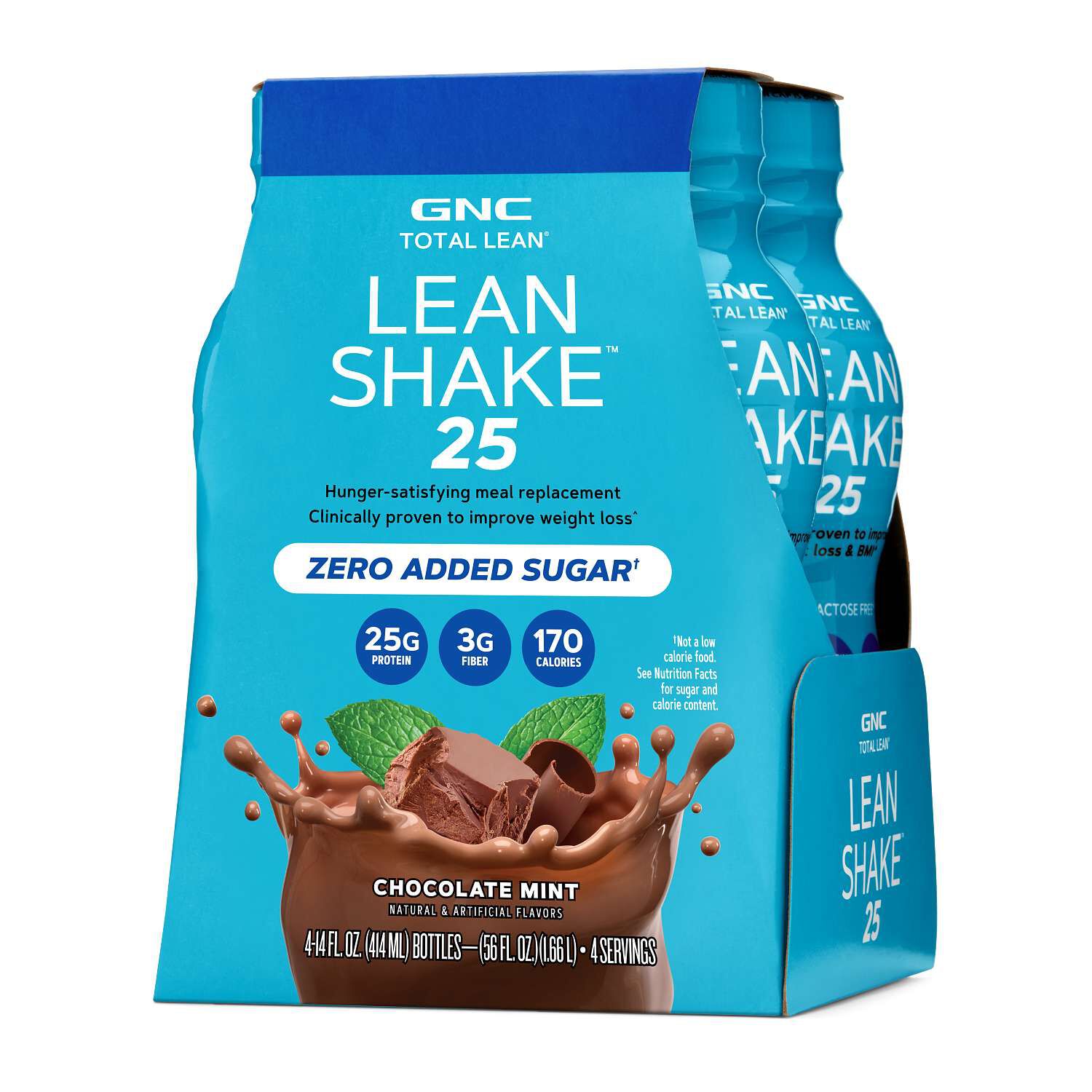
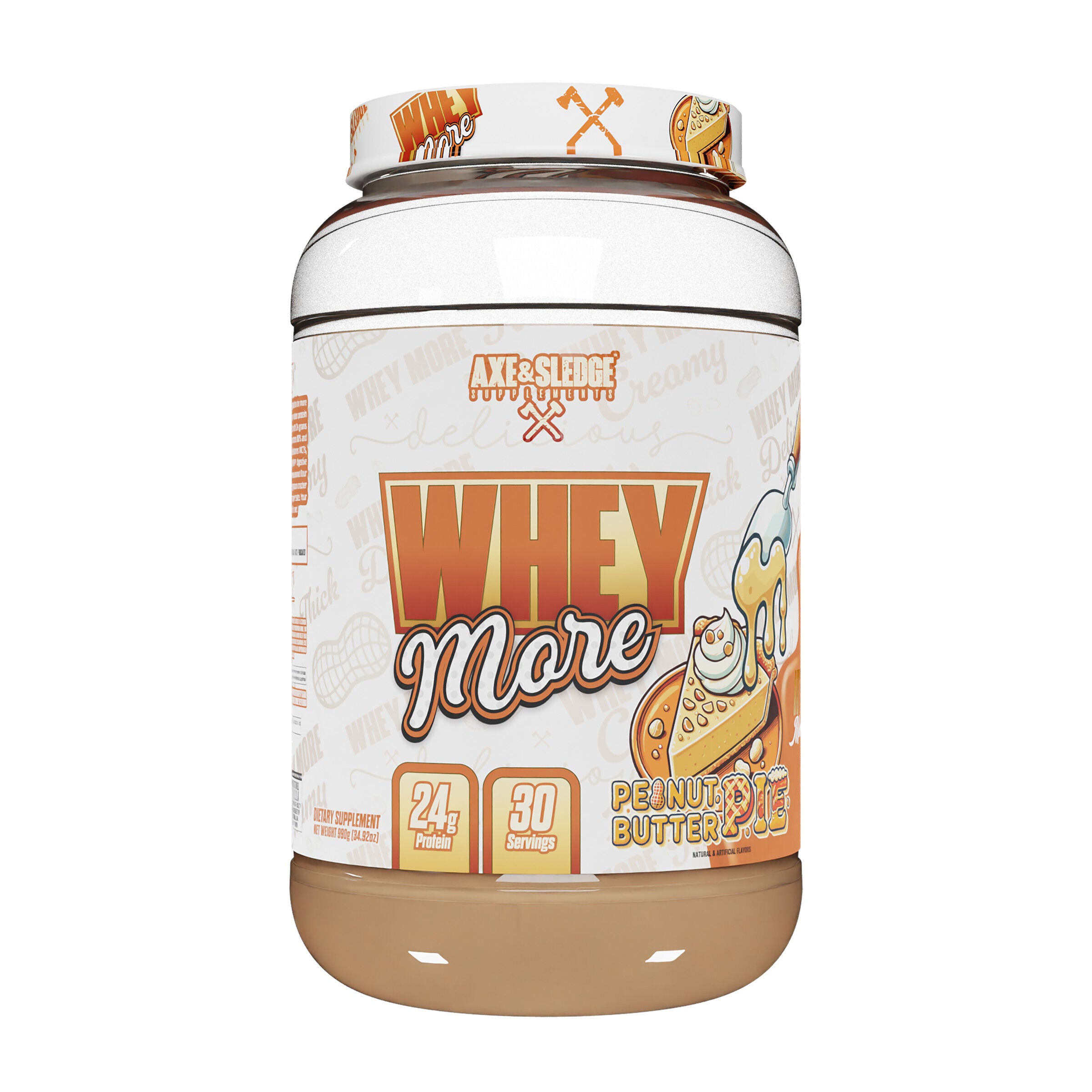

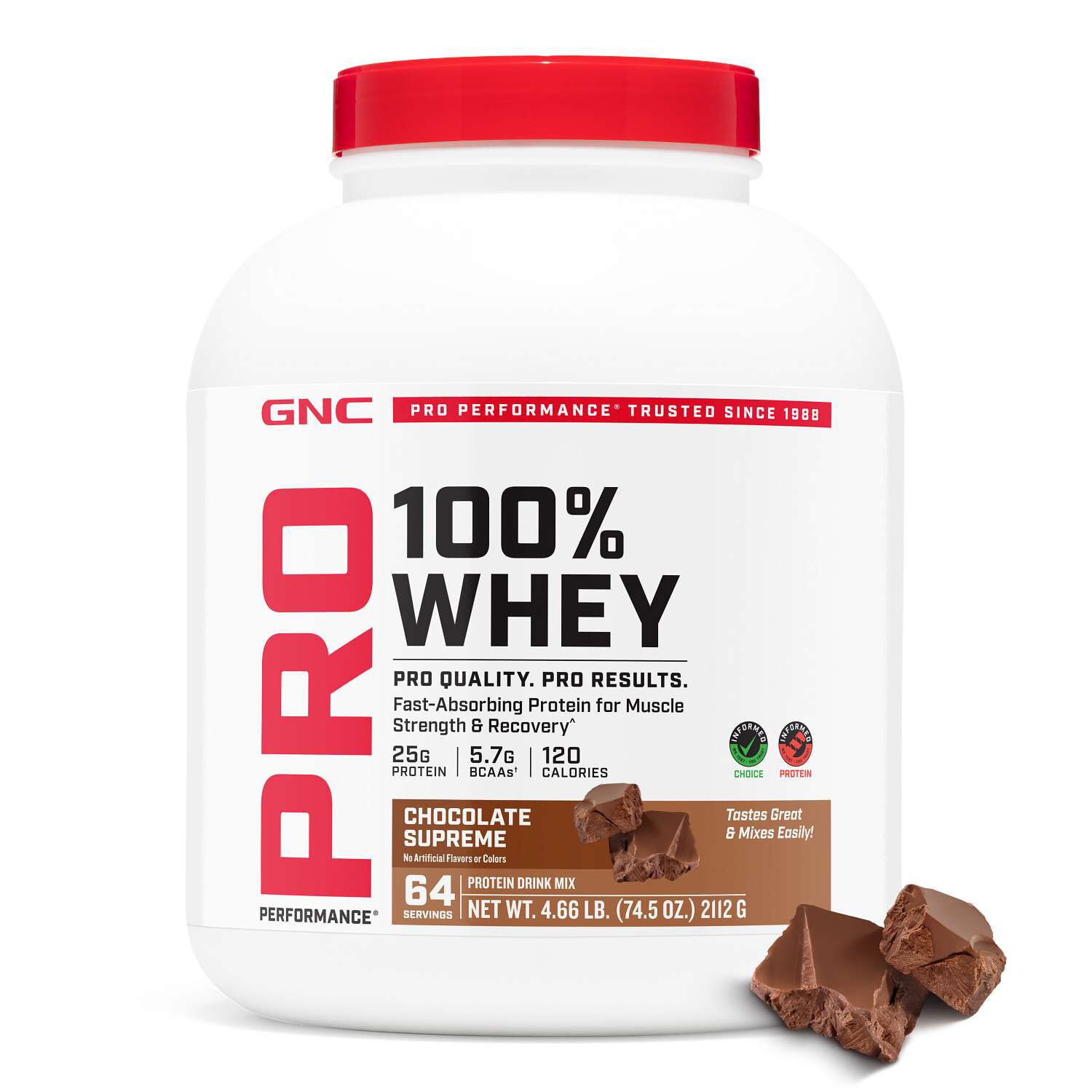
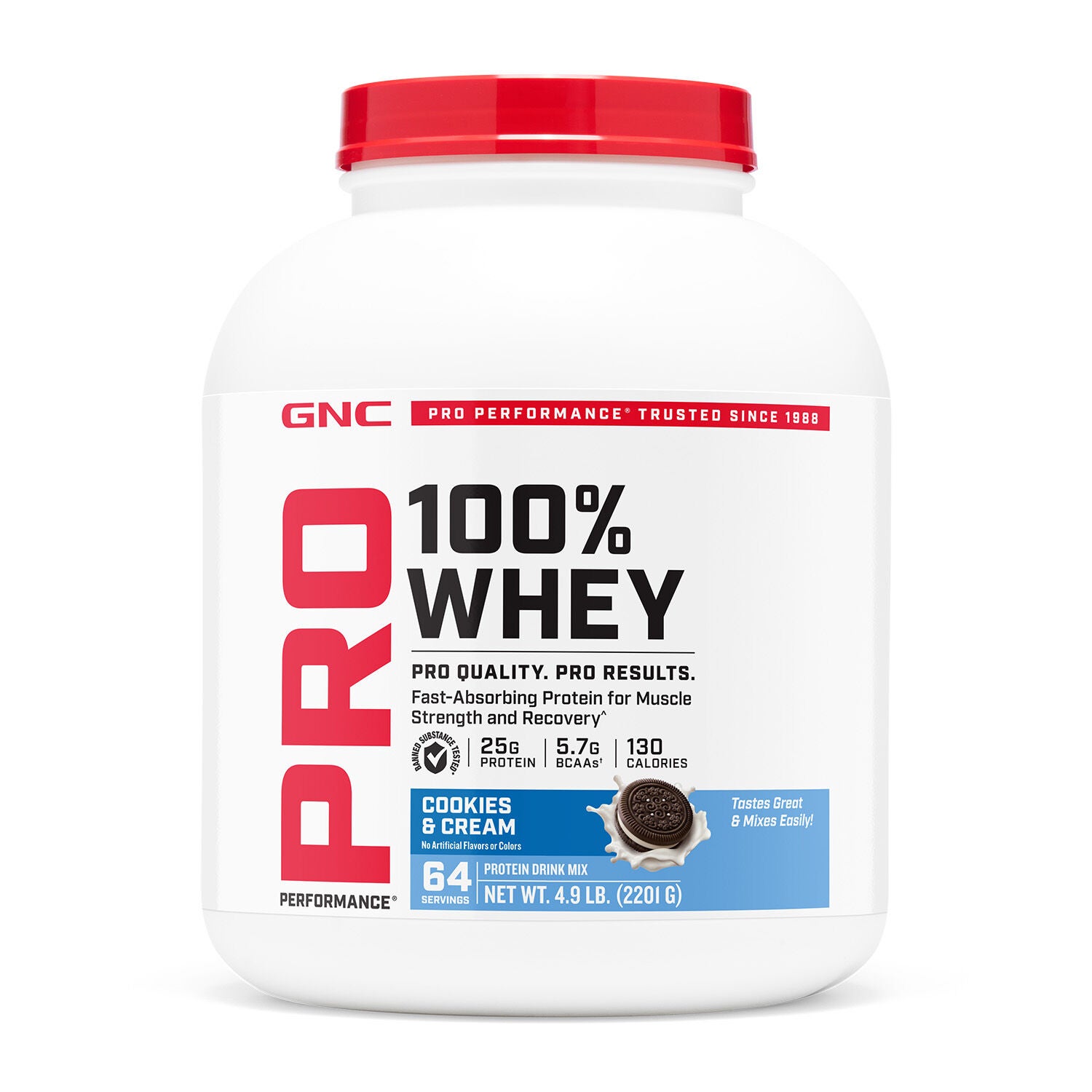
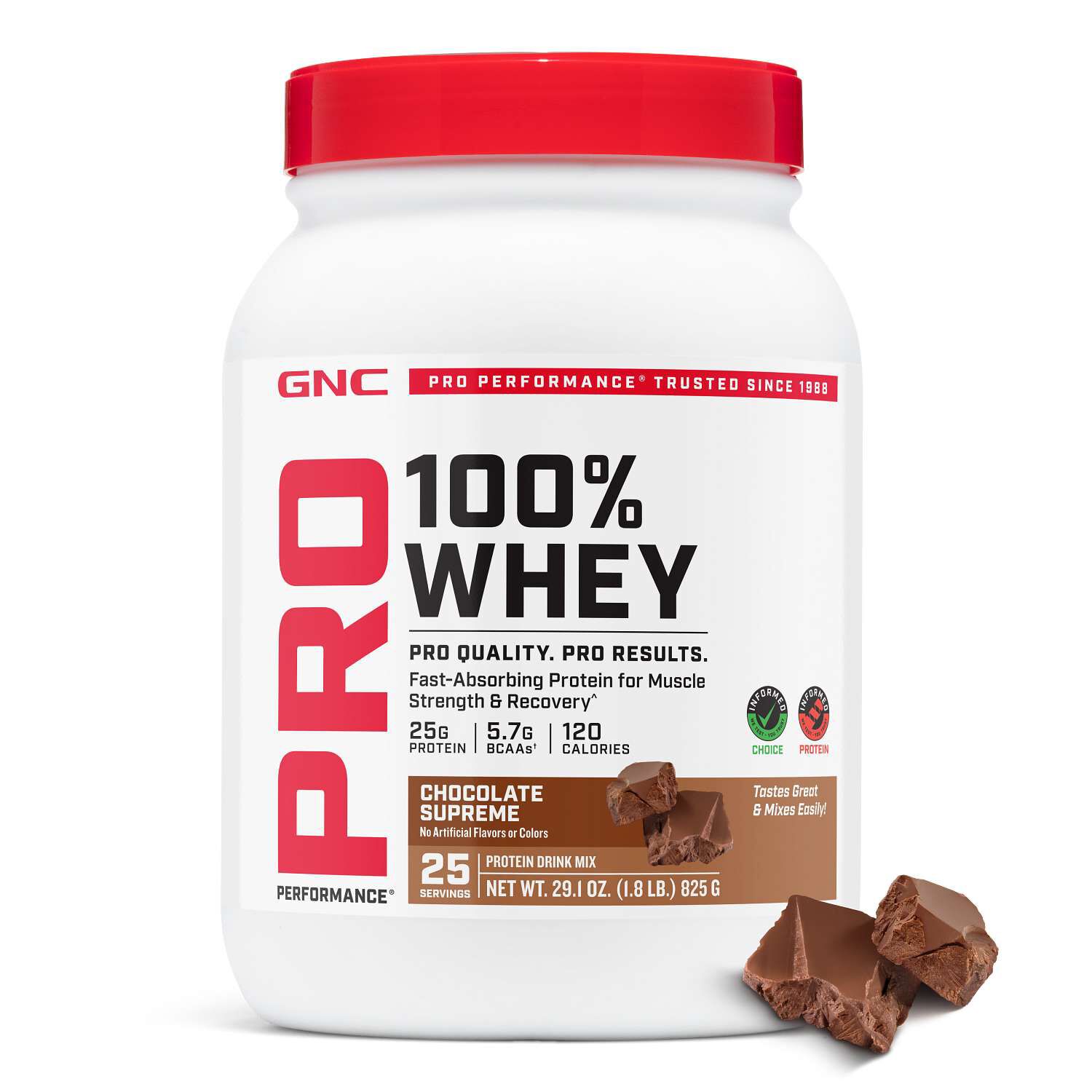
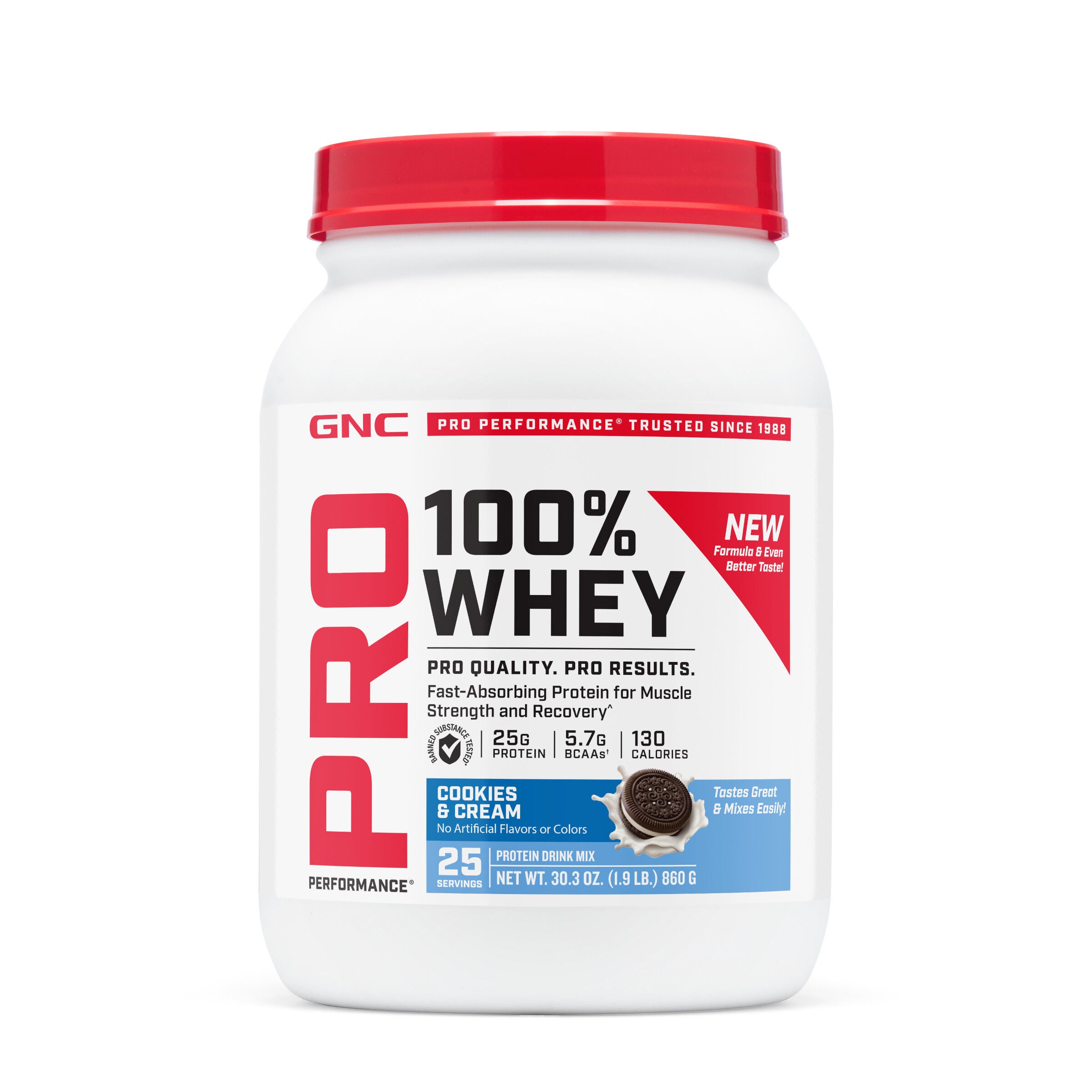
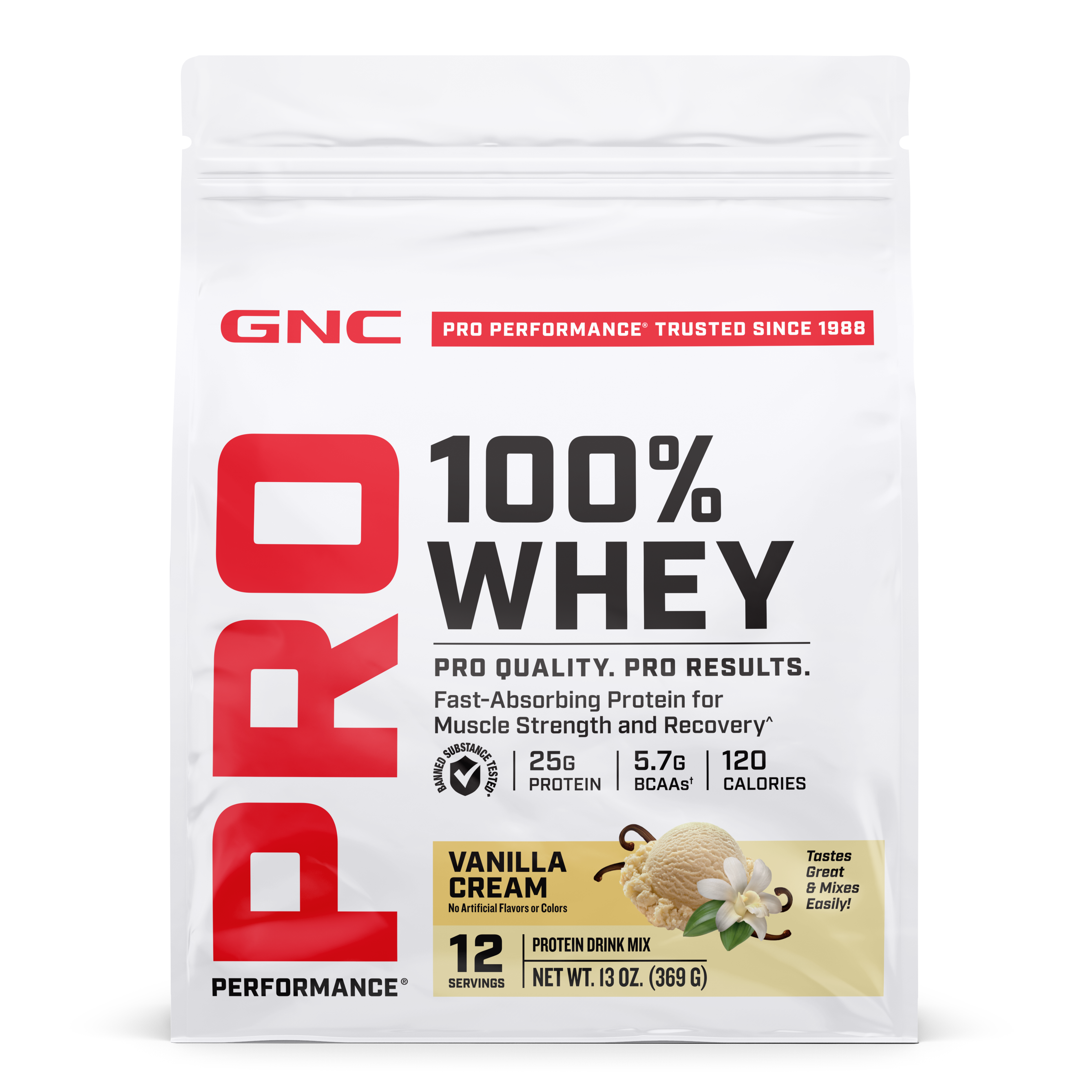

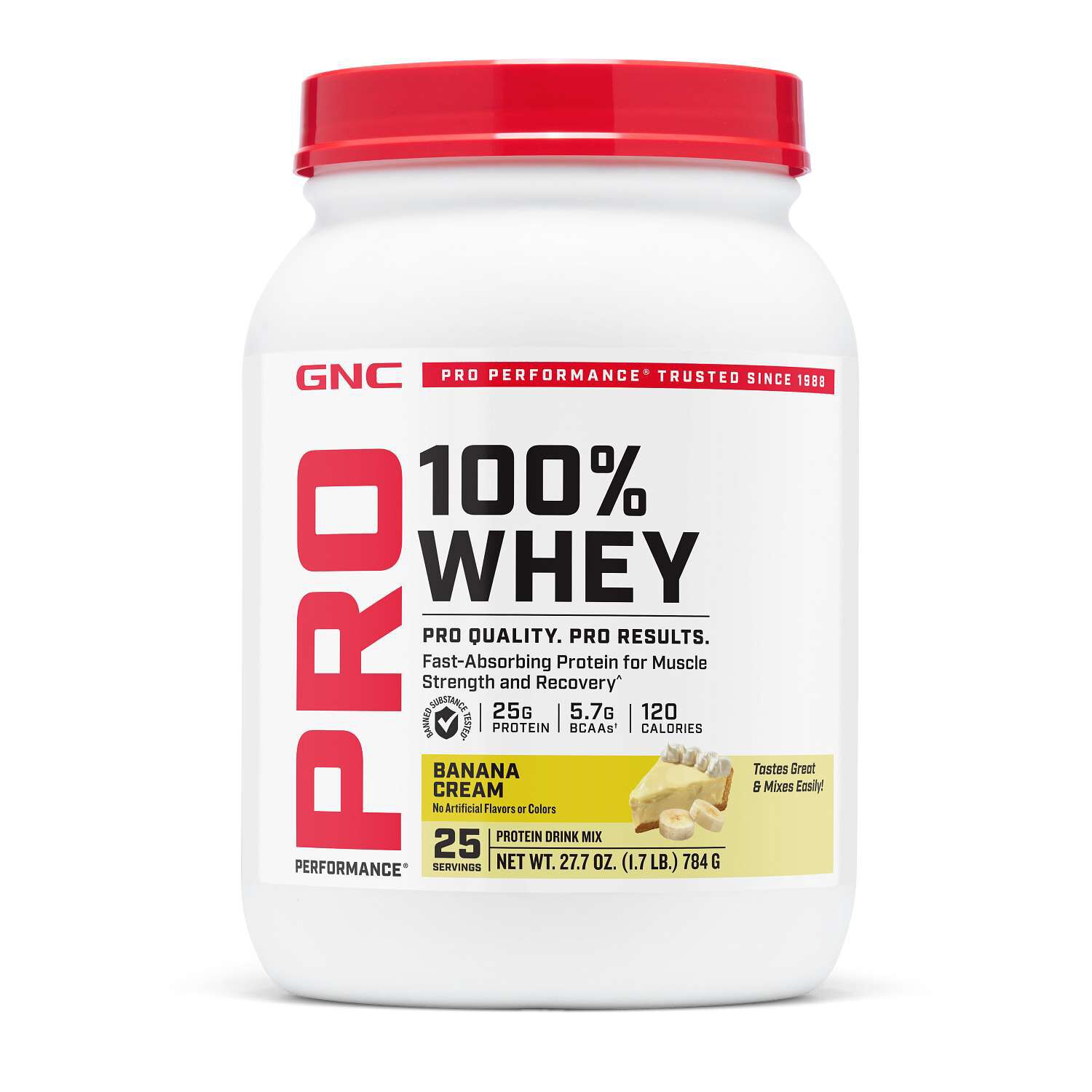


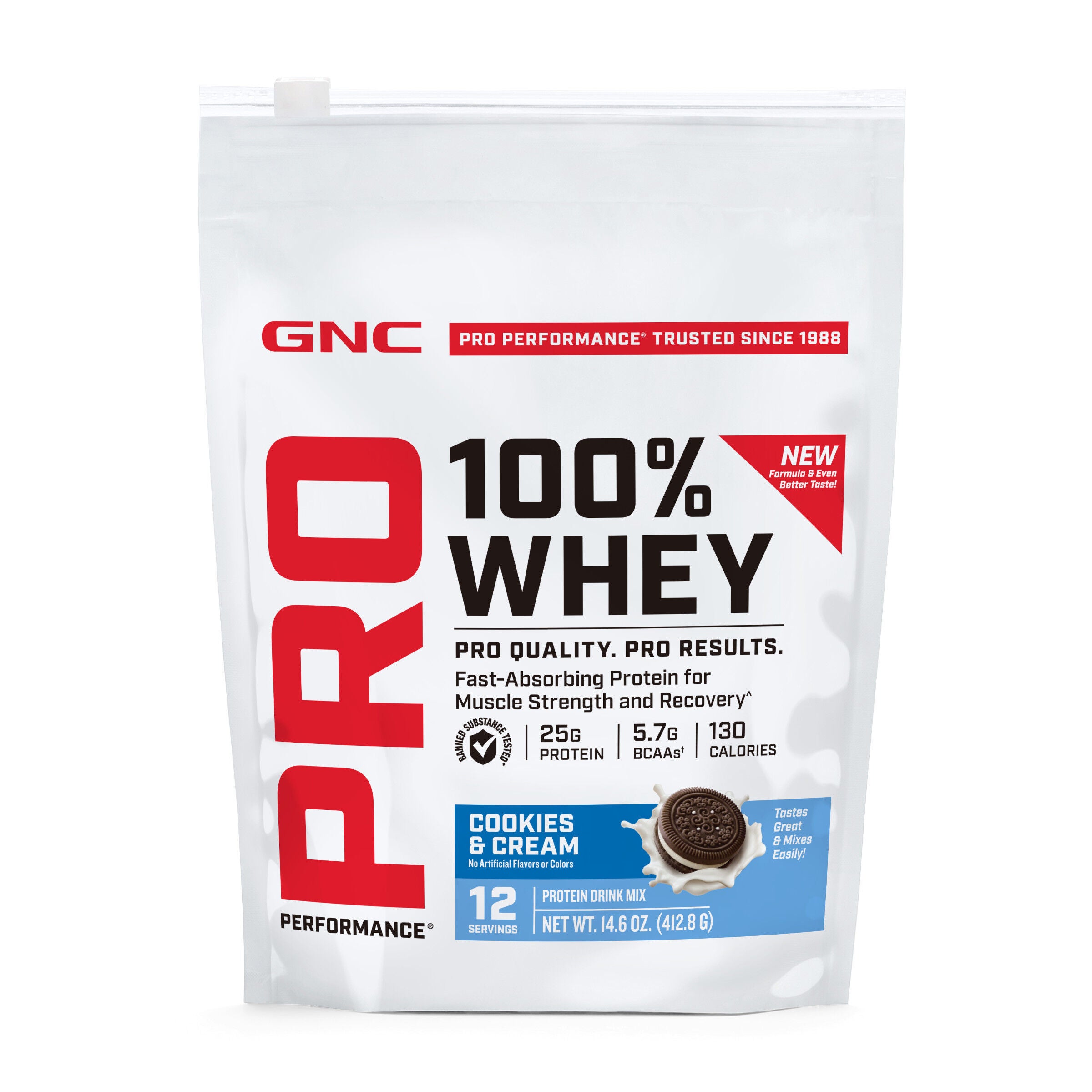
Whey protein meal replacement shakes combine dairy-derived protein with other nutrients in a drinkable format intended for occasions when a sit-down meal does not fit the schedule. Unlike a basic whey protein powder, which primarily supplies protein, a meal replacement typically includes carbohydrates, fats, and added vitamins and minerals; some formulas also include fiber. That distinction matters when comparing shakes for a morning commute, a short lunch break, or an evening between work and another commitment. The words “whey protein” alone do not establish that a shake is designed to replace a meal. Its intended use, serving size, calorie content, and mix of nutrients provide a clearer picture. There is no single calorie count or protein amount that makes every shake suitable for every person or occasion. A serving with 20 to 30 grams of protein, for example, can still differ considerably from another serving with the same protein amount if one contains little carbohydrate or fat and the other has a broader nutrient mix. Fiber content also varies, so it deserves a separate look rather than an assumption based on the name. Whey comes from milk and is used in powders and prepared drinks because it supplies amino acids in a format that works with many flavors and recipes. Whey concentrate, whey isolate, and blends of the two are common ingredient choices. Isolate generally has a higher proportion of protein and less lactose and fat than concentrate, although the finished shake’s composition depends on all its ingredients. Neither term alone describes the nutrition of the prepared serving. For a broader view of the category, Whey Protein Shakes and Drinks includes formats that warrant the same distinction between protein-focused drinks and formulas intended as meal replacements. The most useful comparison is between labeled servings prepared as directed, not simply between container sizes or the largest number printed on the front.
Powdered whey protein meal replacement shakes and ready-to-drink versions suit different kinds of routines. A powder allows a serving to be mixed at home or wherever a shaker bottle and the specified liquid are practical. A prepared drink requires no measuring or mixing, making its format straightforward for a desk drawer or commuter bag when the package permits storage without refrigeration before opening. Storage directions differ, and some drinks require refrigeration throughout. The choice often comes down to how much preparation fits the day, whether cold storage is accessible, and what texture feels pleasant enough to revisit regularly. A shake mixed with water can taste quite different from one prepared with milk or another beverage. Changing the liquid also changes the calories and nutrients in the finished drink, so the label’s preparation method is an important part of any comparison. Some nutrition panels describe the powder alone, while others also provide values for a prepared serving. A blender allows additions such as oats, fruit, or nut butter, but those additions create a different serving from the one described on the package. For someone leaving home before the kitchen gets busy, measuring the powder into a clean, dry container the night before could make morning preparation simpler. Someone eating lunch between meetings might prefer a prepared bottle paired with other foods rather than a larger blended drink. Flavor is another practical consideration: chocolate can have a cocoa-forward or milk-chocolate character, vanilla may be mild or distinctly sweet, and fruit-inspired options vary in tartness and aroma. Sweeteners, cocoa, flavorings, and thickening ingredients all contribute to those differences. A smooth, thinner drink and a dense, creamy shake offer different experiences even when their protein amounts are similar. Serving volume matters, too; a smaller drink with a concentrated flavor is not the same experience as a full shaker intended for slower sipping.
The ingredient list and nutrition panel bring the finer differences between whey protein meal replacement shakes into focus. Beyond protein grams, relevant details include calories per serving, carbohydrate content, dietary fiber, fat, added sugars, sodium, and the vitamins and minerals included. A long list of added nutrients does not, by itself, show that a shake matches the variety of foods in a mixed meal. Meal replacements are best understood by their stated purpose and composition rather than as interchangeable substitutes for everything on a plate. Whey is a milk-derived ingredient, so it is not suitable for a dairy-excluding or vegan eating pattern. A formula made with whey isolate is still milk-derived, and its name alone does not establish a particular lactose amount. Other ingredients, including soy components, nut ingredients, or cereal ingredients, may also matter to a shopper’s preferences and requirements; the package’s ingredient and allergen statements provide the relevant details. Packaging and care deserve attention alongside nutrition, especially for a shake that will travel. A tightly closing lid, a dry scoop, and storage according to package directions are practical considerations for powders. Moisture introduced into the container can cause clumping, while prolonged exposure to unsuitable conditions can affect quality. Prepared drinks have their own opening, refrigeration, and use instructions, and the printed date is another part of evaluating the package. For mixed powders, preparation directions establish the intended ratio of powder to liquid; adding more powder without adjusting the liquid changes both the serving and the texture. A shaker with enough room for mixing, a secure cap, and parts that are easy to wash may make the format more convenient for repeated use. Cleaning the bottle and lid promptly after use also keeps yesterday’s drink from becoming part of today’s experience. Across busy workdays, study sessions, travel days, and changing routines during the cooler months, the meaningful differences remain practical ones: what the shake contains, how it is prepared, how it tastes, and whether its intended use fits the eating occasion.