





Summer Meal Replacement Protein Shakes
(0 Results)
Summer meal replacement protein shakes could offer a convenient option for those looking to support their nutrition goals during the warmer months. With a variety of flavors and formulations, these shakes may fit seamlessly into busy summer routines, whether you’re heading to the gym, the office, or enjoying outdoor activities. Explore summer meal replacement protein shakes that might help you stay fueled and refreshed all season long.

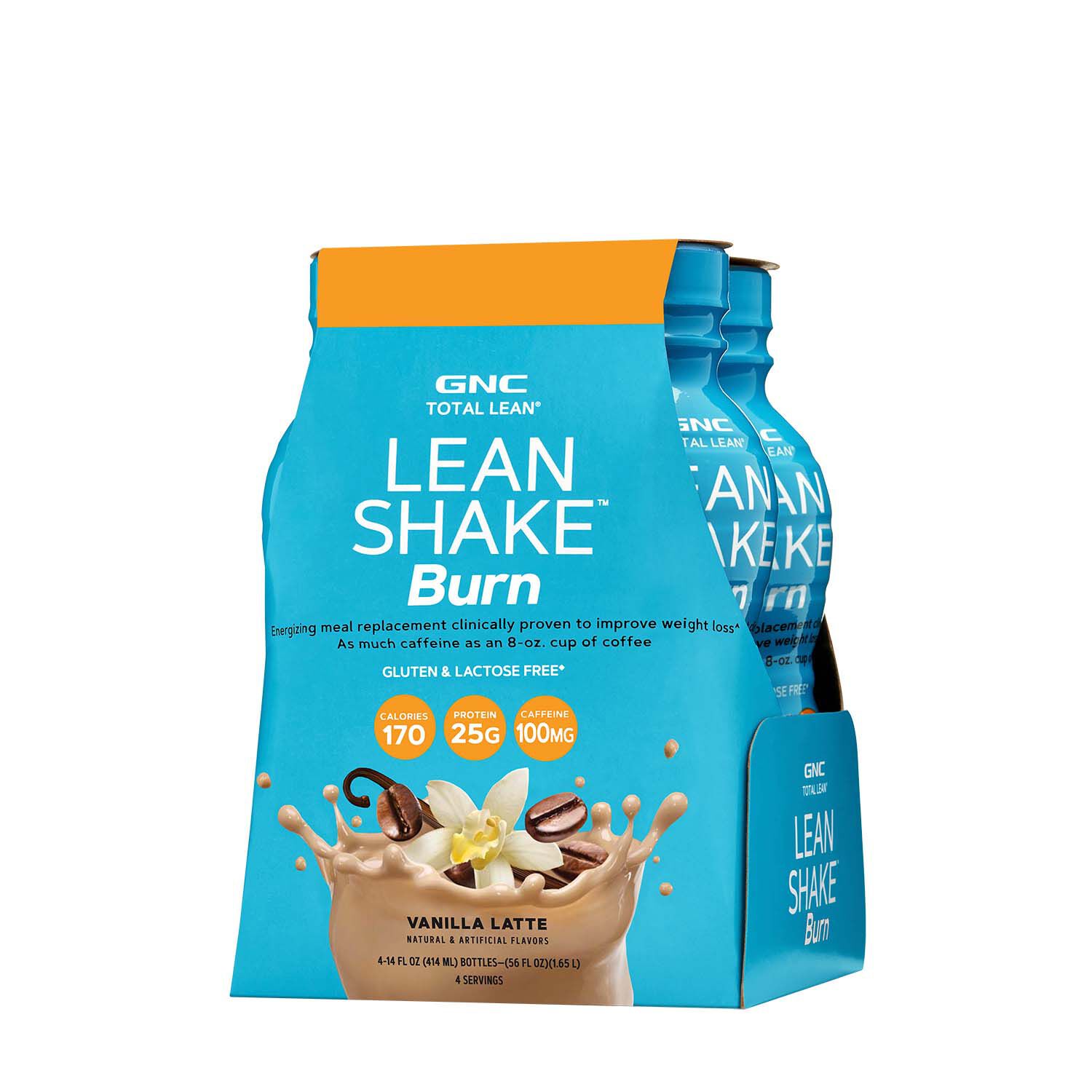
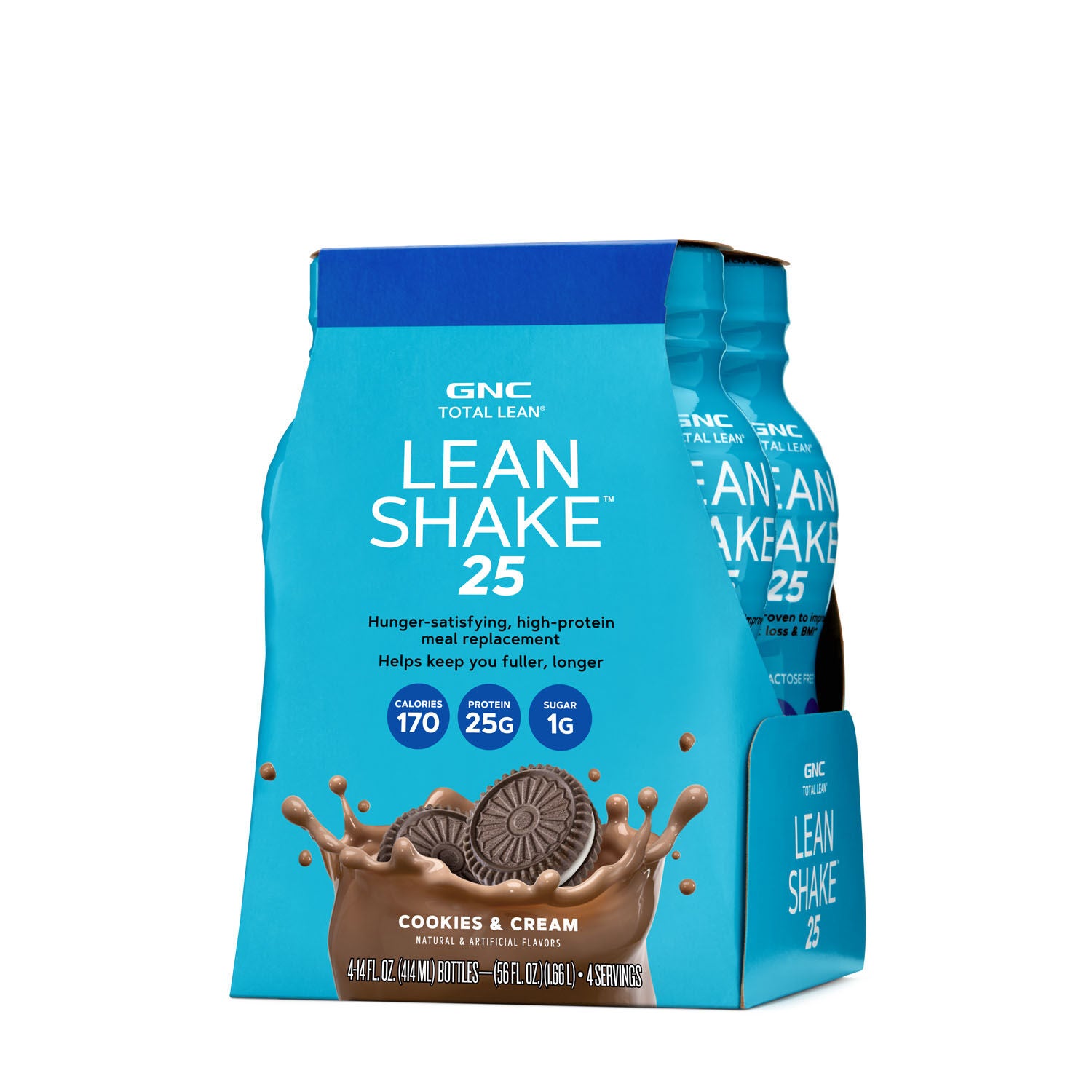
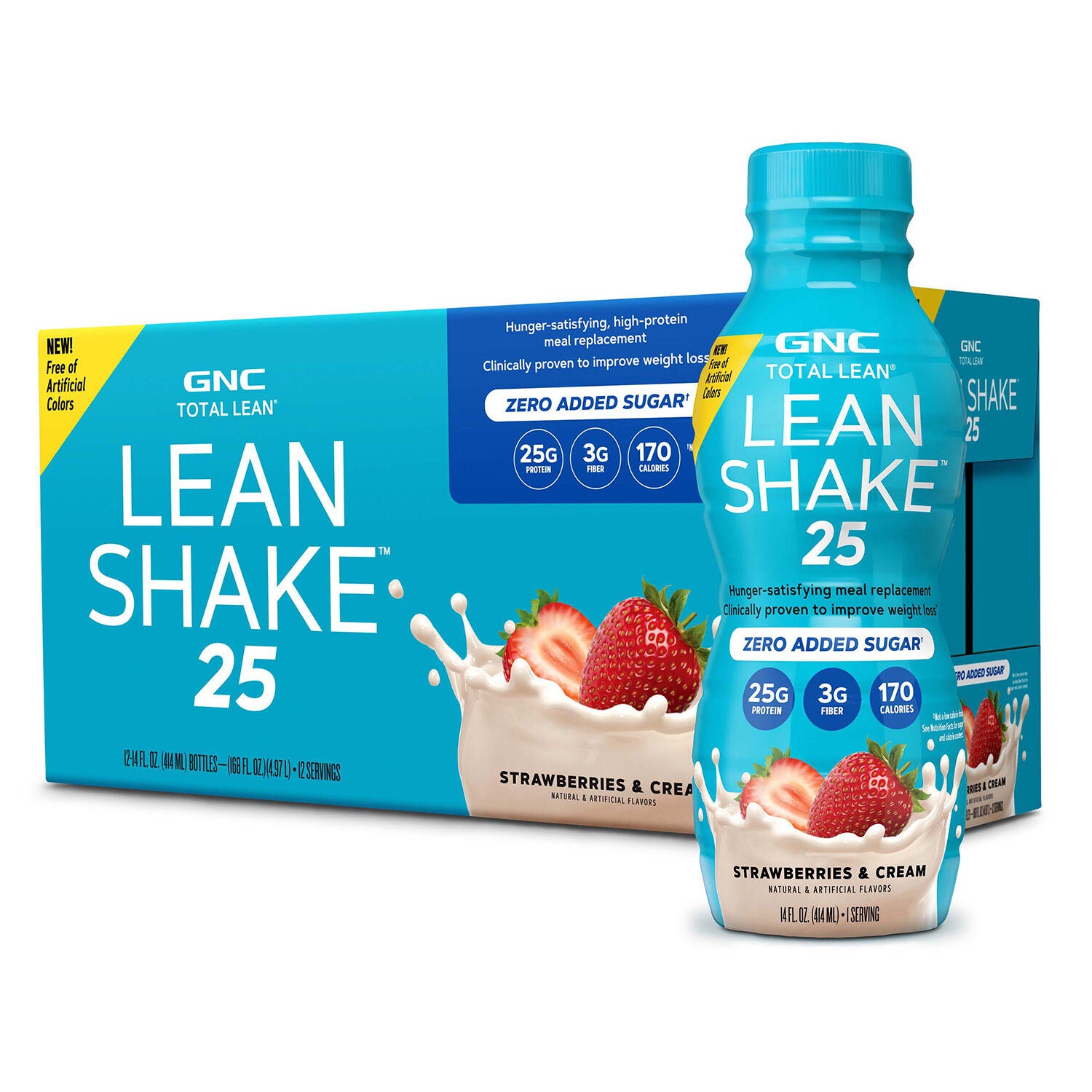
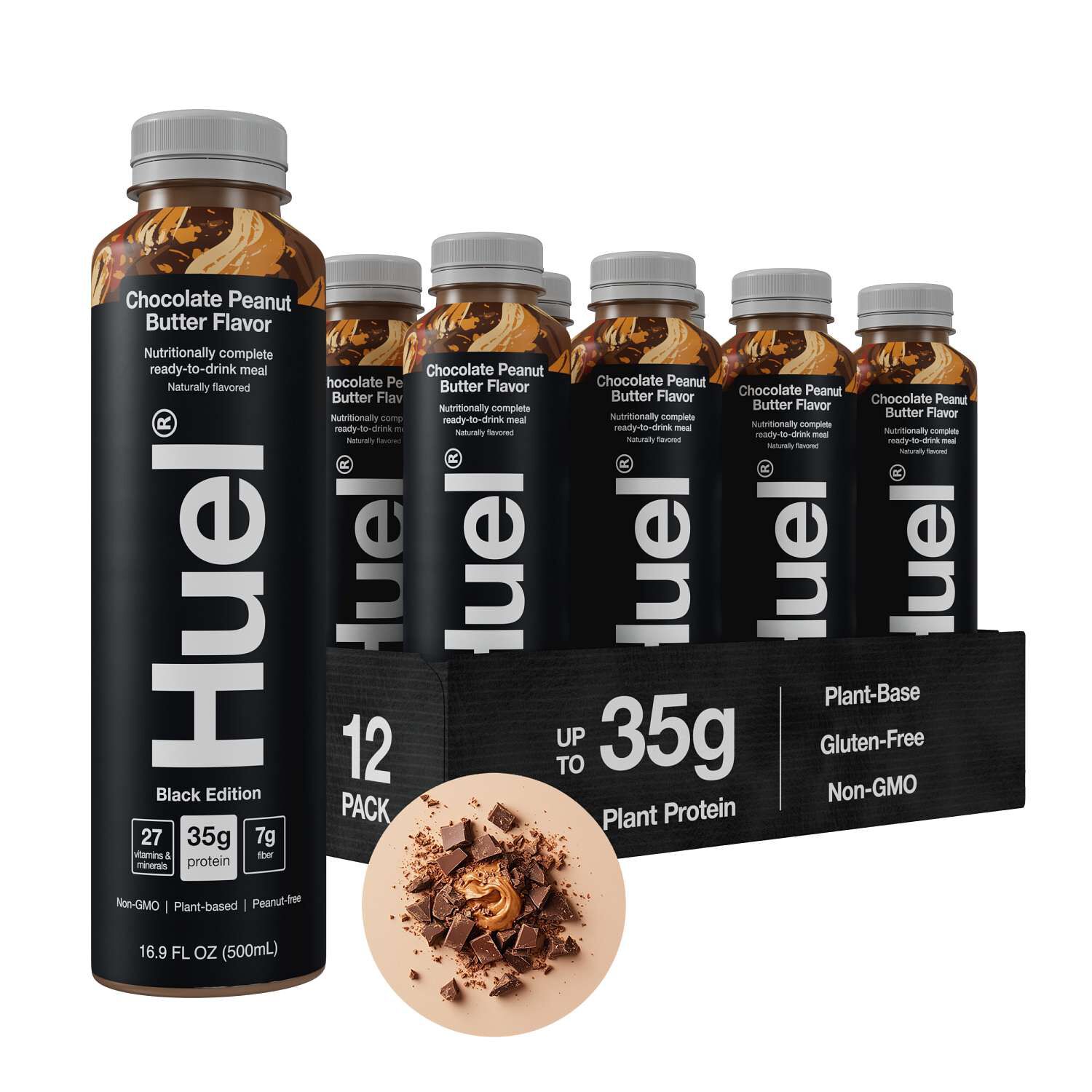

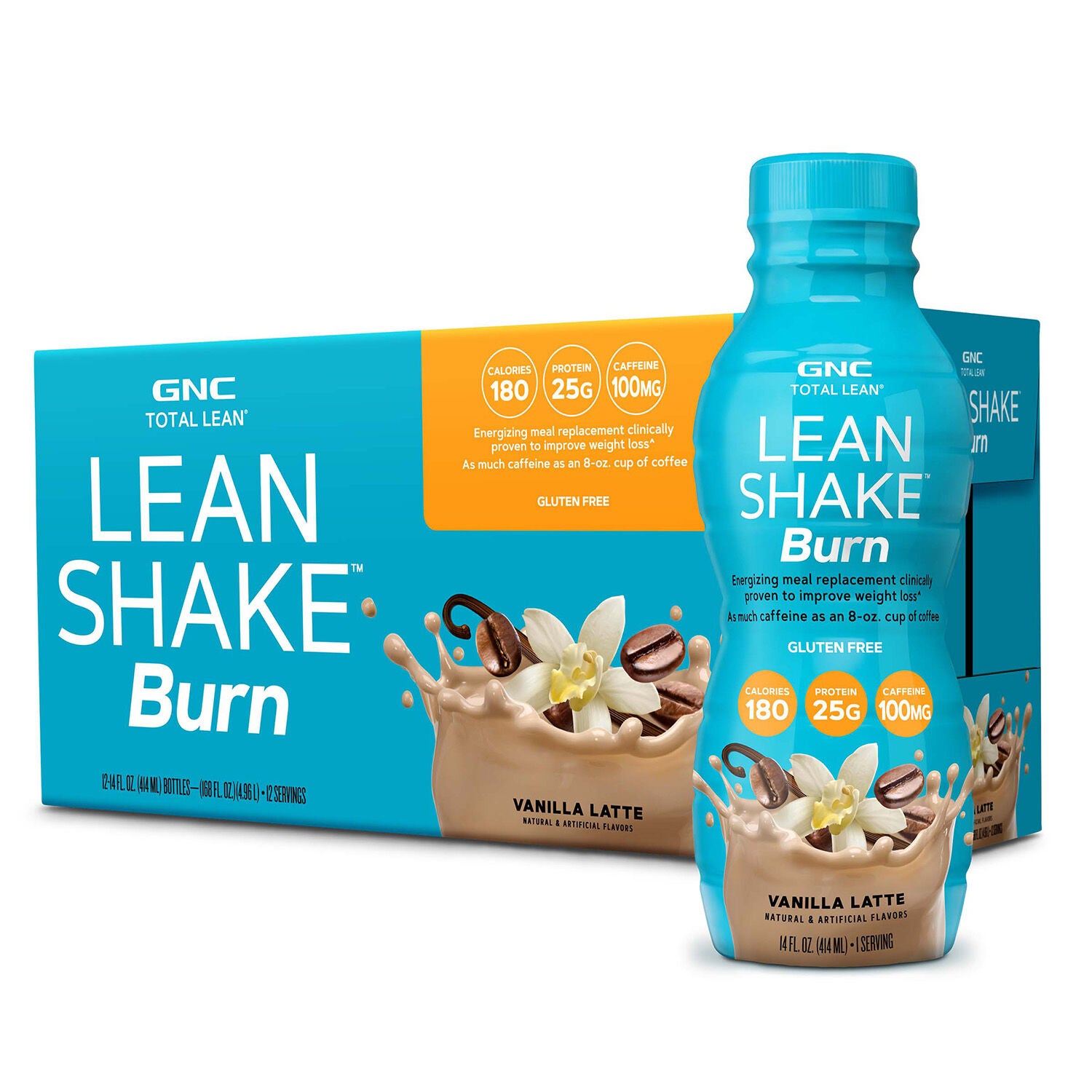
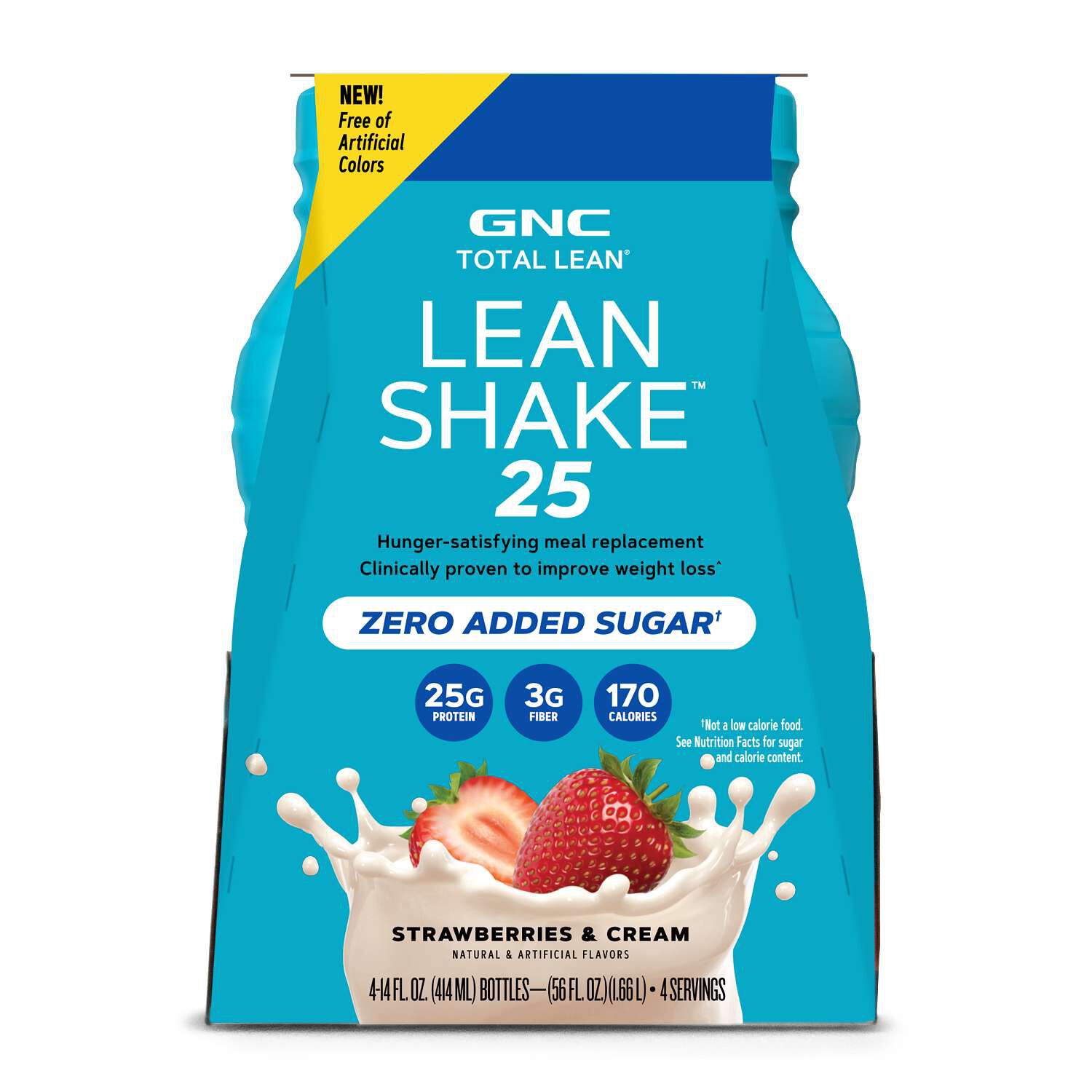

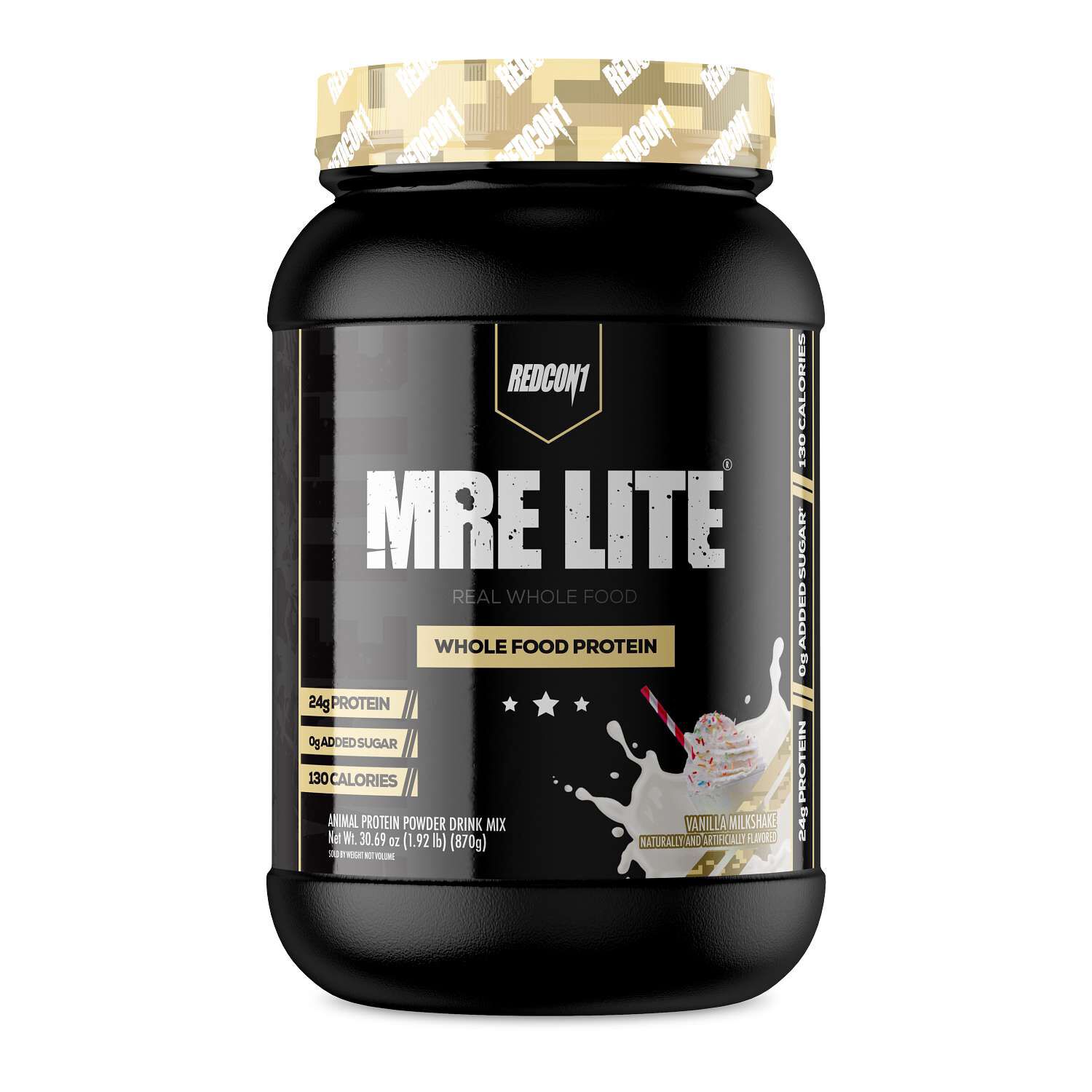
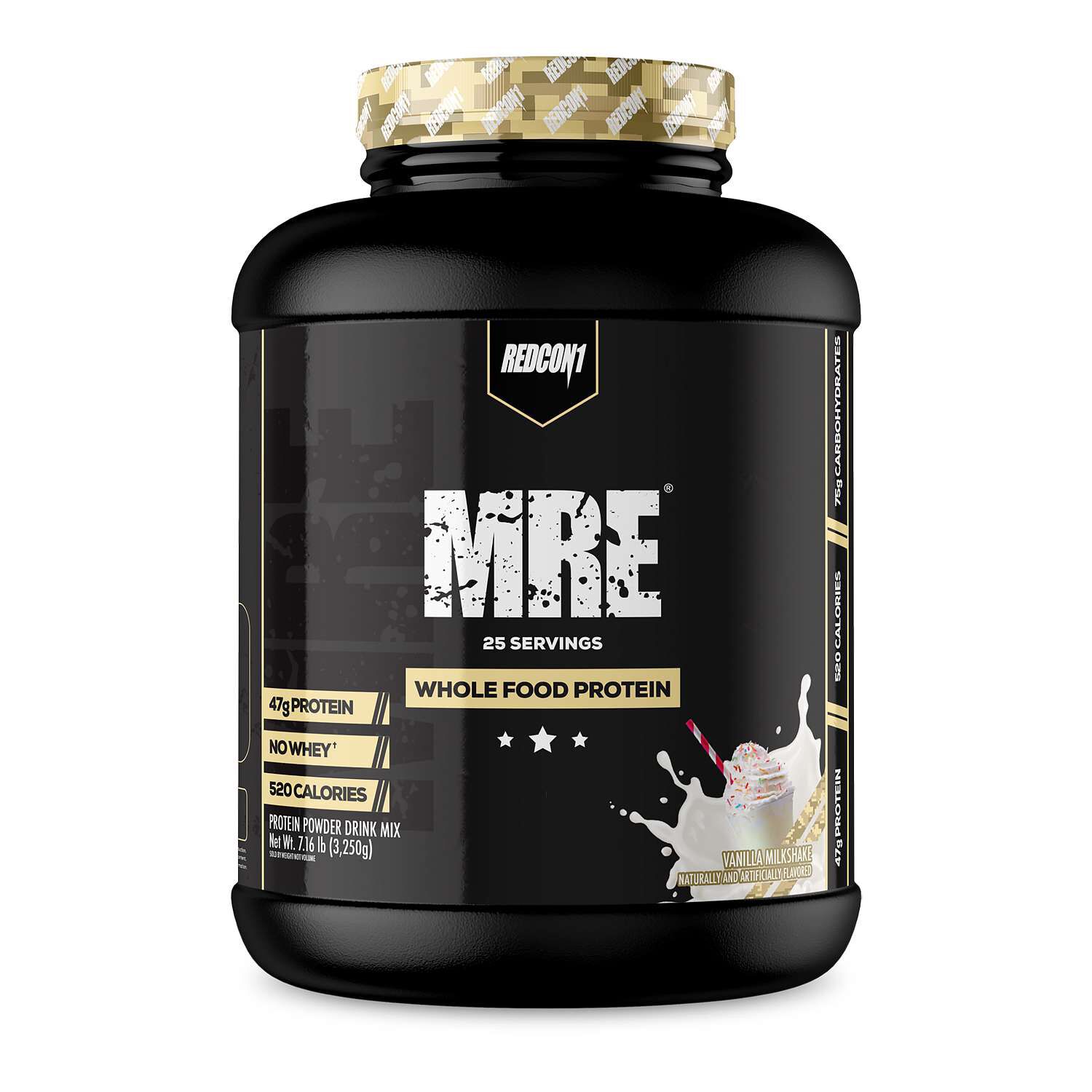

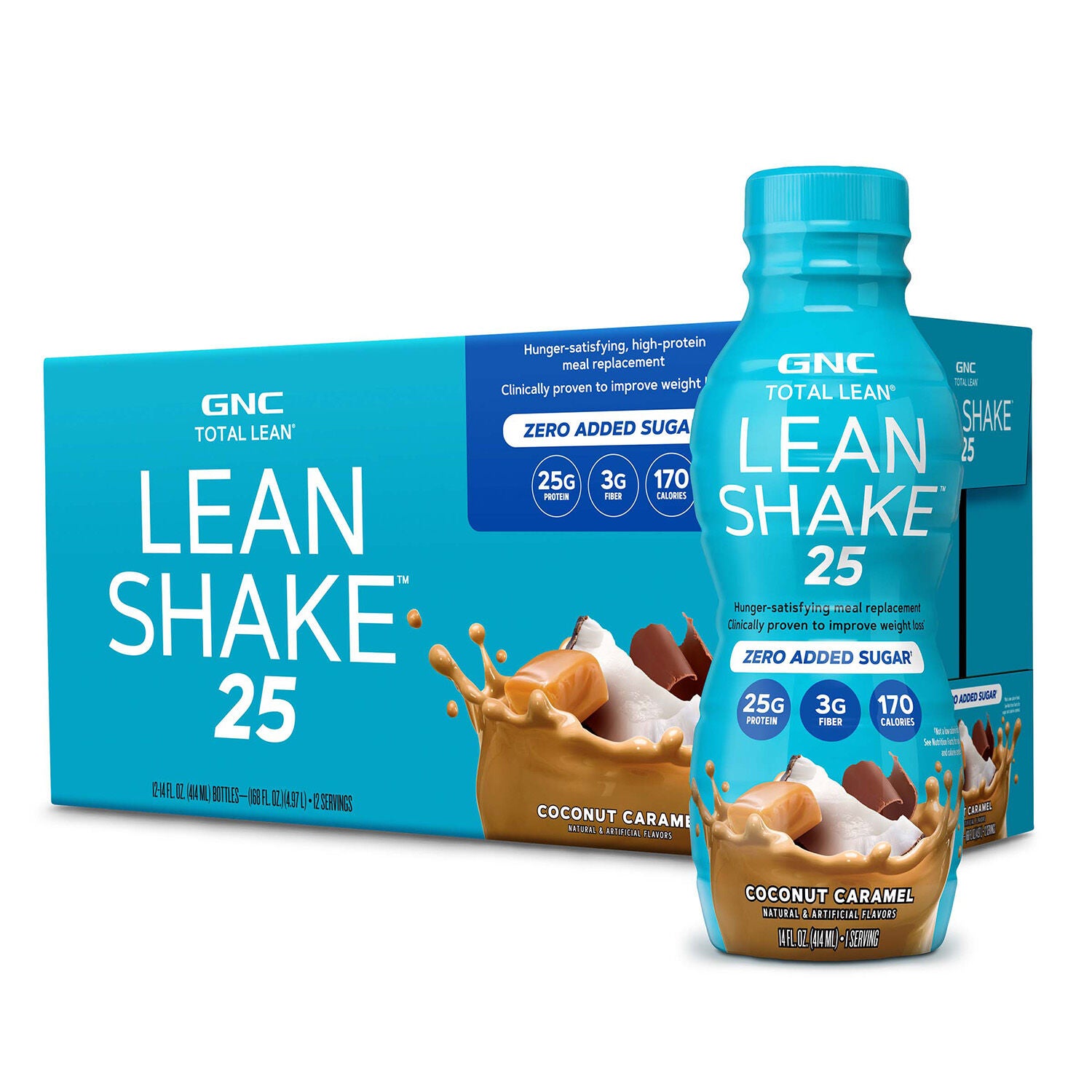

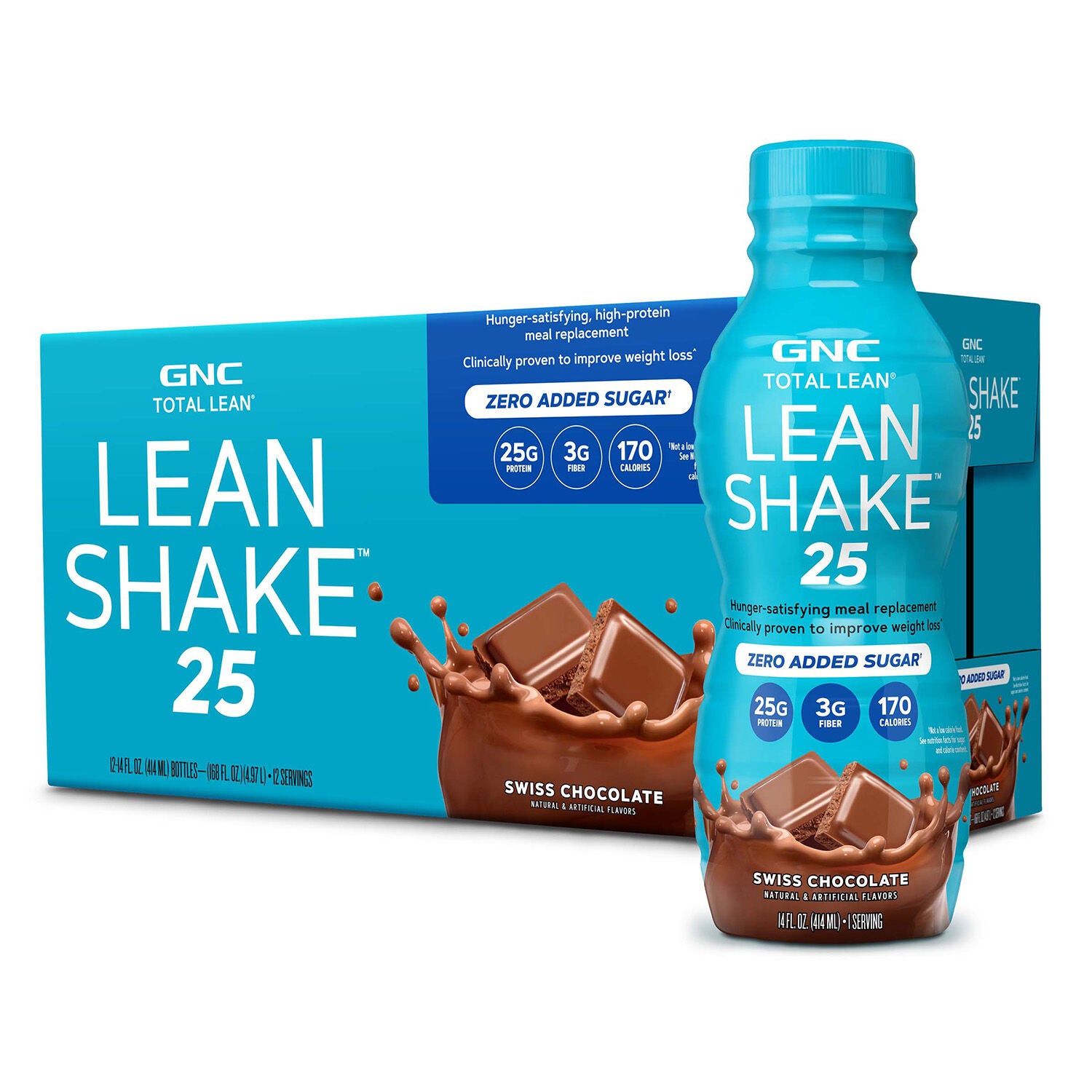


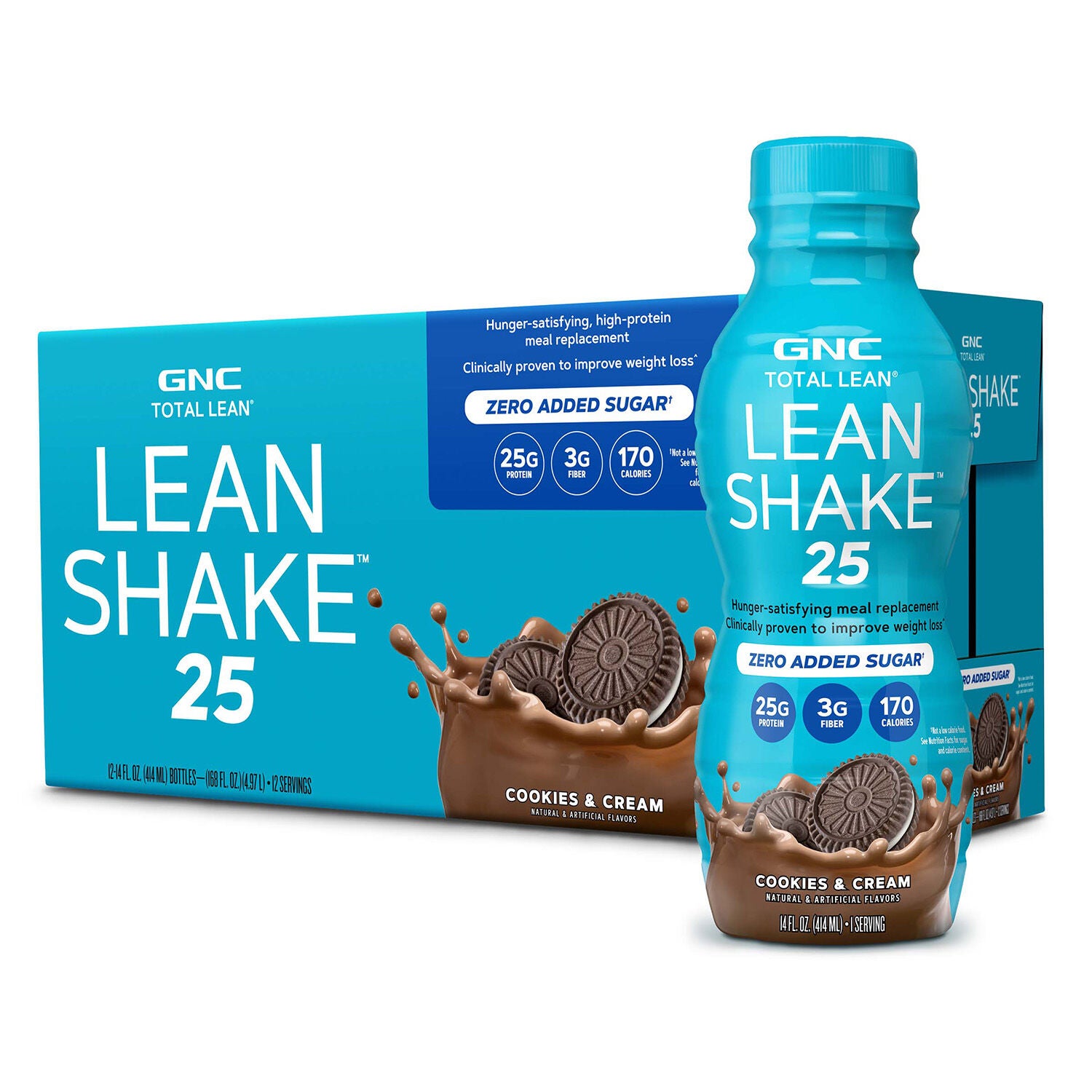
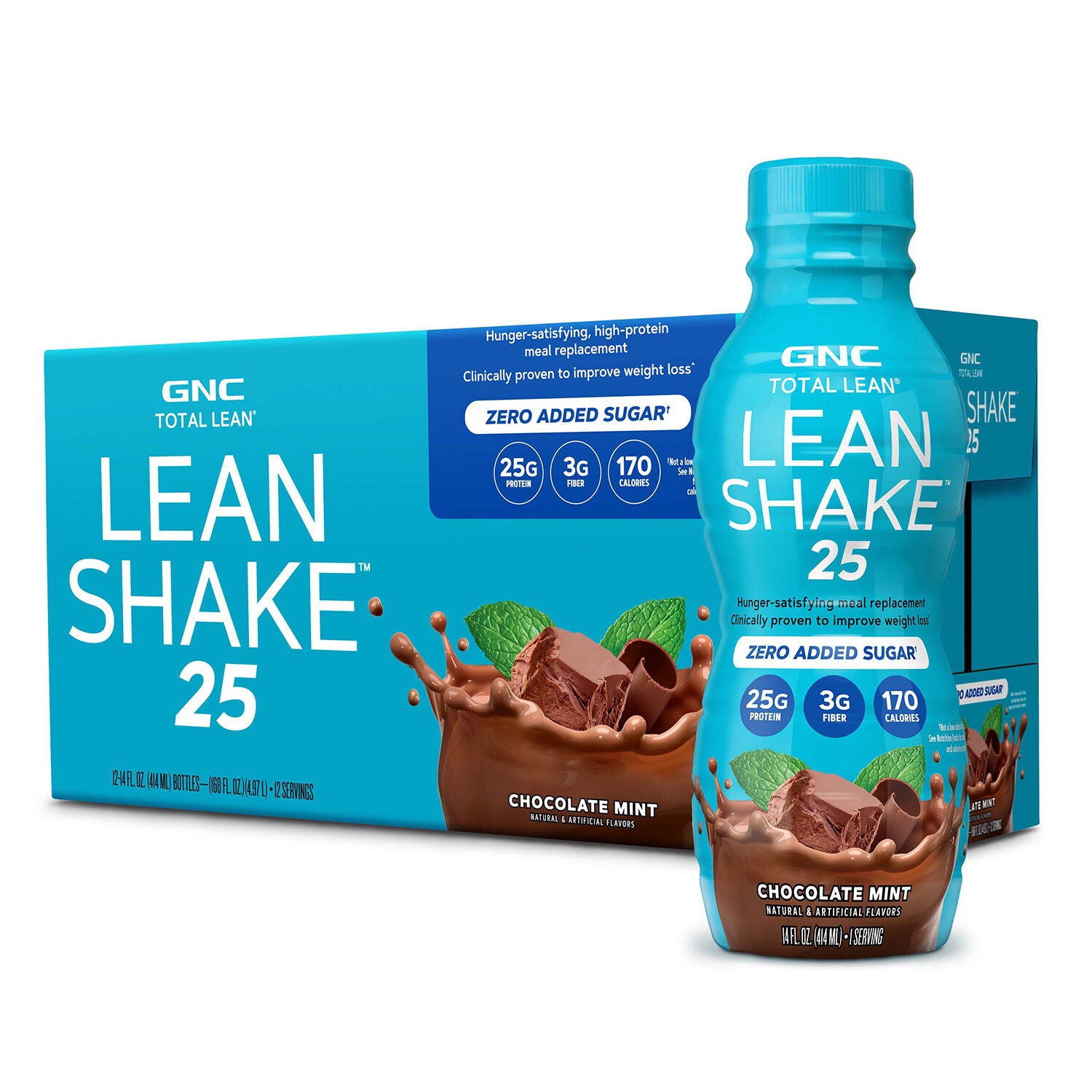
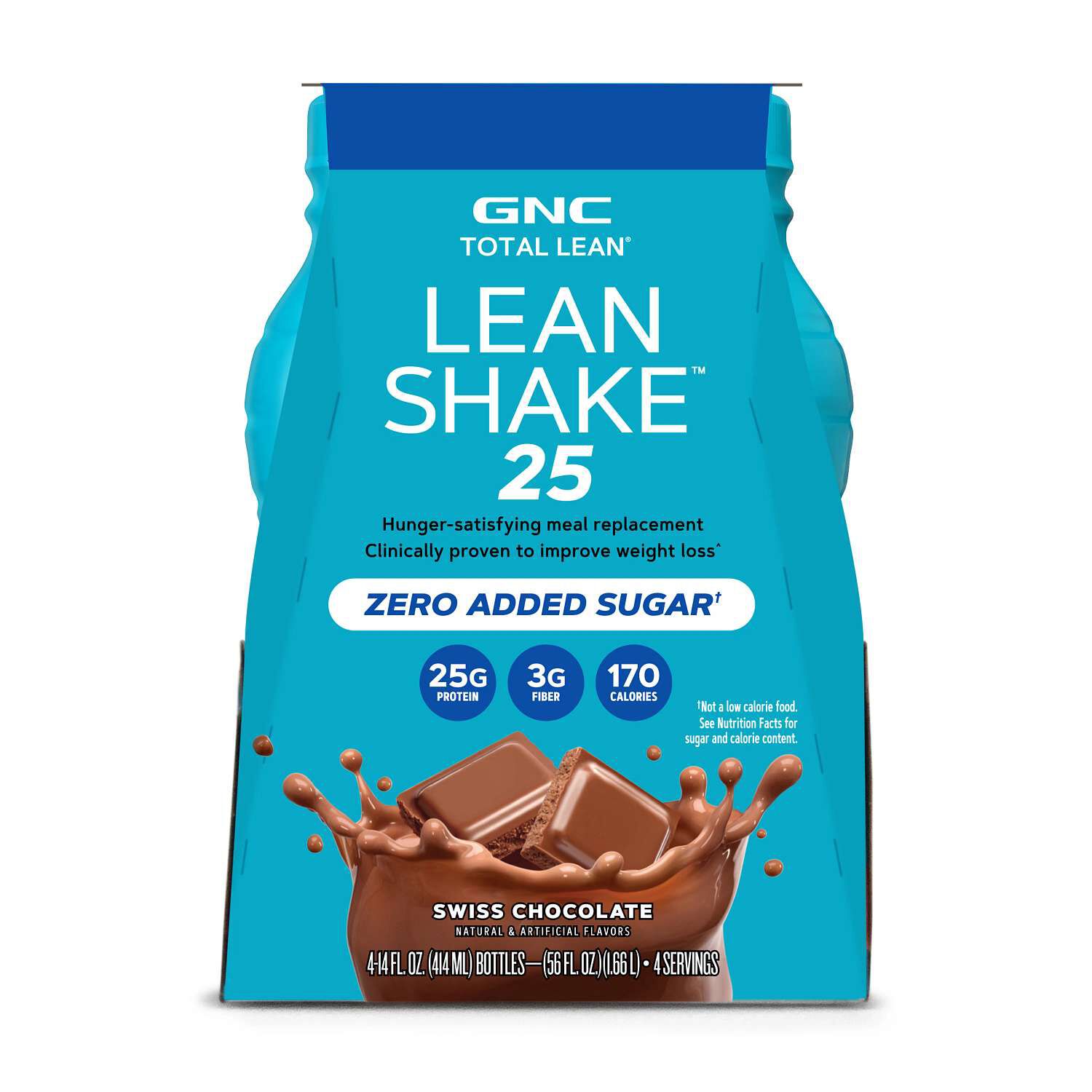
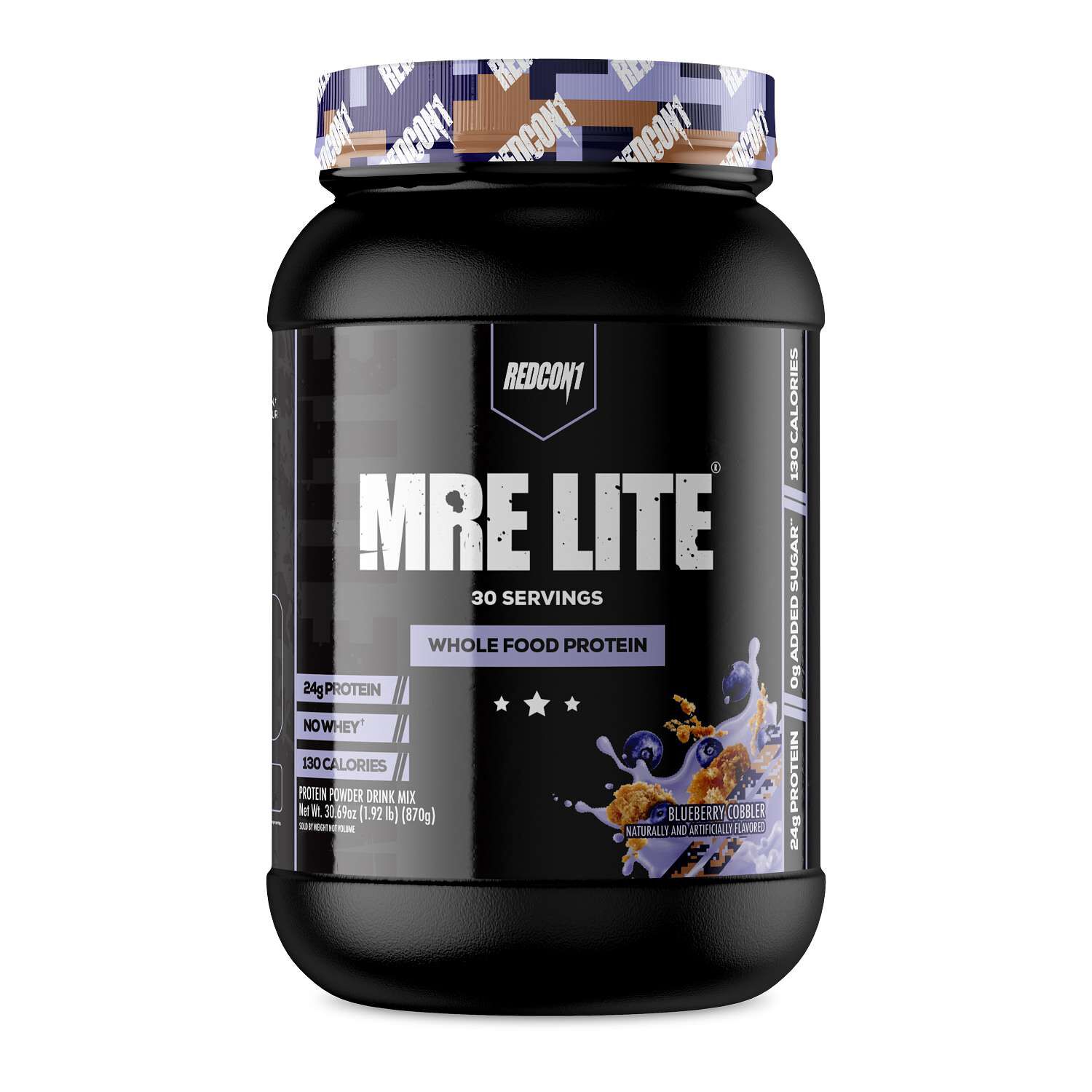


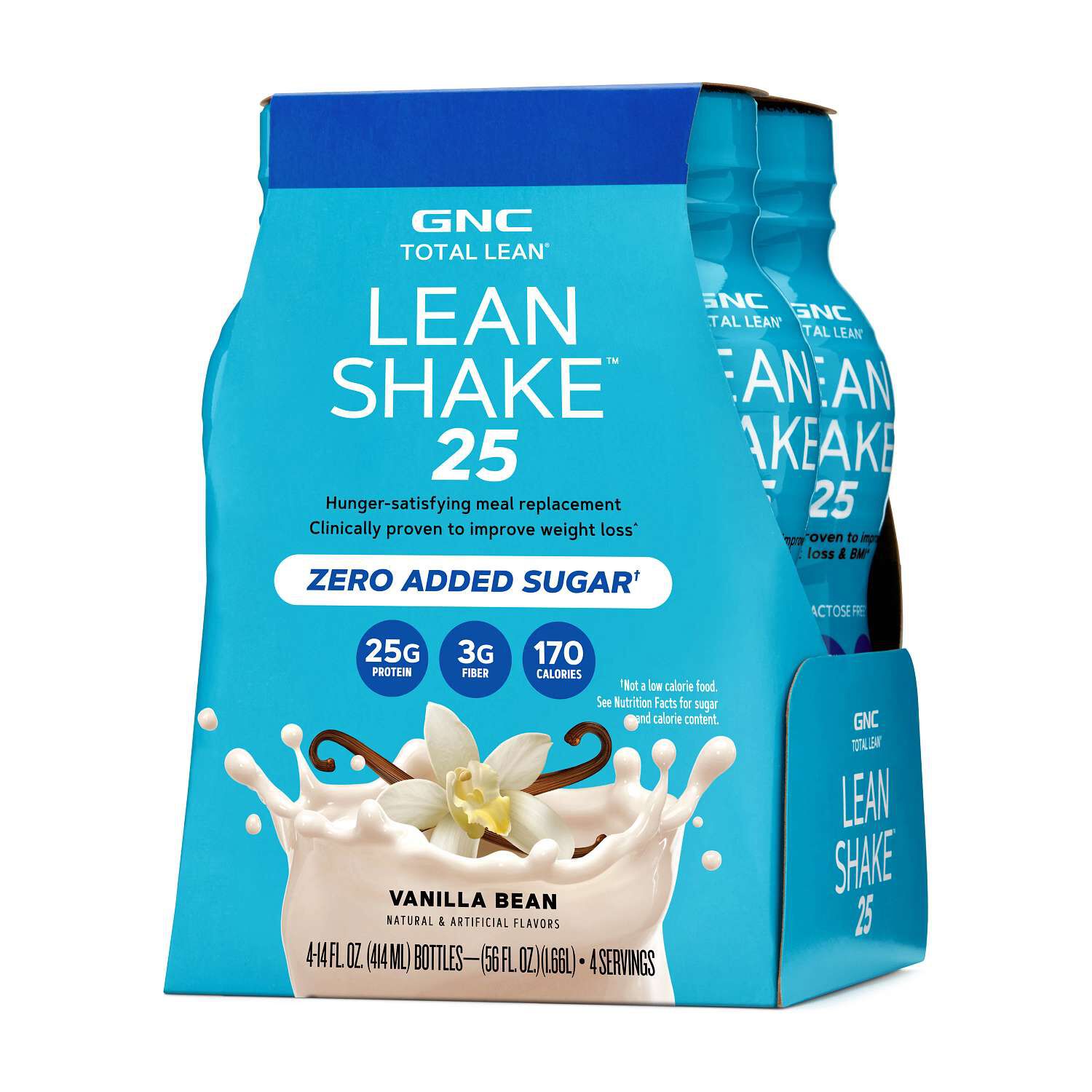
Summer meal replacement protein shakes are drinks formulated for use in place of an occasional meal, with protein and other nutrients in a ready-to-drink or mixable format. Their appeal for summer routines often comes down to taste, texture, and preparation: a chilled vanilla shake, a berry-flavored blend, or a chocolate drink served over ice has a different character from a hot breakfast or packed lunch. The distinction between a protein shake and a meal replacement matters, though. A protein-focused drink may contain relatively little carbohydrate, fat, or fiber, while a meal replacement formula typically includes a broader combination of nutrients. The product label, rather than the flavor name or bottle size, is the best reference for understanding its intended use. Calories per serving, protein content, carbohydrates, fats, fiber, and listed vitamins and minerals all deserve attention when comparing formulas. Summer flavors are one part of the broader Meal Replacement Shakes category, where serving size and preparation method matter as much as taste. Ready-to-drink bottles require no measuring or mixing, making their format practical for adults with an early commute, a packed workday, or travel plans. Powders offer more room to adjust the liquid and consistency, although they require a suitable container and some preparation. A shaker bottle suits formulas intended for simple mixing; a blender accommodates fruit, oats, or other additions when the preparation directions allow them. Neither format is automatically the better choice. The relevant differences are how the drink fits into a routine, whether its nutrition matches the intended occasion, and whether the flavor remains enjoyable across repeated servings. A smooth, lightly flavored shake might suit someone who wants a simple breakfast option, while a thicker texture or richer flavor might appeal to someone who prefers a more substantial drinking experience. Package size also matters: an individual bottle and a multi-serving powder container involve different preparation, storage, and portability considerations.
Ingredient selection adds another layer to comparing summer meal replacement protein shakes. Dairy-based formulas may use whey, casein, or milk protein, while plant-based formulas may contain soy, pea, rice, or a combination of protein sources. These ingredients differ in flavor and texture, so two drinks with similar protein amounts can still taste quite different. Dietary preferences are another consideration, especially for someone choosing a vegan formula or avoiding a particular ingredient. The ingredient list and allergen statement are more useful than assumptions based on a flavor or a plant-based description. A plant-based drink is not automatically suitable for every dietary restriction, and a fruit-flavored shake does not necessarily contain fruit. Sweetness also varies. Some formulas contain added sugars, others use alternative sweeteners, and some combine several ingredients to create their flavor profile. Looking at both the Nutrition Facts panel and ingredient list gives a clearer picture of what is in each serving. Serving instructions deserve the same attention: the nutrition listed for powder may describe the powder alone or a serving prepared with a specified liquid. Milk, a plant-based beverage, yogurt, fruit, nut butter, or oats may change the finished drink’s calories and nutrient content. Those additions also change the sensory experience. Frozen berries might create a thicker, tart blend; a banana might lend a softer sweetness; and a small amount of nut butter might add richness. For summer-inspired flavors, vanilla pairs naturally with peach or strawberry, while chocolate has a familiar connection with banana or coffee. Preparation options depend on the formula, however, and a drink intended for straightforward mixing may behave differently when blended with several additions. Comparing shakes by the same serving basis makes differences easier to understand. The number of servings in a bottle, the amount of powder specified per serving, and the liquid used for preparation all affect that comparison. Flavor is personal, but label details offer a consistent starting point.
Practical details become especially relevant when summer meal replacement protein shakes accompany a beach outing, a road journey, a picnic, or a day spent moving between indoor and outdoor settings. Shelf-stable drinks and drinks sold refrigerated have different storage requirements, and shelf-stable packaging does not mean a bottle belongs in a hot car. Package directions govern storage before opening, refrigeration after opening, and how soon a prepared or opened drink should be consumed. An insulated bag with cold packs is a practical accessory when refrigeration is needed away from home. For powders, a tightly closed container and a dry measuring scoop matter; moisture introduced into the container can affect the powder’s condition. Carrying a measured portion separately from the mixing liquid is another preparation option when the label permits it. The drink container deserves consideration, too. A secure lid, an opening wide enough for cleaning, and materials suitable for the intended use are useful features in a reusable shaker. Dishwasher compatibility depends on the container’s care instructions, including those for the lid, mixing insert, and seals. Regular cleaning around those parts is particularly relevant for drinks containing milk, fruit, or other ingredients that leave residue. At home, a blender pitcher provides room for ice and additions, while a simple shaker takes up less space in a work bag. Texture preferences may influence that choice: blended ice might create a spoonable consistency, whereas a drink mixed with chilled liquid might remain easier to sip. These products are intended for a defined role within an eating routine, not as a substitute for every meal or for drinking water throughout the day. Their usefulness may depend on the occasion as much as the formula. An adult heading to an early appointment may value a measured serving with little preparation, while someone planning a leisurely breakfast may prefer a powder blended to a chosen consistency. Across those settings, the most meaningful comparisons remain straightforward: intended use, ingredients, nutrition per serving, flavor, preparation requirements, and storage directions. Those details distinguish a shake that sounds appealing from one that fits the way it will actually be used.
Best Sellers


Related Pages

Top Collections
- Top Rated Collagen | Shop Customer Favorites | GNC
- Cortisol Supplements
- Vitamins For Hair Loss
- NAD+ Supplement Tablets
- Peptide Supplements
- Best Brand of Magnesium Glycinate
- Vitamins That Help Support Weight Gain
- Protein Powders For Muscle Growth Support
- Spirulina Tablets
- Peptide Supplements for Muscle Growth