Whey Protein Shakes And Drinks
(0 Results)
Fuel your fitness journey with our selection of premium whey protein shakes and drinks. Packed with high-quality protein to support muscle recovery and growth, these delicious beverages are perfect for pre-workout energy boosts or post-workout replenishment. Whether you're looking to build lean muscle, enhance your athletic performance, or simply maintain a healthy lifestyle, our range of whey protein shakes and drinks offers something for everyone. Shop now and take your workouts to new heights with GNC's top-notch selection of protein-packed options.


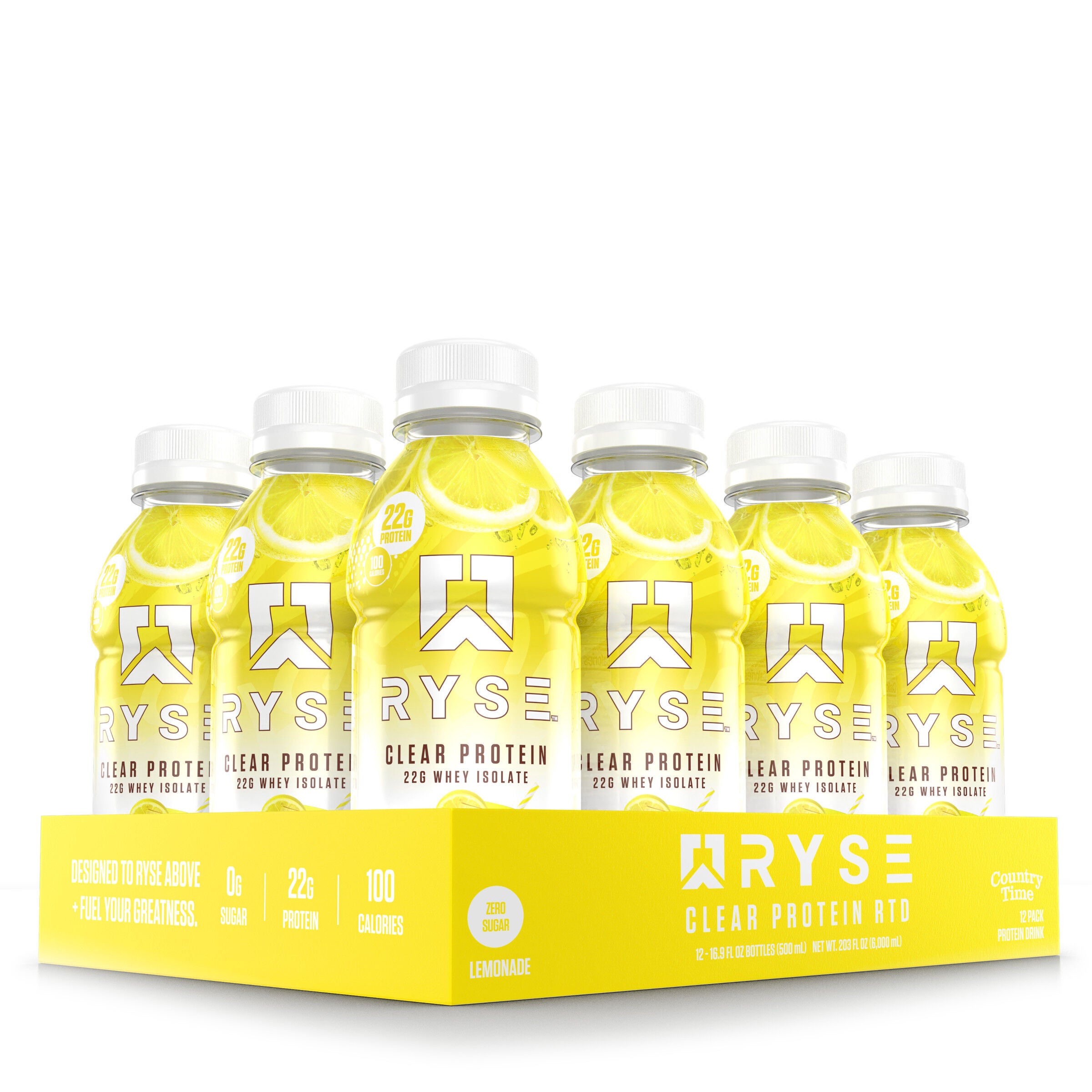


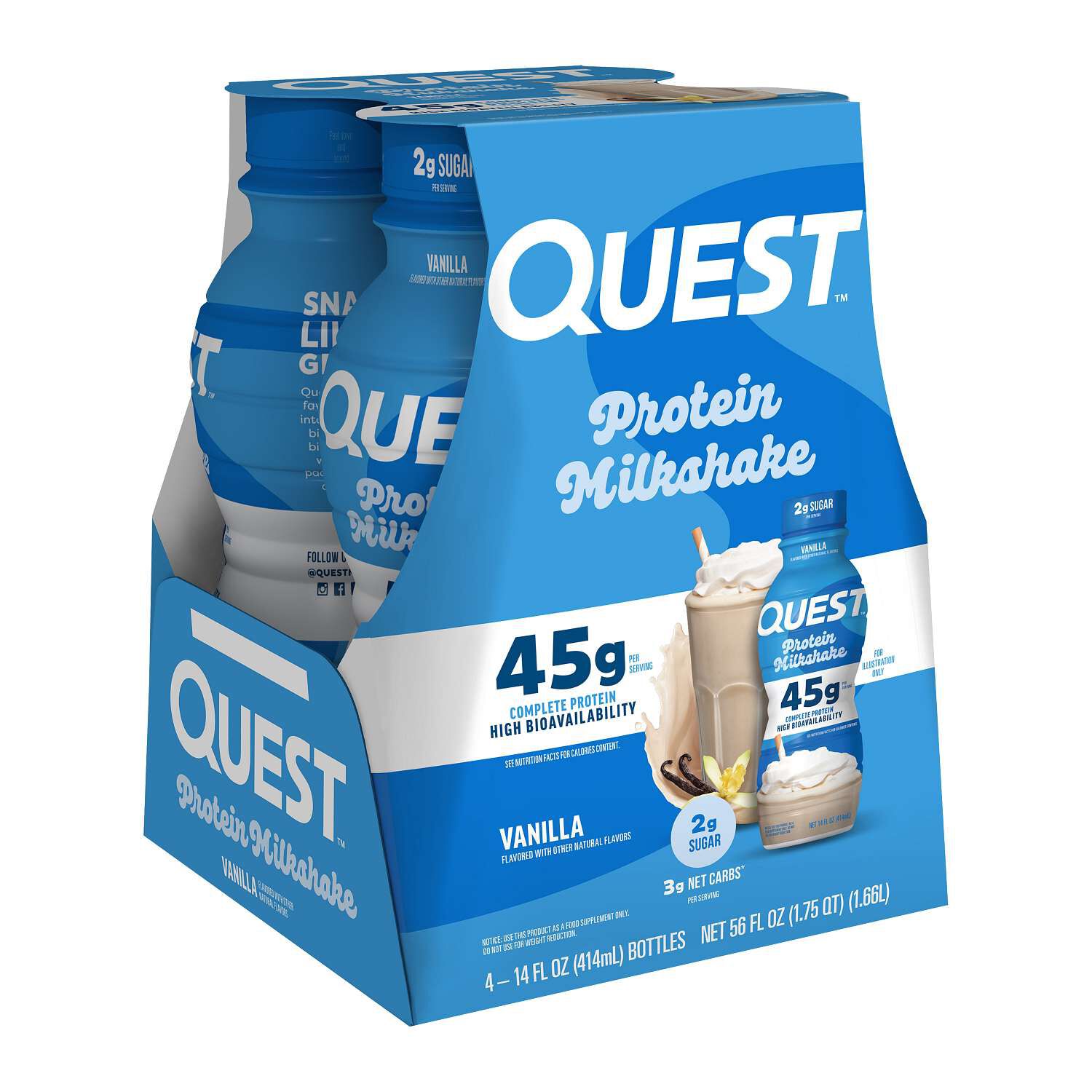
Whey protein shakes and drinks are dairy-based beverages made with protein derived from milk, offered as ready-to-drink formulas or powders mixed before serving. Whey is the liquid portion separated from curds during cheesemaking; it is then processed into ingredients used in a variety of protein beverages. For shoppers comparing these options, the main distinctions are the type of whey, the amount of protein per serving, the other ingredients, and the preparation involved. Ready-to-drink whey protein shakes come premixed in bottles or cartons, making them a practical choice for a desk drawer, a lunch bag, or a stop between the gym and home, provided their storage requirements are followed. Whey protein powders call for a shaker cup or blender and a liquid such as water, milk, or a plant-based beverage. That format leaves more room to adjust thickness and flavor, from a lighter drink mixed with cold water to a creamy smoothie blended with oats and fruit. Either format may complement daily protein intake alongside a varied eating pattern, but the drinking experience can be quite different. A premixed shake has a set recipe and serving size, while a powder-based drink changes with the liquid and ingredients added at home. Intended use matters as much as format: a beverage packed for an afternoon away from home has different practical requirements than one blended in the kitchen after a workout. Adults with active routines, recreational athletes, and shoppers who enjoy a convenient protein beverage may find either approach suited to their day. During the cooler months, when commutes, indoor workouts, and packed schedules often overlap, those everyday details become especially noticeable. A bottle that fits beside a lunch container or a powder that mixes smoothly in a small shaker can be a better match than a format that requires equipment left at home. Taste, portability, preparation, and storage all belong in the comparison, rather than protein grams alone.
Whey concentrate, whey isolate, and hydrolyzed whey describe different forms of the protein ingredient, not different flavors or package styles. Whey concentrate generally retains more of milk’s lactose and fat than isolate, although the finished drink’s composition depends on the entire recipe. Whey isolate undergoes additional filtration to separate more of the protein from other milk components and generally contains less lactose and fat than concentrate. Hydrolyzed whey has been processed to split some protein chains into smaller pieces. A shake may contain one form or a blend, and the ingredient list is the place to see which forms are included. These distinctions do not tell the whole story about sweetness, texture, or suitability for a particular eating preference. Whey remains a milk-derived ingredient regardless of its form, and an isolate label alone does not establish that a beverage contains no lactose. Milk allergen information, ingredient details, and any specific dietary labeling deserve attention before a purchase. Beyond whey type, useful comparisons include protein per serving, serving size, calories, carbohydrates, sugars, fat, and sodium. For powders, the nutrition panel generally describes the powder serving unless it specifies preparation with a particular liquid; milk, fruit, nut butter, or other additions change the finished drink. For ready-to-drink options, checking the number of servings in the container keeps comparisons consistent. Flavor descriptions offer another starting point, but ingredients such as cocoa, sweeteners, oils, and thickeners also influence the result. Chocolate can range from mellow and milky to more cocoa-forward, while vanilla often works as a flexible base for blended fruit drinks. Some shoppers prefer a thin, easy-sipping beverage, while others enjoy a fuller texture that resembles a milkshake. A short ingredient list is not automatically the best match for every preference, just as a higher protein amount is not the only meaningful distinction. The most useful comparison brings the nutrition panel, ingredient list, serving format, and preferred drinking experience together.
Preparation and storage shape how whey protein shakes and drinks fit into everyday life. Some unopened ready-to-drink beverages are shelf-stable, while others require refrigeration from the start; the package directions determine the appropriate handling. Shelf-stable does not mean suited to every location, particularly a parked car or a bag left near a heat source. After opening, follow the label’s refrigeration and use instructions, and check the package date before drinking. Powder belongs in its original, tightly closed container in the storage conditions stated on the label, with a clean, dry scoop to help keep moisture out. For a shaker-made drink, adding liquid before powder often makes mixing easier, though the product’s own preparation directions take precedence. A secure lid, enough room for shaking, and the recommended amount of liquid are useful details when heading out the door. A blender suits recipes with frozen fruit or oats, while a shaker cup is a simpler choice for powder and liquid alone. Washing cups, lids, seals, and blender parts after use keeps the equipment ready for the next serving; container care directions matter, especially for parts that are not dishwasher-safe. These small habits can make the difference between a format that fits naturally into a routine and one that feels cumbersome. It is also worth distinguishing a protein drink from a beverage specifically formulated for a meal occasion. Protein content by itself does not make a shake nutritionally interchangeable with a meal, and recipes vary in their carbohydrates, fats, fiber, vitamins, and minerals. Shoppers comparing that separate category can explore Whey Protein Meal Replacement Shakes and review the intended use and nutrition information on each label. For a straightforward whey drink, the right fit may be a chilled bottle packed according to its storage directions or a familiar scoop-and-shake routine at home. The strongest match is grounded in practical preferences: a flavor worth returning to, a texture that suits the occasion, clear preparation instructions, and a format that works with the day ahead.