





Meal Replacement Protein Powders
(0 Results)
Shop meal replacement protein powders for shakes that fit your meal-planning routine. Compare protein per serving, ingredients, serving sizes, and nutrition information, and check each product’s preparation instructions and suggested use to find a shake mix that suits your dietary preferences.

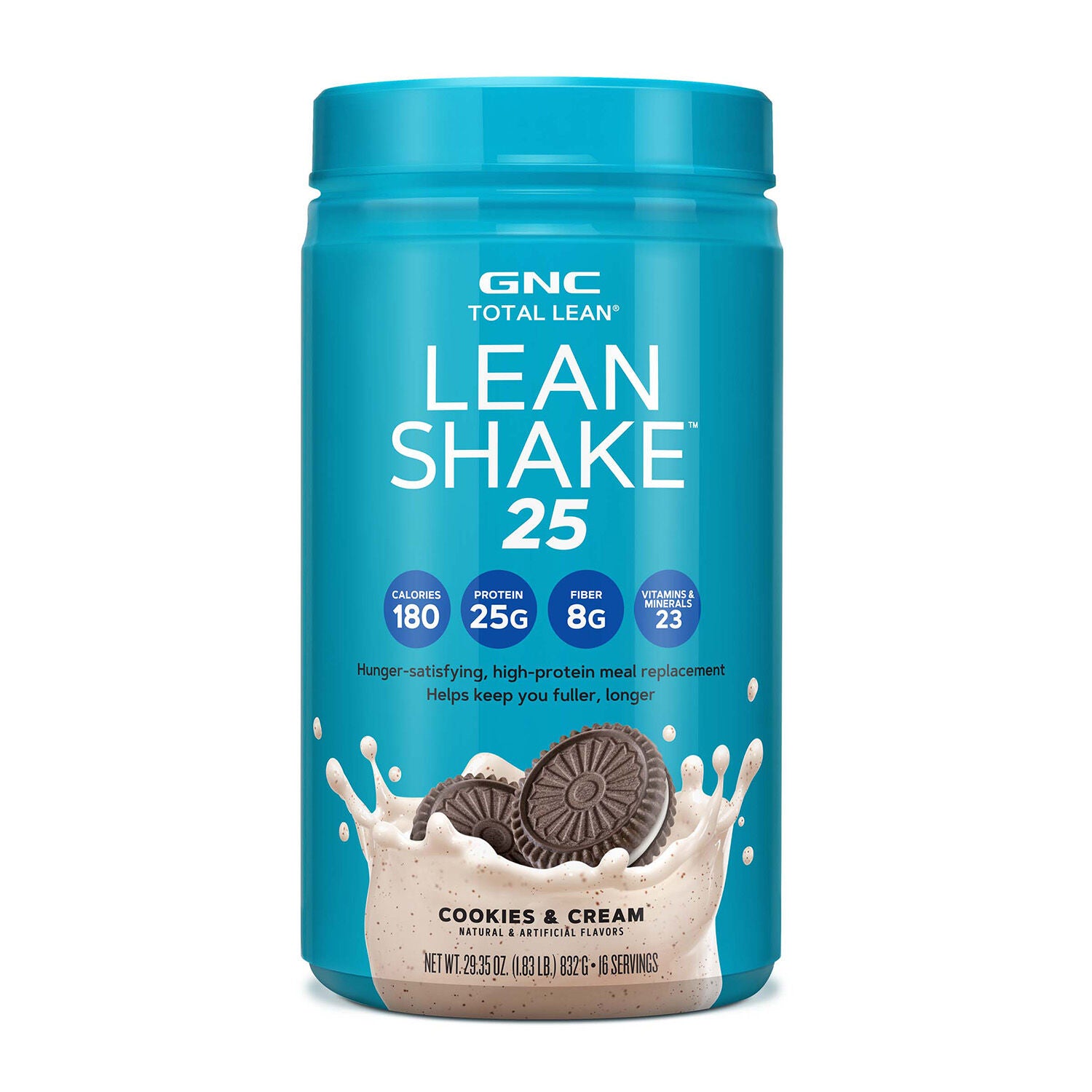
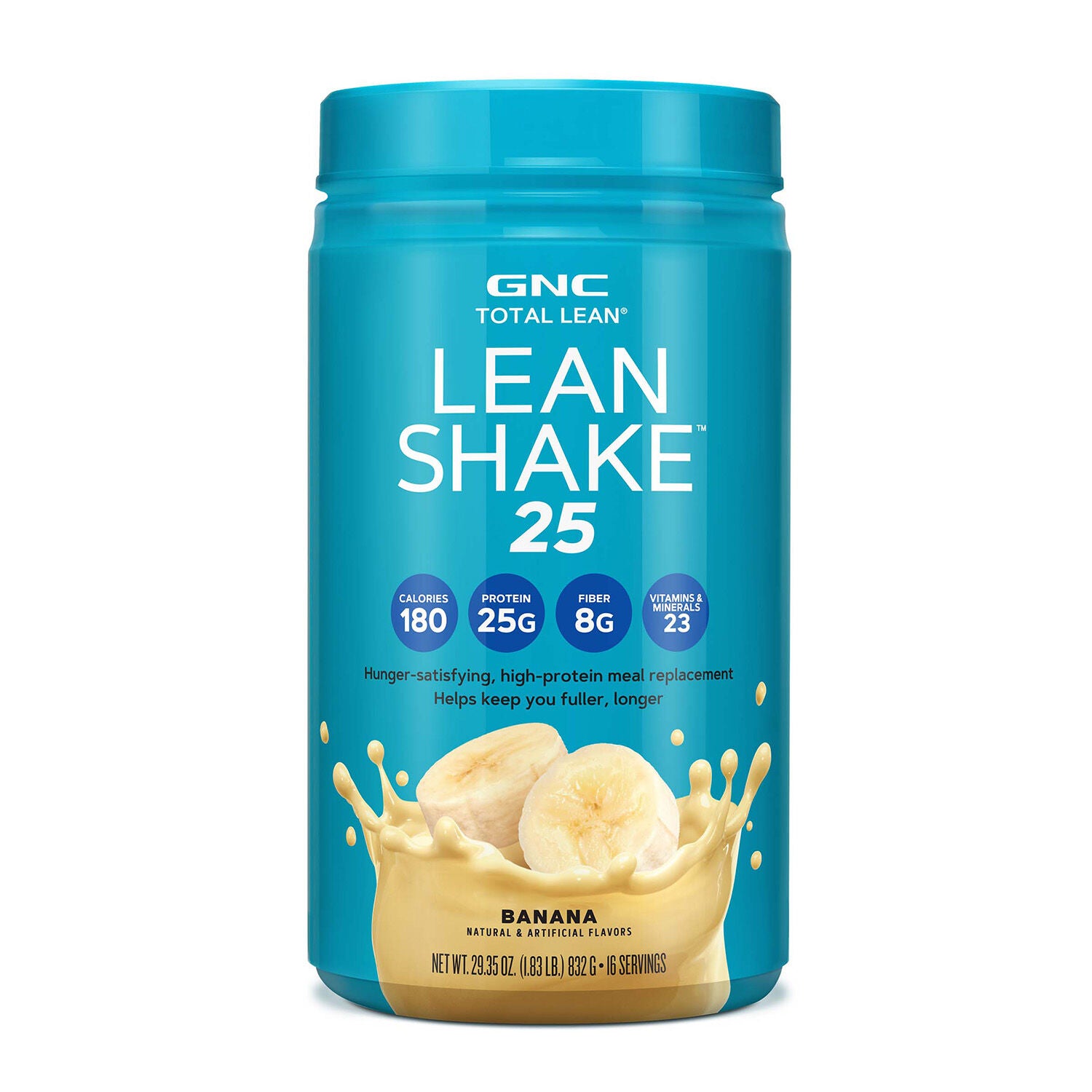


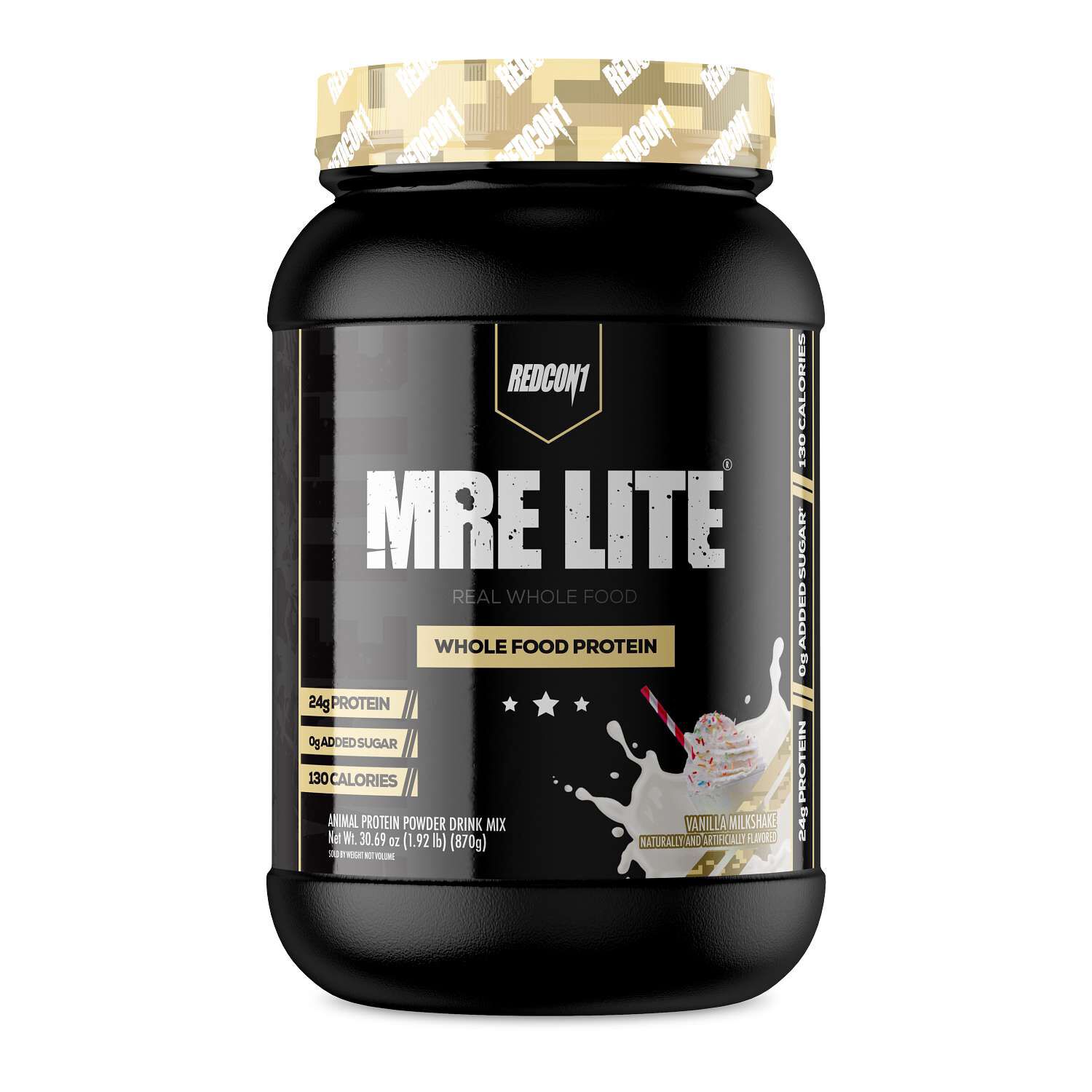

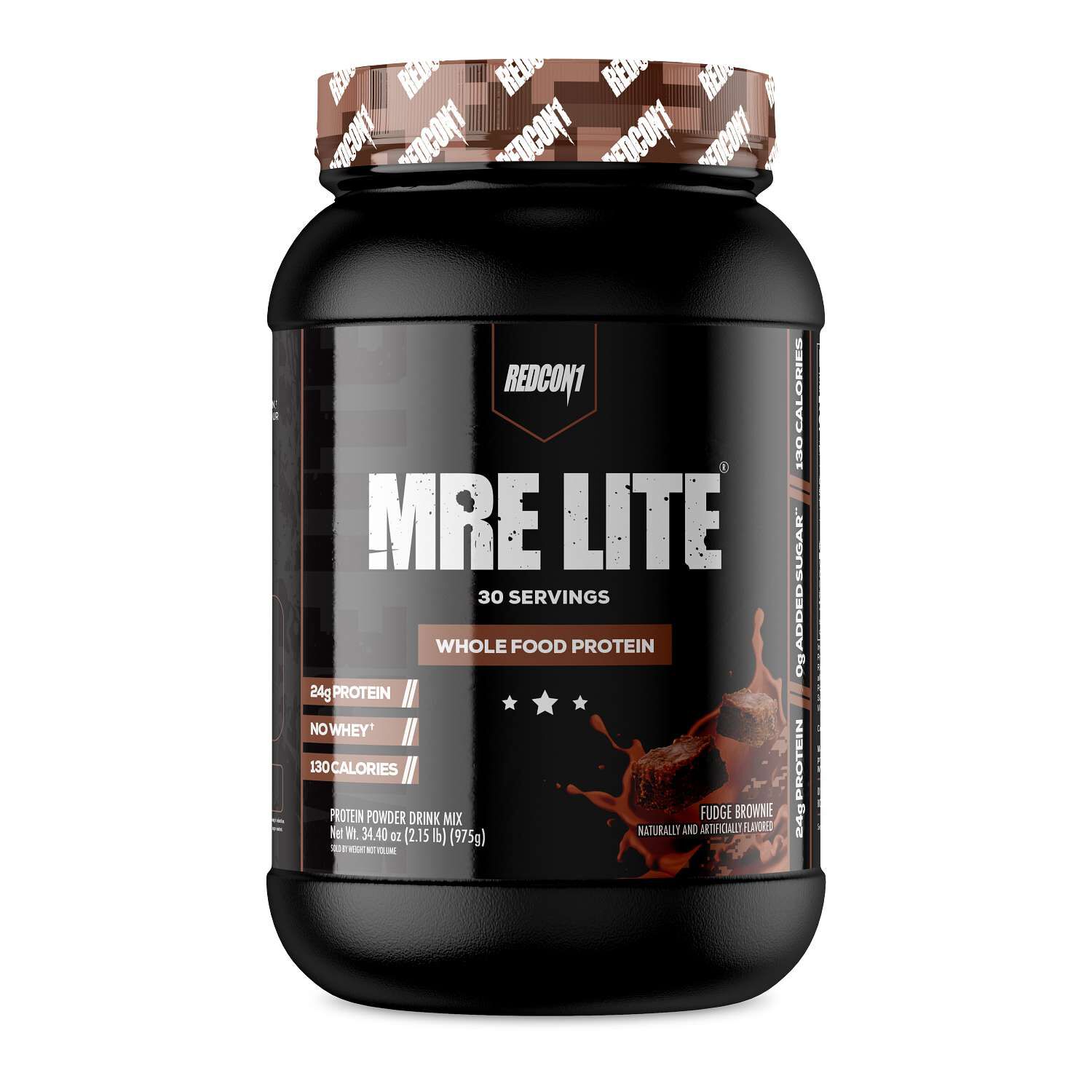
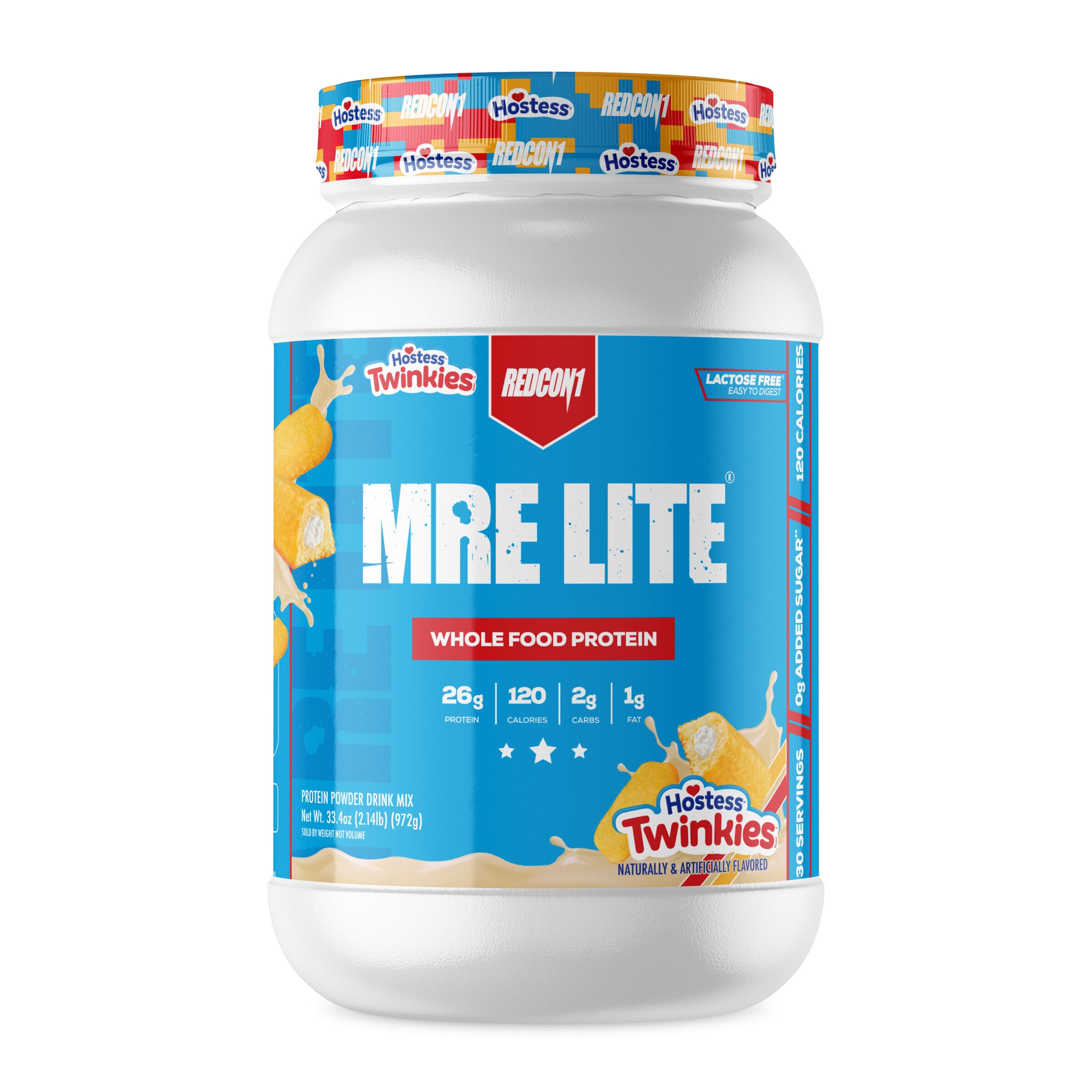
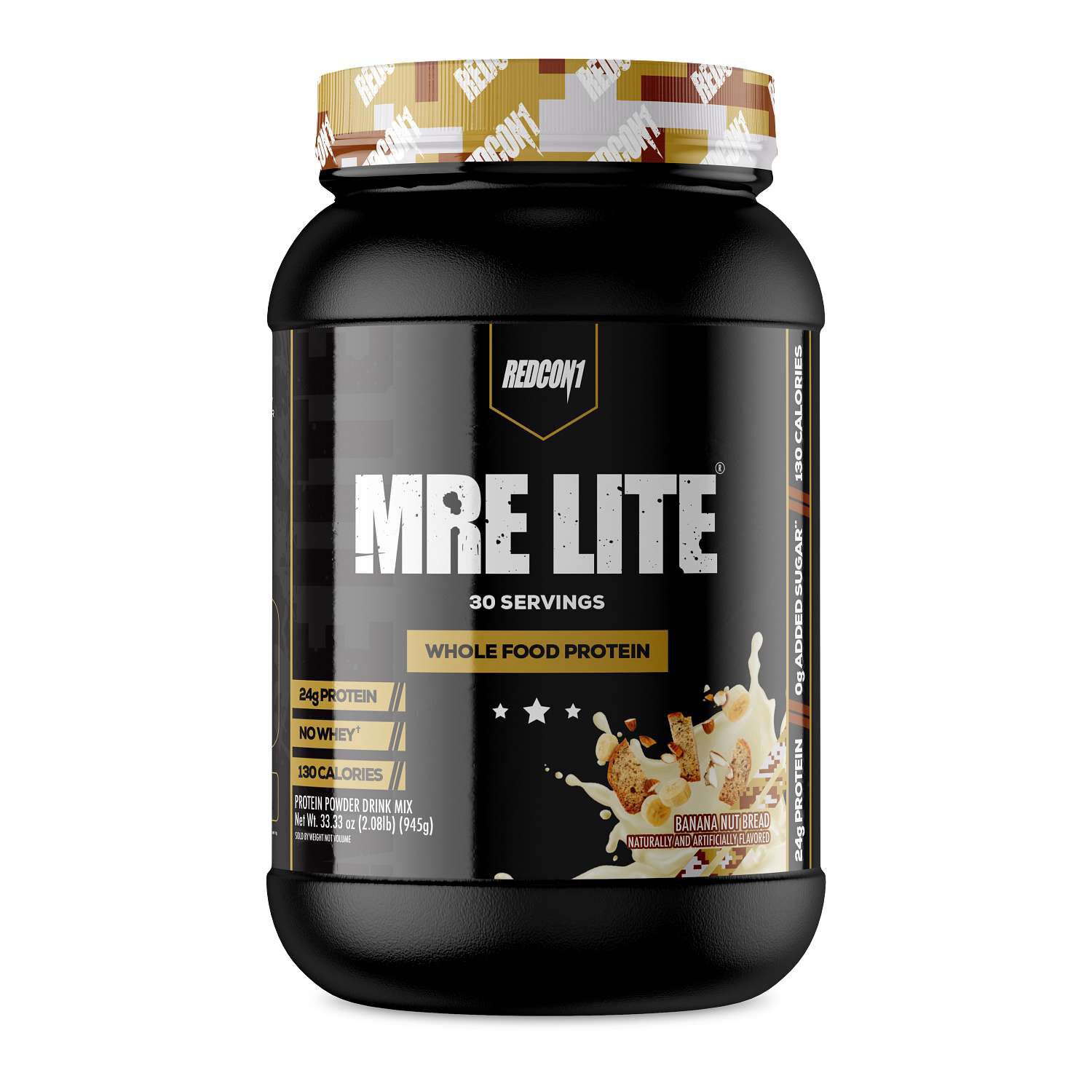
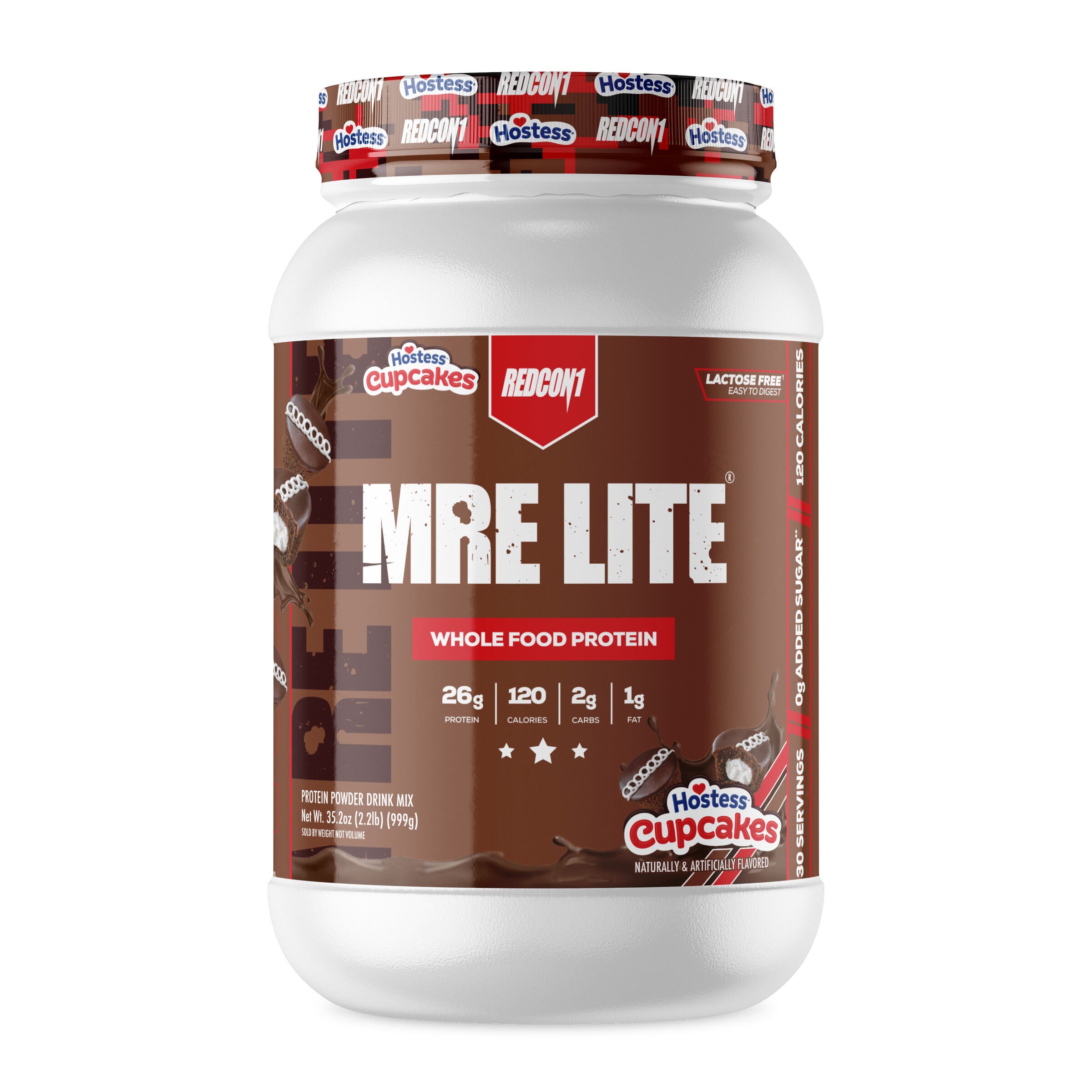
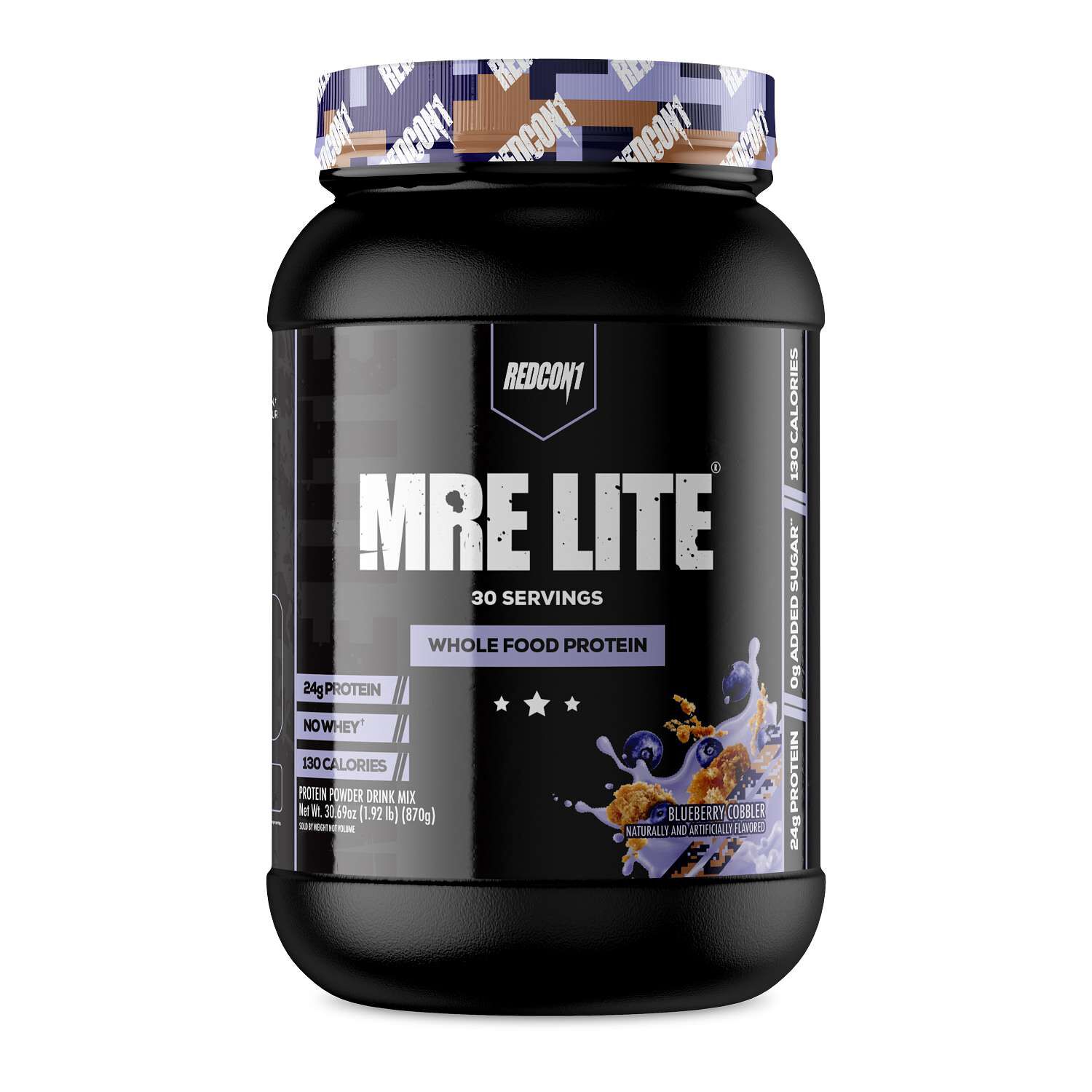


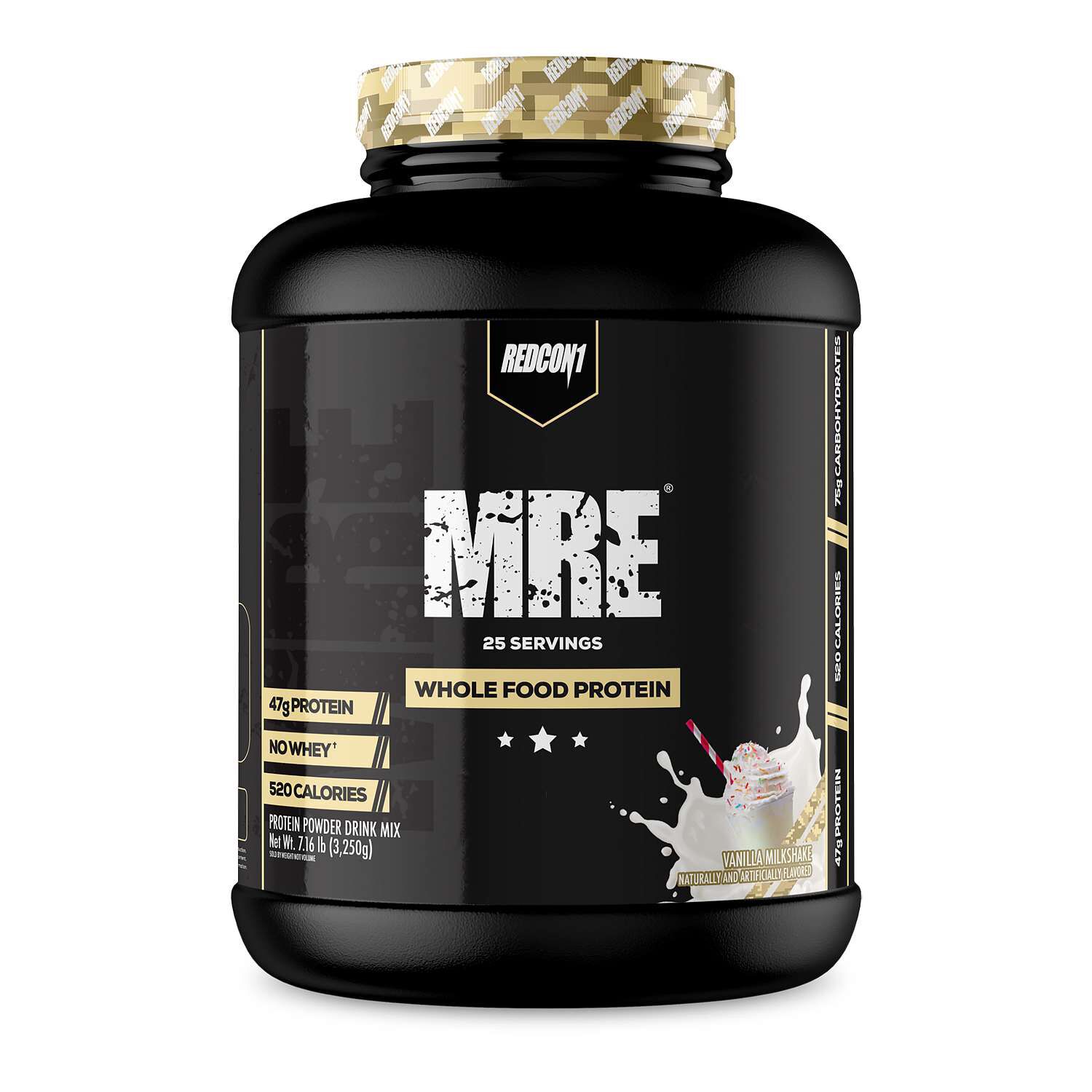

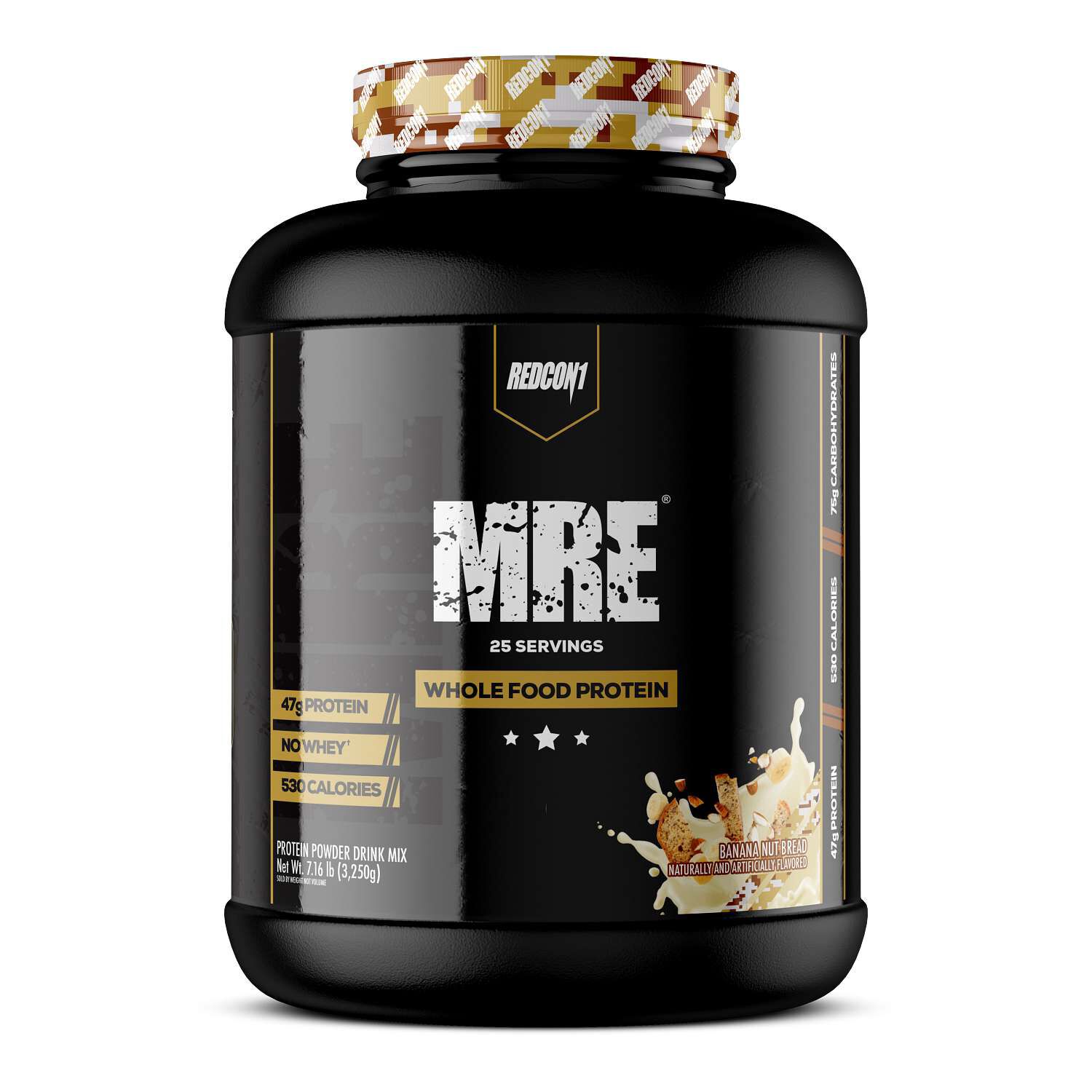

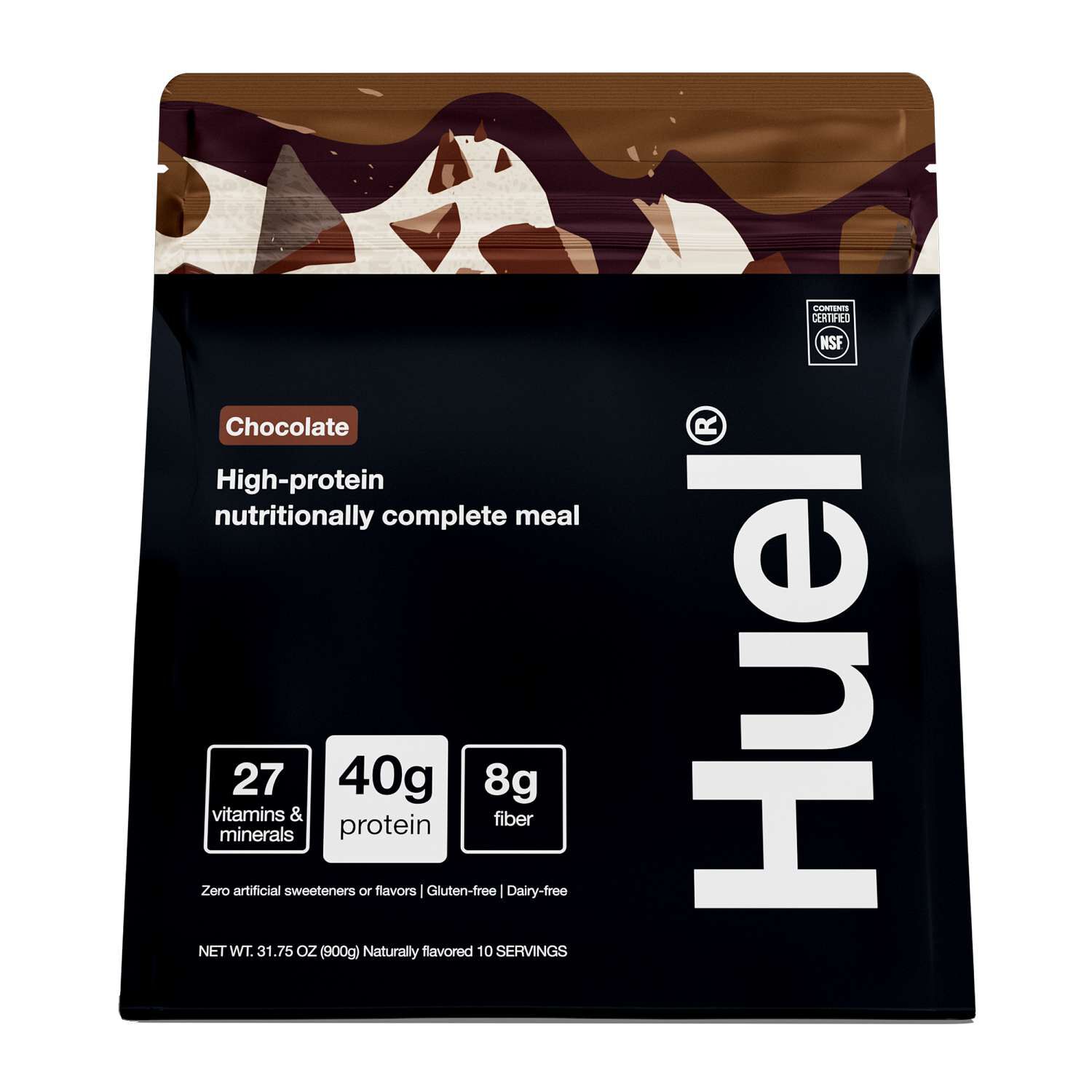
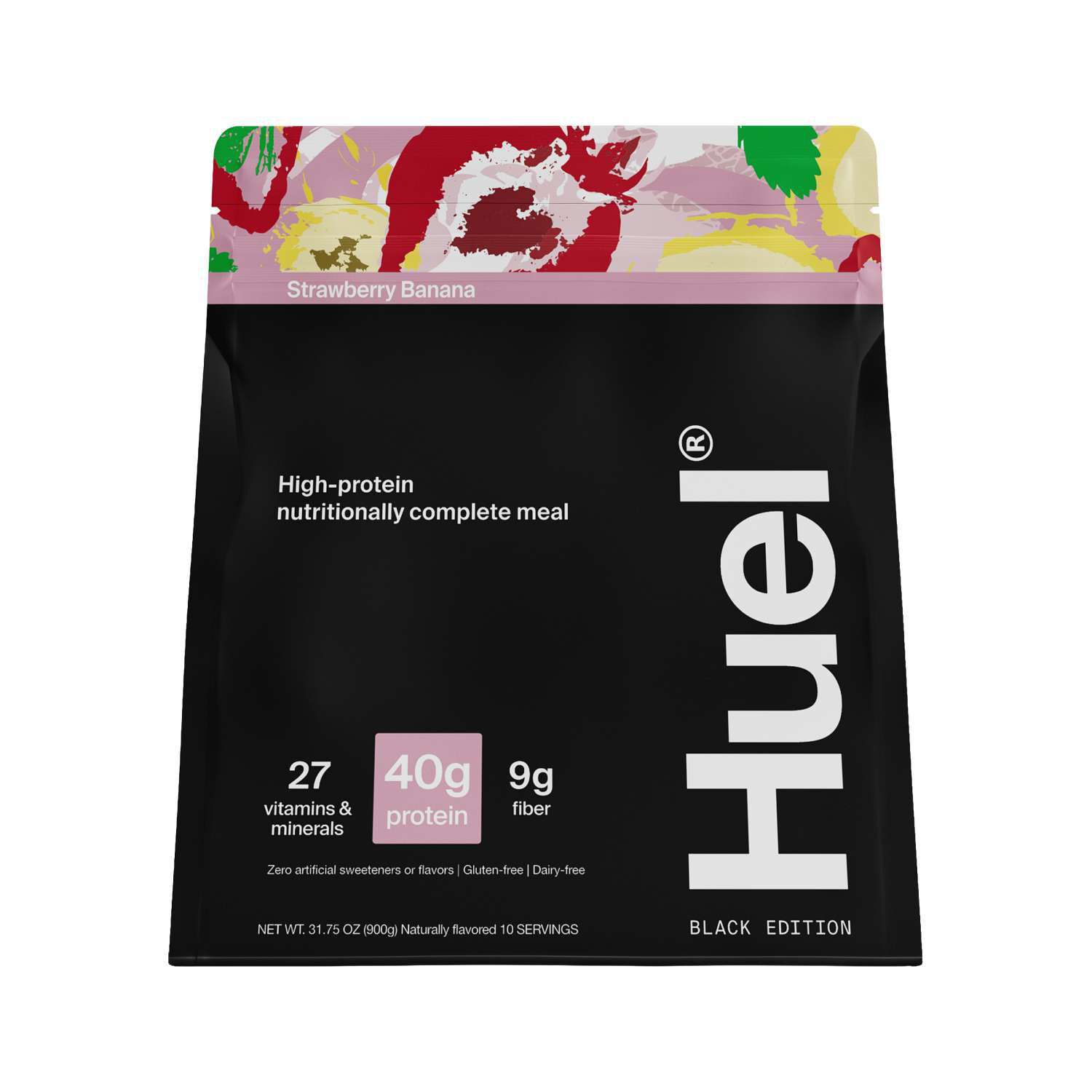
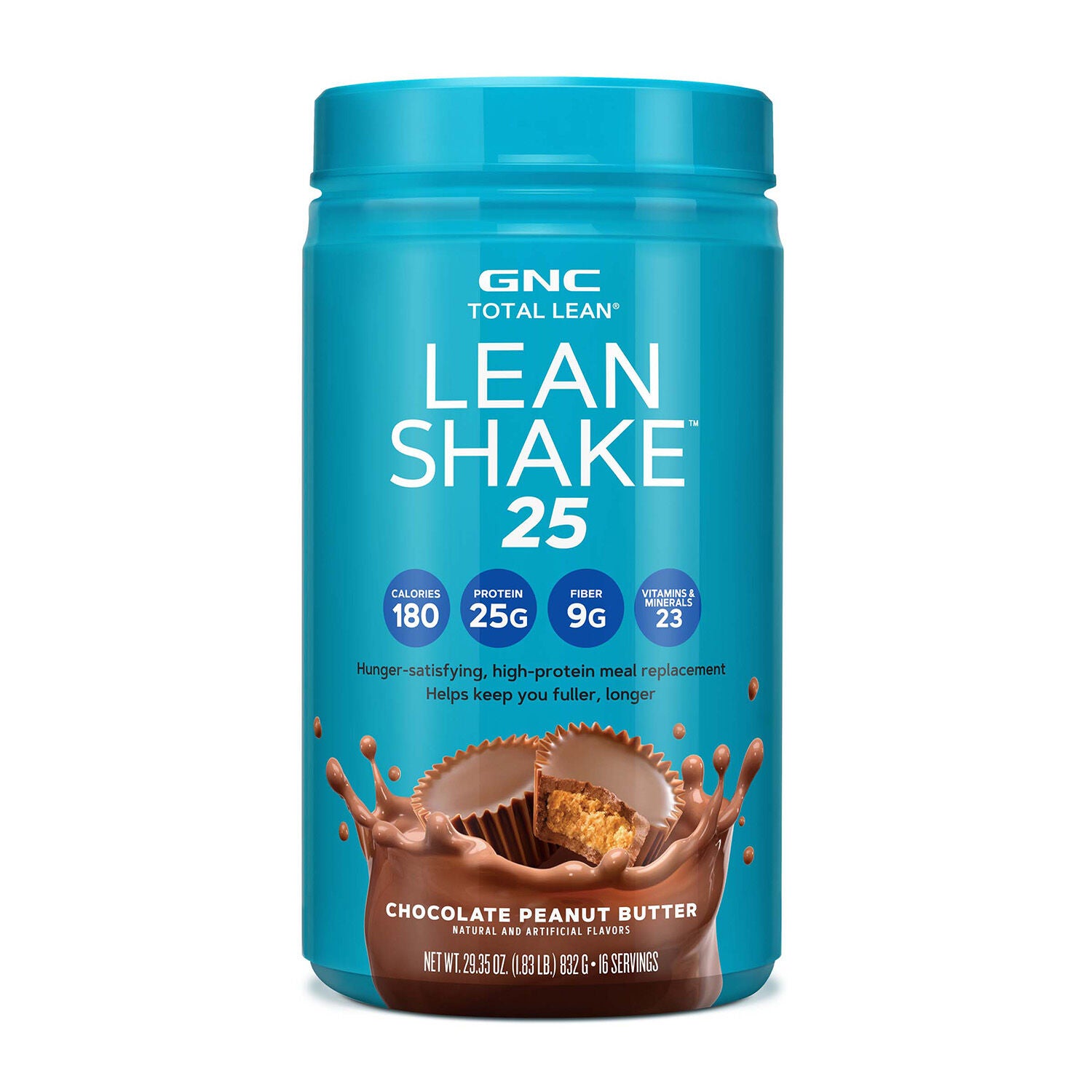
Meal replacement protein powders are formulated to combine protein with carbohydrates, fats, and often fiber, vitamins, and minerals in a serving intended to take the place of a meal. Standard protein powders focus primarily on protein and are not necessarily formulated with the wider nutrient mix or calorie content associated with a meal replacement. That distinction matters when comparing powders for breakfast before a commute, lunch between appointments, or another occasion when a sit-down meal is difficult to arrange. A high protein count alone does not establish that a powder is suitable as a meal replacement; the serving size, calories, other nutrients, and preparation directions provide a fuller picture of its intended use. Formulas vary considerably, with some built around dairy proteins such as whey or casein and others using soy, pea, rice, or combinations of plant proteins. Carbohydrate ingredients may include oats, other grains, or starches, while fat sources may include oils, seeds, or nut ingredients. Fiber content also varies, and added vitamins and minerals are not identical across formulas. The nutrition facts panel distinguishes grams of protein, carbohydrates, fat, and fiber per serving, along with added sugars and listed micronutrients. Ingredient lists offer another layer of detail, including protein sources, sweeteners, flavorings, and ingredients used for texture. Dietary preferences also shape the category: someone who prefers plant-based ingredients may choose a different formula from someone who regularly uses dairy-based powders. A plant-based description does not, by itself, establish whether a formula meets every dietary restriction, so ingredient and allergen statements remain relevant. The amount of powder in a labeled serving deserves attention as well. A serving consisting of several scoops is different from a single scoop, even when the containers look similar. Meal replacement powders are a distinct category rather than simply another name for protein supplements, and their composition is best understood through the full serving information rather than the protein number on the front of the package.
Flavor, texture, and preparation are practical parts of choosing a meal replacement powder that fits an everyday routine. Chocolate, vanilla, fruit-inspired, and other flavor profiles offer different starting points, whether the powder is mixed with water or prepared with a preferred milk or plant-based beverage. The liquid matters because nutrition information for powder alone is different from nutrition information for a prepared serving that includes additional ingredients. Milk, oat beverages, soy beverages, fruit, oats, and nut butters each contribute their own nutrients and flavors; a shake prepared with several additions is not nutritionally identical to the powder mixed with water. For dairy-based formulas, Whey Protein Powders For Meal Replacement offers a focused category to explore alongside the broader selection. Whey is a milk-derived protein, while plant-based formulas use other protein sources, sometimes in blends. Beyond the protein source, the ingredient list often explains differences in consistency. Finely milled grains, fibers, gums, and other ingredients are used in some formulas, and the prepared texture may range from relatively light to thick and creamy. The amount of liquid and the mixing method may also affect the result. A shaker bottle may suit an office kitchenette with limited equipment, while a blender may be more convenient for a shake prepared with fruit at home. Some powders have directions for stirring, shaking, or blending, and the stated liquid amount provides a useful reference for the intended consistency. Sweetness is another meaningful distinction. Formulas may contain sugar, alternative sweeteners, or combinations of sweetening ingredients, with different flavors and aftertastes. A plain or lightly flavored base may suit someone who prefers adding banana or cocoa, while a more pronounced flavor may appeal to someone who wants fewer additions. These details are especially relevant for repeated use, when the taste of the last few sips matters just as much as the first.
The most useful meal replacement format often depends on where it will be prepared, how it will be carried, and how frequently it will be used. A resealable pouch or tub may suit a home kitchen, while individually portioned packets may be convenient for a work bag or a desk drawer. Larger containers require a way to measure each serving, and scoop sizes are not interchangeable across formulas. Serving weights listed in grams provide a clearer reference than the appearance of a scoop, particularly when one powder is more densely packed than another. Packaging also has a practical role after opening: a securely closed lid or seal and storage according to the label help keep the powder protected from moisture. Clean, dry utensils are appropriate for measuring dry powder, and prepared shakes have different storage needs from the unopened package. Directions for refrigeration, preparation, and the length of time a mixed serving can be kept should come from the label, especially when milk or other perishable ingredients are added. For someone leaving home before breakfast, a measured portion and a clean shaker may make preparation easier once there is time to mix it. Someone with access to a refrigerator and blender may prefer a different setup from someone relying on a bottle and water. A meal replacement powder may offer a practical option for an occasional meal, but it does not need to become the centerpiece of every eating occasion. Meals made with a variety of foods provide different textures, flavors, and eating experiences that a shake does not duplicate. Within this category, the most meaningful differences are the intended serving, nutrient composition, ingredient sources, flavor, preparation requirements, and packaging format. Considering those details together may make it easier to find a powder suited to a particular routine, whether that means a straightforward shake at a desk or a blended breakfast enjoyed before heading out the door.
- Q: How do meal replacement protein powders differ from standard protein powders?
A: Standard protein powders focus primarily on protein, while meal replacement protein powders typically include a broader mix of carbohydrates, fats, vitamins, and minerals. Nutrient amounts vary by formula, so compare the Nutrition Facts panels. - Q: What protein sources are used in meal replacement protein powders?
A: Common protein sources include whey, casein, soy, pea, and rice. Some formulas use a single source, while others combine several. Check the ingredient list to see which protein sources a powder contains. - Q: How do you prepare meal replacement protein powders?
A: Follow the package directions for the powder and liquid amounts. Depending on the formula, preparation options include stirring, using a shaker bottle, or blending with water, milk, or a plant-based beverage. - Q: What nutrition information should I compare when choosing meal replacement protein powders?
A: Compare protein, carbohydrates, fat, fiber, added sugars, and listed vitamins and minerals per serving. The ingredient list provides additional details about protein sources, sweeteners, and flavorings. - Q: Can meal replacement protein powders be used in recipes besides shakes?
A: Meal replacement protein powders can be mixed into foods such as oatmeal, yogurt, or pancake batter. Choose a flavor that suits the recipe and follow any preparation guidance on the package, since texture and mixing characteristics vary by formula.
Best Sellers
Related Pages

Top Collections
- Supplements For Yoga Joint Flexibility
- Chronic Fatigue Supplements
- Joint Mobility Supplement Packs
- Adult Mobility Supplements
- Active Supplements
- GLP 1 Support For Adults
- Zinc Supplements | Top Brands at Great Prices | GNC
- Supplements For Anxiety Relief Support
- Supplements For Balance
- Capsule Supplements For Energy And Stamina