High Protein Low Carb Meal Replacements
(0 Results)
High protein low carb meal replacements offer a convenient way to support your nutrition goals while fitting into a busy lifestyle. Designed for those seeking options that align with high-protein, lower-carbohydrate preferences, these meal replacements might help you stay on track with your wellness journey. Explore a variety of flavors and formats to find the high protein low carb meal replacements that could suit your needs, whether you're at home, at work, or on the go.
-
-
-
-

-

-
-
 Legendary Foods$35.99
-

-
-

-
 Legendary Foods$35.99
-

-
-
-

-
-
-
-

-
-
-

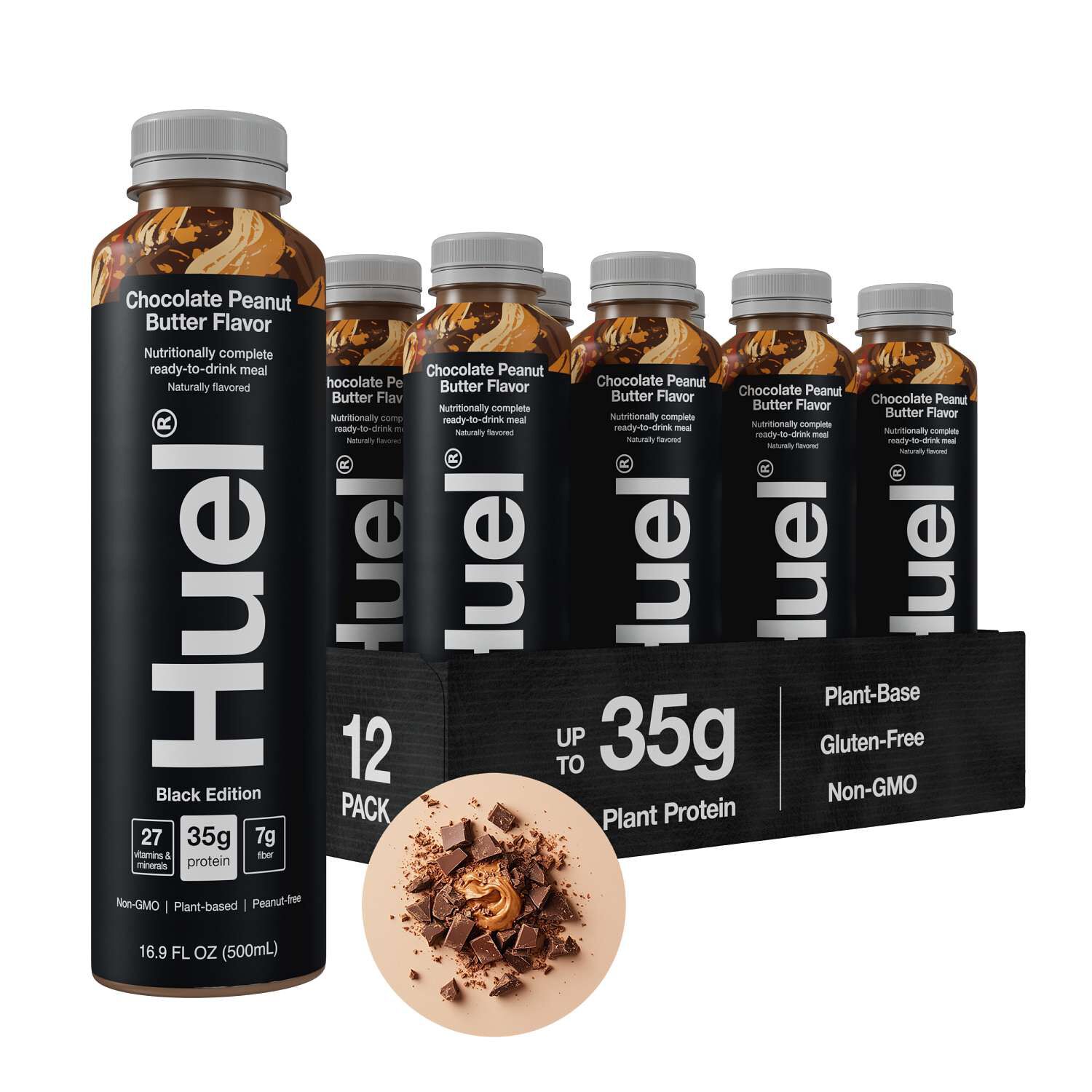
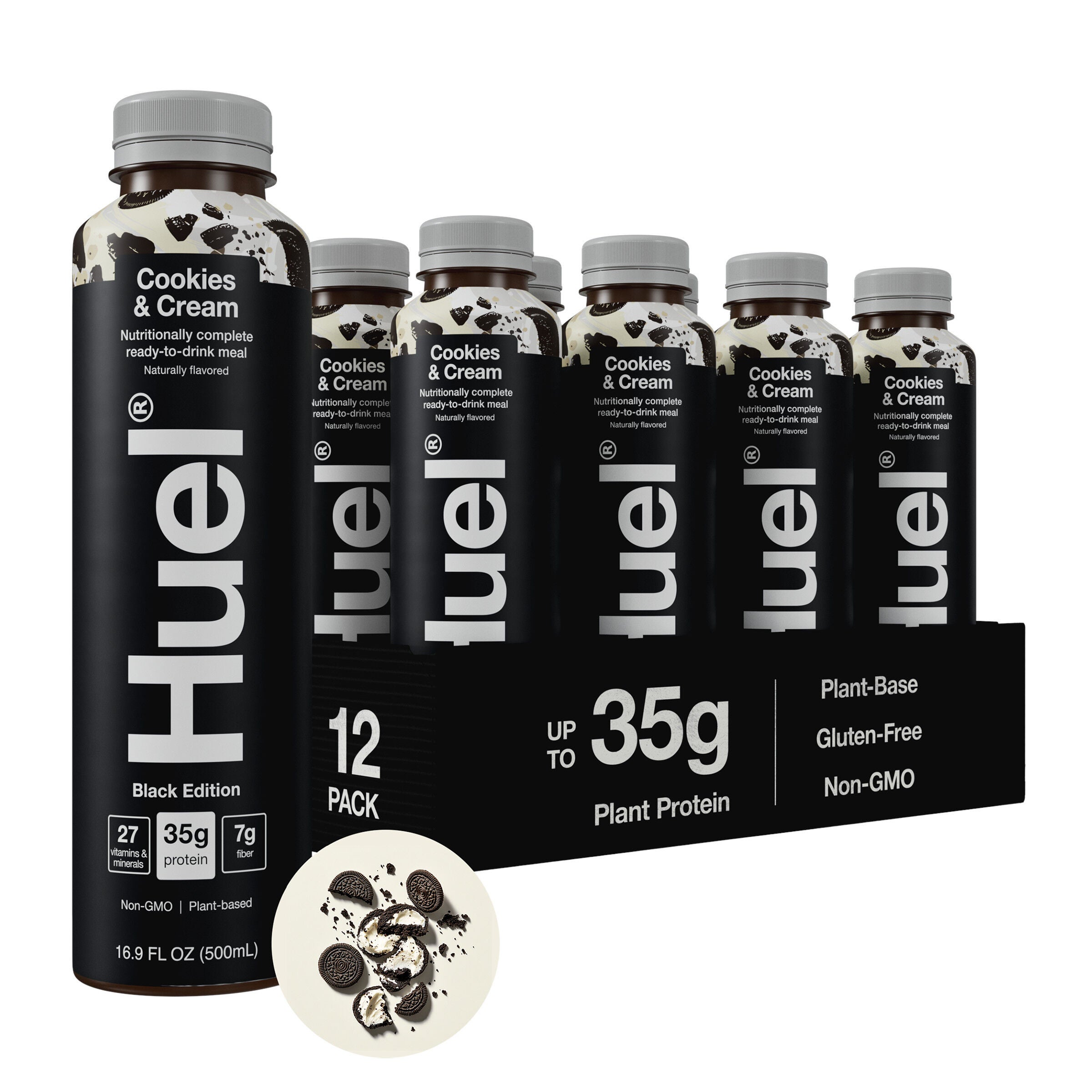
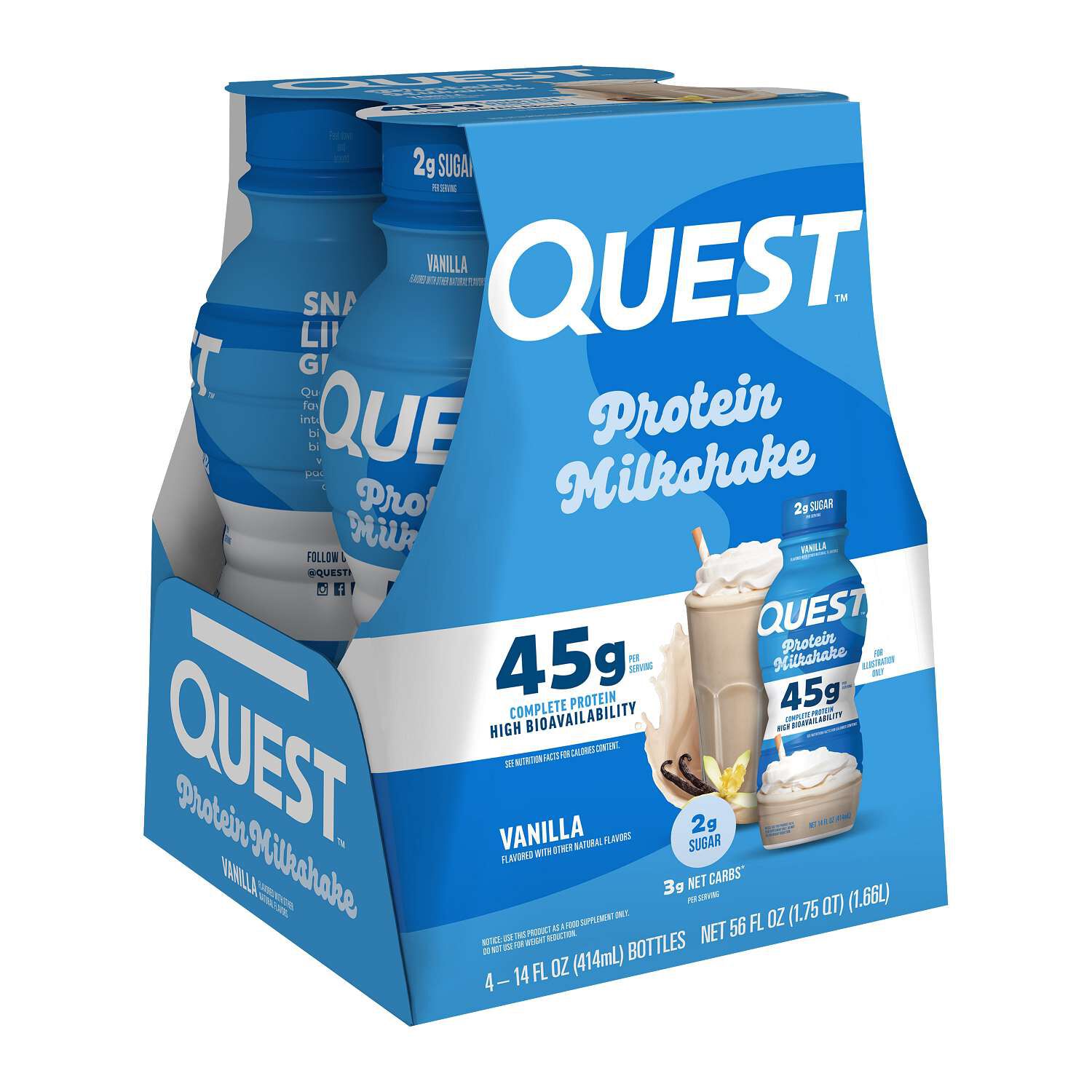
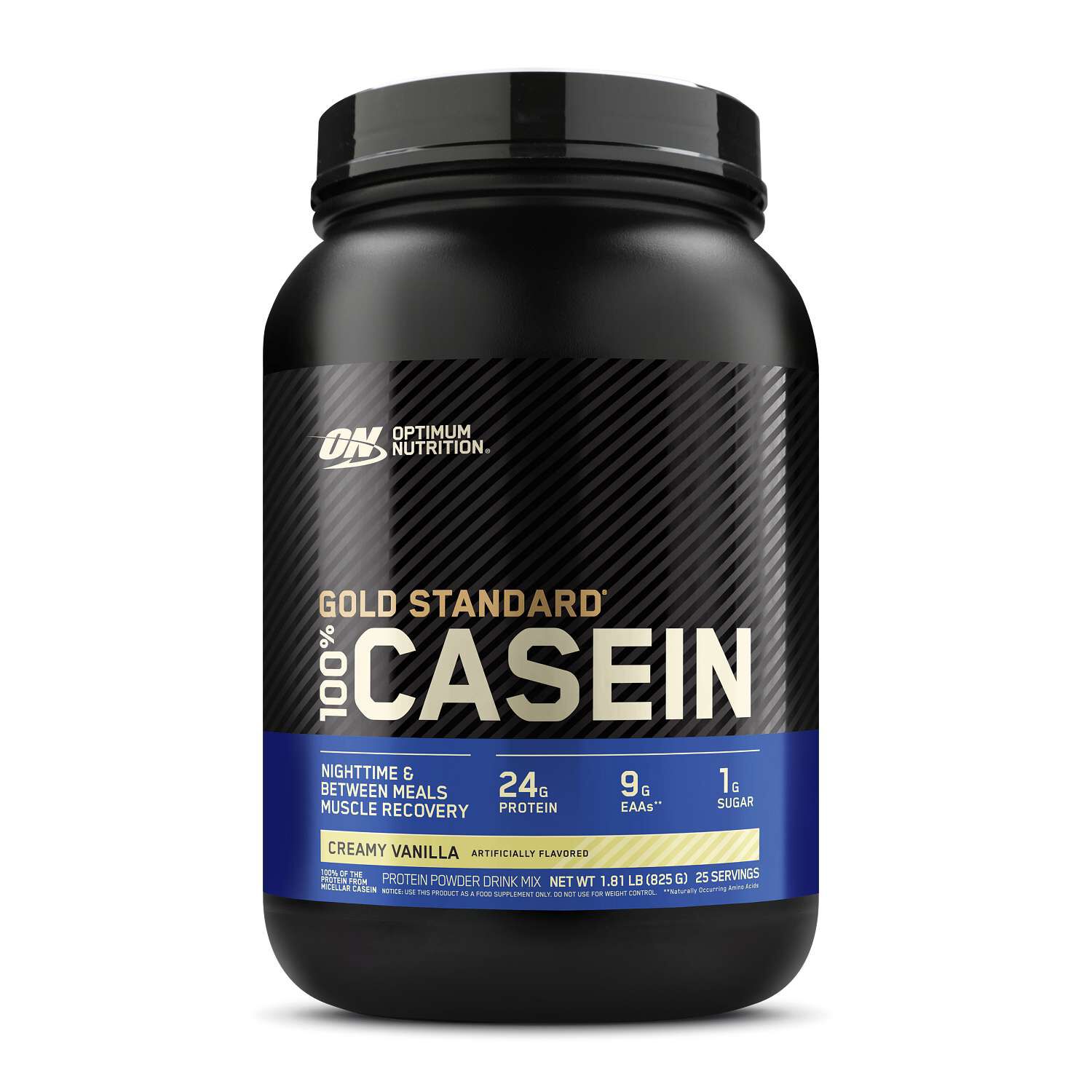
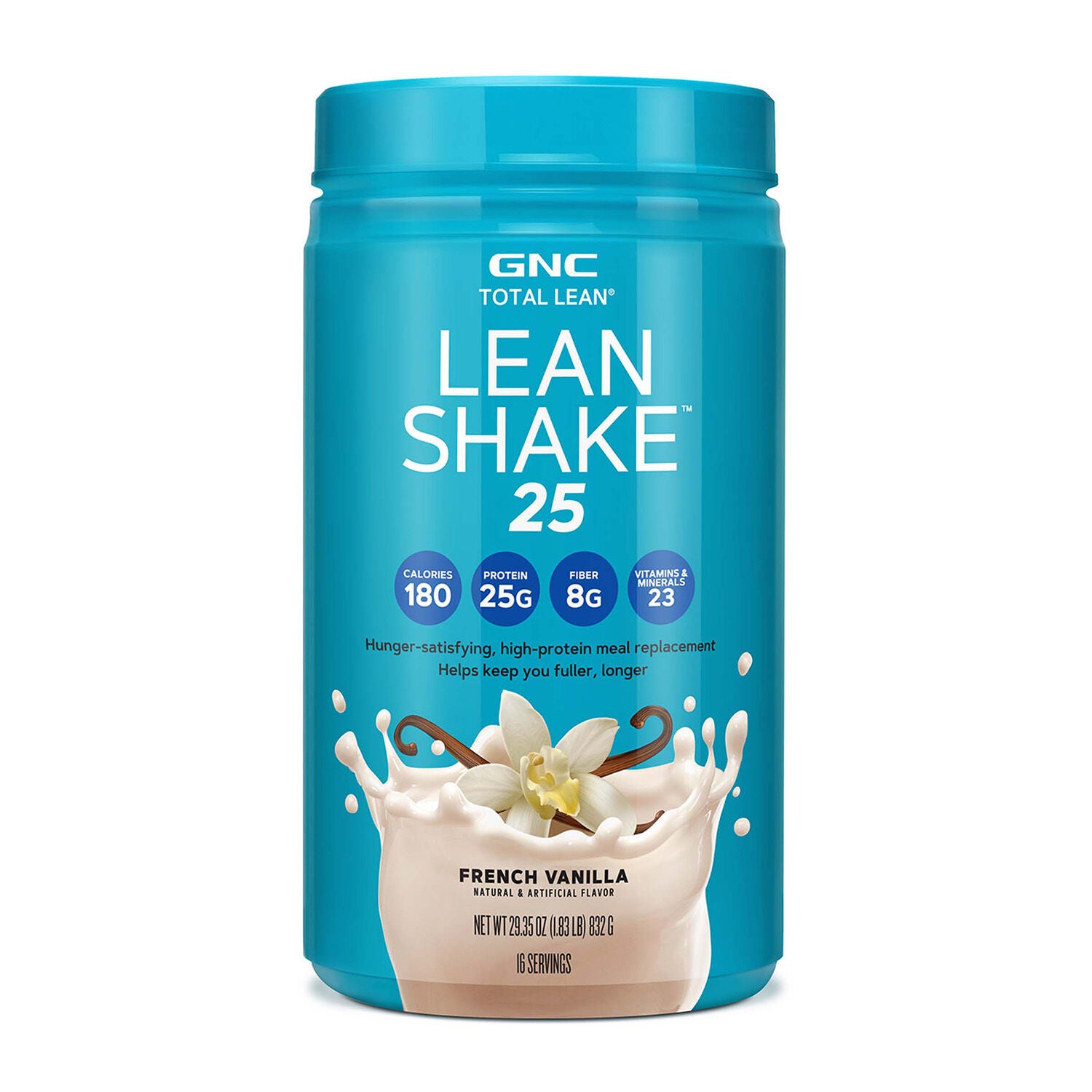
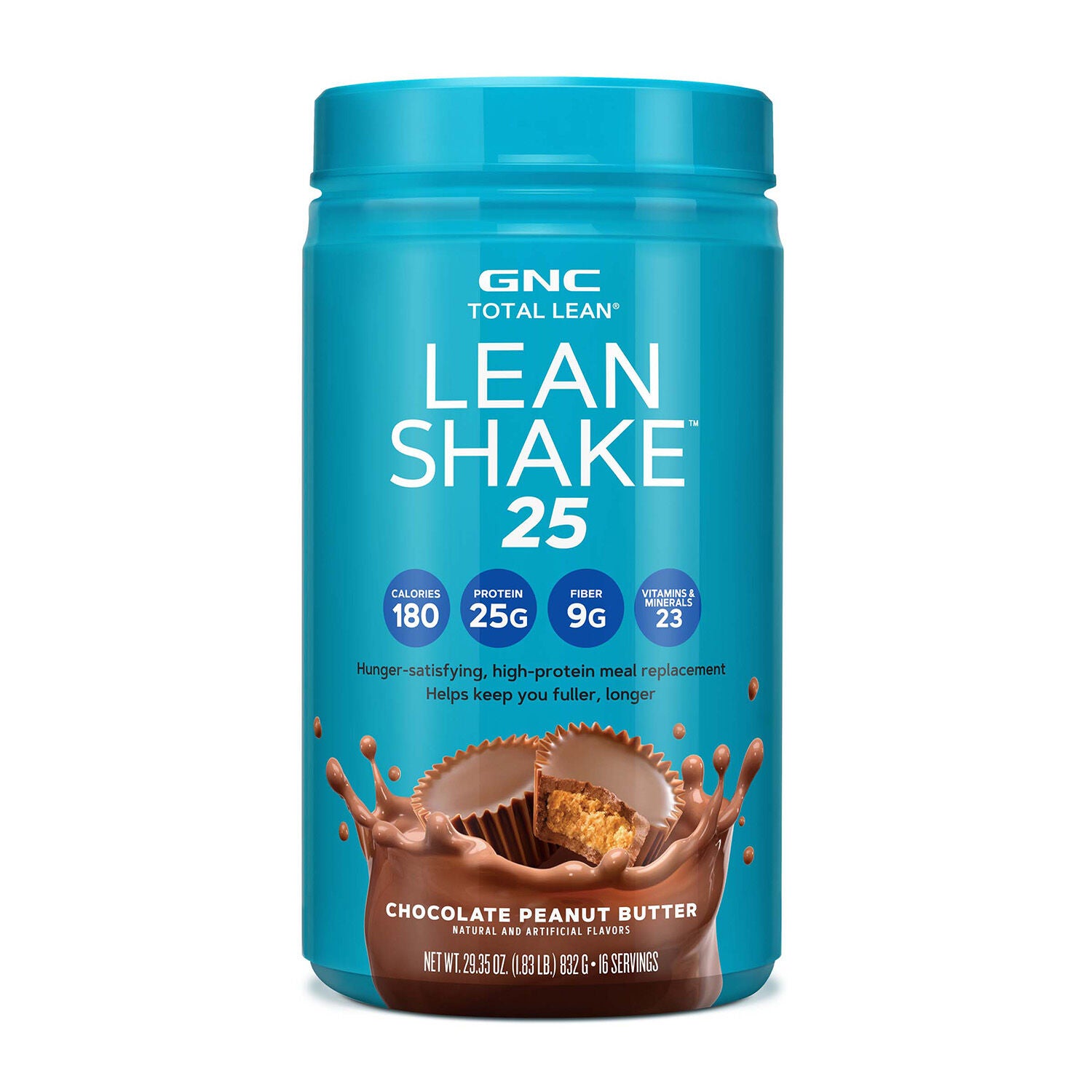
High protein, low carb meal replacements are shakes and powdered formulas designed to stand in for an occasional meal while emphasizing protein and limiting carbohydrates. Their nutritional makeup varies, so the category name alone does not describe everything in a serving. Protein, calories, dietary fat, fiber, sugars, vitamins, and minerals all contribute to the distinction between a meal replacement and a drink intended mainly to add protein. A basic protein powder may contain relatively few calories and little fat or fiber, making it different from a formula developed with a broader mix of nutrients. Even among meal replacements, there is no single carbohydrate amount that applies to every option. The Nutrition Facts panel provides the clearest comparison, especially when serving sizes differ. A large scoop and a small scoop are not interchangeable measures, and a bottle may contain a different amount of protein than a powdered serving. Carbohydrate content also deserves a closer look beyond the sugar number. Fiber and sugar alcohols can appear within the carbohydrate information, while front-label net carbohydrate figures may use different calculations. Comparing the same measurements across formulas keeps those distinctions visible. Calories matter to the comparison as well: a high-protein drink with modest calories is a different choice from a more substantial shake containing protein, fat, fiber, and added micronutrients. The liquid used with a powder also changes the finished drink. Water leaves the powder’s listed nutrients largely unchanged, while milk or another beverage adds its own calories, carbohydrates, protein, and fat. A label that describes preparation with water may therefore look different from the nutrition of a shake mixed with milk. These details make high protein, low carb meal replacements a category worth evaluating by the prepared serving rather than by a single claim on the front of the package. The most useful description includes both what the formula contains and how it is intended to be prepared and used.
Format is another meaningful difference, particularly when a meal has to fit between a commute, a meeting, and the next appointment. Ready-to-drink meal replacements arrive already mixed, with a consistent serving size and no scoop or blender needed. A sealed bottle may be convenient for an office refrigerator or a lunch bag, provided its storage directions are followed. Powdered meal replacements offer more flexibility in portioning and preparation, although they require a suitable liquid and a container for mixing. A shaker bottle may suit a smooth, drinkable formula, while a blender may work better for a thicker preparation or added ingredients. Texture often matters as much as flavor when a shake becomes part of a regular routine. Some formulas have a lighter consistency; others are creamier or more substantial, depending on the protein source, fiber, fats, and preparation method. Whey and casein are milk-derived proteins, while plant-based formulas may use sources such as pea or soy. A blend can contain more than one source, and the ingredient list identifies which ones are present. Milk, soy, and tree nut ingredients are also relevant considerations for shoppers with dietary restrictions or ingredient preferences. Plant-based wording alone does not describe every ingredient or manufacturing detail, so package information remains important. Sweetness varies, too. Some formulas contain sugar, while others use alternative sweeteners or a combination of sweetening ingredients. Cocoa, vanilla, coffee, and other flavor profiles can create quite different drinking experiences even when the protein and carbohydrate numbers are similar. An enjoyable flavor and comfortable texture may make a meal replacement easier to include in a familiar routine. Packaging and care add another practical distinction: powdered containers need secure closure and storage according to the label, while opened beverages may require refrigeration and use within a stated period. A dry scoop, a clean mixing bottle, and attention to preparation directions are straightforward considerations for powders. For either format, the package instructions describe handling requirements that should not be assumed from another shake.
High protein, low carb meal replacements may appeal to adults who want a portioned option for an occasional meal without assembling several ingredients. Someone leaving home before a long commute may prefer a prepared beverage, while an office worker with access to a sink and refrigerator may find a powdered format more practical. For a person moving between a workday and an exercise session, the distinction between a meal replacement and a protein supplement is especially relevant: the two can have very different calorie and nutrient profiles even when both feature protein prominently. Travel creates another set of considerations, including container size, access to refrigeration, and whether mixing equipment is realistic to carry. A powder packed for a hotel stay serves a different routine from a bottle tucked into a lunch bag, and neither format automatically suits every setting. These are convenience choices rather than substitutes for every food or every eating occasion. A shake also offers a different experience from a plated meal, particularly for someone who enjoys chewing, varied textures, and the pace of sitting down to eat. A formula containing protein alongside fiber and fat may feel more satisfying than a protein-only drink, although individual preferences and appetites vary. The distinction matters when browsing related categories such as High Protein Low Carb Supplements, where the intended use may be adding nutrients rather than replacing a meal. The closer comparison is not simply which option has the most protein or the fewest carbohydrates, but which nutritional profile, preparation method, and serving size match the intended occasion. Flavor variety may matter for frequent use, while portability may matter more for an occasional desk lunch. Clear labeling, understandable ingredients, and realistic preparation requirements give shoppers useful points of comparison. Together, those details describe how a high protein, low carb meal replacement may fit into an eating routine alongside varied foods and sit-down meals.