





Vitamins That Help Support Weight Gain
(0 Results)
Exploring options for healthy weight gain? Discover a range of vitamins that could support your journey to achieving your weight goals. Certain vitamins may play a crucial role in boosting energy levels, supporting metabolism, and enhancing nutrient absorption, all of which might contribute to healthy weight gain. Whether you're looking to build muscle mass or simply want to add a few pounds, incorporating the right vitamins into your routine could make a difference. Embrace the potential benefits of these essential nutrients as you work towards your desired body composition.


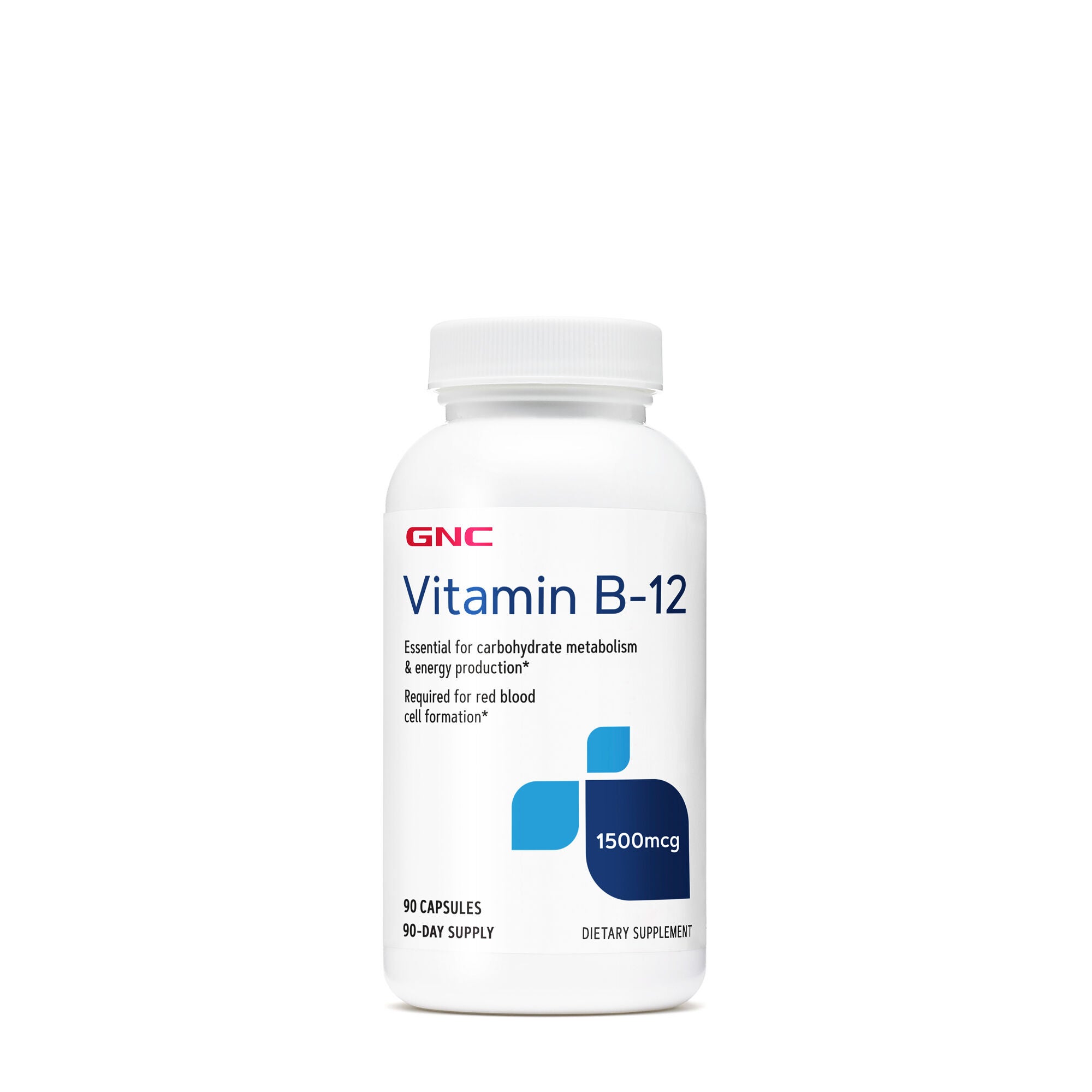
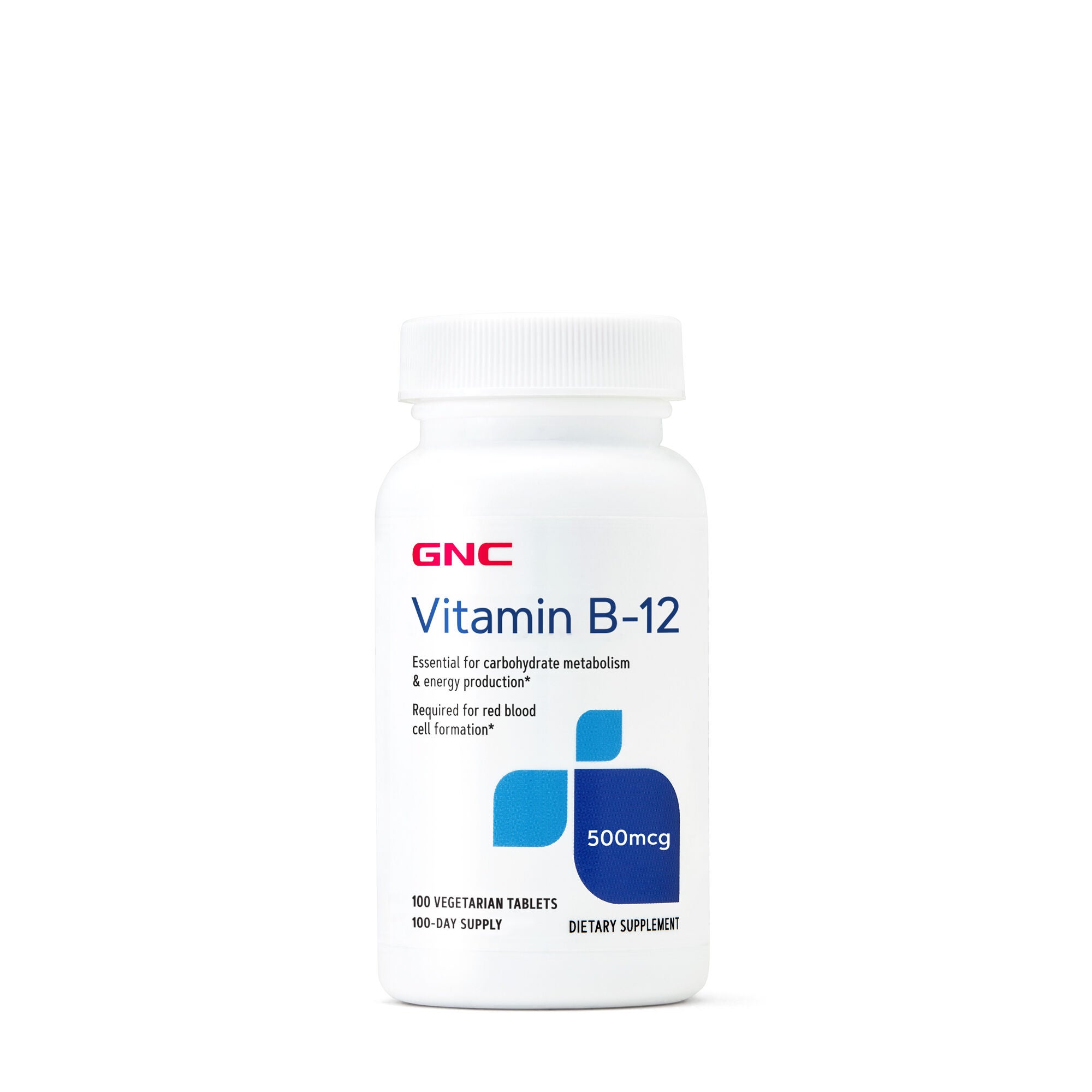
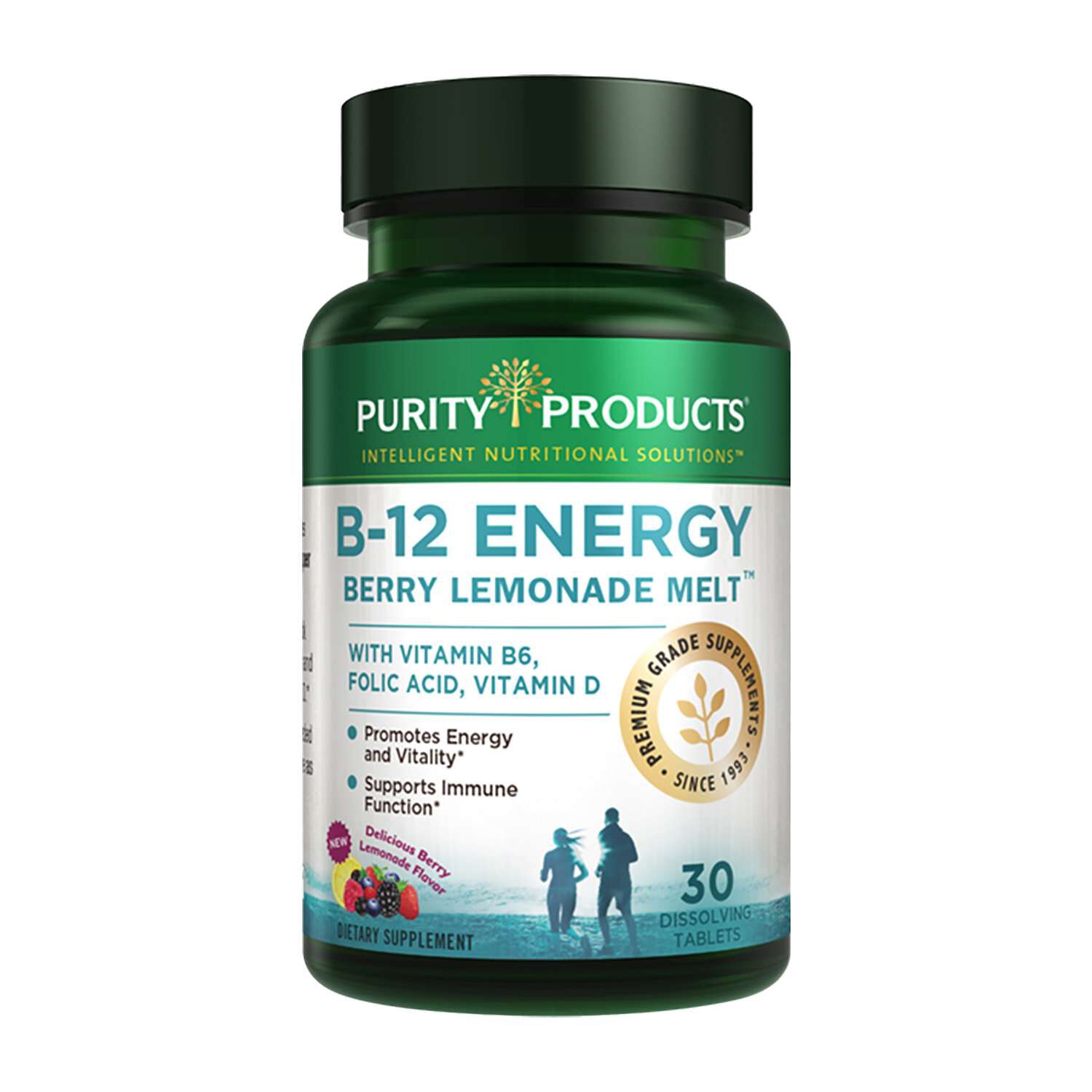
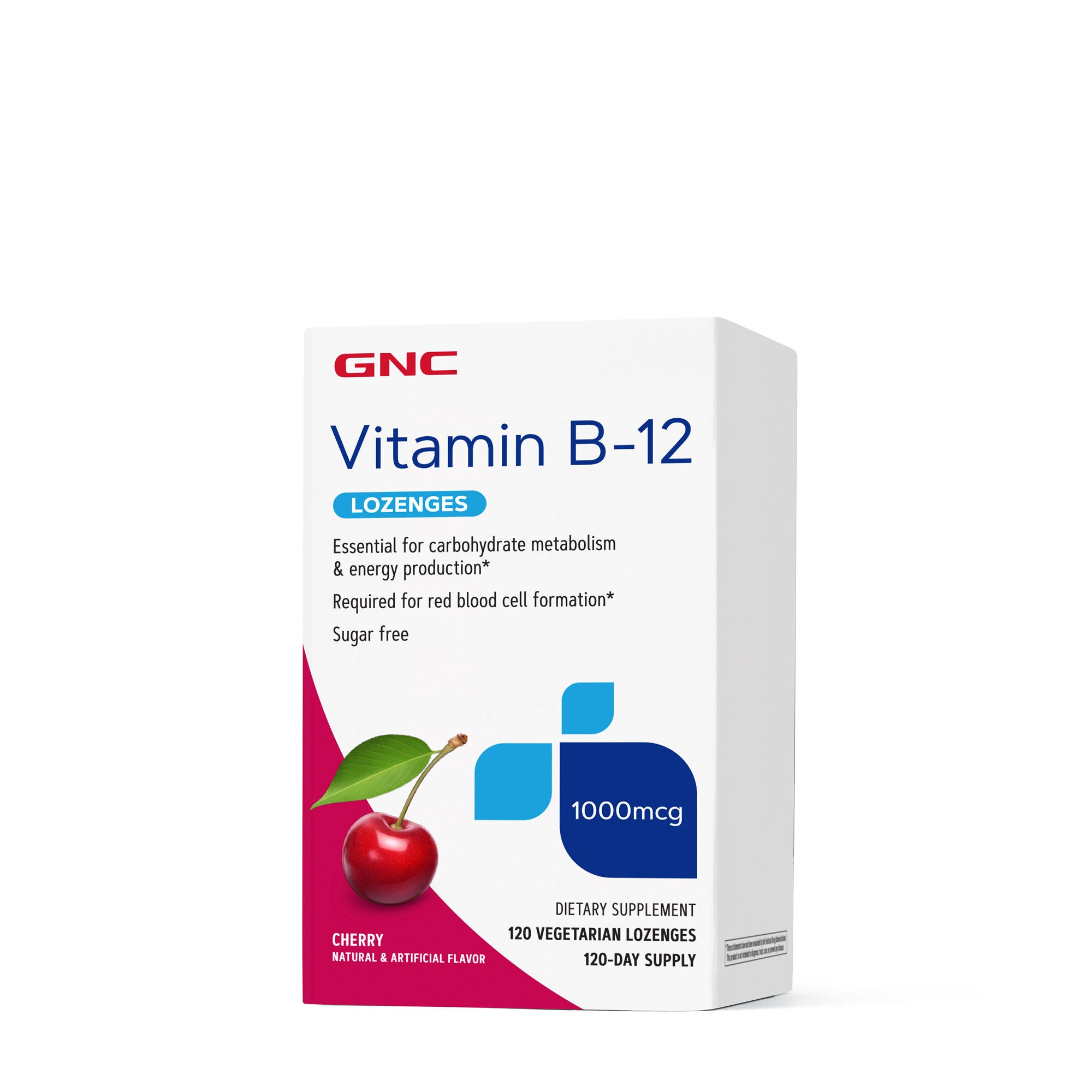
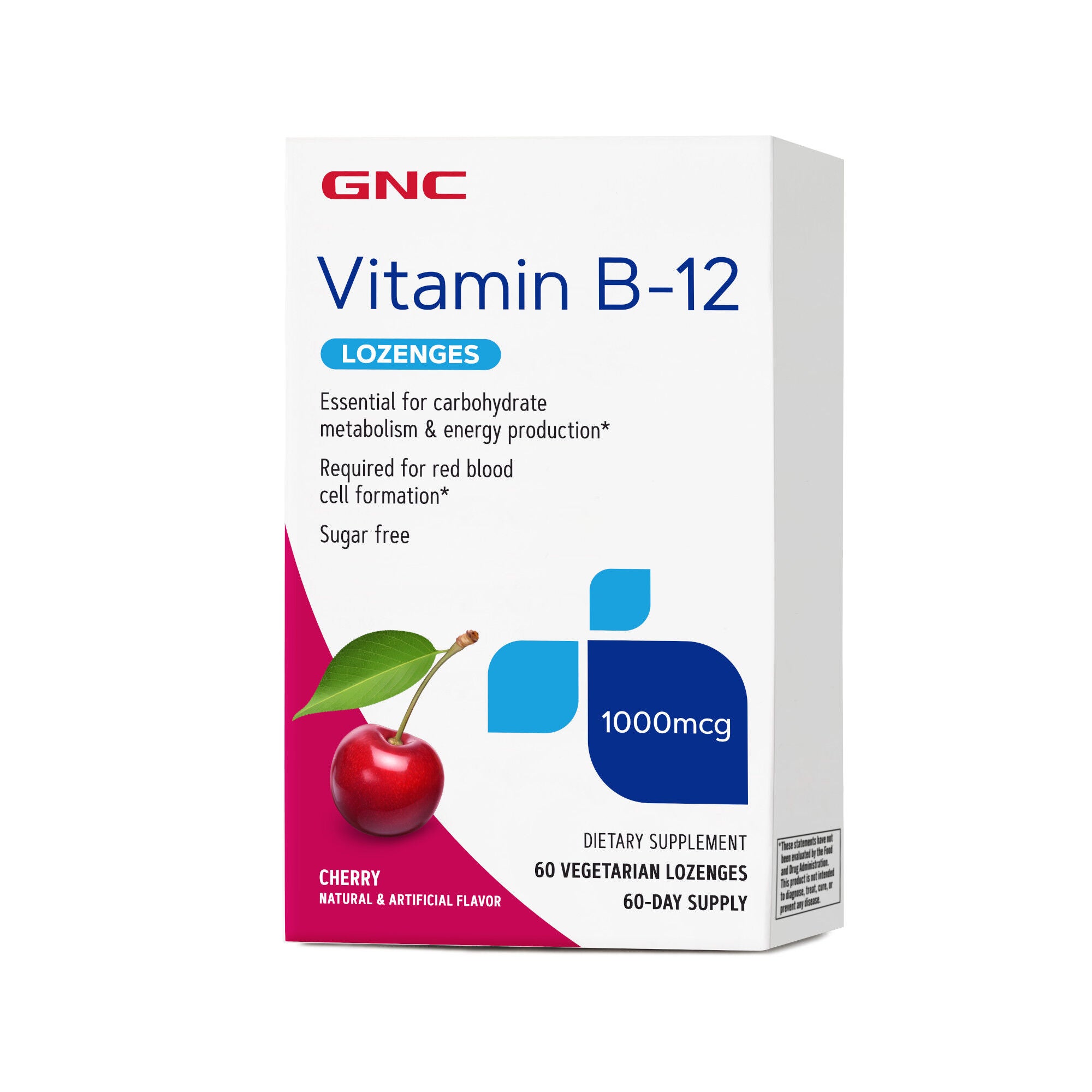


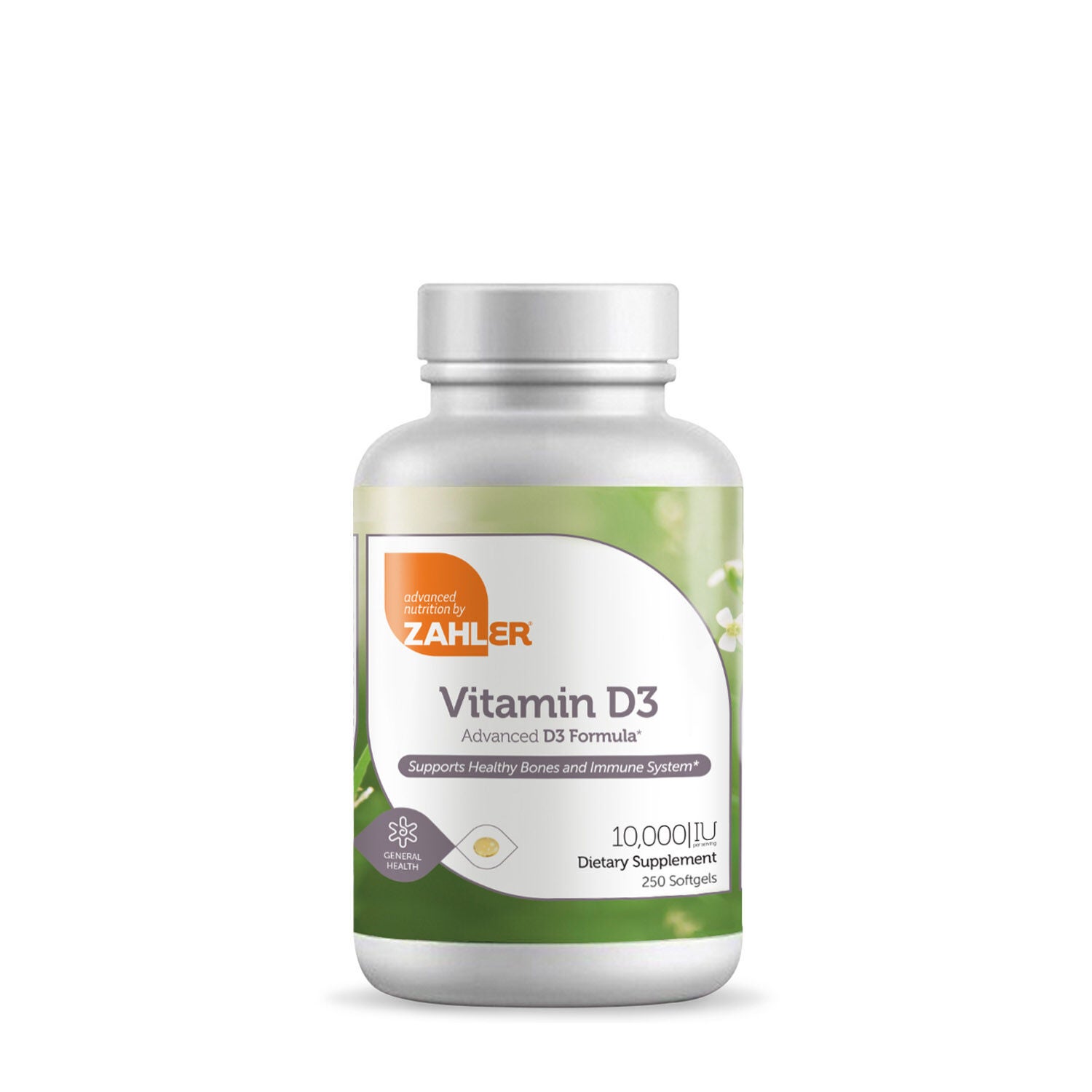
Vitamins that help support weight gain belong in a broader conversation about food, calories, and everyday nutrition. Vitamins are micronutrients, not meaningful sources of calories, protein, carbohydrates, or fat. Their role is different from that of a meal, a protein shake, or a calorie-dense nutrition powder. For adults shopping with weight gain in mind, vitamin supplements may complement a varied eating pattern by contributing nutrients that are less represented in their usual meals. That distinction matters when comparing a small capsule with a large scoop of powder: similar nutrition-focused packaging can contain very different ingredients and serving sizes. B vitamins, including thiamin, niacin, vitamin B6, folate, and vitamin B12, may support normal energy metabolism, the processes involved in using nutrients from food. Vitamin D may support calcium absorption and normal muscle function, while vitamin A may support normal cell growth and maintenance. These potential roles are not the same as adding calories to a daily menu. A multivitamin combines a range of vitamins and often minerals in one formula, whereas a single-nutrient supplement centers on one vitamin. Neither format is a substitute for the protein, carbohydrates, and fats found in foods such as eggs, beans, rice, yogurt, nuts, and olive oil. Someone comparing supplements alongside a breakfast of oatmeal and nut butter has a different shopping task from someone looking for a substantial drink between meals. The former may be focused on micronutrient variety; the latter may be looking for calories and protein. For a closer look at a related category, Energy Support Vitamin Supplements offers another way to explore formulas through their intended nutritional use. Understanding those distinctions makes it easier to compare labels without treating every supplement as interchangeable. A useful starting point is the product’s stated purpose, followed by its ingredient list, serving size, and nutrient amounts—not simply its connection to a weight gain theme.
The details on a vitamin label reveal much more than the front of the bottle. A B-complex formula groups several B vitamins together, while a vitamin B12 supplement has a narrower ingredient focus. Multivitamins vary in their nutrient combinations and amounts, and some formulas are labeled for particular adult age groups or dietary preferences. The Supplement Facts panel identifies the serving size, the amount of each listed nutrient, and its percent Daily Value where established. Those percentages are reference points for label comparison, not personalized weight gain targets. A larger percentage does not, by itself, establish that a formula is better suited to a shopper’s purpose. Serving size also deserves a close look: the amount printed on the label may refer to two capsules or several gummies rather than one piece. When comparing bottles, the number of servings offers a more useful picture of daily use than the container’s appearance. Format is another practical consideration. Tablets and capsules are compact options, while chewables, gummies, liquids, and powders offer different textures and preparation needs. Gummies may contain added sugars, and flavored liquids or powders can include sweeteners, colors, and other ingredients that influence taste. Capsule shells may be made with gelatin or plant-derived materials, a distinction relevant to shoppers with dietary preferences. Ingredient statements and allergen disclosures are especially useful when comparing formulas containing milk, soy, wheat, or other ingredients a household avoids. Packaging details matter, too: a liquid may require a measuring tool, while a powder may require mixing and a capsule may need no preparation beyond the label directions. Someone who keeps breakfast simple before an early commute may favor a different format than someone who enjoys mixing a drink at home. These everyday considerations help put intended use into context without confusing convenience, flavor, or a long ingredient list with suitability. The strongest comparison is between the actual labels and the practical requirements of each format, including storage space, measuring steps, and the number of pieces in a serving.
Alongside vitamins, shoppers interested in weight gain may encounter protein powders and mass gainers, which serve a different nutritional purpose. Protein powders supply protein, with calorie amounts that vary by formula. Mass gainers typically combine protein and carbohydrates, sometimes with added fats, in larger calorie-containing servings. Some also include vitamins and minerals, so their labels can overlap with those of a separate multivitamin. That overlap is worth noticing before selecting several supplements for the same routine. A powder mixed with water also has a different nutritional profile from the same powder mixed with milk, and additions such as oats or nut butter change the drink’s calories, texture, and flavor. A smooth vanilla blend stirred into a simple shake offers a different experience from a thick chocolate drink blended with banana. For an adult who practices resistance training, protein supplements may support muscle maintenance and growth alongside that activity; vitamins have a separate role as micronutrients. Neither category tells the whole story of an eating pattern, and a supplement’s name alone cannot describe how it fits with breakfast, lunch, dinner, and snacks. Practical ownership details remain important after the label comparison. Storage instructions vary, but many vitamin containers call for a cool, dry location with the lid securely closed. A damp bathroom shelf or a bag left in a hot car may not match the conditions on the package. Liquids can have additional instructions after opening, and powders need suitable storage to limit contact with moisture. The printed date, container condition, and preparation directions are more useful considerations than assuming every format has the same storage needs. During busy workdays or quieter weekends at home, a clearly labeled product with manageable preparation requirements may fit more comfortably into an established routine. For weight gain-focused shopping, the most meaningful distinctions remain straightforward: what nutrients the formula contains, whether it supplies substantial calories, how a serving is measured, and what its intended use actually is.
Best Sellers
Related Pages


Top Collections
- Top Rated Collagen | Shop Customer Favorites | GNC
- Cortisol Supplements
- Vitamins For Hair Loss
- NAD+ Supplement Tablets
- Peptide Supplements
- Best Brand of Magnesium Glycinate
- Vitamins That Help Support Weight Gain
- Protein Powders For Muscle Growth Support
- Spirulina Tablets
- Peptide Supplements for Muscle Growth