

Vitamins For Muscle Building
(0 Results)
Vitamins for muscle building could play a role in supporting an active lifestyle and fitness goals. Whether you’re focused on strength training or looking to maintain overall wellness, these vitamins may help provide nutrients the body needs during physical activity. Explore a variety of options designed for those interested in muscle health and athletic performance, and find choices that might fit into your nutrition routine. Discover how vitamins for muscle building may complement your daily regimen and support your journey toward an active lifestyle.
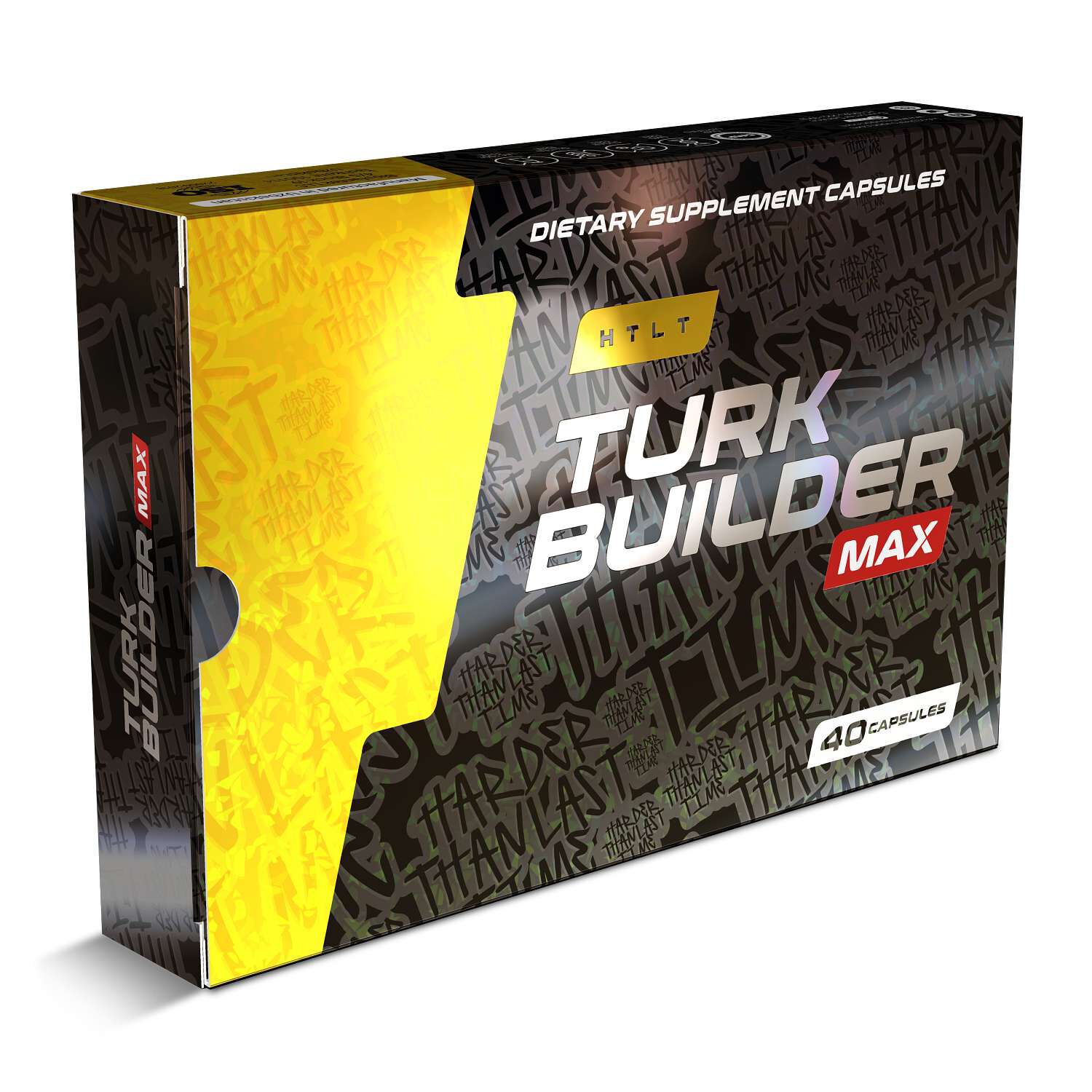

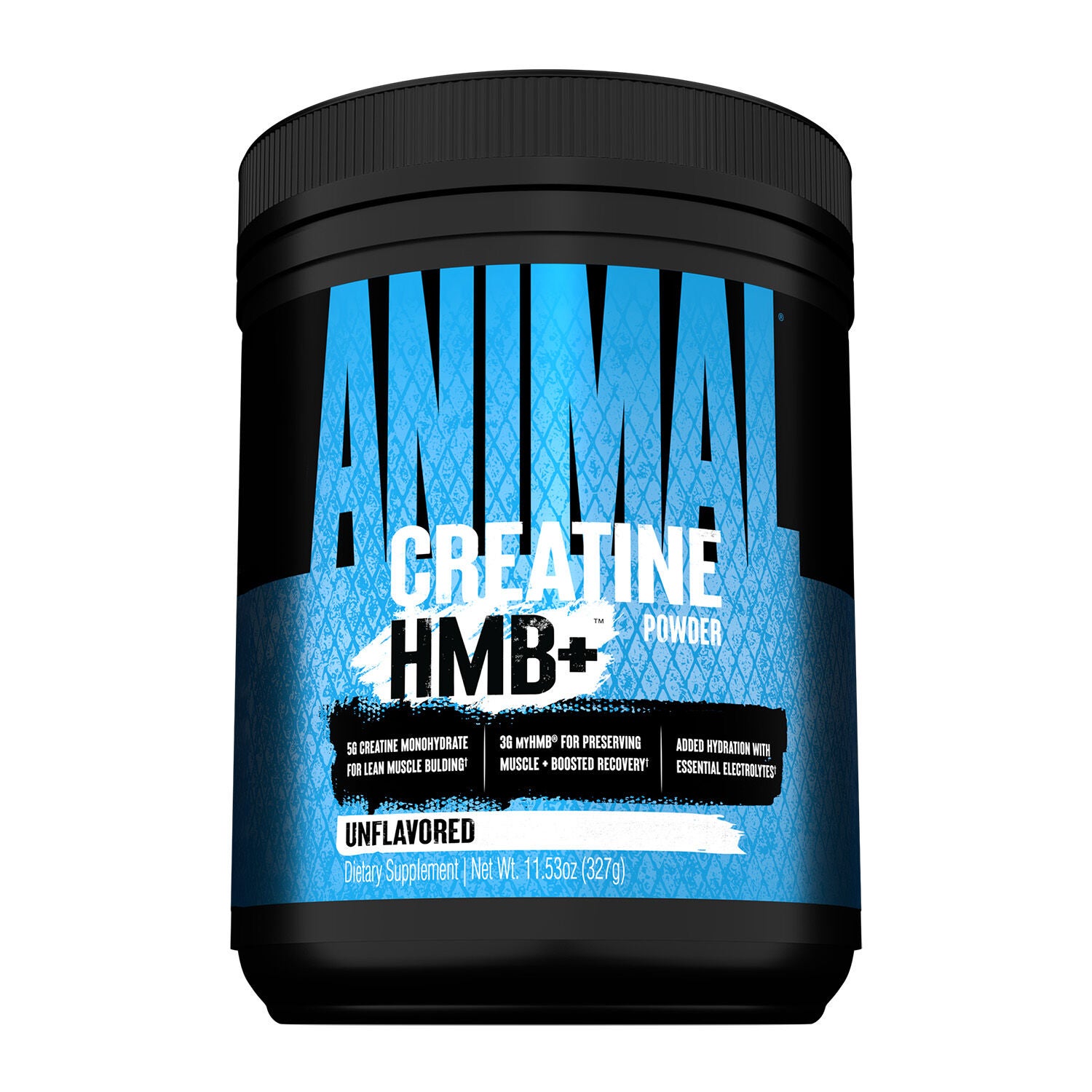
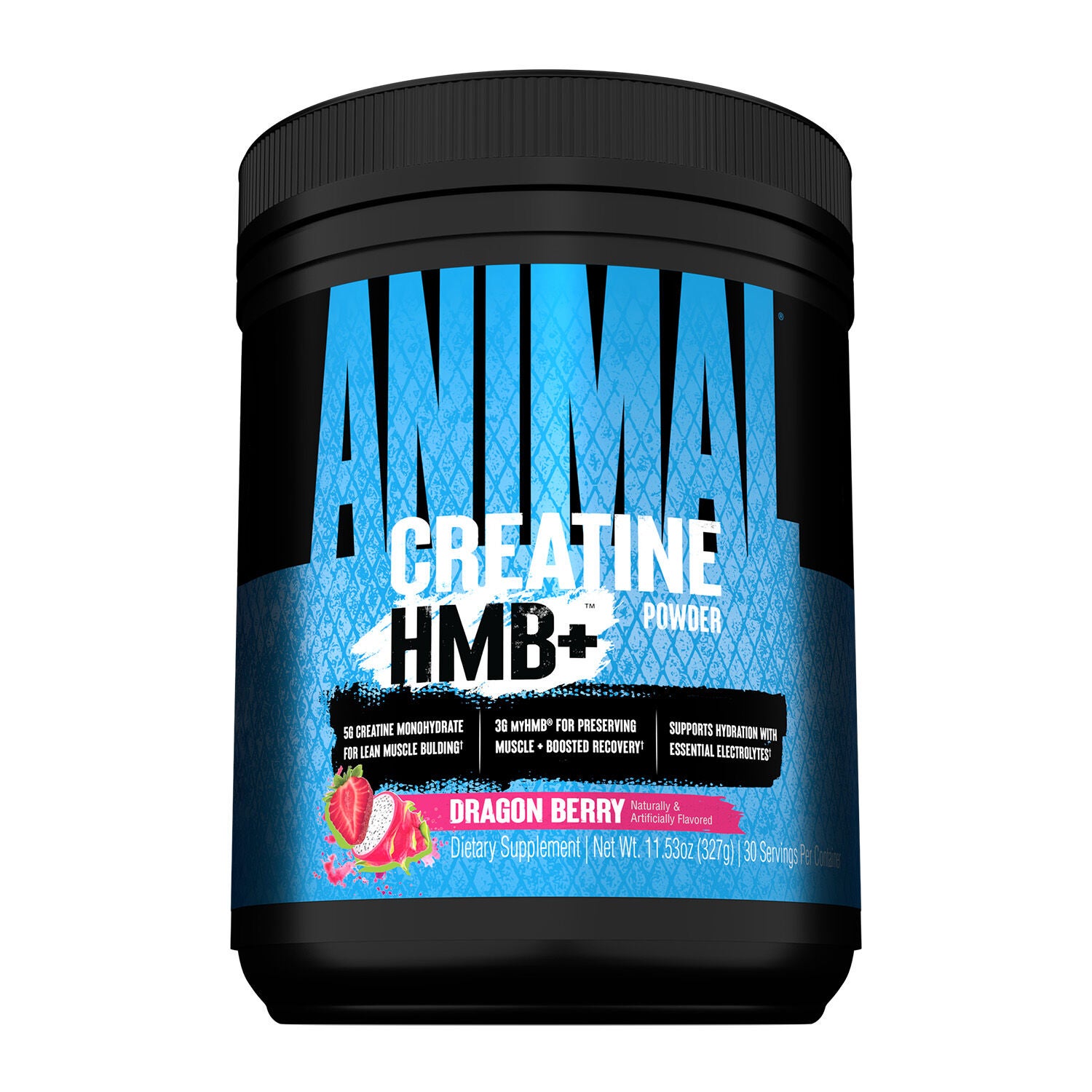

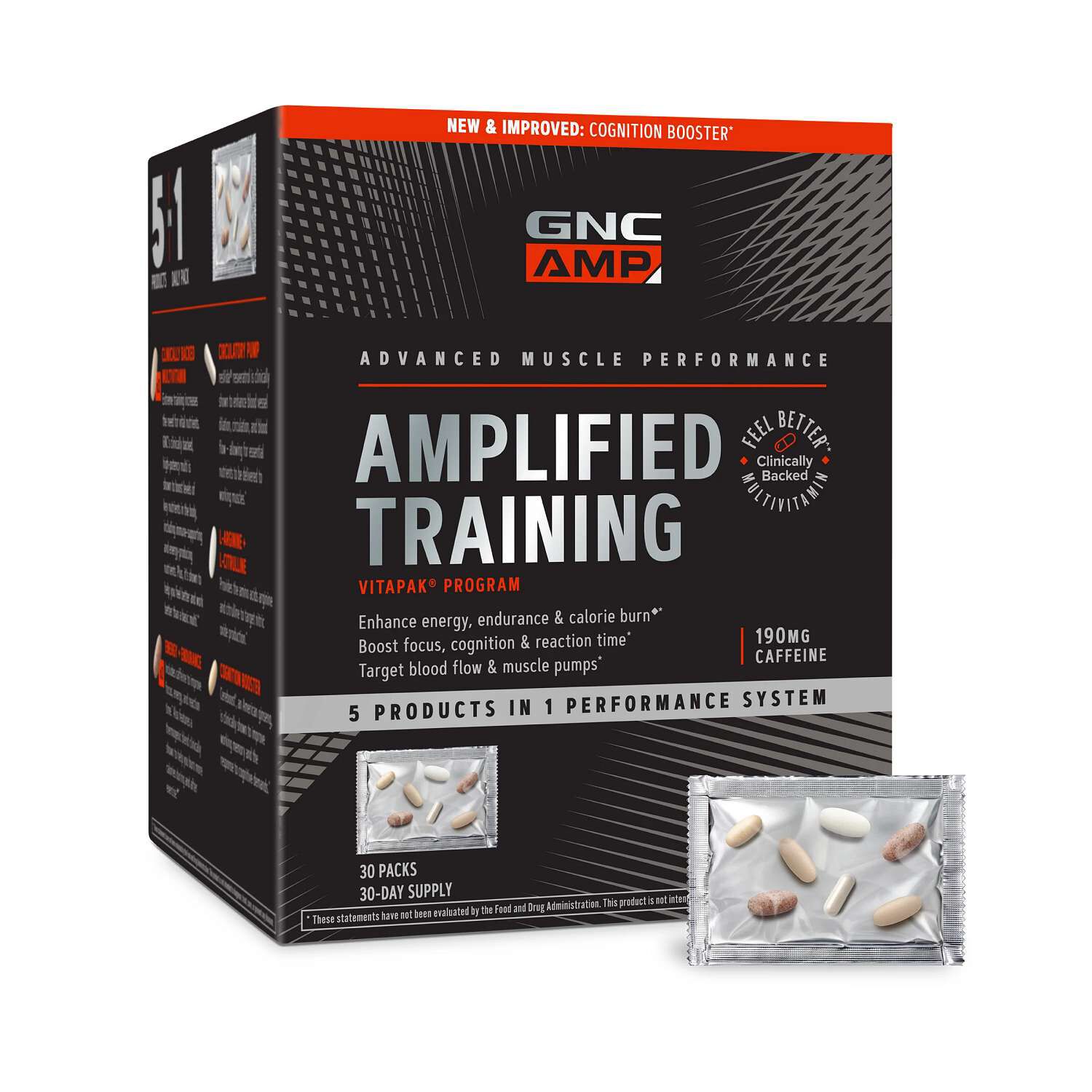
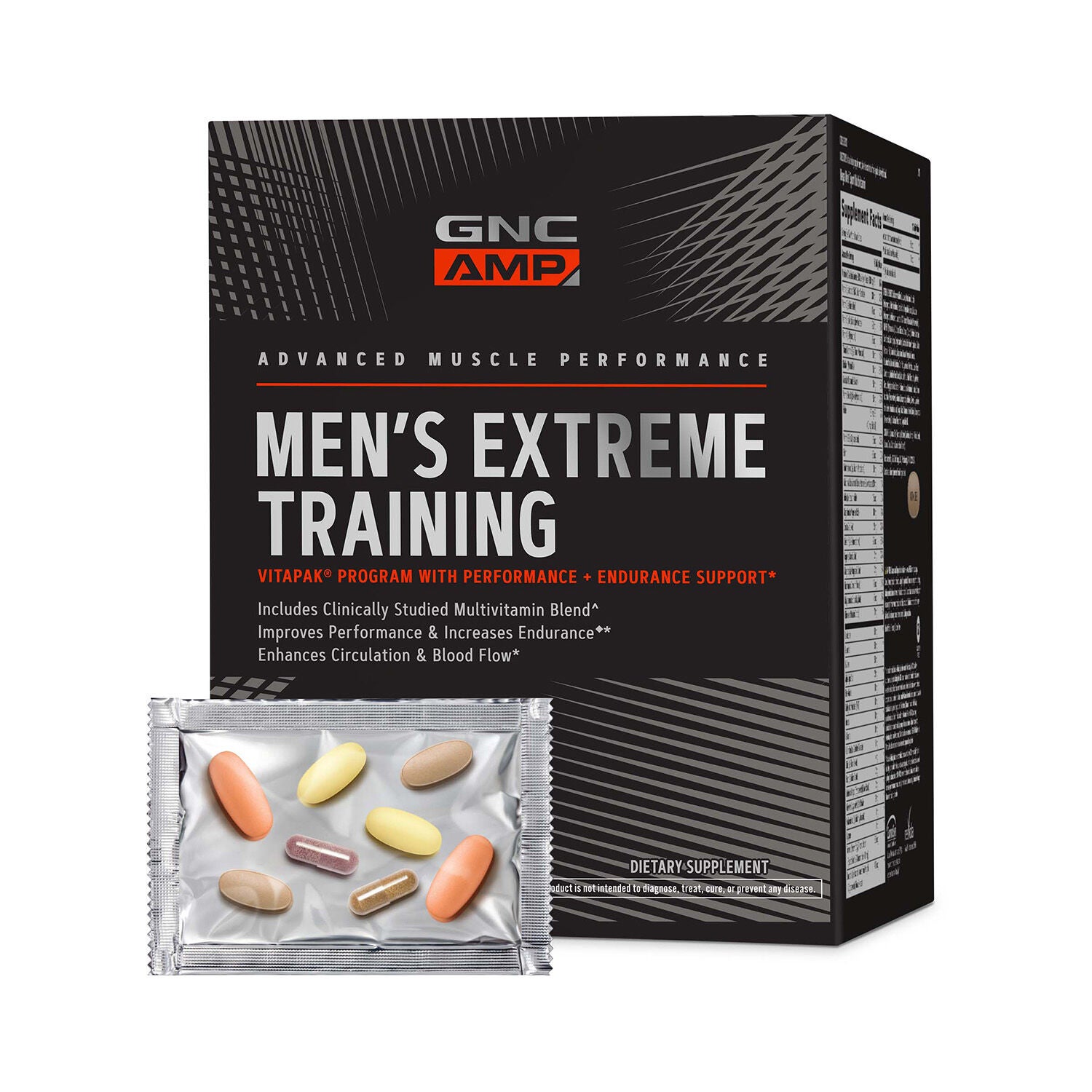


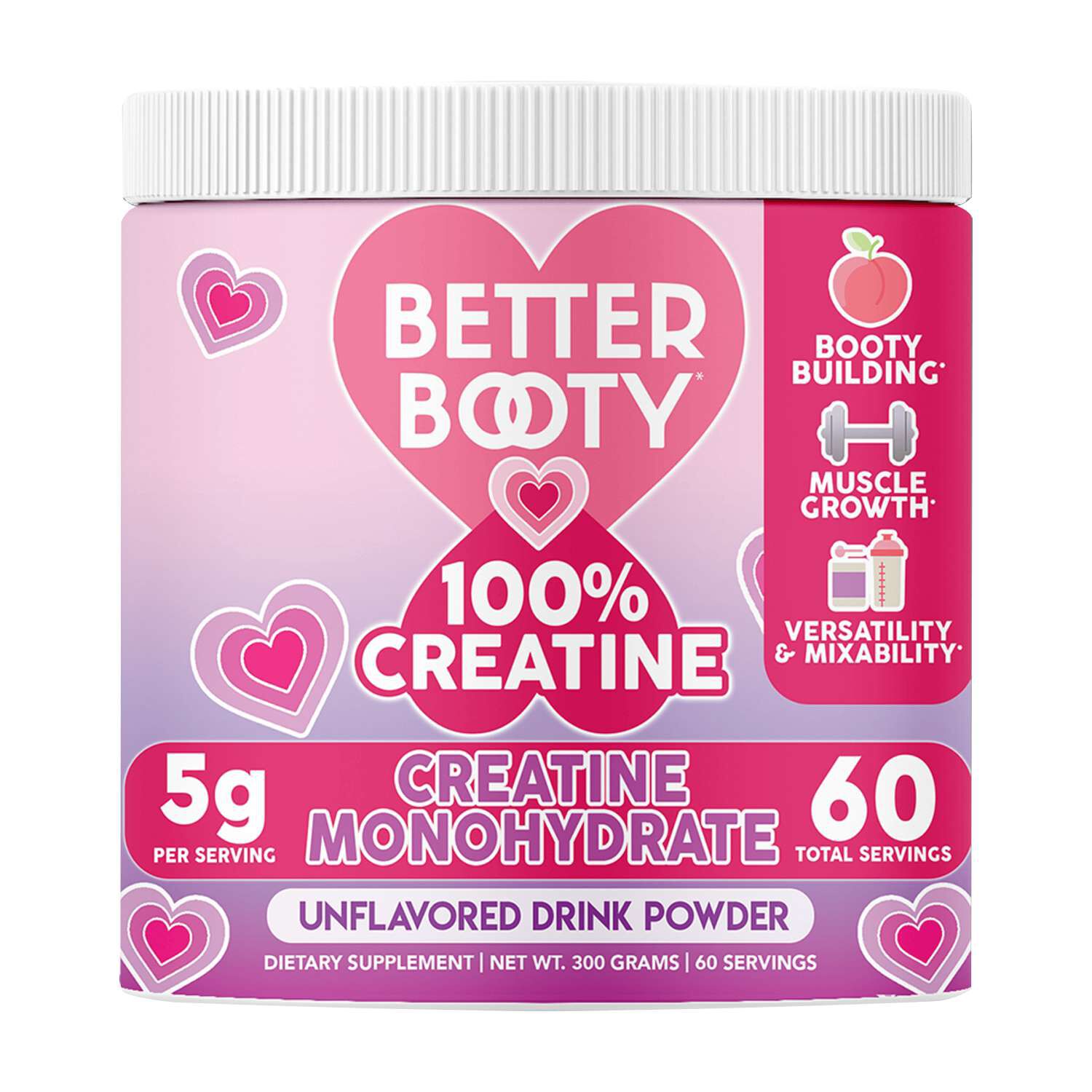
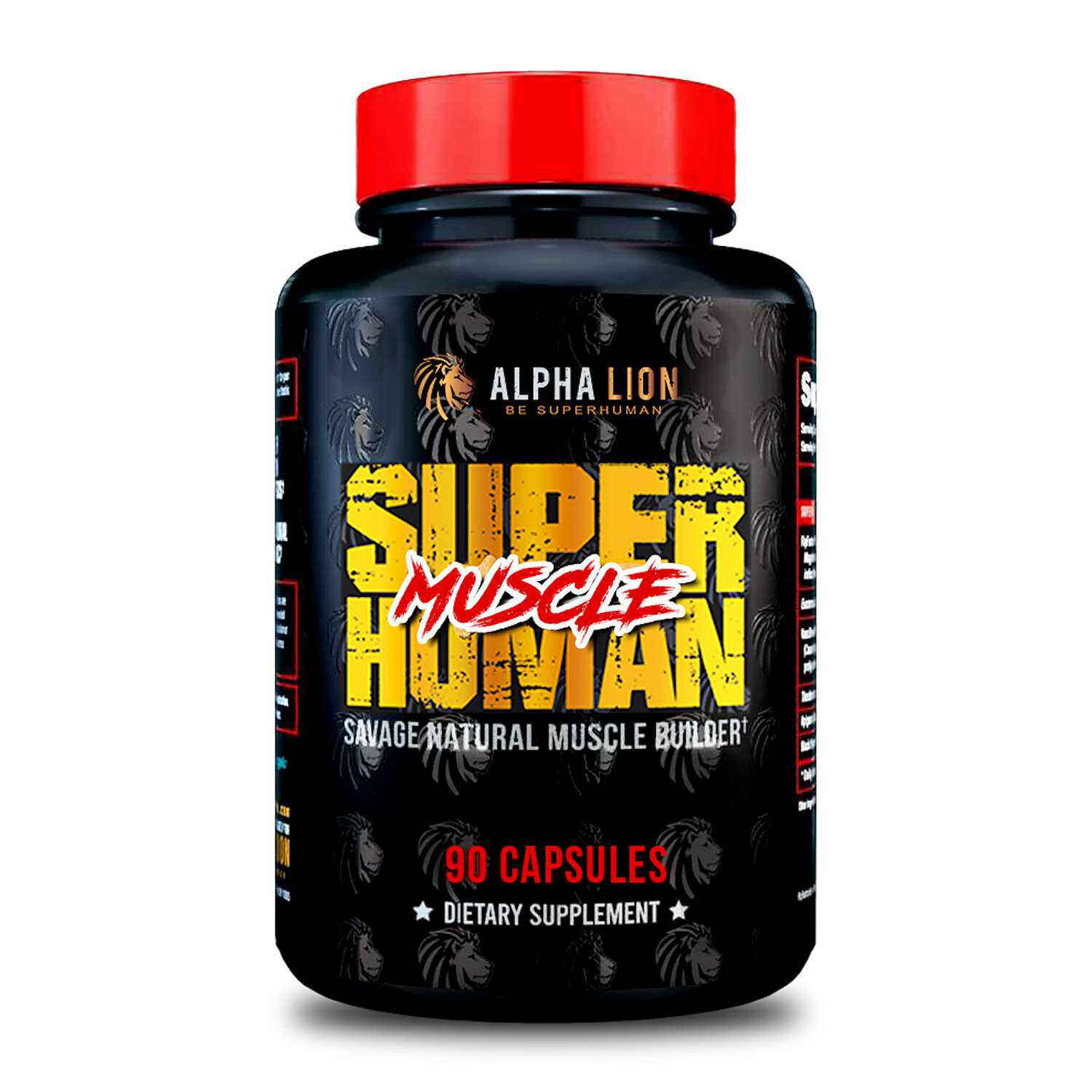
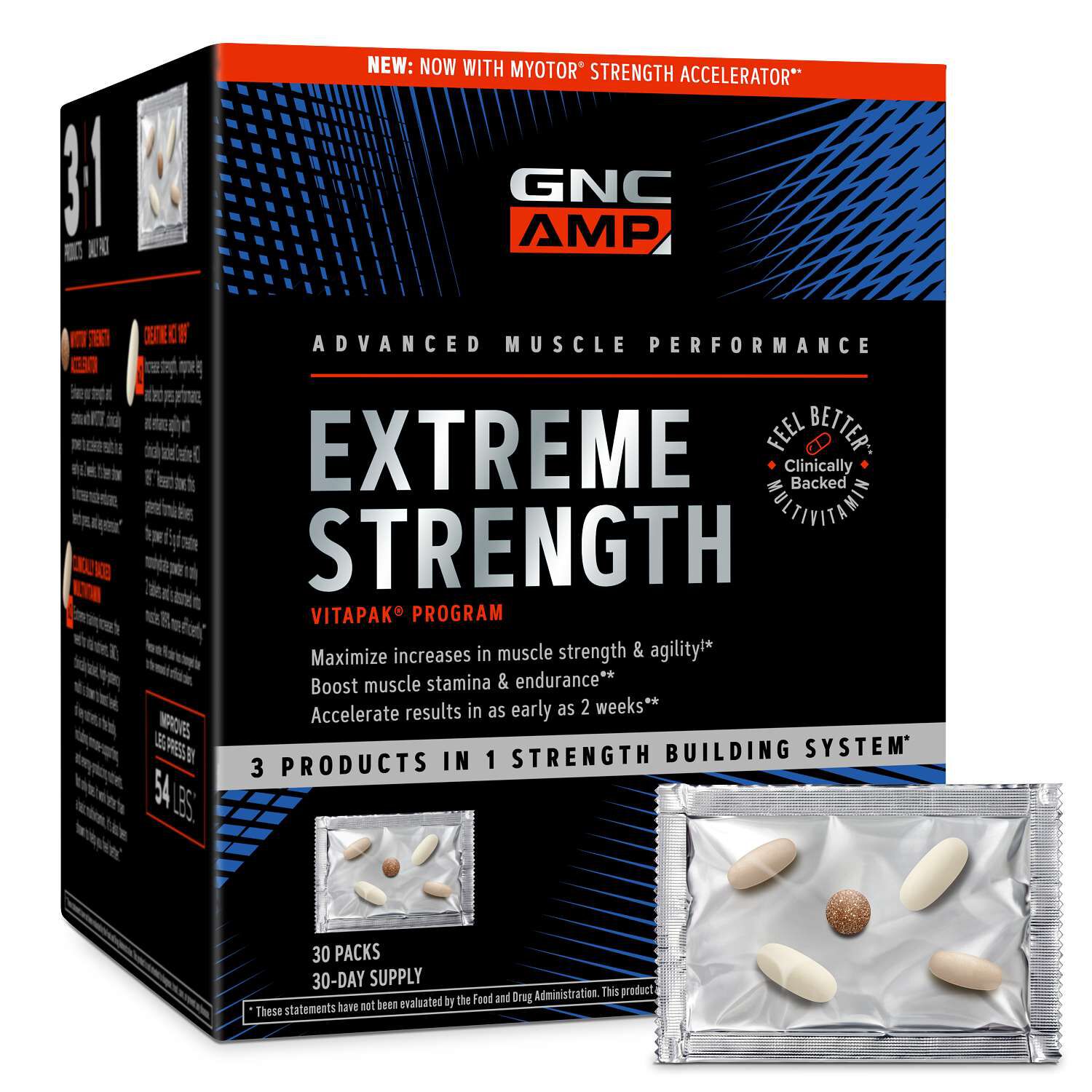

Vitamins for muscle building may complement the nutritional side of a consistent strength-training routine, alongside balanced meals, adequate rest, and resistance exercise. Vitamins are micronutrients rather than protein, and vitamin supplements are not replacements for protein-rich foods or a structured workout program. Their role in muscle-building goals is indirect: they may support normal processes involved in energy metabolism and muscle function rather than directly adding muscle. Vitamin D may support normal muscle function and calcium absorption, while B vitamins may support the conversion of food into usable energy. A B-complex formula typically brings together several nutrients, such as thiamin, riboflavin, niacin, vitamin B6, and vitamin B12. Vitamin C may support normal collagen formation, making it relevant to the broader nutritional needs of adults with active routines. Magnesium and zinc also appear in some formulas associated with fitness, although both are minerals, not vitamins. Magnesium may support normal muscle function, and zinc may support normal protein synthesis. These distinctions matter when browsing a category that can include multivitamins, individual nutrients, and combinations designed with active adults in mind. A larger ingredient list does not necessarily make a formula a closer match for a particular eating pattern. For someone who regularly eats eggs, beans, yogurt, vegetables, and fortified foods, the nutritional context differs from that of someone with a narrower menu. Food sources provide useful background for understanding those differences: vitamin C occurs in citrus fruit and peppers, while vitamin B12 is found in foods such as fish, eggs, dairy, and certain fortified foods. The relevant comparison is how a formula fits the rest of an eating routine, not whether its name sounds more closely associated with the gym. Whether the routine involves dumbbells at home, machines at a neighborhood fitness center, or barbell sessions after work, vitamins may serve a supporting nutritional role within that larger picture.
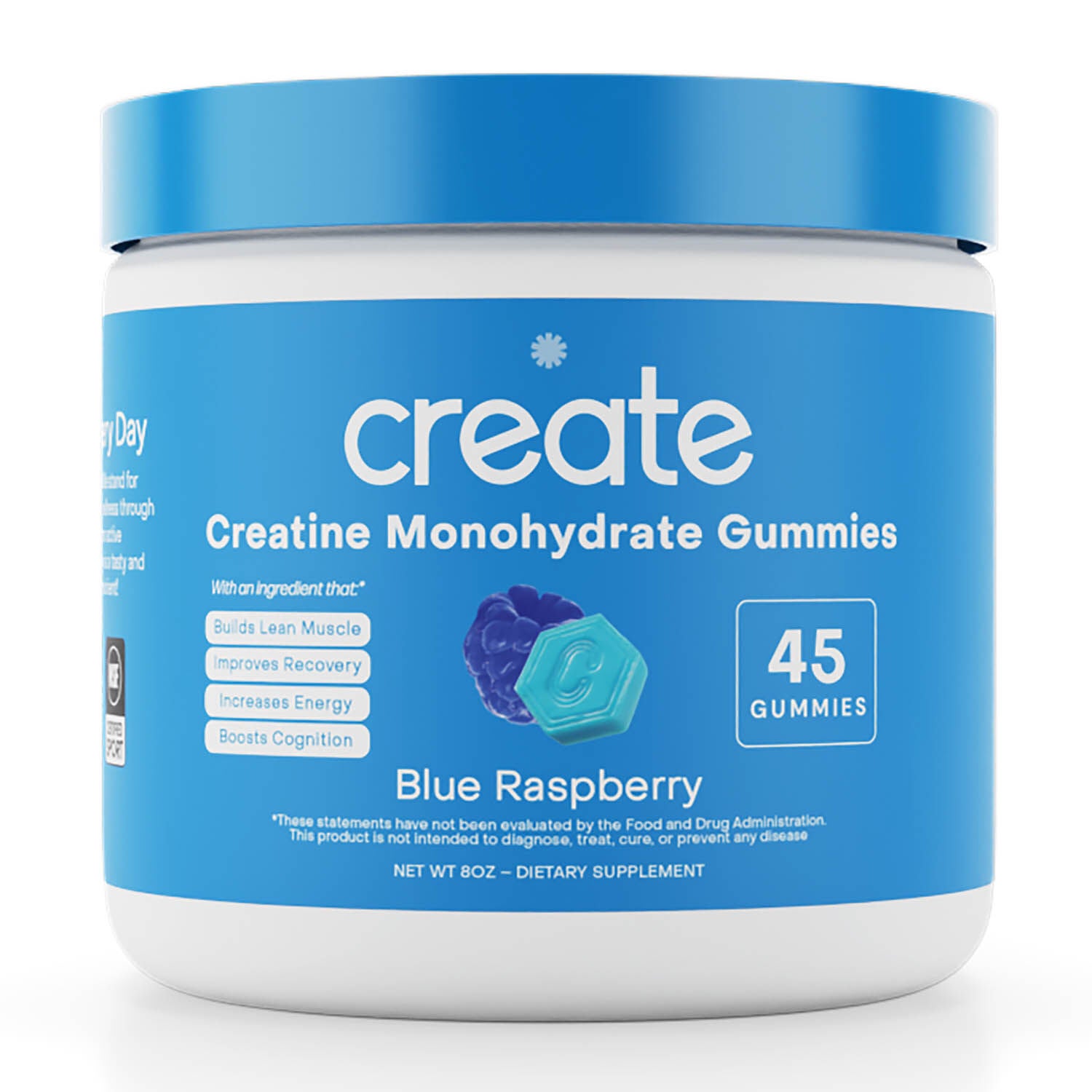
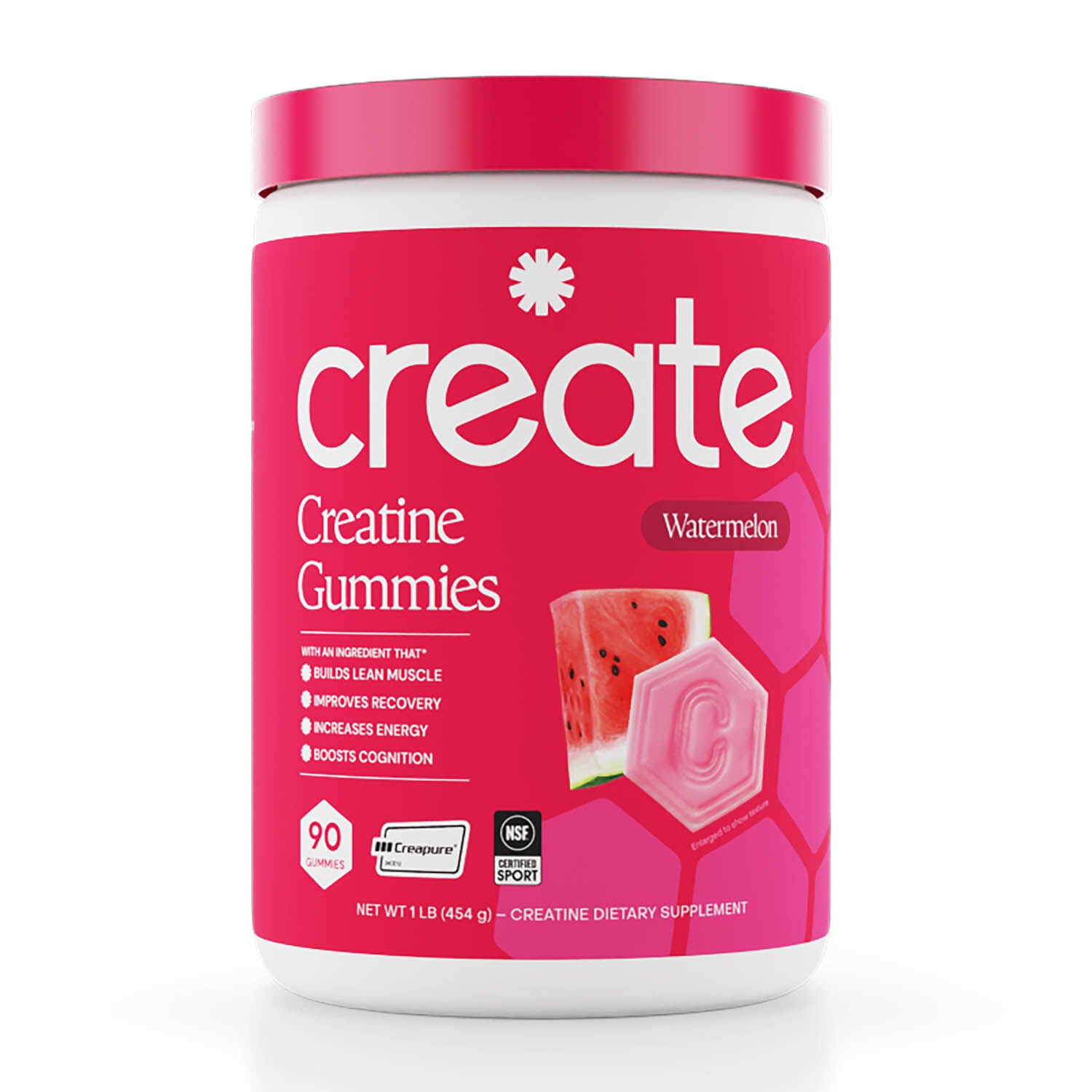
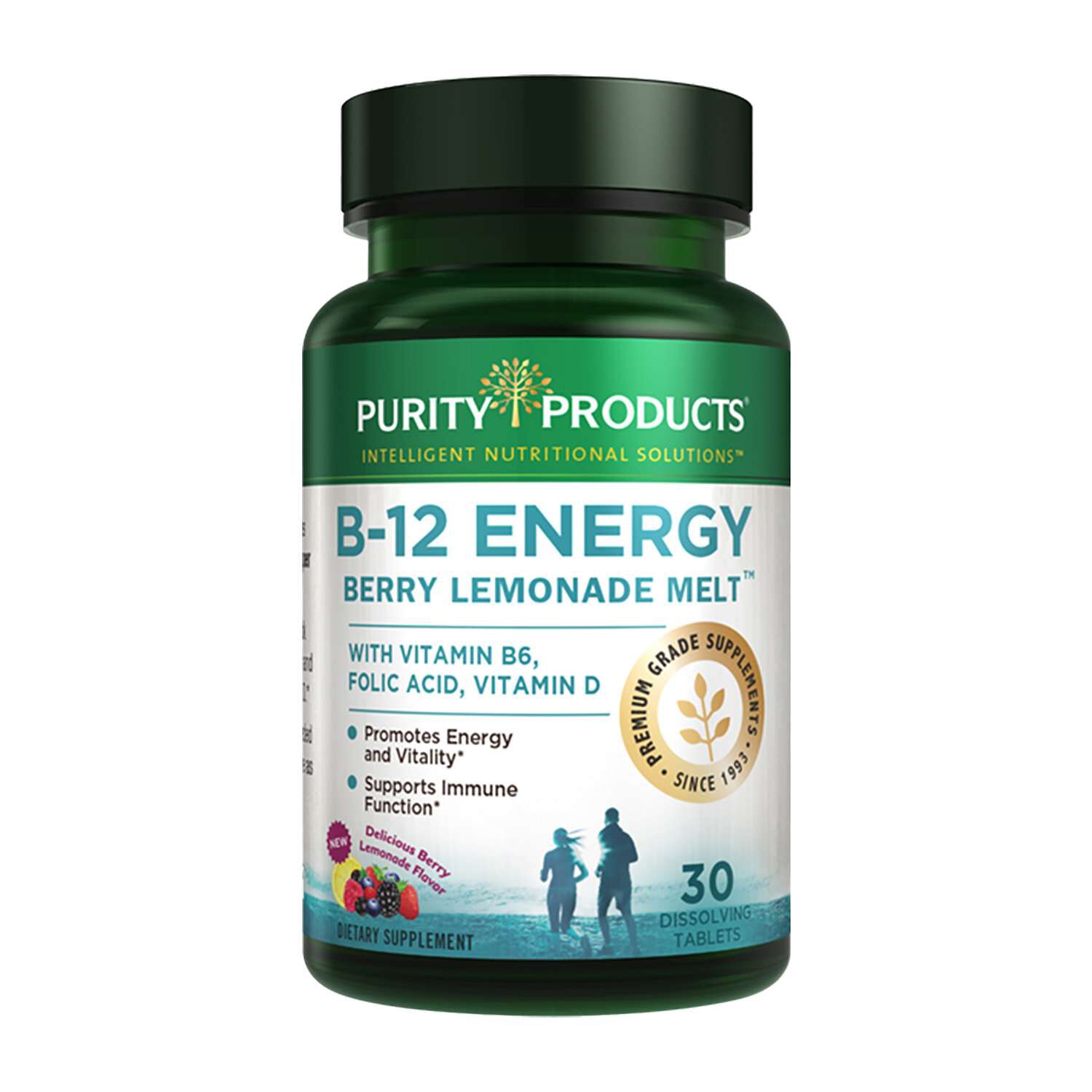
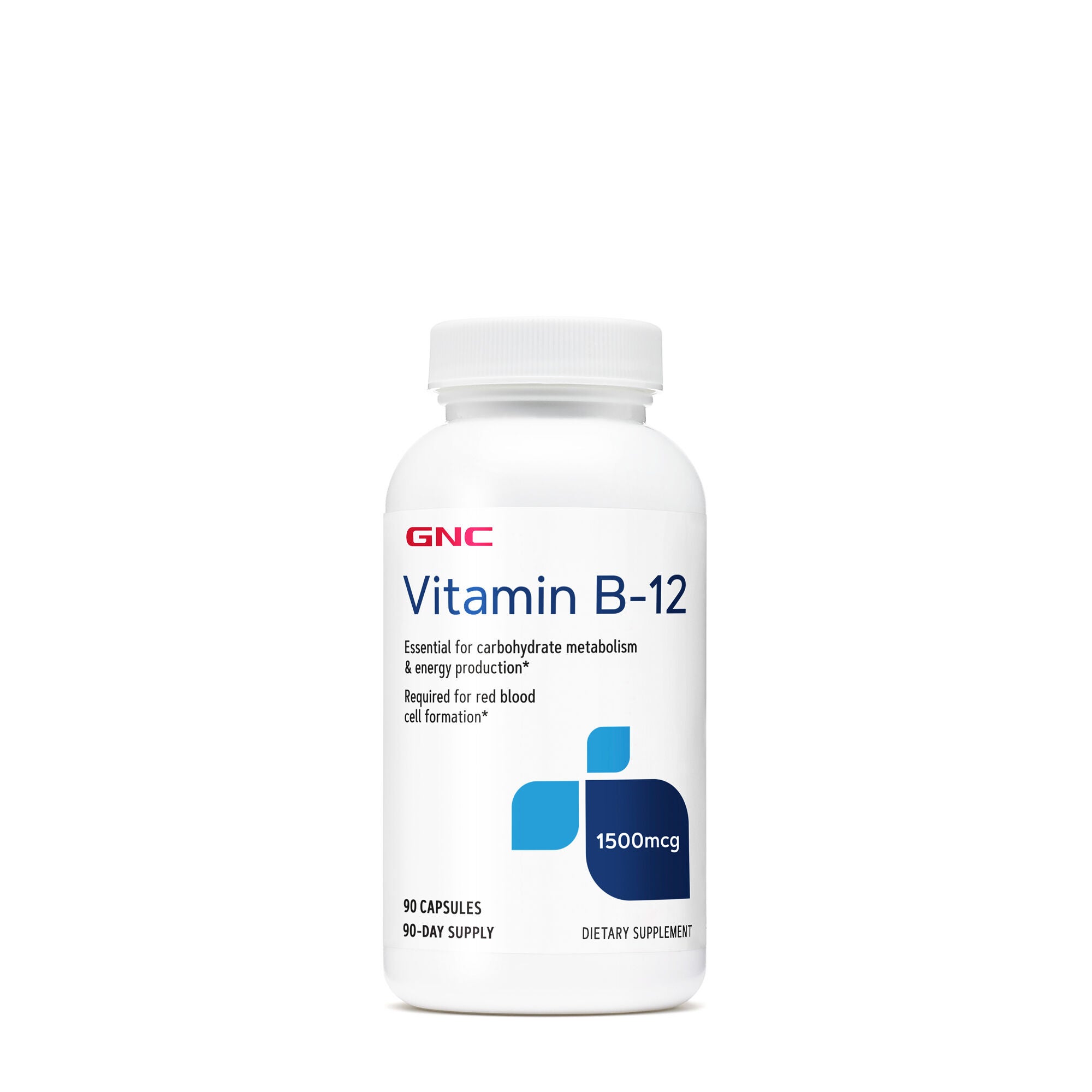
Format is another practical difference among vitamins for muscle building. Tablets, capsules, gummies, and powders each have their own place in an everyday routine, and the most suitable format depends on personal preferences, ingredient requirements, and the serving information on the package. Some shoppers prefer a tablet or capsule with a meal; others prefer a chewable format or a powder measured into a beverage according to its directions. The amount in one piece or scoop is not always the same as the labeled serving, so serving size is a useful point of comparison across formats. The Supplement Facts panel identifies nutrient amounts, while the ingredient list provides details about capsule materials, sweeteners, colors, flavors, and other components. Gelatin capsules and plant-derived capsule shells are different options, and dietary preferences may make that distinction meaningful. Gummies may contain added sugars, while flavored powders may use sweeteners or other ingredients that affect taste and texture. Allergen statements and dietary labeling offer additional context for shoppers with established ingredient requirements. Existing supplements matter, too, because a multivitamin, an individual vitamin, and a fitness-oriented combination can contain overlapping nutrients. A product’s front label is only part of that comparison; the serving details show what the formula actually contains. For adults participating in organized sports, independent testing information and certification details may be relevant purchasing considerations, particularly when a sports organization has its own supplement rules. Packaging and care deserve attention as well. Original containers carry serving directions, storage instructions, lot information, and date markings that can be lost when contents are transferred elsewhere. A secure closure and storage consistent with the label are practical considerations for a bottle that will be opened regularly. For someone carrying supplements between home and a training bag, sturdy packaging and readable labeling may matter just as much as the format inside.
The intended use of these supplements is nutritional support for adults, whether they are new to resistance exercise or already have a familiar training schedule. A beginner learning basic lifts may be looking for a straightforward multivitamin format, while an experienced recreational lifter may be comparing individual nutrients in the context of an established eating plan. Neither situation makes a more complicated formula automatically preferable. Daily habits often provide the clearest context: an early workout followed by breakfast, a packed lunch between meetings, or an evening training session before dinner all create different preferences around meals and supplement formats. A person who dislikes carrying multiple containers may value a simpler routine, while someone with specific dietary preferences may spend more time comparing ingredient sources and capsule materials. Those are practical distinctions rather than indicators of how much muscle a supplement might help someone develop. Meals remain central to the overall picture, with protein-containing foods, carbohydrate sources, fruits, vegetables, and dietary fats bringing different nutrients to the table. A bowl of oatmeal with yogurt, a rice bowl with beans and vegetables, or a dinner built around tofu, fish, or poultry illustrates how varied that foundation can look. Vitamins may complement that foundation, but they are not substitutes for the food, training, and rest associated with a muscle-building routine. For shoppers whose broader nutrition goals also include gaining body weight, Vitamins That Help Support Weight Gain is a related category to explore alongside food choices and intended use. That connection does not make vitamins a source of meaningful calories or a replacement for meals. Within this category, the most useful distinctions remain clear nutrient information, a manageable format, ingredient transparency, and compatibility with an existing routine. Those details keep the focus on what a supplement contains and how it fits everyday life, rather than expectations based on fitness imagery or a long list of ingredients.
- Q: What types of vitamins are commonly associated with muscle building?
A: Vitamins such as vitamin D, B-complex vitamins, and vitamin C are often linked to muscle building. These vitamins support energy production, protein synthesis, and recovery processes that are important for muscle growth. - Q: How do vitamins support the muscle recovery process?
A: Certain vitamins help reduce oxidative stress and inflammation after workouts, which can aid in faster muscle recovery. For example, vitamin C and vitamin E act as antioxidants, while B vitamins help convert food into energy for tissue repair. - Q: Can taking vitamins improve the results of my workout routine?
A: While vitamins alone won't build muscle, they play a supportive role by helping your body efficiently use nutrients from food and maintain optimal metabolic function during exercise. - Q: Are there specific times when it's best to take vitamins for muscle support?
A: Many people choose to take their vitamins with meals to improve absorption. Some athletes prefer taking certain vitamins post-workout to support recovery, but consistency is more important than timing. - Q: Do I still need to eat a balanced diet if I'm taking vitamins for muscle building?
A: Yes, a balanced diet provides important macronutrients and micronutrients that work together for overall health and muscle development. Vitamins should complement—not replace—a nutritious eating plan.
Best Sellers
-
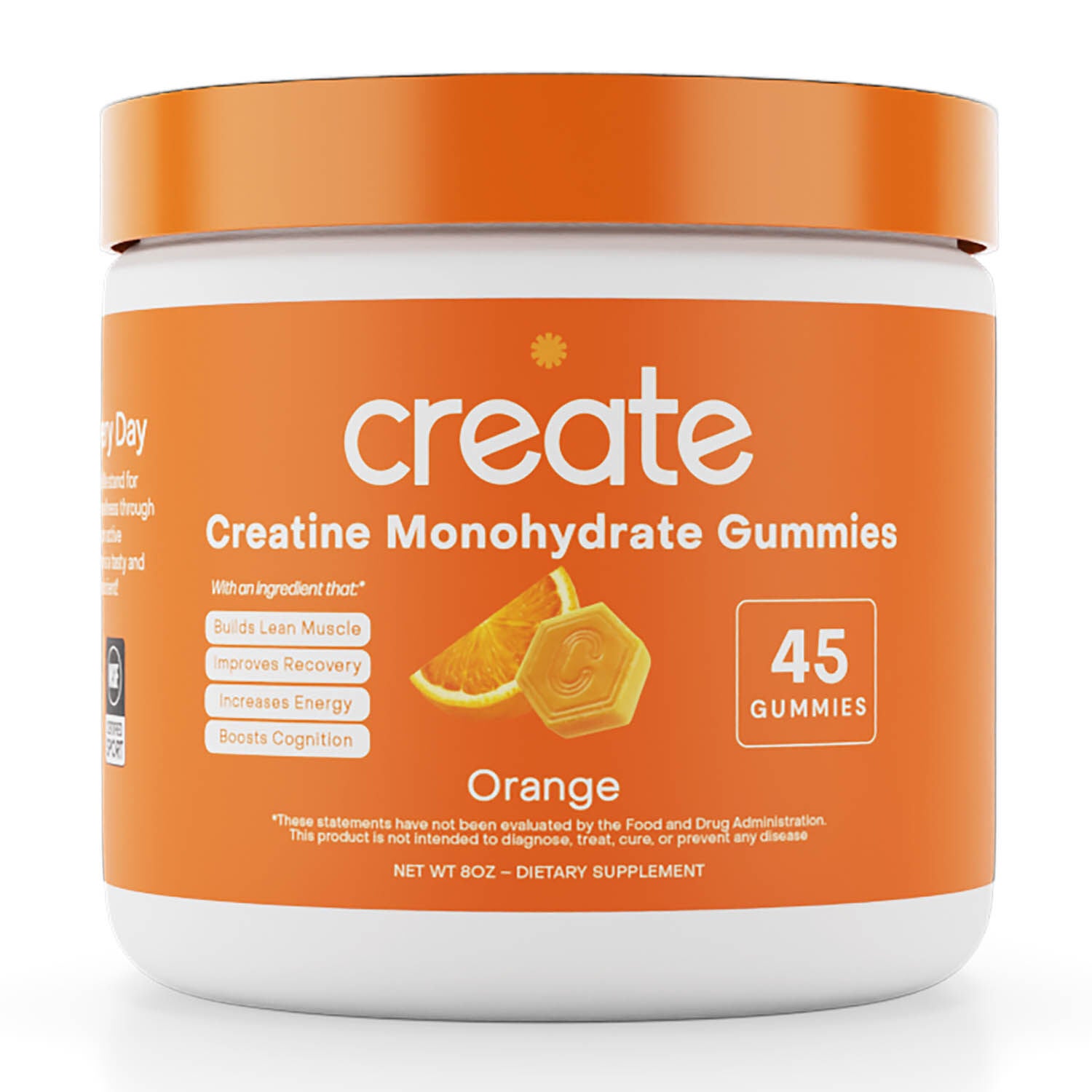 Create Wellness