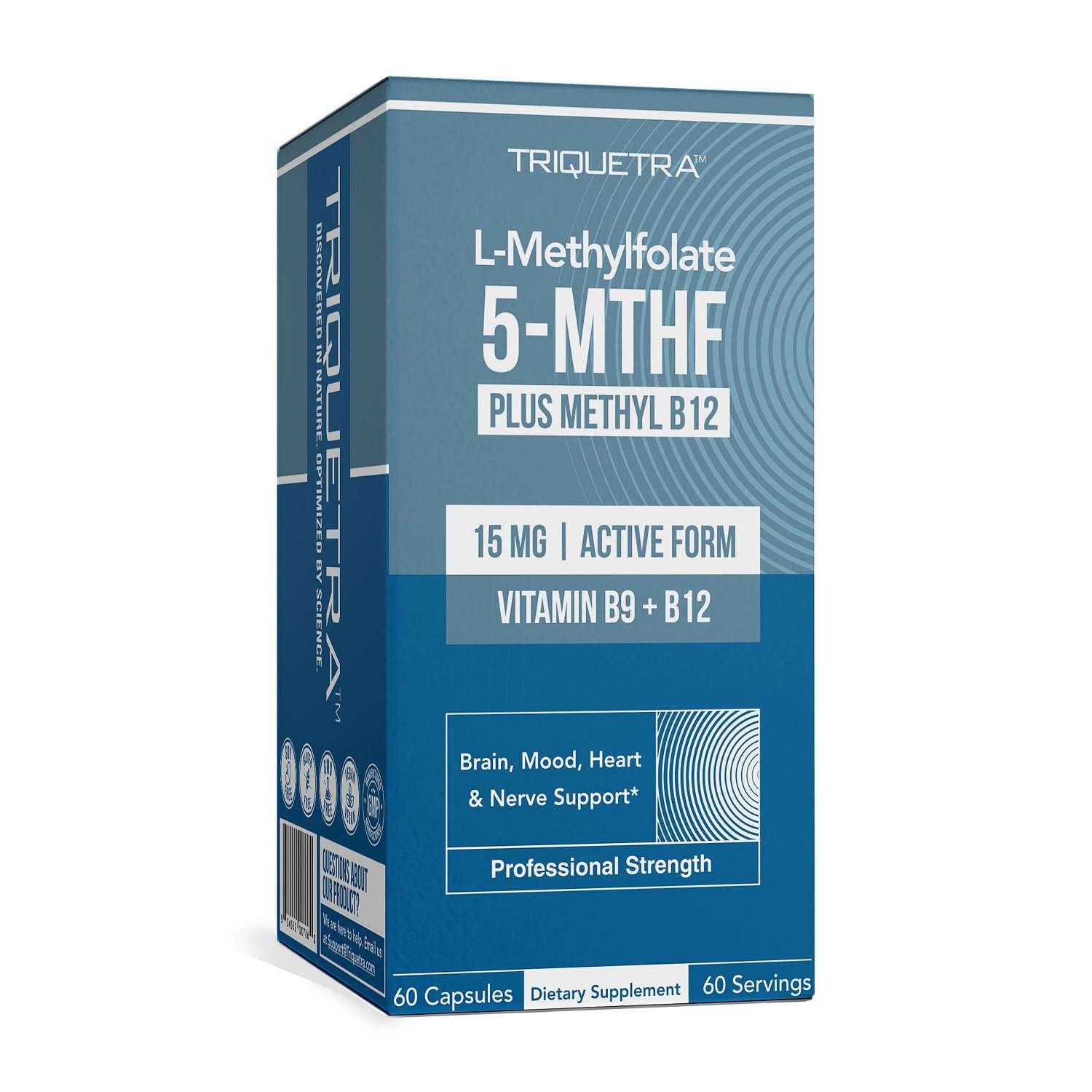
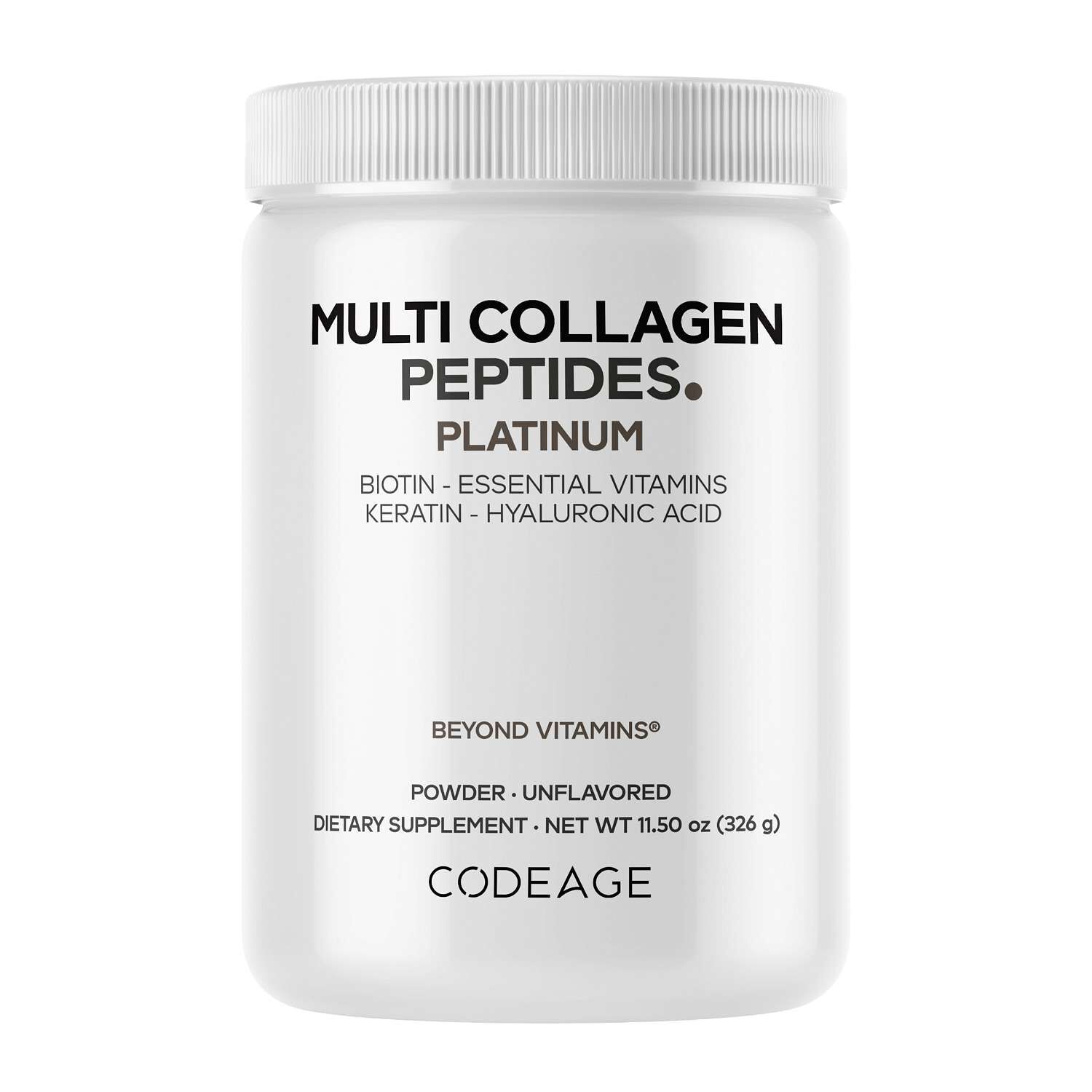
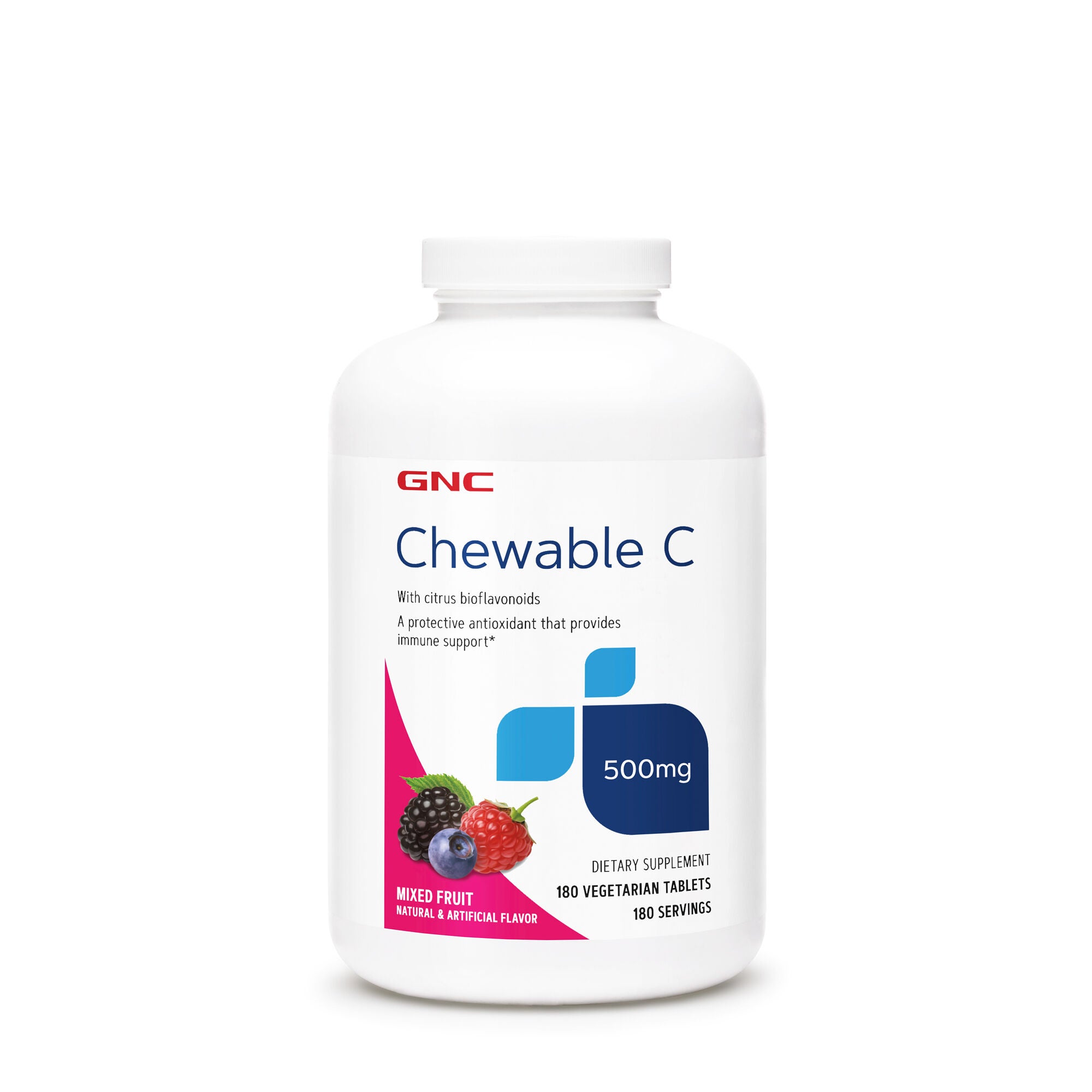
Blood Building Vitamins
(0 Results)
Discover the potential benefits of blood building vitamins, which may support your body's natural processes and contribute to overall vitality. These essential nutrients might play a role in promoting healthy red blood cell production and maintaining optimal energy levels. Whether you're looking to enhance your daily wellness routine or seeking additional nutritional support, these vitamins could be a valuable addition to your lifestyle. Explore options that may help you feel more energized and balanced as you pursue your health and wellness goals.
-
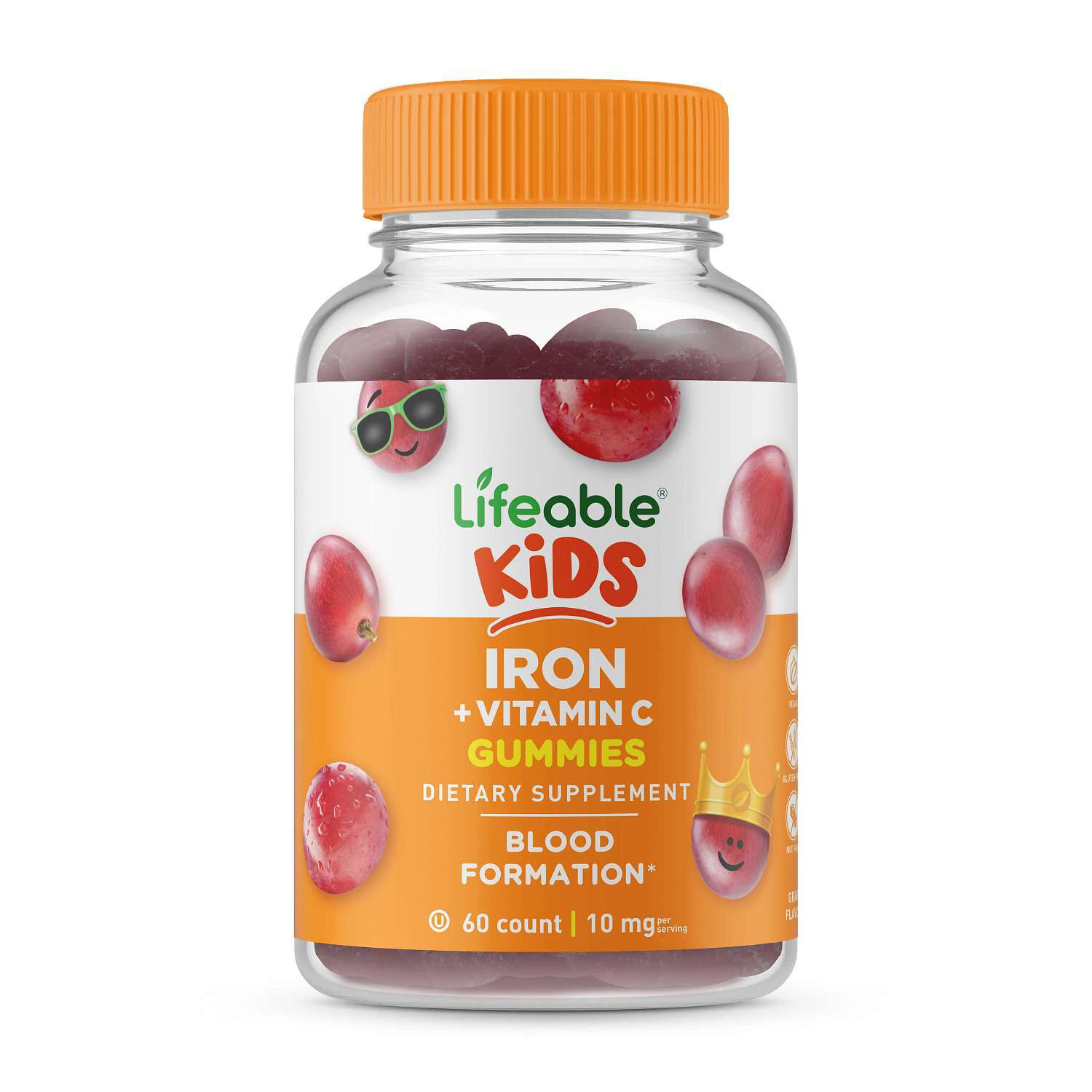 $15.99
 -
-

-
-

-
-

-
-

-

-
-
-

-

-

-
-

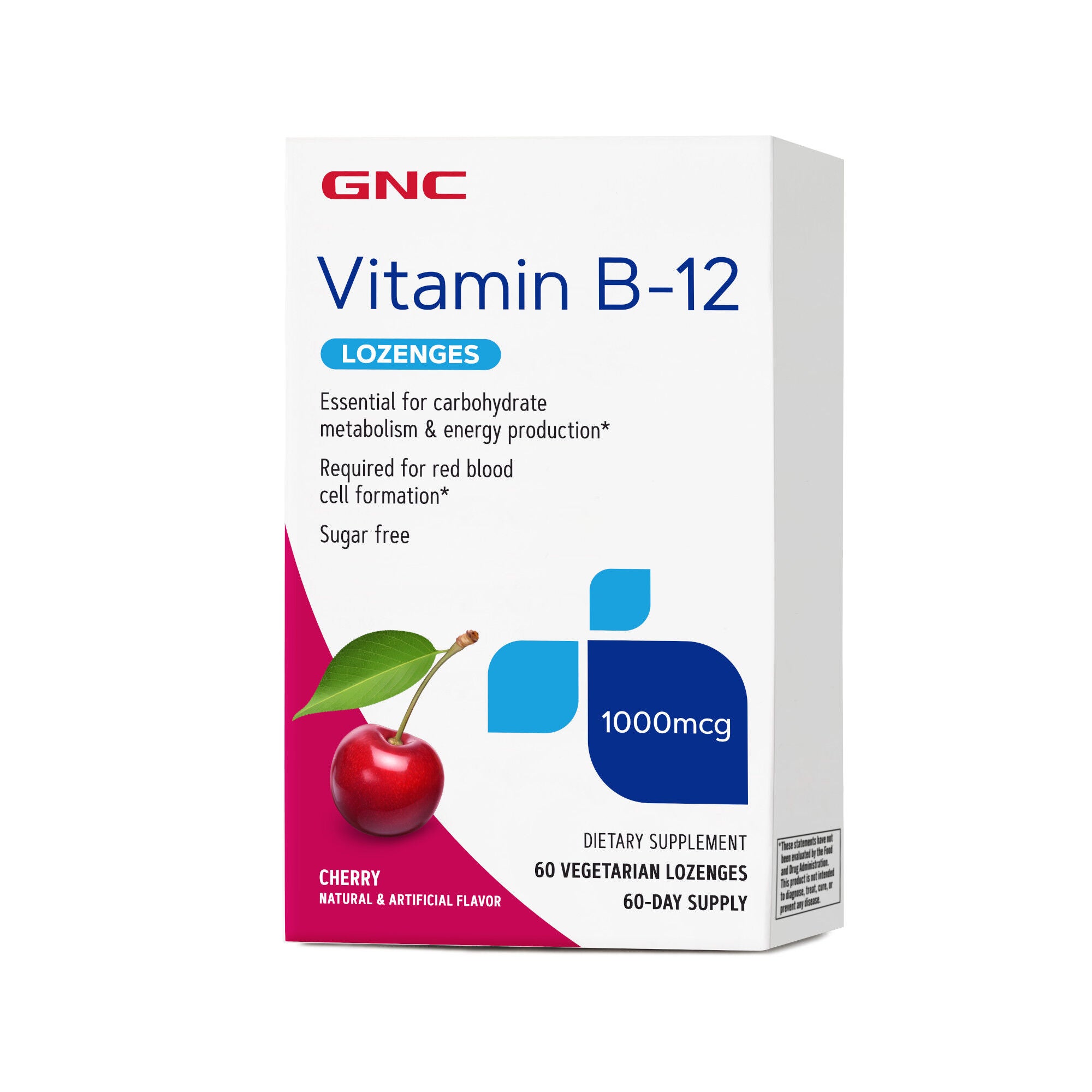
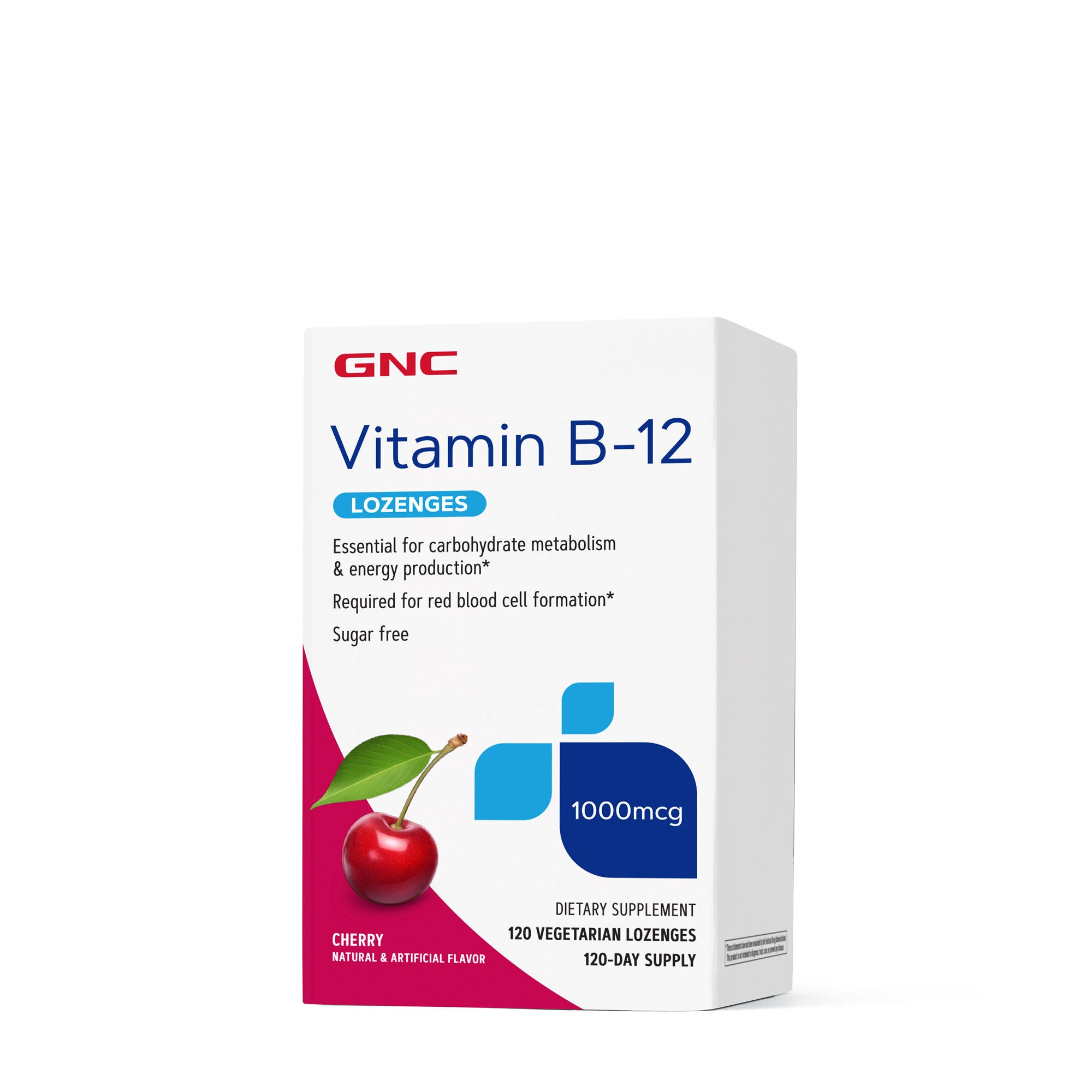


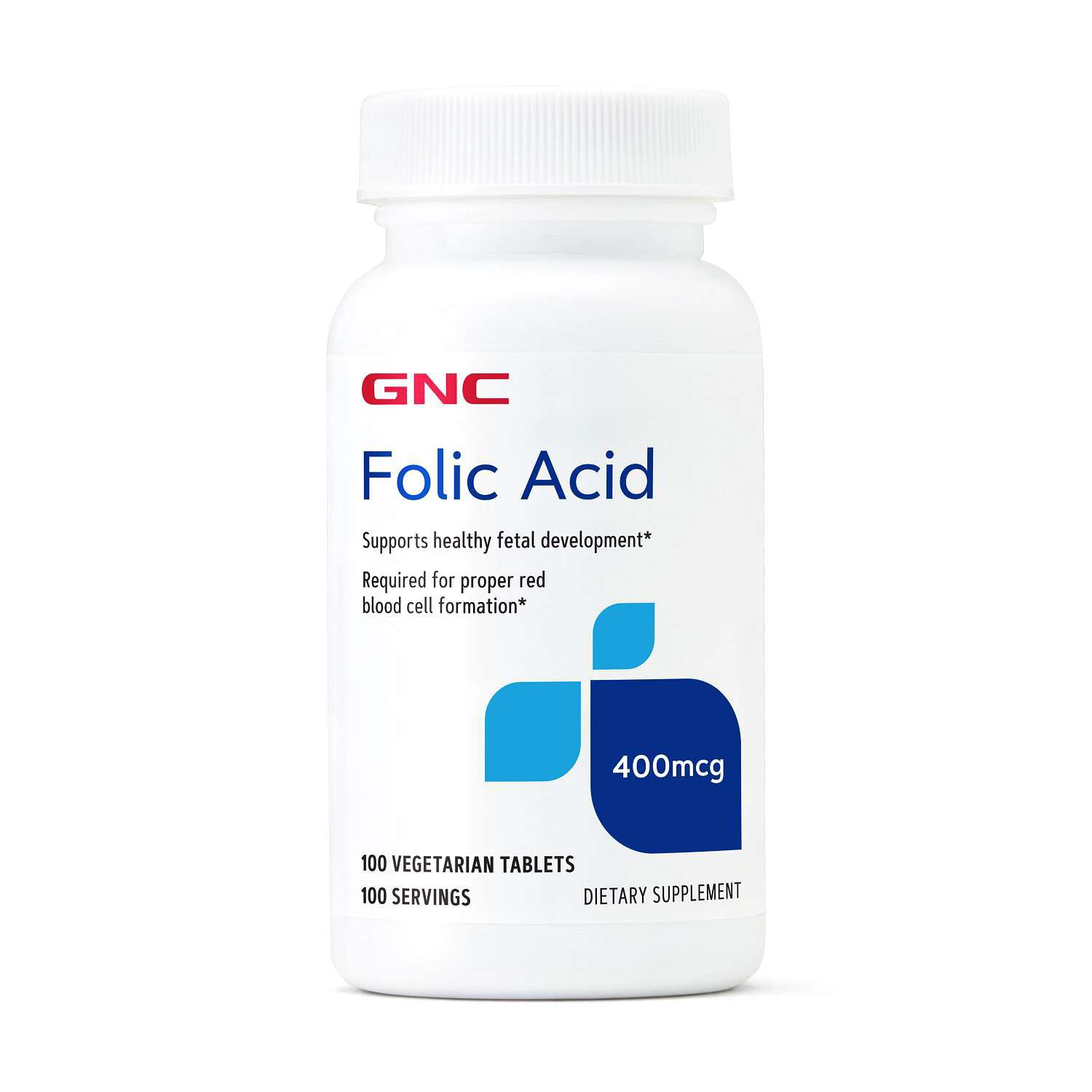
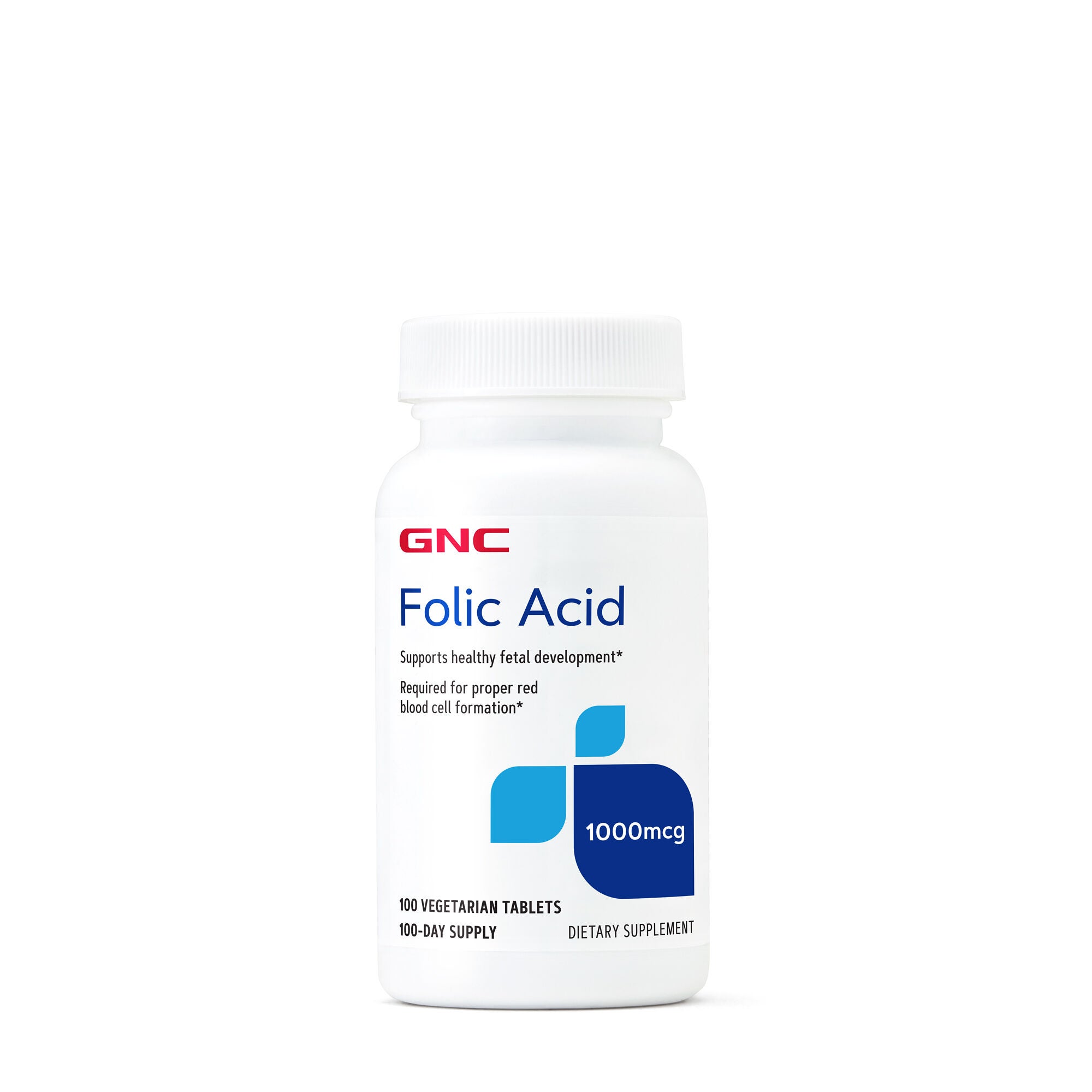
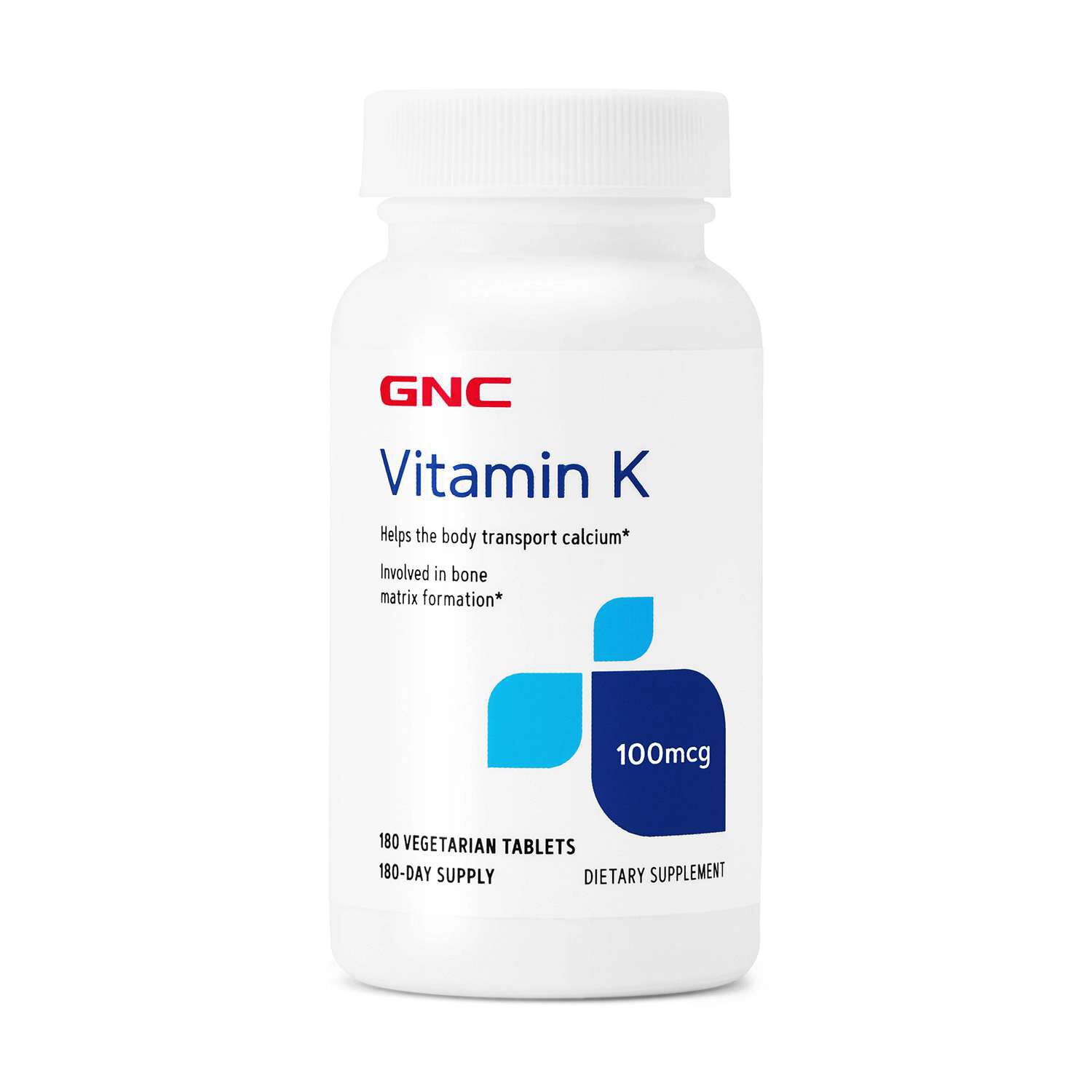
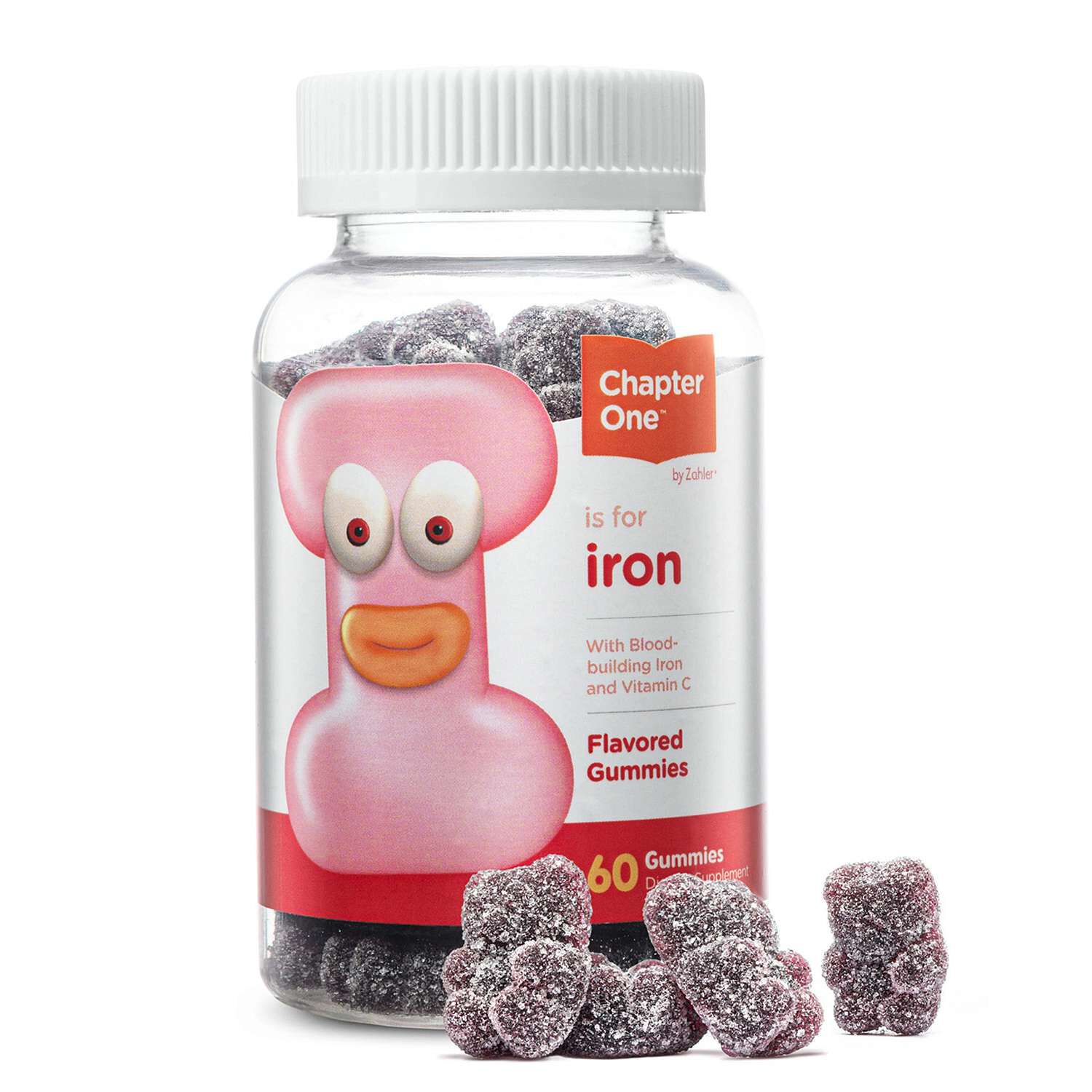
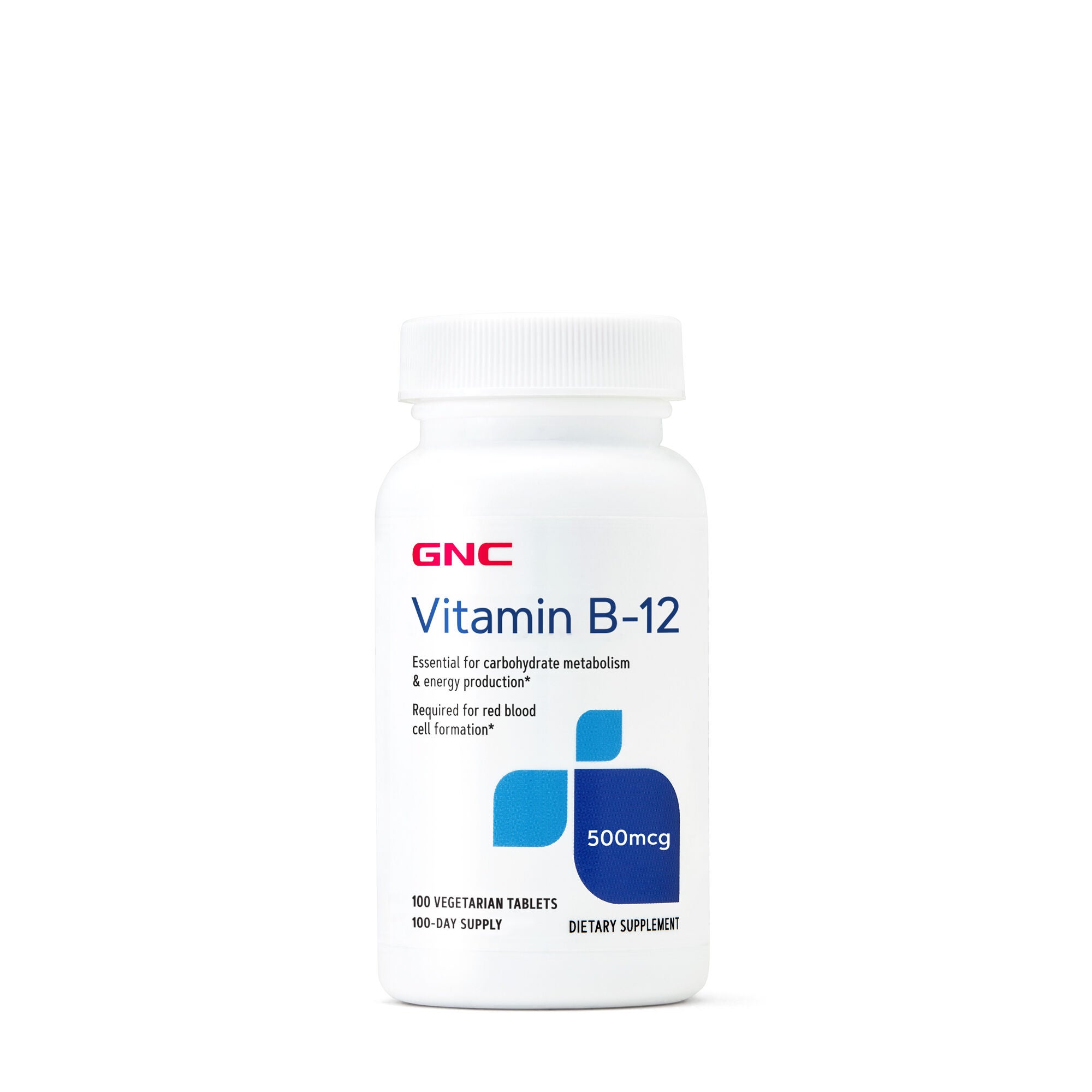
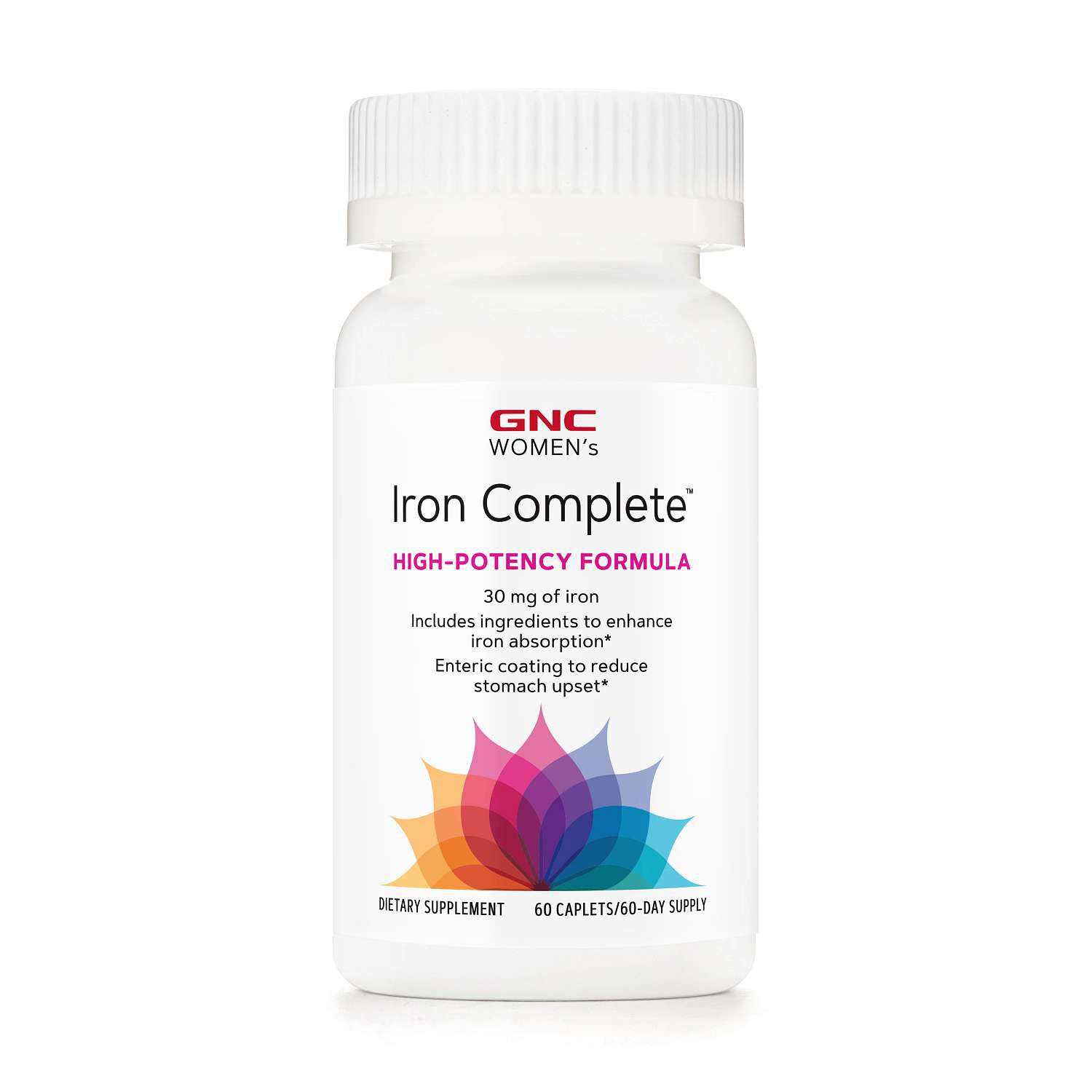
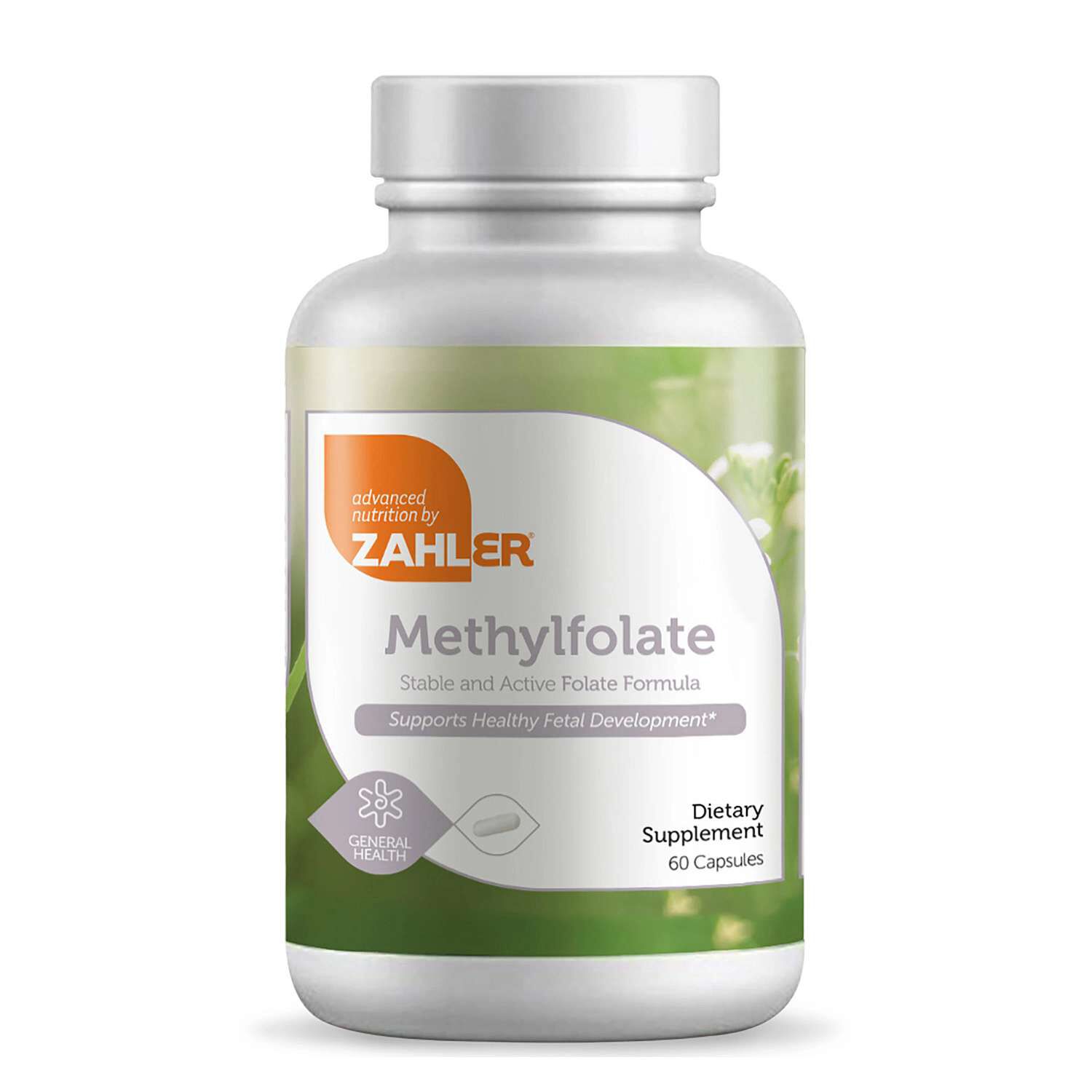
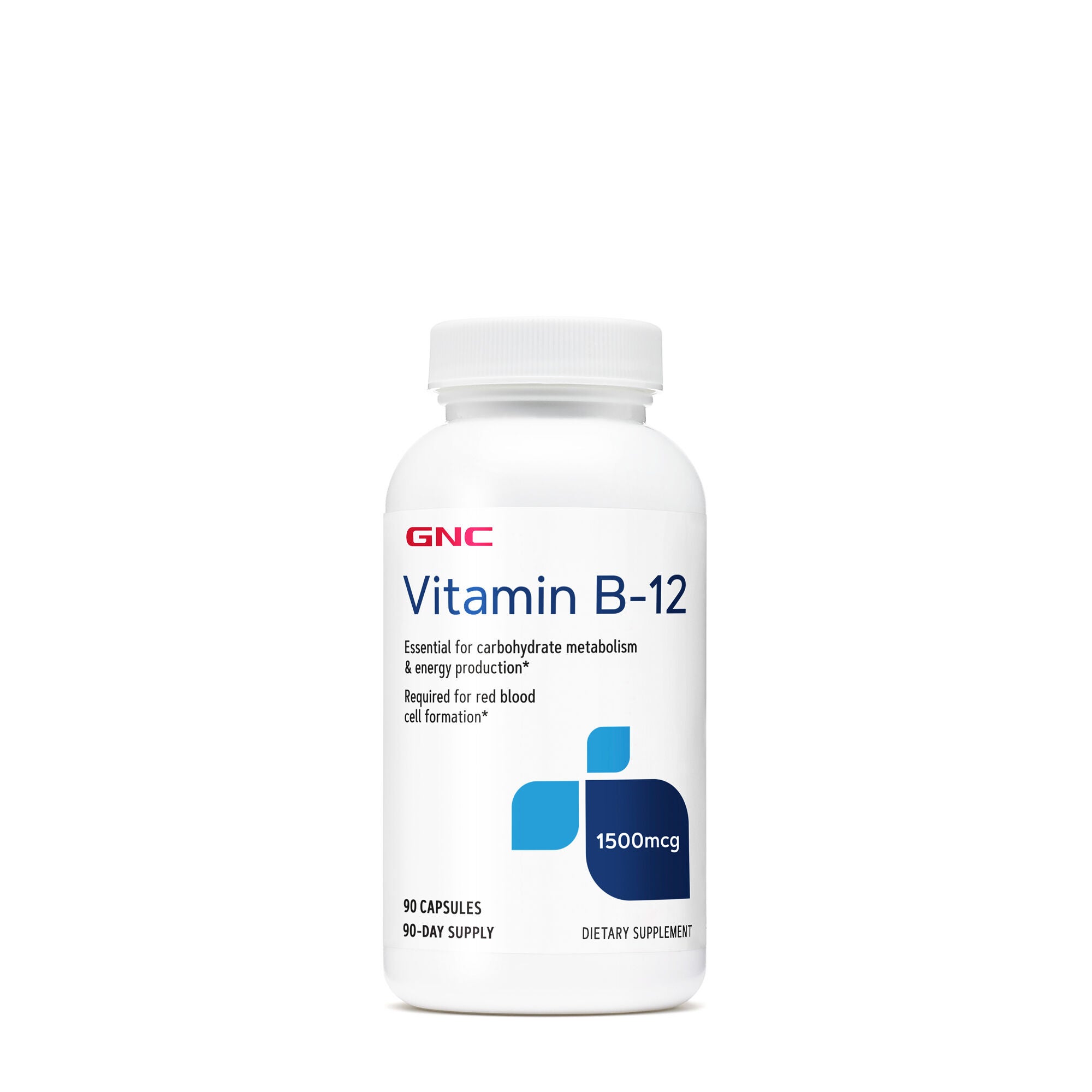
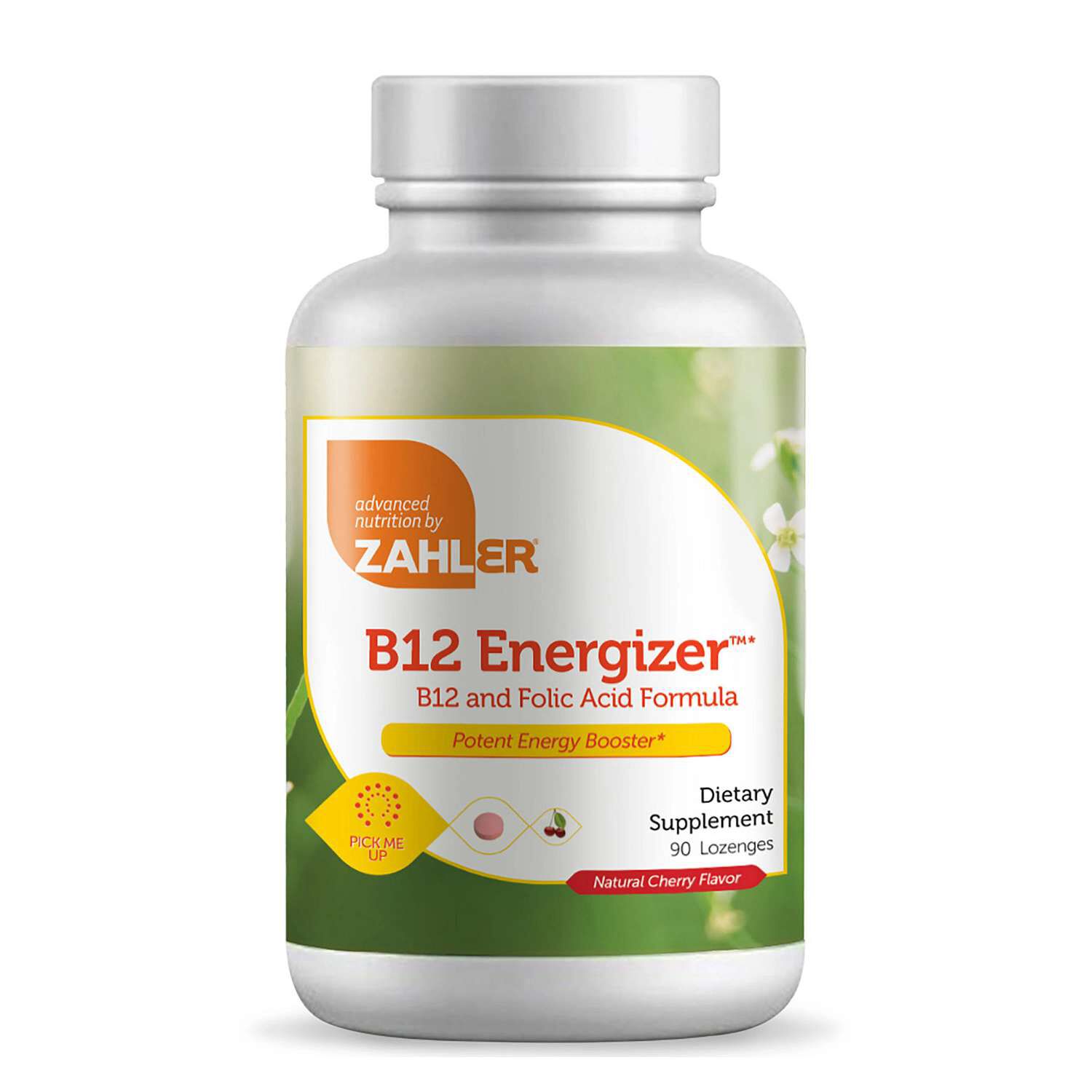
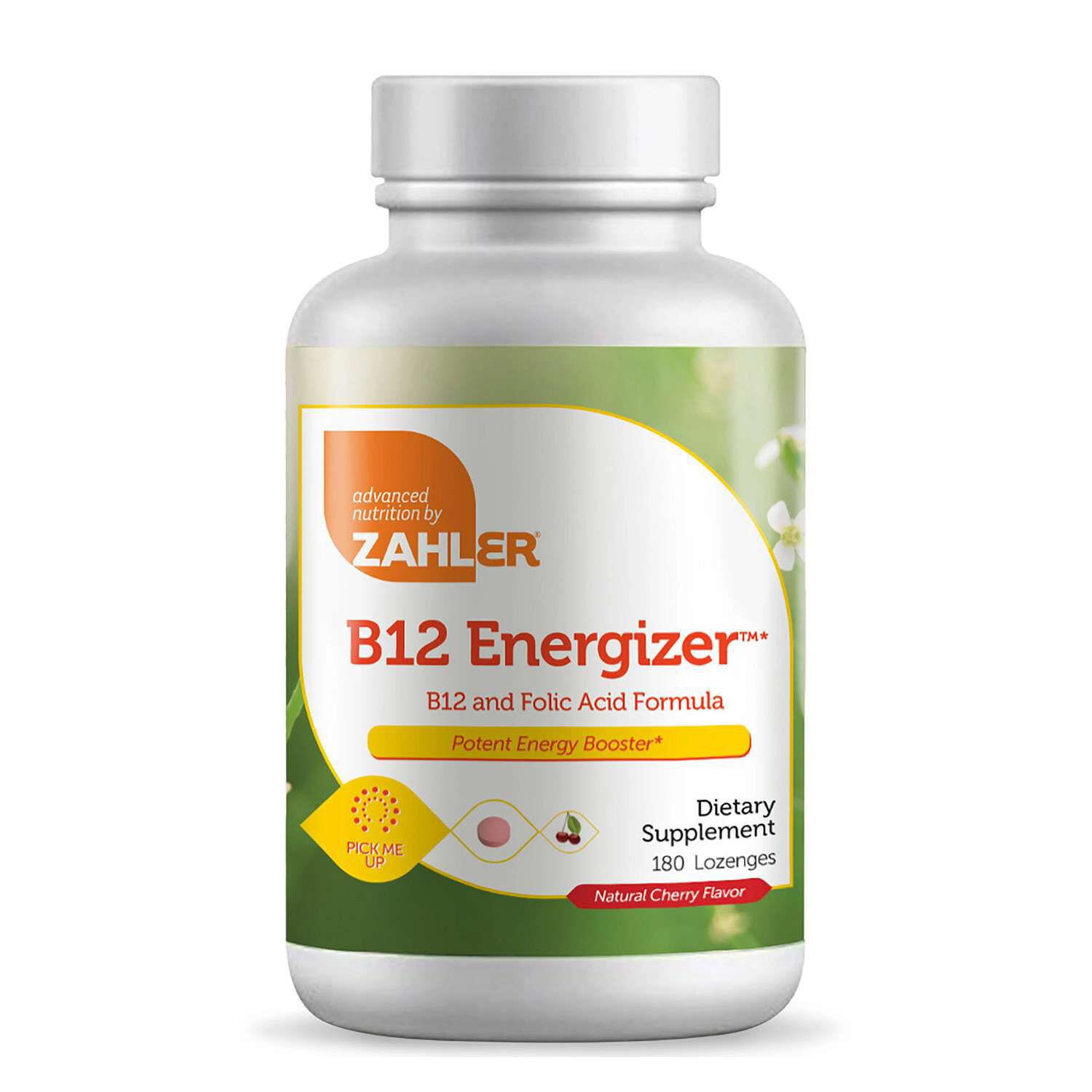
The term blood building vitamins describes a shopping category of supplements that commonly feature iron, folate, vitamin B12, vitamin C, or combinations of these nutrients. Iron is a mineral rather than a vitamin, so the category can include both vitamin formulas and vitamin-and-mineral blends. The name does not identify one standardized ingredient list, serving size, or intended user. Some formulas center on iron, while others pair it with selected B vitamins or include a wider assortment of nutrients. Folate is also known as vitamin B9, and labels may identify its source as folic acid or another form. Vitamin B12 can likewise appear with a named source, such as cyanocobalamin or methylcobalamin. These details help distinguish formulas that otherwise look similar on the front of the package. Supplements in this category may complement dietary intake, but the category name alone does not establish whether a particular formula suits an individual. Not every shopper needs supplemental iron, and a longer ingredient list does not automatically make a formula a better match. Someone who follows a plant-based eating pattern might pay close attention to vitamin B12 and ingredient origin, while another shopper might be comparing a focused iron formula with a broader daily vitamin blend. These are different shopping priorities, even when the packages share similar language. Foods also provide useful context: beans, lentils, fortified cereals, leafy vegetables, meat, and seafood contain nutrients represented in this category, although the amounts and nutrient combinations vary. A supplement is not interchangeable with the variety of foods that make up an eating pattern. For a practical comparison, the Supplement Facts panel offers more specific information than a category label or an image of fruit and vegetables. It identifies the nutrients included, their amounts per serving, and the serving size used for those figures. Reading that panel alongside the ingredient list helps keep attention on what the formula contains rather than what its name might suggest.
Format is another meaningful difference among blood building vitamin supplements. Tablets, capsules, chewable formats, and liquids have different handling requirements and can fit different preferences. A shopper who likes a compact bottle beside a breakfast place setting may view a tablet differently from someone who prefers a measured liquid. Capsule dimensions and tablet shape can matter to the experience of taking a supplement, but photographs do not always communicate their actual size. Package descriptions are a better place to look for dimensions or a clearly stated format. Chewable formulas may include flavorings, sweeteners, and texture-related ingredients, while liquids may have flavor information and measuring directions that deserve attention. These characteristics describe the delivery format, not a difference in nutritional suitability. Serving size also matters when comparing packages: one formula may list its nutrient amounts for a single tablet, while another lists them for two capsules or a measured portion of liquid. The nutrient amount per serving and the number of servings in the container answer different questions. Keeping that distinction in view makes comparisons more useful. For iron-containing formulas, the Supplement Facts panel states the amount of iron supplied, while the source may appear in parentheses or elsewhere in the ingredient information. Names such as ferrous fumarate, ferrous sulfate, or iron bisglycinate describe ingredient forms; the name alone is not a reliable basis for assuming a particular personal experience. Packaging and care deserve similar attention. Closure design, an intact seal, readable directions, and a marked date are practical details for any supplement container. Storage instructions vary by formula, especially for liquids after opening, so the package is the reference for handling requirements. A steamy bathroom shelf, a sunny windowsill, and a loosely closed bottle are different storage environments from a dry cabinet. Keeping the original label with the container preserves access to ingredient information, directions, and any handling notes throughout its use.
Ingredient preferences can further narrow a comparison without turning the category into a one-size-fits-all recommendation. Shoppers looking for a vegan or vegetarian formula may review both the nutrient sources and the ingredients used to make the capsule, tablet, or chewable base. Gelatin, for example, is an animal-derived capsule material, while some capsules use plant-derived materials. Dietary suitability depends on the full ingredient list and the package’s stated attributes, not simply on whether the featured nutrients are vitamins or minerals. Food-based language also warrants a closer look. A formula may include beet, citrus, or other plant ingredients, but their presence does not replace the nutrient amounts listed in the Supplement Facts panel. Images of produce and references to food ingredients describe aspects of a formula; they do not establish how much iron, folate, vitamin B12, or vitamin C a serving provides. A straightforward comparison can therefore separate three things: the featured nutrients, the ingredients that deliver them, and the ingredients used for flavor, texture, or the dosage form. That distinction is useful for shoppers who already have a daily multivitamin or another nutritional supplement in their routine, since similarly named nutrients can appear across different categories. Suitability remains an individual matter rather than something determined by a familiar ingredient name or a broad shopping theme. For shoppers exploring nutrition categories alongside an exercise routine, Vitamins for Muscle Building provides a related place to browse, while the ingredient panels remain the basis for distinguishing the formulas. Blood building vitamins are best understood as a descriptive category with varied compositions, formats, and label directions. The most informative details are concrete: which nutrients are included, how much each serving contains, what form the supplement takes, which additional ingredients are present, and how the package says to handle it. Those details make it easier to compare formulas thoughtfully without treating a category name as a statement about personal needs.