Energy Boosting Vitamins
(0 Results)
Looking to kickstart your day with a natural energy boost? Our selection of energy-boosting vitamins is designed to help you power through your daily activities with vitality and vigor. Packed with essential nutrients and carefully formulated to support your body's natural energy production, these vitamins are perfect for anyone looking to combat fatigue and stay alert throughout their busy schedules. Whether you're hitting a midday slump or need an extra push during your workout, our range of energy-boosting vitamins has got you covered.

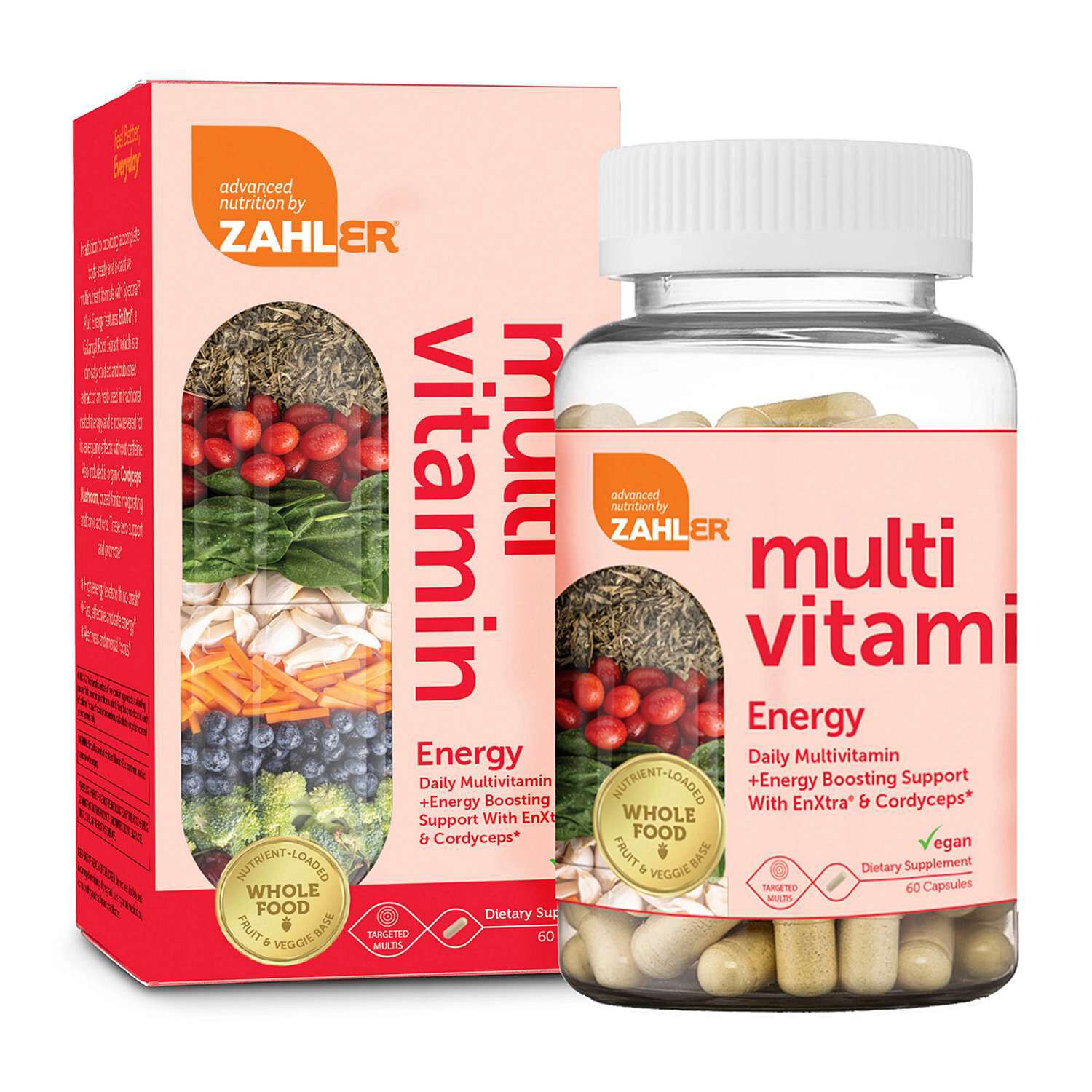

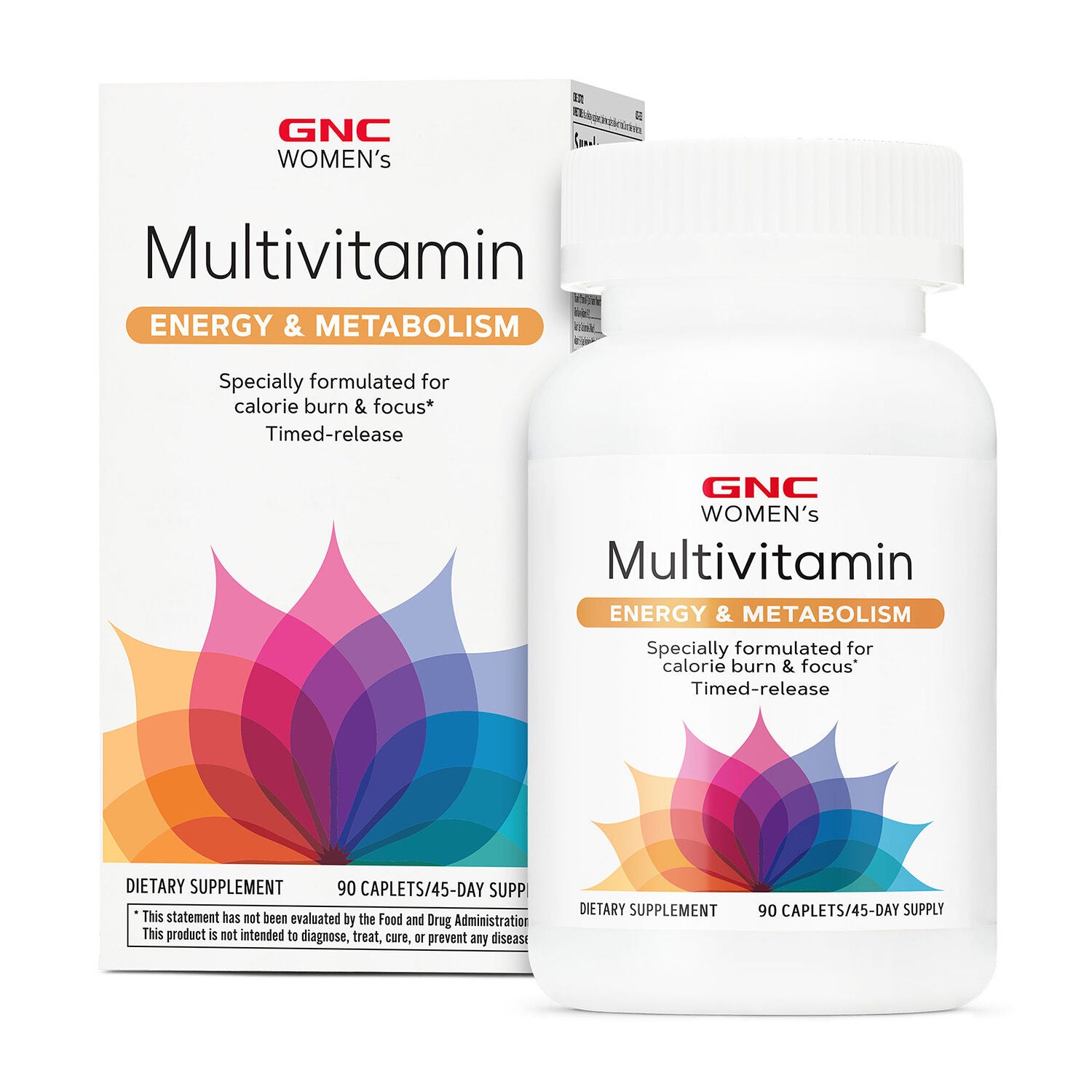
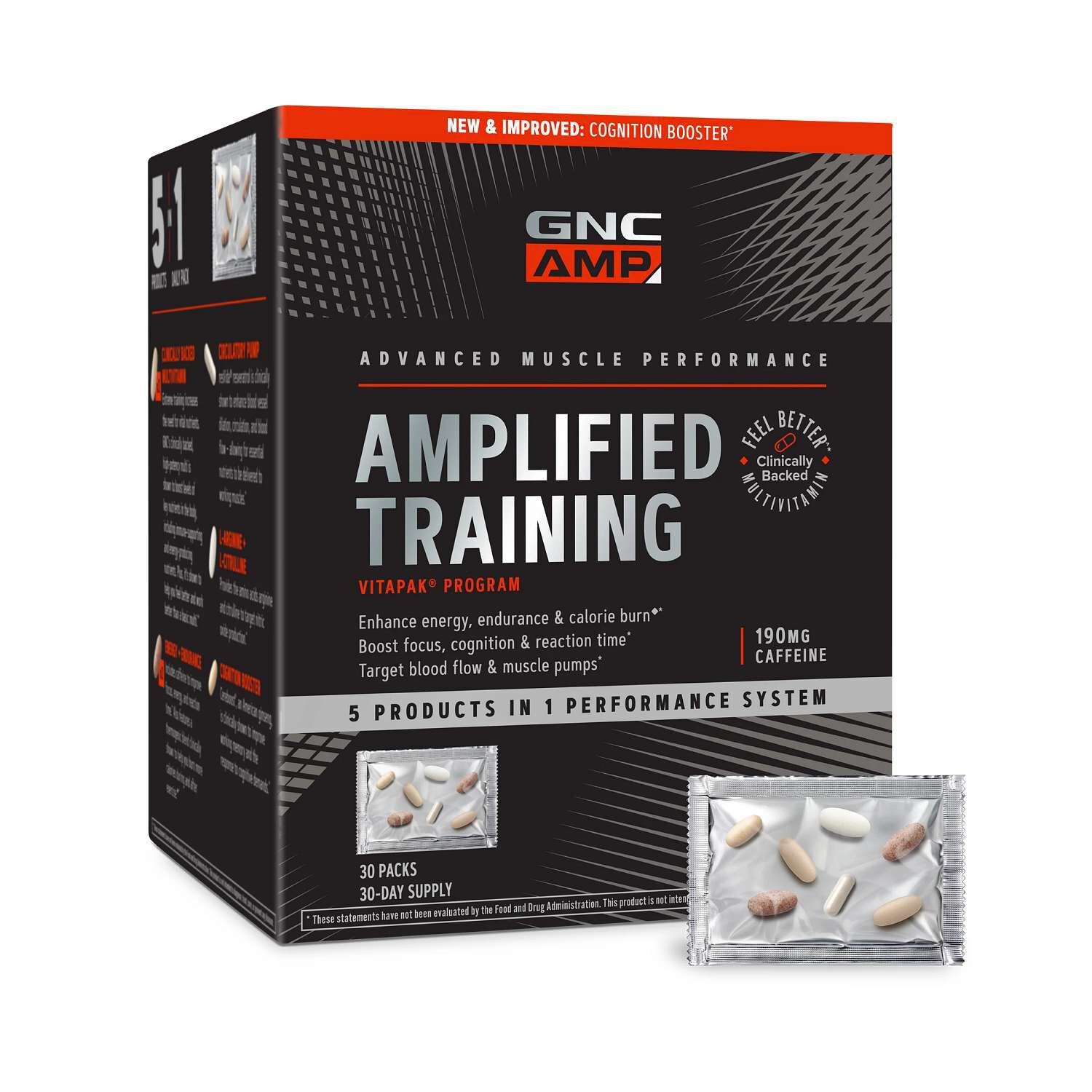
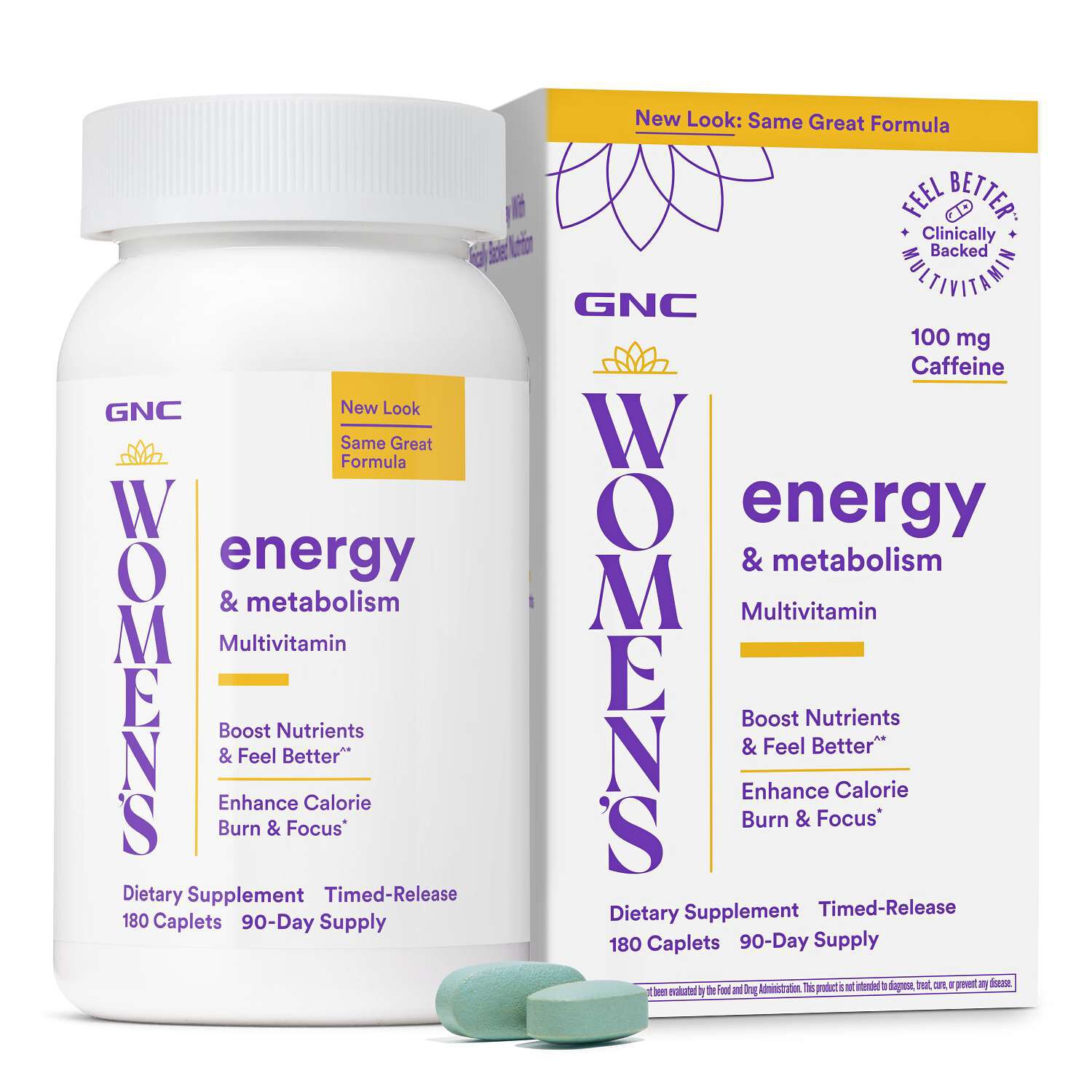


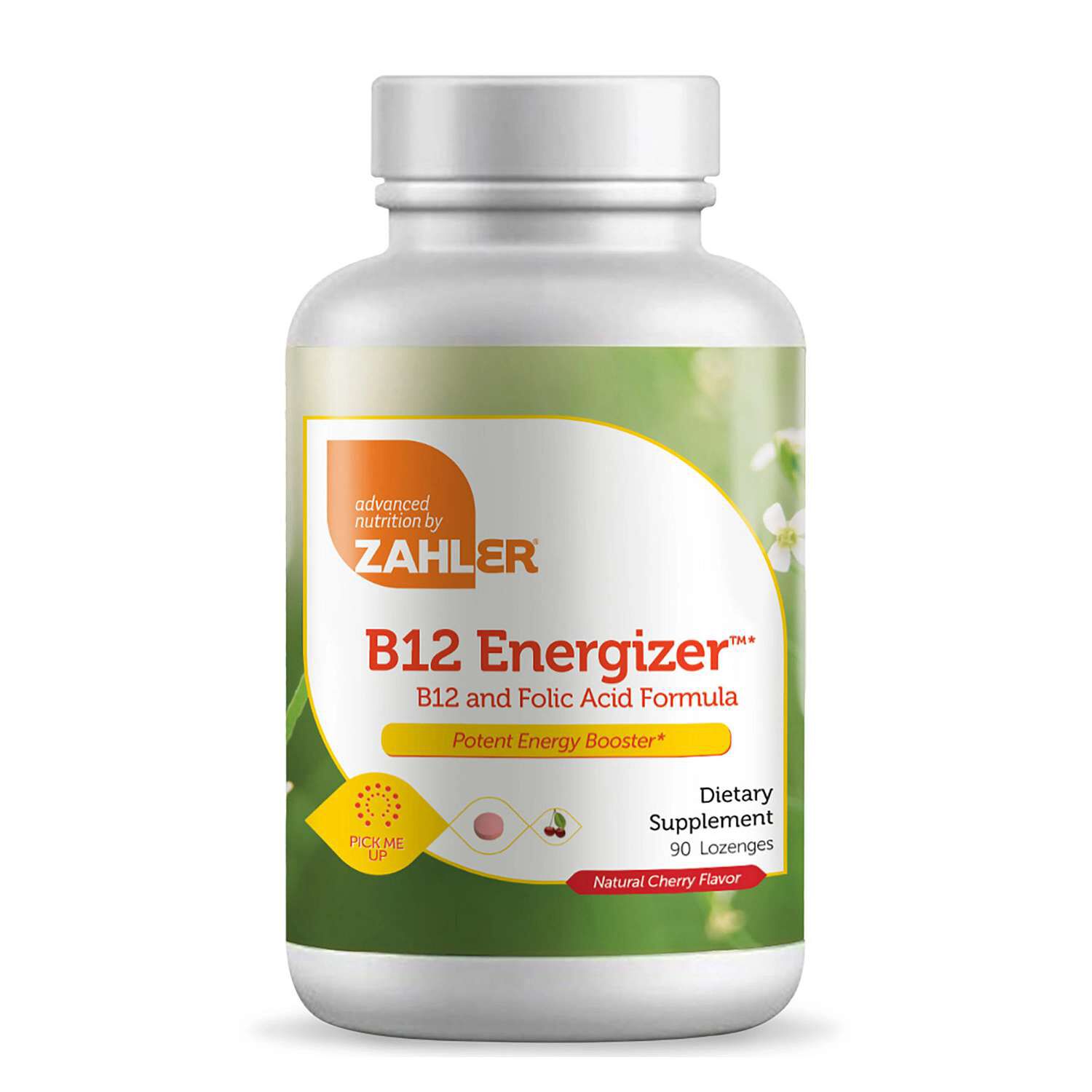
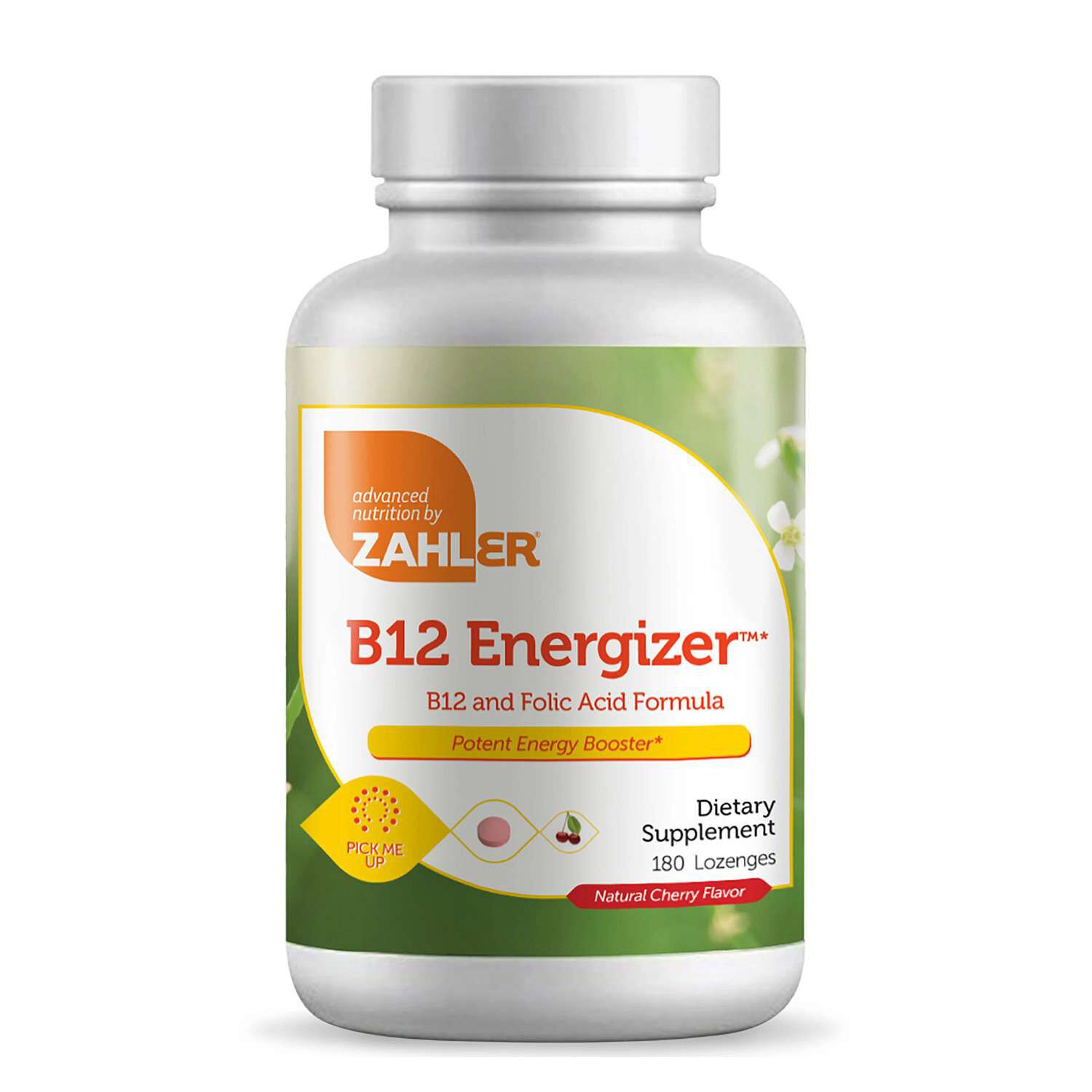

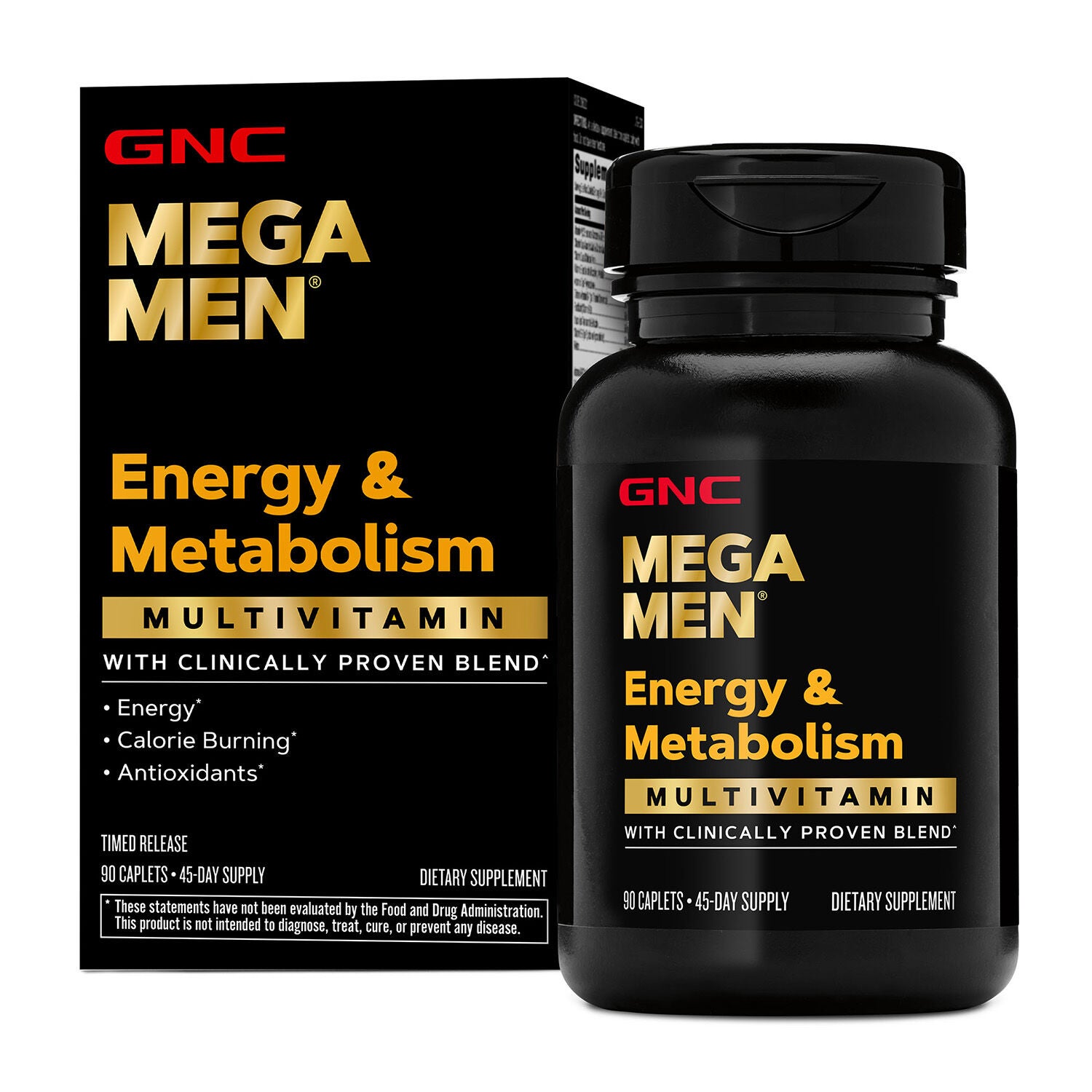


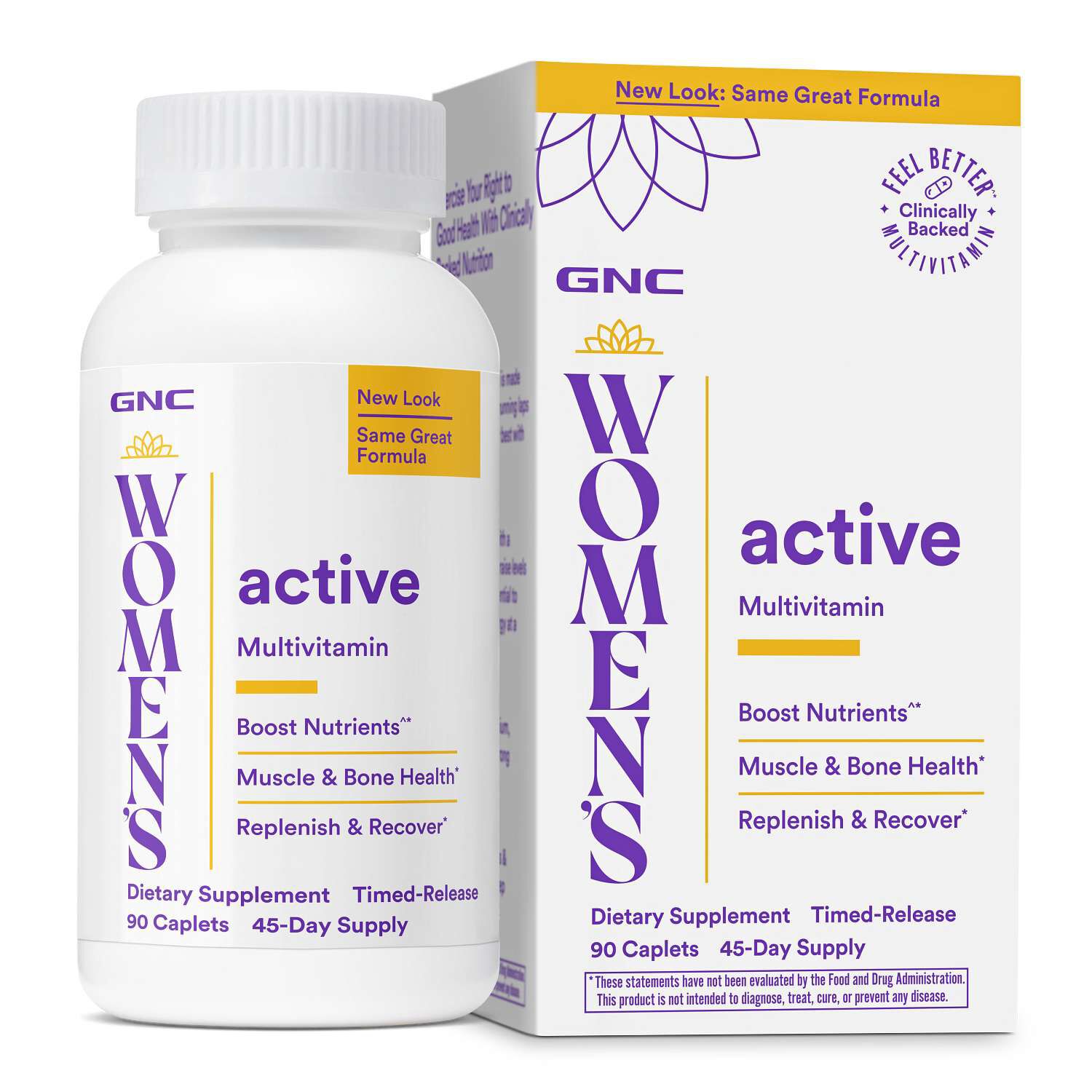
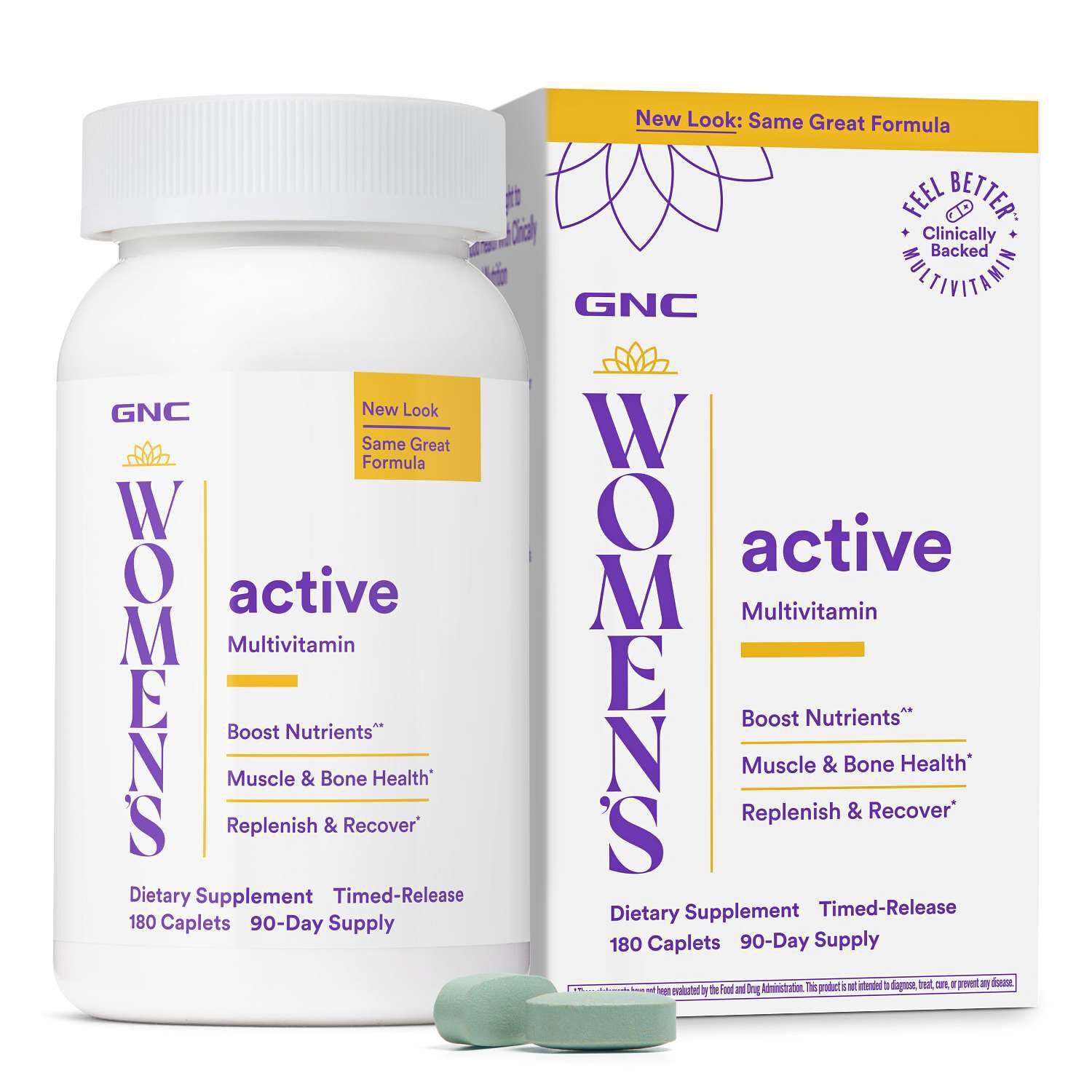
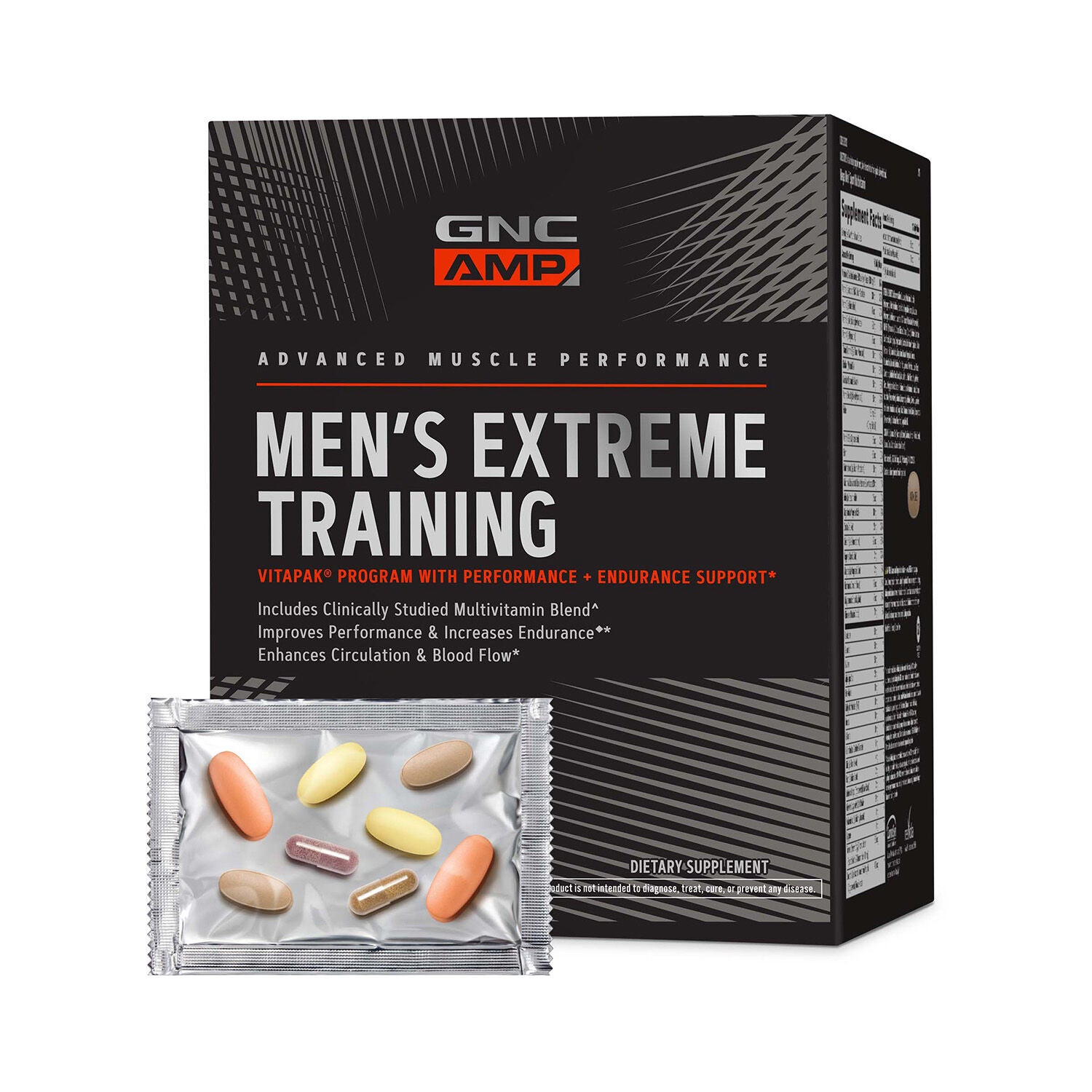

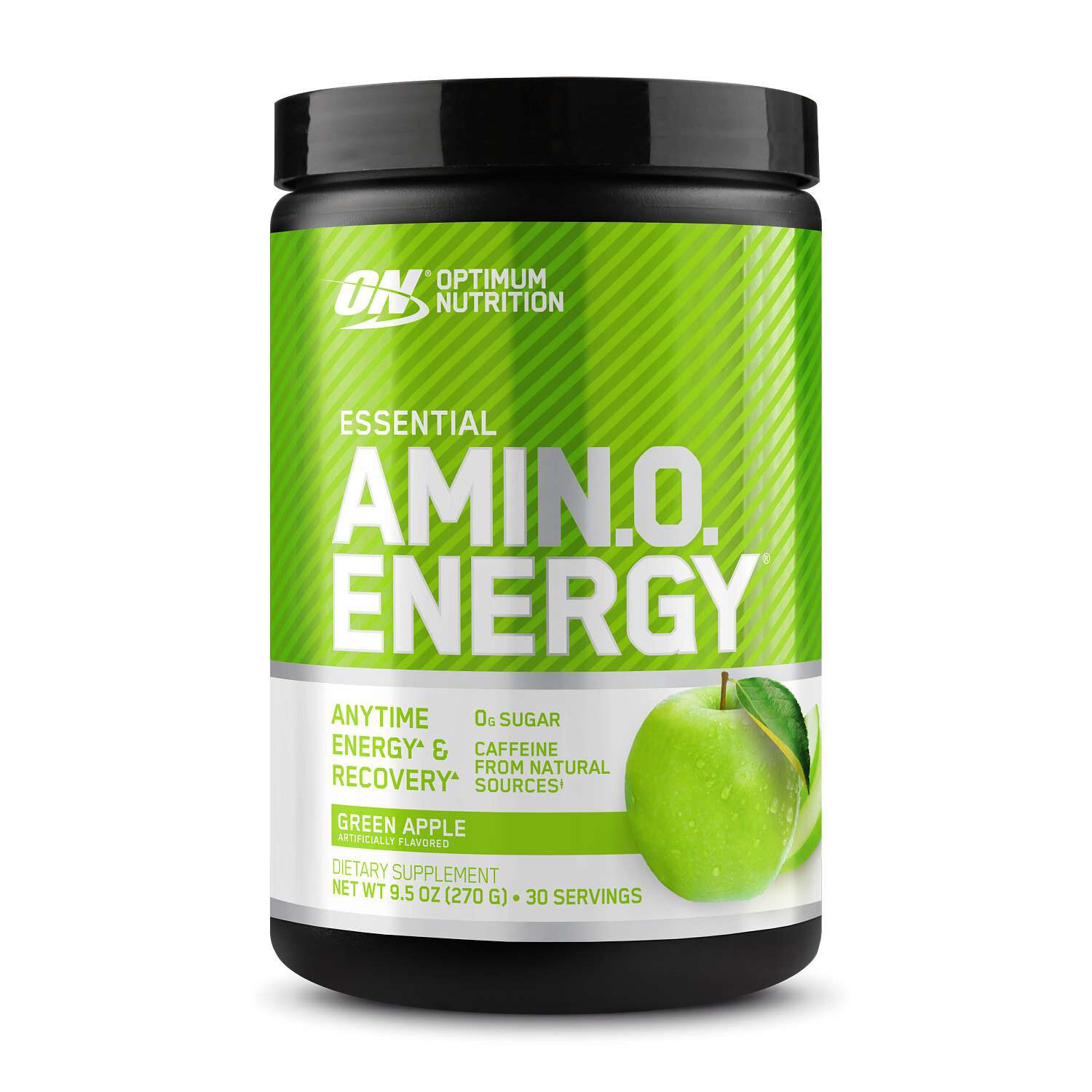
Vitamins for energy support are made for shoppers interested in nutritional support for everyday routines, whether that means an early commute, a long afternoon of meetings, or a busy schedule that includes regular exercise. B vitamins are a common focus in this category because they may support normal energy metabolism—the processes through which the body uses nutrients from food. B-complex formulas typically combine several B vitamins, while single-nutrient options focus on one, such as vitamin B12. These formats serve different shopping preferences, but neither should be confused with a source of instant energy. Vitamins themselves do not supply calories, although gummies, chews, and flavored formulas can contain calories from other ingredients. A vitamin-centered formula is also different from a caffeinated energy supplement, even when the packaging uses similar language. Caffeine content, botanical ingredients, and other additions are separate label details worth distinguishing from the vitamins themselves. Nutritional supplements may be relevant when everyday eating habits leave nutrient gaps; taking larger amounts does not necessarily mean a more noticeable effect. The amount printed on a bottle is therefore only one part of the comparison, alongside the ingredient mix, serving size, and intended use. Foods such as beans, leafy vegetables, whole grains, eggs, fish, and fortified cereals provide useful context for understanding where different vitamins appear in an everyday eating pattern. A varied diet, sleep, hydration, and daily activity belong in the same conversation as energy-support supplements, rather than being separate considerations. For someone browsing between work calls or planning a more consistent morning routine, the most useful distinction is often straightforward: whether the goal is a broad assortment of B vitamins, a particular nutrient, or a format that fits comfortably into the day. That distinction keeps the focus on nutritional purpose and practical preferences rather than assuming that every formula labeled for energy will feel the same. It also leaves room for differences in eating habits, since two people with equally busy calendars may have quite different reasons for considering a vitamin supplement.
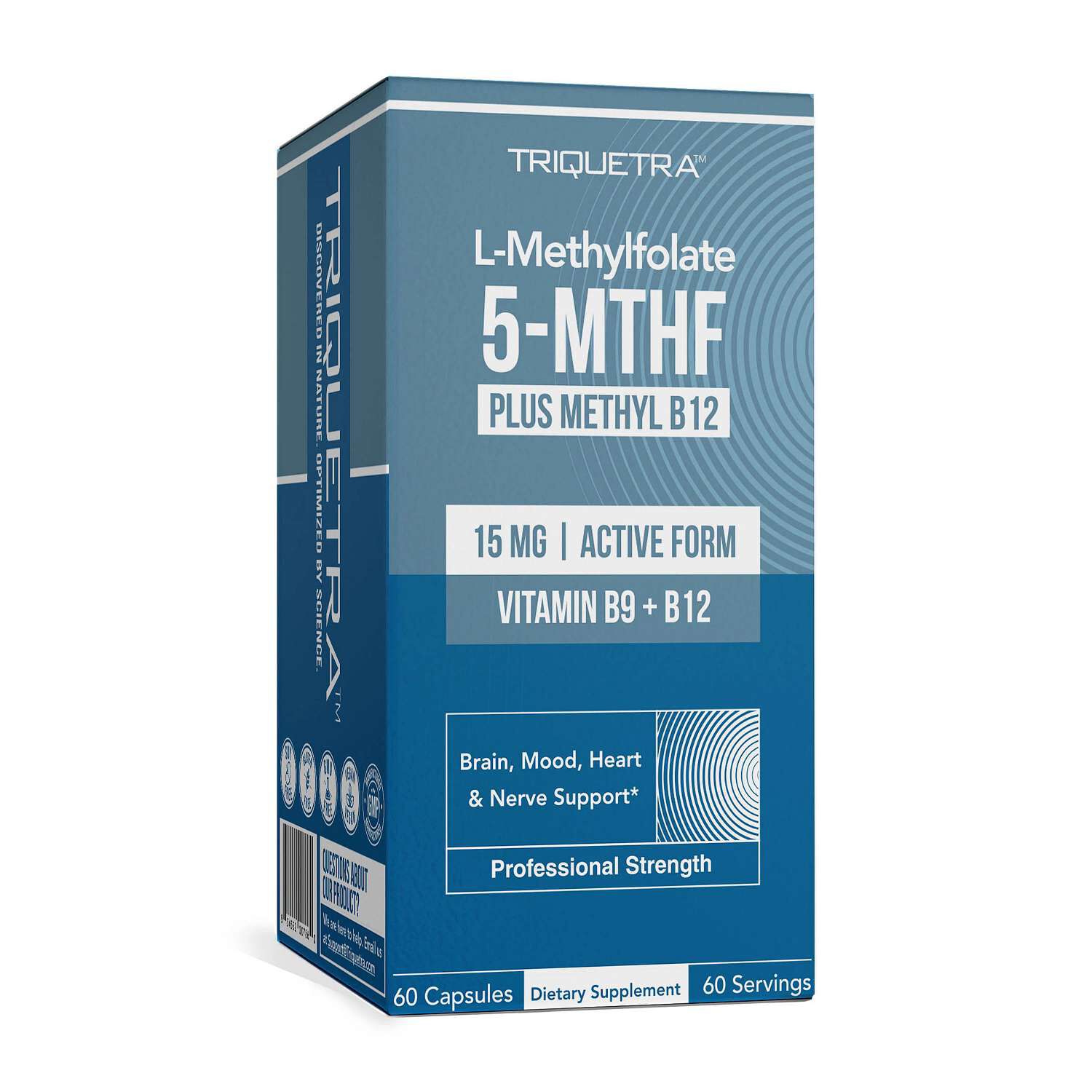
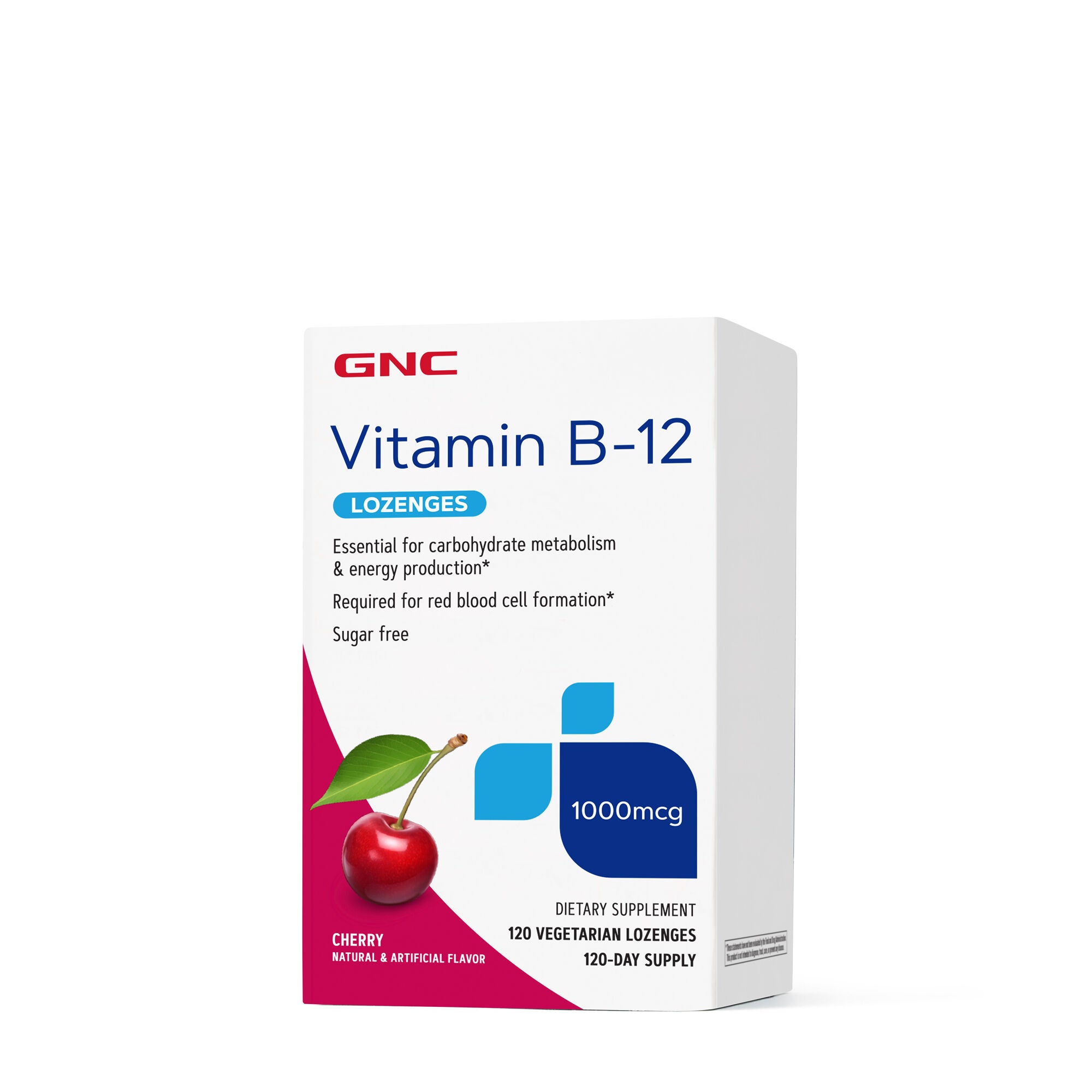
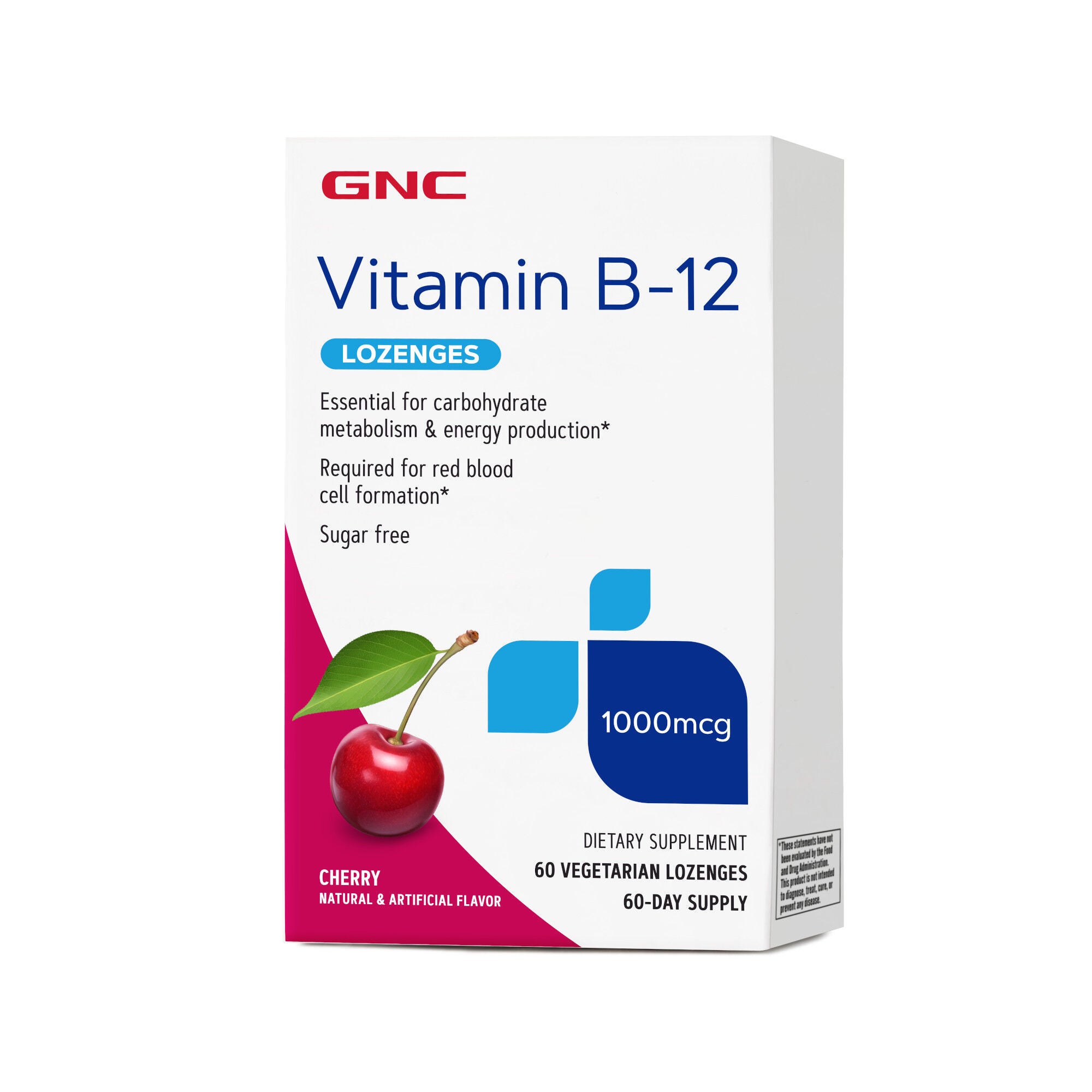
Format makes a meaningful difference in the shopping experience, particularly when a supplement is intended to become part of a familiar routine. Tablets and capsules have different sizes and textures, and a serving may involve one piece or several. Gummies and chews bring flavor and texture into the comparison, along with details such as added sugars, sweeteners, and the number of pieces per serving. Powders and liquids introduce another set of considerations, including measuring, mixing directions, flavor intensity, and whether the package needs additional preparation before each use. A person who eats breakfast at home may have different preferences from someone who carries a small bag to an office or gym. Capsule shells, gummy bases, coatings, and flavor ingredients can also matter to shoppers with particular dietary preferences. Labels may identify gelatin, plant-derived capsule materials, fruit flavors, color additives, or ingredients associated with common food allergens. These details are distinct from the vitamin content and can make two otherwise similar formulas quite different to use. Within the nutrient panel, vitamin names sometimes appear alongside more technical ingredient names. Vitamin B12, for example, may be listed as cyanocobalamin or methylcobalamin. Those names identify forms of the nutrient; the surrounding label supplies the serving amount, other ingredients, and suggested use. Percentage Daily Value offers another point of comparison, but a larger percentage is not automatically a better match for every shopper. Comparing amounts per serving rather than per tablet or gummy also creates a clearer picture when serving sizes differ. The same attention applies to formulas that combine vitamins with minerals, caffeine, or botanical ingredients. A short front-label description cannot show every distinction between those combinations. Ingredient lists and supplement panels provide a more detailed view of what is inside, while flavor, texture, preparation, and serving count help explain what using the format might look like during an ordinary day. A comparison that includes both parts can be more useful than focusing on a single large number printed on the front.
Packaging and storage are practical parts of choosing vitamins for energy support, especially for a routine that moves between home, work, and travel. A bottle’s dimensions, closure, and serving count affect how it fits into a cabinet or designated storage space. Individual packets offer a different handling experience from a bottle, while liquids and powders may come with measuring tools or package-specific preparation instructions. Storage directions deserve attention because requirements vary by formula and format. Heat, moisture, and light exposure are relevant considerations for many supplements, and the package may specify conditions that are different from a convenient spot beside a stove or on a bathroom counter. The original container also keeps the ingredient panel, suggested use, date information, and storage details together. For someone comparing a flavored chew with a capsule, these everyday details can be just as noticeable as the difference in ingredient lists. A chew has a taste and texture to consider; a capsule has its own size and serving count; a powder adds preparation and cleanup to the routine. None of those characteristics establishes a nutritional advantage on its own, but each helps describe how the format fits a person’s preferences. Shoppers considering a broader supplement routine may also browse vitamins for immune support, keeping in mind that categories can include some of the same nutrients. Comparing the full panels makes that overlap visible without assuming that a different category name means an entirely different formula. For energy-focused shopping, a clear picture comes from bringing the details together: which nutrients are included, how much appears in a serving, whether there are additional ingredients, and what the format requires in daily use. The result is a more grounded comparison of nutritional purpose and everyday convenience, with room for individual preferences rather than an expectation of a particular feeling or immediate change.