





Nutritional Shakes For Weight Gain
(0 Results)
Nutritional shakes for weight gain could be a convenient option for those looking to support their daily calorie and nutrient intake. With a variety of flavors and formulations available, these shakes may help you add extra nutrition to your routine in a simple and enjoyable way. Whether you're seeking an easy addition to your meals or a portable snack, nutritional shakes for weight gain might fit seamlessly into your lifestyle. Explore different options to find the shake that aligns with your preferences and goals.
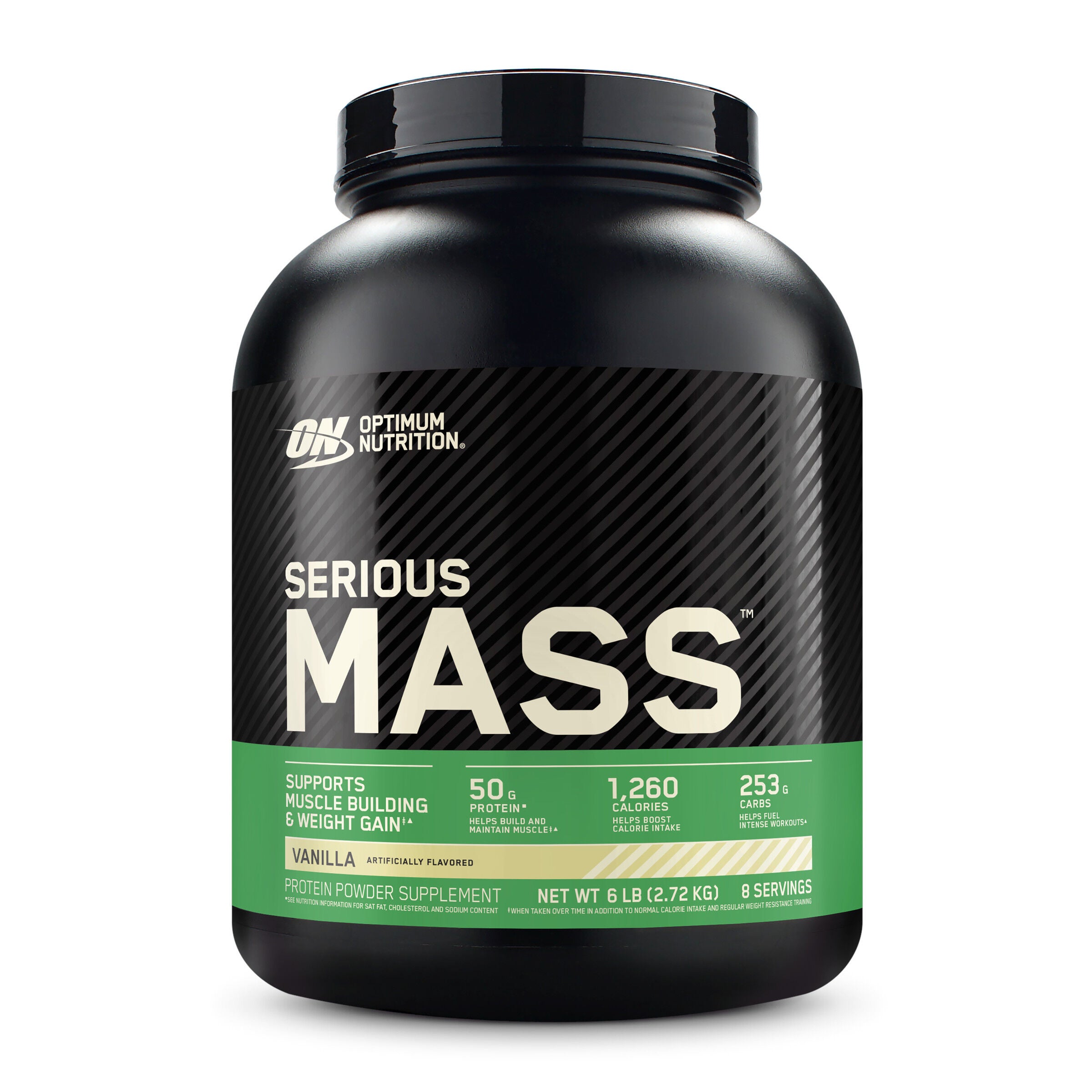

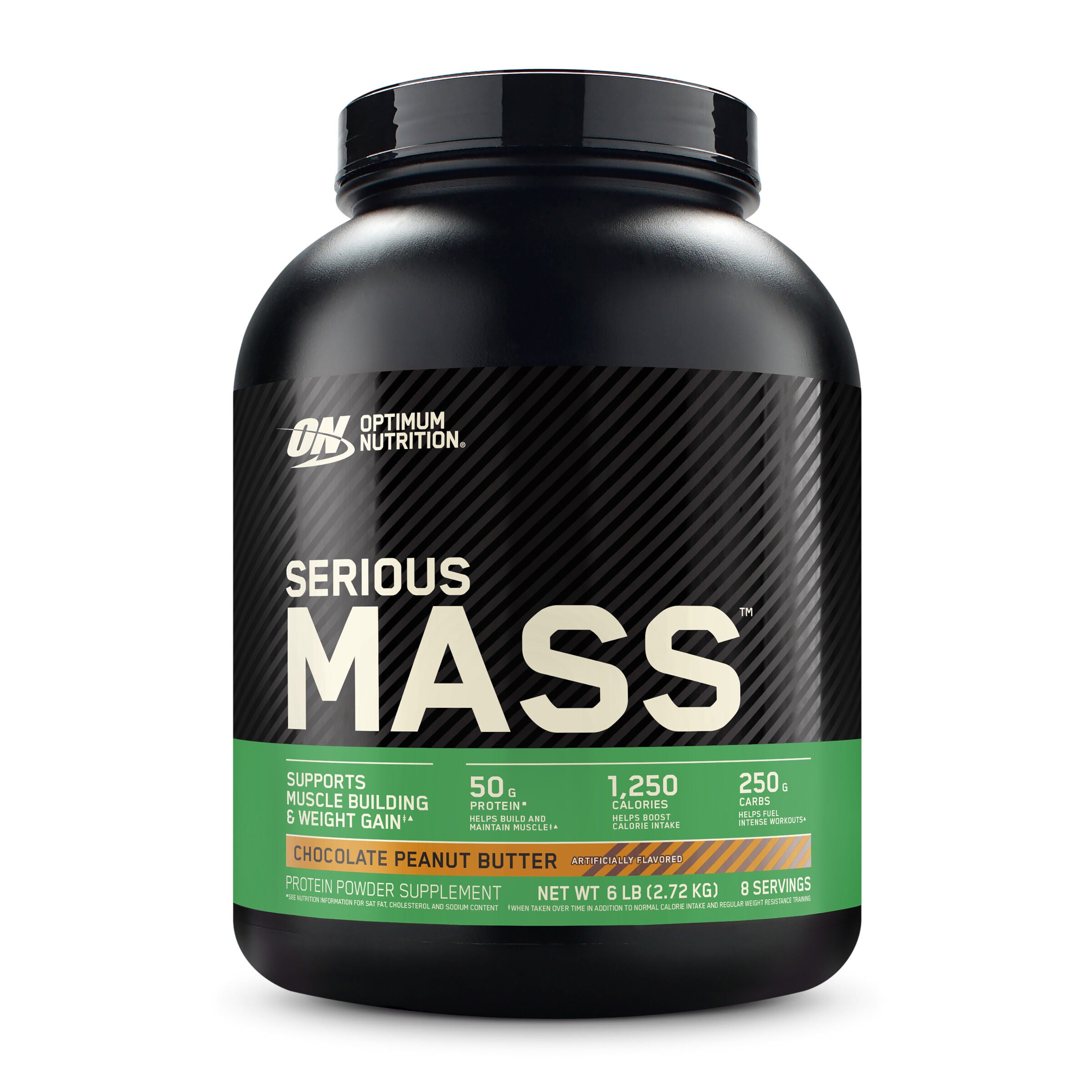
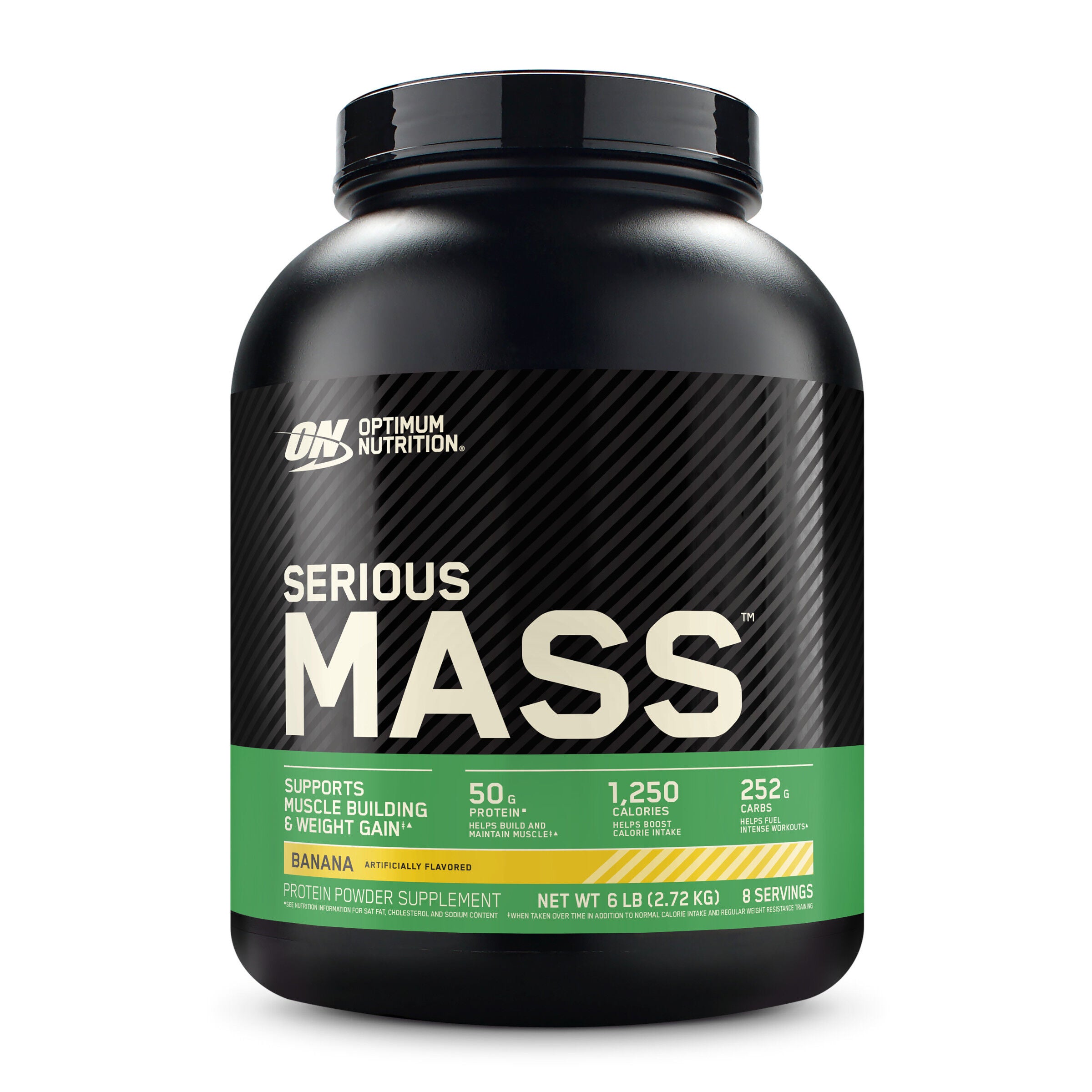

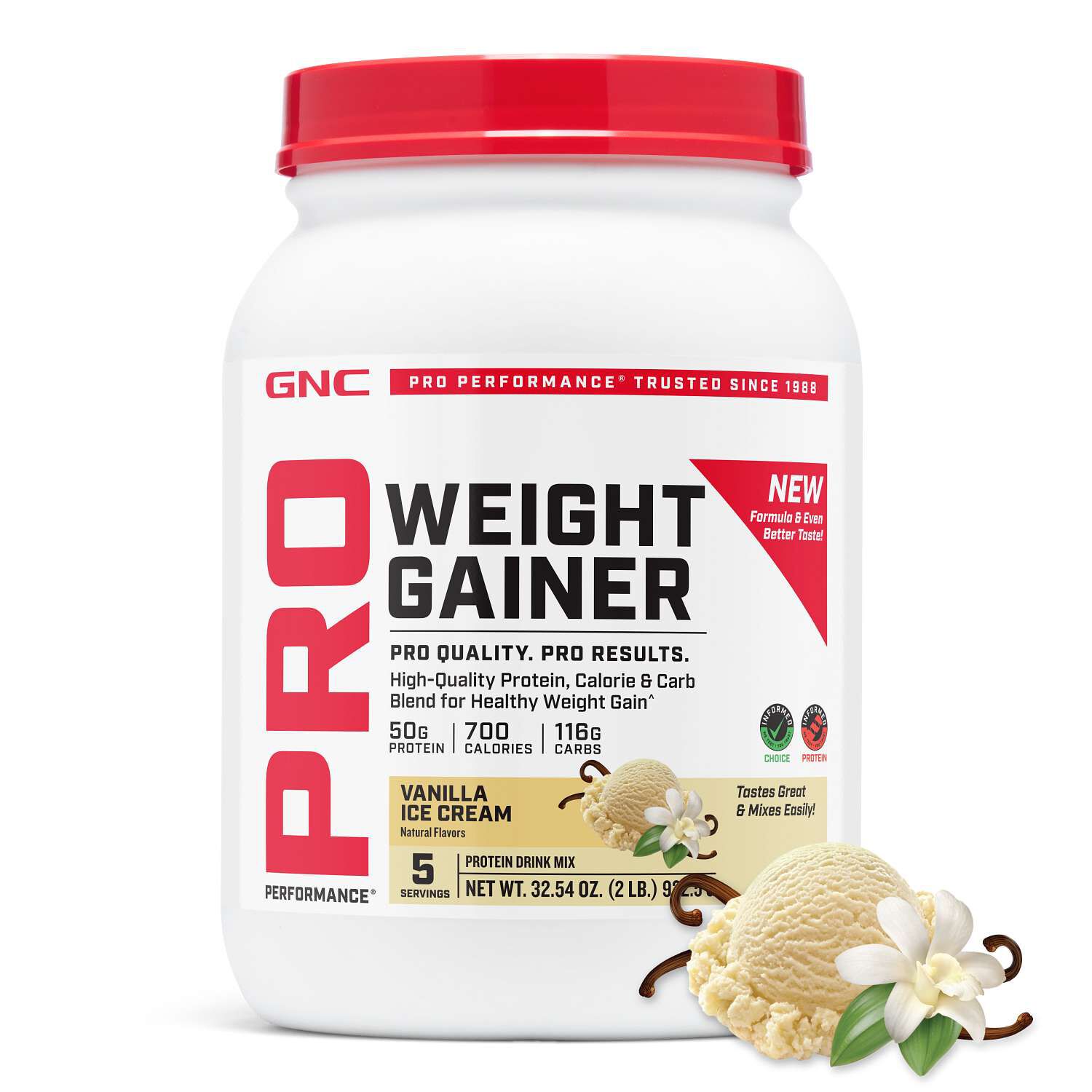


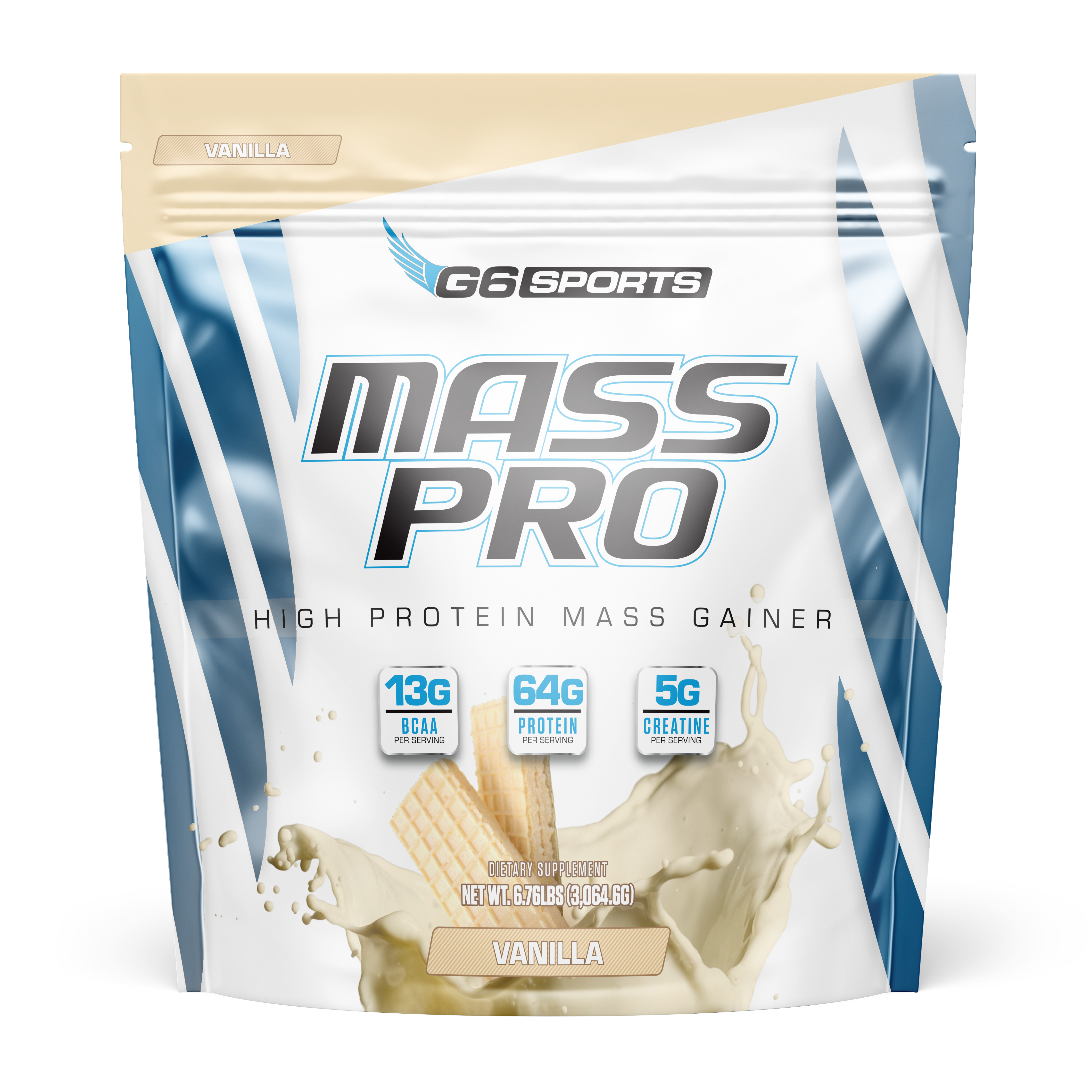

Nutritional shakes for weight gain may help adults add calories, protein, carbohydrates, and fat to an eating routine in a drinkable format. For someone seeking a higher calorie intake, a shake may provide another eating occasion alongside meals and snacks rather than taking the place of food already on the menu. That distinction matters: replacing a meal with a drink containing fewer calories is different from adding a shake between lunch and dinner. These products span ready-to-drink beverages and powders mixed with a liquid, with meaningful differences in serving size, ingredients, flavor, and preparation. Some formulas emphasize protein, while others contain larger amounts of carbohydrates and fat alongside protein. A high protein content alone does not necessarily mean a shake contains many calories, so the calorie amount per serving deserves its own look. The Nutrition Facts panel also shows how much carbohydrate, fat, fiber, and added sugar accompanies that protein. Serving size is another important detail, especially for powders, where a serving can include more than one scoop. The nutrition information may refer to the powder alone or to a prepared drink made with a specified liquid; those are not interchangeable comparisons. Water contributes no calories, while milk and plant-based beverages have their own nutrition profiles. A serving mixed with milk, for example, has a different calorie and protein amount than the same powder mixed with water. For an adult with a long commute, a demanding workday, or an active routine, the appeal may be a drink that fits into a predictable pause in the day. Someone who prefers smaller eating occasions may also appreciate a portion that can sit alongside a snack. Individual calorie needs and preferences vary, and no single serving size suits every routine. The most useful comparison is therefore not simply the biggest container or the highest protein number, but the amount of prepared shake, the nutrients in that portion, and how it relates to the rest of the day’s food.
Ingredients give nutritional shakes much of their character, from the source of protein to the thickness of the finished drink. Milk-derived proteins, including whey and casein, appear in some formulas, while others use plant proteins such as pea, soy, or rice. Some blends combine several sources. Carbohydrate ingredients vary as well, and fat may come from oils, dairy ingredients, nuts, or seeds, depending on the formula. Ingredient lists and allergen statements provide information that flavor names alone cannot: a chocolate or vanilla shake can contain milk, soy, peanuts, or tree nuts, and a plant-based description does not describe every aspect of its composition. Fiber, sweeteners, and added sugars also differ from one formula to another. These details matter when matching a shake to established food preferences, dietary restrictions, or a familiar eating pattern. Taste and texture deserve just as much attention as the nutrition panel, particularly for a drink intended for regular use. A thick, dessert-like shake and a lighter beverage can feel quite different to drink, even when their calorie amounts are similar. Chocolate, vanilla, and fruit-inspired flavors have different relationships with common mixing ingredients: banana pairs naturally with cocoa, while oats or nut butter bring their own taste and texture to a blended drink. Any added ingredients also change the prepared serving’s nutrition, so the label on the powder describes only part of a customized recipe. A shaker bottle requires less equipment than a blender, while a blender accommodates ingredients such as fruit and oats. Mixing directions indicate the intended proportion of powder to liquid and the preparation method. More liquid creates a larger drink without changing the amount of powder in it; choosing milk instead of water changes both the ingredients and the nutrition. Those practical differences may influence which format feels manageable during a brief break, after exercise, or at home alongside an afternoon snack.
The choice between powdered and ready-to-drink nutritional shakes often comes down to the setting in which they will be used. A ready-to-drink container requires no measuring or mixing before opening, which may suit a packed lunch bag, a desk drawer when storage directions permit, or a trip with limited access to kitchen equipment. Powder involves a scoop, a suitable container, and the liquid specified for preparation, but it also leaves room for different serving preparations within the label directions. Container size, closure design, and the number of servings are practical considerations for a shared kitchen, a small pantry, or a gym bag. For powders, a securely closed container and a clean, dry scoop are part of ordinary care; for prepared beverages, the package provides storage directions and instructions for handling after opening. A reusable shaker also needs regular washing, including the lid, seals, and mixing insert, where residue can collect. These are modest details, but they are part of what makes a shake workable as an ongoing purchase rather than an occasional experiment. Intended use matters, too. A shake selected specifically to add calories may have a different nutrient balance from one chosen primarily as a meal substitute. For a related category, Nutritionally Balanced Meal Shakes provides another point of comparison, with the individual nutrition panel remaining the clearest description of each formula. Vitamins and minerals may be included in either category, but their presence does not make two shakes nutritionally identical. Adults shopping for nutritional shakes for weight gain can compare calories per prepared serving, protein sources, carbohydrate and fat amounts, portion volume, and preparation requirements together. A convenient bottle may fit an afternoon break, while a powder may suit someone who already uses a blender at home. Familiar flavors, clear serving information, and a format suited to everyday habits may make a shake a practical addition to an eating routine built around a variety of foods.
Best Sellers
-
 GNC Pro Performance
-
 GNC Pro Performance
-
 GNC Pro Performance
-
 GNC Pro Performance
Related Pages

Top Collections
- Supplements For Yoga Joint Flexibility
- Chronic Fatigue Supplements
- Joint Mobility Supplement Packs
- Adult Mobility Supplements
- Active Supplements
- GLP 1 Support For Adults
- Zinc Supplements | Top Brands at Great Prices | GNC
- Supplements For Anxiety Relief Support
- Supplements For Balance
- Capsule Supplements For Energy And Stamina