





Nutritionally Balanced Meal Shakes
(0 Results)
Nutritionally balanced meal shakes offer a convenient way to support your daily wellness routine, whether at home, at work, or on the go. With options designed to fit a variety of lifestyles and preferences, these shakes may help you stay on track with your nutritional goals. Explore a range of delicious flavors and formulations that could make it easier to enjoy balanced nutrition anytime, anywhere.
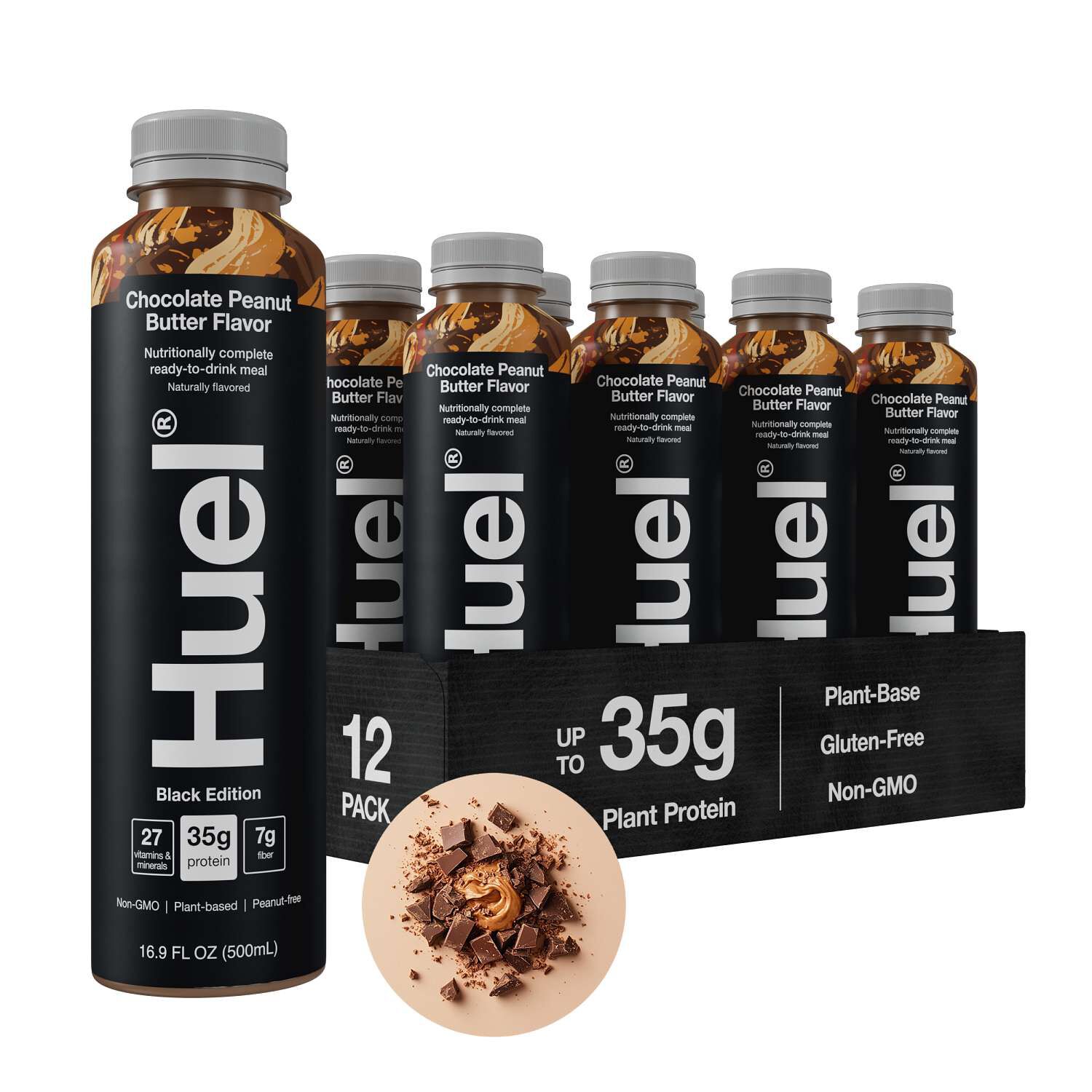
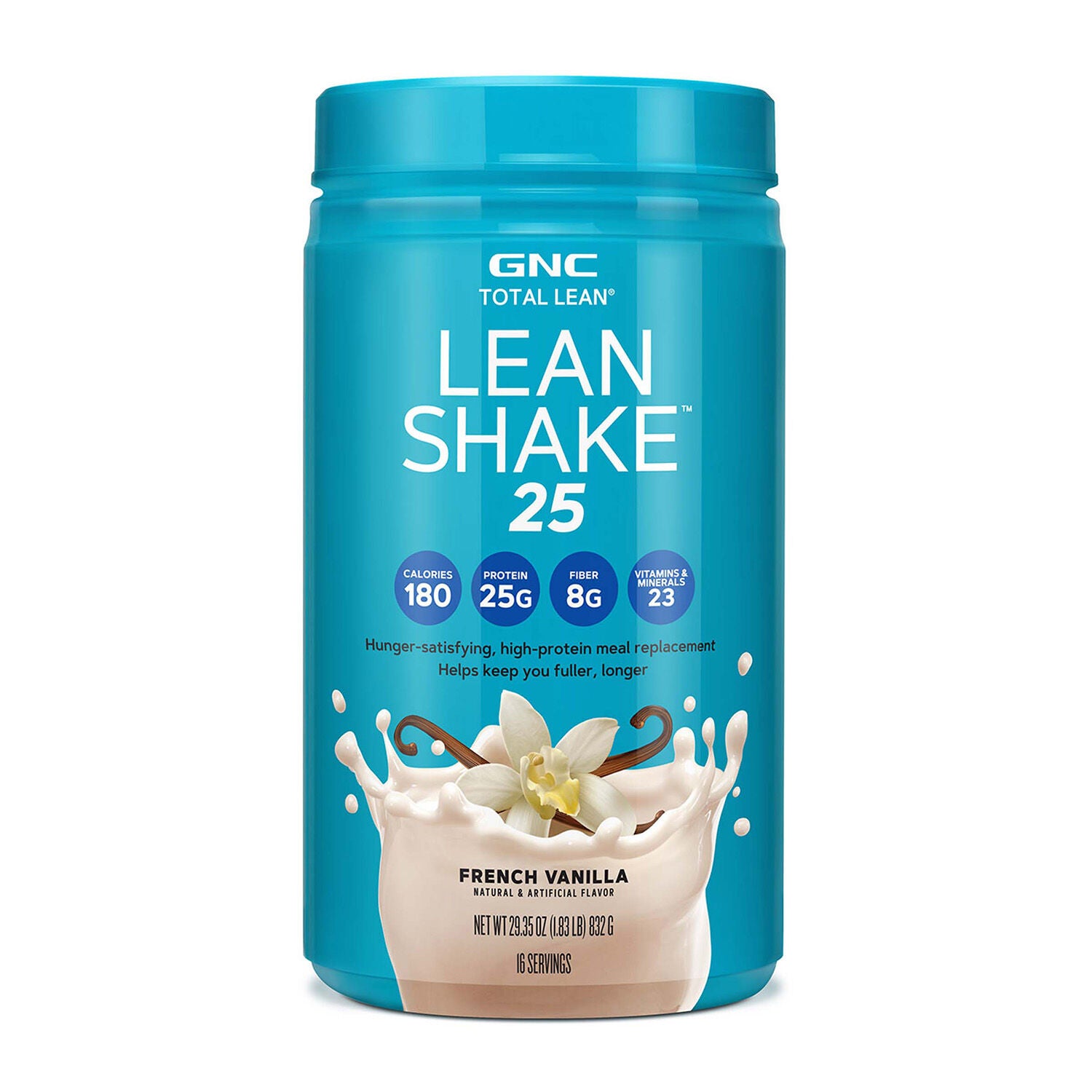
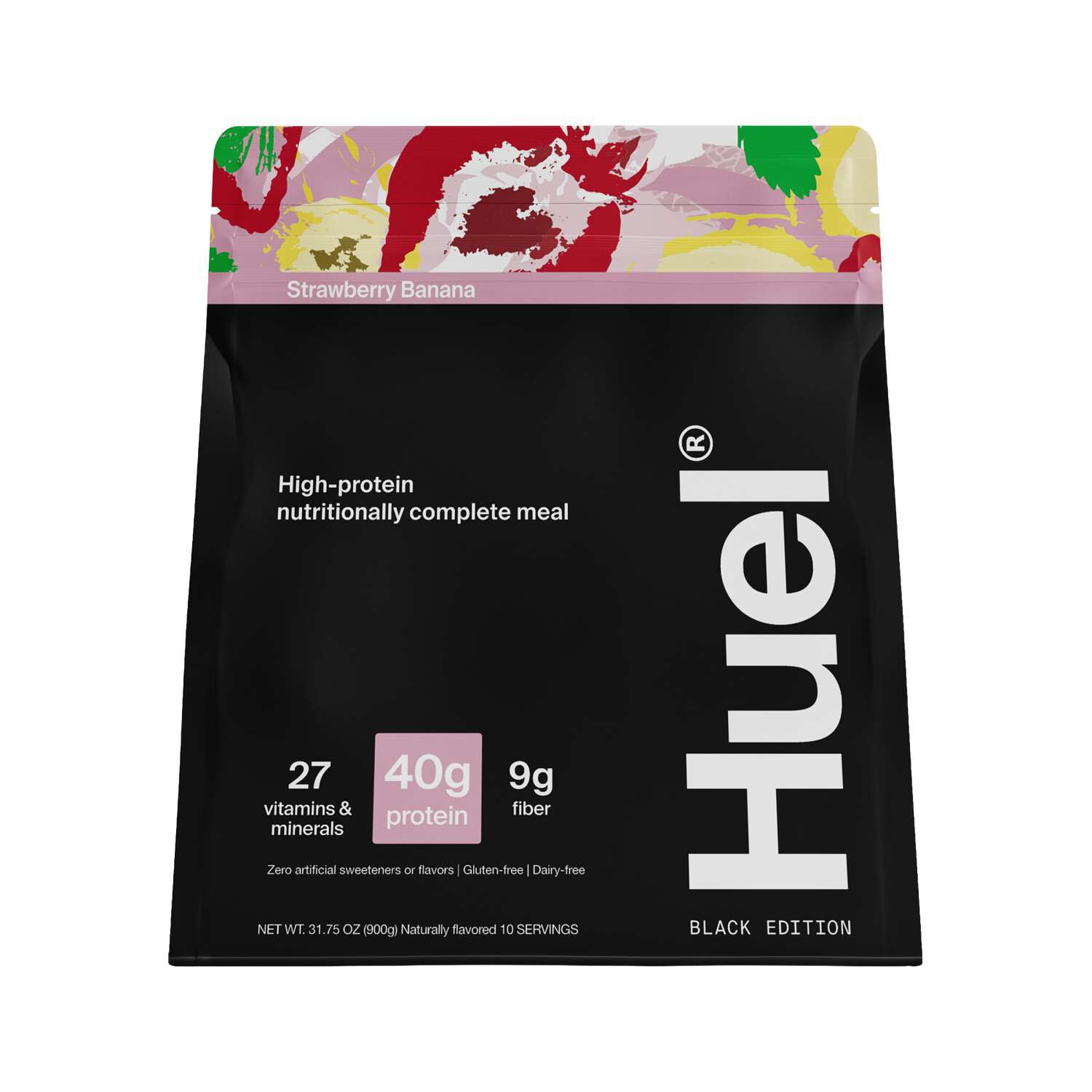
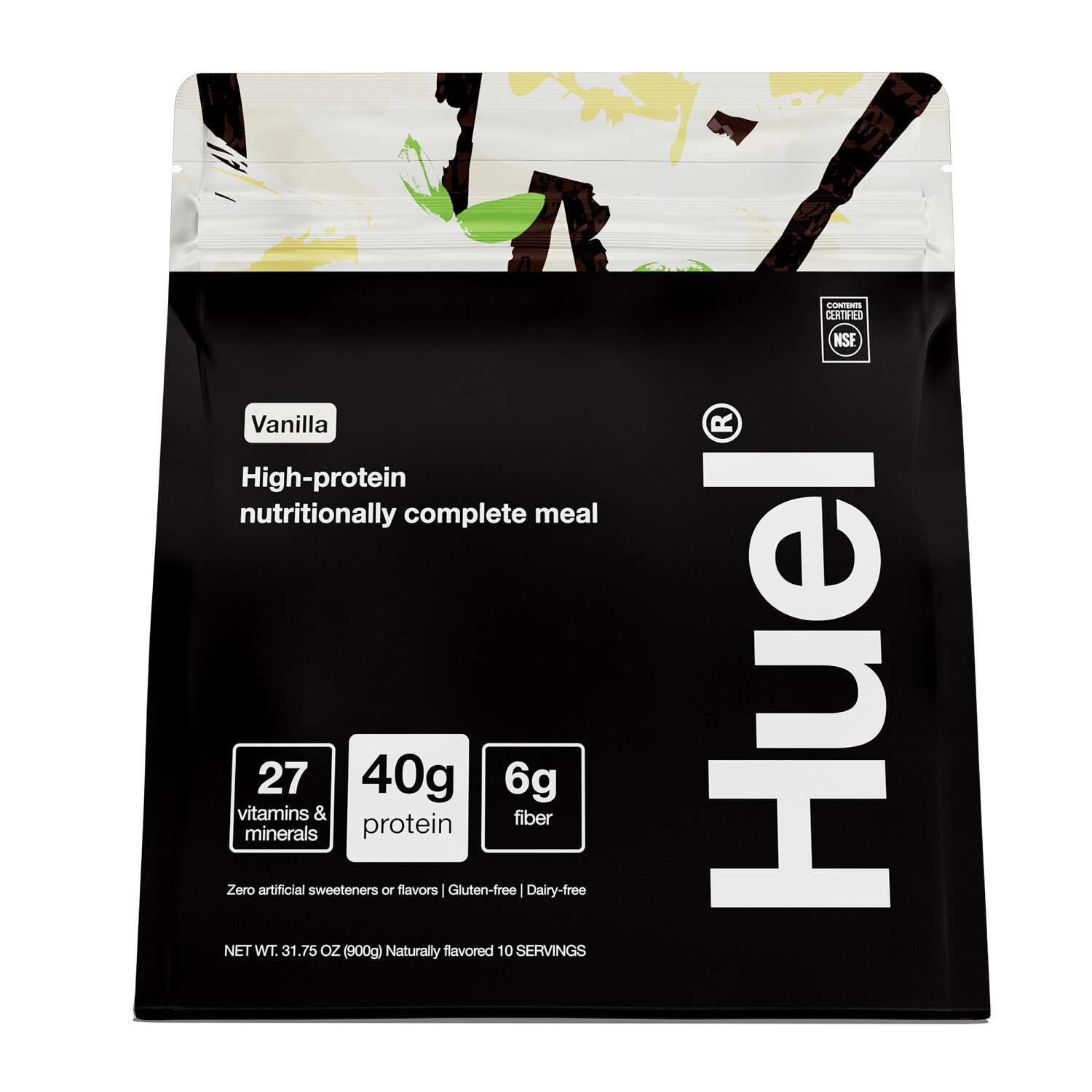
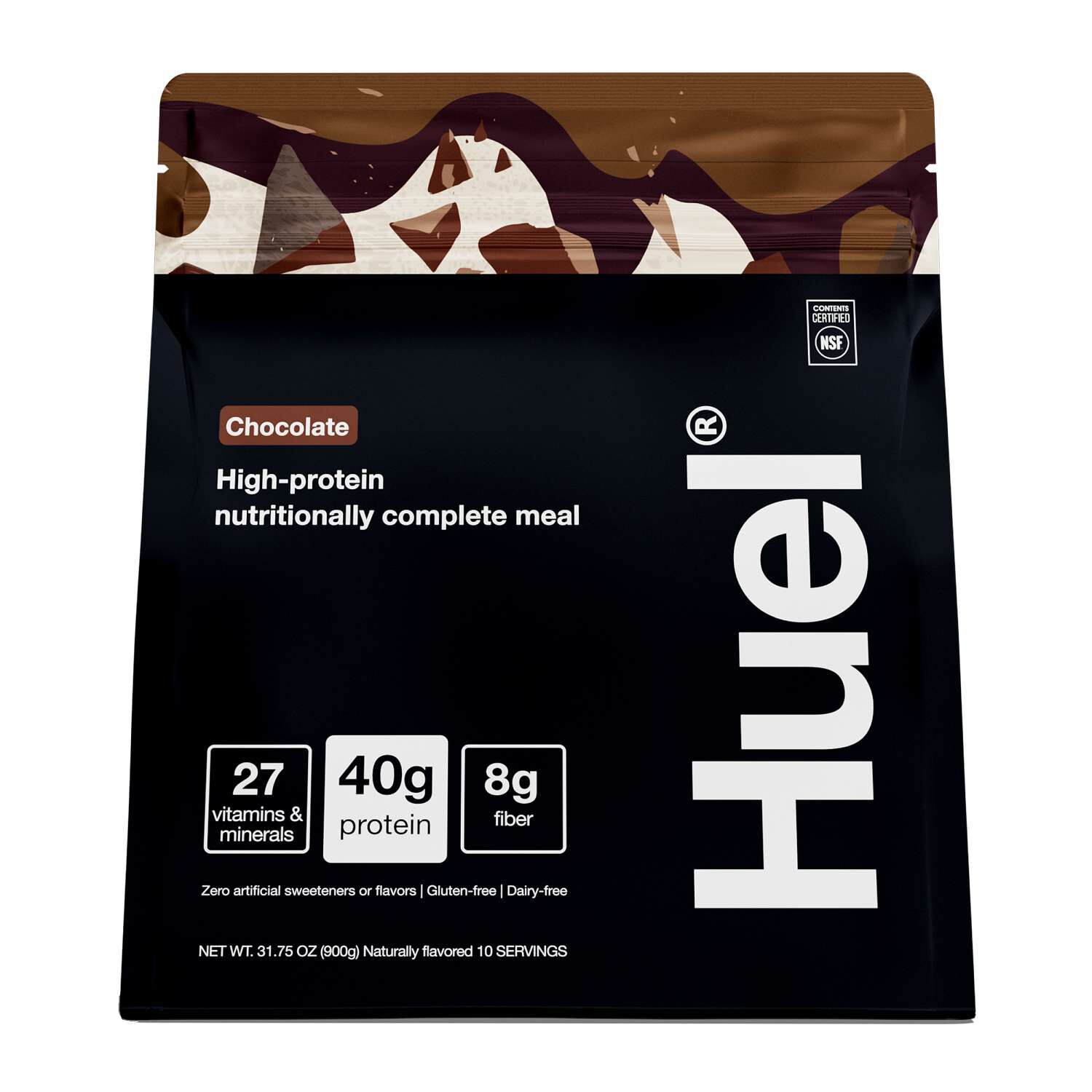
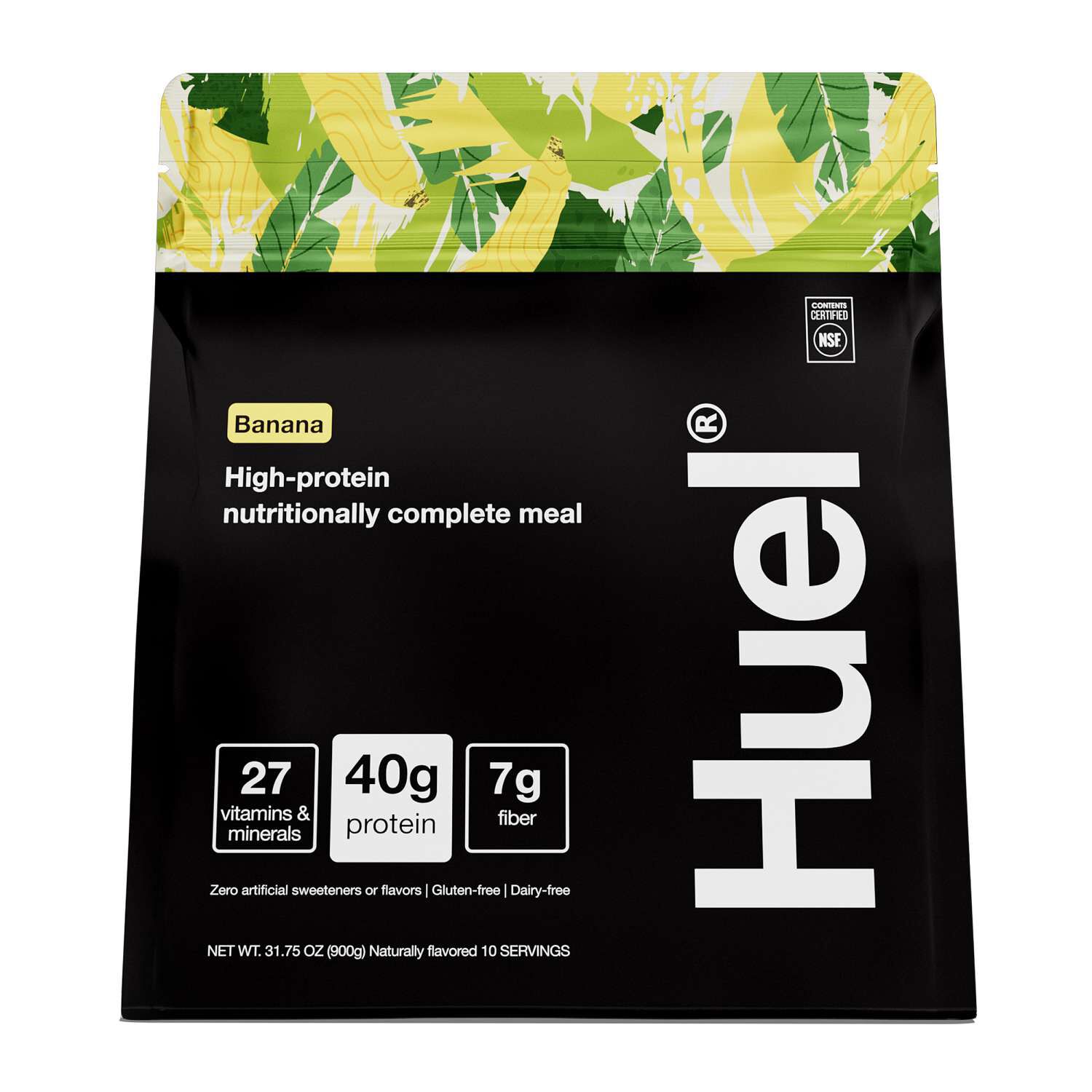

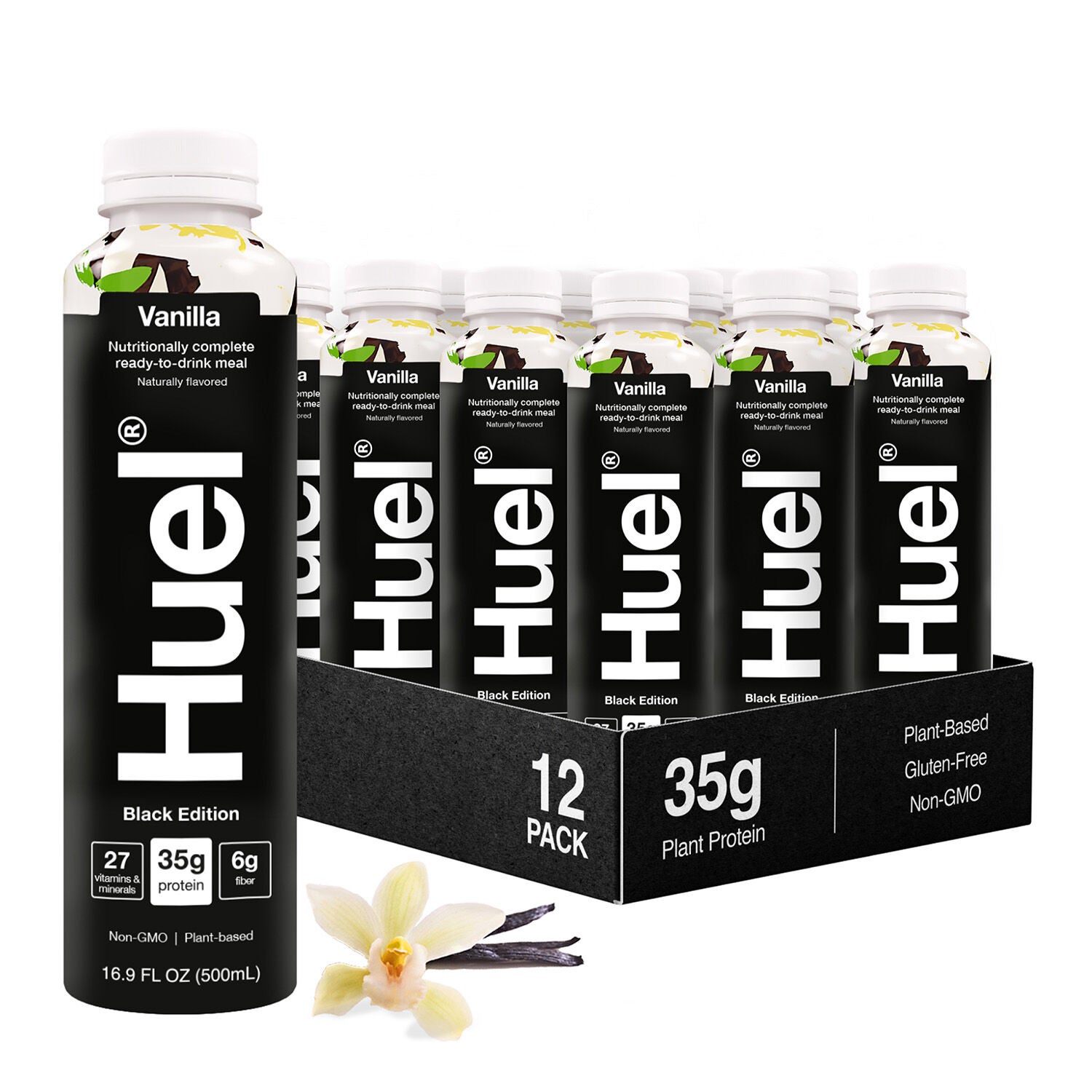

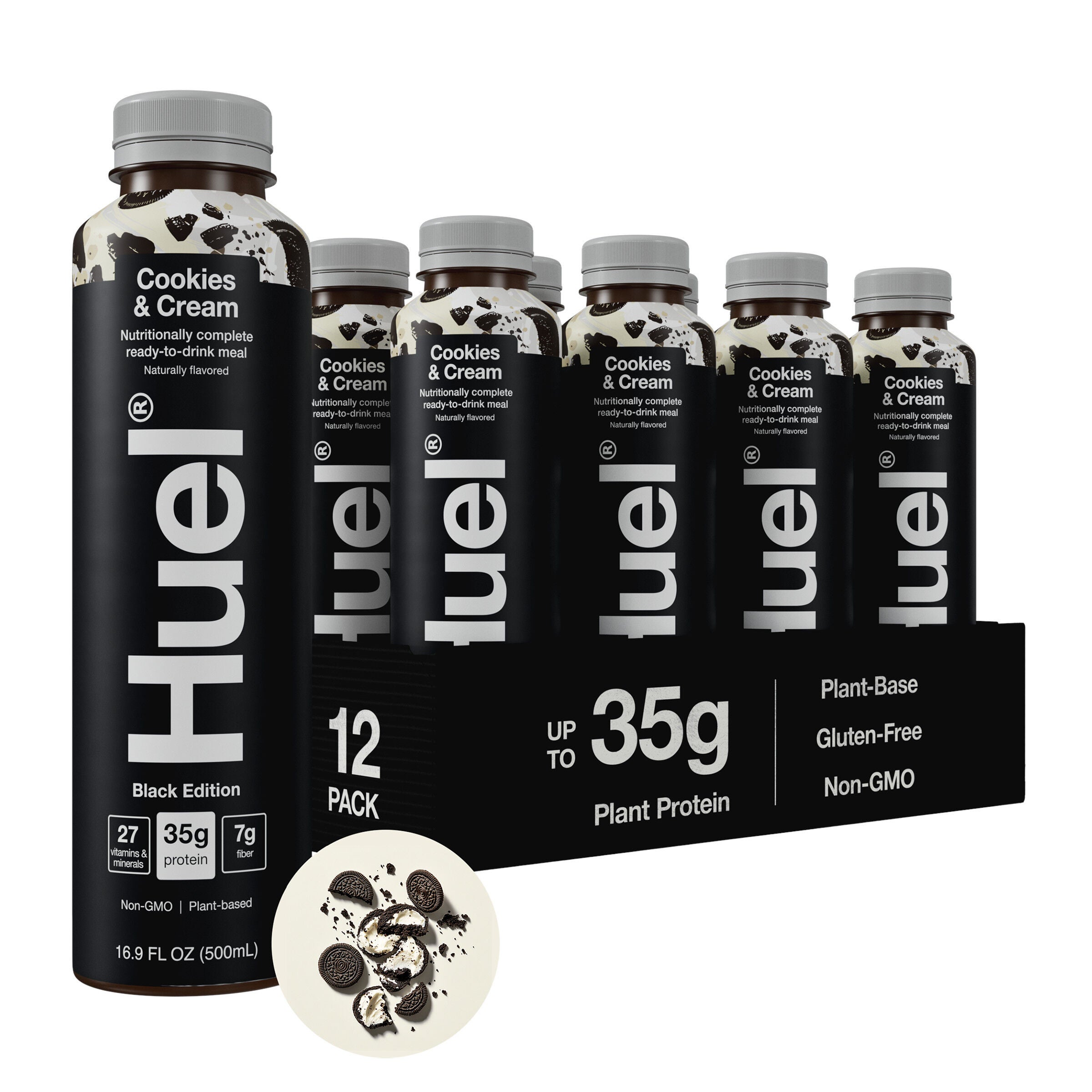
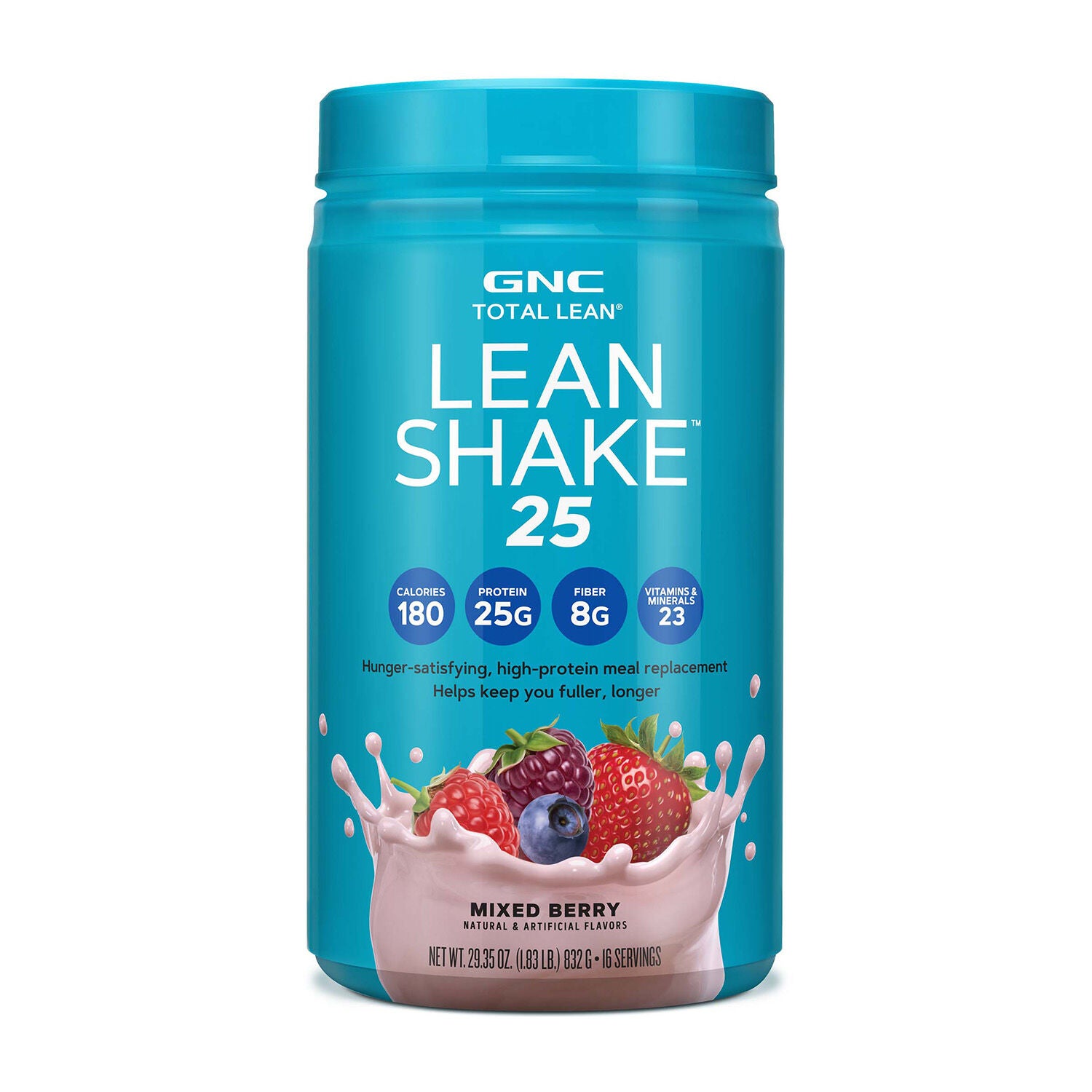

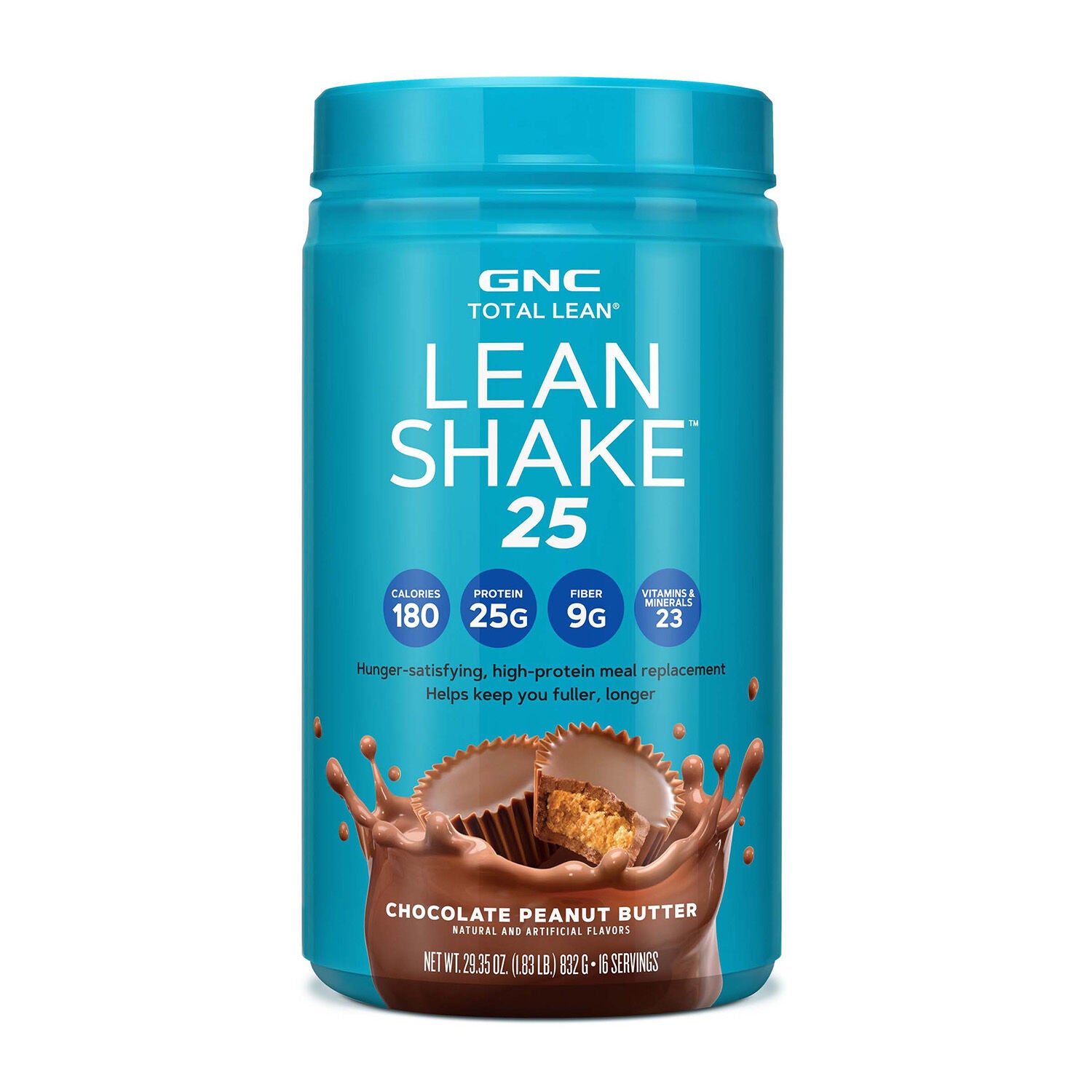
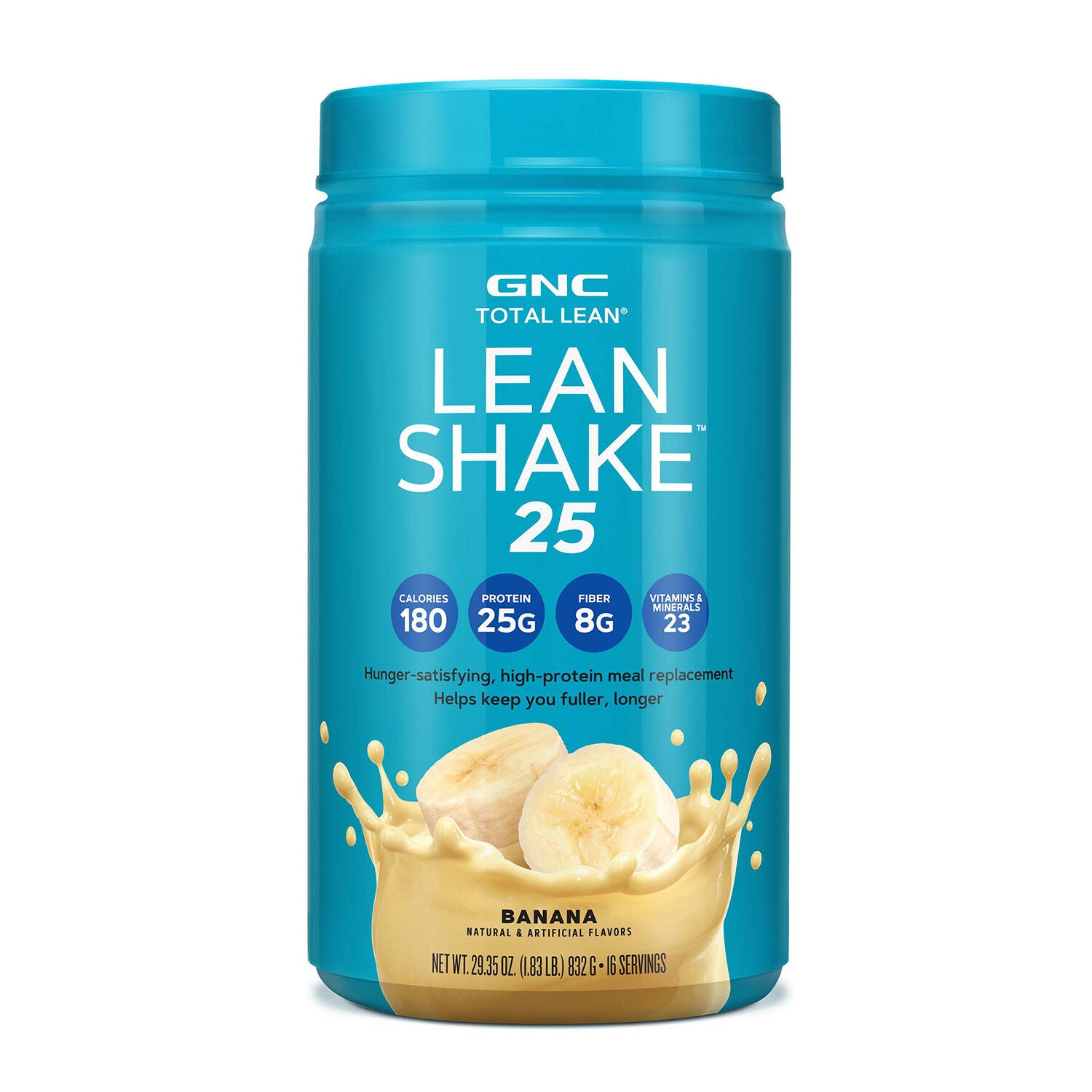
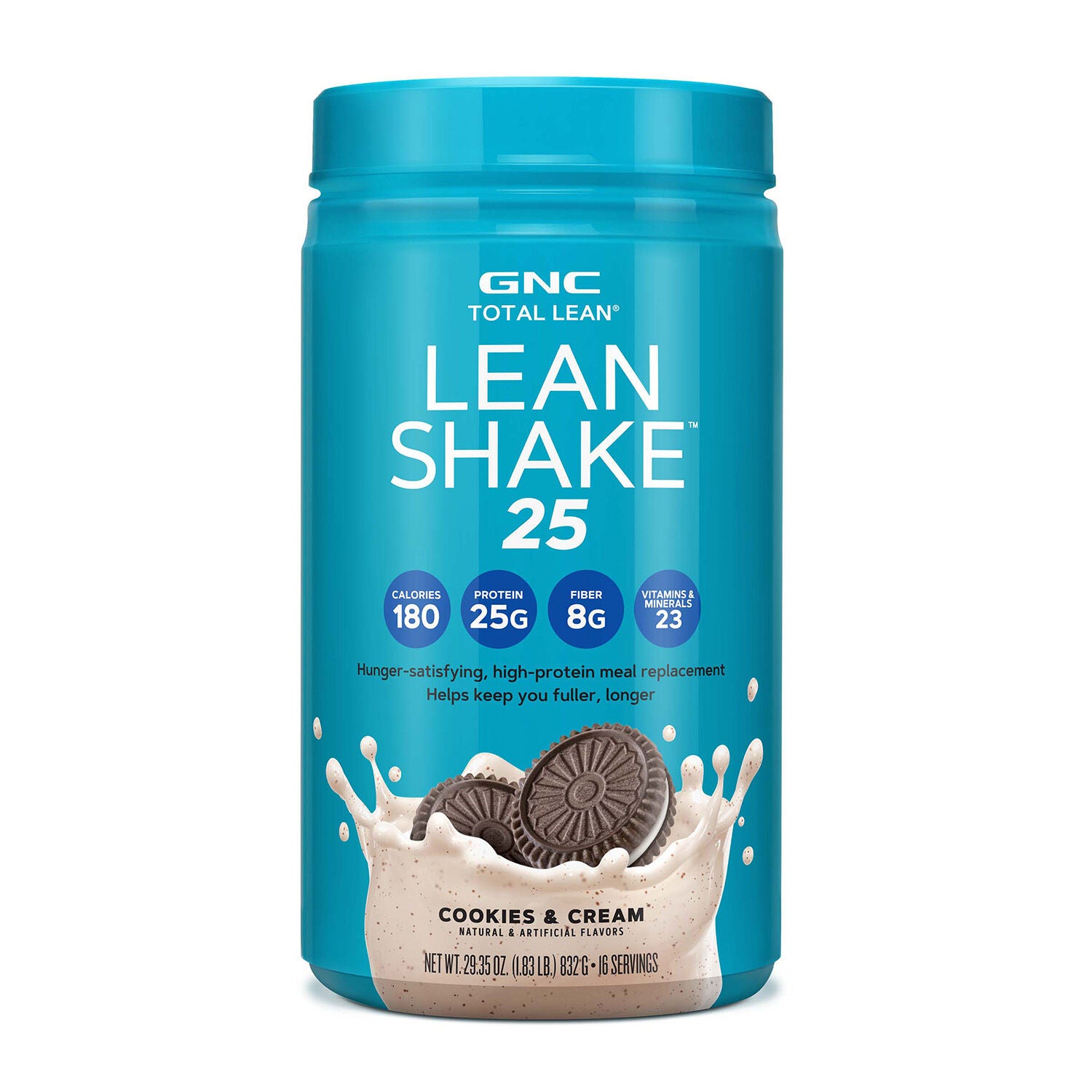

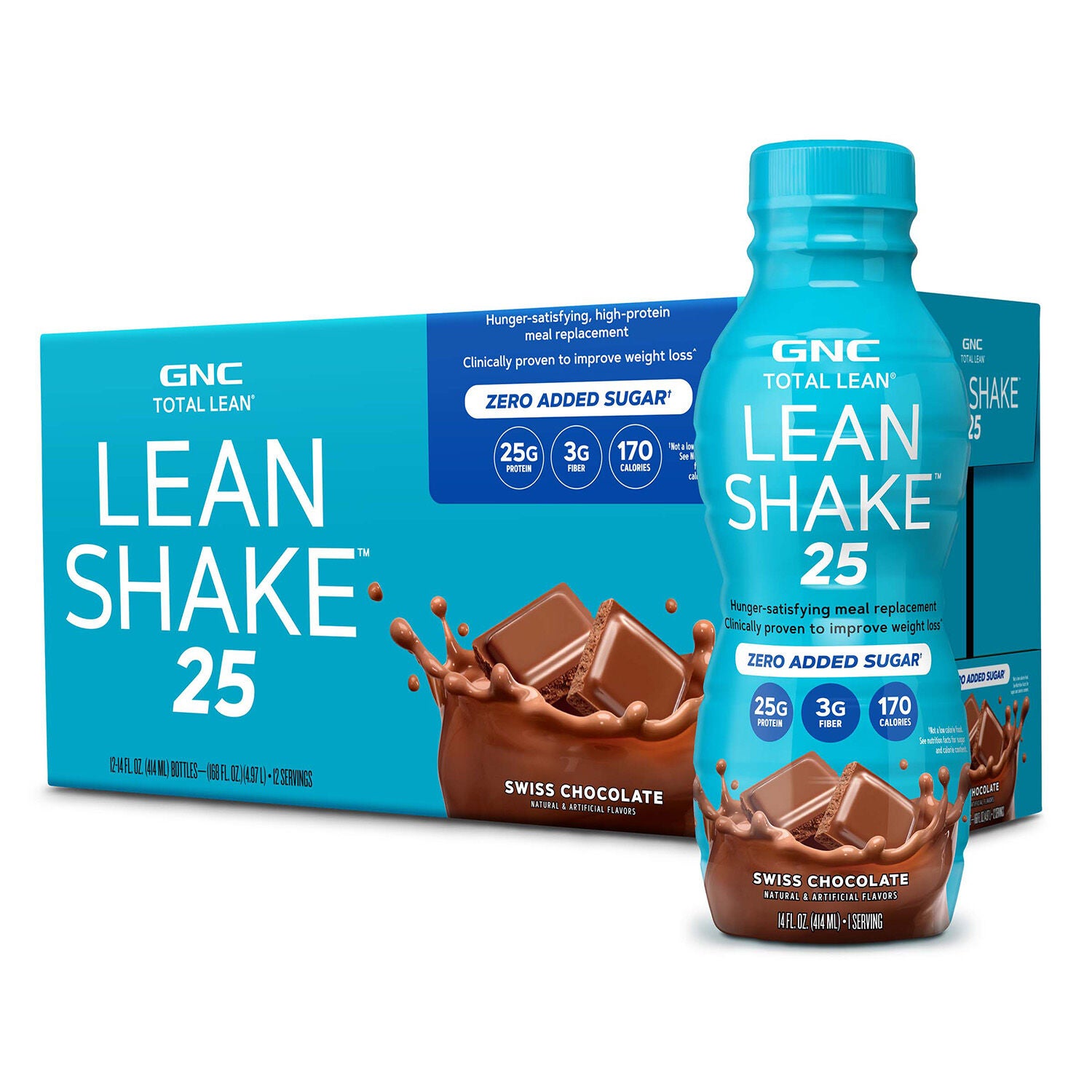
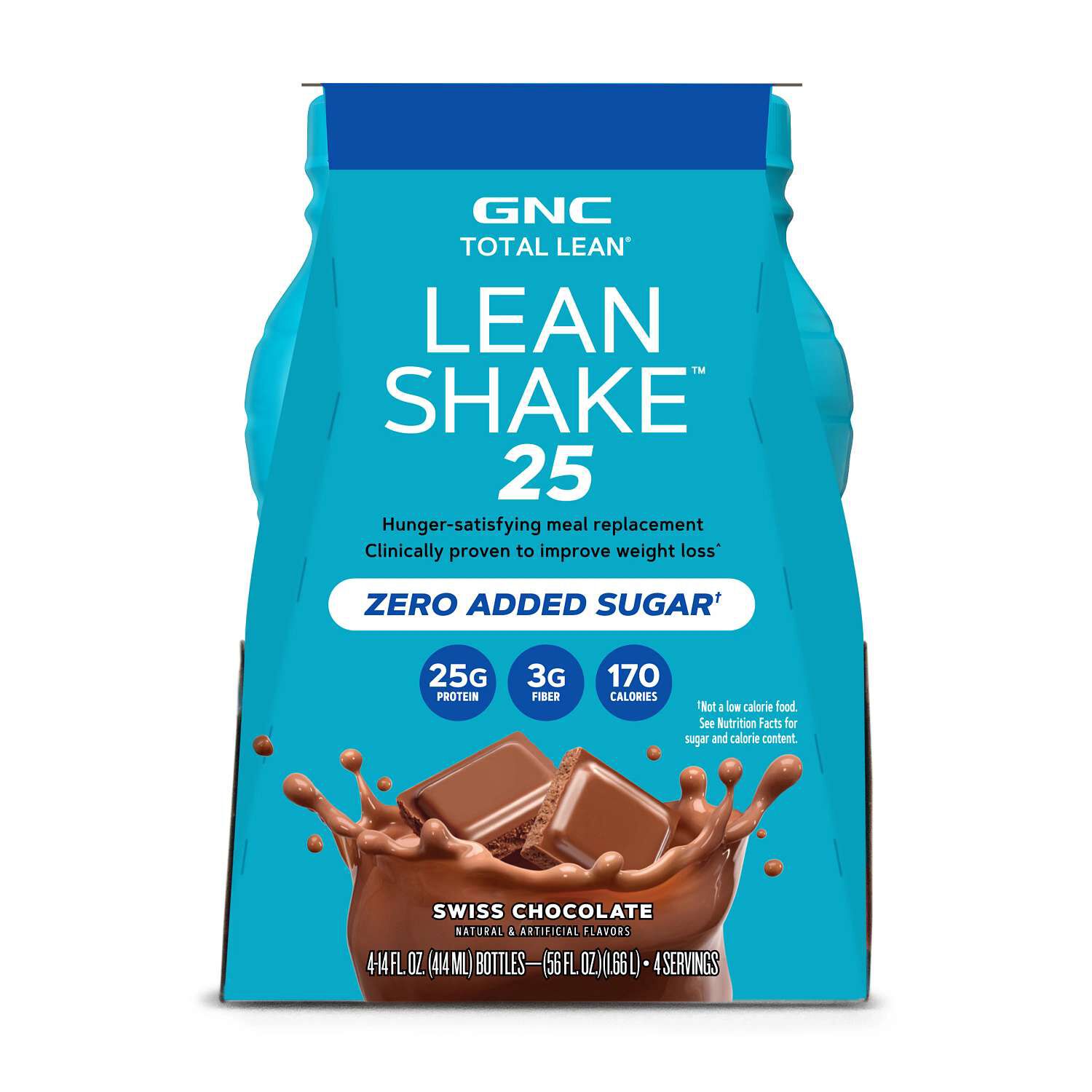
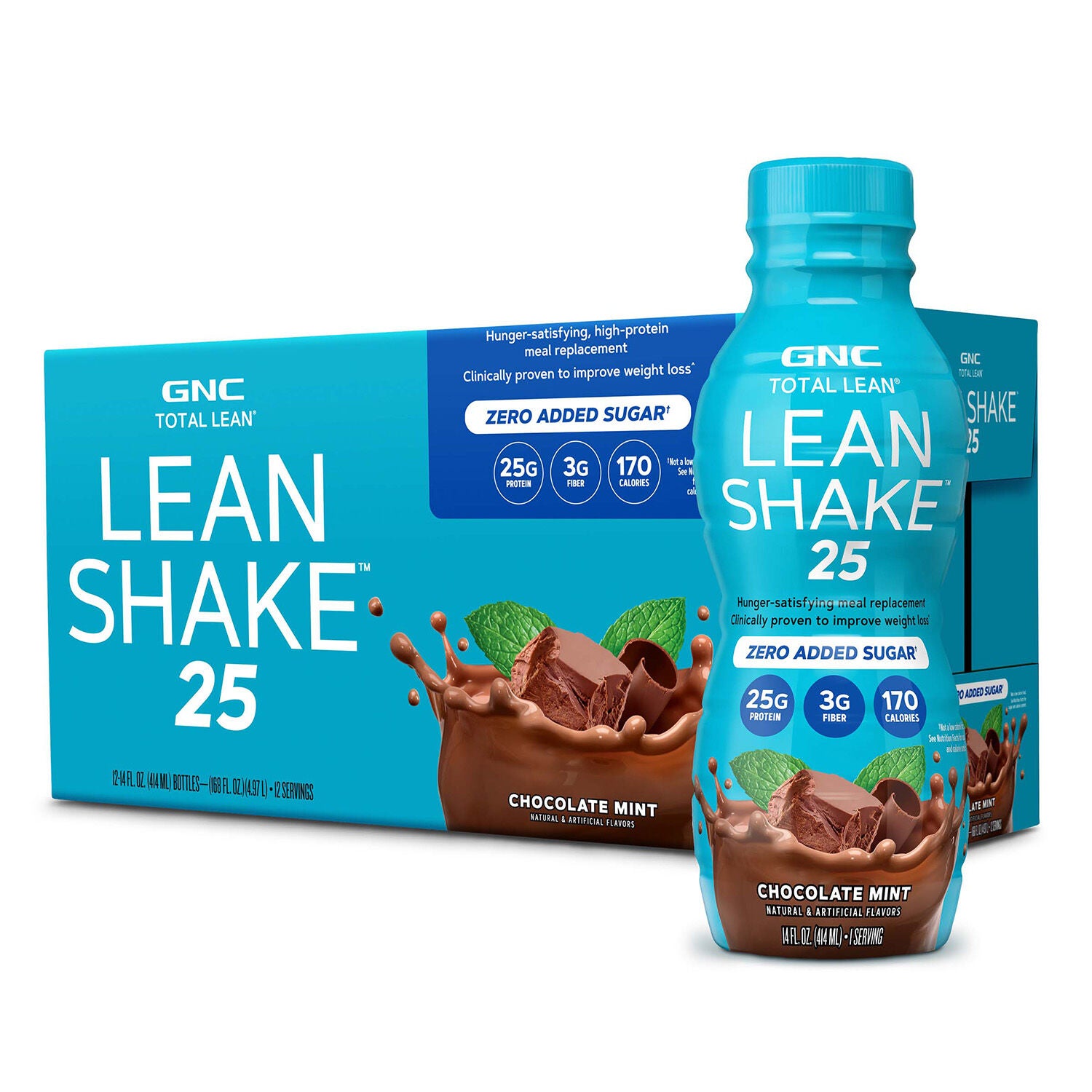

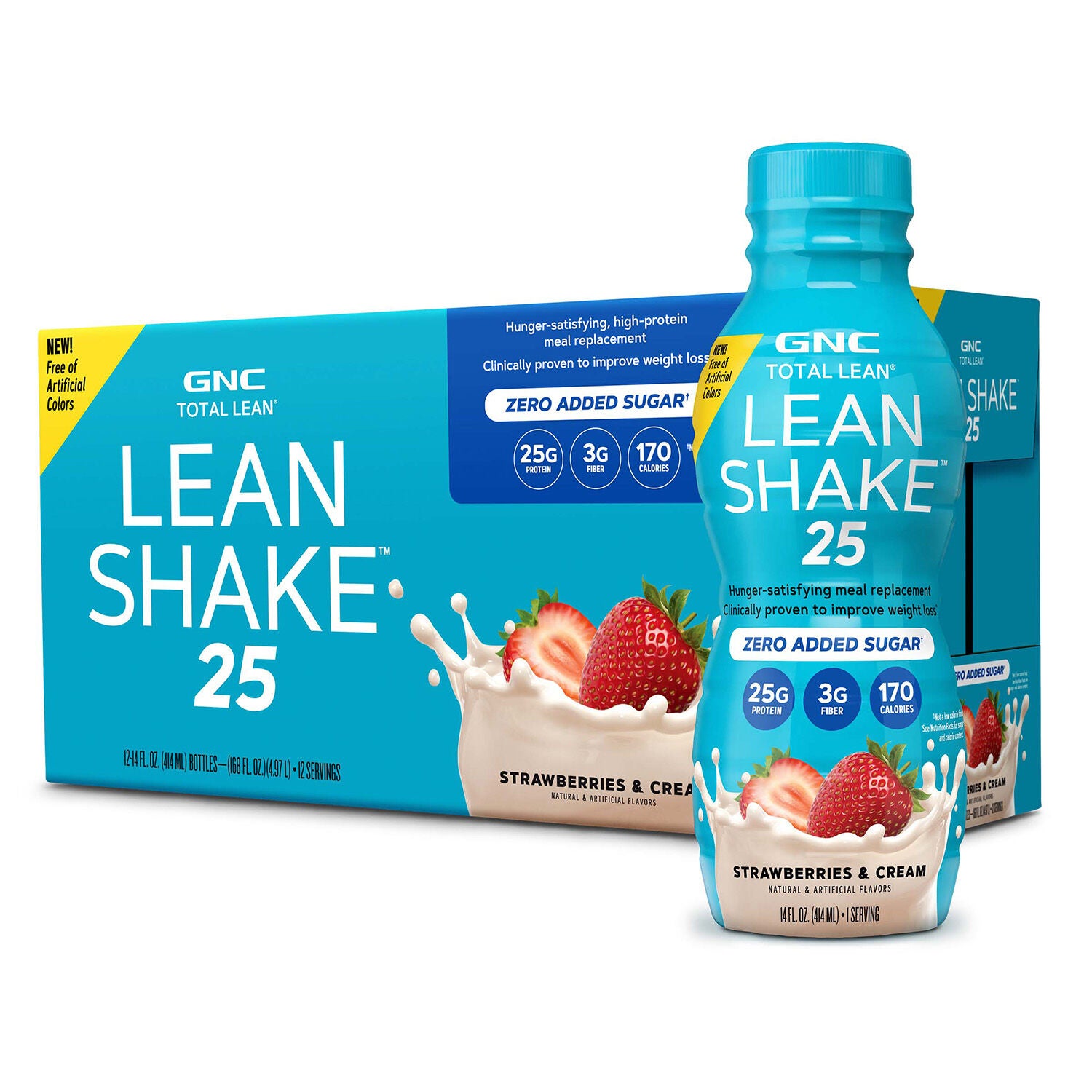
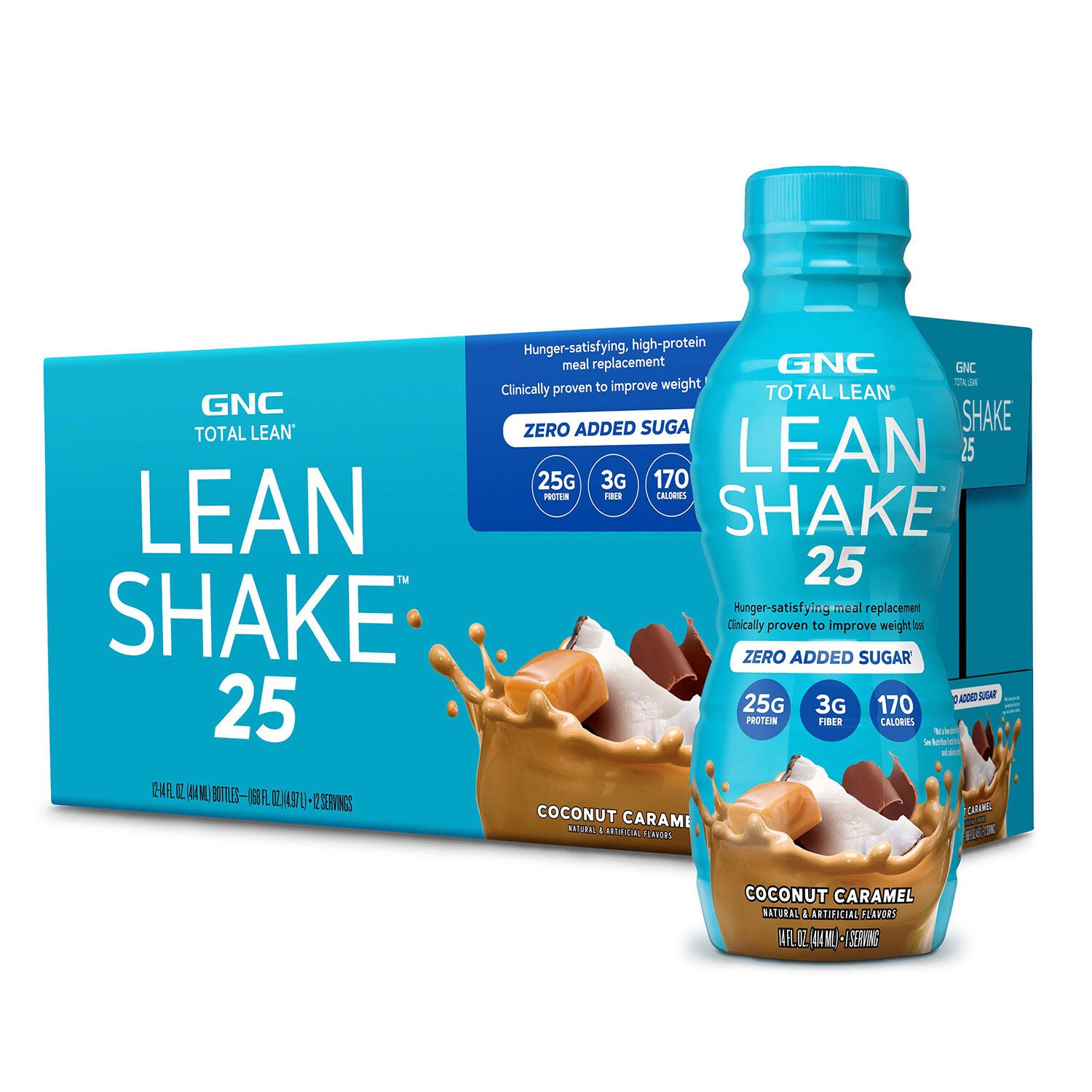
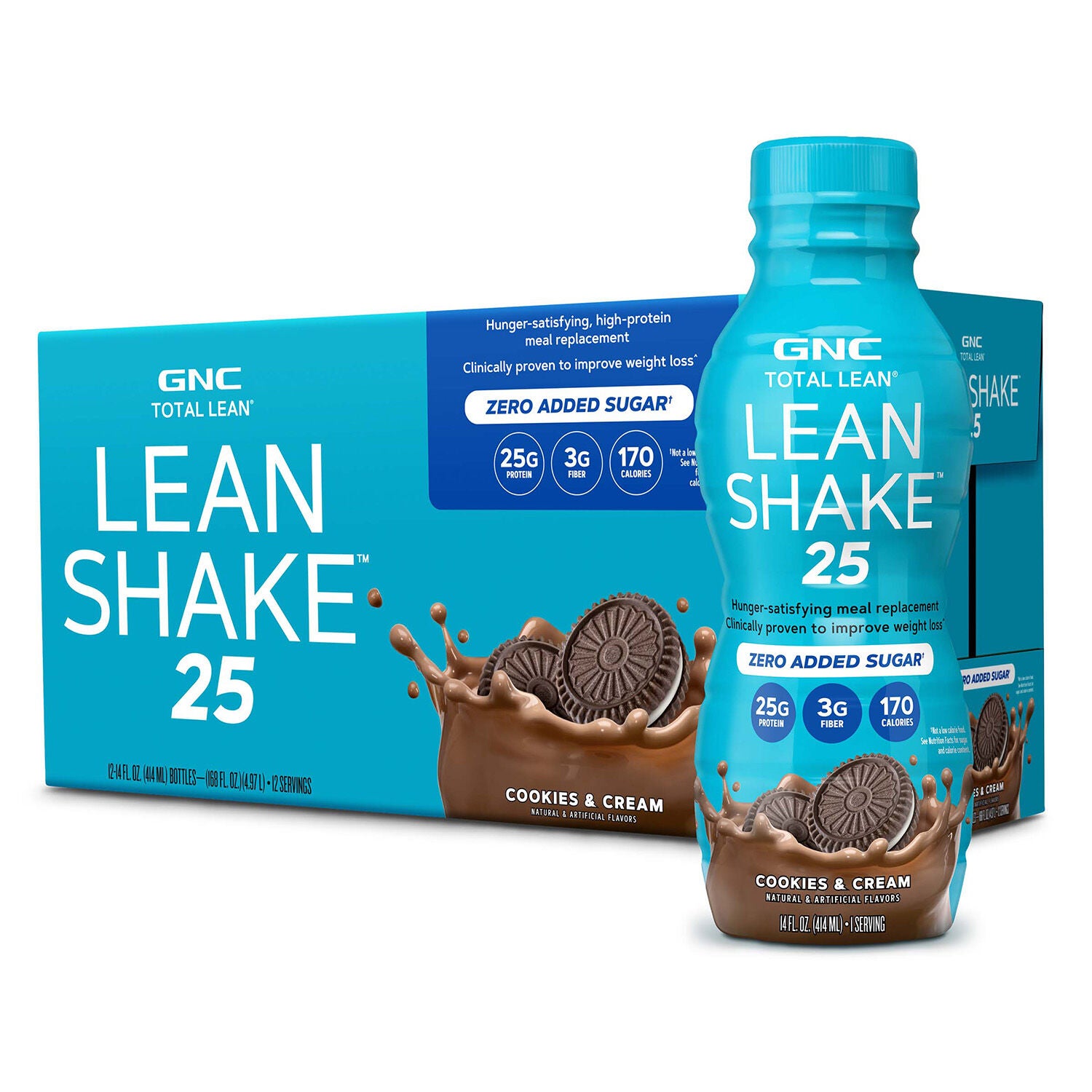

Nutritionally balanced meal shakes bring protein, carbohydrates, fats, fiber, and a range of vitamins and minerals into a drinkable format intended for a meal occasion. Their defining feature is the combination of nutrients, rather than a high protein number alone. A protein shake typically centers on protein, while a shake formulated as a meal replacement generally includes a broader mix of macronutrients and added vitamins and minerals. The distinction matters when comparing something to sip alongside breakfast with something intended for an occasional breakfast or lunch on its own. The nutrition label offers a clearer picture than flavor names or front-label descriptions: calories per serving, grams of protein, carbohydrate and fat content, dietary fiber, and listed vitamins and minerals all belong in the comparison. There is no single calorie count or protein-to-carbohydrate ratio that makes every shake suitable for every person or every meal. A smaller serving paired with toast and fruit is a different eating occasion from a shake packed as the main part of lunch. Ingredients also vary, with milk-derived proteins such as whey and casein appearing in some formulas, and pea, soy, or other plant proteins appearing in others. Carbohydrates can come from ingredients such as oats or other grains, while fats may come from oils, seeds, or nuts. Some formulas include added fiber, and others get part of their fiber from food ingredients. Calcium, iron, vitamin D, and B vitamins are among the nutrients that may appear on the label, though the amounts differ by formula. For shoppers comparing Meal Replacement Shakes, these details provide a practical starting point for understanding the intended use of each format. A balanced shake is best understood through its actual ingredient list, serving instructions, and nutrient amounts, not through the assumption that all shakes serve the same purpose. The result is a category with different approaches to meal convenience, from simple bottled drinks to powders prepared at home.
Powders and ready-to-drink shakes suit different routines, and the distinction extends beyond the package. A powder requires measuring, liquid, and a shaker cup or blender; a bottled shake arrives already mixed. For someone preparing breakfast before a commute, a powder offers control over the liquid and consistency. For someone eating between meetings, a ready-to-drink format may be more convenient when there is no kitchen nearby. The preparation method changes the finished drink, so label comparisons should use the same basis. Nutrition facts for a dry powder mixed with water are not interchangeable with the numbers for that powder prepared with milk or another beverage. Added fruit, nut butter, oats, or yogurt changes the serving’s calories and nutrient content as well as its flavor and texture. A banana blended into a vanilla-style shake may create a thicker drink, while extra liquid may produce a lighter consistency. Serving size deserves the same attention: one scoop is not always one serving, and the number of servings in a container can vary. With bottled formats, check whether the nutrition panel describes the whole bottle or a portion of it. Taste and mouthfeel are equally relevant to everyday use. Some shakes have a smooth, milkshake-like texture, while others are thinner or have a noticeable grain character from their ingredients. Cocoa, vanilla, and fruit flavors offer different pairings with familiar foods, and sweetness varies with the sweeteners used. Ingredient lists identify sources of added sugars and other sweetening ingredients, giving shoppers another useful point of comparison. Dietary preferences require a closer look at the full label rather than assumptions based on the protein source. A plant-protein formula can still contain other ingredients that do not fit a particular eating pattern. Anyone avoiding certain ingredients should check allergen statements and preparation directions, including the ingredients in the mixing liquid. For a shared household, individual flavor preferences, serving sizes, and ingredient needs may make separate portions more practical than one large blended batch.
The appeal of nutritionally balanced meal shakes often lies in the ordinary moments when a sit-down meal is harder to arrange: an early start, a crowded class schedule, a long commute, or a workday with a short lunch window. Adults balancing these routines may appreciate a format that takes less preparation than cooking, while people who enjoy assembling their own meals may prefer using a shake alongside familiar foods. A drink paired with a piece of fruit, a sandwich, or a bowl of oatmeal creates a different meal than the drink alone, and the appropriate portion depends on that larger context. Meal shakes are not interchangeable with every food a person eats; variety still matters, including different textures, ingredients, and eating experiences across the day. Practical packaging details also shape how well a format fits. A bottle needs space in a bag and storage conditions that match its label. A powder container needs a dry place, a secure lid, and a clean measuring scoop. Individually portioned powder packets may suit travel, but they still require suitable liquid and a mixing vessel. Shelf-stable packaging does not mean a drink can be stored anywhere under any conditions, and opened containers may need refrigeration. Follow the product’s directions for storage, use after opening, and date markings rather than assuming every format behaves alike. Prepared shakes also need attention to the ingredients added, especially when mixed with refrigerated beverages or yogurt. Shaker cups with removable lids and mixing inserts are easier to inspect during washing, and prompt cleaning may help keep residue from collecting around seals and threads. During the cooler months, an indoor desk drawer or pantry shelf can be more appropriate than leaving a container in a car exposed to temperature swings, provided the label permits that storage setting. These small details connect nutrition information with everyday practicality. The most relevant comparisons are the shake’s intended role, its nutrient mix per prepared serving, its ingredients, and the preparation and storage routine it requires. Together, they make it easier to distinguish a convenient meal format from a protein-focused drink or a lighter snack.
Best Sellers

Related Pages
Top Collections
- Top Rated Collagen | Shop Customer Favorites | GNC
- Cortisol Supplements
- Vitamins For Hair Loss
- NAD+ Supplement Tablets
- Peptide Supplements
- Best Brand of Magnesium Glycinate
- Vitamins That Help Support Weight Gain
- Protein Powders For Muscle Growth Support
- Spirulina Tablets
- Peptide Supplements for Muscle Growth