





Protein Powders And Shakes For Muscle Gain
(0 Results)
Looking to pack on lean muscle and boost your gains? GNC's selection of protein shakes for muscle gain is here to help you reach your fitness goals. Packed with high-quality protein and essential nutrients, these shakes are designed to fuel your muscles, support recovery, and enhance performance. Whether you're a seasoned athlete or just starting your fitness journey, our range of protein shakes offers a convenient and delicious way to increase your daily protein intake and maximize your results.


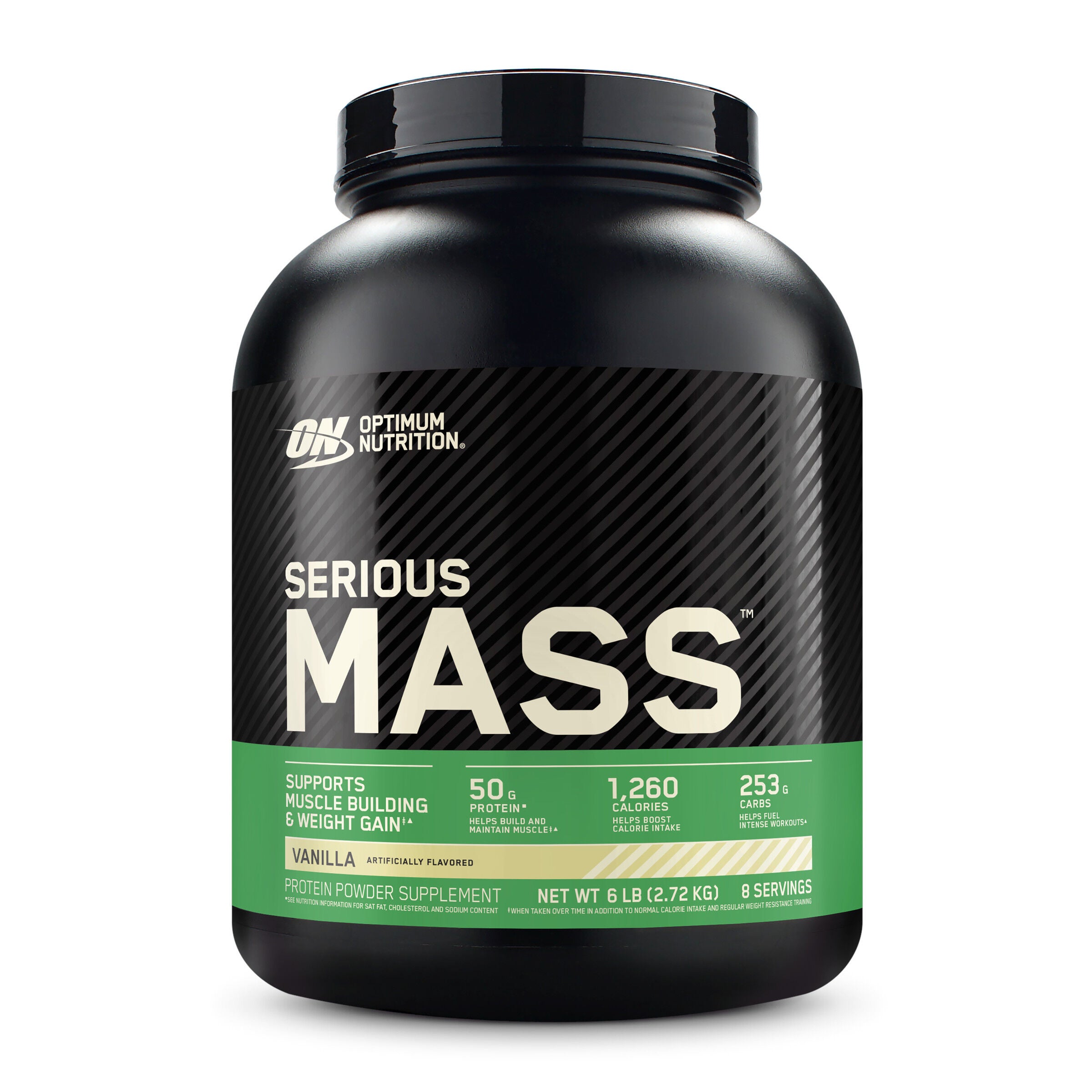
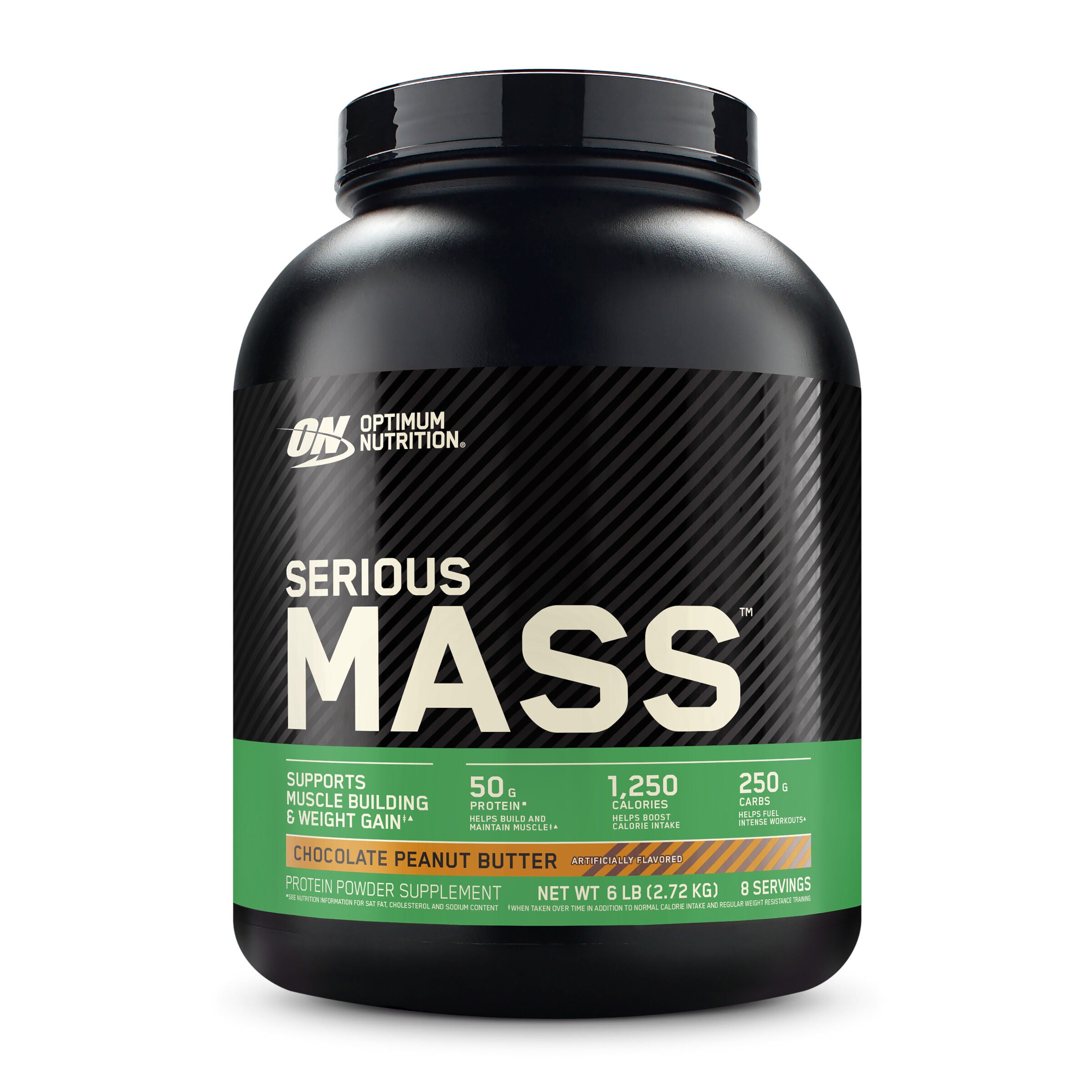

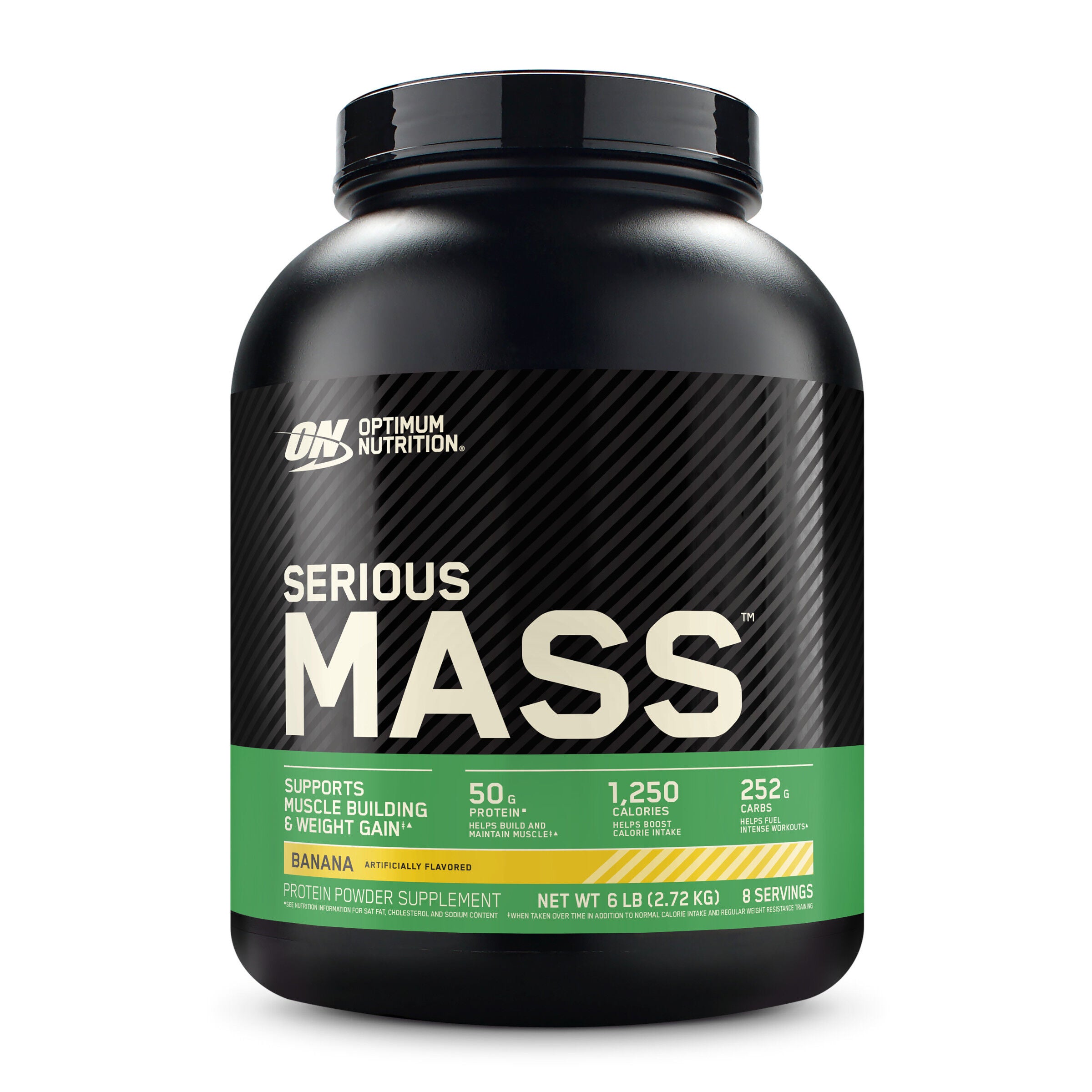

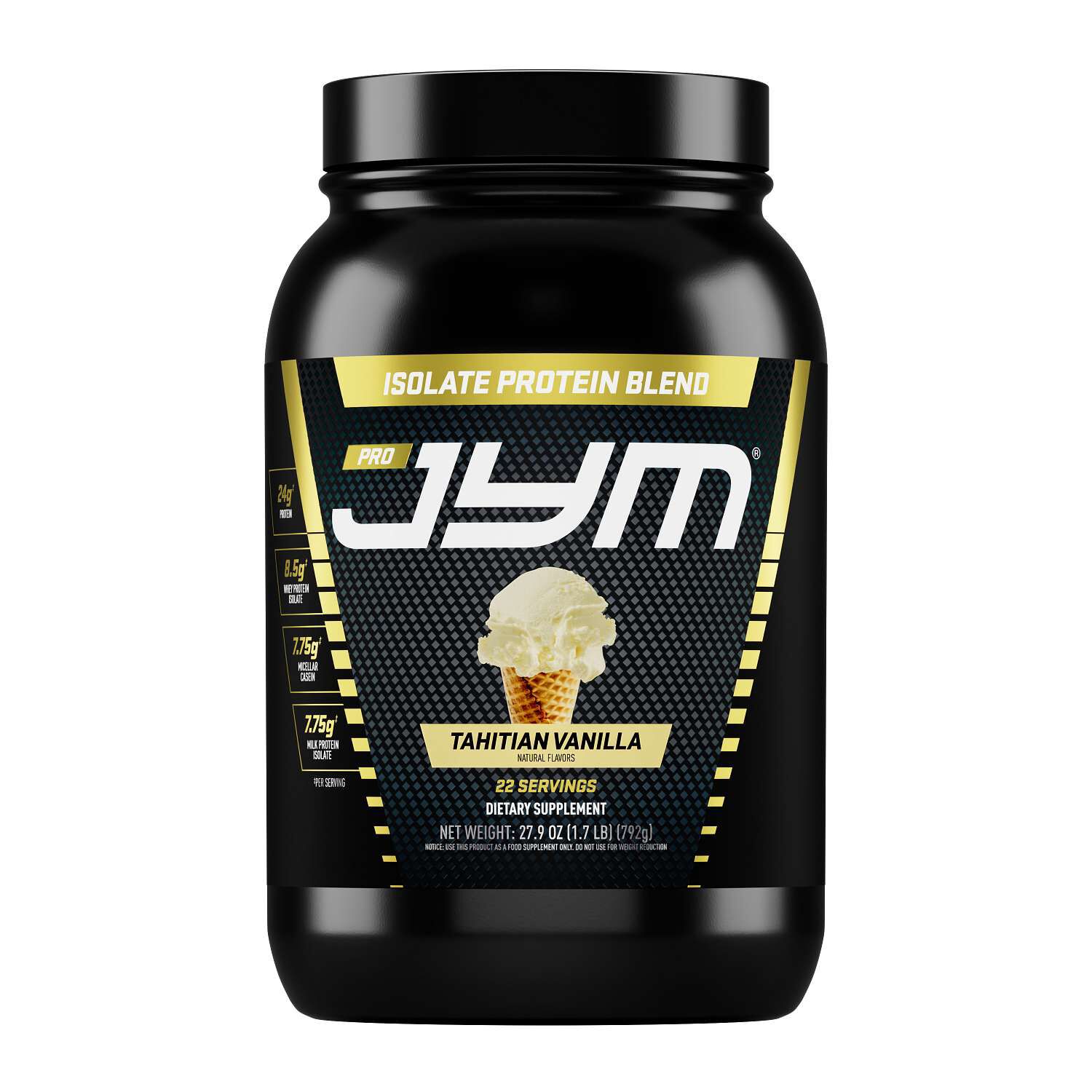
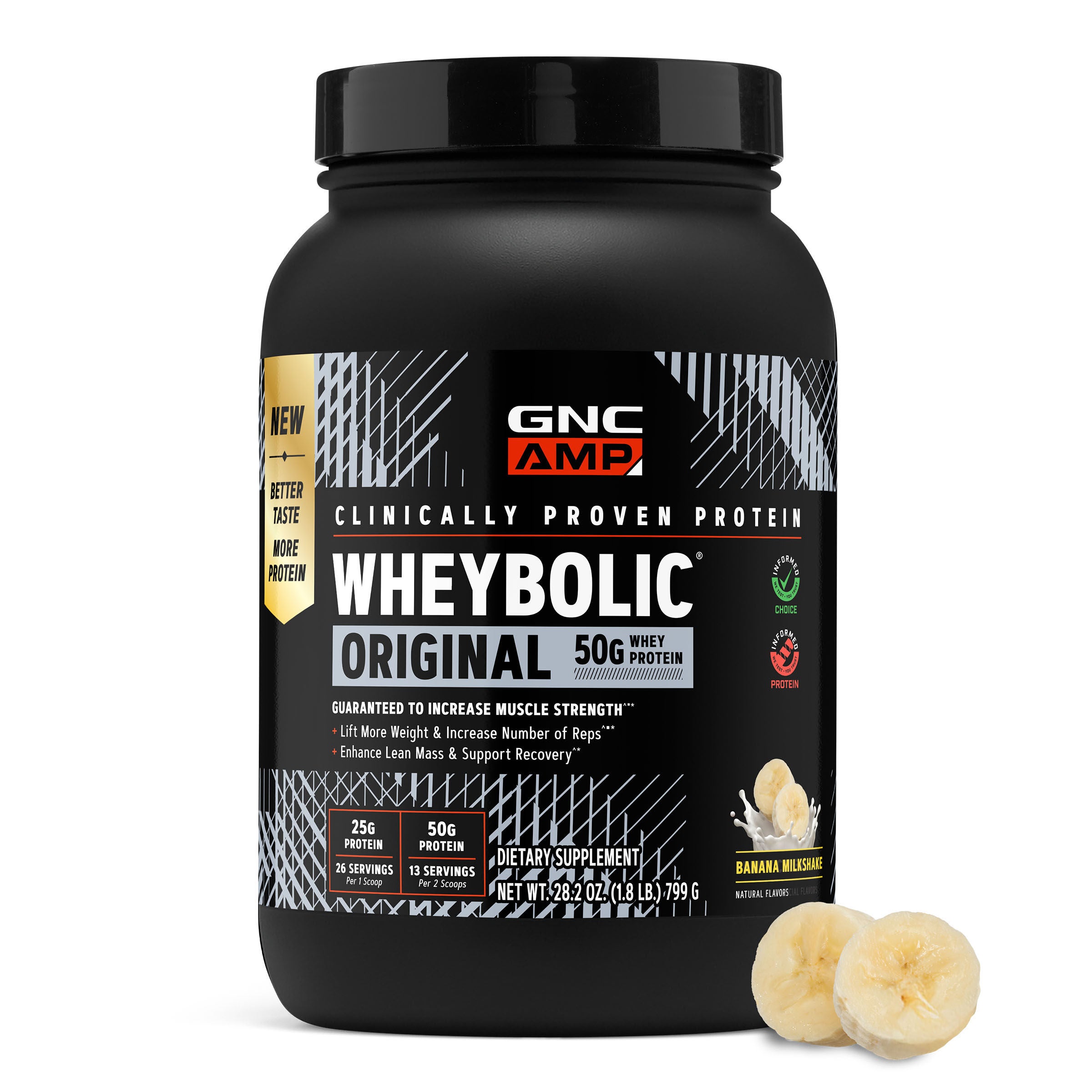

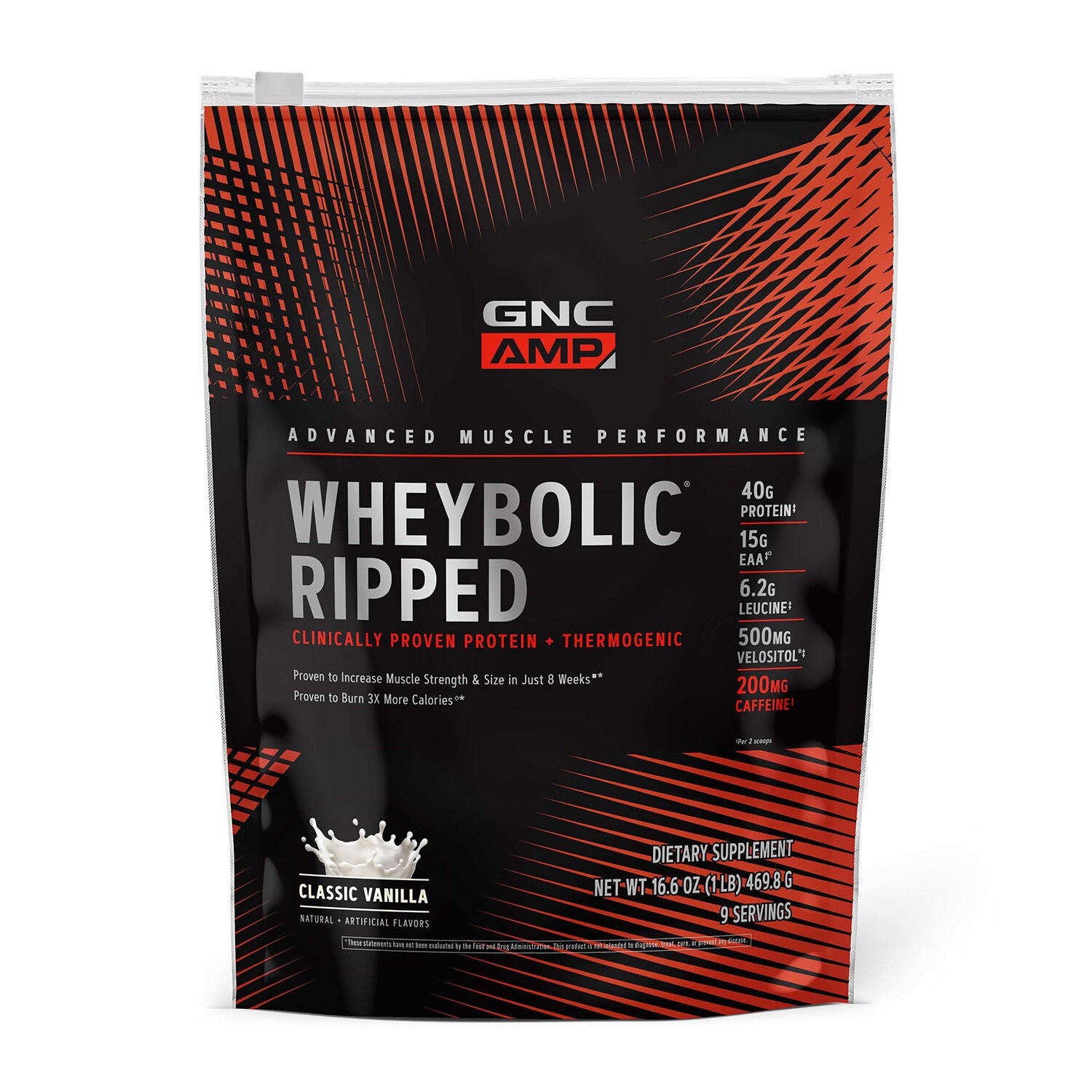


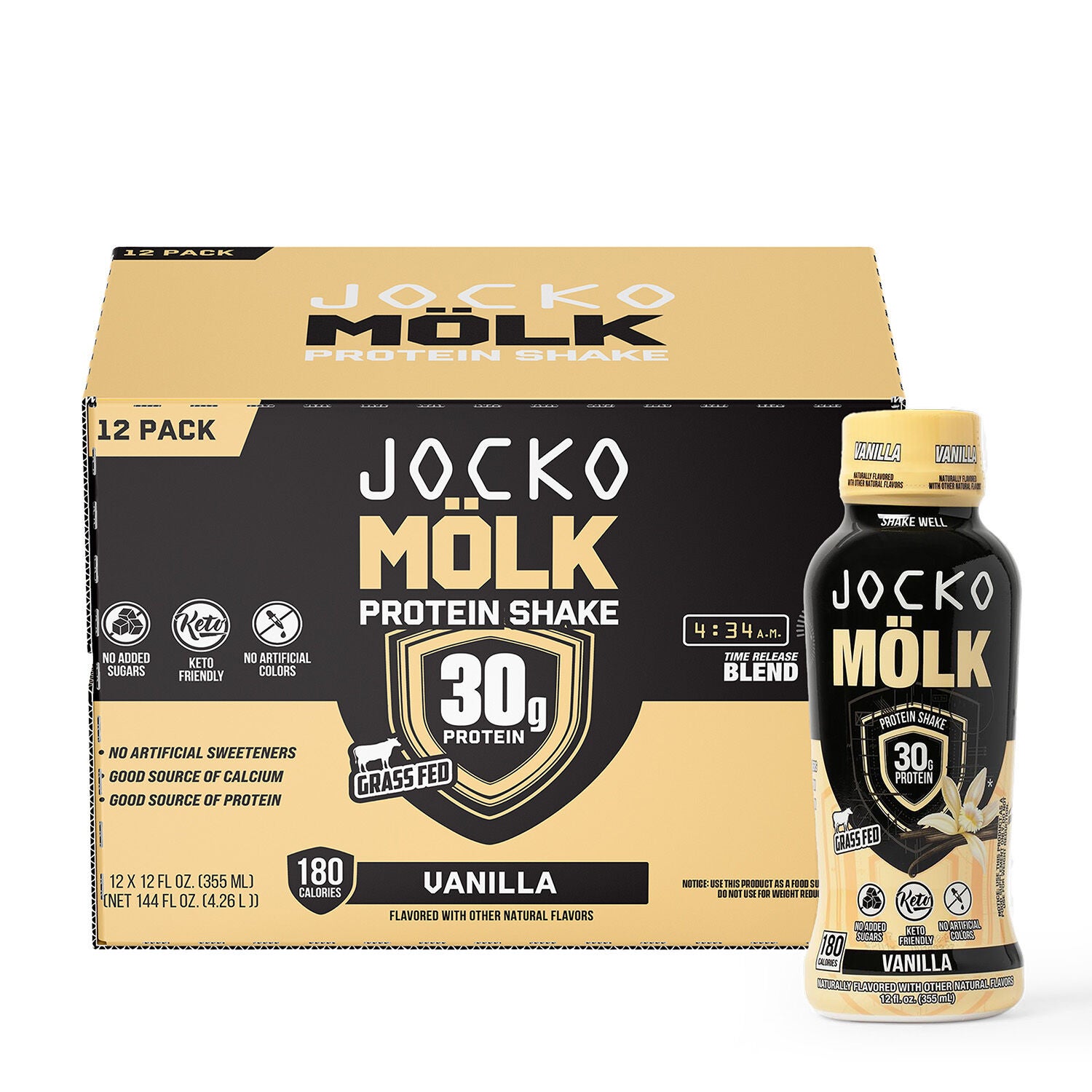


Protein powders and shakes for muscle gain may support muscle-building goals when paired with consistent resistance training, adequate food intake, and rest. They offer a convenient way to add protein to an eating routine, rather than a replacement for regular meals or a substitute for training. Protein is made up of amino acids, and powders and shakes use different sources, including whey, casein, egg, soy, pea, rice, or blends. That variety gives this category a range of flavors, textures, and nutritional profiles, from a light shake mixed with water to a thicker blend prepared with milk or a milk alternative. Powder allows flexibility in portion size and preparation, while ready-to-drink shakes offer a measured serving in a portable bottle or carton. Someone heading from the office to the gym might value a sealed drink that fits into a work bag; someone with a blender at home might prefer a powder that can be combined with oats, fruit, or yogurt. Milk-derived whey is common in protein powders, with concentrate and isolate referring to different forms of the ingredient. Whey isolates generally contain a higher proportion of protein and less fat and carbohydrate than concentrates, although the nutrition label provides the details for each formula. Casein powders often have a thicker texture when mixed, while plant-based blends vary from smooth and mild to more earthy or grainy depending on the ingredients. A particular source or format is only one part of choosing a shake. The practical distinction is whether it fits someone’s food preferences, daily schedule, and approach to exercise. Familiar flavors such as chocolate and vanilla work in simple shakes or blended recipes, while unflavored powders offer another option for mixing with foods. Sweetener choices, cocoa, flavorings, and added thickeners all shape the finished drink, so the ingredient list matters as much as the flavor name.
Protein per serving makes more sense alongside serving size, calories, carbohydrate, and fat than as a number viewed on its own. Two powders with similar-looking scoops can have different serving weights, and some labels define a serving as more than one scoop. Ready-to-drink bottles also differ in volume, making the amount per container worth distinguishing from the amount per serving. These details help put different formats into context without assuming that the largest protein number is automatically the most suitable choice. A person who wants a straightforward protein drink between meals might prefer a formula with fewer added ingredients, while someone blending a substantial snack might choose a powder that pairs well with nut butter, oats, or fruit. Those additions change the drink’s calories, texture, and nutrient content, which matters when comparing a prepared shake with the powder’s label. Shoppers whose goals also involve adding body weight can explore High Protein Shakes For Weight Gain for a related selection, keeping both protein content and the broader nutrition profile in view. Food preferences deserve the same attention as serving information. Milk-based powders are not interchangeable with plant-based powders for someone avoiding milk ingredients, and a plant-based description does not by itself explain every ingredient or allergen statement. Soy, egg, and other ingredients can also influence the choice. Sweetness is another meaningful distinction: a powder that tastes balanced with water might taste much sweeter when blended with a flavored beverage. For a simple shake, a familiar flavor and a short preparation routine may be appealing; for a fruit smoothie, a milder flavor might leave more room for the other ingredients. An enjoyable texture and manageable preparation routine may make a protein shake easier to incorporate consistently. The useful comparison is not just between protein sources, but between the finished drinks someone would actually prepare and use.
Everyday handling also separates a suitable protein powder or shake from one that feels inconvenient. Powders come in tubs, pouches, and portioned packets, with packaging that affects how easily they fit into a kitchen cabinet, desk drawer, or gym bag. A wide opening makes a scoop easier to reach, while a securely closed pouch takes up less space as its contents are used. For travel between work, home, and training, an unopened ready-to-drink shake removes the need to carry powder and mix it later, though storage requirements still depend on the package directions. A powder offers a different kind of flexibility: the liquid amount can be adjusted within the preparation directions to create a thinner drink or a thicker blend. A shaker bottle suits a simple powder-and-water mixture, while a blender accommodates additions such as frozen fruit or oats. Mixing instructions matter because a serving designed for a larger amount of liquid can feel unusually thick in a small cup. Some settling or foam may occur depending on the ingredients and preparation method, so appearance alone does not describe the protein content. Keeping the scoop dry, closing the package securely, and following labeled storage directions are practical ways to care for a powder between uses. Prepared shakes and opened bottled drinks require the handling specified on their packaging, including refrigeration when directed. Washing mixing containers after use also keeps the next serving from taking on leftover flavors. Whether the routine involves an early workout, a lunch-break lifting session, or an evening visit to the gym, protein powders and shakes may offer a manageable way to add protein around an existing meal schedule. Their role is best considered within the larger pattern of eating, training, and rest, with the choice grounded in serving information, ingredient preferences, taste, and ease of preparation. A format that fits those everyday details may be a more practical companion to muscle-building goals than one chosen for a flavor name or a prominent number alone.
Best Sellers


Related Pages

Top Collections
- Cortisol Supplements
- Top Rated Collagen | Shop Customer Favorites | GNC
- NAD+ Supplement Tablets
- Daily Collagen Supplements | Top Brands & Deals | GNC
- Peptide Supplements
- Vitamins For Hair Loss
- Best Brand of Magnesium Glycinate
- Vitamins That Help Support Weight Gain
- Protein Powders For Muscle Growth Support
- Peptide Supplements for Muscle Growth