

Protein Supplements For Muscle Support
(0 Results)
Protein supplements for muscle support could be a convenient addition to your wellness routine, whether you’re looking to fuel your workouts or support an active lifestyle. With a variety of options available, finding the right protein supplement may help you meet your daily nutrition goals and complement your fitness journey. Explore different forms and flavors that might fit seamlessly into your regimen as you work toward supporting muscle health and overall well-being.
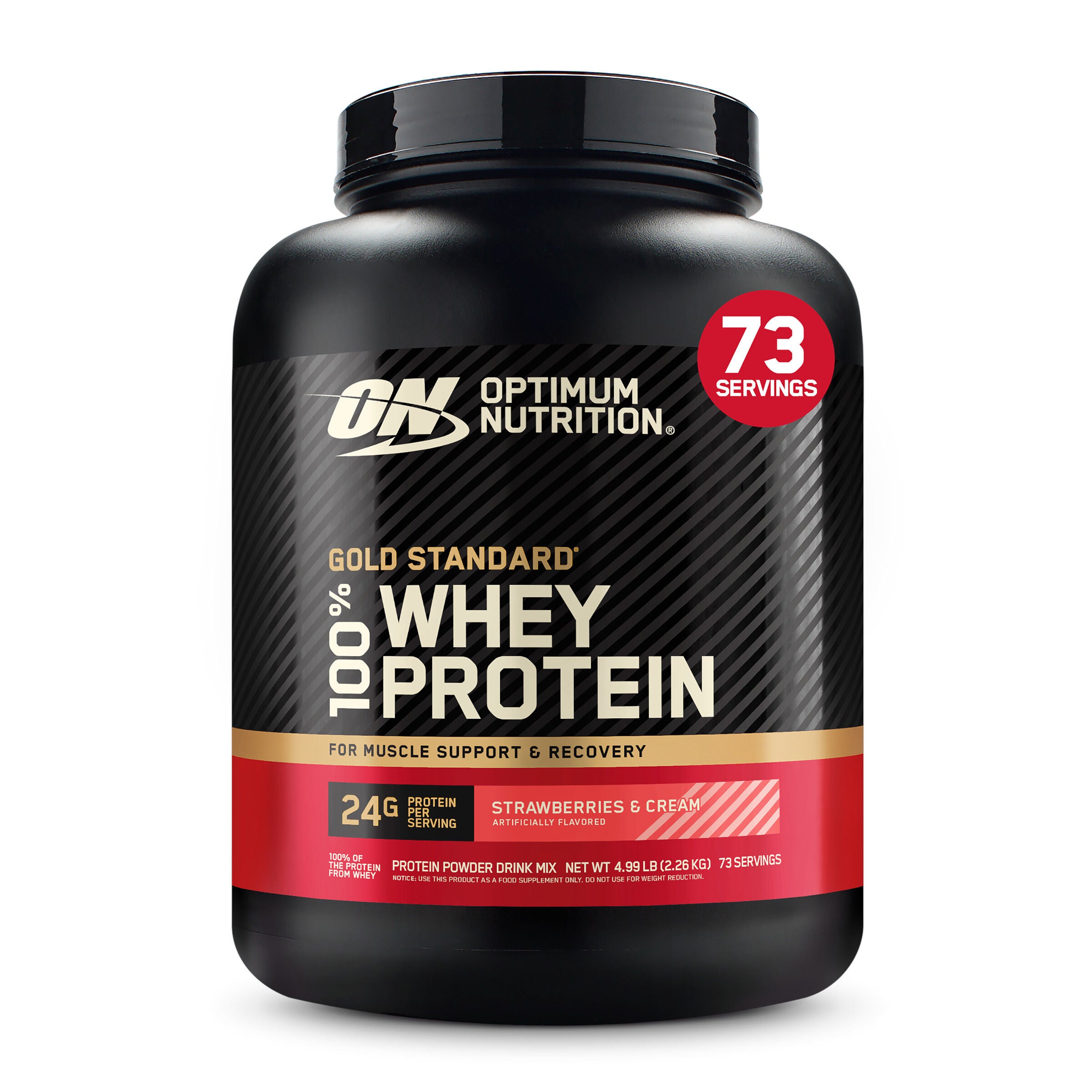


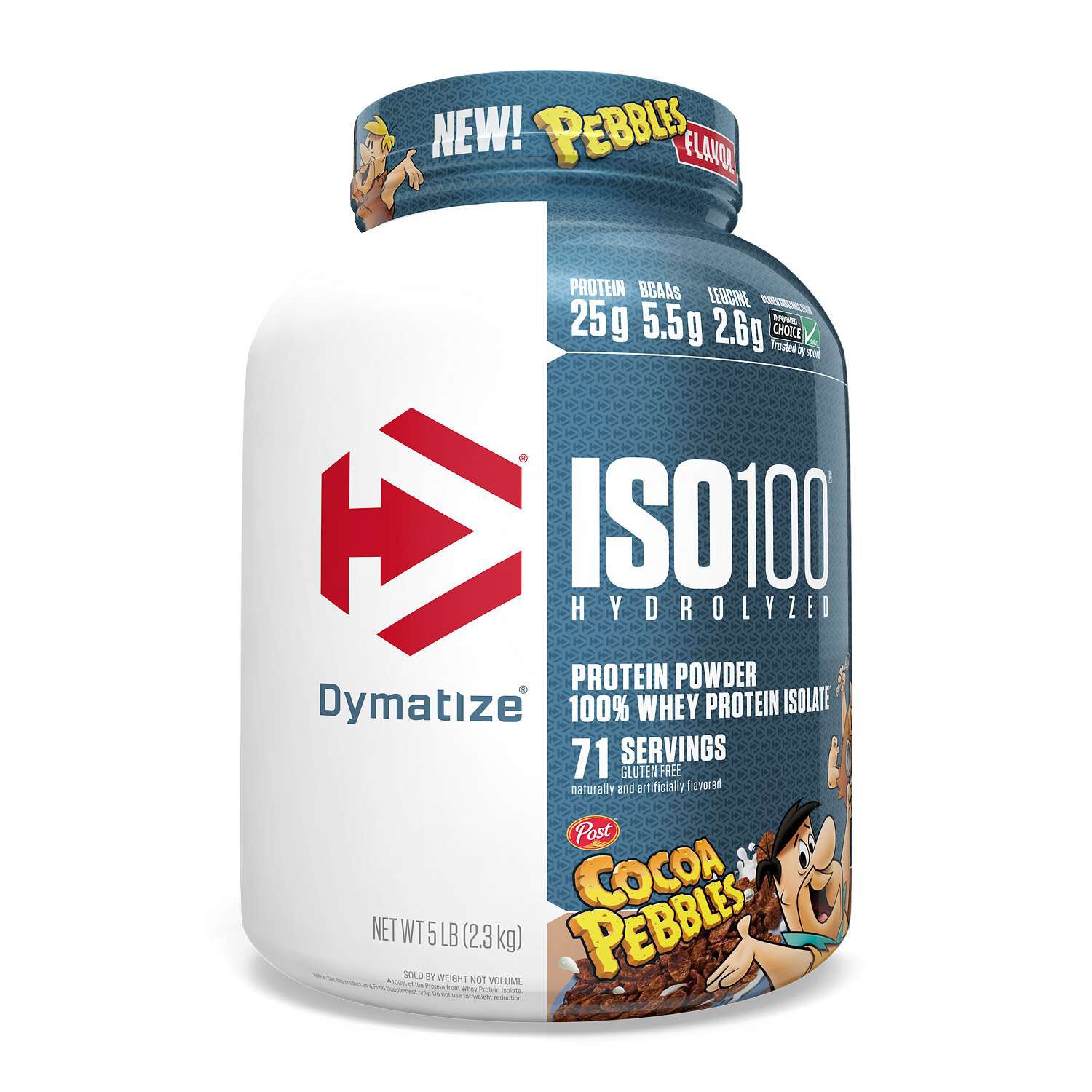
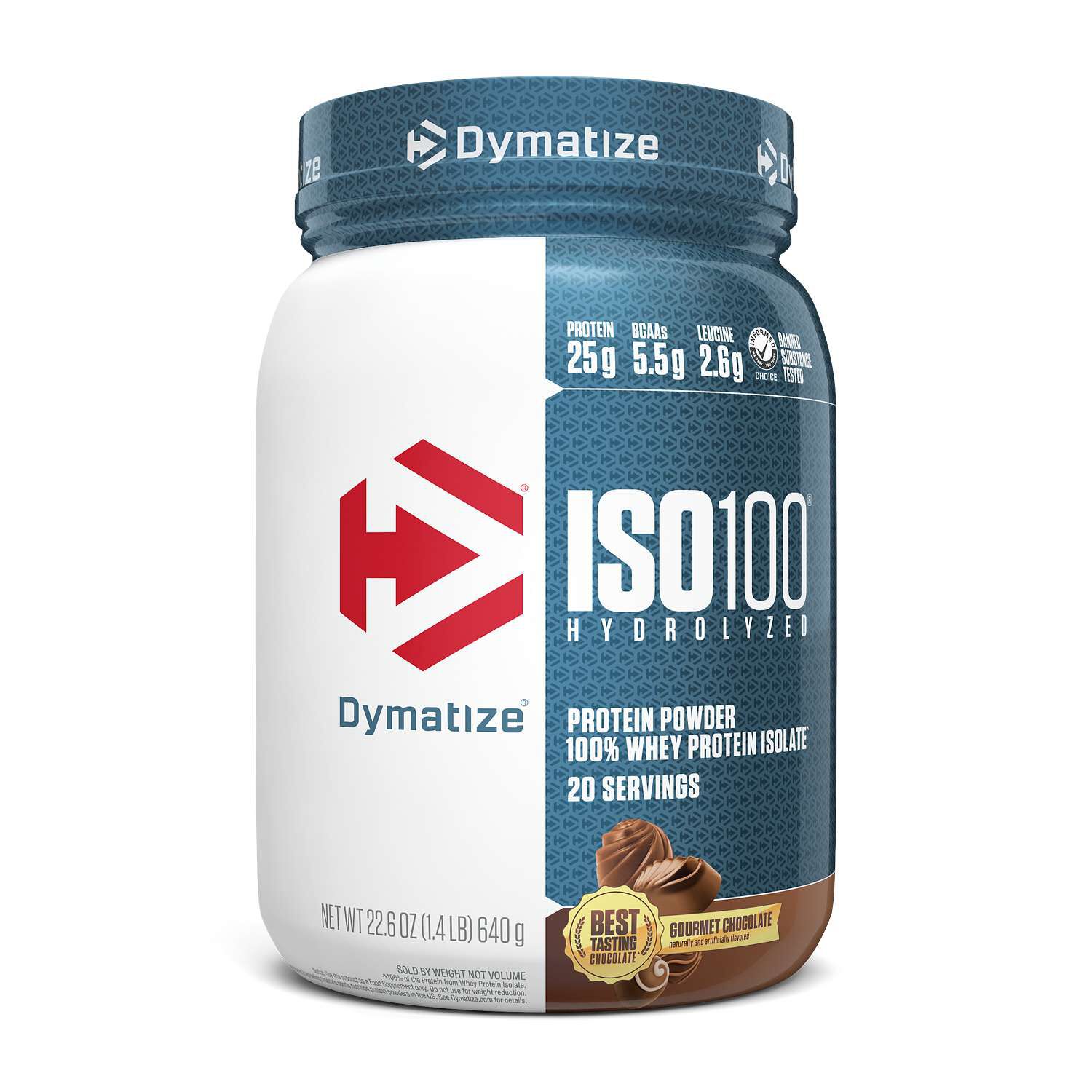
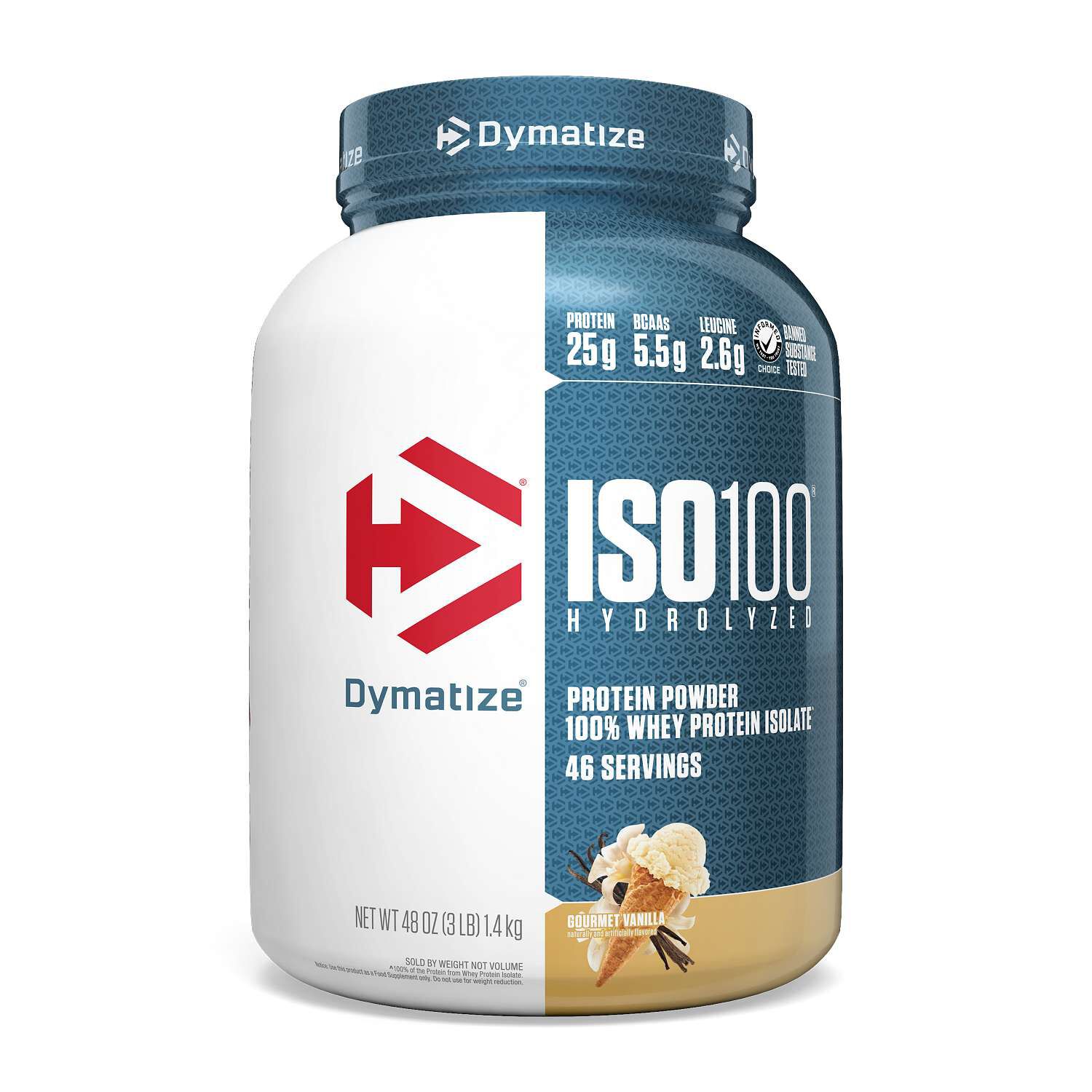
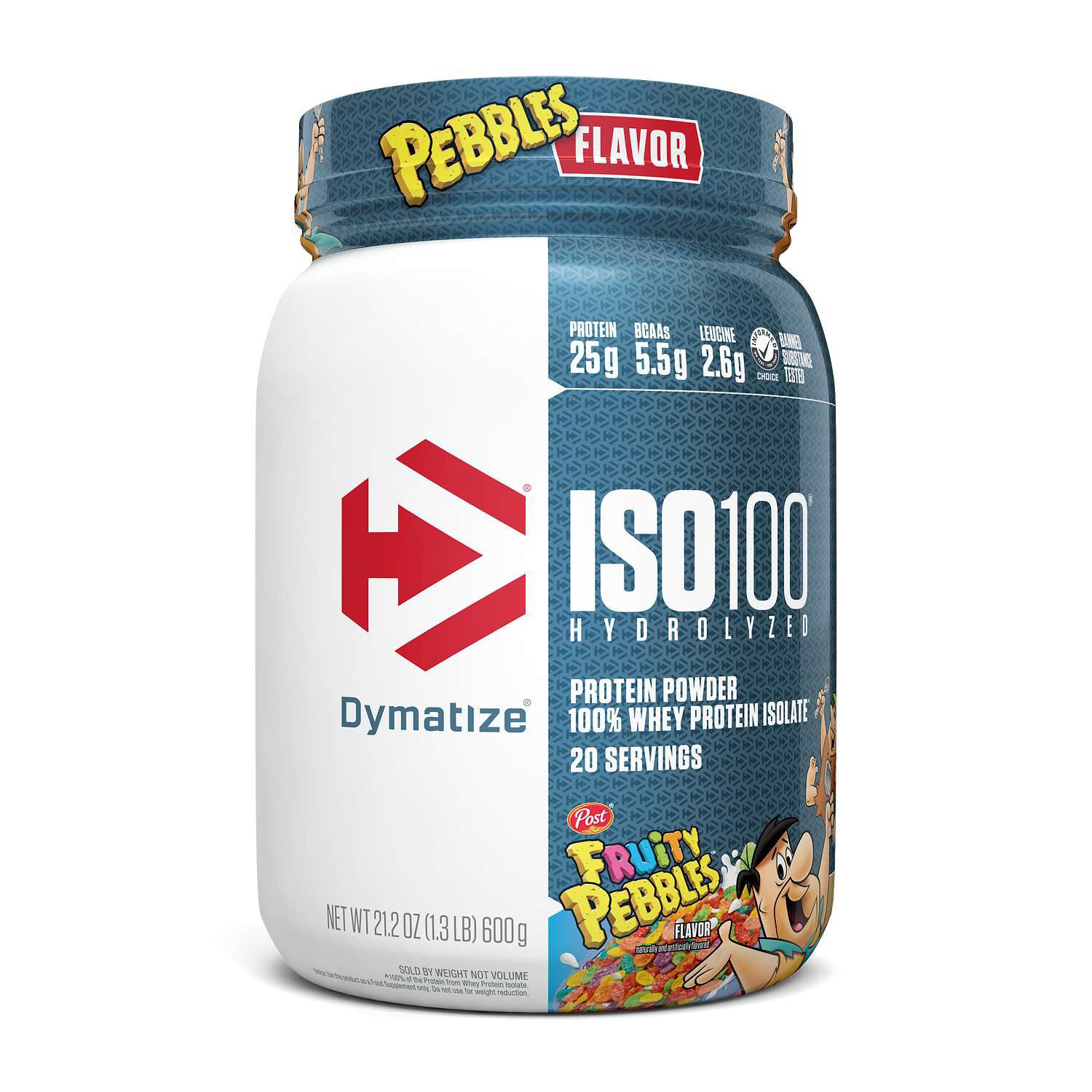


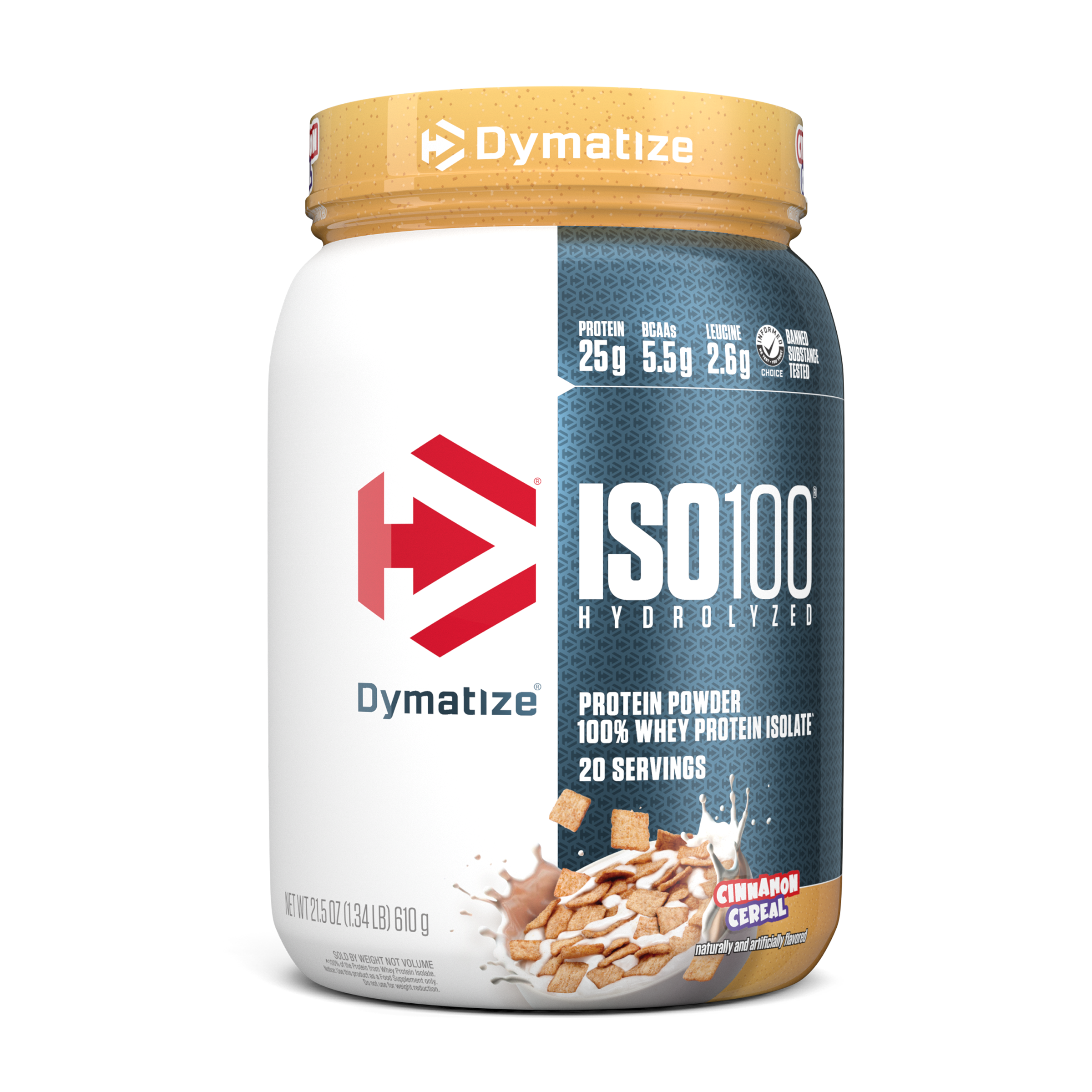
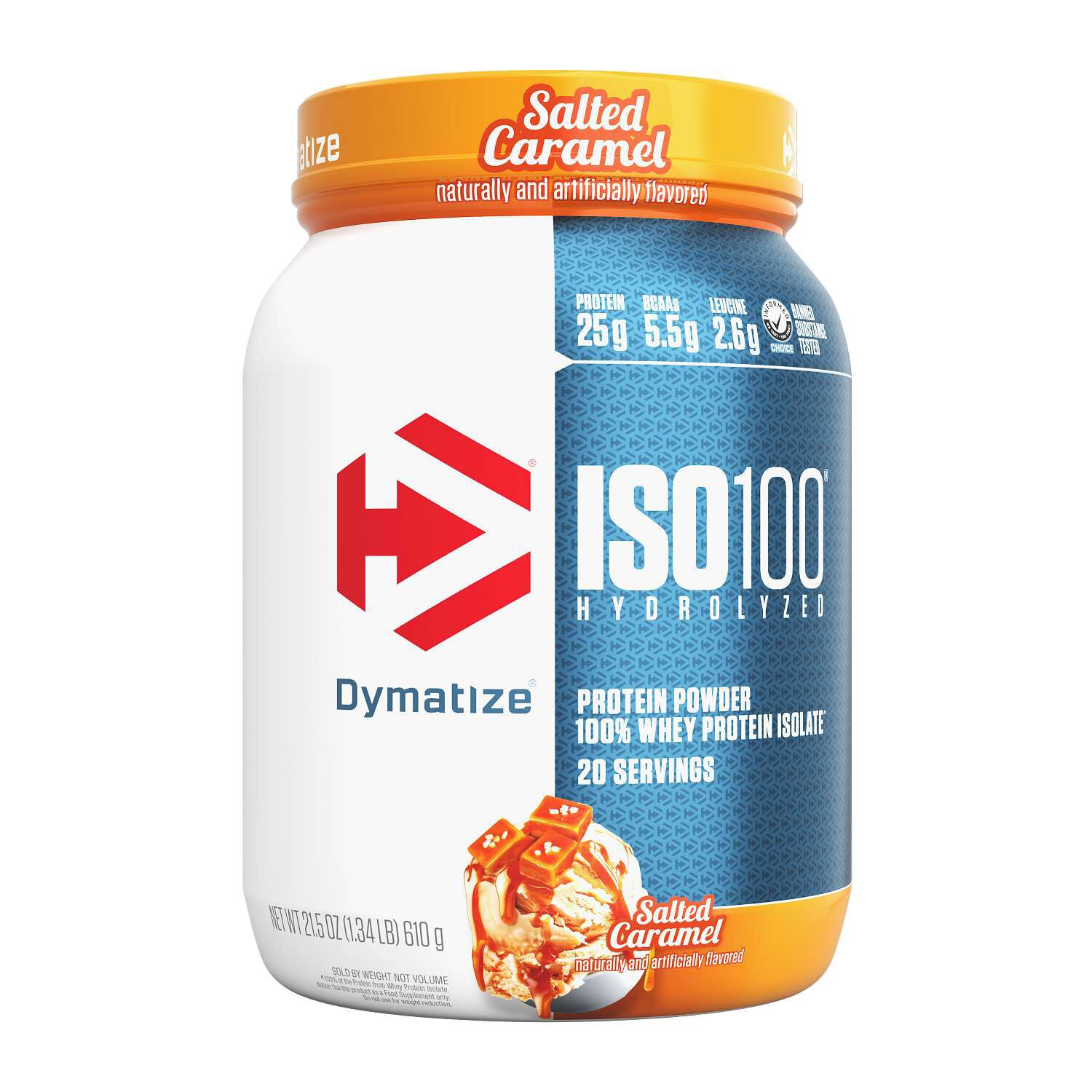
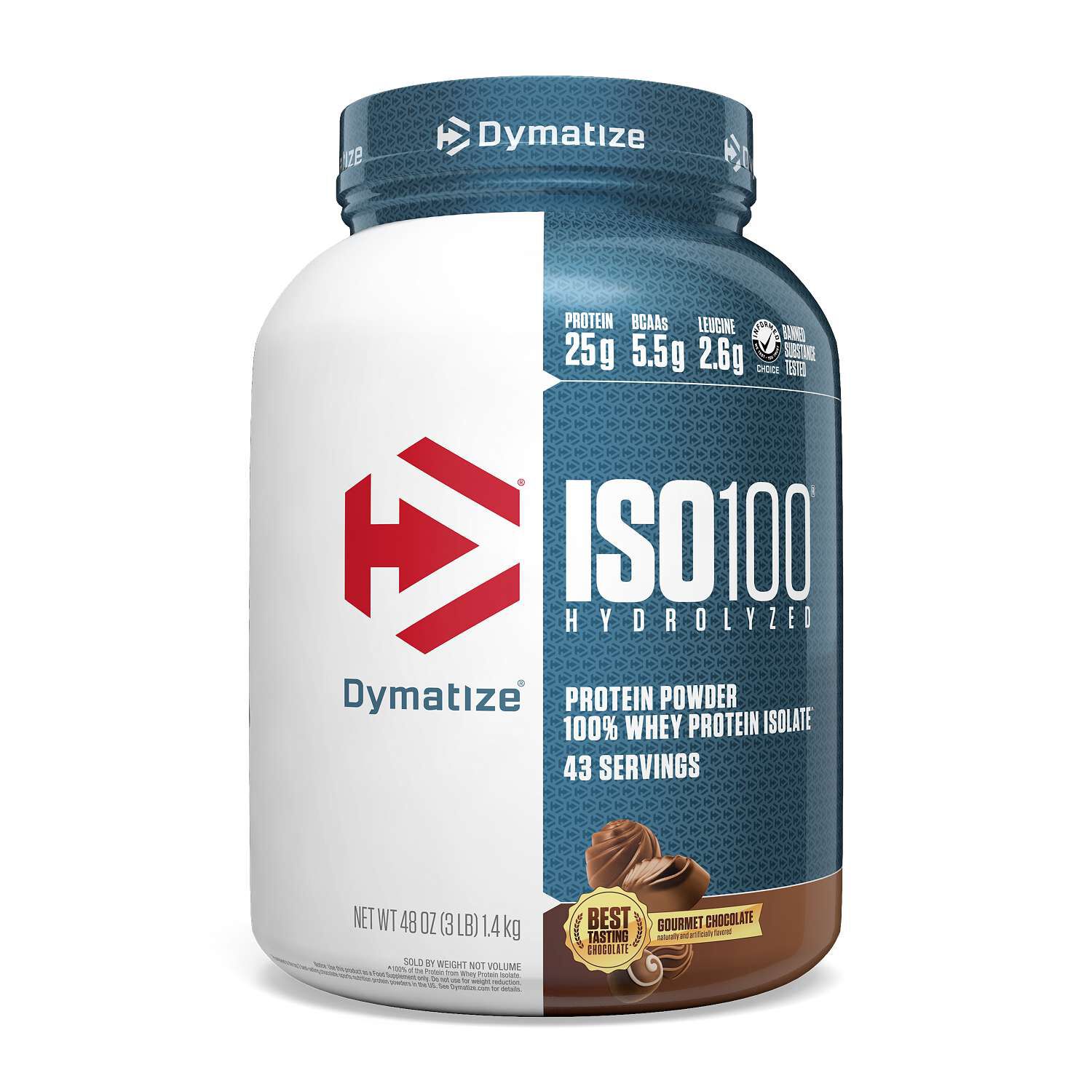
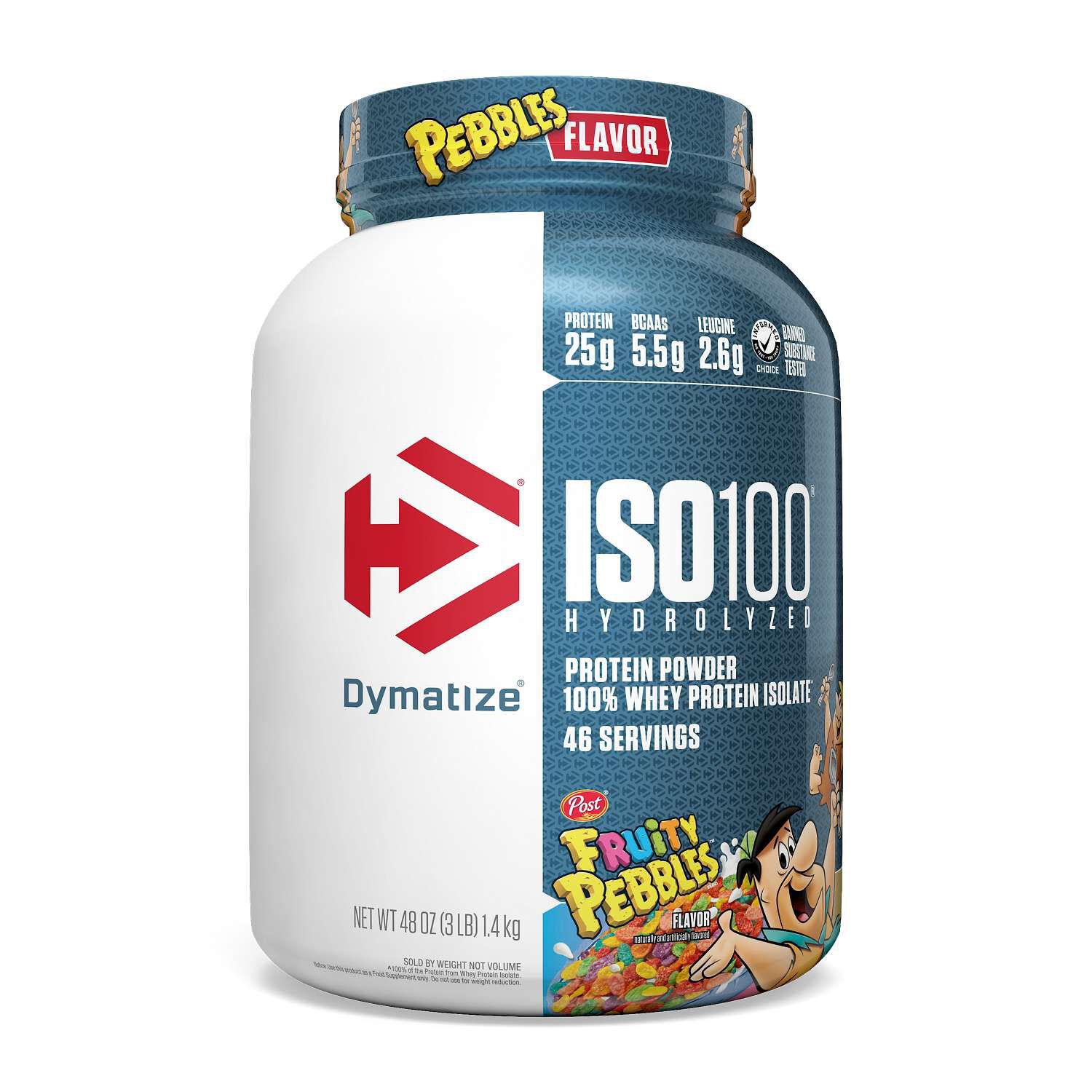
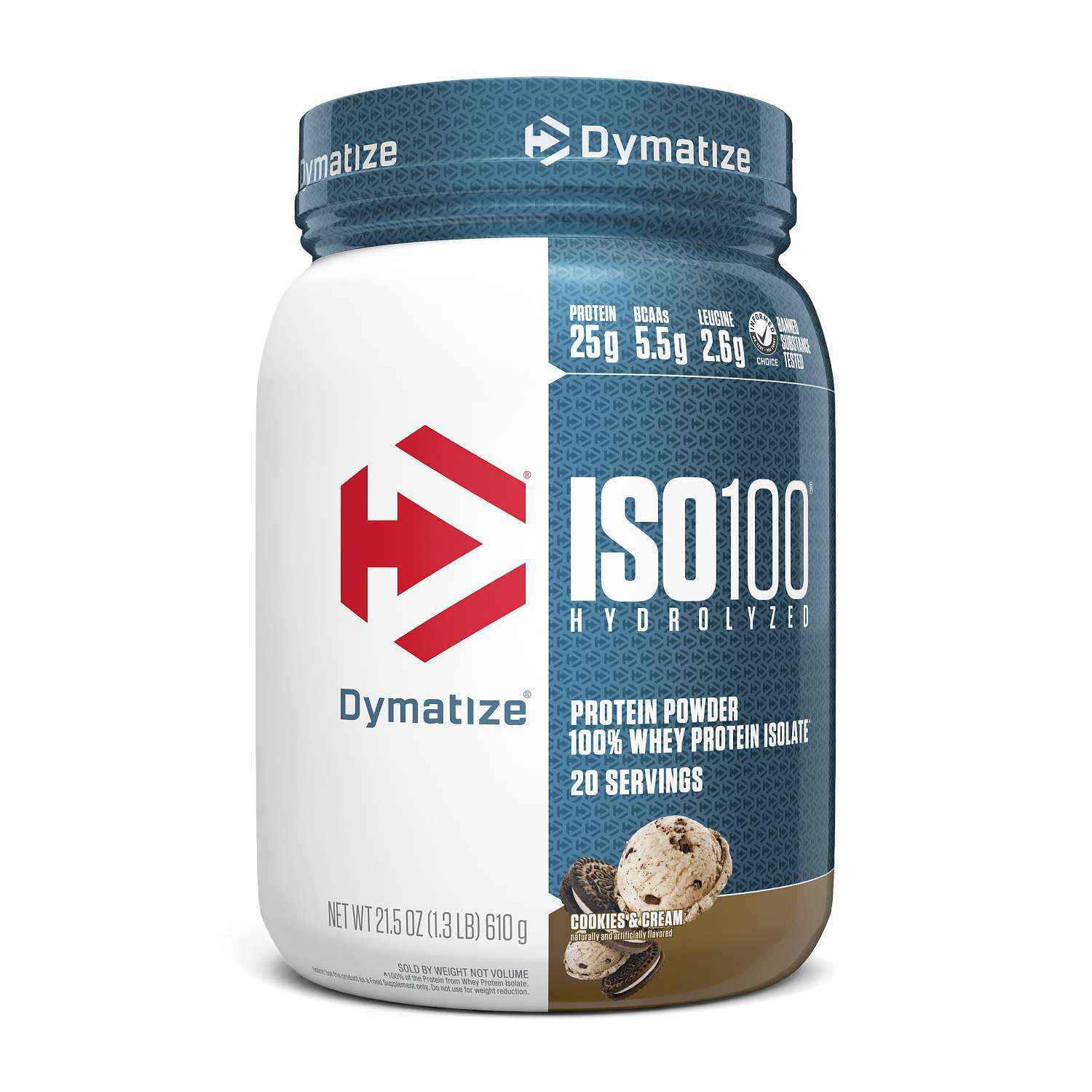
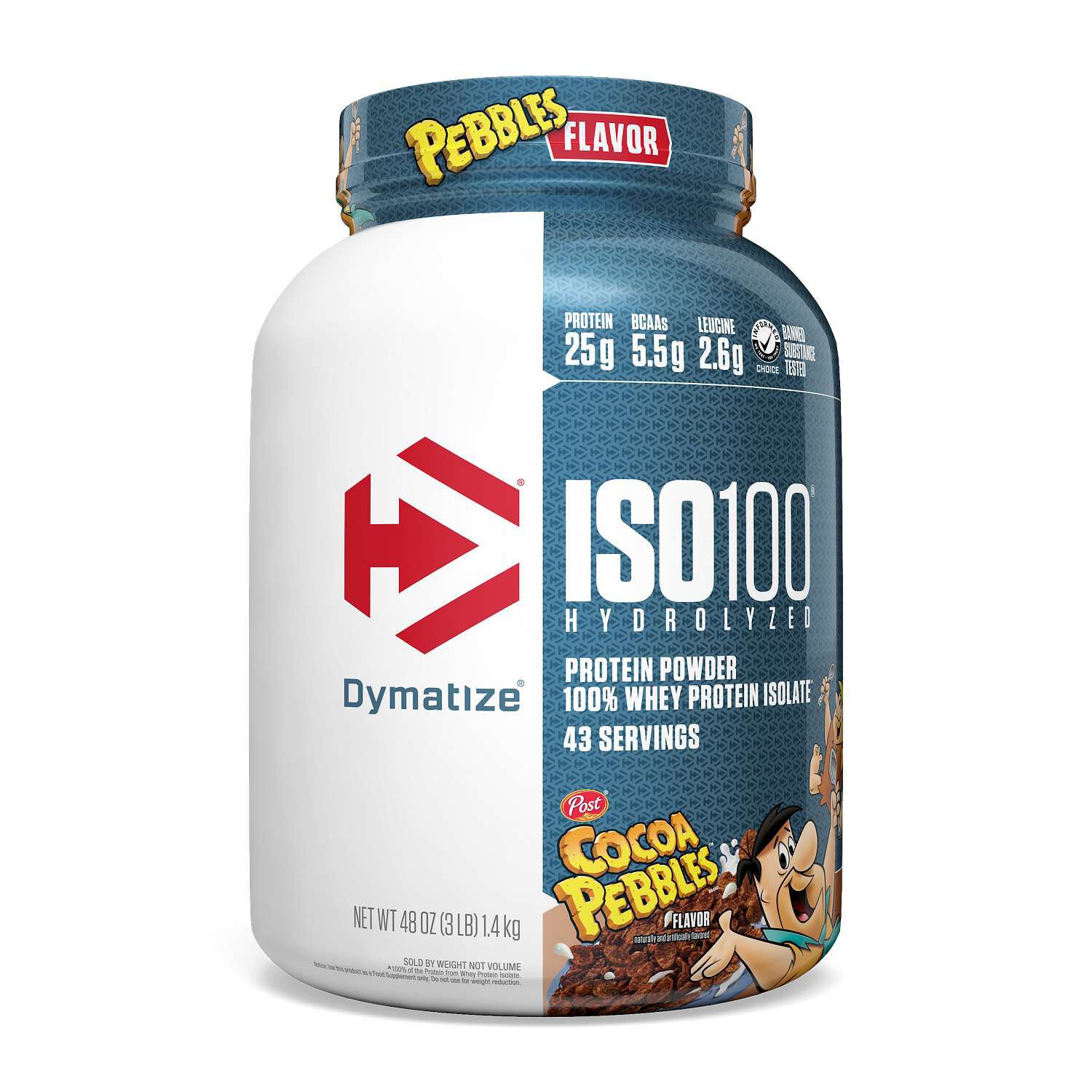
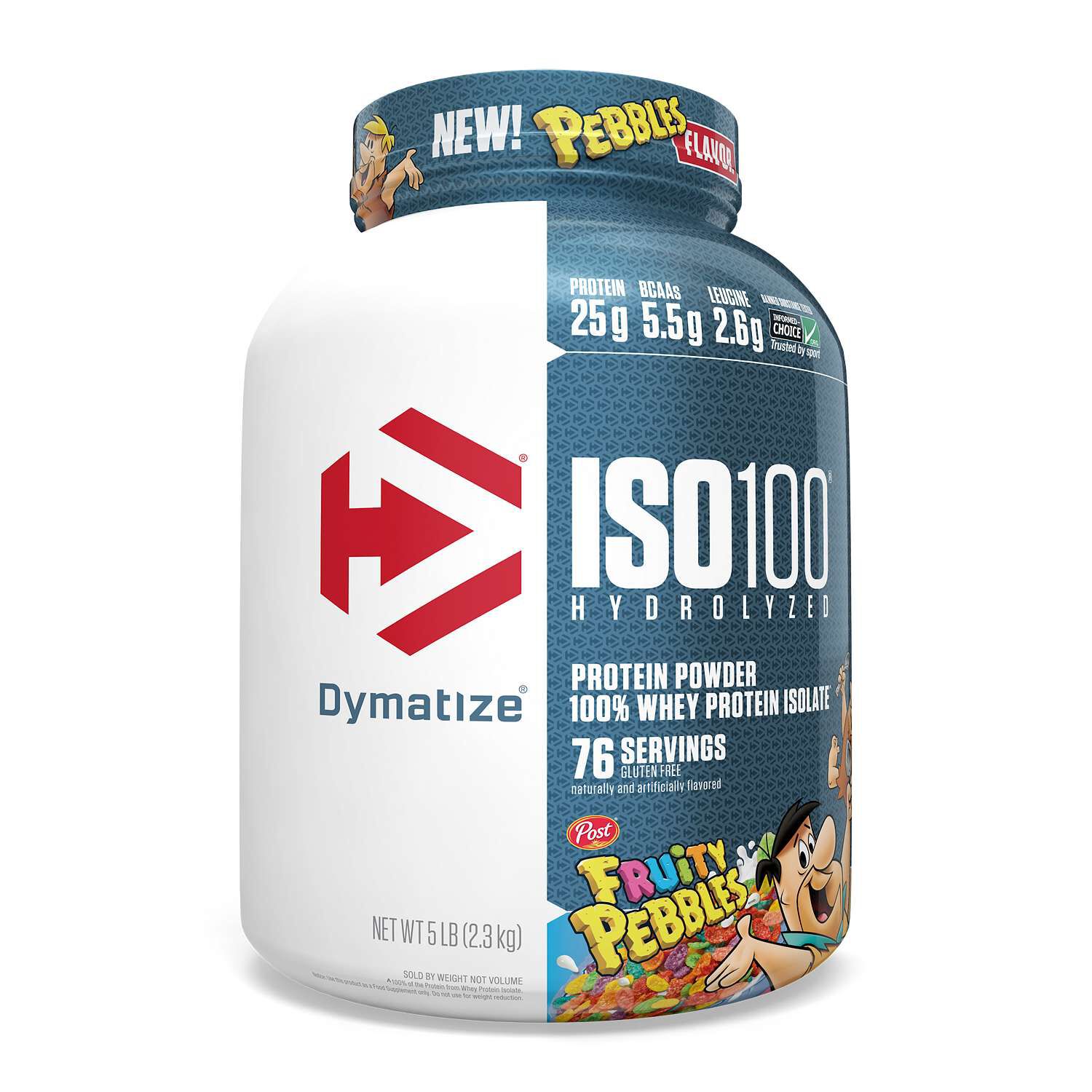


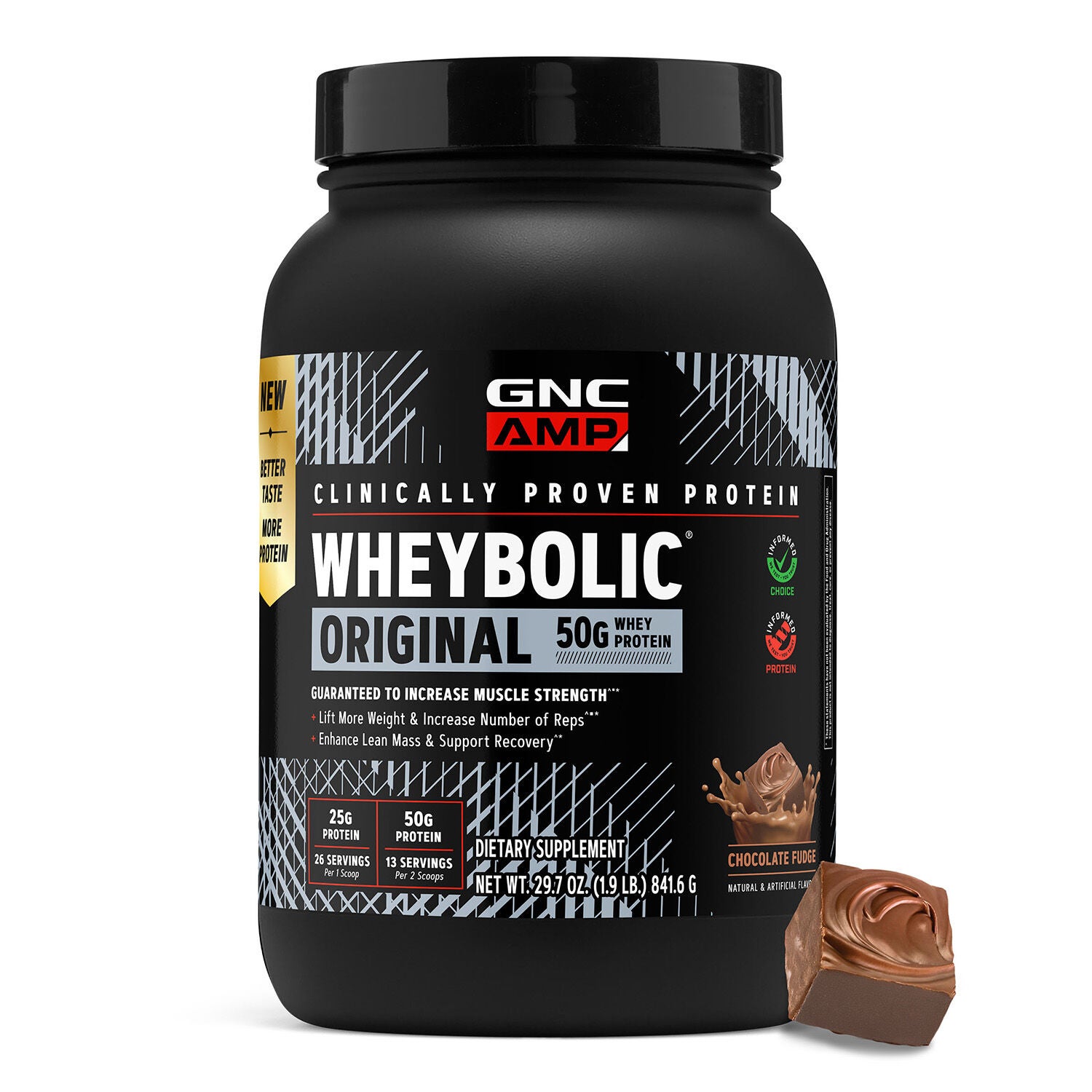
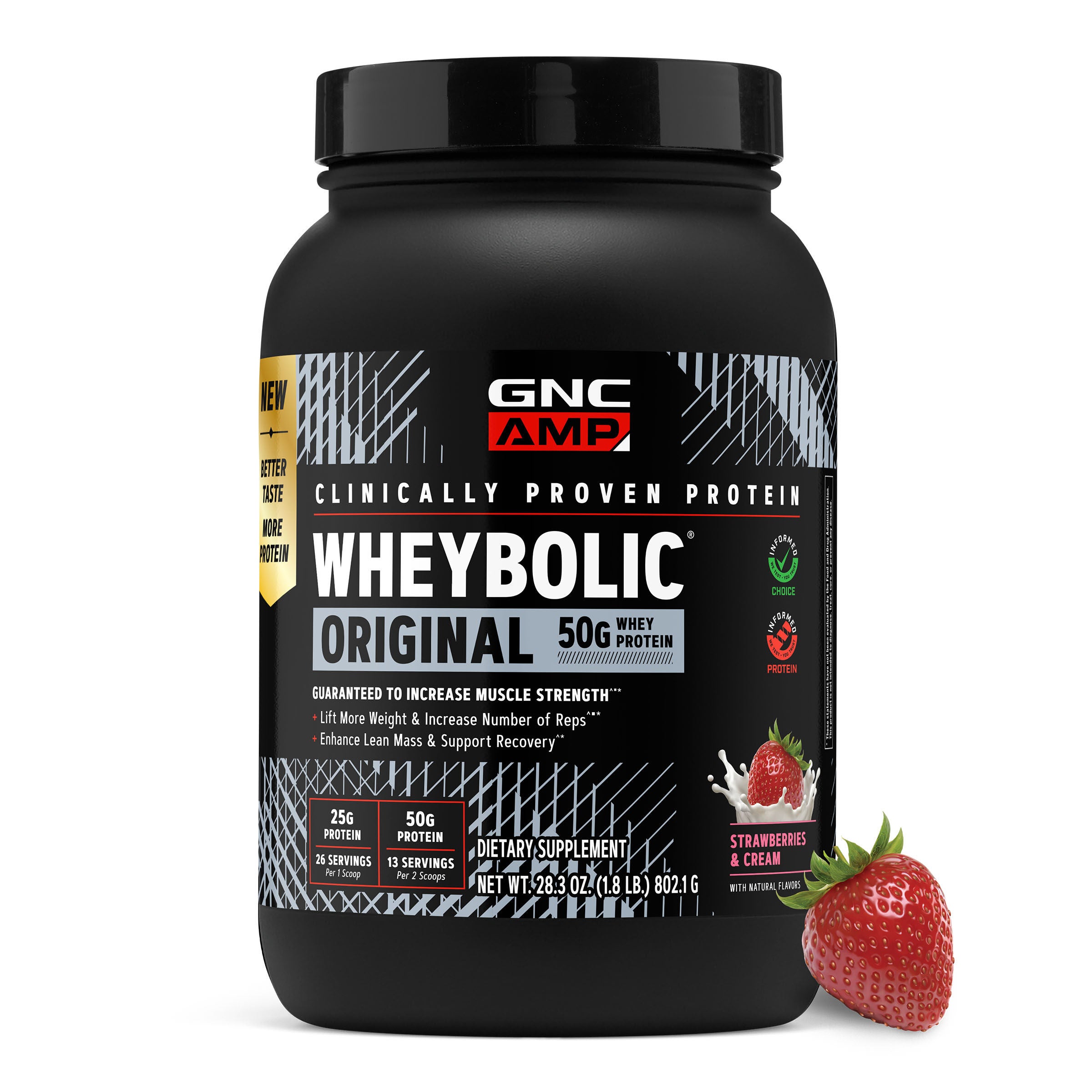

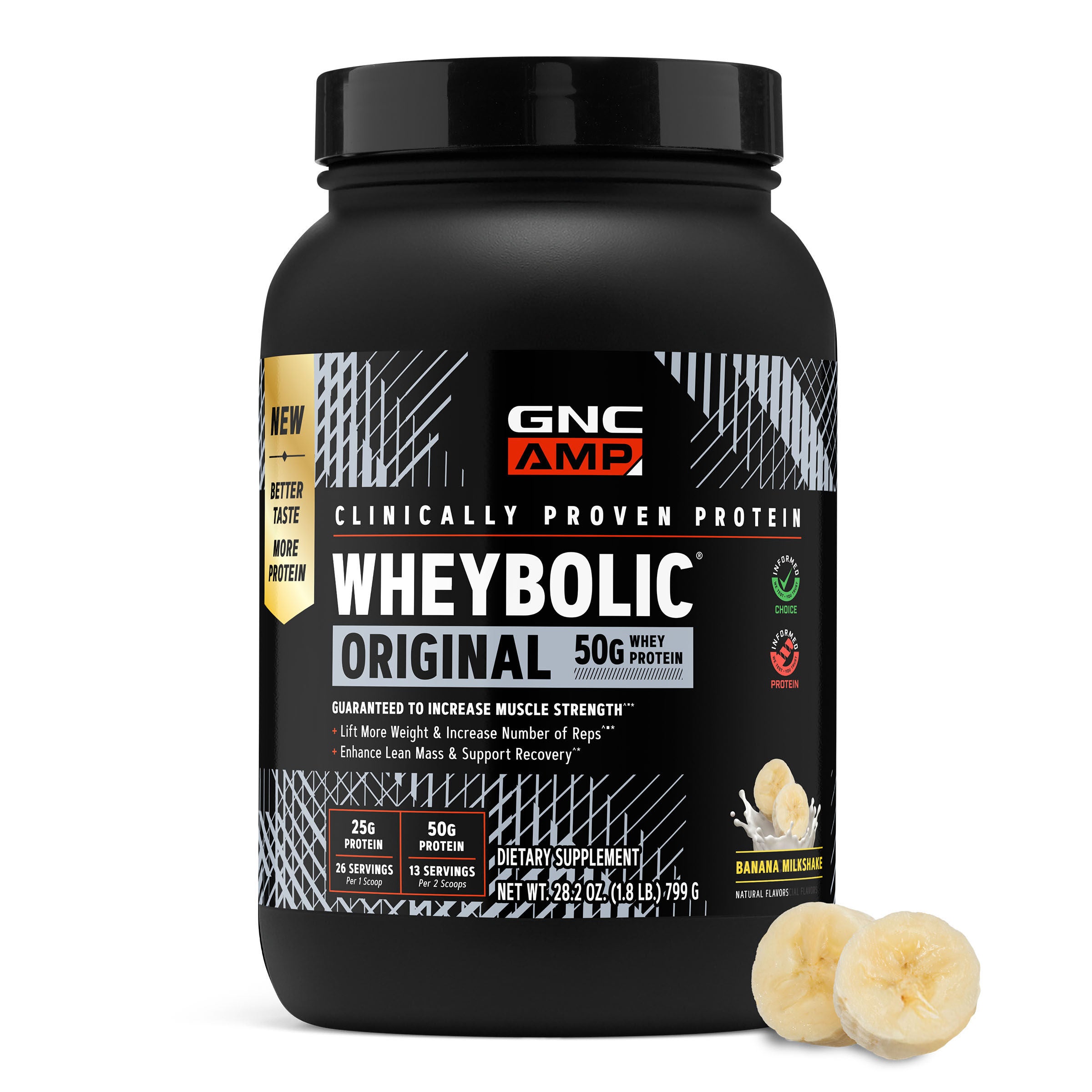
Protein supplements for muscle support can fit into many routines, from a carefully planned strength program to a busy schedule that makes a sit-down meal difficult. When paired with regular resistance training, adequate food, hydration and rest, protein products may support muscle-building goals by helping you add a convenient source of protein to your day. Powders, ready-to-mix options and ready-to-drink shakes may be useful after a workout, between meals or whenever your usual menu falls short of your personal protein target. They can also suit people who spend long hours at work, travel often, train before sunrise or prefer a quick option after an evening session. A shake blended with milk or a dairy alternative, fruit and oats may become a satisfying breakfast, while a scoop stirred into yogurt or oatmeal can add flavor and texture to a familiar meal. For a simpler routine, mixing powder with water in a shaker may work well in a gym bag or desk drawer. Protein products may also make thoughtful gifts for a friend beginning strength training, a family member setting up a home workout space or someone who enjoys creating smoothies and high-protein snacks. A gift recipient’s dietary preferences, flavor choices and access to a blender are worth considering before choosing. Browse Supplements For Muscle Health for additional options that may complement a broader approach to training and everyday nutrition.
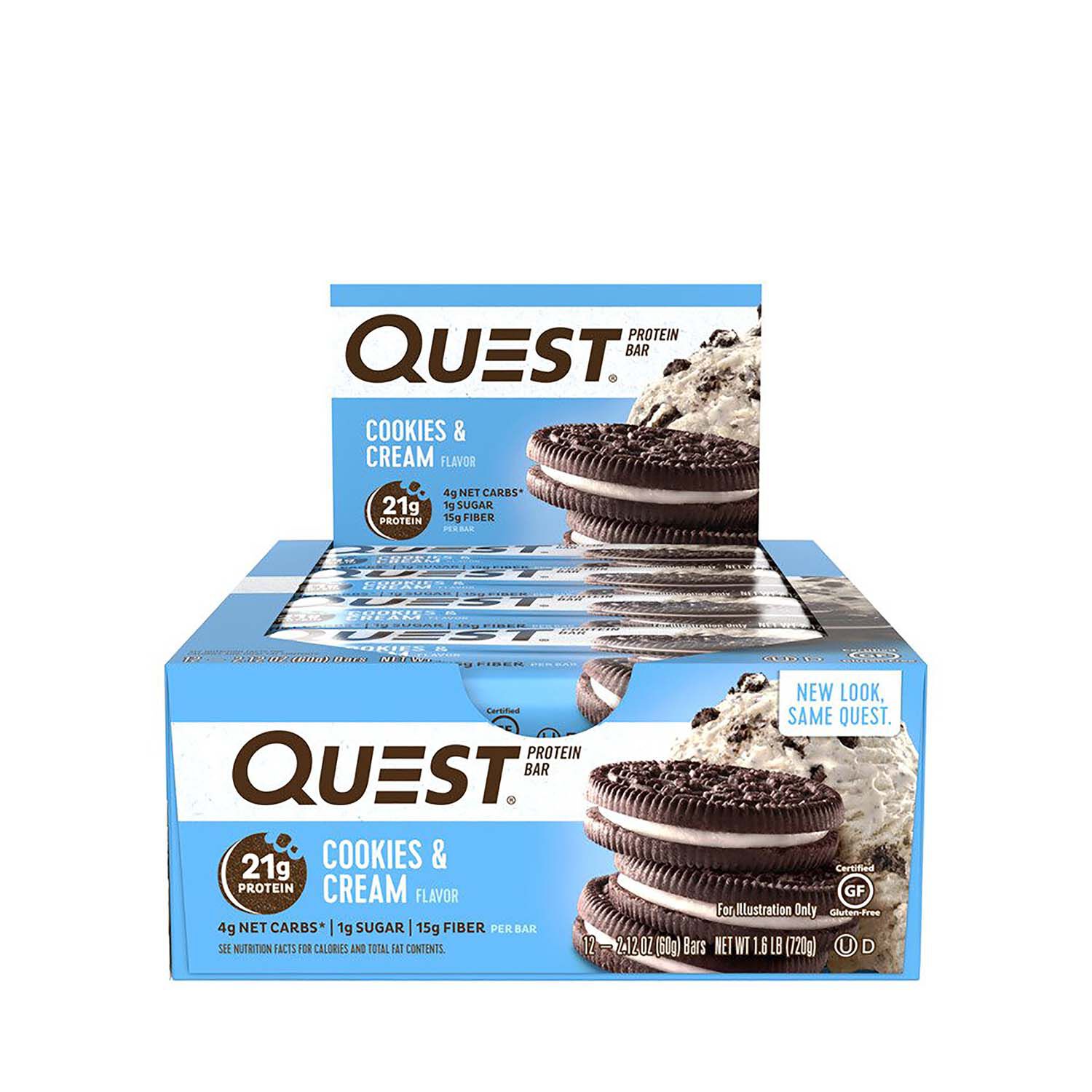
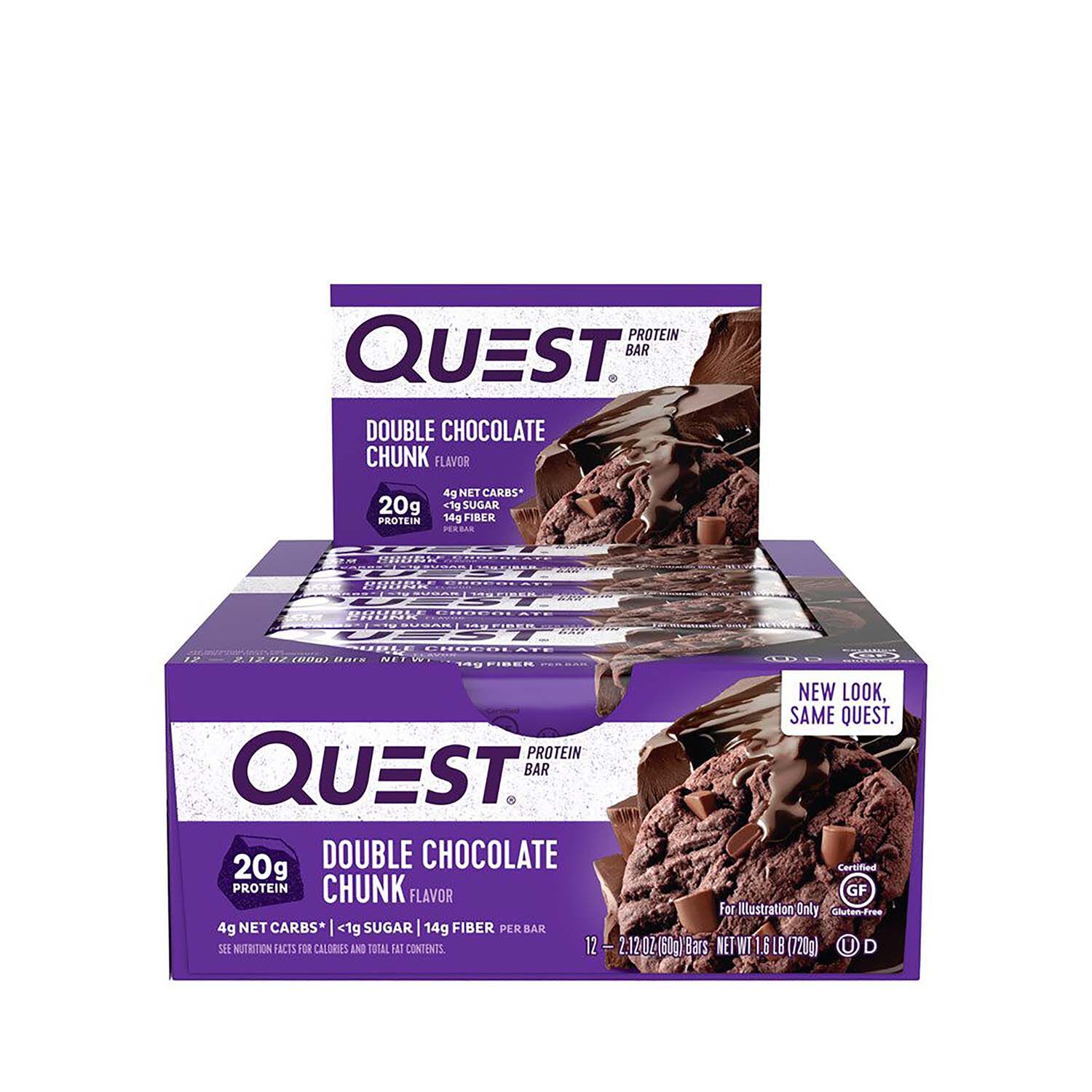
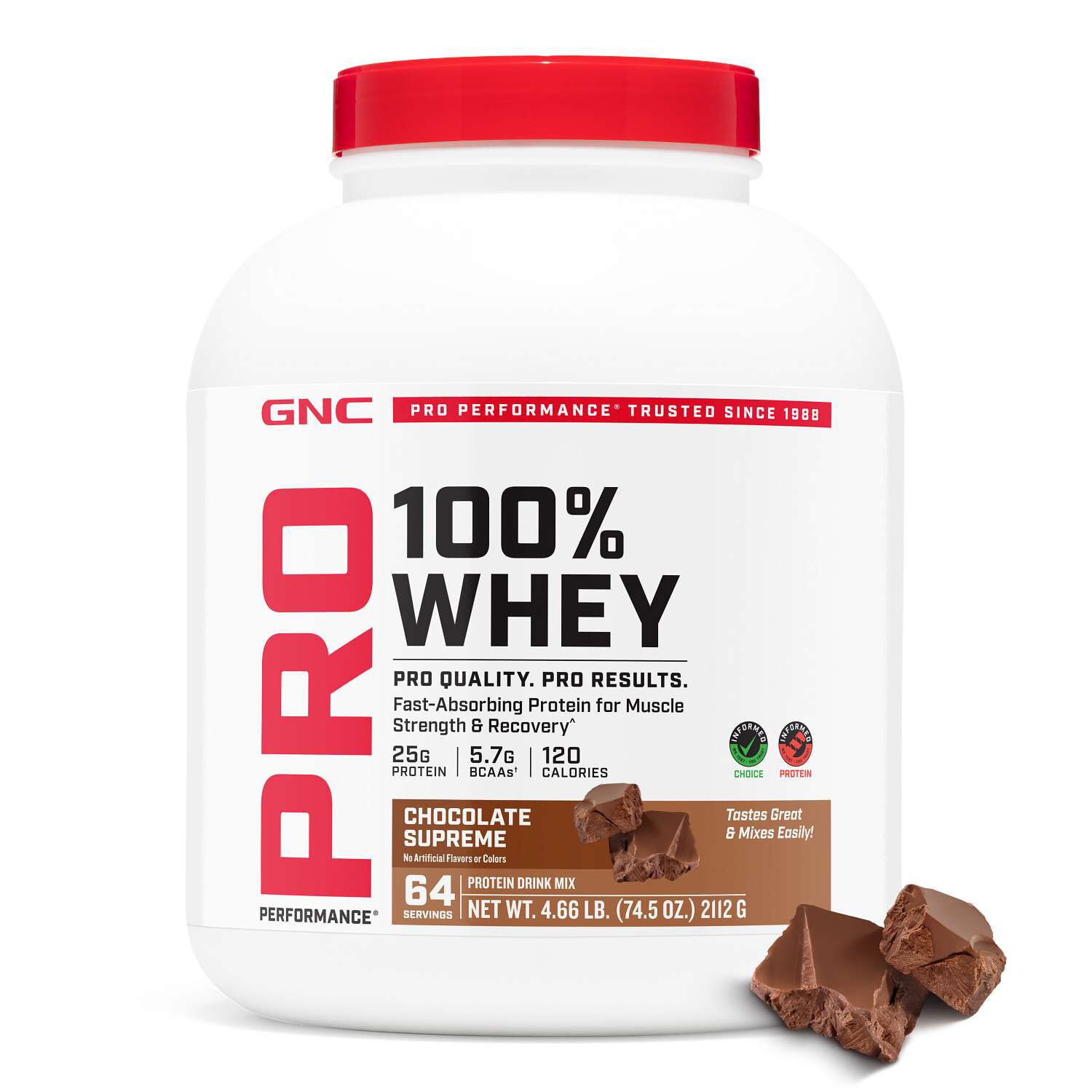
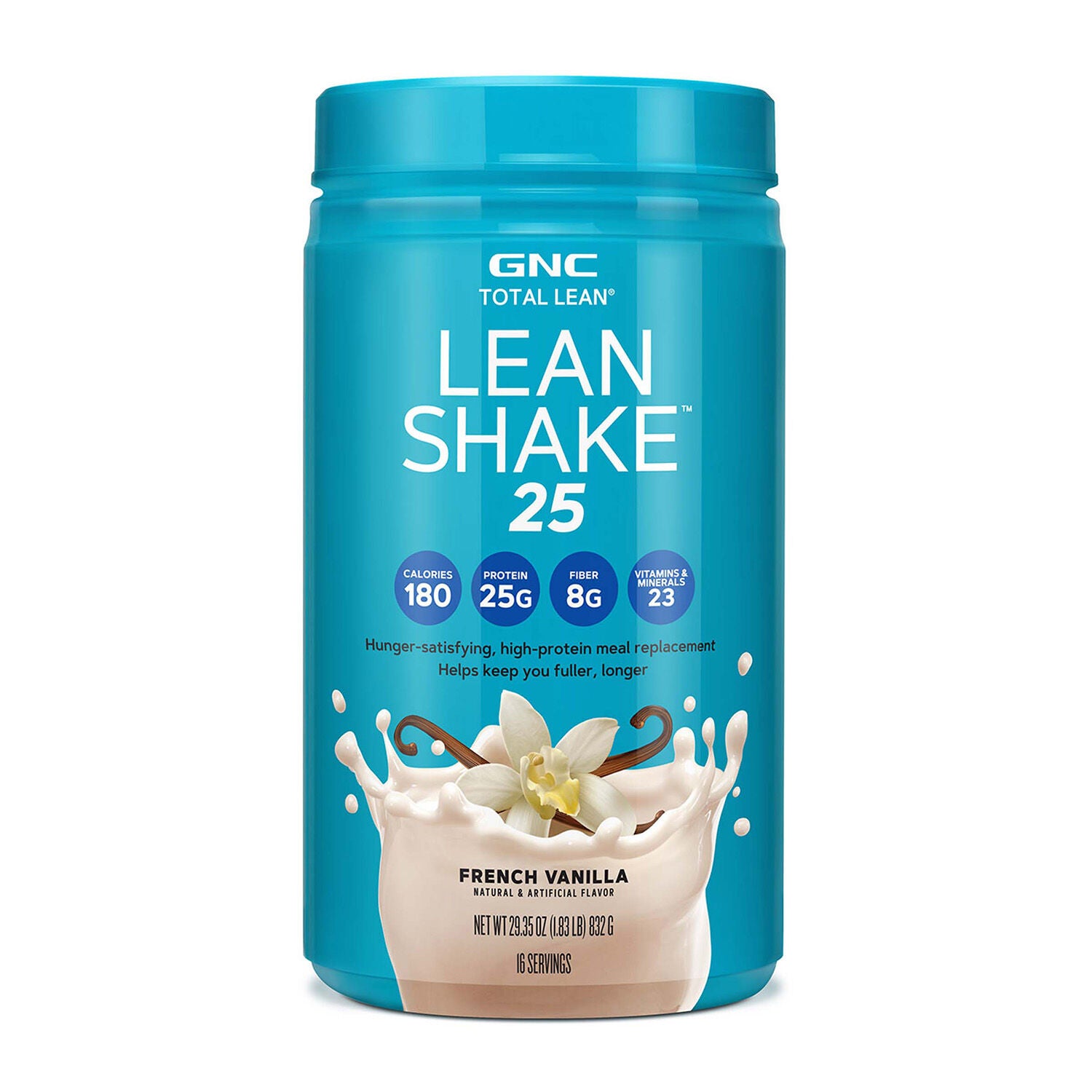
The best protein supplement depends on how you plan to use it, what ingredients suit your eating pattern and how it fits into the rest of your meals. Whey protein is made from dairy and may be a convenient choice for people who prefer a smooth texture and a familiar shake after training. Whey isolates and concentrates differ in processing and nutrition details, so checking the label for protein per serving, carbohydrates, fats, sweeteners and other ingredients can help you compare options. Casein is another dairy-based choice with a slower digestion profile, and it may appeal to people who prefer a shake as part of an evening snack or between meals. Plant-based powders may use pea, rice or other plant proteins, with blends often combining more than one source to provide a varied amino acid profile. These options may suit vegan eating patterns or anyone who prefers to limit dairy. Egg white protein offers another dairy-avoiding format, while ready-to-drink shakes may be useful for commuting, travel or days when carrying a shaker and powder feels impractical. Texture matters more than many shoppers expect: some powders blend into a light, smooth drink, while others create a thicker shake that works better with a blender. Flavor can shape whether a product becomes part of your routine, so familiar choices such as vanilla or chocolate may be easier to use in smoothies, oats and yogurt, while fruit-inspired flavors may pair well with berries or bananas. Review serving size, package format and storage needs as well. A larger tub may suit someone who uses protein often, whereas single-serve packets or bottles may work better for variety, portability or a gift basket built around training accessories and convenient snacks.
A practical protein routine starts with the day as a whole rather than one particular moment. Many people choose a serving after strength training, when a convenient drink may help them include protein alongside a meal or snack. Others may use a shake in the morning, add powder to a smoothie after a walk or class, or prepare overnight oats for a grab-and-go breakfast during the cooler months. There is no single schedule that suits everyone, and total daily intake, training demands, age, body size and usual food choices all matter. People who lift weights often look for guidance around roughly 0.73 grams of protein per pound of body weight, or about 1.6 grams per kilogram, though personal needs may differ and a qualified nutrition professional can help with individualized planning. A serving in the range of 15 to 25 grams after training may be a convenient starting point for many adults, especially when combined with a balanced meal pattern, but label directions and personal goals should guide use. Protein supplements are not a substitute for varied foods, and they may work best alongside meals that include produce, grains, healthy fats and other sources of nutrition. During late summer and into the cooler months, changing schedules can make portable options especially useful, whether you are returning to an indoor training routine, preparing for weekend activities or keeping workouts consistent as daylight shifts. Check ingredient lists for allergens, sweeteners and dietary preferences, compare protein amounts by serving and choose a format you are likely to enjoy using. If you have a health condition, follow a special eating pattern or take prescription products, a healthcare professional may help you decide whether a protein supplement fits your needs.