





Gut Lining Protection Supplements
(0 Results)
Gut Lining Protection Supplements
Gut lining protection supplements are designed for those looking to support their digestive wellness and maintain a healthy gut environment. With a focus on ingredients that may help nurture the digestive tract, these supplements could be a valuable addition to your daily routine. Explore options that might help you care for your gut lining and support your overall well-being. Whether you’re seeking to complement your balanced diet or looking for extra support, gut lining protection supplements offer a variety of choices to fit your needs.
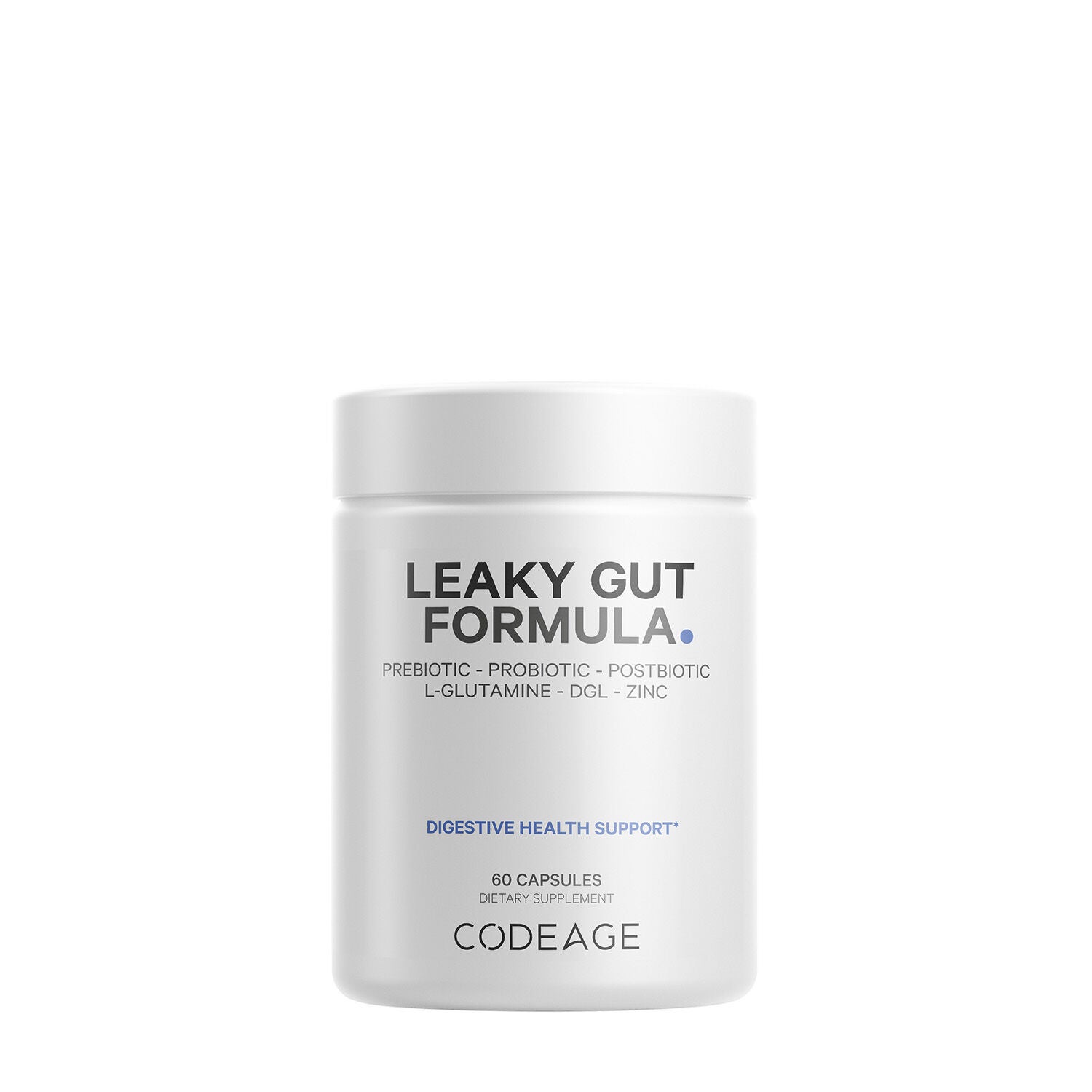
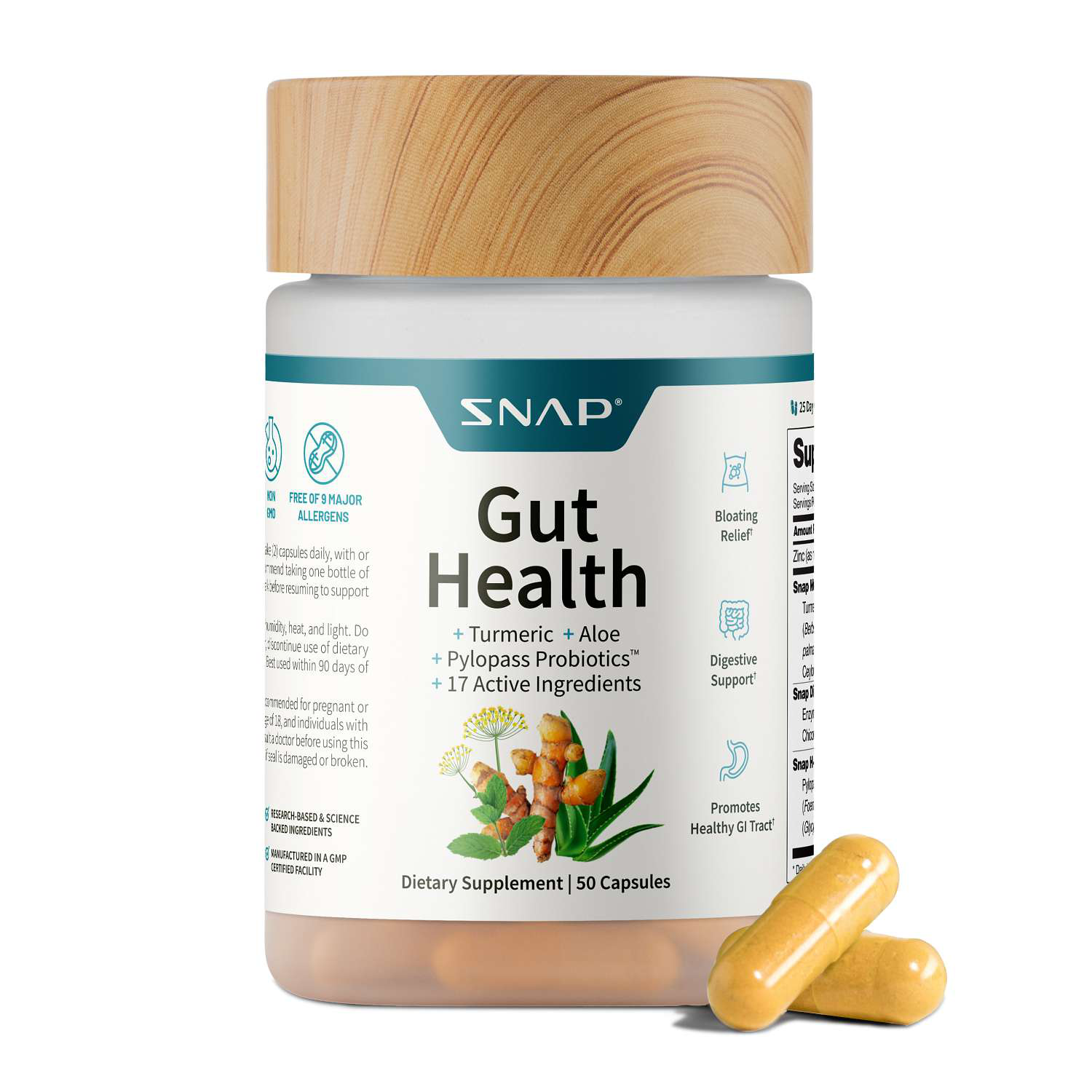

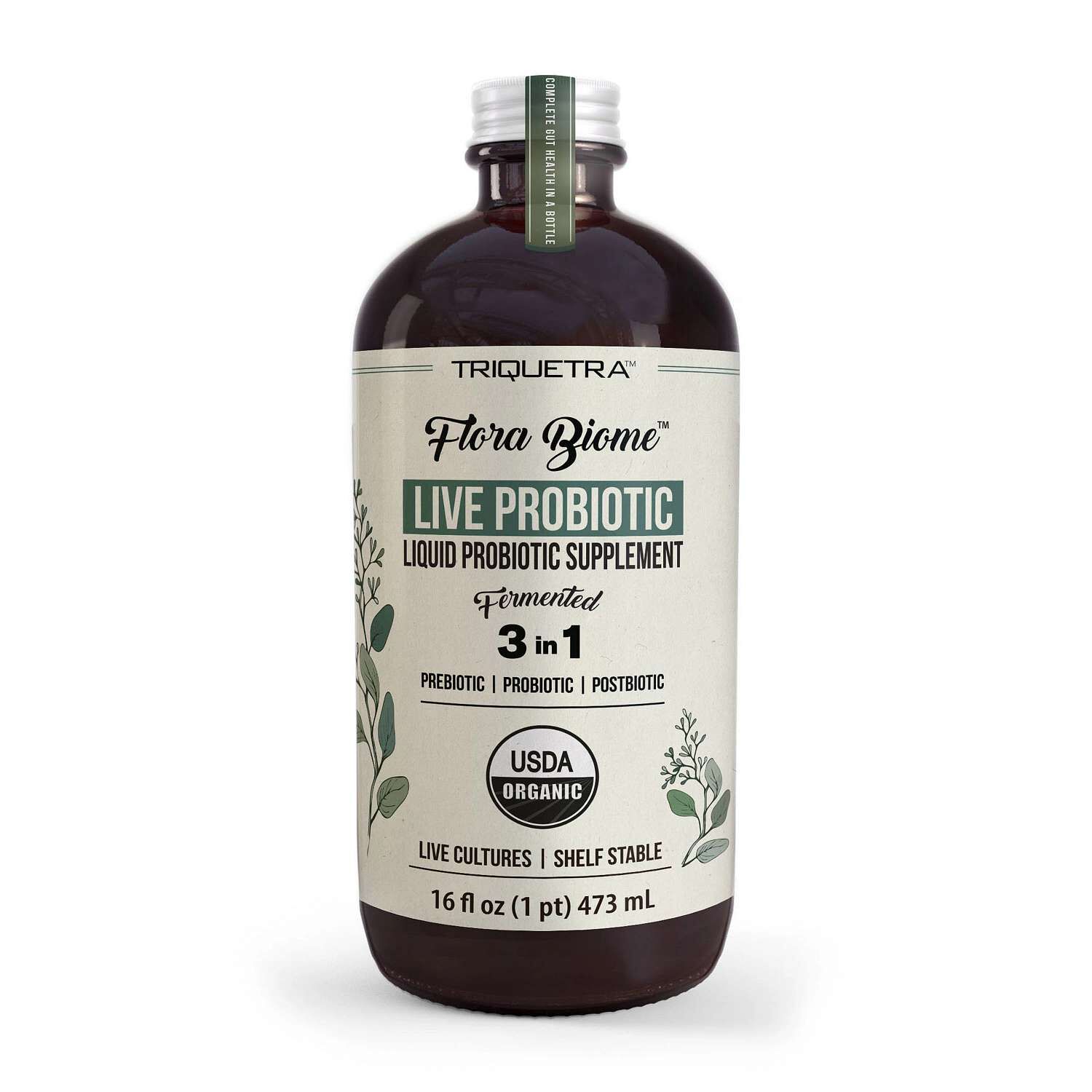
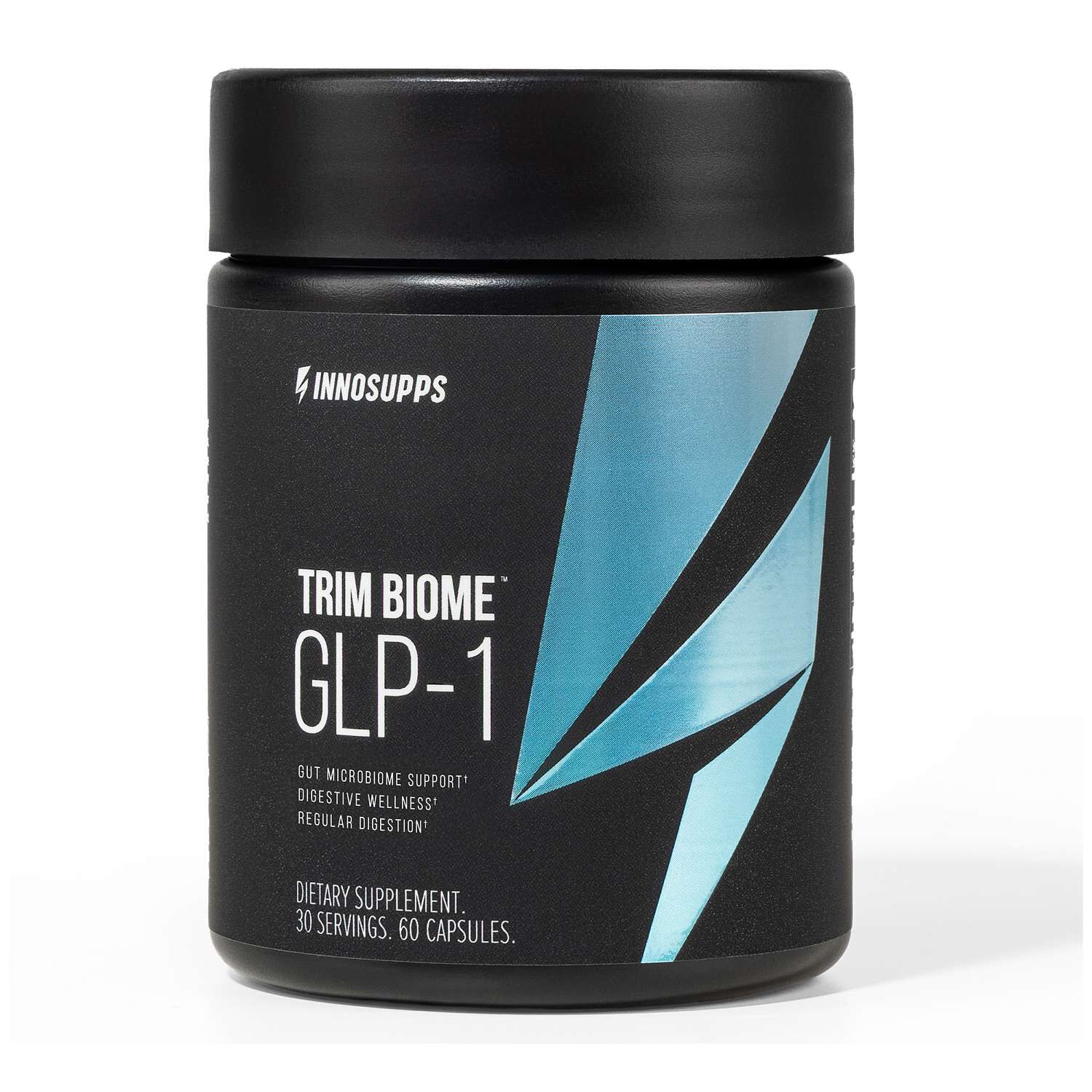


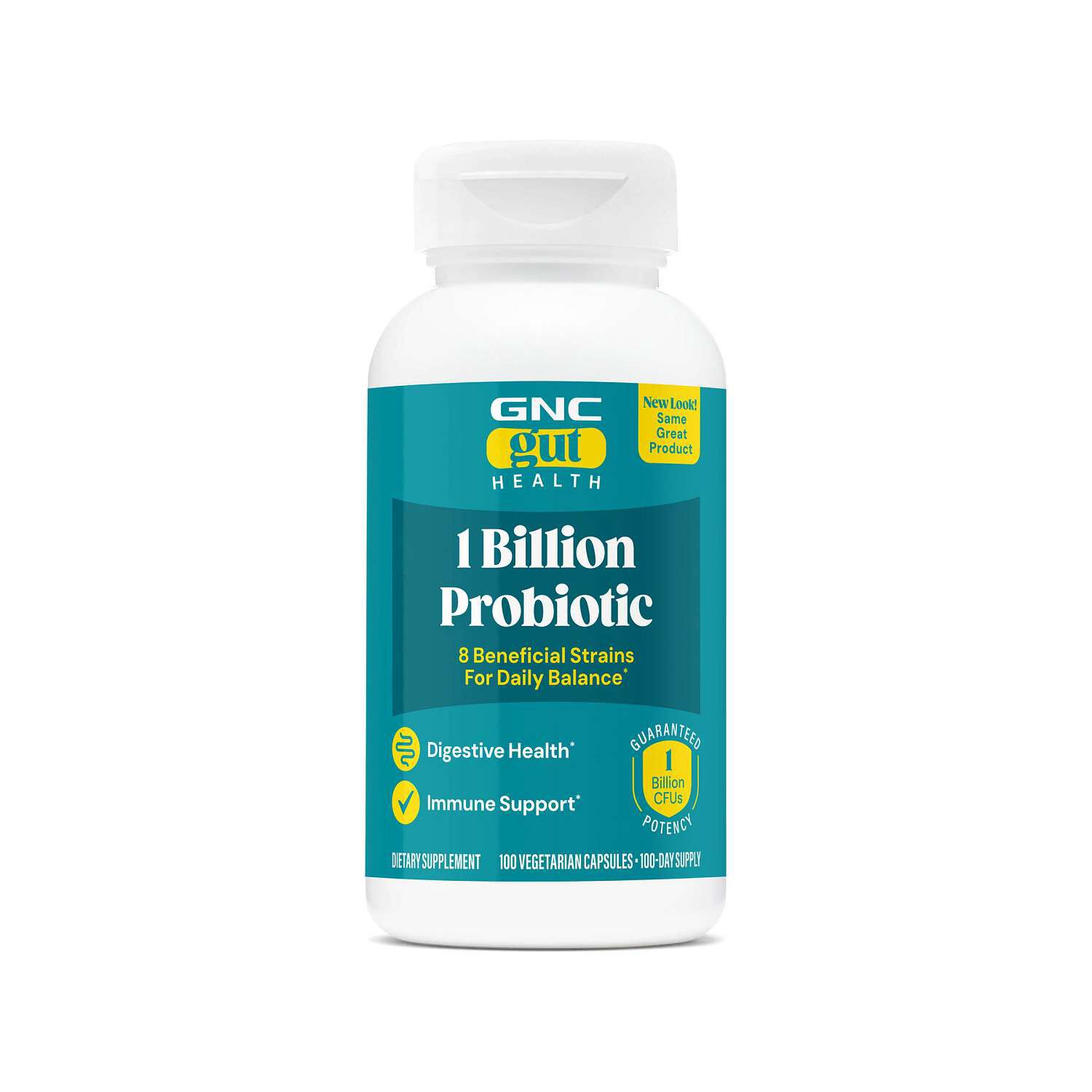

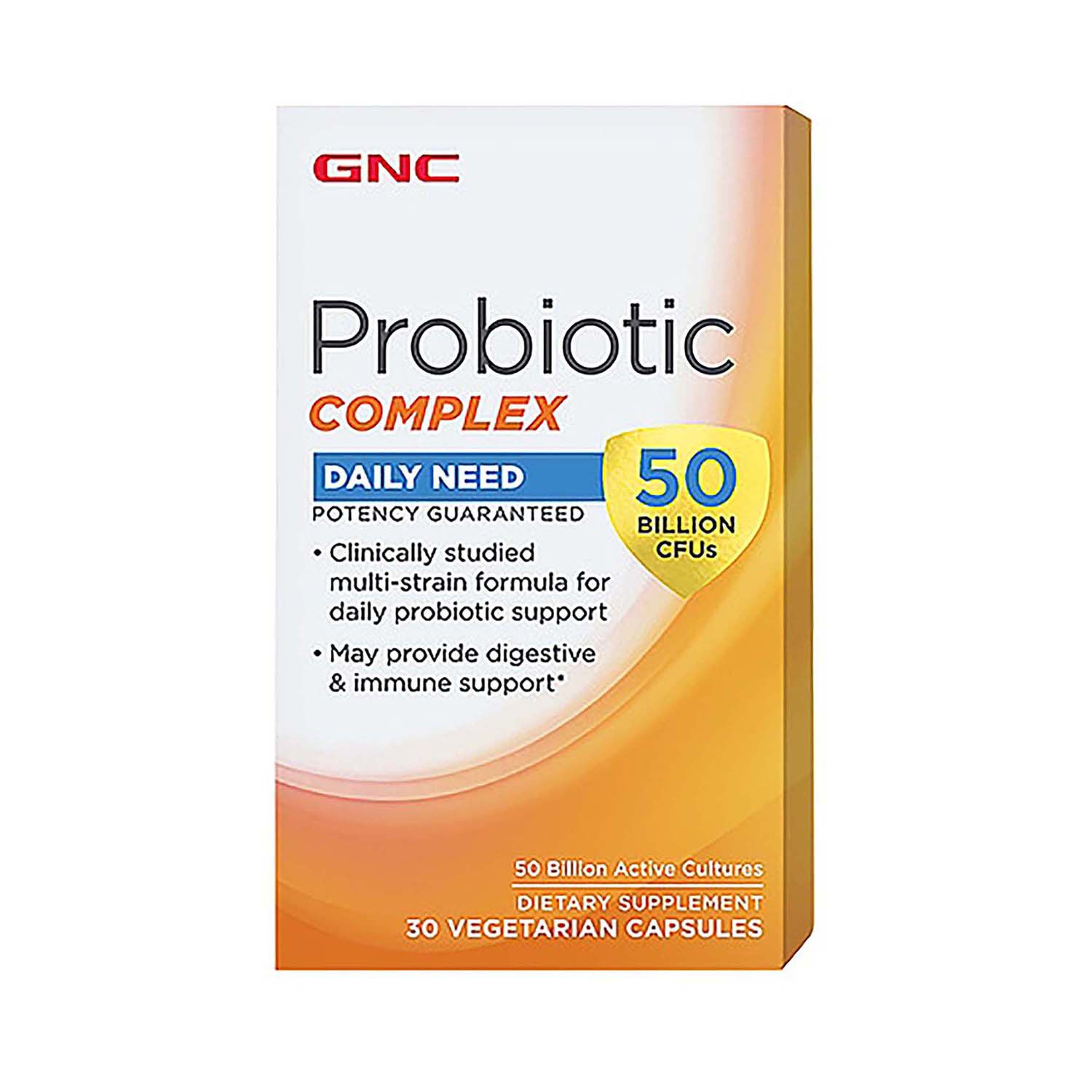
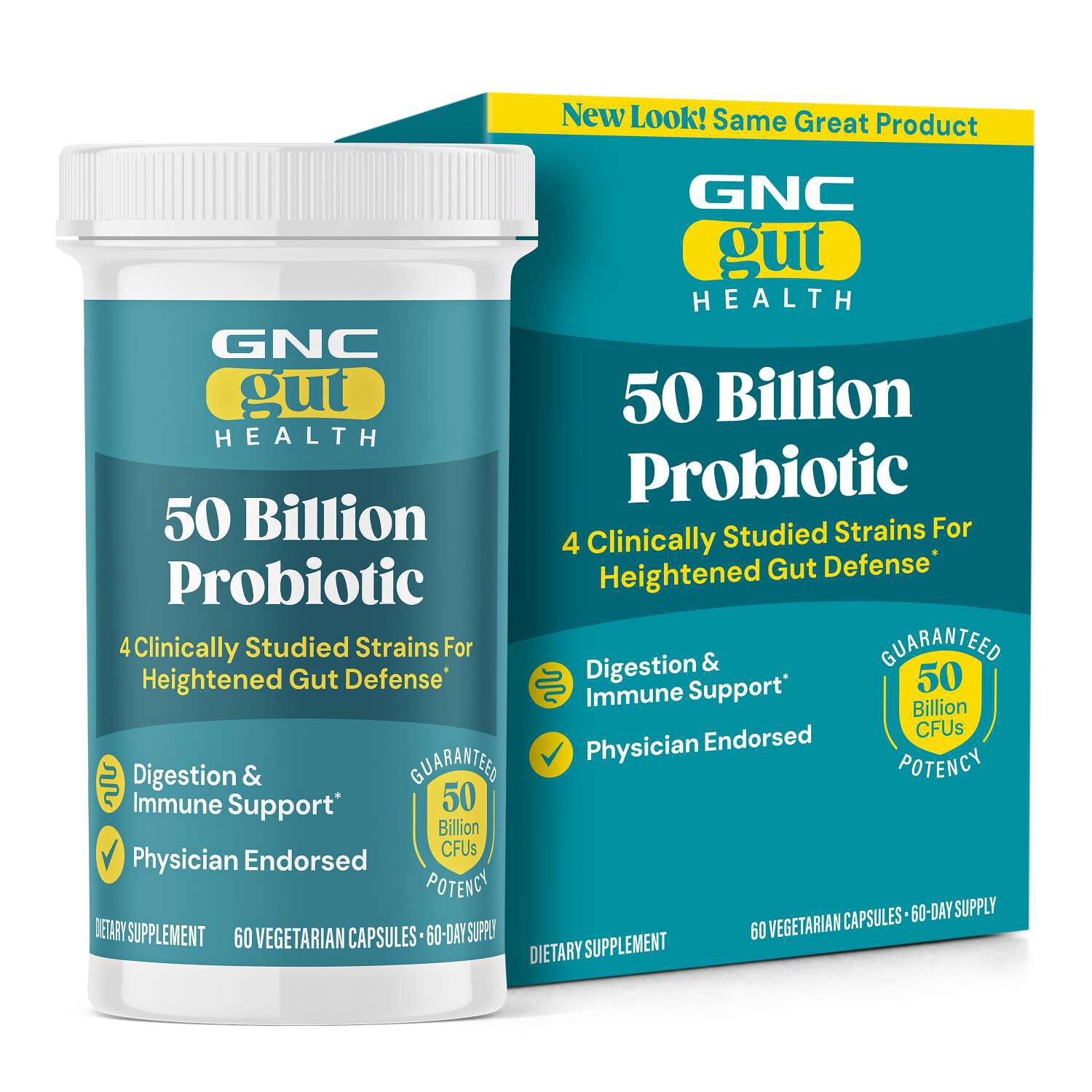
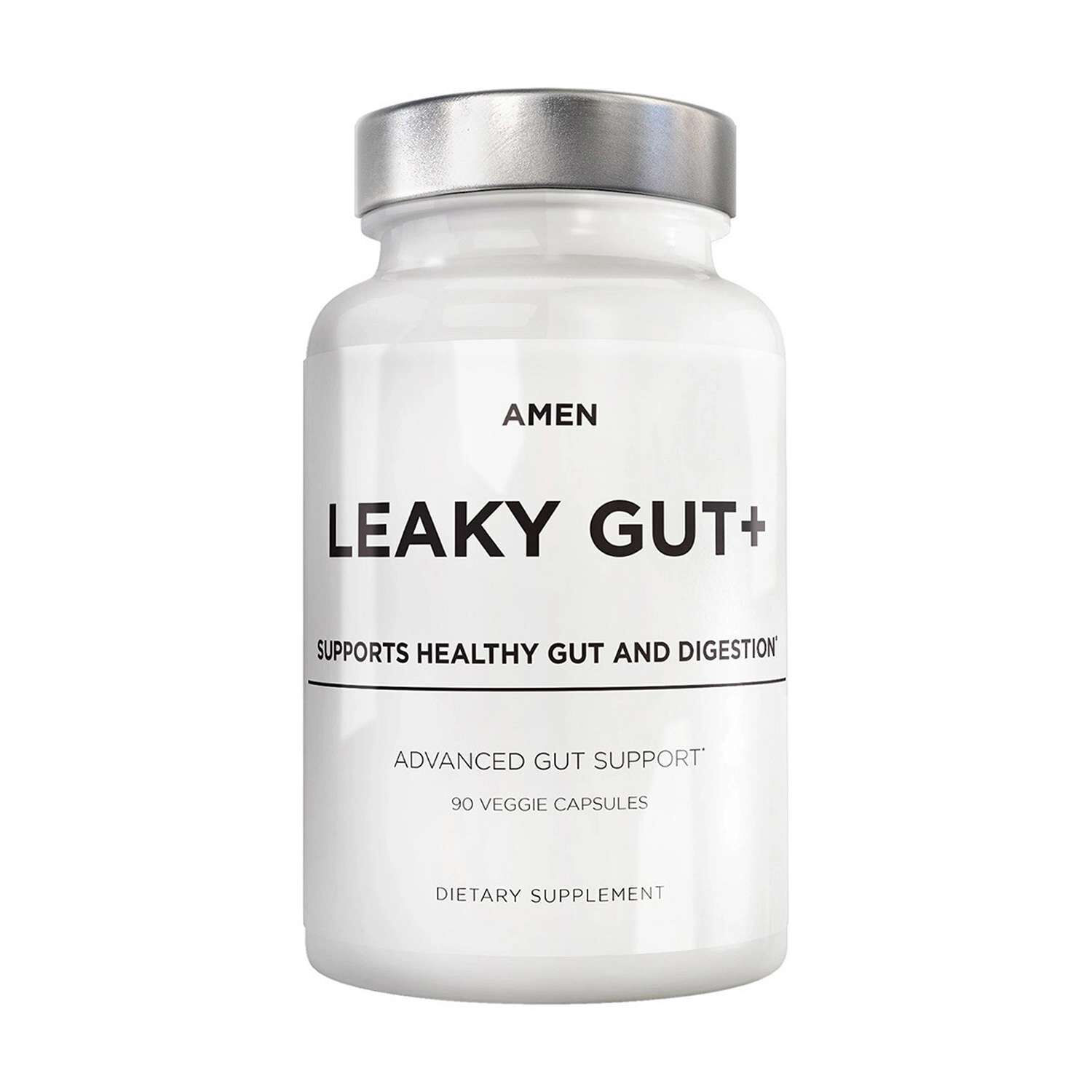
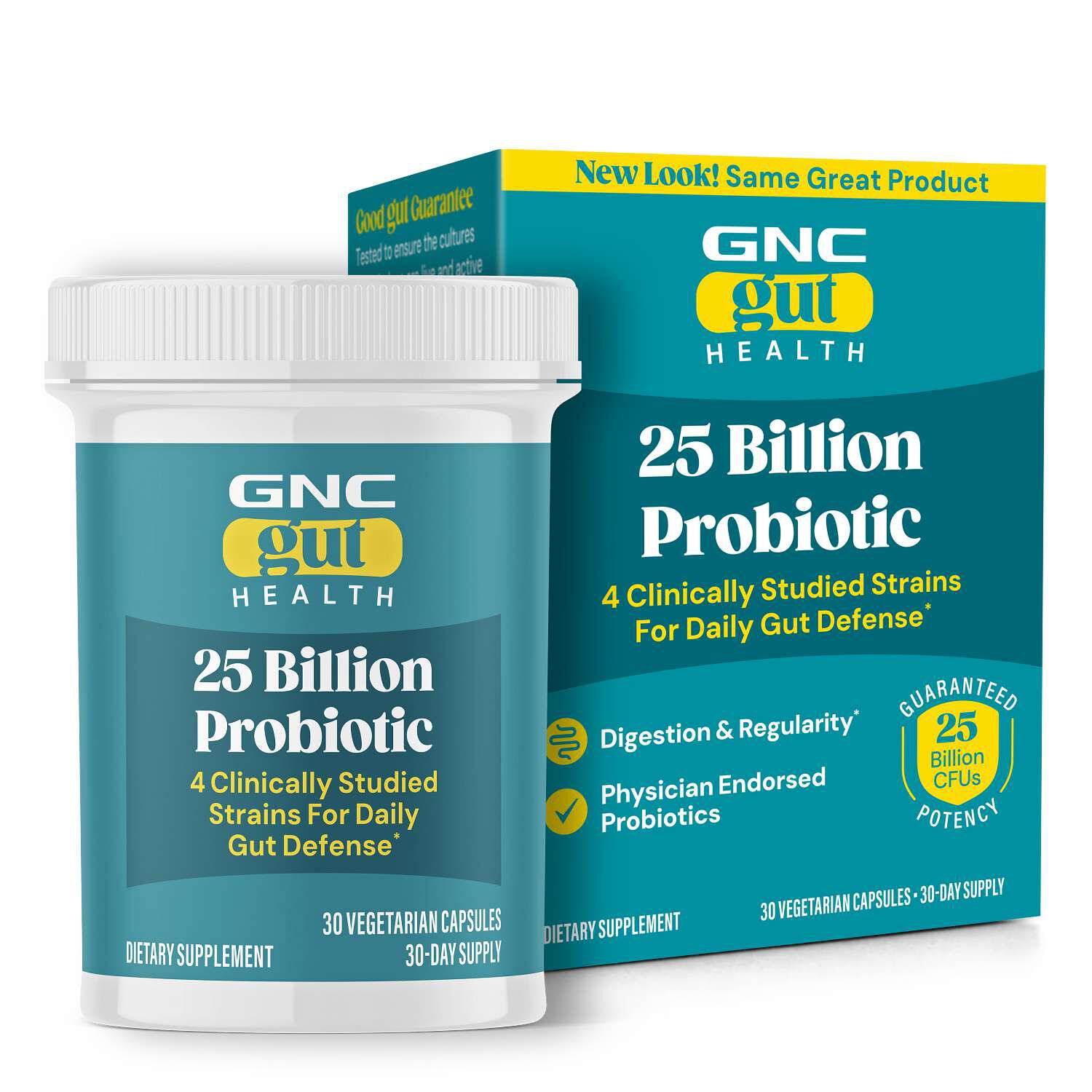
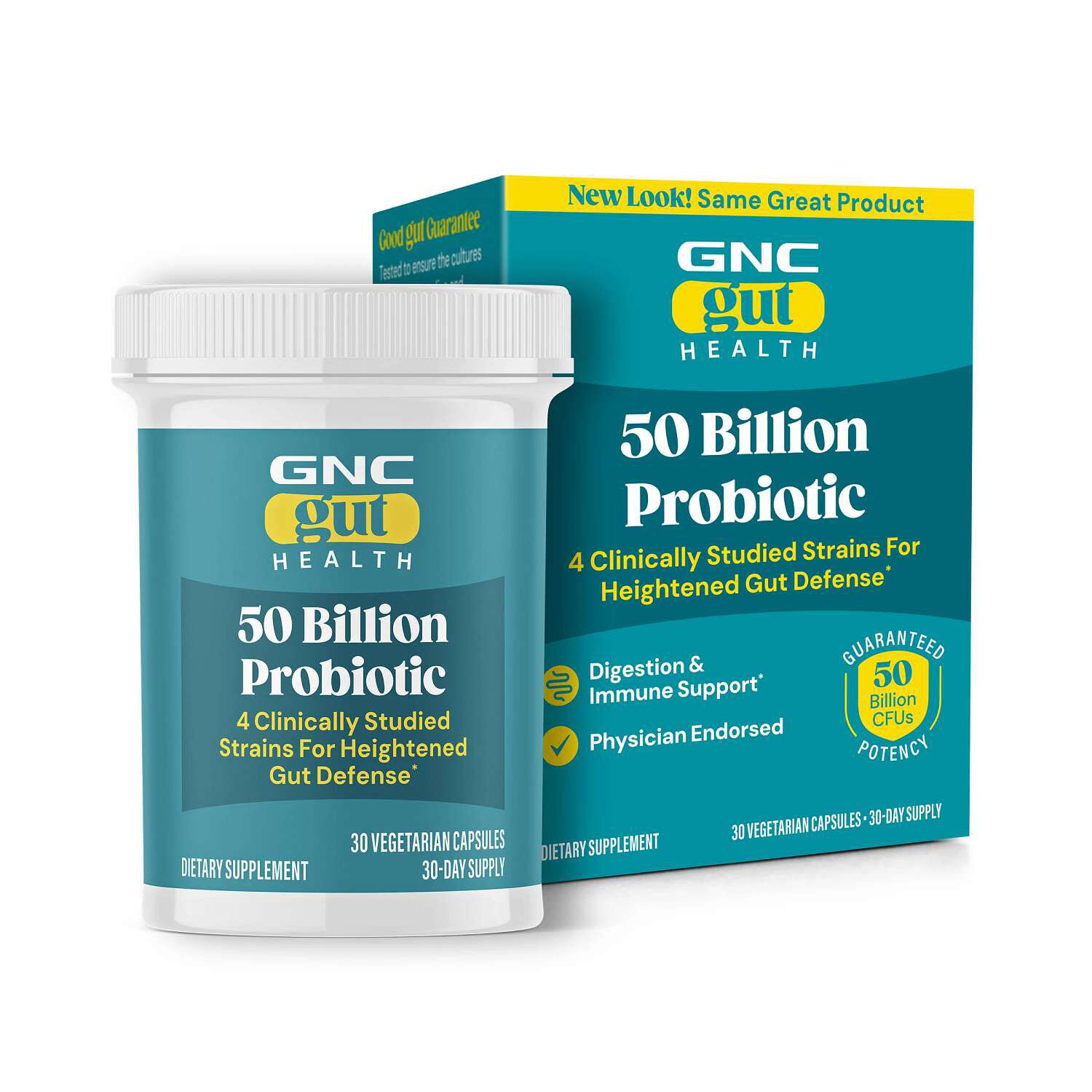


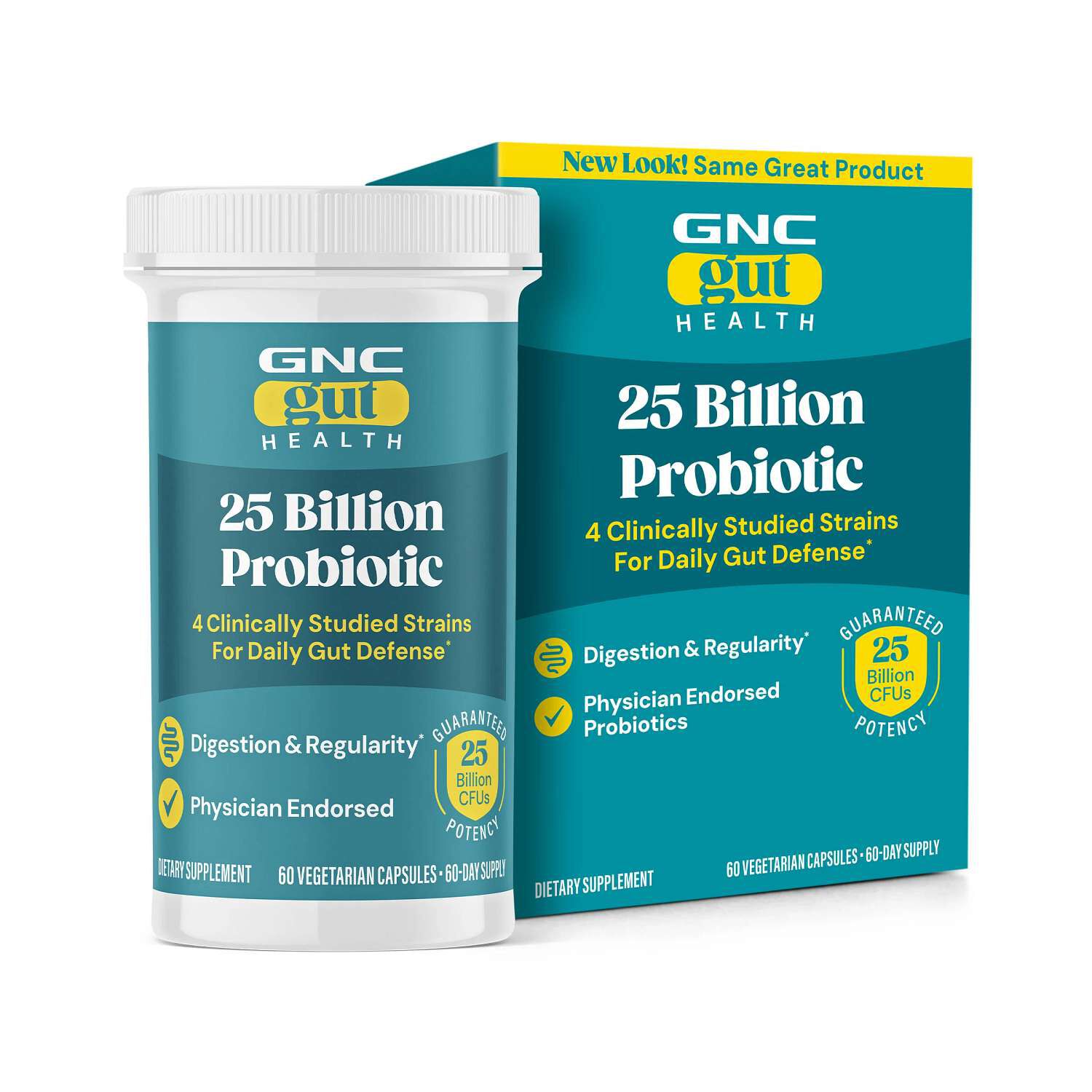
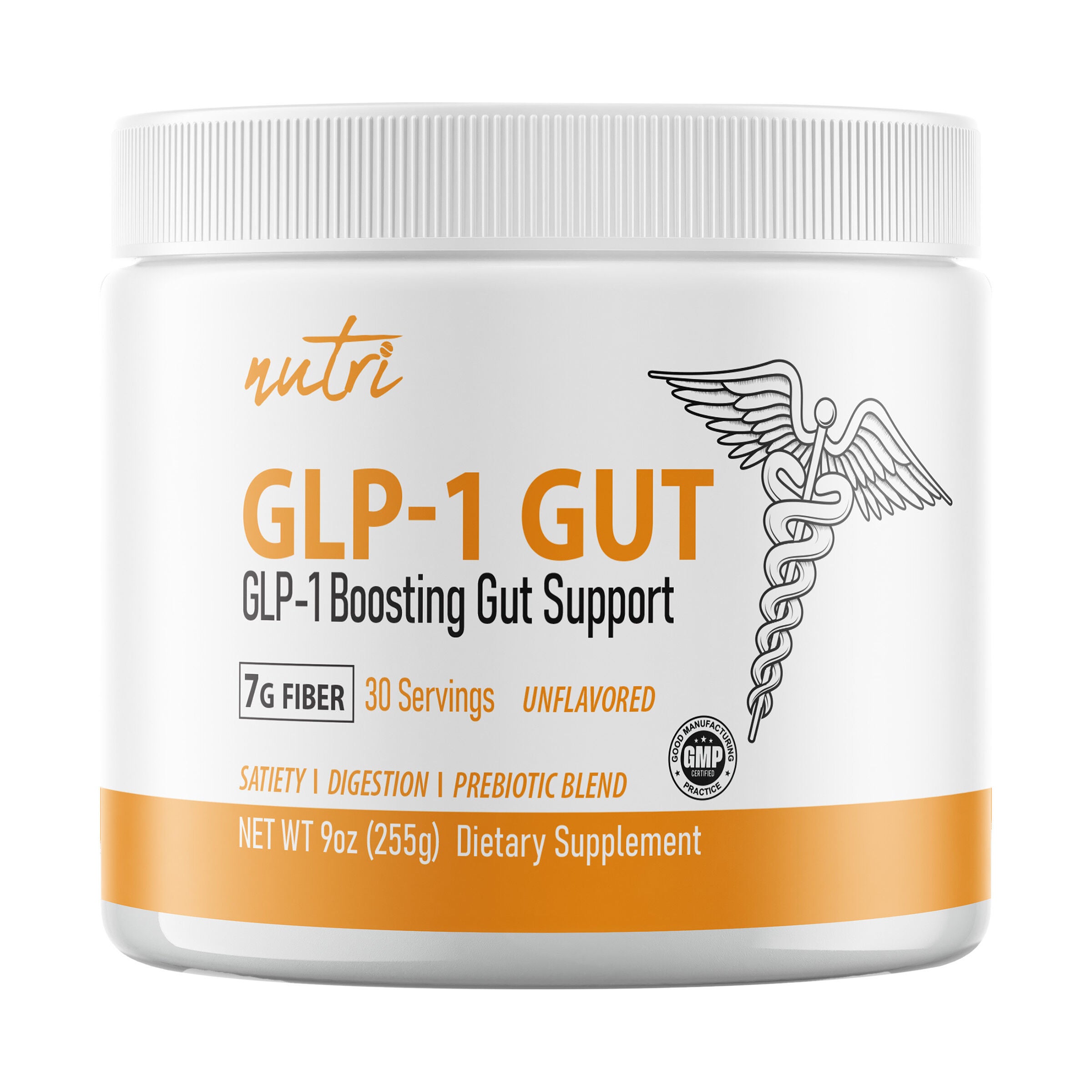


Gut lining protection supplements are dietary supplements marketed around the intestinal lining and everyday digestive wellness. The intestinal lining is the inner surface of the intestines; the gut microbiome refers to the microorganisms living in the digestive tract. Although both subjects appear in digestive wellness discussions, they are not interchangeable, and supplements grouped under this theme can have quite different ingredient profiles. Common ingredients across the broader category include L-glutamine, zinc, probiotics, dietary fibers, and botanical ingredients. L-glutamine is an amino acid found in foods and produced by the body, while zinc is a mineral that appears in several supplemental forms. Probiotic formulas contain live microorganisms, with labels identifying the genus, species, and sometimes the strain. Other formulas feature fibers such as inulin or fructooligosaccharides, either alone or alongside additional ingredients. These distinctions offer a more useful starting point for comparison than the category name alone. A single-ingredient powder presents a different label-reading experience from a capsule containing several minerals, microorganisms, and botanical extracts. Neither a longer ingredient list nor a larger number on the front of a package establishes that a formula is a better match for an individual. Ingredient names describe what is in the container, not what every person will experience. Likewise, the phrase “gut lining protection” is a shopping category, not evidence of a particular outcome. For shoppers organizing an existing digestive wellness routine, the most relevant details are often straightforward: the ingredients and their amounts, the number of capsules or scoops per serving, the preparation directions, and the intended audience stated on the label. Someone who prefers a short ingredient list may approach this category differently from someone comparing combination formulas. Those preferences can narrow the selection without relying on sweeping descriptions of what a supplement is supposed to do.
Format is another meaningful difference among gut lining protection supplements, particularly when considering the practical details of an everyday routine. Capsules offer a measured format without a mixing step, but capsule size and the number required for a labeled serving vary. Tablets may differ in shape, coating, and dimensions, details that are not always obvious from a front-facing package image. Powders involve measuring and mixing, so flavor, texture, and preparation directions deserve attention alongside the featured ingredients. An unflavored powder is not necessarily tasteless, and a flavored formula may contain sweeteners or other ingredients that matter to personal preferences. A powder mixed at the kitchen counter before breakfast presents different practical considerations from capsules kept in their labeled bottle for a lunch break. The directions may specify a particular liquid, an amount of liquid, or a mixing method; those details are more dependable than assuming every powder behaves the same way. The serving size also deserves a close look. A scoop is a volume measure, while a serving weight describes the amount by weight, and the two pieces of information work together on the label. Beyond the featured ingredients, capsule shells, flavorings, sweeteners, and other formulation ingredients help distinguish one option from another. Capsule shells may use gelatin or cellulose, which can matter to shoppers with dietary preferences. Allergen statements and dietary designations provide additional context, but the full ingredient list remains useful even when a package carries a familiar symbol. Storage and packaging belong in the comparison as well. Some formulas have specific refrigeration directions, while others specify a dry storage location. A tightly closed container, readable label, and attention to the printed storage instructions are practical considerations for keeping a supplement organized at home or carrying it during travel. Packaging that suits the setting may make the routine less cumbersome, whether that means a container with room for a scoop or a bottle that fits neatly in a cabinet.
Label detail and quality documentation add another layer to the comparison. The Supplement Facts panel separates the serving size from the amount of each listed dietary ingredient, an important distinction when one serving contains several capsules. For blended formulas, a proprietary blend listing may provide a combined amount without disclosing the amount of every component. Botanical labels may identify the plant, the plant part, and whether the ingredient is an extract, while mineral labels may identify the compound supplying the mineral. Probiotic labels can include strain identifiers, colony-forming unit counts, and information about when that count applies. These details describe different attributes, so a high microorganism count is not directly comparable with a mineral amount or the weight of an amino acid. Quality statements also deserve precise reading. The FDA does not approve dietary supplements for safety and effectiveness before they are marketed. Independent verification programs differ in what they examine, and testing for ingredient identity or selected contaminants is not the same as demonstrating a particular result from a finished formula. A clearly described testing program offers more context than an unexplained seal or broad quality language. Expiration dating, lot information, storage directions, and accessible ingredient documentation are additional details worth comparing. For shoppers looking across related digestive wellness categories, Gut Health Supplements For Sensitive Stomachs offers another browsing focus, with the same attention to ingredients, format, and label information remaining useful. Suitability is personal, and category placement does not establish that a supplement matches every age group, dietary preference, or existing routine. Labeled audience information and warnings are part of the product description, rather than details to overlook. A thoughtful comparison brings the discussion back to tangible differences: what the formula contains, how the serving is presented, what preparation it requires, and how it is stored. Those specifics make gut lining protection supplements easier to evaluate as dietary supplements, without treating a category label as an assurance of results.
Best Sellers
-
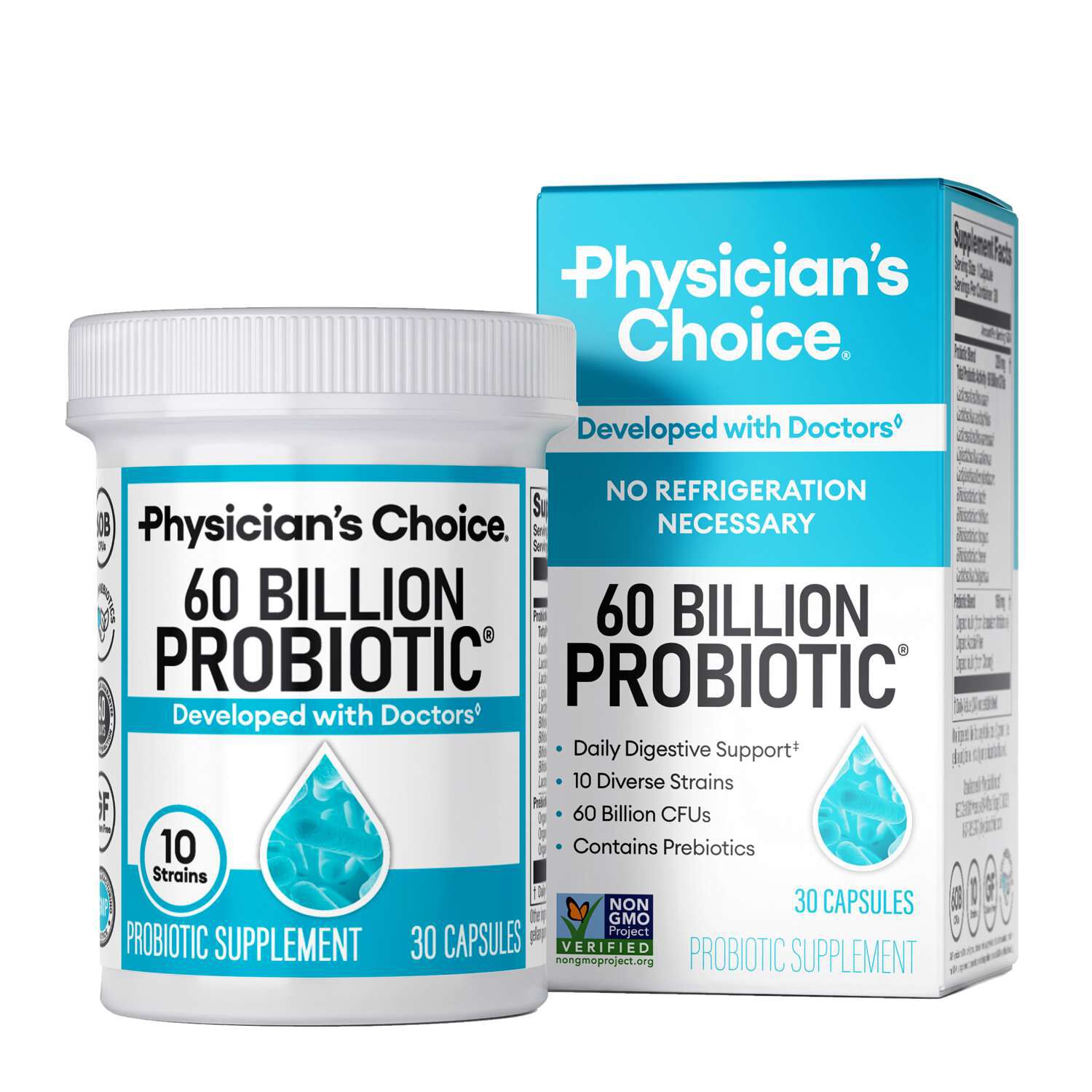 Physician's Choice
Related Pages
Top Collections
- Chronic Fatigue Supplements
- Vitamins For Hair Loss
- Zinc Supplements For Men
- Active Supplements
- Supplements For Yoga Joint Flexibility
- Capsule Supplements For Energy And Stamina
- Adult Vitamins
- Joint Mobility Supplement Packs
- Zinc Supplements | Top Brands at Great Prices | GNC
- Magnesium Bisglycinate Supplements