





Vegan Probiotics For Healthy Gut Lining Support
(0 Results)
Vegan probiotics for healthy gut lining support offer a plant-based approach for those looking to help support their digestive wellness while maintaining a vegan lifestyle. With options crafted from non-animal sources, these supplements may be ideal for individuals seeking alternatives that align with their dietary preferences. Explore a variety of vegan probiotics for healthy gut lining that could fit seamlessly into your daily routine and help you feel your best from the inside out.
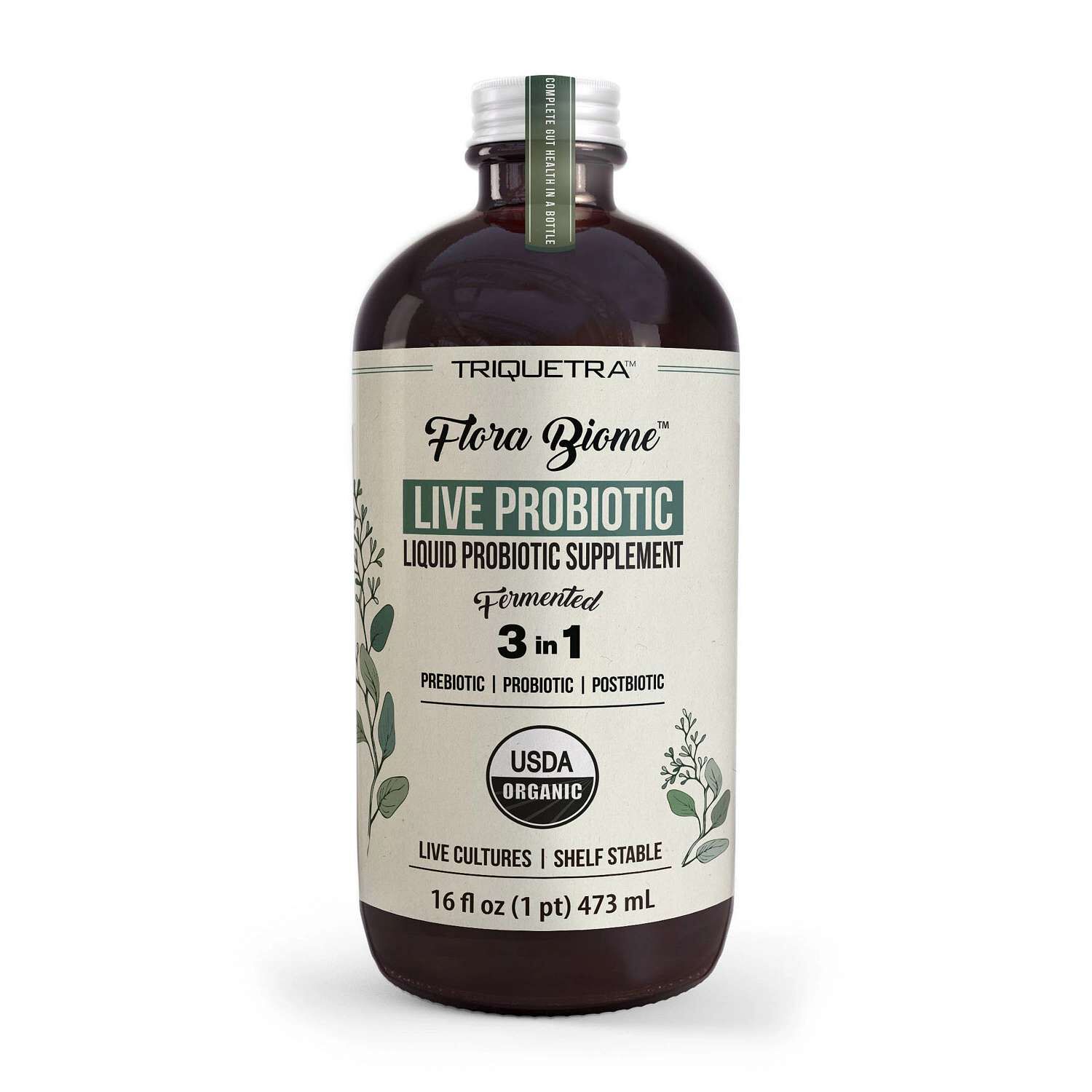
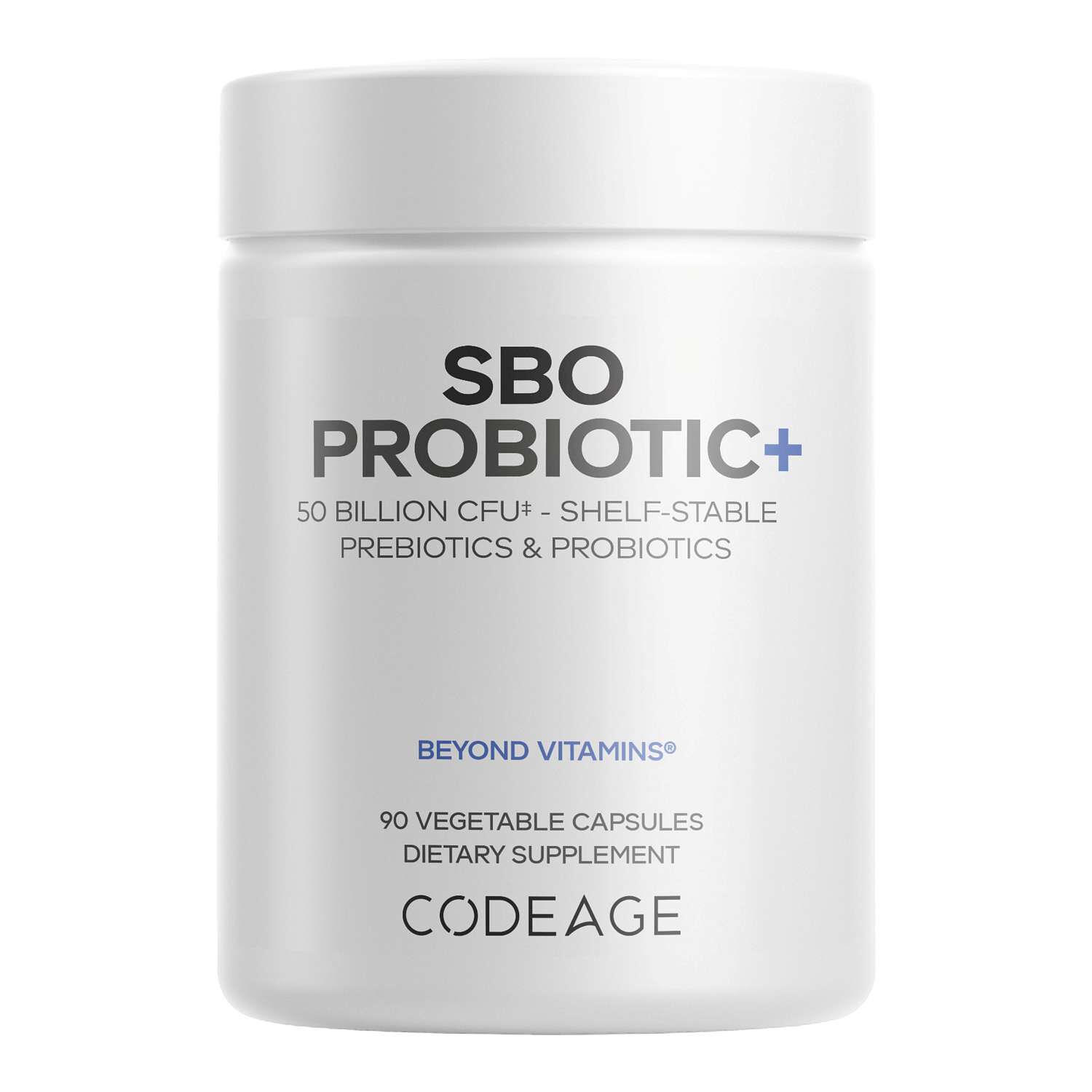

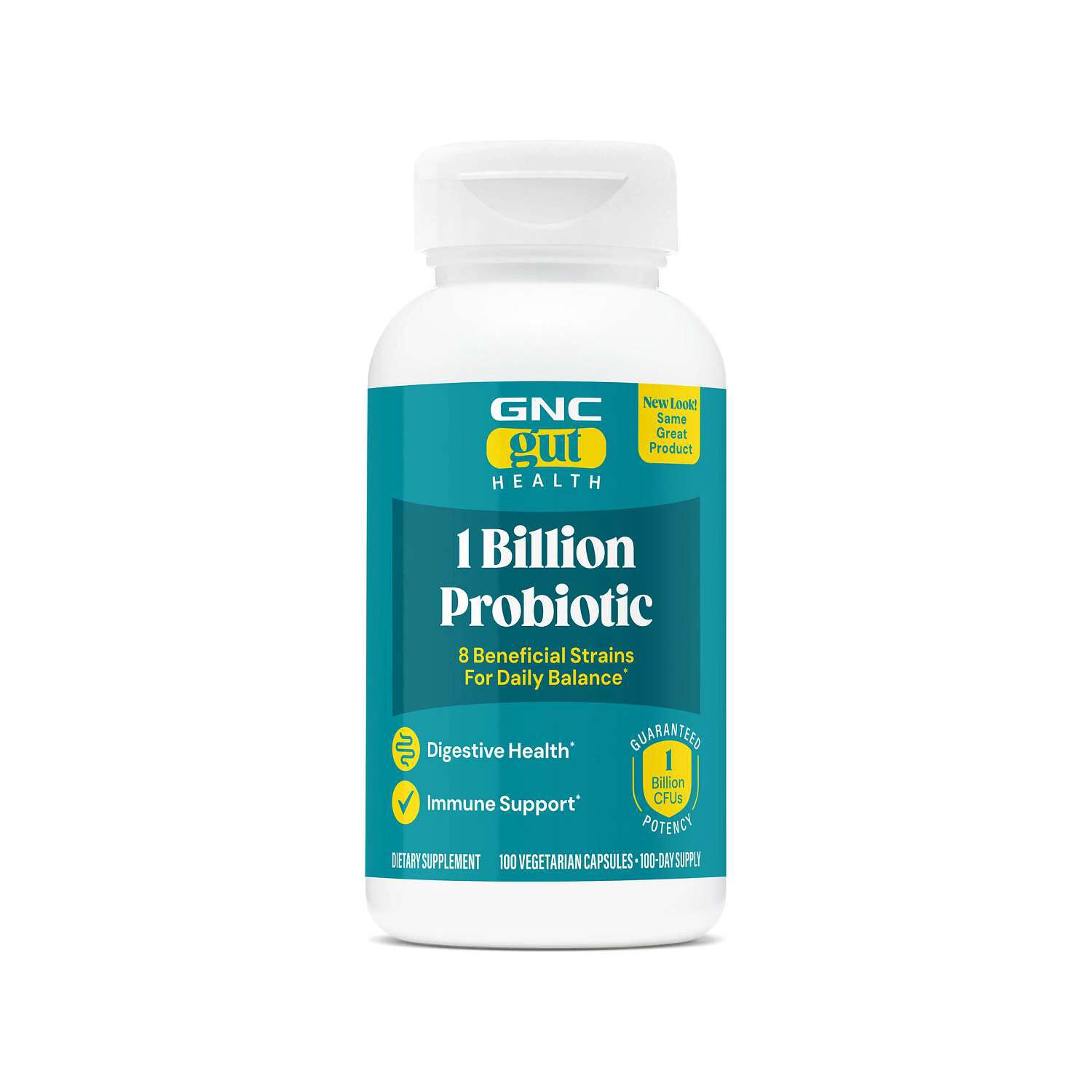
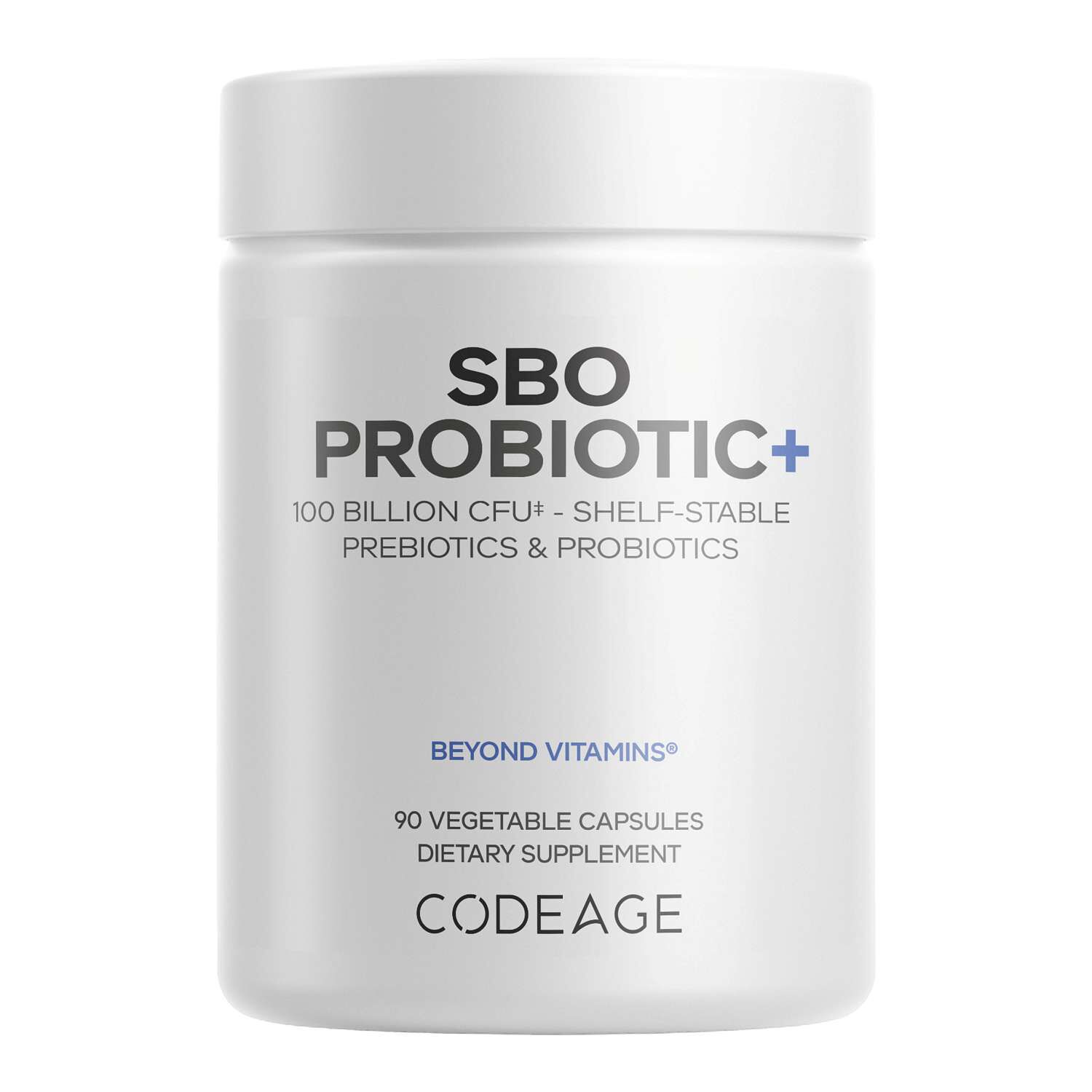
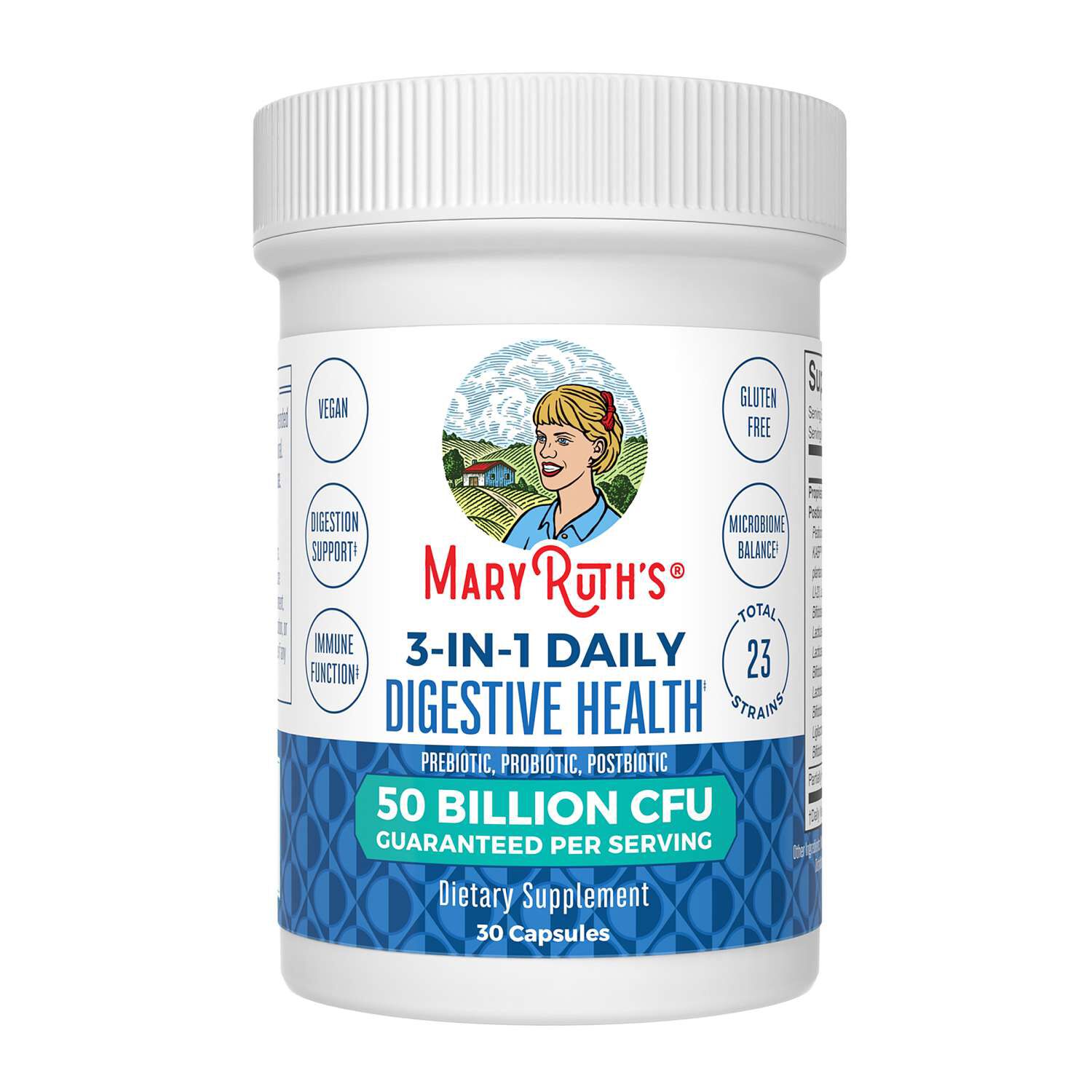

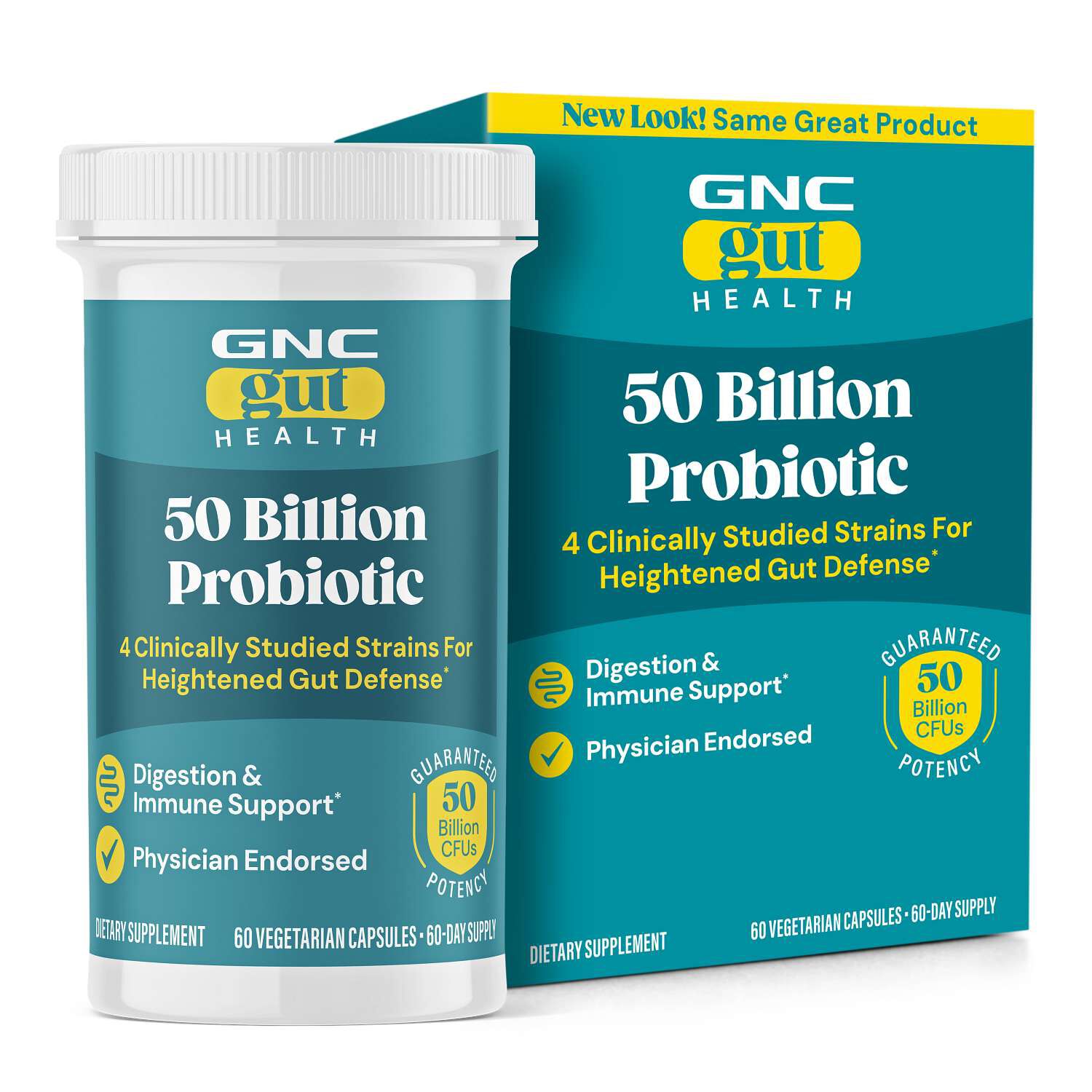
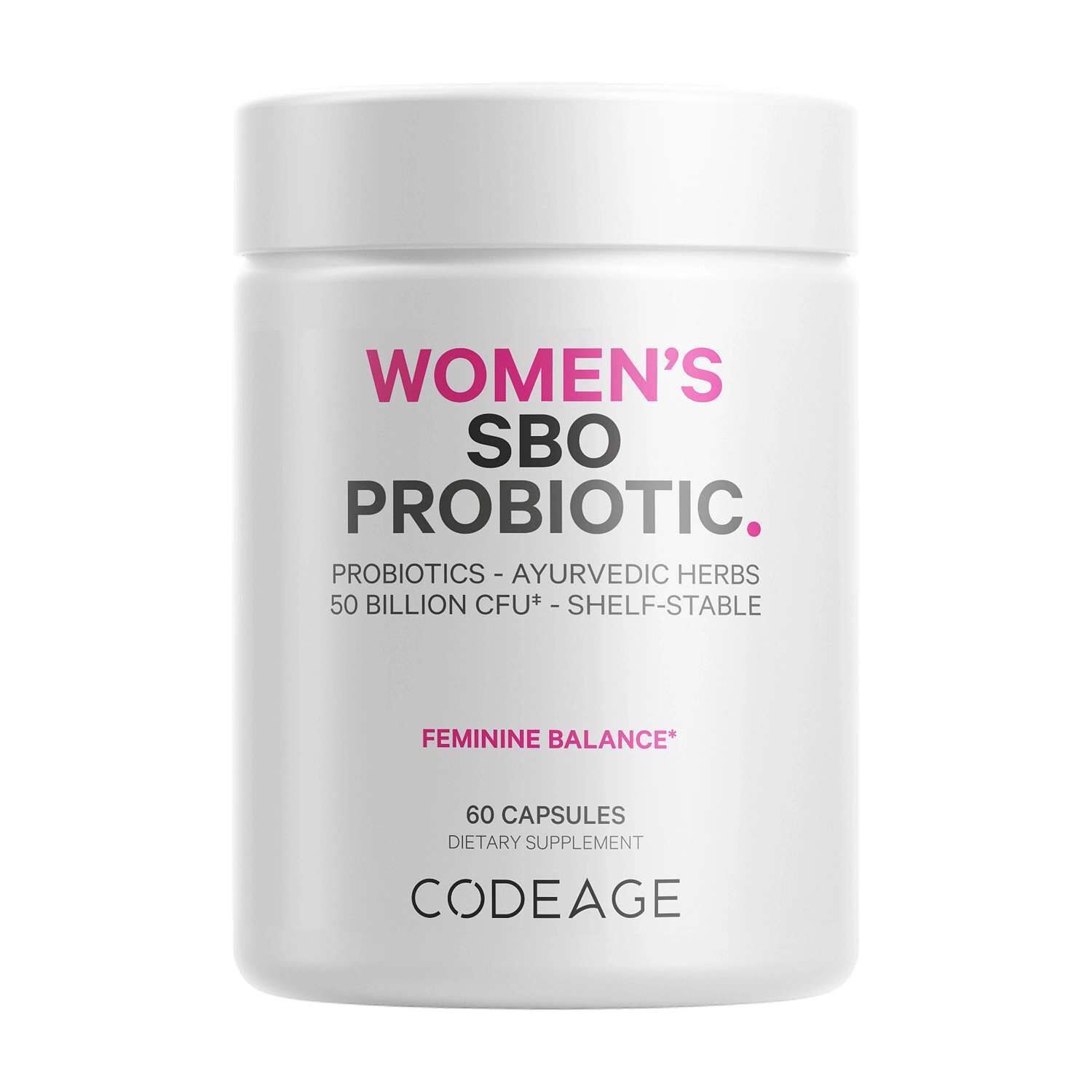
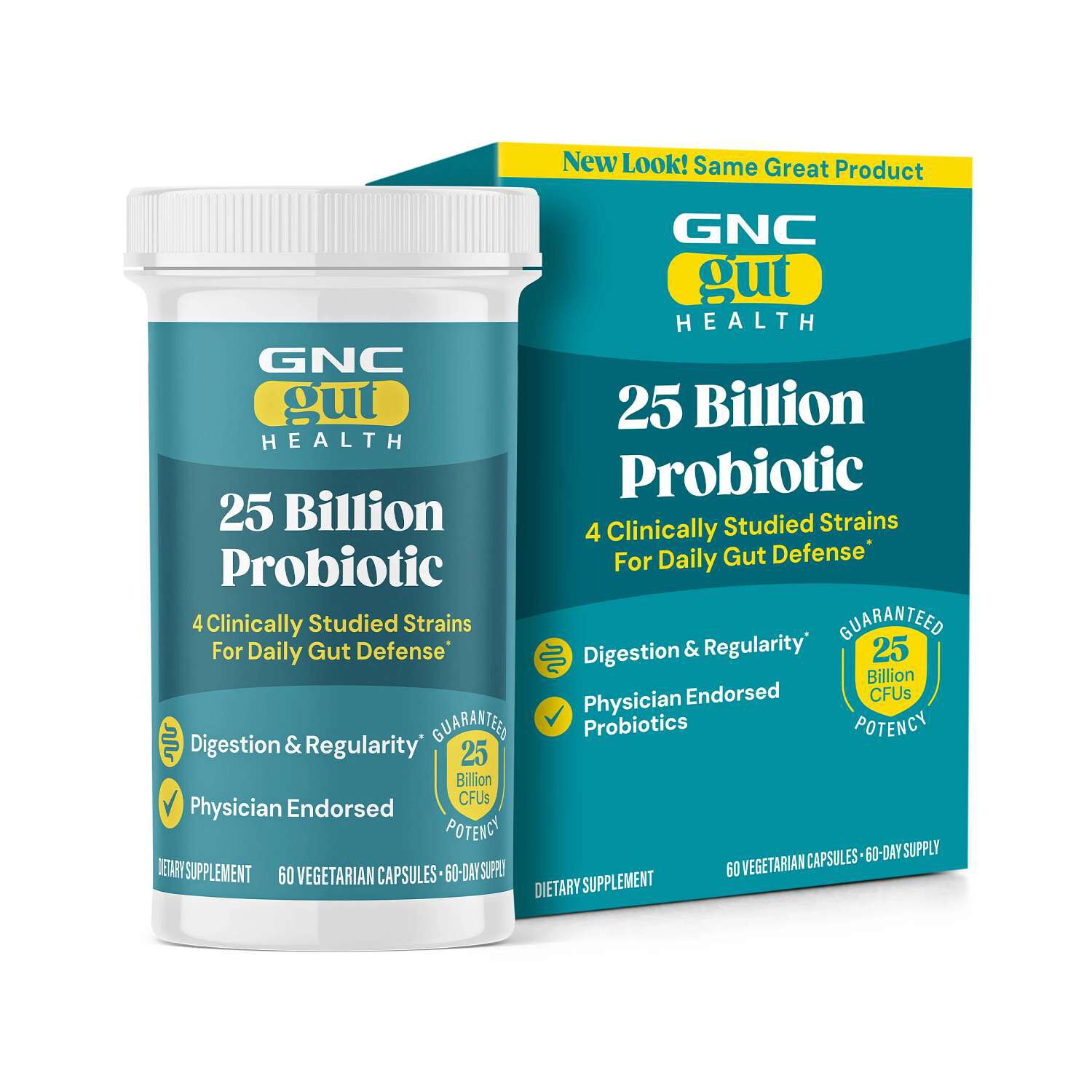
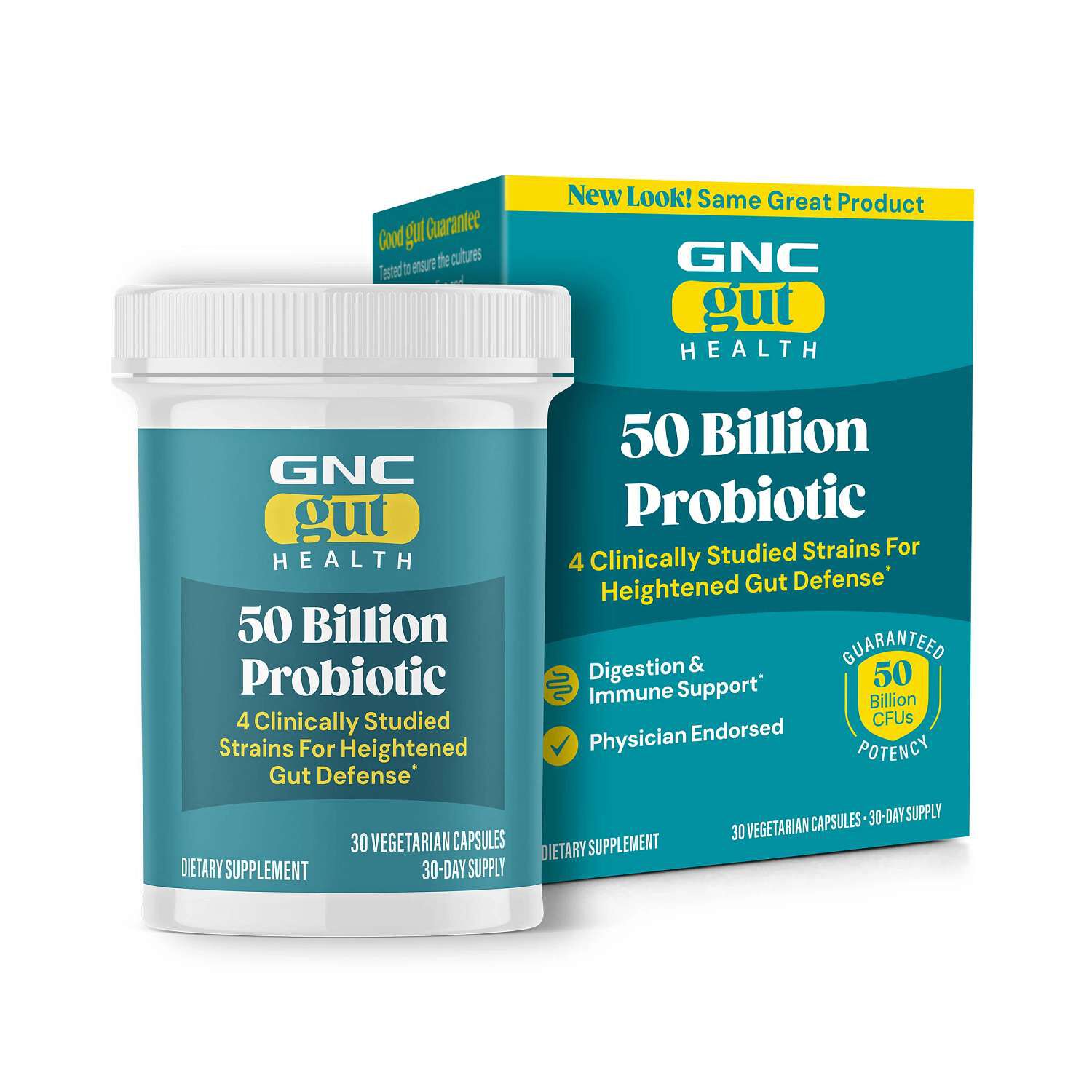


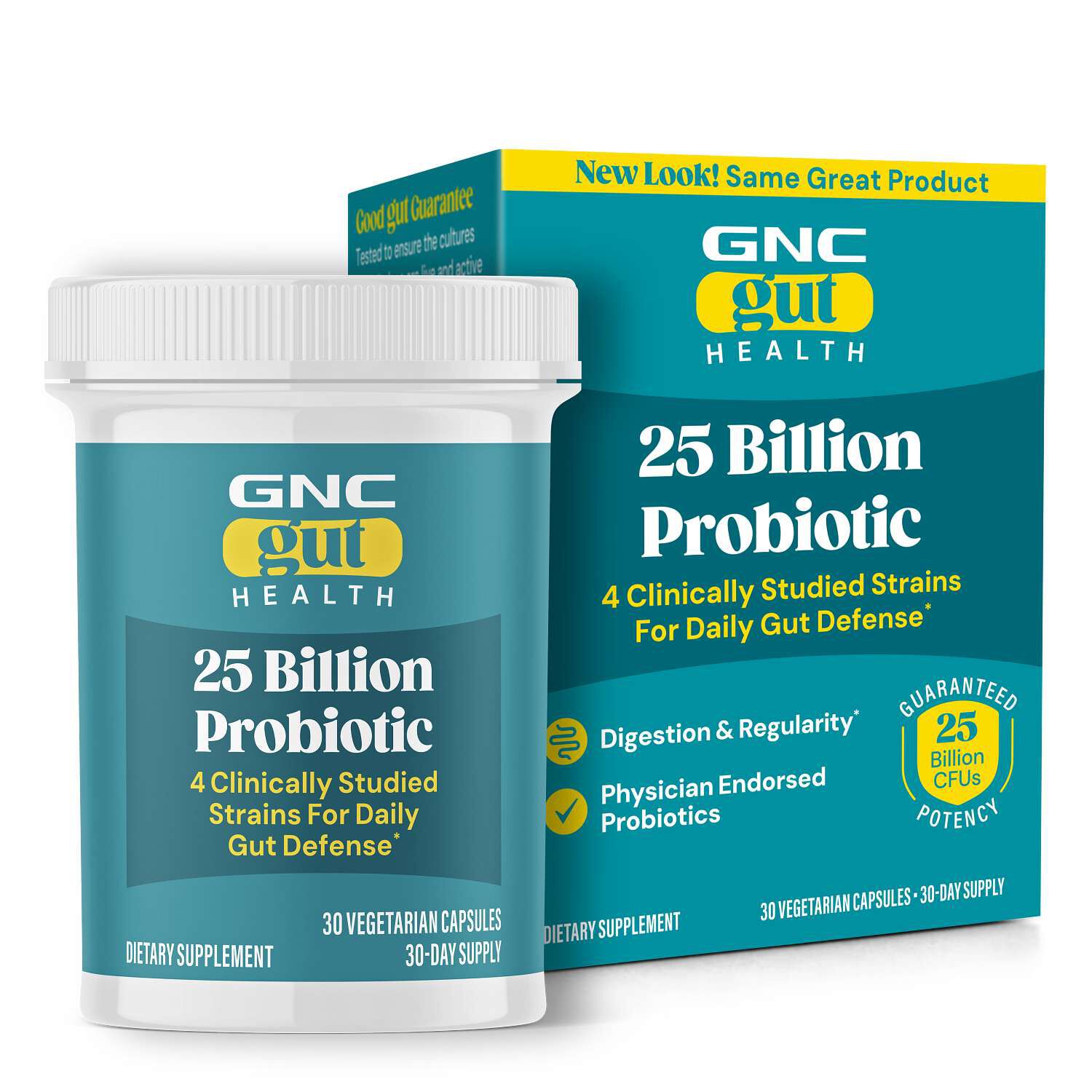
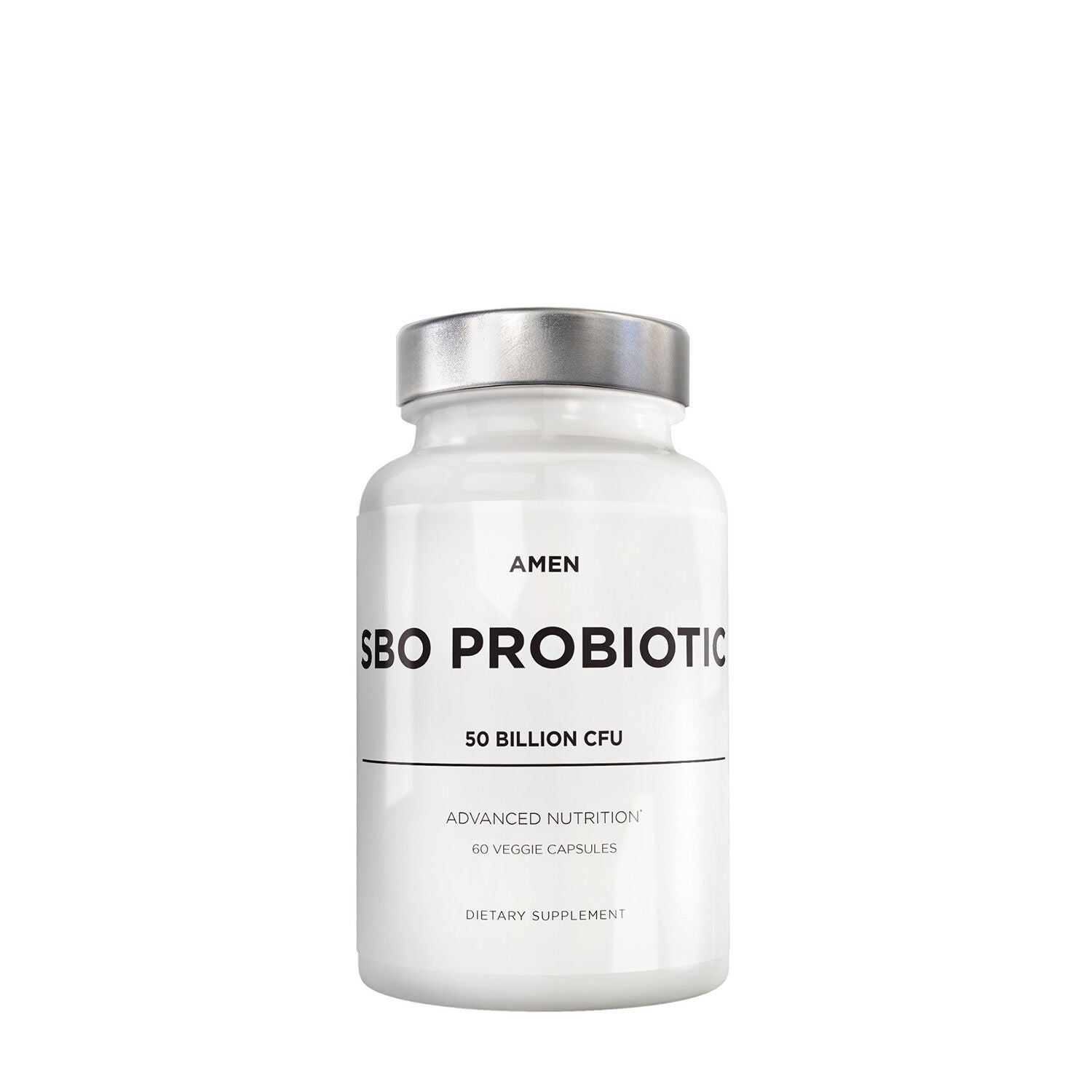
_Front.jpg?sw=305&sh=305&sm=fit "BioDophilus60 - 30 Capsules (30 Servings) | GNC")
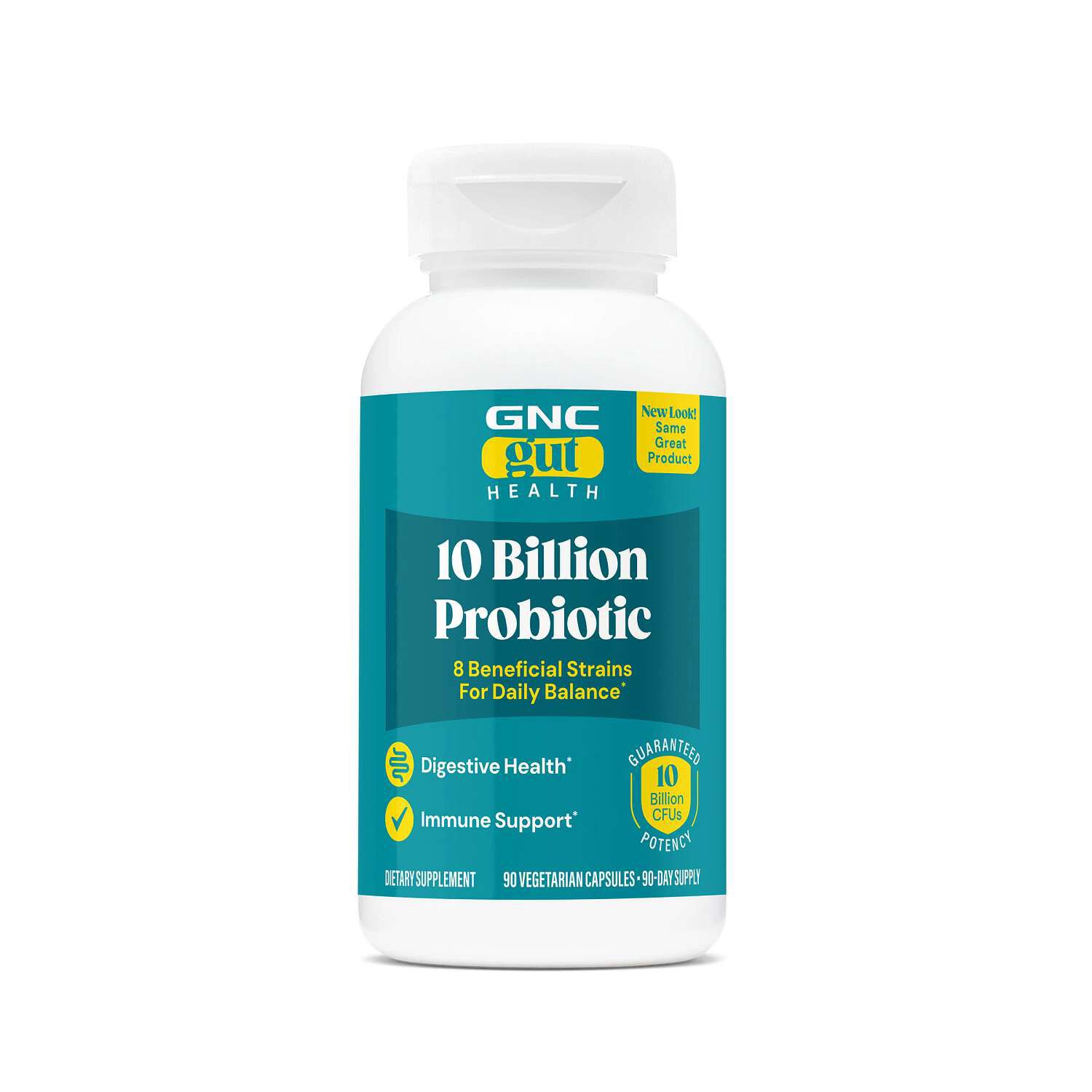

_Front.jpg?sw=305&sh=305&sm=fit "BioDophilus60 - 60 Capsules (60 Servings) | GNC")
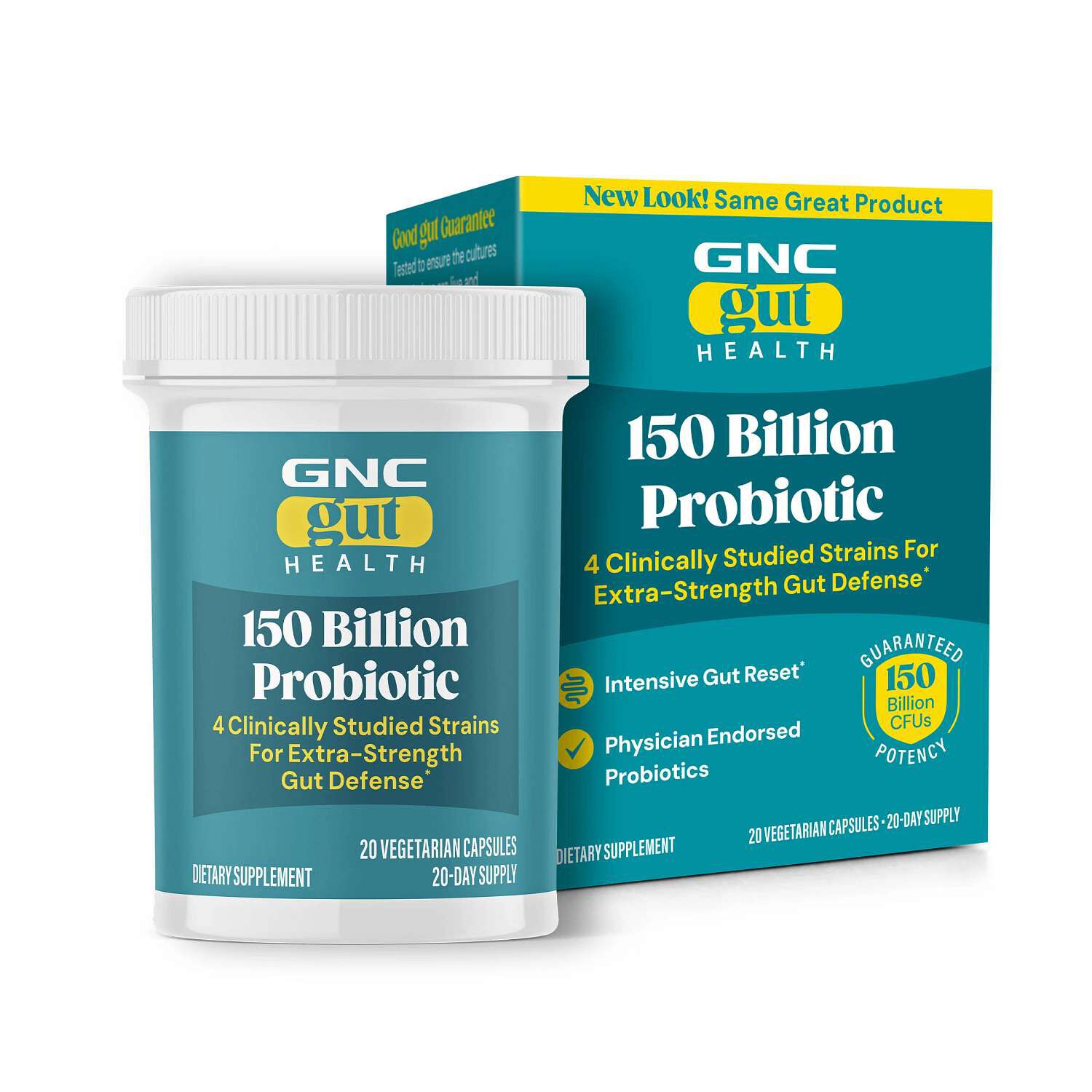
_Front.jpg?sw=305&sh=305&sm=fit "BioDophilus25 -120 Capsules (120 Servings) | GNC")
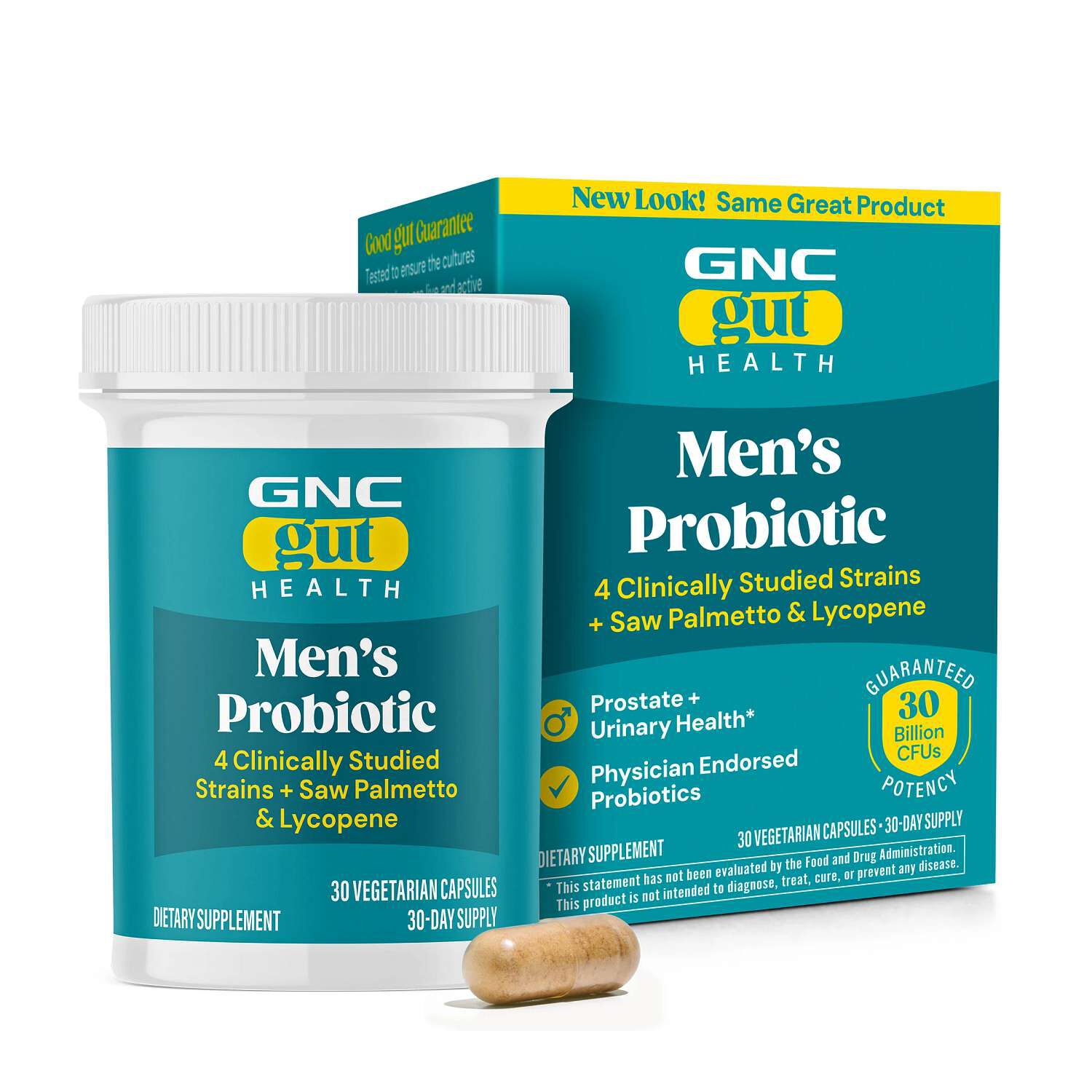
_Front.jpg?sw=305&sh=305&sm=fit "BioDophilus25 - 60 Capsules (60 Servings) | GNC")
Vegan probiotics for healthy gut lining support are supplements selected with both digestive wellness and plant-based preferences in mind. Probiotics are live microorganisms that, in suitable amounts, may support everyday digestive well-being. For someone shopping with gut lining support in mind, the most useful distinctions are the identified microorganisms, the serving information, and the ingredients used throughout the formula—not simply the word “vegan” on the front of the package. A vegan designation describes the product’s suitability for a lifestyle that avoids animal-derived ingredients; it does not, by itself, establish how a formula might work. Bacterial cultures are not inherently animal ingredients, but their production can involve growth media containing dairy or other animal-derived materials. Capsule shells, flavorings, and additional ingredients also deserve attention. Vegetable cellulose and pullulan are common alternatives to gelatin capsules, although a plant-derived capsule alone does not establish that everything inside meets vegan preferences. Clear manufacturer information about the finished formula and its production makes comparisons more meaningful. You may see names such as Lactobacillus plantarum, Bifidobacterium breve, or Bacillus coagulans on probiotic labels. These names identify different microorganisms, but a full strain designation provides a more specific identity than the species name alone. Two products featuring the same species are not necessarily interchangeable, and a longer list of cultures is not automatically a better match for every shopper. For adults who already choose plant-based meals, a vegan probiotic may fit naturally alongside familiar routines: oatmeal before a morning commute, a packed lunch of grains and vegetables, or a quiet dinner after a busy afternoon. Others may be exploring vegan supplements because they prefer animal-conscious sourcing, even if their eating habits are not exclusively plant-based. In either case, the appeal is a product that aligns with personal preferences while offering clearly described ingredients and practical serving directions. Gut lining support is a specific shopping interest, but a vegan label or a bacterial species name alone does not establish a particular benefit.
Choosing among vegan probiotic supplements often comes down to reading a few label details closely. Culture amounts are commonly expressed in colony-forming units, or CFU, a measure used to describe viable microorganisms. A larger number does not automatically make a product more suitable; the identified strains, suggested serving, and stated purpose provide important context. It also matters whether the listed CFU amount refers to the time of manufacture or the end of the stated shelf life under the specified storage conditions. Those descriptions are not equivalent, particularly for something intended to sit in a cupboard for several weeks. Serving size deserves the same attention. A bottle containing sixty capsules could represent a different number of servings depending on whether the directions specify one capsule or two. Comparing cost per labeled serving, rather than bottle price alone, gives a clearer picture of an ongoing purchase. Format is another everyday consideration. Capsules may suit someone who likes a straightforward routine, while powders or chewable options offer a different experience where available. Taste, texture, added sweeteners, and preparation steps can matter just as much as the ingredient list when deciding what fits comfortably into an ordinary day. Some formulas combine probiotics with prebiotic ingredients, such as inulin or other fibers. Prebiotics are substances that certain microorganisms can use; they are distinct from the live cultures in a probiotic. A combined formula offers a different ingredient profile, not an automatic advantage over a simpler option. Shoppers comparing these formats can explore Vegan Gut Health Supplements for a broader view of plant-based digestive wellness options. For anyone avoiding particular food ingredients, the allergen statement remains relevant even when a product is labeled vegan. Vegan does not necessarily mean made without soy, wheat, or other ingredients that someone may wish to avoid. Specific ingredient disclosures and recognizable certification marks offer more useful information than broad packaging language, especially when sourcing preferences are central to the purchase.
The practical side of a probiotic purchase becomes clearer when you picture where the bottle will live and how it will fit into your schedule. Some products require refrigeration, while others are labeled for storage at room temperature. Neither storage format alone establishes that a formula is a better choice; what matters for everyday use is whether its stated conditions work in your home and during travel. A refrigerated product involves a different routine from a bottle stored in a cool, dry cabinet. Shelf-stable also does not mean unaffected by heat or moisture, so package directions remain important when planning storage or packing for a trip. During the cooler months, overnight visits and longer stretches away from home can make bottle size, packaging, and portability especially relevant. The expiration date is worth considering alongside the number of servings, particularly if you are comparing a smaller introductory purchase with a larger supply. Timing and preparation can vary between formulas, so the product’s own directions are a better reference than assuming all probiotics belong beside the breakfast bowl. These supplements may appeal to adults building a plant-based wellness routine, people who value transparent sourcing, or shoppers looking for a format that suits a busy household. They are generally a personal purchase; as a gift, a probiotic is most thoughtful when the recipient has specifically requested it and shared their preferences. Beyond the bottle, plant-based eating offers many textures and flavors that can make an everyday routine enjoyable: warm lentil soup, roasted vegetables, overnight oats, or a cultured plant-based yogurt. Fermented foods and probiotic supplements are not interchangeable, and fermentation alone does not establish that a food contains live cultures when eaten. Similarly, a supplement does not take the place of varied meals. The most grounded purchase is one based on transparent labeling, suitable ingredients, manageable storage, and a serving format that feels realistic. For shoppers interested in vegan probiotics and gut lining support, those concrete details offer a thoughtful basis for comparison without relying on sweeping language about what any one formula might do.
Best Sellers
-
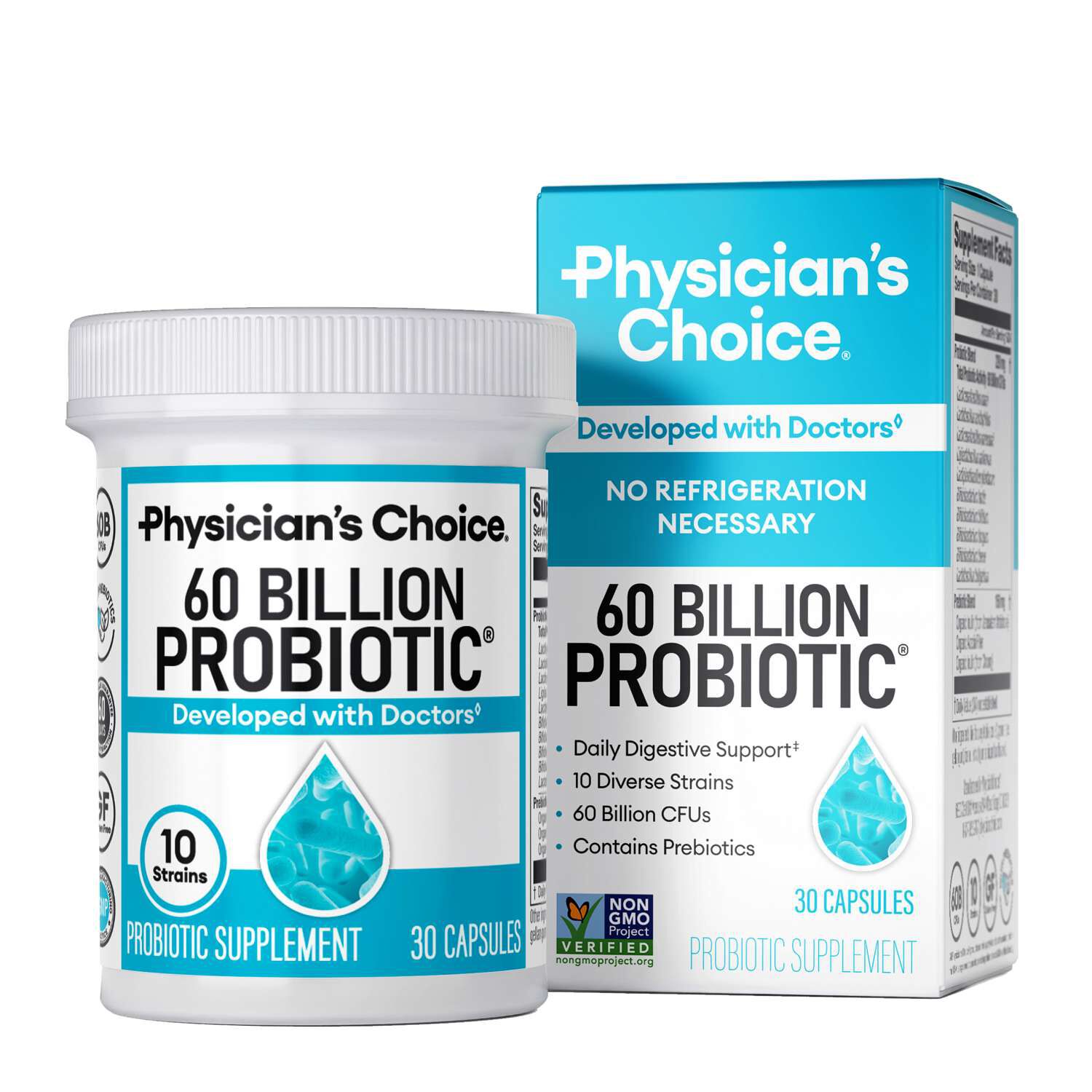 Physician's Choice
Related Pages
Top Collections
- Daily Collagen Supplements | Top Brands & Deals | GNC
- Cortisol Supplements
- Top Rated Collagen | Shop Customer Favorites | GNC
- Vitamins For Hair Loss
- NAD+ Supplement Tablets
- Peptide Supplements
- Best Brand of Magnesium Glycinate
- Protein Powders For Muscle Growth Support
- Vitamins That Help Support Weight Gain
- Peptide Supplements for Muscle Growth