





Vegan Gut Health Supplements
(0 Results)
Discover a range of vegan gut health supplements designed to support your digestive system while aligning with your plant-based lifestyle. These supplements might help balance your gut microbiome, enhance nutrient absorption, and promote overall well-being. Packed with natural ingredients, they could offer a gentle yet effective way to maintain digestive harmony. Whether you're looking to boost your immune system or simply want to feel more comfortable after meals, explore options that may fit seamlessly into your daily routine.
-
-
 209$34.99
-
-

-

-

-
-
-
-
-
-

-
-

-
-

-

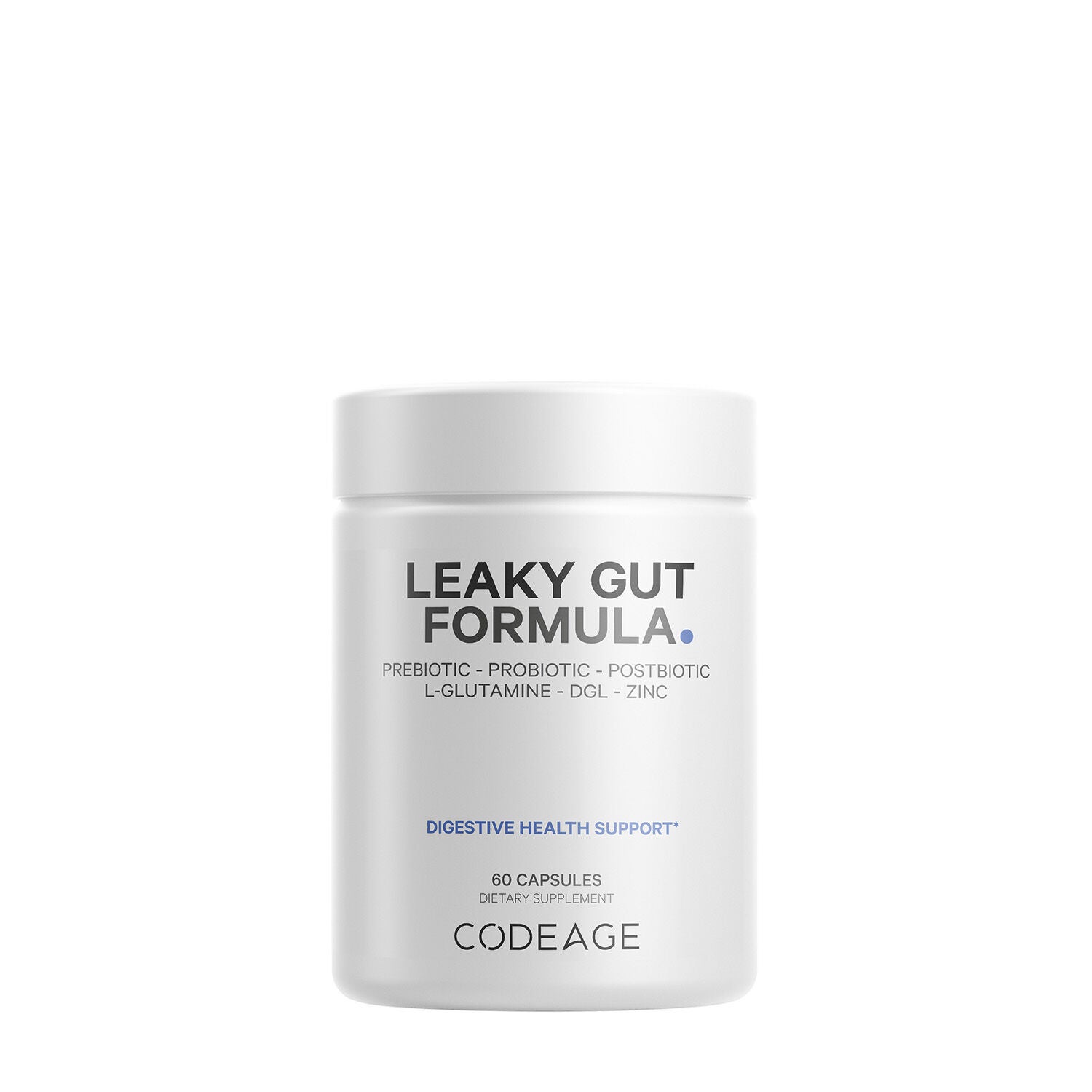
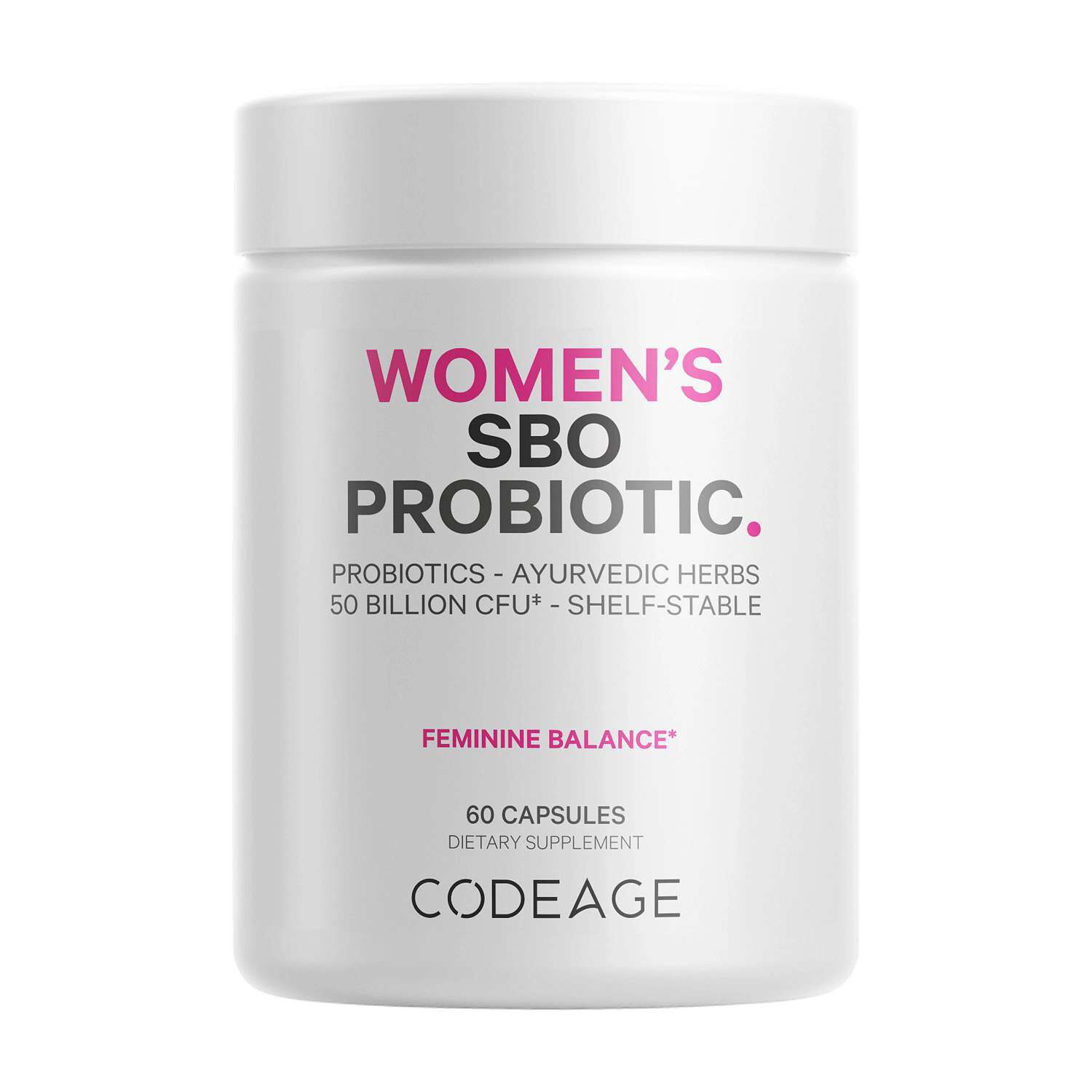

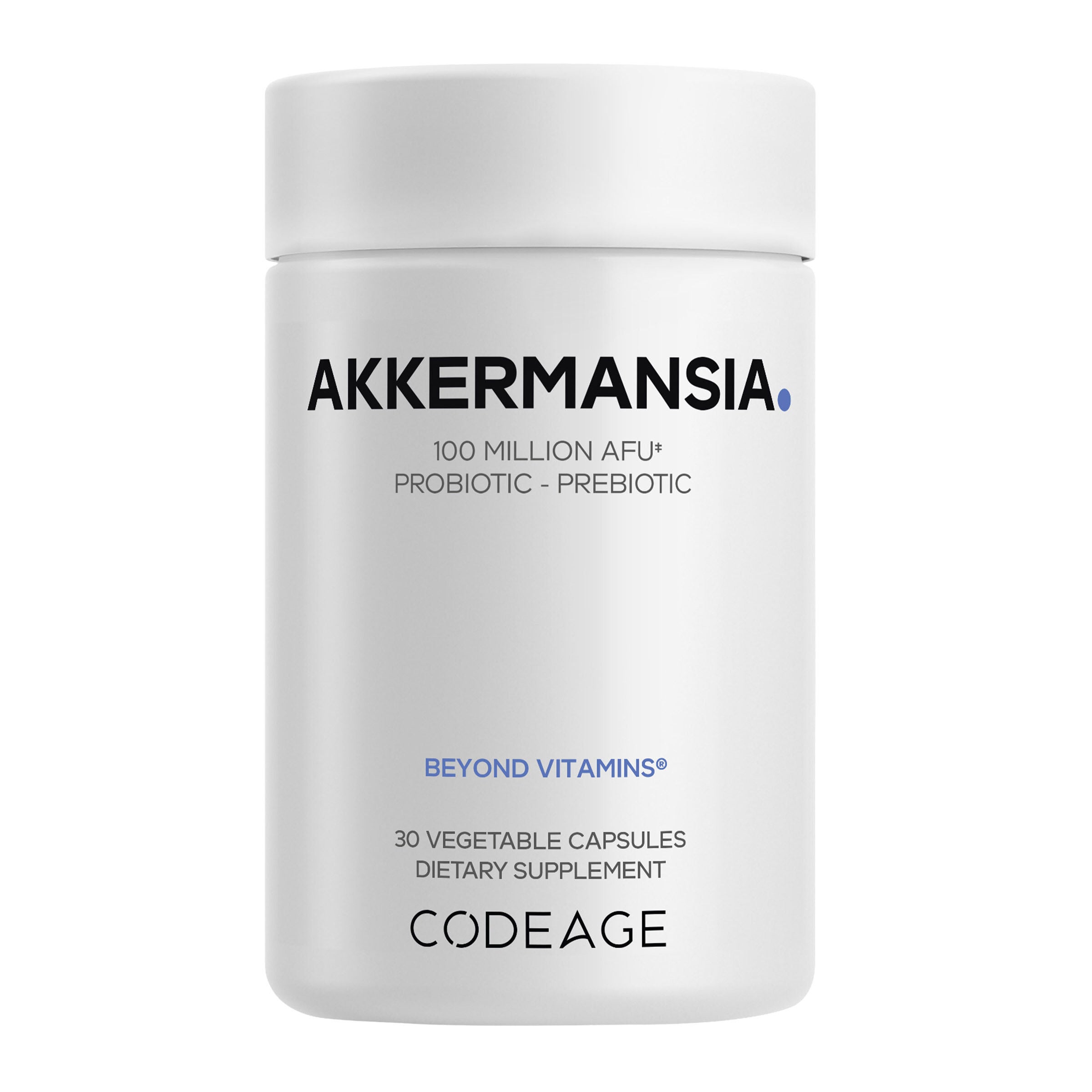
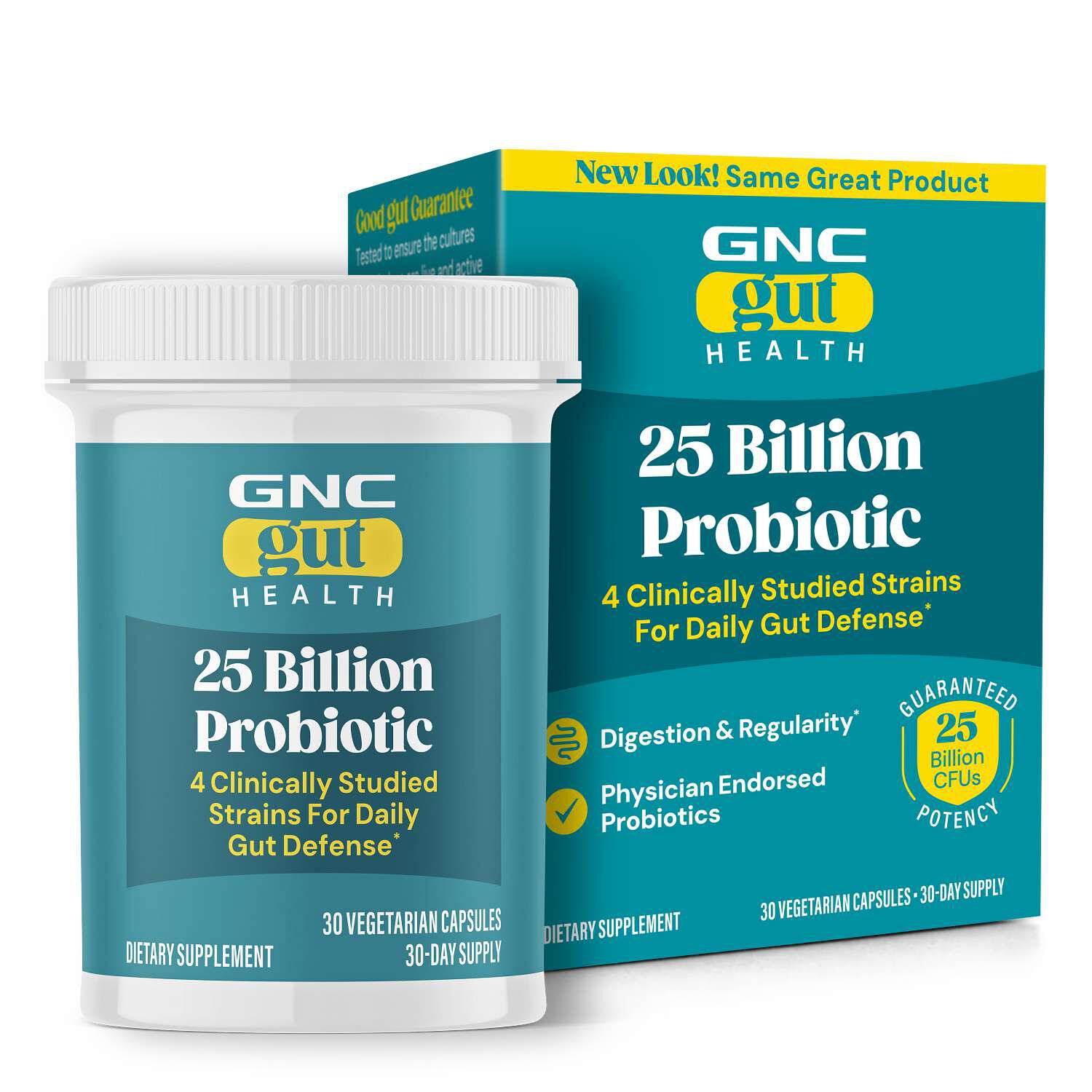

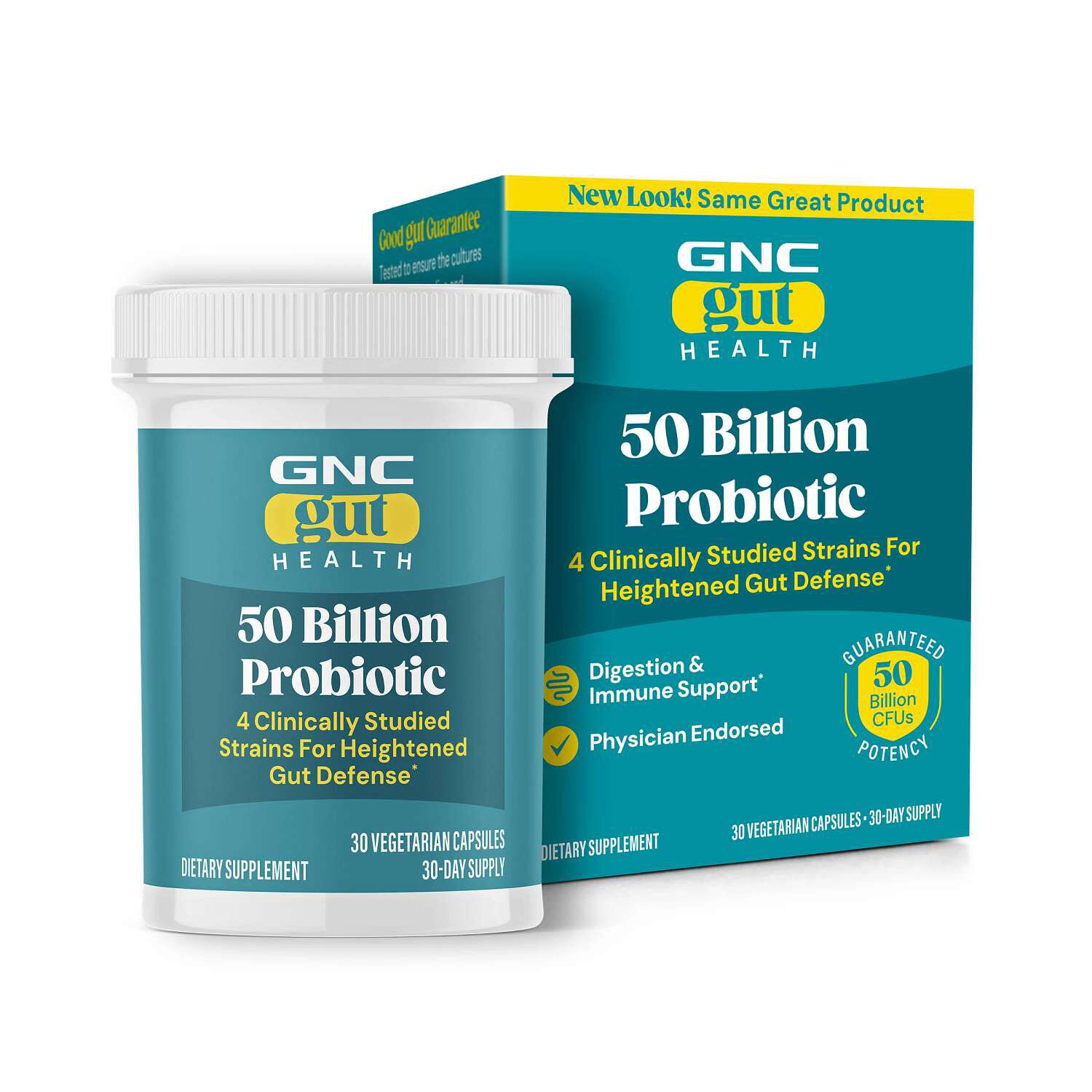
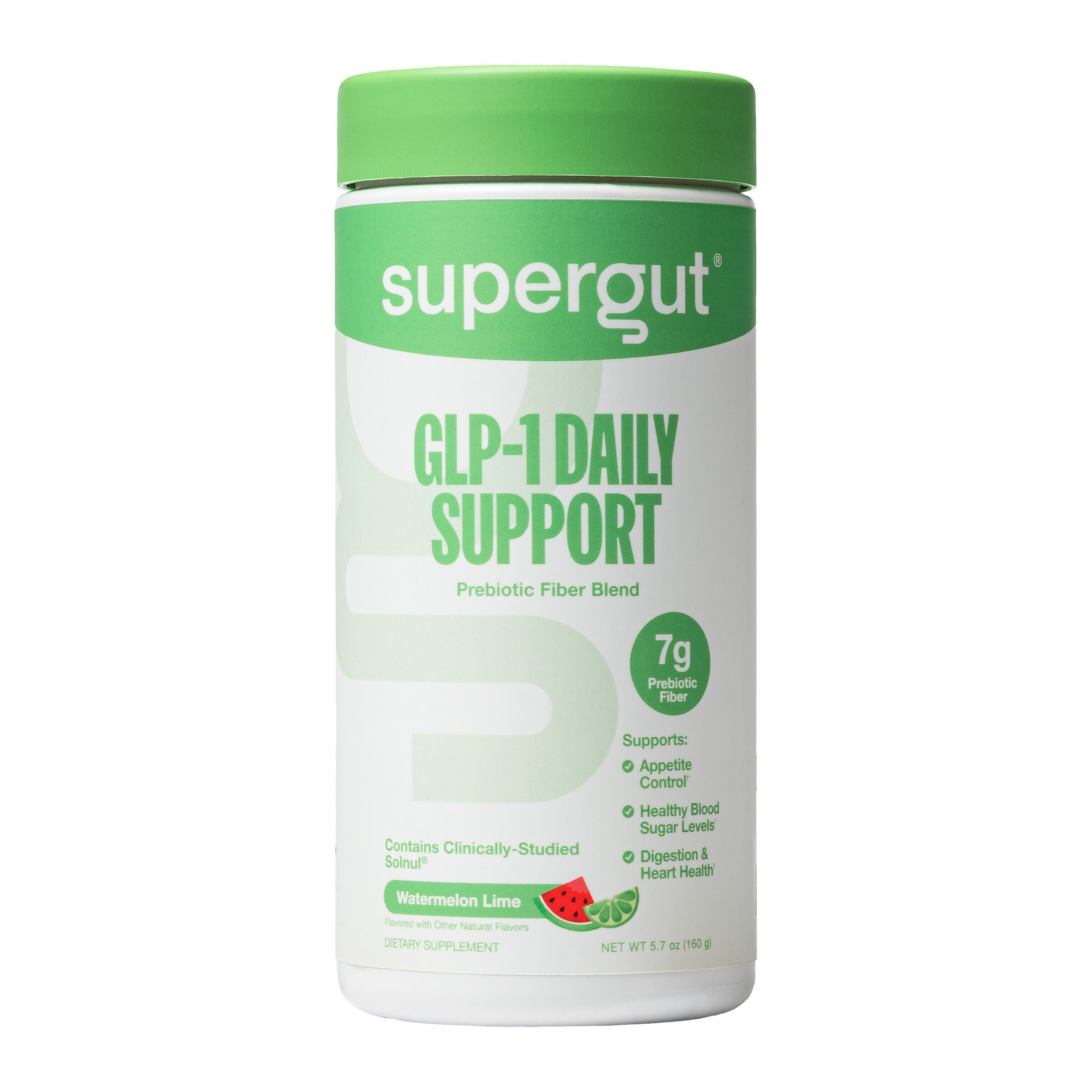
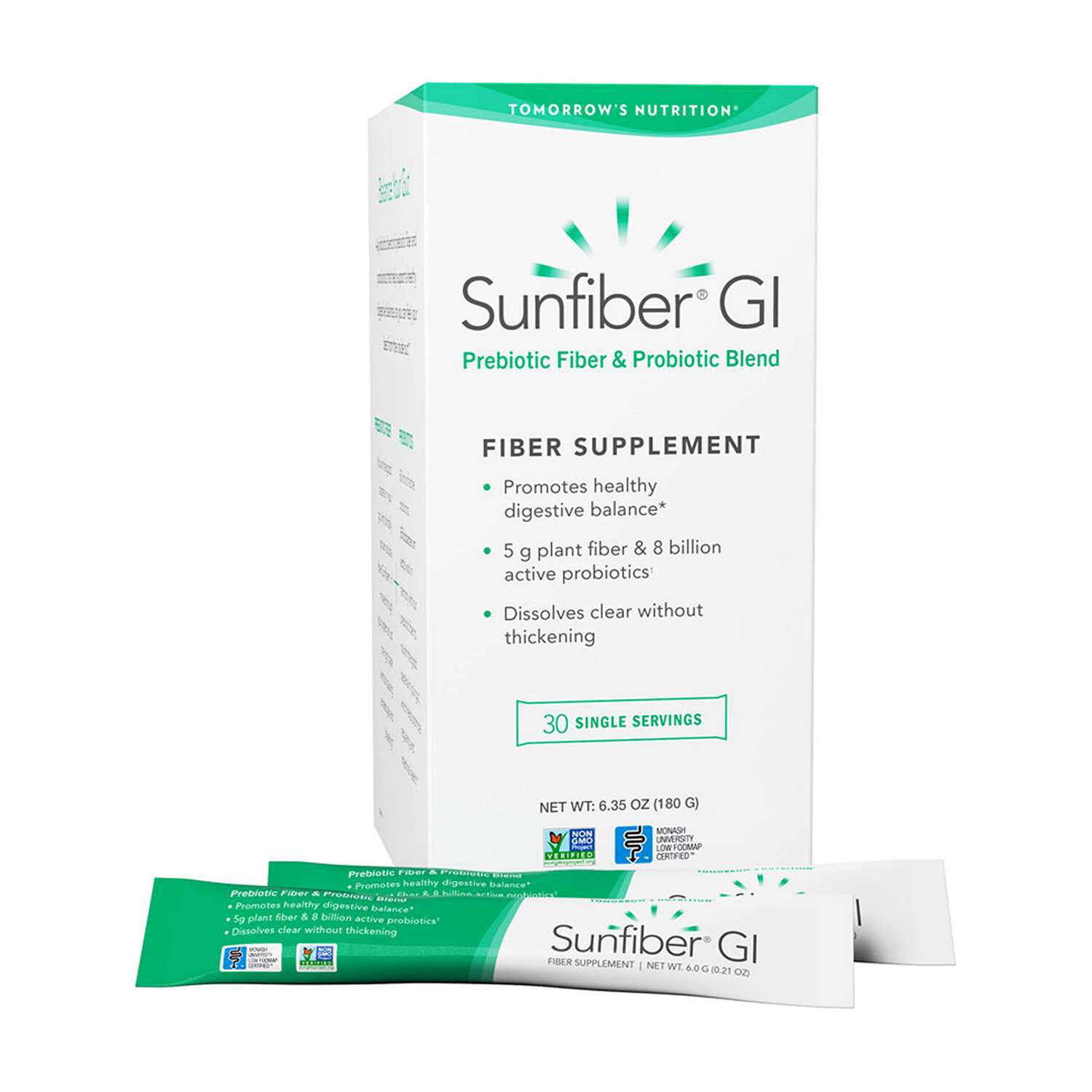
Vegan gut health supplements are dietary supplements made without animal-derived ingredients for people seeking vegan options for digestive wellness. The category includes probiotics, prebiotic fibers, and certain digestive enzyme formulas in formats such as capsules, powders, chewables, and gummies. Depending on their ingredients, these supplements may support normal digestion, nourish beneficial gut bacteria, or complement a daily fiber routine. Those roles differ, so “gut health” describes a broad category rather than one ingredient or formula. Probiotics contain live microorganisms, while prebiotics are substances that beneficial microorganisms may use as nourishment. Digestive enzymes may help break down particular components of food. Some formulas combine ingredient types, while others focus on a single category. For people following a vegan eating pattern, the distinction also extends beyond the featured ingredients to capsule shells, coatings, flavorings, and other components. A cellulose capsule offers an alternative to gelatin, and a gummy may use pectin rather than animal-derived gelling ingredients. However, a plant-derived capsule shell alone does not establish that everything inside meets vegan preferences. The full ingredient list and any clearly stated vegan certification provide more useful context than the format by itself. Probiotic formulas deserve particular attention because the microorganisms, growing media, and accompanying ingredients are separate considerations. A label that identifies a formula as vegan is more informative than an assumption based only on a culture’s name. These supplements may appeal to longtime vegans, people exploring more plant-based choices, and households where different dietary preferences share the same kitchen cabinet. Vegan status also does not describe every other attribute of a formula: ingredients such as soy or wheat may still be present, and flavor, texture, serving size, and storage needs vary. Dietary supplements are intended to complement everyday food choices, not take the place of varied meals. That distinction leaves room for personal preferences, whether a routine centers on beans and whole grains, quick lunches between meetings, or carefully planned meals at home.
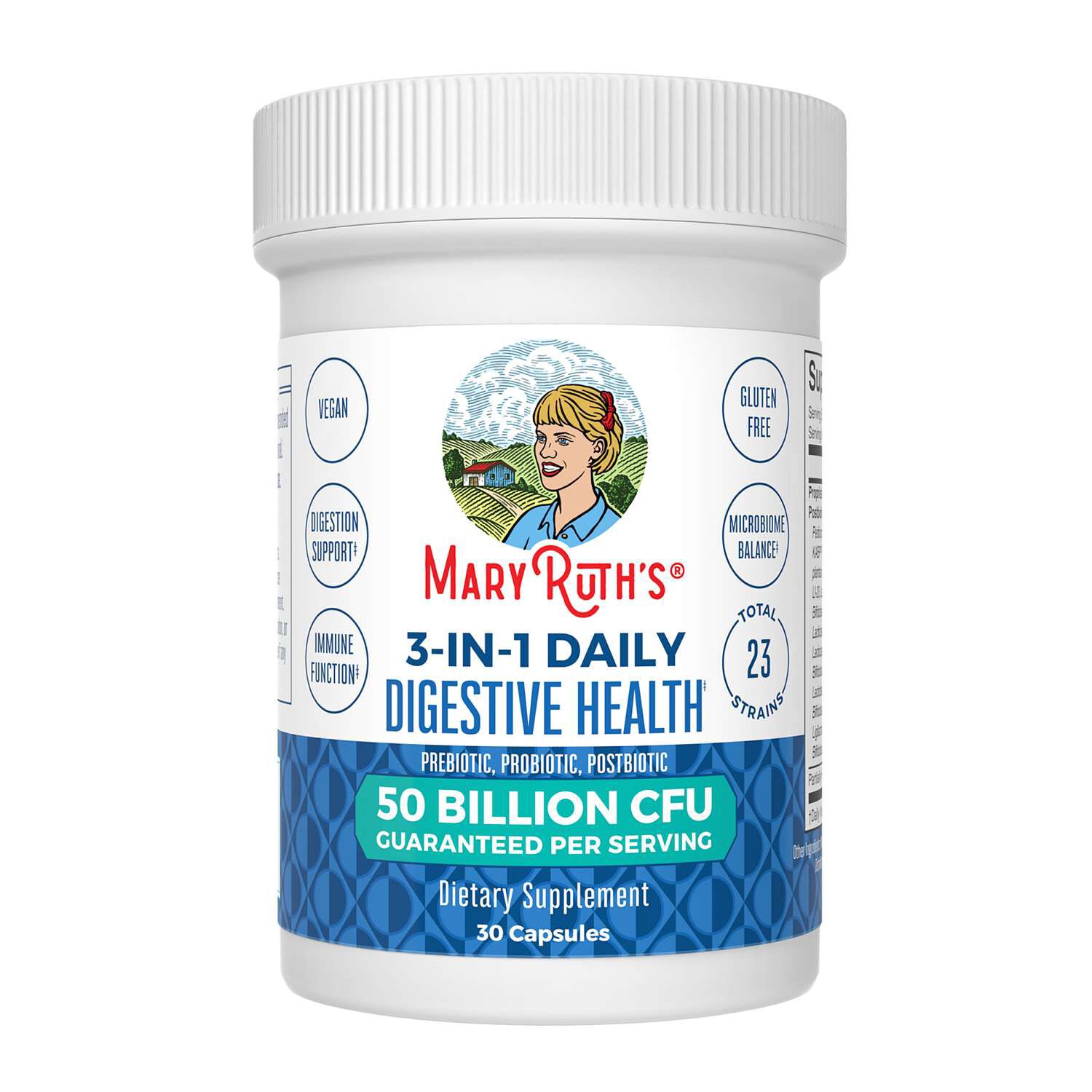
The details on a vegan gut health supplement label help distinguish formulas that otherwise sound similar. For probiotics, those details may include the genus, species, and strain designation of each microorganism, along with a count expressed in colony-forming units, often abbreviated CFU. A larger printed count is not, by itself, a reason to choose one formula over another. Strain identity, serving size, storage directions, and the point at which the stated count applies all add context. Some labels specify a count through the best-by date when stored as directed; others describe the count at manufacture. A blend listing several microorganisms is also different from a formula that identifies a single strain, even when the front labels use similar language. Prebiotic supplements take a different approach, featuring ingredients such as inulin from chicory root, acacia fiber, or other fibers identified on the label. These ingredients may help nourish beneficial gut bacteria, but the amount per serving and the other ingredients remain important distinctions between formulas. A powder featuring fiber as its main ingredient is not interchangeable with a capsule containing a smaller quantity alongside probiotic cultures. The term Vegan Prebiotic Probiotic Supplements describes the combination of these ingredient types in a vegan formula. Vegan digestive enzyme options add another set of label details, including the specific enzymes and their sources. Enzymes may come from microbial or plant sources, so an enzyme formula’s name alone does not establish whether it suits a vegan routine. Where enzyme activity units appear, they describe a different measurement from ingredient weight. Across these categories, transparent ingredient amounts and clearly explained serving information make comparisons more meaningful than broad front-label descriptions. The ingredient panel also distinguishes a formula centered on one ingredient type from a combination containing several. That specificity matters when choosing between a straightforward addition to an existing routine and a formula with several ingredient categories in the same serving.
Format and everyday handling are practical considerations for vegan gut health supplements, especially when a supplement needs to fit into an established schedule. Capsules offer a measured serving without mixing, although capsule dimensions and the number required per serving can vary. Powders involve a different experience: some are unflavored, others are flavored, and their texture may range from barely noticeable to more substantial when mixed according to package directions. A powder intended for a beverage may suit someone who already prepares a morning shake, while a capsule may better match a routine built around a glass of water. Gummies and chewables introduce considerations such as sweetness, texture, added sugars, and the number included in a serving. None of these formats is inherently the right choice for everyone, and the serving information is more useful than judging by the appearance of the container. A bottle with small capsules, for example, may call for more than one capsule per serving. Storage requirements matter, too. Some probiotic formulas specify refrigeration, while others are labeled for storage in a cabinet under stated conditions. The package directions determine the appropriate handling; one formula’s storage instructions should not be assumed to apply to another. Keeping the original container and its label together preserves access to ingredient information, serving directions, and the best-by date. Moisture protection, a securely closed lid, and any included packaging components are also part of handling a supplement as directed. For a shared household, clearly labeled containers may make it easier to distinguish different dietary preferences and serving instructions. Ingredient sourcing and allergen statements remain relevant even when vegan status is clearly marked, since vegan and allergen-related descriptions address different concerns. Ultimately, the most relevant comparisons bring together the formula’s intended use, its ingredient details, and the practical experience of taking and storing it. Vegan gut health supplements encompass different approaches to digestive wellness, with choices shaped as much by clear labeling and manageable routines as by whether the format is a capsule, scoop, or chewable.
Best Sellers
-
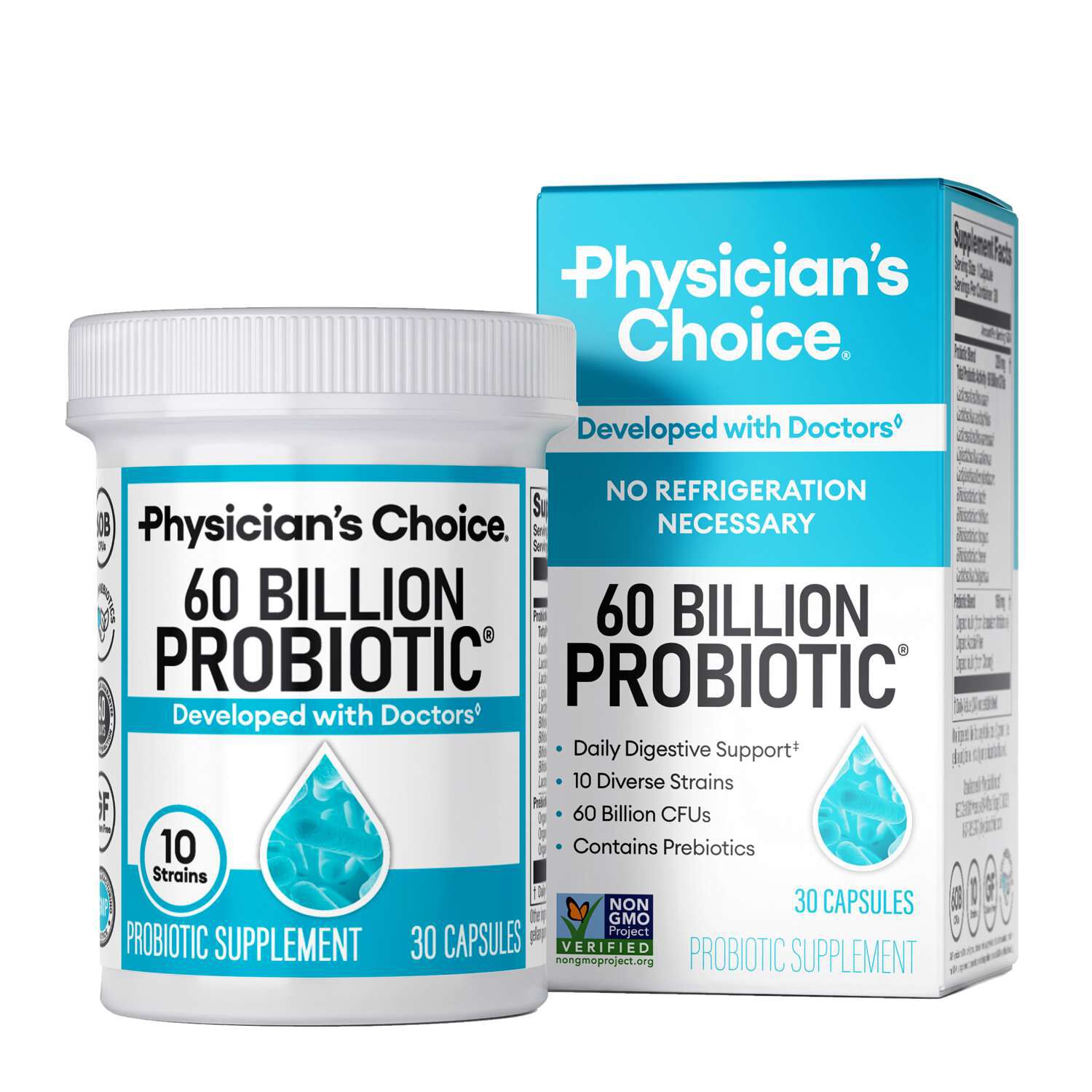 Physician's Choice

Related Pages
Top Collections
- Active Supplements
- Chronic Fatigue Supplements
- Supplements For Yoga Joint Flexibility
- Joint Mobility Supplement Packs
- Zinc Supplements | Top Brands at Great Prices | GNC
- Supplements For Anxiety Relief Support
- Zinc Supplements For Men
- Vitamins For Hair Loss
- Capsule Supplements For Energy And Stamina
- Metabolism Boost For Weight Loss