





Vegan Leaky Gut Support Supplements
(0 Results)
Vegan leaky gut support supplements offer plant-based options for those looking to support their digestive wellness while maintaining a vegan lifestyle. With formulas crafted from vegan-friendly ingredients, these supplements may provide targeted nutrients and botanicals to complement your daily routine. Explore a variety of choices designed for individuals seeking gentle, mindful support with vegan leaky gut supplements.
-
-

-
-

-

-
-
 209$34.99
-
-
-

-

-

-
-
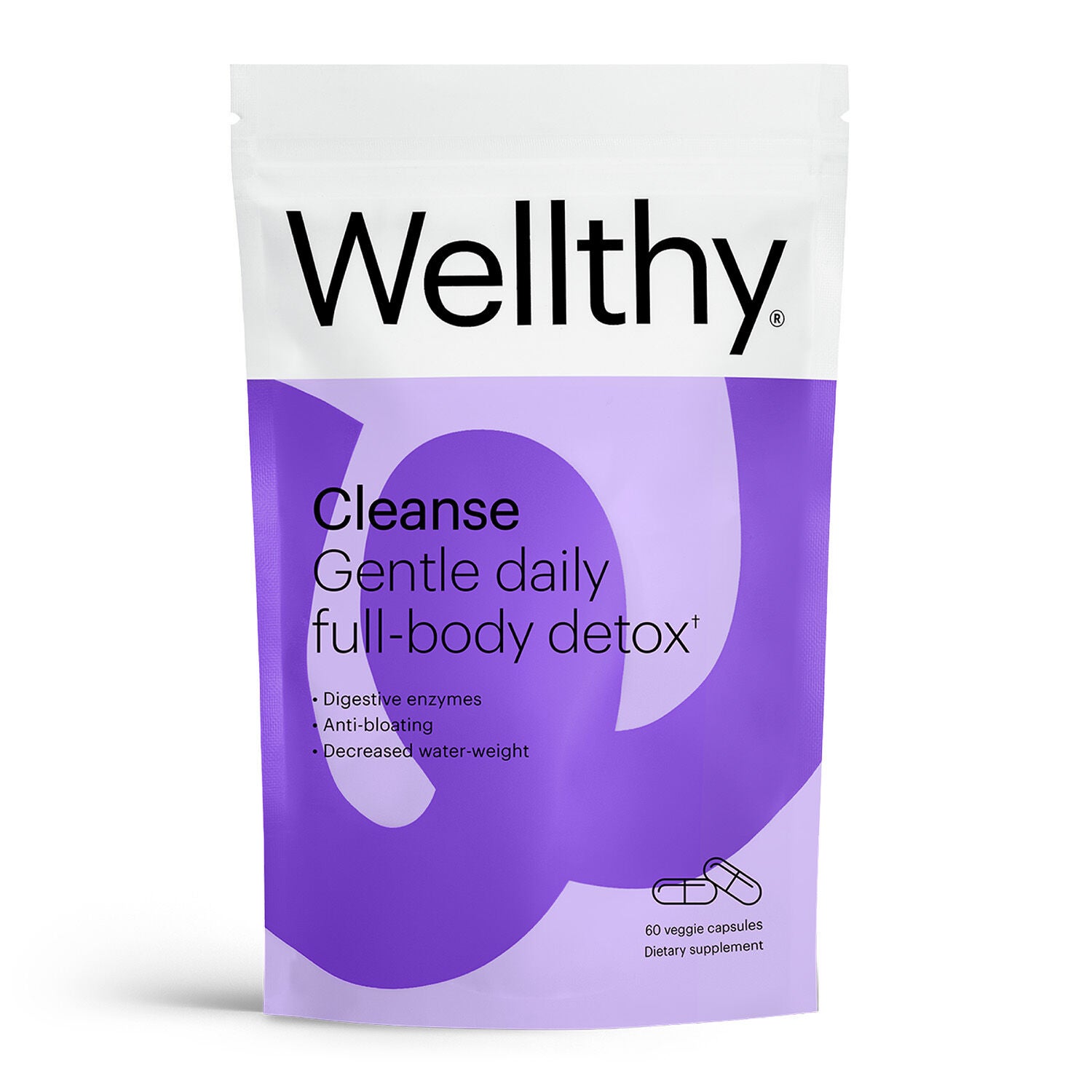
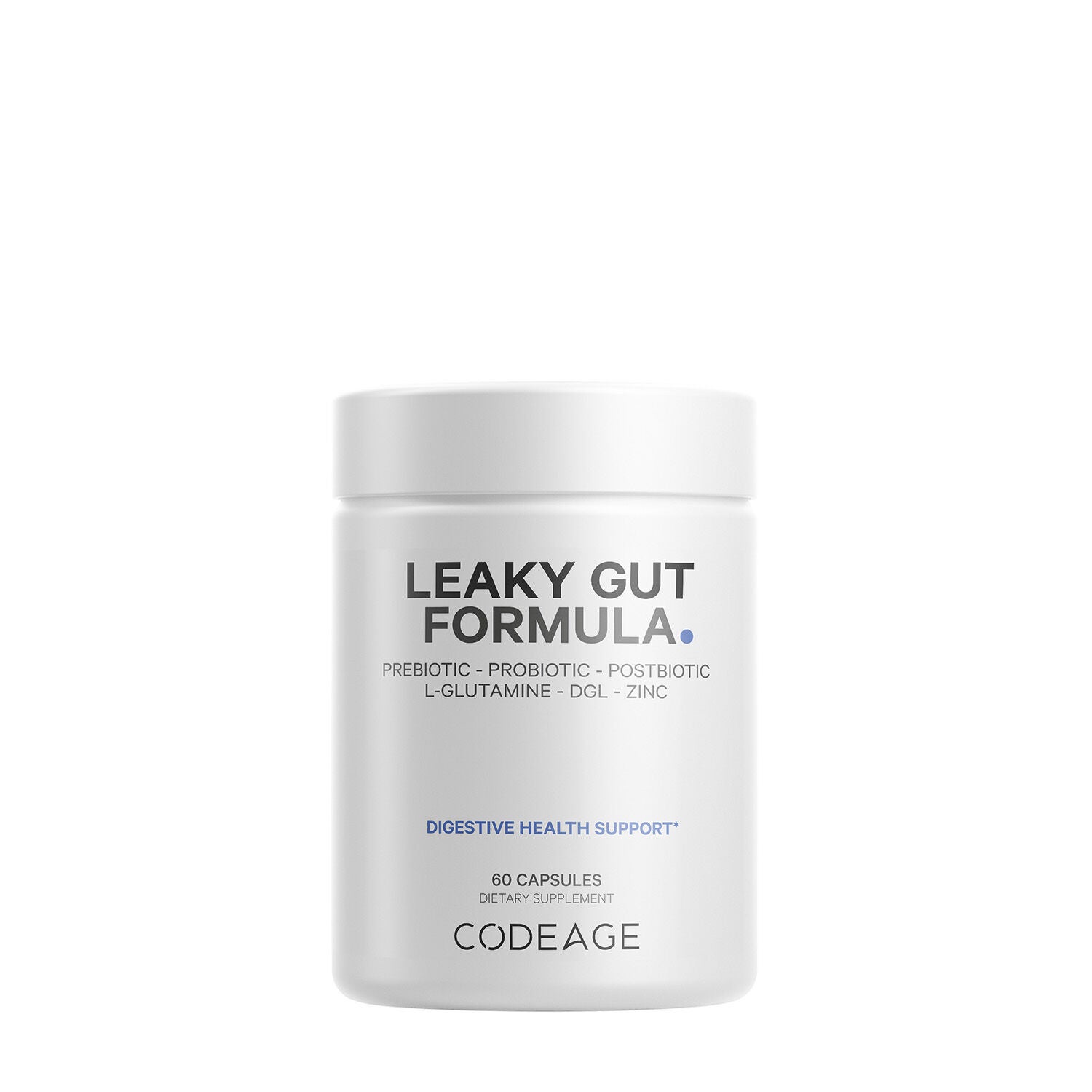
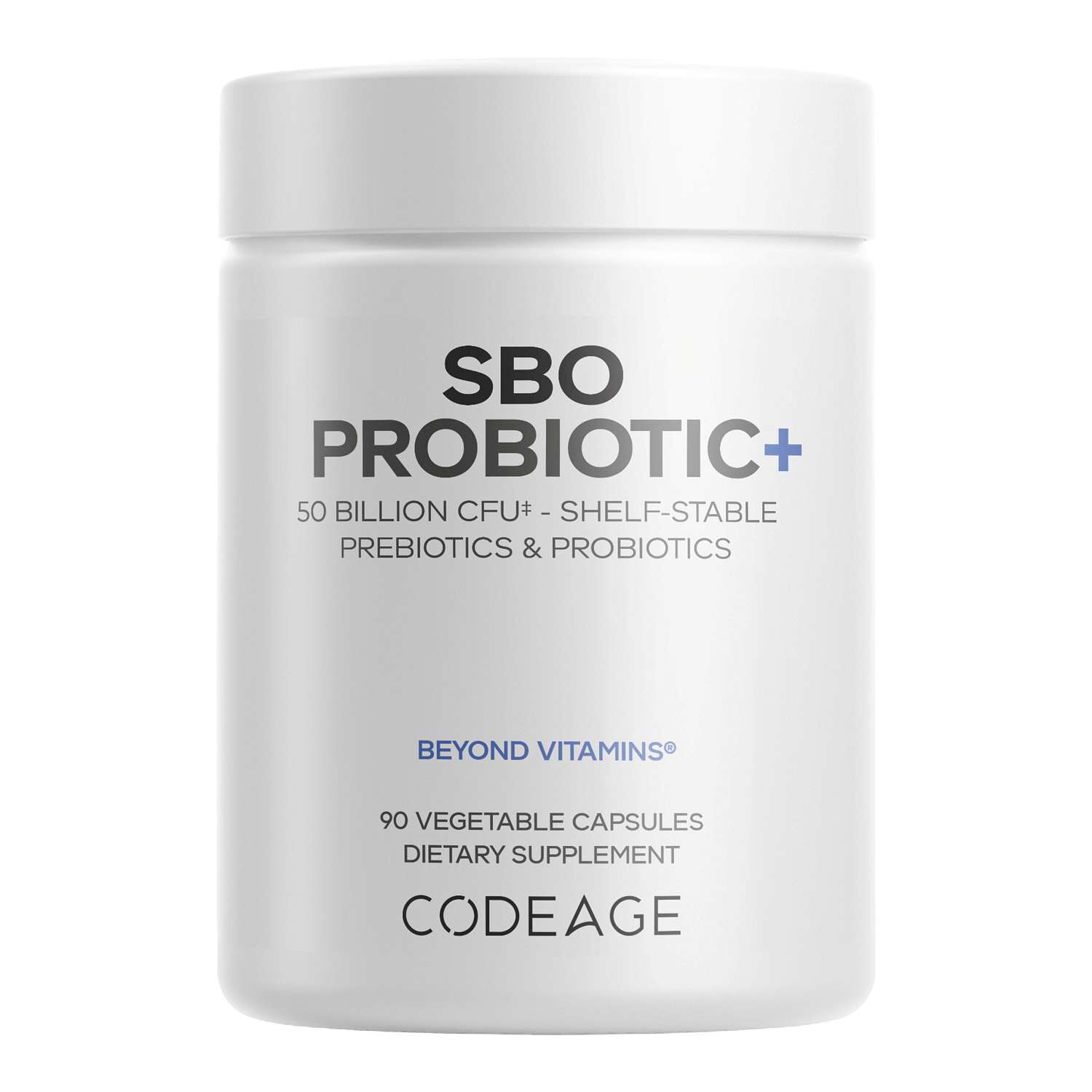

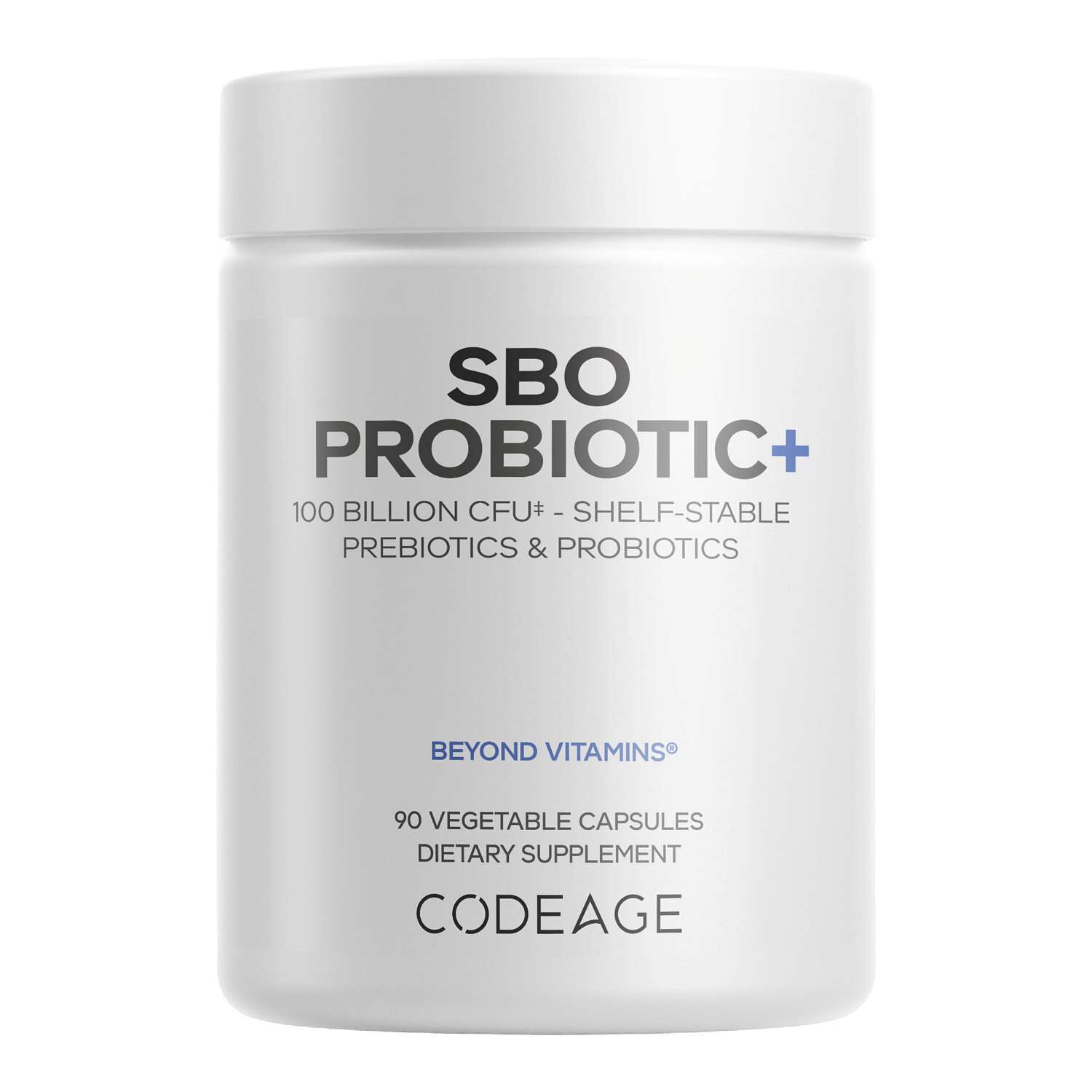

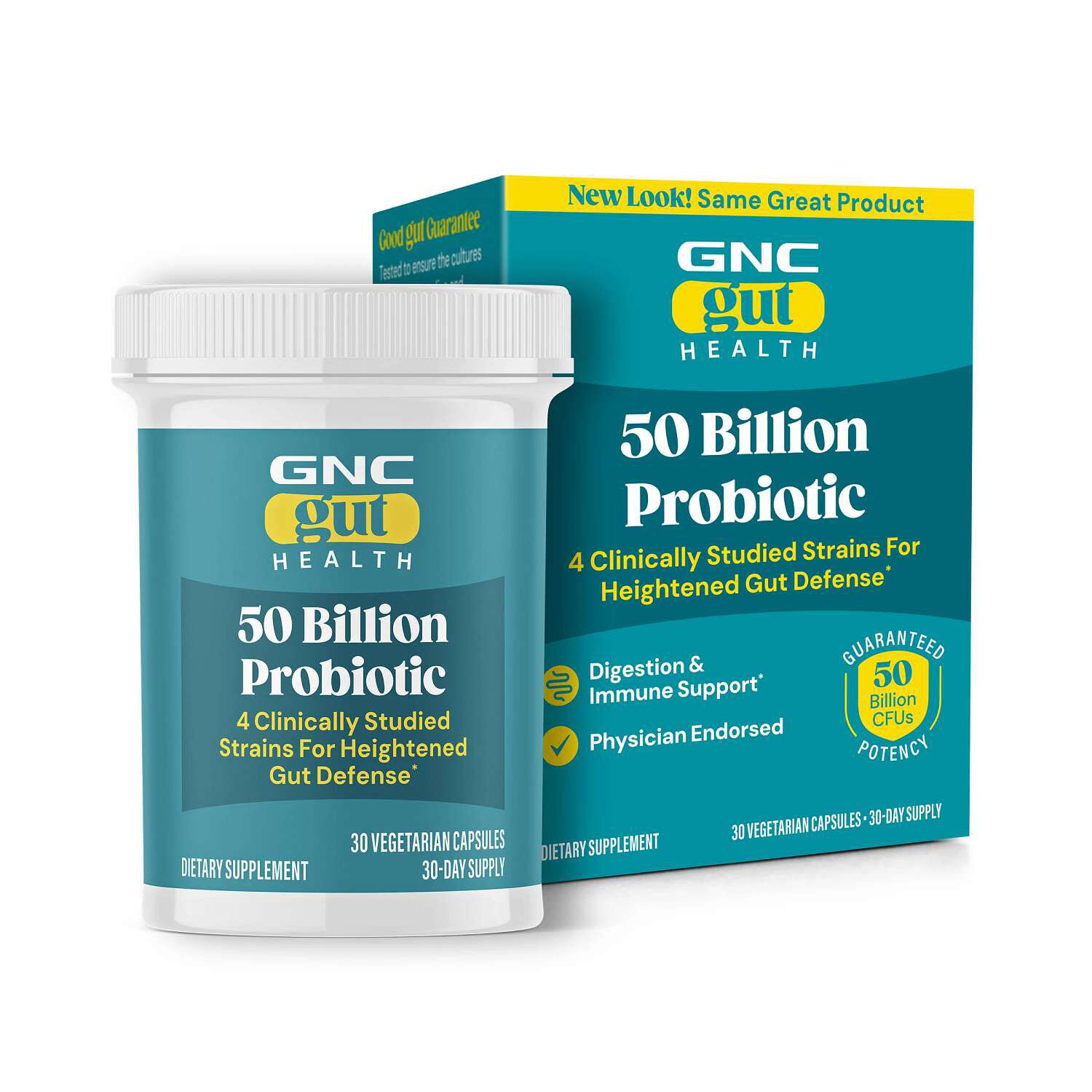
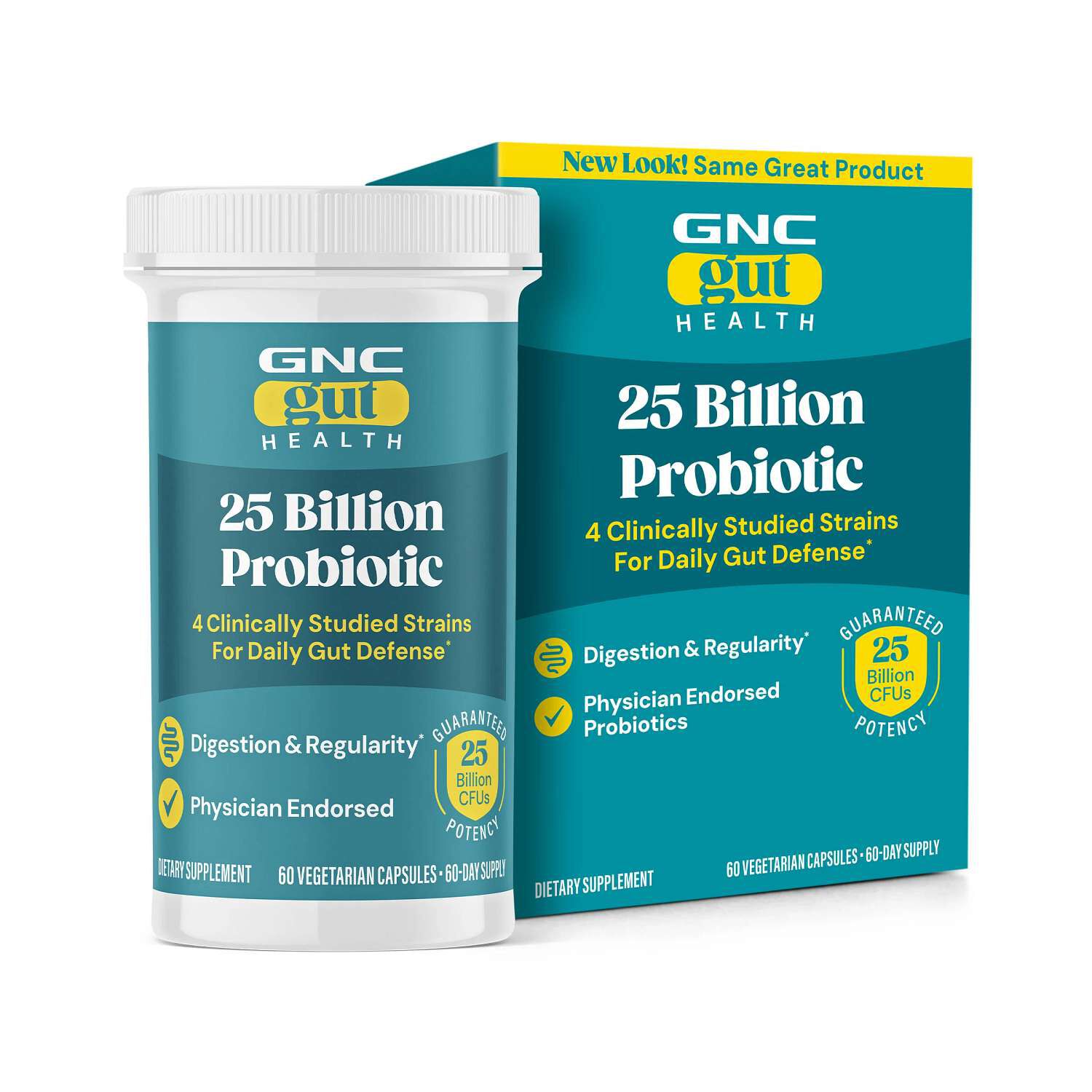

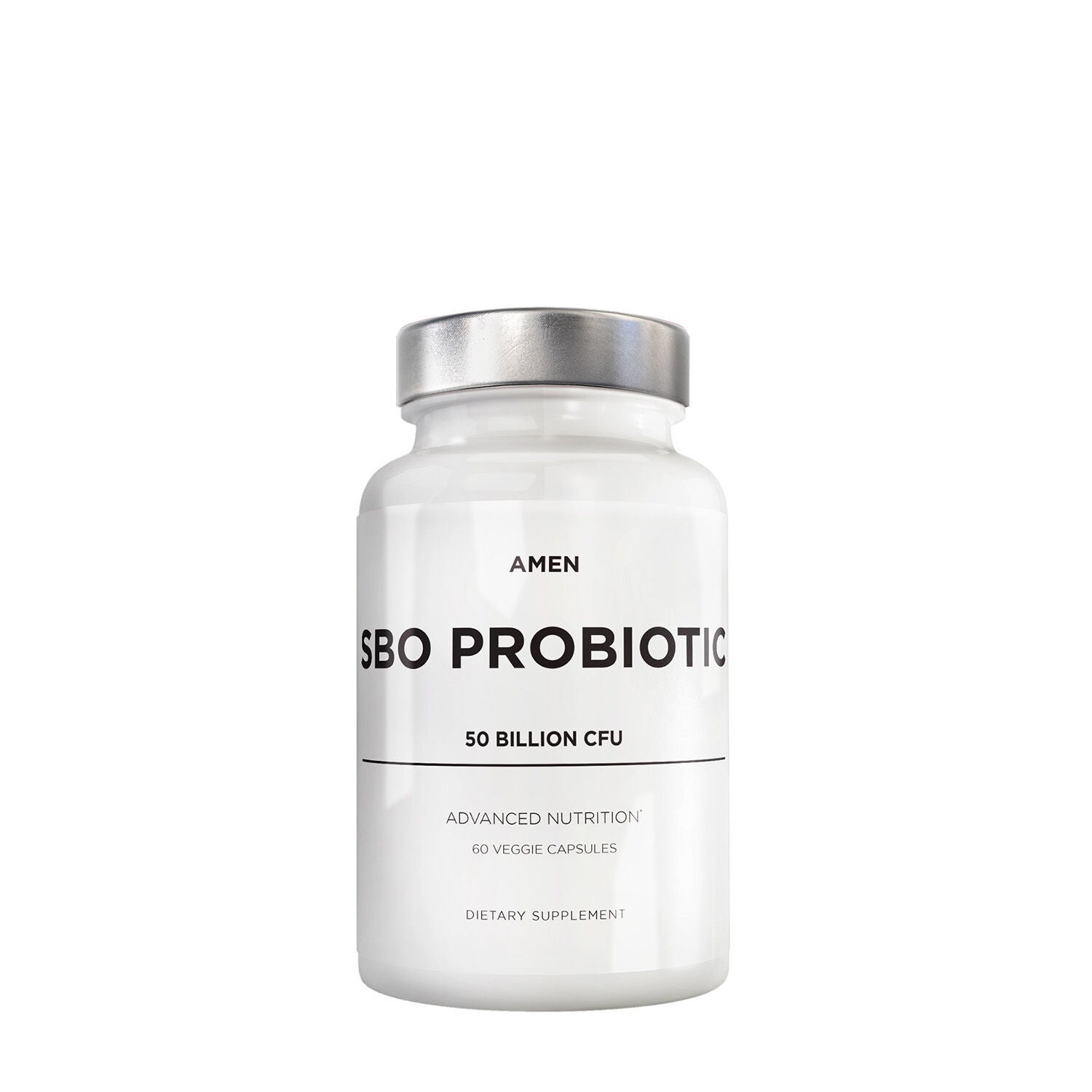
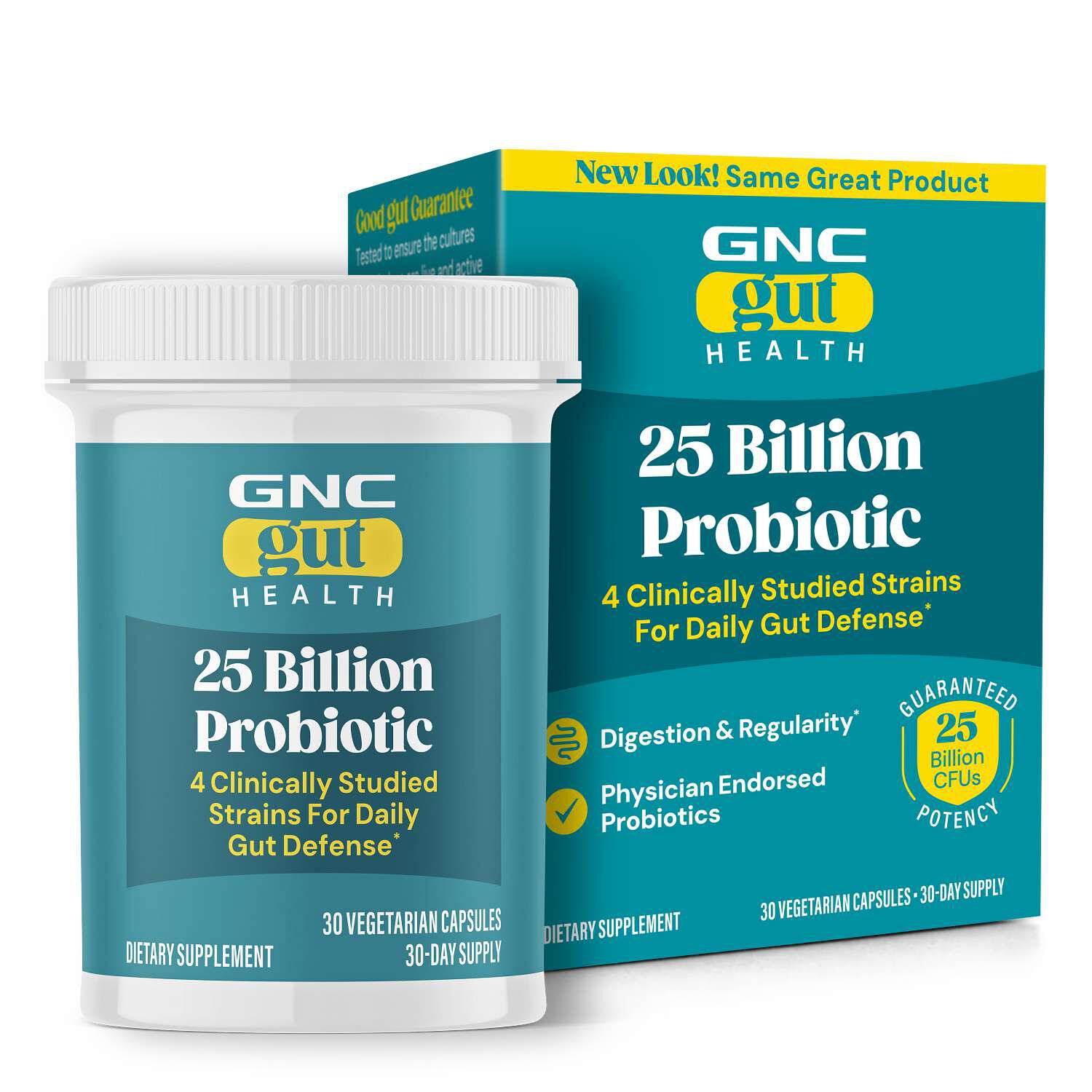
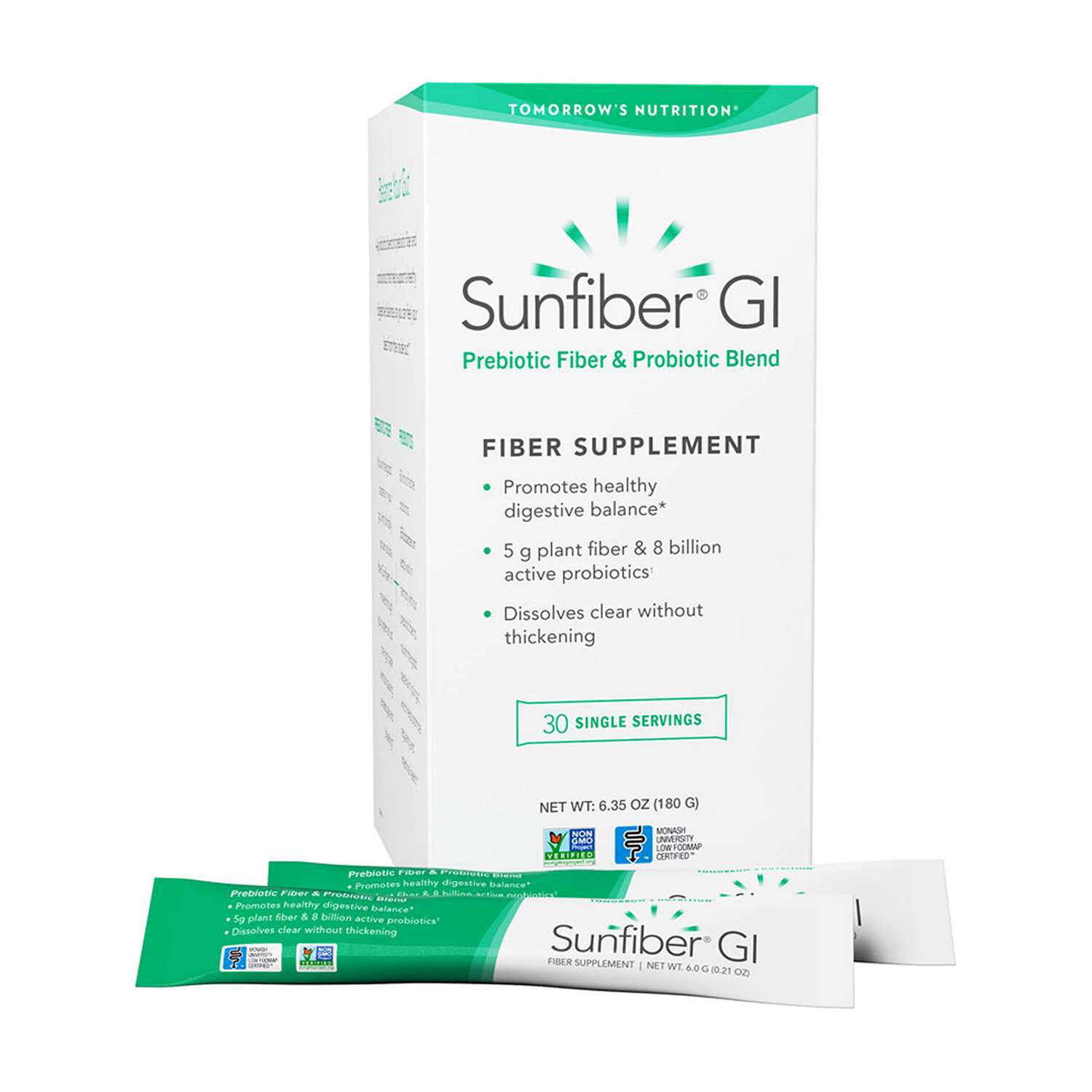
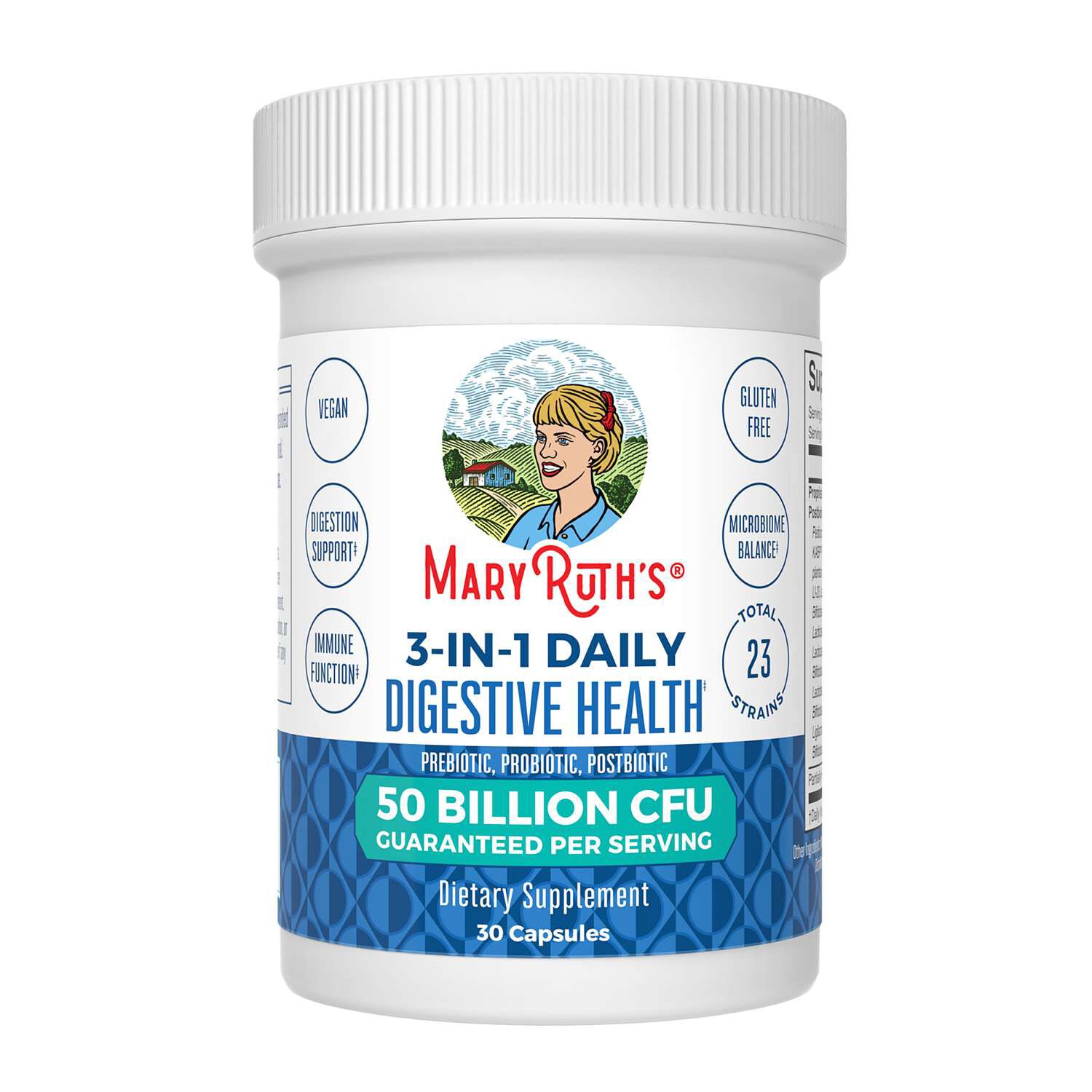
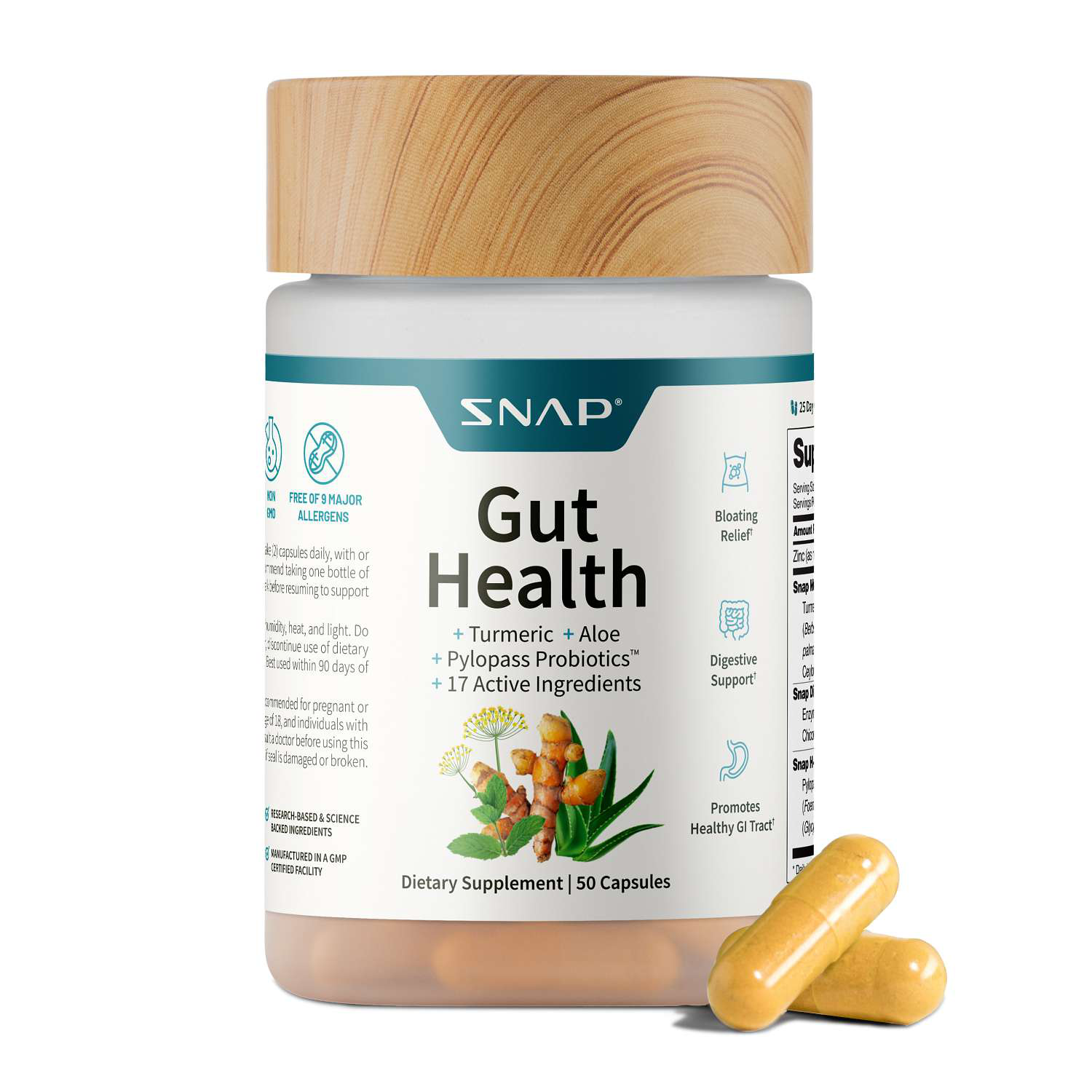
Vegan leaky gut support supplements bring together vegan-compatible formulas marketed for digestive wellness, with options that differ in ingredient sources, serving formats, flavor, and everyday handling. Common ingredient types include L-glutamine, zinc, probiotics, prebiotic fibers, and botanicals such as marshmallow root, slippery elm, and licorice. These ingredients are not interchangeable, and a formula containing several of them is different from one centered on a single ingredient. The phrase “leaky gut support” describes the shopping category; the Supplement Facts panel provides the more concrete picture of what each serving contains. Vegan labeling adds another consideration because plant-based preferences extend beyond the featured ingredients to capsule shells, flavorings, and other components. Minerals, amino acids, and microbial cultures are not necessarily plant extracts, so their sourcing matters alongside the botanical ingredients. A vegetable-based capsule shell may be made with cellulose, while conventional gelatin comes from animal sources. Other ingredients, including certain forms of N-acetylglucosamine, may have different origins depending on how they are produced. For someone whose pantry already centers on beans, grains, vegetables, and plant-based beverages, this attention to sourcing may make a supplement feel more consistent with established food choices. Format matters just as much in daily use. Capsules offer a measured serving without the need to mix a drink, although a serving may involve more than one capsule. Powders involve measuring and mixing, with flavor, texture, and the suggested amount of liquid shaping the experience. An unflavored powder is not necessarily without taste, particularly when amino acids or botanical ingredients are present. A flavored option may contain sweeteners or other ingredients that deserve the same attention as the featured blend. Vegan certification, organic labeling, and allergen statements each describe different attributes; none replaces a look at the full ingredient list. Together, those details distinguish formulas that may appear similar from their names alone.
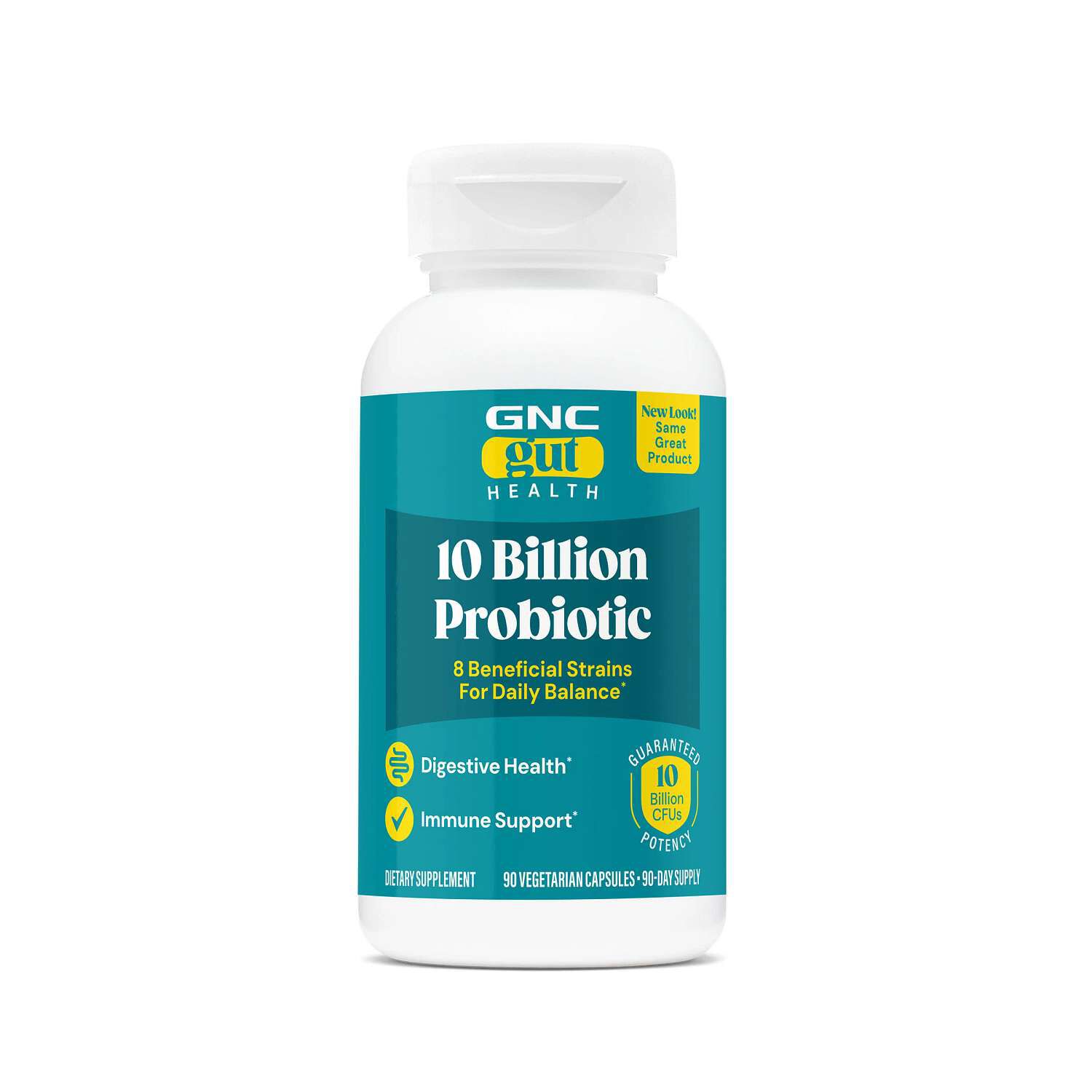
The ingredients in vegan digestive wellness formulas offer several useful points of comparison without making every blend the same. L-glutamine is an amino acid and may appear in powders or capsules, either on its own or alongside other ingredients. Its amount per serving is a more meaningful comparison than its position in a product description. Zinc is a mineral, and labels identify both the amount provided and the form used. Probiotics are live microorganisms, often listed by genus, species, and sometimes strain designation. Their quantities are commonly expressed in colony-forming units, abbreviated CFU, but a larger number alone does not describe the composition of a formula or establish suitability for an individual. Label details may also explain whether the stated count applies at manufacture or through the expiration date under specified storage conditions. Prebiotics are different from probiotics: they are ingredients used by microorganisms, often including fibers such as inulin or fructooligosaccharides. A formula may contain one type, both types, or neither, so these terms are worth distinguishing when comparing vegan leaky gut support supplements. Botanical blends add another set of details. Marshmallow root and slippery elm identify different plants and plant parts, while licorice may appear in a deglycyrrhizinated form, often abbreviated DGL. Aloe ingredients may specify the portion of the plant used, and quercetin may be listed separately from an accompanying plant extract. Whole botanical powders and extracts also have different descriptions, with some extracts stating a concentration or standardization. These distinctions help describe the composition rather than establish an outcome. A blend name may group several ingredients together, while the label may or may not disclose the amount of each component. Clear serving information, identifiable ingredient forms, and accessible sourcing details give shoppers firmer points of comparison than broad wellness language. They also help distinguish a straightforward formula from a more involved blend, allowing personal preferences about ingredient count, flavor, and format to remain part of the choice.
Everyday fit often comes down to the small details that are easy to overlook in a product description. Someone who carries a lunch bag to work may prefer the compact packaging of capsules, while someone with an established drink-mixing routine may gravitate toward a powder. Neither format is automatically vegan; that distinction depends on the full formulation. For powders, the directions describe the intended serving and preparation, including whether mixing with water or another beverage is suggested. A scoop provides a reference, but the serving information on the label remains important because scoop sizes differ between formulas. Flavor names offer only part of the picture: a berry-flavored blend may have a tart finish, while botanical ingredients may contribute earthy notes or a noticeable texture. Capsule size, serving count, container dimensions, and closure design may also influence how a formula fits into a kitchen cabinet or travel bag. Care and storage are particularly relevant for products containing live cultures, since some require refrigeration and others specify room-temperature storage. Expiration dates and manufacturer storage directions describe the intended handling of the formula. For powders, a securely closed container and a dry measuring utensil are practical parts of keeping the contents in suitable condition; packaging instructions may include additional requirements. The container’s durability matters most during repeated opening, closing, and transport, rather than as a feature of the supplement itself. Ingredient preferences deserve similar attention. A vegan designation does not necessarily mean a formula excludes soy, wheat, or every other ingredient someone chooses to avoid, and flavored blends may include sweeteners that unflavored versions do not. For a broader selection of formats and ingredient combinations, Vegan Digestive Support For Adults offers another way to explore the category. Whether the preference is a compact capsule routine or a measured powder, the most useful distinctions remain concrete: vegan sourcing, clearly stated ingredients, serving details, taste, packaging, and storage needs. Those attributes provide a grounded way to compare supplements intended for an adult digestive wellness routine without relying on the category name alone.
Best Sellers
-
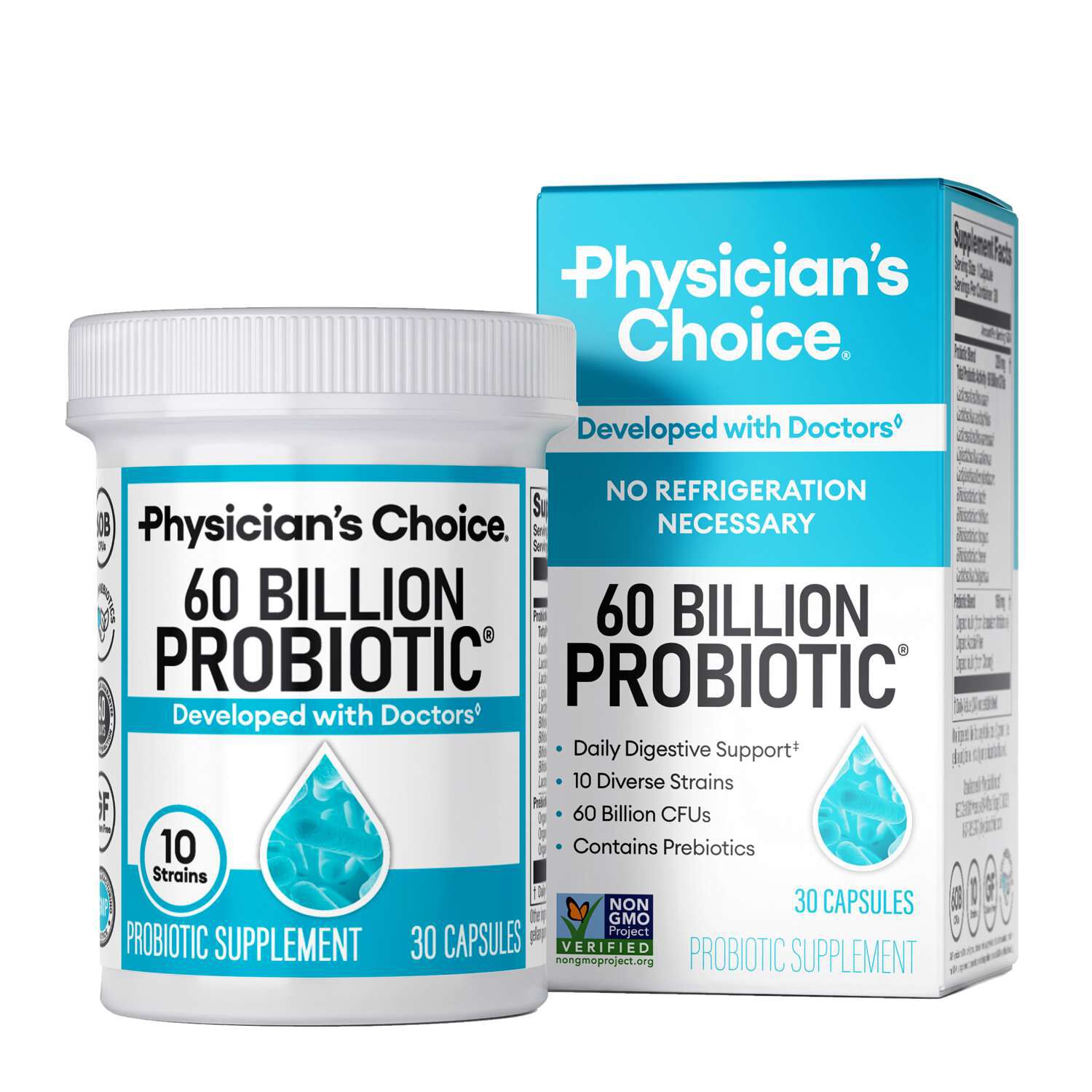 Physician's Choice
Related Pages
Top Collections
- Joint Mobility Supplement Packs
- Daily Collagen Supplements | Top Brands & Deals | GNC
- GLP 1 Support For Adults
- Zinc Supplements | Top Brands at Great Prices | GNC
- Supplements For Yoga Joint Flexibility
- Supplements For Balance
- Capsule Supplements For Energy And Stamina
- Adult Mobility Supplements
- Chronic Fatigue Supplements
- Vitamins For Hair Loss