Vegan Probiotics For Healthy Lifestyle Support
(0 Results)
Vegan probiotics for healthy lifestyle support may help offer a plant-based approach to supporting your wellness journey. With options designed to fit a variety of dietary preferences, these supplements could help you maintain your commitment to a balanced, health-focused routine. Explore vegan probiotics for healthy lifestyle that align with your values and may complement your daily habits as you strive for overall well-being.
-
-
-
 209$34.99
 -

-
-

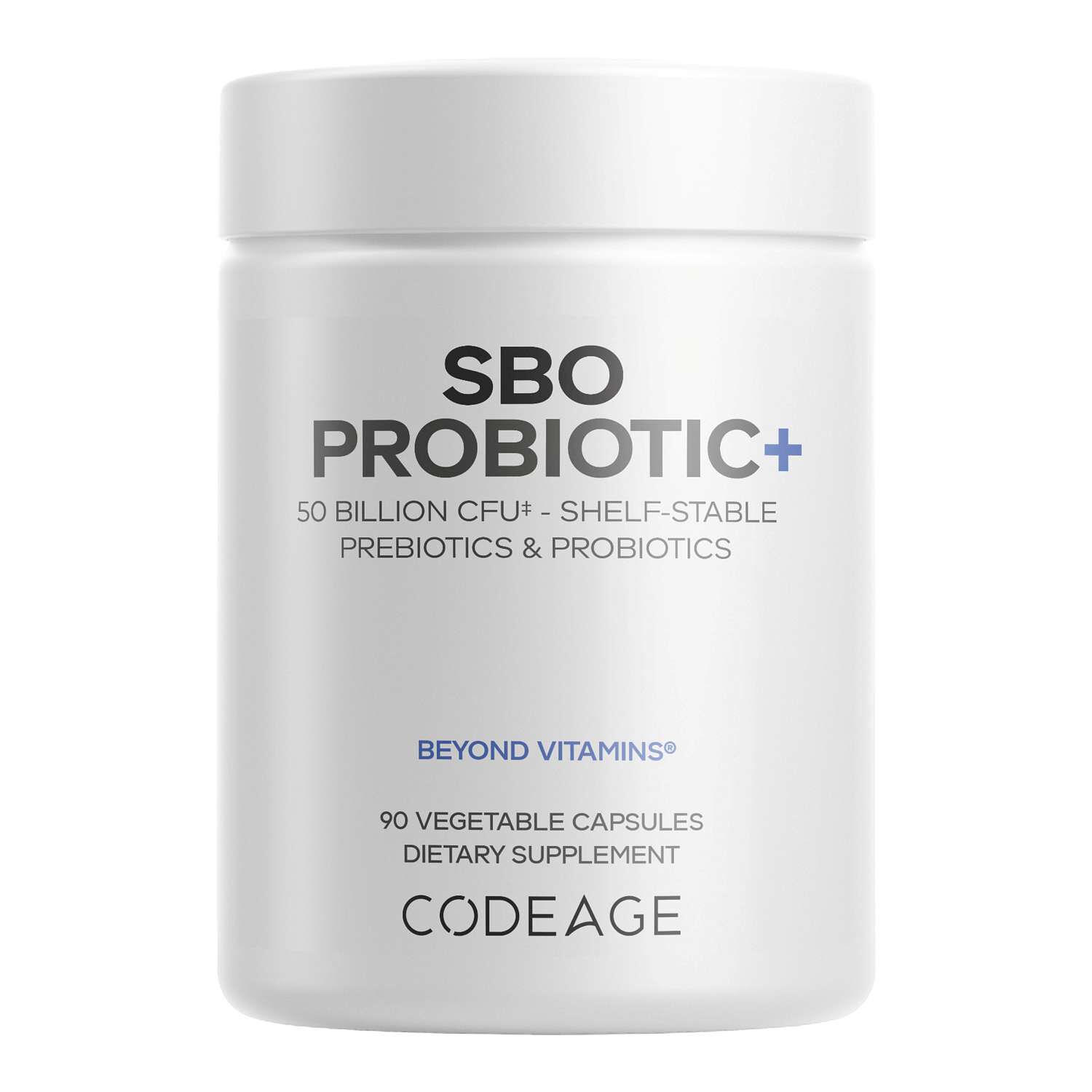

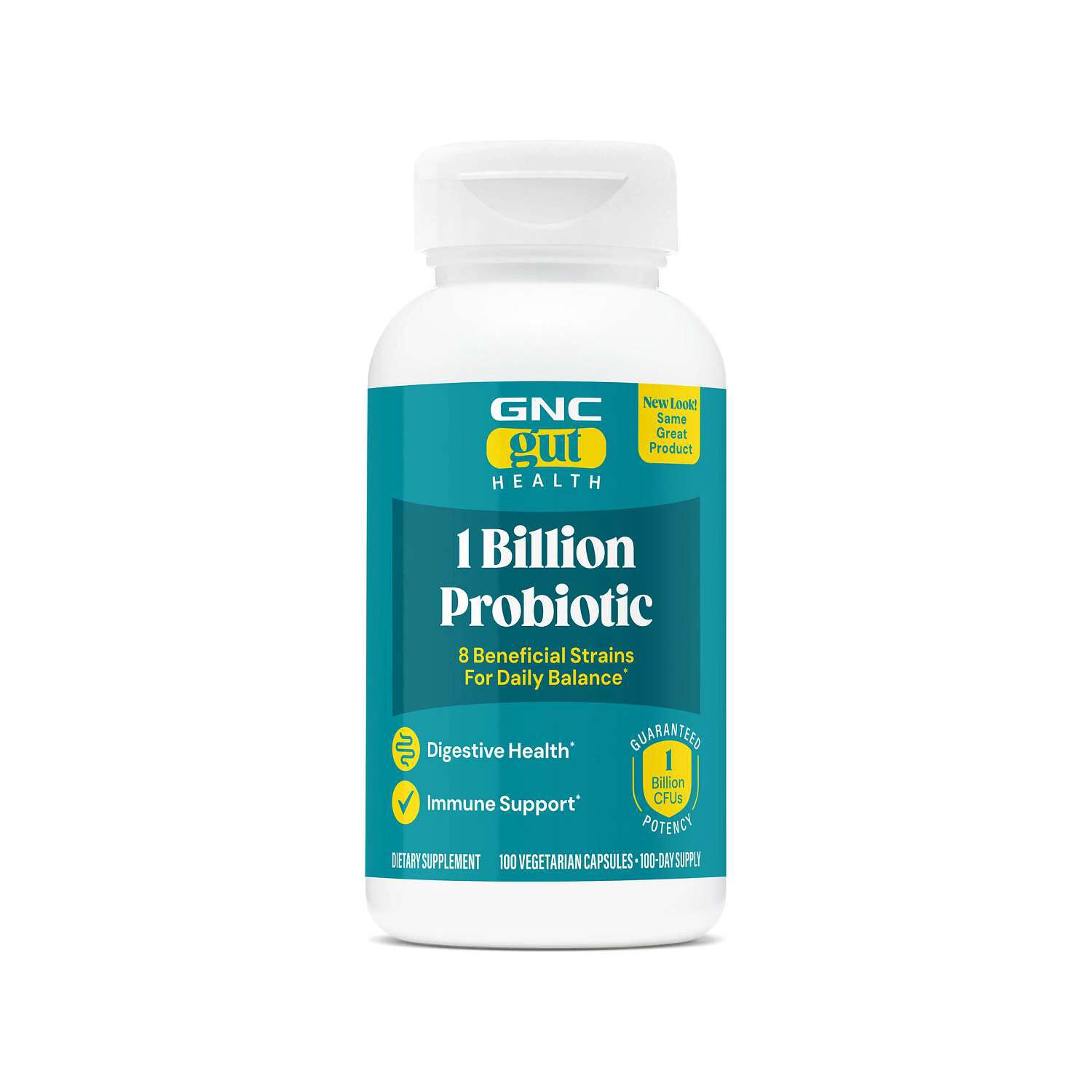
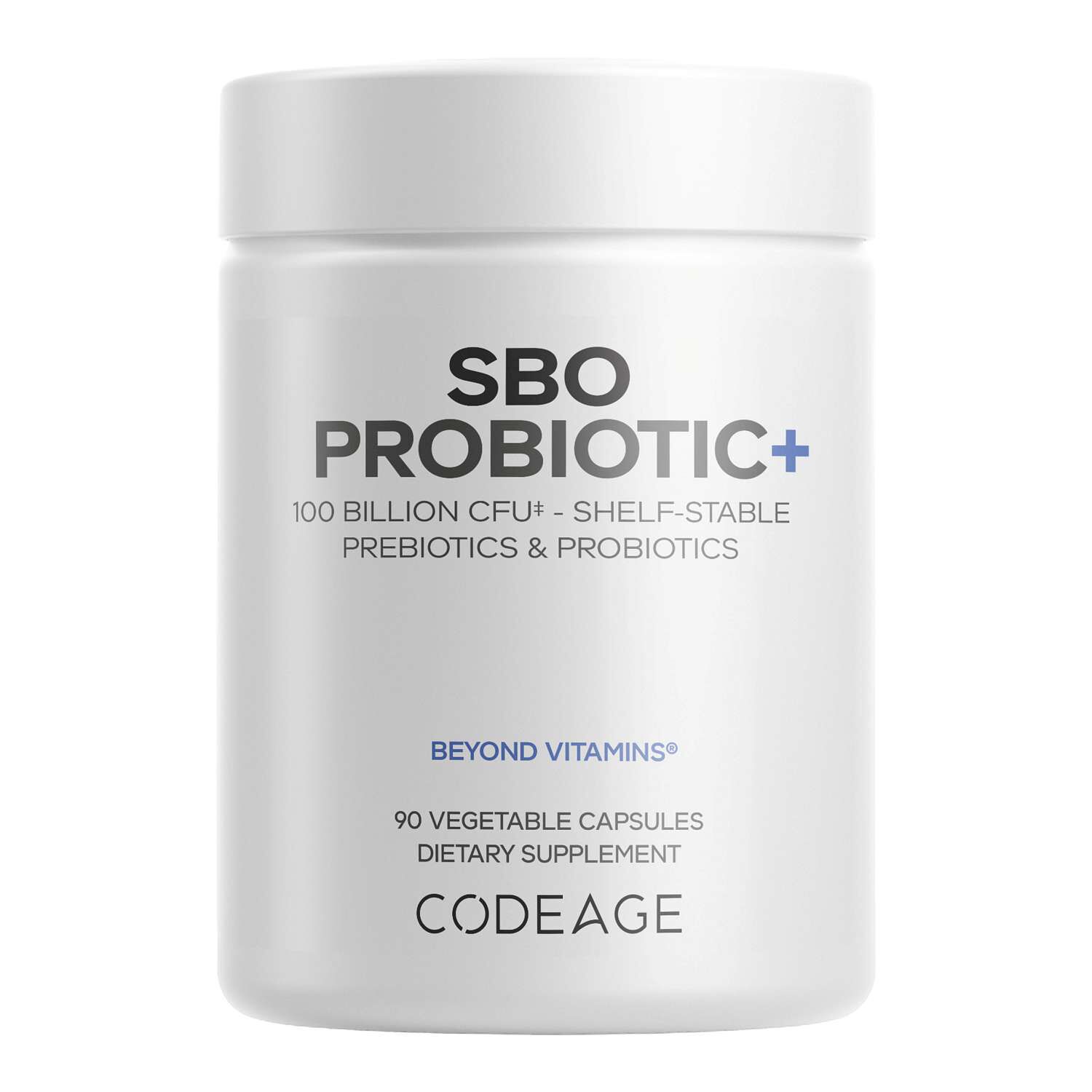
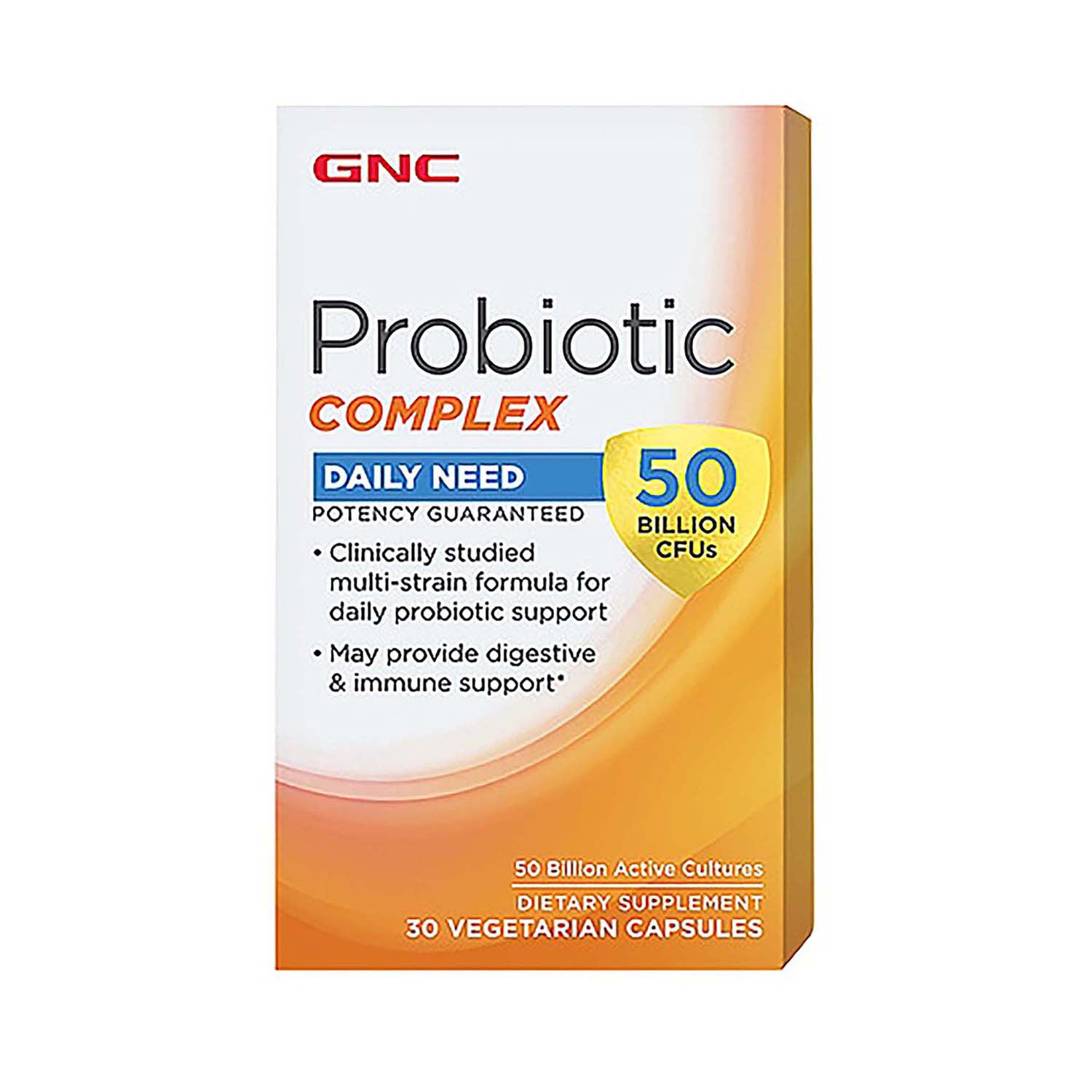

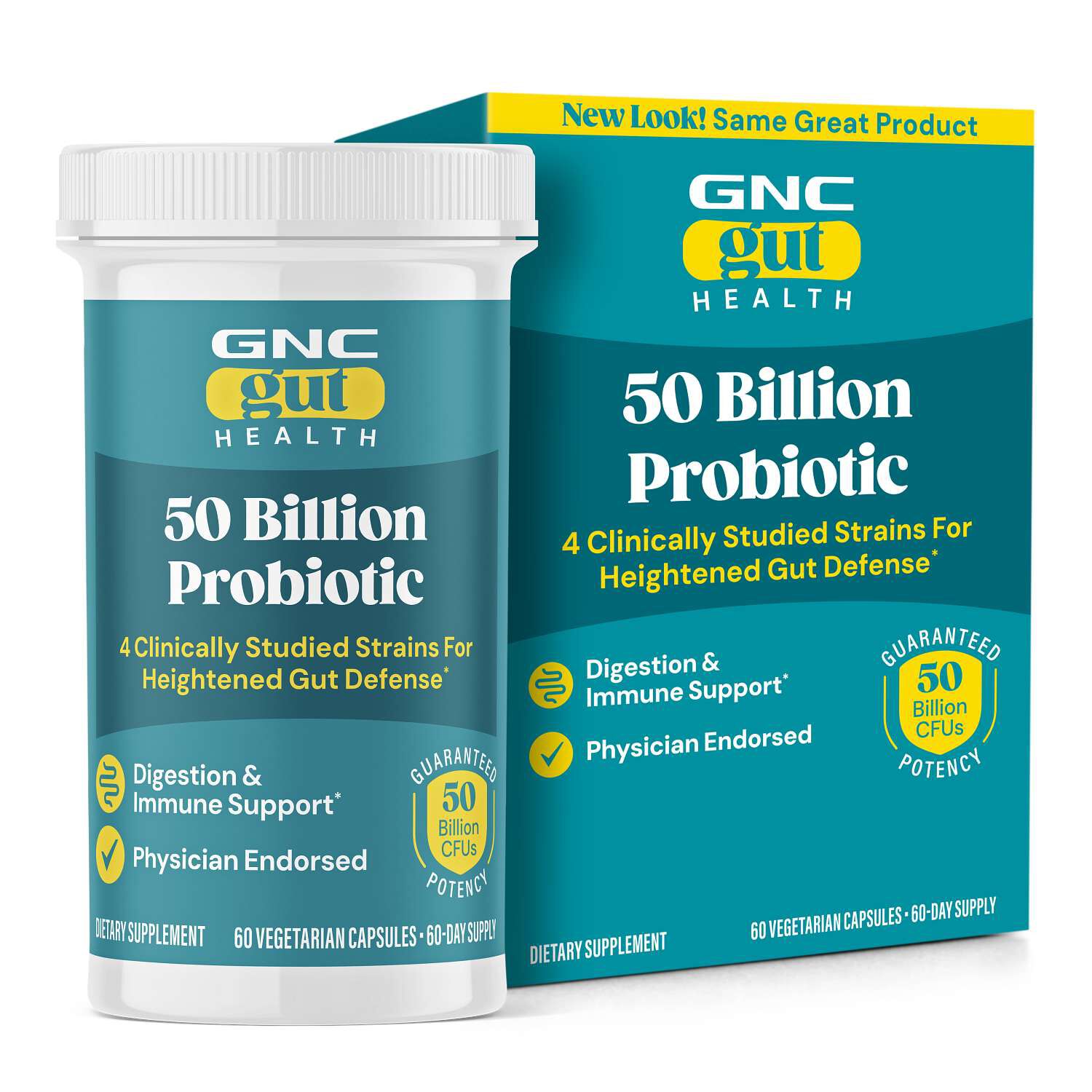
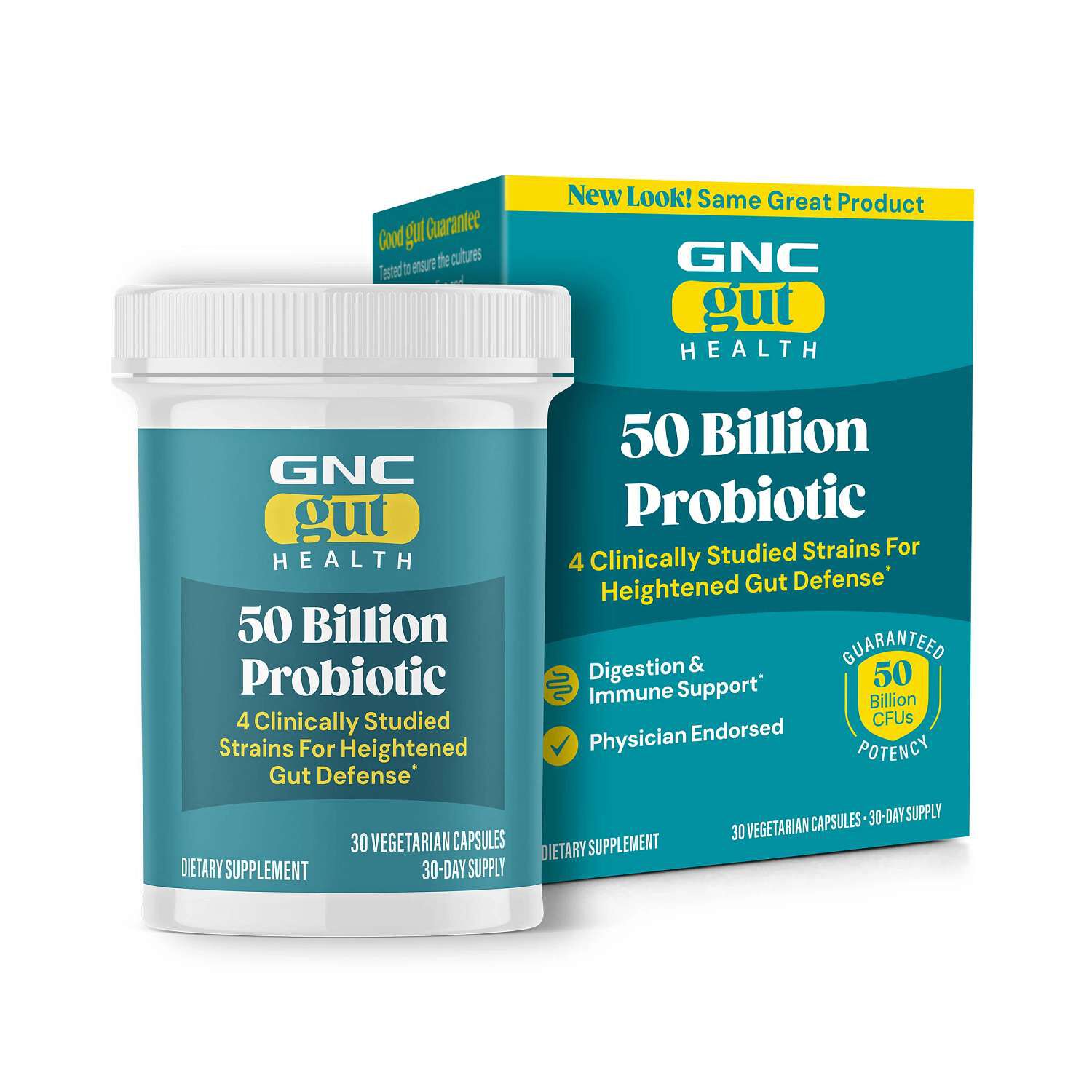
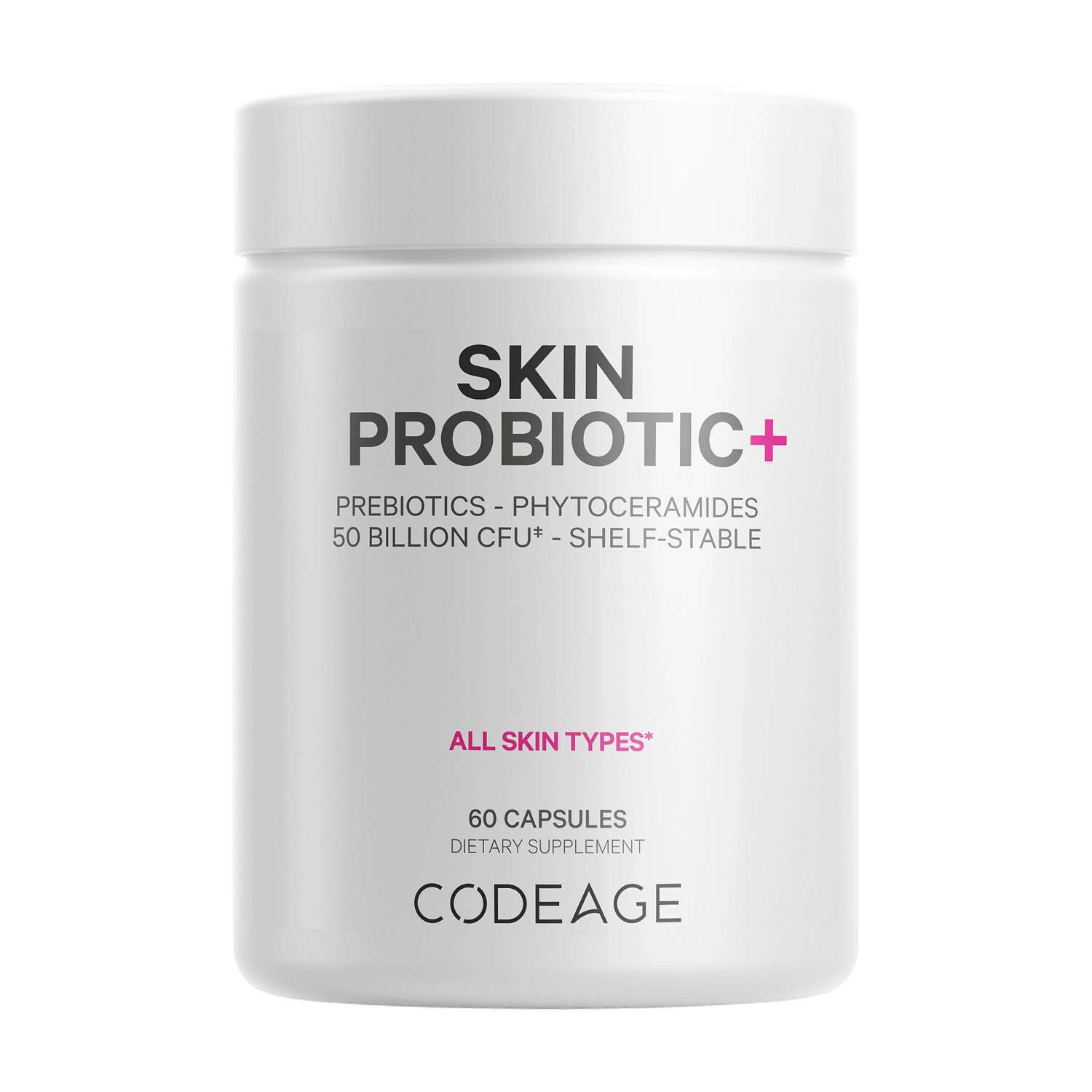
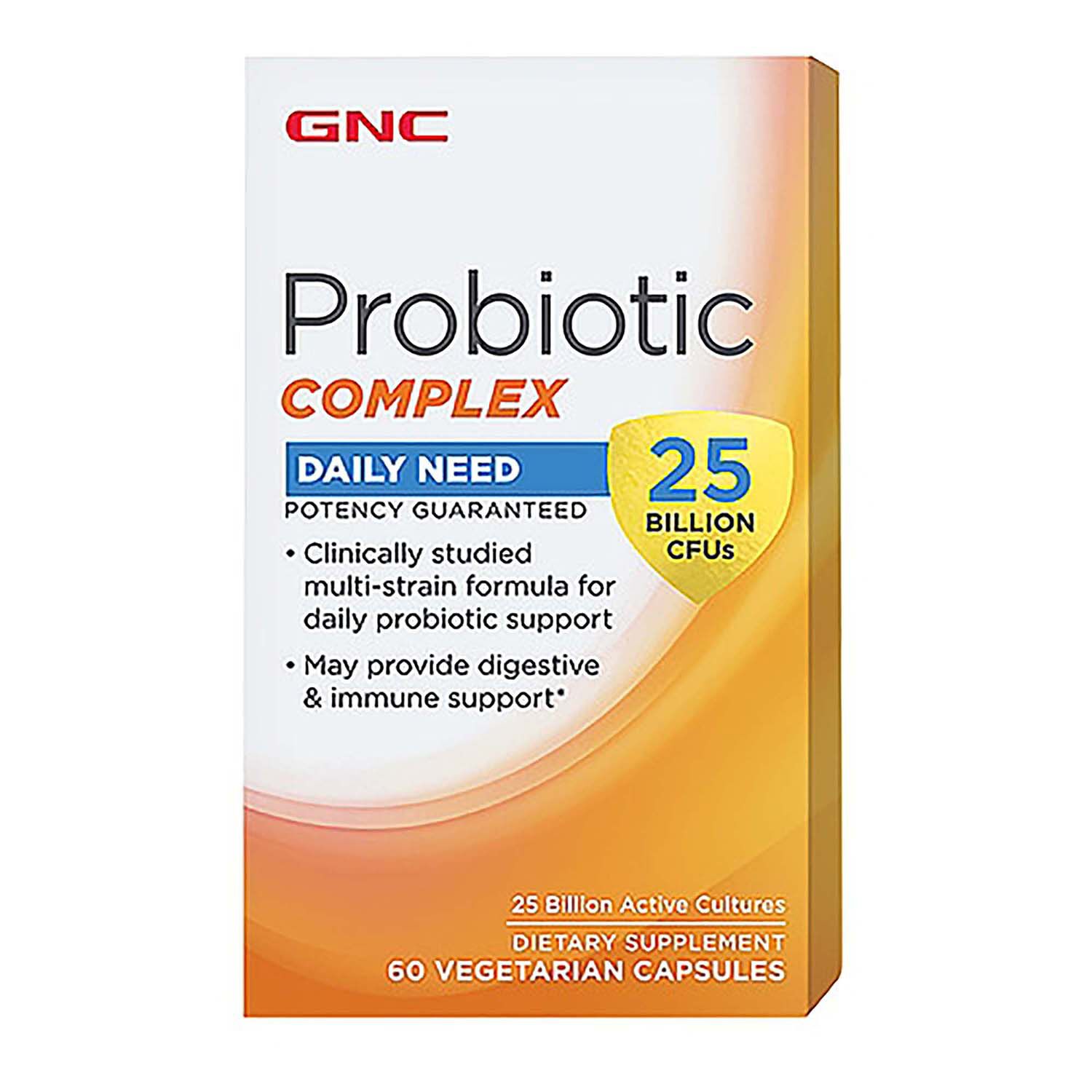

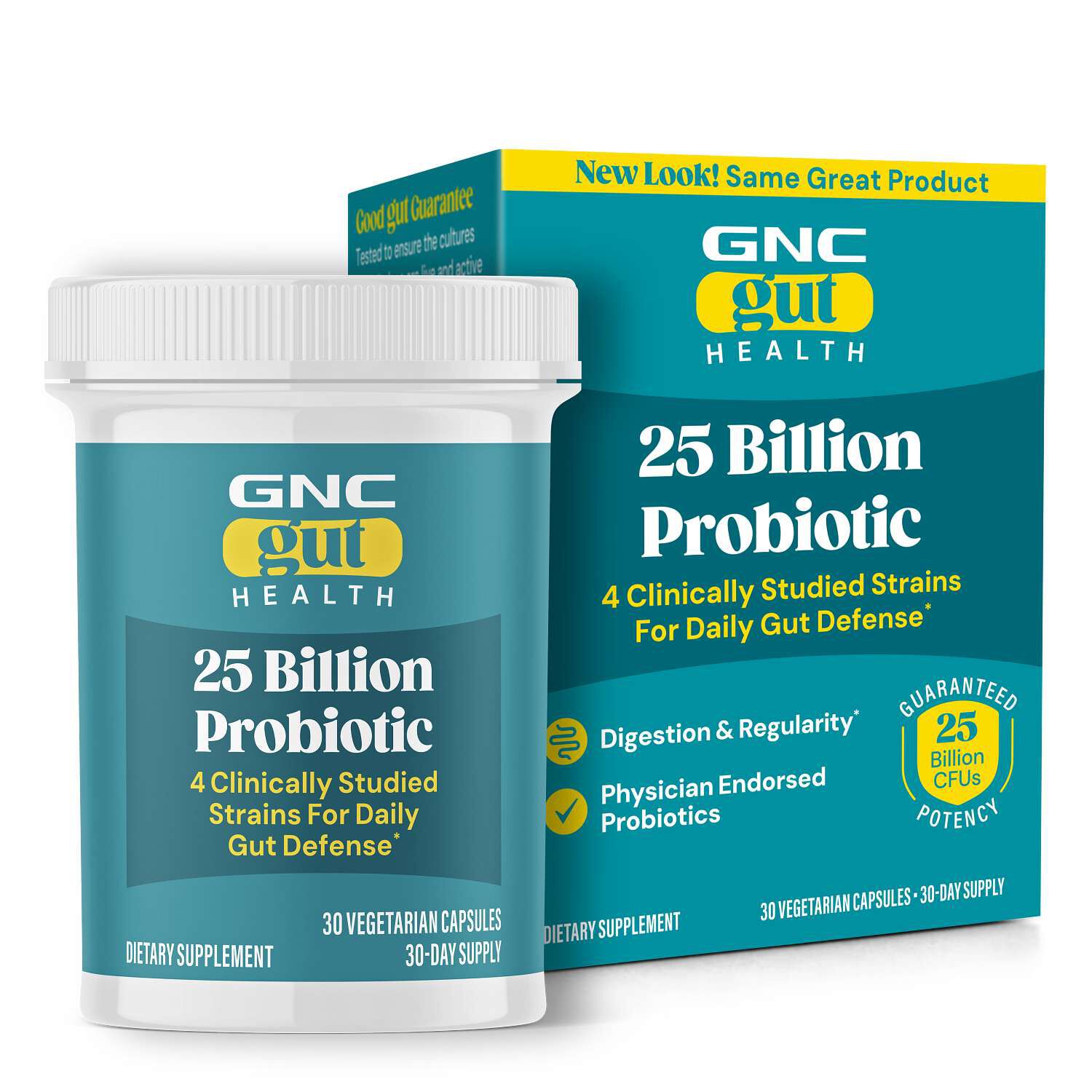
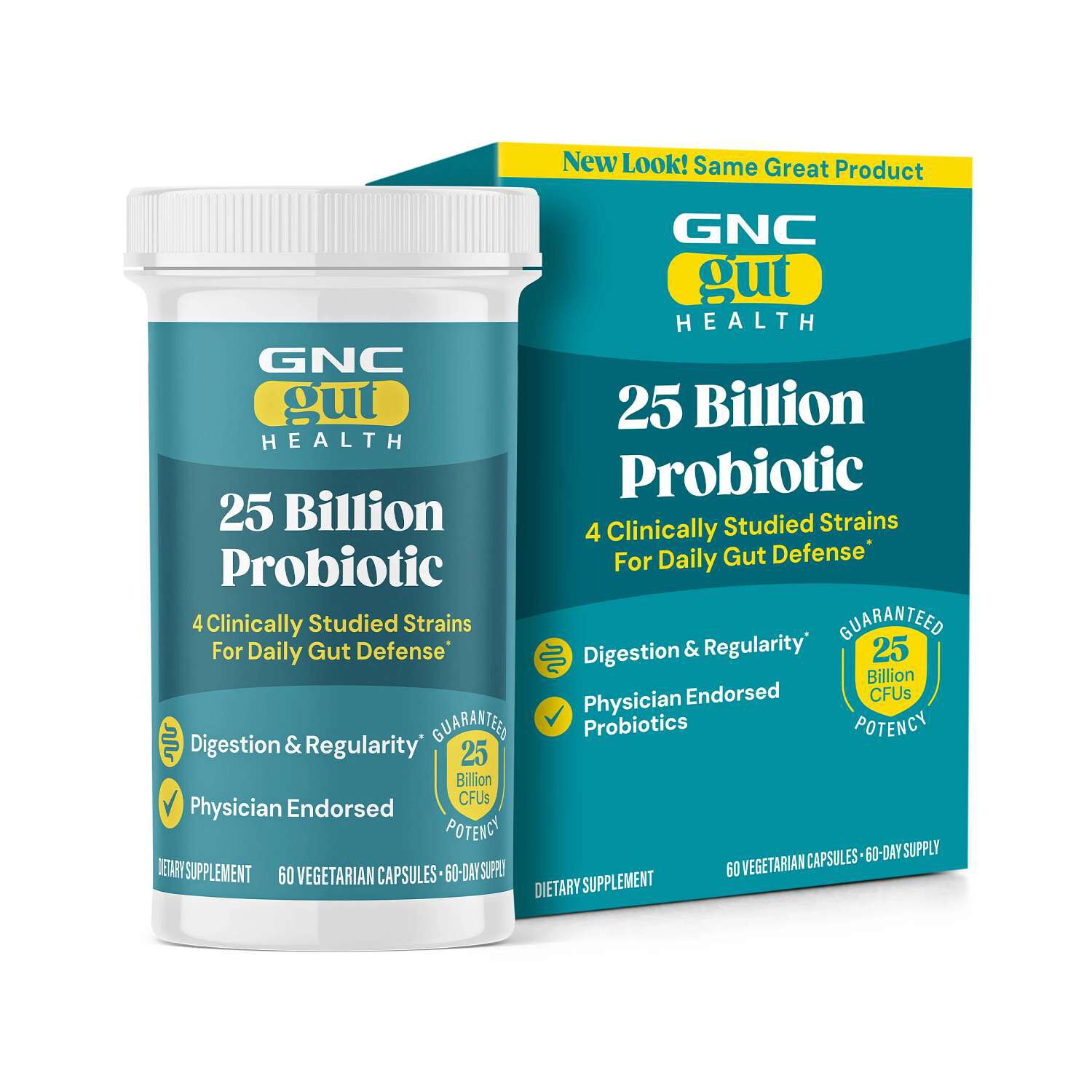

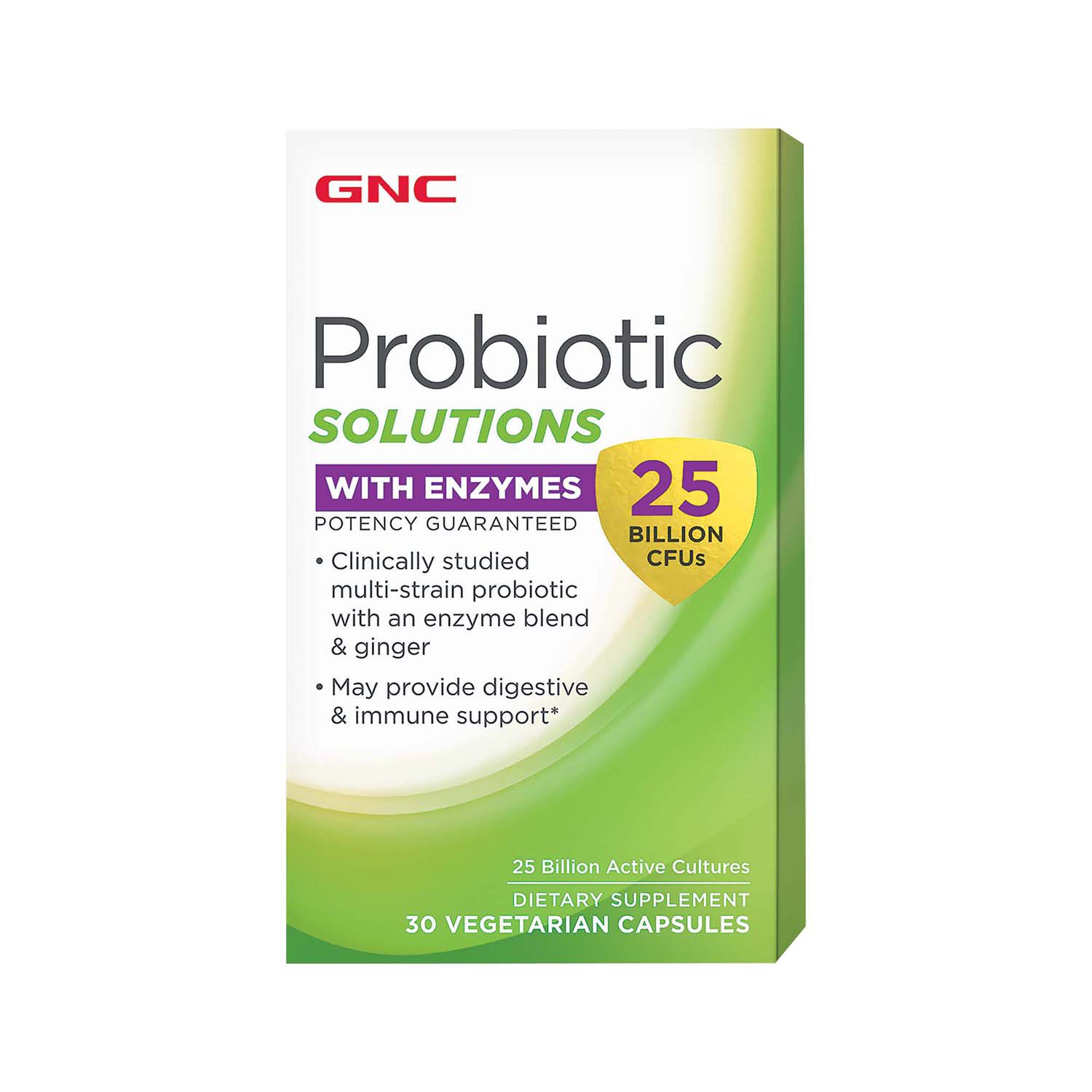
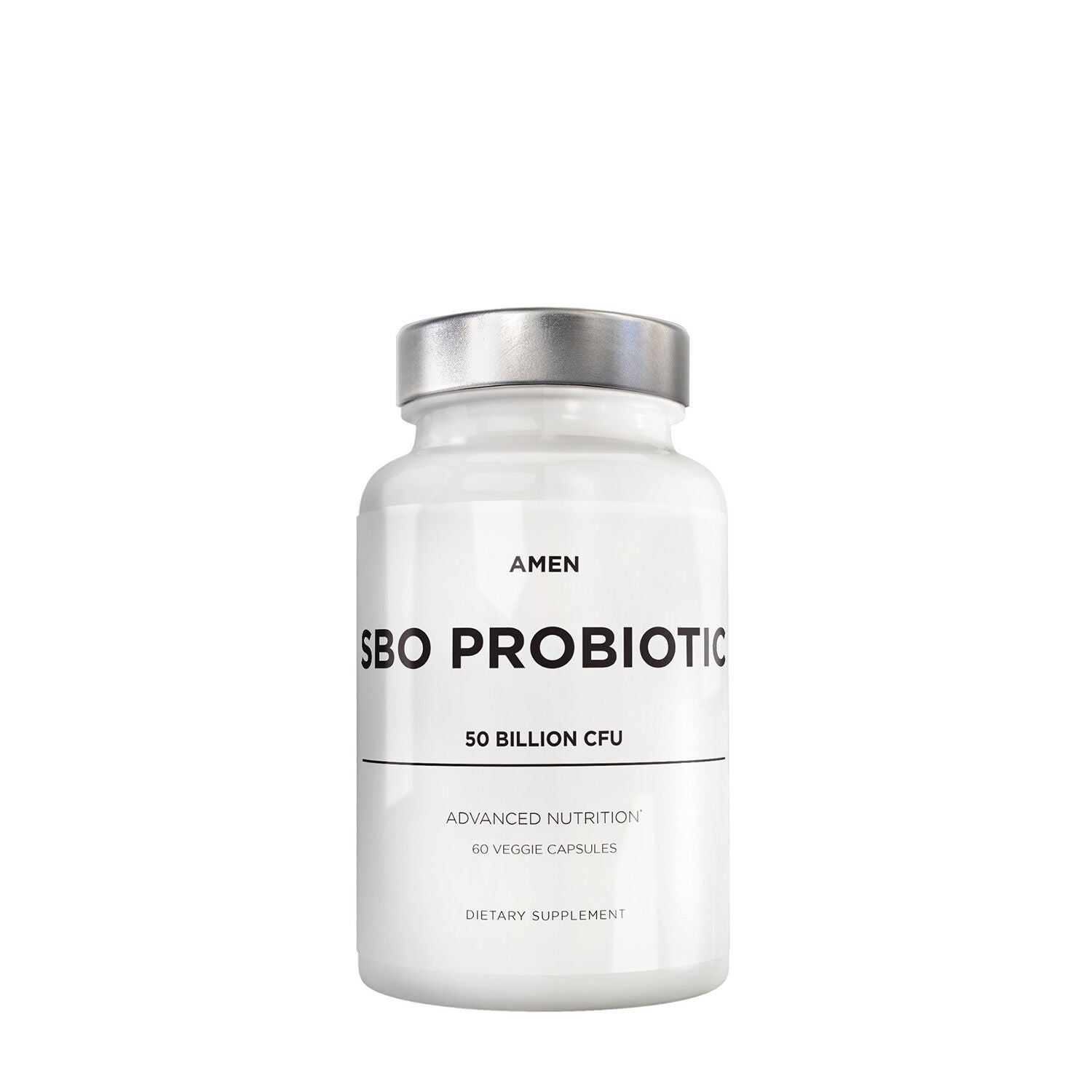
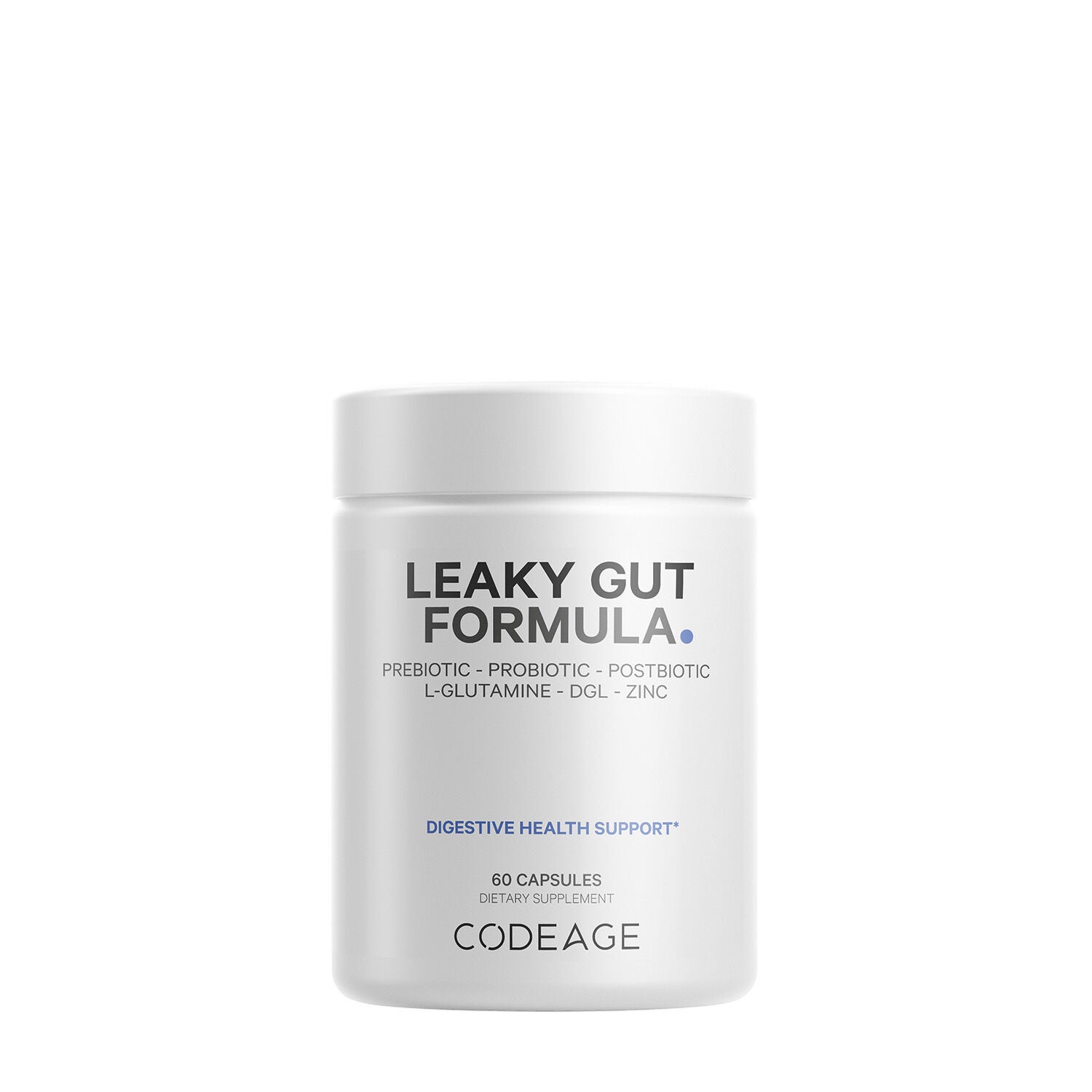

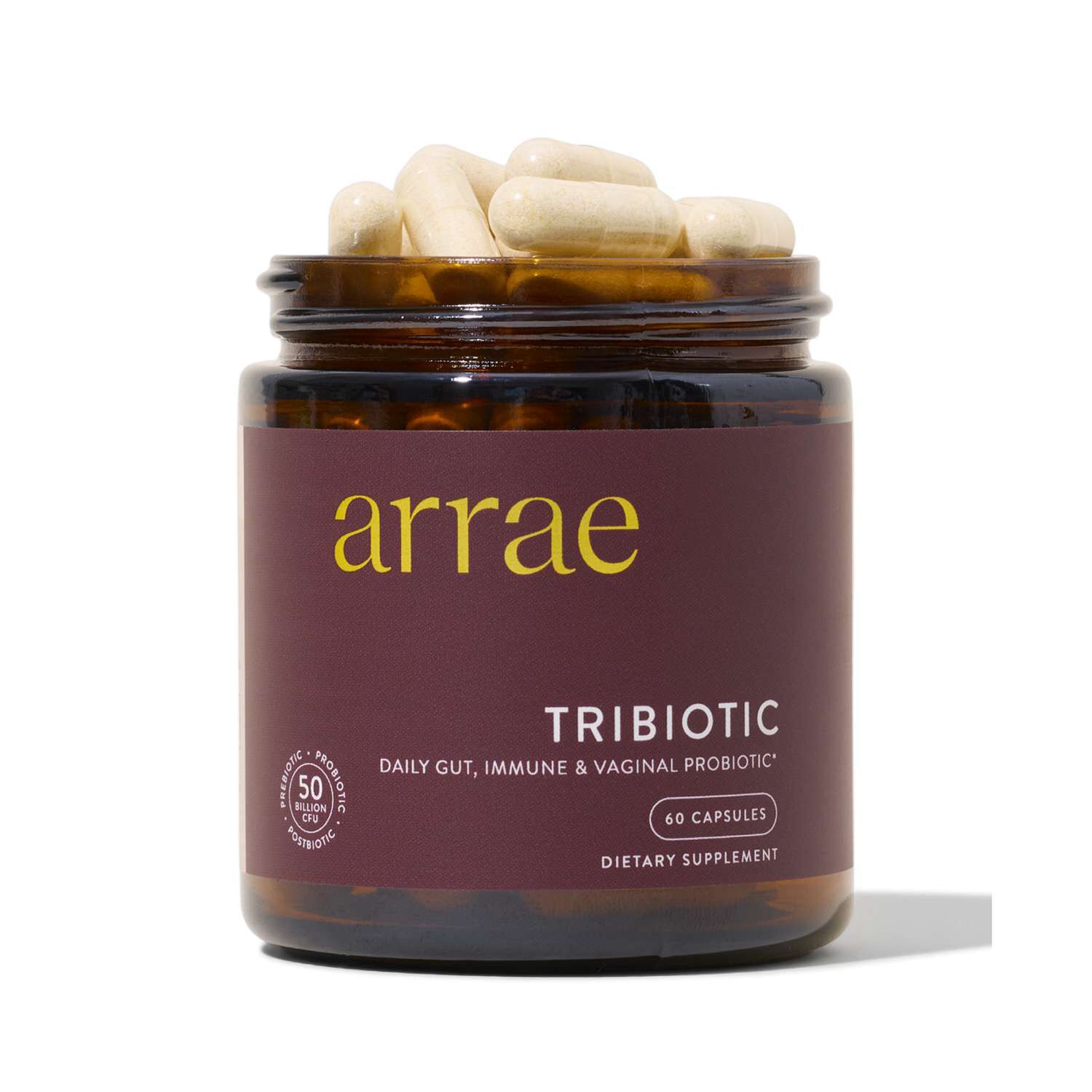
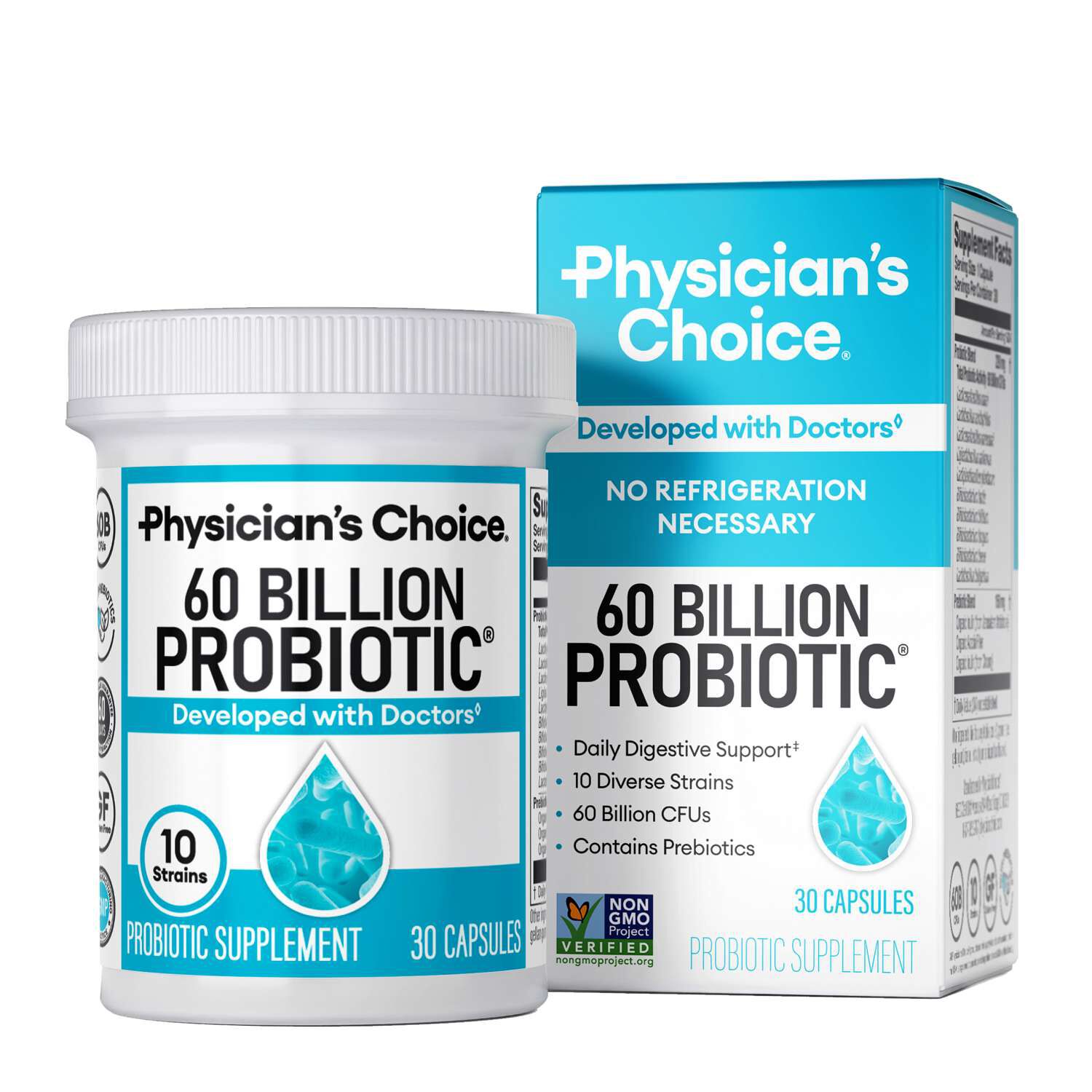
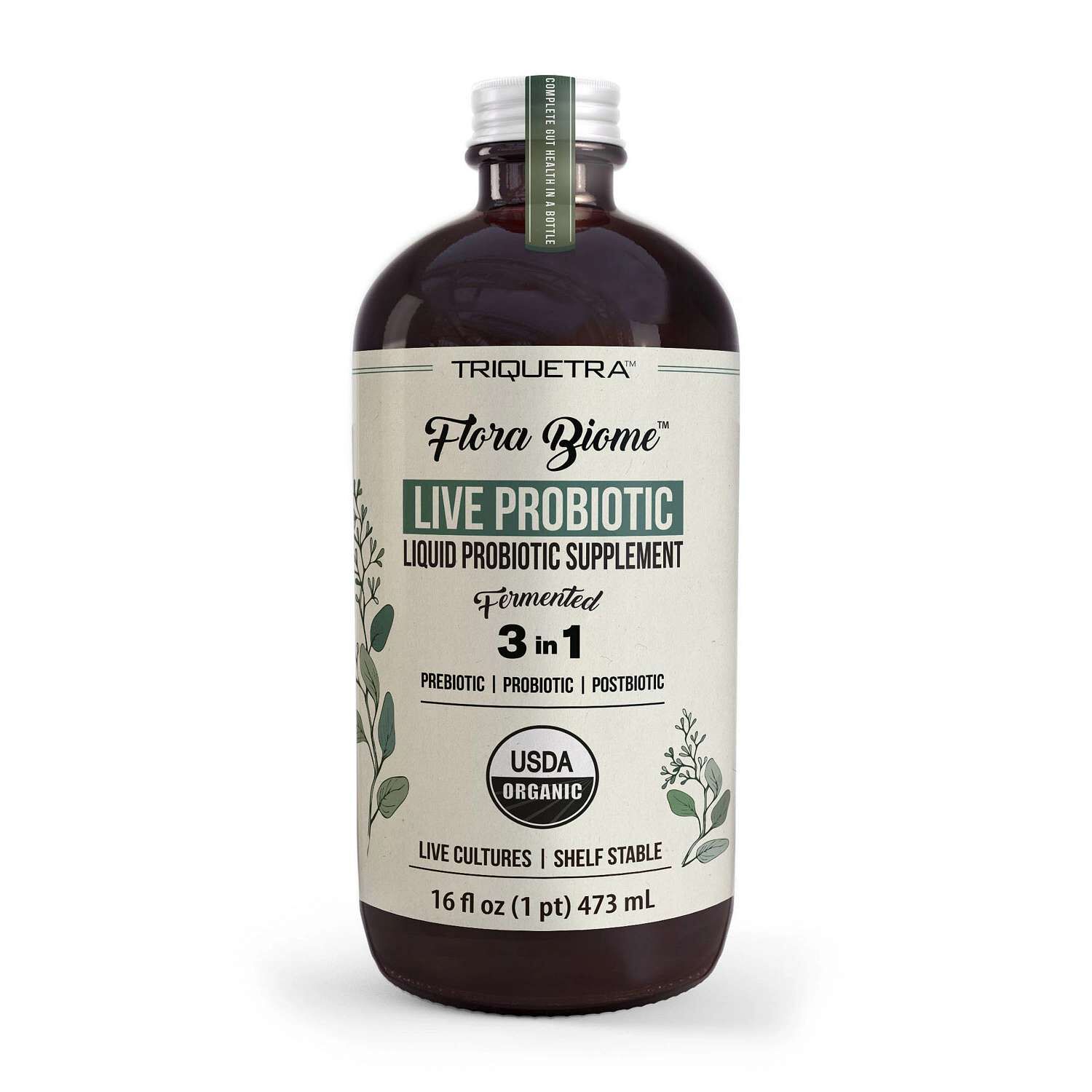
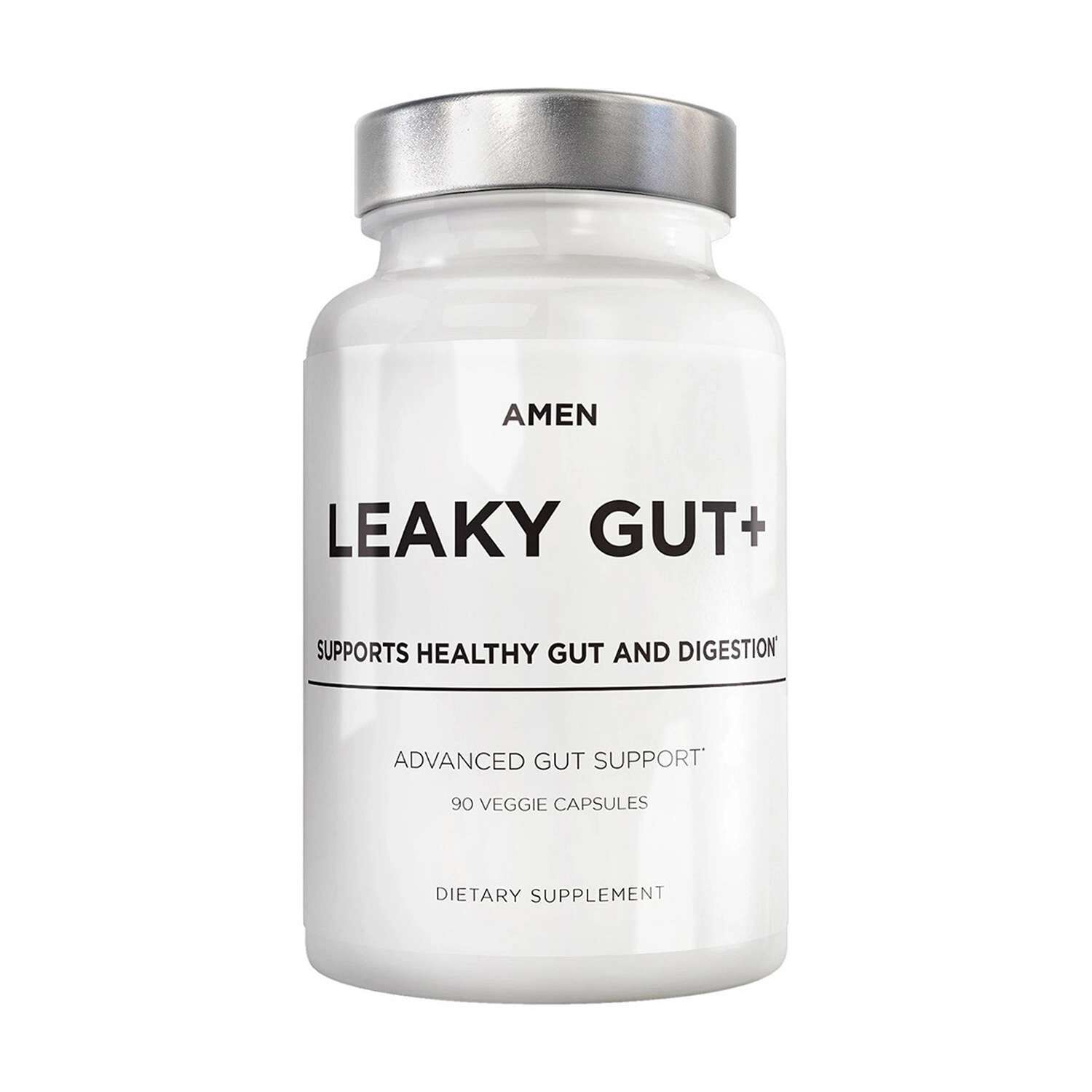
Vegan probiotics may offer a convenient way to add a plant-based option to a daily wellness routine. These products are formulated without animal-derived ingredients and may be a practical choice for people who follow vegan or vegetarian eating patterns, avoid gelatin, or simply prefer supplements that align with a plant-focused lifestyle. Probiotics are live microorganisms that may support a balanced digestive environment when used as directed, though individual experiences can vary. A thoughtful shopping process starts with the label. Look for clear information about the probiotic strains included, the amount provided per serving, suggested use, storage instructions, and the capsule or delivery format. Plant-based capsules are often made with cellulose or another non-animal material, while powders may be designed to mix into water, smoothies, oatmeal, or other everyday foods. Some formulas include several strains, such as Lactobacillus plantarum or Bifidobacterium longum, which may support everyday digestive comfort and regular routines. The right choice often comes down to personal preferences: someone who travels frequently may appreciate a small bottle of capsules, while someone who already prepares a morning smoothie may prefer a powder that blends into an established habit. Checking the serving size can also help shoppers compare options in a practical way, especially when labels use different counts of strains or serving amounts. People with dietary preferences may also want to review other ingredients, including flavorings, sweeteners, colors, and fillers, to find an option that fits comfortably with their routine. Those managing a specific health concern, taking prescription products, pregnant or nursing individuals, and anyone with questions about supplement use may wish to speak with a qualified healthcare professional before starting a new routine.
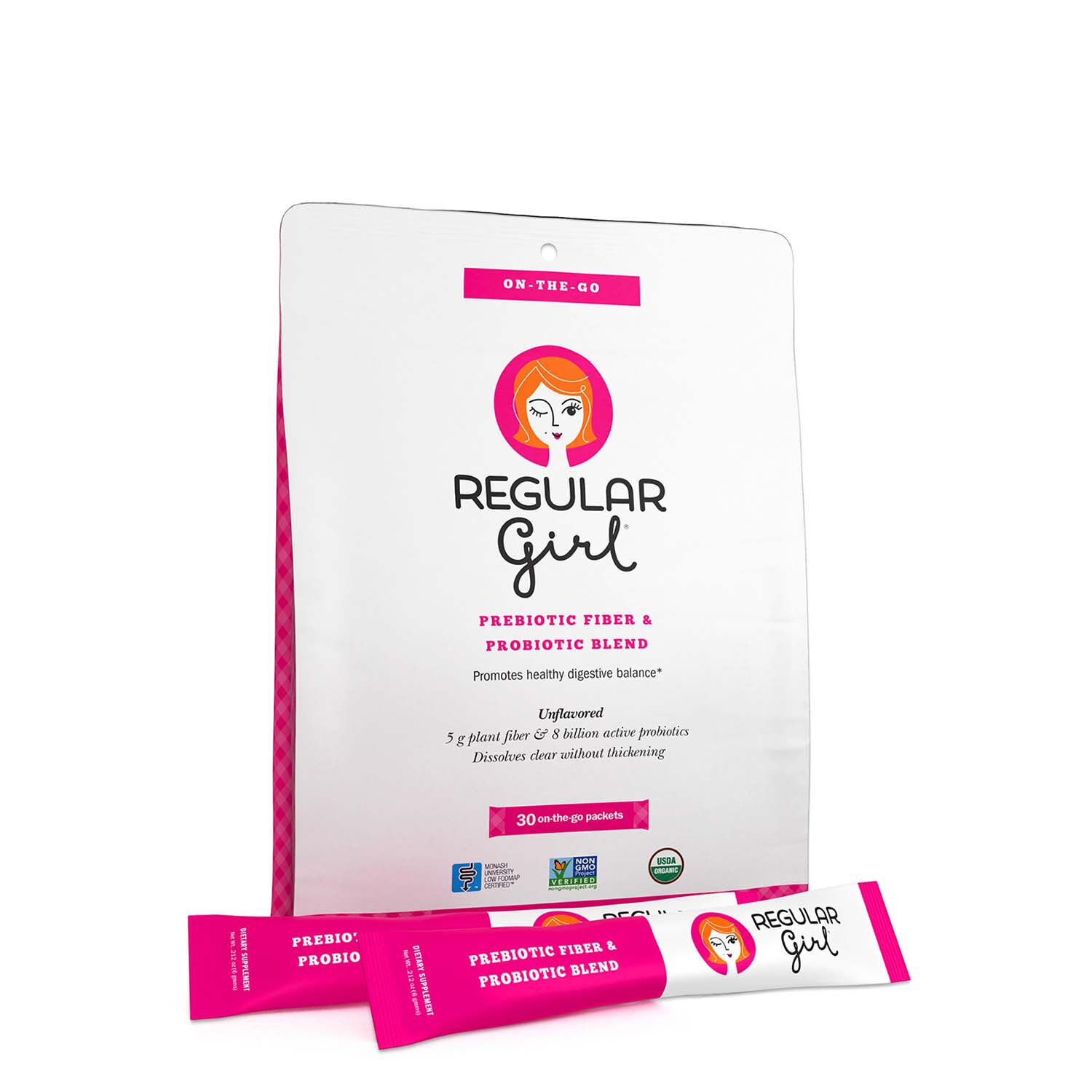
Daily habits often make probiotic use easier to maintain. A capsule may fit naturally beside a glass of water at breakfast, while a powder could become part of a familiar smoothie made with berries, leafy greens, oats, or a dairy-free beverage. Following the directions on the package may help preserve the intended quality of the formula, particularly when storage guidance calls for a cool, dry location or refrigeration. Travel is another consideration. Capsules may slip into a toiletry bag or carry-on pouch, while single-serve powder packets may suit an office drawer, gym bag, or weekend away. Keeping the product near an existing habit—such as a coffee maker, breakfast shelf, or evening tea—could make it easier to remember without adding another complicated step to the day. A food-first routine may complement probiotic use. Fiber-rich foods such as oats, beans, lentils, onions, garlic, asparagus, apples, and bananas may provide fermentable fibers that support the microorganisms already present in the digestive tract. Different foods may suit different routines, so a gradual approach could be more comfortable than making many changes at once. Plenty of water, regular movement, restful sleep, and varied meals may also contribute to a broader sense of everyday well-being. These habits do not need to look perfect. A warm bowl of oatmeal on a cool morning, a lentil soup prepared for several lunches, or a berry smoothie shared with family can create simple touchpoints that make wellness feel approachable rather than demanding. Probiotic supplements may fit into those moments as one small part of a balanced lifestyle, not as a substitute for nourishing food or professional guidance.
Vegan probiotics may also be a considerate gift for someone beginning a plant-based routine, packing for travel, organizing a wellness-focused kitchen, or looking for a simple addition to a morning ritual. Since dietary preferences differ, gift shoppers may want to confirm whether the recipient uses capsules or powders and whether they avoids certain ingredients before making a selection. Packaging details, serving instructions, and storage needs may matter just as much as the product format. For personal shopping, comparing formulas side by side can make the decision more manageable: check whether the product is labeled vegan, review the capsule material, note the listed strains, consider the serving size, and look for directions that suit the intended schedule. Shoppers interested in combining probiotics with prebiotic ingredients may explore Vegan Prebiotic Probiotic Supplements for options that bring both categories into the same search. Prebiotics are fibers that may serve as a food source for certain microorganisms, while probiotics are live cultures that may support digestive balance. Together, they may complement a varied diet, although the way a person responds can differ. During the cooler months, a shelf-stable capsule may be appealing for keeping a routine steady at home, and a powder may bring variety to warm oatmeal or a blended breakfast. When the weather shifts and schedules become busier, choosing a format that is easy to store, carry, and remember could make consistent use feel more natural. As with any dietary supplement, reading the label carefully and using the product according to its instructions may help support an informed choice.
Best Sellers
-
Physician's Choice