





Vegan Probiotics For Healthy Lifestyle Choices
(0 Results)
Vegan probiotics for healthy lifestyle choices offer a plant-based approach to supporting your wellness journey. Whether you follow a vegan diet or simply prefer options free from animal-derived ingredients, these supplements may align with your values and goals. Explore a variety of vegan probiotics that could complement balanced nutrition and help you make mindful decisions for your daily routine.

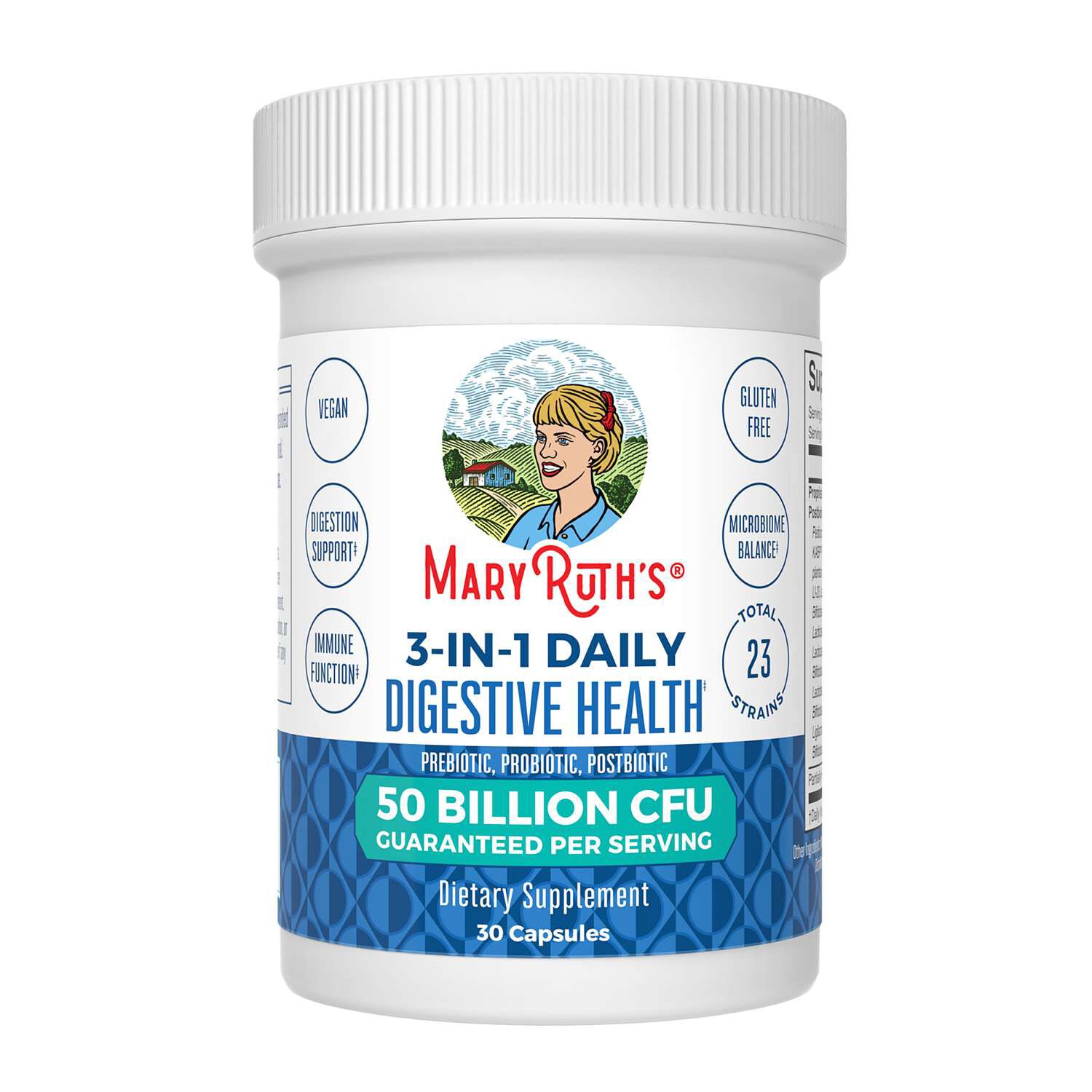

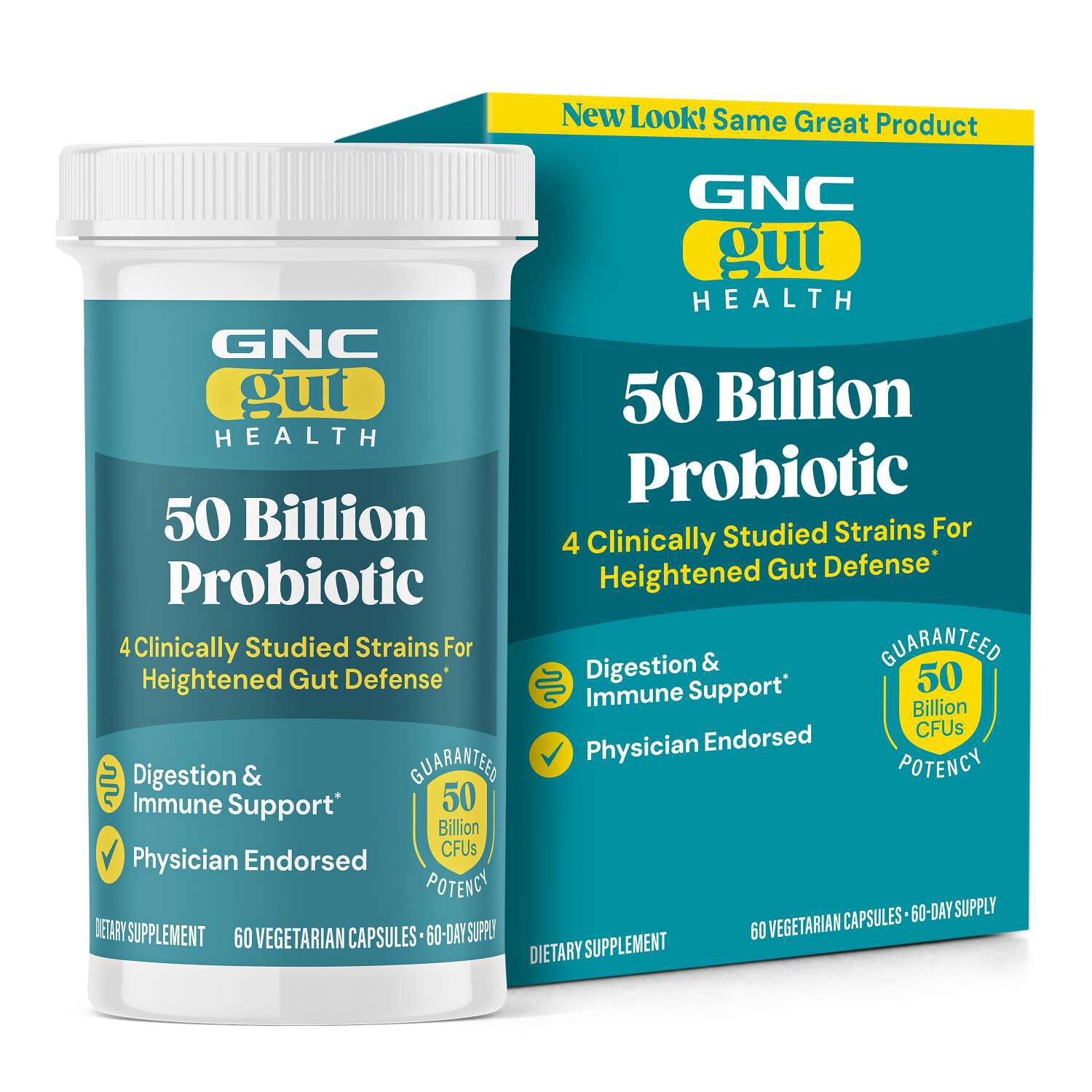
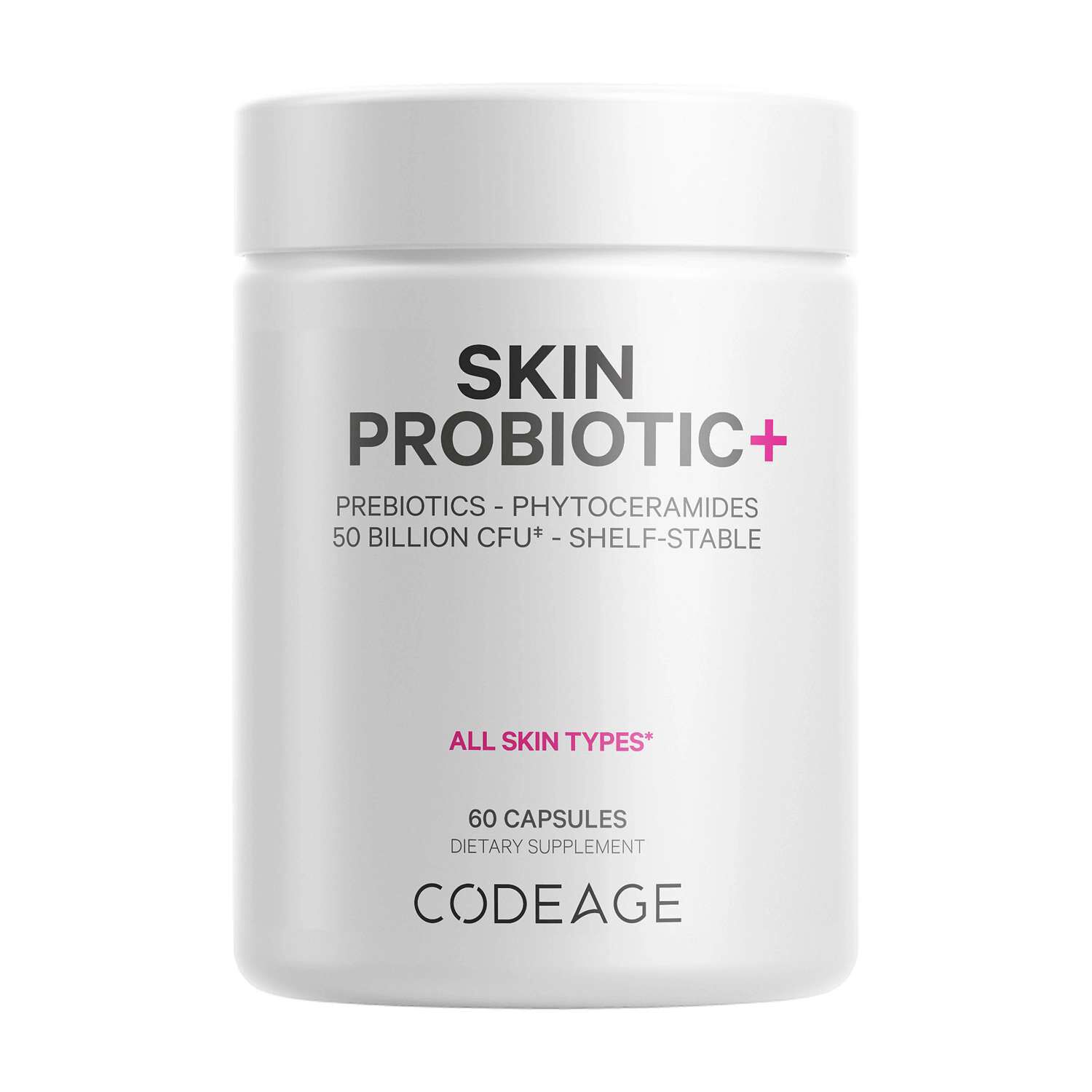
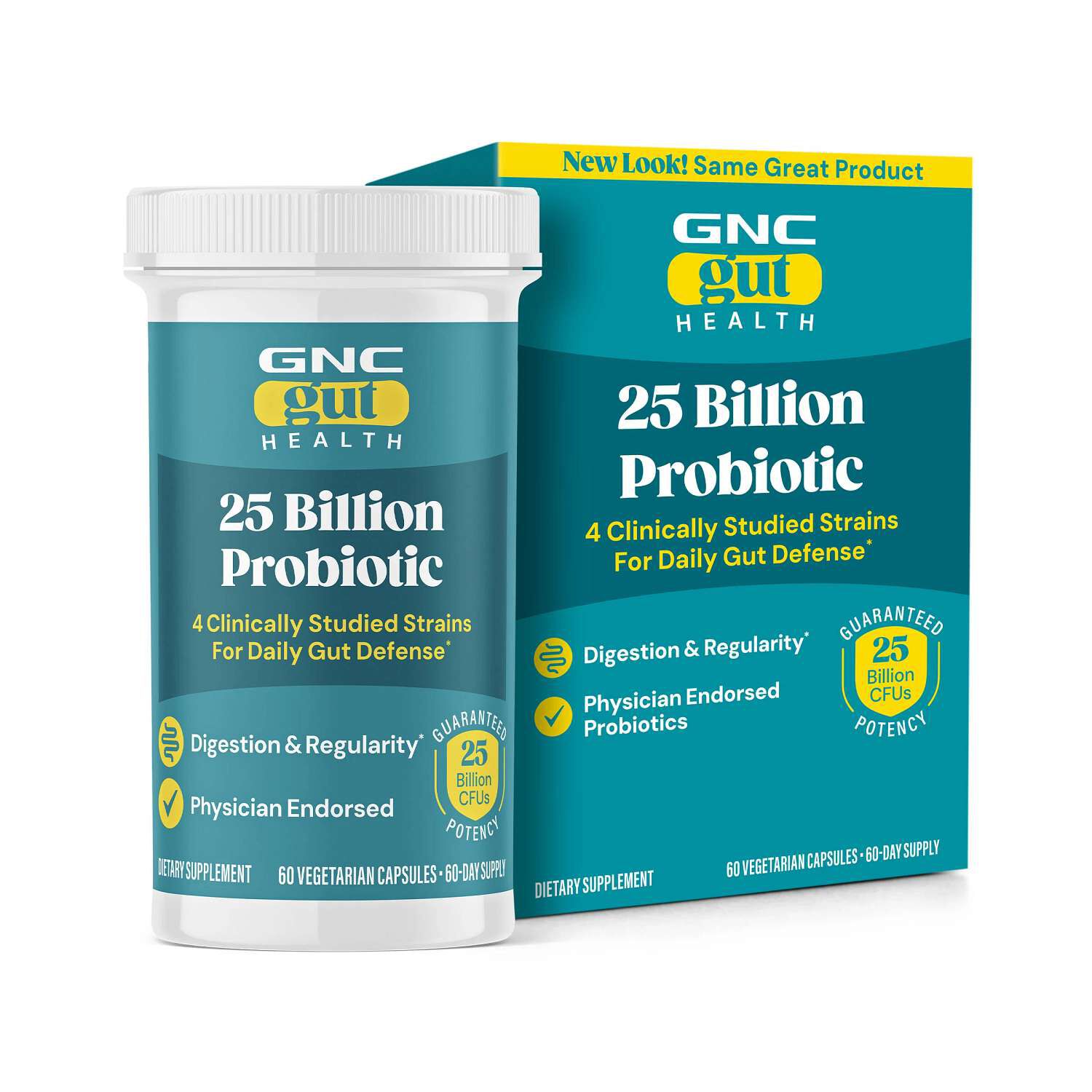


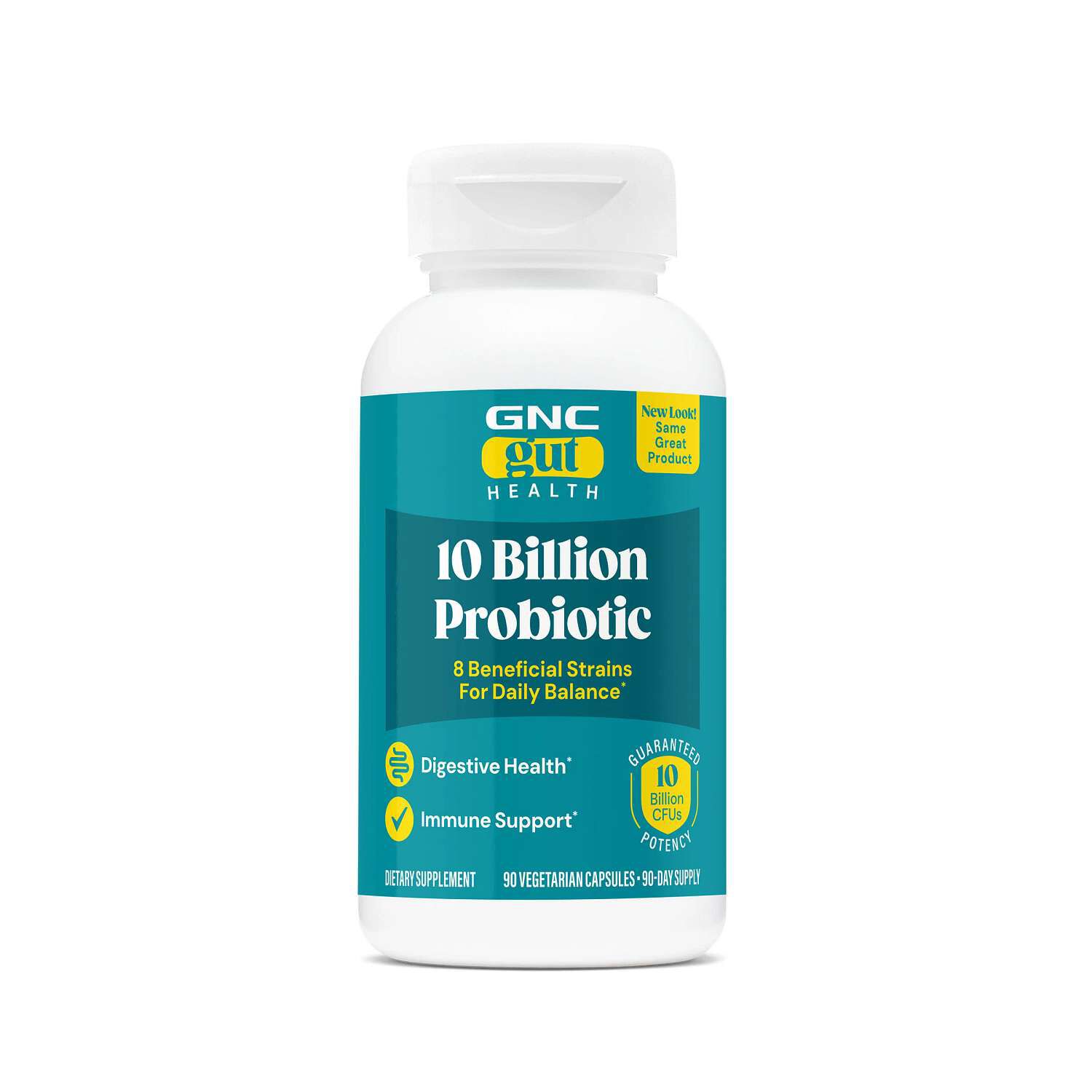

_Front.jpg?sw=305&sh=305&sm=fit "BioDophilus60 - 30 Capsules (30 Servings) | GNC")

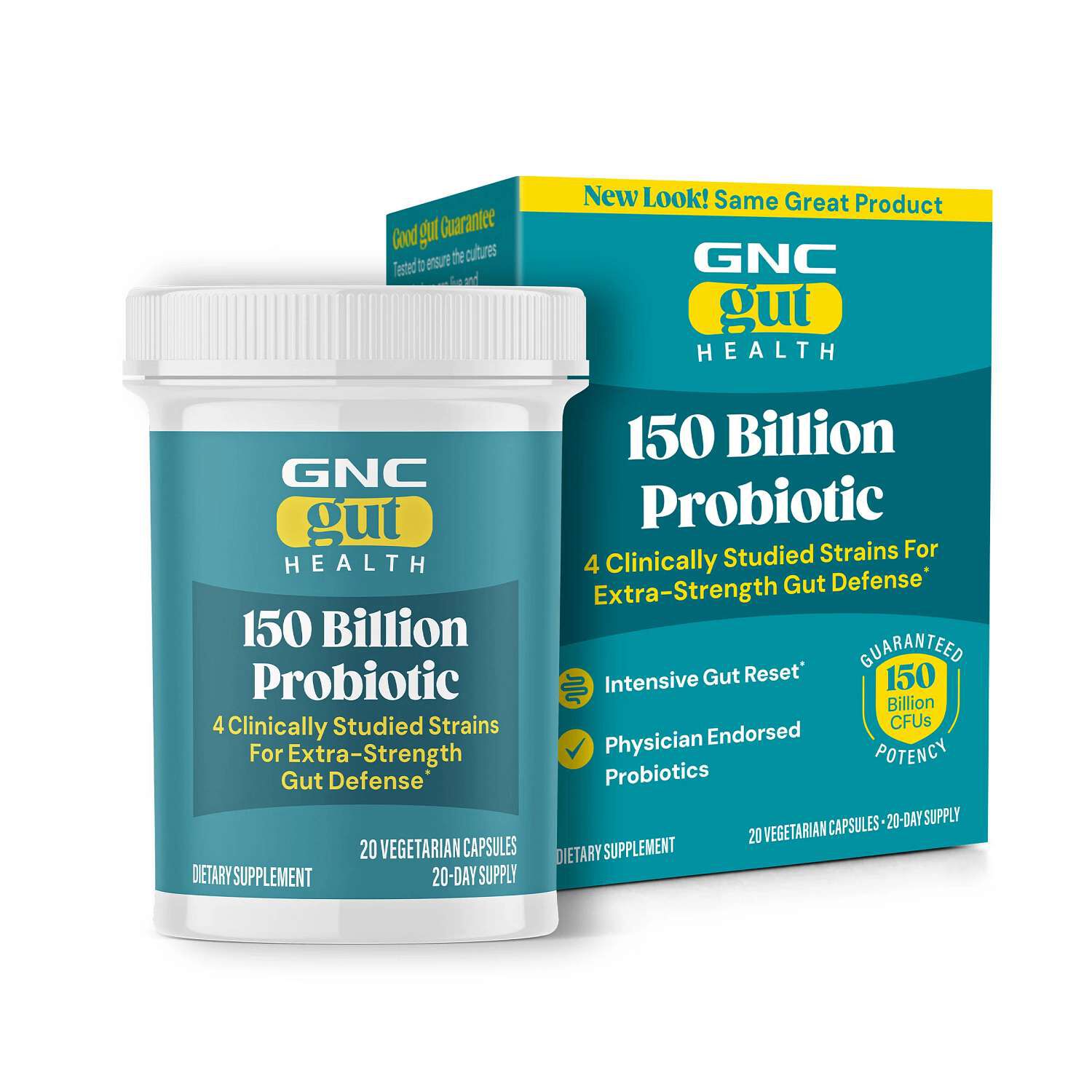
_Front.jpg?sw=305&sh=305&sm=fit "BioDophilus60 - 60 Capsules (60 Servings) | GNC")
_Front.jpg?sw=305&sh=305&sm=fit "BioDophilus25 -120 Capsules (120 Servings) | GNC")
Vegan probiotic supplements contain live microorganisms, such as selected bacteria or yeasts, in formulas made without animal-derived ingredients. They may suit people who follow a vegan eating pattern, prefer plant-based supplement formats, or want their daily wellness purchases to reflect their ingredient preferences. The vegan designation describes the formula’s relationship to animal-derived materials; it does not identify a particular microorganism, serving size, or delivery format. These supplements are distinct from fermented foods, although both categories can contain live cultures. A fermented food is not automatically a probiotic, and a probiotic formula is not automatically vegan. For shoppers exploring vegan probiotics for healthy lifestyle choices, that distinction makes the full ingredient list an important part of the comparison. The capsule shell, flavoring, coating, and other supporting ingredients matter alongside the cultures themselves. Some capsules use plant-derived cellulose, while other supplement capsules use gelatin, which is animal-derived. Powders and chewable formats have their own ingredient considerations, including sweeteners, flavors, and ingredients used to create their texture. A formula’s appearance alone does not establish whether it meets vegan preferences. Clear vegan labeling or a recognized vegan certification provides more useful context than a green package or a botanical illustration. Certification programs have different criteria, so the organization behind a certification is another meaningful detail. Vegan labeling and allergen labeling also address different concerns; one does not replace the other. Someone who avoids particular food ingredients still has reason to review the allergen statement and any shared-facility information separately. Whether the supplement sits beside a breakfast bowl of oats and berries or travels in a work bag, the most relevant considerations remain the same: what the formula contains, how the serving is measured, and whether its format fits the intended routine. The category brings together products with a shared dietary preference, but meaningful differences remain from one formula to another. Those details give a clearer picture of the supplement than broad wellness language on the front of a package.
The variety within Vegan Probiotic Supplements extends beyond the choice between a capsule and a powder. Labels may identify microorganisms by genus, species, and strain, with the strain often shown as a combination of letters and numbers. Those names describe the cultures in the formula, and similar-looking names do not necessarily refer to the same strain. Familiar groups on labels include Lactobacillus and Bifidobacterium, although naming conventions can vary as scientific classifications change. A formula may contain one strain or several, making the actual culture listing more informative than the number of strains alone. Another common label detail is CFU, short for colony-forming units, a measurement used to describe viable microorganisms. The stated count needs context: it may apply to one capsule, several capsules, or a measured serving of powder. Labels may also distinguish between a count measured at manufacture and a count stated through the expiration date under specified storage conditions. A larger number by itself does not establish which formula is appropriate for an individual. Serving size, culture identity, storage requirements, and the rest of the ingredient list remain relevant parts of the comparison. Capsule formats may appeal to someone who prefers a measured serving without adding flavor to a meal or drink. Powder formats may suit someone who prefers mixing a supplement into food or a beverage when the label permits that use. Chewable formats may appeal to shoppers who prefer not to swallow capsules, though their serving directions and intended age range still matter. A pleasant flavor or familiar texture does not make every format suitable for every household member. Some formulas also include ingredients identified as prebiotics, such as inulin or certain fibers. Their inclusion is a separate formulation detail rather than another name for the probiotic cultures. For someone comparing labels at the kitchen counter, the useful distinction is straightforward: the culture names describe one part of the formula, while added fibers, flavors, capsule materials, and other ingredients describe the rest. Both deserve attention when choosing a supplement that aligns with established food preferences.
Everyday suitability also includes the practical details that become noticeable after a package is opened. Vegan probiotic supplements can have different storage requirements, and a vegan designation does not indicate whether refrigeration is necessary. Some labels call for refrigerated storage, while others specify a dry location away from heat and moisture. The package directions determine the appropriate setting. A spot beside a kettle or above a dishwasher may be convenient, but it may not match those directions. Original packaging keeps the ingredient list, serving instructions, expiration date, and storage information together, making those details easier to reference over time. Container closures and any included protective packaging are also part of the product’s storage design. Someone who travels regularly may prefer a format with storage instructions that fit the trip, while someone with a settled breakfast routine may prioritize a serving format that fits that part of the day. Neither preference establishes a product’s biological effects; it describes how the supplement may fit into daily life. Capsules, powders, and chewable formats also differ in package size and servings per container, details that help explain how often a container would be opened and how long it is intended to last when used as directed. Directions about mixing, serving timing, and use after opening belong to the individual formula rather than to the vegan category as a whole. Food choices remain a separate part of the broader lifestyle picture. Plant-based meals may include beans, lentils, grains, vegetables, fruits, nuts, and seeds, alongside fermented foods such as certain cultured soy foods or vegetable preparations. Not every fermented food retains live cultures after processing, and food labels provide the relevant context. A probiotic supplement is not a replacement for varied meals. Its place in a vegan routine is more specific: a chosen formula with identifiable cultures, compatible ingredients, and practical serving and storage requirements. Careful attention to those details may make the selection more consistent with personal preferences, whether the routine centers on home-cooked meals, packed lunches, or frequent travel.
Best Sellers
-
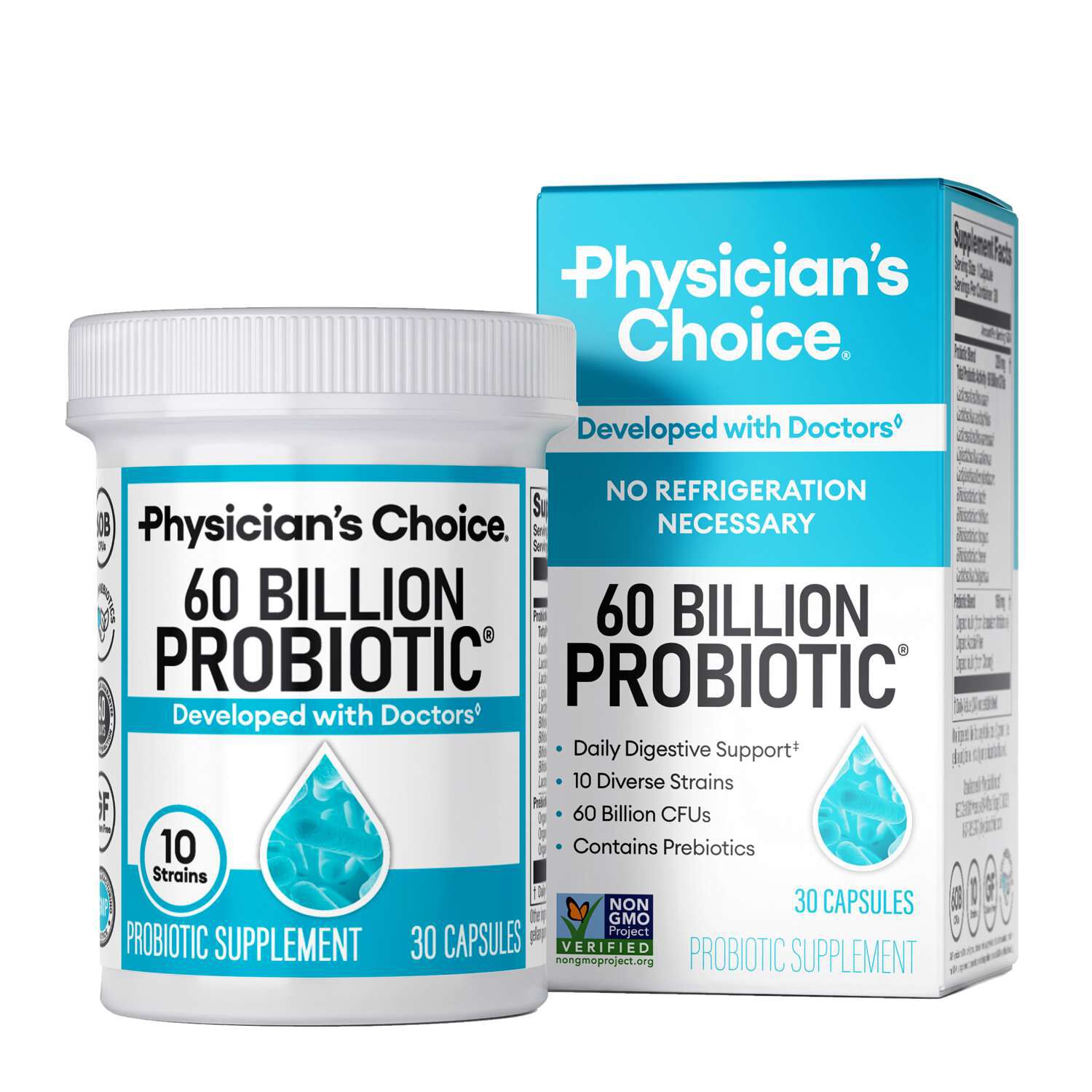 Physician's Choice
Related Pages
Top Collections
- Daily Collagen Supplements | Top Brands & Deals | GNC
- Cortisol Supplements
- Top Rated Collagen | Shop Customer Favorites | GNC
- Vitamins For Hair Loss
- NAD+ Supplement Tablets
- Peptide Supplements
- Best Brand of Magnesium Glycinate
- Protein Powders For Muscle Growth Support
- Vitamins That Help Support Weight Gain
- Peptide Supplements for Muscle Growth