Protein Supplements For Resistance Training
(0 Results)
Shop protein supplements for resistance training and compare options by protein source, grams of protein per serving, and flavor. Whether you’re planning a post-workout shake or adding protein between meals, these supplements may help you meet your daily protein goals alongside a balanced diet.


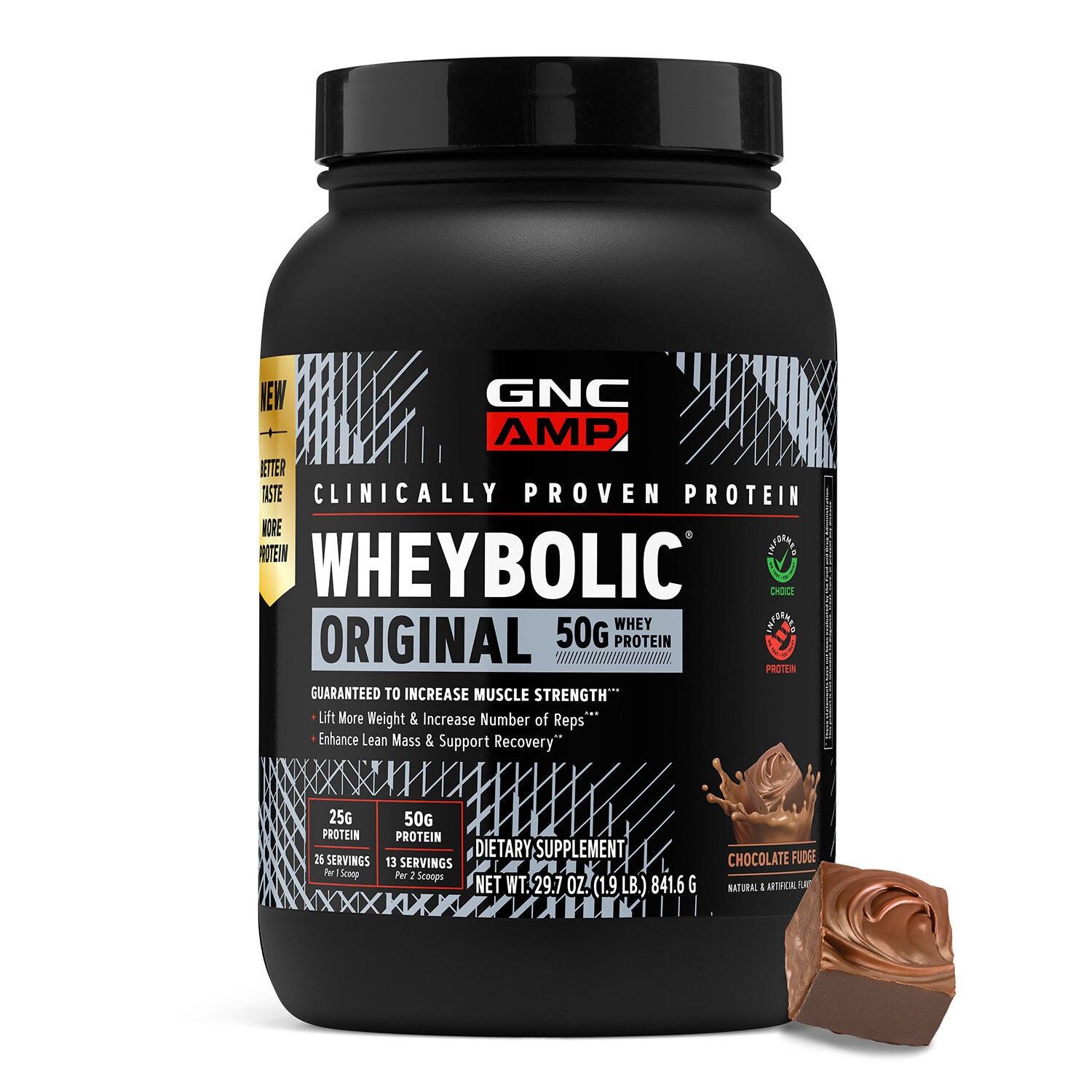


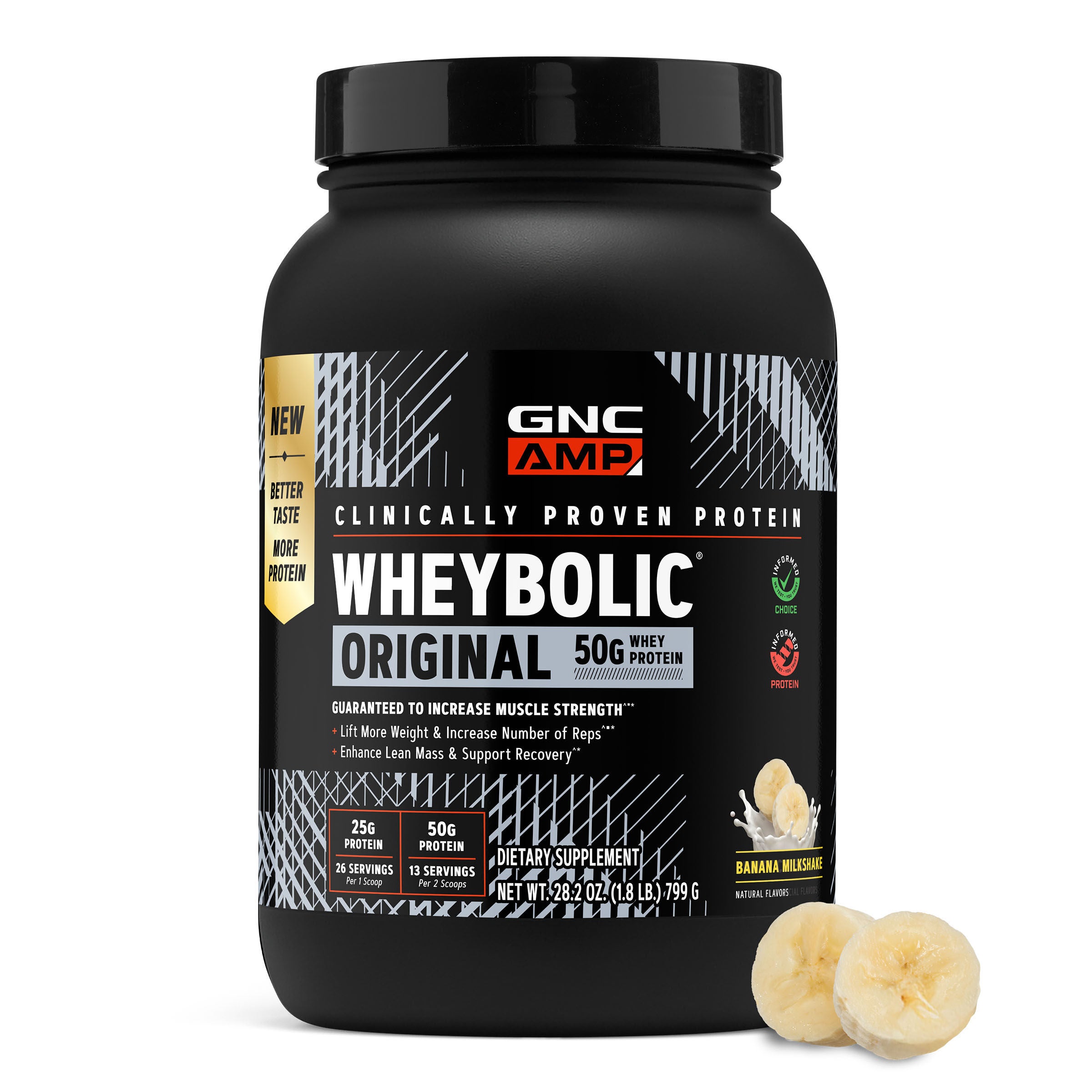
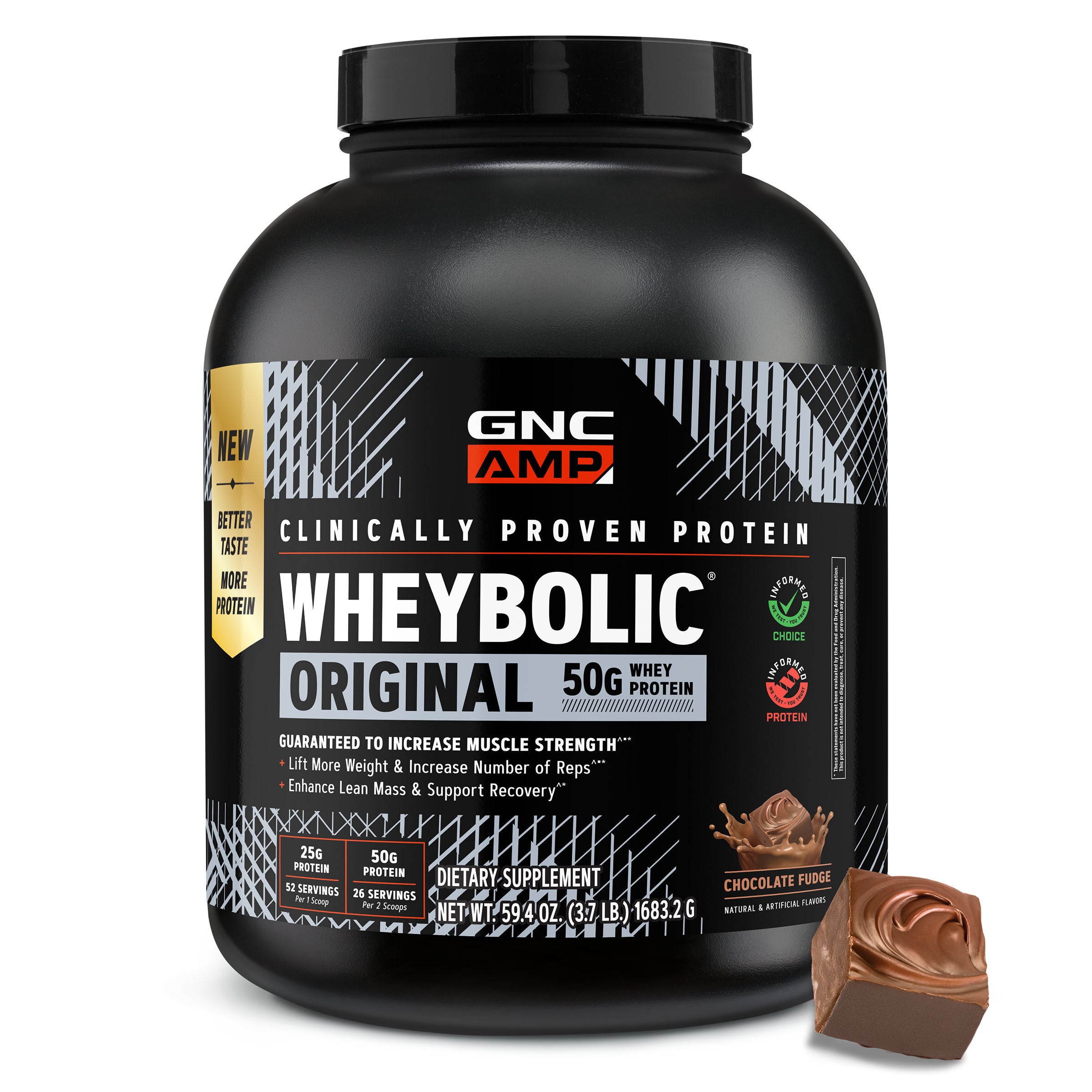

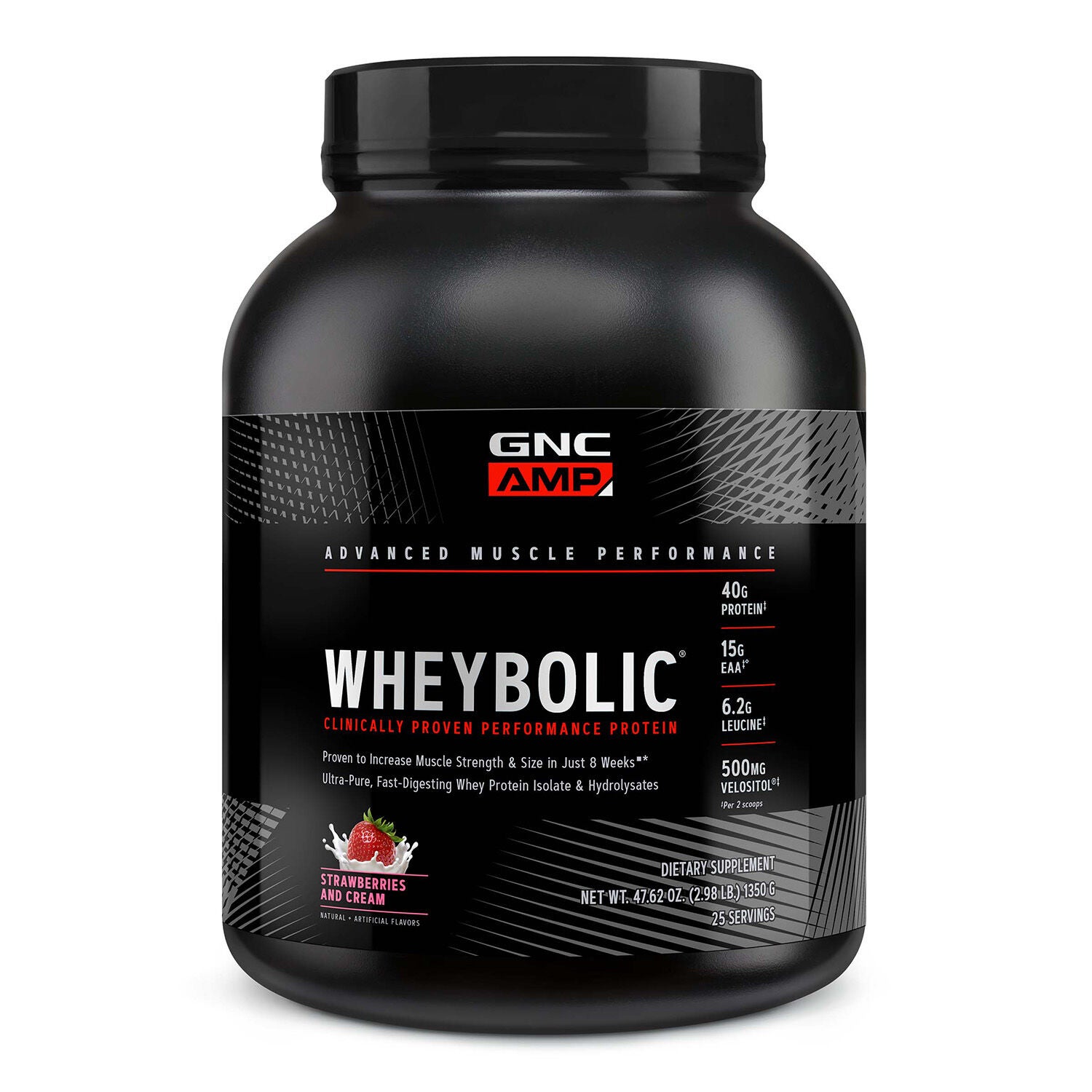
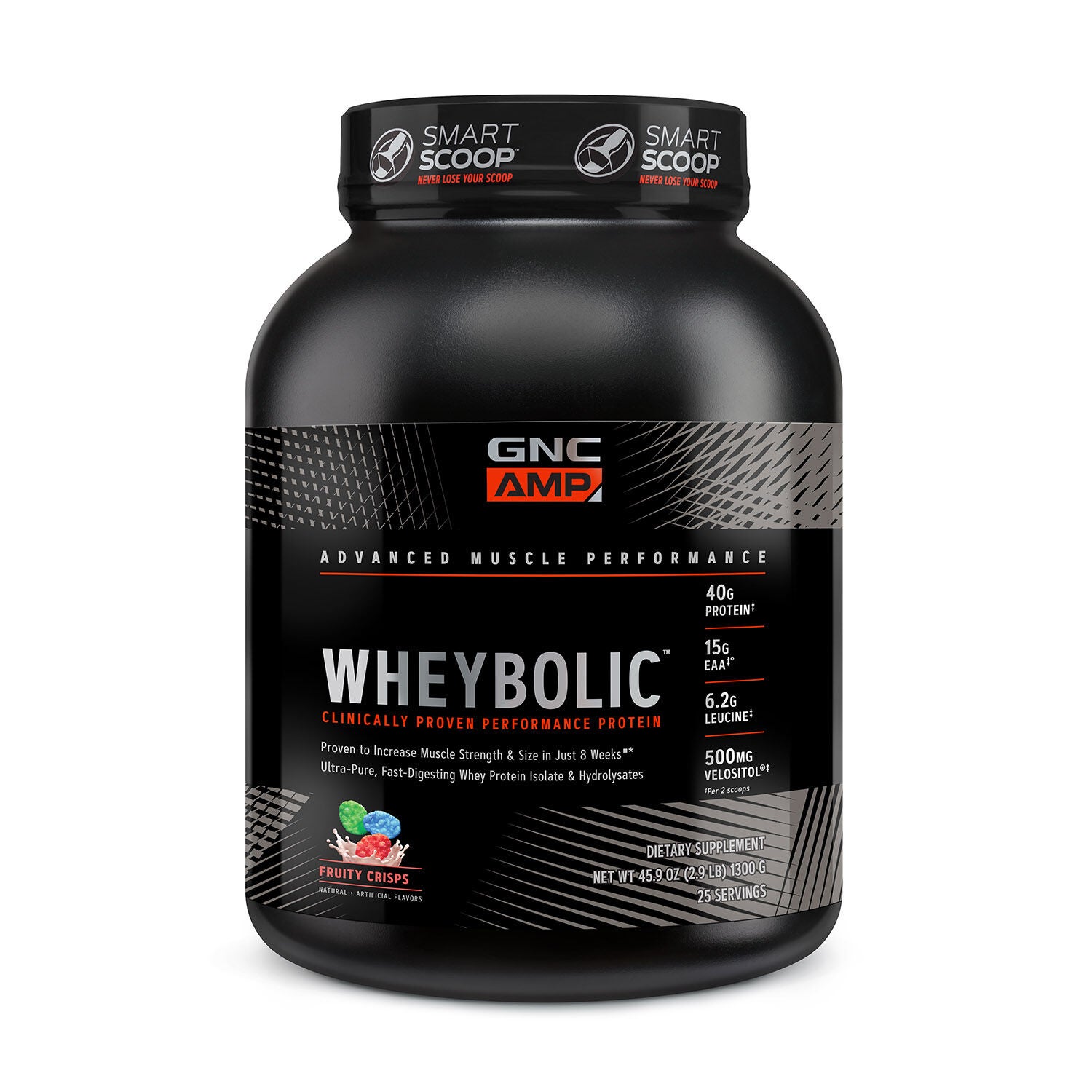
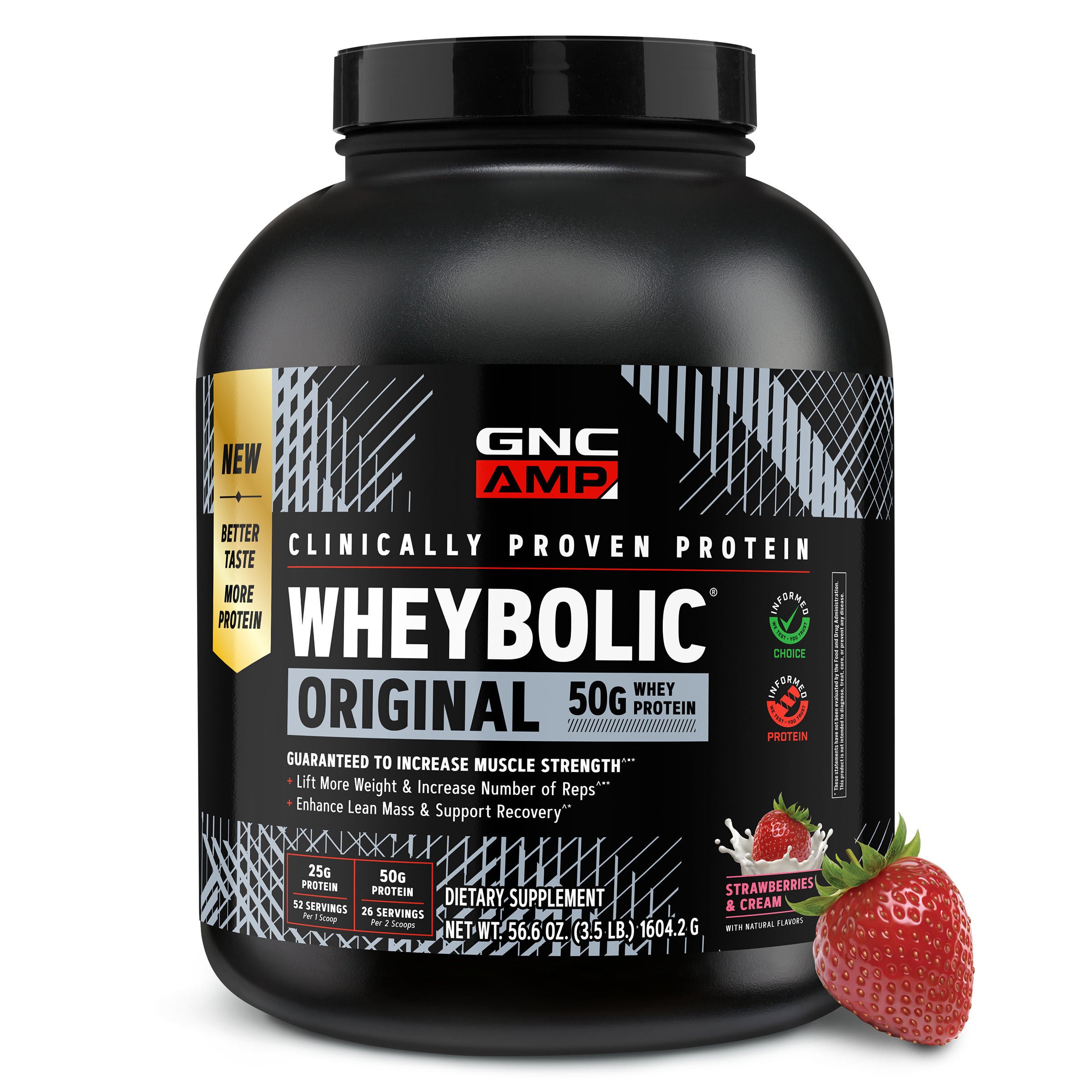

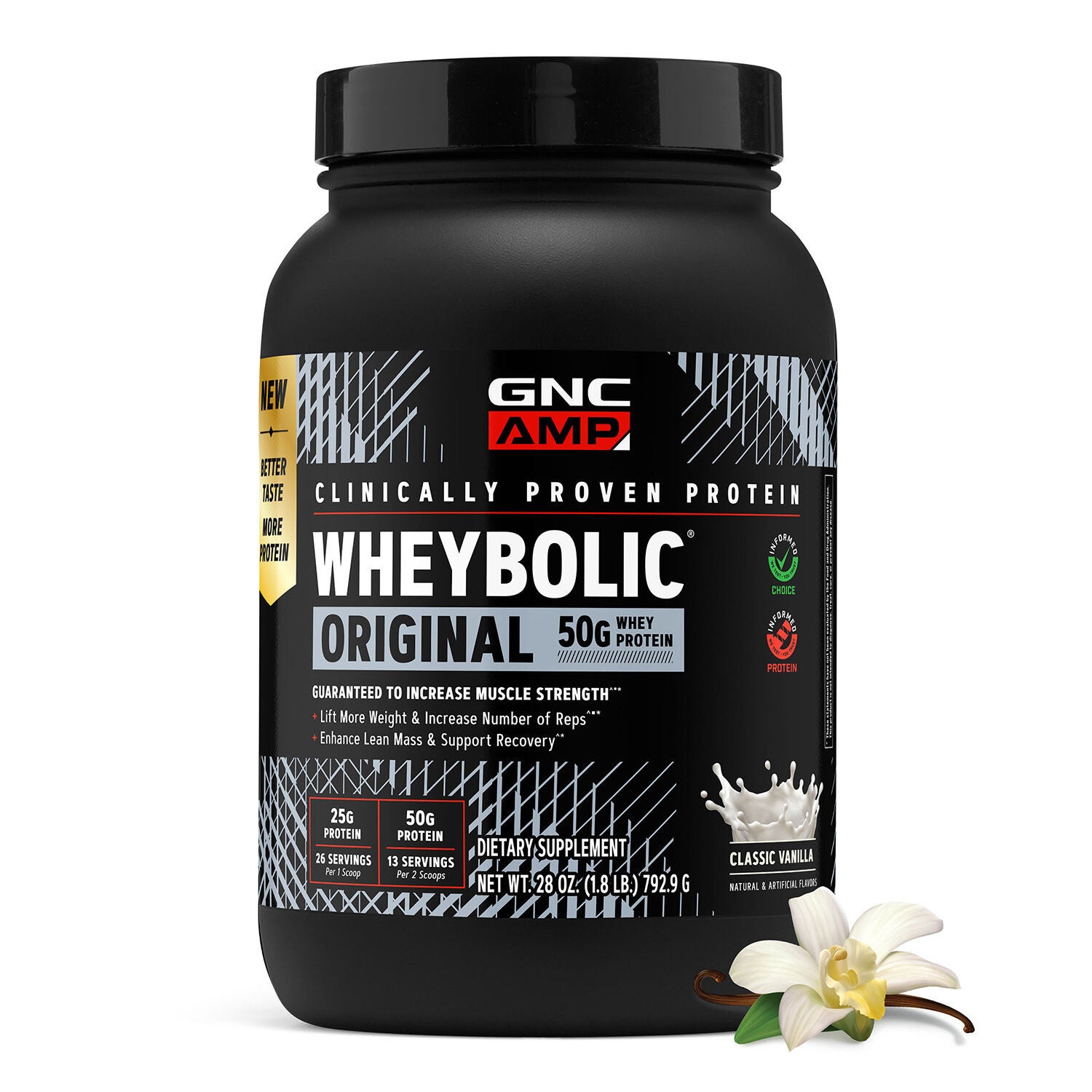

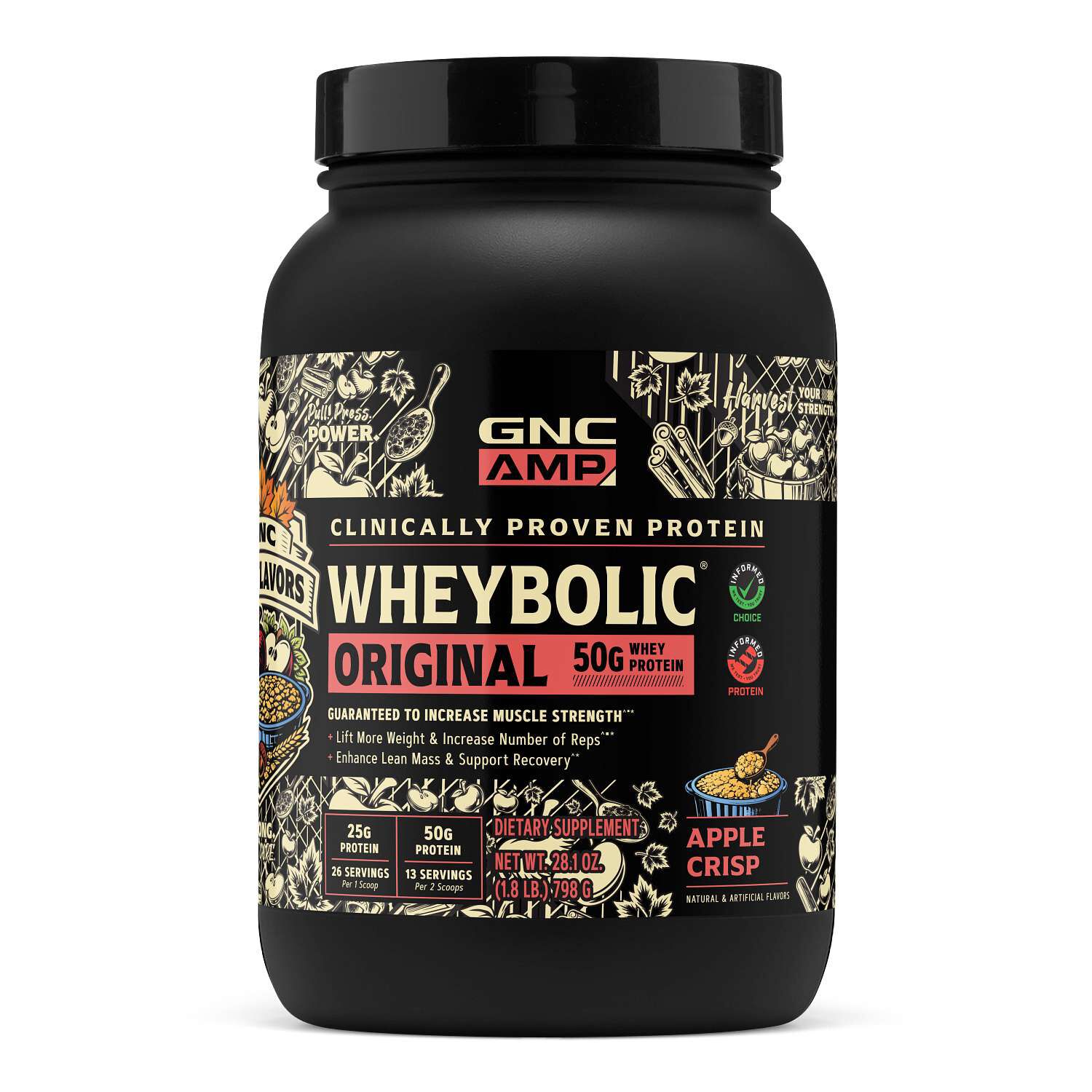
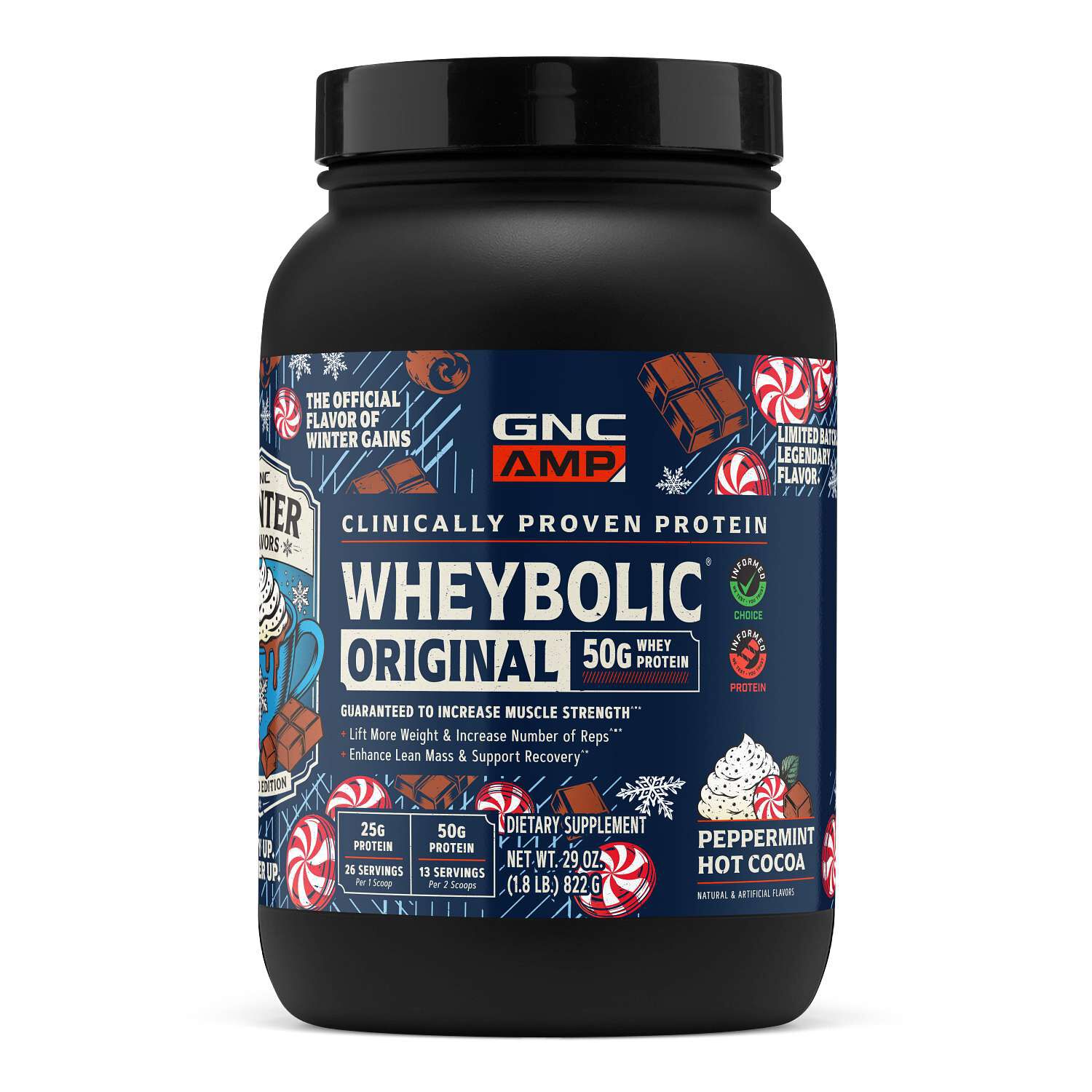

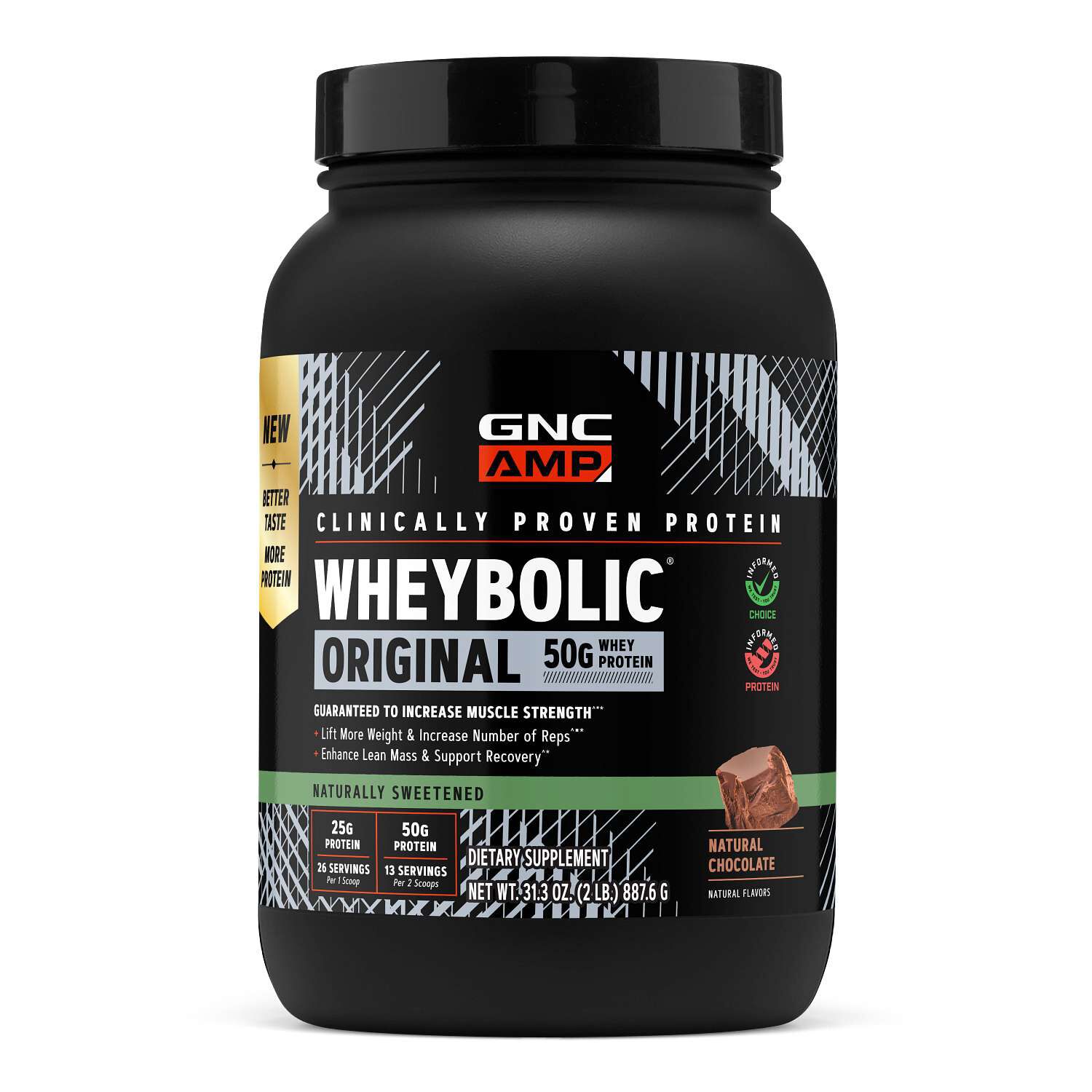

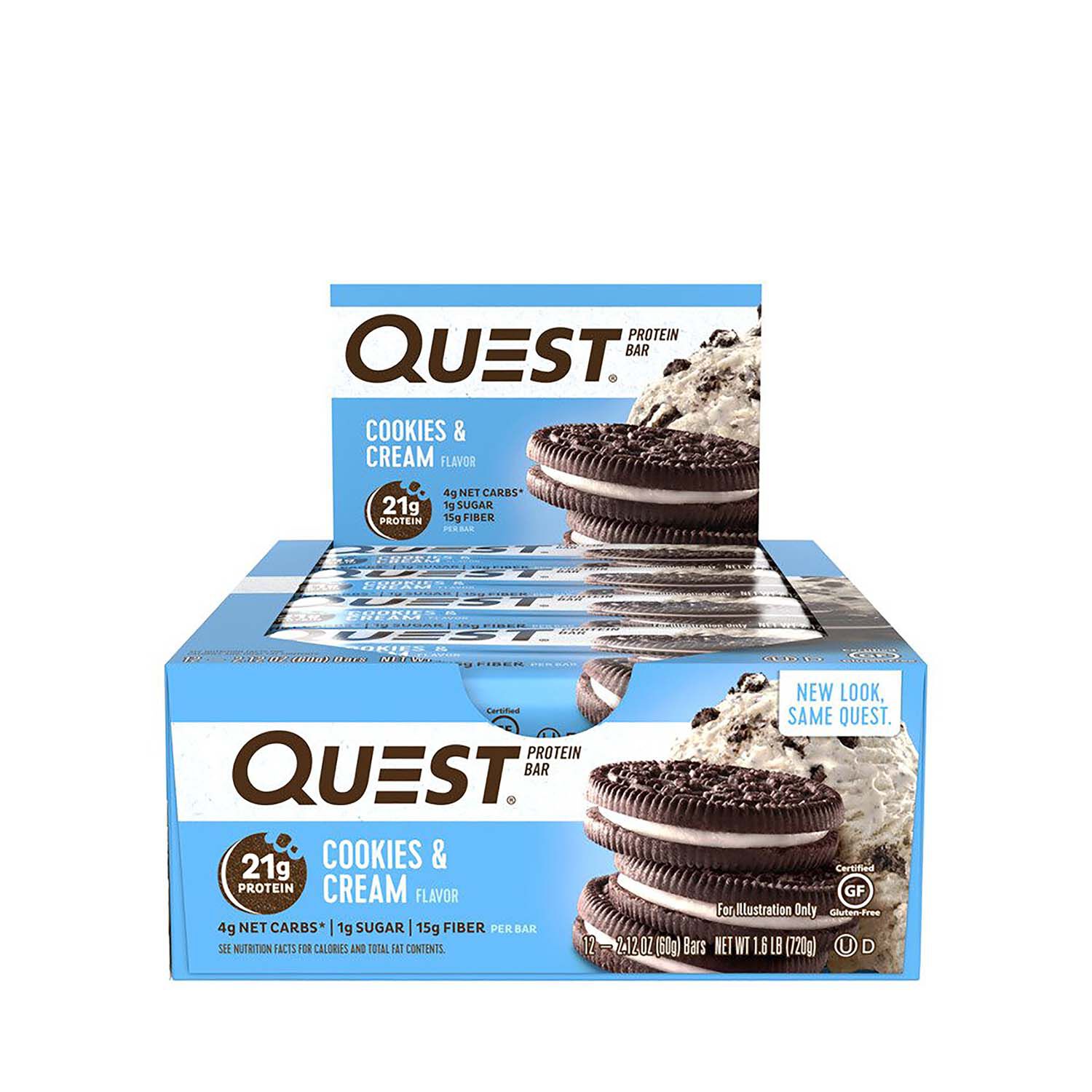
Protein supplements for resistance training may support muscle maintenance and post-workout recovery by providing a convenient source of dietary protein. This category includes powders, ready-to-drink shakes, and protein-focused snacks intended to complement meals rather than replace a varied eating routine. For someone lifting weights, using resistance bands, or practicing bodyweight movements, the practical distinction often comes down to how a serving fits into an ordinary day. A powder mixed at home, a sealed shake carried to the gym, and a bar tucked into a work bag each suit a different setting. A serving with 20 to 30 grams of protein may be a practical option for someone seeking a measured addition to meals and snacks, although serving sizes and protein amounts differ. That number describes the protein in a serving, not the weight of the powder or the size of the container. Individual preferences, food choices, and training routines also matter, so there is no single format or portion that suits every shopper. Someone who eats a full meal after lifting may want a different option from someone heading directly from the gym to a long commute. Powders offer flexibility in preparation, while packaged drinks require no measuring or mixing. Bars have a chewable format that some shoppers prefer to another beverage. Flavor and texture deserve attention alongside the nutrition panel: a lightly flavored powder mixed with water is a different experience from a rich shake blended with milk or a plant-based beverage. The finished drink’s protein, carbohydrate, and fat content also reflects those additions. For regular gymgoers and people just beginning resistance exercise alike, an appealing format may make a protein supplement easier to work into an established eating routine. Convenience is useful context for this category, but it is only one part of the comparison; ingredients, serving size, preparation, and storage all help distinguish the options.
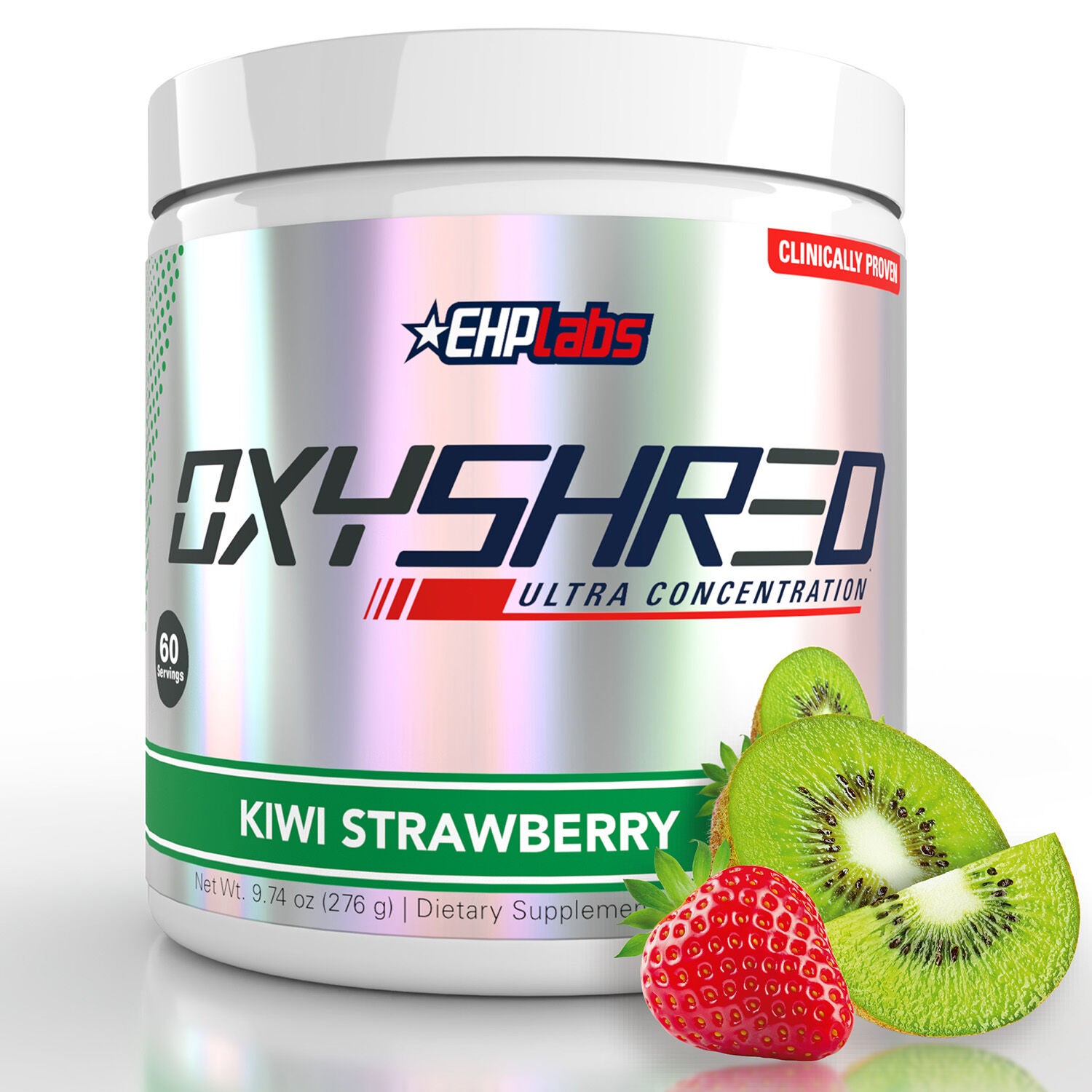
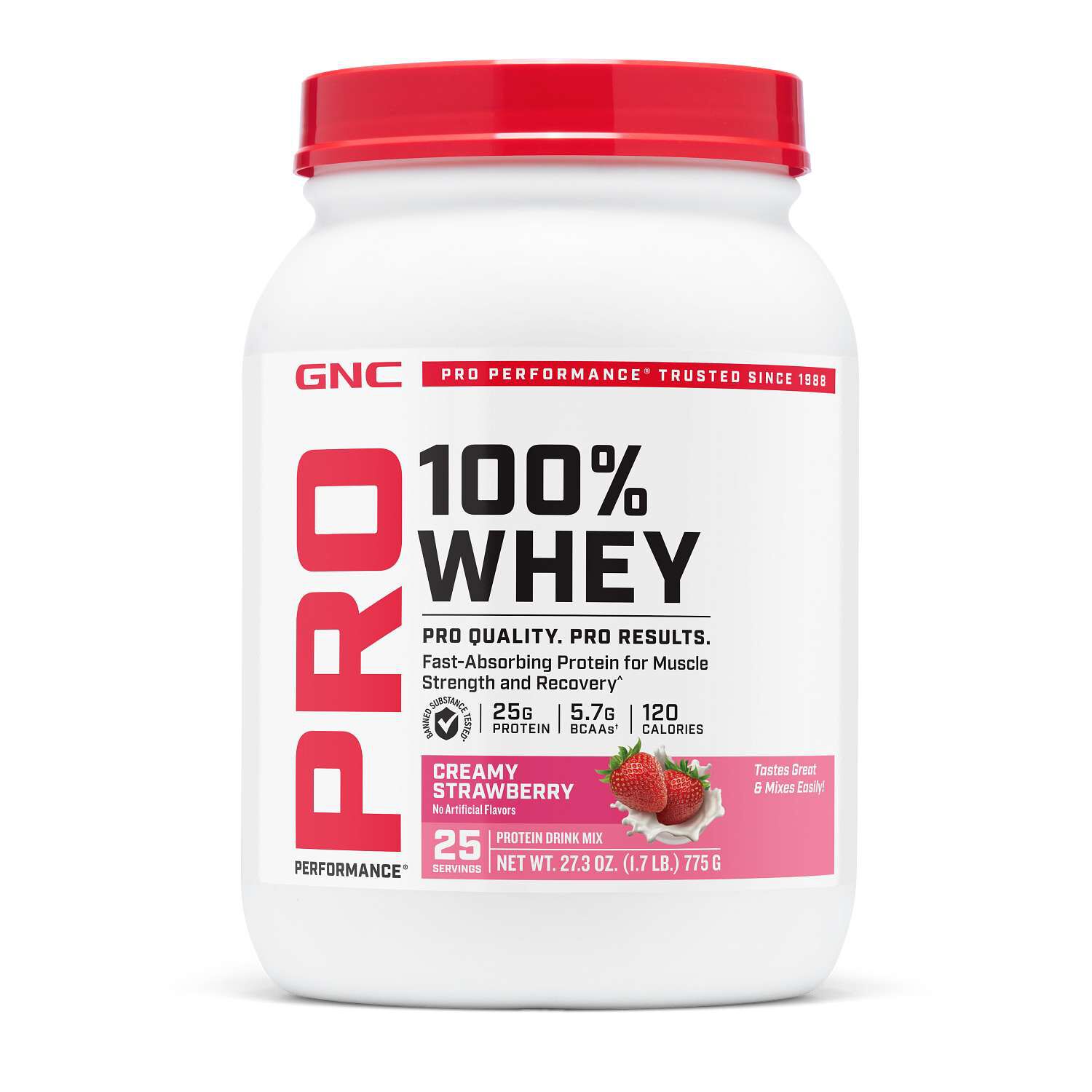
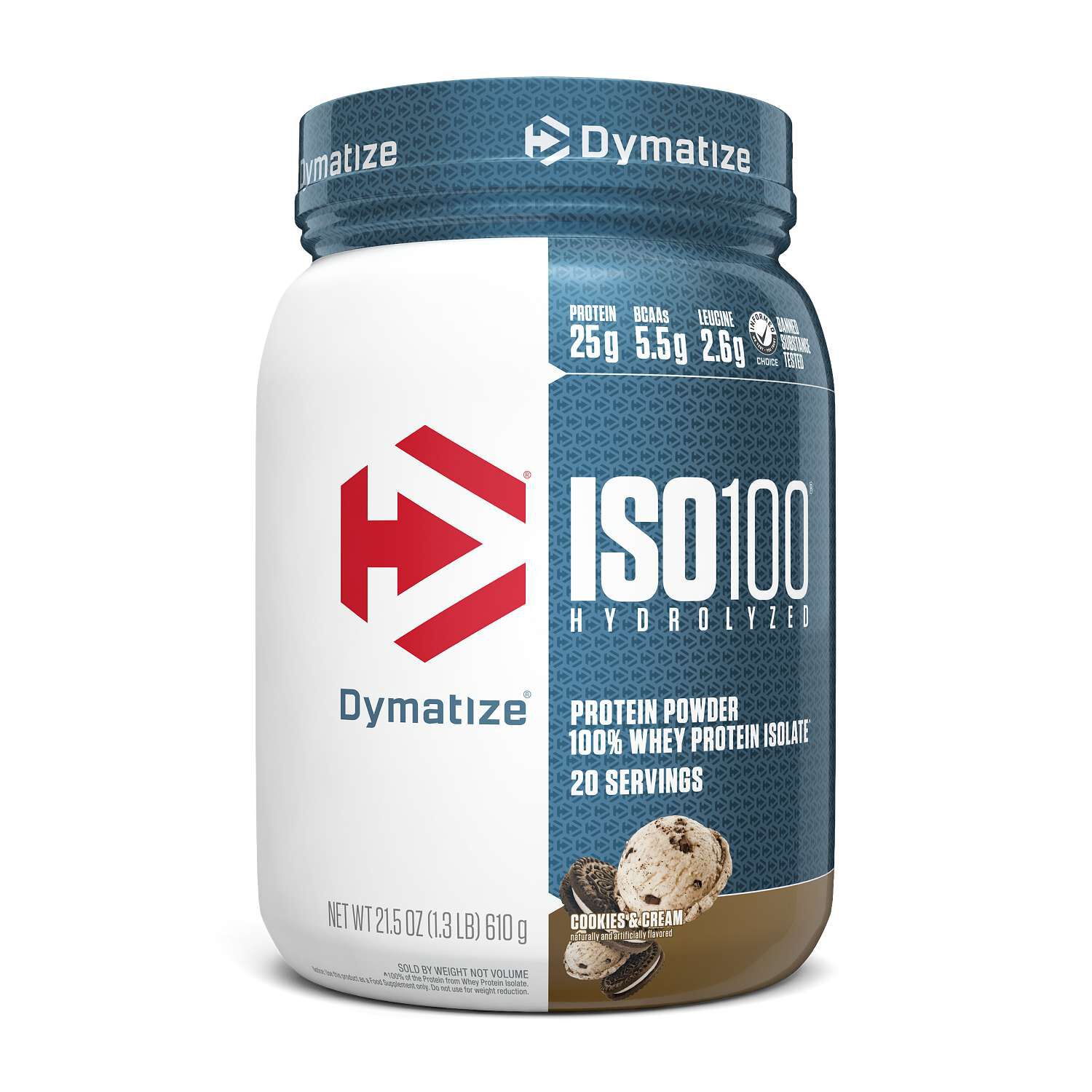
Protein source is one of the clearest differences among supplements intended for strength-training routines. Whey and casein come from milk, while plant-based powders may use peas, rice, soy, or combinations of plant ingredients. Egg-based protein is another category shoppers may encounter. These sources have different amino acid profiles, and amino acids are the building blocks of protein. A blend can contain more than one protein source, so the front label alone does not always tell the whole story. The ingredient list identifies those sources, while the Nutrition Facts panel shows the protein amount for the stated serving. Whey concentrate, whey isolate, and formulas combining several milk proteins may differ in their proportions of protein, carbohydrate, and fat; the actual label is more informative than the category name alone. Plant-based does not automatically mean that every ingredient matches a particular dietary preference, either. Shoppers avoiding milk, soy, or other ingredients have reason to review both the ingredient list and allergen statements. Comparing protein supplements for muscle support also involves looking beyond the largest number on the package. Two powders with similar protein amounts may use different serving weights, sweeteners, flavorings, or added ingredients. One serving may require one scoop, while another requires more, and a scoop is not a universal measure across containers. Some formulas include ingredients such as creatine or caffeine, which makes the full label relevant when other supplements are already part of a routine. A straightforward protein powder and a formula with several added ingredients represent different shopping choices, not interchangeable descriptions. Taste preferences are equally individual. Chocolate, vanilla, fruit-inspired flavors, and unflavored powders each suit different preparations, from a shaker bottle to a breakfast smoothie. Sweetness, aroma, and texture may influence whether a supplement feels like a pleasant part of the day or something that stays untouched in the cupboard. A familiar flavor can be a more meaningful distinction than an elaborate name.
Intended use becomes especially clear when preparation and storage enter the picture. A powder meant for a shaker bottle suits a different setup from one that someone plans to blend with fruit, oats, or yogurt. The amount and type of liquid may affect thickness and flavor intensity, and directions on the package provide the starting proportions for that formula. A blender is an option for more elaborate preparations, but access to a kitchen is not part of every training day. Someone packing a gym bag before an early shift may prefer a sealed drink, while someone returning home after lifting may prefer measuring powder into a familiar cup. Ready-to-drink packaging has its own handling instructions, including whether refrigeration is needed before or after opening. Bars also have storage directions and labeled dates worth considering, particularly when they spend time in a bag rather than a cupboard. For powders, a securely closed container, a dry scoop, and storage according to the label are practical considerations throughout use. Package size matters in relation to frequency: a container used several times a week represents a different commitment from one opened occasionally. The number of servings on the label offers a clearer comparison than container size alone. These everyday details are relevant for people training in a home workout space, following a structured lifting program, or fitting resistance sessions around work and family schedules. There is also room for different preferences within the same routine, such as a powder at home and a packaged format when traveling. Protein supplements are not a measure of workout quality, and a demanding session does not automatically call for a larger serving. Their role is narrower: they may offer another way to add protein when that suits the broader eating pattern. A useful comparison keeps the focus on protein source, labeled serving, dietary preferences, flavor, preparation, and handling. Those characteristics connect the supplement to the person using it, without treating one format as the answer for every resistance-training routine.
- Q: What protein sources are commonly used in supplements for resistance training?
A: Common sources include whey, casein, egg, soy, pea, and rice protein. Some supplements use a single source, while others combine several sources in a blend. - Q: What is the difference between protein concentrate and protein isolate?
A: Protein concentrate and protein isolate differ in how they are processed and their nutrient composition. Isolates generally contain a higher proportion of protein and smaller amounts of carbohydrates and fats, though formulations vary. - Q: How do protein powders differ from ready-to-drink protein shakes?
A: Protein powders require mixing with a liquid, while ready-to-drink shakes come premixed. Powders allow more flexibility with liquid choices and recipes, while premixed shakes require less preparation. - Q: What can I mix with protein powder?
A: Common options include water, milk, and plant-based beverages. Protein powder can also be stirred into oatmeal or yogurt, or blended into a smoothie. Flavor and texture vary by protein source and the other ingredients used. - Q: What ingredients might appear in a protein supplement besides protein?
A: Depending on the formula, a protein supplement may contain cocoa, flavorings, sweeteners, lecithin, or thickening agents. The ingredient list identifies these additions and names the protein sources used.