

Protein Supplements For Athletes
(0 Results)
Fuel your athletic performance with our premium selection of protein supplements designed to support muscle recovery, enhance strength, and boost endurance. Whether you're a professional athlete or a fitness enthusiast, our range of high-quality protein powders and supplements are formulated to help you achieve your fitness goals and maximize your workout results. With a variety of flavors and formulations to choose from, finding your perfect protein supplement to elevate your performance has never been easier.
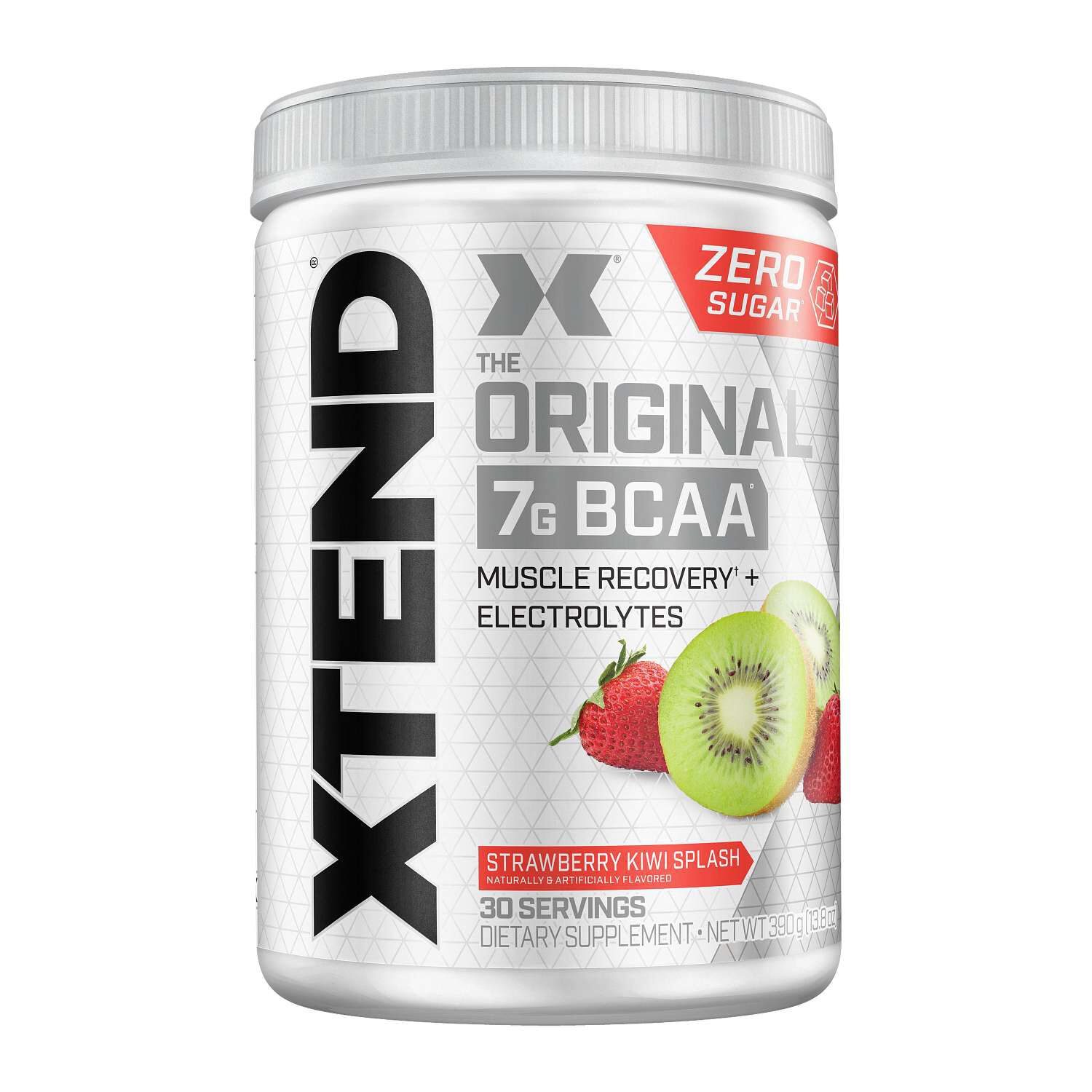
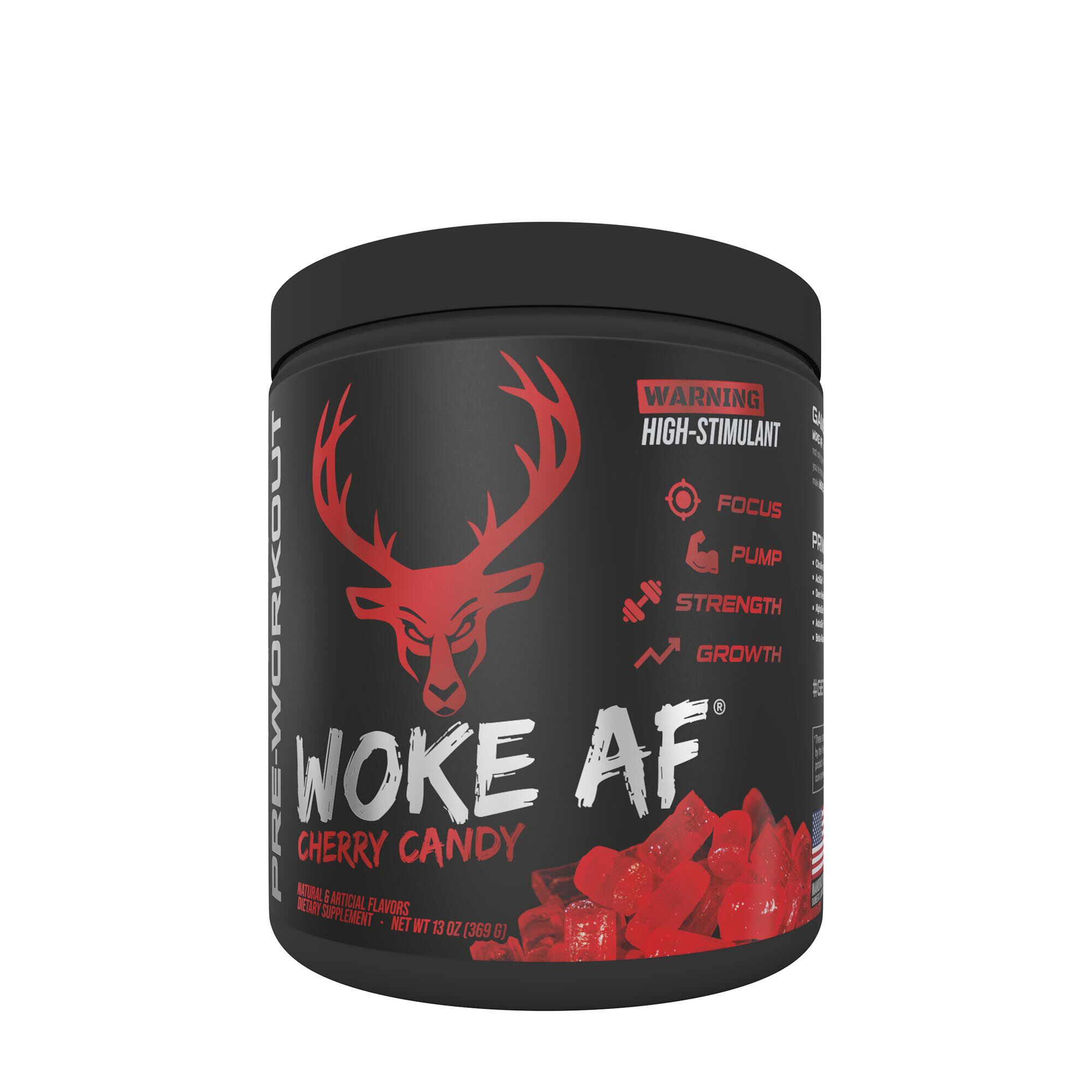

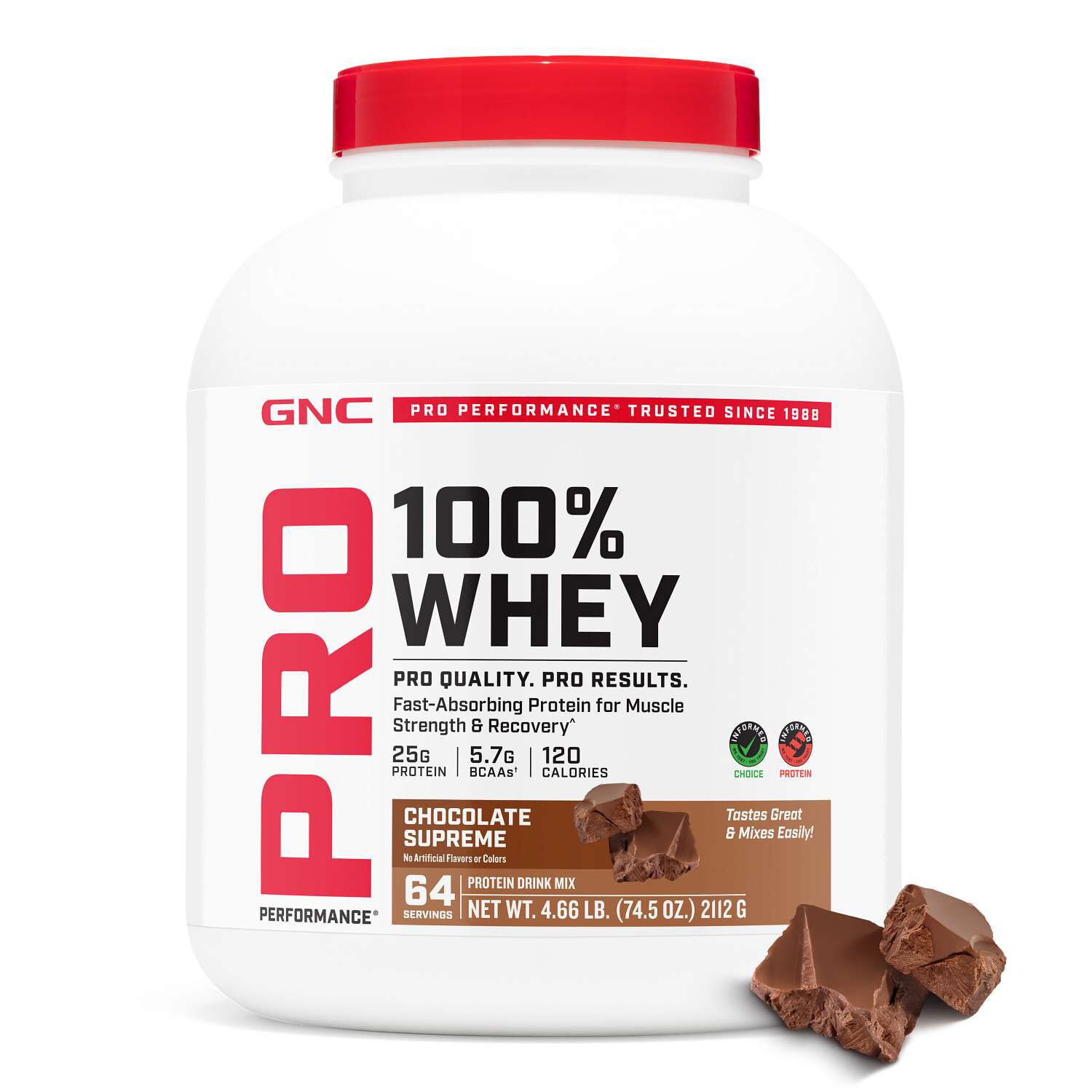
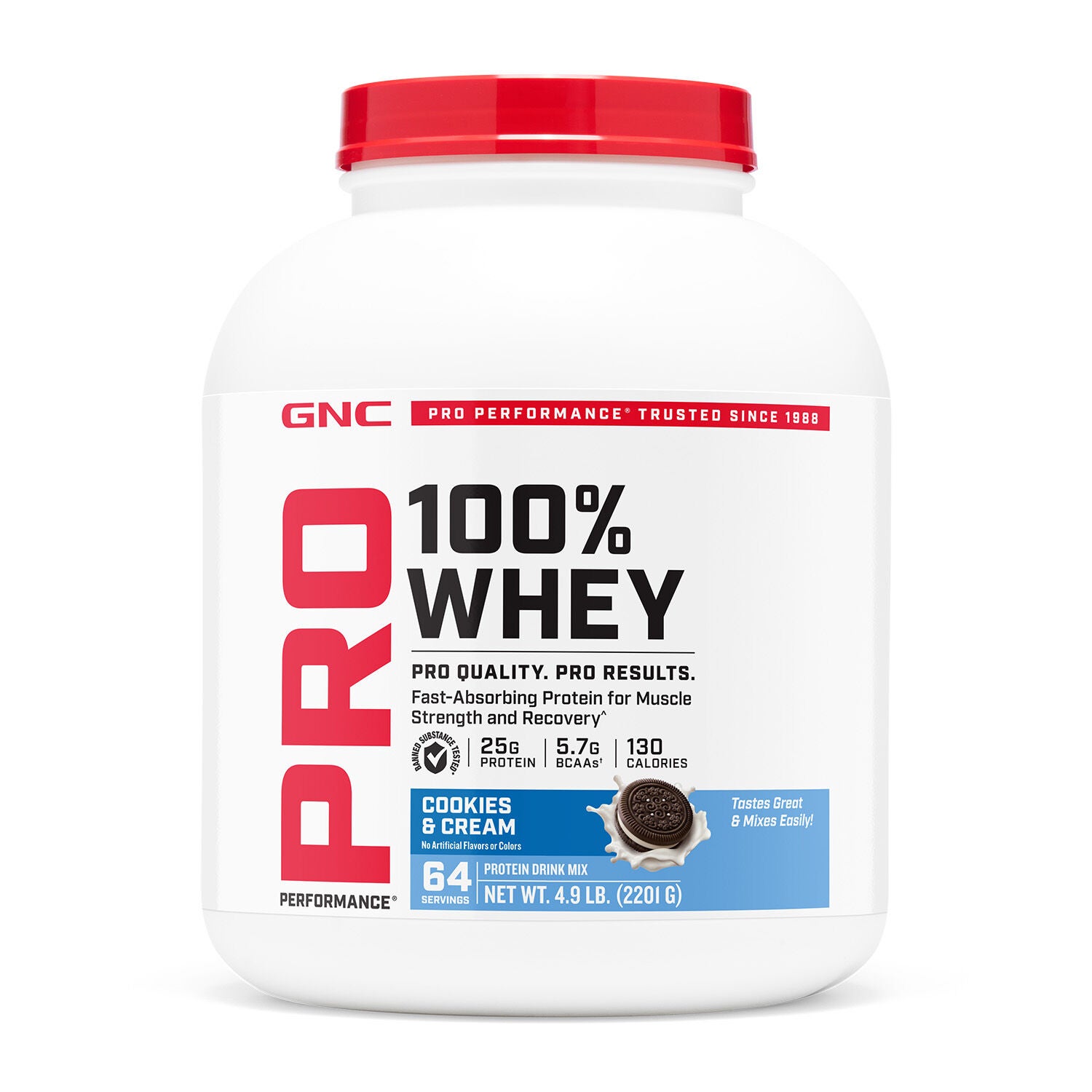
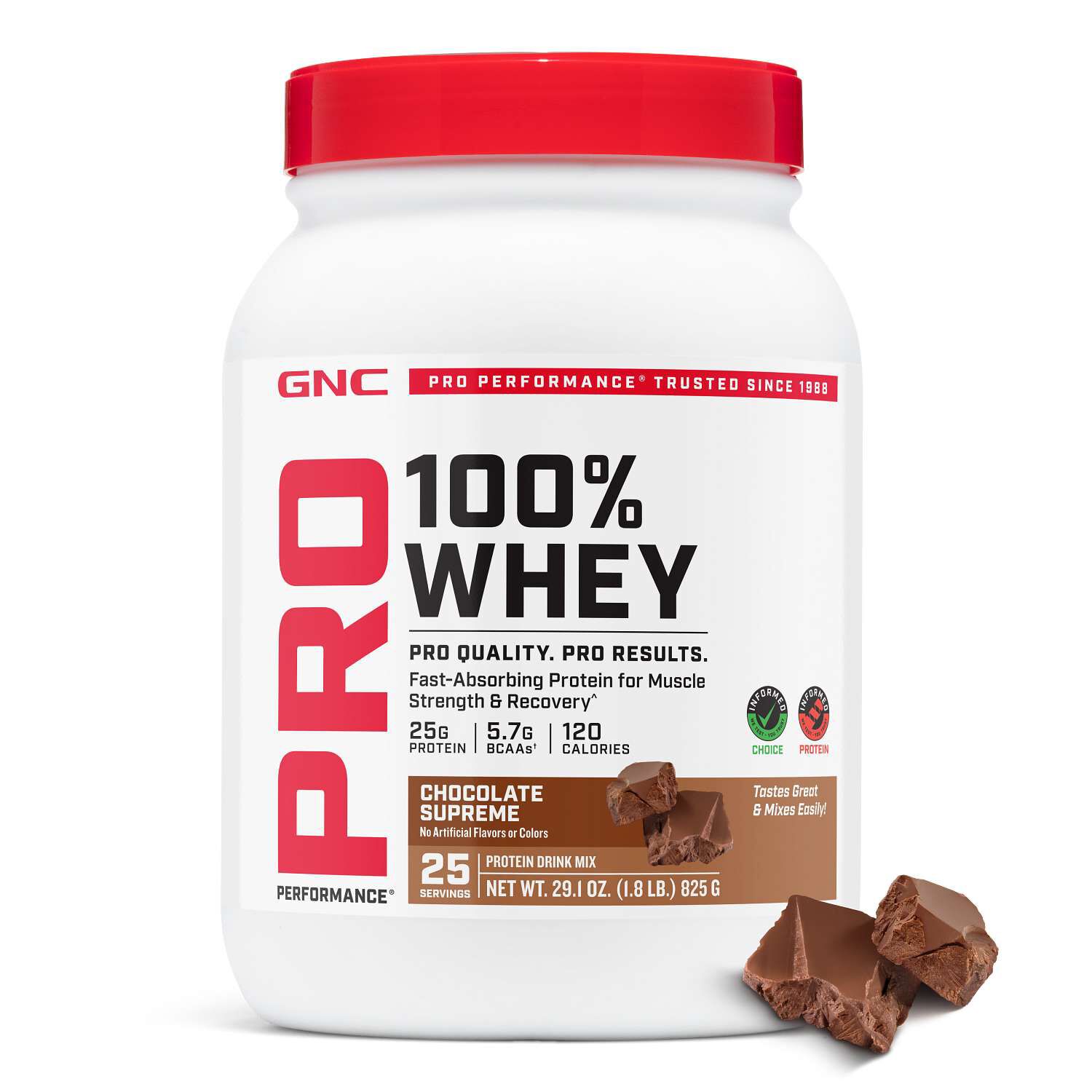
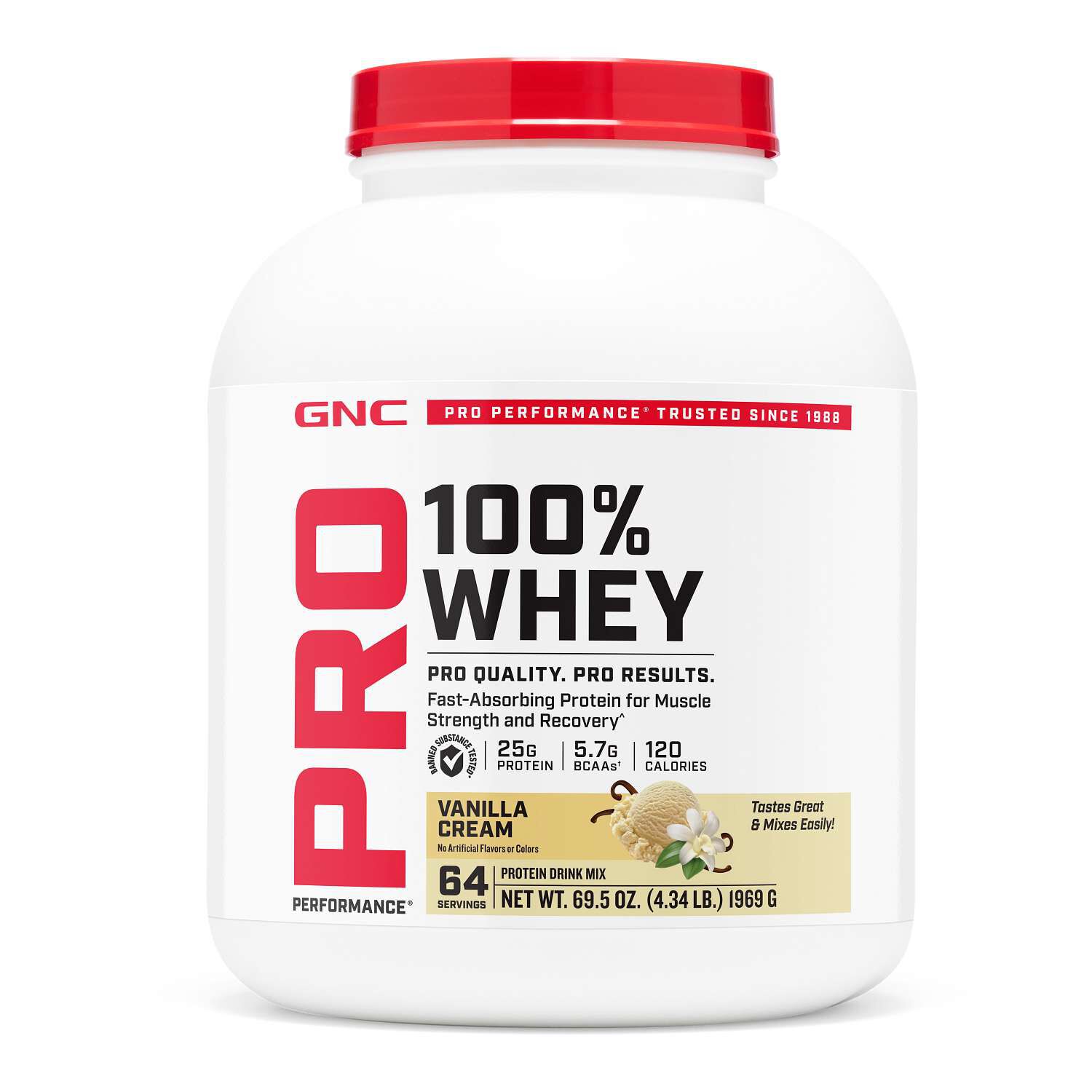
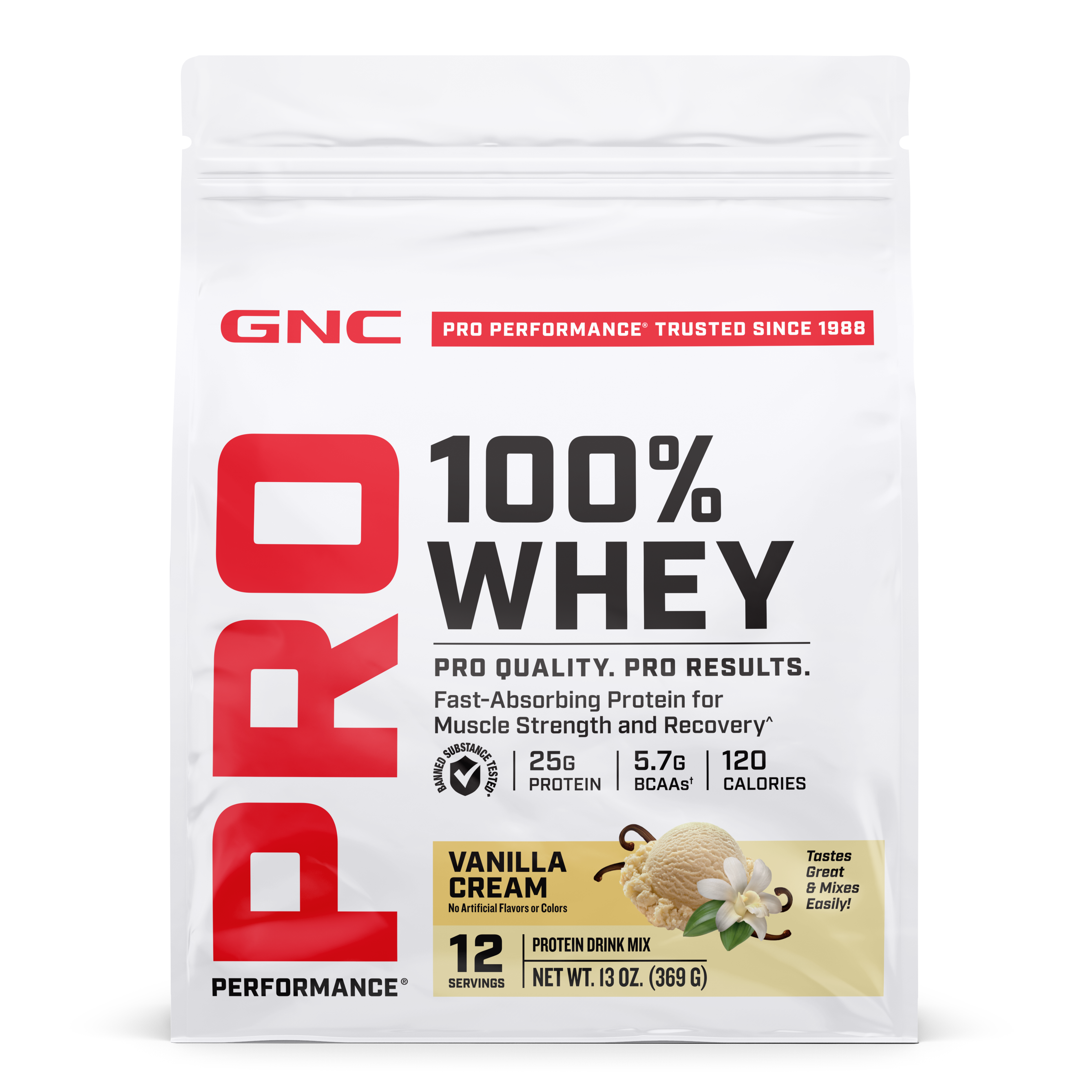

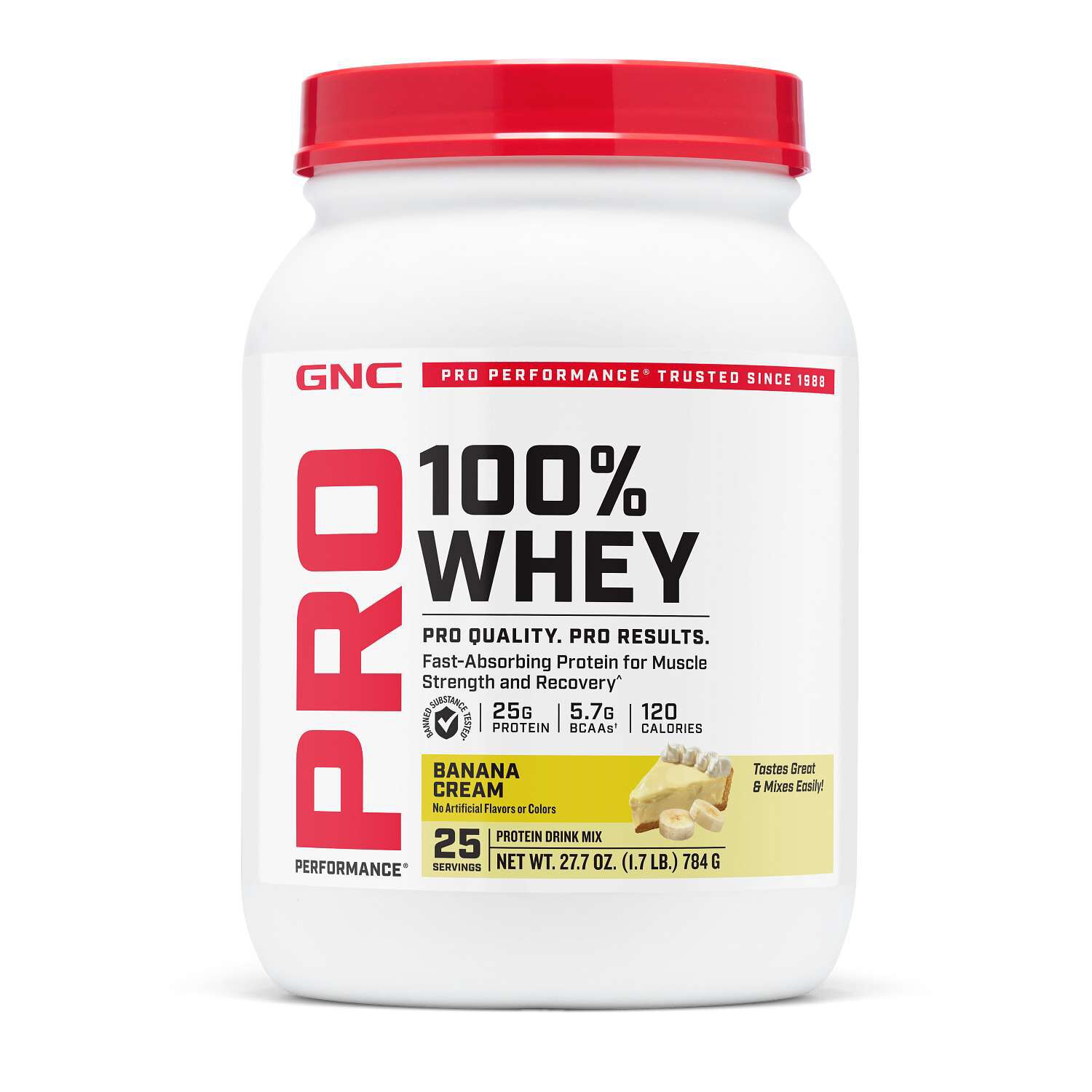


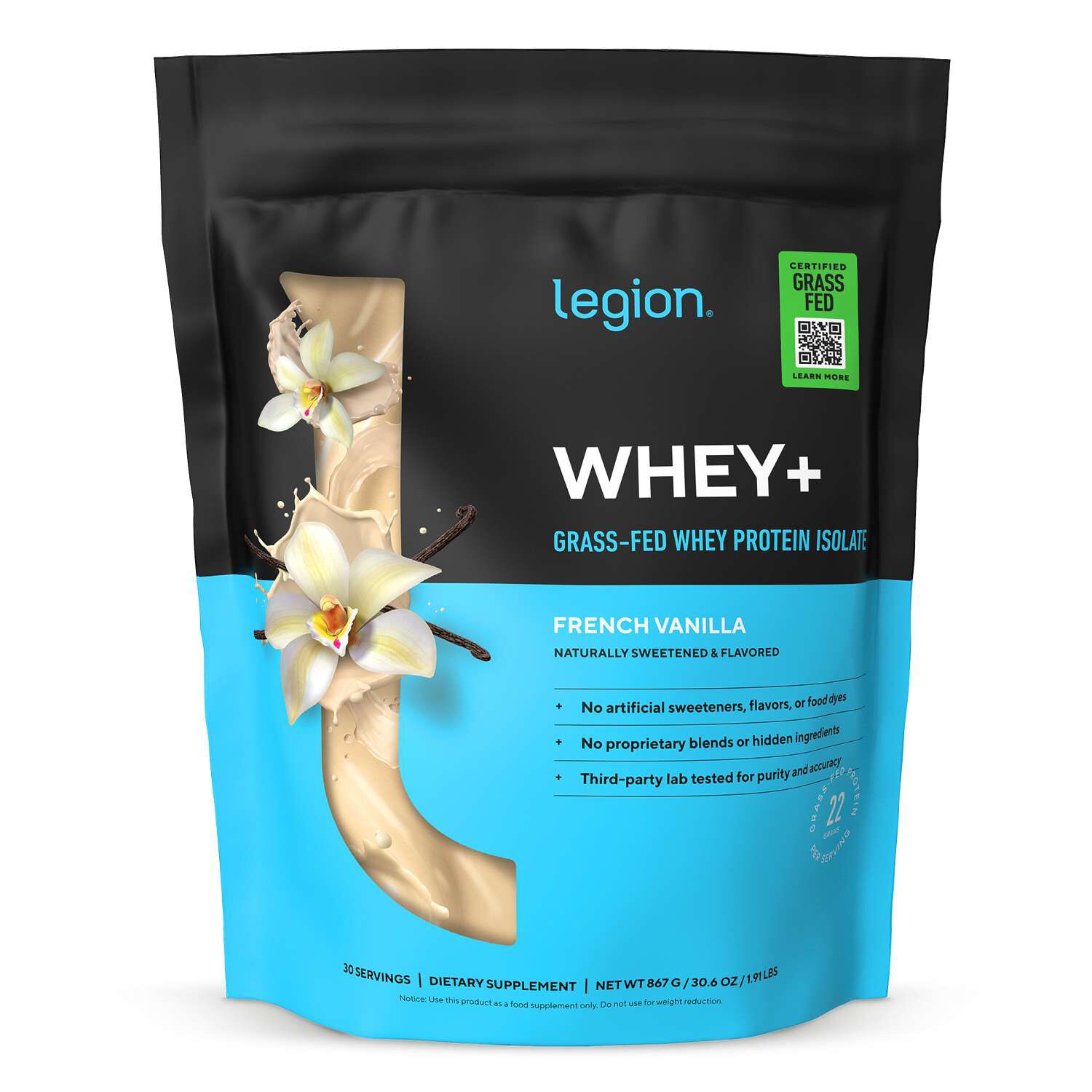
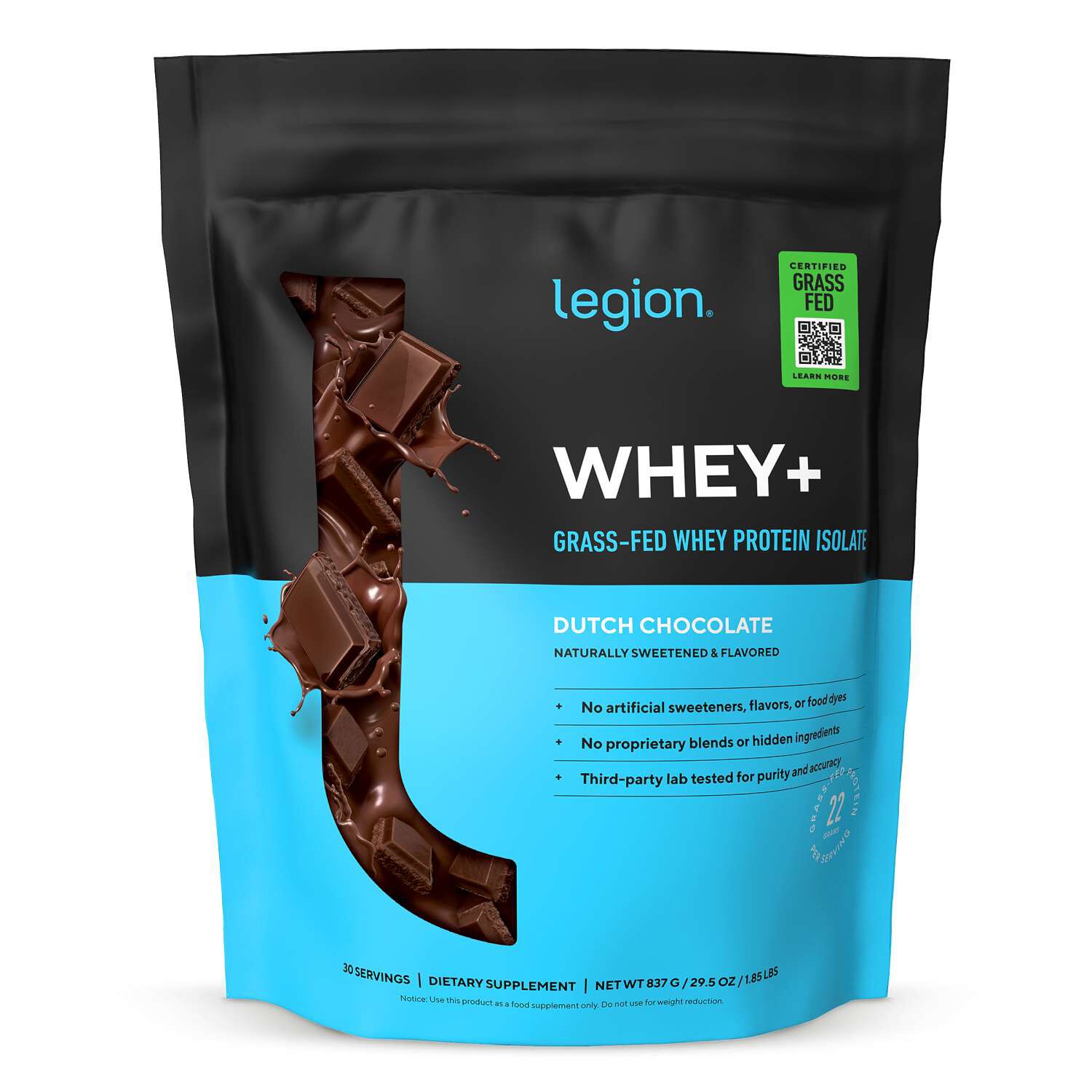
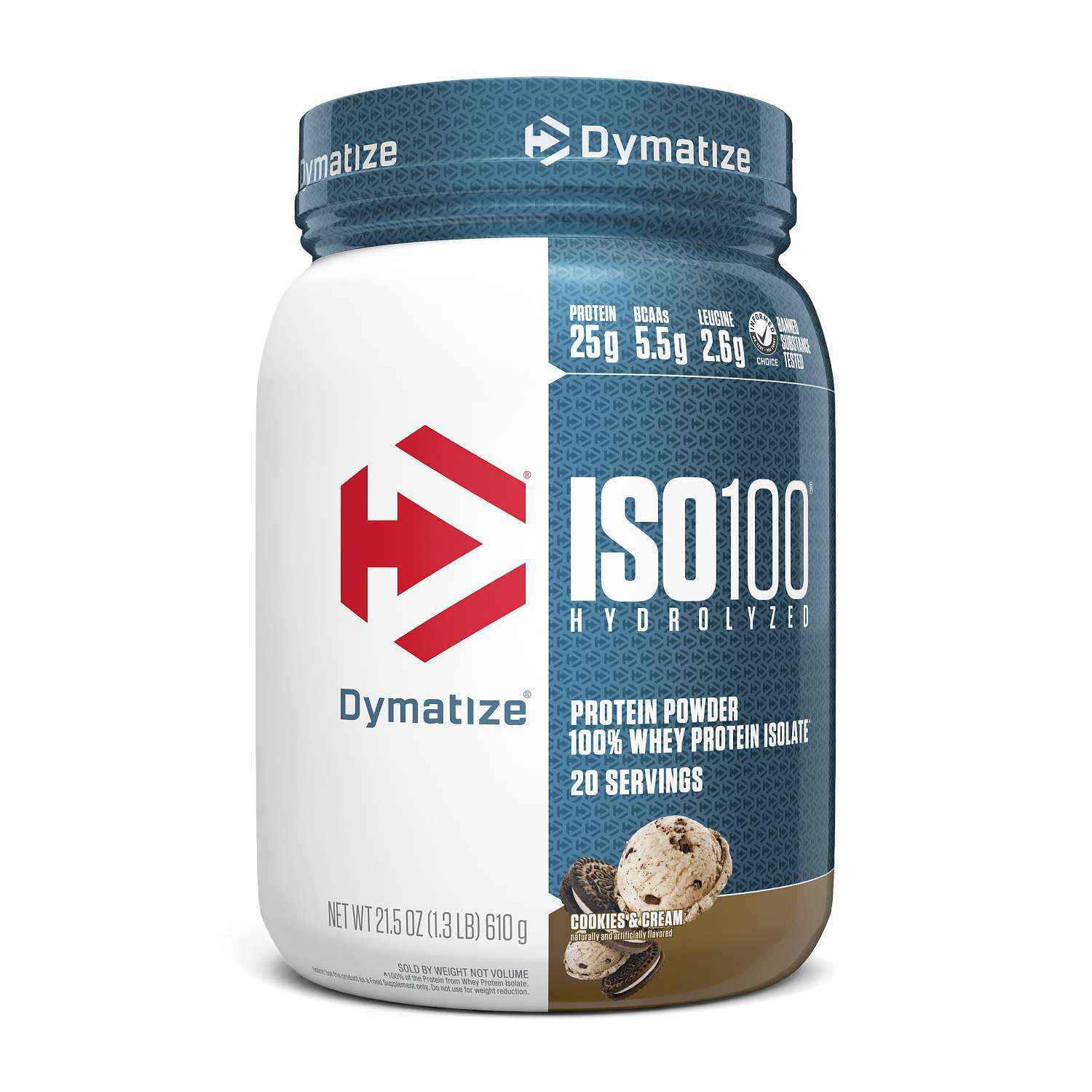
Protein supplements for athletes span powders, ready-to-drink shakes, and portable snacks designed for different training schedules, food preferences, and everyday routines. A runner heading from an early workout to the office has different practical priorities than a lifter blending a shake at home or a soccer player packing a bag for an afternoon practice. Across those settings, supplemental protein may help fill gaps between meals and may support muscle maintenance and recovery following exercise. These products are additions to a varied eating pattern rather than replacements for regular meals. The main distinctions begin with the protein source. Whey comes from milk and is commonly offered as concentrate, isolate, or a blend of the two. Isolate generally has a higher proportion of protein and less carbohydrate and fat than concentrate, although the nutrition panel provides the details for each formula. Both contain amino acids, including leucine, that are components of dietary protein. For a closer look at this milk-derived category, Whey Protein For Athletes brings the focus to whey-based options for athletic routines. Casein is another milk-derived protein, often associated with a thicker texture and slower digestion than whey. Plant-based protein powders can use sources such as pea, rice, soy, or pumpkin seed, either individually or in combinations. Blends bring together sources with different amino acid compositions, while single-source powders keep the ingredient focus narrower. Egg white protein offers another animal-derived option outside the milk category. For shoppers comparing these formats, the source matters alongside serving size, flavor, texture, and preparation requirements. Strength athletes, distance runners, cyclists, swimmers, and recreational team players may all find a place for supplemental protein, but the most suitable format depends on the rest of the day's meals and the realities of carrying, mixing, and storing it. During cooler months, an indoor training session and a muddy outdoor practice can create very different packing needs, even when the nutritional priorities are similar.
A meaningful comparison starts with the amount of protein in a labeled serving rather than the size of the container or the appearance of the scoop. Scoops and serving weights differ, so two equally sized shakes do not necessarily provide the same amount of protein. Calories, carbohydrate, fat, sodium, and added sugars also distinguish one formula from another. A protein-focused powder and a shake that includes substantial carbohydrate serve different purposes within an athlete's food routine; neither description alone establishes the better match. Ingredient lists add another layer of useful detail, identifying protein sources, sweeteners, flavorings, and ingredients used to create a smoother or thicker texture. Dietary preferences deserve the same attention as the nutrition panel. A plant-based description is not a substitute for checking the full ingredient and allergen statements, and a whey isolate is still milk-derived. Athletes who compete under organized sport rules also have a separate consideration: independent testing. A recognized sport-focused certification indicates that a product has been evaluated against the criteria of that program, which may include screening for substances prohibited in competition. Programs differ in scope, and certification does not establish that a formula will deliver a particular athletic result. The certifier's own listing and the athlete's governing-body requirements provide more specific context than a broad quality statement on packaging. Beyond those details, flavor and texture often determine whether a purchase fits comfortably into an ongoing routine. A lightly flavored powder can suit oatmeal or a fruit smoothie, while a richer chocolate or vanilla profile may be more appealing mixed on its own. Some powders produce a thin drink with water; others become creamy or noticeably thick, especially when blended with milk or a plant-based beverage. That liquid also changes the drink's nutrition. Shoppers who prefer a simple shaker-bottle routine have different expectations from those adding frozen fruit, oats, or nut butter to a blender, making preparation style a useful part of the comparison.
Intended use becomes especially clear when the product has to travel beyond the kitchen. A powder in a tightly closed dry container suits a gym bag when drinking water and a clean shaker are close at hand. A ready-to-drink format removes the measuring and mixing steps, although its storage instructions still matter. A protein snack may be a practical alternative when there is no convenient place to prepare a drink, such as between tournament games or during the trip home from a training facility. These differences are about convenience and eating preferences, not a single format being right for every athlete. A supplement may contribute protein after a session or at another point in the day when a usual meal is less practical. Its role depends on the broader eating routine, rather than an exact moment on the clock. Packaging and care also affect the day-to-day experience. Resealable closures, readable serving directions, and containers that fit the intended storage space are useful details for frequent use. Powders belong in the conditions specified on the label, with lids closed securely and scoops kept dry. A damp scoop or an open tub beside a steaming kettle introduces moisture that does not belong in the container. Prepared shakes and opened beverages need handling according to their labels, including refrigeration when directed, rather than being left in a warm vehicle after practice. Shaker lids, threads, and mixing inserts also need thorough washing and drying between uses. For a shared household, clear labeling and separate storage can make different dietary preferences easier to manage. As a gift for an adult athlete, protein supplements are a more personal choice than a generic gym accessory: a familiar protein source, preferred flavor, and known dietary preferences matter more than an adventurous assortment. Whether the setting is a home weight room, a campus recreation center, or a weekend cycling route, thoughtful selection comes down to the same practical details: what is in each serving, how it tastes, how it is prepared, and how naturally it fits alongside regular food.