Whey Protein For Athletes
(0 Results)
Fuel your athletic journey with whey protein, a powerhouse supplement that may support muscle recovery and growth. Rich in essential amino acids, whey protein could be an ideal choice for athletes seeking to optimize their performance and endurance. Whether you're aiming to build lean muscle mass or looking to replenish energy levels post-workout, incorporating whey protein into your routine might help you achieve your fitness goals. Discover how this versatile supplement can become a staple in your training regimen, potentially enhancing strength and supporting overall wellness.

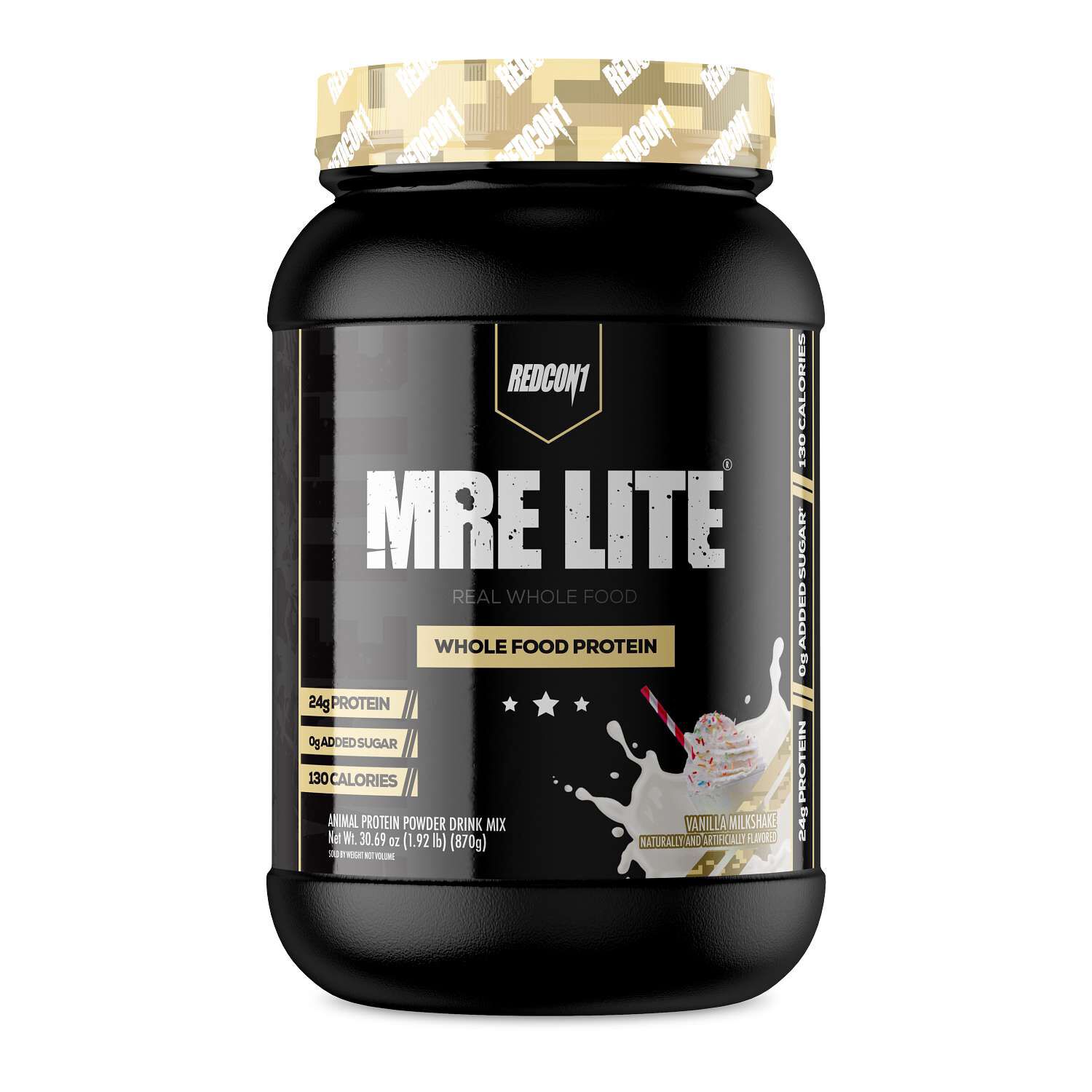


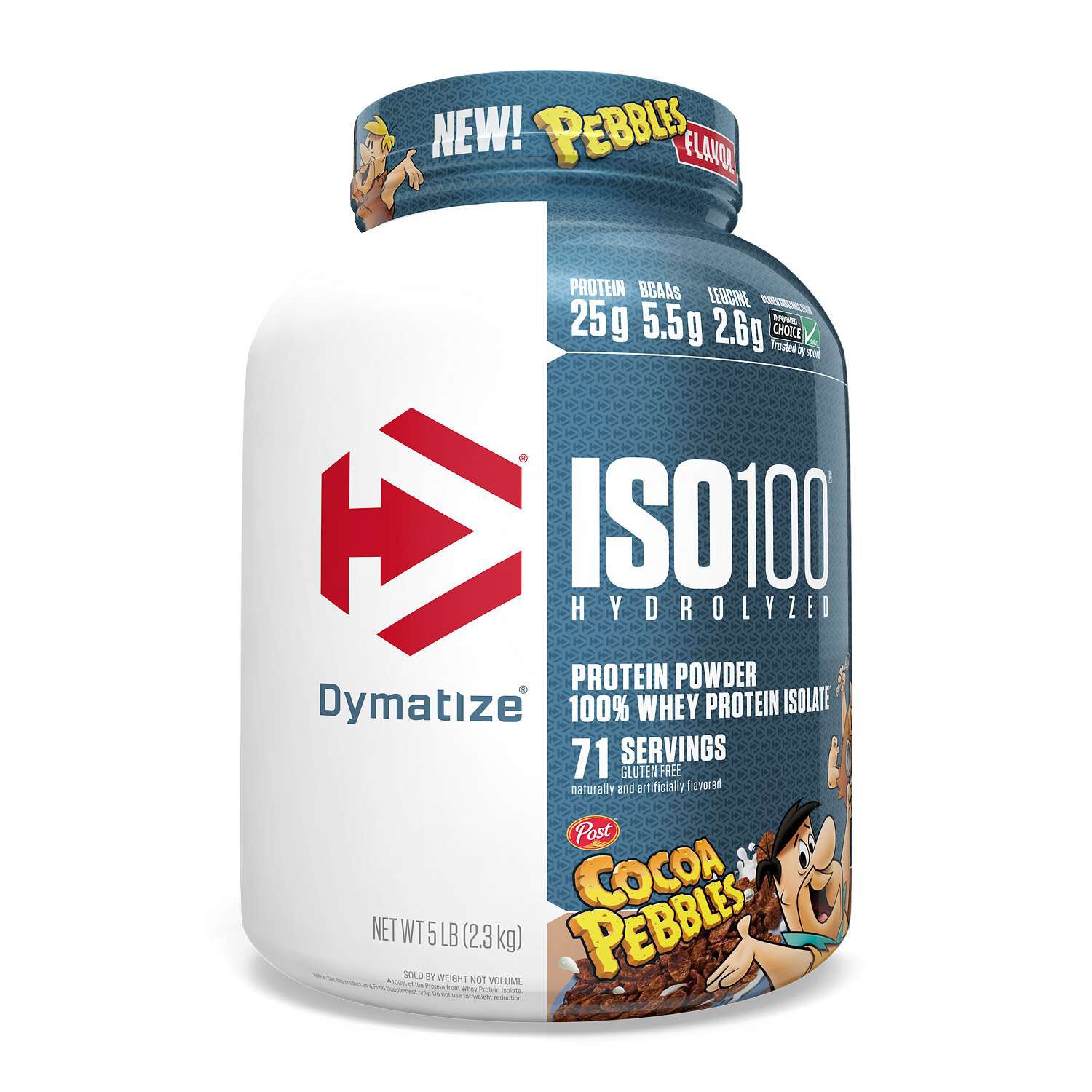
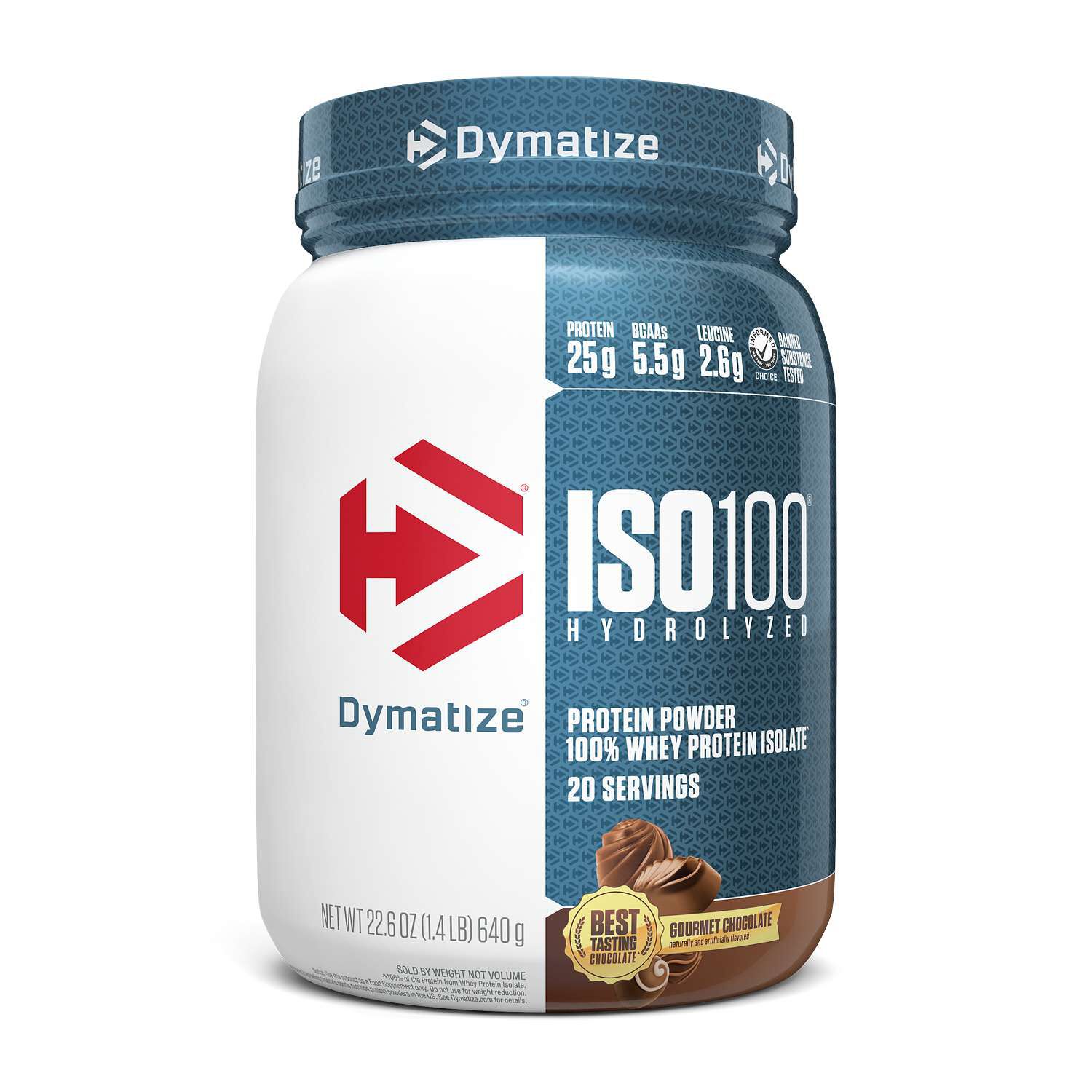
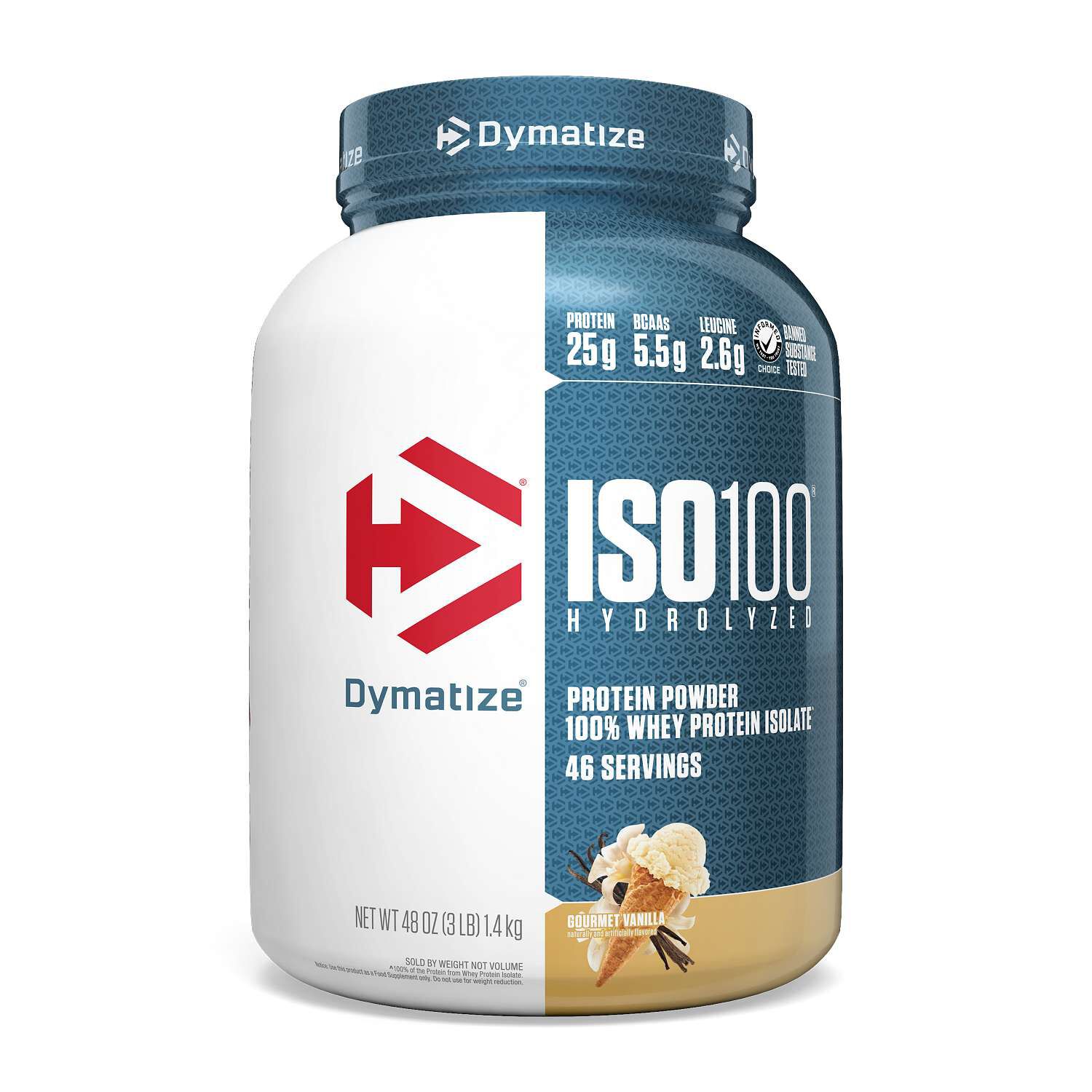

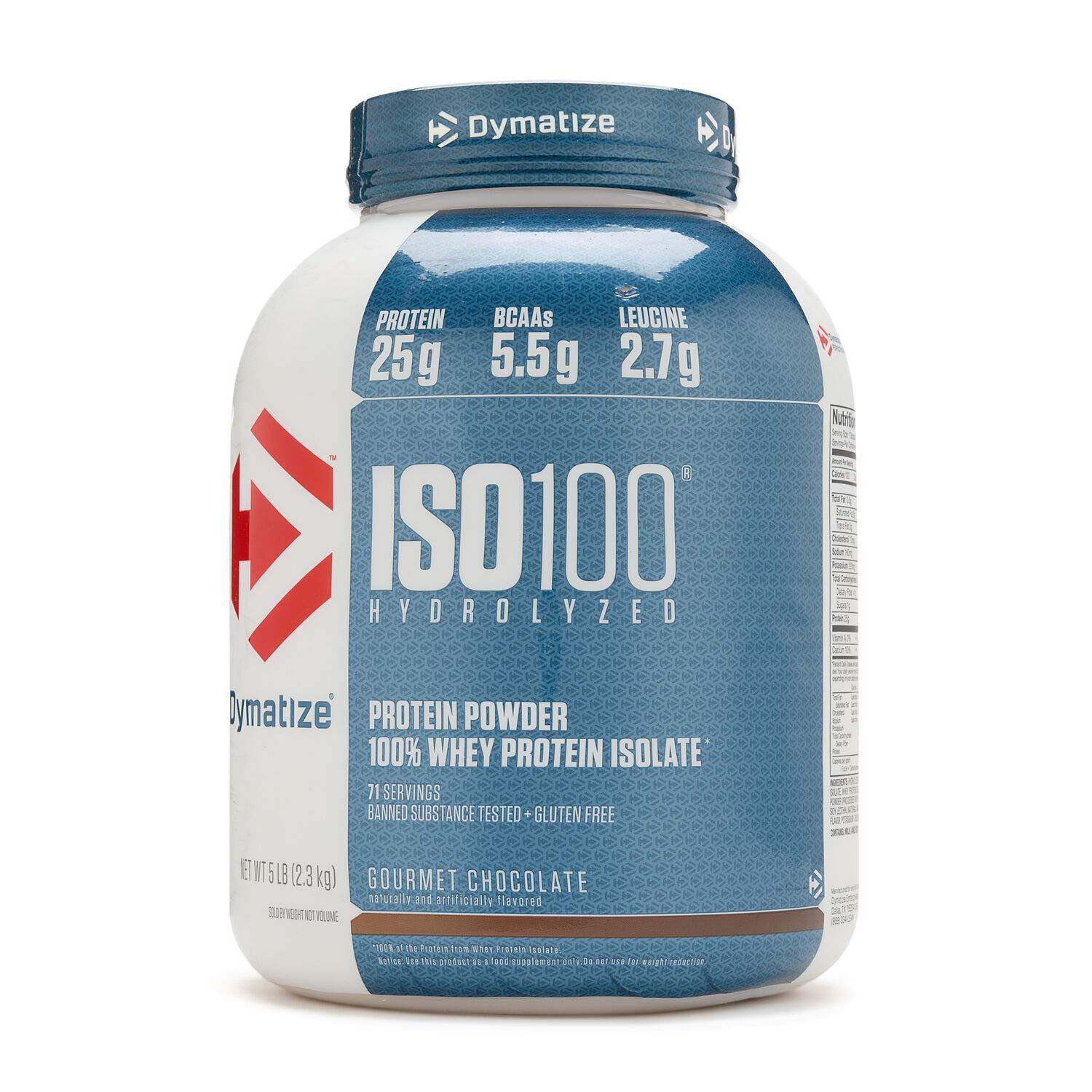
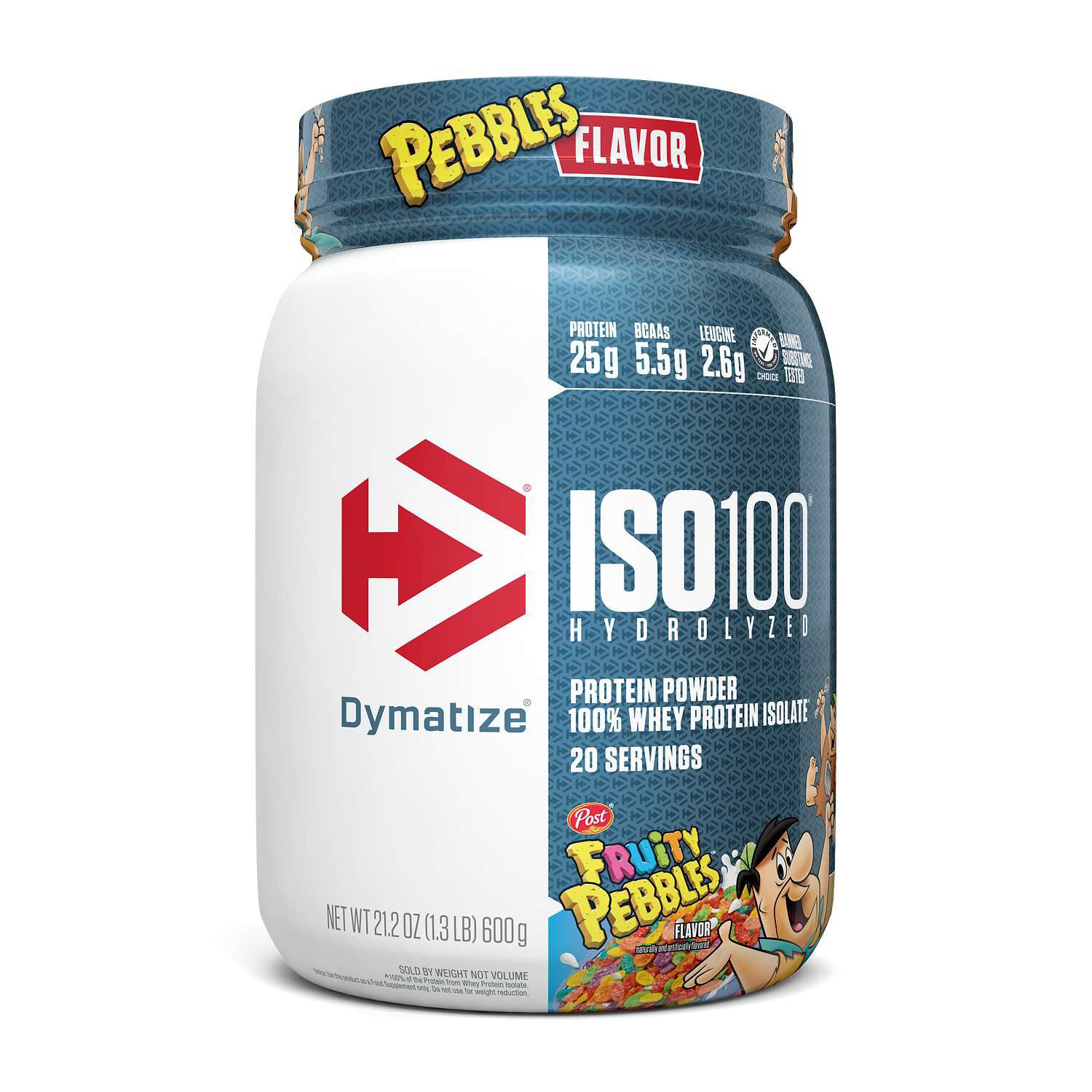


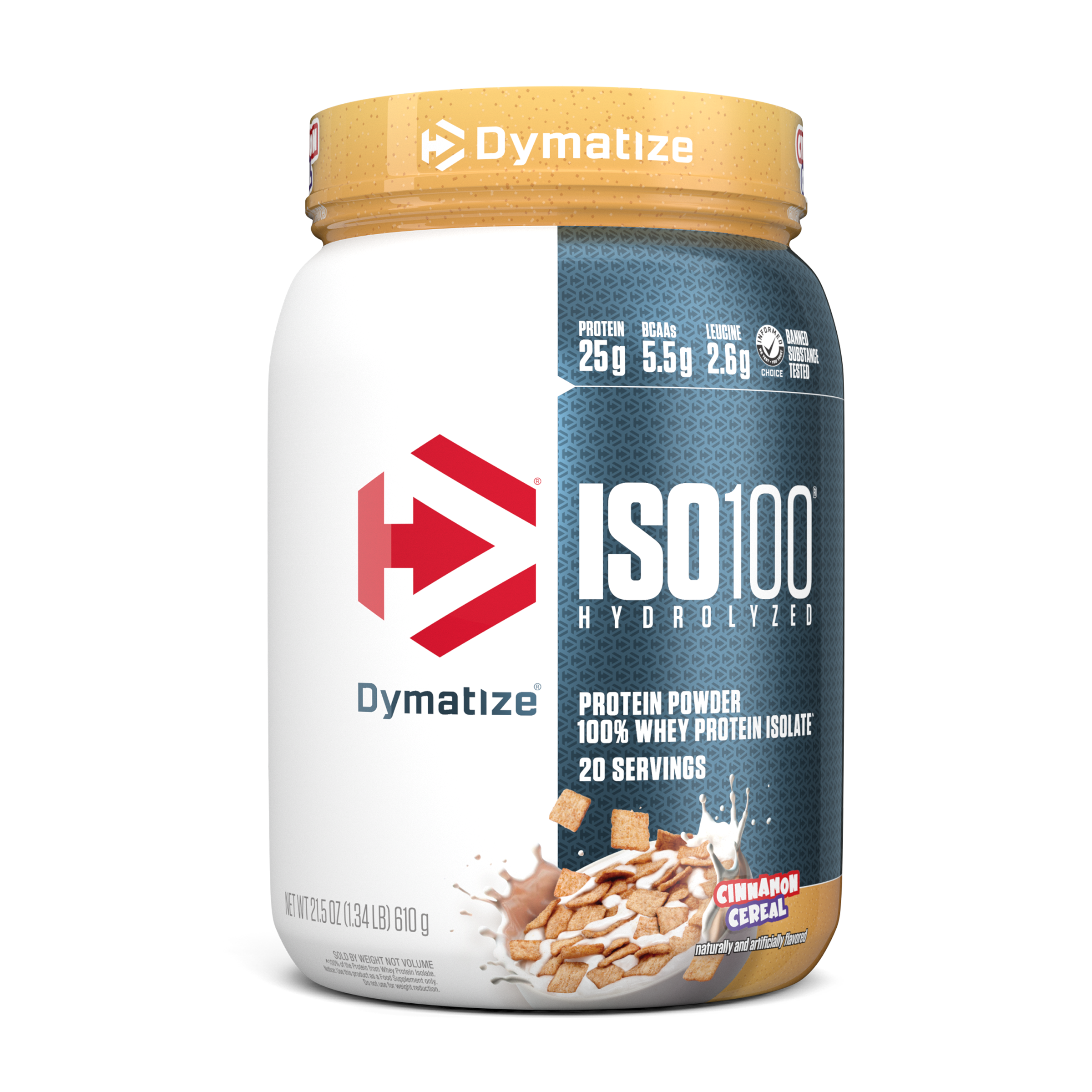

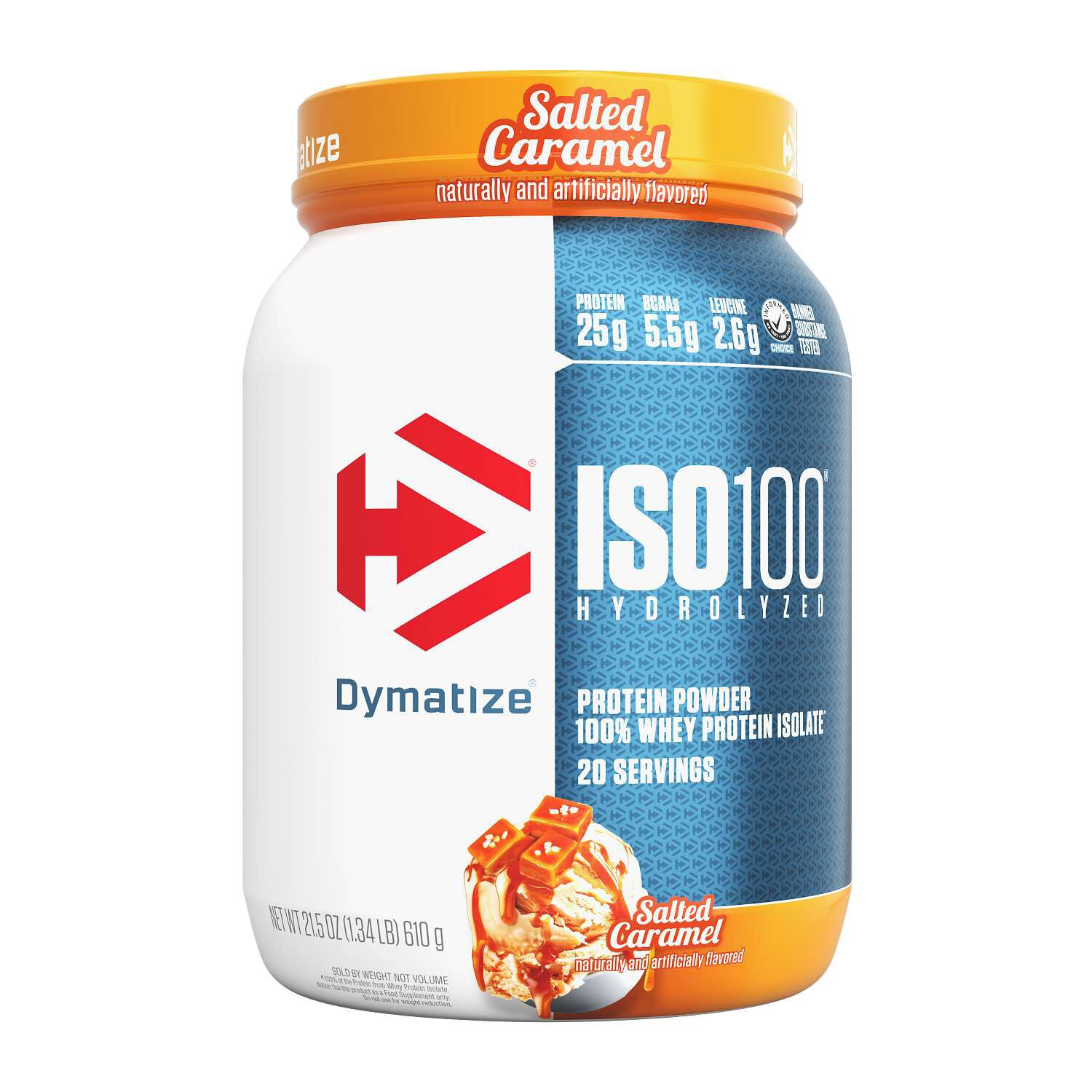
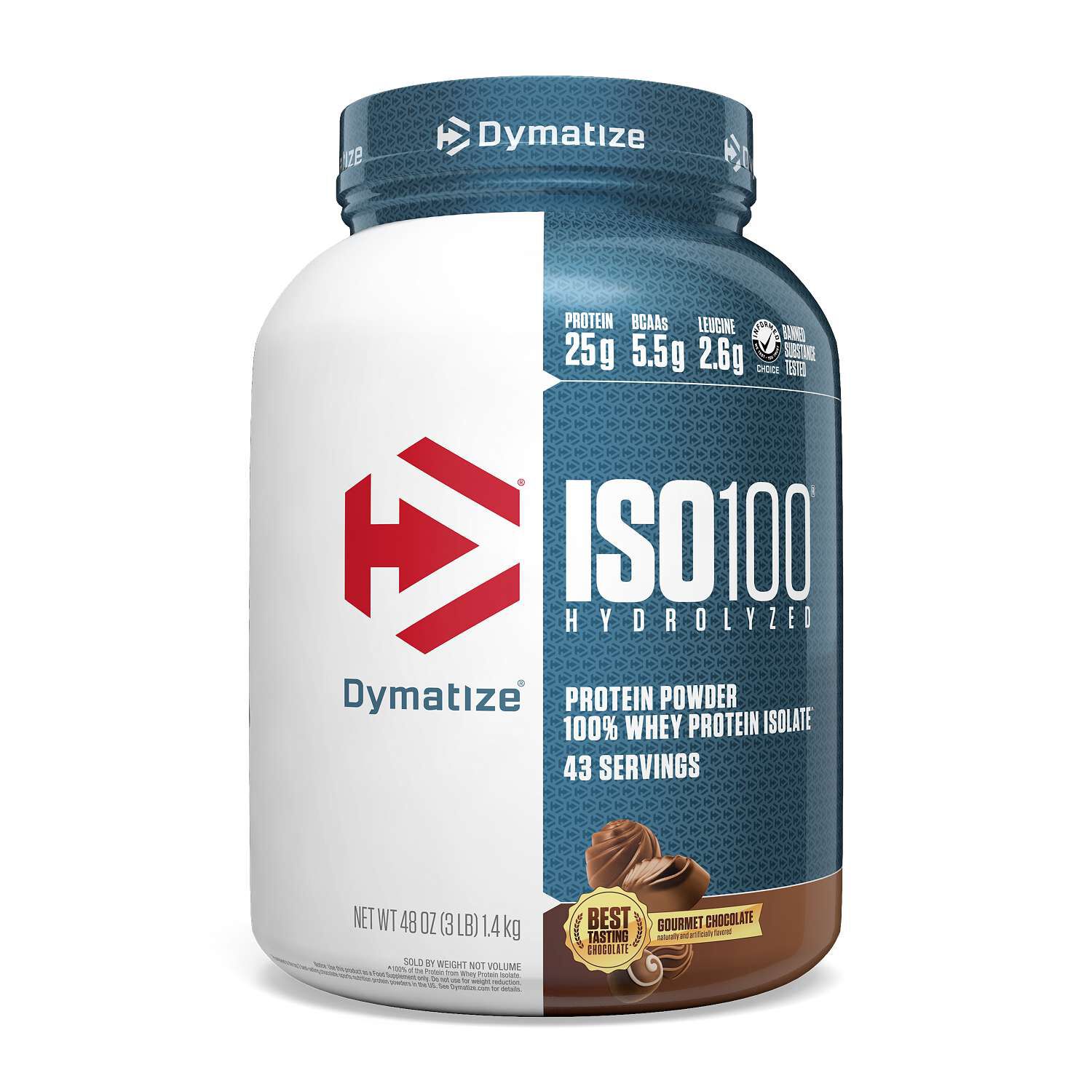
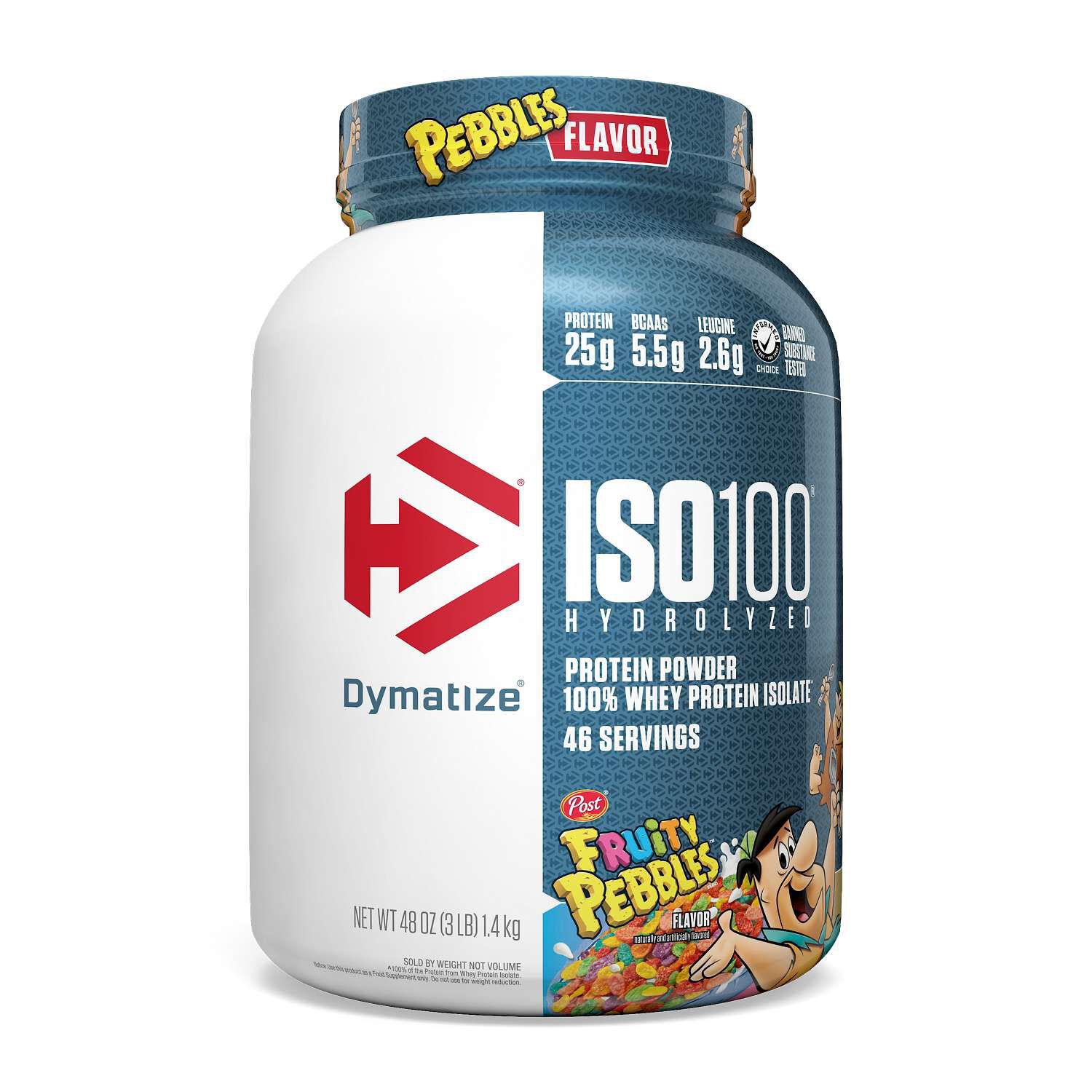
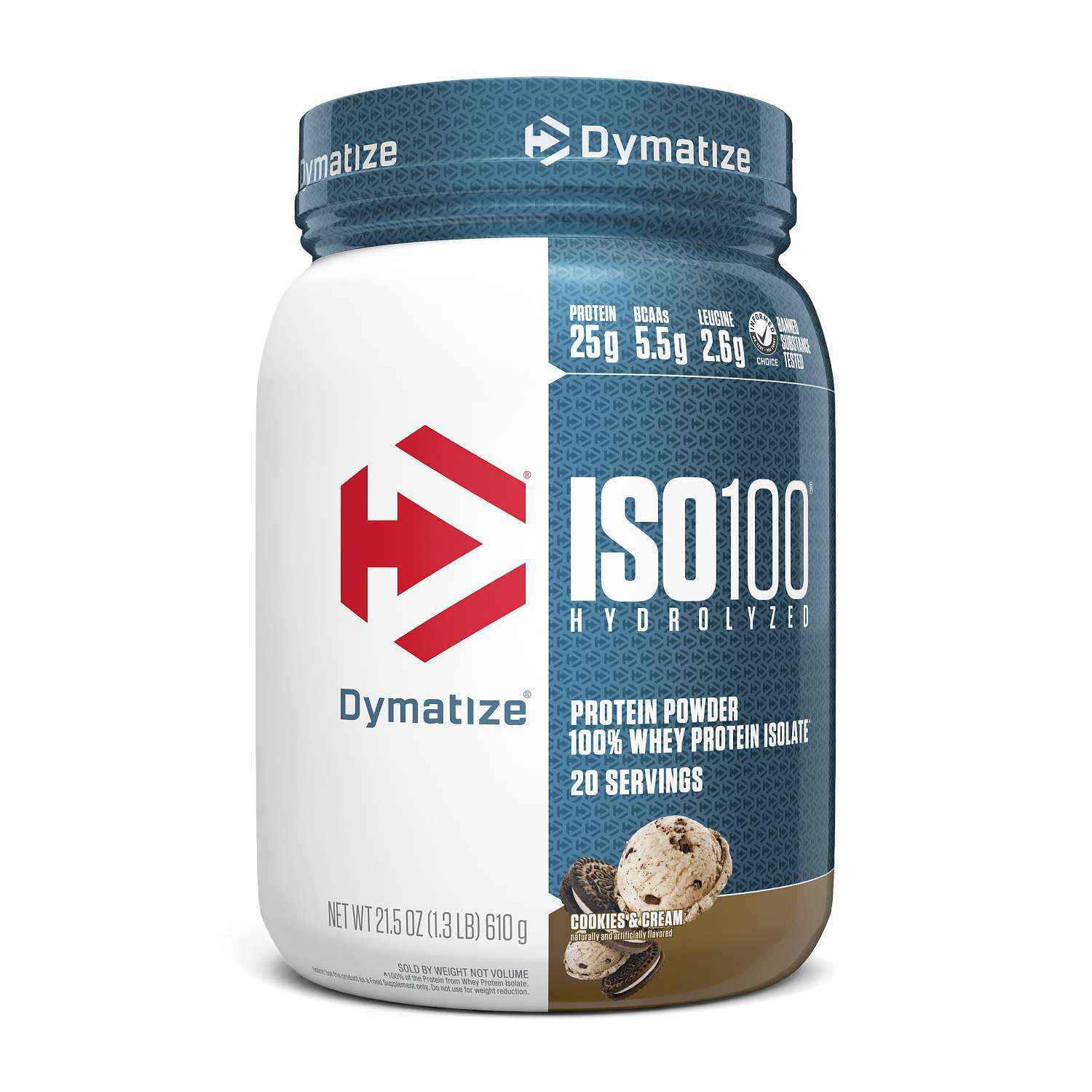
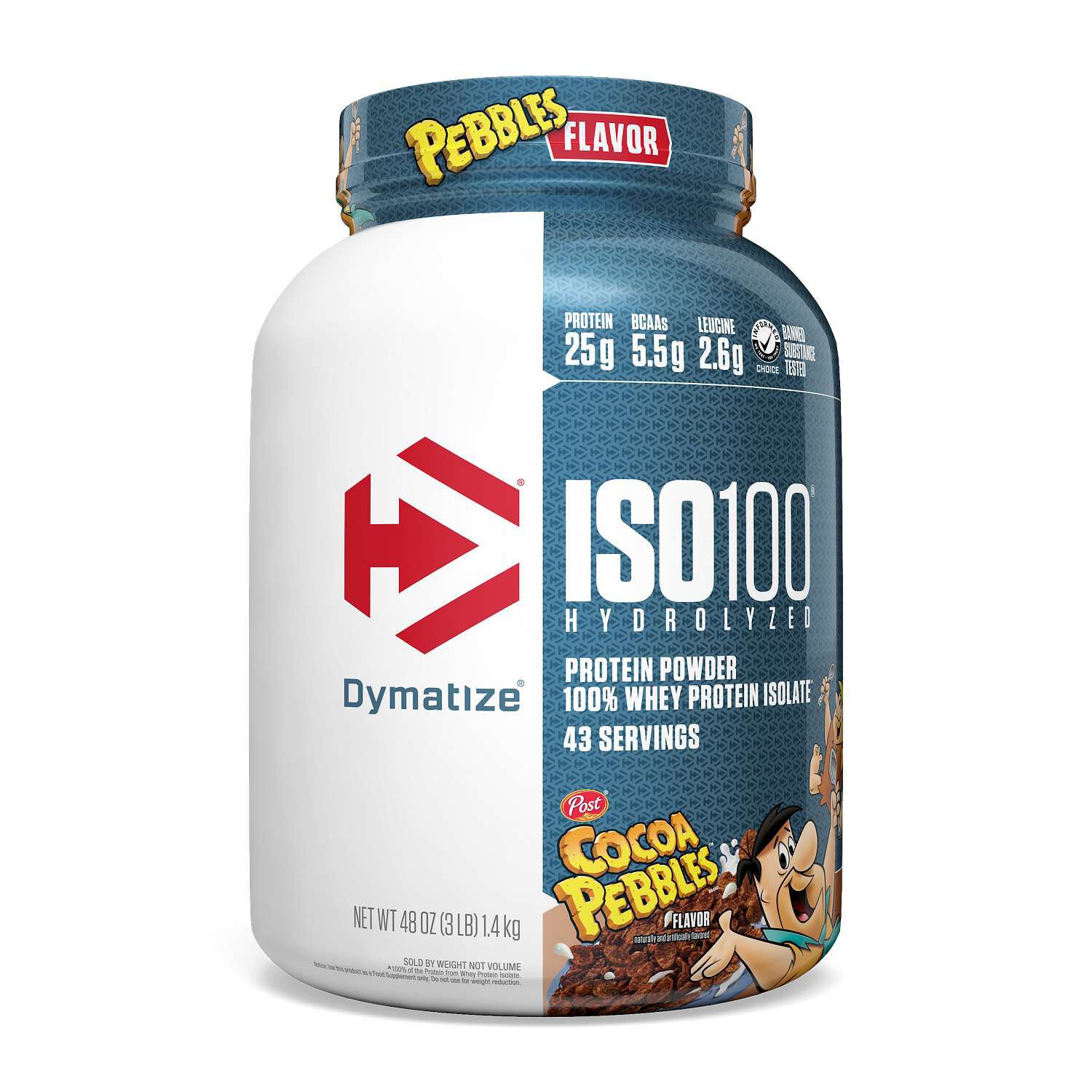
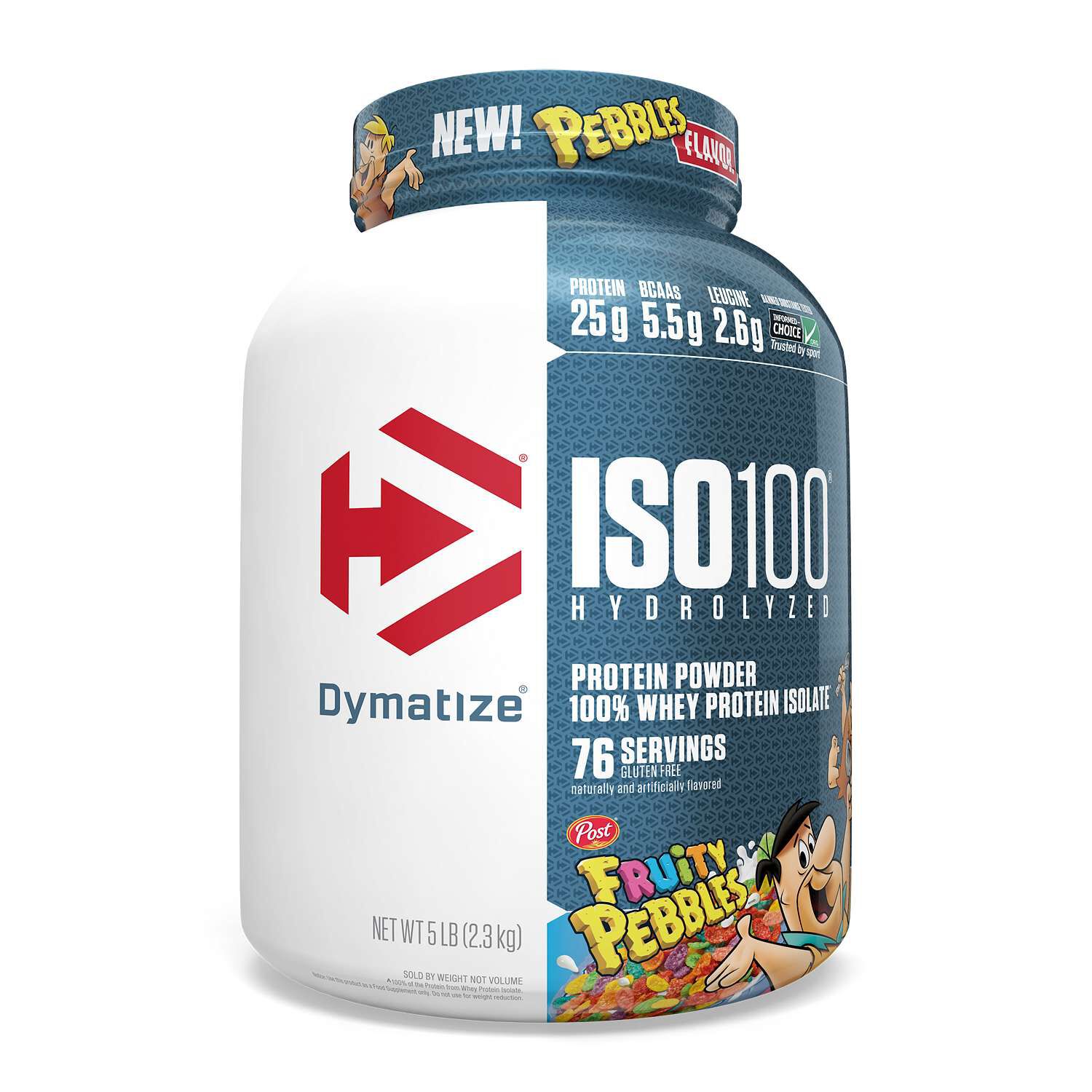


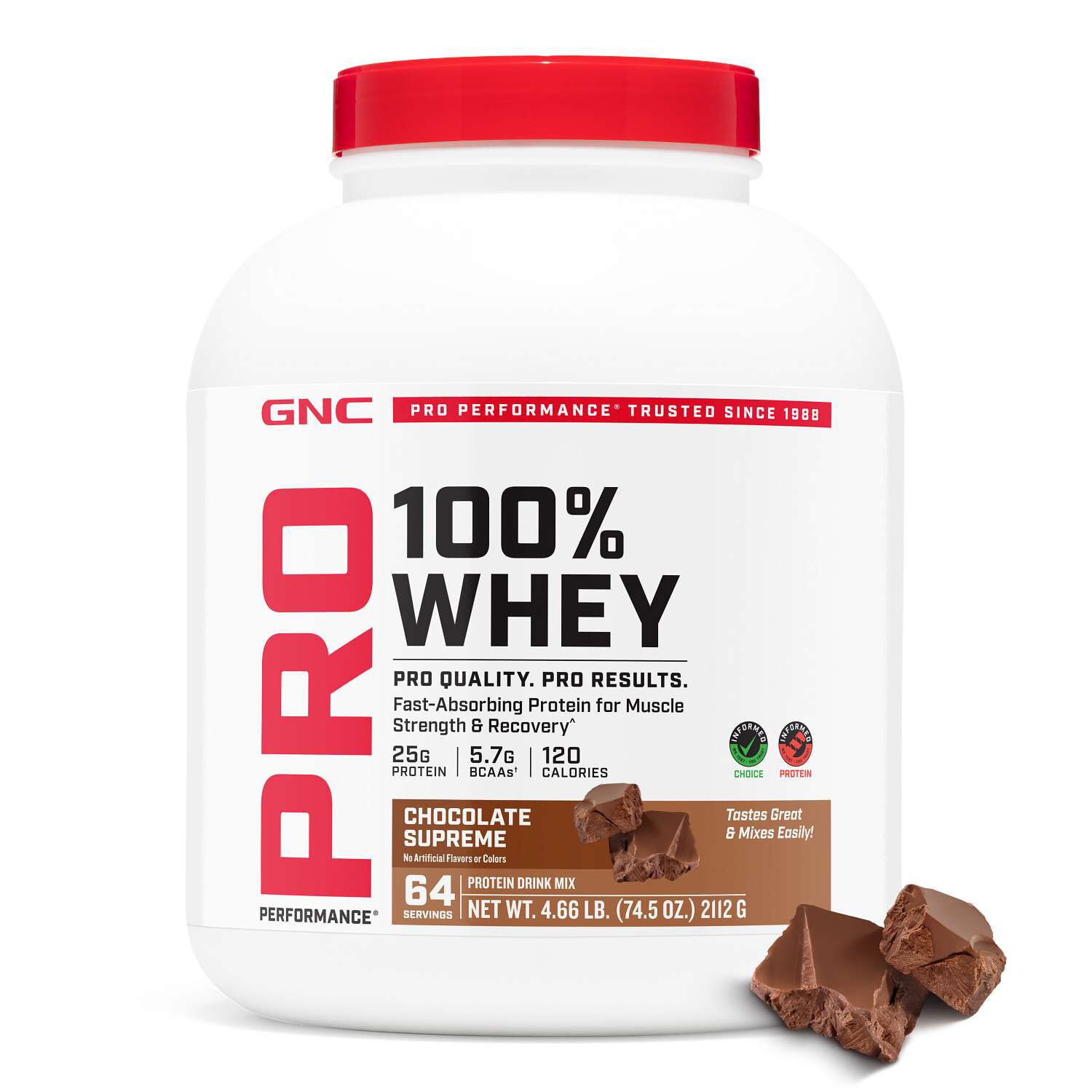
Whey protein is a popular choice for athletes who want a convenient way to include more protein in a structured eating routine. Made from milk, whey generally offers a broad amino acid profile and may digest relatively quickly compared with some other protein sources, making it a practical option after training or between meals. Many athletes stir it into water or milk after a morning lift, blend it with fruit before heading to practice, or add it to oats when a sit-down meal does not fit the schedule. It may also work well on rest days, when maintaining a consistent nutrition routine remains part of an athlete’s broader approach to training. Whey protein is available in several forms, with concentrate, isolate, and hydrolysate offering different characteristics. Concentrate usually retains modest amounts of lactose, fat, and carbohydrates and may appeal to shoppers seeking a straightforward, often more budget-conscious option. Isolate undergoes additional filtration and generally provides a higher proportion of protein with lower amounts of lactose and fat. Hydrolysate is partially broken down during processing and may mix easily, although its flavor and price can vary. Athletes often compare the nutrition panel, serving size, ingredient list, flavor options, and cost per serving before choosing a formula. Those details can matter when protein powder becomes a regular part of a busy training schedule, whether it is carried in a gym bag, stored in a locker, or kept in the kitchen for a quick shake after a long practice.
The best way to use whey protein may depend on training demands, personal preferences, and the rest of the day’s meals. A serving after resistance training may fit naturally into a post-workout routine, while a shake between classes or during a long commute can provide a simple alternative to skipping a meal. Many athletes enjoy whey with water for a lighter texture, while milk or a blended smoothie may create a richer drink with additional flavor and nutrients. It can also be mixed into overnight oats, yogurt, pancake batter, or a bowl of cereal, giving athletes more variety than relying on shakes alone. A common serving range is approximately 20 to 40 grams, though serving sizes differ by product, and the label directions should guide preparation. Athletes may also consider how a powder fits alongside meals that include eggs, poultry, seafood, dairy, beans, lentils, or other protein sources. The goal is not to replace a varied diet, but to make a consistent routine easier when practice, travel, school, or work fills the day. Someone beginning a new conditioning program may appreciate a simple vanilla or chocolate powder for everyday smoothies, while a seasoned competitor might prefer an isolate with a shorter ingredient list or a hydrolysate selected for its mixing qualities. Whey protein can make a thoughtful gift for a runner preparing for a fall race, a student athlete organizing a new semester, or a recreational lifter refreshing a home workout setup. A shaker bottle, storage container, or portable serving pouch can make that gift even more useful without taking up much room in a locker or carry-on bag.
When comparing whey protein for athletes, shoppers may want to look beyond flavor and front-label messaging. Check the protein amount per serving, serving count, carbohydrate and fat content, sweeteners, allergens, and mixing instructions. Individuals who are sensitive to lactose may prefer an isolate, although formulas differ and ingredient panels deserve a close look. Athletes subject to organized sport testing may also look for independent verification, such as NSF Certified for Sport or Informed Sport, and review the manufacturer’s testing information before purchasing. These programs may provide additional product-screening details, but athletes should still follow the policies of their team, league, school, or governing body. Packaging size matters as well: a smaller container may suit someone trying a new flavor, while a larger format may be convenient for a household with several active people. During warmer weather, a chilled shake with berries can fit easily after an outdoor session; during cooler months, whey can be stirred into oatmeal or blended into a warm, filling breakfast after an early workout. For athletes who prefer a slower-digesting option later in the day, Casein Protein Powders for College Athletes may offer another category to explore. Whether selected for post-training convenience, daily meal planning, or a practical gift, whey protein may help simplify the food side of an active lifestyle while leaving room for personal taste, training goals, and a varied eating pattern.