





Casein Protein Powders For College Athletes
(0 Results)
Casein protein powders for college athletes may offer a convenient option to support an active lifestyle and demanding training schedules. With a variety of flavors and formats available, these protein powders could fit into daily routines whether used after practice or between classes. Explore options that may align with personal preferences and athletic goals, helping to make nutrition planning easier during busy semesters.
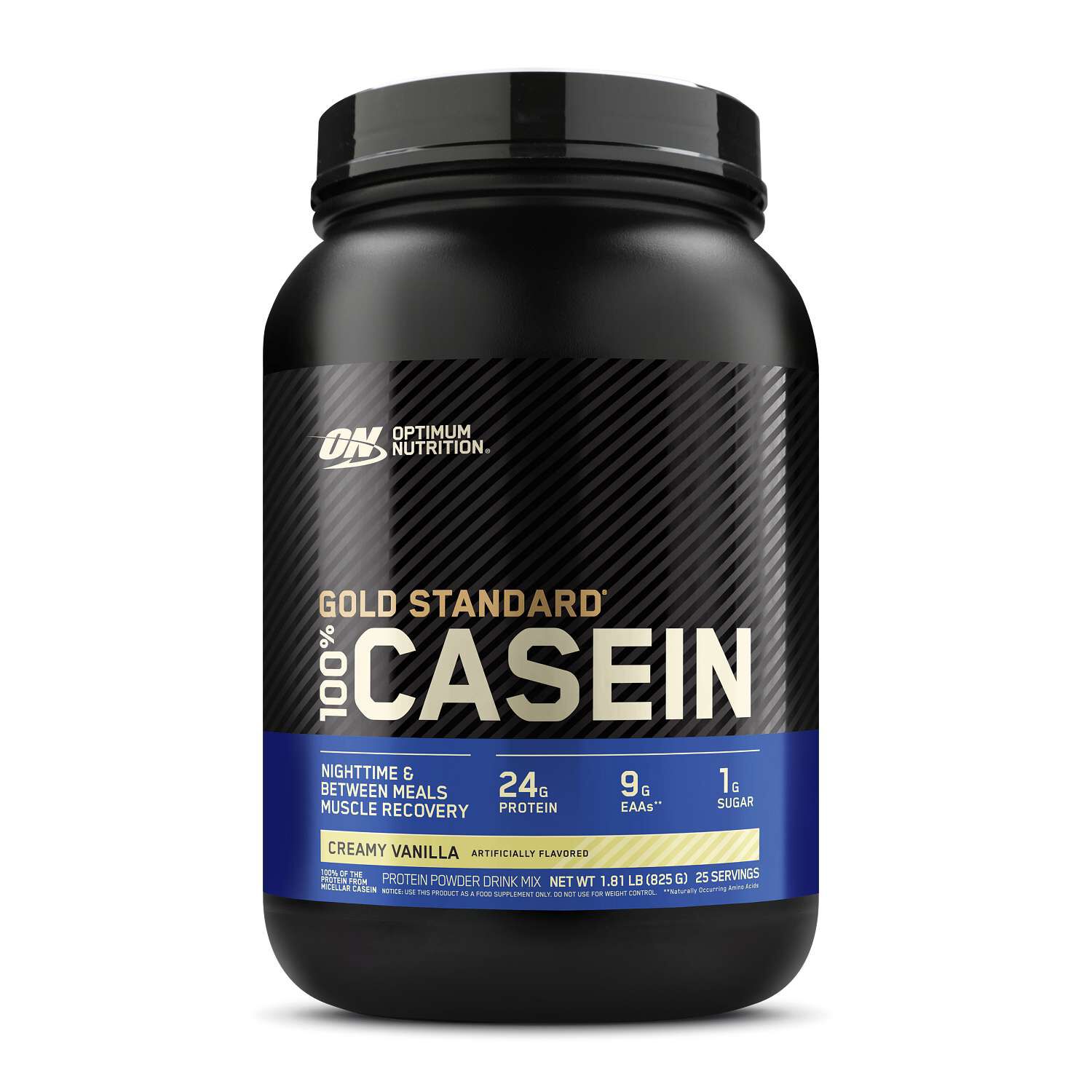

.jpg?sw=305&sh=305&sm=fit "100% Casein - Vanilla Cream (25 Servings) | GNC")


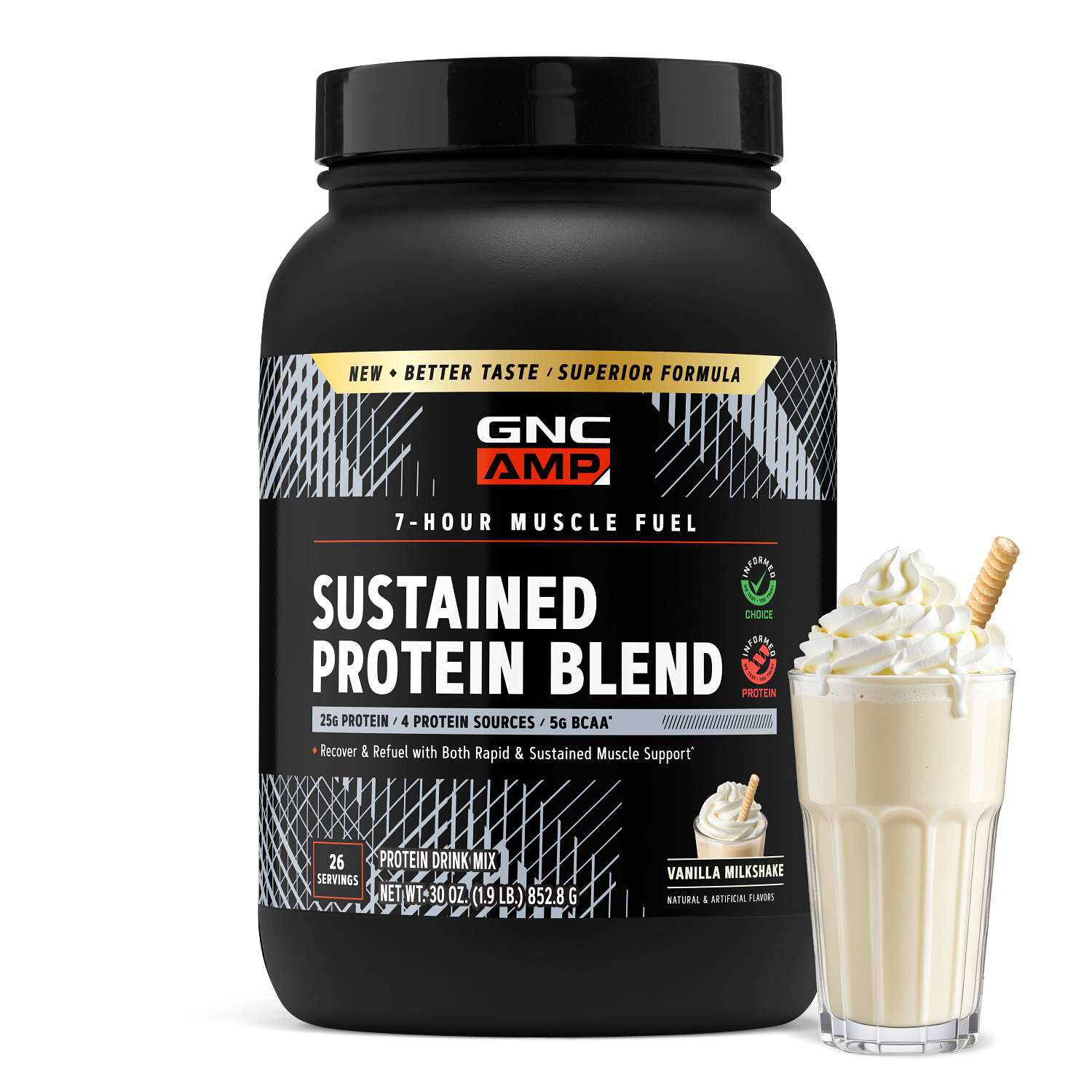
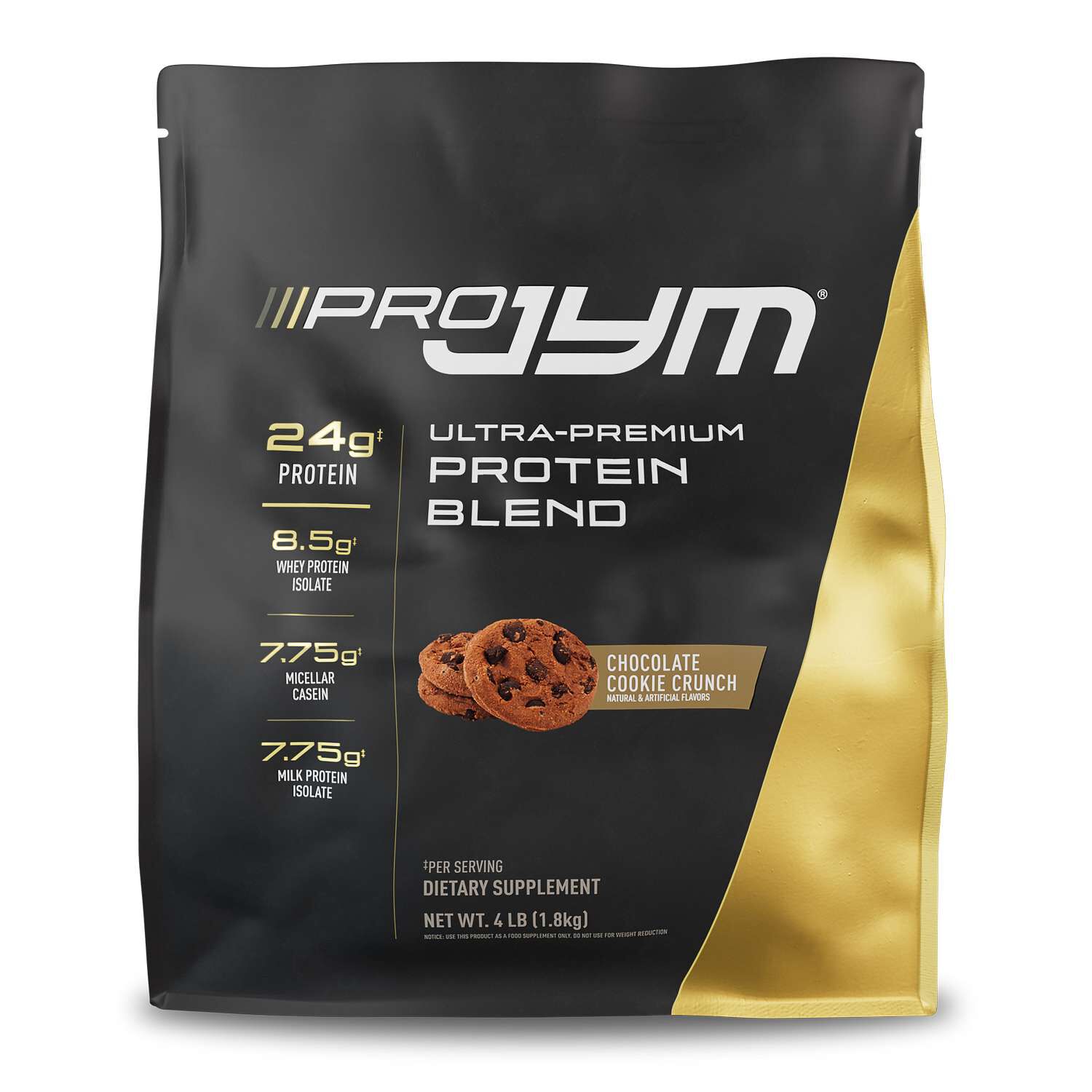
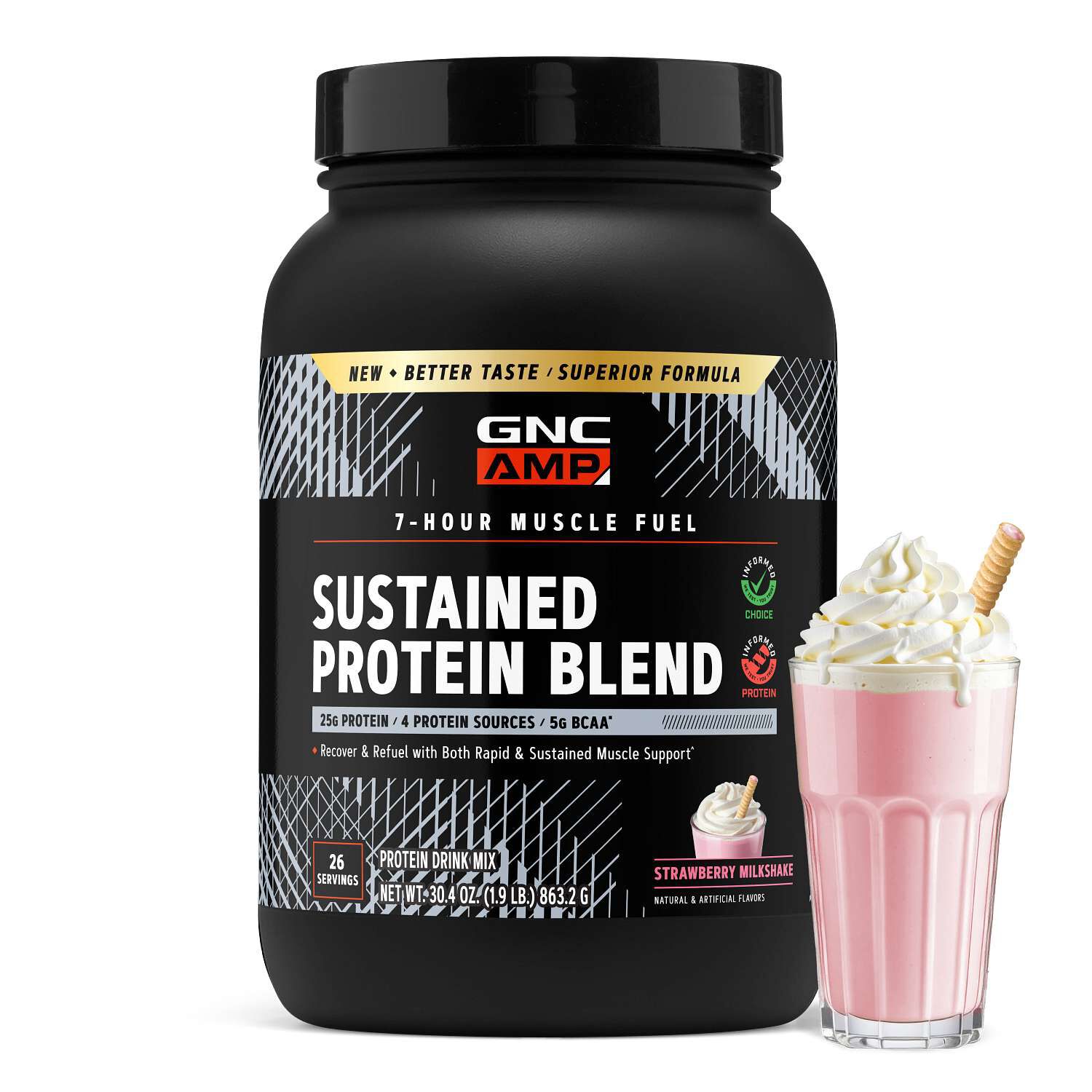
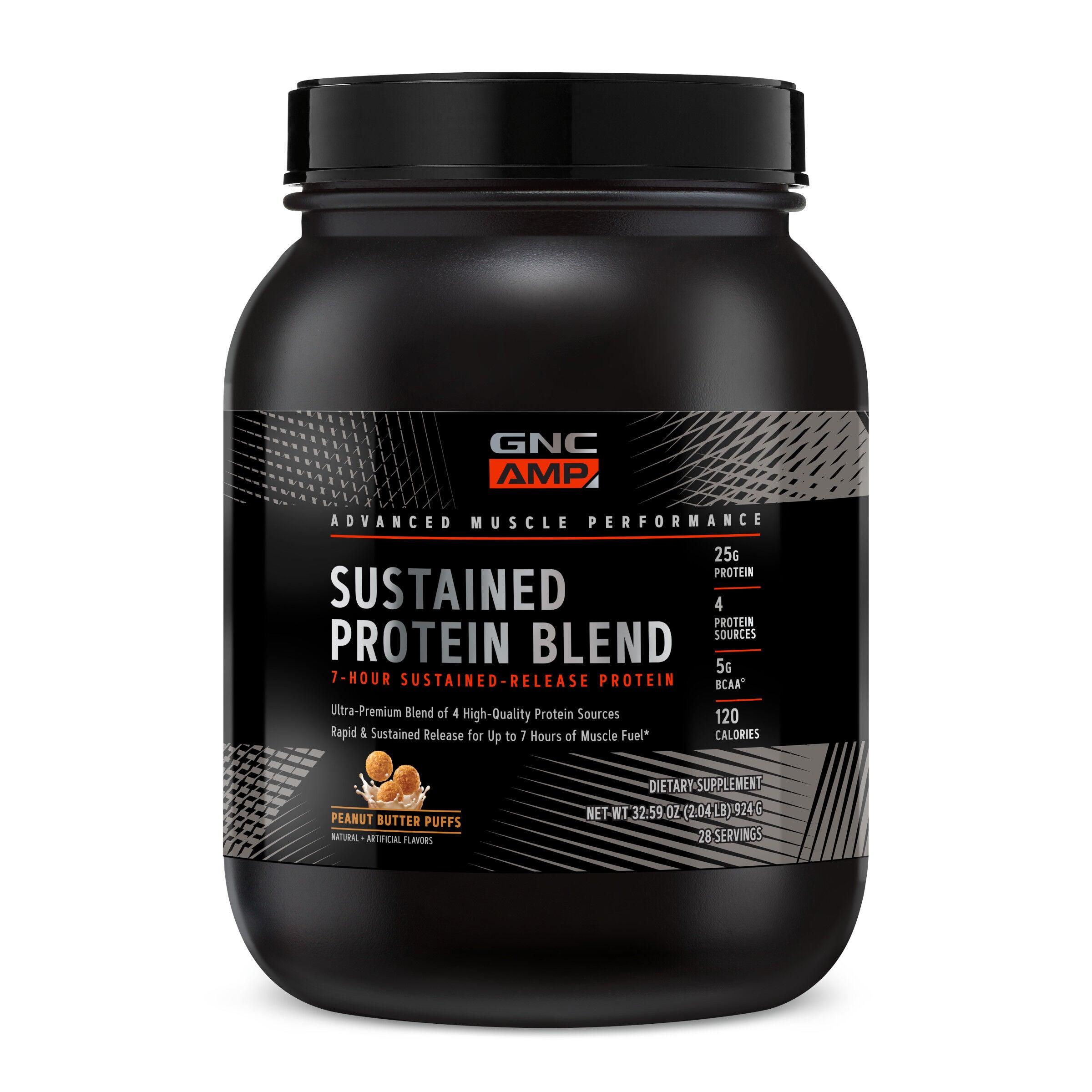
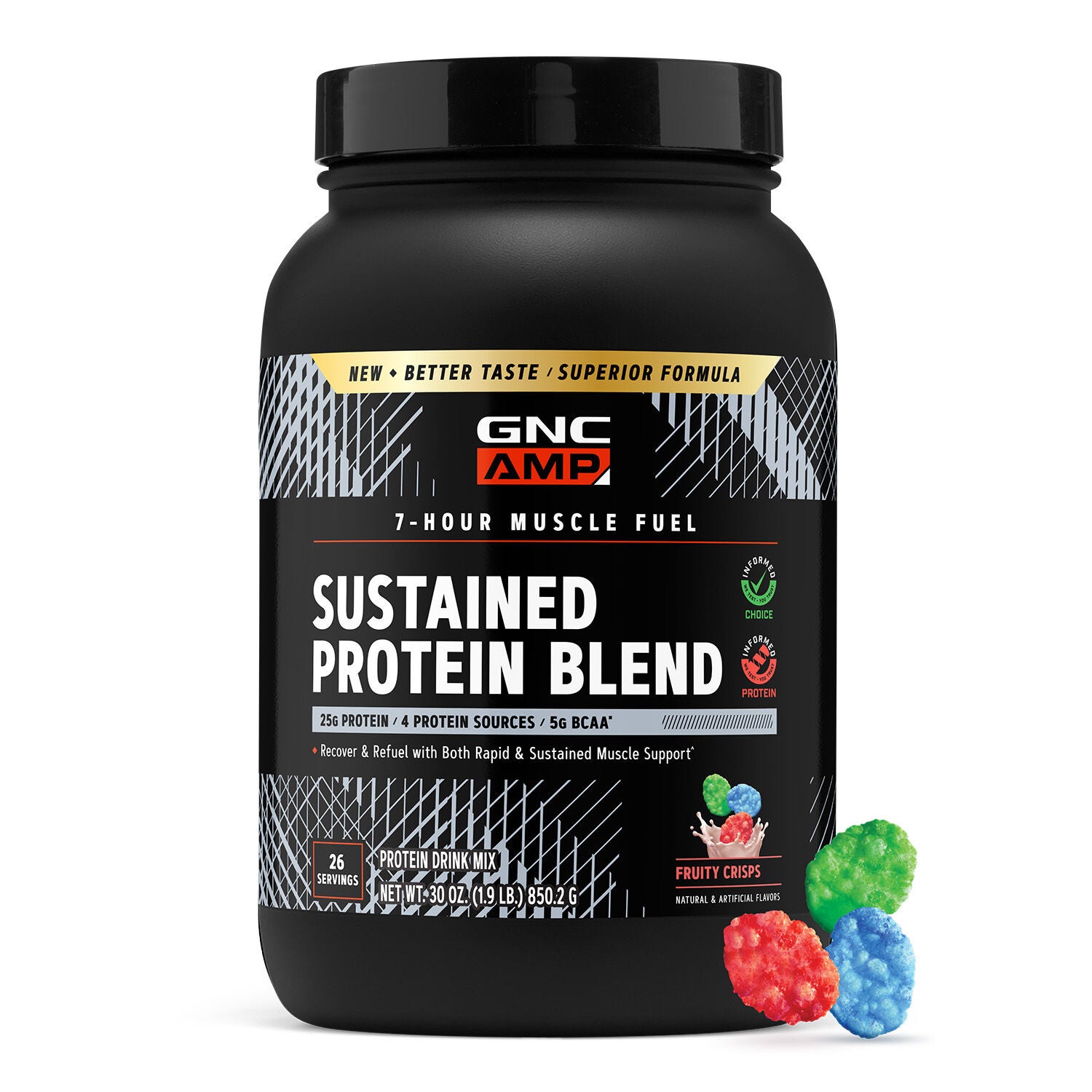
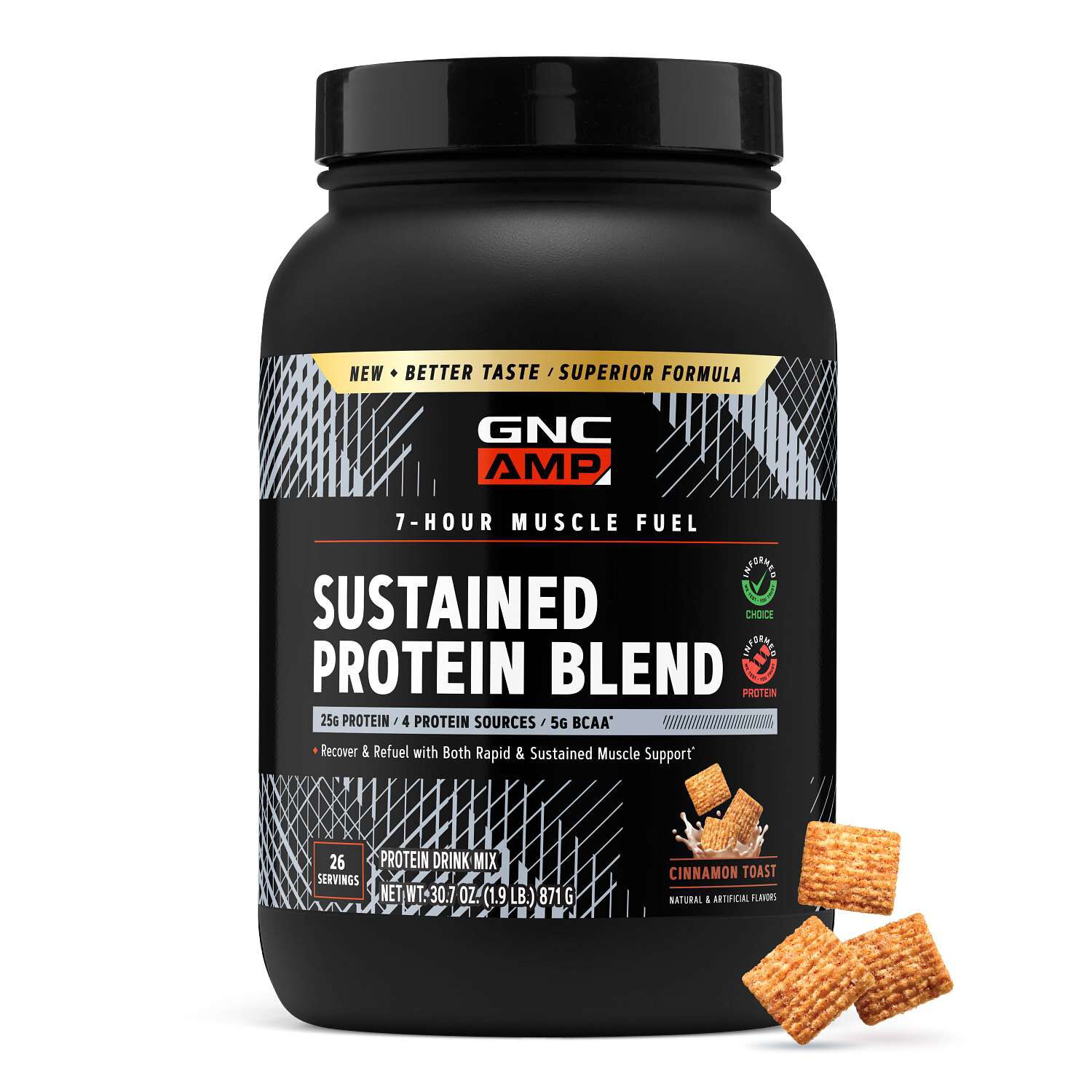
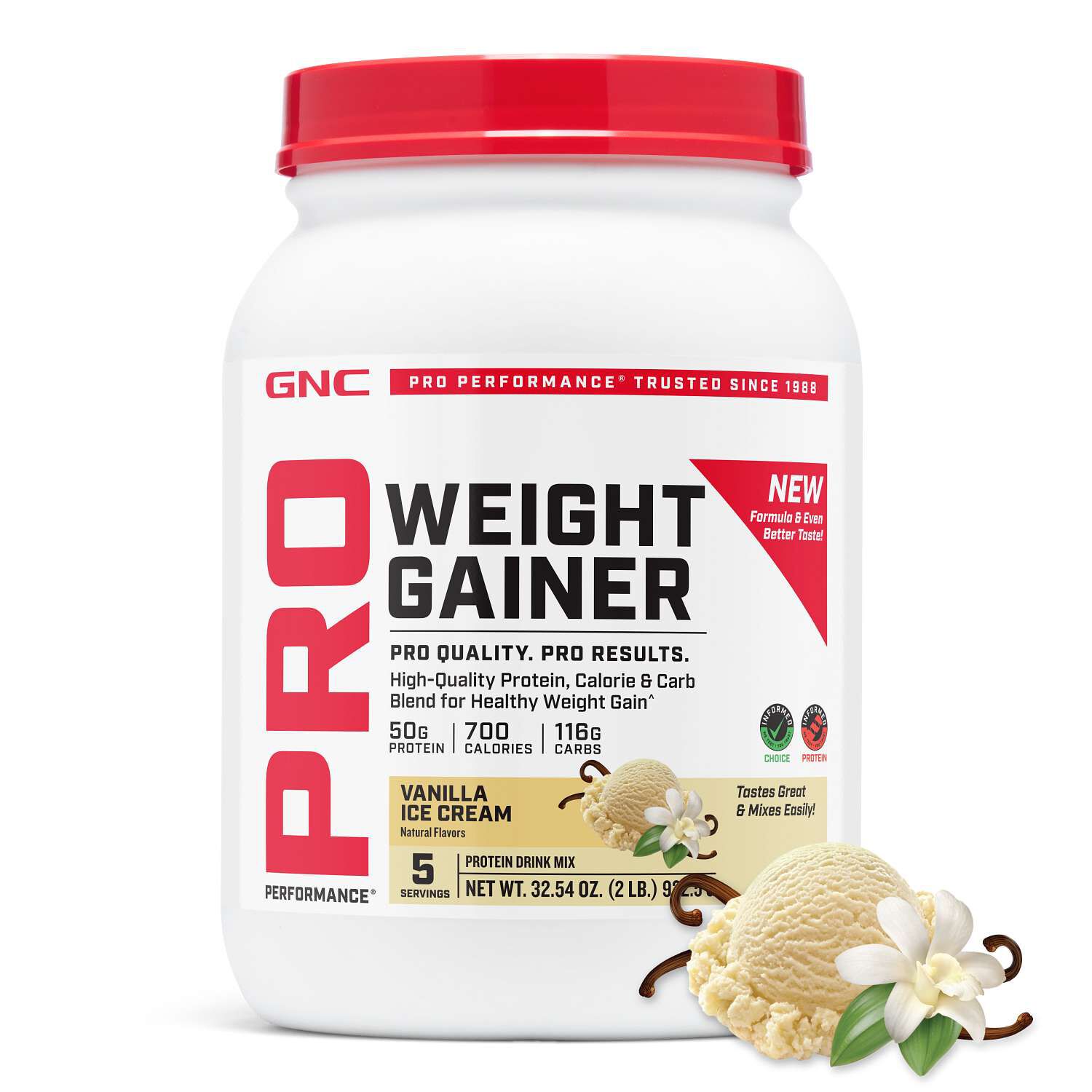
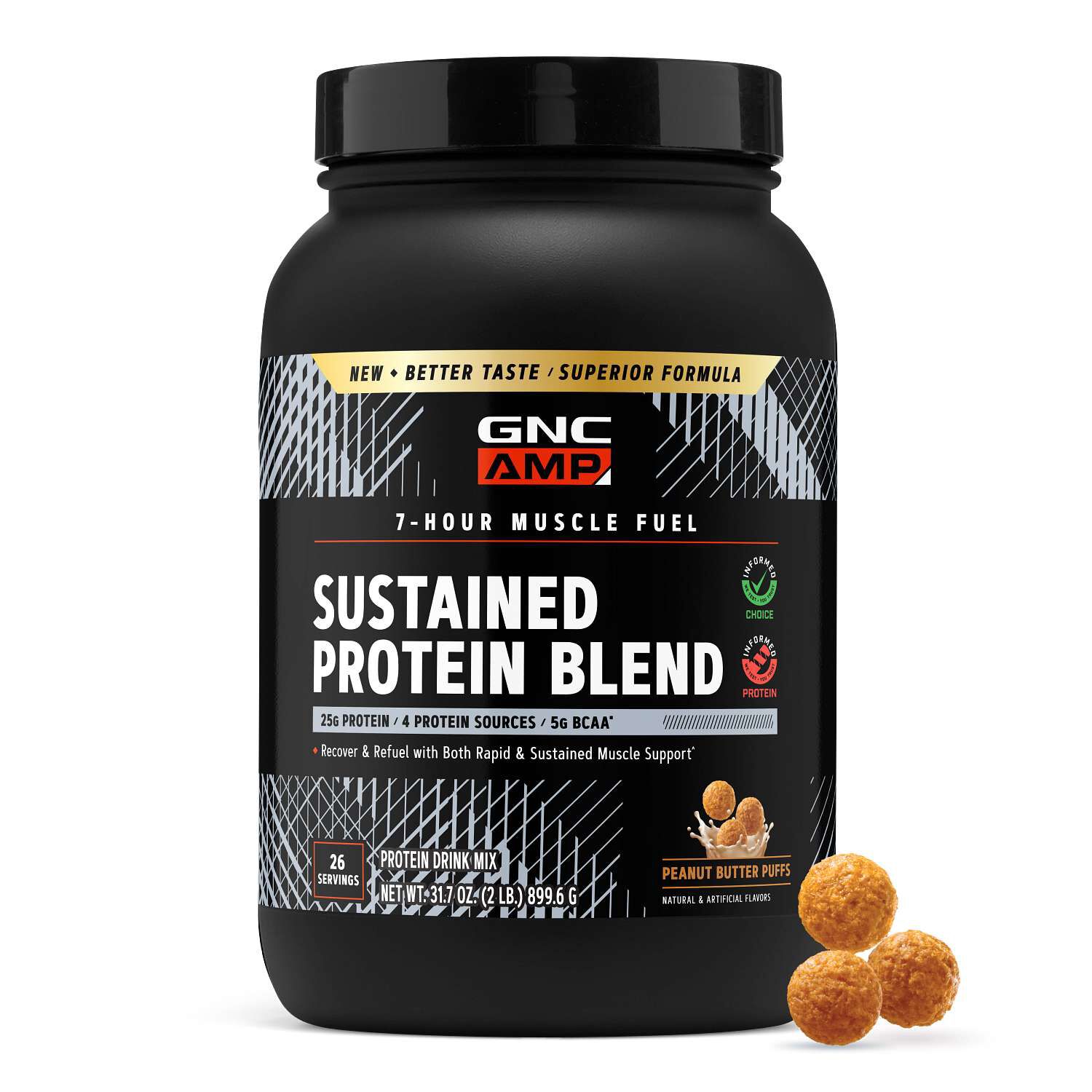
Casein protein powders for college athletes are milk-derived supplements suited to the practical demands of campus life, from early lifting sessions to evening practices followed by homework. Compared with whey, casein may digest more slowly and could supply amino acids over a longer period, which may support muscle recovery after exercise. That potential makes it a familiar choice for an evening shake, although bedtime is not the only occasion for using it. A serving may also fit between scheduled meals or alongside a snack when training, classes, and travel leave little room for preparation. The important distinction is between a convenient source of protein and a replacement for the variety found in everyday meals. Dining hall breakfasts, packed lunches, and dinners with teammates all have a place in an athlete’s eating routine; a powder offers another format rather than an entire approach to nutrition. For a swimmer returning from practice, a basketball player finishing a lifting session, or a runner settling into an evening study block, preparation time and access to a refrigerator can matter as much as flavor. Casein is one of the proteins naturally present in milk, and ingredient lists may identify micellar casein, calcium caseinate, or a blend of milk proteins. Those terms describe different formulations, so the front label alone does not always tell the whole story. A blend containing casein and whey is not the same formulation as a powder centered on casein alone. Protein per serving, serving size, and the rest of the ingredient list provide useful context for comparing formats. Individual routines also differ: an athlete eating shortly after practice has a different schedule from someone with a long ride back to campus. Casein may be a practical addition in either setting, but its place depends on the meals, snacks, and preparation options already built into the day. Familiarity matters, too, especially when an athlete prefers a consistent snack rather than a new combination before every practice.
Texture is a defining consideration with casein protein powder. Many formulations mix into a thicker consistency than a typical whey shake, although the result depends on the ingredients, liquid, and preparation method. That texture may appeal to athletes who prefer a substantial shake or a spoonable snack instead of a thin drink. Water keeps preparation straightforward, while milk or another suitable beverage changes the flavor, texture, and nutrition of the finished serving. A shaker bottle suits a dorm room desk or the counter beside a shared refrigerator; a blender offers another option where kitchen access permits. Package directions provide the starting point for the amount of liquid and mixing method, with personal preferences shaping the final consistency. Some powders also work in yogurt, oatmeal, or similar foods, giving students a way to use the same format without having a shake every time. Vanilla and chocolate are familiar choices for those combinations, while fruit flavors offer a different direction. For students drawn to berry flavors, Strawberry Protein Powders For College Students provides a related category to explore alongside casein options. Beyond flavor, the ingredient list can reveal sweeteners, thickeners, added sugars, and other components that influence the eating experience. A short list is not automatically the right match for every athlete, and a longer list is not a substitute for reading what each ingredient contributes. Because casein comes from milk, milk ingredients and allergen labeling are particularly relevant when comparing powders with personal dietary preferences. Some formulations include additional milk ingredients or other allergens, making the actual label more useful than assumptions based on the flavor name. Serving measurements also deserve a close look: a scoop is a packaging measure, not a universal amount across different powders. Comparing the stated serving weight with the protein listed for that serving creates a clearer picture than comparing scoop counts alone. The same attention applies to calories, carbohydrates, and fat, especially when a shake is mixed with ingredients beyond water.
For collegiate athletes, the details beyond flavor and texture also deserve attention. Team nutrition policies, athletic department procedures, and sport-specific rules may shape which supplements an athlete can use. Third-party testing intended for sport is one label feature to consider, alongside a review of the exact supplement with the team’s sports dietitian or athletic staff. A familiar ingredient name or a plain-looking label is not a substitute for that review, and certification should be checked for the actual supplement under consideration. Everyday usability matters just as much once a powder becomes part of campus life. A wide-mouth container may be easier to scoop from on a crowded apartment counter, while a securely closing lid may help keep the contents contained during storage. Dry powder calls for a clean, dry scoop and storage consistent with package directions; a damp utensil or an open container beside a sink is a poor match for a shared kitchen. Prepared shakes have different handling needs from dry powder, so refrigerator access and the time between mixing and drinking belong in the decision. A bottle carried from a residence hall to a practice facility needs a secure closure, and removable mixing parts may make cleaning more convenient. Bottles that come apart for washing, with clear care instructions and sturdy closures, are practical companions for repeated campus use. Smaller packages may suit limited cabinet space or a first experience with a particular flavor, while larger containers require room for storage and regular access to a scoop. For students traveling with a team, clearly labeled packaging also keeps ingredient and serving information close at hand. These ordinary details shape whether a casein powder fits an athlete’s day: enough room in a shared cabinet, a flavor that works with familiar foods, and a preparation method that does not depend on a full kitchen. Alongside its potential role in exercise recovery, that practical fit is what makes casein worth considering within a college athlete’s broader food routine.
What is casein protein and how does it differ from whey protein?
Casein protein is a dairy protein that digests more slowly than whey and may provide a steady amino acid release. Whey protein digests quickly and is often used post-workout, while casein is commonly used before bed as part of an overnight nutrition routine.
Why might college athletes choose casein protein powders?
College athletes may choose casein protein powders for a convenient protein source that can fit busy class, practice, and travel schedules. The slower digestion rate may make casein a good option when they want protein over several hours.
When is the best time for college athletes to take casein protein?
There is no single best time for every college athlete to take casein protein. Many use it before bed, between meals, or when a slower-digesting protein fits their routine.
Can casein protein powders be mixed with other supplements or foods?
Yes, casein protein powders can be mixed with water, milk, or blended into smoothies. They can also be combined with other supplements like creatine or added to recipes such as protein pancakes or overnight oats for added nutrition.
Are there any dietary considerations for college athletes using casein protein powders?
College athletes who avoid lactose or milk-based ingredients should check product labels carefully, as most casein proteins are derived from milk. Plant-based protein products may be another option for those who avoid dairy.
Best Sellers


Related Pages



Top Collections
- GLP 1 Support For Adults
- Supplements For Yoga Joint Flexibility
- Joint Mobility Supplement Packs
- Supplements For Balance
- Zinc Supplements For Men
- Chronic Fatigue Supplements
- Capsule Supplements For Energy And Stamina
- Zinc Supplements | Top Brands at Great Prices | GNC
- Supplements For Anxiety Relief Support
- Adult Mobility Supplements