





Casein Protein Powders For Clean Bulking
(0 Results)
Casein protein powders for clean bulking could be a smart addition to your fitness routine if you’re looking to support your muscle-building goals while maintaining a balanced approach. With their unique slow-digesting properties, these protein powders may help provide sustained nourishment throughout the day or night. Whether you’re aiming to optimize your nutrition or simply seeking a versatile protein option, casein protein powders for clean bulking might offer the support you need on your journey. Explore options that could align with your active lifestyle and help you stay on track with your clean bulking plan.
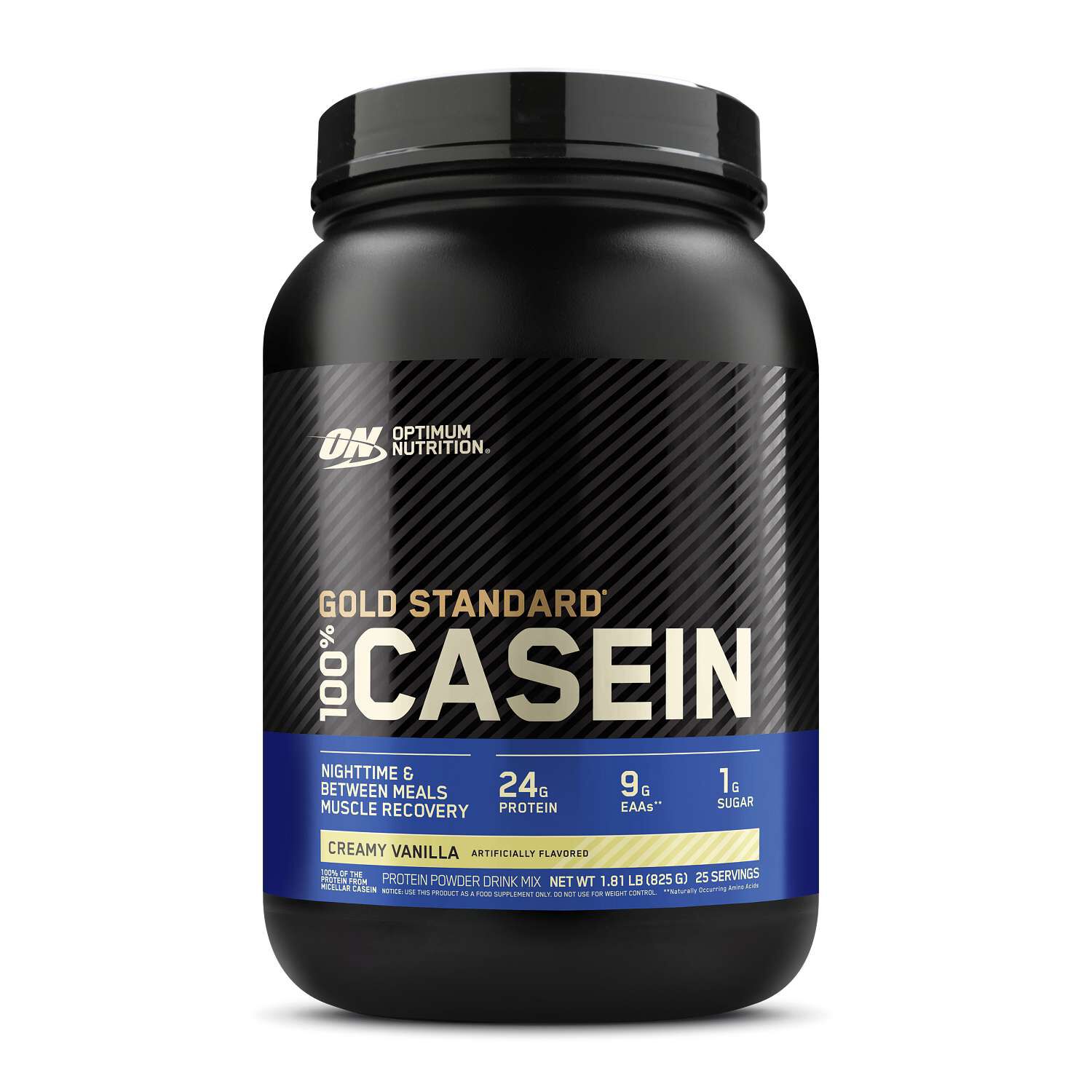

.jpg?sw=305&sh=305&sm=fit "100% Casein - Vanilla Cream (25 Servings) | GNC")


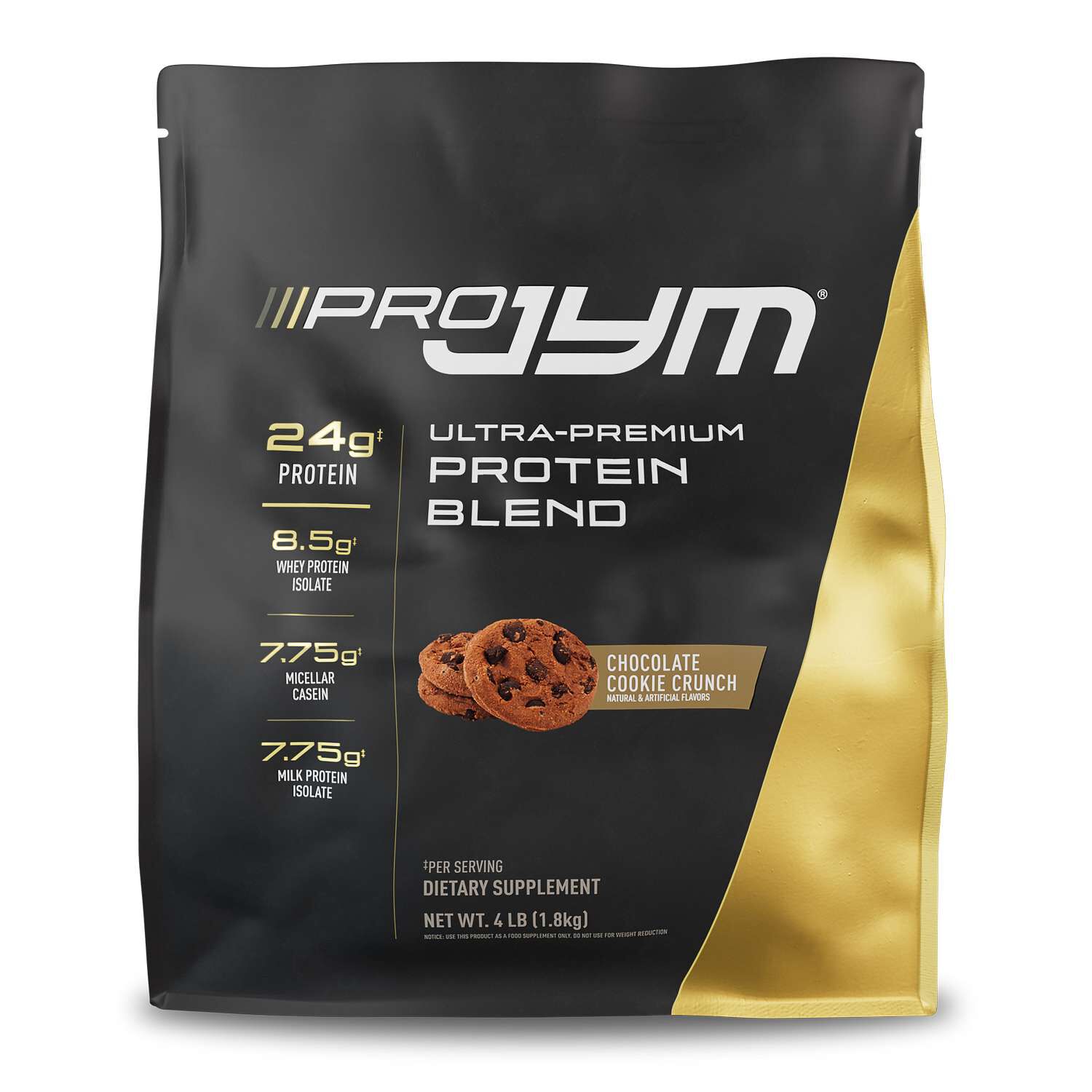

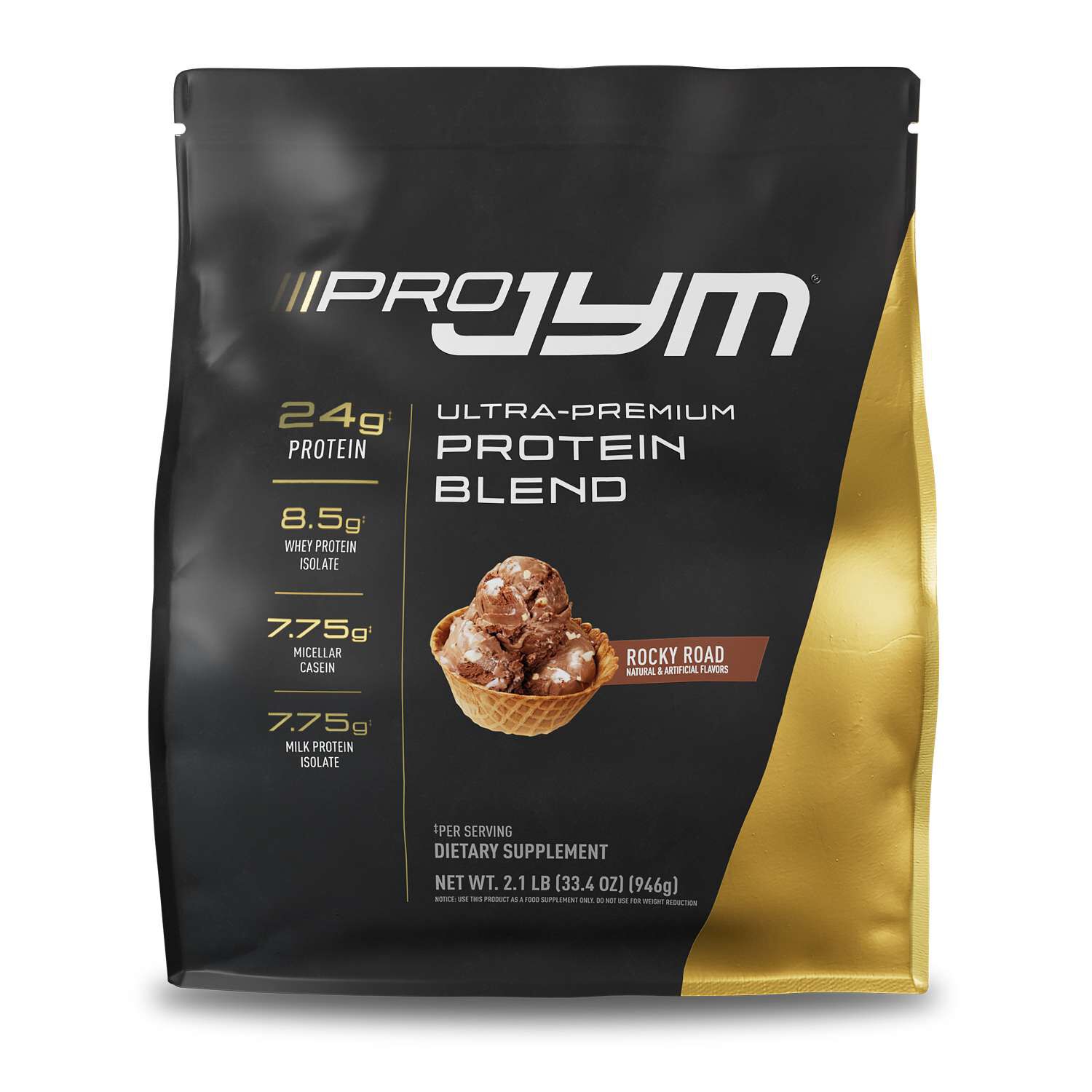


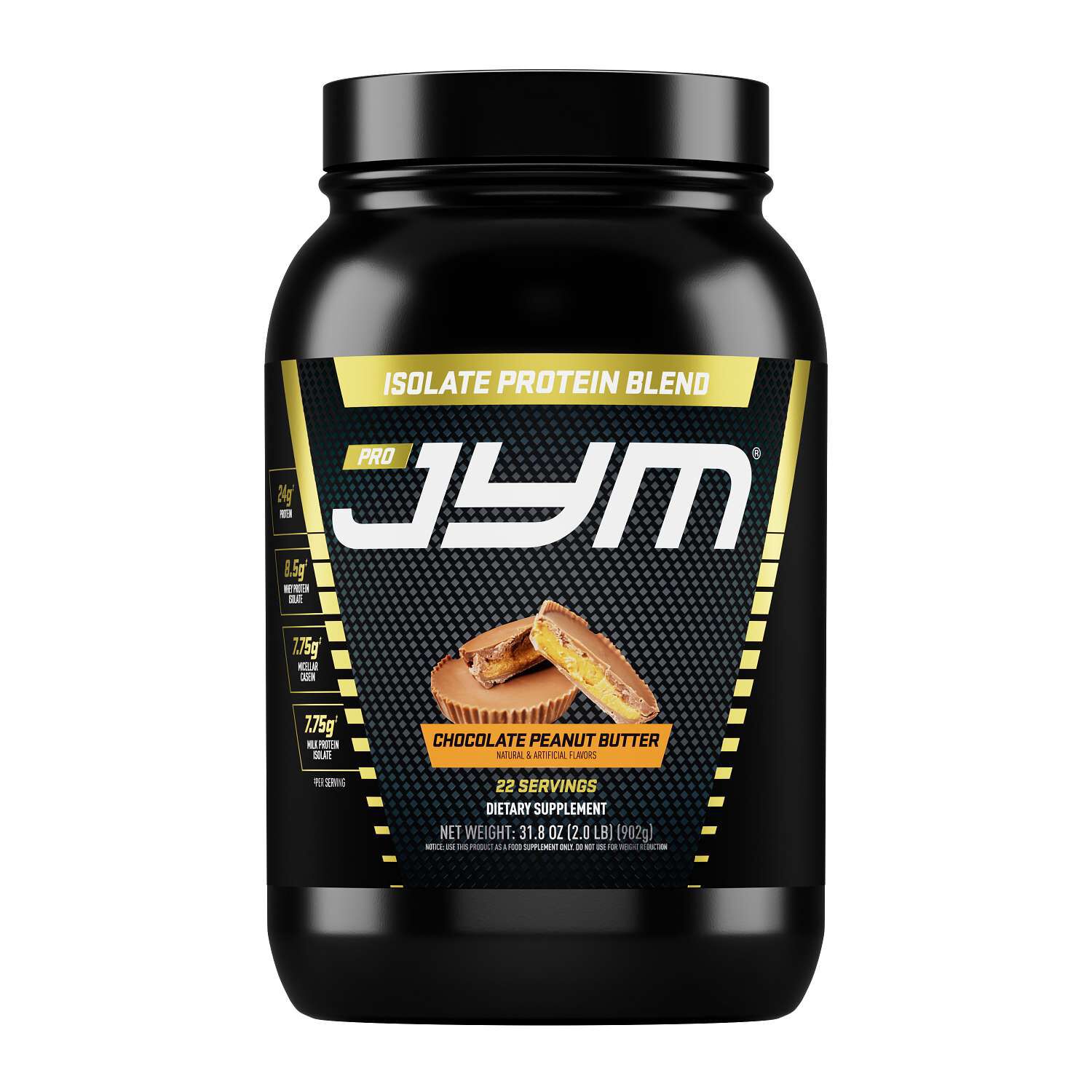
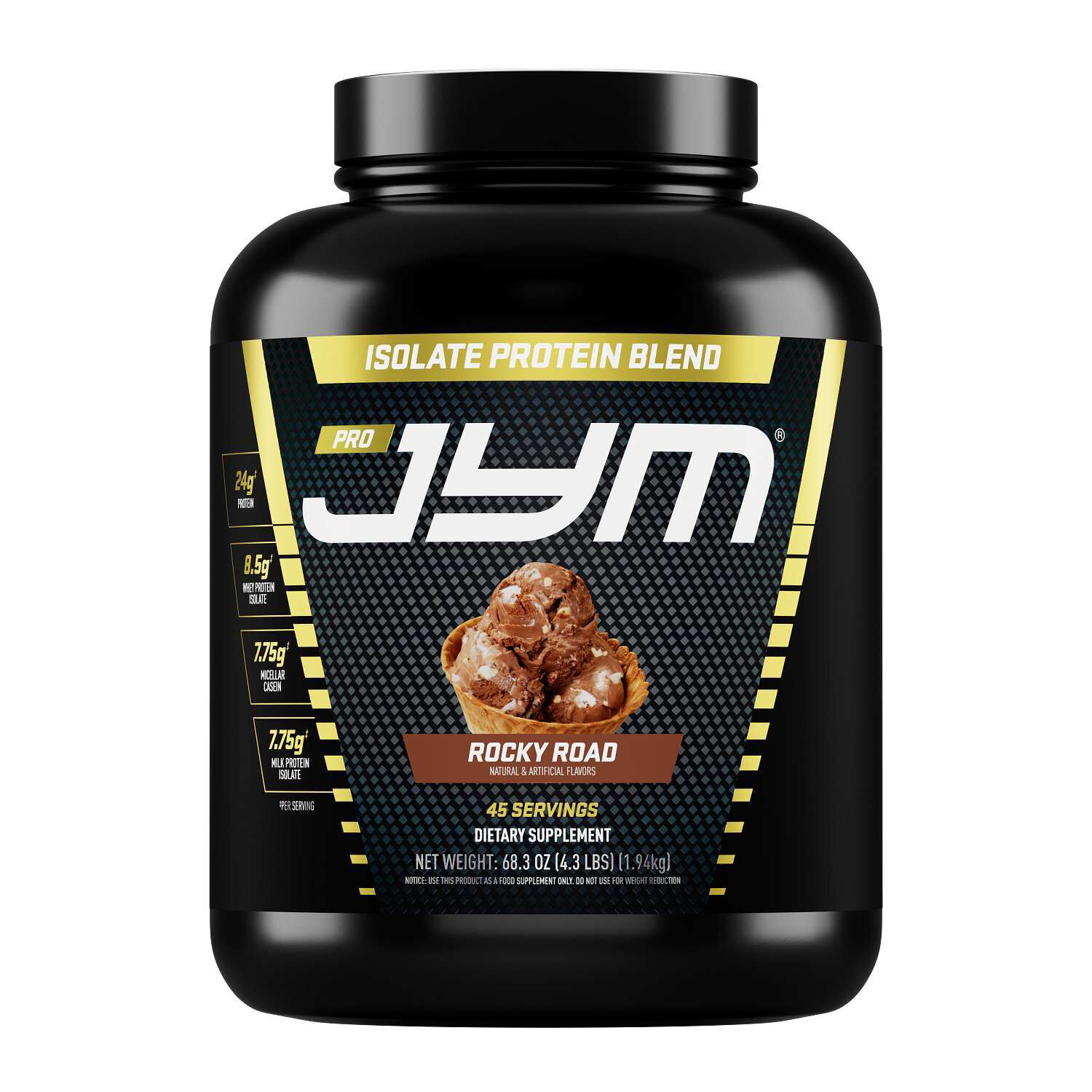

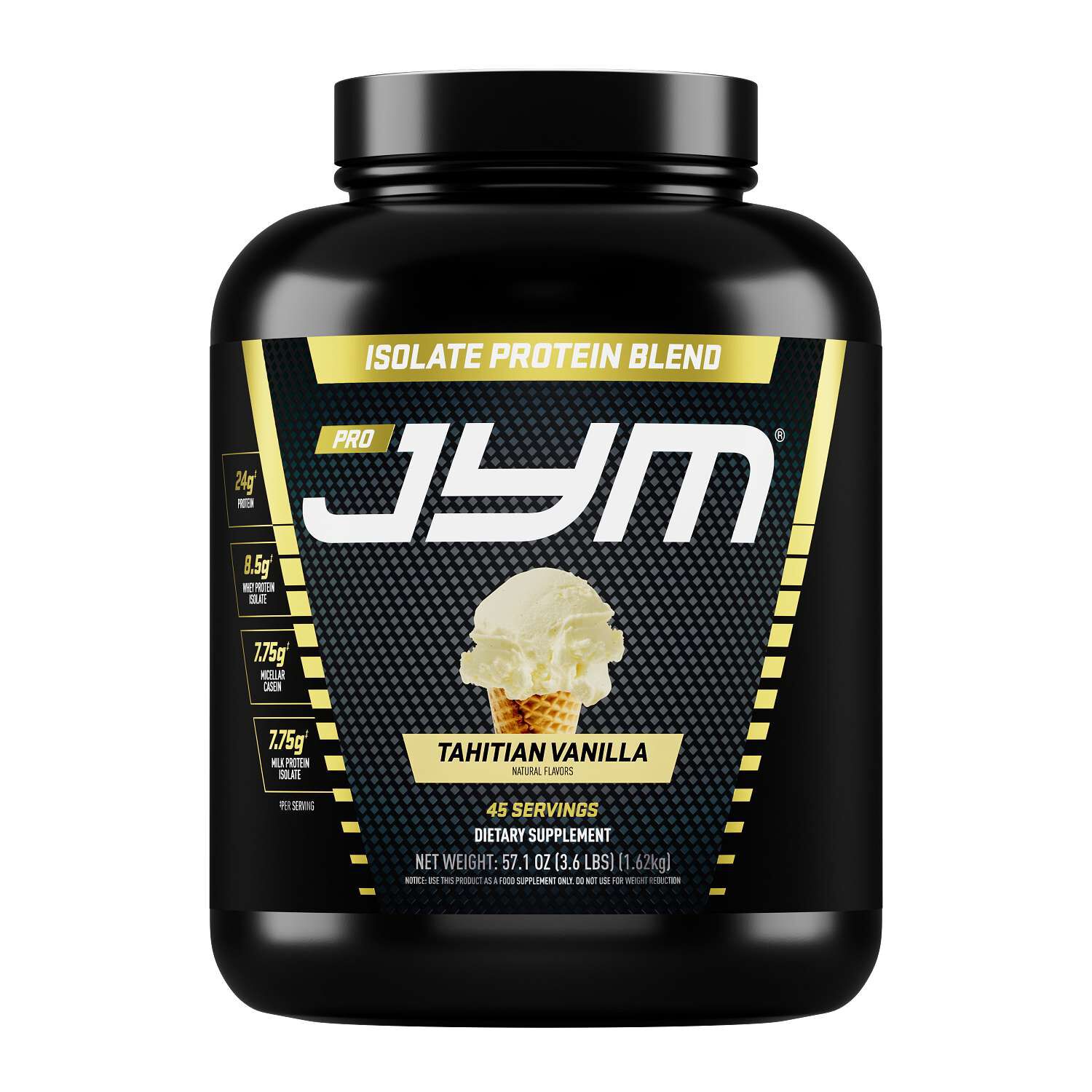
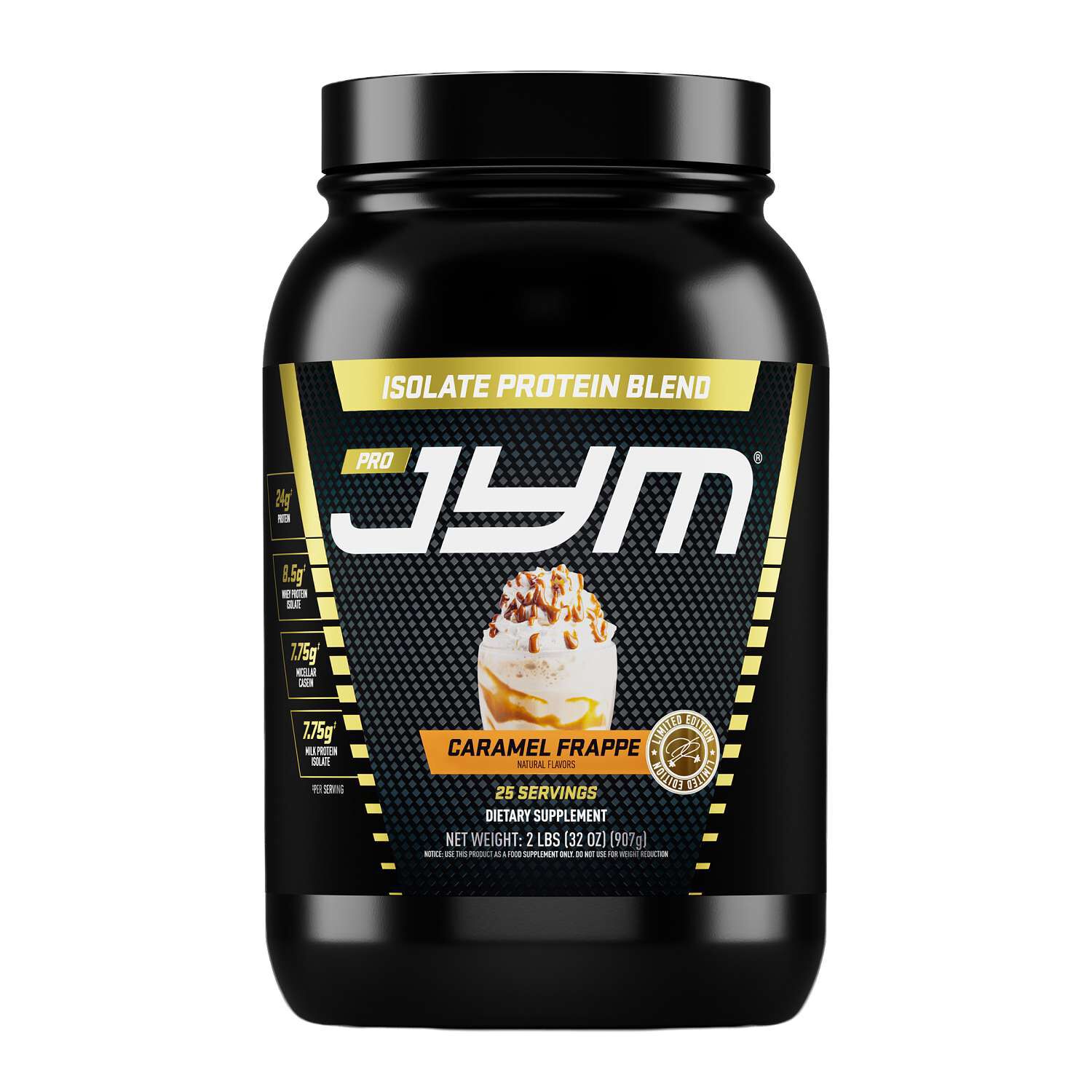

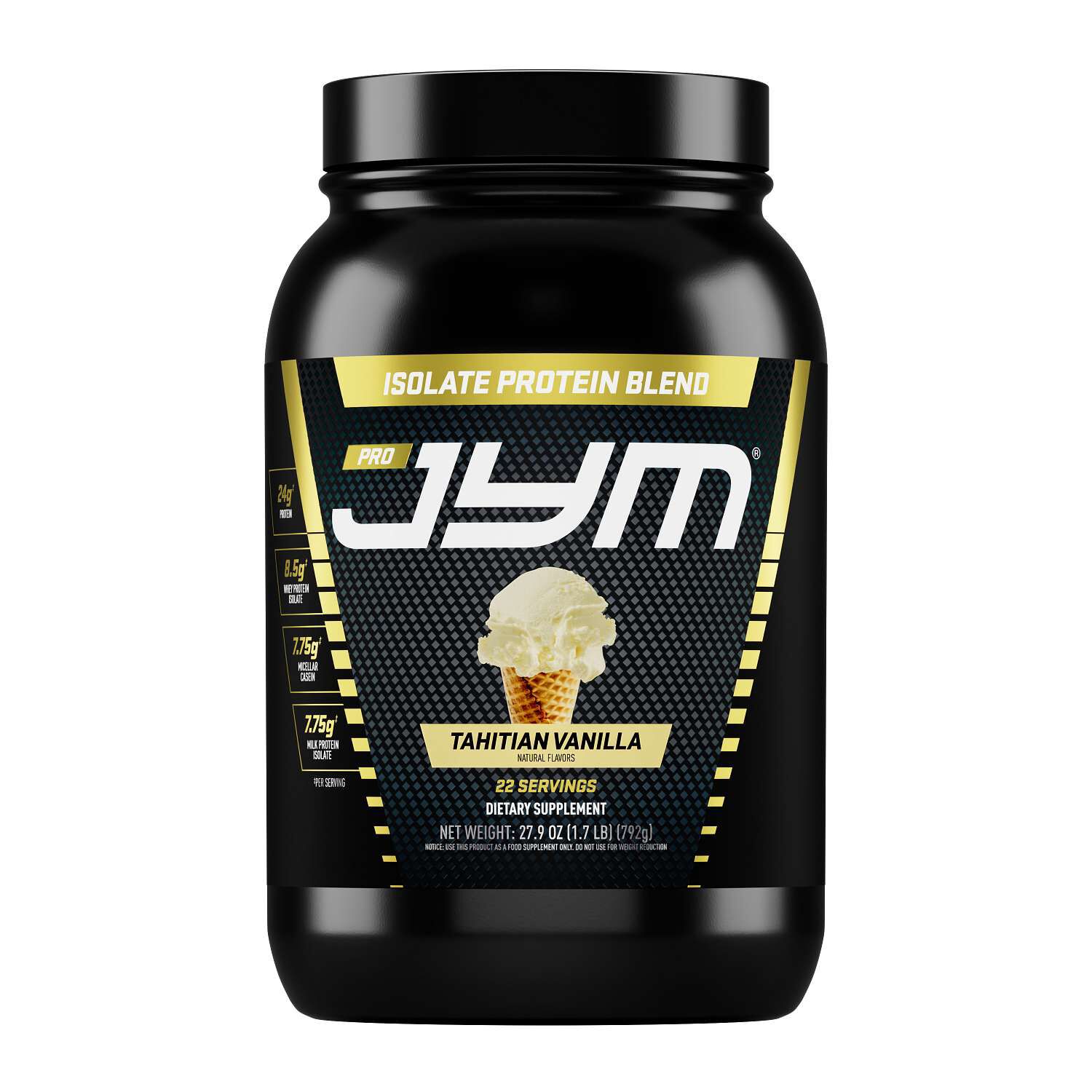
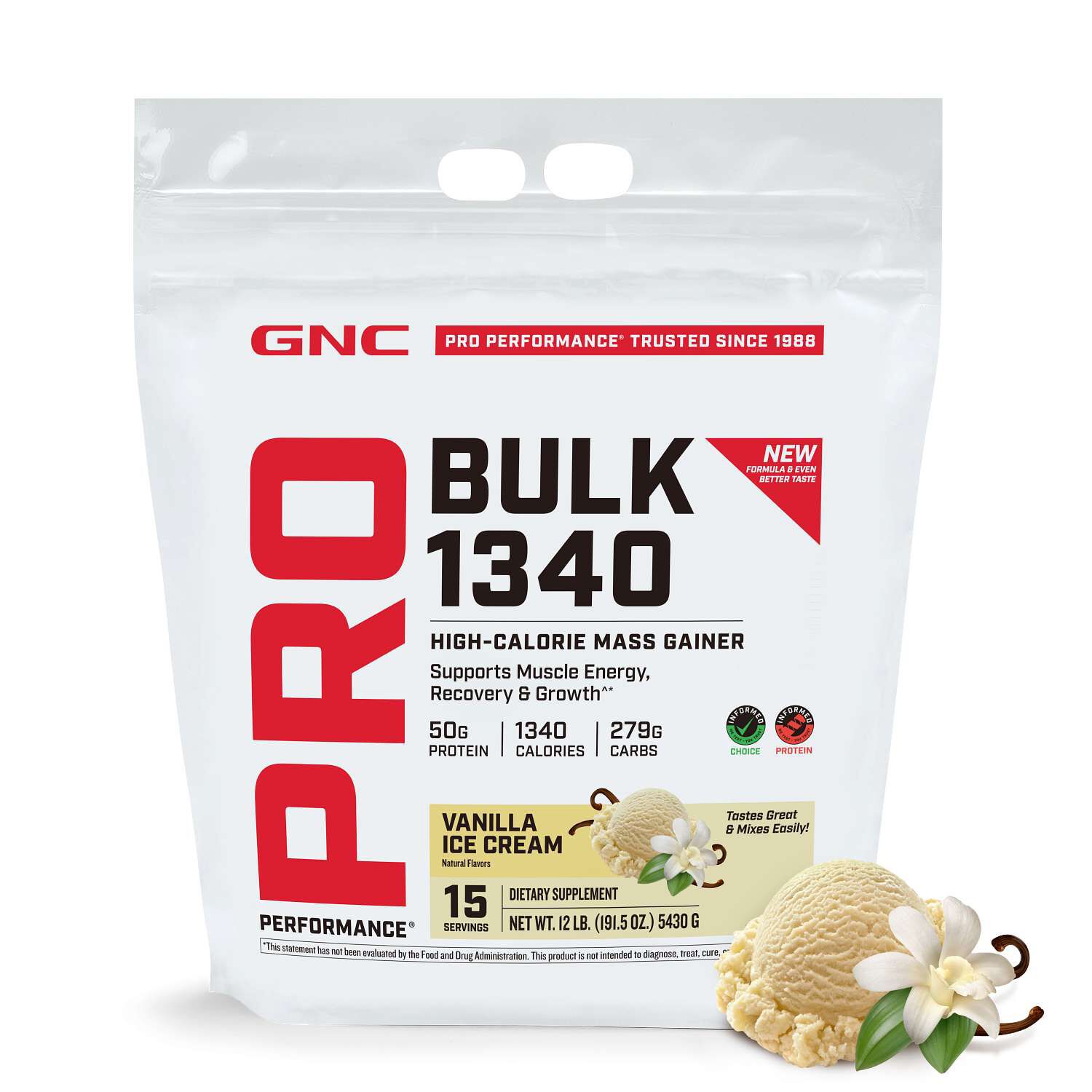

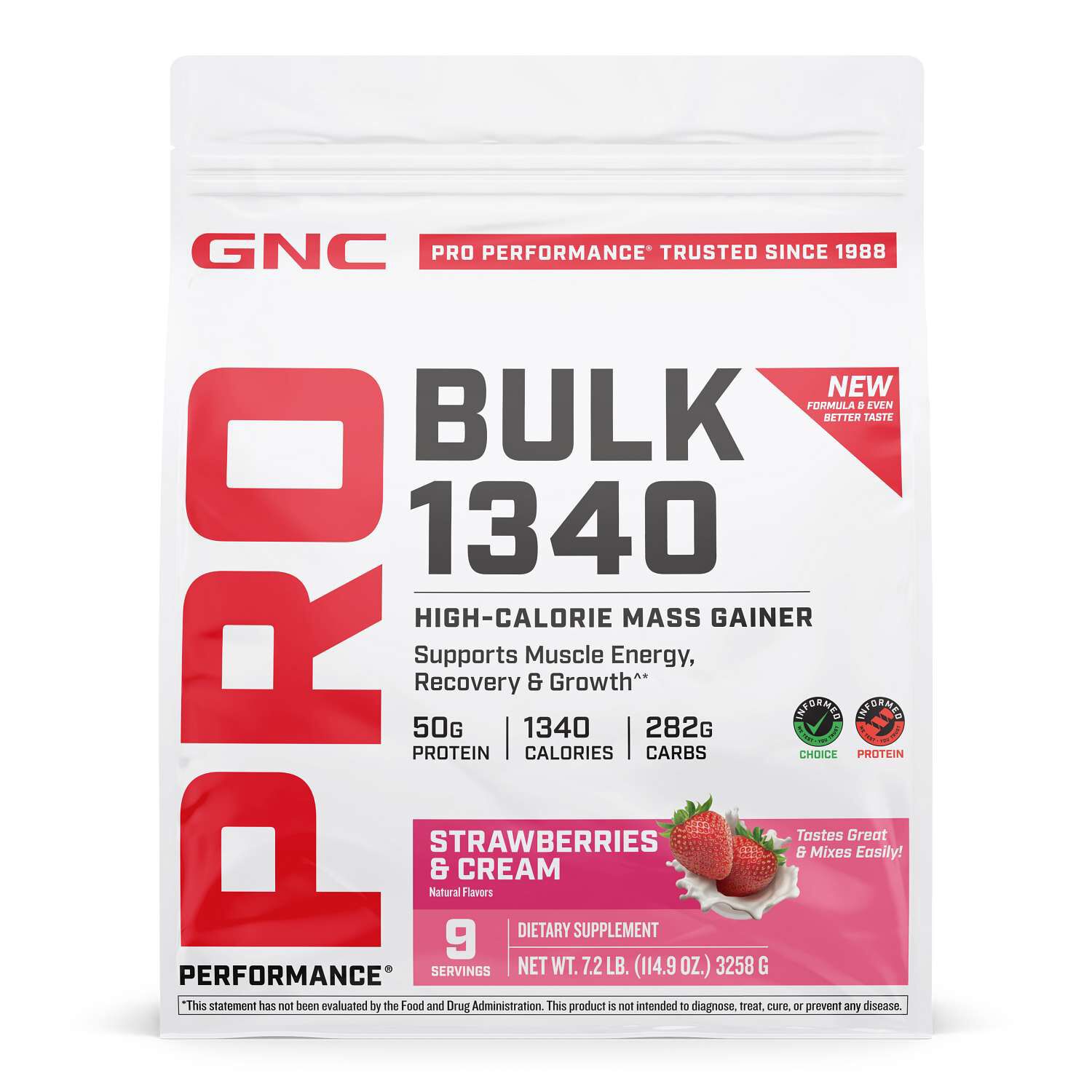
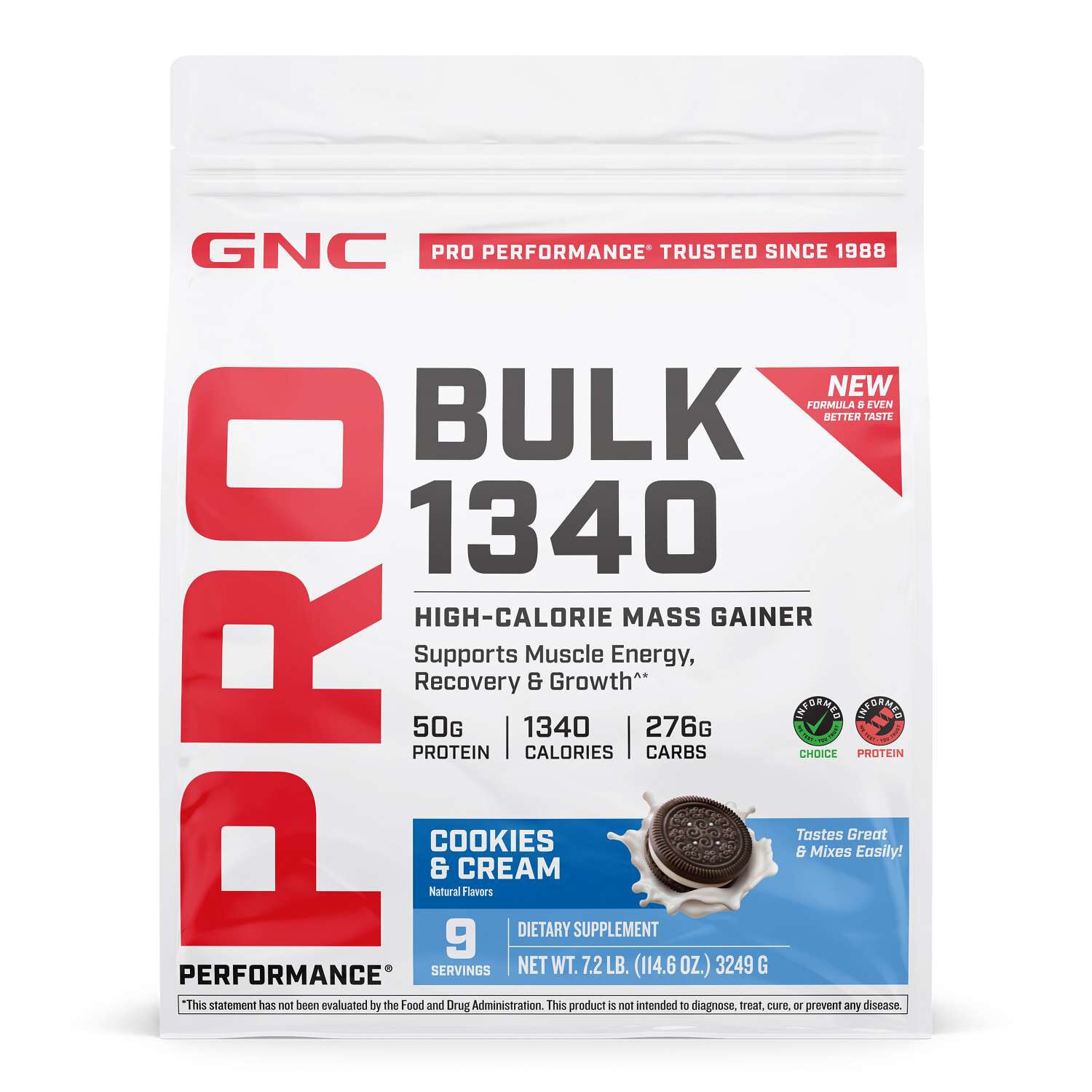
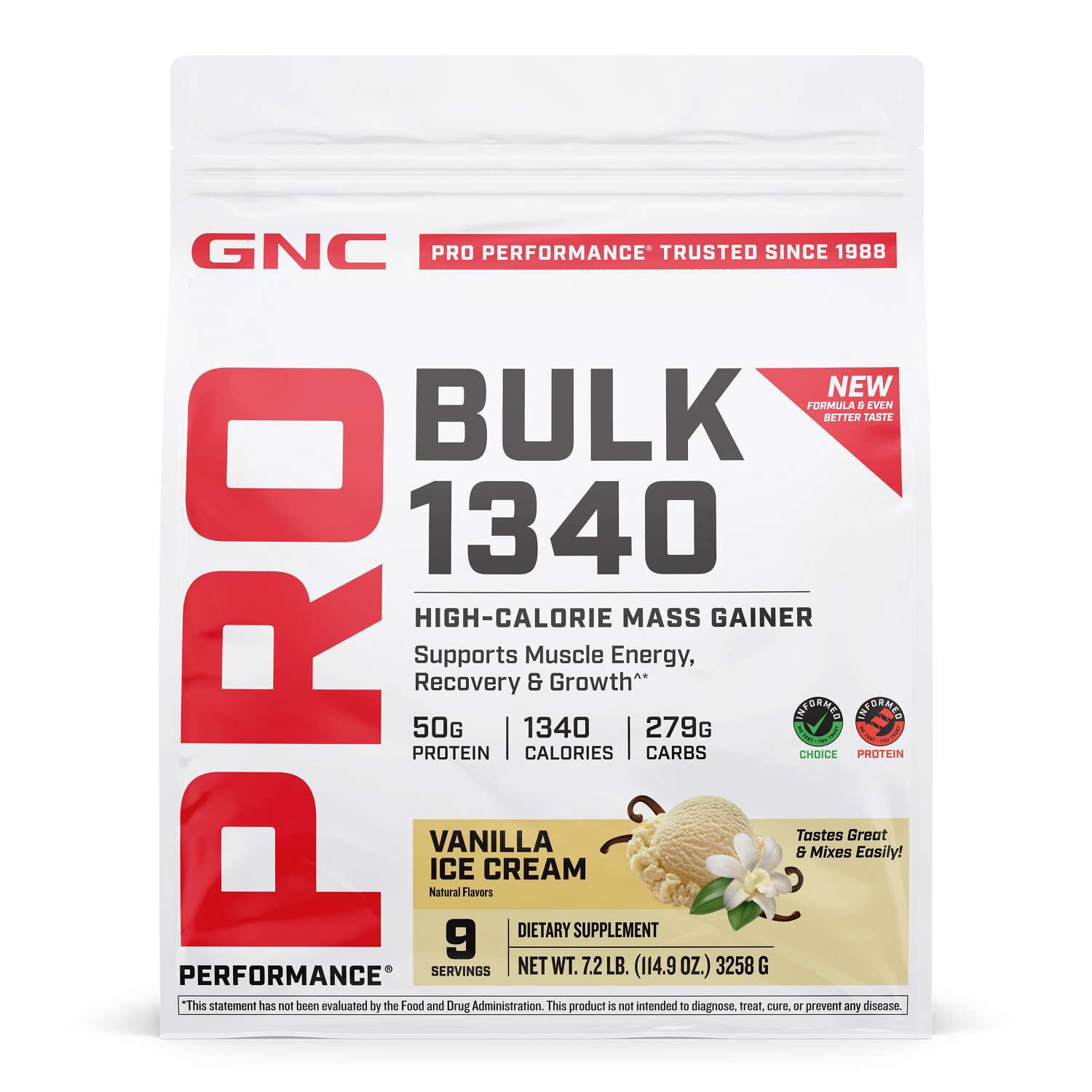
Casein protein powders for clean bulking are milk-derived options for adults who want a convenient way to add protein to a structured eating routine. Clean bulking generally describes a gradual approach to gaining body mass, with a modest calorie surplus, regular resistance training, and attention to the balance of everyday meals. The term does not identify a single ingredient standard or a particular formula. In this setting, casein powder may help fill a gap between protein from meals and an individual’s daily intake goals without requiring a large shake packed with additional ingredients. Casein is one of the main proteins in milk, and micellar casein is a common form used in these powders. Compared with whey, casein may be digested more gradually and may provide amino acids over a longer period. That characteristic makes it a consideration for people who prefer a shake between meals or as part of an evening eating routine. Alongside adequate food and resistance training, casein may support muscle maintenance and recovery after exercise. It is not a substitute for training, balanced meals, or consistent eating habits, and a particular serving time does not determine the outcome of a bulking routine. For someone whose day includes eggs at breakfast, a packed lunch, and dinner after the gym, a casein shake could serve as another protein-containing option rather than a replacement for those meals. The most useful comparison starts with the nutrition panel: grams of protein, serving size, calories, carbohydrates, and fat all describe how a powder fits into the broader menu. A smaller scoop is not necessarily a smaller serving by weight, so the listed gram measurement offers a clearer basis for comparing formulas. Plain casein powder and a blend containing added carbohydrate or fat also serve different purposes, even when both appear in a bulking-focused assortment.
Texture and flavor deserve as much attention as the front-label description, especially when a powder will be part of a routine several times a week. Many casein powders have a substantial, creamy consistency, with a thicker mouthfeel than a light, juice-like protein drink. Chocolate and vanilla are familiar choices for standalone shakes, while an unflavored formula offers a less pronounced starting point for recipes. Unflavored does not necessarily mean tasteless; a mild dairy note is still possible. Sweetener choices, cocoa, flavorings, gums, and other ingredients influence the character of a formula, so a short ingredient list and a preferred taste are separate considerations. Someone who enjoys a rich chocolate shake may favor a different option from someone stirring protein into oats with cinnamon and sliced banana. For clean bulking, the distinction between the powder and the finished serving matters. Water contributes no additional calories, while milk, yogurt, oats, fruit, and nut butter add their own protein, carbohydrates, or fat. Those additions may make a shake more substantial, but they also change how it fits alongside the rest of the day’s food. A simple powder offers room to vary those additions rather than committing to the same blend every time. The label also provides useful context beyond the protein number. Added sugars, sodium, ingredient sources, and declared allergens may influence a shopper’s preference. Casein is a milk-derived ingredient, not a plant-based protein, and lactose content varies by formula. A low lactose content does not change the protein’s milk origin. Formulas may also contain soy-derived ingredients or carry other allergen statements. For people buying protein powder as a gift for an adult training partner or family member, an established flavor preference and familiarity with that person’s dietary requirements are more useful than choosing by package size alone. A large container represents many servings, making everyday taste and ingredient suitability practical parts of the selection.
Preparation style is another meaningful difference among casein protein powders. A shaker bottle suits a straightforward drink, while a blender accommodates additions such as oats or nut butter. Because casein mixtures may become thicker as they stand, the same powder could suit either a drinkable shake or a spoonable snack, depending on the formula and the amount of liquid. Starting with the package’s mixing directions provides a useful reference for that particular powder; scoop sizes and suggested liquid amounts are not interchangeable across formulas. A person who drinks a shake on the way home from training may prefer a thinner consistency, while someone sitting down to an evening snack may enjoy a pudding-like texture. Powders stirred into yogurt or oatmeal may also change the thickness and flavor of the finished dish, so these uses have a different feel from drinking a shake. Recipe flexibility is valuable when eating routines repeat: vanilla with oats one day, cocoa and milk another, or an unflavored option alongside fruit. Practical packaging details matter over repeated use, too. A secure lid or resealable closure, a readable serving label, and storage directions that suit the kitchen are worth considering alongside flavor and nutrition. Following the labeled storage instructions, keeping the container closed between uses, and using a dry scoop are straightforward parts of handling a powdered food. A prepared shake has different storage requirements from the dry powder, particularly when mixed with milk or yogurt. Across the category, the strongest match is a formula whose protein content, taste, consistency, and preparation requirements fit the way someone actually eats. Related selections on Protein Powder for Winter Bulking offer another assortment to explore alongside casein-focused options. Whether the preference is a simple shake or a thicker snack, casein powder may provide a flexible addition to a food-first bulking routine built around regular meals and purposeful training.
Best Sellers


Related Pages


Top Collections
- Daily Collagen Supplements | Top Brands & Deals | GNC
- Cortisol Supplements
- Top Rated Collagen | Shop Customer Favorites | GNC
- Vitamins For Hair Loss
- NAD+ Supplement Tablets
- Peptide Supplements
- Best Brand of Magnesium Glycinate
- Protein Powders For Muscle Growth Support
- Vitamins That Help Support Weight Gain
- Peptide Supplements for Muscle Growth