





Protein Powder For Winter Bulking
(0 Results)
Protein powder for winter bulking could be a convenient addition to your seasonal fitness routine. As temperatures drop and workout goals shift toward building mass, many athletes and fitness enthusiasts look for ways to support their nutrition plans. Explore a variety of protein powders that may help you meet your daily intake needs during the colder months, so you can focus on making the most of your winter training sessions.
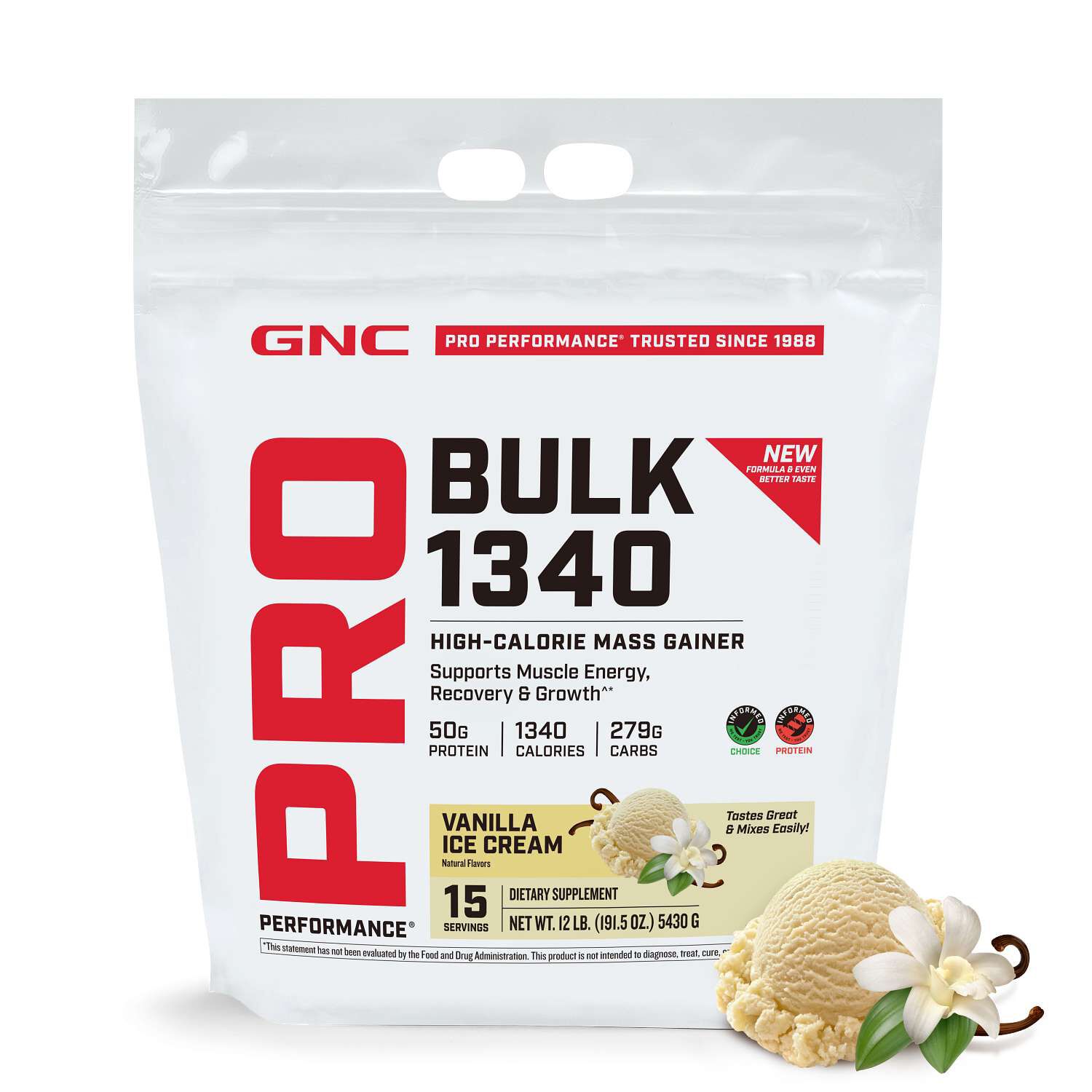
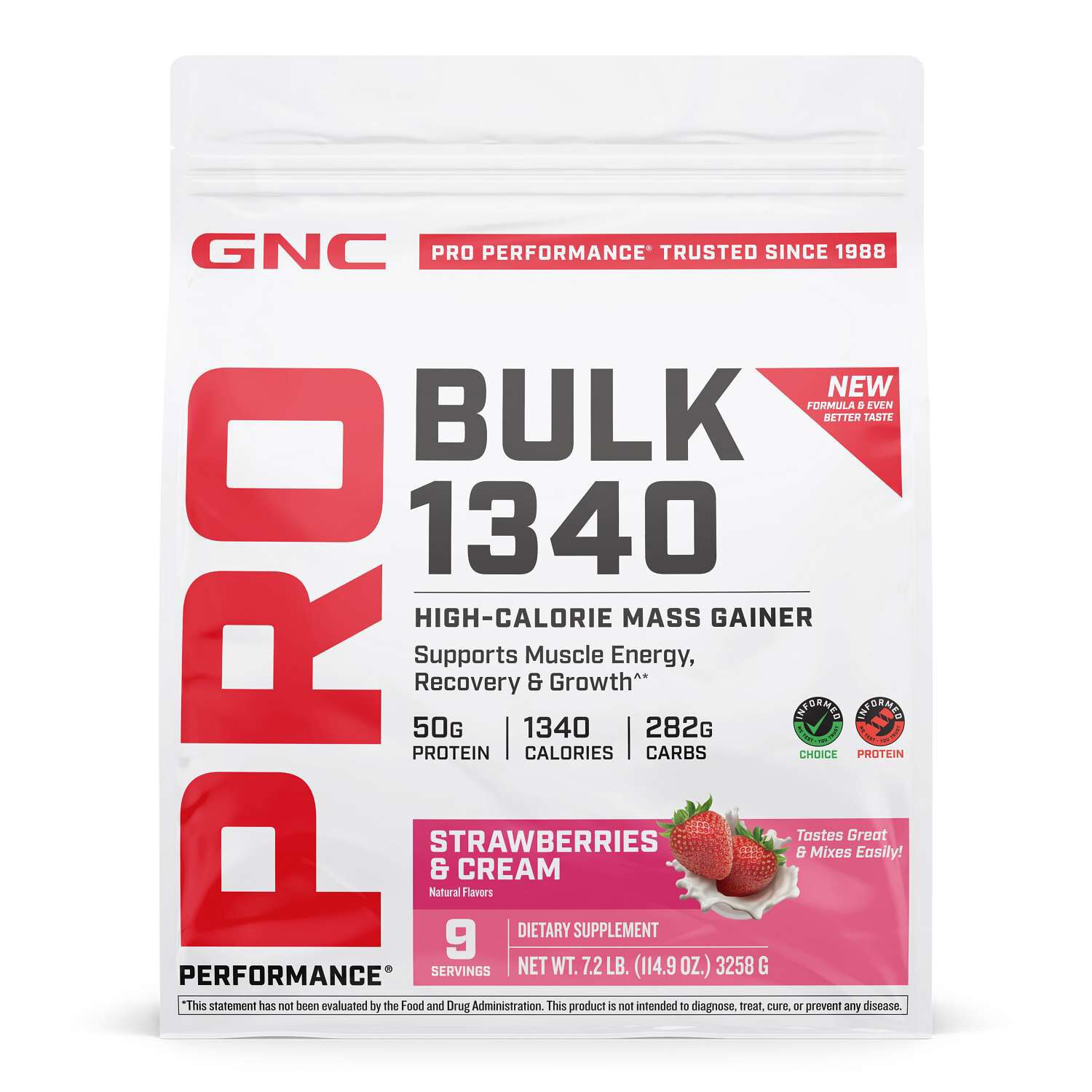
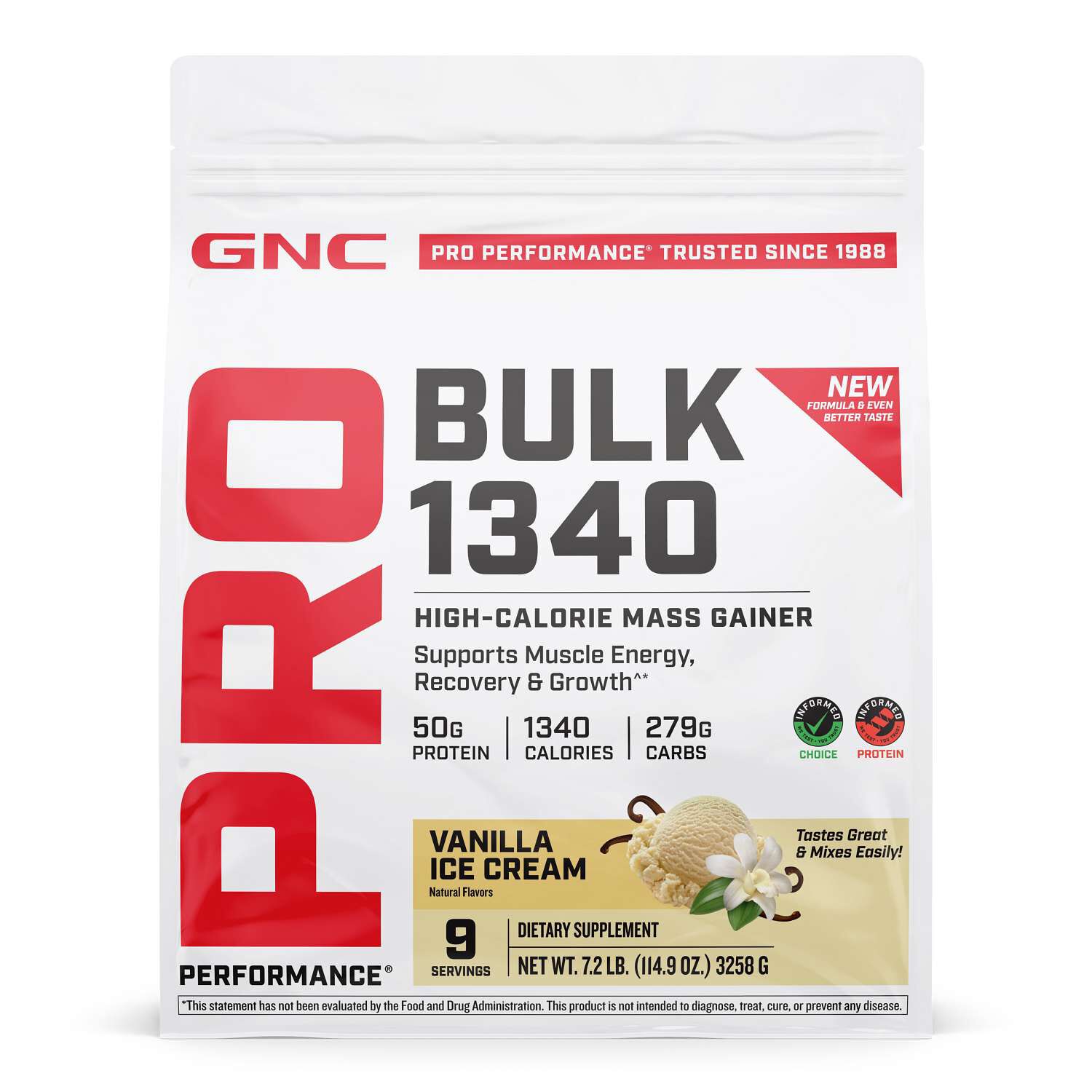
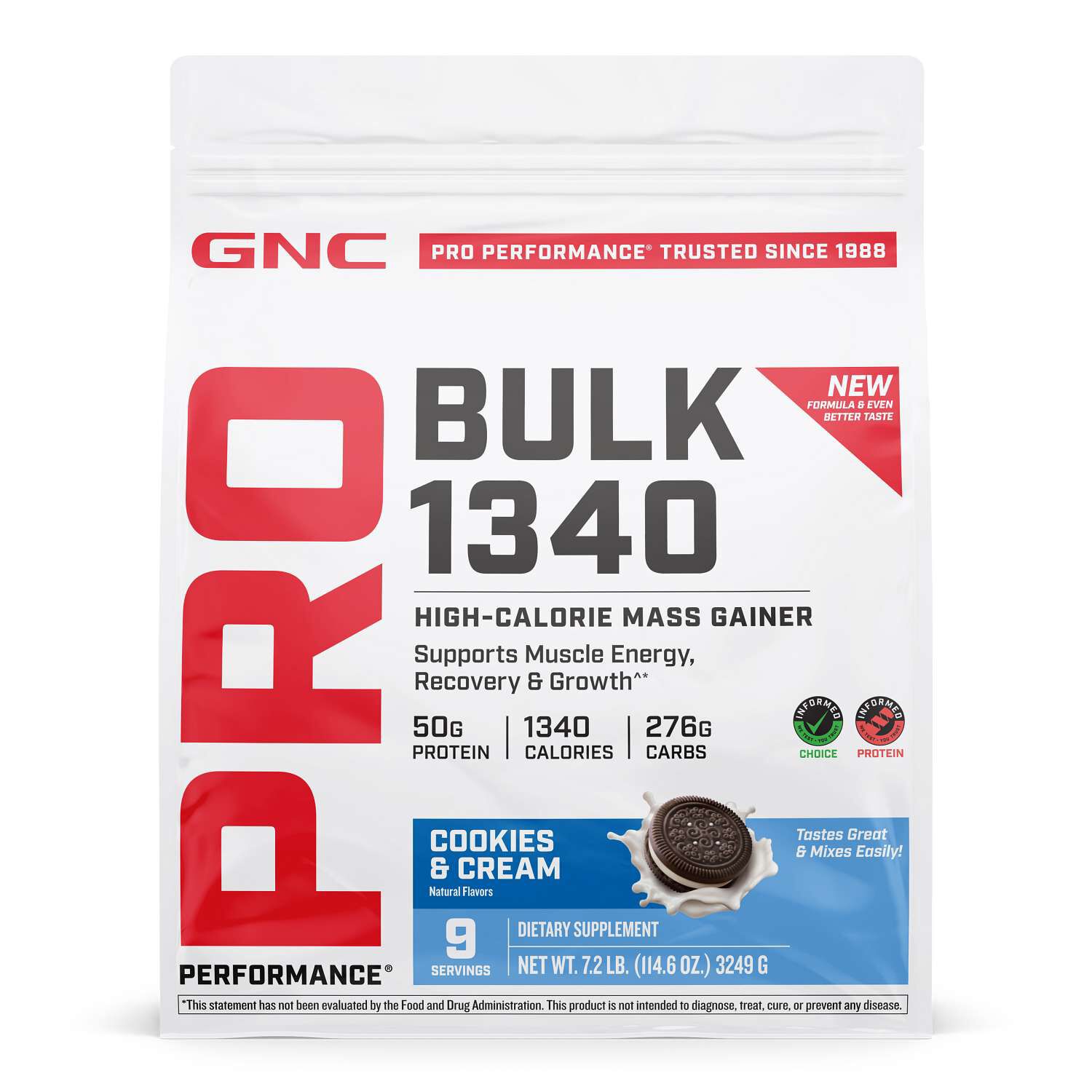


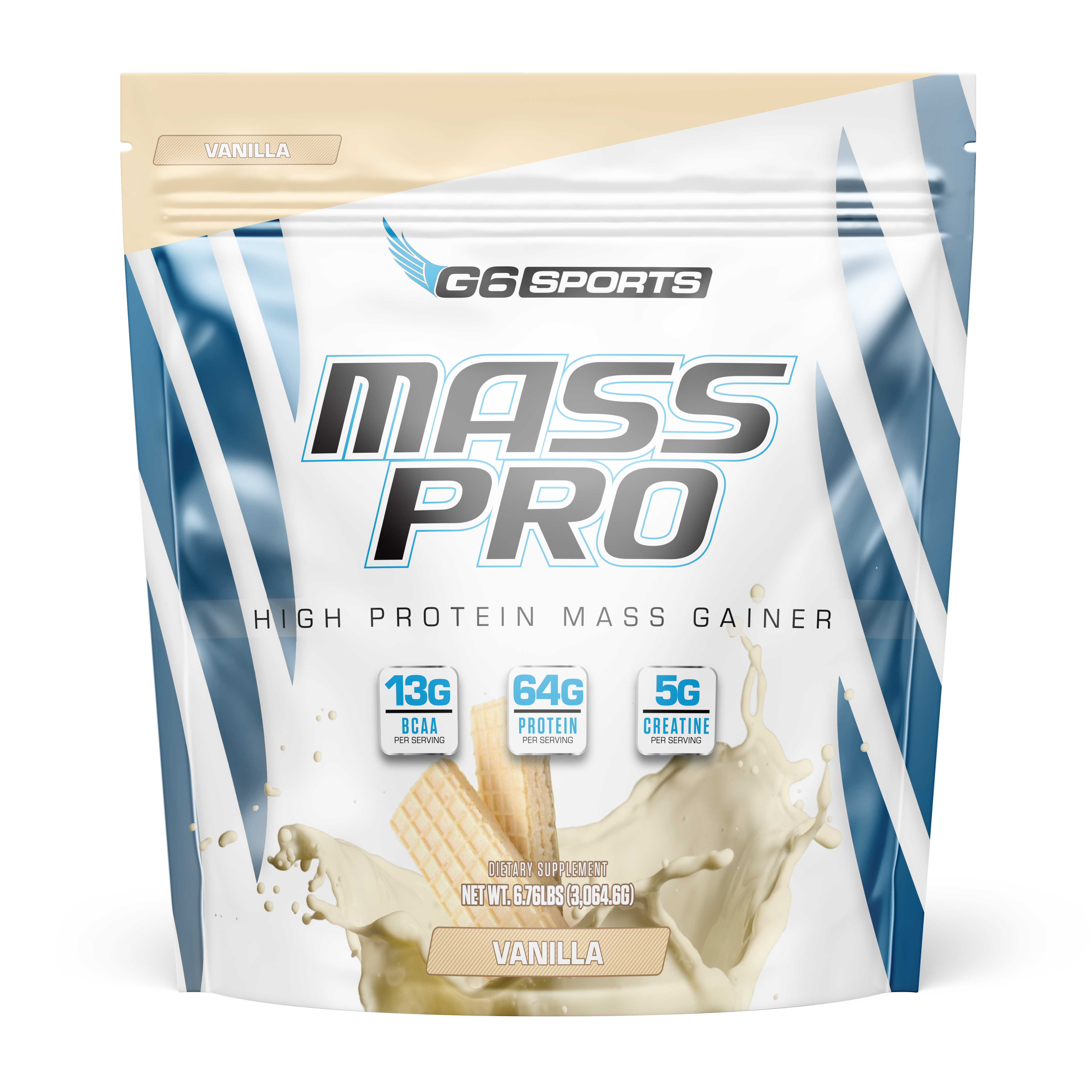
Protein powder for winter bulking fits a season when indoor training, hearty meals, and a more settled routine often share the same calendar. In fitness, bulking generally describes a period of eating more calories than the body uses while following a resistance-training program, with muscle gain as the goal. Protein powders may support that approach by offering another way to include protein alongside everyday meals, but the category covers several different formats. Standard protein powders emphasize protein, while mass gainers typically combine protein with larger amounts of carbohydrates and sometimes added fats. That distinction matters when comparing a shake intended to accompany breakfast with a larger drink intended to contribute a substantial portion of a day’s food intake. A mass gainer may suit someone who prefers a premixed combination of these nutrients, while a standard powder may suit someone who wants to choose the other ingredients separately. Neither format defines a winter bulk on its own; the surrounding meals, training habits, and intended use remain important context. During the cooler months, that use might look like a shake packed beside lunch for an evening gym visit or a thick smoothie blended at home after a morning workout. Powdered formats also offer flexibility in portioning and preparation, with label directions providing the reference for each formula. When comparing nutrition panels, the serving size deserves as much attention as the protein amount. One serving might mean a single scoop for one formula and several scoops for another, so a scoop-to-scoop comparison can be misleading. Calories, protein, carbohydrates, fats, and the number of servings in the container give a clearer picture of what each option contains. For shoppers building a consistent seasonal routine, those practical details may make it easier to choose a powder that fits the way they already eat rather than redesigning every meal around a shake.
The protein source is another useful distinction within winter bulking powders. Whey concentrate and whey isolate both come from milk, but their composition differs: isolate generally contains a higher proportion of protein by weight and less lactose and fat than concentrate. Exact amounts depend on the formula, and isolate is still a milk-derived ingredient. Casein is another milk protein used in powders, often with a thicker consistency when mixed. Plant-based options can include pea, rice, soy, or blends of different sources, giving shoppers alternatives that align with a preference for plant ingredients. Amino acid composition varies by source and blend, so the ingredient list and any amino acid information on the package offer more detail than the front label alone. Milk, soy, and other allergen declarations also matter when choosing a powder for personal use or for someone else. Beyond the protein source, formulas can differ in sweeteners, flavorings, carbohydrate ingredients, added fats, and ingredients used for texture. A short ingredient list is not automatically a better fit than a longer one; the useful comparison is whether the contents match the intended drink and the shopper’s preferences. Someone mixing powder with water in a shaker bottle may prefer a lighter consistency, while someone blending it with oats and nut butter may enjoy a denser texture. Chocolate can pair with banana and peanut butter, vanilla works with cinnamon and oats, and an unflavored option leaves more of the taste to the other ingredients. Flavor intensity matters over repeated servings, especially when the same powder becomes part of breakfast several days a week. Powders described as rich or dessert-inspired may taste quite different in water than in milk. Mixing directions, suggested liquid amounts, and the ingredient panel provide useful clues about the finished drink, though personal preferences for sweetness and thickness will vary. These everyday qualities deserve consideration alongside the nutrition numbers because preparation and taste are part of using the product regularly.
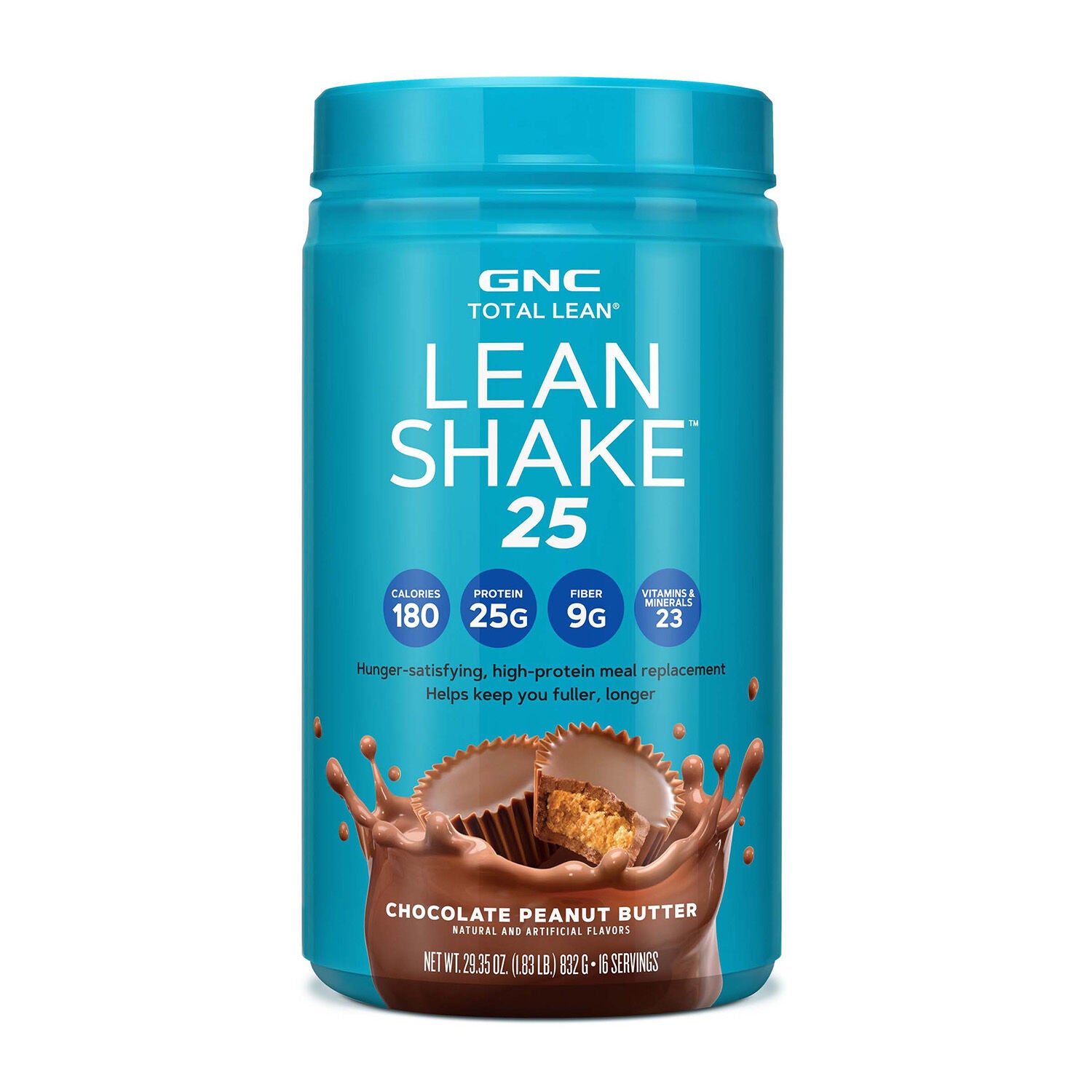
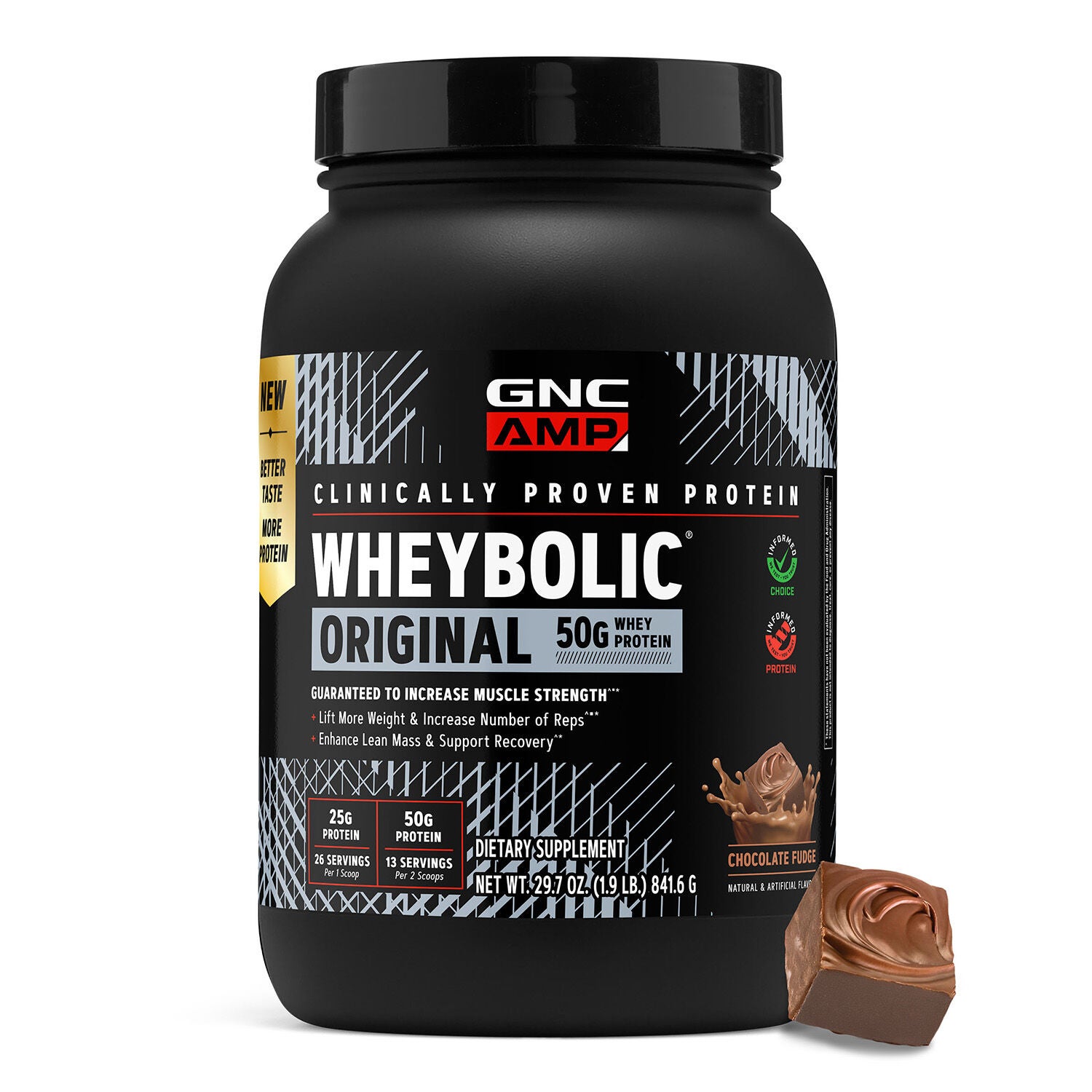
A standard protein powder also leaves room to vary a shake’s calorie content through familiar foods. Milk contributes its own protein, carbohydrates, and fats, with amounts that vary by type; plant-based beverages differ considerably, so their labels matter too. Oats, bananas, yogurt, and nut butter each bring different textures and nutrients to a blend. A vanilla shake with oats and almond butter has a different consistency from chocolate powder shaken with water, even when both start with the same amount of powder. For a winter bulking routine, that flexibility may help accommodate different meals and schedules without requiring every drink to be equally large or rich. A blender is useful for combinations with fruit, oats, or thick spreads, while a shaker bottle suits simpler powder-and-liquid mixtures. Adding liquid first often makes mixing easier, but the package directions remain the best reference for the formula’s suggested preparation. For shoppers comparing powder-based drinks with other shake formats, Protein Shakes for Winter Nutrition offers a related category to consider within a cooler-weather routine. Storage and cleanup are less glamorous than flavor, yet they matter for everyday use. Keep powder in its original, tightly closed container, follow the labeled storage directions, and use a clean, dry scoop. A cool, dry cupboard is generally a more suitable spot than a damp area beside the stove or a gym bag left in a car. Check the package date and avoid assuming that every formula has the same storage life. Wash mixing bottles and blender parts after use according to their care instructions, especially around lids and seals where residue can collect. If protein powder is being considered as a gift for a regular gymgoer, knowing their preferred protein source, flavor, and ingredient requirements is more useful than choosing by container size. Whether the setting is a kitchen counter before work or a packed bag for an indoor training session, a well-matched powder may offer a practical addition to an established eating routine throughout the cooler months.
Best Sellers
-
 GNC Pro Performance
 -
 GNC Pro Performance
 -
 GNC Pro Performance
 -
 GNC Pro Performance
Related Pages


Top Collections
- Daily Collagen Supplements | Top Brands & Deals | GNC
- Cortisol Supplements
- Top Rated Collagen | Shop Customer Favorites | GNC
- Vitamins For Hair Loss
- NAD+ Supplement Tablets
- Peptide Supplements
- Best Brand of Magnesium Glycinate
- Protein Powders For Muscle Growth Support
- Vitamins That Help Support Weight Gain
- Peptide Supplements for Muscle Growth