





Whey Protein Powders For Clean Bulking
(0 Results)
Fuel your fitness journey with whey protein powders for clean bulking, designed to support your goals in building lean muscle while maintaining a balanced approach. With a focus on high-quality ingredients and optimal nutrition, these options may fit seamlessly into your routine as you work toward increased strength and size. Discover choices that could complement your workouts and help you stay on track with your clean bulking plan.
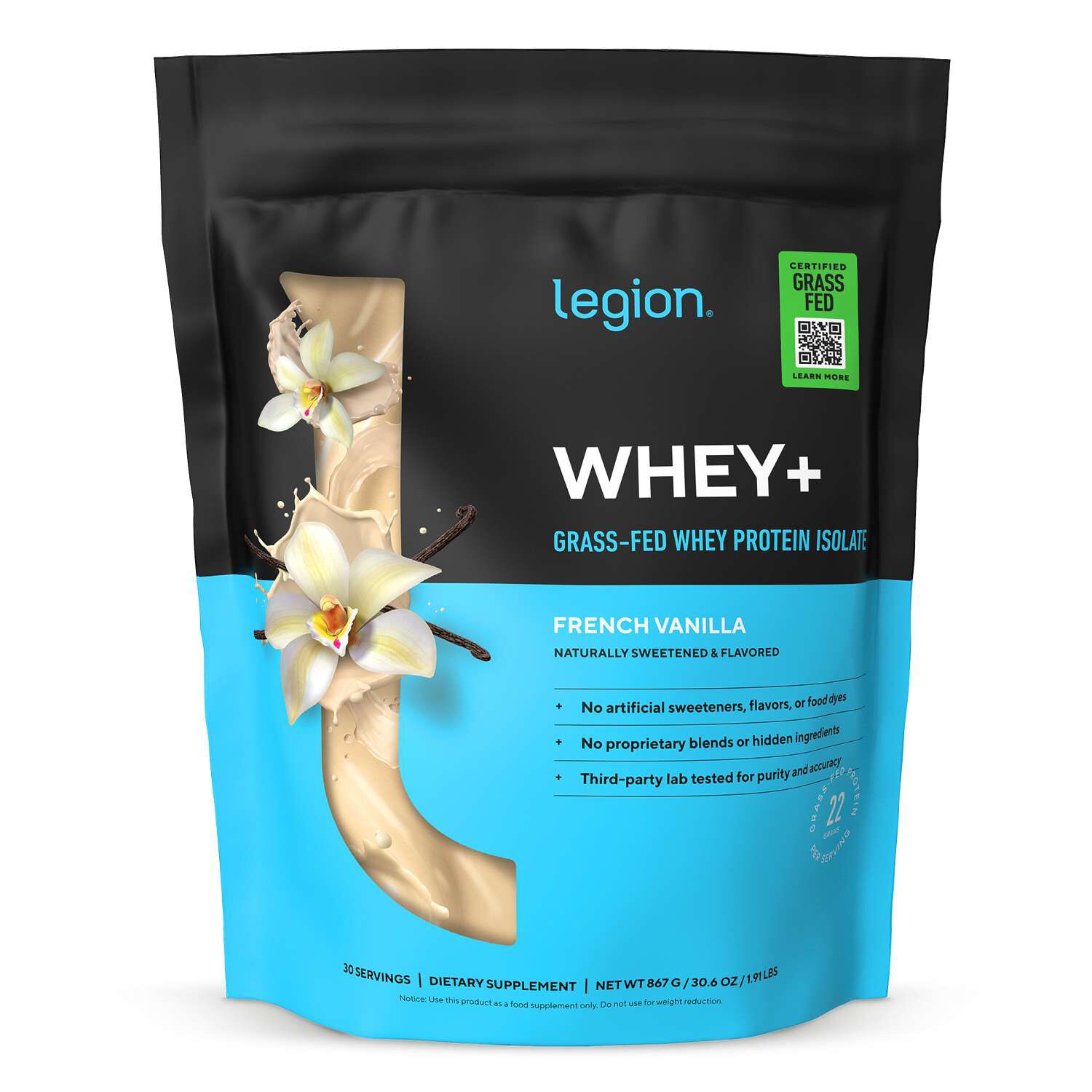
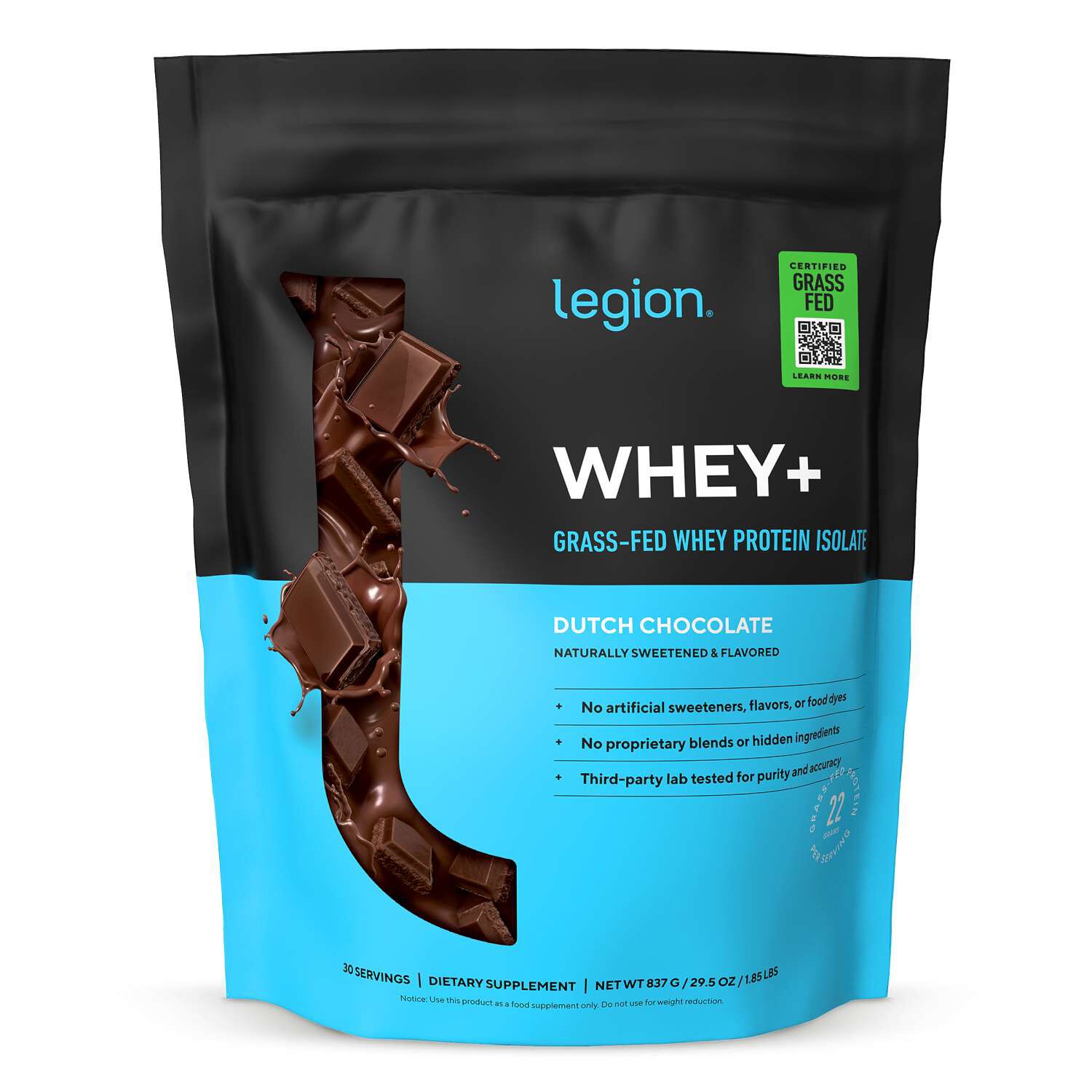

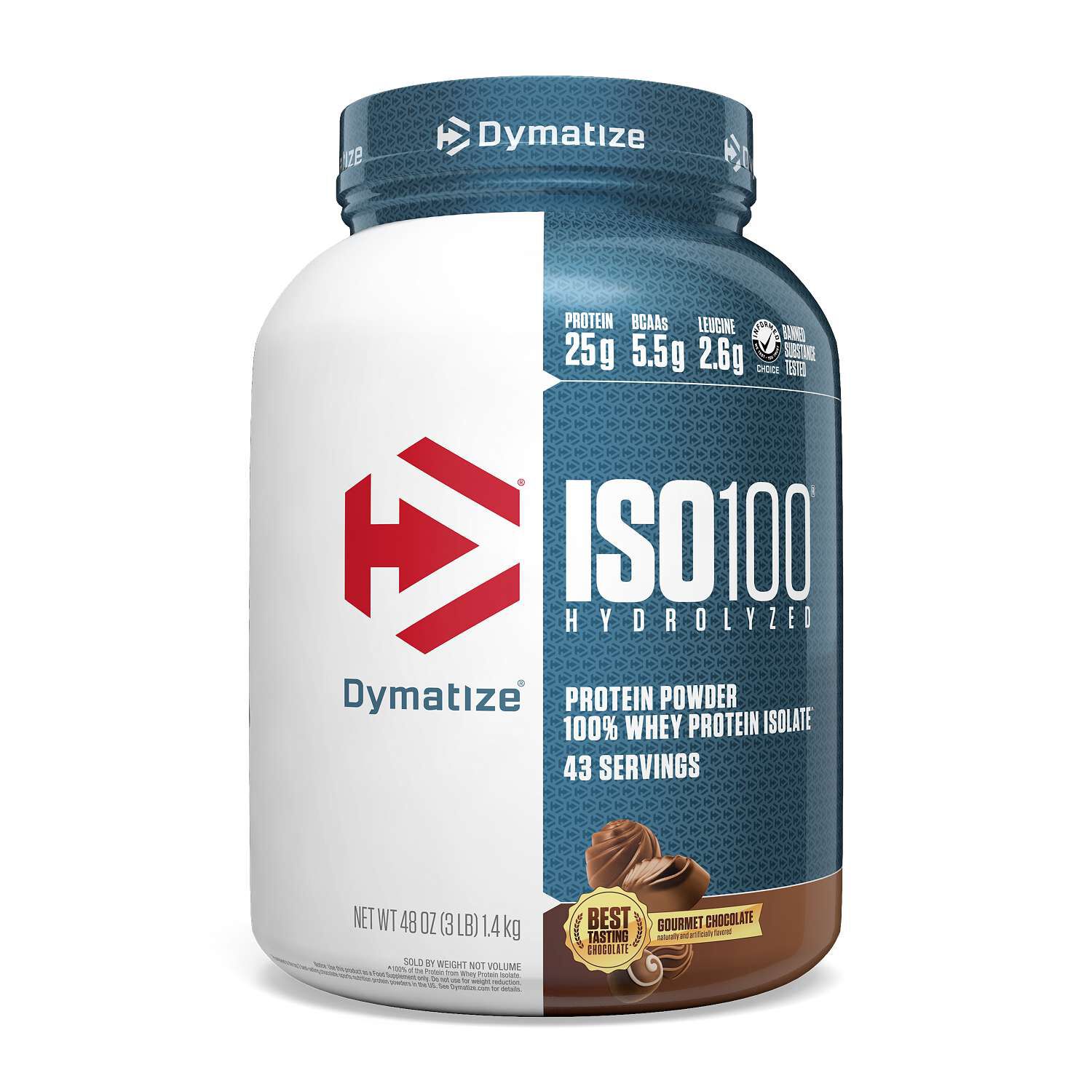
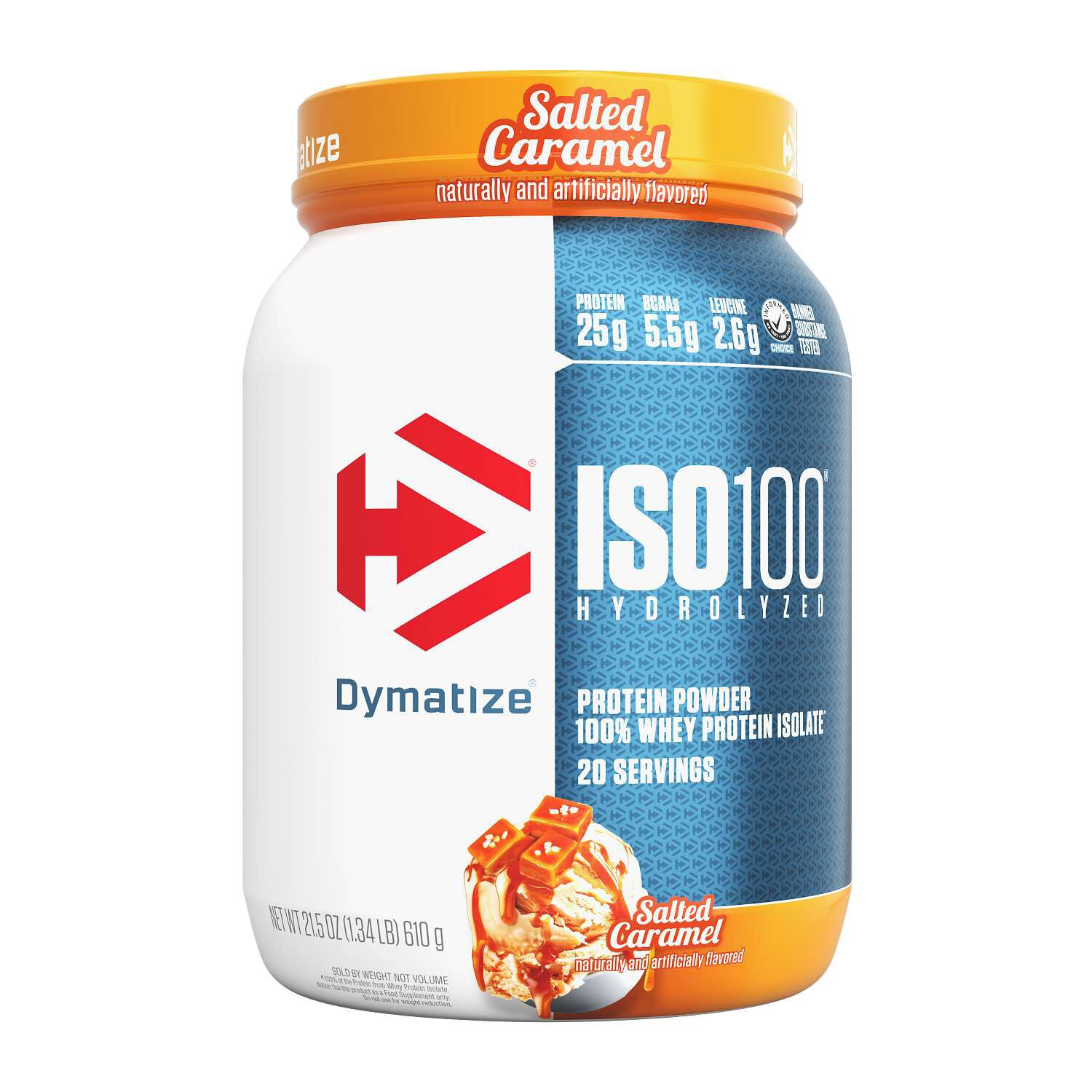


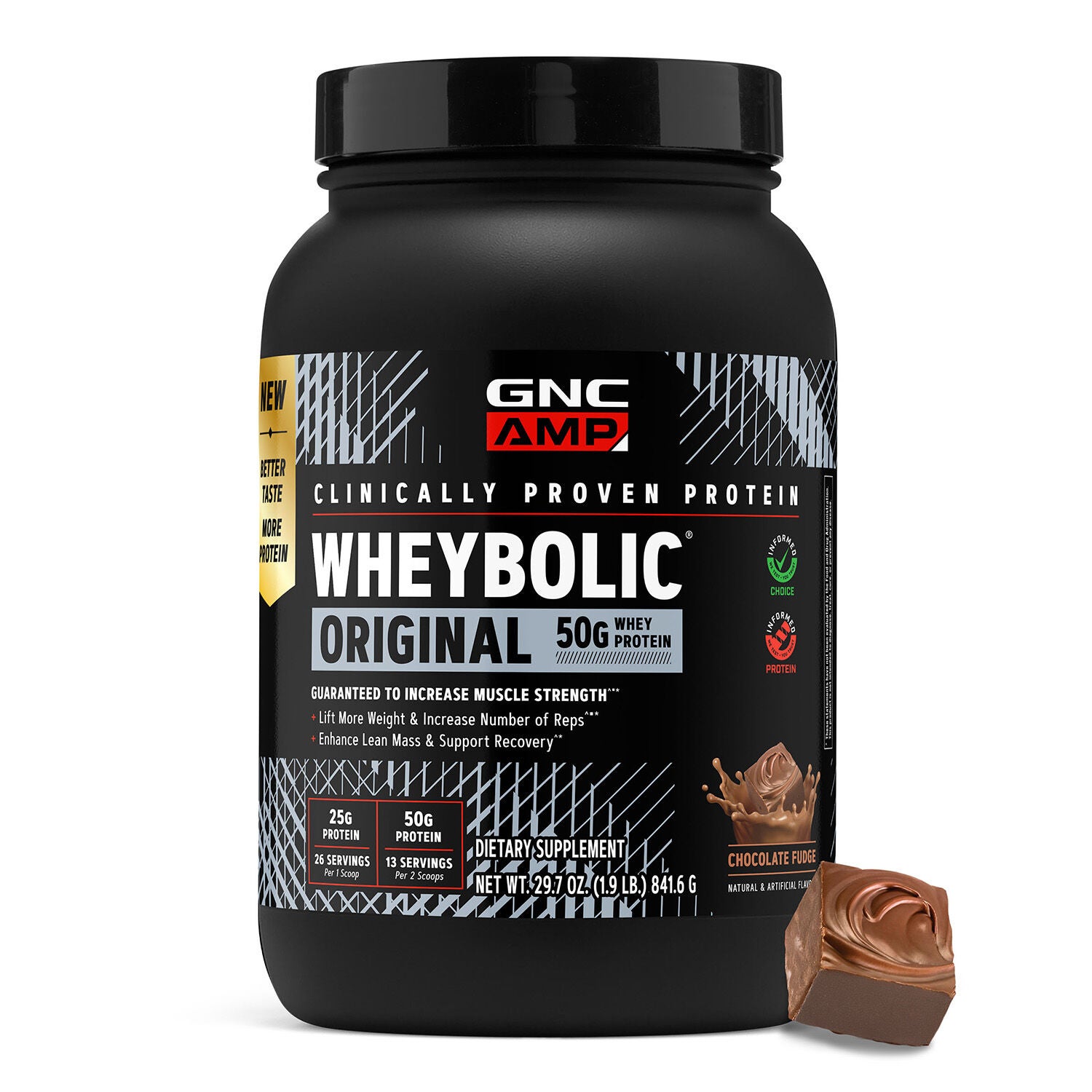

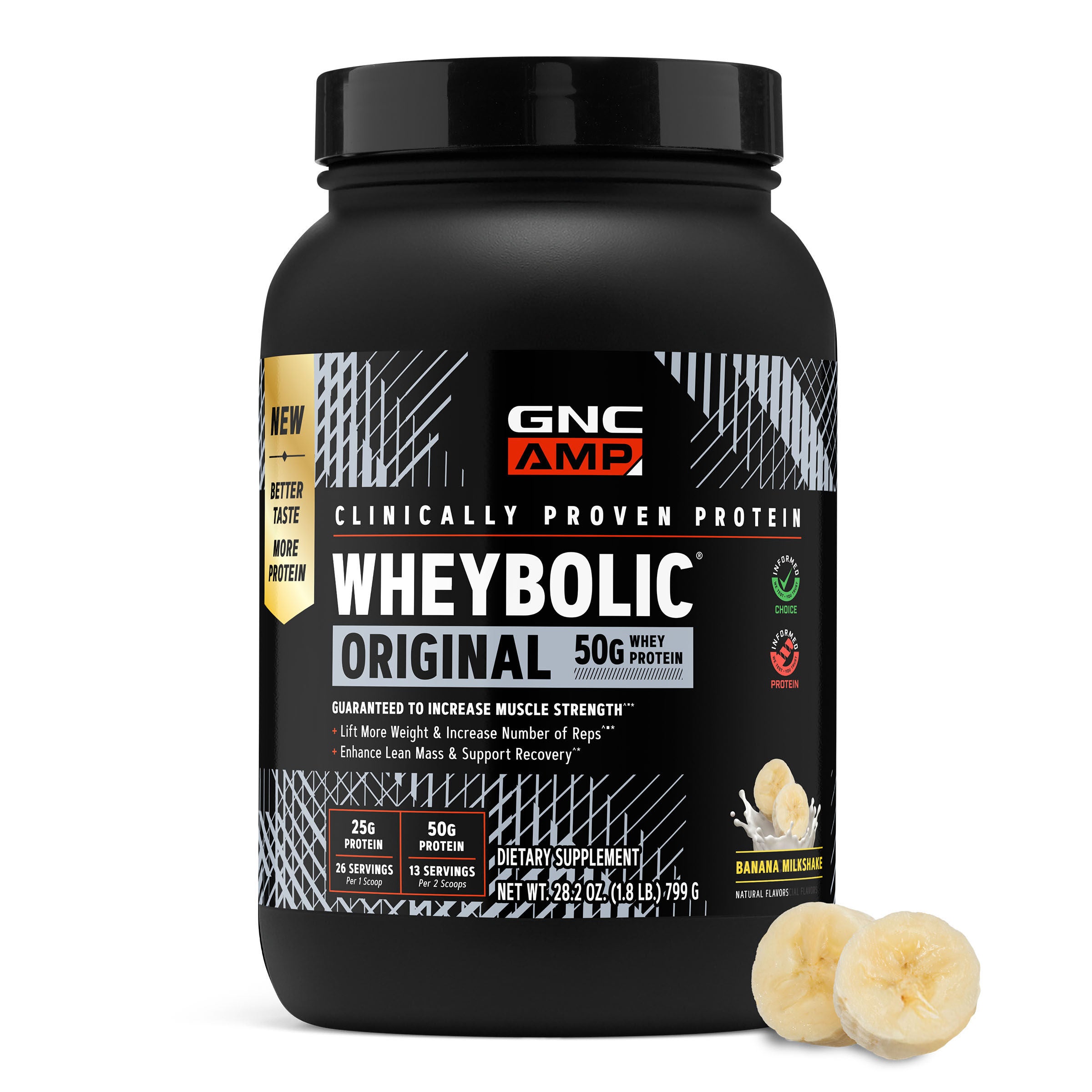


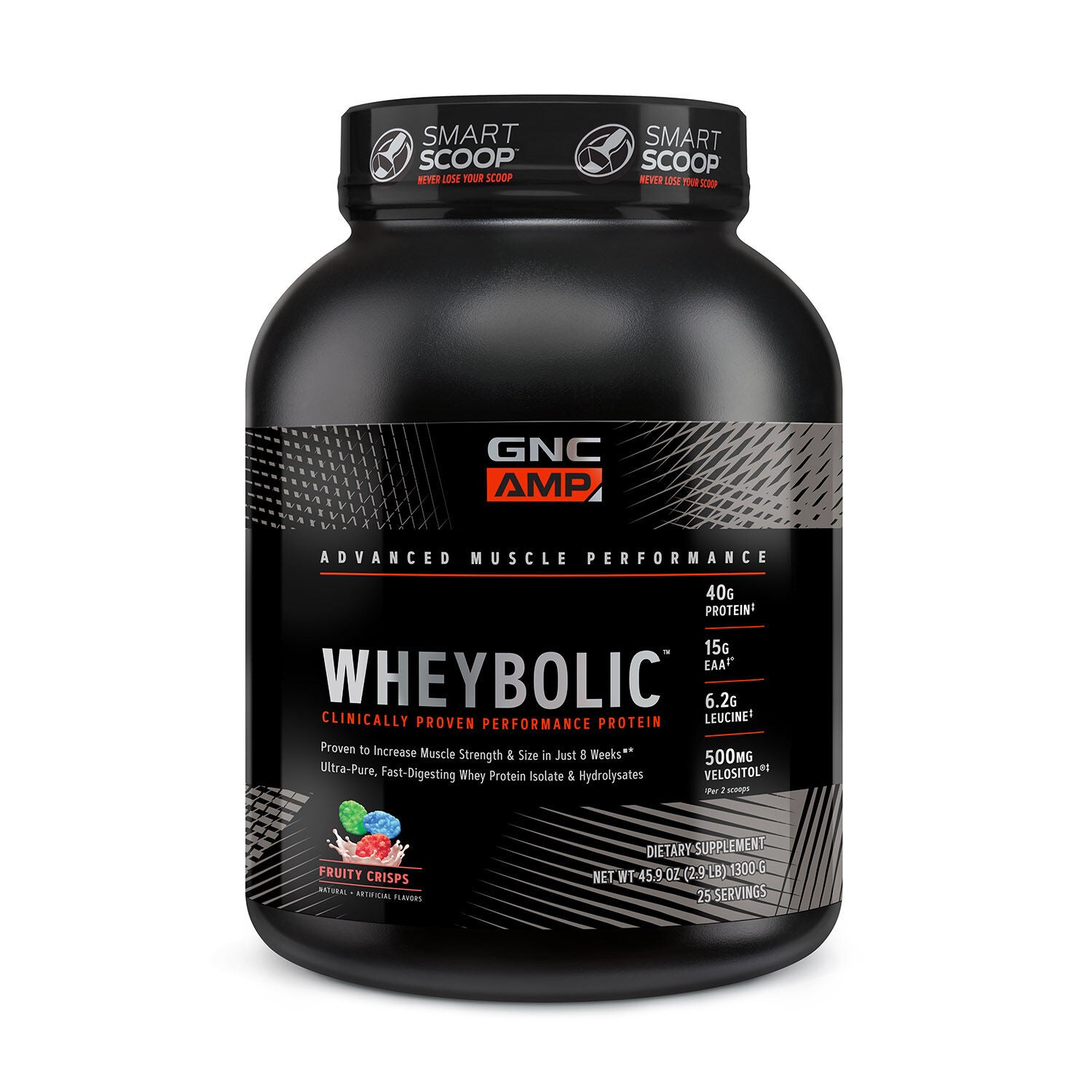
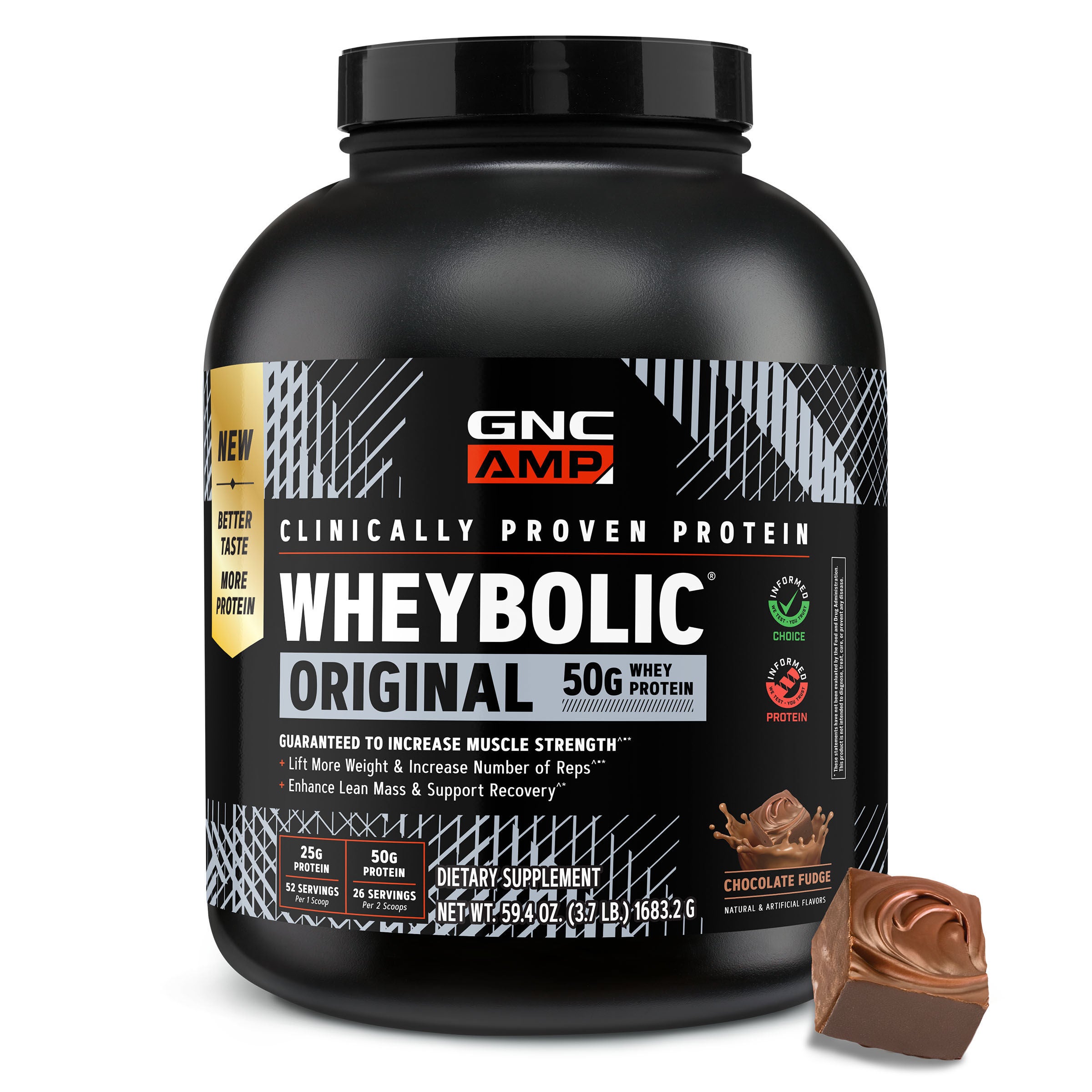
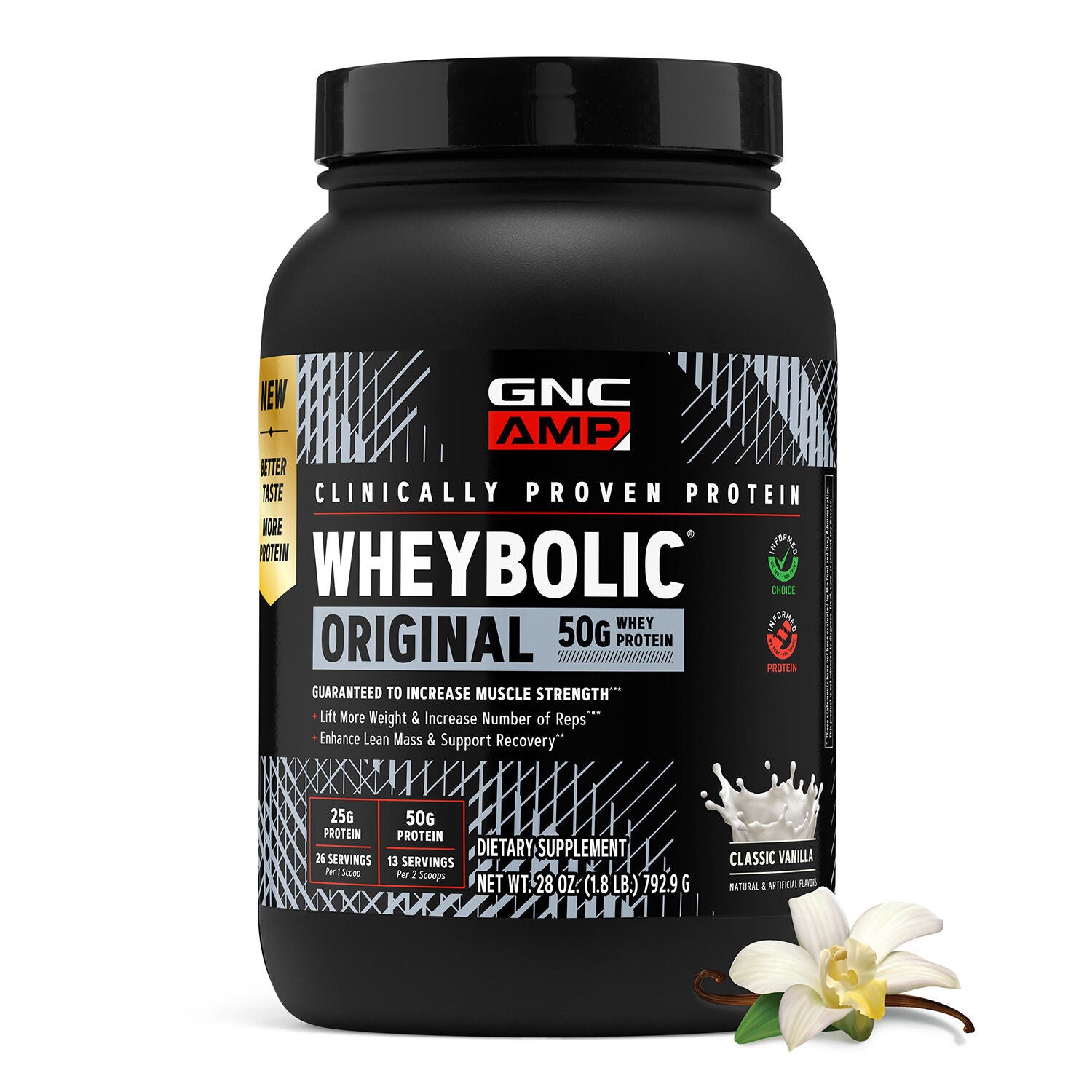
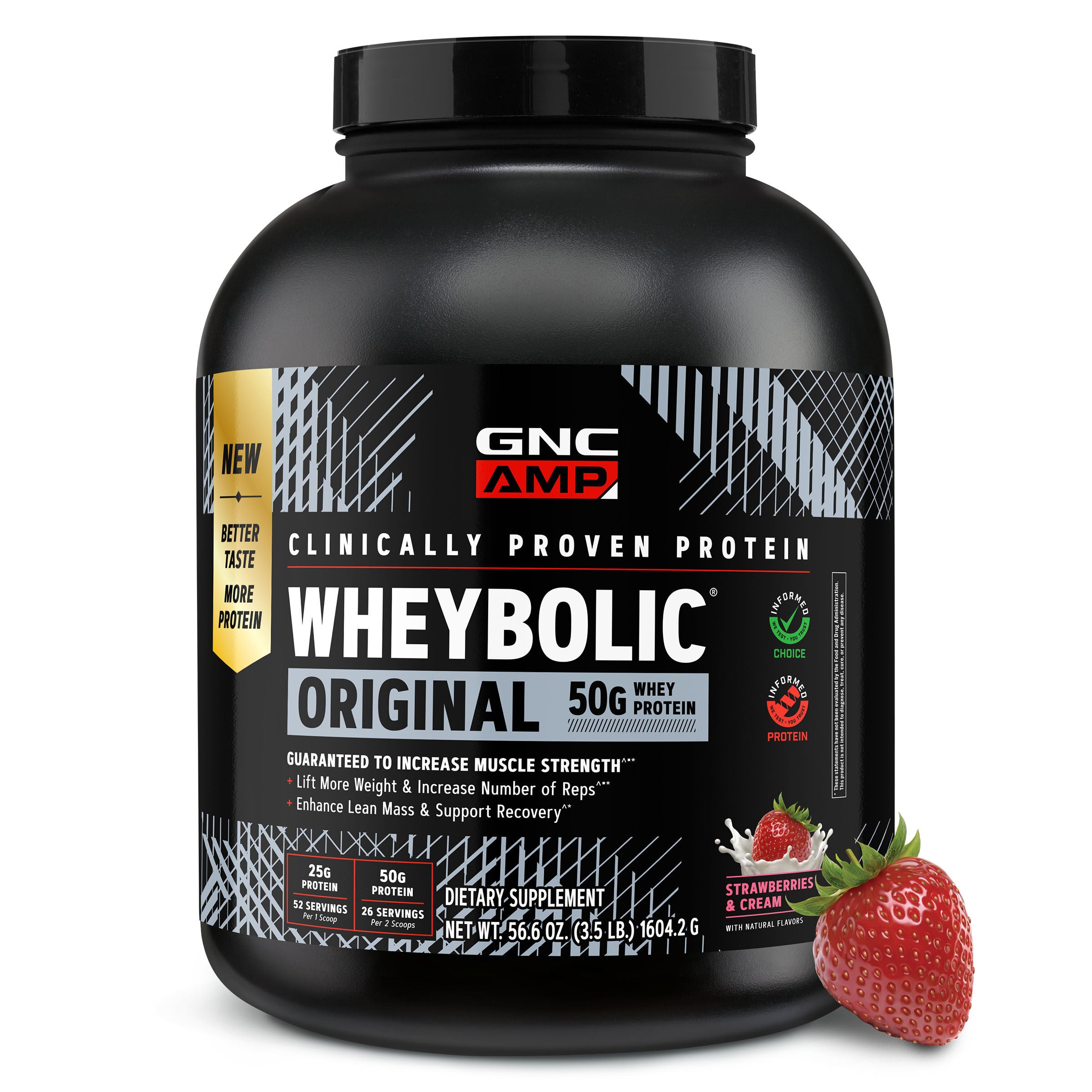

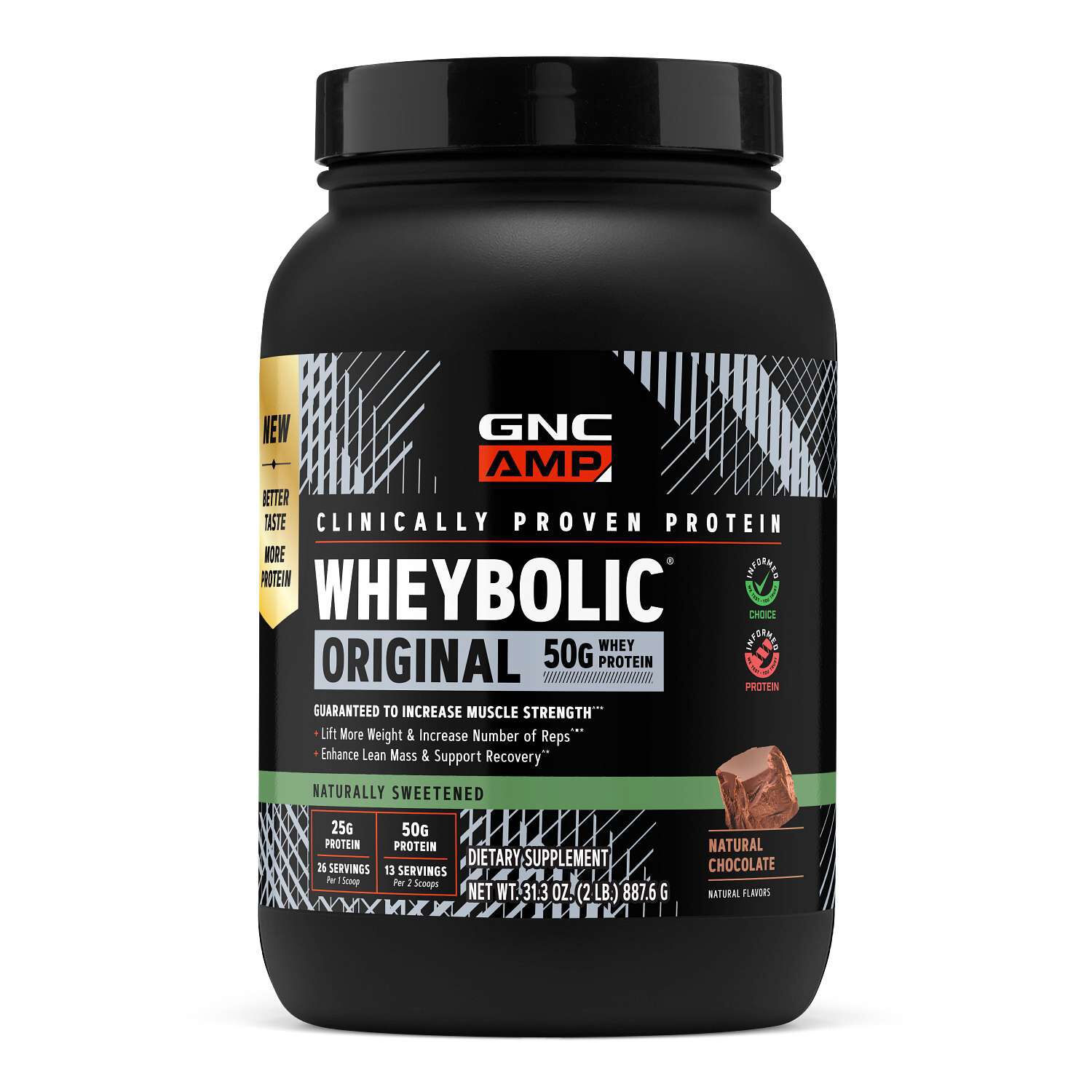


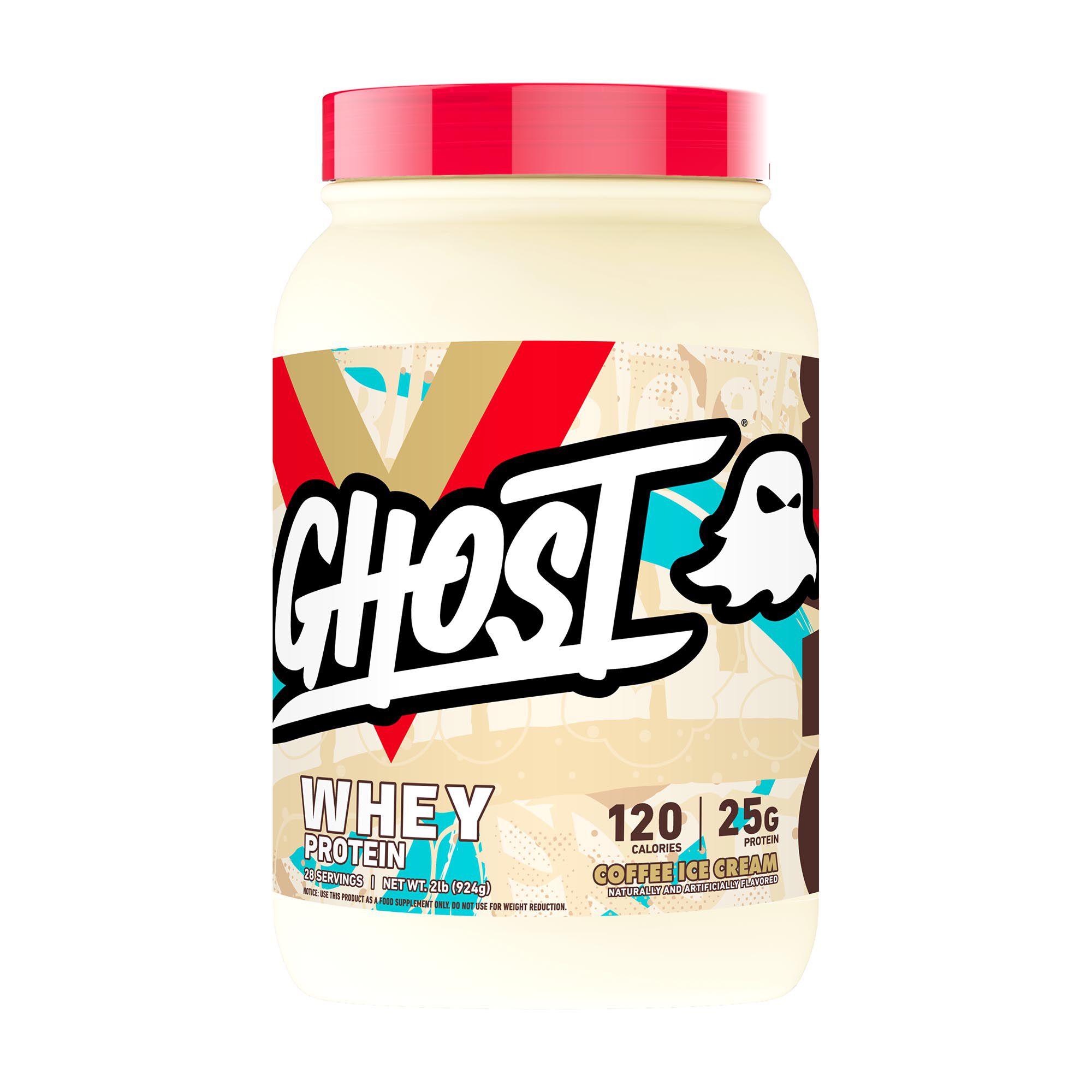
Whey protein powders for clean bulking pair concentrated dairy protein with serving options that fit a deliberate approach to eating and strength training. In fitness settings, clean bulking generally describes working toward muscle gain with a modest calorie surplus rather than simply adding as much food as possible. “Clean” is not a standardized category for protein powder, so the nutrition panel and ingredient list tell a more useful story than the wording on the front of a container. Whey comes from milk and contains all nine amino acids that the body cannot make on its own. Alongside resistance training and adequate food intake, whey protein may support muscle development and recovery after exercise. The main formats include whey protein concentrate, whey protein isolate, and blends of the two. Isolate undergoes additional processing to remove more of the fat and lactose, and it typically contains a higher proportion of protein by weight than concentrate. Concentrate generally retains more milk carbohydrates and fat, although the differences in a finished powder depend on the recipe. A blend combines protein sources in proportions that vary by formula. For shoppers comparing powders for a lean mass phase, protein grams, calories, carbohydrates, fat, and serving size provide a practical starting point. Many whey powders contain approximately 20 to 30 grams of protein per serving, but the label—not the size of the scoop—is the reference for an individual formula. A larger scoop does not necessarily mean a more concentrated source of protein. Comparing equal serving weights or the amount of protein relative to calories gives more context than comparing scoop counts alone. Isolate may suit someone who wants a protein-focused shake with relatively little carbohydrate or fat, while concentrate may fit a routine that leaves room for those nutrients. Neither format defines the quality of an entire eating pattern, and the powder is only one part of the meals, snacks, and training habits surrounding it.
Ingredient preferences and everyday taste matter just as much as the protein source when choosing a powder for repeated use. A short ingredient list is straightforward to review, but a longer list does not automatically make a formula unsuitable for clean bulking. Cocoa, flavorings, sweeteners, lecithin, and thickening ingredients each have different roles in the finished powder. Lecithin is commonly included to help powder disperse in liquid, while gums contribute thickness and texture. Some shoppers prefer unsweetened, unflavored whey for flexibility; others want a chocolate or vanilla shake that needs little preparation beyond a shaker bottle and cold water. Unflavored does not mean tasteless, since whey can have a mild dairy flavor that remains noticeable in simple recipes. Sweetened powders also vary considerably in sweetness, aroma, and aftertaste. A flavor that tastes balanced in water can seem richer in milk or quite sweet when blended with a ripe banana. For someone making the same afternoon shake several days in a row, those details deserve attention. The ingredient list also identifies the sweetener source and any added colors or other ingredients a shopper may prefer to leave out. Whey remains a milk-derived ingredient even when it is processed into isolate; a lower lactose content does not make it a nondairy protein. Shoppers avoiding milk ingredients need a different protein category. Mixing preferences offer another useful distinction. Concentrate often has a creamy character, while isolate formulas can range from light to thick depending on their other ingredients. Water keeps the finished shake closer to the powder’s listed nutrition, whereas milk, oats, fruit, or nut butter change its calorie and nutrient content. A banana-and-oat shake after an evening lifting session is a different serving from whey stirred into water before the commute home. Both illustrate why the nutrition of the prepared drink matters alongside the numbers printed on the container. For a more restrained calorie addition, a simple mixture may fit better than a recipe with several energy-dense ingredients.
The most suitable whey protein powder for clean bulking also fits the less glamorous parts of a routine: measuring, mixing, carrying, and storing it. Someone with an early workout may value a powder that is easy to prepare in a shaker, while someone eating breakfast at home may prefer a flavor suited to yogurt, oatmeal, or a blended drink. Adding powder gradually and using the liquid amount suggested on the label may produce a more consistent texture than packing a bottle with several scoops at once. Oatmeal and other warm foods often work better when the powder is mixed with a little cool liquid first, then stirred in after cooking, though texture varies by formula. Serving measurements deserve the same attention as preparation. Scoops differ in volume, and a heaped scoop can contain more powder than the stated serving; the gram weight on the label is the clearest comparison point across formulas. Packaging matters for frequent use, too. A secure lid or resealable closure, legible preparation directions, and a container that fits the pantry shelf are practical details worth considering. Powder belongs in a cool, dry place with the container closed between uses and a clean, dry scoop kept away from moisture. A tub left in a damp gym bag or a hot car is not a substitute for the storage conditions on its label. For travel or long workdays, a measured portion carried separately from liquid allows mixing closer to the time it will be used. During the cooler months, familiar flavors and simple preparation may make a protein routine easier to accommodate around changing schedules. Shoppers comparing a more focused seasonal selection can also explore Whey Protein Isolates for Holiday Bulking. Across everyday and seasonal routines, the meaningful distinctions remain the protein source, serving nutrition, ingredients, flavor, and intended preparation. Those details connect the powder to its actual use, whether that is a quick shake after lifting, a protein addition to breakfast, or a measured ingredient in an afternoon snack.
Best Sellers


Related Pages

Top Collections
- Daily Collagen Supplements | Top Brands & Deals | GNC
- Cortisol Supplements
- Top Rated Collagen | Shop Customer Favorites | GNC
- Vitamins For Hair Loss
- NAD+ Supplement Tablets
- Peptide Supplements
- Best Brand of Magnesium Glycinate
- Protein Powders For Muscle Growth Support
- Vitamins That Help Support Weight Gain
- Peptide Supplements for Muscle Growth