





Whey Protein Isolates For Holiday Bulking
(0 Results)
Fuel your seasonal fitness goals with whey protein isolates for holiday bulking. Whether you're aiming to support muscle growth or simply want to increase your daily protein intake, these premium options might be a convenient addition to your nutrition plan. Explore a wide variety of flavors and formulations designed to fit seamlessly into your routine as you focus on making the most of your holiday workouts.
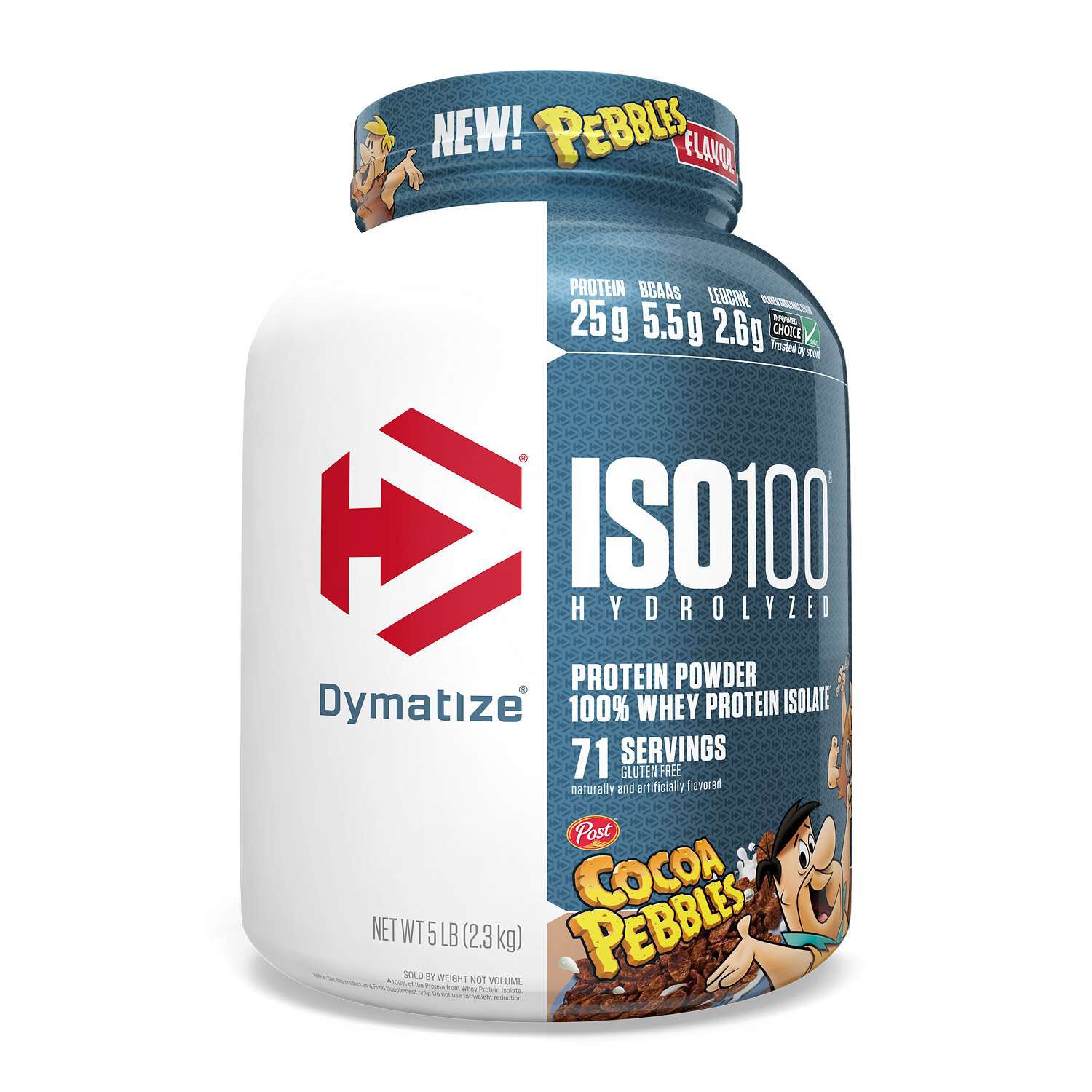
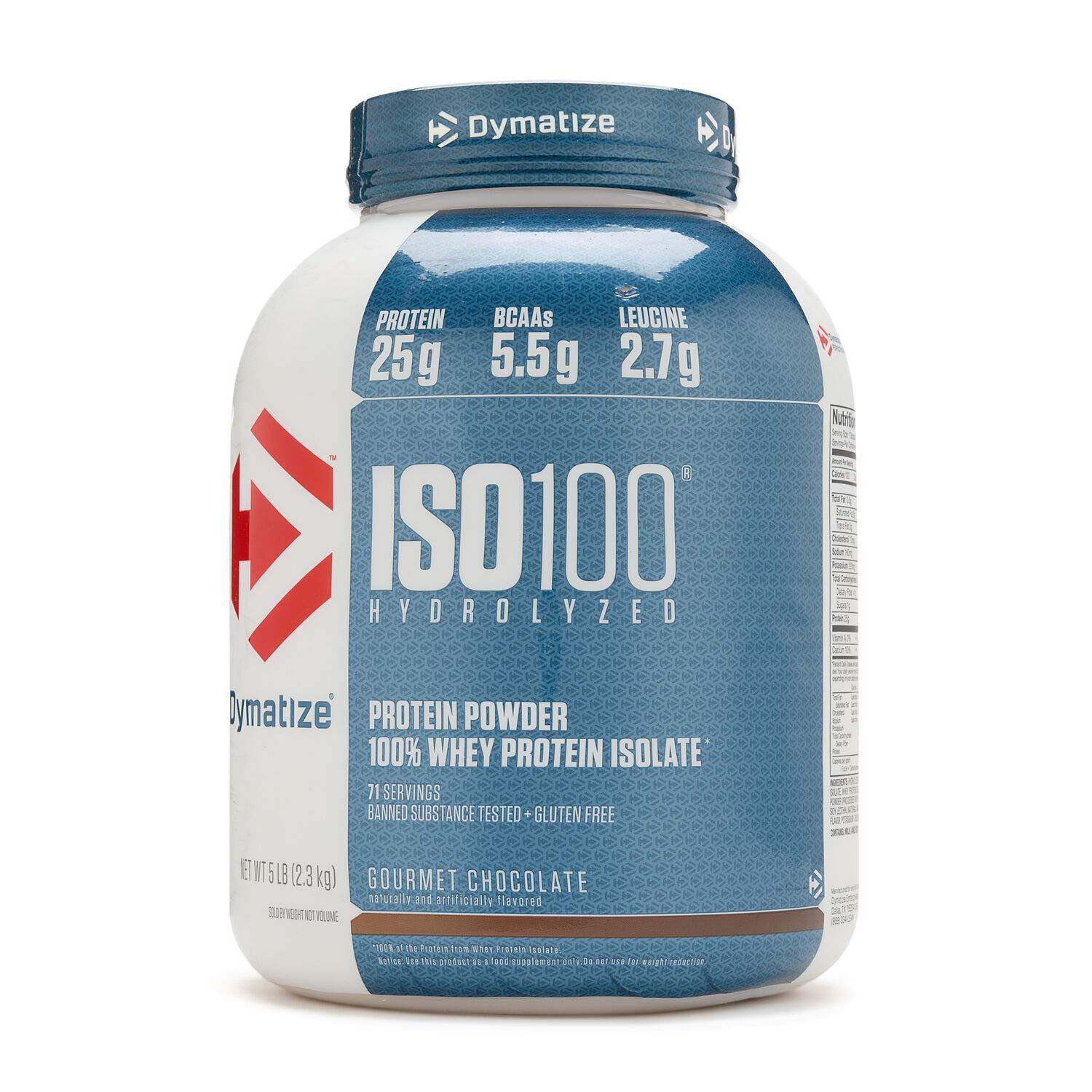
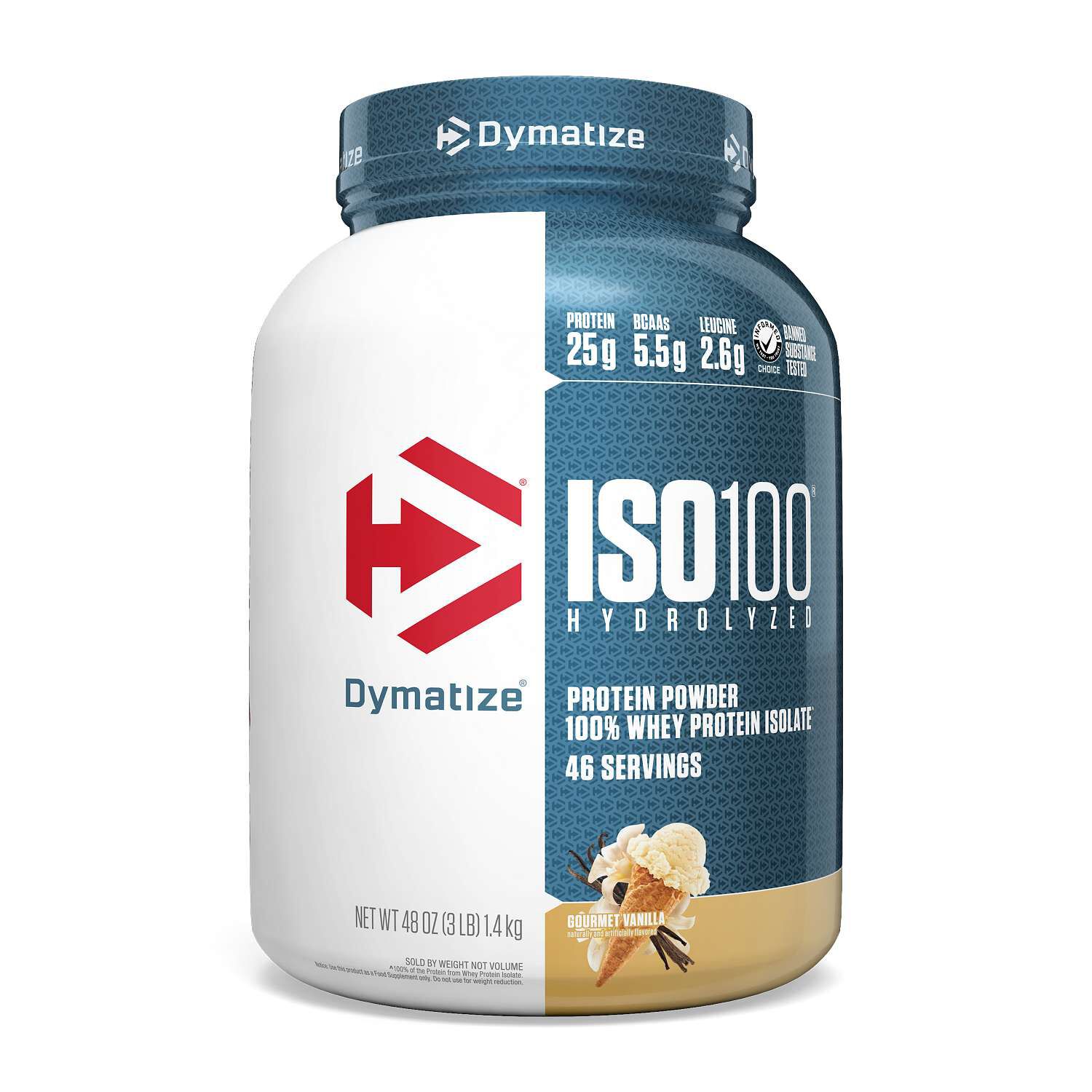

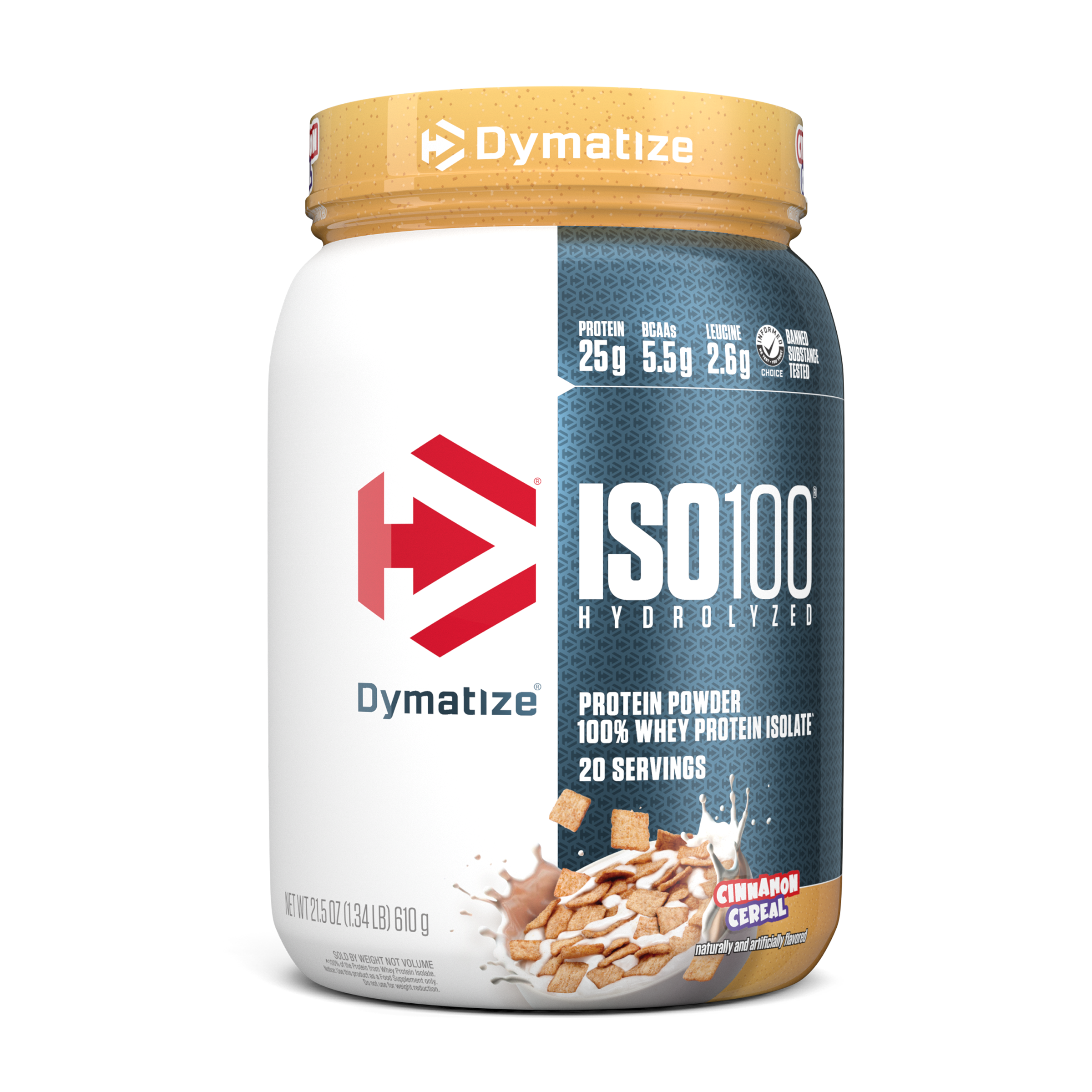

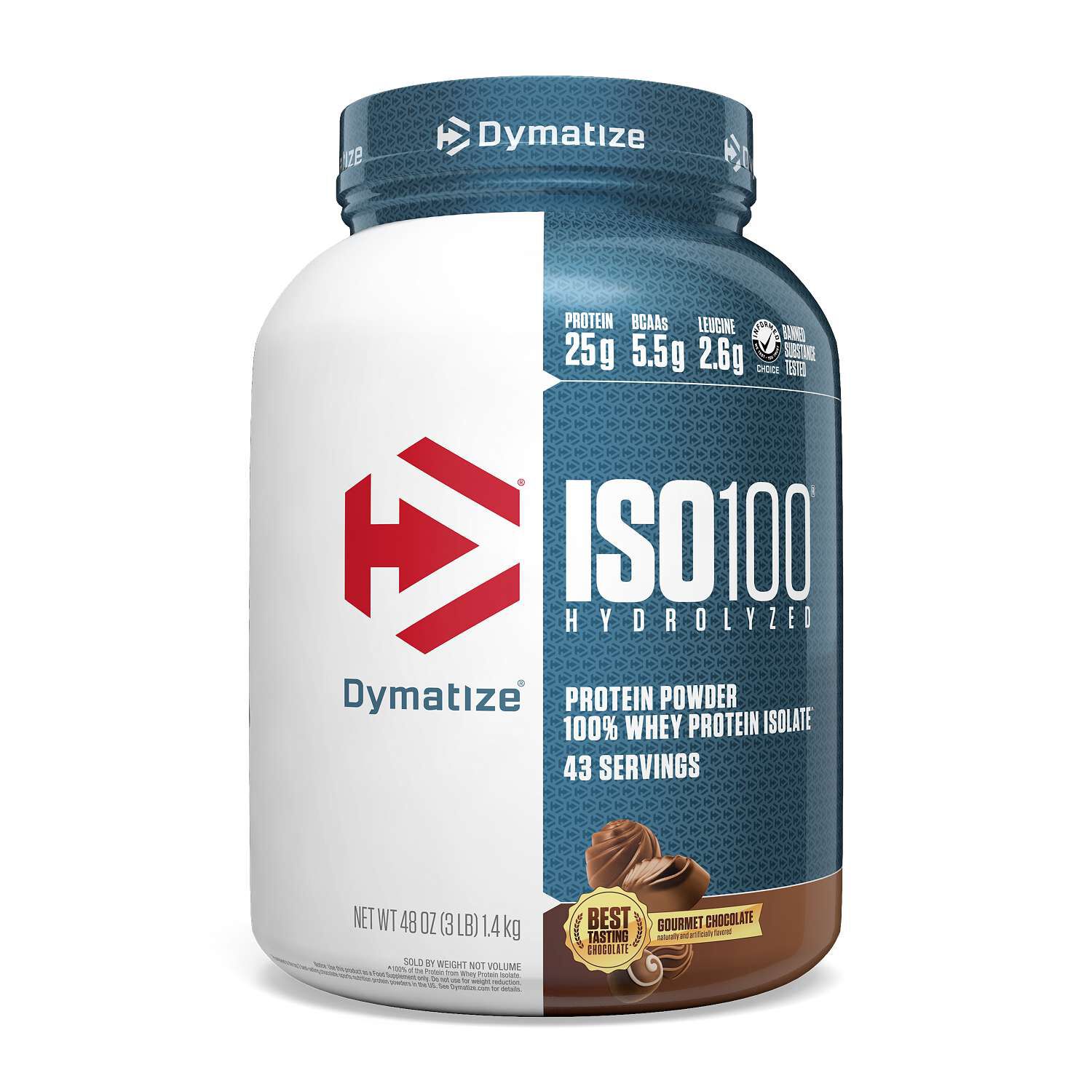
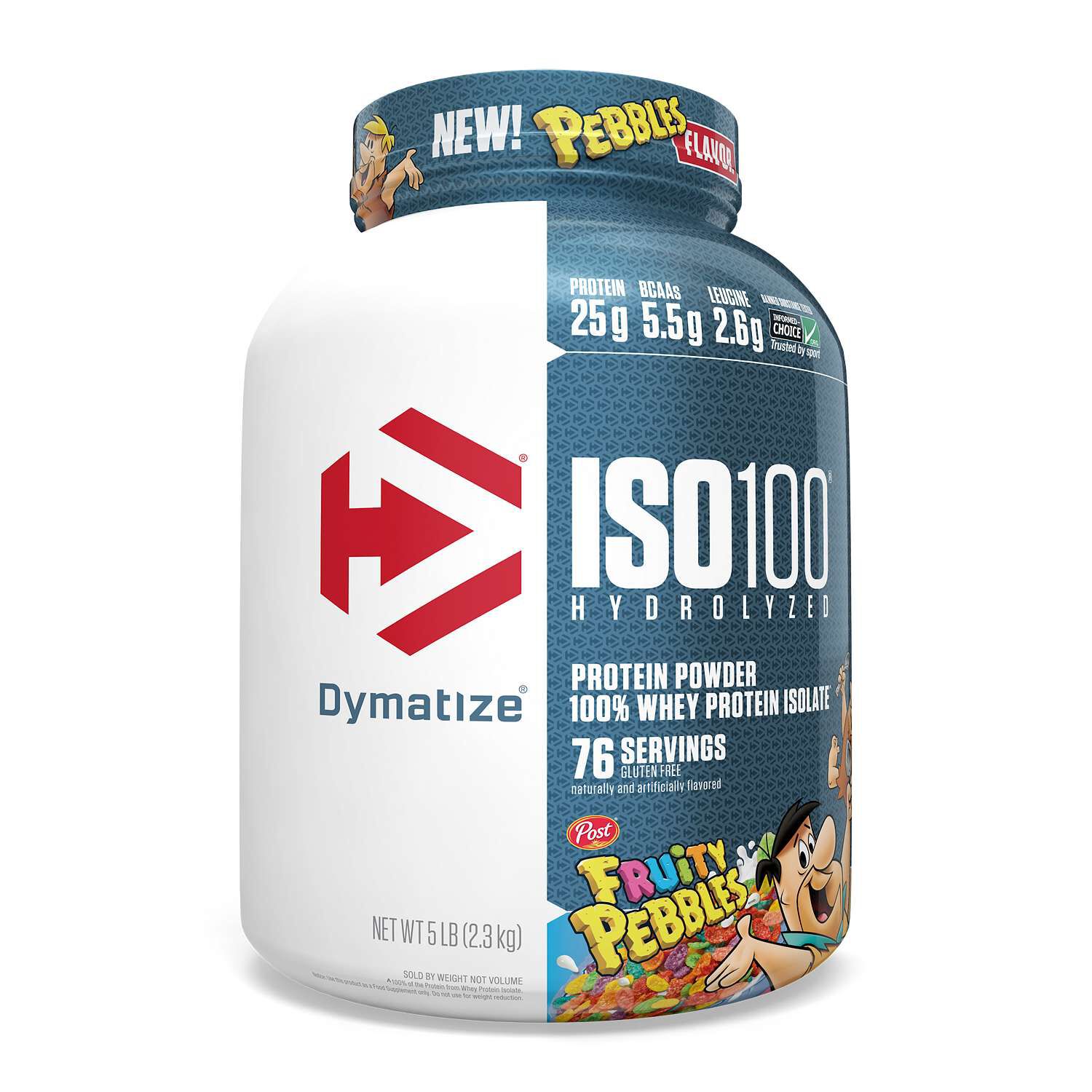


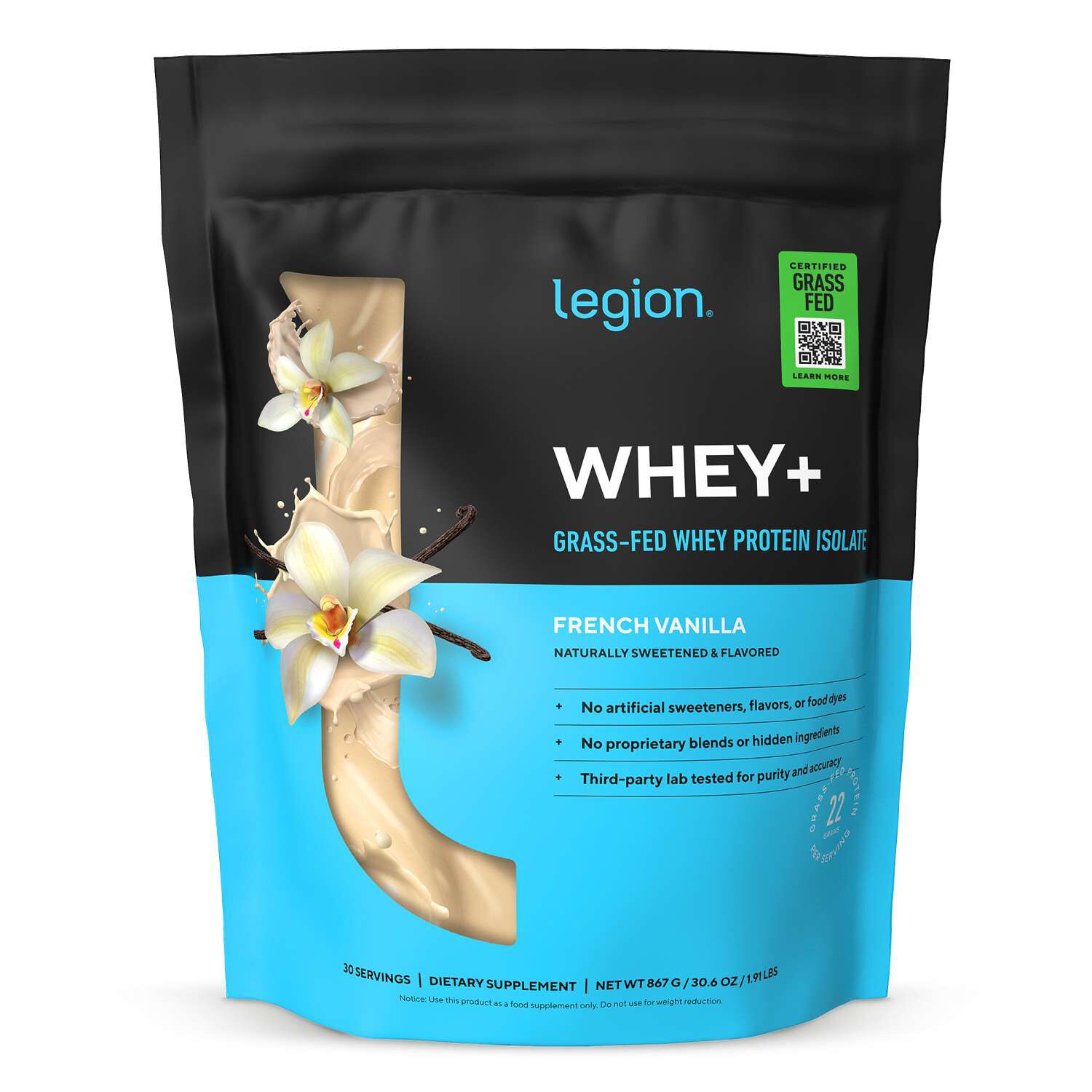
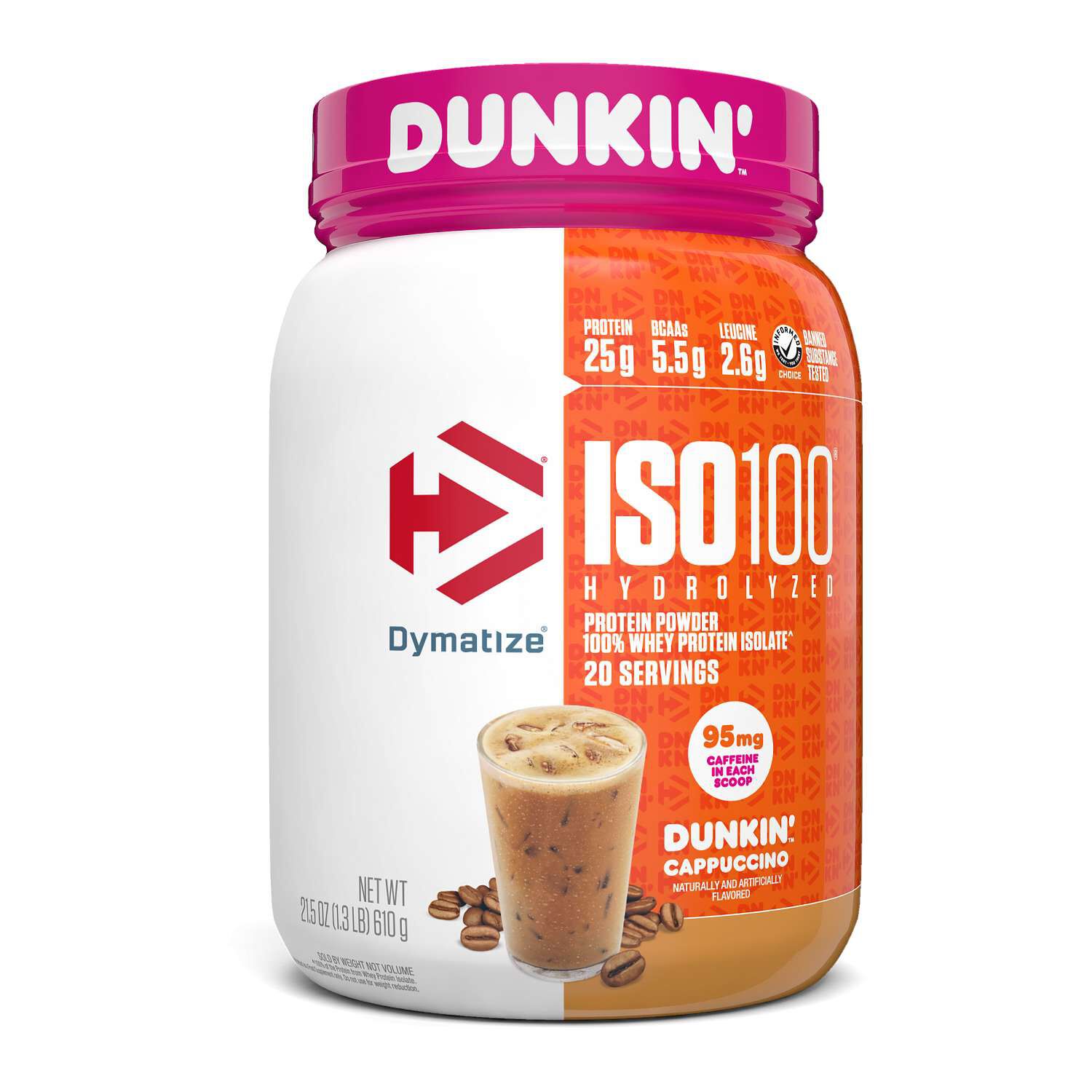
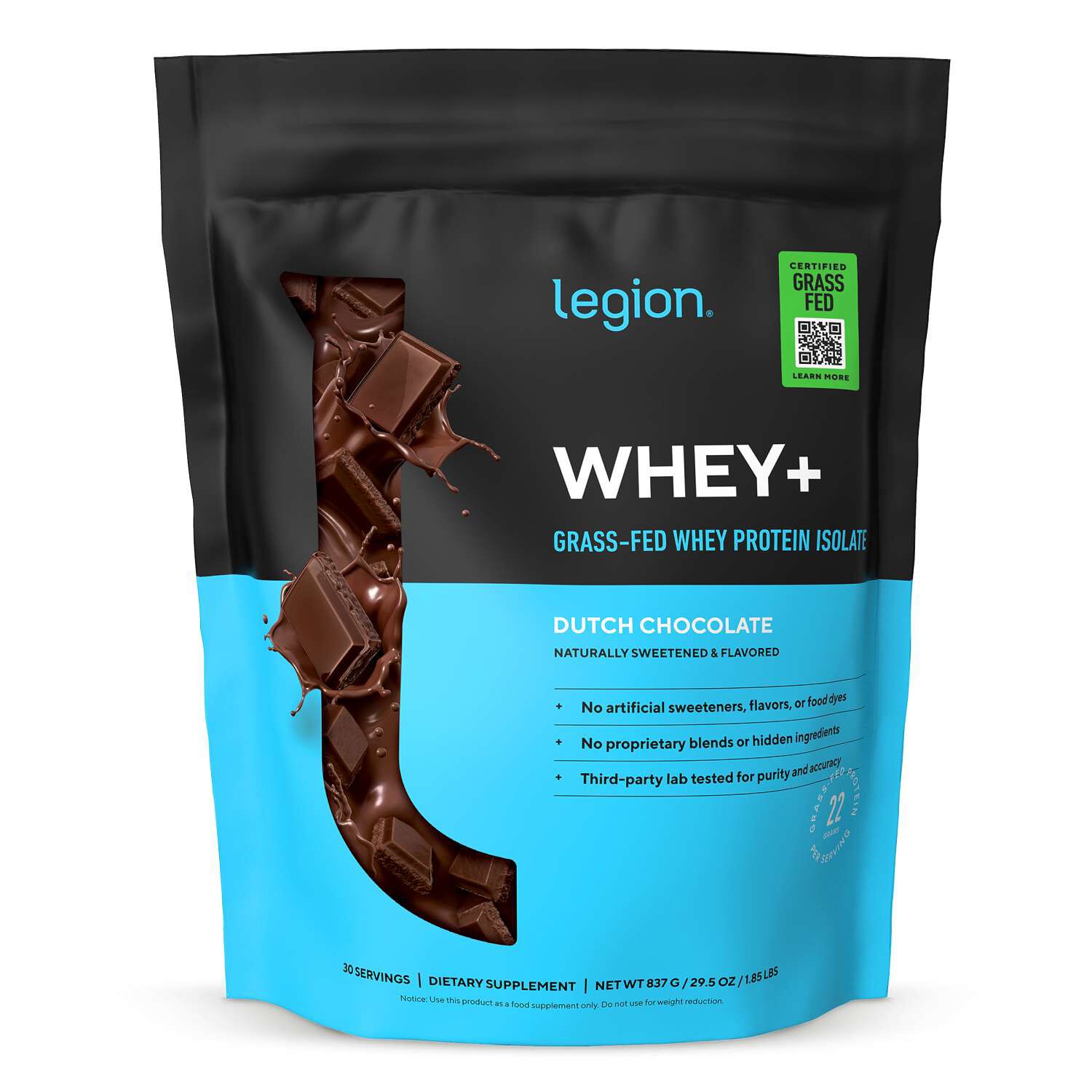

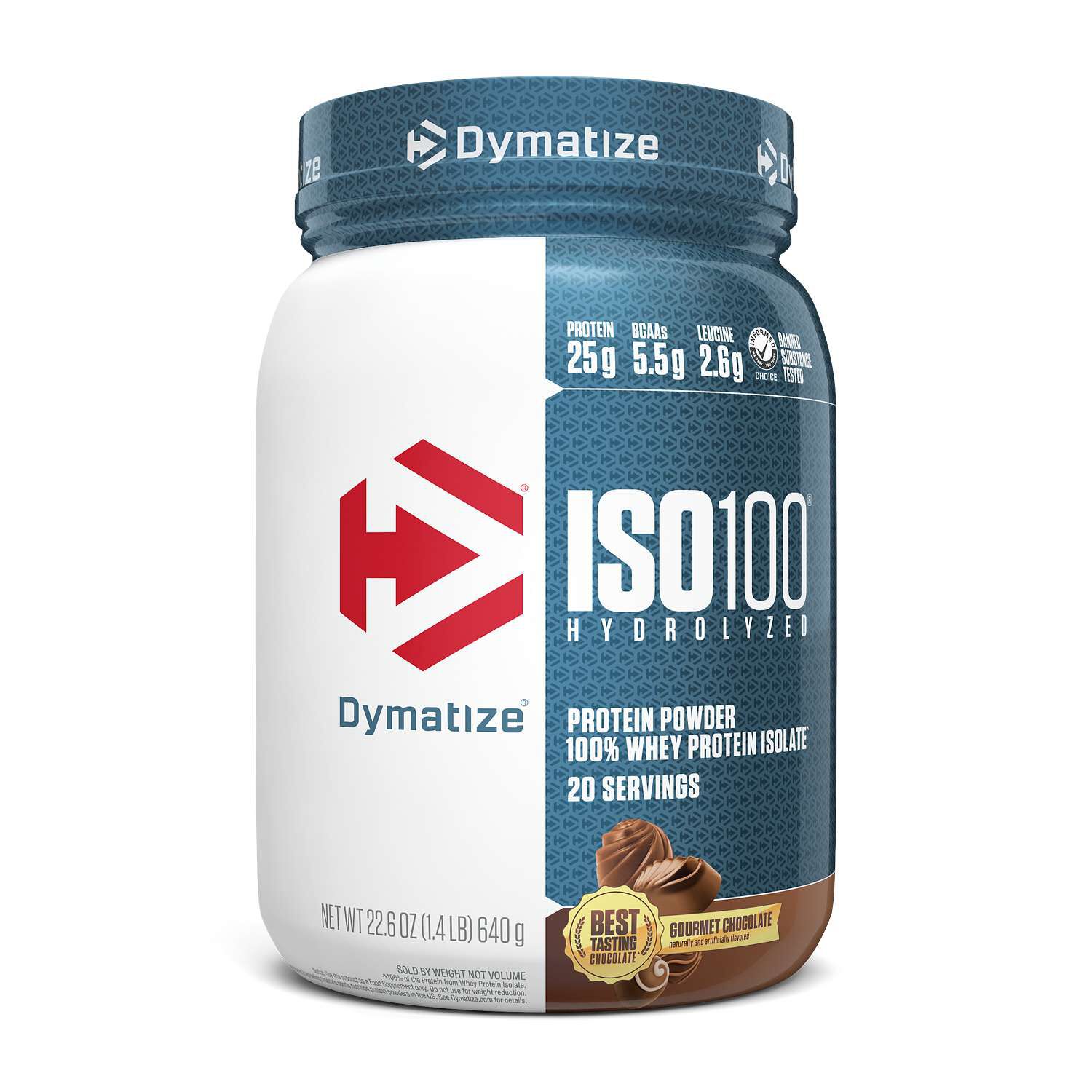
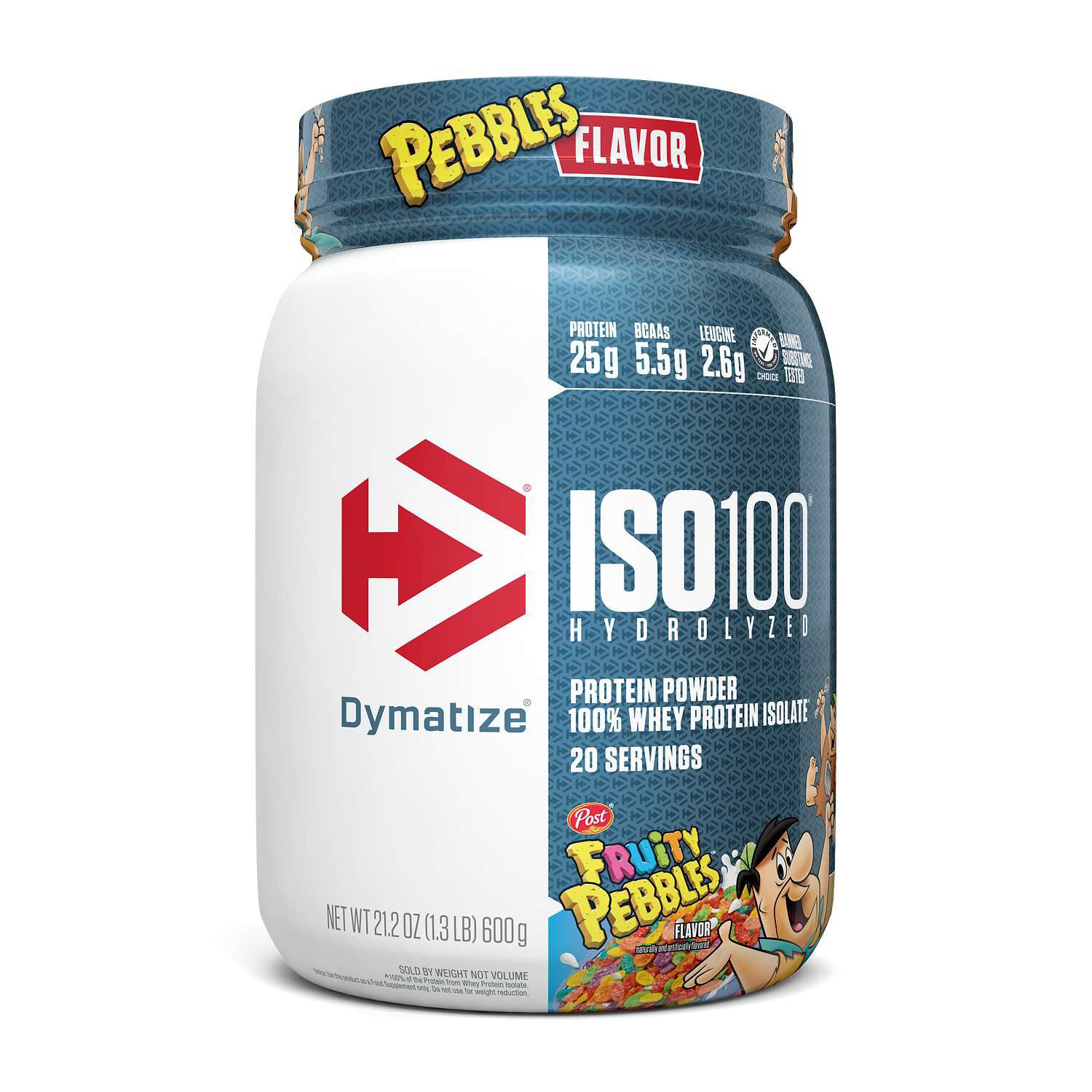


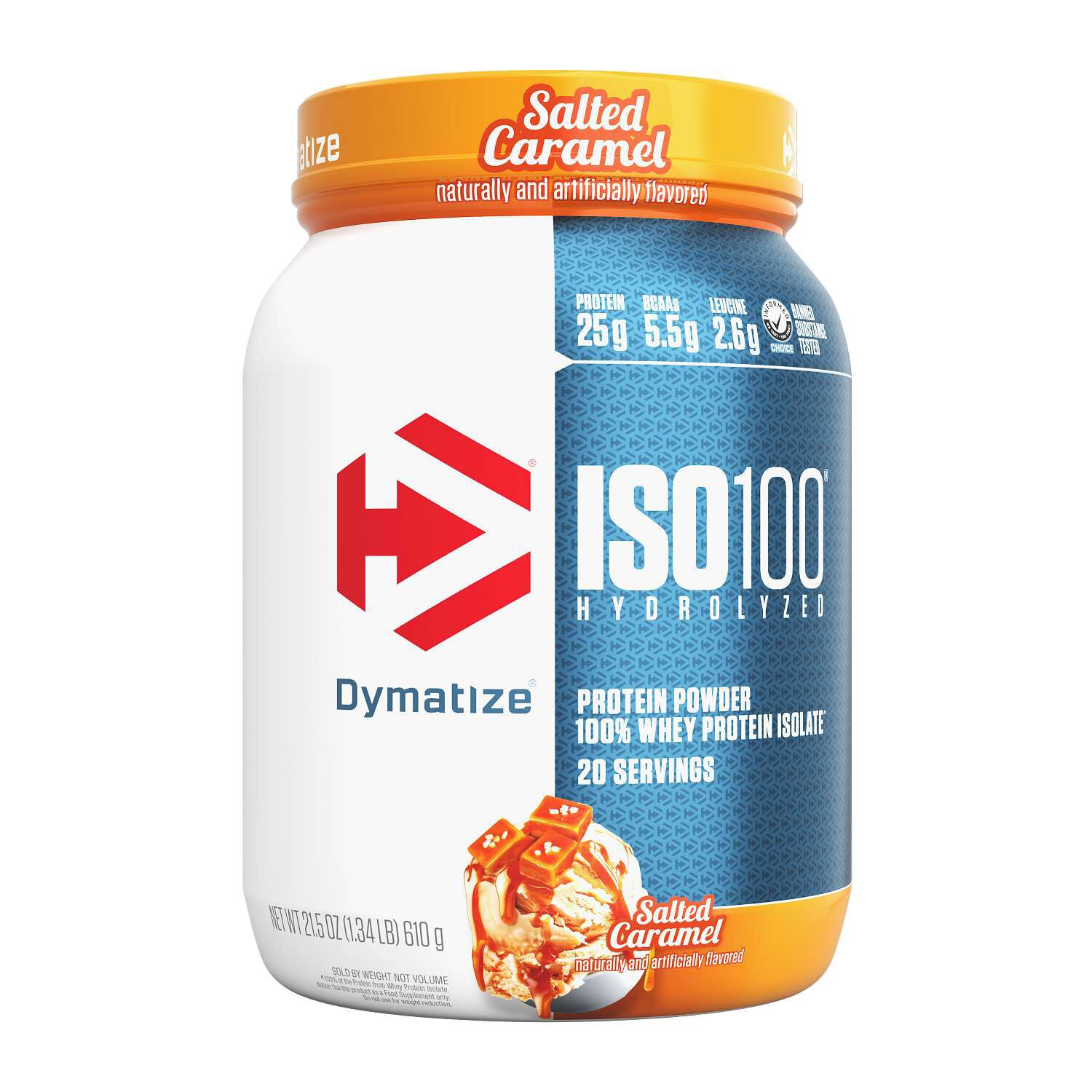
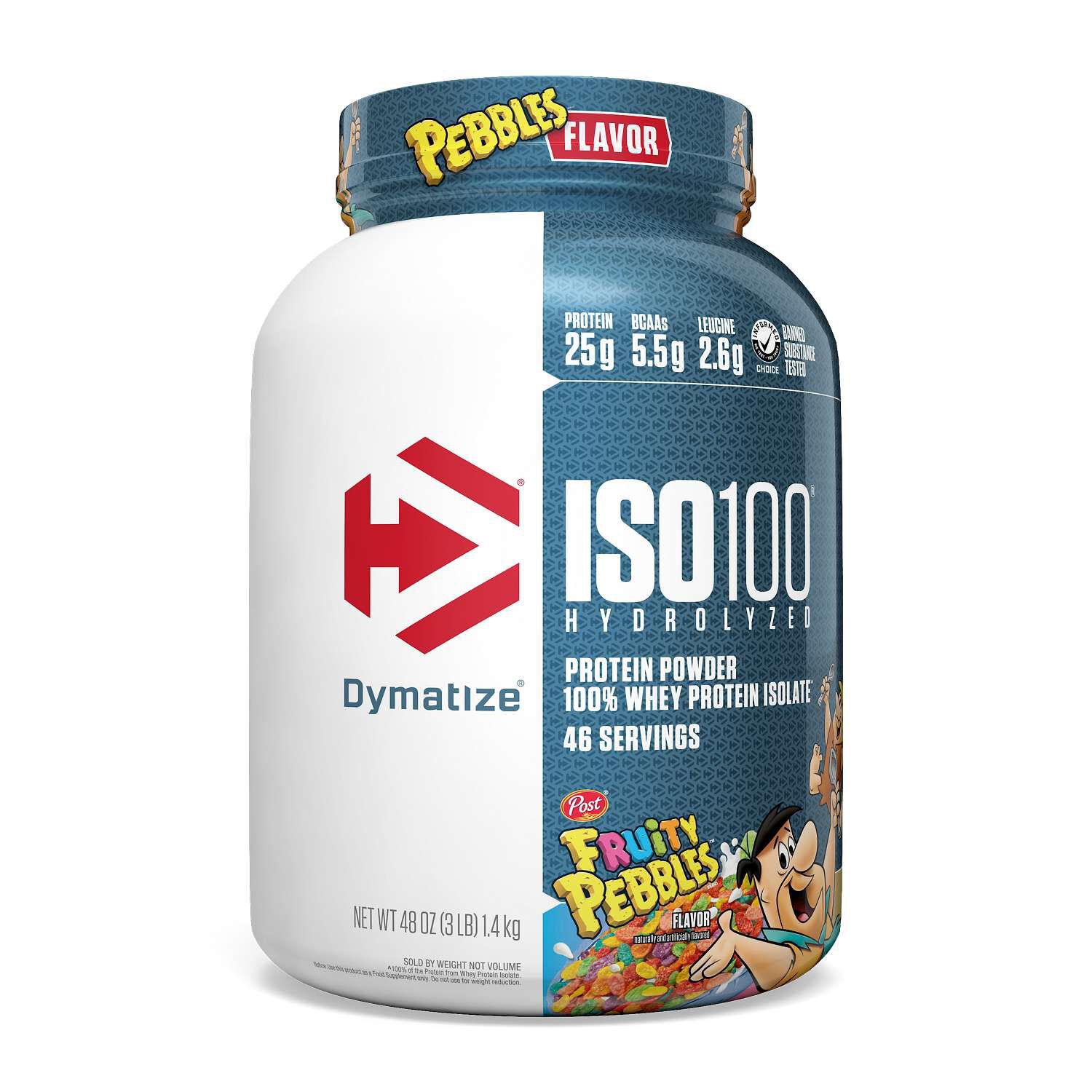
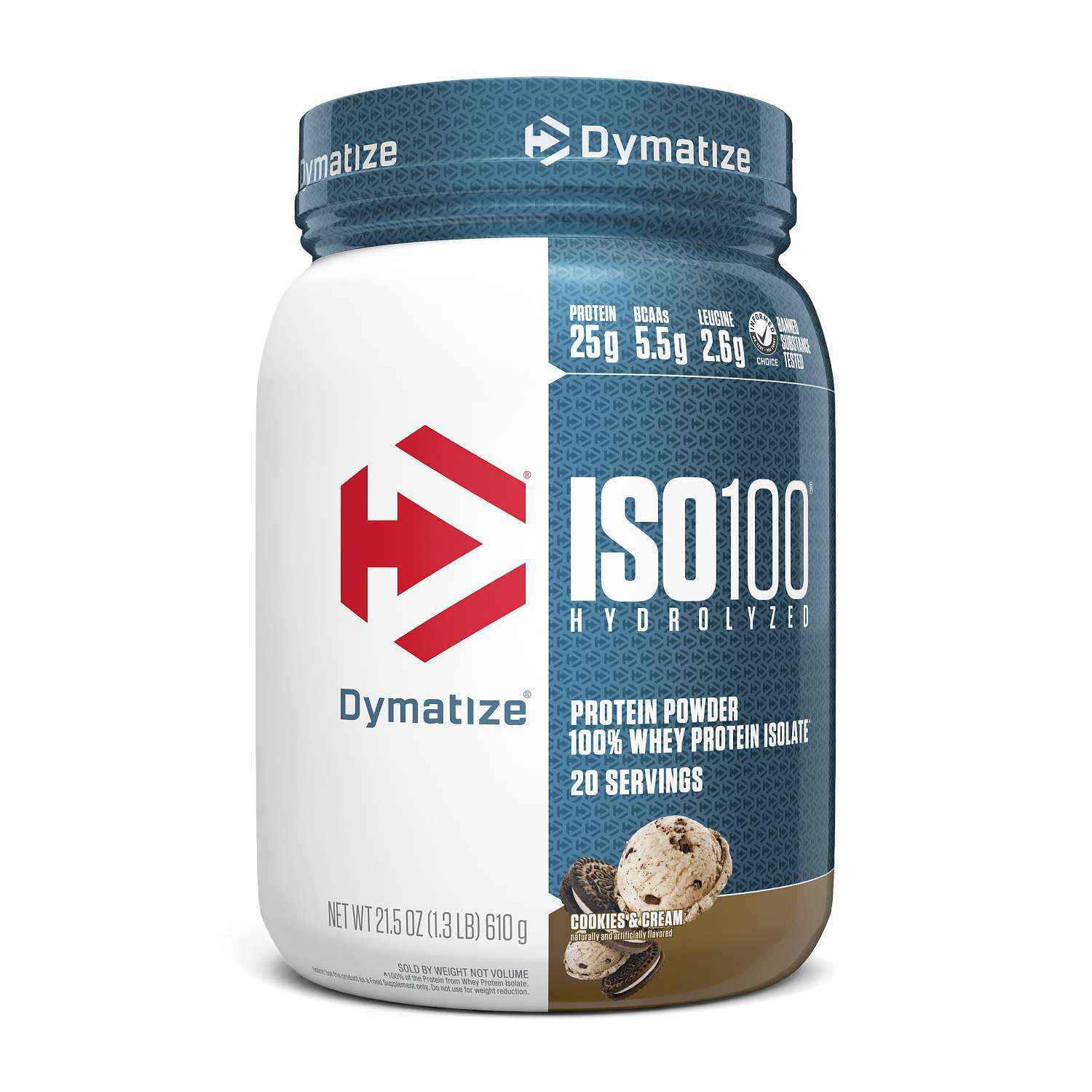
Whey protein isolates for holiday bulking bring a concentrated source of dairy protein to a season of cooler mornings, hearty meals, and changing training schedules. Whey comes from milk, and isolate undergoes additional filtration to separate much of the fat and lactose from the protein. Compared with whey concentrate, whey isolate generally contains a higher proportion of protein by weight and smaller amounts of carbohydrate and fat, although the finished formula varies. That distinction matters when comparing protein powders for a bulking routine: an isolate is not necessarily a high-calorie shake on its own. Instead, it offers a protein-focused starting point, with the rest of a shake’s calories coming from ingredients such as milk, oats, yogurt, fruit, or nut butter. For adults pursuing muscle-building goals alongside resistance training, whey isolate may support protein intake and post-workout recovery as part of an eating routine. Holiday bulking adds a practical dimension to that use. A shaker packed beside a gym bag, a blended breakfast before a busy day, or an afternoon shake between errands represents a different setting for the same product category. The appeal is flexibility rather than a special seasonal formula. Chocolate, vanilla, and other dessert-inspired flavor profiles fit naturally alongside familiar holiday foods, while a less assertive flavor leaves more room for cinnamon, cocoa, or fruit. Protein content, serving size, and the ingredient list provide a more useful comparison than flavor names alone. A larger scoop does not automatically indicate a more protein-dense powder, and two similarly sized containers can hold different numbers of servings. Whey isolate also differs from a mass-gainer formula, which often combines protein with substantial carbohydrate and additional calories. For a holiday bulking collection, those distinctions establish the intended use: a concentrated protein powder that fits into meals and shakes, rather than a single product intended to account for every part of a muscle-building eating pattern.
The character of a whey protein isolate depends on more than the protein source. Some powders use isolate as their only protein ingredient, while others combine it with whey concentrate or other proteins. The ingredient list identifies that difference, and the Nutrition Facts panel shows the protein, carbohydrate, fat, and calories in the stated serving. Added cocoa, cookie-style inclusions, sweeteners, gums, and emulsifiers can change both the nutrition profile and the drinking experience. A short ingredient list may appeal to someone who prefers a straightforward powder, while a more elaborate formula may suit a shopper who enjoys a thicker, dessert-like shake. Neither appearance nor flavor name tells the whole story. Chocolate can range from mild and milky to dark and cocoa-forward; vanilla can be subtle enough for fruit smoothies or rich enough to resemble a sweet dessert. Unflavored options offer another direction for people who prefer to shape the taste with their own ingredients, though unflavored whey can still have a noticeable dairy character. Texture deserves equal attention, especially for a powder used several days a week. Water generally creates a lighter drink, while milk, yogurt, or a plant-based beverage changes the body and nutritional composition. A shaker bottle suits a simple liquid-and-powder mixture; a blender is better matched to additions such as rolled oats, frozen banana, or nut butter. For shoppers comparing isolate with the wider whey category, Whey Protein Powders For Clean Bulking offers a related collection to explore. The distinction between a lighter protein shake and a richer bulking smoothie often comes down to the full recipe, not just the powder. An isolate mixed with water and the same isolate blended with milk, oats, and peanut butter have different calorie and texture profiles. That versatility may appeal to someone whose meal preferences shift between a quick drink after lifting and a more substantial breakfast before heading out into the cold.
Everyday fit is especially relevant during the holiday season, when gym visits share the calendar with travel, gatherings, and long days away from home. A familiar flavor and a preparation method that matches the setting can matter as much as an impressive-looking label. Someone who trains before work may favor a powder that mixes with a shaker and a measured amount of liquid, while a home smoothie enthusiast may prefer a flavor suited to a blender full of fruit and oats. Container size also shapes the experience. A larger tub requires shelf space and a dry place for storage; a smaller container has a different footprint in a crowded pantry or travel bag. Secure closures, readable serving directions, and an accessible scoop are practical details for repeated use. Storage instructions and the date on the package matter more than the season itself. Protein powder belongs in its original, tightly closed packaging under the conditions specified on the label, away from moisture and excessive heat. A dry scoop and a clean mixing vessel are useful parts of routine handling, and prepared shakes require storage appropriate to their ingredients. Whey remains a milk-derived ingredient even after filtration, so reduced lactose content does not mean the powder contains no milk. Milk labeling and any other listed food allergens remain important considerations, particularly when choosing a gift. For an adult who already uses whey protein and enjoys strength training, a protein powder can be a thoughtful holiday gift when the flavor, protein source, and ingredient preferences are known. A familiar chocolate or vanilla profile may be a better match than an adventurous seasonal flavor chosen only for its packaging. Personal preferences also extend to sweetness, texture, and whether the powder is usually mixed with water or blended into food. Across the cooler months, the most relevant whey protein isolate is one whose composition, taste, preparation, and storage requirements suit the recipient’s actual routine, whether that means an early lifting session, a leisurely weekend smoothie, or a simple shake after an evening at the gym.
Best Sellers


Related Pages


Top Collections
- Daily Collagen Supplements | Top Brands & Deals | GNC
- Cortisol Supplements
- Top Rated Collagen | Shop Customer Favorites | GNC
- Vitamins For Hair Loss
- NAD+ Supplement Tablets
- Peptide Supplements
- Best Brand of Magnesium Glycinate
- Protein Powders For Muscle Growth Support
- Vitamins That Help Support Weight Gain
- Peptide Supplements for Muscle Growth