





Whey Protein Isolate For New Year Resolutions
(0 Results)
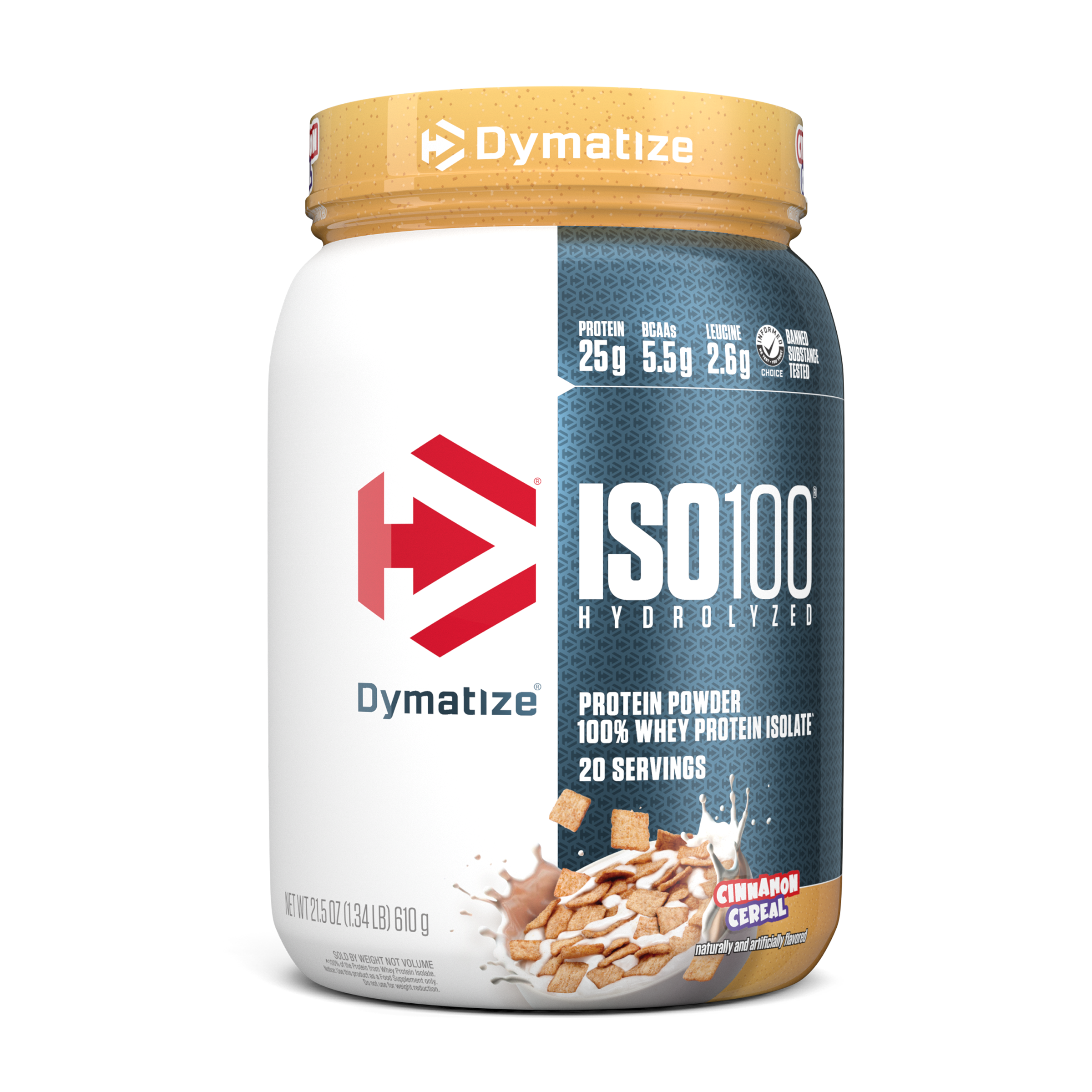
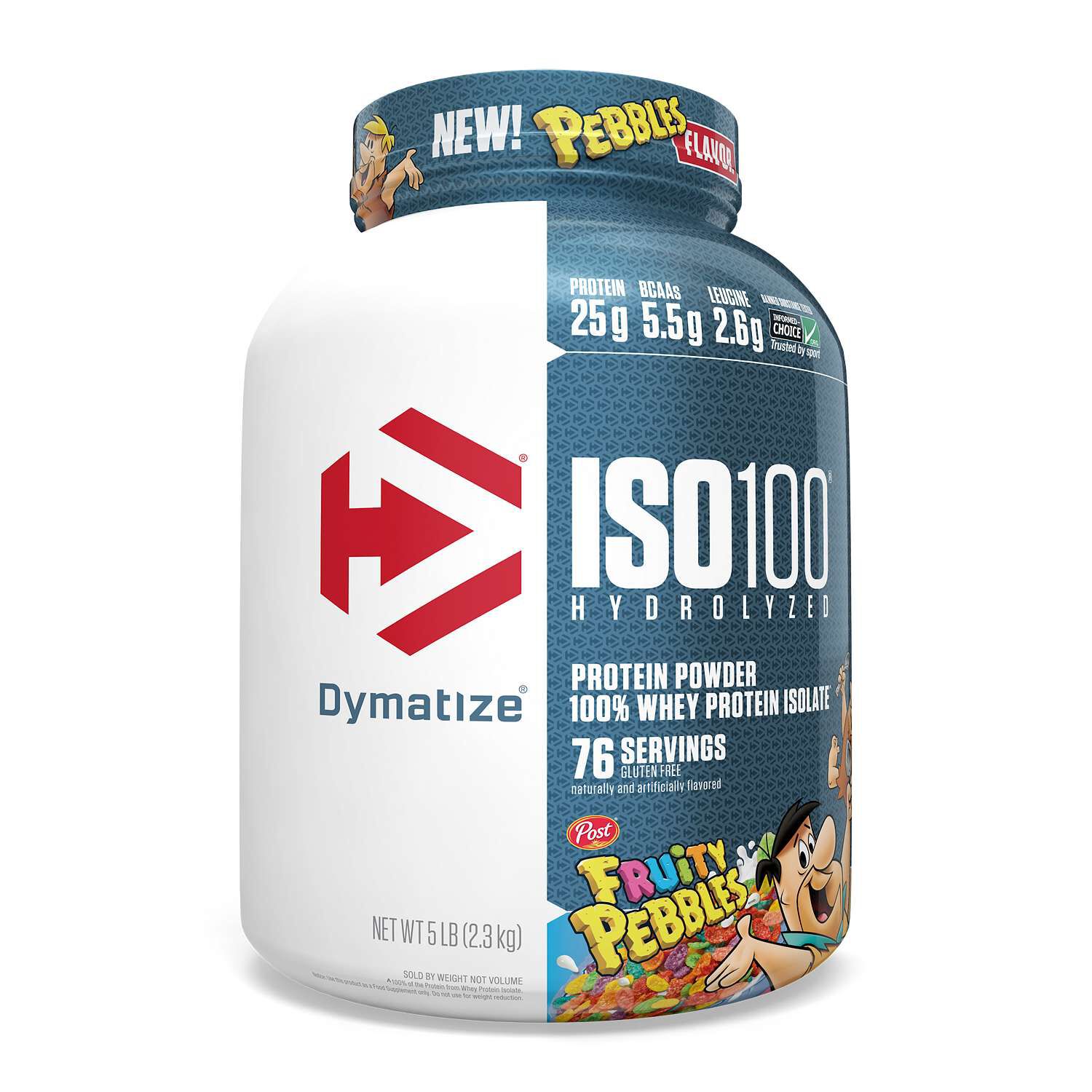
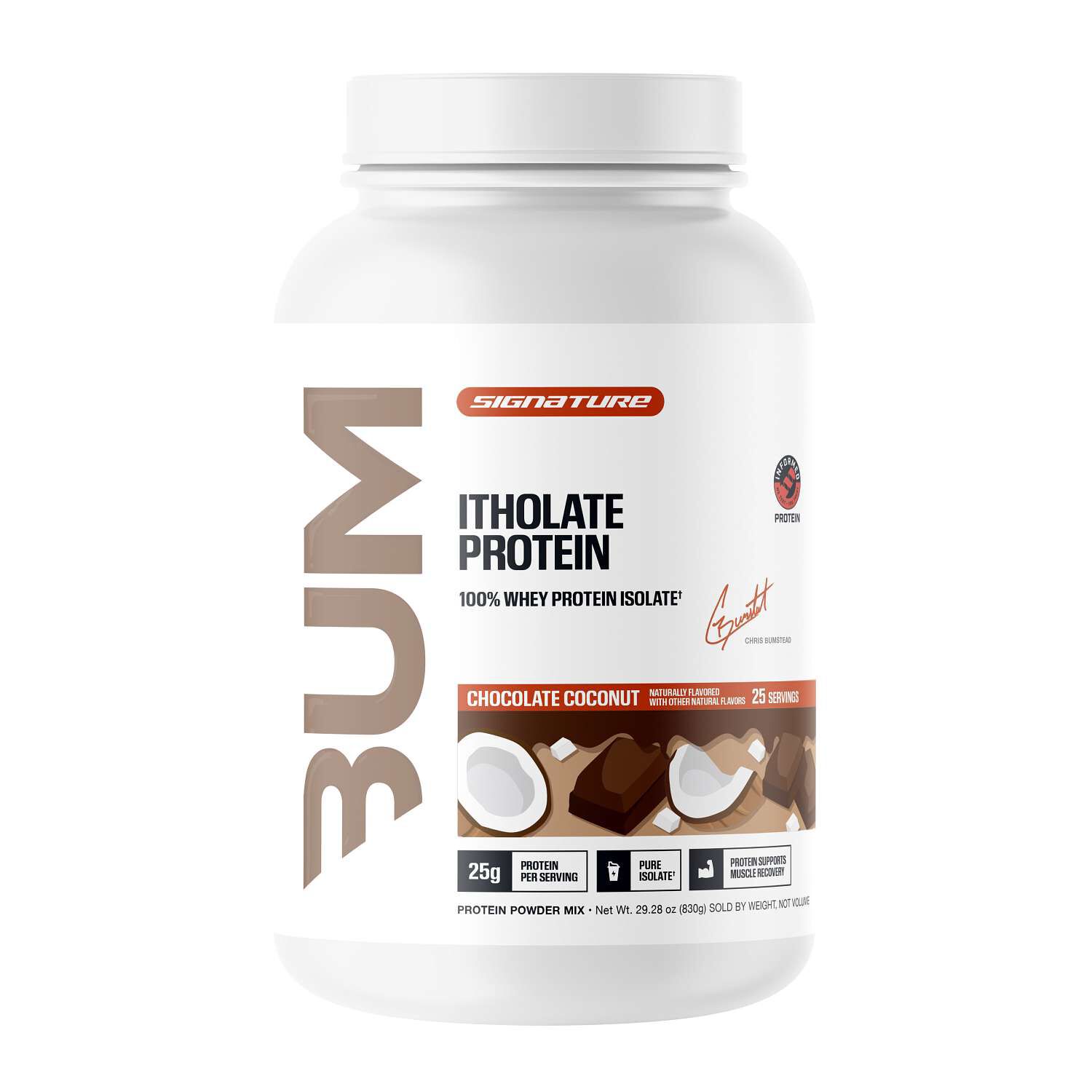
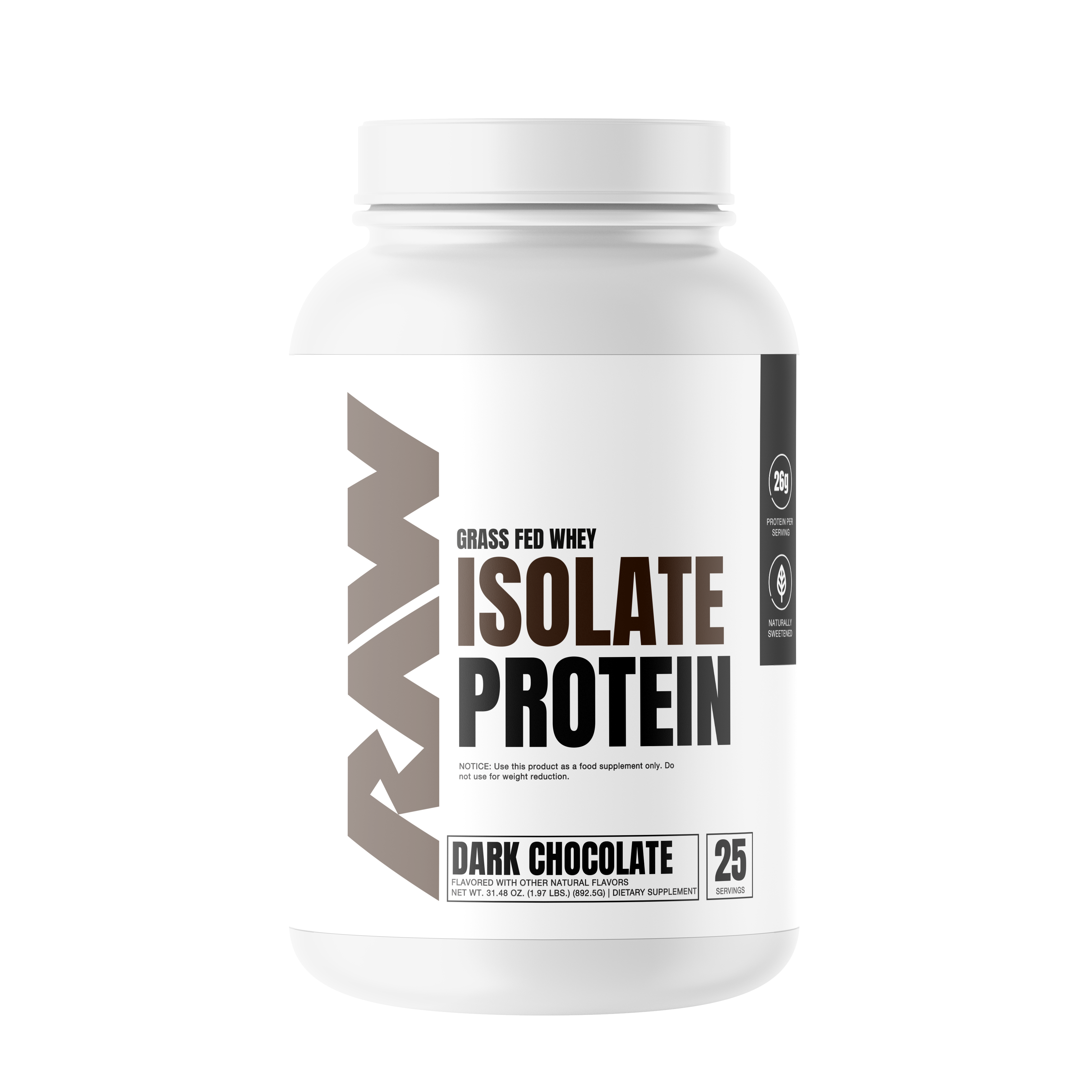
Kick off your wellness journey with whey protein isolate for new year resolutions and discover how adding quality protein to your routine could support your goals. Whether you’re looking to stay active, maintain a balanced diet, or simply explore new ways to fuel your day, whey protein isolate might fit seamlessly into your lifestyle. Explore a variety of options designed to help make your resolutions more achievable and enjoyable as you start the year strong.
-
-

-
-
-
-

-
-

-

-
-
-

-

-
-

-

-

-
-

-

-

-

-
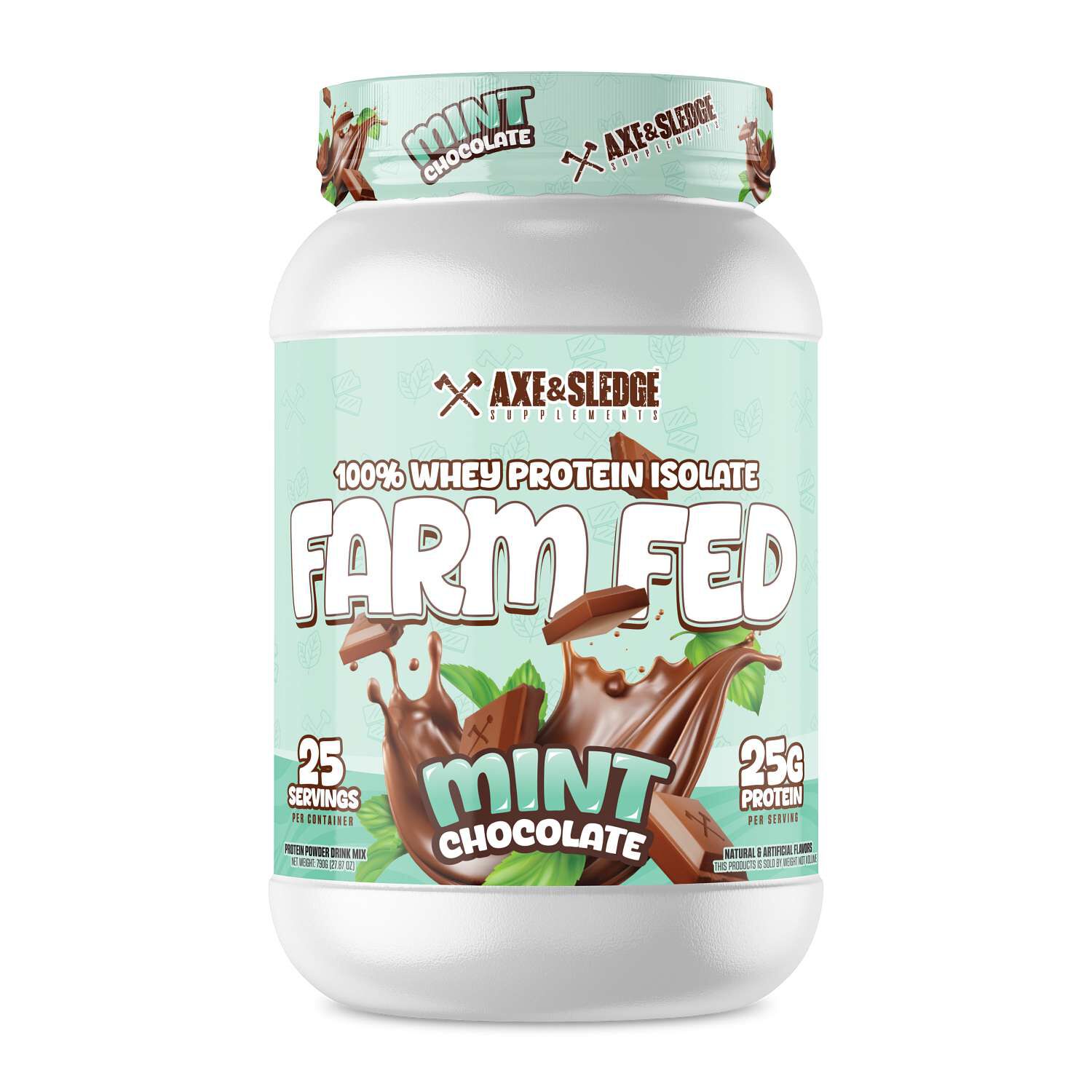 Axe & Sledge Supplements129$59.99
 -
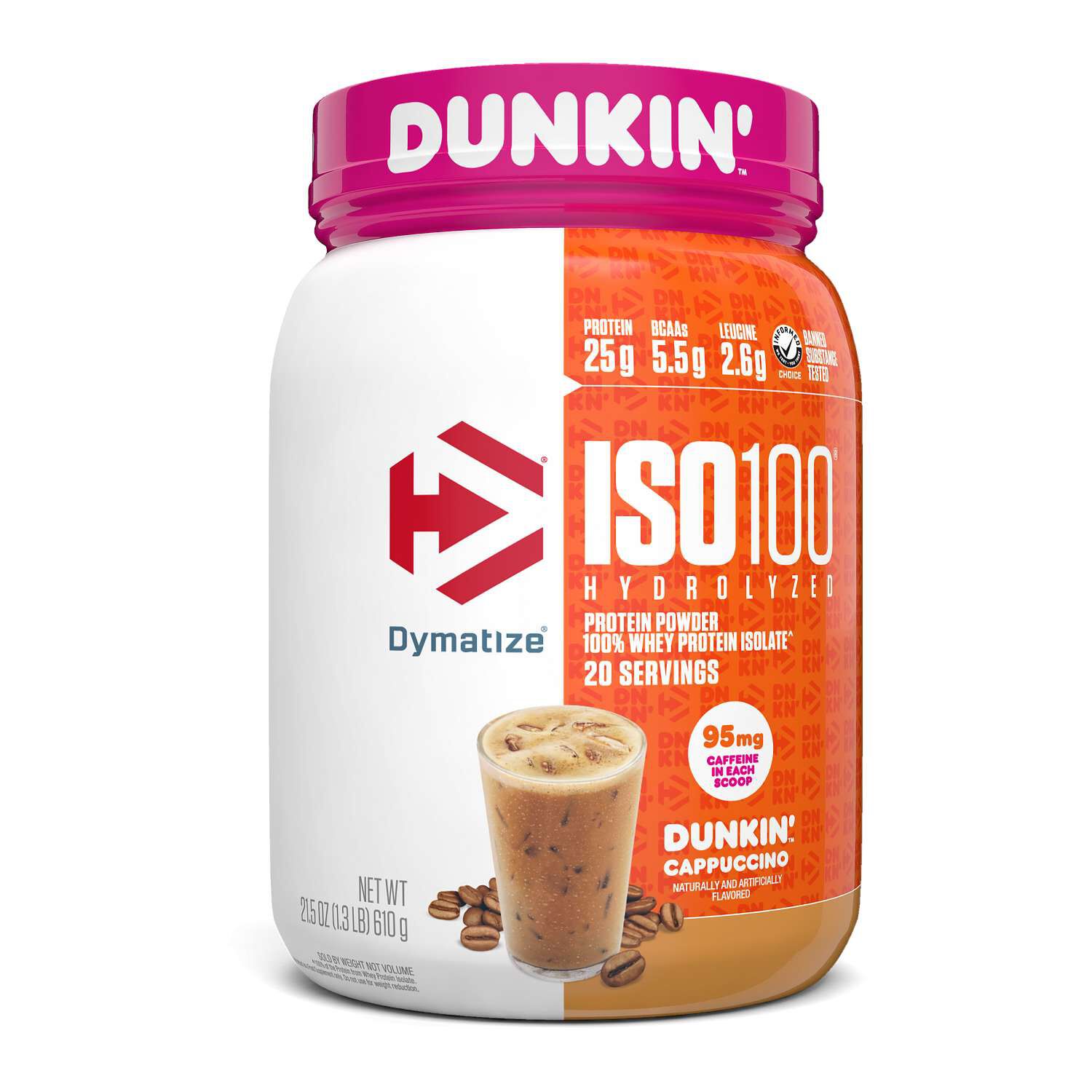
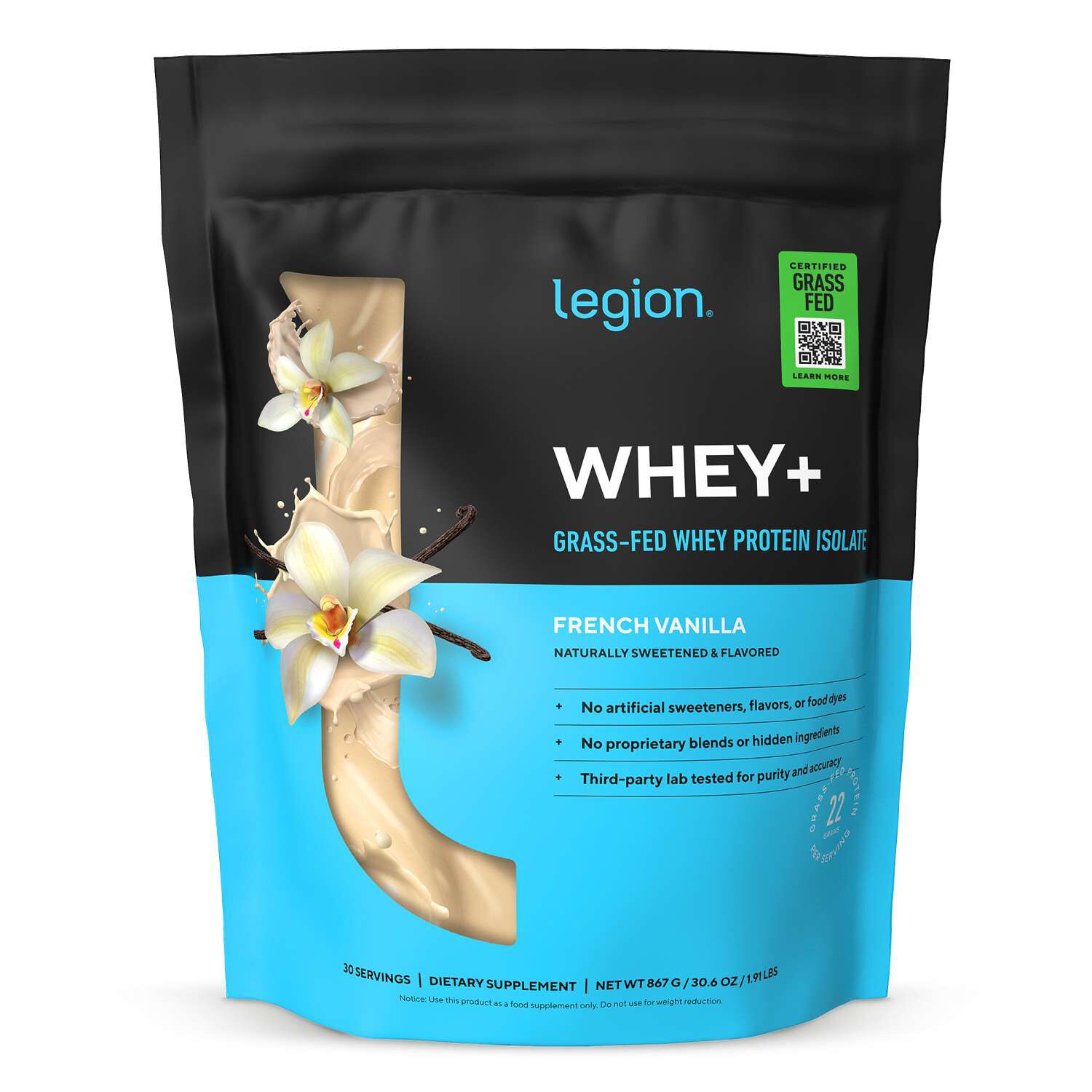
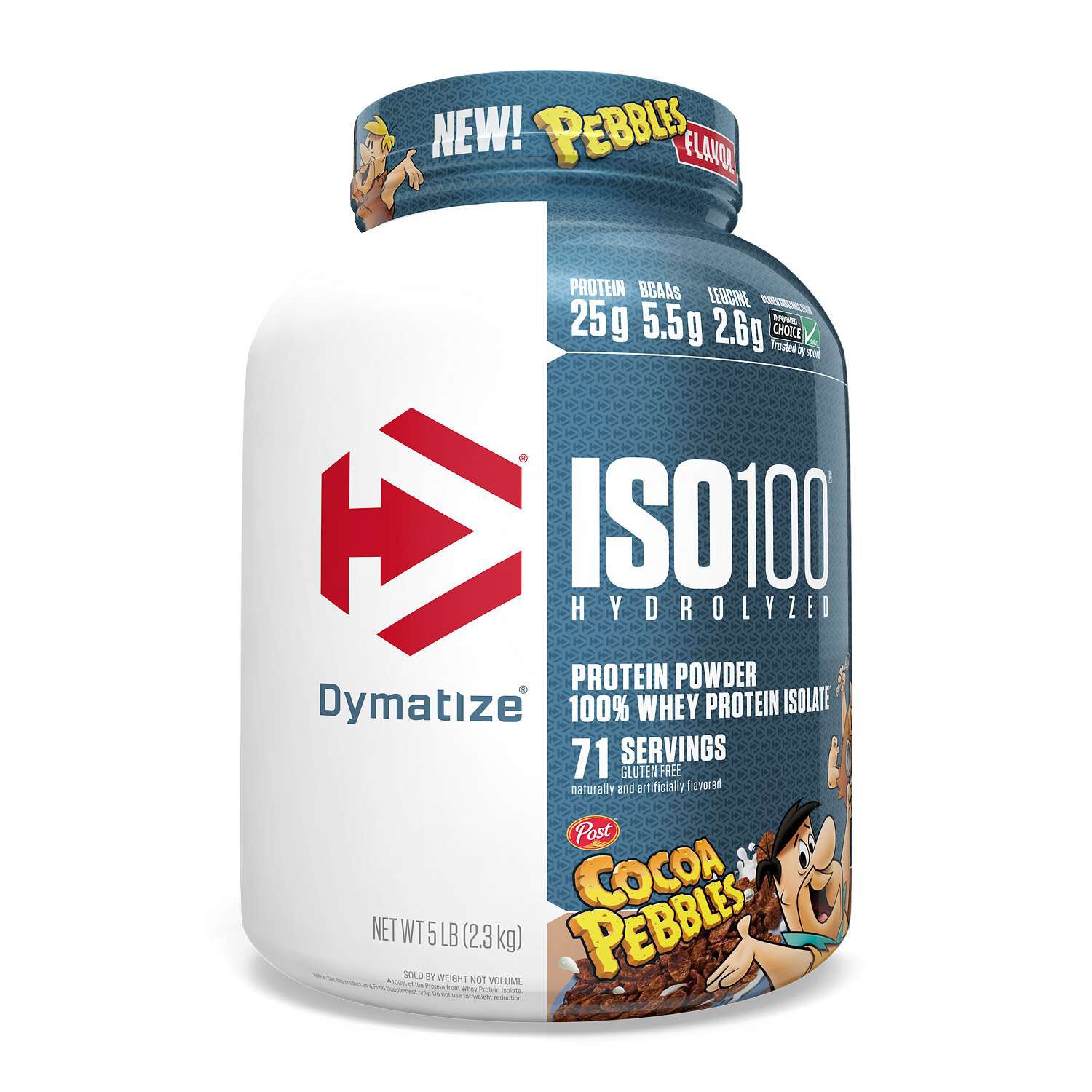
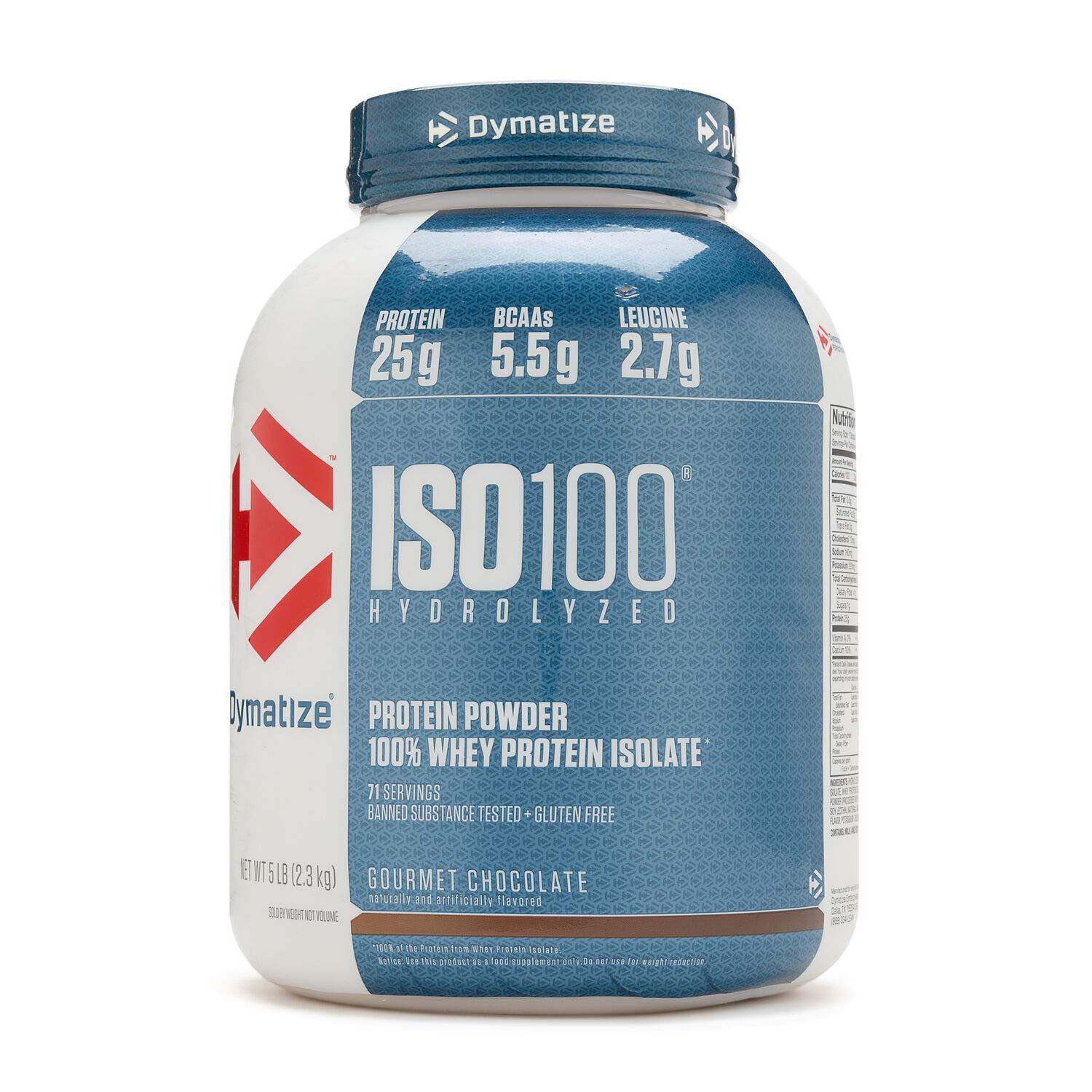
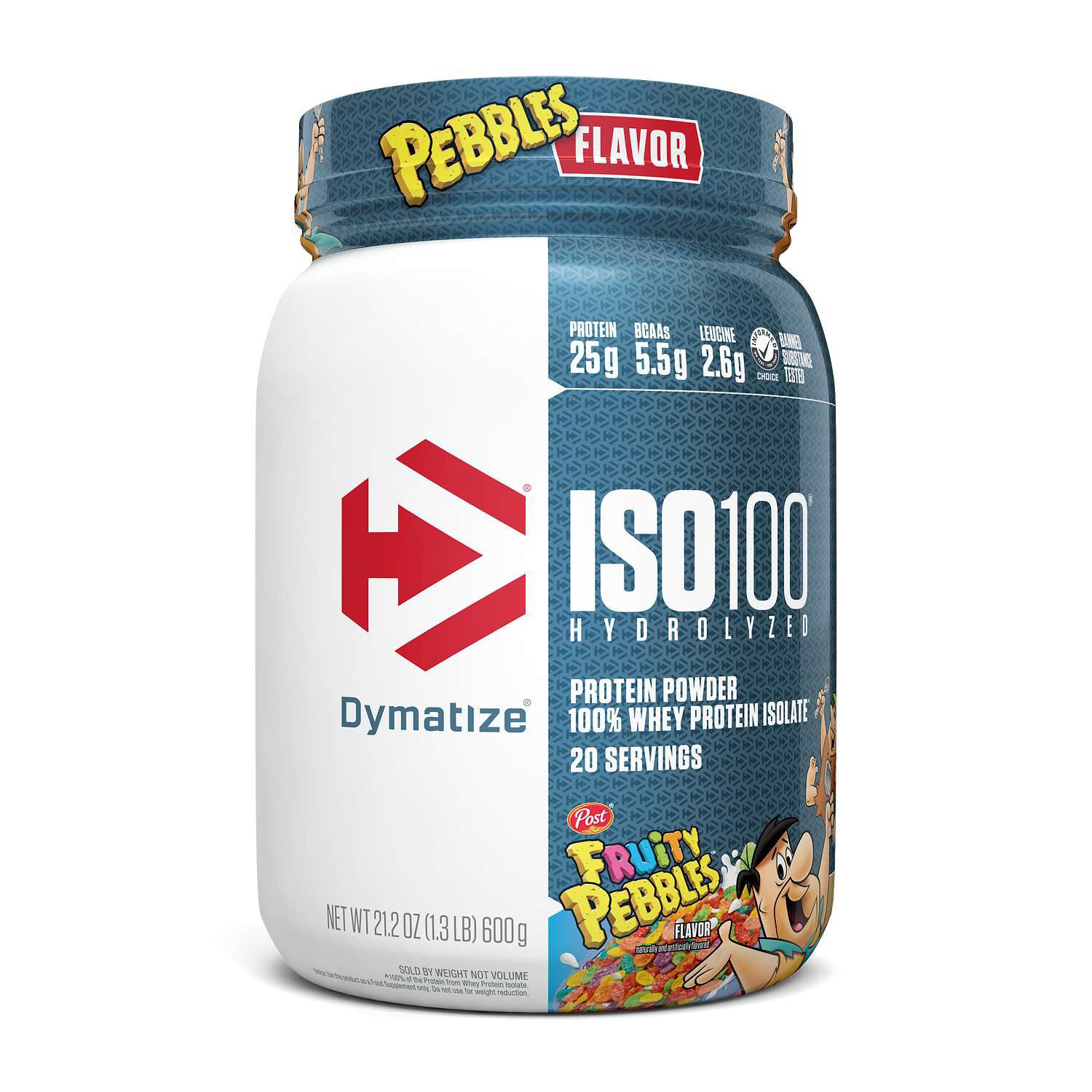
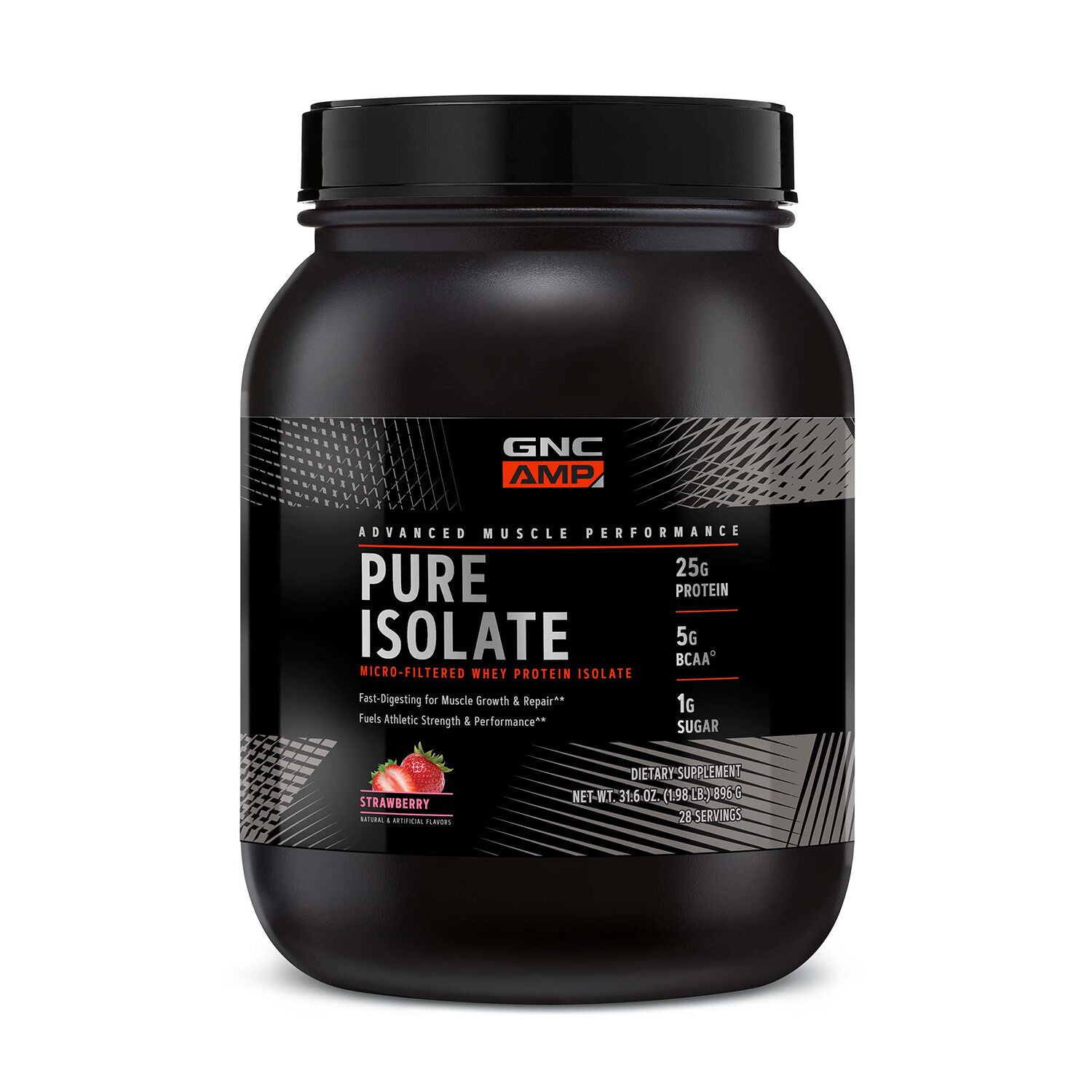
Whey protein isolate for New Year resolutions brings a familiar format to a fresh set of priorities: protein powder that can fit alongside regular meals, planned workouts, and the everyday rhythm of work and home. For someone returning to strength training, preparing for a recreational sports season, or making breakfast a more consistent habit, whey protein isolate may offer a practical way to add dietary protein. It is made from milk, with filtration used to separate much of the carbohydrate and fat from the protein portion. Compared with whey concentrate, isolate generally contains less lactose and a higher proportion of protein by weight, although the finished formula matters more than the word “isolate” alone. Flavorings, sweeteners, and other ingredients can change the nutrition profile, so protein grams, serving size, calories, carbohydrates, fat, and added sugars are useful points of comparison. A scoop is not a universal measurement across powders; the serving information on each container provides a clearer basis for comparing them. Some formulas use whey isolate as their only protein source, while others combine it with additional protein types. That distinction appears in the ingredient list and can matter to shoppers looking specifically for an isolate-based powder. Whey naturally contains amino acids, the building blocks of protein, and an isolate supplement may support muscle maintenance and recovery alongside regular exercise and adequate food intake. It is still a milk-derived ingredient, not a plant-based option, and lower lactose content does not mean every formula will suit every dietary preference or restriction. Allergen information deserves attention even when a powder has a short ingredient list. The most relevant choice is often the one whose composition, flavor, and preparation requirements match an ordinary day rather than an unusually organized one. A resolution built around familiar meals and repeatable habits may leave more room for consistency than a dramatic change to the entire kitchen routine.
Flavor and texture make a meaningful difference when a protein powder becomes part of the weekly rotation. Traditional whey protein isolate shakes often have a creamy character, with familiar profiles such as chocolate and vanilla that pair naturally with milk or a preferred plant-based beverage. Water usually creates a lighter drink, while the choice of mixing liquid also changes the finished shake’s calories and nutrients. Unflavored powders offer another direction, particularly for shoppers who prefer to choose their own fruit, cocoa, or other additions, though unflavored does not necessarily mean tasteless. A mild dairy note can remain noticeable in simpler recipes. Clear whey isolate has a different drinking experience, typically leaning toward fruit flavors and a lighter, less creamy texture when mixed as directed. That style may appeal to someone who enjoys a chilled, juice-like drink after a workout rather than a thick shake. Mixing directions are important because the suggested amount of liquid, shaking method, and settling time can vary. Some powders foam at first, and their directions may recommend letting the drink rest before sipping. For a morning that includes a commute, a shaker bottle can be a more practical match than a recipe that requires a blender and several ingredients. For a slower breakfast at home, a blended drink with oats or fruit offers a different texture and preparation experience. Adding powder to yogurt or oatmeal is another possible use when the package directions allow it, but isolate can change thickness and may clump when stirred directly into very hot food. Preparation guidance on the label is more useful than assuming every powder behaves the same way. Sweetness also deserves consideration: a powder mixed with water may taste quite different when combined with sweetened milk alternatives or ripe fruit. Shoppers who enjoy a subtle flavor may prefer a different formula from those who want a dessert-like shake. Choosing around those everyday preferences may make a protein routine feel less like another task on a New Year checklist.
The intended setting matters just as much as the flavor. Someone heading from an early workout to the office may value a container that fits neatly into a breakfast routine, while an evening exerciser may prefer to keep preparation supplies at home. A regular gym bag, a crowded kitchen shelf, and a shared workplace refrigerator each create different practical needs. Container dimensions, lid design, serving count, and storage instructions are worth considering alongside the nutrition panel. A larger tub requires shelf space and a dependable closure; a smaller package may be easier to accommodate in a compact kitchen or travel routine. Where individual portions are offered, their labeled serving size provides a useful reference for packing. Powder is best handled according to its package directions, with a dry scoop and a securely closed container stored away from moisture and excessive heat. A shake that has already been mixed needs different handling from dry powder, especially when milk or other perishable ingredients are added, so preparation and refrigeration directions matter. Reusable bottles also need regular washing, including the lid threads, seals, and mixing insert where residue can collect. These ordinary details may make an ongoing routine more manageable during the cooler months, when schedules can fill with gatherings, indoor workouts, and time away from home. As a gift, whey protein isolate is most appropriate for someone whose preferred flavors, dietary requirements, and interest in protein supplements are already known; personal taste and milk ingredients make it less suited to a surprise selection. For shoppers considering a wider range of formats for the same occasion, New Year Protein Supplements provides a related place to explore. Within an isolate-focused routine, the useful comparison remains straightforward: what is in the powder, how it is prepared, and whether it suits the meals and activities already on the calendar. New Year resolutions need not depend on elaborate shake recipes or a rigid schedule. A thoughtfully chosen whey protein isolate may fit into a realistic pattern that continues beyond the initial excitement of a fresh start.
Best Sellers


Related Pages


Top Collections
- Daily Collagen Supplements | Top Brands & Deals | GNC
- Cortisol Supplements
- Top Rated Collagen | Shop Customer Favorites | GNC
- Vitamins For Hair Loss
- NAD+ Supplement Tablets
- Peptide Supplements
- Best Brand of Magnesium Glycinate
- Protein Powders For Muscle Growth Support
- Vitamins That Help Support Weight Gain
- Peptide Supplements for Muscle Growth