Meal Replacement Powders For New Year Resolutions
(0 Results)
Jumpstart your wellness journey with meal replacement powders for new year resolutions. Whether you’re looking to support your fitness goals or seeking convenient nutrition options, these versatile powders could fit seamlessly into your routine. Explore a variety of flavors and formulations designed to help you stay on track as you pursue your healthiest year yet.
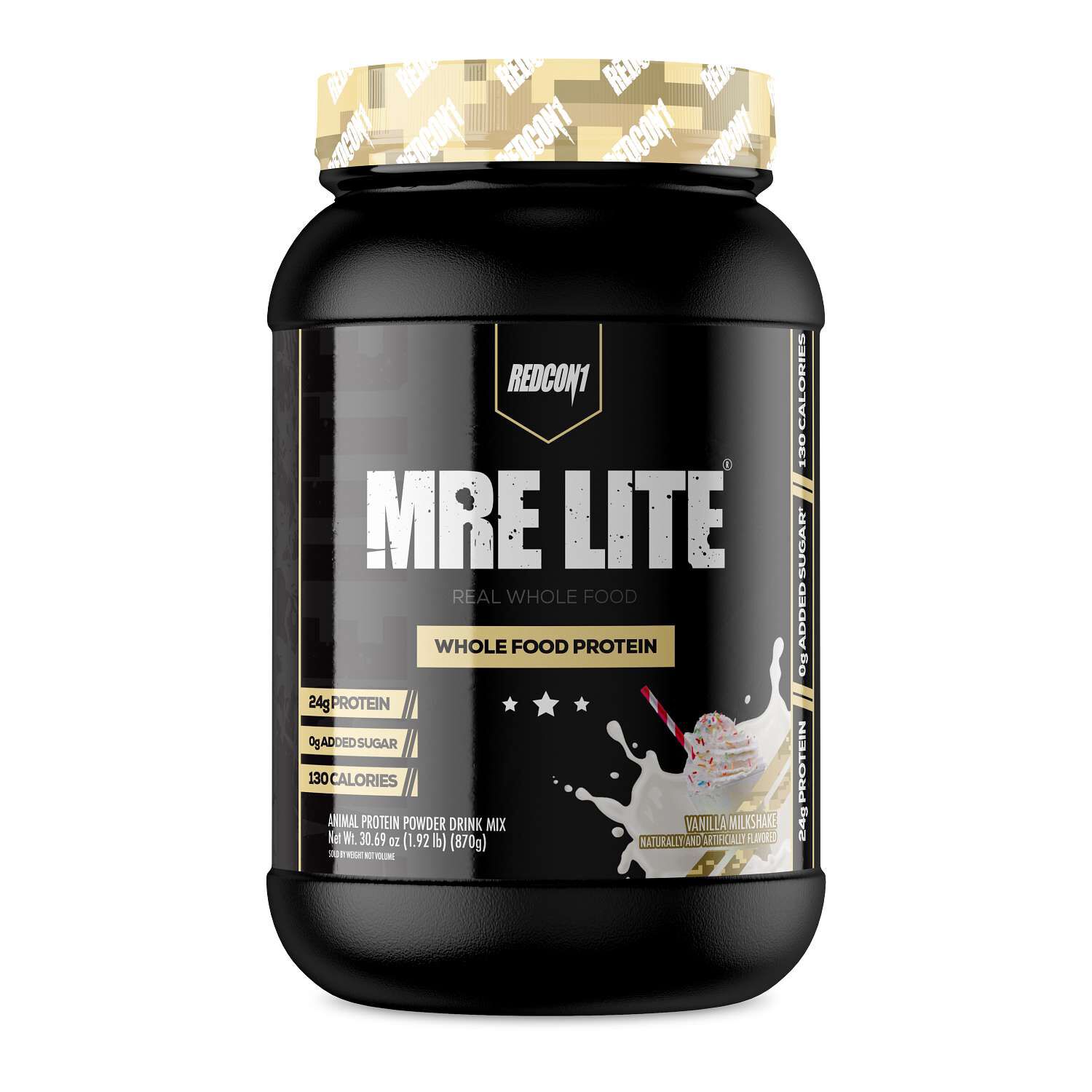
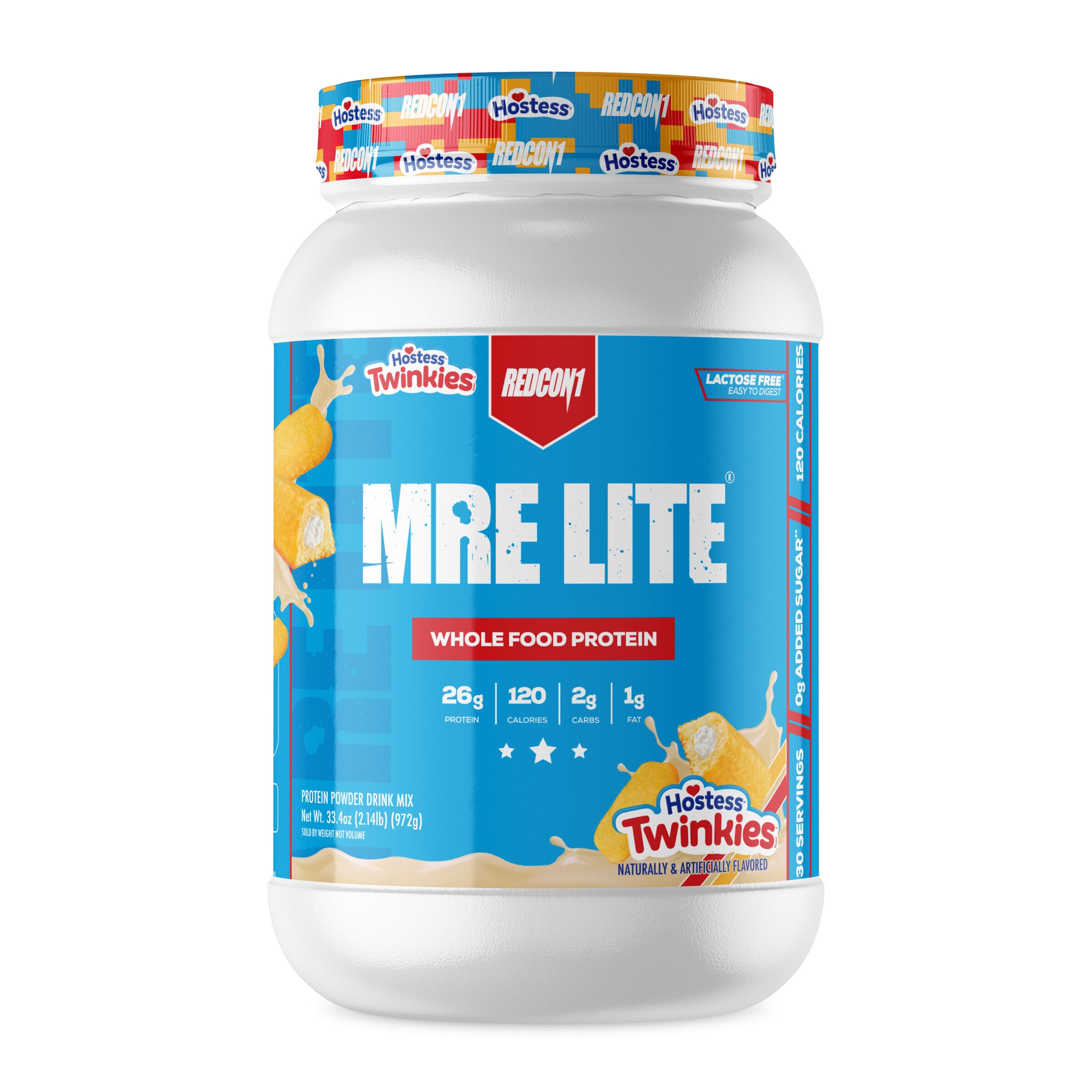

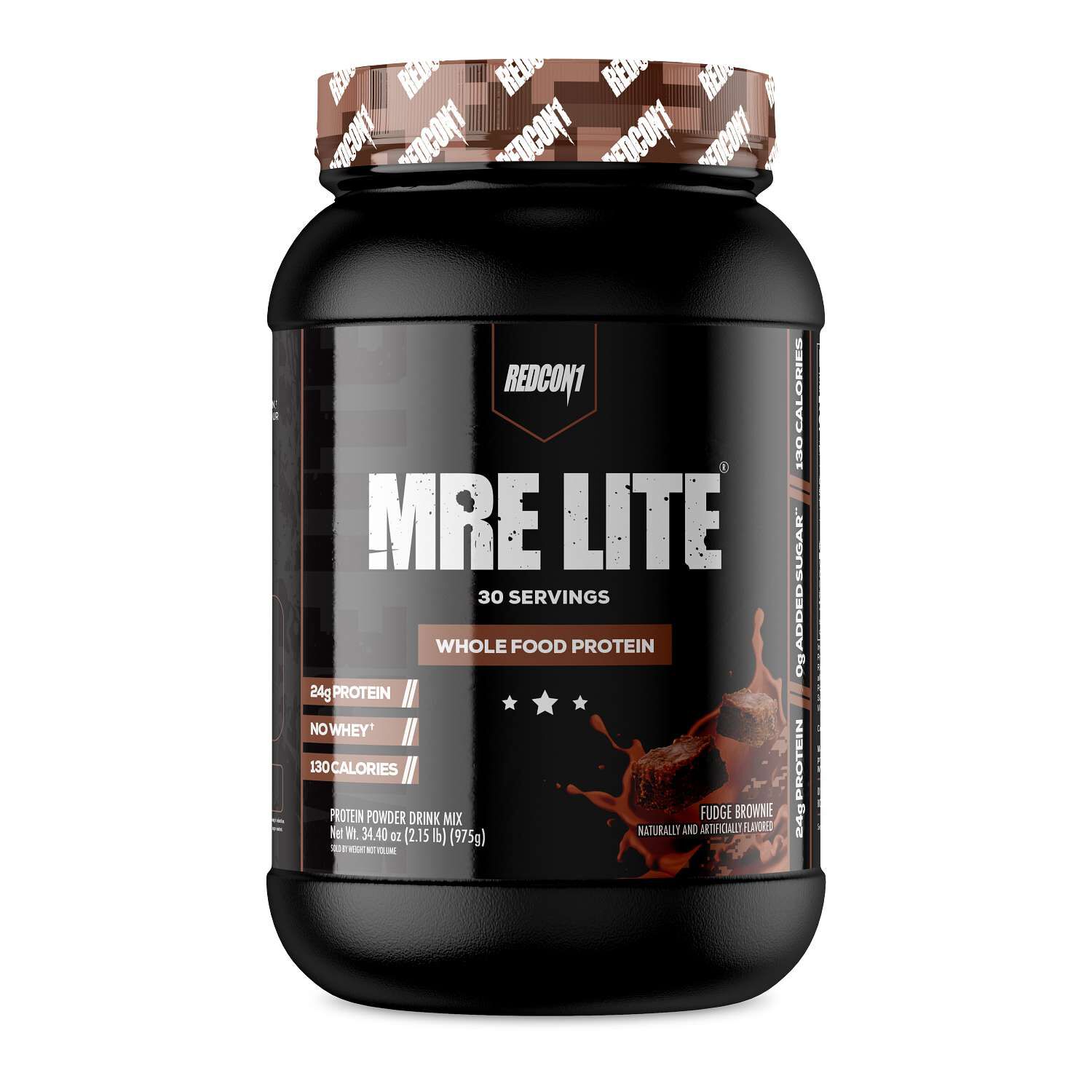
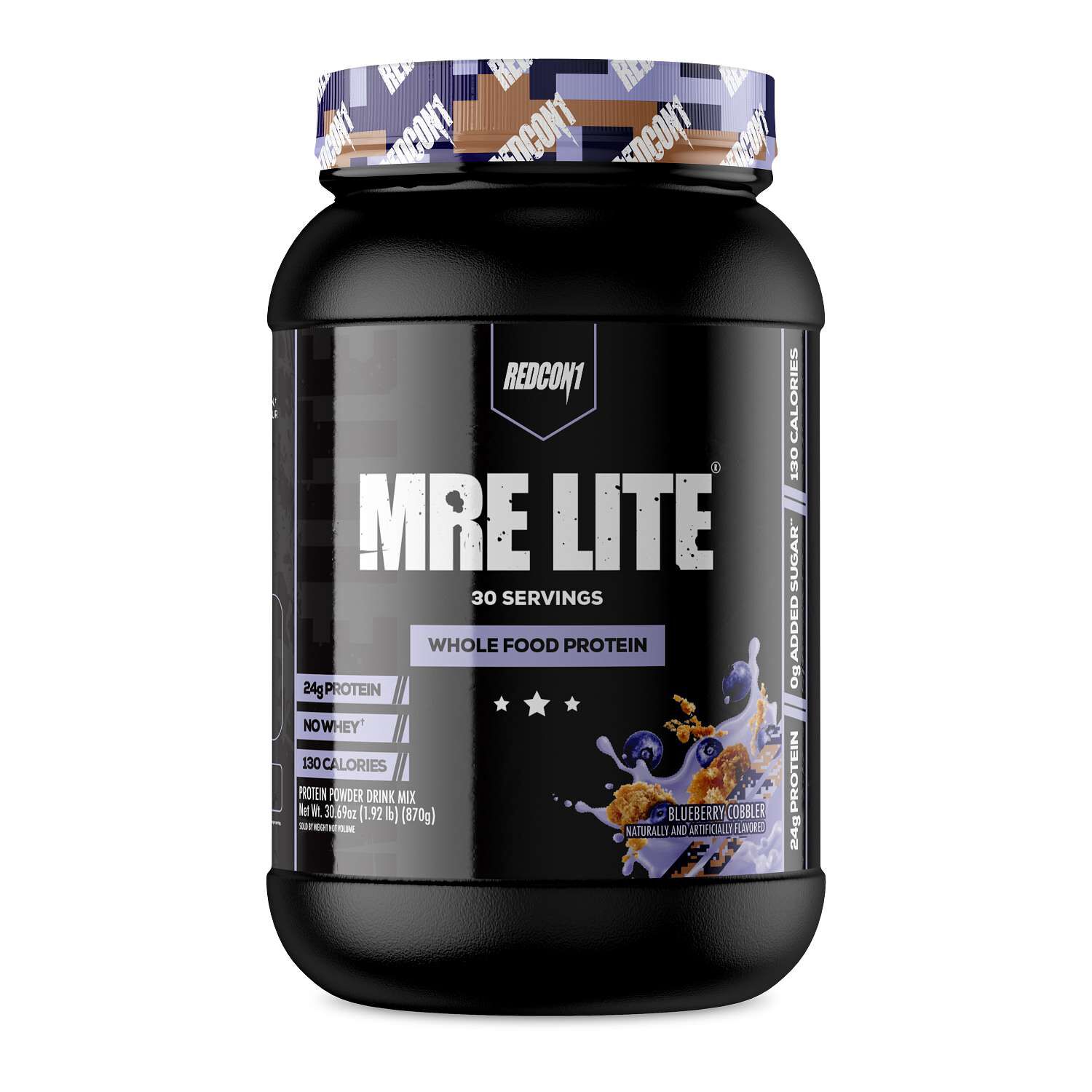
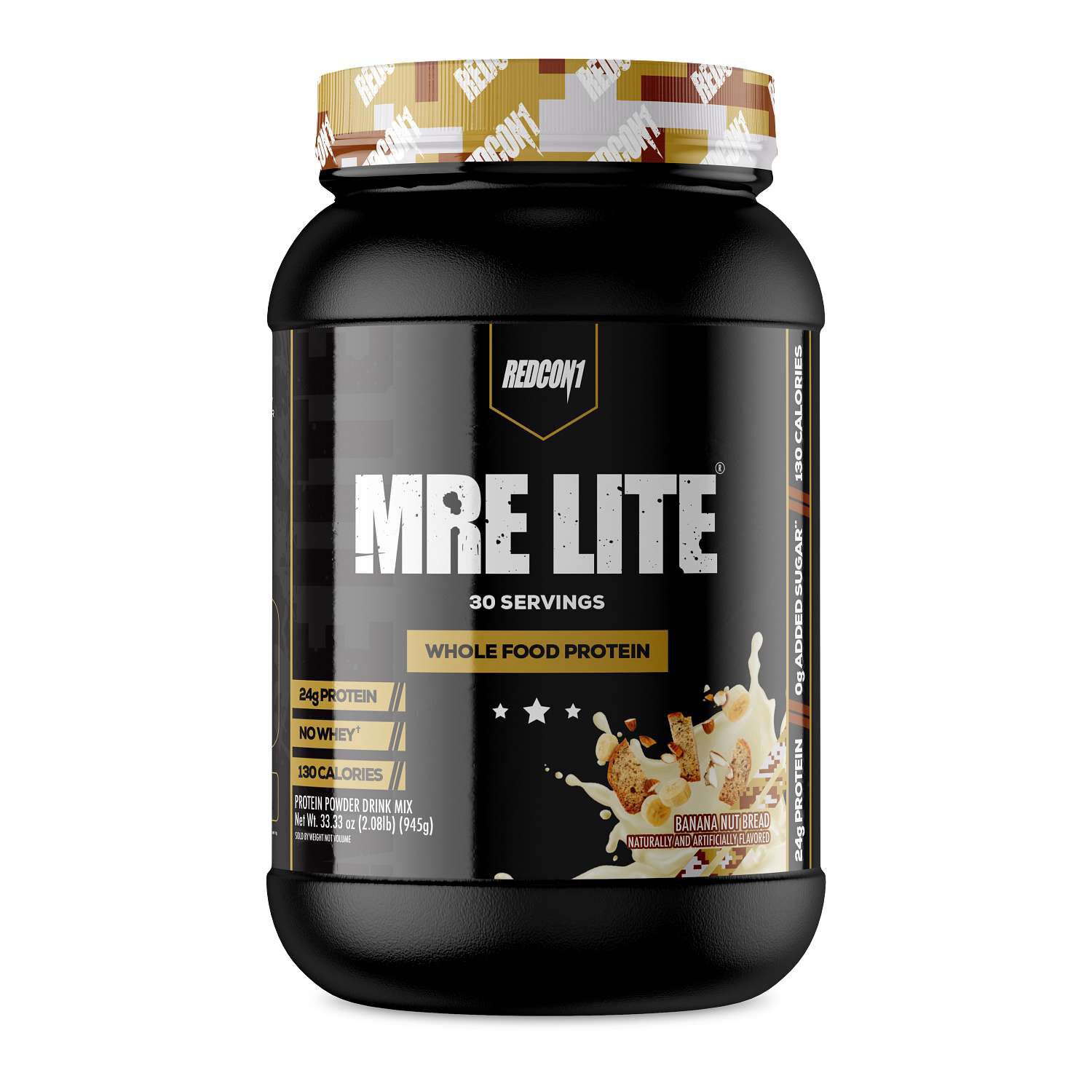


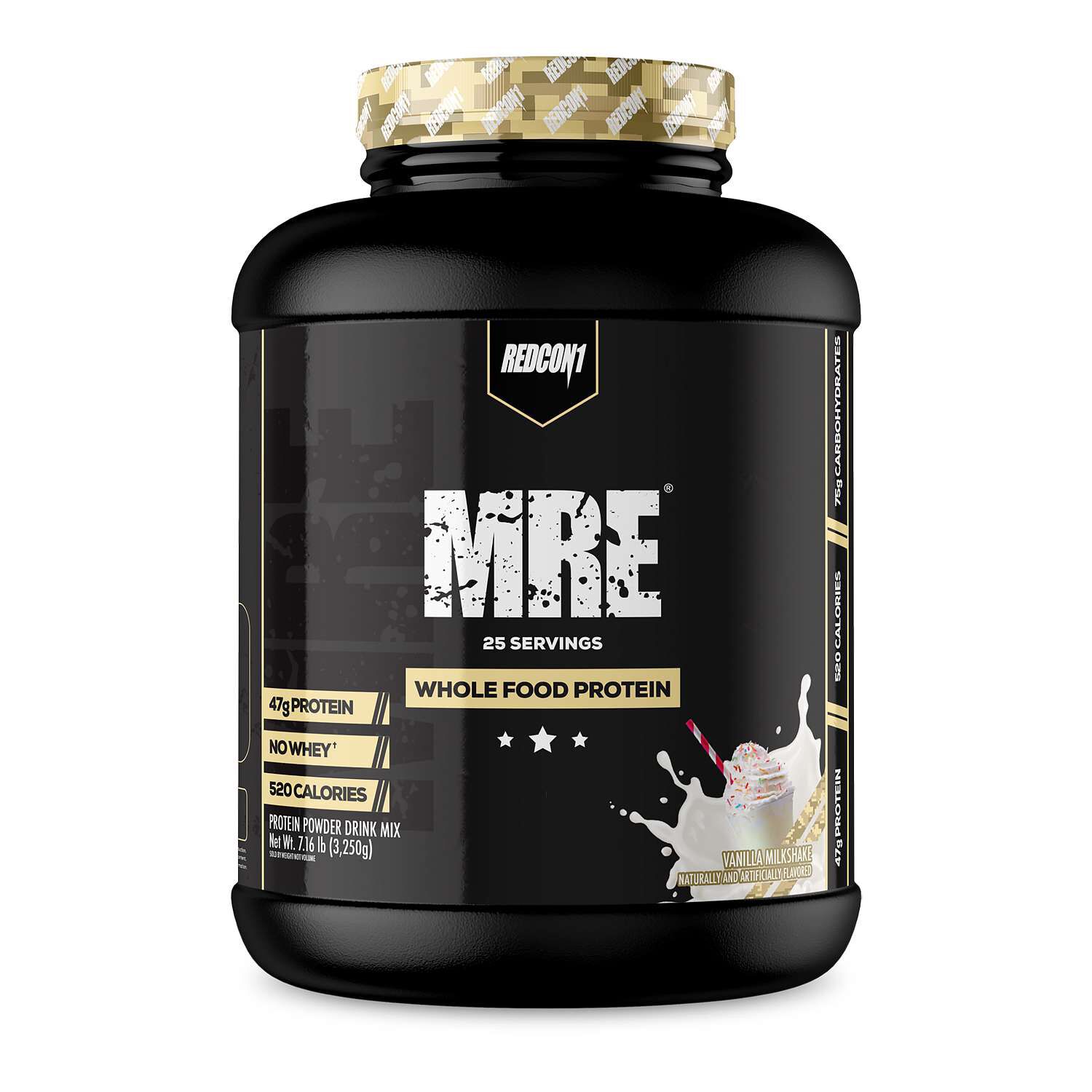

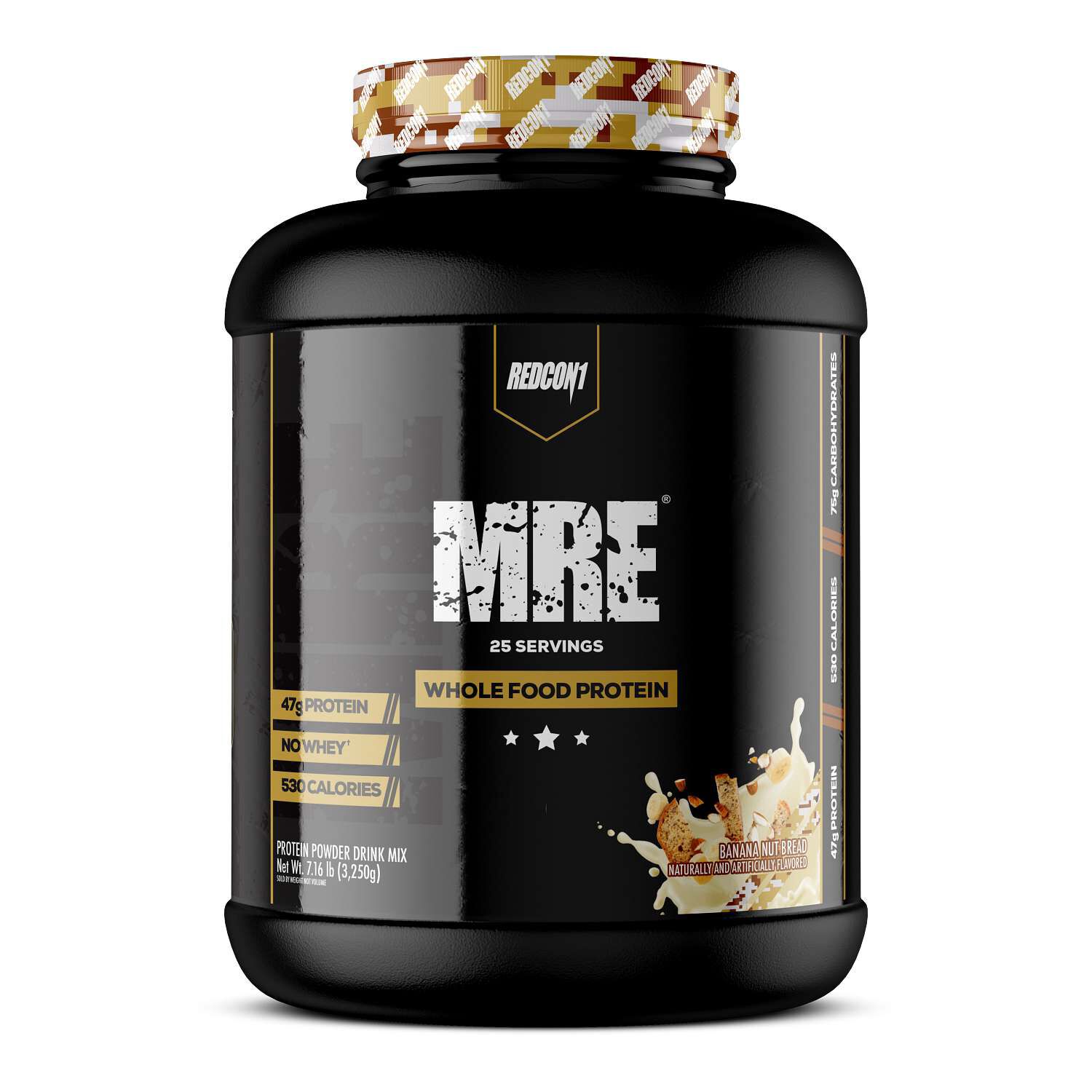

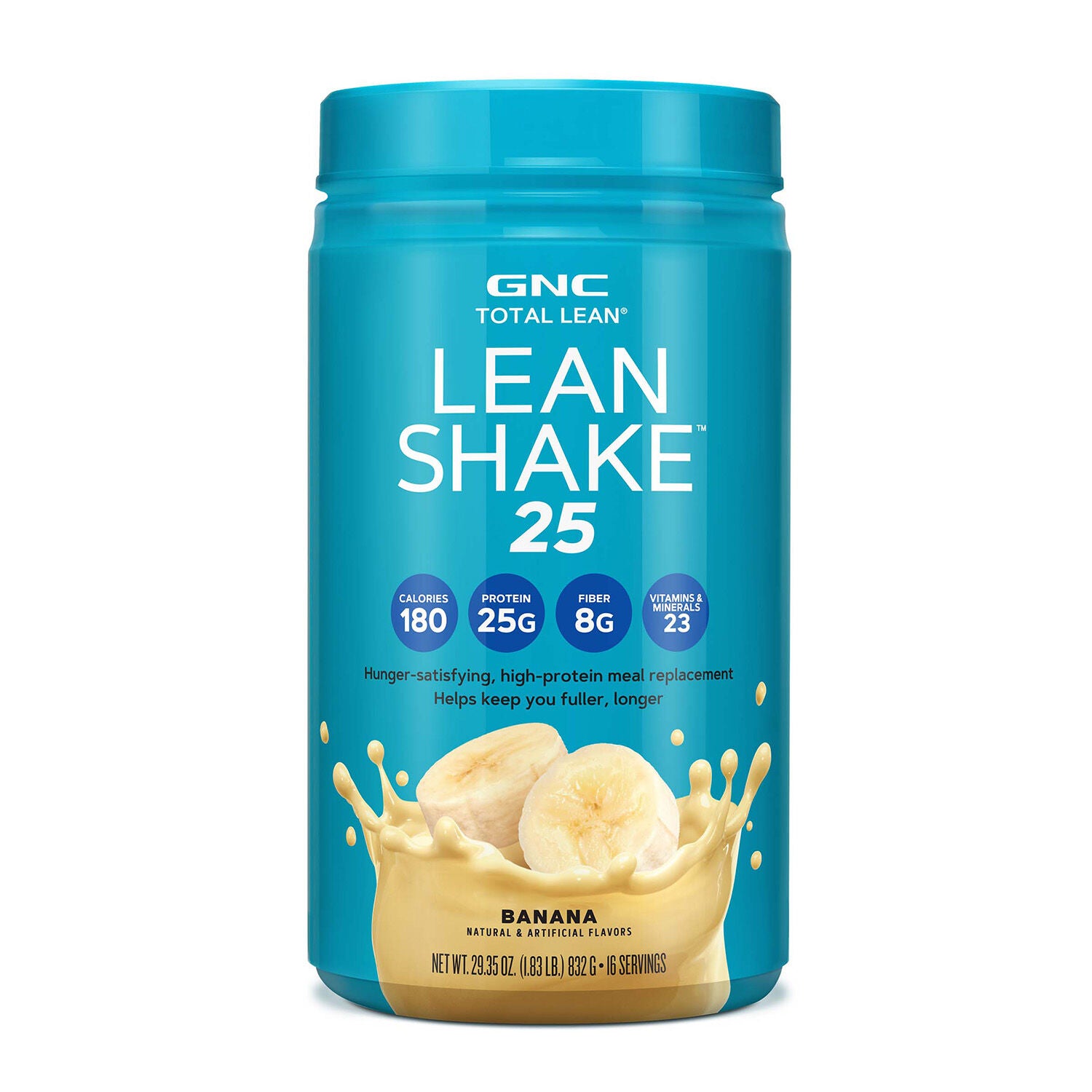
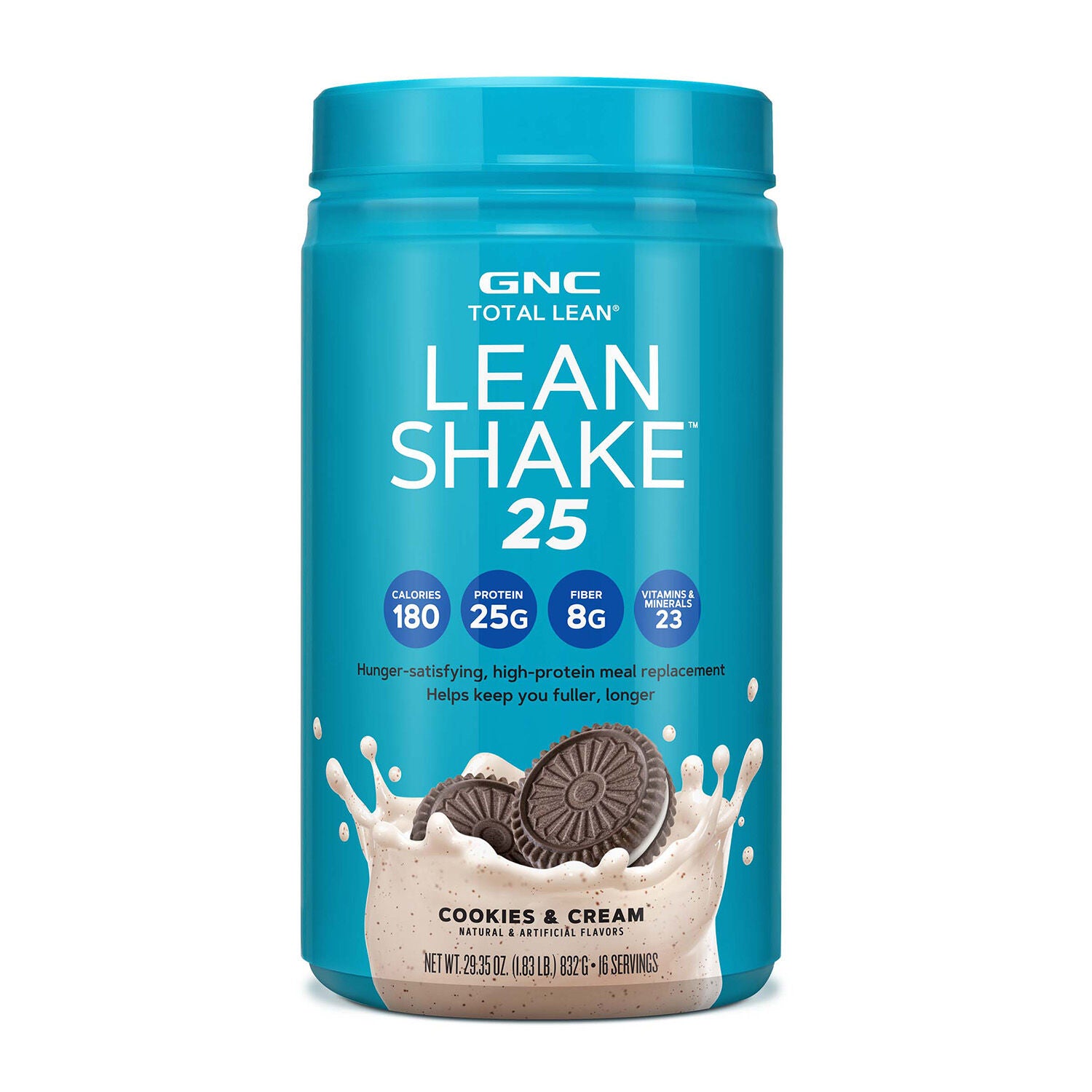
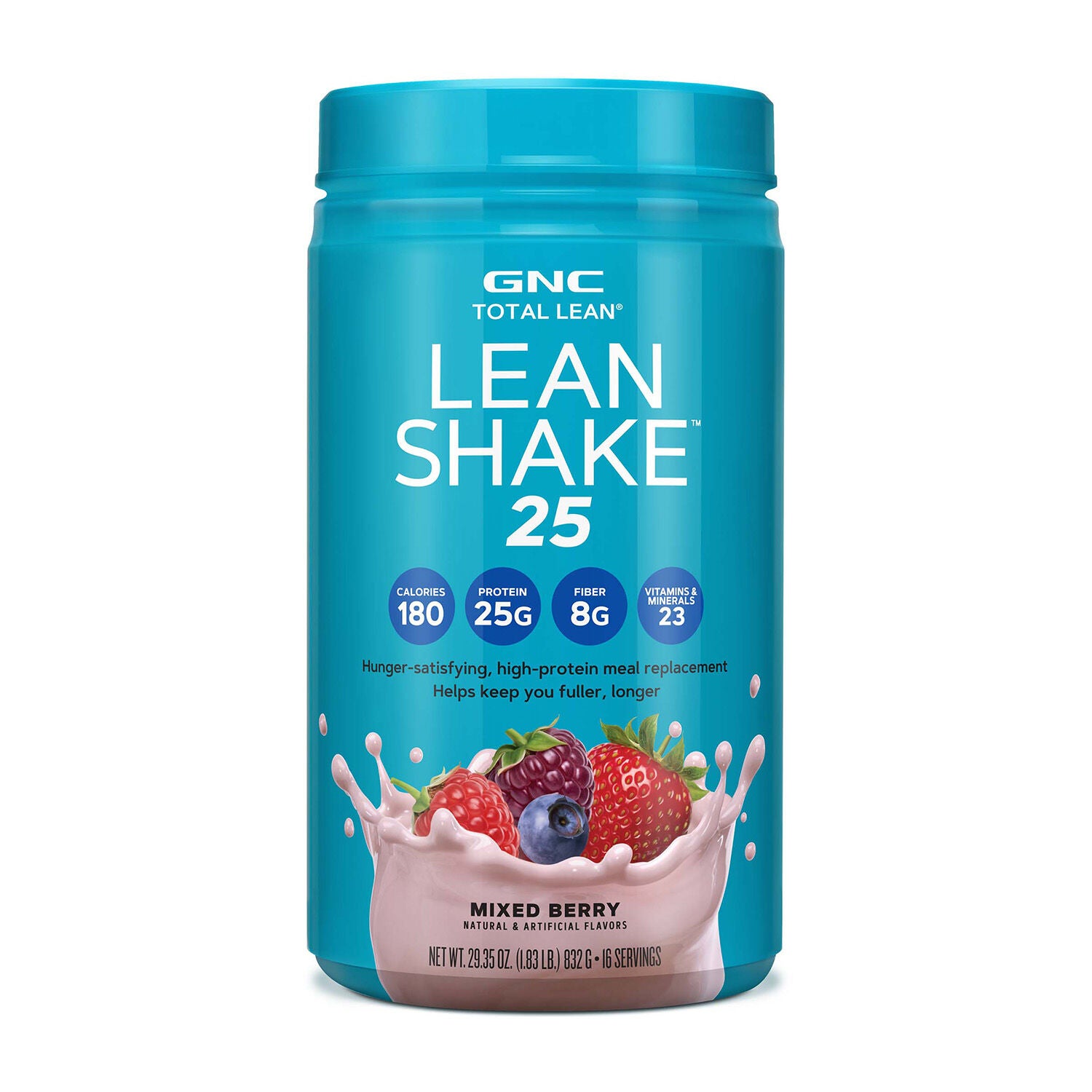
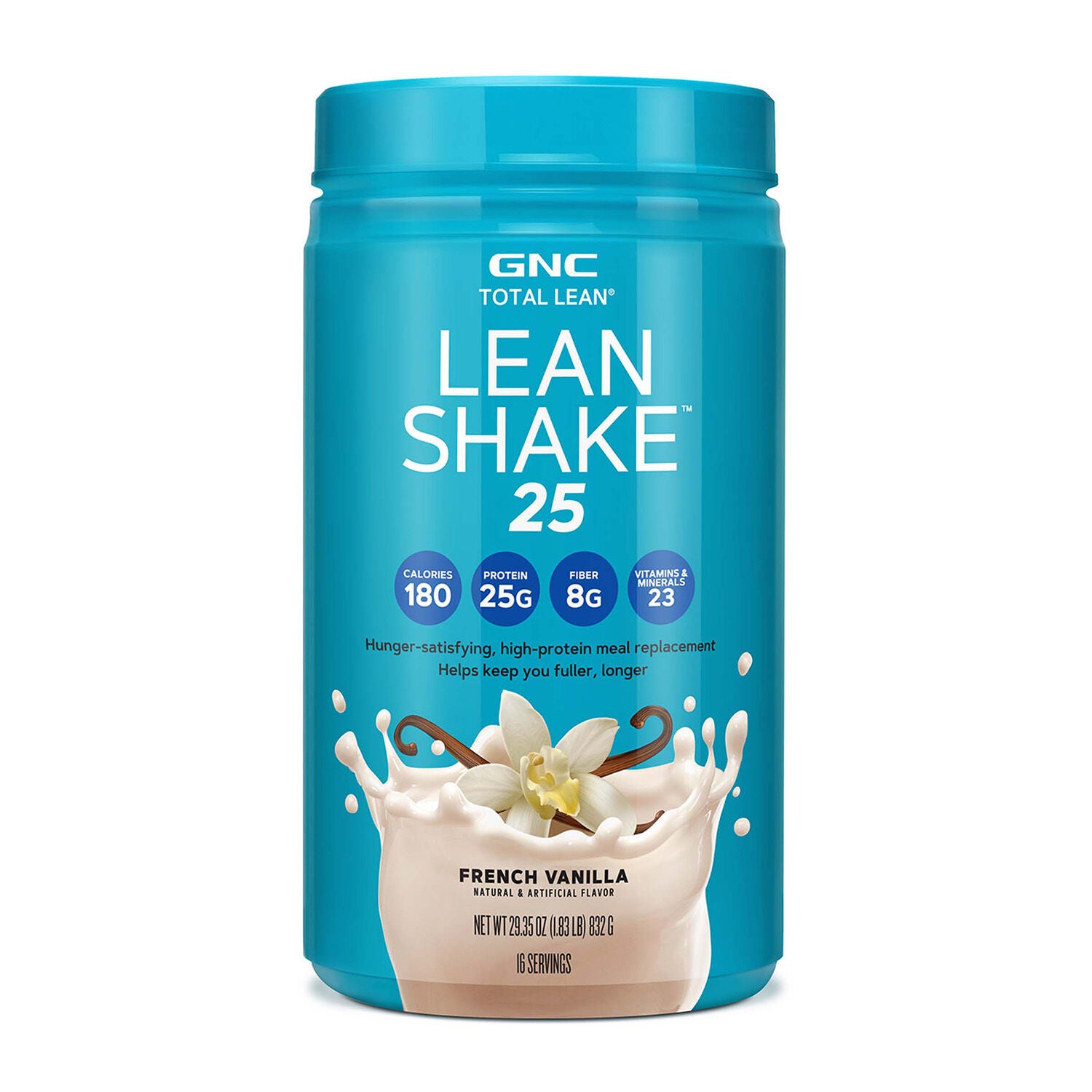
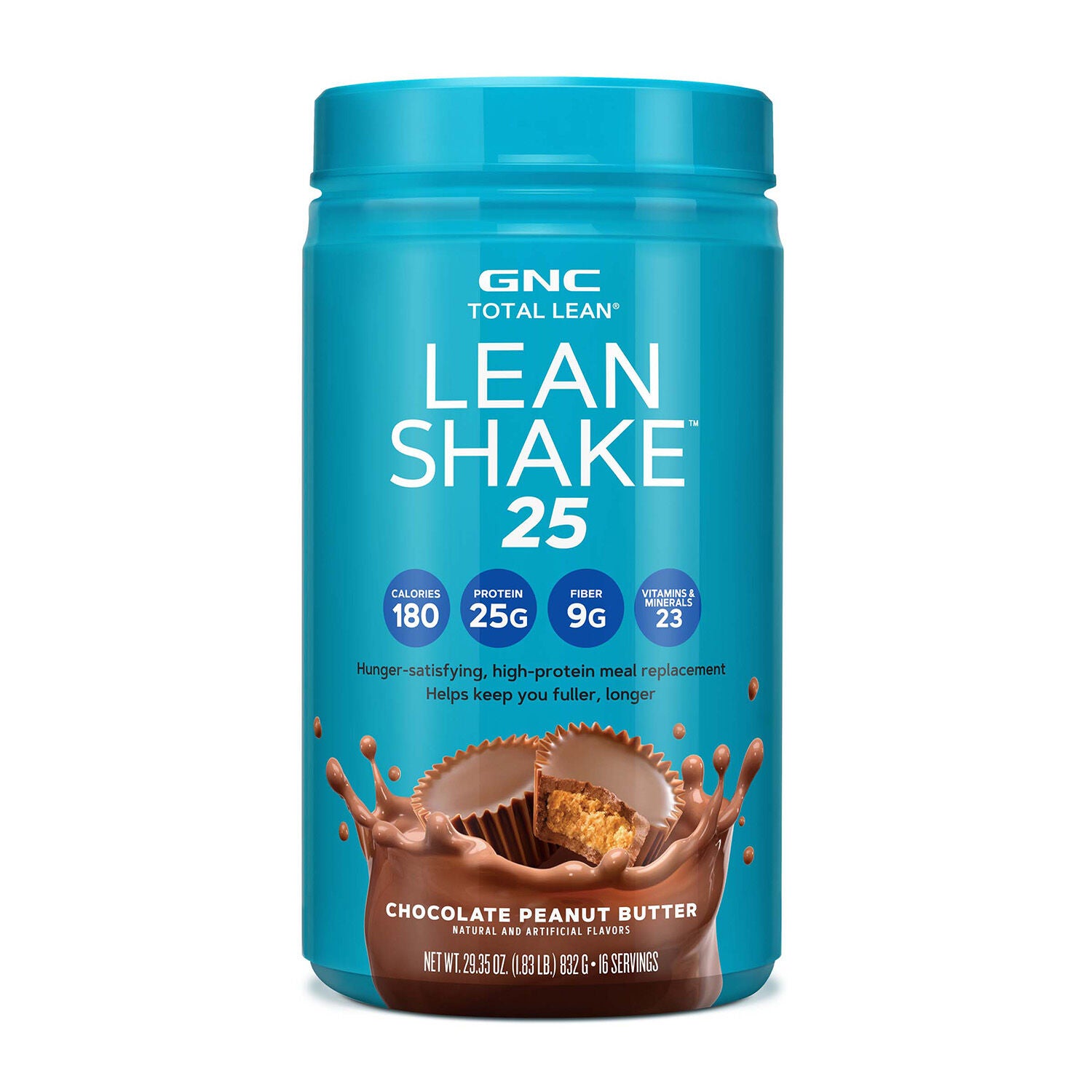

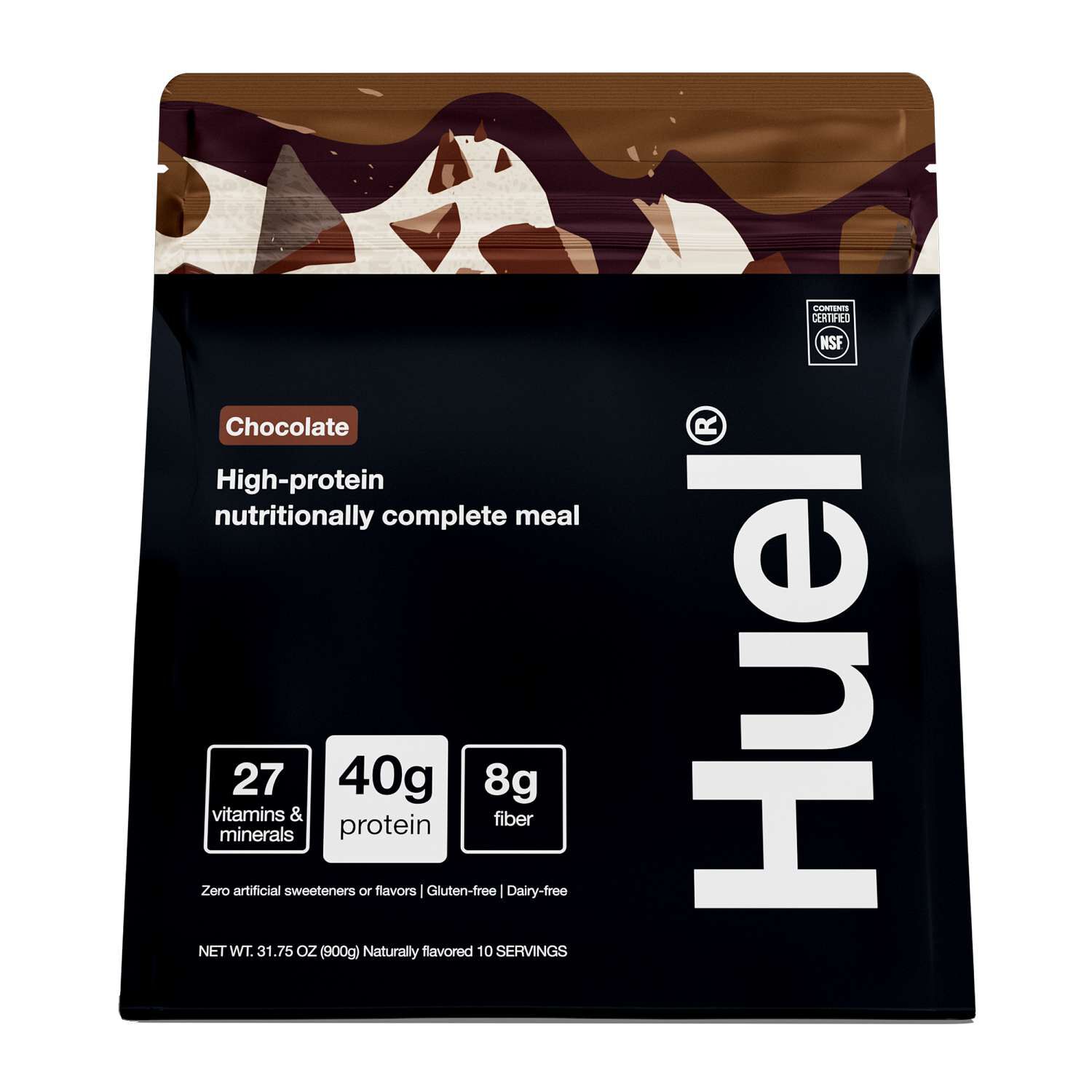
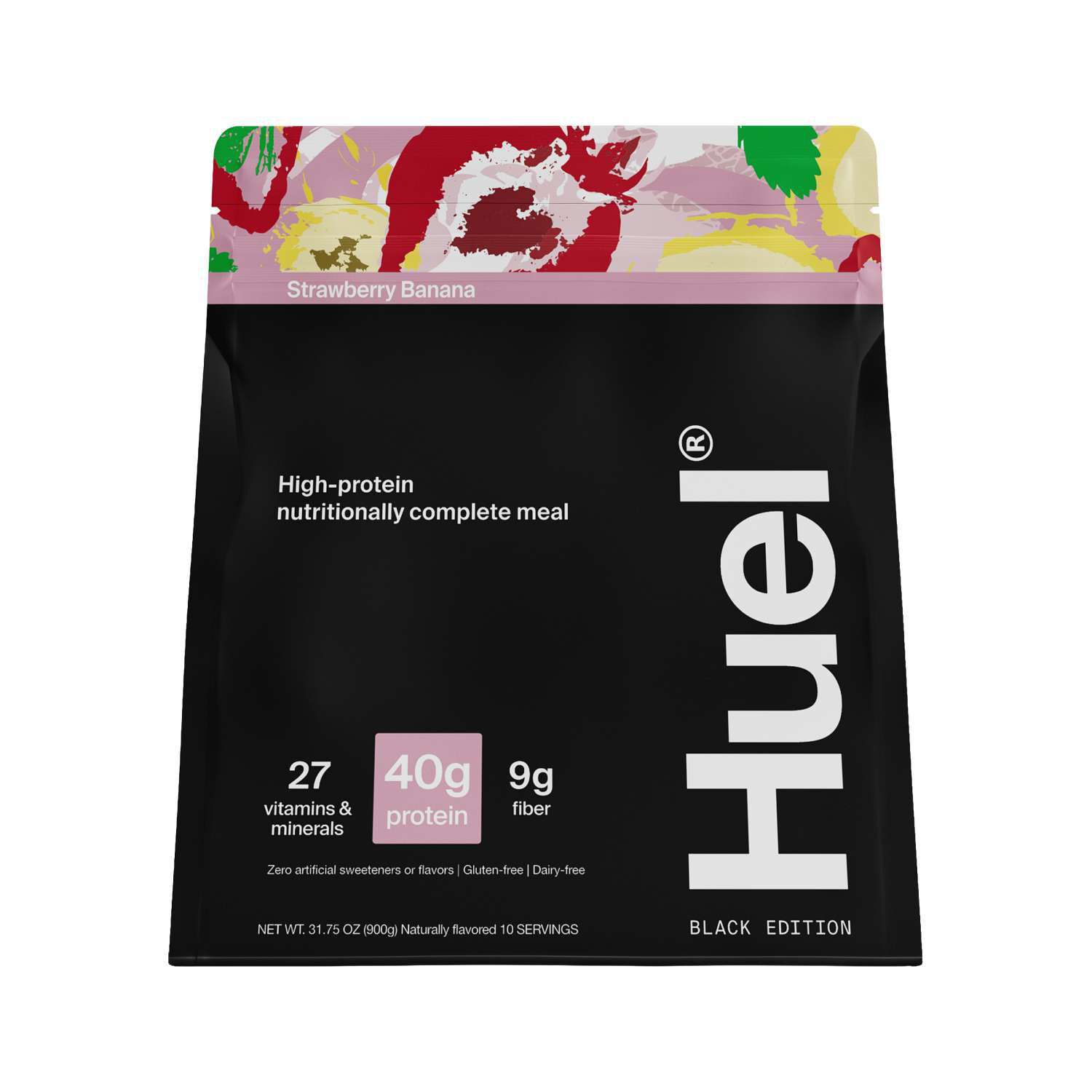

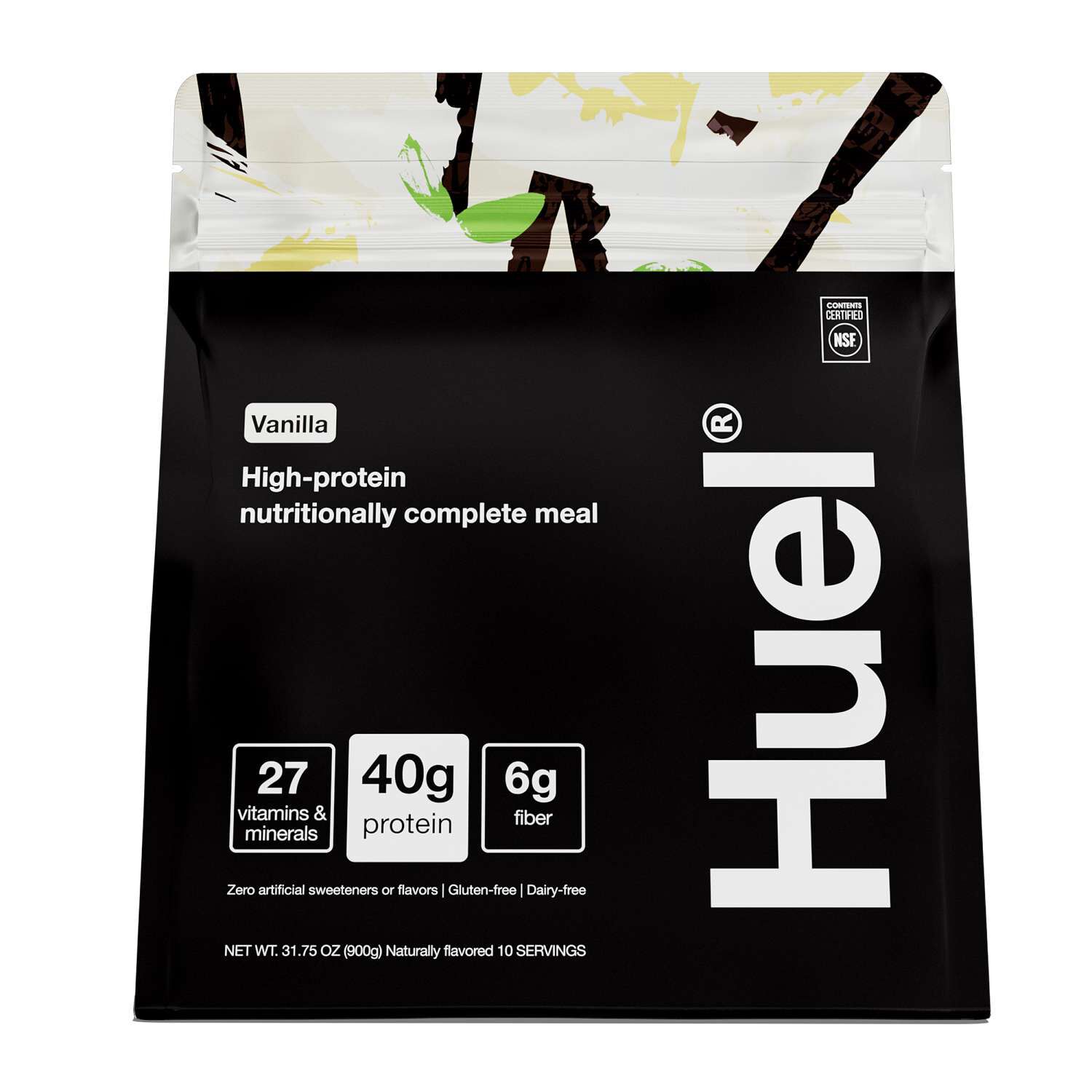


Meal replacement powders for New Year’s resolutions are powdered mixes designed to make a shake that can stand in for a meal. The format may suit a resolution built around a specific part of the day, such as having breakfast before an early commute or setting aside time for lunch between appointments. Unlike protein powders, which generally focus on protein, meal replacement powders are formulated with the broader nutrition of a meal in mind. Depending on the formula, a serving may include protein, carbohydrates, fat, fiber, vitamins, and minerals. The nutrition label is a useful place to compare calories, protein, fiber, and added sugars per serving. The serving size matters: one scoop isn’t necessarily one serving, and scoop sizes can differ from one container to the next. It’s also worth noting whether the nutrition figures are for the powder alone or for a shake prepared as directed. Water doesn’t add calories, while milk or a plant-based beverage may change the calories, protein, and other amounts in the glass. The ingredient list offers a different kind of detail, including whether the protein comes from dairy or plant sources and whether the powder contains ingredients such as oats, soy, or added sweeteners. Flavor names alone don’t tell much about sweetness or texture. Two vanilla powders may taste quite different, and one may mix into a lighter drink while another makes a thicker shake. Those differences can matter when the shake is meant to take the place of a meal rather than accompany it. For someone who usually sits down to a savory lunch, a sweet shake may feel like a better fit at breakfast. For someone who rarely has time to sit down at midday, how easily the powder mixes in a shaker may matter more than how it tastes out of a blender.
How the powder gets from the package to the glass is another practical consideration. Some formulas are intended for a shaker or a glass and spoon, while others may mix more smoothly in a blender. The package directions usually list the amount of liquid to use, which gives shoppers a sense of whether a serving will fit in the bottle they already carry. A wide-mouth shaker may be easier to fill at a break room counter without spilling powder around the rim. At home, a blender may make sense for someone who prefers a thicker shake and has time to rinse the jar afterward. Packaging also changes how the powder fits into a routine. A rigid tub is easy to set on a pantry shelf and scoop from regularly, though its footprint stays the same as the powder is used. A resealable pouch may take up less room as it empties, and individually portioned packets may be easier to tuck into a work bag without carrying a scoop or measuring ahead of time. A packet and an empty shaker may be all someone wants to carry on a day with access to drinking water, while a shake made before leaving home brings up a different consideration: how the prepared drink needs to be stored. The powder and the mixed shake may have different storage directions, and those details are especially relevant when lunch could be several hours away. For the powder itself, a dry scoop and a lid or seal that closes securely are practical details if the package will be opened often. For the bottle, a cap and mixing insert that come apart may make cleanup simpler, particularly around the threads and under the lid, where a quick rinse can miss residue. These small differences are easy to overlook when comparing nutrition labels, but they’re noticeable when the same container and shaker are part of several workdays in a row.
A New Year’s resolution can be broad, but the role of a meal replacement powder is usually easier to picture in a particular routine. Someone who works changing shifts may want a shelf-stable powder for days when the usual lunch break moves. A commuter who has breakfast at a desk may care more about a mix that works with water and a bottle than one that calls for a blender and a separate beverage. Someone who mostly eats at home may have more room to consider texture, flavor, and different ways to mix a shake. Fitness plans can overlap with meal planning, but the two shopping needs aren’t identical. The point of a meal replacement powder is to prepare a shake for a meal occasion; if the resolution is centered on what to mix before or after exercise, New Year Workout Powders is a separate collection organized around that part of the routine. Meal replacement powder can also be a practical gift for someone who has mentioned wanting that format, especially when the recipient’s usual flavors and ingredient preferences are known. In that case, how they prepare drinks is just as useful to know as what they like: someone who keeps a shaker in a work bag may appreciate a different format than someone who blends breakfast at home. Whether shopping for a gift or for a personal resolution, the most useful comparisons come down to the prepared serving, the ingredients, and the work involved in making it. A powder that looks appealing on the shelf may be less practical if it requires equipment that won’t be on hand or makes more shake than a travel bottle holds. Thinking about the meal it’s meant to replace, where it will be mixed, and what the finished drink will be like makes it easier to see which format belongs in the routine.