





New Year Workout Powders
(0 Results)
Kickstart your fitness journey with new year workout powders designed to help support your goals in the gym and beyond. Whether you’re looking to add a boost to your routine or seeking options that may complement your active lifestyle, explore a range of formulas that fit seamlessly into your daily regimen. New year workout powders could be the extra motivation you need as you take on new challenges and set fresh intentions for the months ahead. Find the right fit for your unique needs and make every workout count.

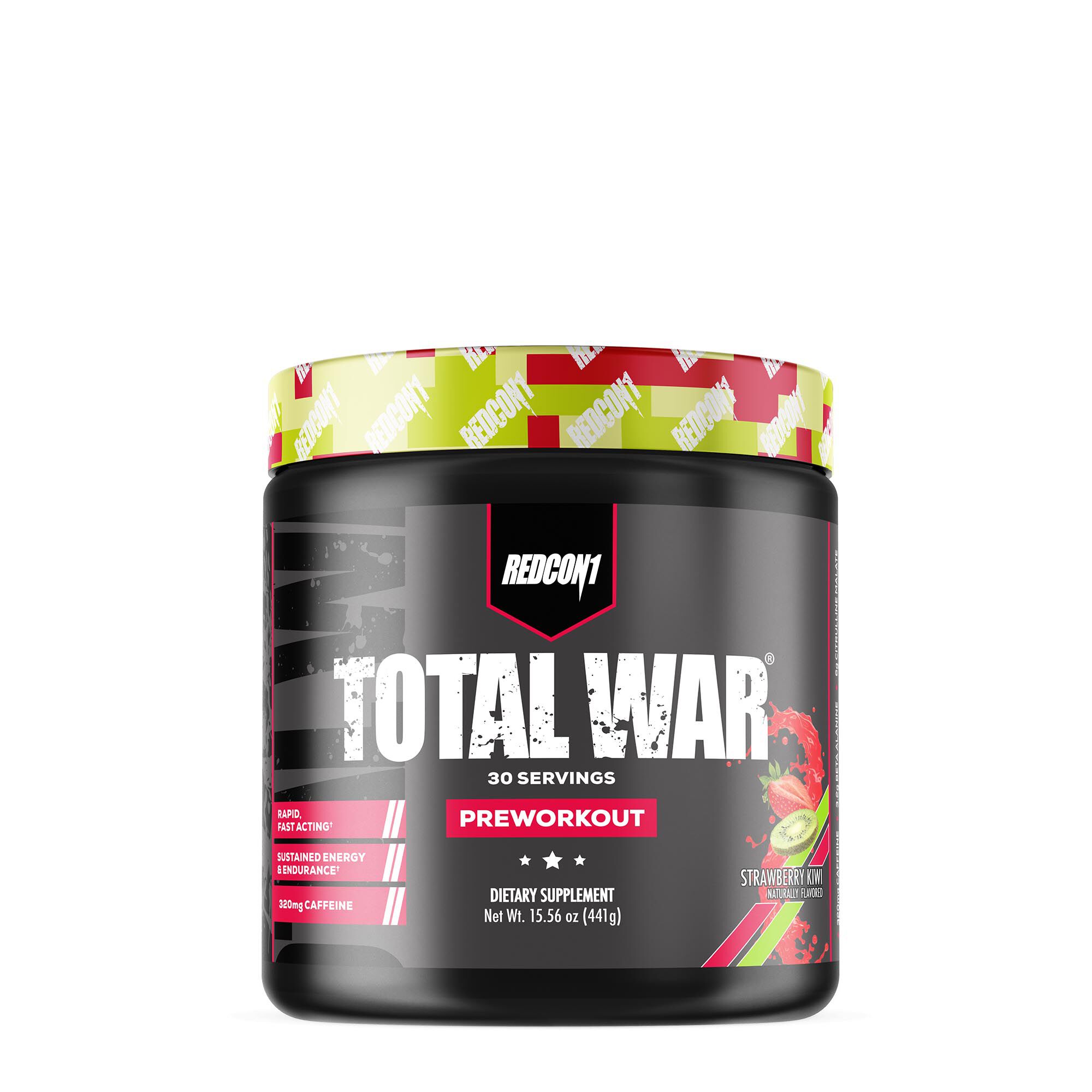

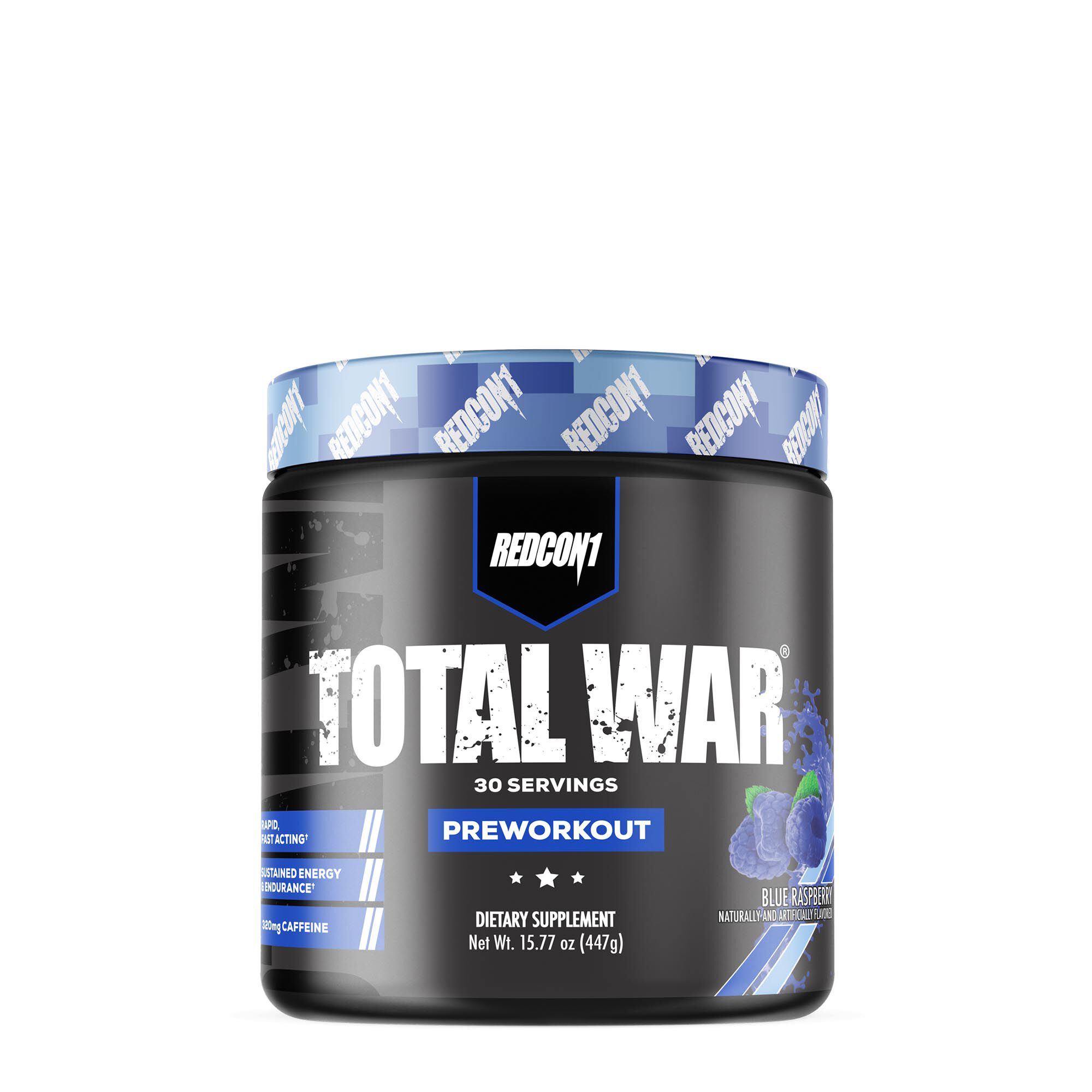


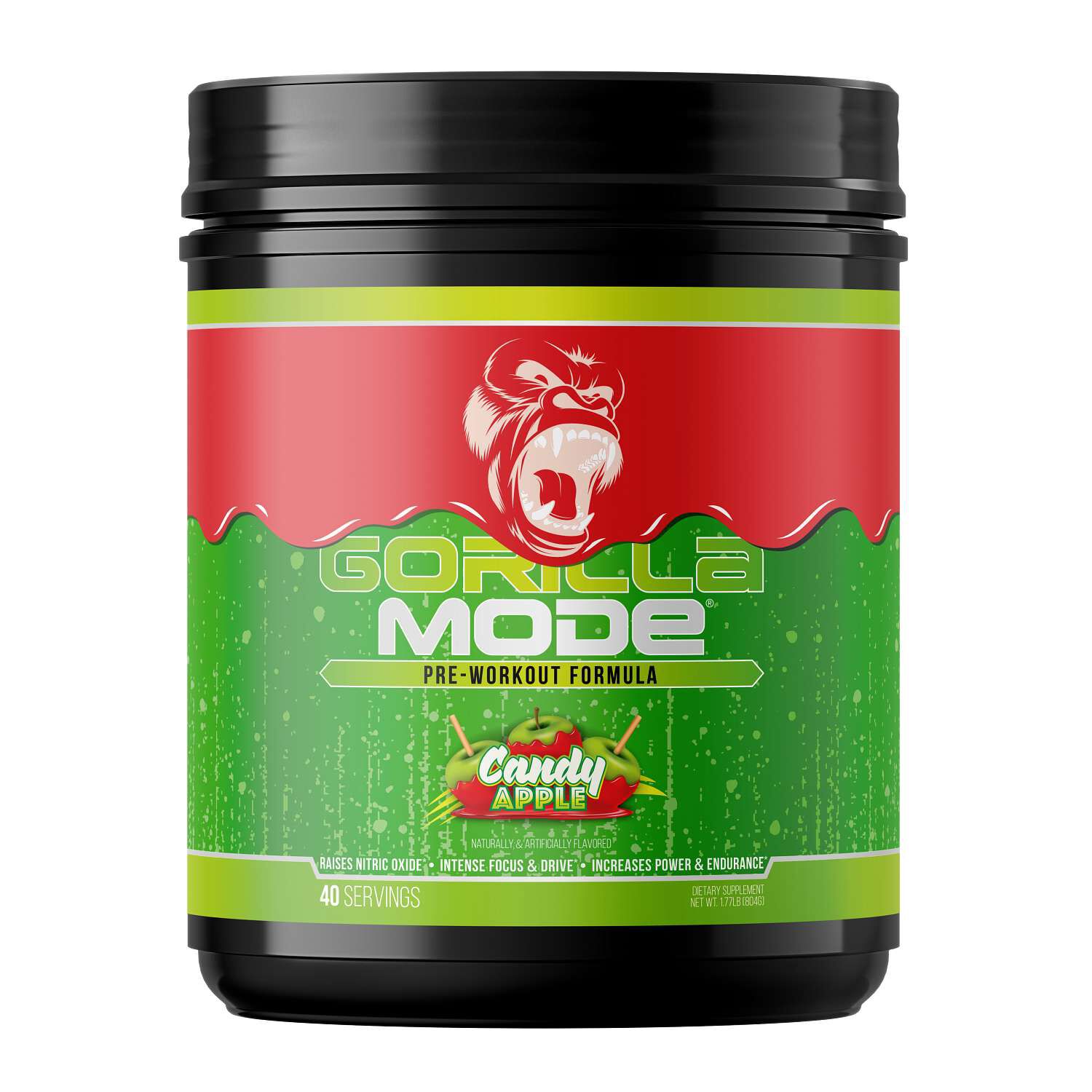

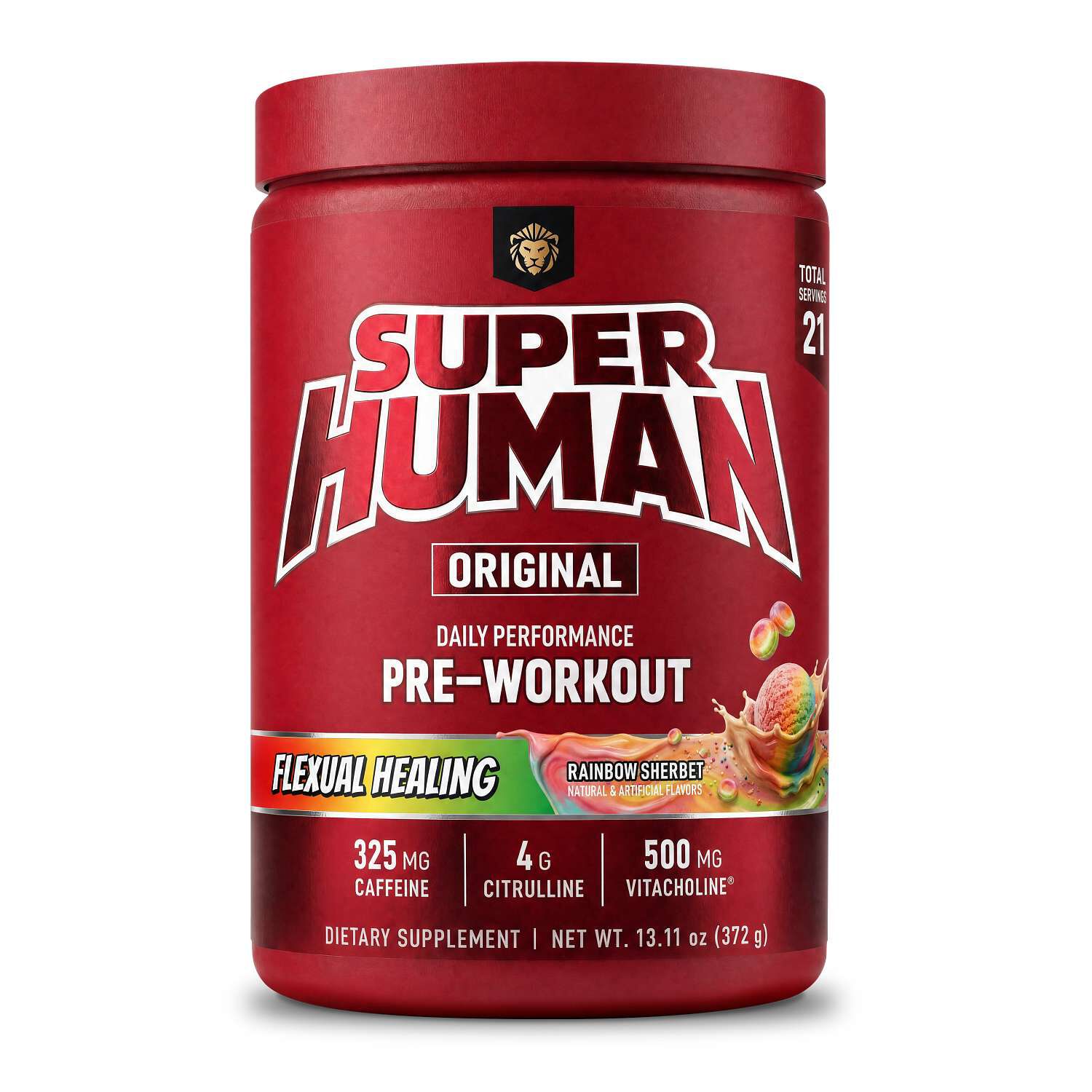
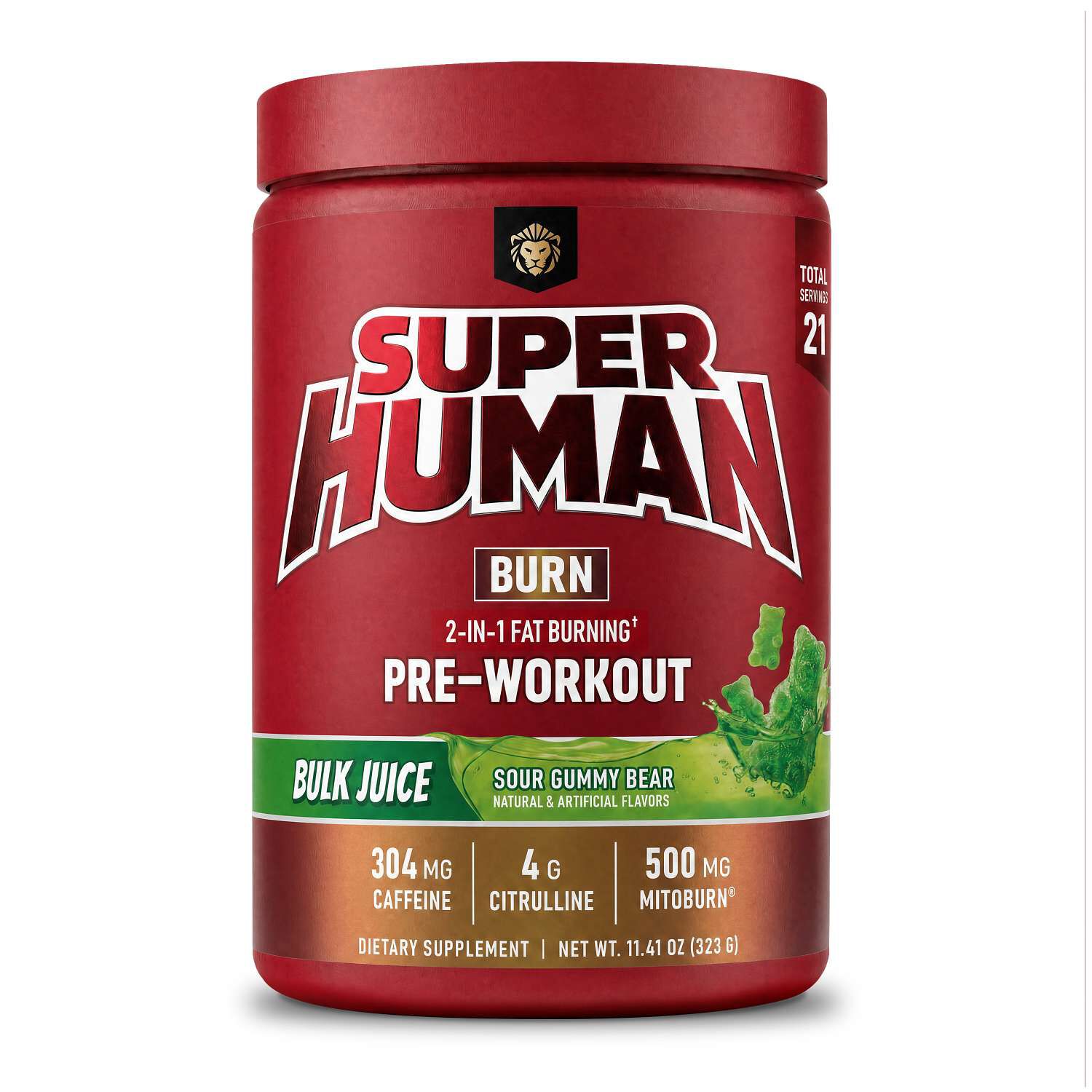
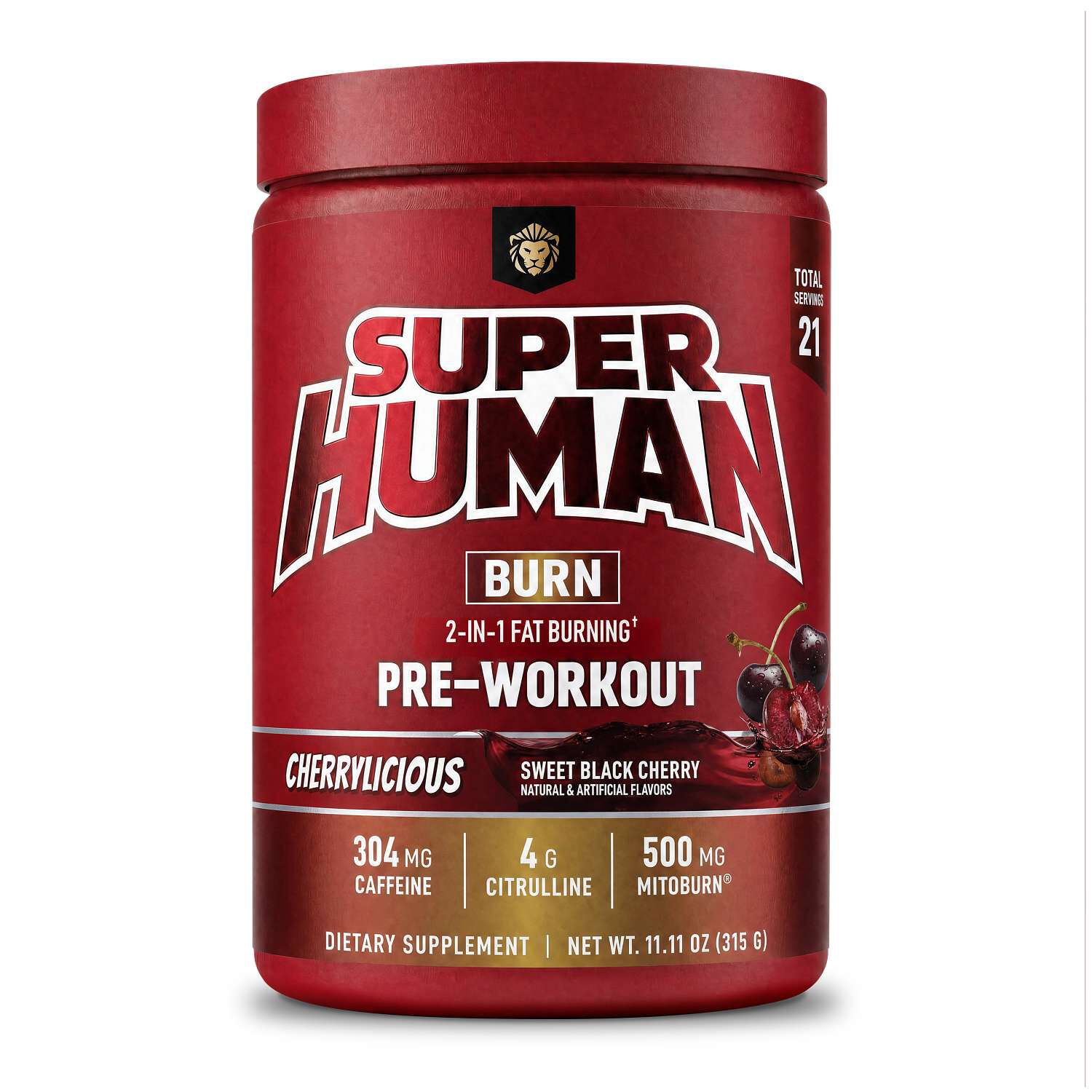

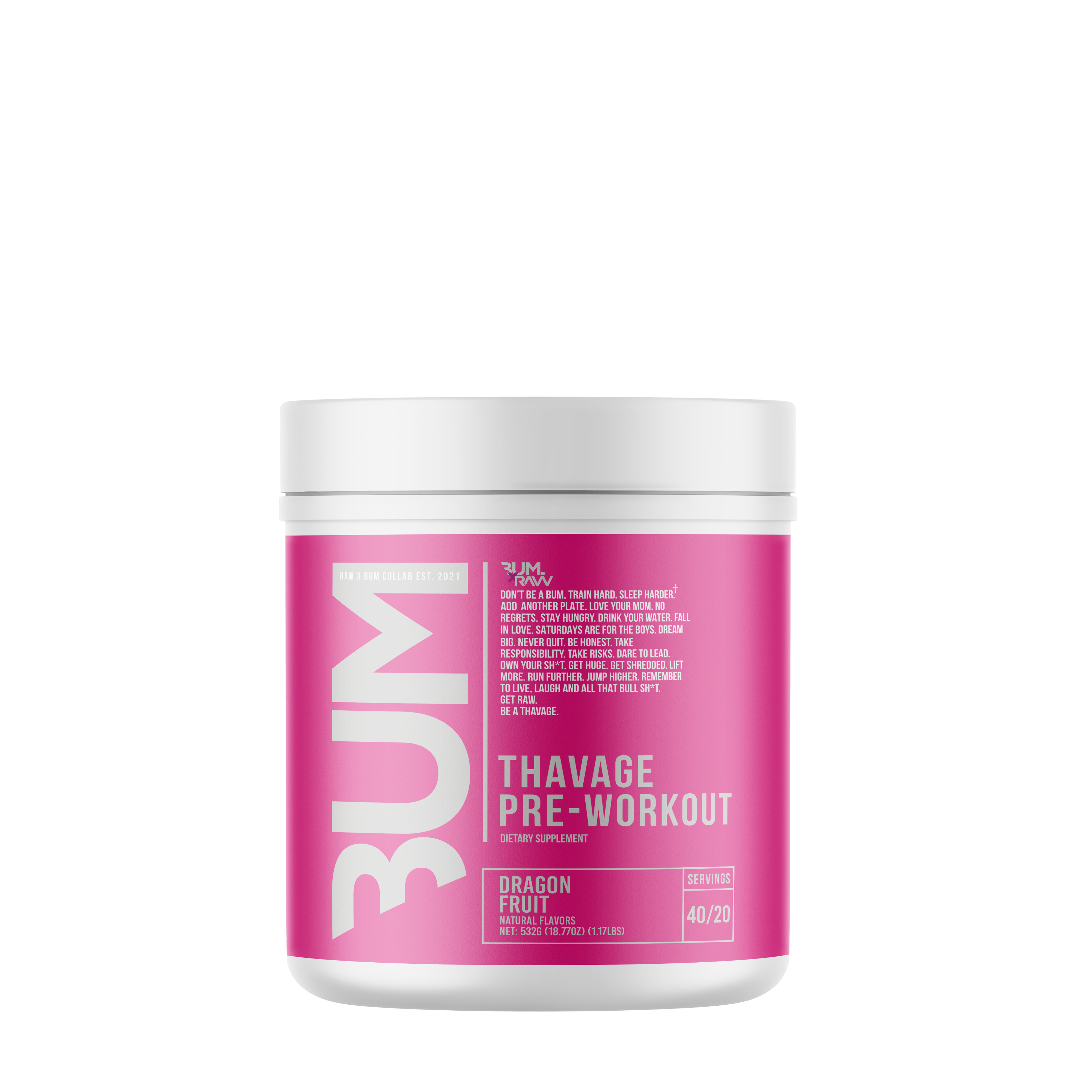

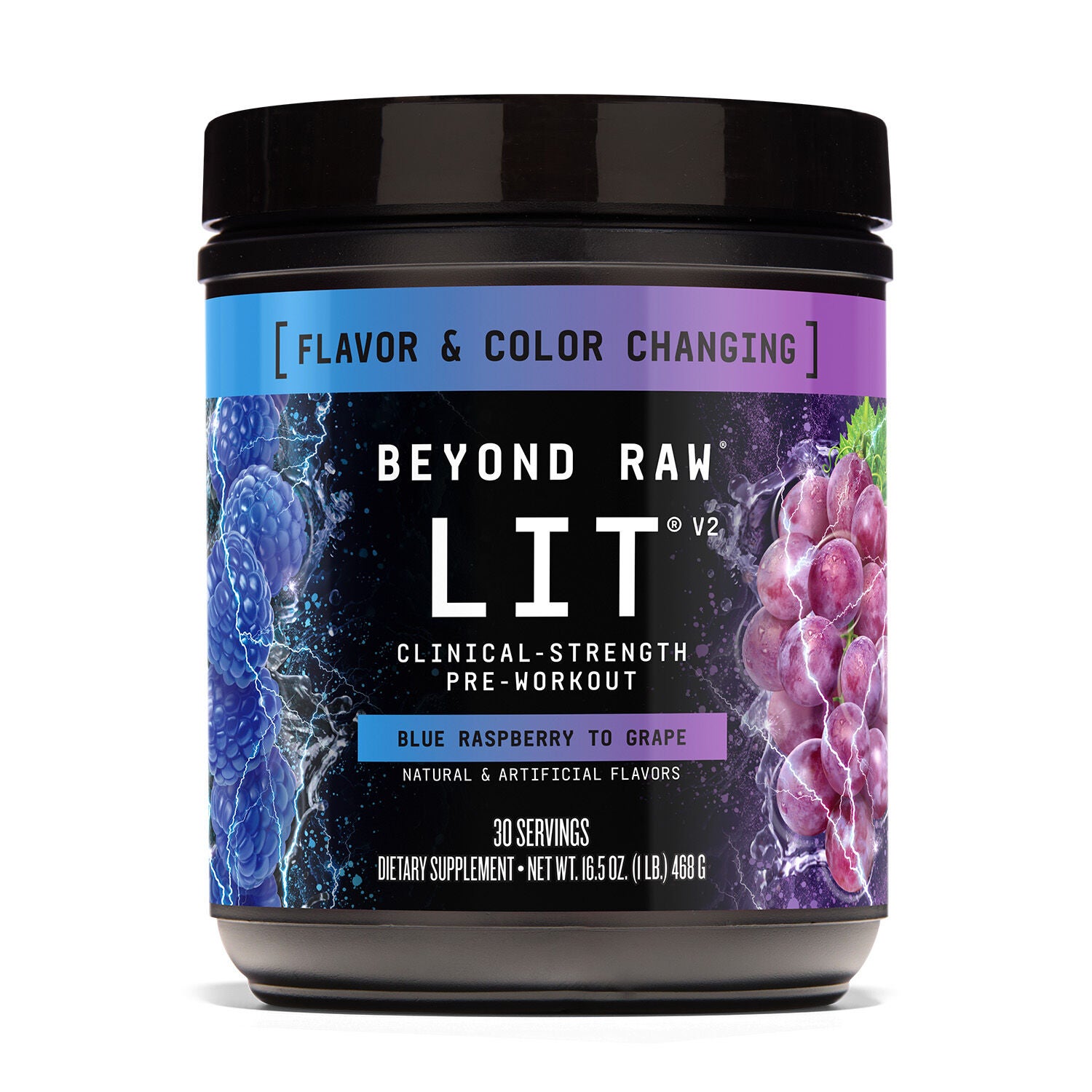
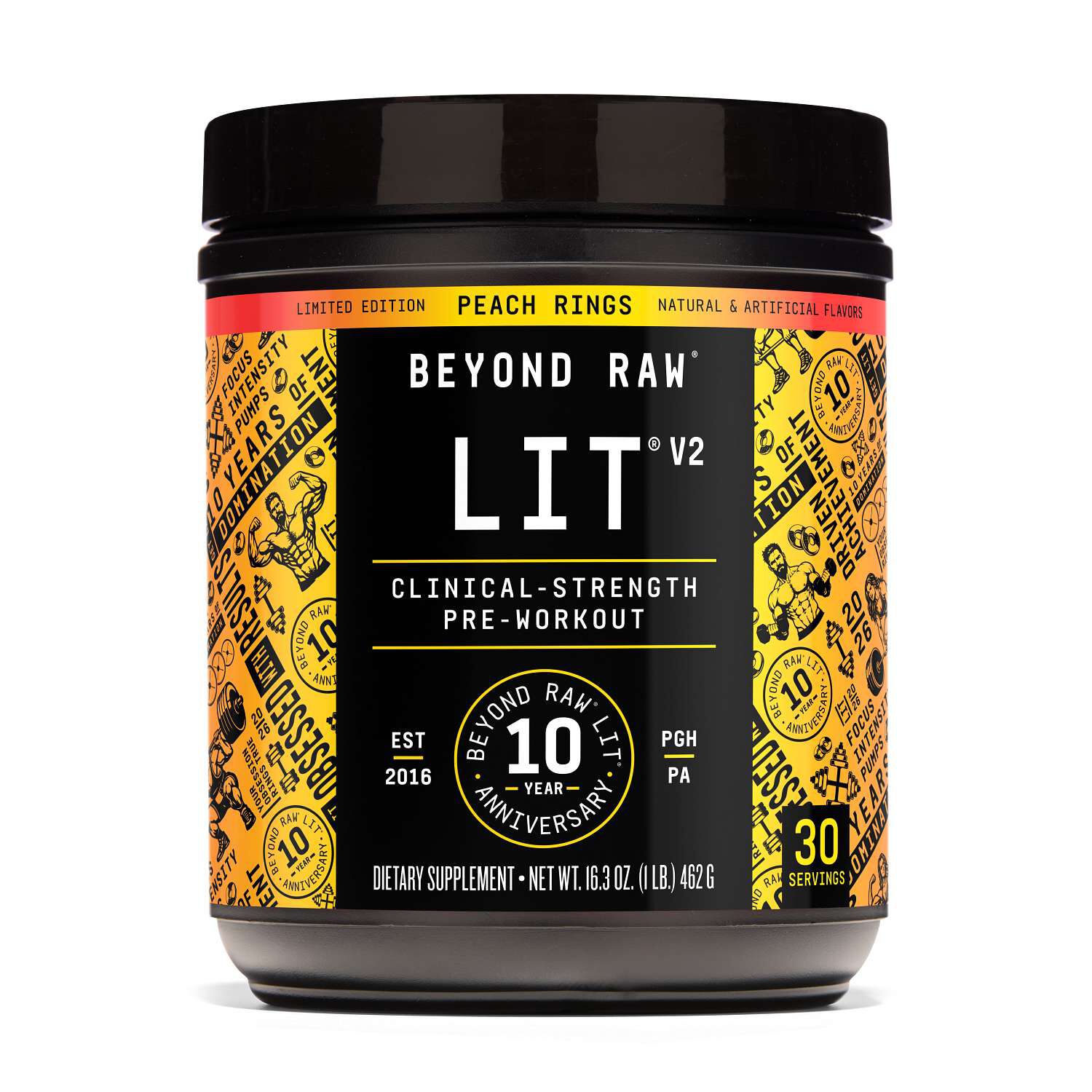
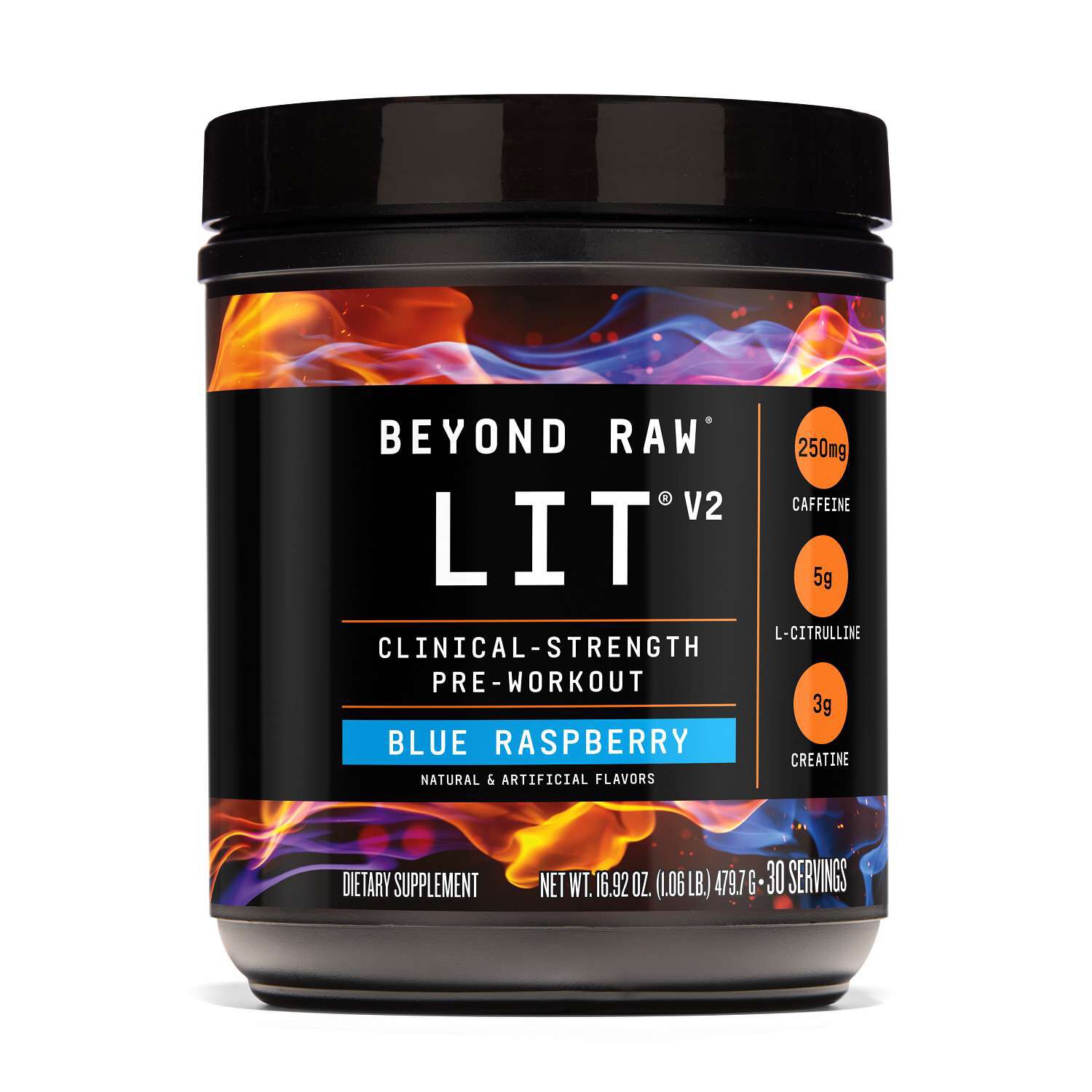

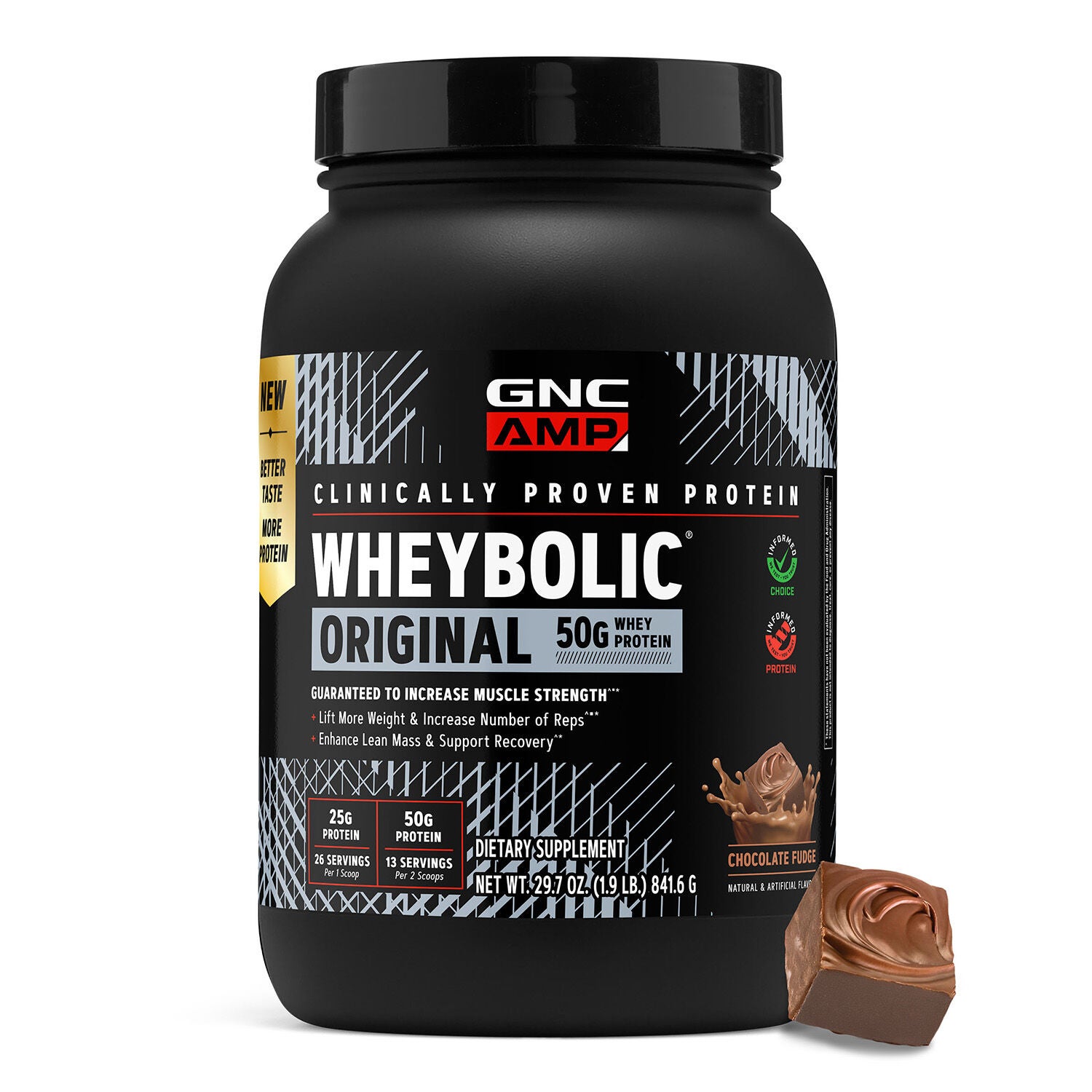

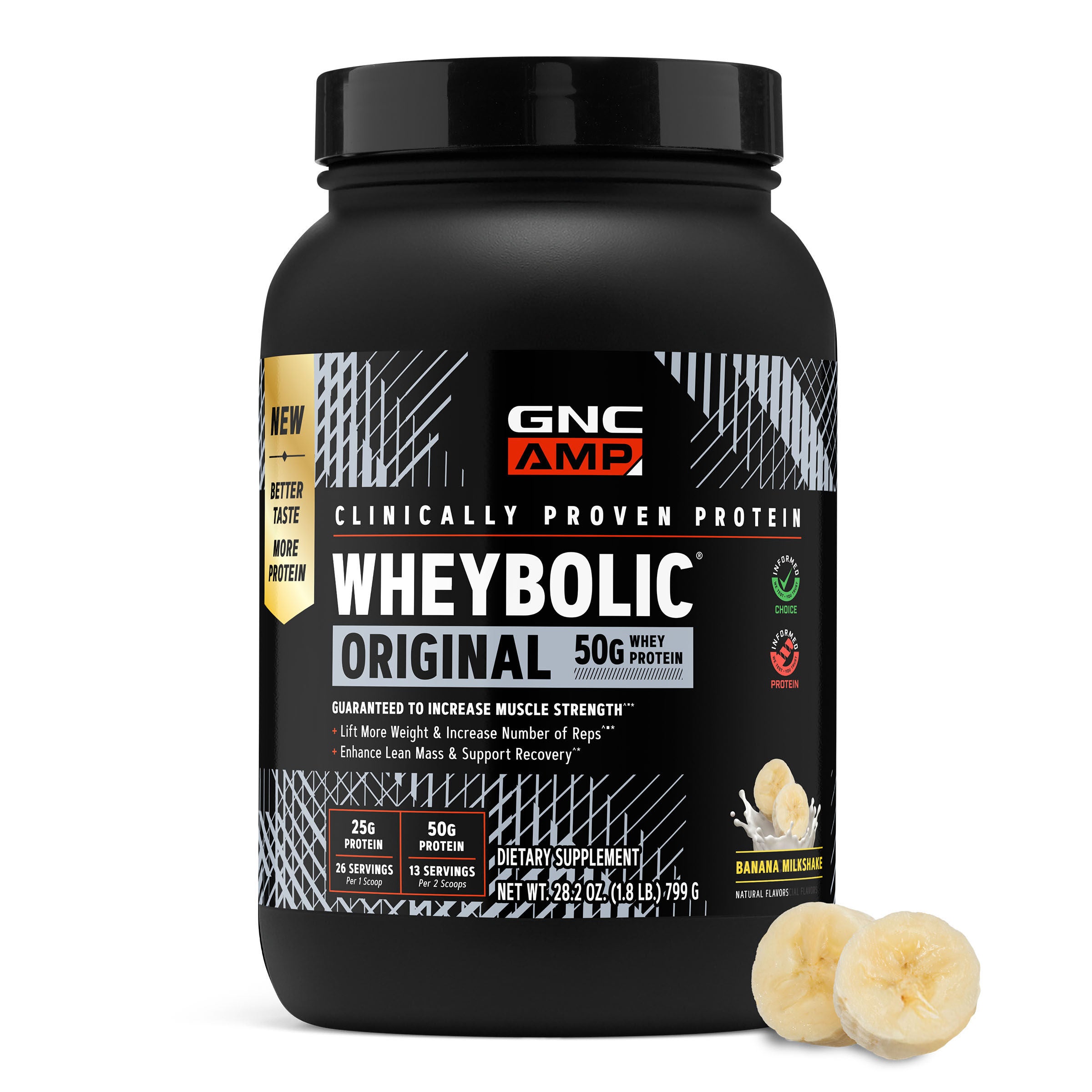

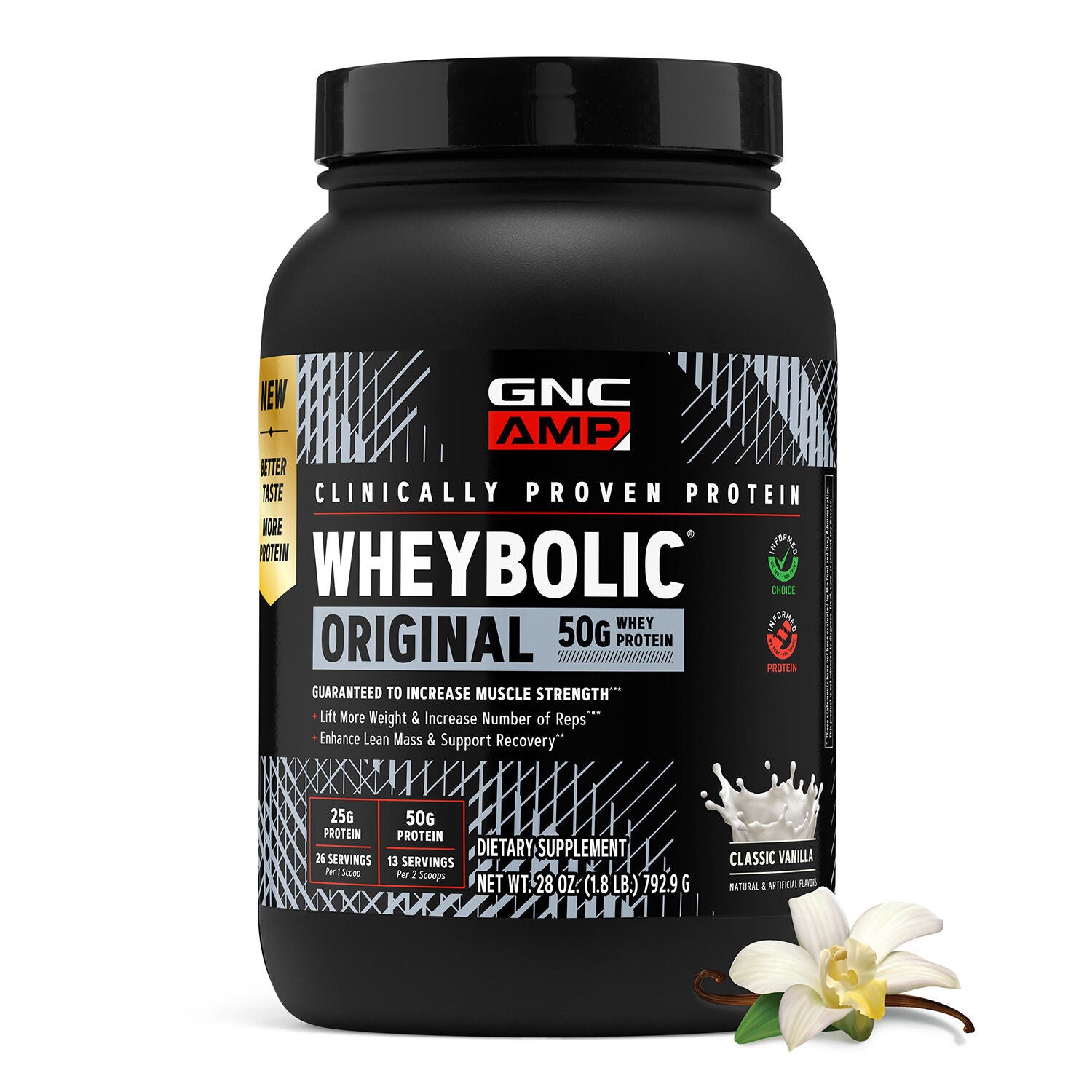
New Year workout powders bring several sports nutrition categories into one theme, from pre-workout blends mixed before a gym session to protein powders stirred into a shake afterward. Their intended uses differ, so the most useful comparisons start with the type of powder, its ingredients, and the amounts listed per serving. Pre-workout powders often contain caffeine, amino acids, or combinations of ingredients selected for exercise routines. Caffeine may support alertness, while other ingredients serve different purposes within a formula. Creatine powders are commonly associated with resistance training and repeated, high-intensity exercise; creatine may support performance during those efforts when used consistently according to label directions. Protein powders provide dietary protein and may support muscle recovery following exercise. Electrolyte drink mixes contain minerals such as sodium and potassium and are intended for mixing with water, often as part of an exercise hydration routine. These categories can overlap, but they are not interchangeable. A flavored pre-workout blend is not necessarily a protein source, and a protein powder does not necessarily contain caffeine or creatine. For someone setting New Year fitness goals, those distinctions matter more than a dramatic name or a long ingredient list. A person returning to strength training may be interested in a straightforward creatine powder, while someone heading from an early workout to the office may prefer a protein powder that mixes easily into breakfast. A runner preparing for indoor treadmill sessions may be comparing electrolyte mixes rather than a creamy shake. The shared appeal is a measured powder format that can fit into familiar routines, whether that means a shaker beside the coffee maker, a mixing bottle packed with gym clothes, or a smoothie prepared after a weekend workout. During the cooler months, that practical fit can be especially relevant as exercise schedules shift between home, the gym, and outdoor activities.
The details on a workout powder label give a clearer picture of the formula than flavor names alone. Serving size, servings per container, ingredient amounts, caffeine content, and preparation directions all help distinguish one category from another. Scoop sizes vary, and the amount of powder in a serving is not the same as the amount of any individual ingredient. Some pre-workout formulas list caffeine alongside ingredients such as L-citrulline, beta-alanine, or creatine; others omit caffeine. A clearly stated amount for each ingredient makes comparison more straightforward than a blend described only by its combined weight. Someone planning evening workouts may be looking for a formula without caffeine, while a morning exerciser may want to compare the labeled caffeine amount with other caffeinated beverages in the daily routine. Protein powders have their own points of comparison, including protein grams per serving, the source of that protein, and the presence of milk, soy, or other declared allergens. Whey, casein, pea, and blends of plant proteins differ in source, texture, and preparation characteristics. Ingredient lists also identify sweeteners, flavorings, and thickeners, which can matter to shoppers who prefer a shorter formula or have particular dietary preferences. Certifications and independent testing information, when shown on packaging, add another point of comparison, especially for athletes whose organizations have ingredient restrictions. Taste and texture deserve attention, too: a tart fruit flavor mixed with cold water creates a different drinking experience from a vanilla protein powder blended with milk or an oat beverage. The liquid, mixing method, and preparation directions all influence the finished drink. Powders and prepared beverages also suit different habits. Powders require measuring and mixing, while ready-to-drink formats offer a different approach to preparation. For a related beverage category, Preworkout Drinks for New Year Resolutions offers another way to consider how pre-workout nutrition might fit a New Year exercise schedule.
Everyday handling is another part of choosing New Year workout powders, particularly for shoppers who carry their nutrition between home, work, and the gym. Container dimensions, closure style, serving count, and the need for a separate mixing bottle can shape how a powder fits into a kitchen cabinet or gym bag. A larger tub calls for a different storage setup than individually portioned packets, and a powder intended for blending may not suit someone who has only a bottle and a water fountain after training. Some formulas mix into a thin drink with a few shakes; others have a thicker texture or work better with a blender, as described in their preparation directions. A shaker with a secure lid is useful for the trip from the kitchen counter to the car, while a wide opening makes washing and drying more convenient. Powder care is largely about following the package instructions: keeping the container properly closed, using a clean, dry scoop, and observing the stated storage conditions and date markings. Moisture introduced by a wet utensil can affect the powder’s texture, so a scoop kept separate from a freshly rinsed bottle is a practical detail. Prepared drinks have different handling needs from dry powder, particularly when mixed with milk or other perishable ingredients. These considerations may sound ordinary, but they help distinguish an appealing flavor from a format that genuinely suits a daily schedule. For gift giving around the New Year, workout powders are a more personal choice than a towel or mixing bottle because flavor preferences, dietary needs, and caffeine preferences vary. A familiar powder category or a recipient’s stated preference provides a better starting point than assumptions about fitness goals. Whether the routine involves lifting before work, an indoor cycling class, or weekend strength sessions at home, a thoughtful comparison centers on intended use, transparent labeling, enjoyable preparation, and manageable storage. Workout powders may complement those routines, with the choice shaped by the person using them rather than a single formula presented as suitable for everyone.
Best Sellers
Related Pages


Top Collections
- Daily Collagen Supplements | Top Brands & Deals | GNC
- Natural Collagen Supplements | Top Brands & Deals | GNC
- Top Rated Collagen | Shop Customer Favorites | GNC
- Cortisol Supplements
- Vitamins For Hair Loss
- Spirulina Tablets
- NAD+ Supplement Tablets
- Peptide Supplements
- Best Brand of Magnesium Glycinate
- Vitamins That Help Support Weight Gain