





Preworkout Drinks For New Year Resolutions
(0 Results)
Jumpstart your fitness journey and power through your goals with preworkout drinks for new year resolutions. Whether you’re looking to add more energy to your routine or seeking a boost before hitting the gym, these options may help you get the most out of every workout. Find a variety of flavors and formulas designed to fit your unique needs as you take on new challenges and make the most of your resolutions this year.

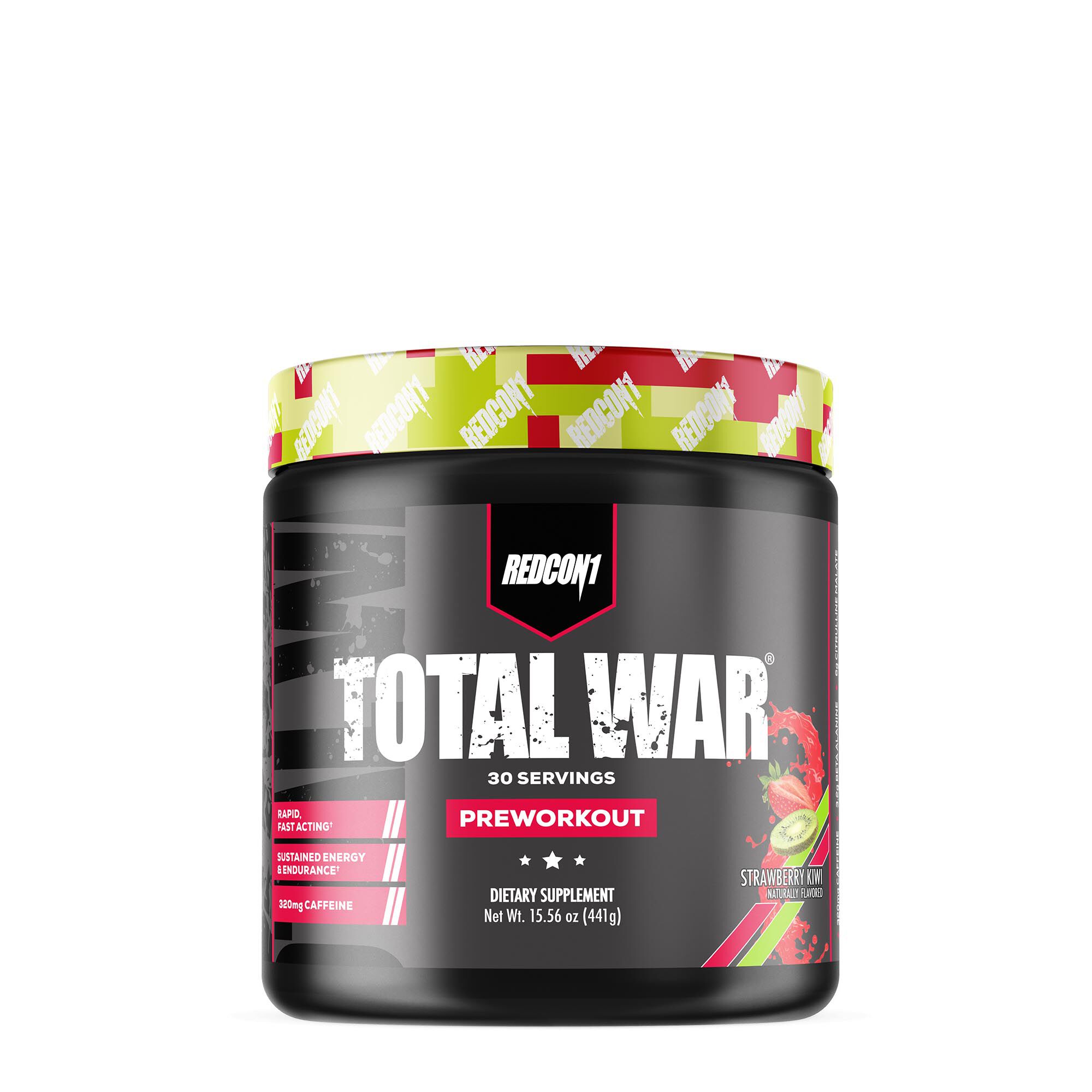

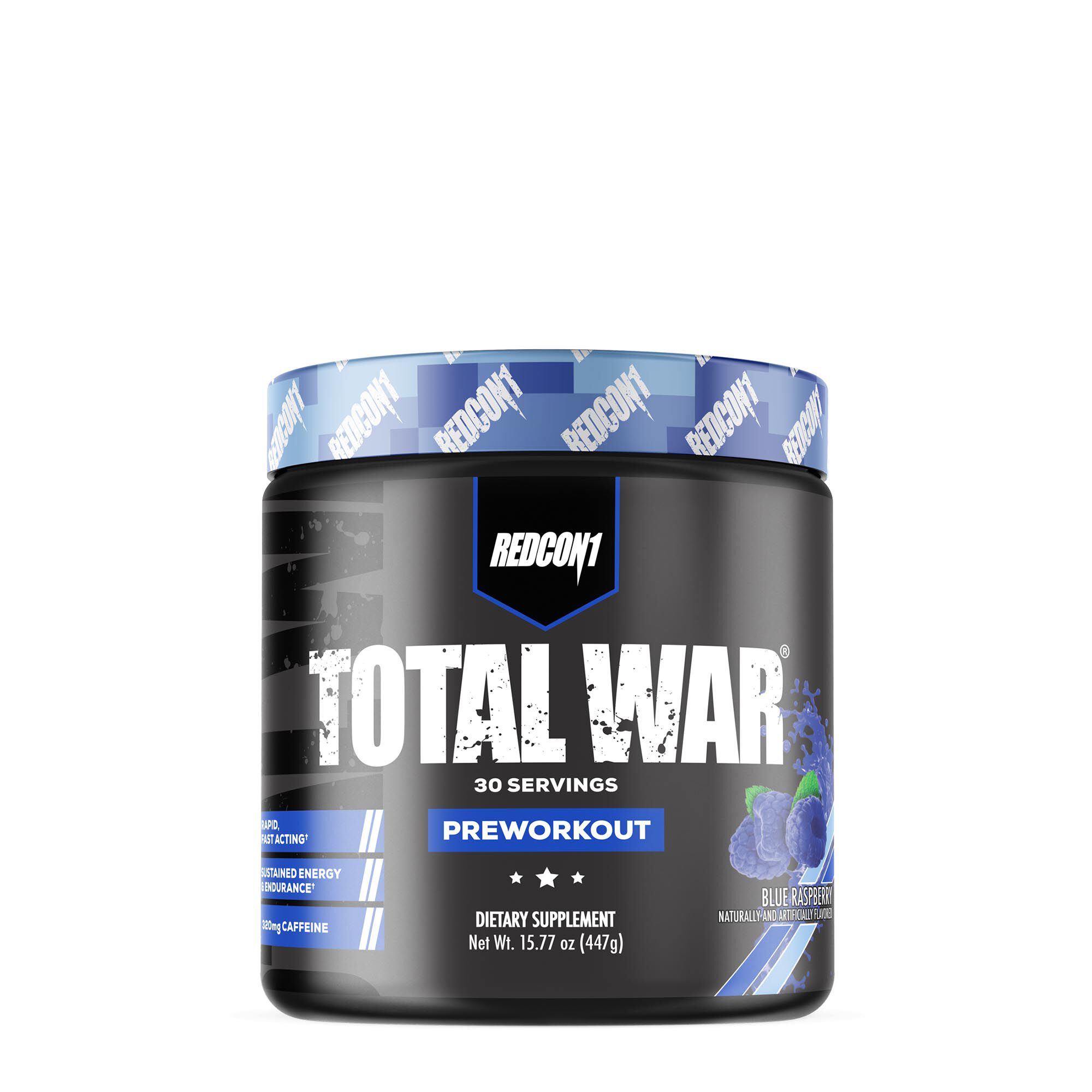


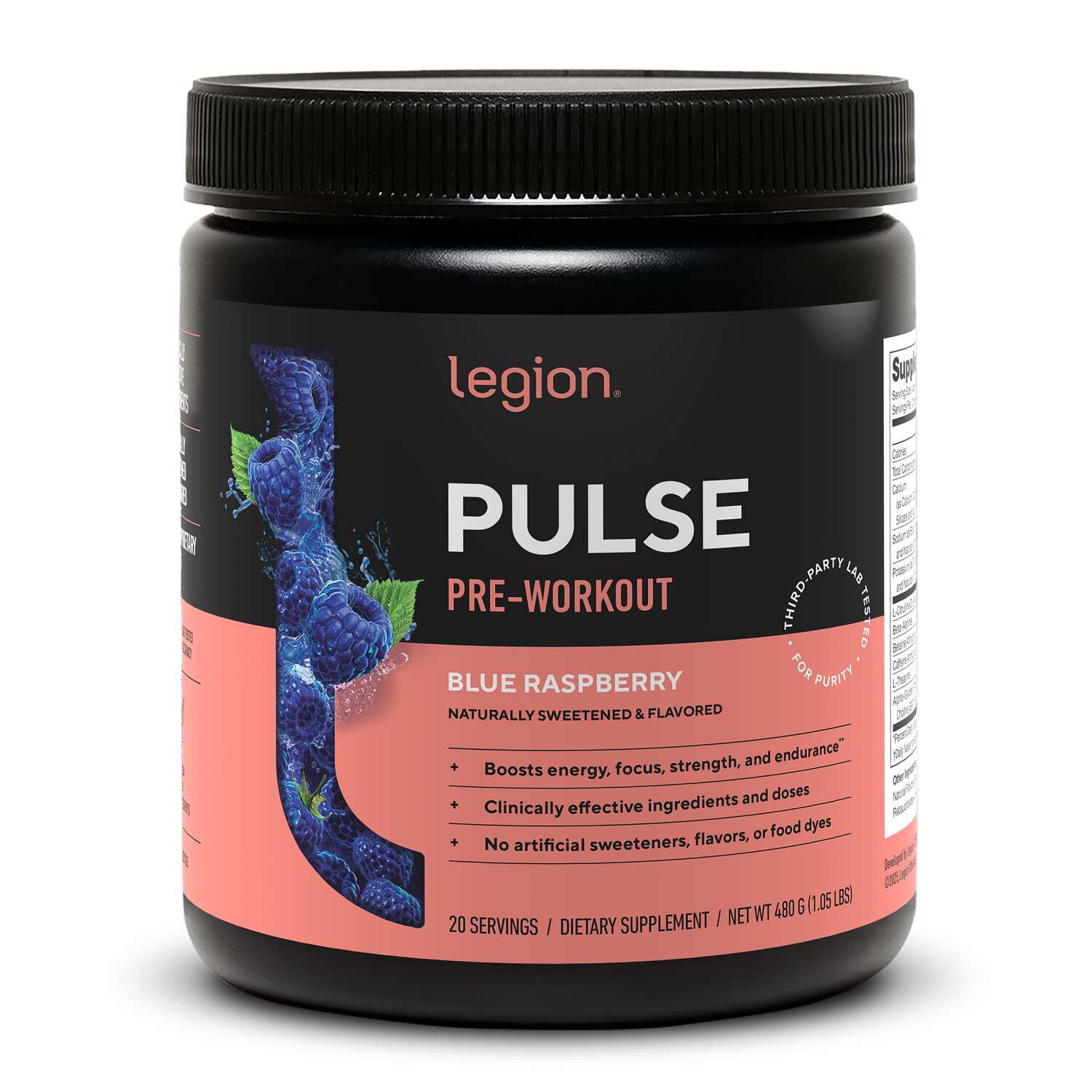
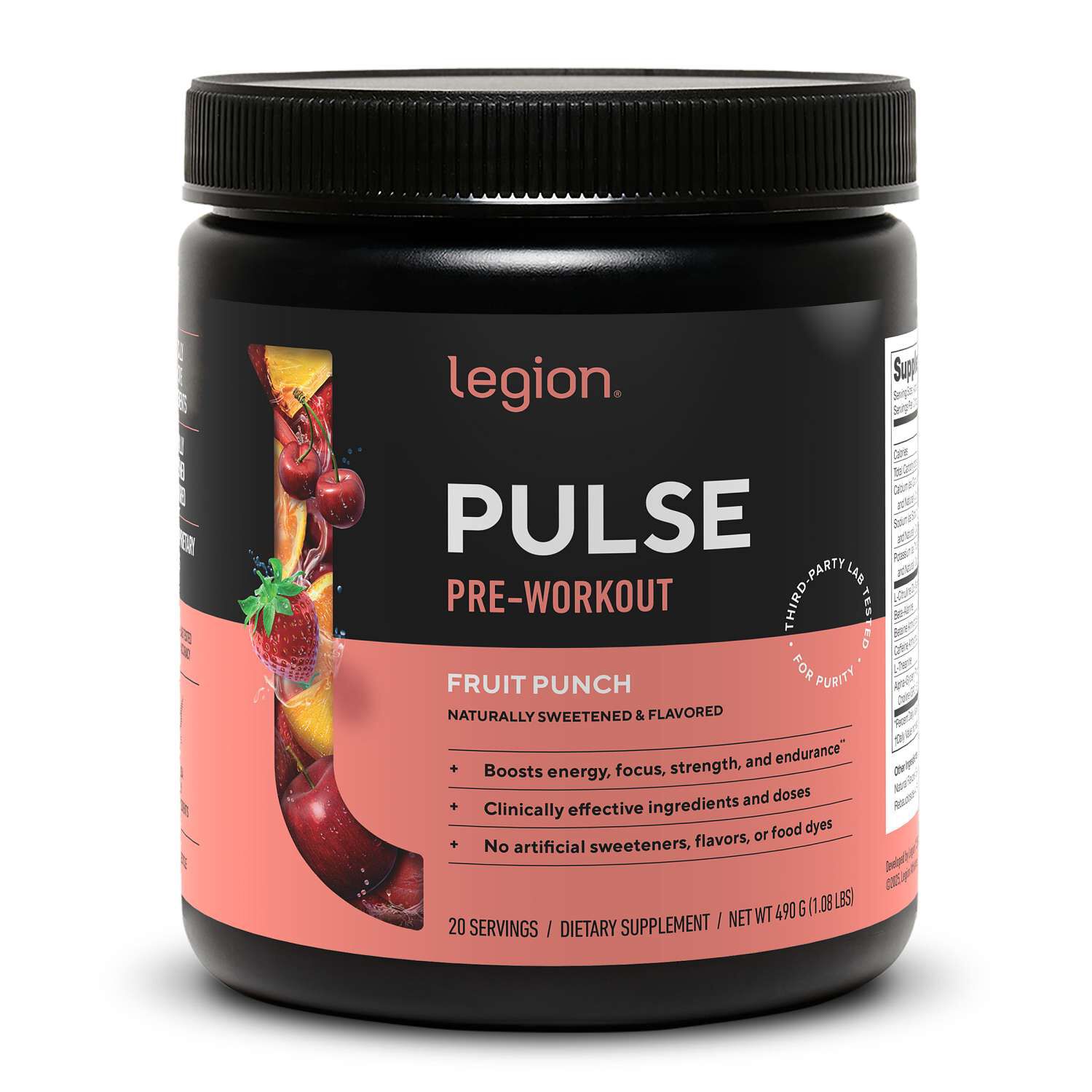
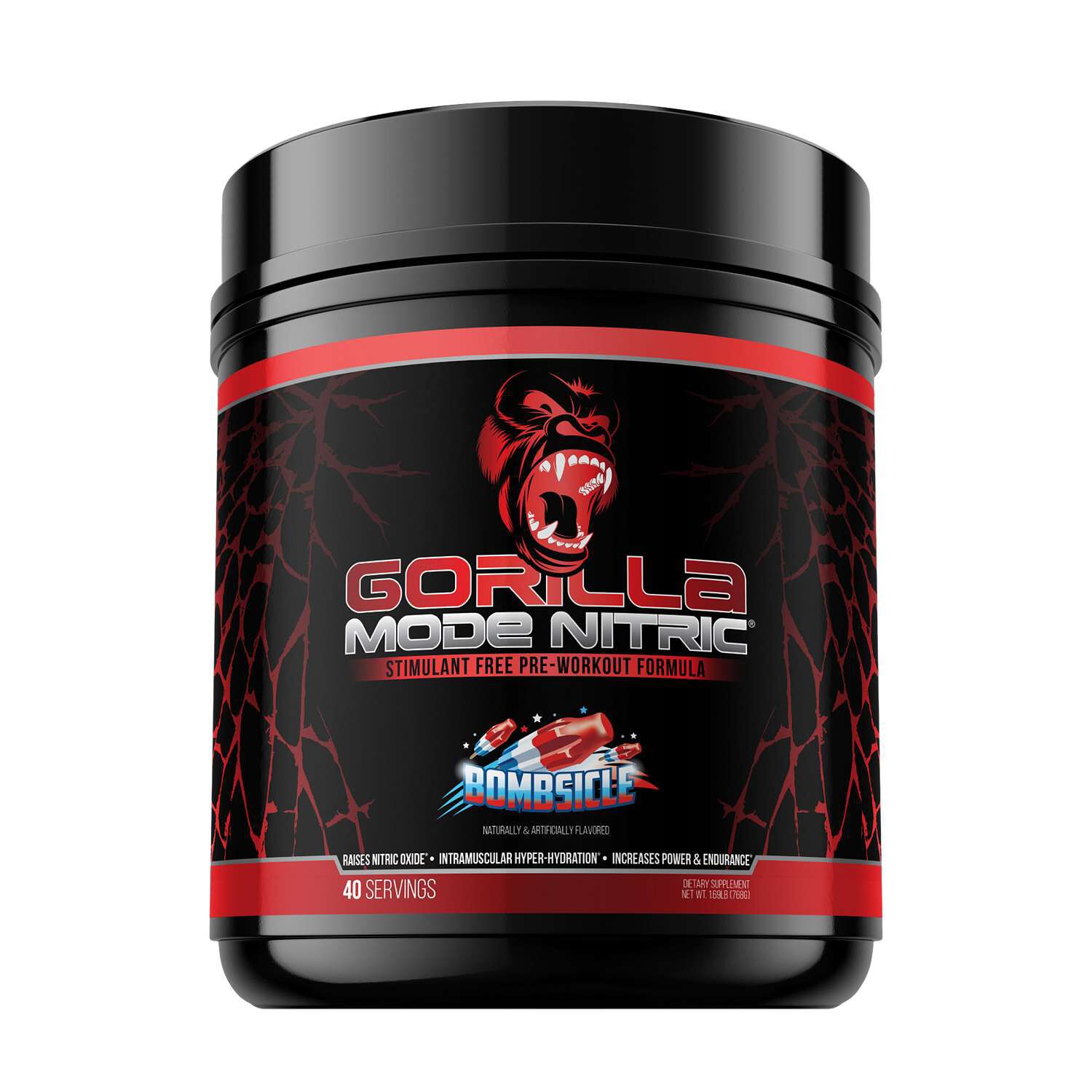
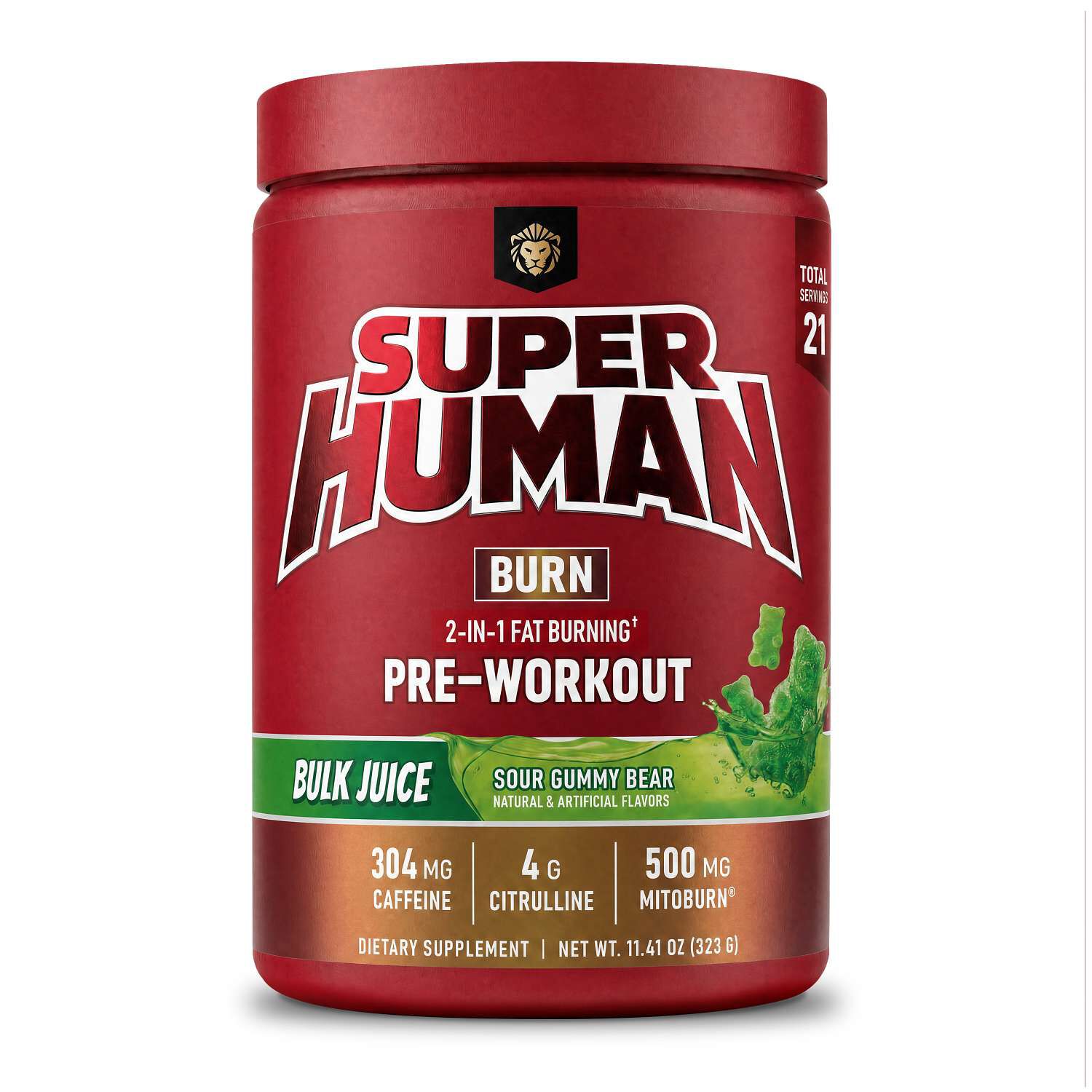
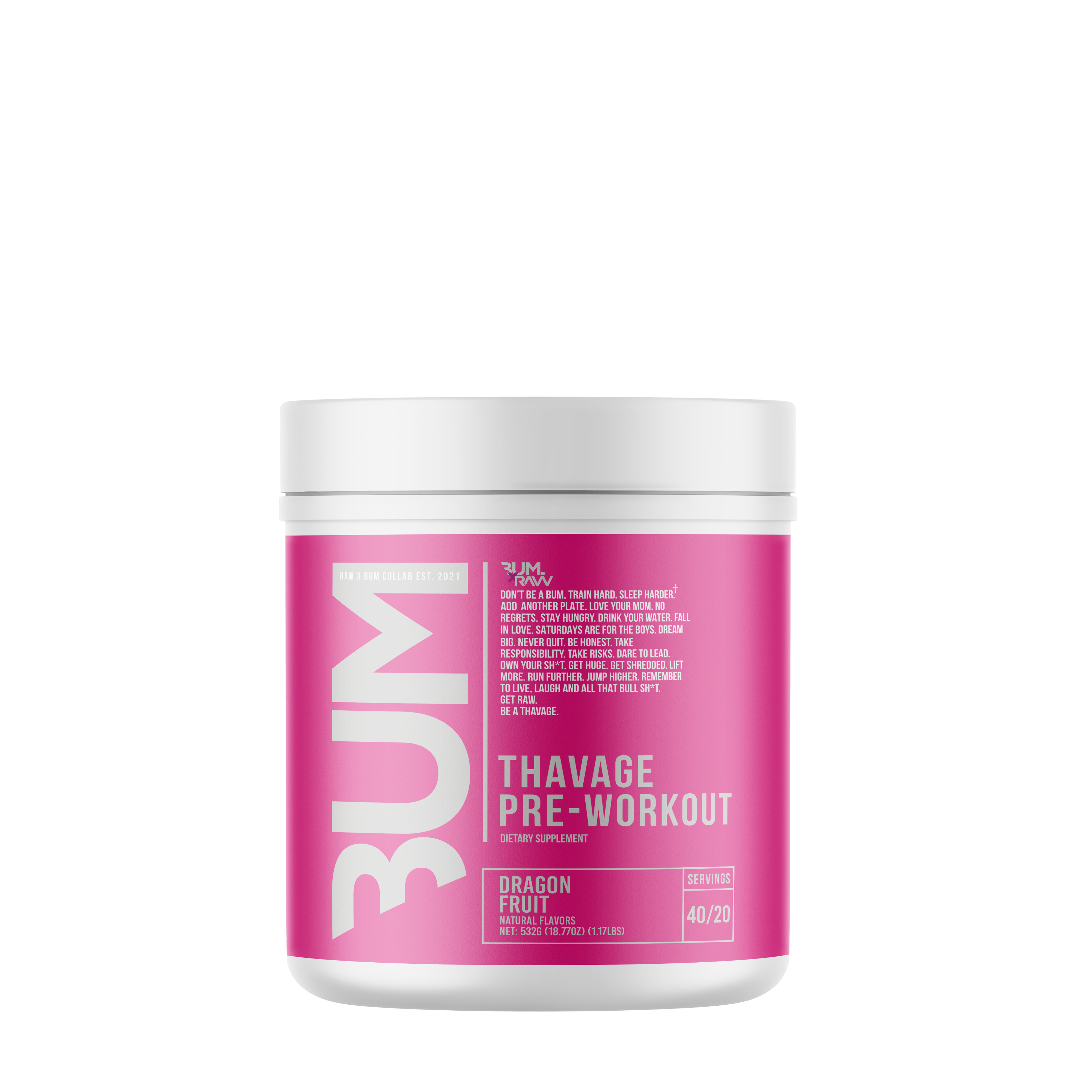

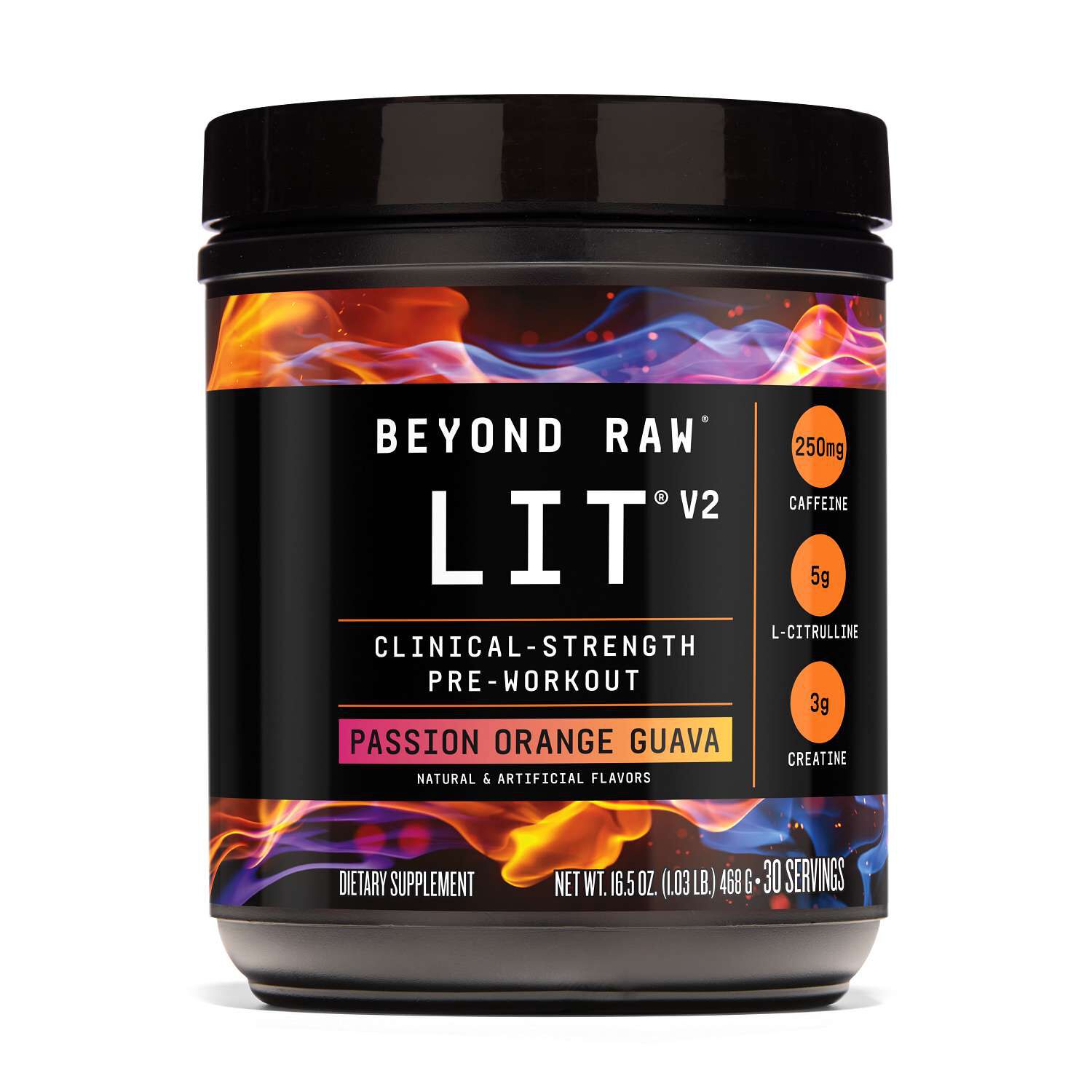

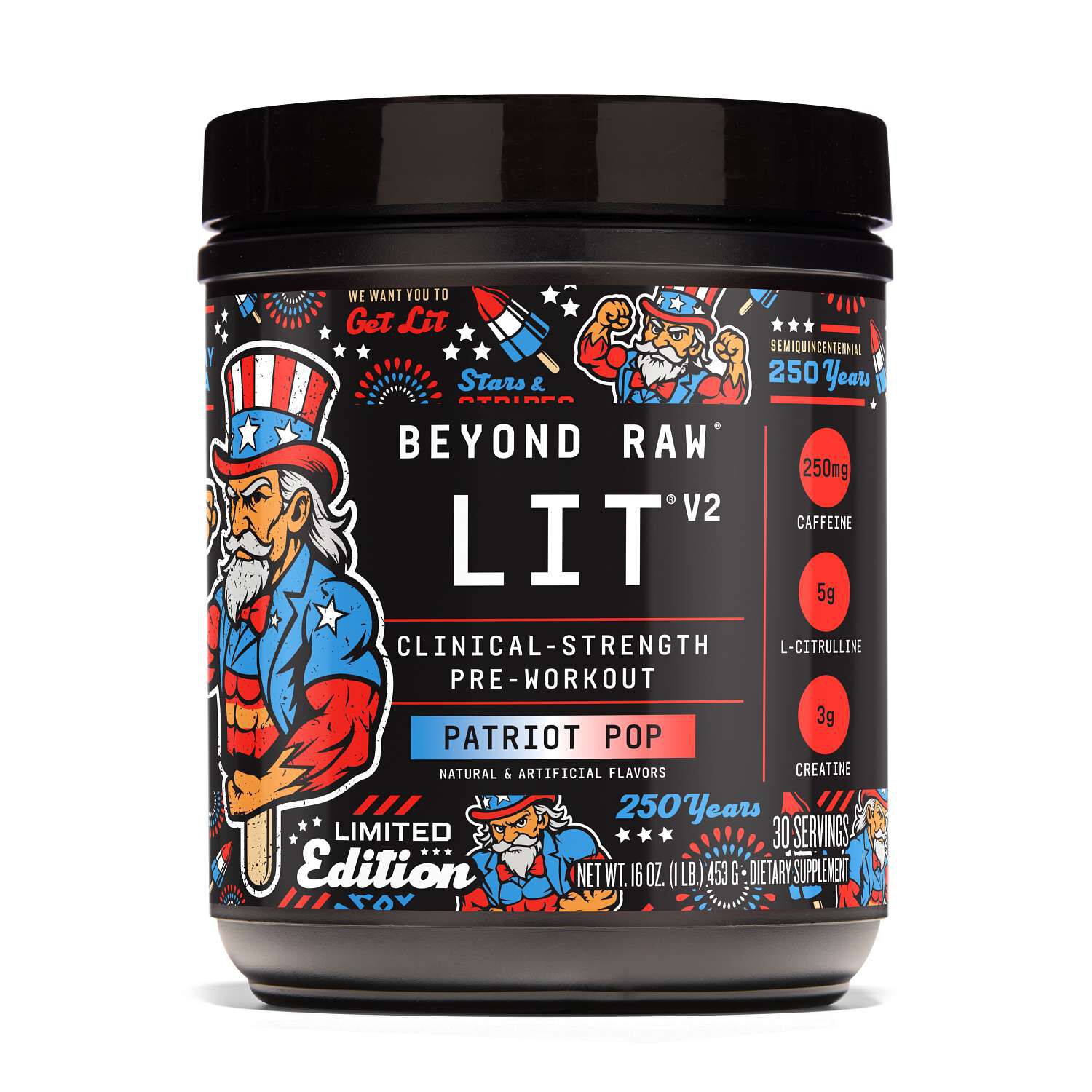

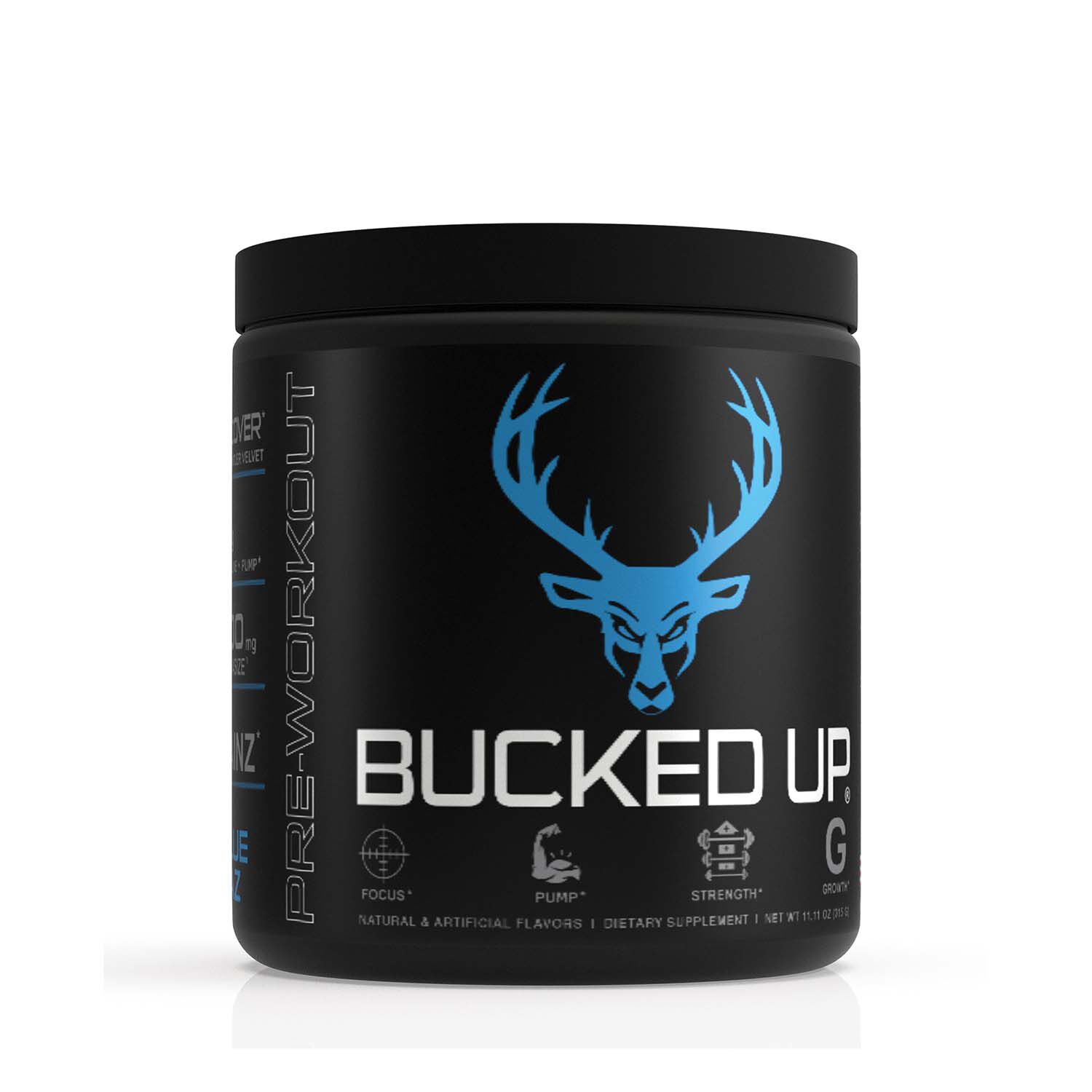

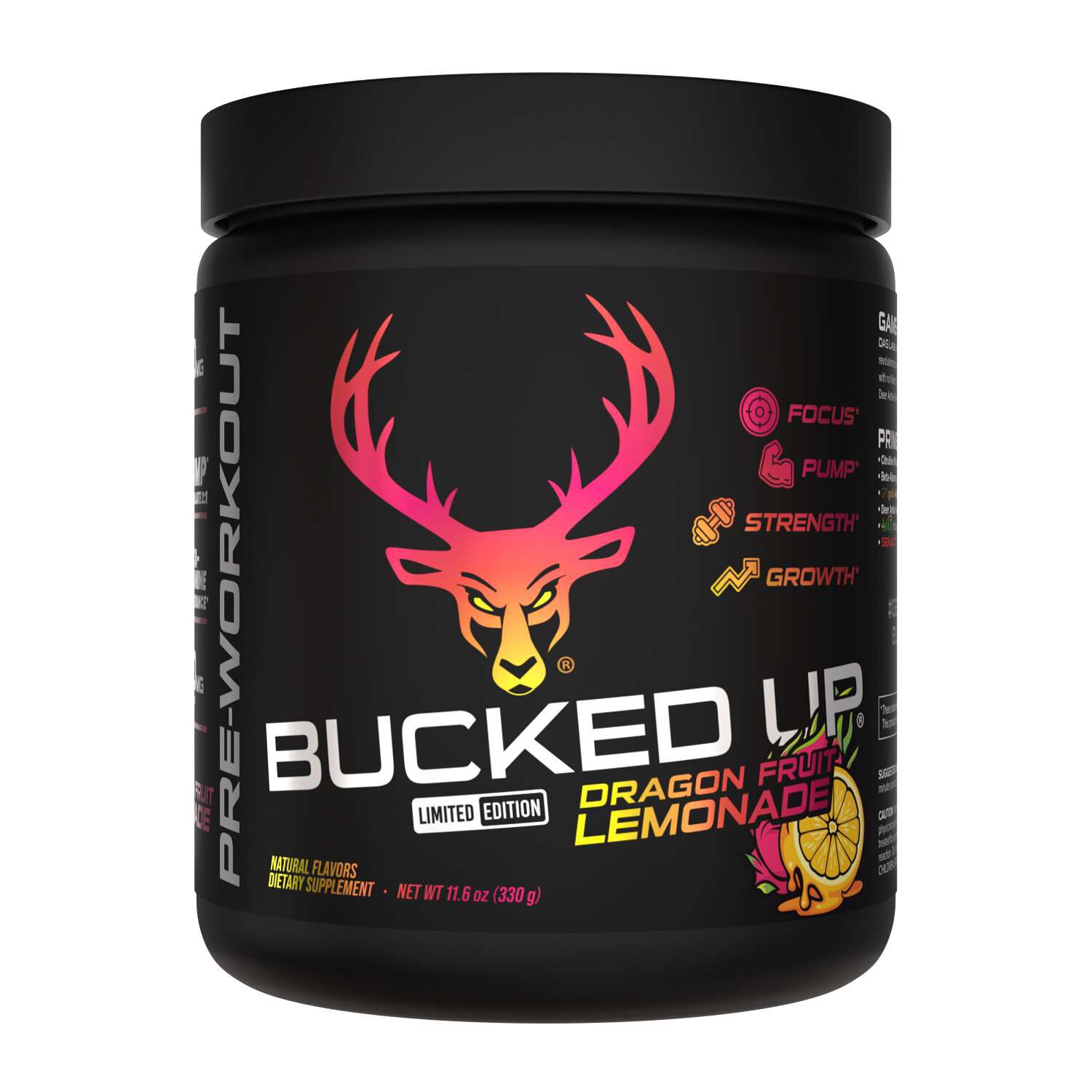


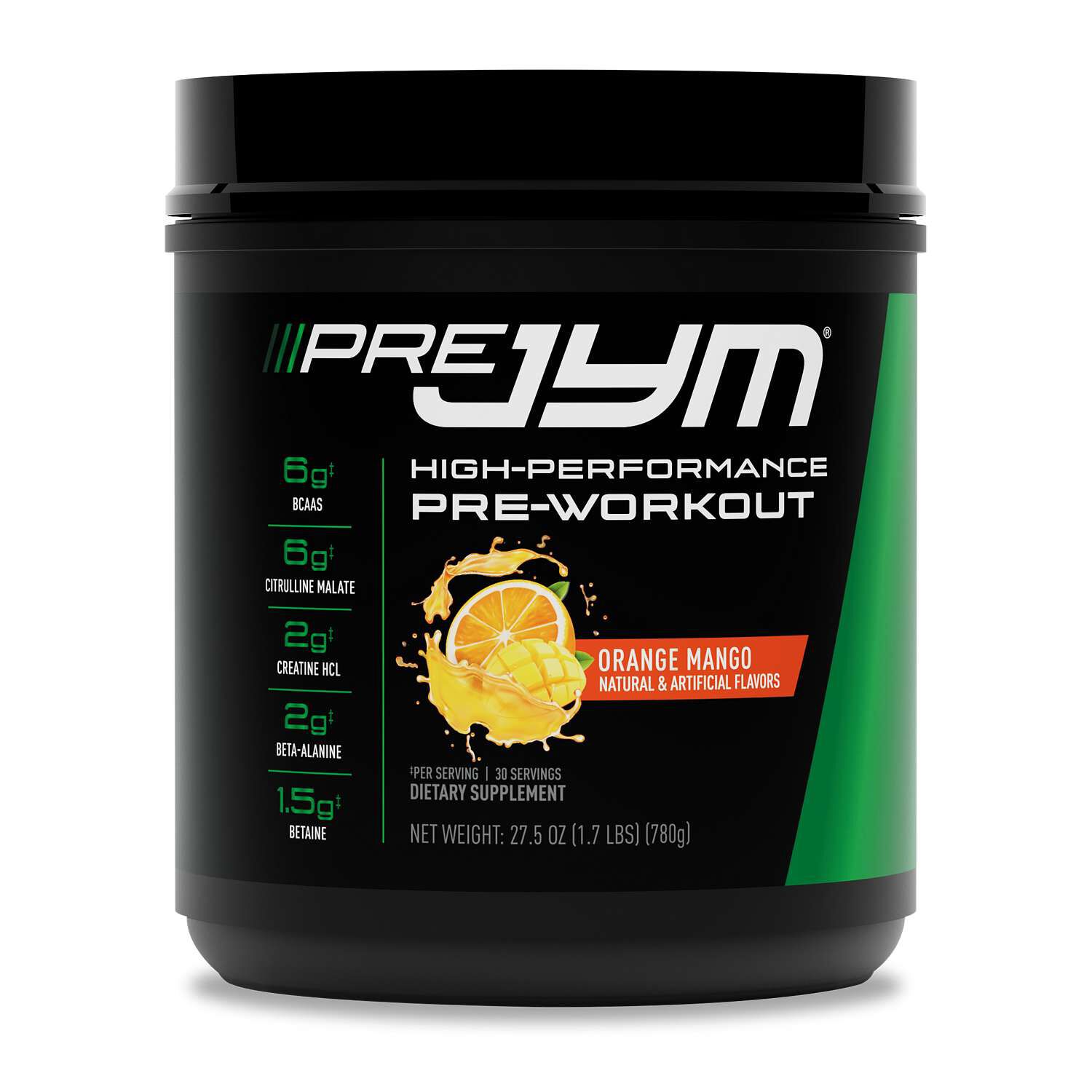

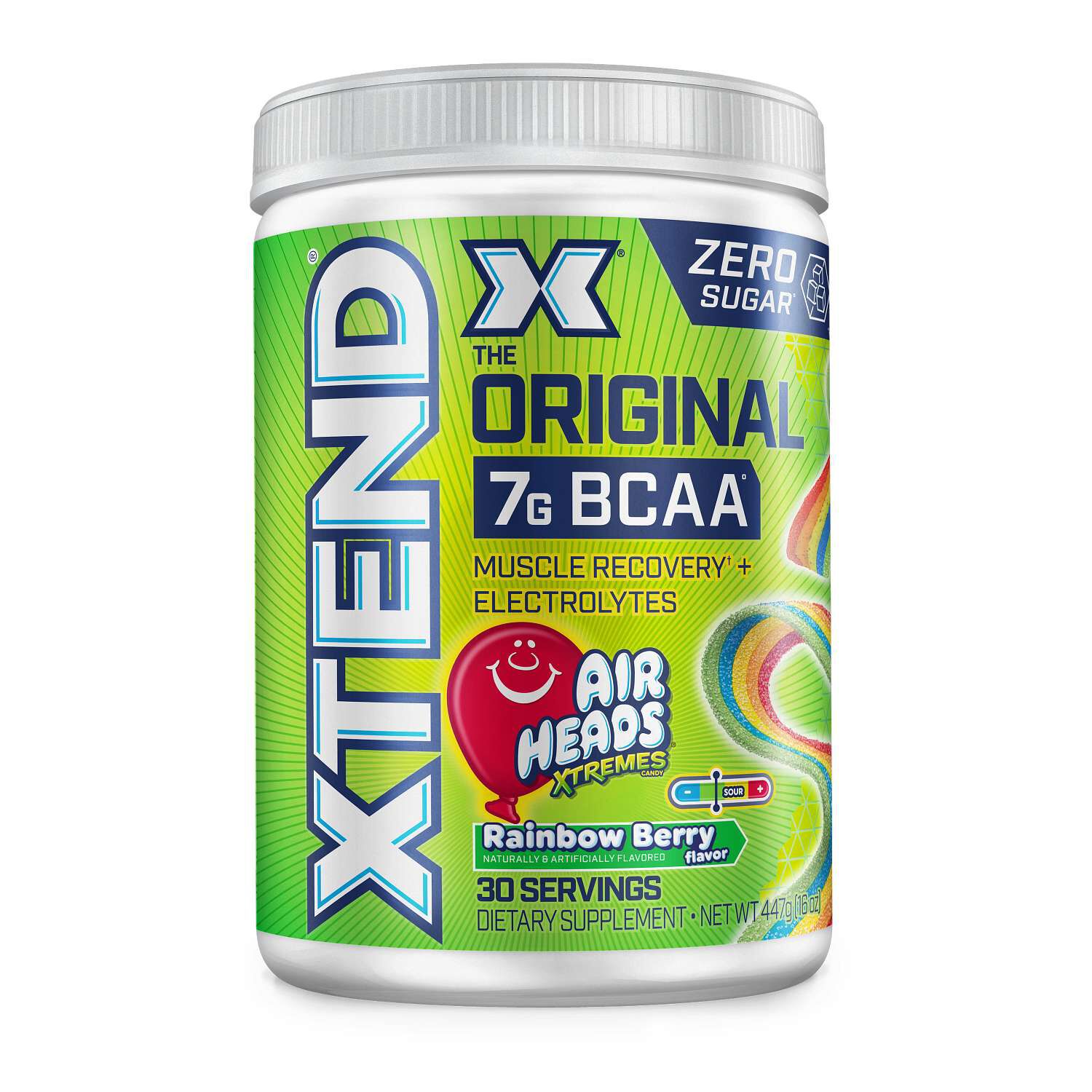
Preworkout drinks for New Year resolutions bring a practical choice to the familiar ritual of setting out training clothes, packing a gym bag, and making room for movement in a busy schedule. This category includes powders mixed with water and ready-to-drink beverages, with differences in ingredients, serving size, flavor, and preparation. For adults planning a return to the weight room, regular cycling sessions, or a more consistent exercise routine, the right fit depends as much on everyday preferences as on the workout itself. A powder offers a mixing step that fits naturally into getting ready at home, while a sealed can or bottle requires no scoop or shaker. Neither format defines how demanding a session needs to be, and a preworkout drink is an optional part of training rather than a requirement for pursuing a resolution. Some formulas contain caffeine, which may support alertness, while others are made without caffeine for shoppers who prefer that ingredient profile. Product labels distinguish these options more clearly than flavor names or bold packaging. The amount of caffeine per serving, the number of servings in a container, and the preparation directions all matter when comparing beverages. A large bottle is not necessarily a single serving, and a scoop should be understood according to the directions on its own container rather than treated as interchangeable across powders. Other label details, including sugar content, calories, sweeteners, and ingredient quantities, give the category more variety than its name alone suggests. A resolution centered on showing up regularly might call for a drink that suits a familiar morning routine, not the most elaborate formula. During the cooler months, when an indoor workout may sit between a commute and dinner, practical details become especially noticeable: whether mixing is convenient, whether the beverage is carbonated, and whether its serving size fits comfortably into the time before exercise. Those ordinary considerations give New Year fitness plans a more personal starting point.
Ingredients and drinking experience are useful points of comparison across preworkout powders and ready-to-drink formats. Caffeine can appear alongside ingredients such as L-citrulline, beta-alanine, creatine, amino acids, or electrolytes, but formulations vary, and not every drink contains the same combination. An ingredient name on the front of a package does not describe its quantity or the entire formula; the ingredient list and supplement or nutrition panel provide the more meaningful details. The presence of creatine, for example, does not make a preworkout beverage equivalent to a separate creatine product, just as an electrolyte blend does not make every drink identical in composition. Serving directions, warnings, and storage instructions belong in the comparison alongside flavor and format. For anyone whose day already includes coffee, tea, or other caffeinated beverages, the caffeine content of a preworkout is another relevant label detail. An evening gym schedule may make a formula without caffeine a more appealing personal preference than one intended for a caffeinated routine. Flavor deserves similar attention because a drink chosen for repeated use needs to suit the person drinking it. Citrus, berry, and fruit-inspired profiles can range from tart and light to sweet and pronounced, while carbonation adds a distinctly different texture from a still beverage. Powders also differ in how they mix; following the stated water amount and mixing directions gives a clearer sense of the intended consistency. Some formulas may leave sediment or need another shake, so the package instructions are more useful than assuming every powder dissolves in the same way. Water temperature, the shape of the mixing container, and the time available for preparation are practical considerations, too. A chilled bottle taken from the refrigerator offers a different experience from powder mixed at the kitchen counter before leaving home. Comparing those small details keeps the choice grounded in actual use, whether the resolution involves learning a lifting routine, attending a familiar fitness class, or simply making regular appointments with the gym.
Storage, packaging, and portability round out the picture for preworkout drinks that may become part of a New Year routine. Powder containers generally call for careful closure and storage according to the label, with a dry scoop and protection from moisture during everyday handling. Leaving an open tub beside a steamy sink or placing a wet scoop back into the powder introduces conditions that are different from keeping the container closed in a suitable cupboard. Ready-to-drink cans and bottles have their own storage directions, including any instructions for refrigeration after opening. Package dates and container condition are worth checking before use, particularly when a beverage has spent time tucked into a bag. For mixing powders, a reusable bottle with enough room for the directed water amount and a secure lid is a practical companion. Plastic and stainless steel mixing containers differ in weight, visibility, and cleaning requirements; compatibility with a dishwasher or hot liquids depends on the bottle’s care instructions. Washing the lid, threads, and mixing components after use keeps yesterday’s beverage from becoming part of the next preparation. Carbonated drinks also need handling appropriate to their original packaging rather than the vigorous shaking used for some powders. Shoppers organizing a commute-to-gym routine can explore Preworkout Drinks For Gym Bags with those transport details in mind. A sealed beverage fits a different packing routine from a tub of powder, and either format needs protection from damage and storage outside the conditions described on its label. For a household with shared cupboard space, clearly labeled original containers keep serving information and warnings close at hand. If a preworkout drink is part of a fitness-themed gift, the recipient’s established ingredient preferences and familiarity with the category matter more than a dramatic flavor name. Ultimately, the most relevant comparisons are concrete: preparation time, serving information, caffeine content, taste, packaging, and intended use. Those details connect an ambitious New Year resolution with the smaller decisions made before an ordinary workout, from filling a shaker at home to checking that a bottle fits beside a towel and a change of clothes.
Best Sellers
Related Pages
Top Collections
- Daily Collagen Supplements | Top Brands & Deals | GNC
- Natural Collagen Supplements | Top Brands & Deals | GNC
- Top Rated Collagen | Shop Customer Favorites | GNC
- Cortisol Supplements
- Vitamins For Hair Loss
- Spirulina Tablets
- NAD+ Supplement Tablets
- Peptide Supplements
- Best Brand of Magnesium Glycinate
- Vitamins That Help Support Weight Gain