

Whey Protein For Mass Gain
(0 Results)
Fueling your fitness journey may start with the right support, and whey protein for mass gain could be an essential addition to your routine. Whether you’re striving to build muscle or looking to supplement your daily nutrition, exploring a variety of whey protein options might help you work toward your goals. Discover convenient and versatile choices that may fit seamlessly into your active lifestyle as you focus on gaining mass and supporting your workout performance.


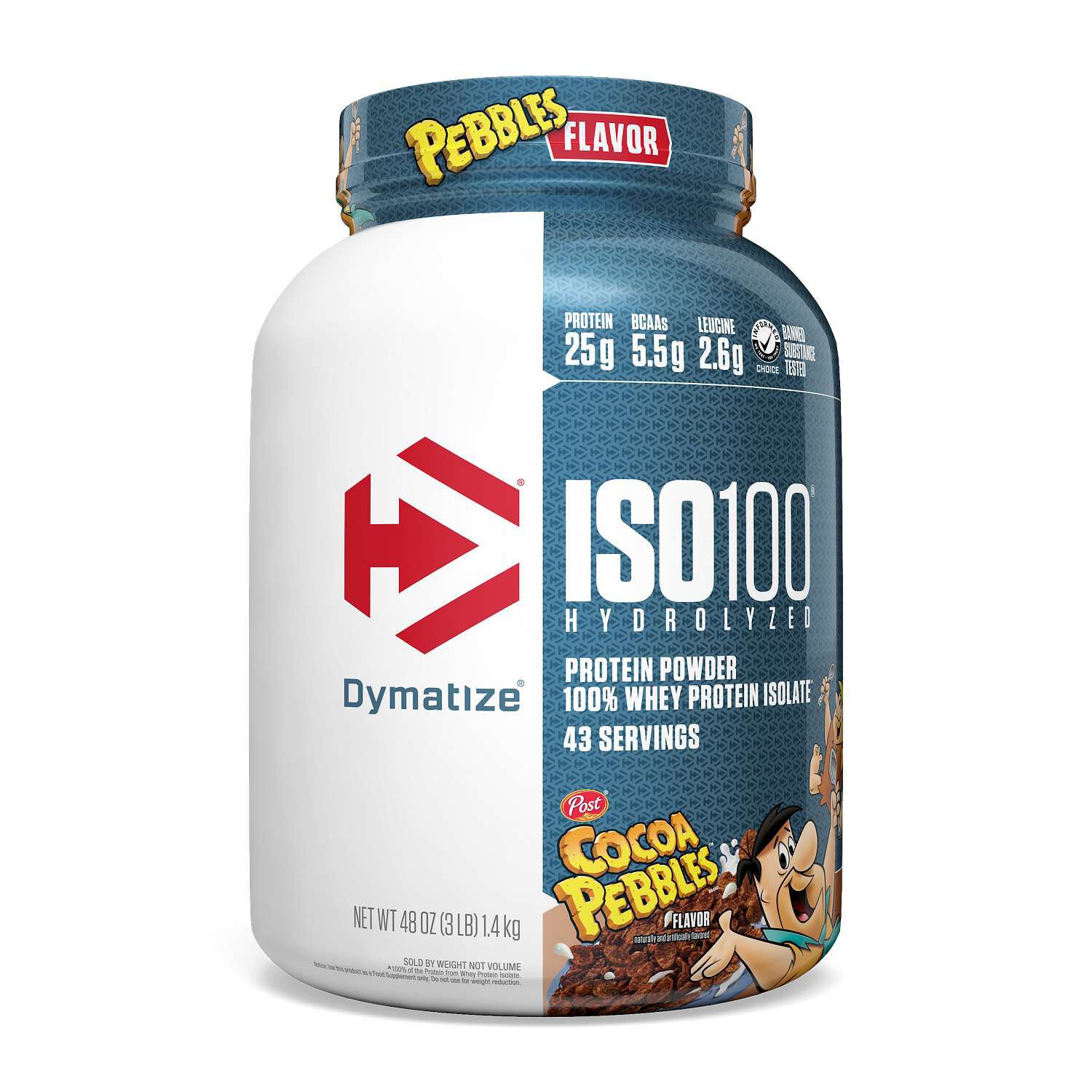
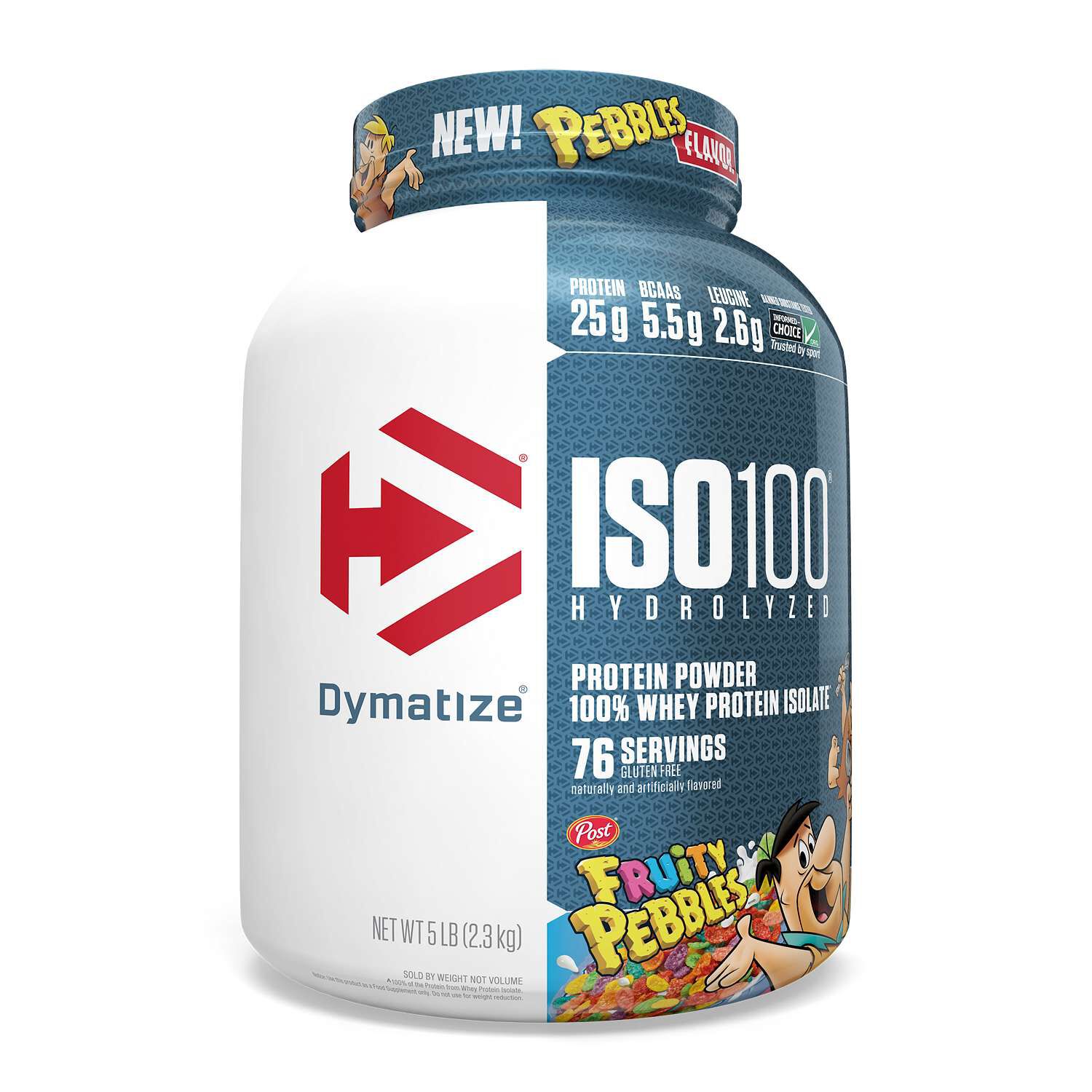


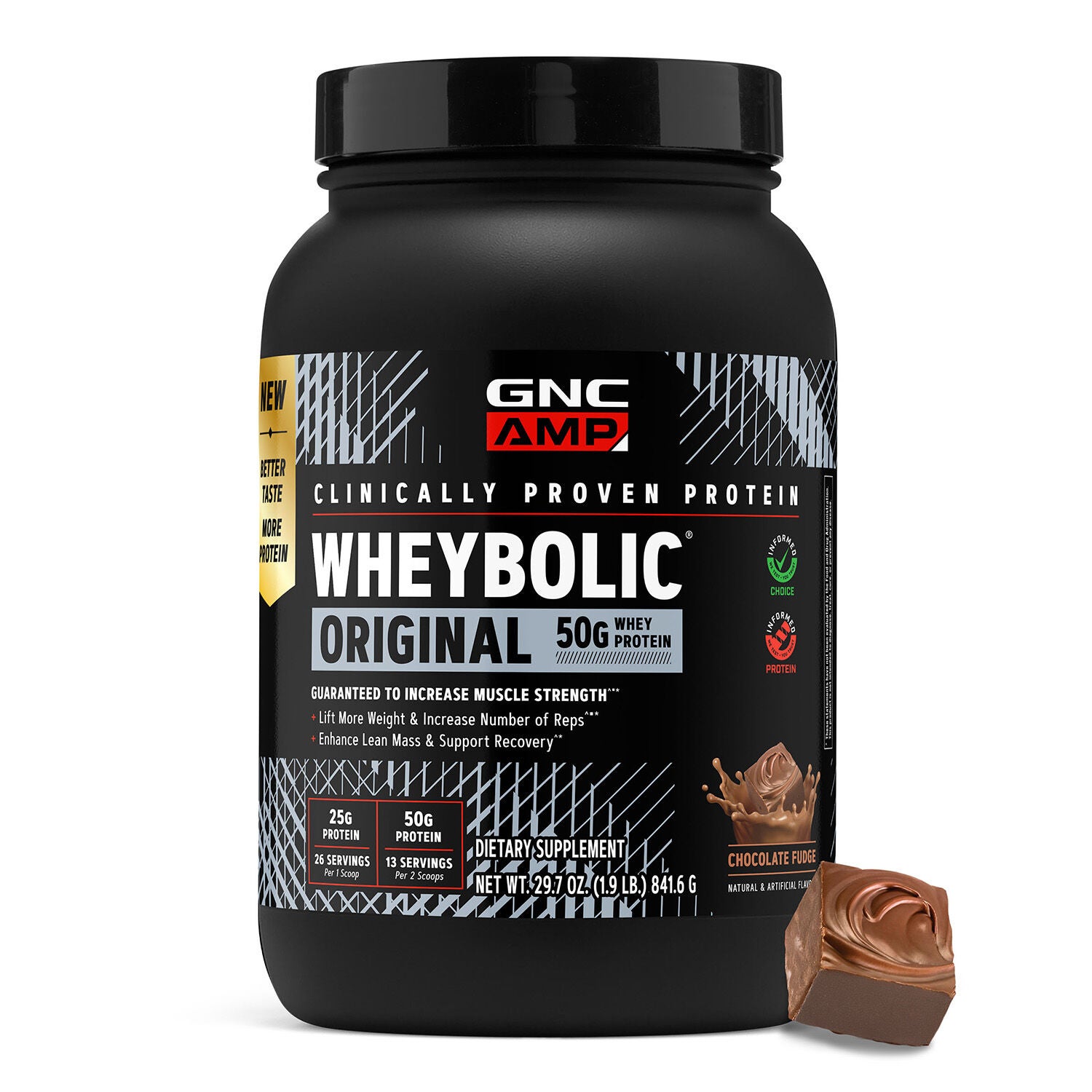
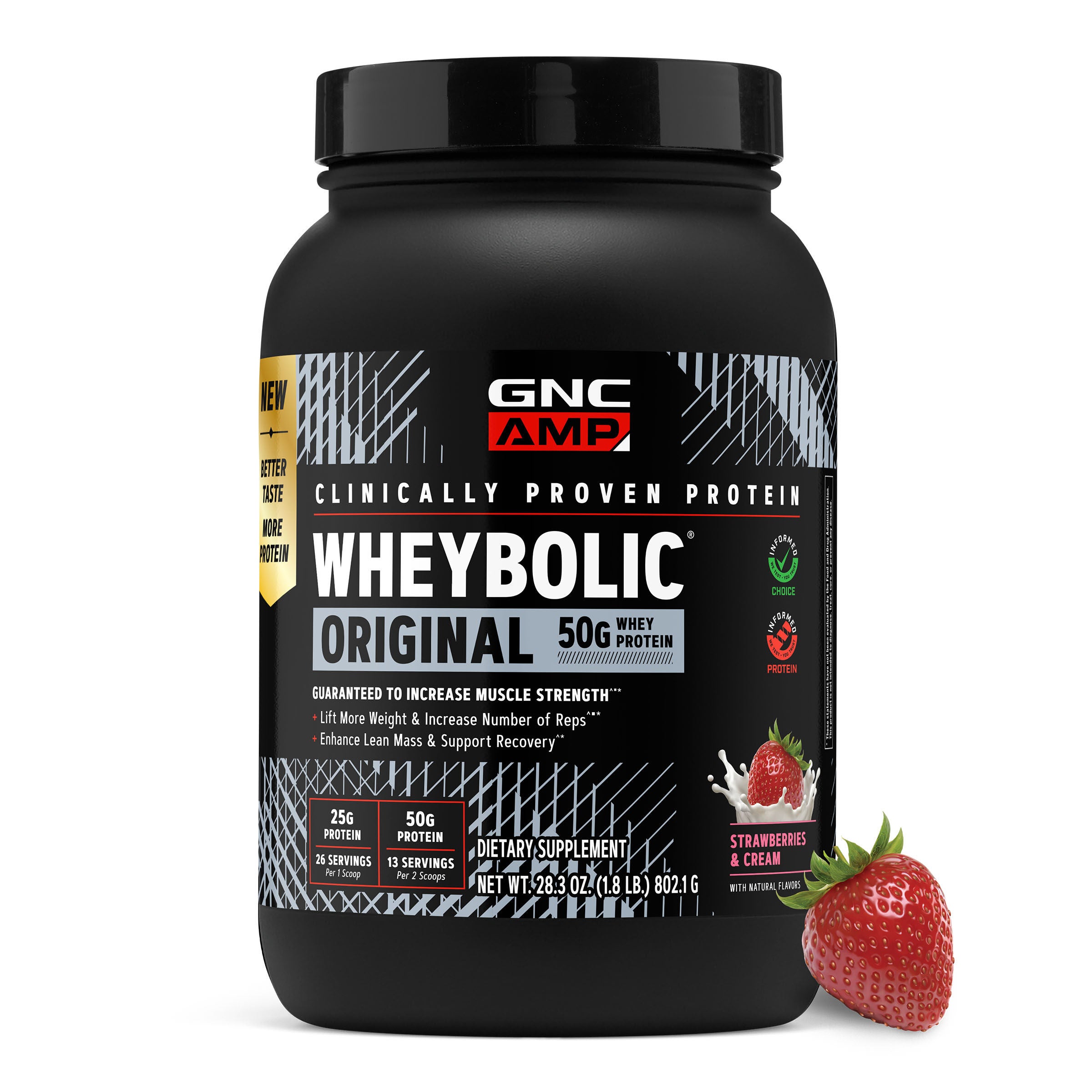

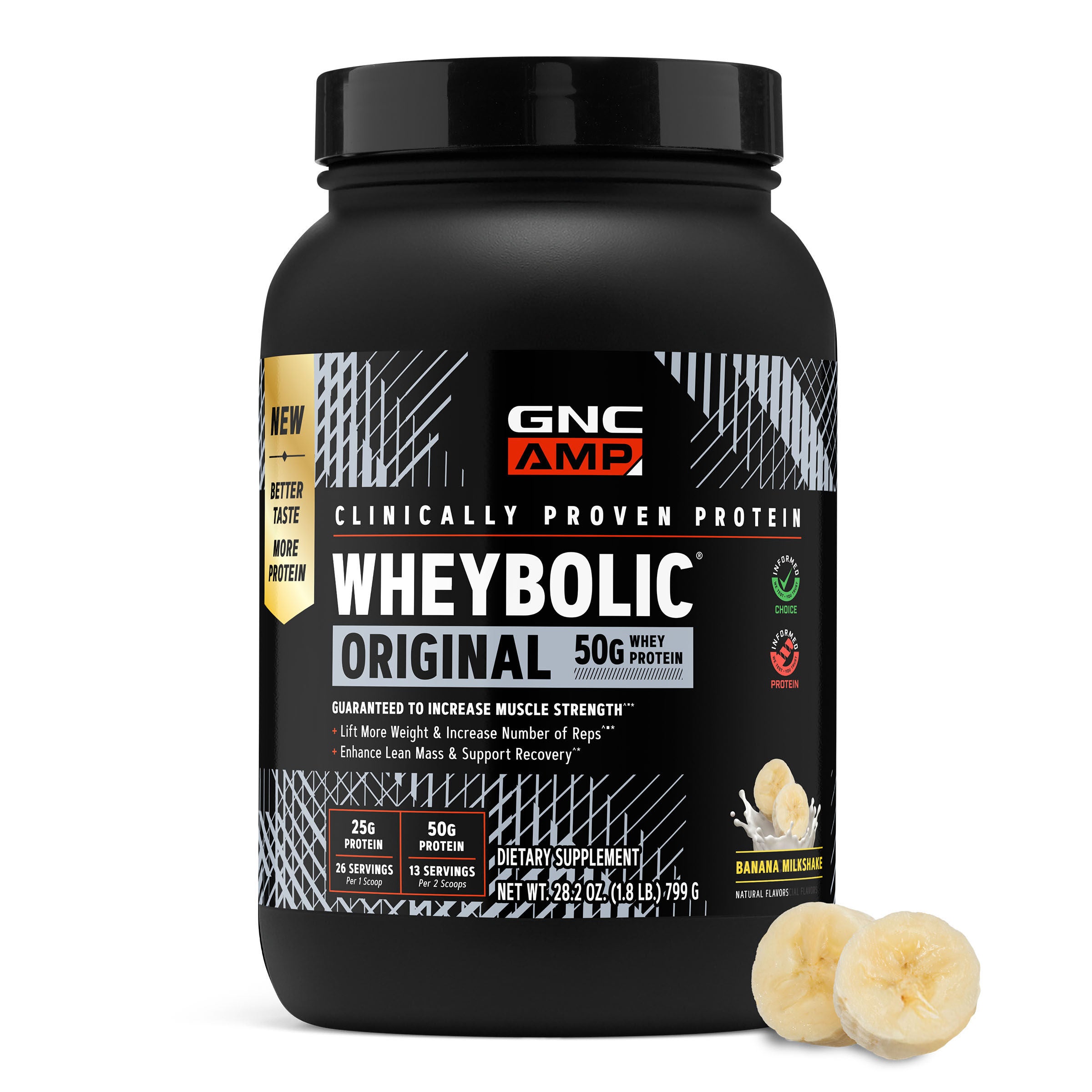


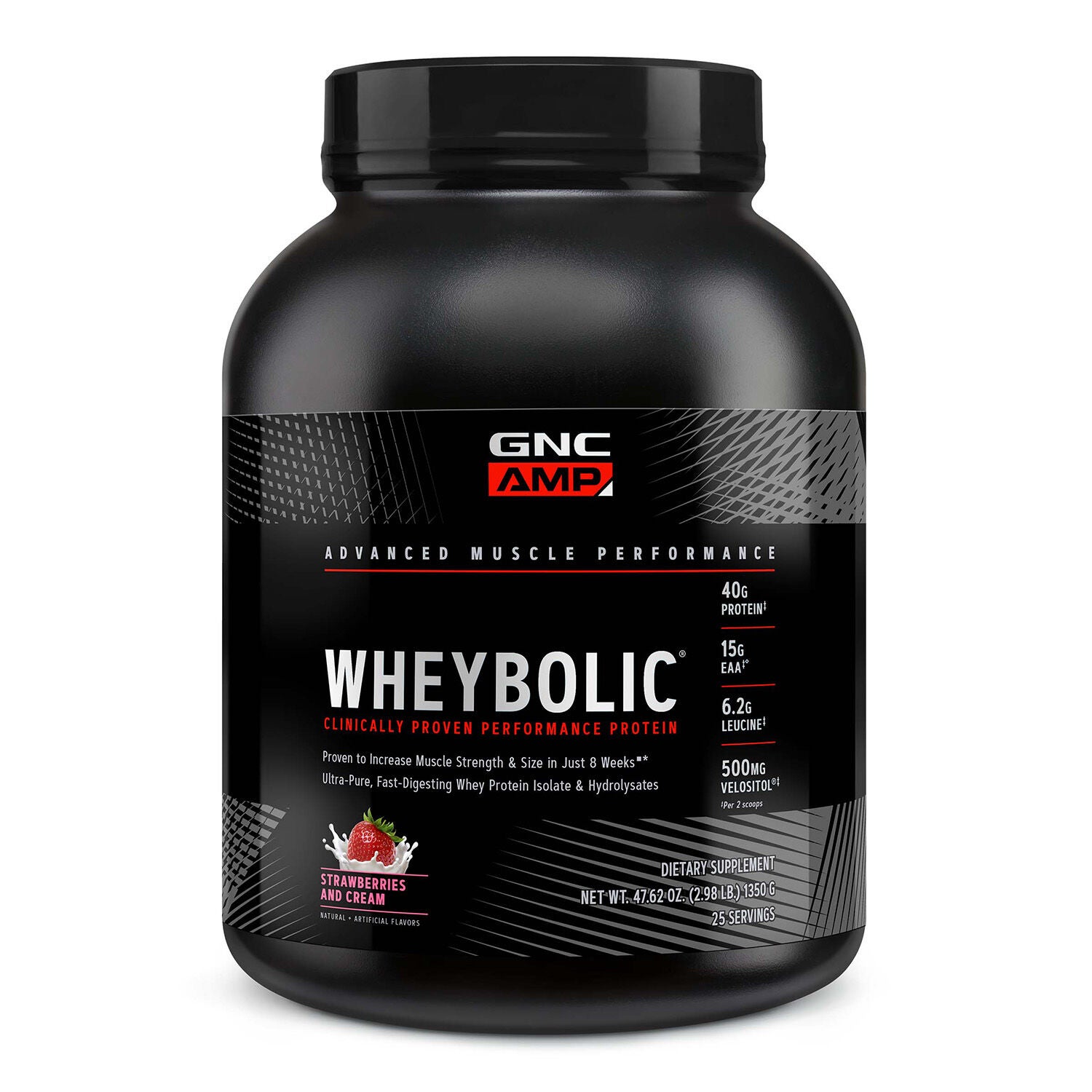


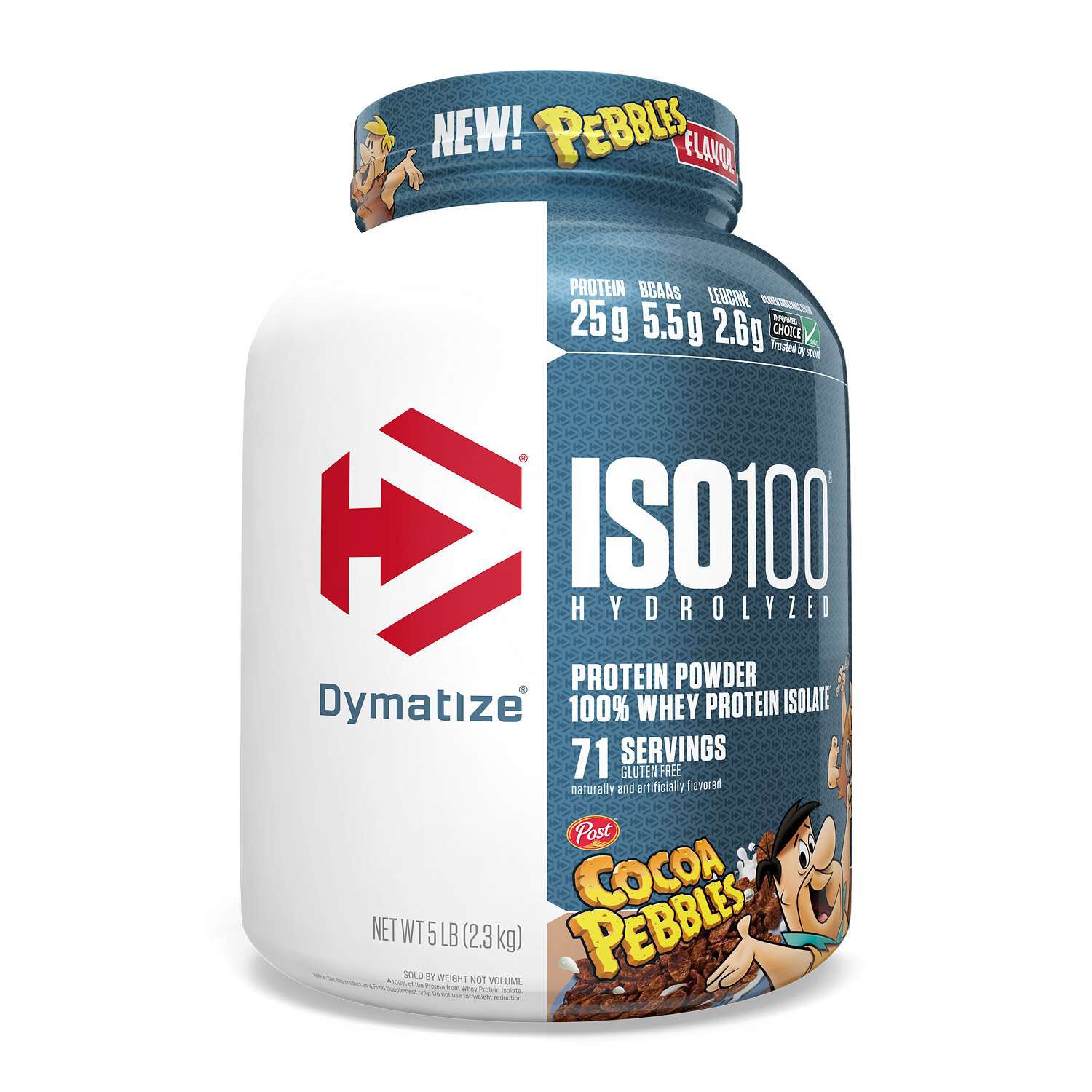
Whey protein for mass gain includes protein-focused powders and higher-calorie blends made for different approaches to adding size. The main distinction is the balance of protein, carbohydrates, fat, and calories in each serving. Standard whey protein powder concentrates on protein, with many formulas providing roughly 120 to 150 calories per serving, although the amount varies by formulation and scoop size. A whey-based mass gainer usually combines protein with a larger portion of carbohydrates and sometimes added fat; labeled servings can range from about 500 to more than 1,250 calories. These are general ranges rather than fixed definitions, so the nutrition label is the best place to compare powders. Whey protein may support muscle growth alongside resistance training and adequate food intake, while a mass gainer may make it more convenient to add calories when regular meals do not match an adult’s training goals. Neither format makes the other unnecessary: they serve different purposes within an eating routine. Someone who enjoys substantial meals and wants a protein-focused shake may prefer standard whey. An adult with a demanding training schedule who wants a more calorie-dense drink may lean toward a whey-based mass gainer. Whey comes from milk and contains naturally occurring amino acids, including leucine. Its dairy origin matters when considering ingredient preferences and food restrictions, even when the finished powder has a light texture or a fruit-inspired flavor. Mass gainers may pair whey with other protein sources, such as casein, so a product described as a mass gainer is not necessarily made with whey alone. For a useful comparison, look at protein grams, carbohydrate grams, fat, and calories together rather than judging the powder by the size of the container or the word “mass” on the front. That fuller picture shows whether a formula is primarily a protein supplement or a broader source of calories.
The type of whey and the rest of the ingredient list shape how a powder fits into everyday use. Whey concentrate generally retains more of milk’s carbohydrates and fat than whey isolate, while isolate undergoes additional filtration and typically has a higher proportion of protein by weight. Hydrolyzed whey has undergone processing that separates proteins into smaller pieces. These differences describe the ingredients, but they do not make one format the right choice for every mass-gain routine. A blend can contain more than one type of whey, and the finished formula matters more than any single ingredient name. In higher-calorie powders, carbohydrate sources may include maltodextrin, oat ingredients, or other grain-derived ingredients, while fat may come from oils or additional food ingredients. Sweeteners, cocoa, flavorings, and thickeners also influence taste and texture. Chocolate can work well in a shake with banana and peanut butter, while vanilla offers a milder starting point for berries, oats, or yogurt. Less sweet flavors may suit someone who already enjoys the sweetness of fruit or milk in a blended drink. For comparisons between formulas, check whether the stated serving is one scoop or several, and whether the nutrition information describes powder alone or a drink prepared with milk. A large serving of mass gainer can involve substantially more powder than a serving of standard whey. Comparing equal weights of powder, as well as the labeled servings, gives a clearer view of their composition. Milk, nut butter, oats, and fruit contribute their own calories and nutrients, so a homemade whey smoothie can differ considerably from the same powder shaken with water. Anyone browsing Whey Protein for Men can use these same distinctions to compare protein sources, serving sizes, and intended use. A category name alone says less about a powder than its ingredient list and nutrition panel.
Everyday fit often comes down to preparation, portion size, and whether the flavor stays appealing after repeated use. A standard whey shake made with water is a different drinking experience from a thick mass-gainer blend mixed with milk. For someone heading from an afternoon workout to an evening commitment, a shaker bottle and a measured serving of powder may offer a convenient option between meals. At home, a blender gives dense ingredients such as oats, frozen banana, and nut butter more room to combine into a smooth drink. A mass-gainer serving may require a larger bottle or blender jar than expected, making the label’s liquid measurement worth checking before preparation. Follow the mixing directions as a starting point, then adjust the liquid for a thinner or thicker consistency without confusing that texture change with a change in the amount of powder used. Timing can reflect personal routines: some adults prefer a shake after training, while others enjoy one alongside breakfast or between scheduled meals. Whey protein for mass gain may complement those routines, but it is not a substitute for varied meals or consistent training. For people who like variety, whey powder can also be stirred into yogurt or blended into an oat-based smoothie; results vary with the formula, and very hot mixtures can change its texture. Storage and container care matter, too. Keep powder tightly closed in a cool, dry place, follow the package’s storage directions, and use a clean, dry scoop. Avoid leaving an open container near steam from a kettle or stovetop, where moisture can reach the powder. Check the date on the package, and wash shaker bottles, lids, and seals thoroughly after use. If choosing a powder as a gift for an adult fitness enthusiast, familiar flavors and known ingredient preferences are more useful than guessing at a training goal. Whether the intended use is a simple protein drink or a substantial blended shake, the most practical comparison brings together nutrition, taste, preparation, and portion size. Those details may make a whey-based powder easier to incorporate into an established mass-gain routine.