





High Protein For Weight Gain
(0 Results)
Looking to add some serious muscle and bulk up? High-protein supplements could be your key ally in achieving those weight gain goals. Packed full of essential nutrients, these products may support muscle growth, aid recovery after intense workouts, and help you reach your desired physique. Whether you're an athlete striving for peak performance or simply looking to increase your daily protein intake, explore a diverse range of high-protein options that might fit seamlessly into your fitness regimen. Discover how these powerful supplements may help you take your fitness journey to new heights.
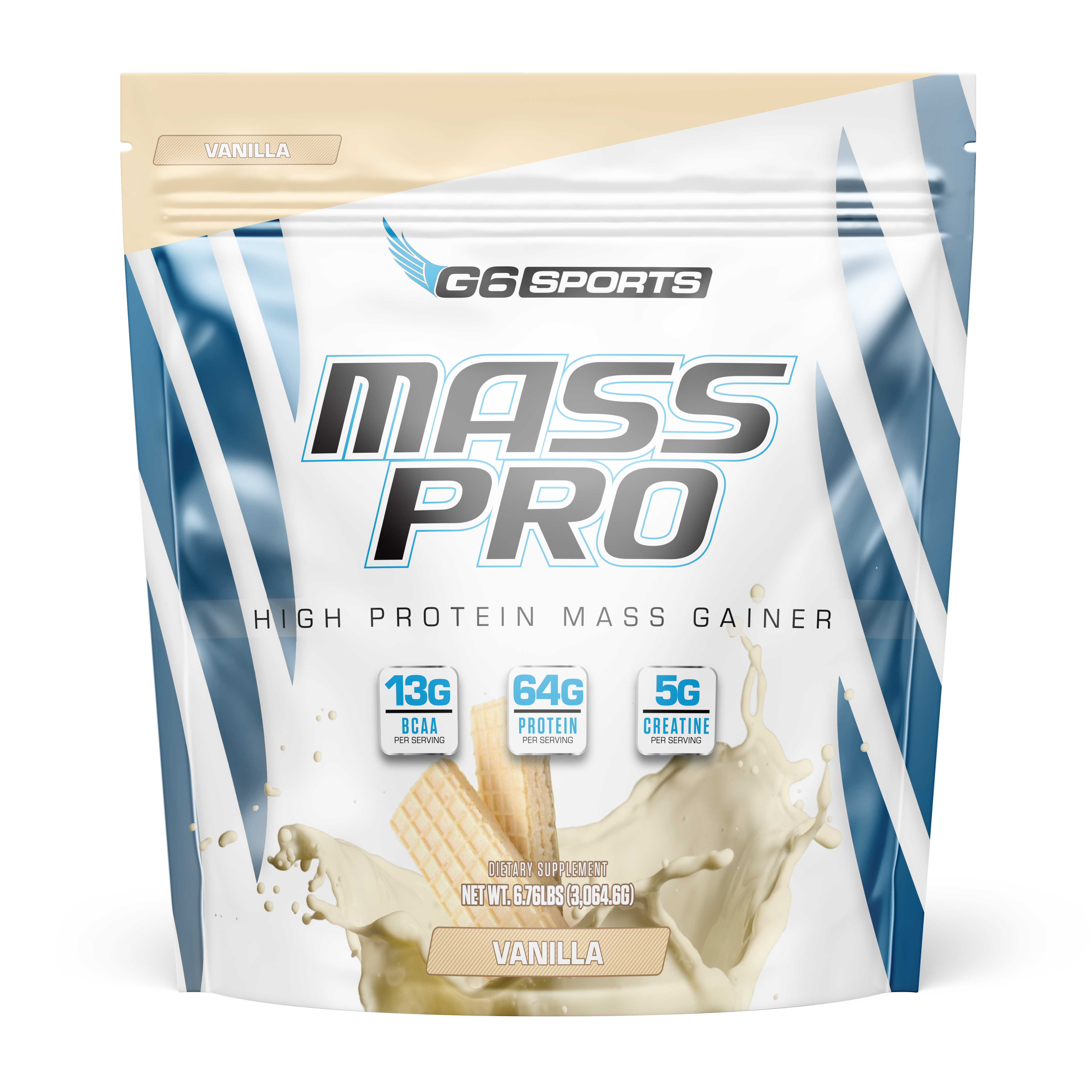
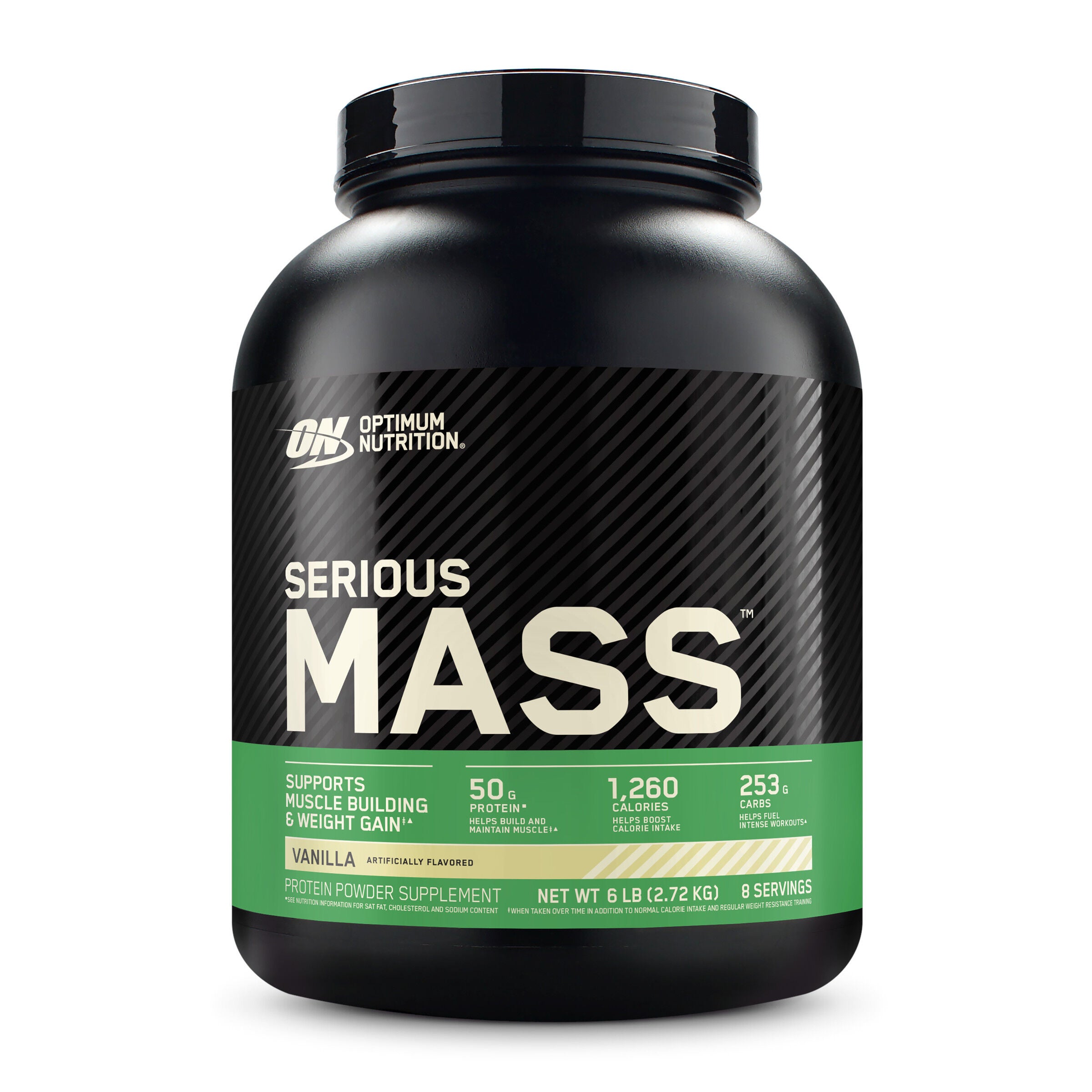
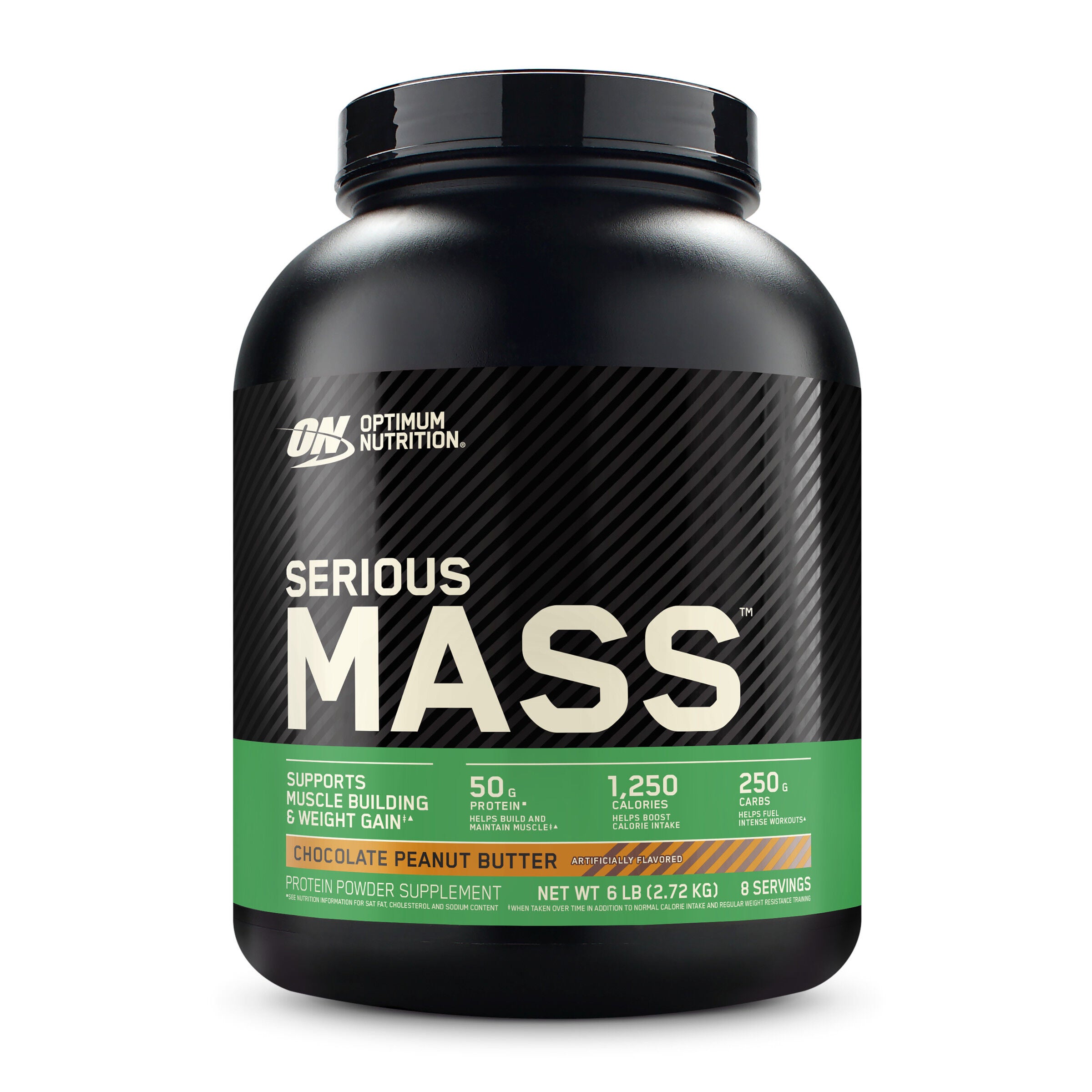


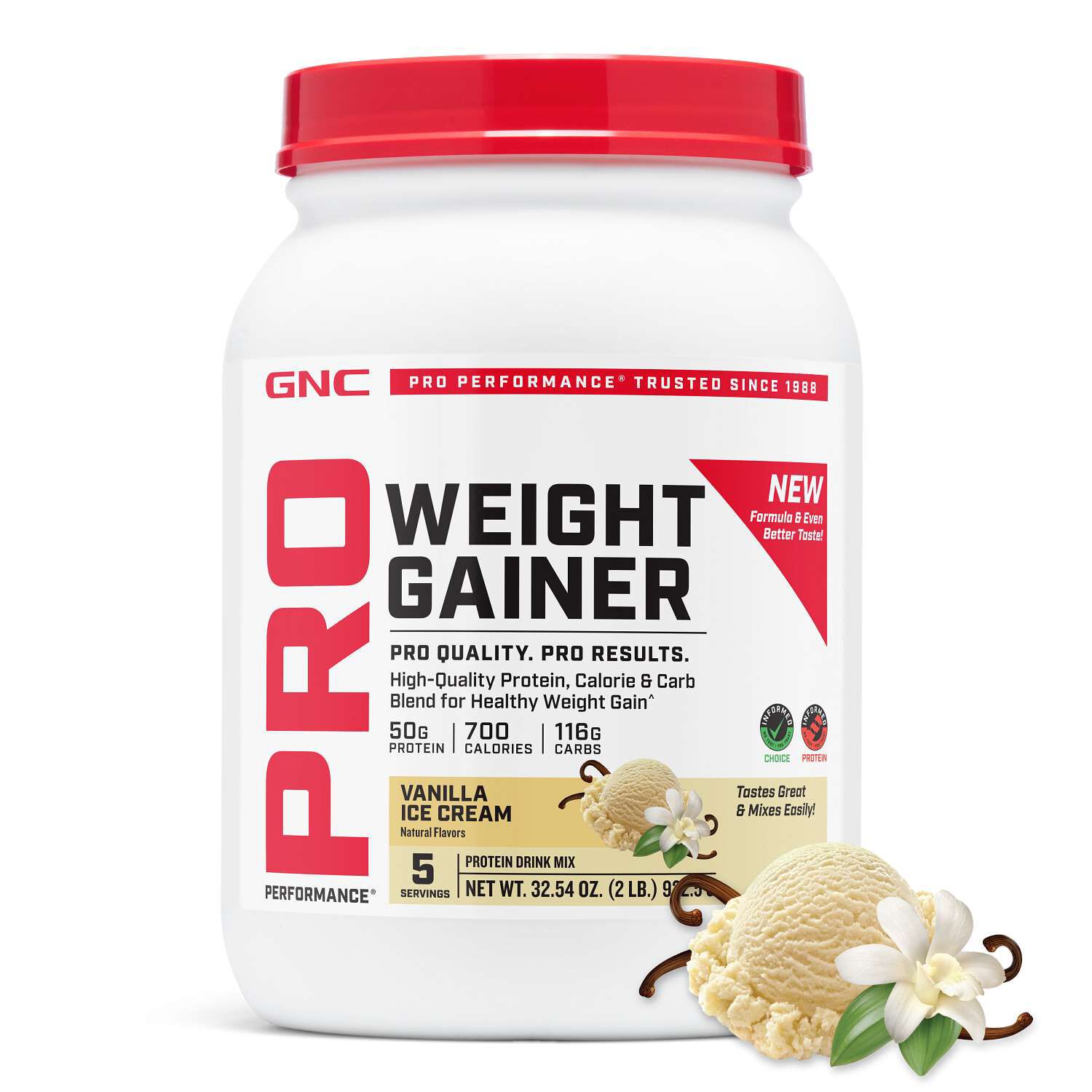


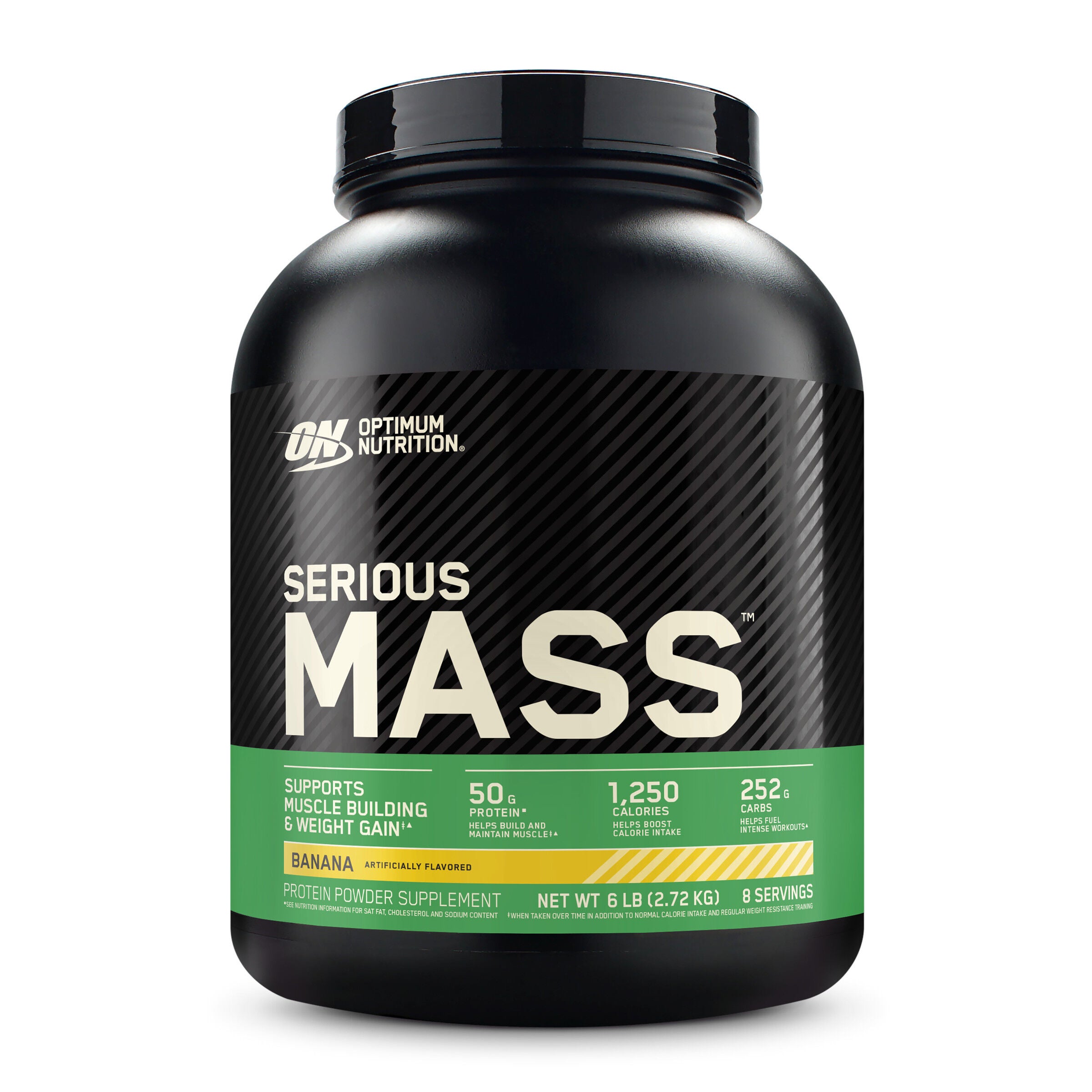

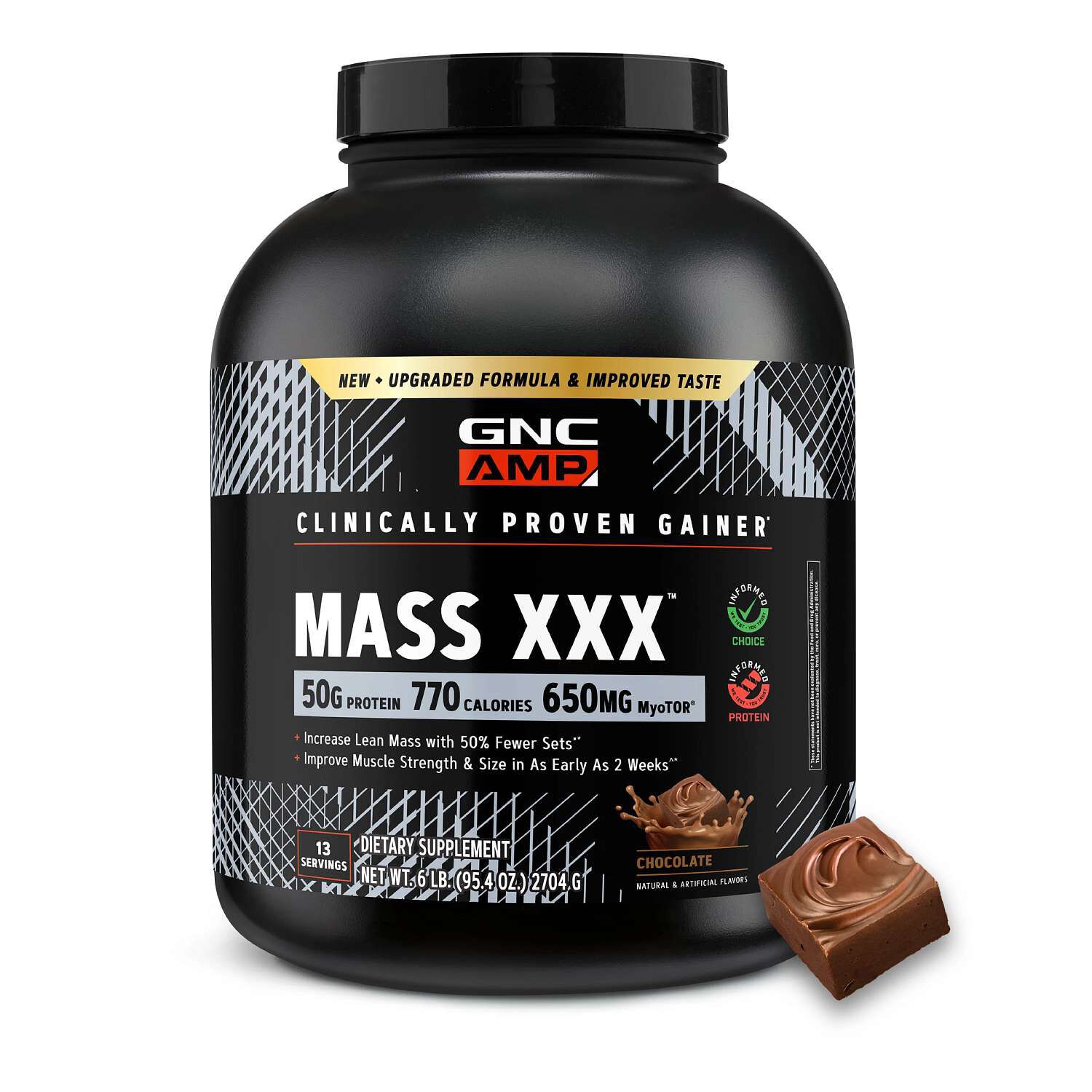

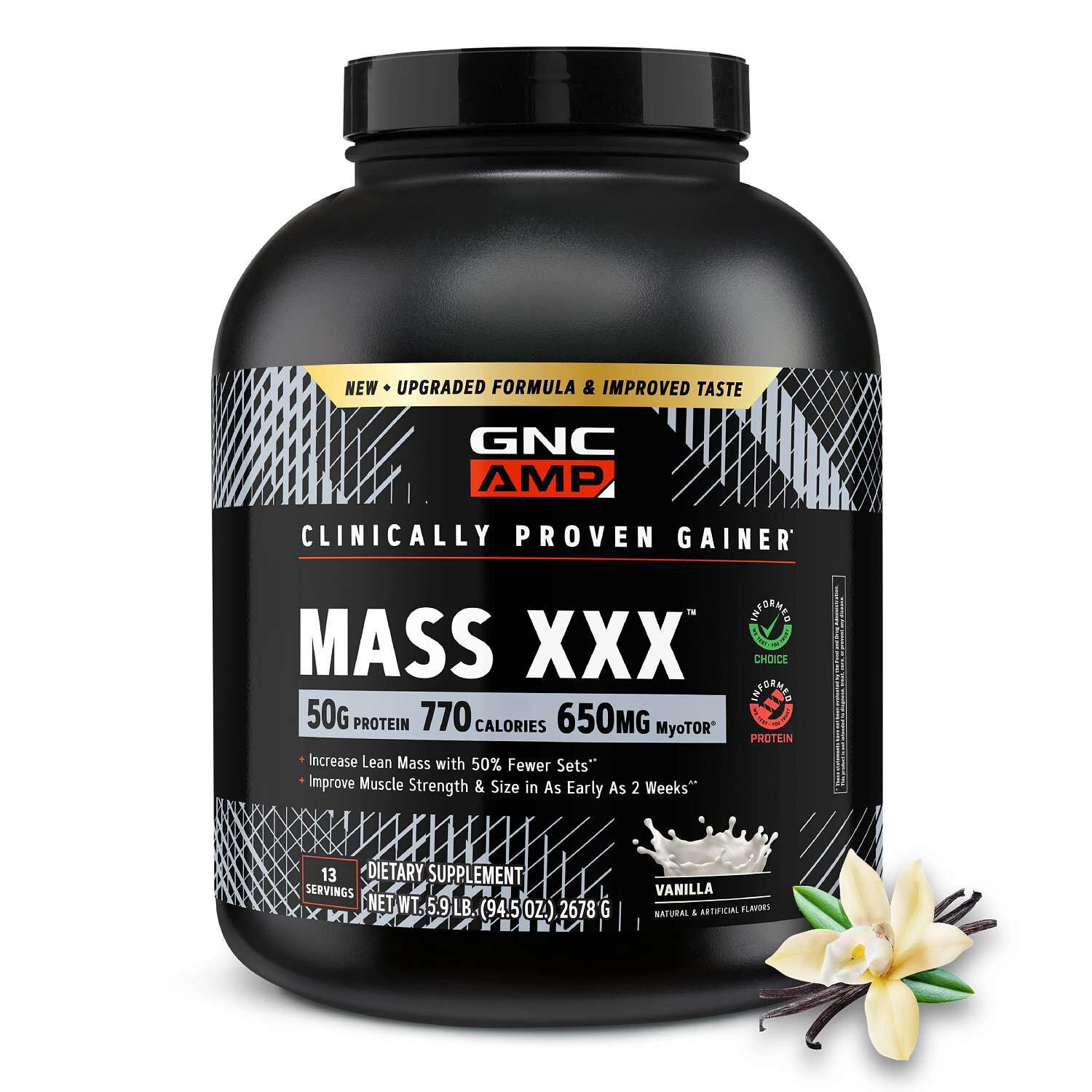
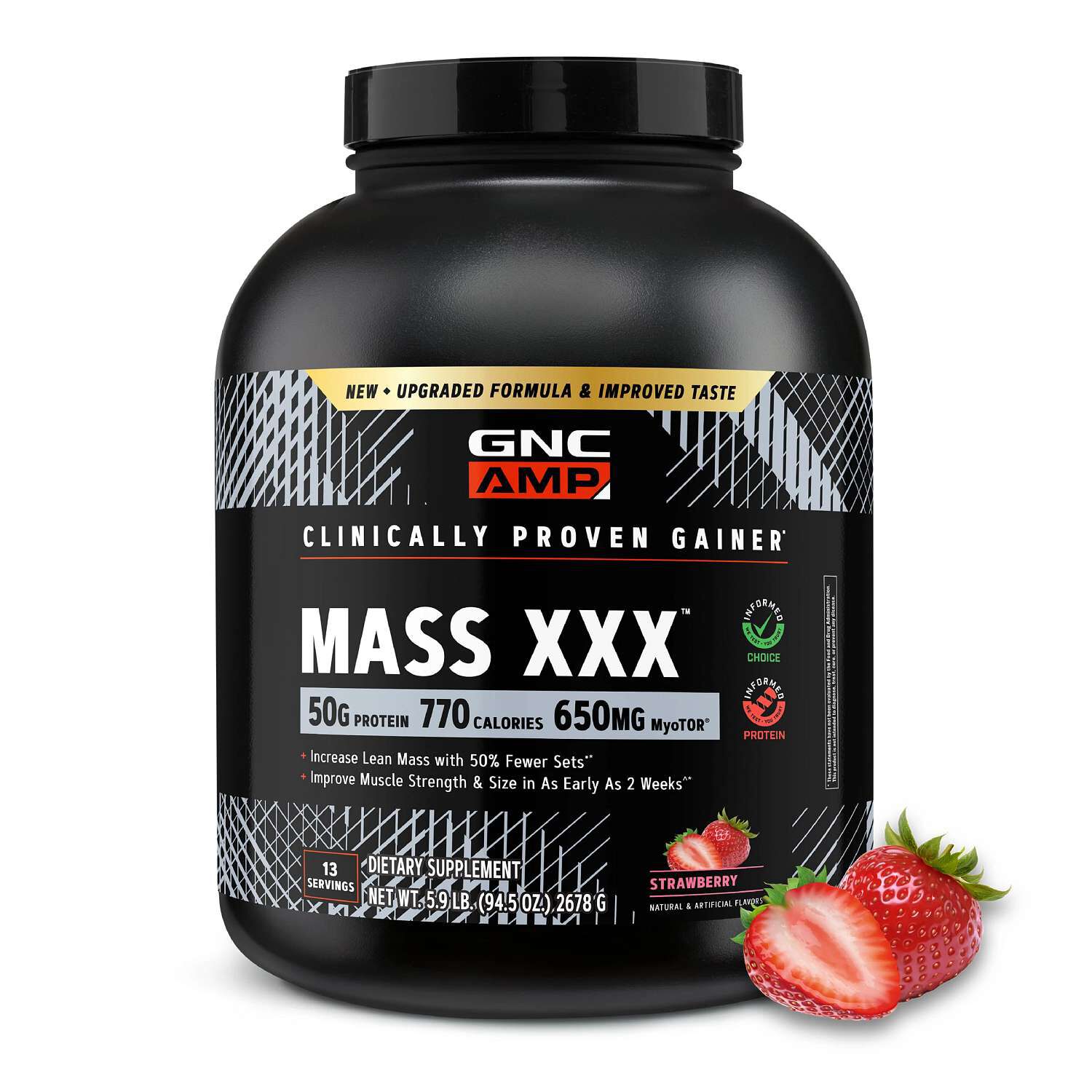
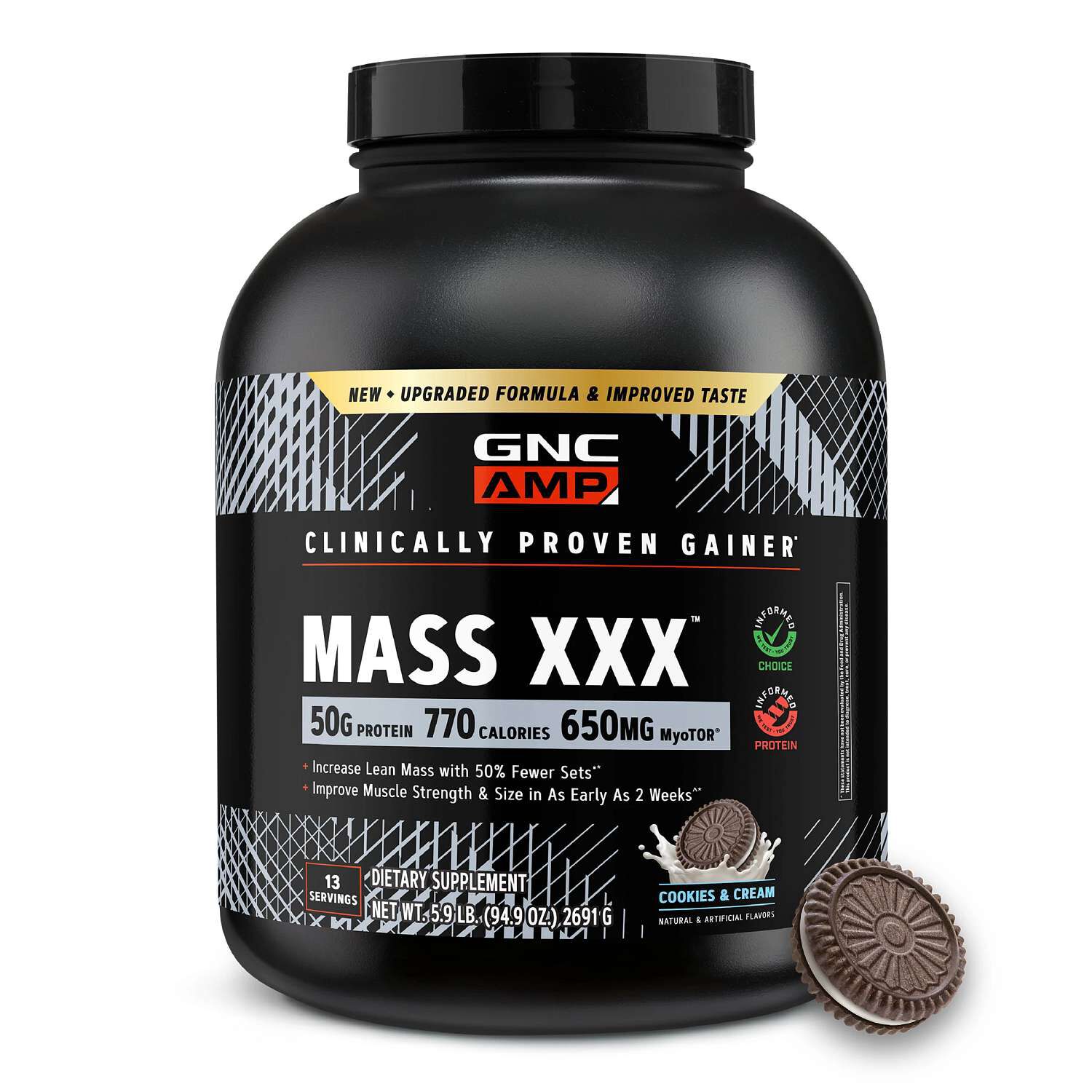


High-protein products for weight gain can make it easier to add satisfying nutrition to a busy routine, especially when larger meals feel difficult to fit into the day. They are often chosen by people who are working toward a higher body weight, following a strength-training routine, participating in demanding sports, or simply trying to make each meal more substantial. A practical approach is to pair protein with carbohydrates and fats rather than relying on protein alone. Milk, Greek yogurt, oats, rice, beans, lentils, eggs, fish, poultry, nuts, nut butters, fruit and whole-grain foods can all contribute to a varied eating pattern. Dairy milk provides protein along with calories, while Greek yogurt can add a creamy texture to breakfast bowls, smoothies or snack plates. Nuts and nut butters offer a convenient combination of protein and energy in a small serving, and oats or brown rice can bring hearty carbohydrates to meals. Salmon and tuna are popular choices for their protein content and easy place in sandwiches, grain bowls and salads. For plant-focused routines, beans, lentils, soy foods and whole grains can be used across soups, wraps, pasta dishes and rice bowls. Protein powders and ready-to-mix shakes may be useful when there is little time to prepare food, when a portable option is needed between activities, or when adding another serving to an already satisfying meal feels more manageable than preparing another full plate. A shake blended with milk, a banana, oats and nut butter may provide a smooth, filling option for breakfast or after exercise, while a powder stirred into oatmeal or yogurt can add flavor and protein without changing the meal too much. People who prefer chocolate flavors can browse High Protein Chocolate Weight Gain Powders for options that may fit smoothies, shakes and simple recipes. Serving size, protein per serving, calorie content, carbohydrate and fat amounts, flavor, texture and mixing instructions are useful details to review before choosing. Some shoppers prefer a powder that dissolves quickly in a shaker cup; others enjoy a thicker blend made with milk and fruit. Checking the ingredient list may also help shoppers select an option that aligns with their food preferences, such as dairy-based, plant-based, lower-sugar or formulations made without gluten where applicable. Since formulas vary, comparing the nutrition facts panel with personal goals and usual meals can make the selection more practical.
A consistent routine often matters more than finding one perfect serving. Some people enjoy a shake with breakfast, while others use one between lunch and dinner or after a workout. Smaller, more frequent meals may be easier for shoppers who become full quickly, and a day could include breakfast with eggs and oats, a yogurt snack with fruit and granola, lunch with rice and beans, a shake in the afternoon, dinner with fish or poultry and potatoes, and a small evening snack with nut butter. The amount of protein a person needs can vary with body size, activity, age, food preferences and personal goals; a commonly referenced range for active adults is about 1.6 to 2.2 grams per kilogram of body weight each day, though an individualized target is best discussed with a qualified healthcare or nutrition professional. Extra calories may support weight gain when paired with a suitable eating pattern, while resistance training may help direct some of that nutritional support toward muscle development. Rest, hydration and regular meals can also fit into the routine, particularly during cooler months when warm oatmeal, blended drinks and hearty bowls feel especially appealing. These products can make thoughtful gifts for a college student stocking a dorm-room pantry, a recreational athlete preparing for a new training season, a family member who enjoys experimenting with smoothie recipes or anyone who appreciates convenient pantry staples. A shaker cup, reusable storage container or recipe card can make the gift feel personal without requiring a specific diet plan. For an easy starting point, a shopper might choose one flavor that fits familiar foods, test a half serving in a smoothie, and adjust the texture with milk, water, yogurt or fruit. Keeping powder in a dry, accessible place and following the package directions may help preserve its flavor and consistency. Those with food allergies, dietary restrictions, special nutritional needs or questions about changing their intake should review the label carefully and speak with a qualified professional. With a little planning, high-protein weight-gain products may fit naturally into breakfast, snacks, post-workout routines and family recipes throughout the cooler months.
Best Sellers
-
 GNC Pro Performance
 -
 GNC Pro Performance
 -
 GNC Pro Performance
 -
 GNC Pro Performance
Related Pages


Top Collections
- Top Rated Collagen | Shop Customer Favorites | GNC
- Cortisol Supplements
- Vitamins For Hair Loss
- NAD+ Supplement Tablets
- Peptide Supplements
- Best Brand of Magnesium Glycinate
- Vitamins That Help Support Weight Gain
- Protein Powders For Muscle Growth Support
- Spirulina Tablets
- Peptide Supplements for Muscle Growth