





Protein For Weight Management
(0 Results)
Protein for weight management may offer a convenient way to support your wellness journey. Whether you are looking to complement your fitness routine or seeking options that may help maintain your goals, exploring different protein choices may be a helpful addition. Discover a variety of protein for weight management options that could fit into your daily regimen and may support your lifestyle preferences.
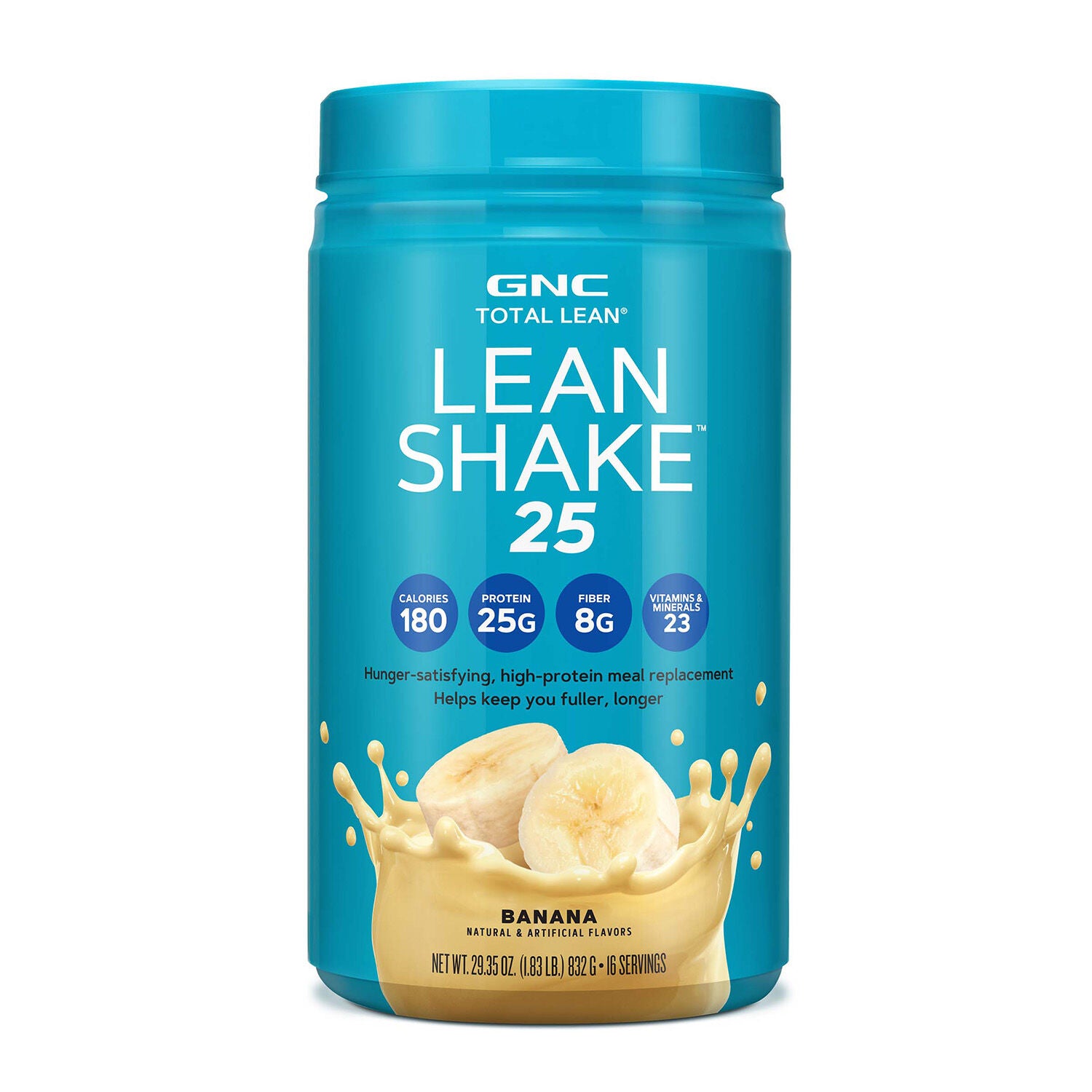

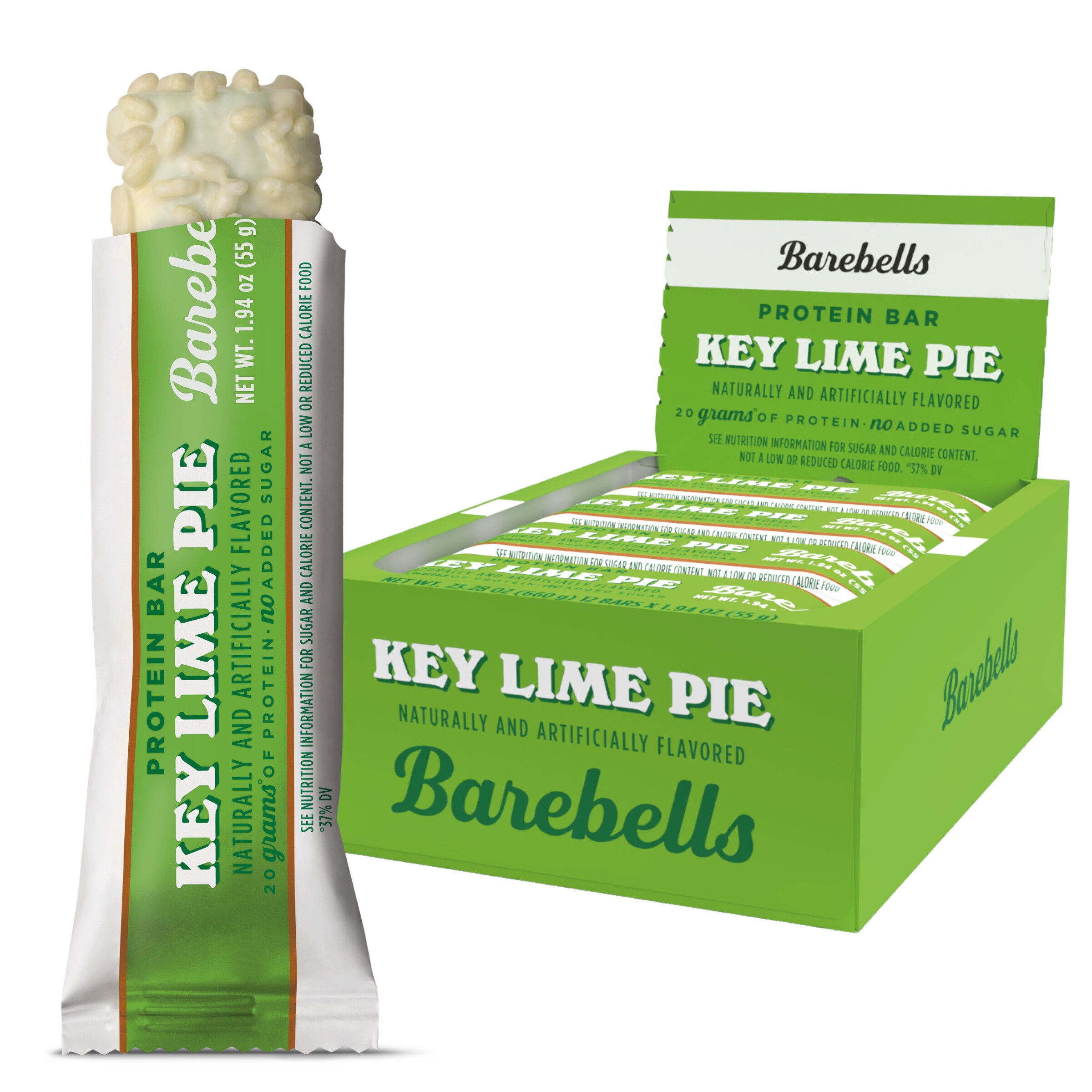
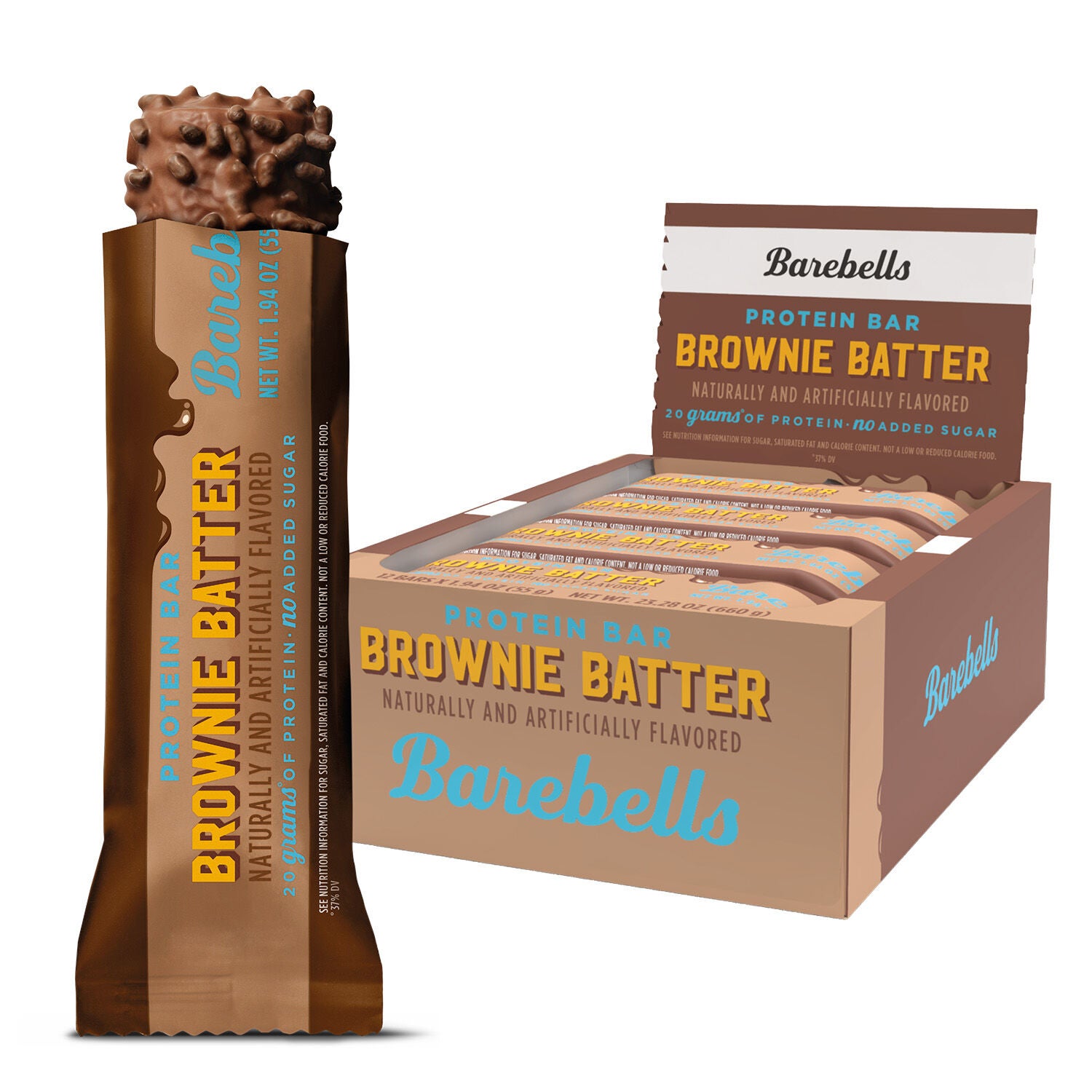
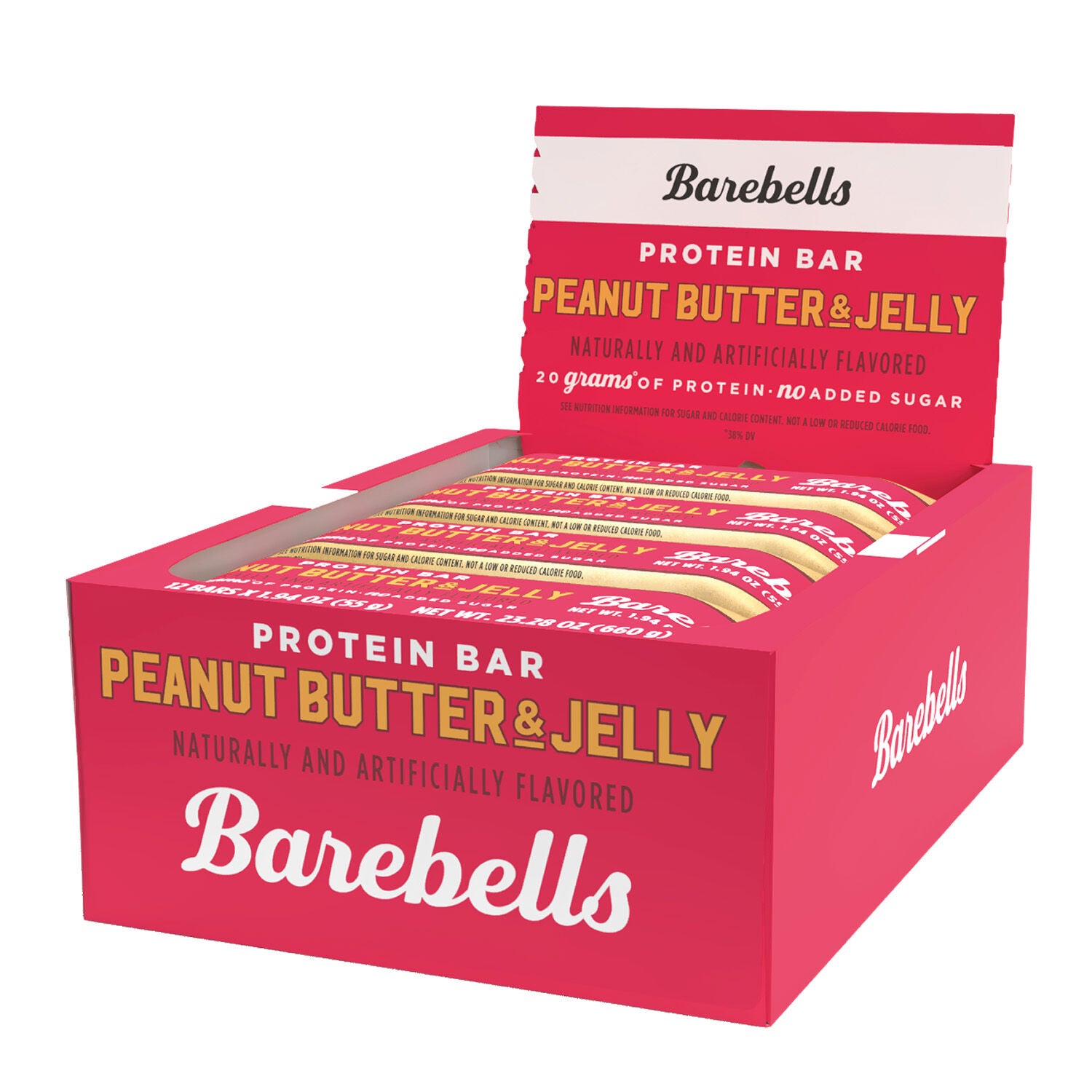
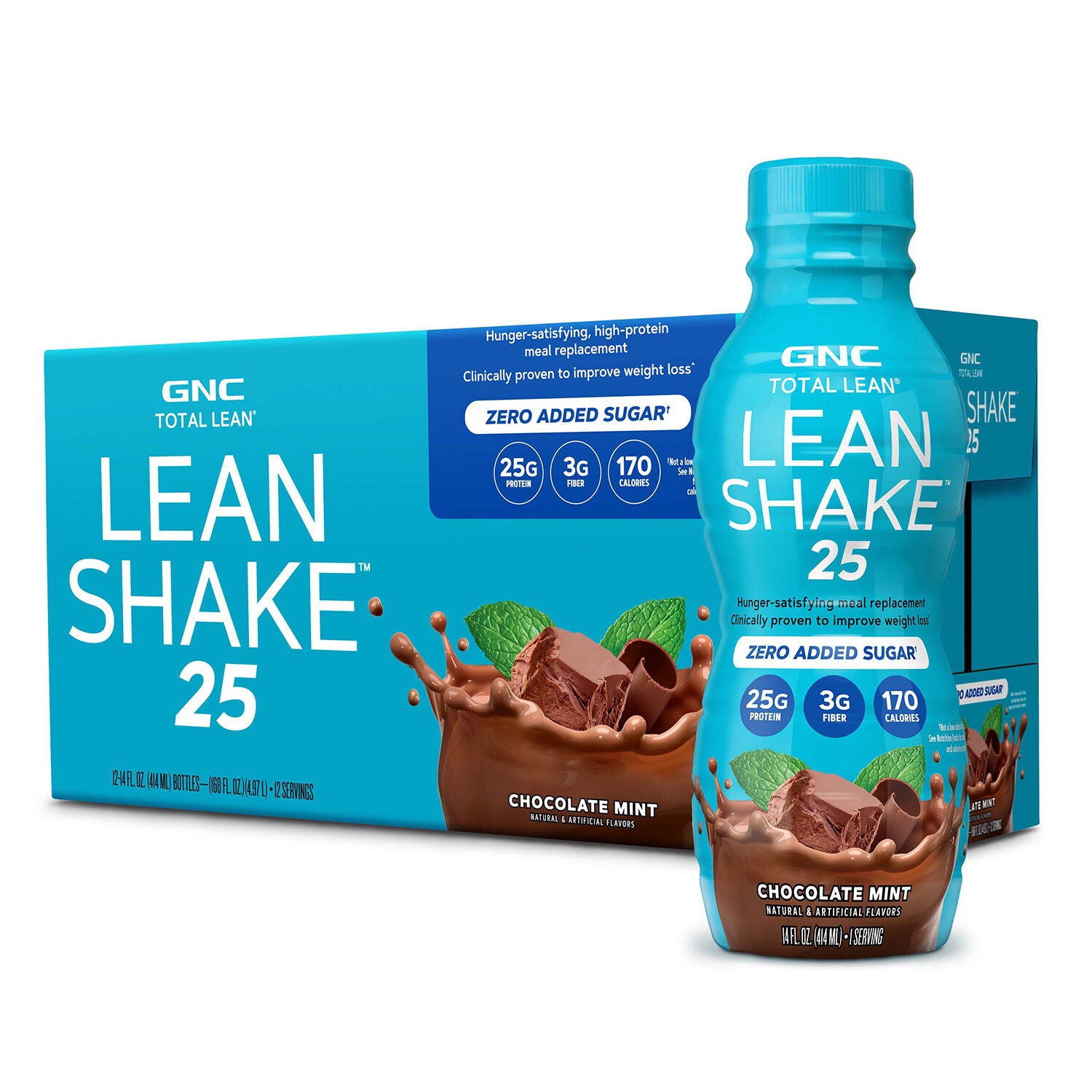

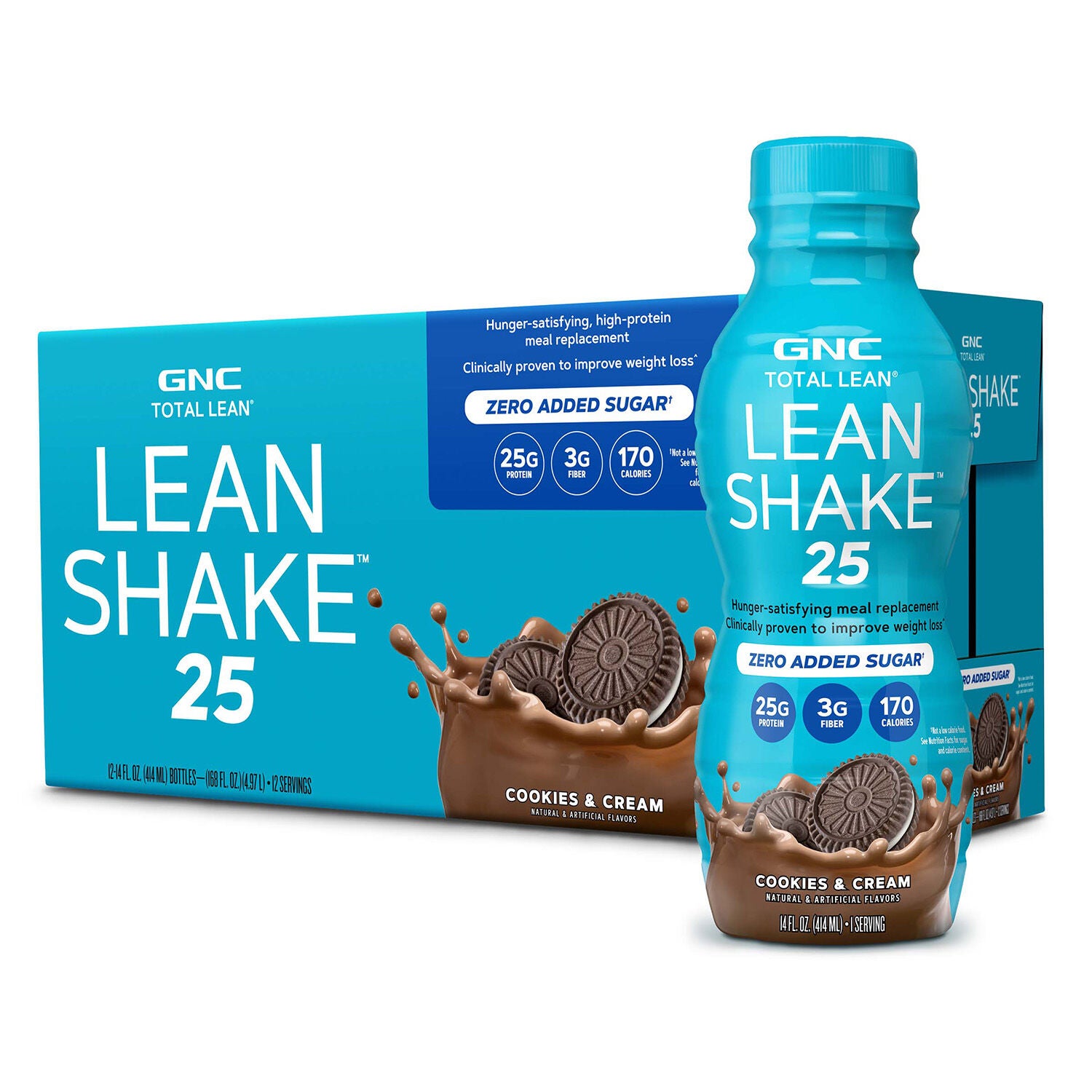
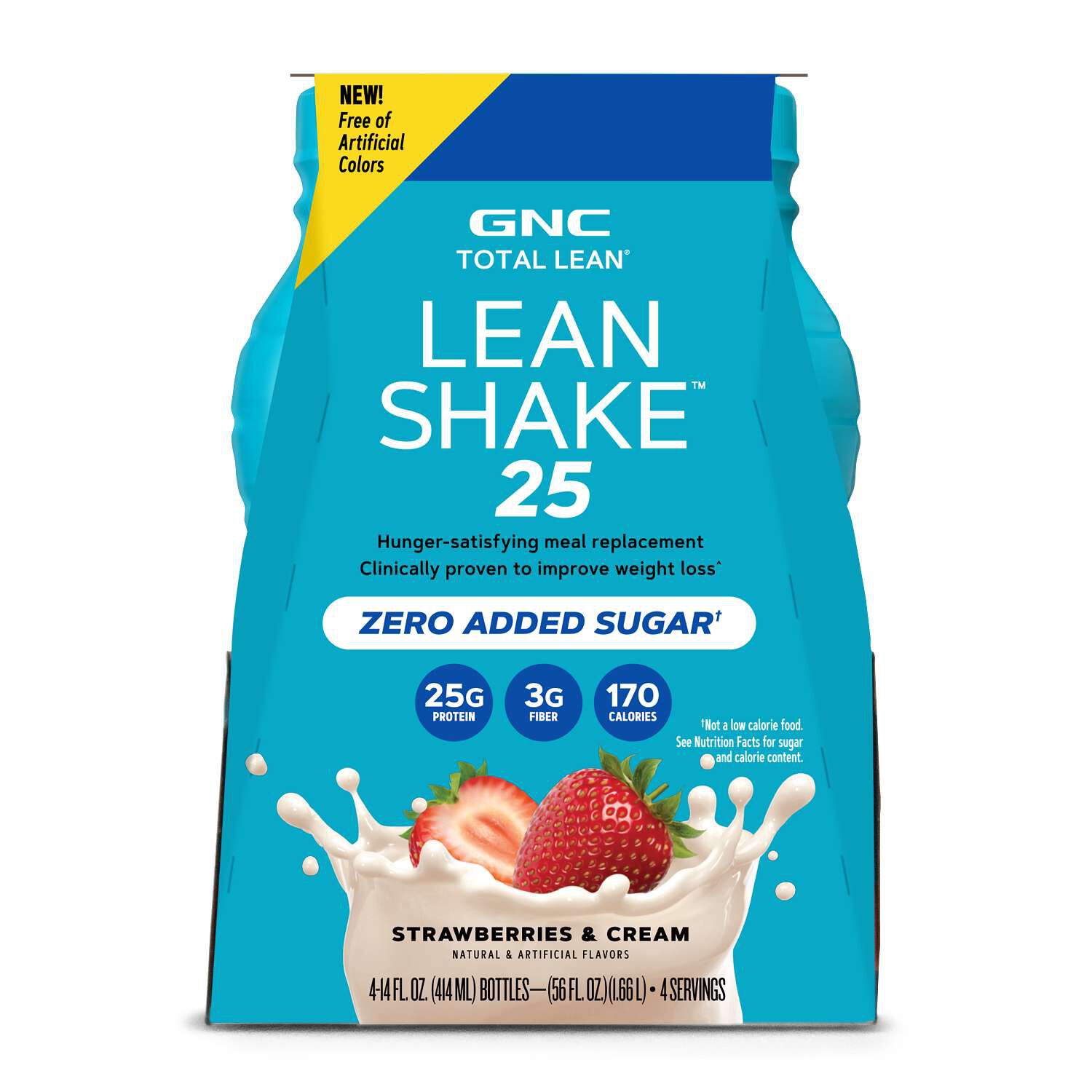
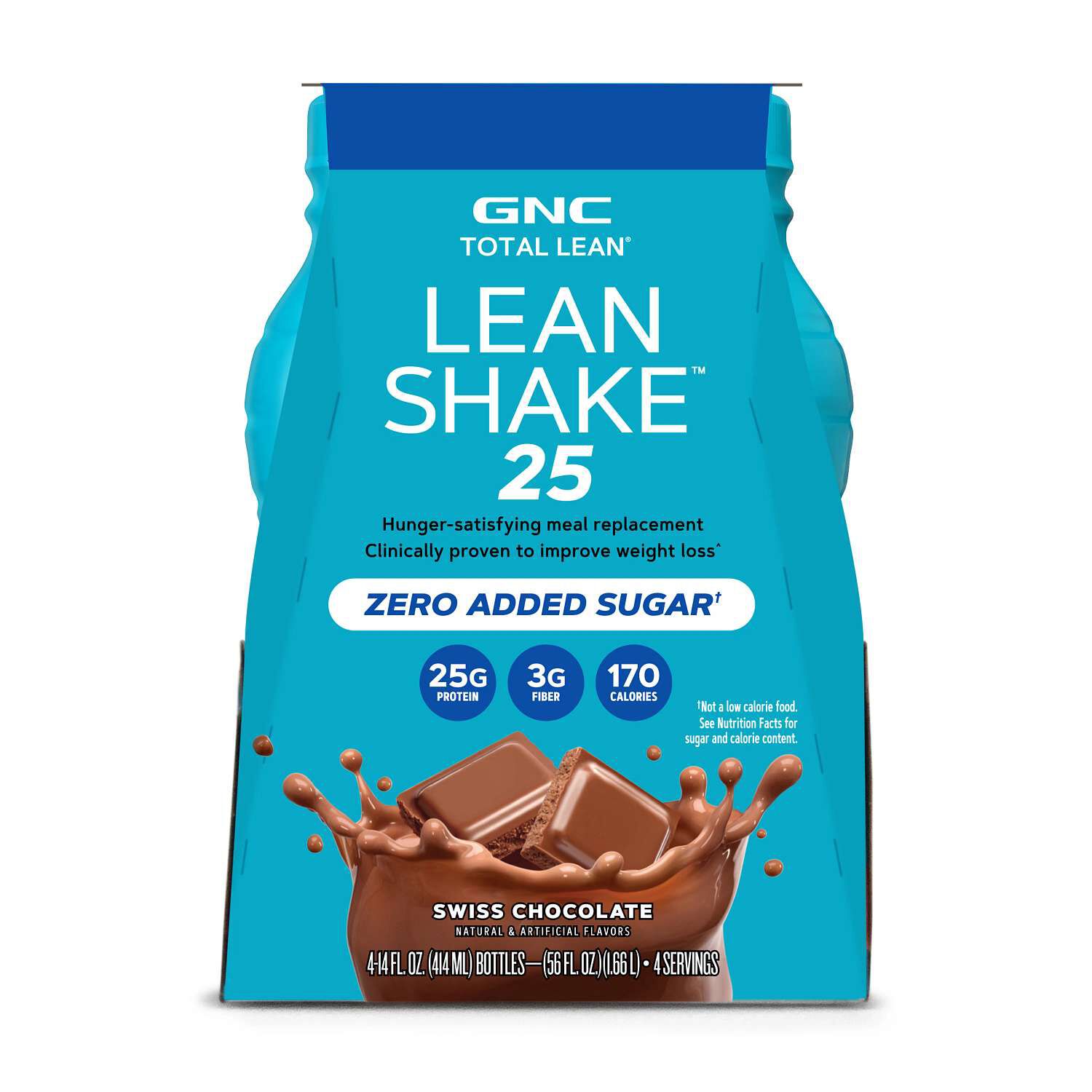
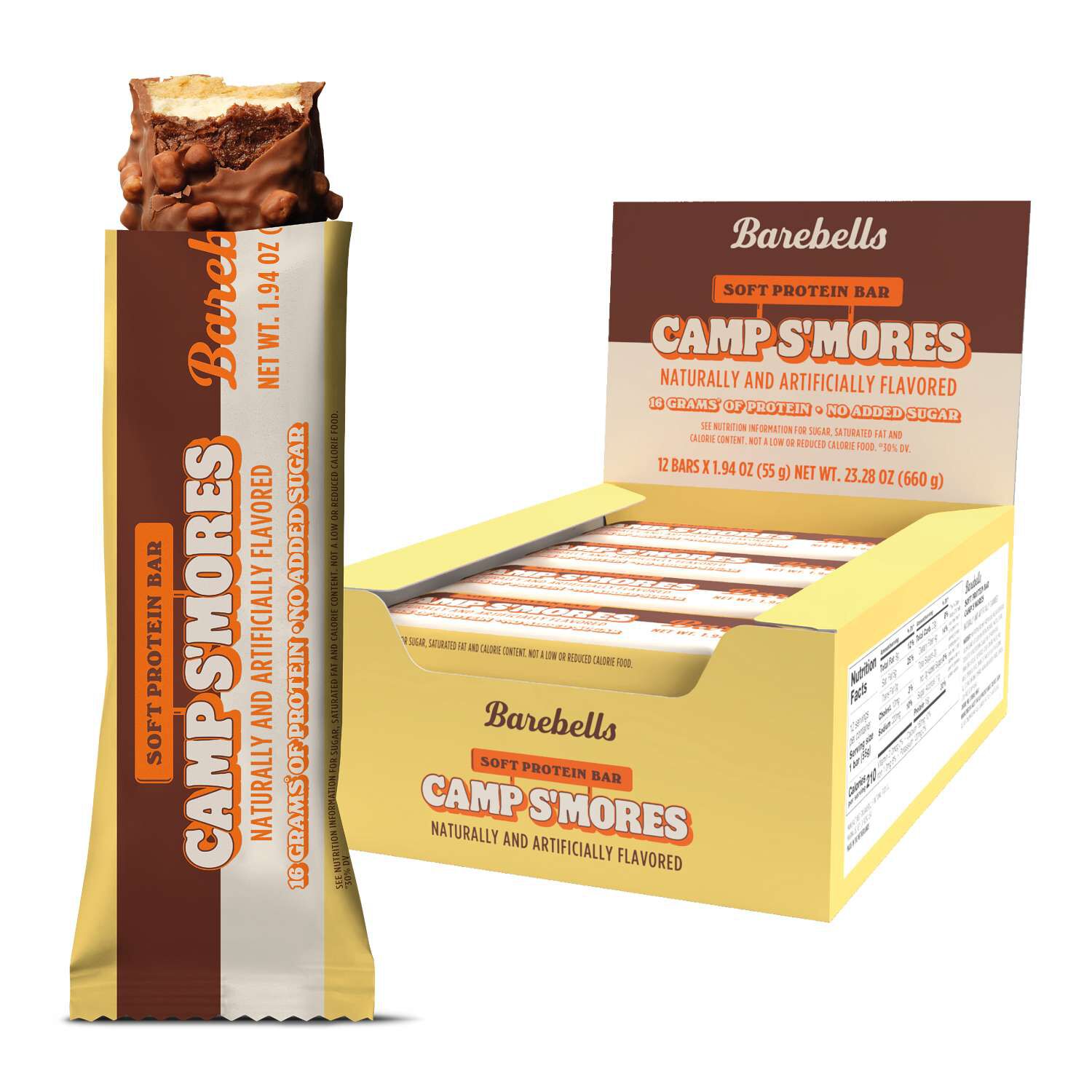
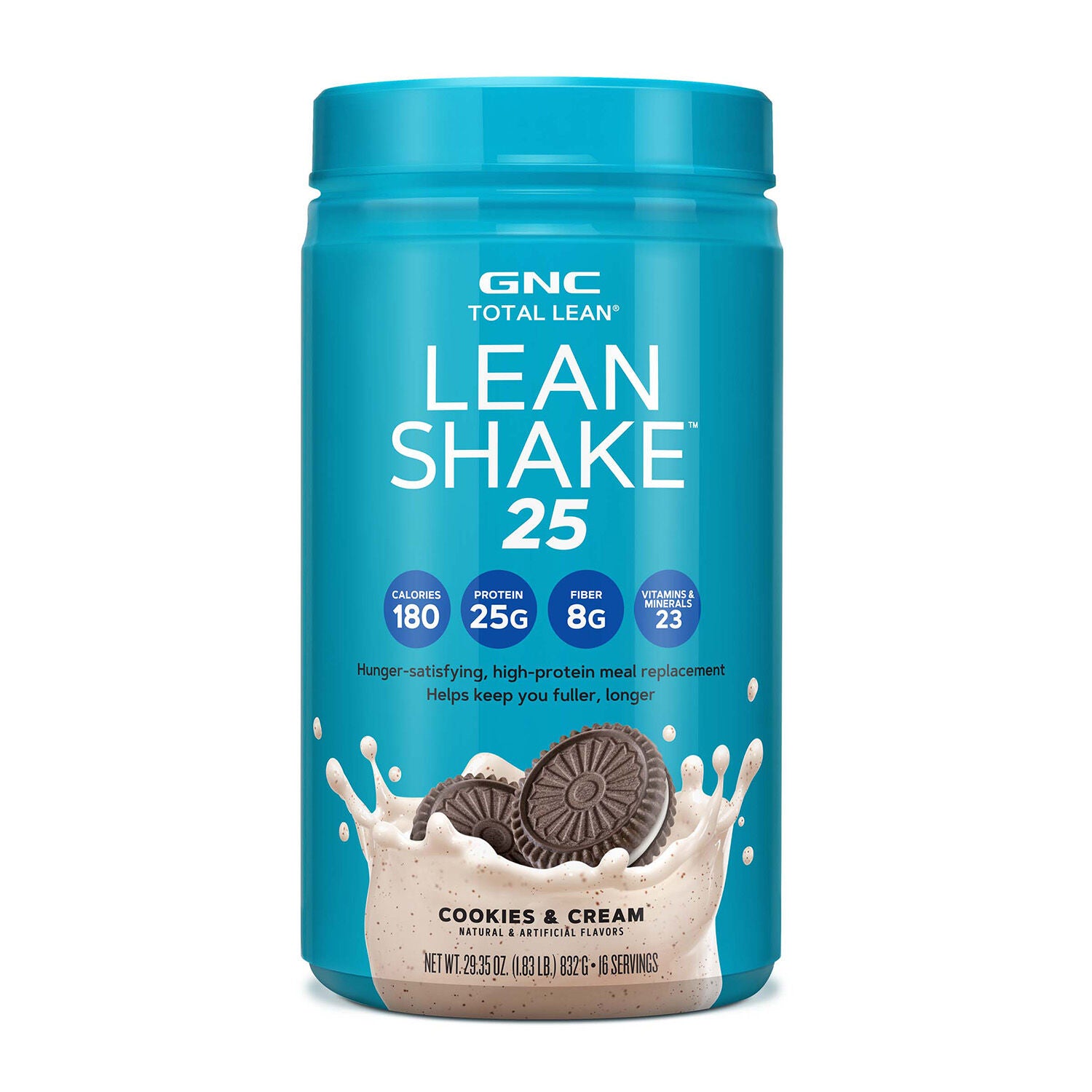


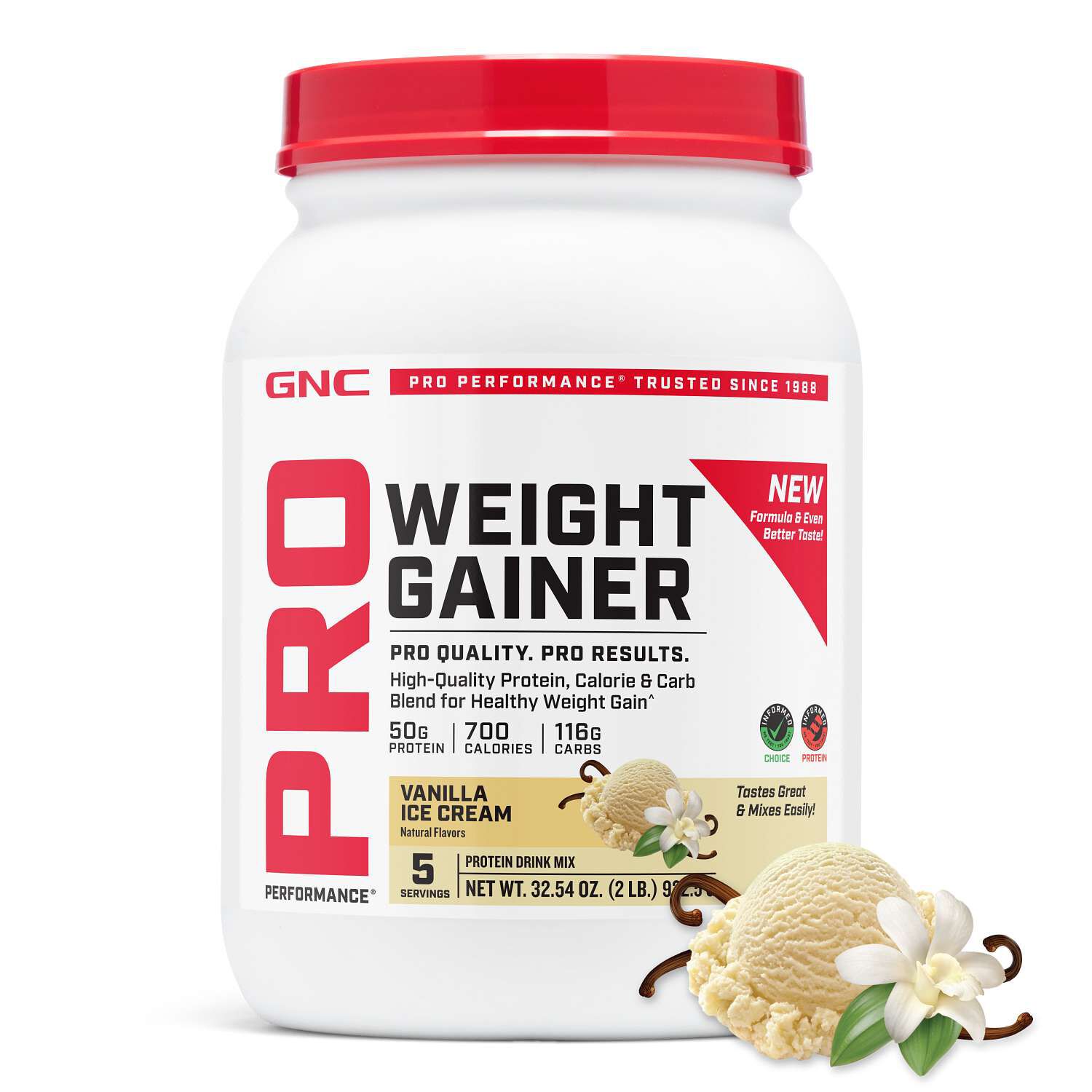

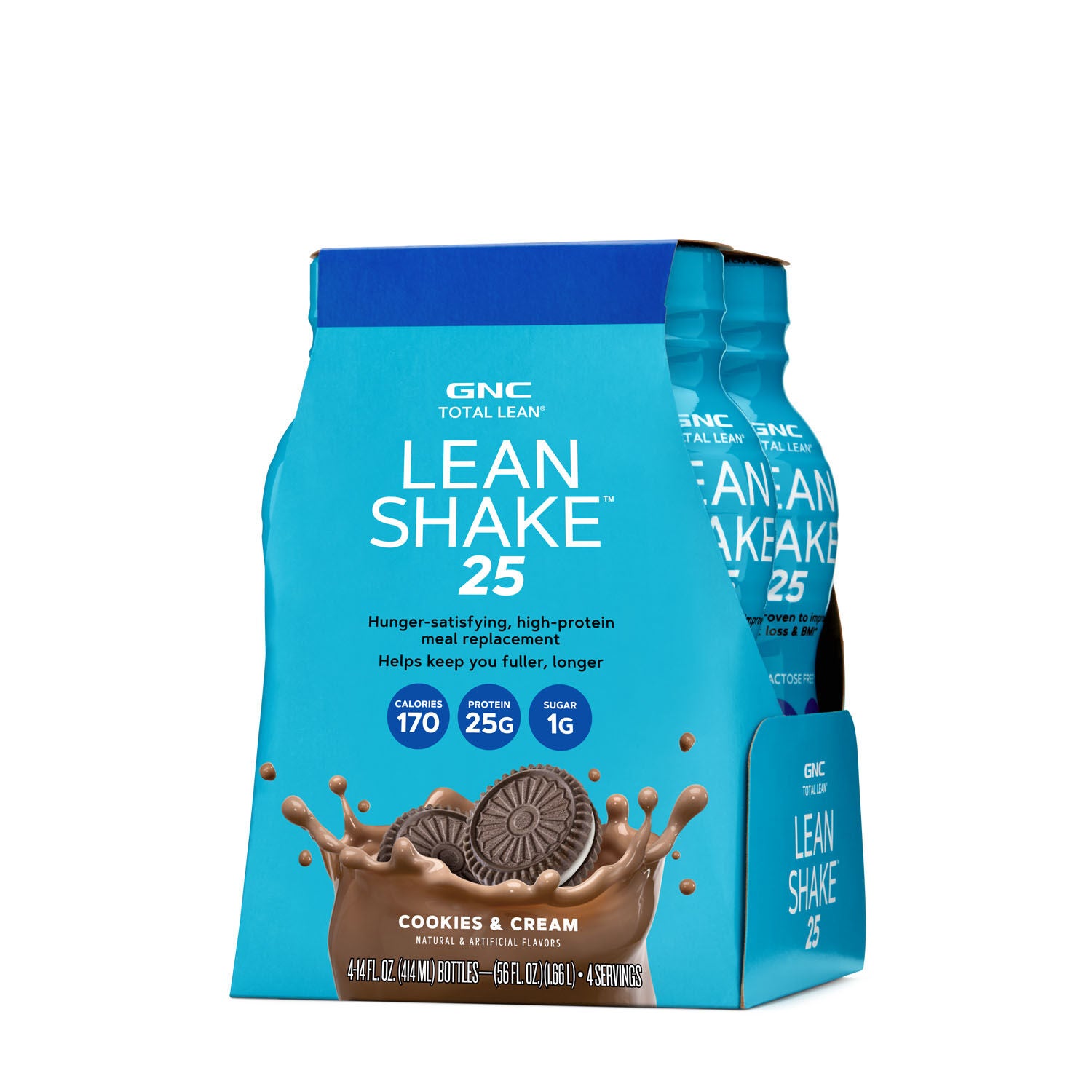
Protein for weight management includes powders, ready-to-drink shakes, and bars that may support fullness and help maintain lean muscle within an eating pattern that accounts for daily calorie needs. Digesting protein may use more energy than digesting carbohydrate or fat, but that difference does not make a shake or bar a shortcut to weight loss. The practical consideration is how a serving fits into everyday meals, activity, and personal preferences. Someone with a light breakfast might prefer a powder stirred into oatmeal, while someone moving between appointments might favor a packaged shake alongside other foods. These formats may make protein intake more convenient without requiring every meal to revolve around a supplement. Protein source is one of the main differences among formulas. Whey and casein come from milk; plant-based formulas may feature pea, soy, rice, or a blend of sources; and some powders use egg white. Whey isolate typically undergoes additional filtration compared with whey concentrate, so the amounts of protein, carbohydrate, and fat can differ. The nutrition label provides the details for each formula rather than leaving those differences to assumptions about the source. Casein powders often have a thicker consistency, while plant-based powders range from smooth to more textured depending on their ingredients and preparation. Flavor is another meaningful consideration for something intended to become part of a routine. Vanilla flavors may suit oatmeal or yogurt, chocolate flavors may pair with milk or a milk alternative, and unflavored powders may suit recipes where a strong sweet taste would be distracting. Sweetness, aroma, and aftertaste also vary with the sweeteners and flavor ingredients used. A familiar flavor and a texture that works with a preferred preparation may make a protein option easier to use consistently. Those everyday qualities deserve attention alongside the amount of protein listed per serving.
Serving details provide useful context when comparing protein powders, shakes, and bars for weight management. Grams of protein are only part of the picture; calories, carbohydrate, fat, added sugars, fiber, and serving size describe how a portion fits alongside other foods. A formula with more protein per serving does not necessarily have fewer calories, and a smaller package does not necessarily represent a smaller portion. Scoop dimensions vary across powders, making the serving amount on the label more informative than assuming that every scoop holds the same quantity. Preparation matters, too. A powder mixed with water has a different nutritional profile from that same powder blended with milk, yogurt, fruit, or nut butter. Those additions contribute their own nutrients and calories, whether the result is a thin drink or a thick smoothie eaten with a spoon. For a breakfast smoothie, the ingredients beyond the powder deserve the same attention as the powder itself. Ready-to-drink shakes have a prepared consistency and a labeled serving amount, which may suit a commute, an office refrigerator, or a day with limited access to a blender. Protein bars offer a chewable format, with textures ranging from soft and dense to crisp or layered. Coatings, nut pieces, and fillings influence both texture and nutritional composition, so two bars with similar protein amounts can still differ considerably. A bar carried between meetings might serve a different purpose from a shake enjoyed beside breakfast. Neither format should be assumed to have the nutritional composition of a varied meal simply because it contains protein. Ingredient lists also matter for personal preferences and dietary restrictions. Milk, soy, egg, peanuts, and tree nuts may appear in these categories, and a plant-based description does not identify every possible allergen. Protein source, sweeteners, added fiber, and other ingredients help distinguish formulas that might otherwise look similar from the front of the package.
Intended use brings these details together. Someone who enjoys cooking may prefer a powder that mixes into familiar foods, while someone who dislikes measuring and blending might prefer a prepared drink. A person with resistance exercise in their routine may be looking for a convenient protein serving around training, whereas another shopper may simply want an option to accompany a breakfast that contains little protein. Protein may help support muscle maintenance alongside resistance exercise, including during periods of reduced calorie intake, but the broader pattern of eating and activity remains relevant. Shoppers comparing options for lifting routines may also find useful formats in Best Protein for Weight Training. Convenience extends beyond carrying a package: mixing method, cleanup, and storage all influence how a format fits into daily life. Some powders disperse readily in a shaker, while others have preparation directions that call for more thorough blending. The amount of liquid changes the finished texture, and the package directions provide a starting point for preparation. A tightly closed powder container, a dry scoop, and a washed shaker are practical details for repeated use. Prepared drinks have their own storage directions, including instructions for refrigeration after opening, while bars may need protection from conditions that affect their coatings or texture. Package size also matters when considering storage space and how often a format will realistically be used. A large container can be awkward in a small cabinet, just as a ready-to-drink bottle requires more room in a work bag than a single serving of powder. The most suitable protein for weight management is not defined by one source, flavor, or package style. It is a format whose nutrition, ingredients, preparation, and taste align with the role it is intended to play alongside regular meals, familiar foods, and an eating routine that feels practical to maintain.
- Q: What types of protein supplements are commonly used for weight management?
A: Protein supplements for weight management may include whey, casein, plant-based proteins like pea or soy, and protein blends. Each type offers different digestion rates and nutritional profiles that could fit various preferences and dietary needs. - Q: How can protein support a balanced diet during weight management efforts?
A: Including protein in your diet may help you feel satisfied after meals and could support muscle maintenance when combined with regular physical activity. Protein-rich foods and supplements might be incorporated into meal planning to help meet daily nutrition goals. - Q: When is a good time to consume protein if you're focusing on weight management?
A: Some people choose to enjoy protein supplements as part of breakfast, post-workout, or as a snack between meals. The timing may depend on individual routines and preferences. - Q: Are there plant-based protein options suitable for those managing their weight?
A: Yes, there are several plant-based protein options such as pea, rice, and soy proteins that may be suitable for individuals seeking alternatives to animal-derived proteins. - Q: Can protein powders be added to recipes other than shakes?
A: Protein powders might be mixed into a variety of recipes including oatmeal, smoothies, baked goods, or yogurt to add extra protein to your daily intake in creative ways.
Best Sellers
-
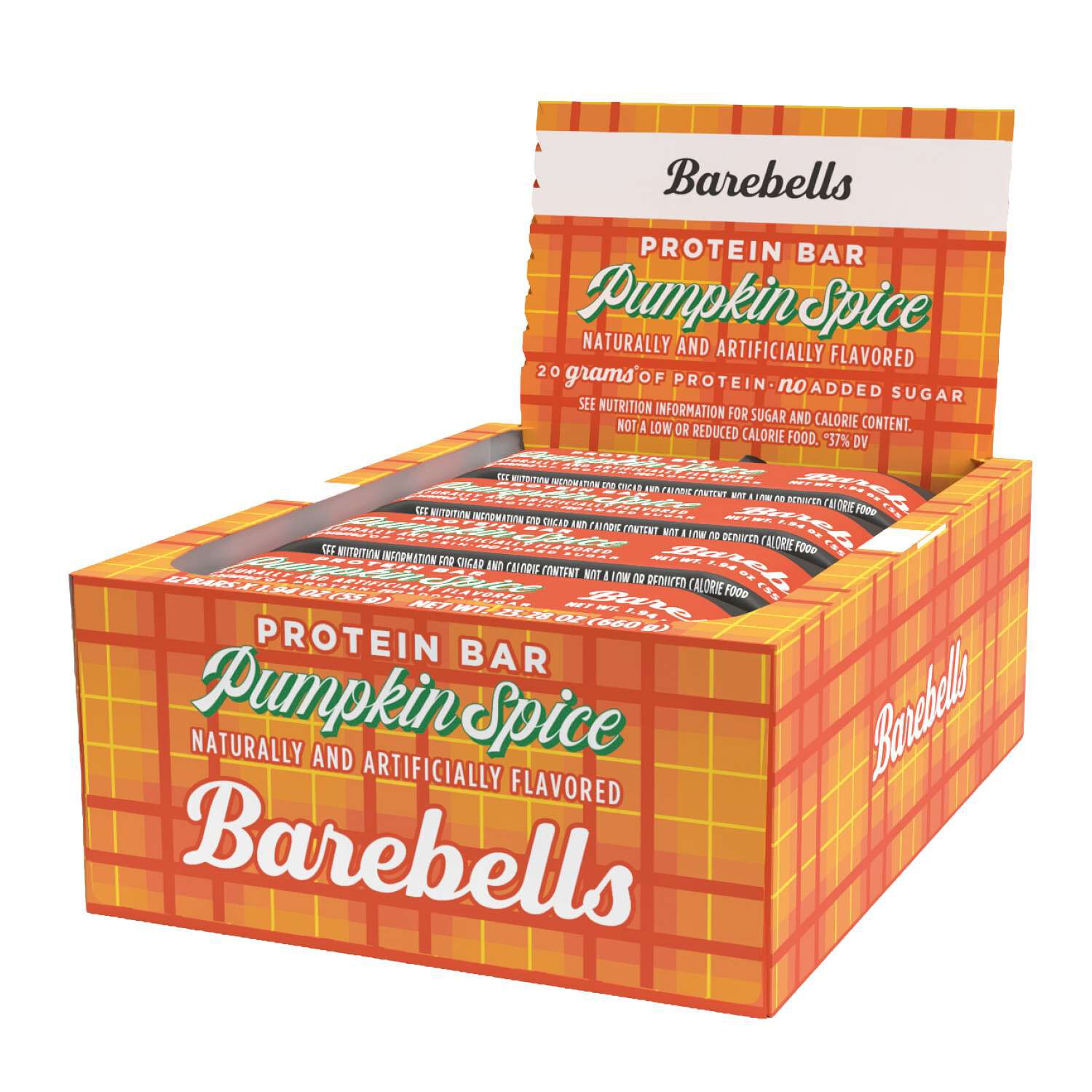 Barebells
-
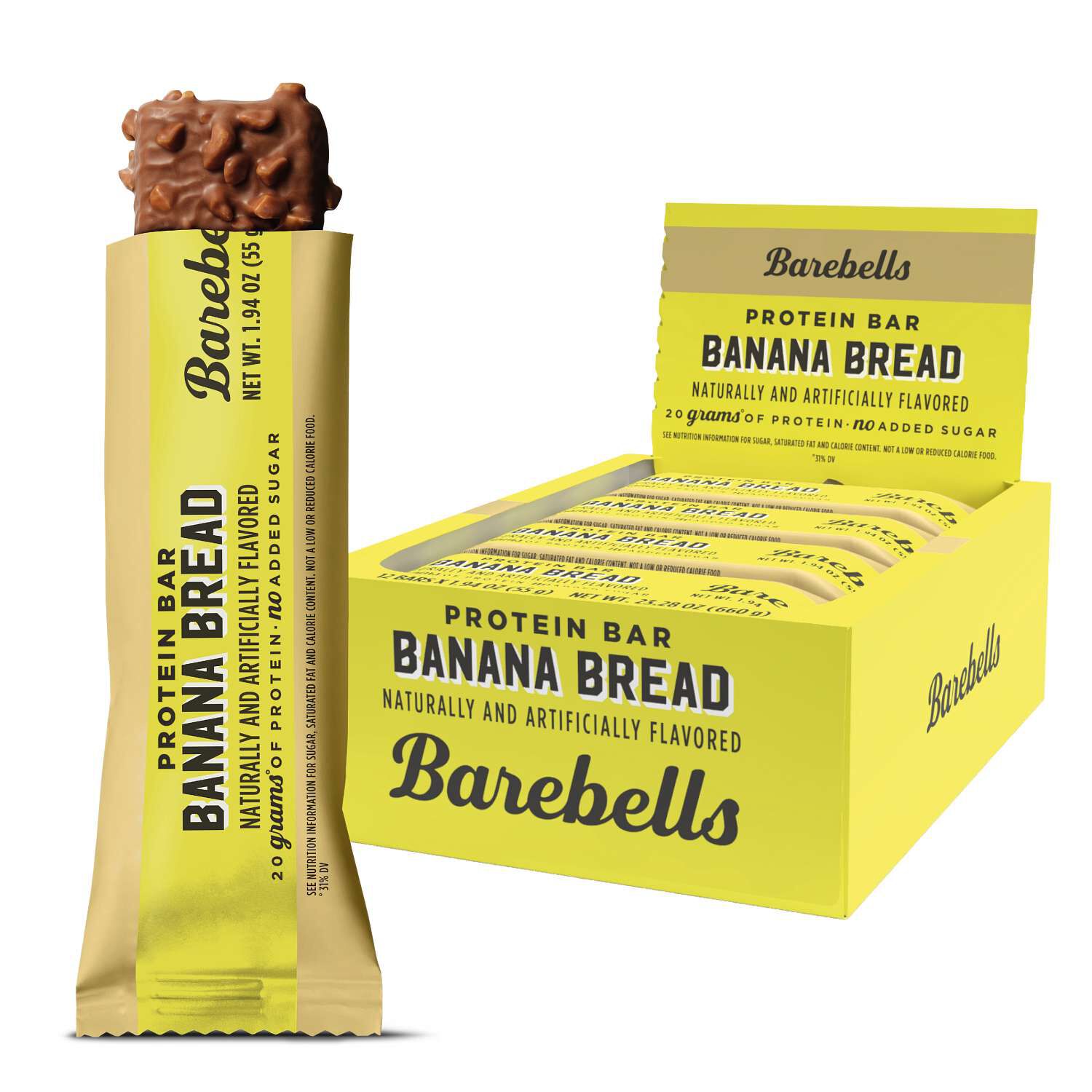 Barebells
-
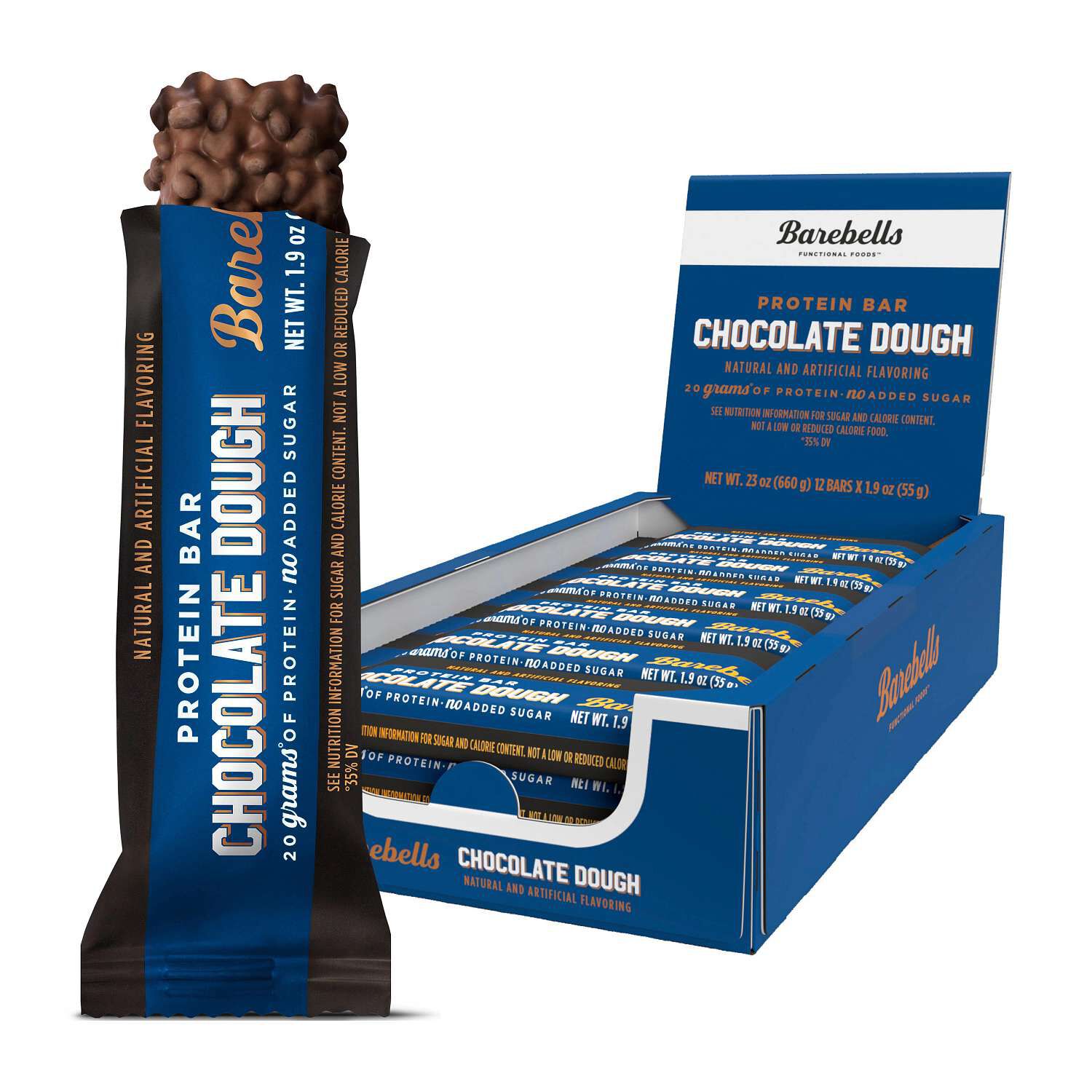 Barebells
-
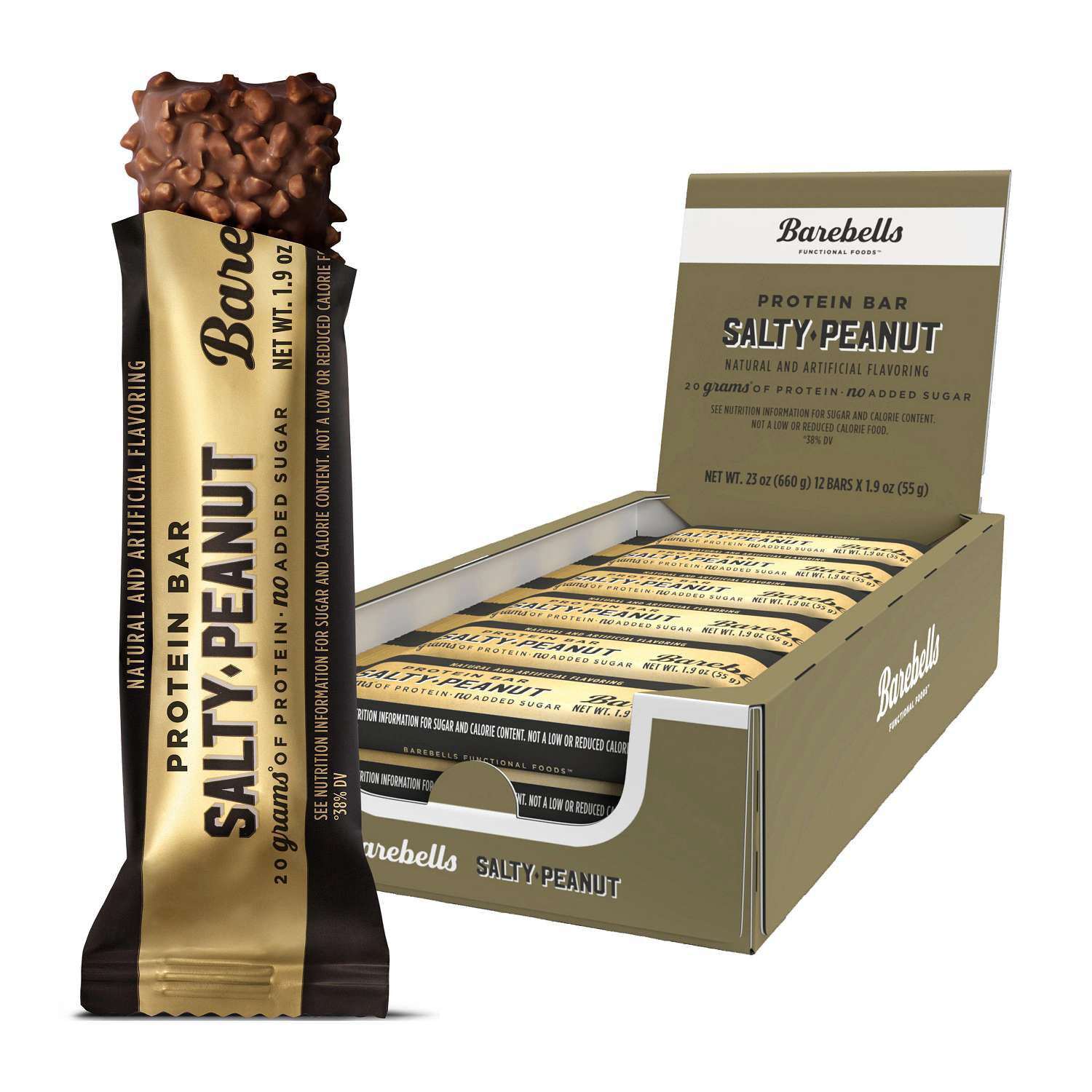 Barebells
Related Pages


Top Collections
- Joint Mobility Supplement Packs
- Zinc Supplements | Top Brands at Great Prices | GNC
- Supplements For Yoga Joint Flexibility
- Supplements For Balance
- Capsule Supplements For Energy And Stamina
- Iron Supplements
- Supplements For Anxiety Relief Support
- Vitamins For Hair Loss
- Cortisol Supplements
- Adult Mobility Supplements