





Whey Protein For Weight Loss Support | Top Brands | GNC
(0 Results)
Browse whey protein for weight loss support and compare options by calories, protein per serving, serving size, and ingredients to find a fit for your eating plan. A whey protein supplement may help you meet your daily protein goals as part of a balanced diet.

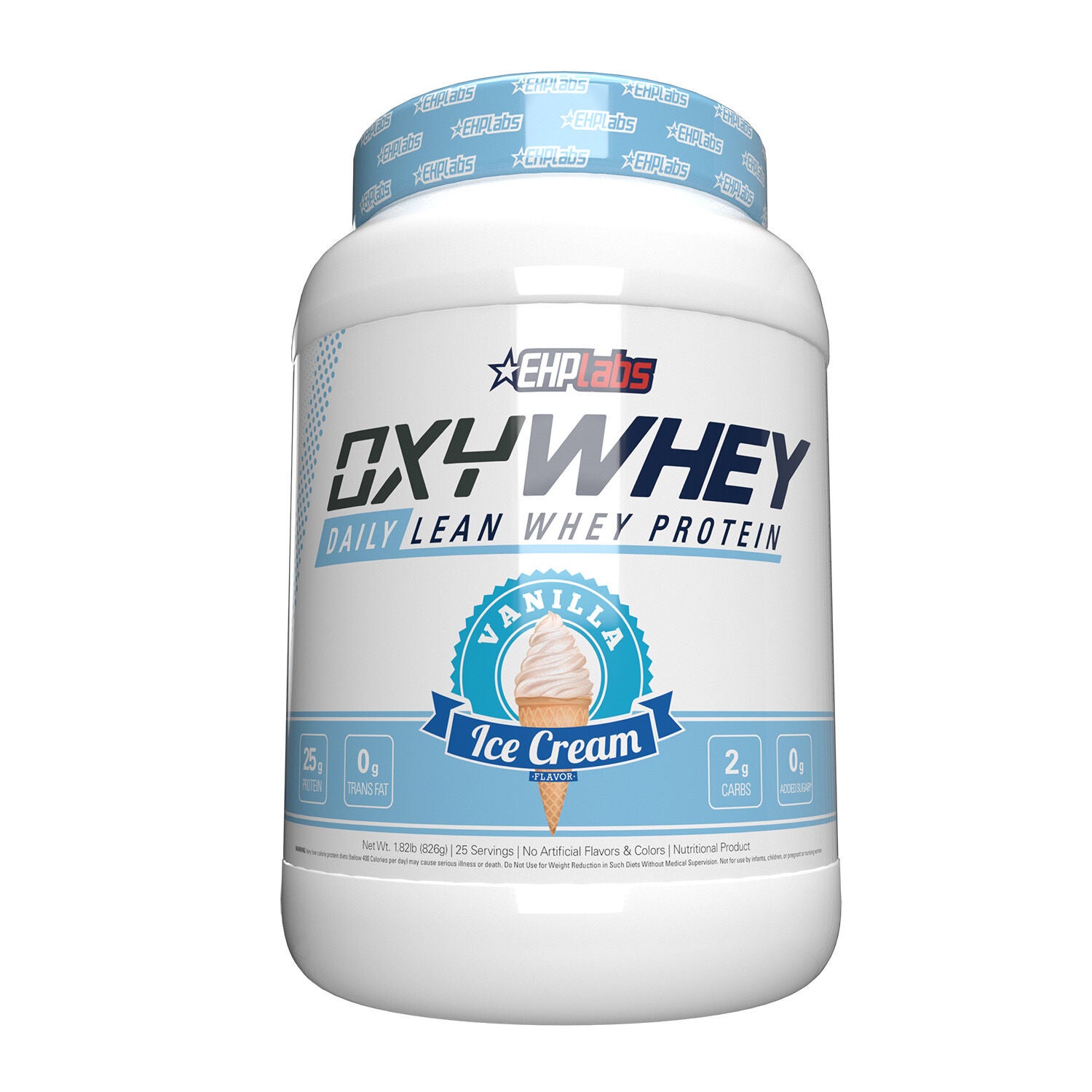
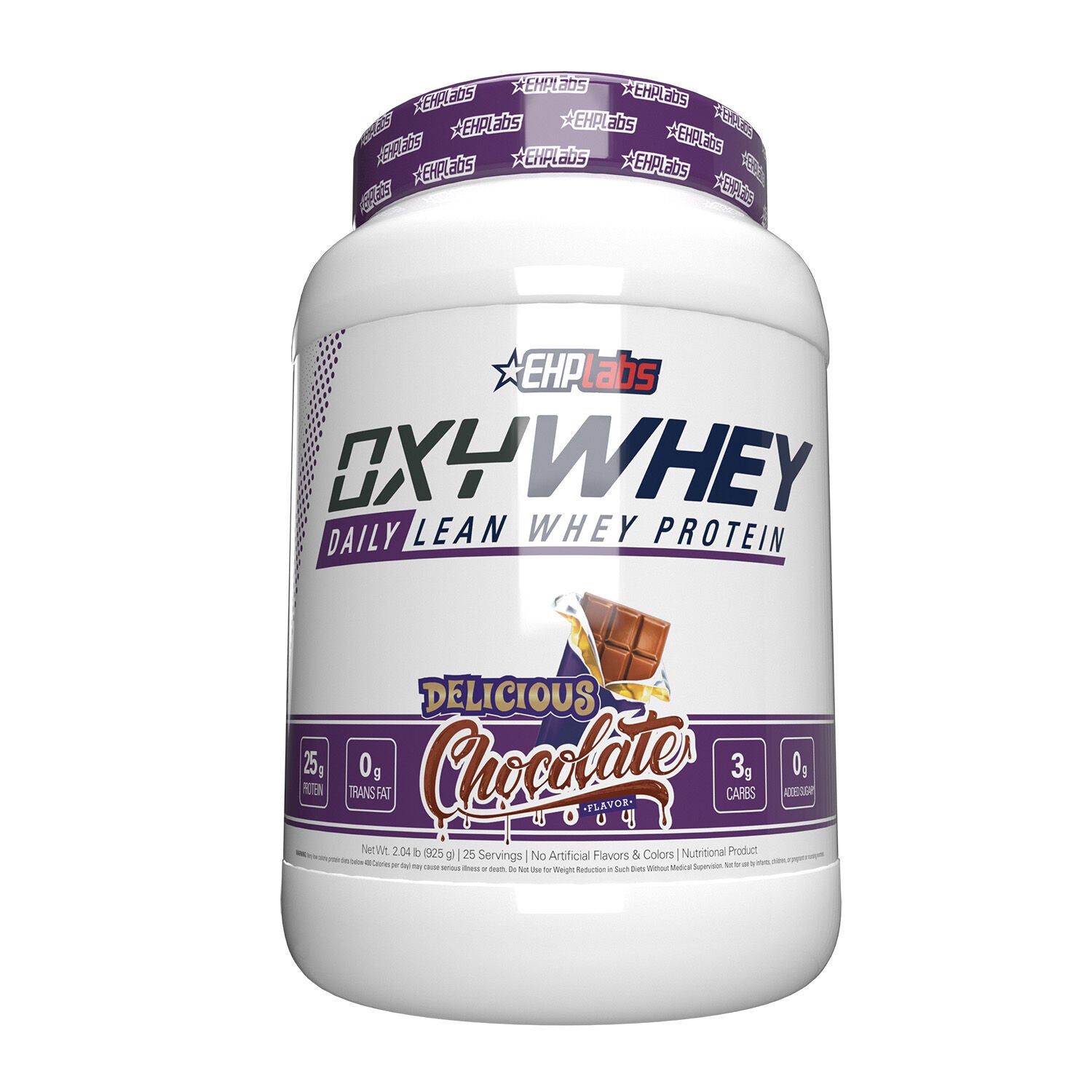



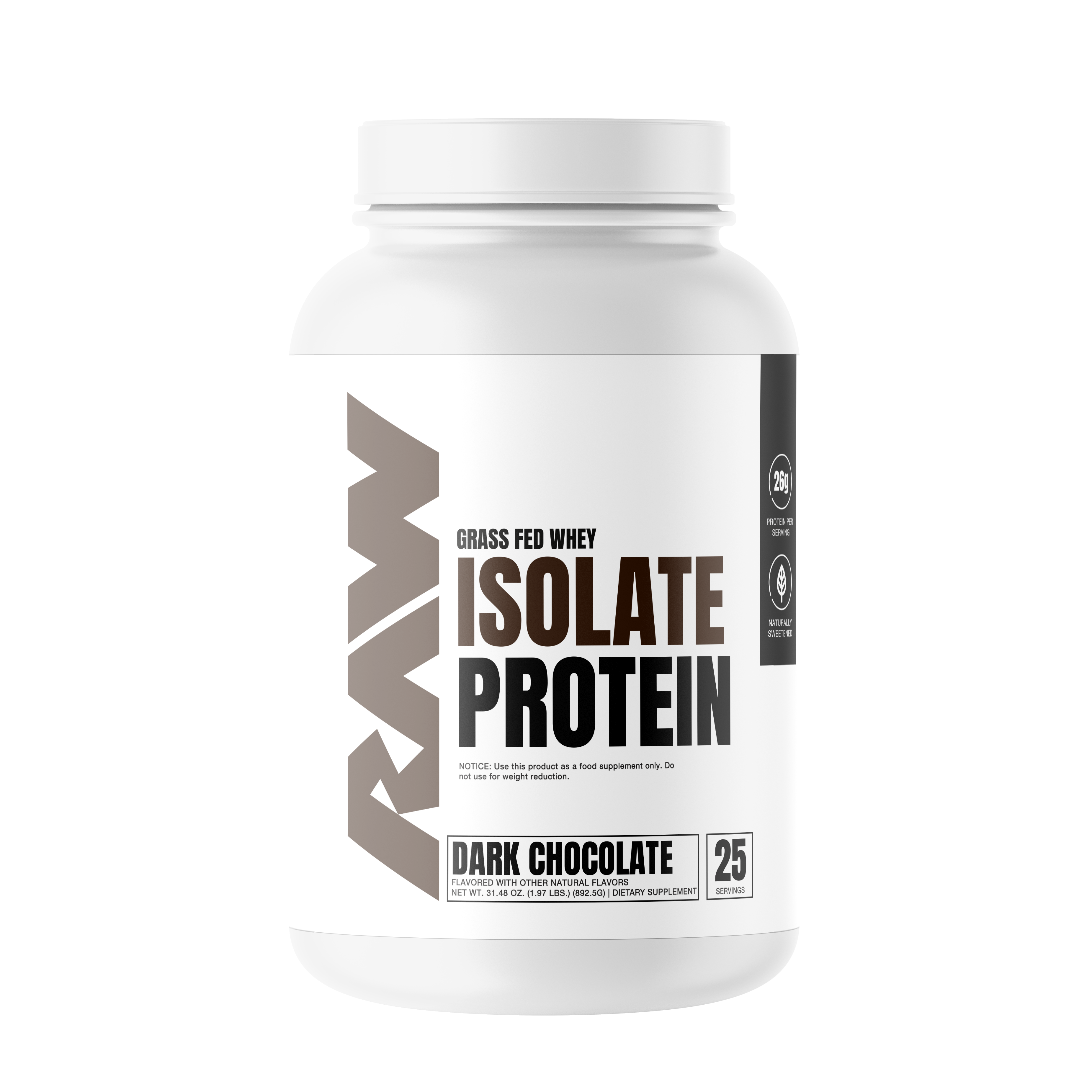
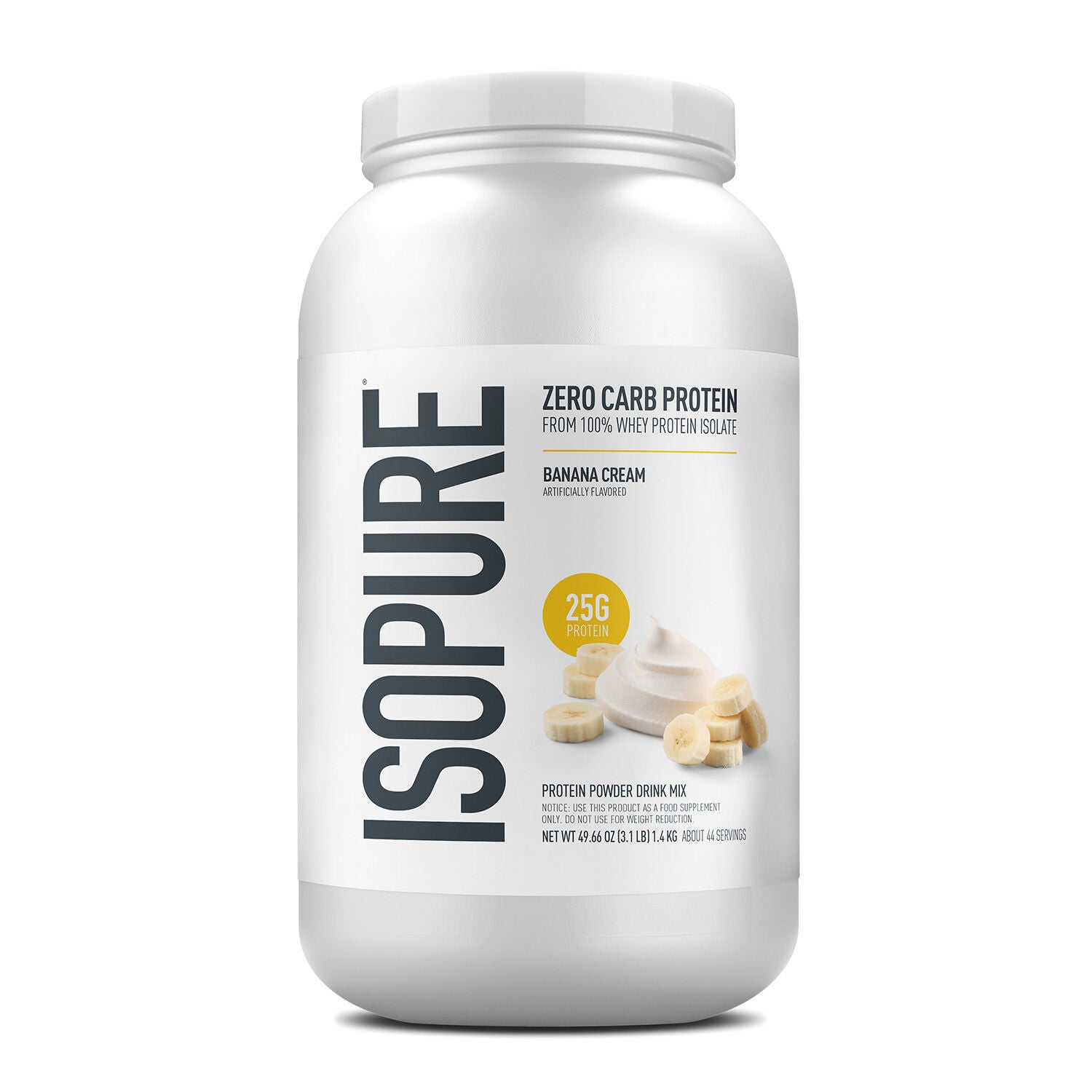
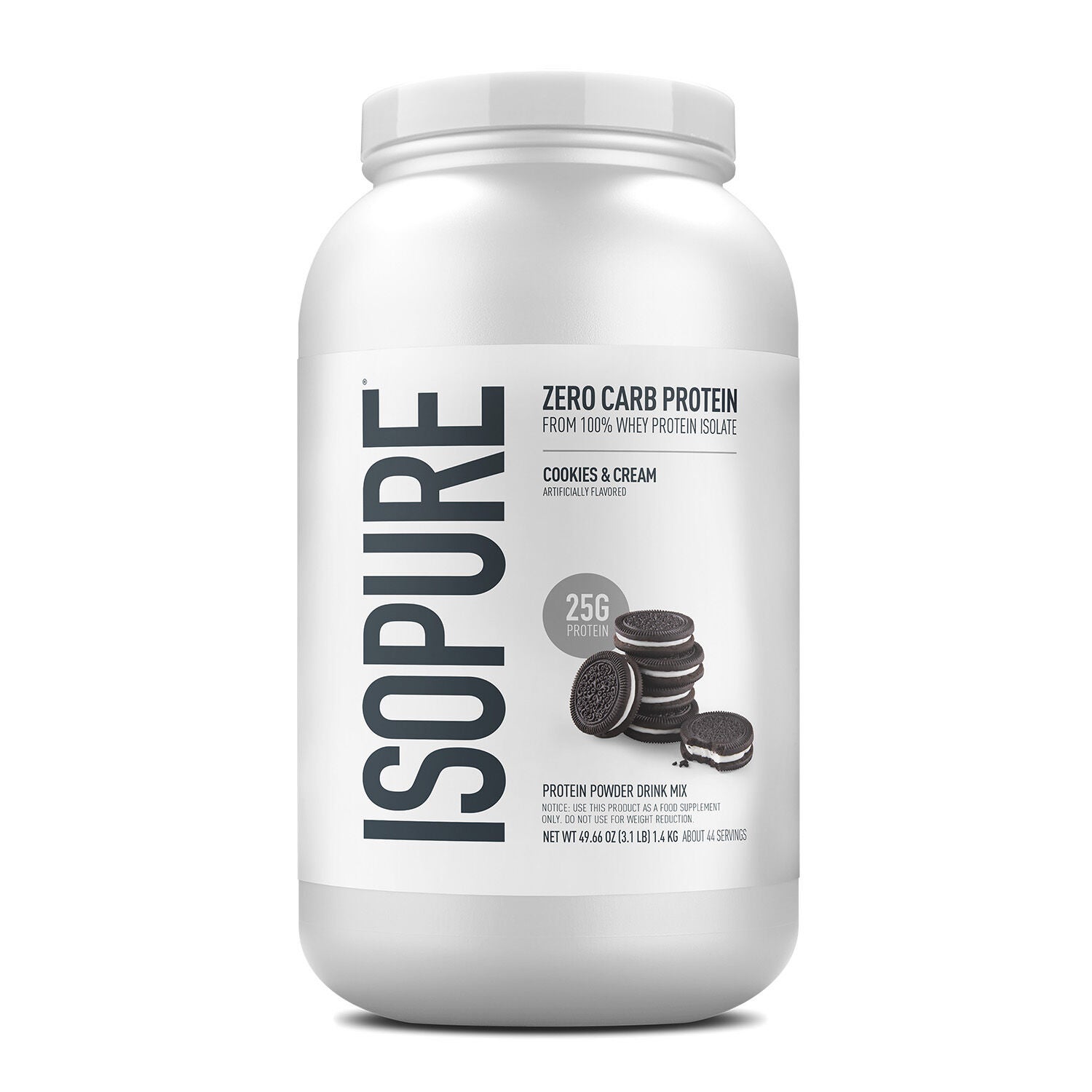
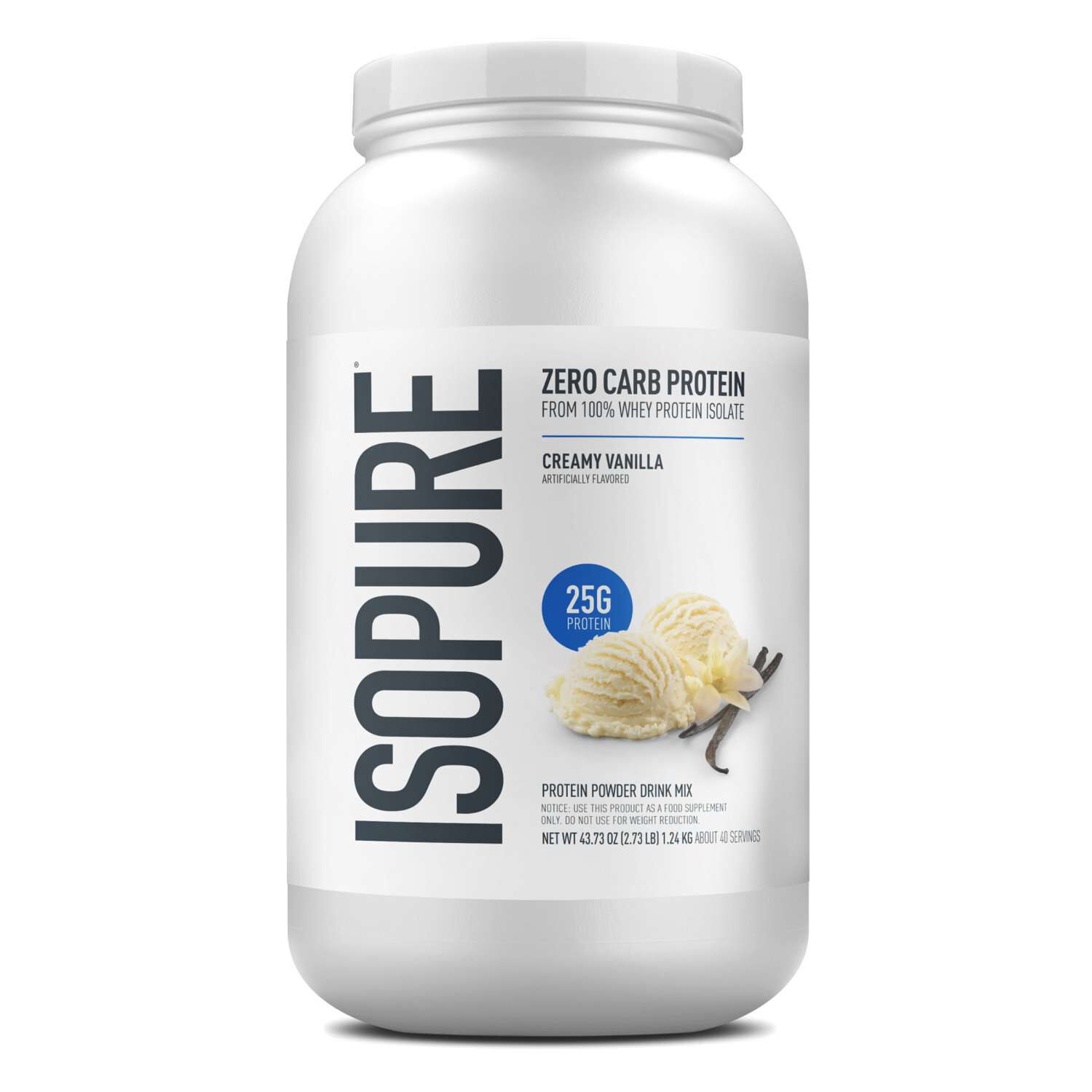

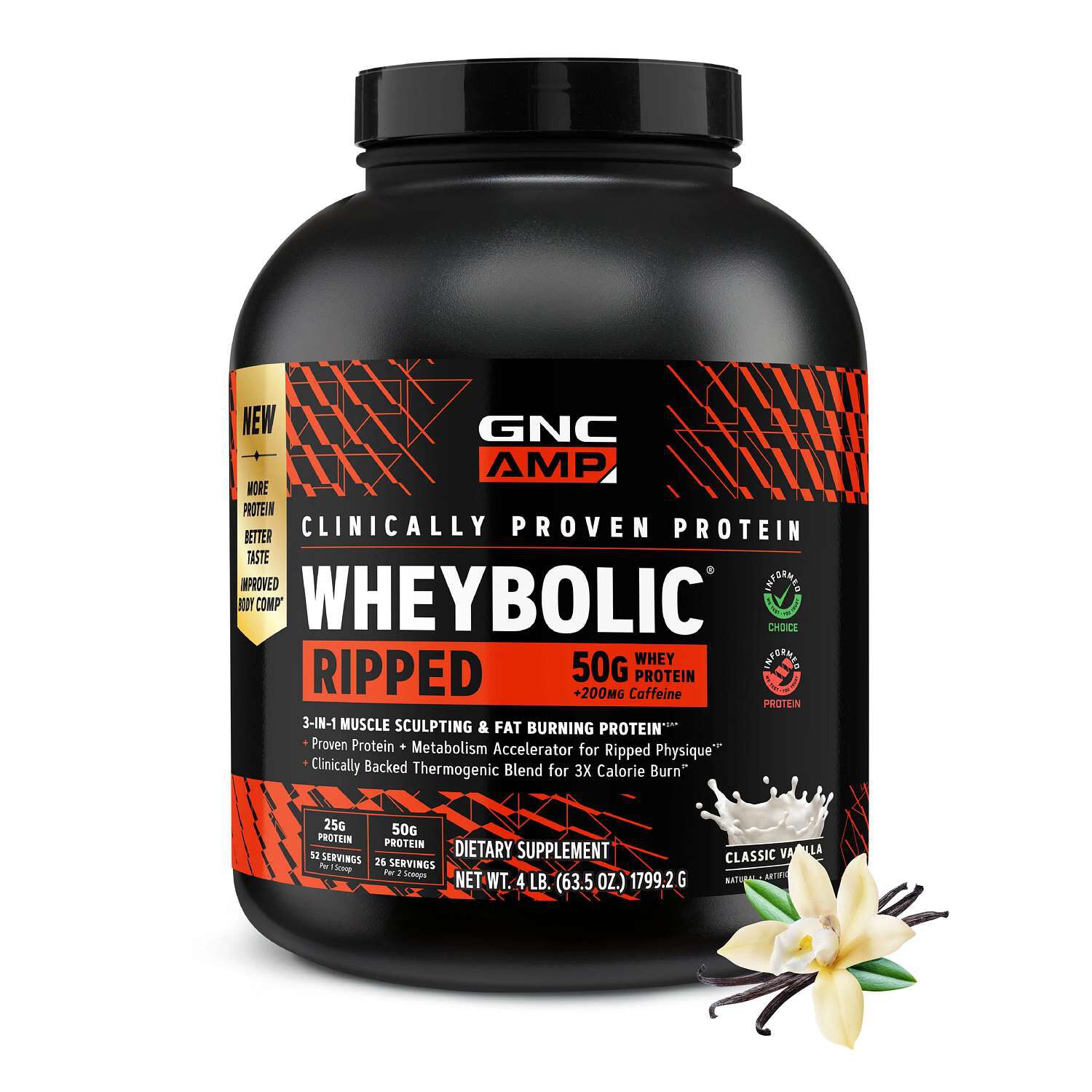
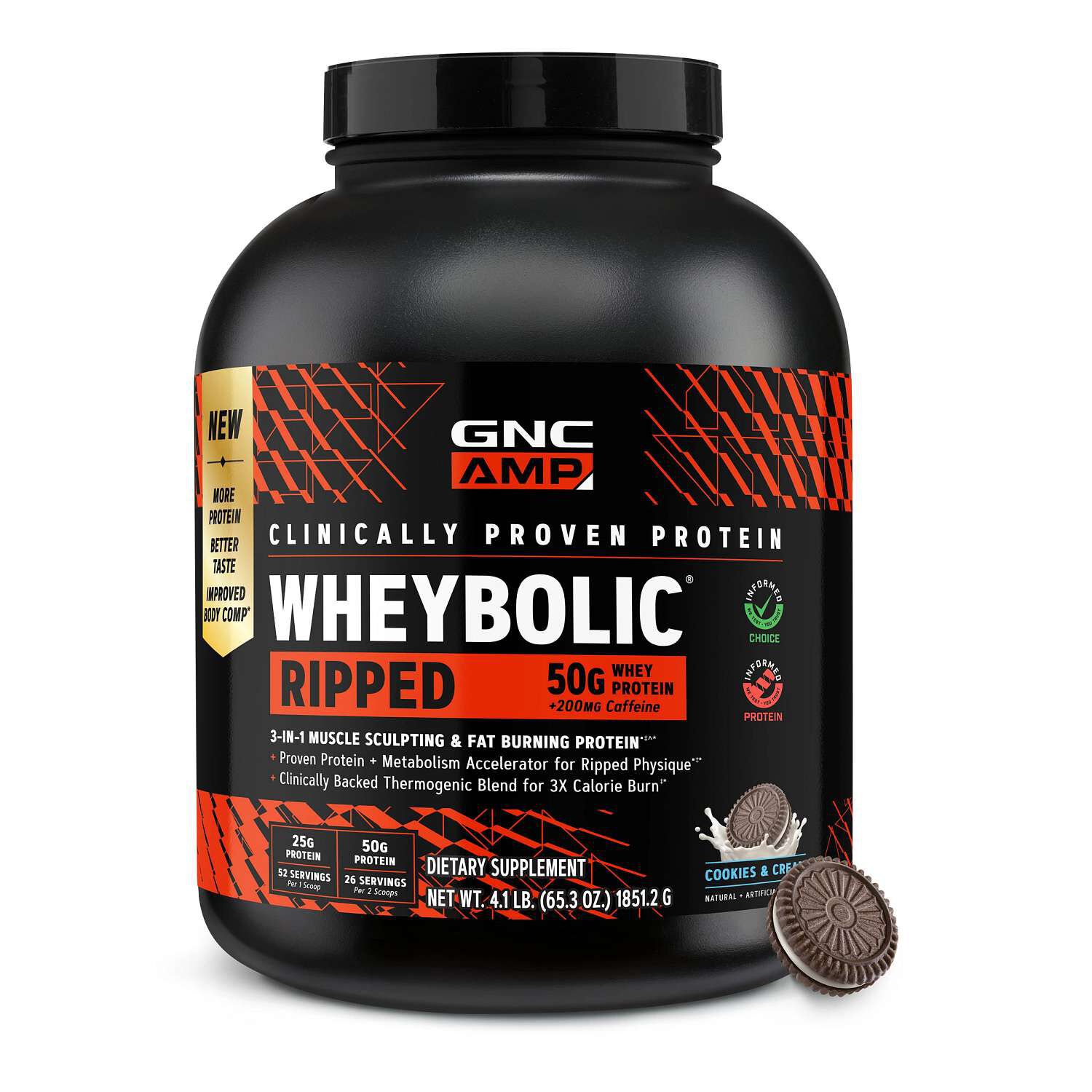
Whey protein for weight loss support may help make a calorie-conscious eating pattern more satisfying while contributing protein that may support muscle maintenance alongside regular resistance exercise. Its role is nutritional: a convenient source of protein that can fit into meals and snacks, rather than a product that independently causes weight loss. Weight changes depend on the broader relationship between food intake, activity, and individual circumstances, so the amount of protein in a scoop is only one part of the picture. Whey comes from milk and is separated during cheesemaking, then processed into ingredients used in protein powders. The main forms include whey protein concentrate, whey protein isolate, and hydrolyzed whey protein. Concentrate generally retains more of the milk’s carbohydrates and fat, while isolate undergoes additional filtration and typically contains a higher proportion of protein by weight. Hydrolyzed whey has been processed to break some protein chains into smaller pieces; that description alone does not establish a weight management advantage. These forms may appear individually or together in a blend, and their nutrition varies by formula. For shoppers comparing whey protein powders, the useful distinction is the information on the label rather than an assumption that one form is always the better choice. Protein grams, calories, serving size, added sugars, and the ingredient list provide a clearer picture of how a serving fits into an eating routine. A powder with a shorter ingredient list has a different appeal from one formulated with flavorings, sweeteners, and ingredients for a thicker texture, but neither description tells the whole story. Someone who enjoys a shake after strength training may have different preferences from someone stirring protein into breakfast. Whey also contains amino acids found naturally in milk protein, including leucine. Those nutritional characteristics explain its place in sports nutrition, but a larger scoop or a more elaborate formula does not automatically mean a better match for weight loss goals.
Choosing among whey protein powders involves flavor, texture, portion size, and the way the powder will actually be prepared. Chocolate and vanilla are familiar choices for shakes, while an unflavored option offers a less sweet starting point for recipes. Sweetness can come from sugar, other sweeteners, or a combination, and the ingredients panel identifies what each formula contains. Texture ingredients also matter to the drinking experience: some powders have a lighter consistency, while others are formulated for a creamier shake. Mixing directions provide a reference for the amount of liquid, although preferences for a thinner or thicker drink vary. A shaker bottle suits a straightforward powder-and-water preparation, while a blender accommodates fruit, yogurt, or other additions. Those additions contribute their own calories and nutrients, which belong in the comparison just as much as the powder itself. A shake made with water is nutritionally different from the same serving blended with milk, banana, and nut butter. Both preparations can have a place in an eating pattern, but they serve different purposes. For a shopper seeking a modest snack, the finished serving matters more than the calorie number printed for dry powder alone. For someone adding protein to breakfast, a measured portion stirred into oatmeal or yogurt may be more practical than a separate drink. Protein may contribute to fullness, but appetite and satisfaction vary with the rest of the meal, portion size, and personal preferences. Fiber-containing foods, such as oats, berries, and other fruits, bring a different nutritional contribution than whey itself. Most straightforward whey powders are concentrated protein sources rather than nutritionally balanced meal replacements, so replacing an entire meal requires a different evaluation from adding protein to one. The Nutrition Facts panel and preparation instructions distinguish the manufacturer’s serving from an improvised recipe, making them useful references when comparing powders with different scoop sizes.
Everyday practicality is another part of finding a whey protein powder that fits. A large container belongs in a different routine from individually portioned packets: one suits a kitchen cupboard and repeated home preparation, while the other offers a compact format for a gym bag or office drawer. Serving counts depend on the labeled portion, and scoop volume is not interchangeable across formulas. Keeping the supplied scoop with its container helps avoid confusion when more than one powder is in the household. Storage directions generally call for a dry location, a securely closed lid, and protection from excess heat and moisture. A dry scoop and clean mixing equipment help keep water and food residue out of the container. Prepared shakes need different handling from dry powder, particularly when mixed with milk or other perishable ingredients; the package directions and the storage requirements of those additions remain relevant. For households that share a kitchen, clearly labeled containers also make ingredient information easier to check. Whey is milk-derived, and isolate should not be assumed to contain no lactose or to be appropriate for everyone who avoids dairy. Any suitability claim needs to come from the specific label rather than the name of the protein form. Shoppers browsing Best Weight Loss Protein Powder for Women can apply the same considerations of protein per serving, calories, ingredients, taste, and intended use. Gender-focused wording does not replace those practical details or establish that everyone needs the same amount of protein. Across different routines, a manageable serving, an enjoyable flavor, and preparation that fits the day may make a powder easier to use consistently. Whey protein for weight loss support is best understood in that everyday context: one optional food choice within a varied eating pattern, with its usefulness shaped by how it fits alongside meals, activity, and personal goals.
Best Sellers
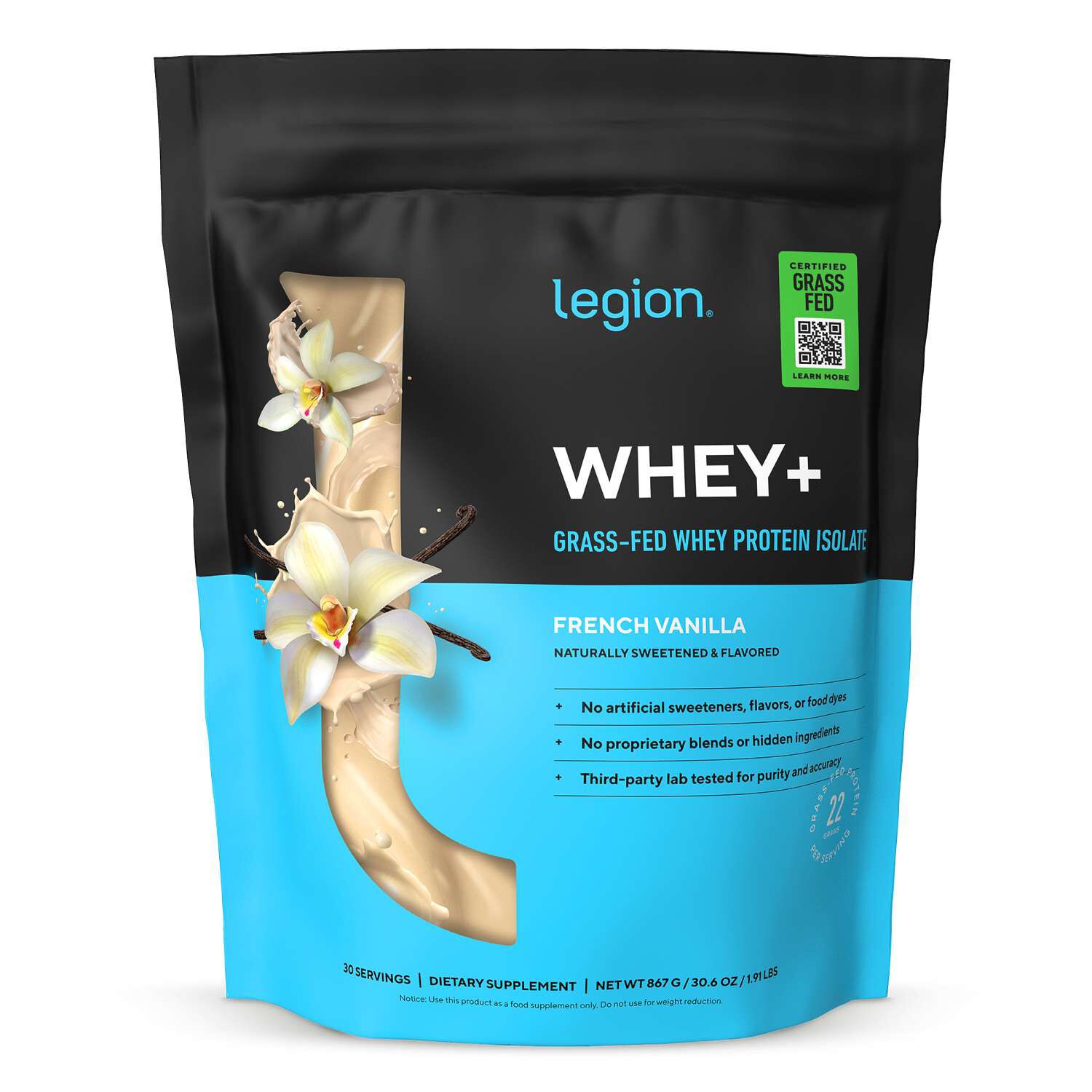
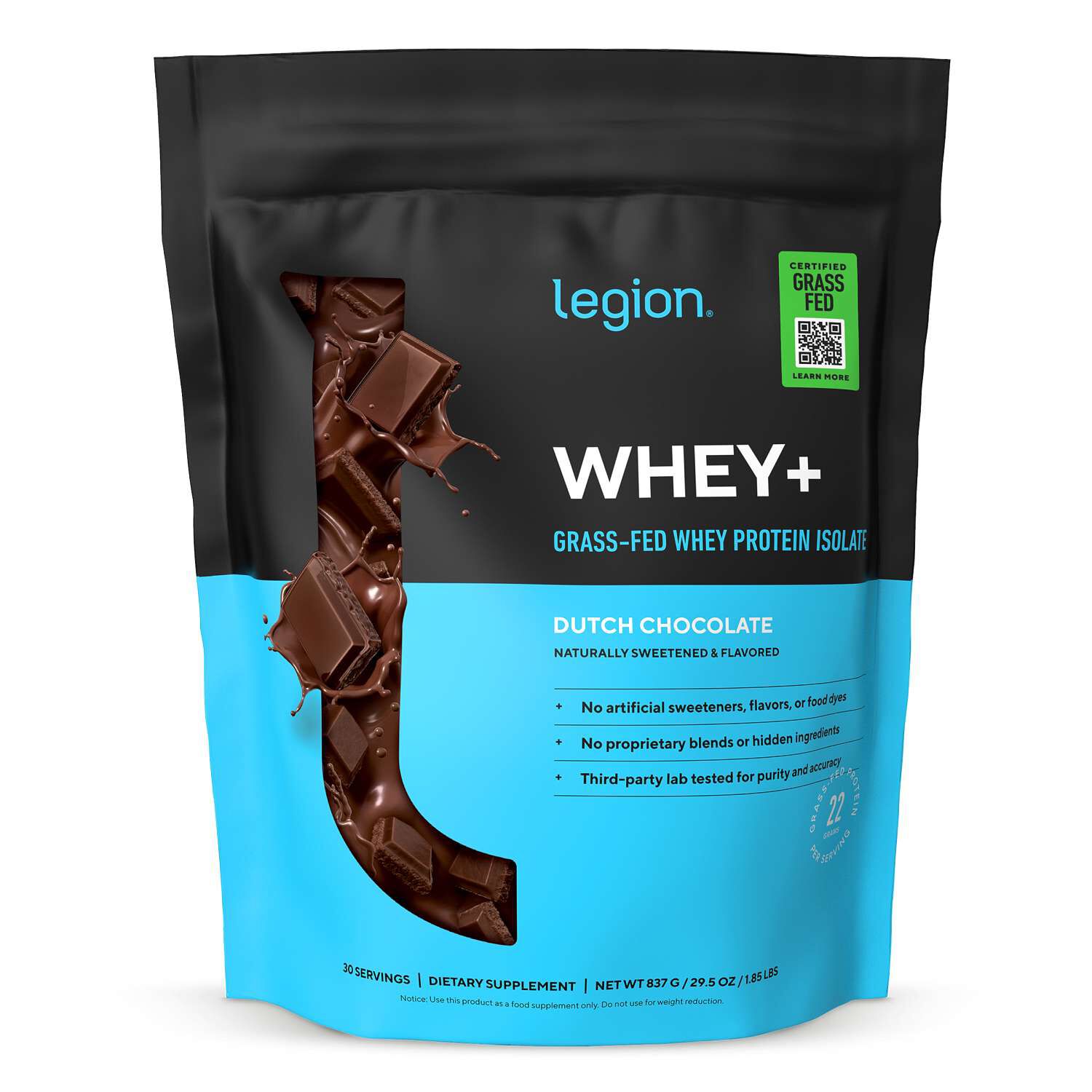


Related Pages
Top Collections
- Top Rated Collagen | Shop Customer Favorites | GNC
- Cortisol Supplements
- Vitamins For Hair Loss
- NAD+ Supplement Tablets
- Peptide Supplements
- Best Brand of Magnesium Glycinate
- Vitamins That Help Support Weight Gain
- Protein Powders For Muscle Growth Support
- Spirulina Tablets
- Peptide Supplements for Muscle Growth