Whey Protein For Men
(0 Results)
Whey protein for men is a popular choice for those looking to support their daily nutrition and fitness goals. With a range of options available, it may be a convenient addition to an active lifestyle. Whether you are focused on exercise routines or simply want to incorporate more protein into your day, whey protein for men could be a versatile solution. Explore different flavors, formats, and formulas to find the product that fits your preferences and needs.
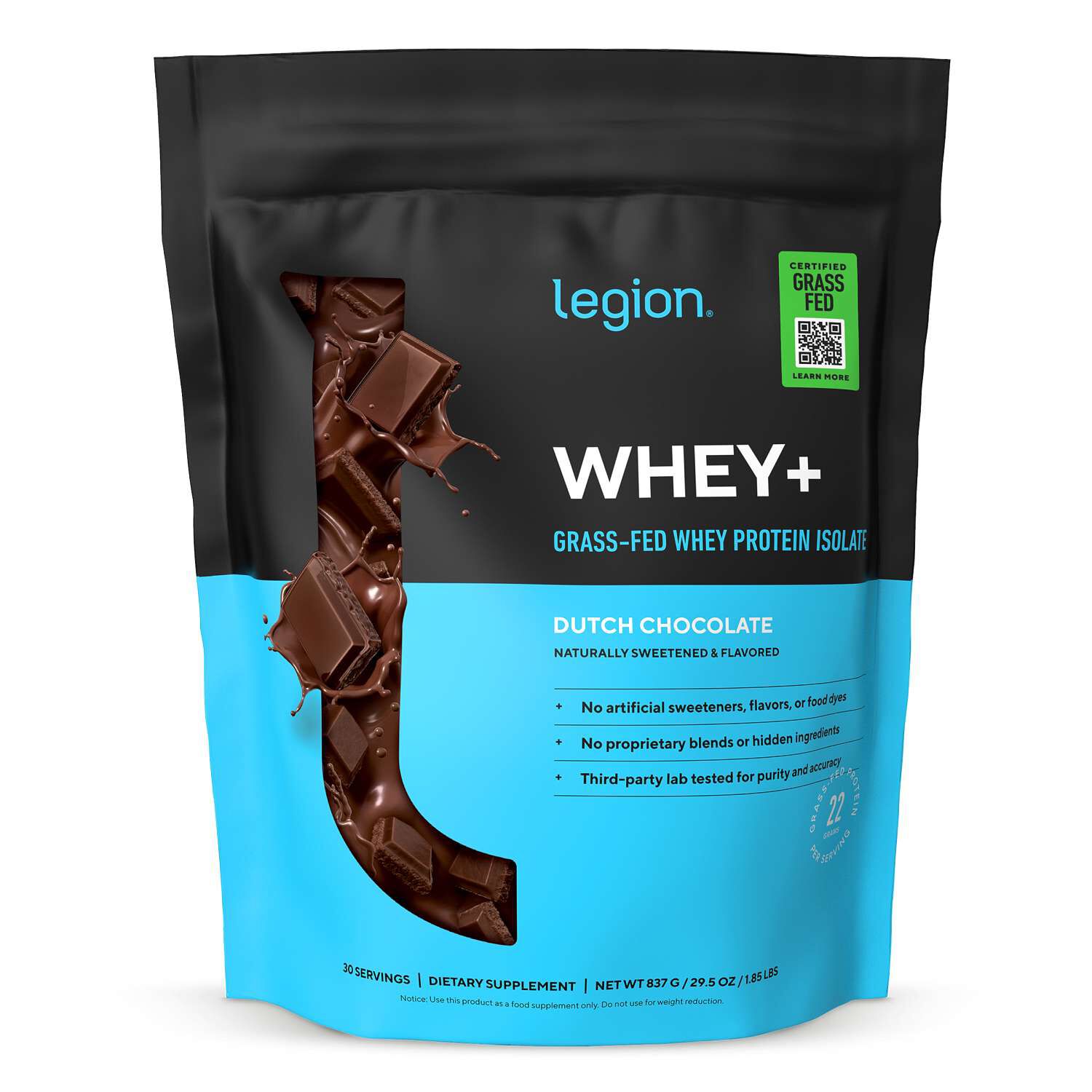

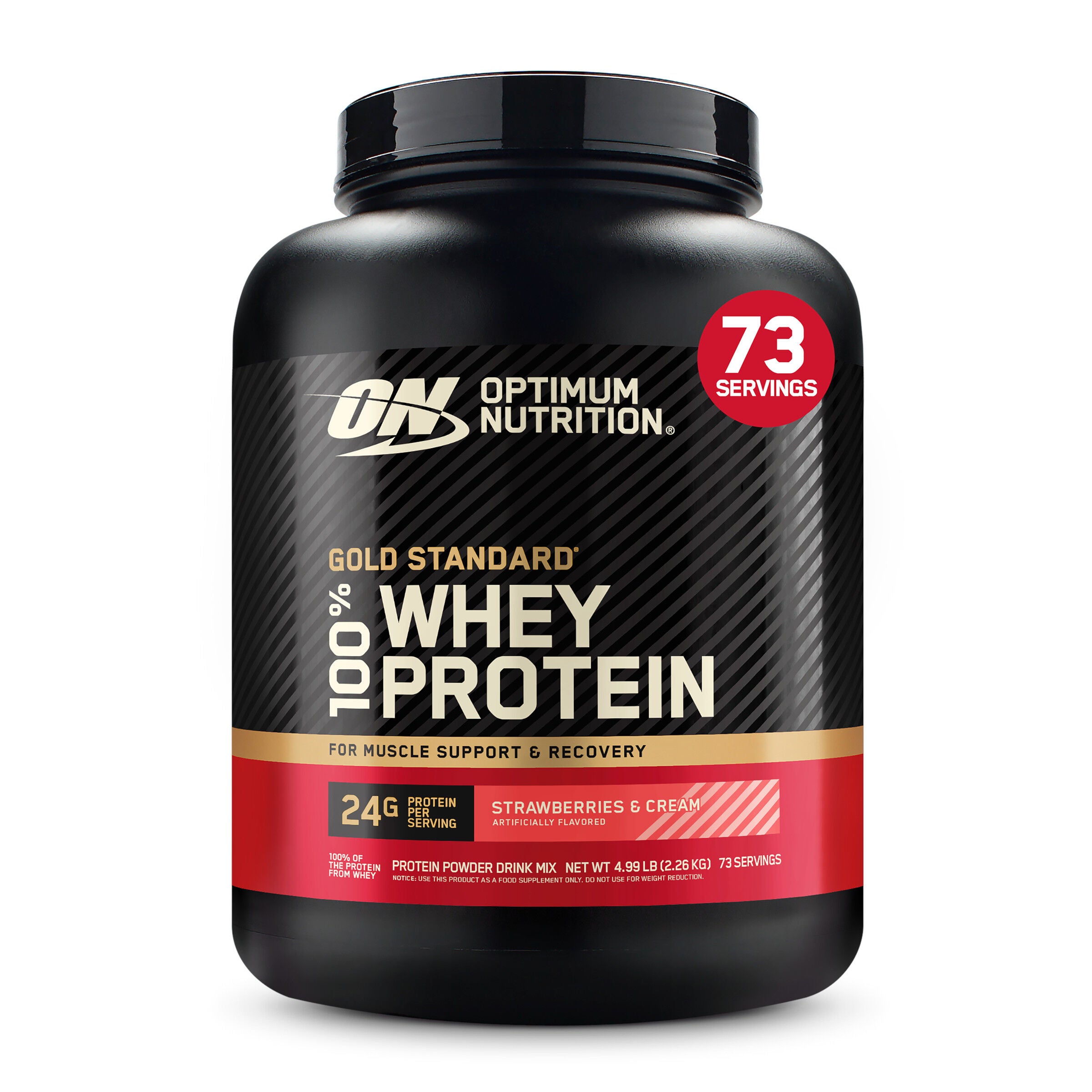


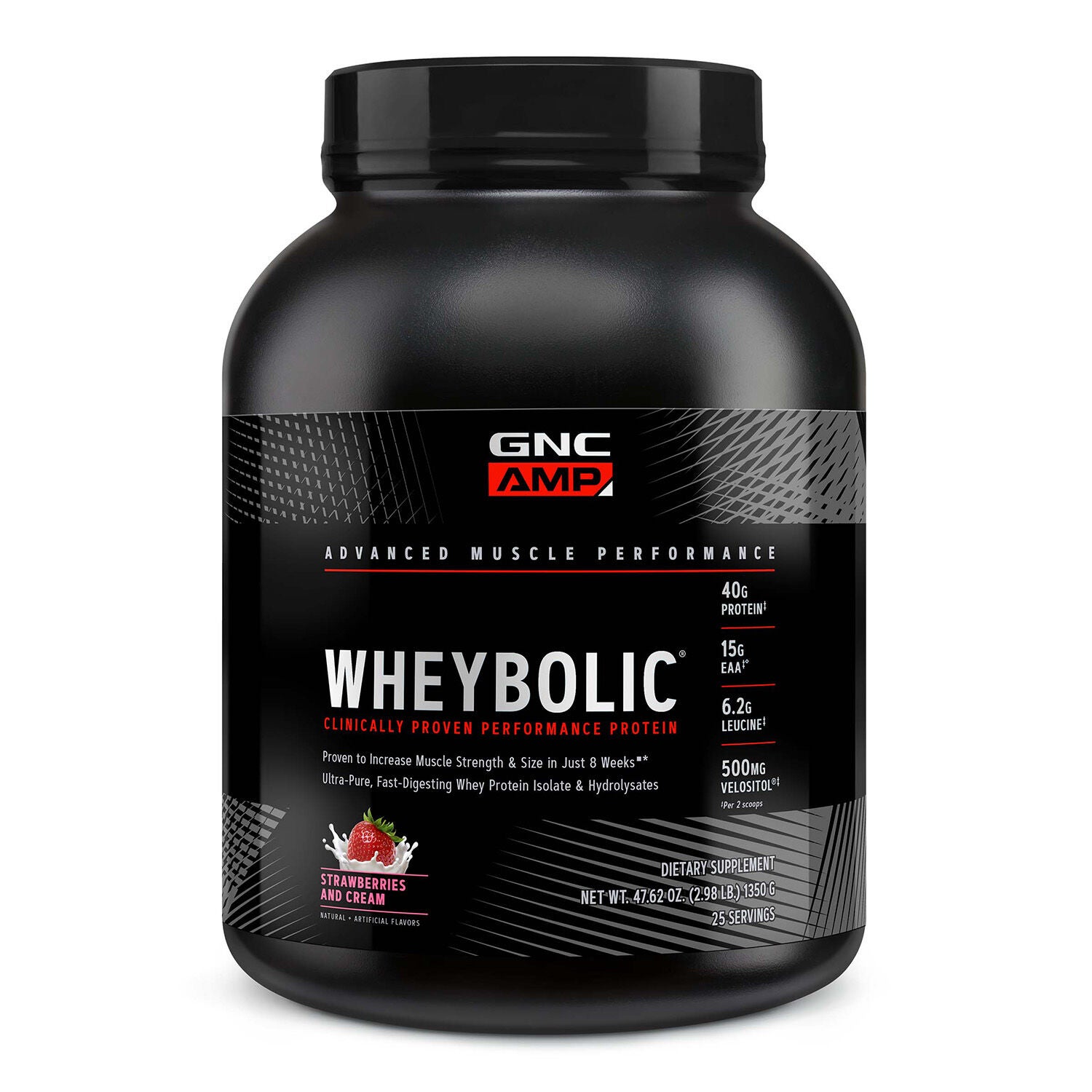
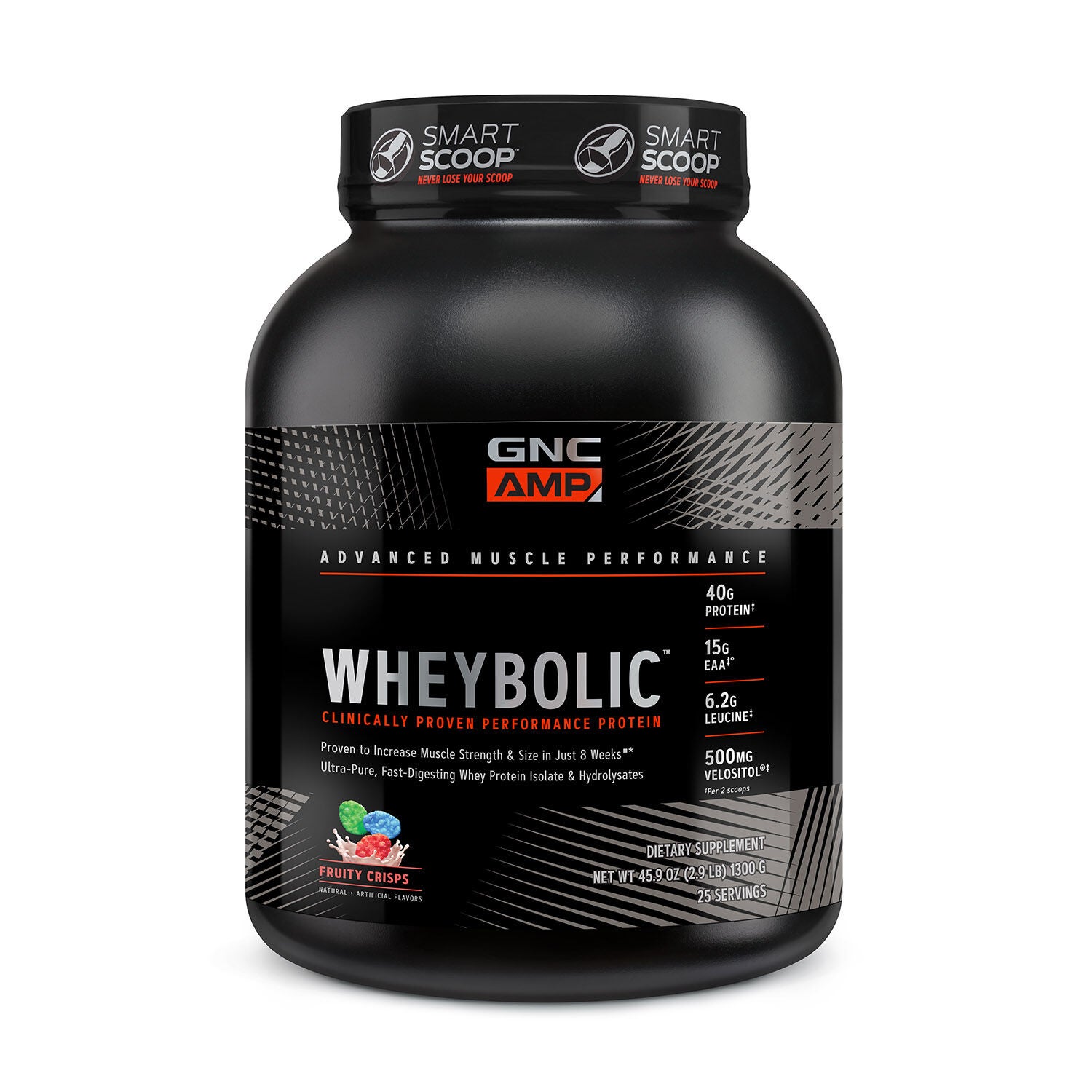


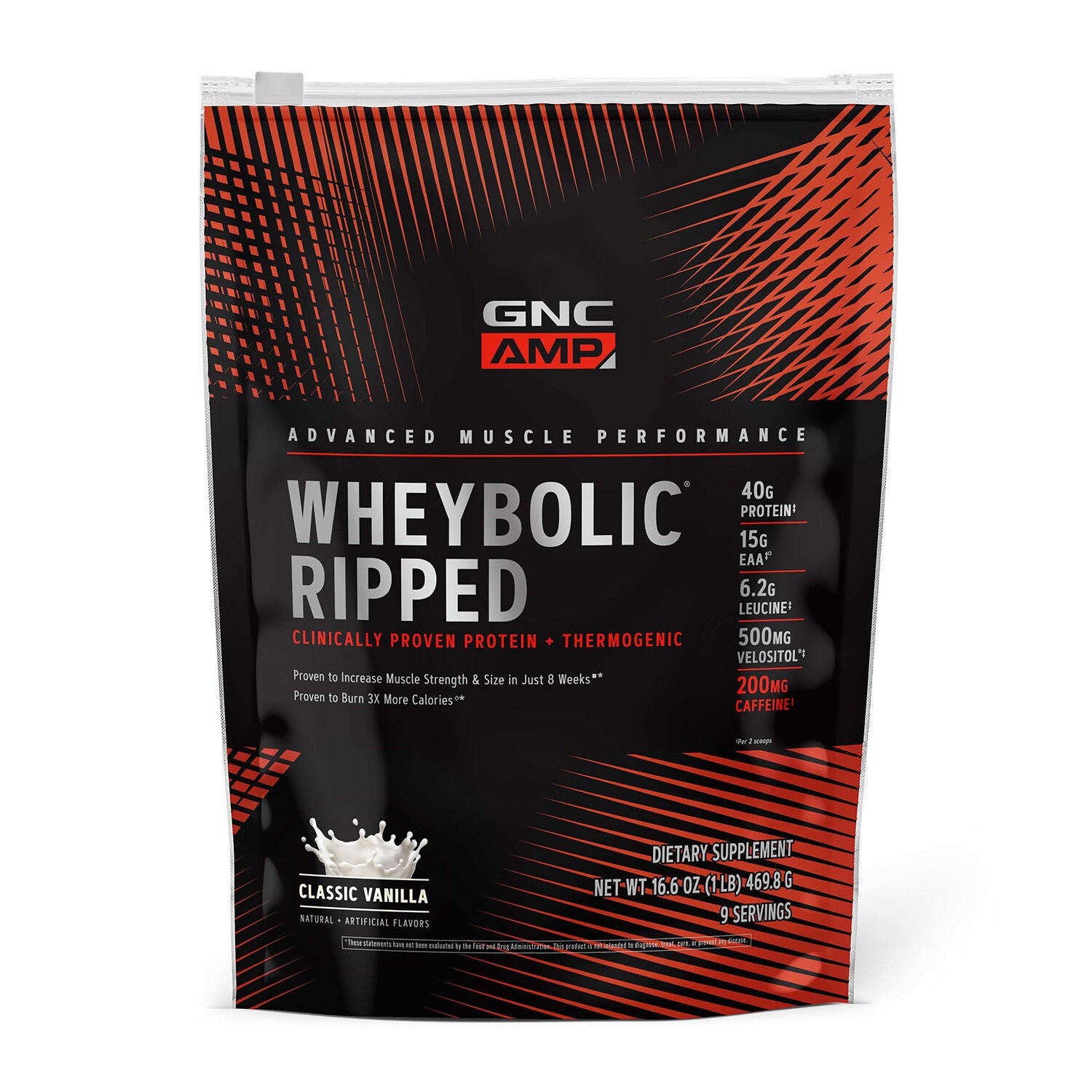

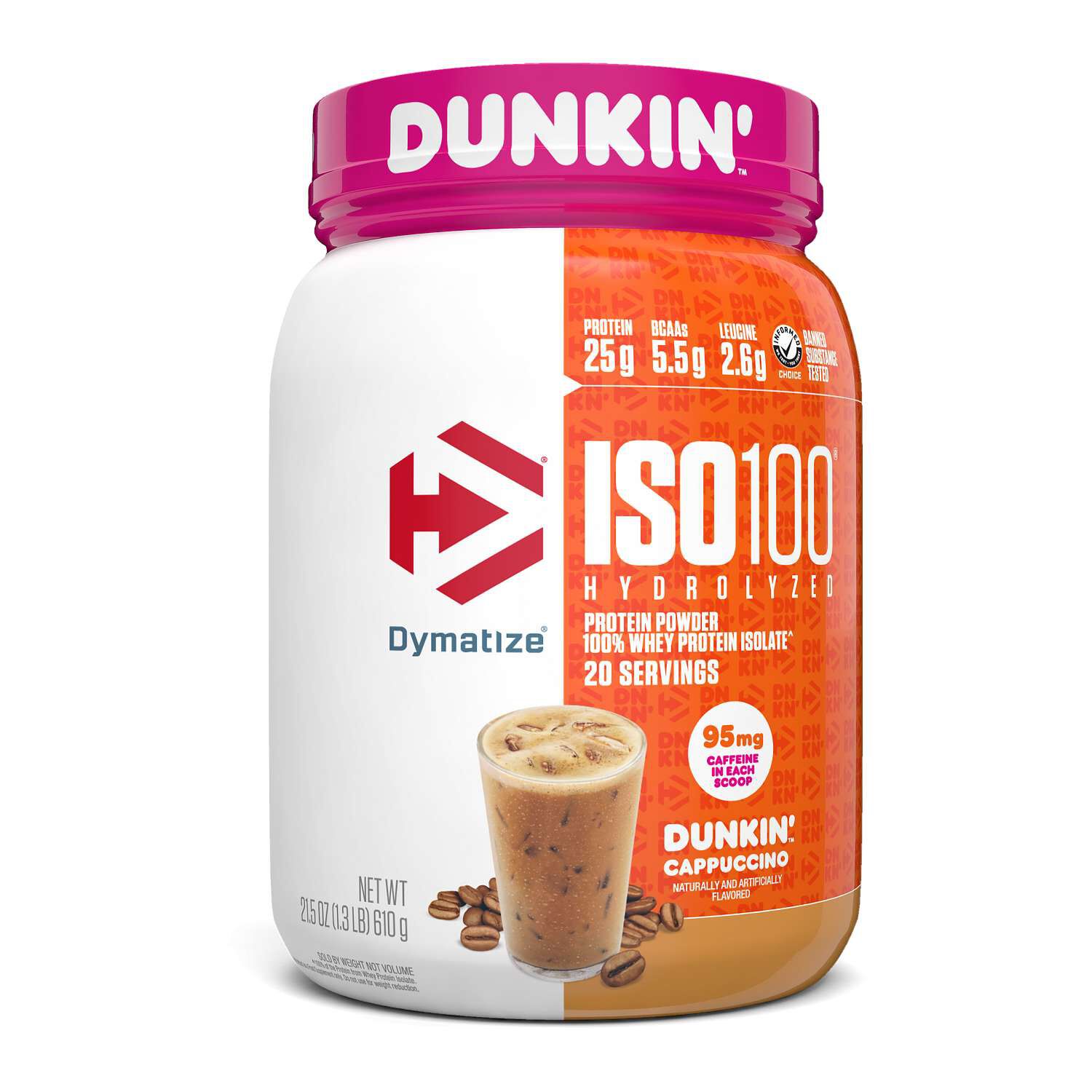
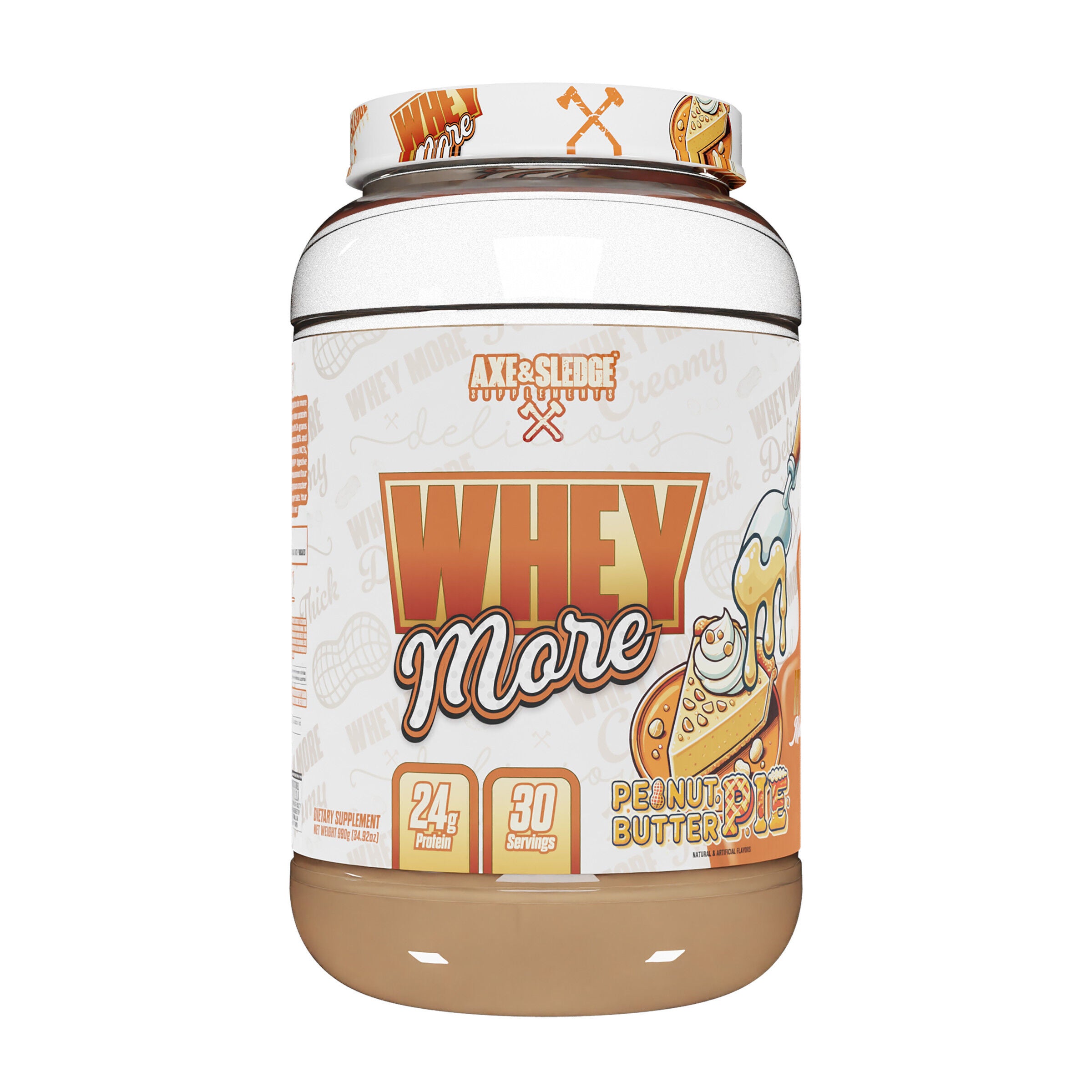

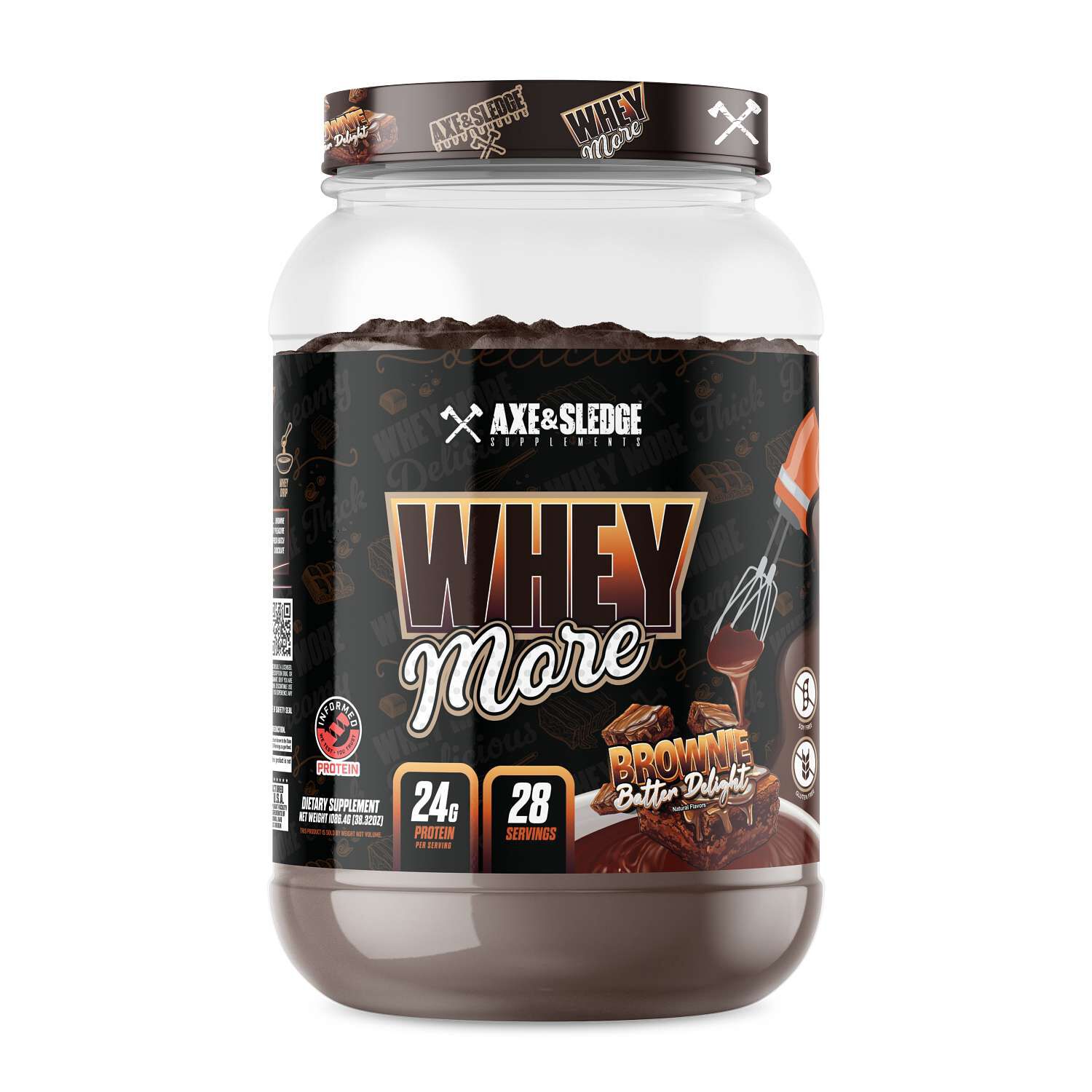
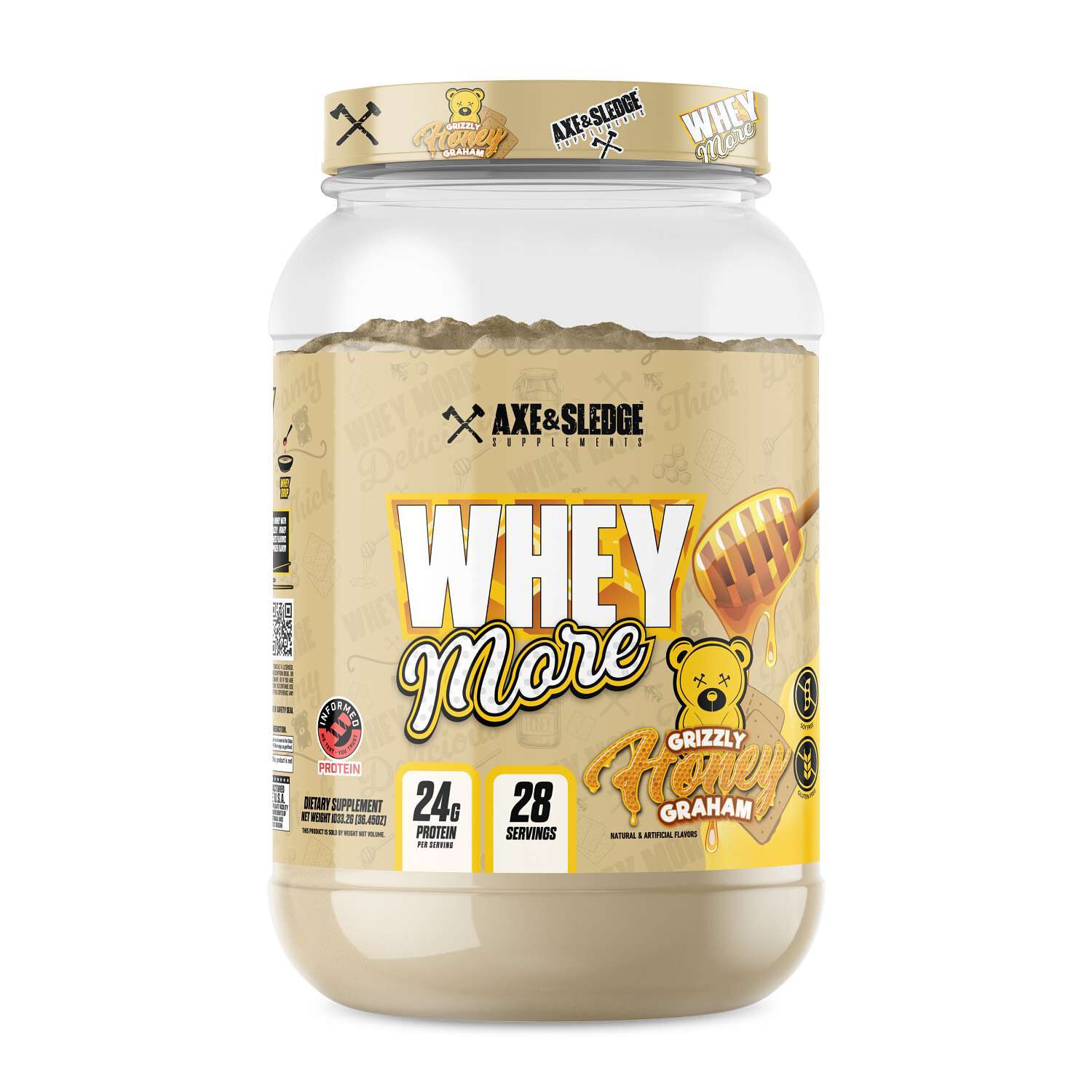
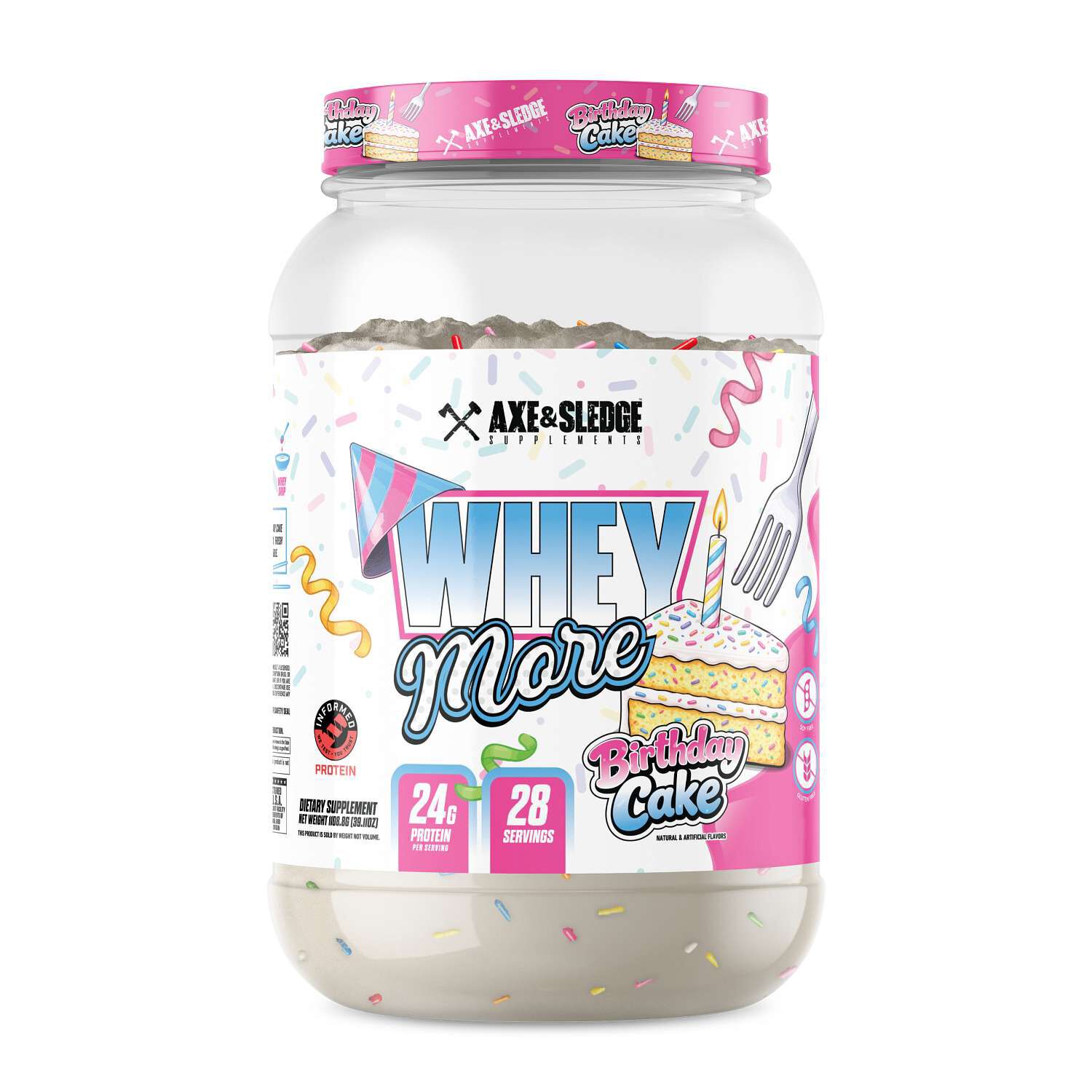
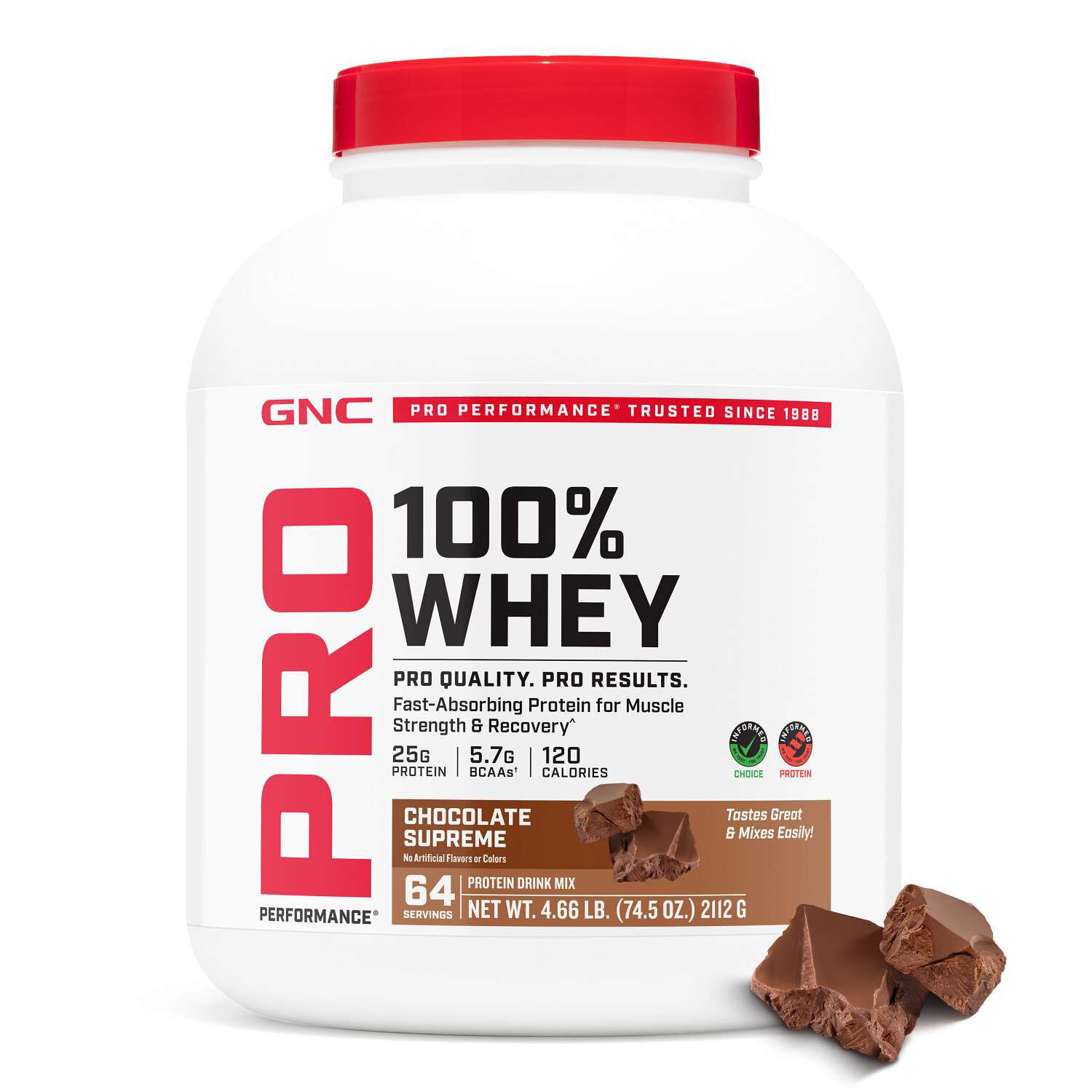
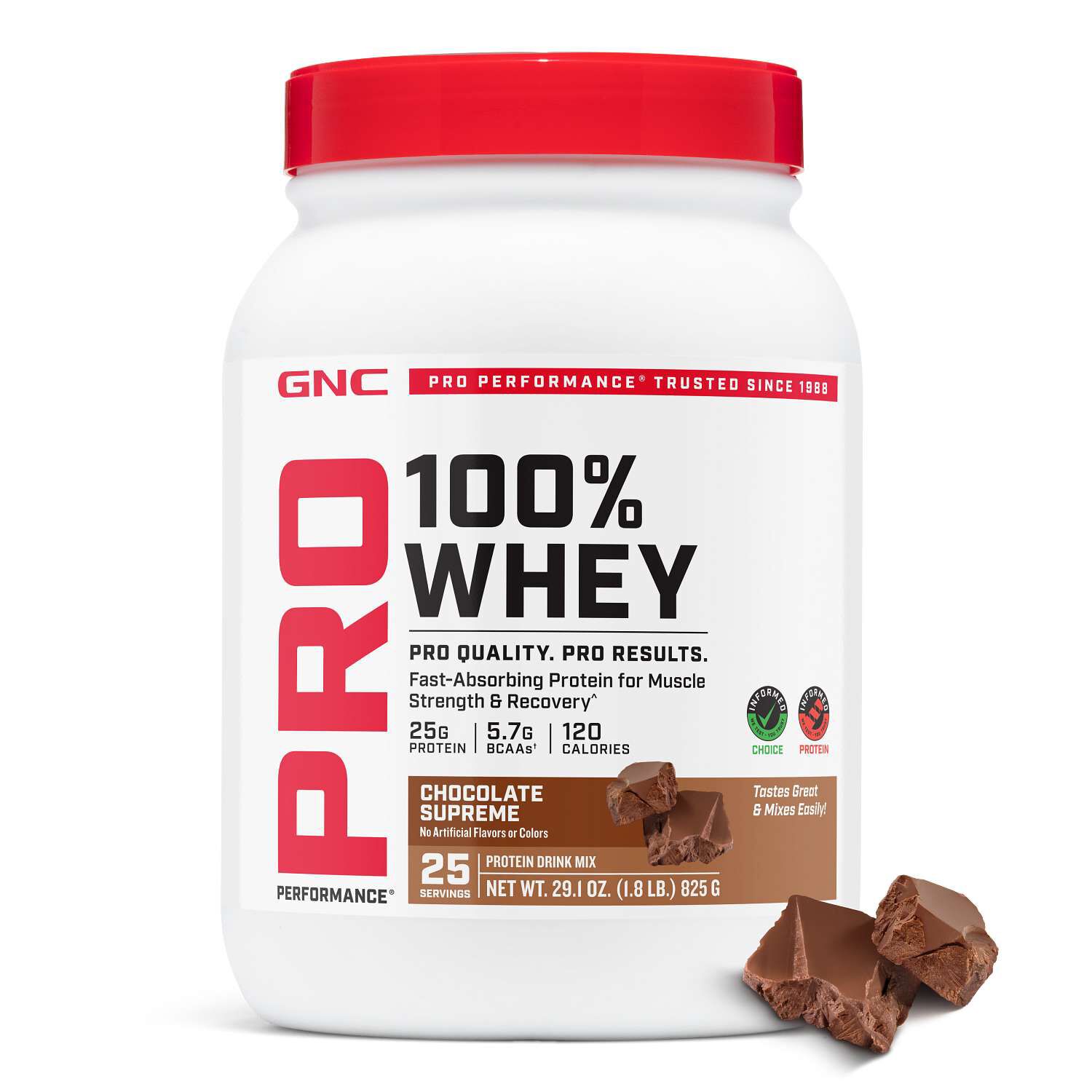
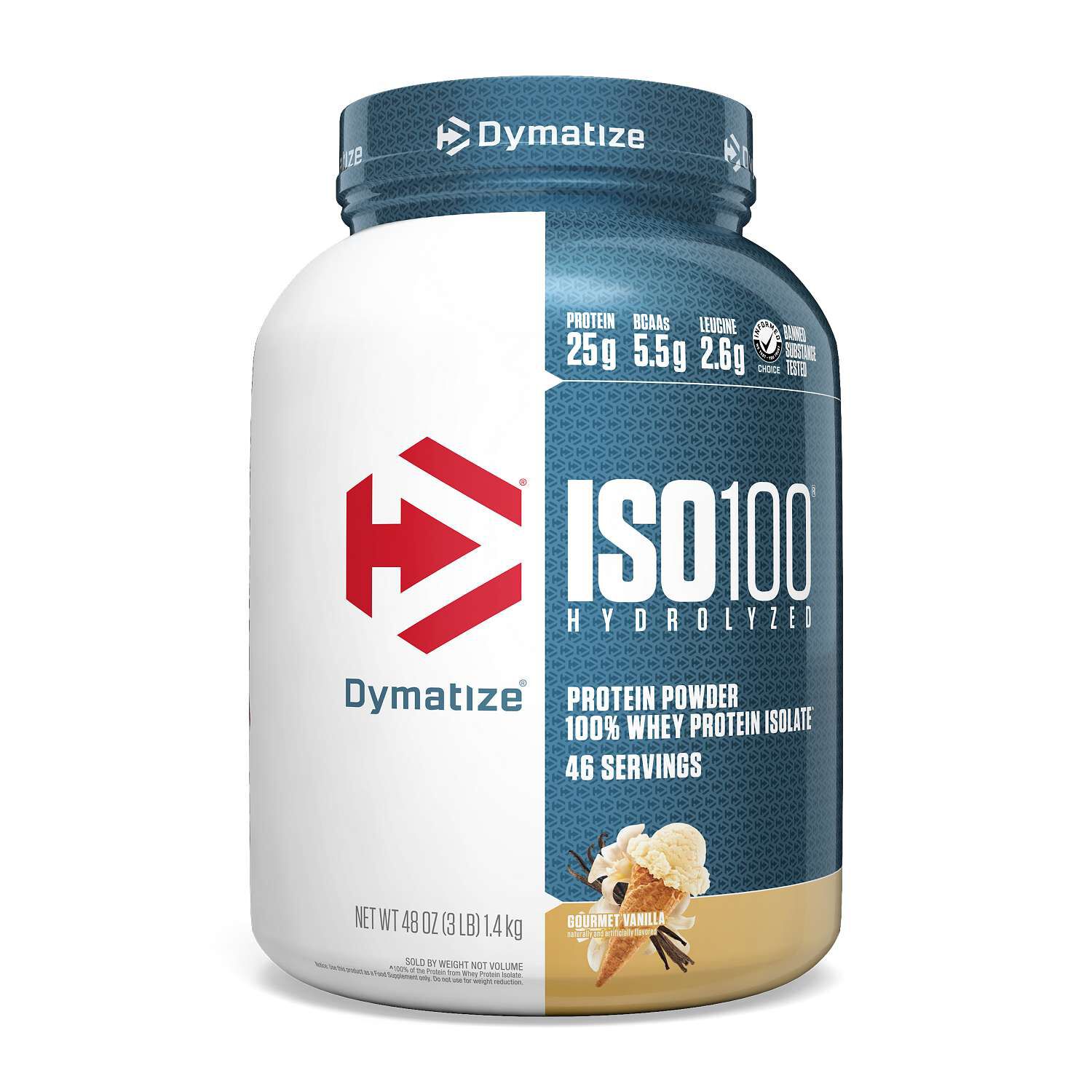
Whey protein for men is a category of milk-derived protein powders intended to complement everyday meals and active routines. Whey contains all nine amino acids that the body cannot make on its own, including the branched-chain amino acids leucine, isoleucine, and valine. Alongside resistance training and a varied diet, whey protein may support muscle maintenance, muscle growth, and recovery after exercise. Its role is as an additional source of dietary protein, rather than a replacement for meals or a shortcut to a particular physique. Men comparing whey powders will generally encounter three forms: whey concentrate, whey isolate, and hydrolyzed whey. Concentrate typically retains more of milk’s naturally occurring carbohydrates and fats than isolate, although the amounts depend on processing and formulation. Isolate undergoes additional filtration and generally contains a higher proportion of protein by weight, with less fat and lactose than concentrate. Hydrolyzed whey has been processed to break some protein chains into smaller peptides; it can appear on its own or alongside other forms of whey. Blended formulas combine different protein sources, so the ingredient list provides a clearer picture than the word whey alone. Many whey powders provide about 20 to 25 grams of protein per serving, but scoop size and protein content differ, making the labeled serving the relevant reference. A scoop measures powder, not just protein. Other ingredients, such as cocoa, sweeteners, flavorings, and emulsifiers, account for part of the serving as well. Differences in filtration and added ingredients also mean that two powders with similar protein amounts can have quite different textures and nutrition profiles. For a man who trains several times a week, or someone fitting meals around a demanding workday, those practical distinctions may matter as much as the type of whey named on the container.
Taste, texture, and intended use are important parts of comparing whey protein powders. A shake mixed with water is a different experience from one blended with milk, a plant-based beverage, or fruit. Concentrate-based formulas may have a creamier texture, while some isolate formulas may feel lighter, though flavorings and other ingredients also influence consistency. Chocolate can suit a shake blended with banana, while vanilla offers a familiar starting point for combinations with berries, oats, or nut butter. Unflavored whey leaves more room for the taste of other ingredients, but it still has its own dairy character. Sweetness varies considerably across formulas, and a powder that tastes balanced in a large smoothie may taste much sweeter in a smaller serving of liquid. Serving directions provide context for the intended mixing proportions, while the ingredient list identifies sweeteners, thickeners, and other additions. Some powders include extra ingredients beyond whey, so comparing protein content alongside carbohydrates, fats, and added sugars gives a more useful picture than focusing on the protein number alone. Whey remains a milk-derived ingredient even when a formula contains little lactose; a lower-lactose option is not the same as a dairy alternative. Dietary preferences therefore matter alongside flavor and texture. Preparation also shapes the experience: a shaker bottle suits a simple drink, while a blender accommodates ice, fruit, and thicker ingredients. Powders used in oatmeal, yogurt, or baked recipes can behave differently from those mixed into a beverage, especially when heat is involved. A scoop stirred into warm oats may produce a thicker consistency, and adding powder to a recipe changes its balance of dry and wet ingredients. For men who prefer to drink their whey, mixing behavior and sweetness may be central considerations. For those who use it in breakfast or snacks, versatility across familiar foods may be more relevant than how it tastes with water alone.
The best fit for an everyday routine depends on how the powder will actually be used. A man heading from an early gym session to the office may value a straightforward shake, while someone training later in the day may prefer whey blended into an afternoon snack. Recreational lifters, runners, cyclists, and men returning to a consistent exercise routine may all consider whey as one way to add protein to their usual meals and snacks. Training frequency, food preferences, and the protein already present in everyday meals help frame that choice; there is no single serving pattern that suits every man. Whey protein may contribute to post-workout nutrition, but it does not need to be treated as a product reserved only for the minutes immediately after exercise. Men whose routines center on organized sports can also explore Whey Protein For Athletes for a sport-focused selection. Package format and storage deserve attention, too. A resealable pouch takes up space differently from a rigid tub, and either format needs a secure closure between uses. Package size is best considered in relation to labeled servings, storage space, and how often the powder will be used. A large container is not necessarily the most practical choice for someone who makes a shake only occasionally. Dry storage, a clean scoop, and the handling directions on the label are relevant to keeping the powder in its intended condition. Moisture introduced by a wet utensil can cause clumping, while an open package can expose the contents to nearby odors. A scoop may also settle into the powder during transport, and the amount of space above the powder does not by itself indicate the number of servings. For a gift, familiar flavors and established dietary preferences are more useful starting points than assumptions about someone’s fitness goals. Whether intended for a training bag, a kitchen shelf, or a regular breakfast routine, whey protein for men is most meaningfully compared through its protein source, serving information, ingredients, flavor, and compatibility with daily habits.
- Q: What is whey protein and how is it made?
A: Whey protein is a high-quality protein derived from milk during the cheese-making process. It is separated from the curds and then processed into a powder form, making it easy to mix into shakes or recipes. - Q: How can men incorporate whey protein into their daily routine?
A: Men can add whey protein to smoothies, shakes, oatmeal, or baked goods. It's commonly consumed post-workout but can also be used as a convenient snack or meal addition throughout the day. - Q: What are the different types of whey protein available?
A: The main types of whey protein are concentrate, isolate, and hydrolysate. Concentrate contains some fats and carbohydrates, isolate is more filtered for higher protein content, and hydrolysate is pre-digested for faster absorption. - Q: Can whey protein be used by men with dietary restrictions?
A: Many whey protein powders do not contain gluten and some are formulated without artificial flavors or sweeteners. However, since whey comes from milk, it may not be suitable for those with lactose intolerance unless specifically labeled otherwise. - Q: Is there an optimal time for men to take whey protein?
A: While whey protein can be consumed at any time of day, many men choose to take it after exercise to support muscle recovery. It can also be used between meals to help meet daily protein goals.