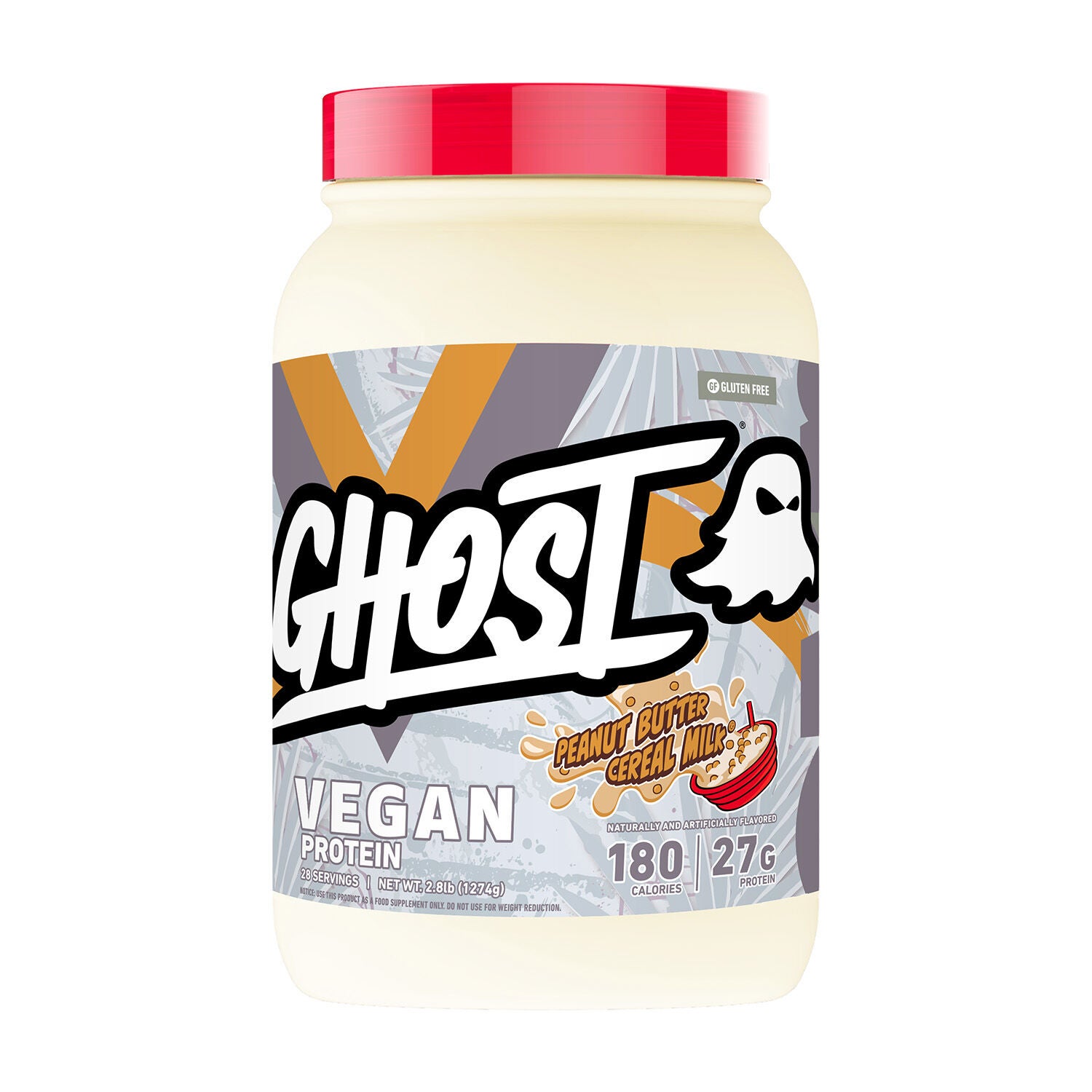
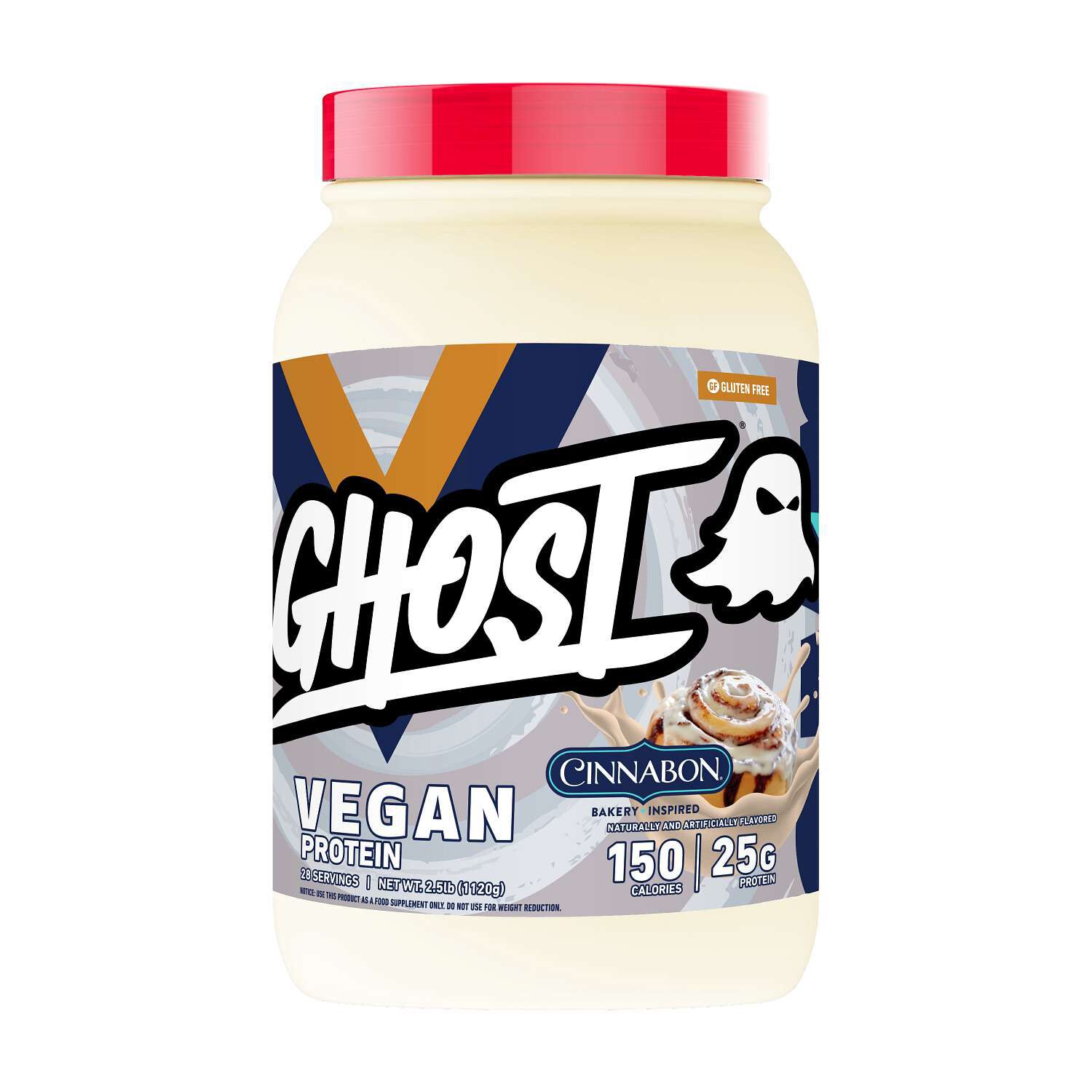
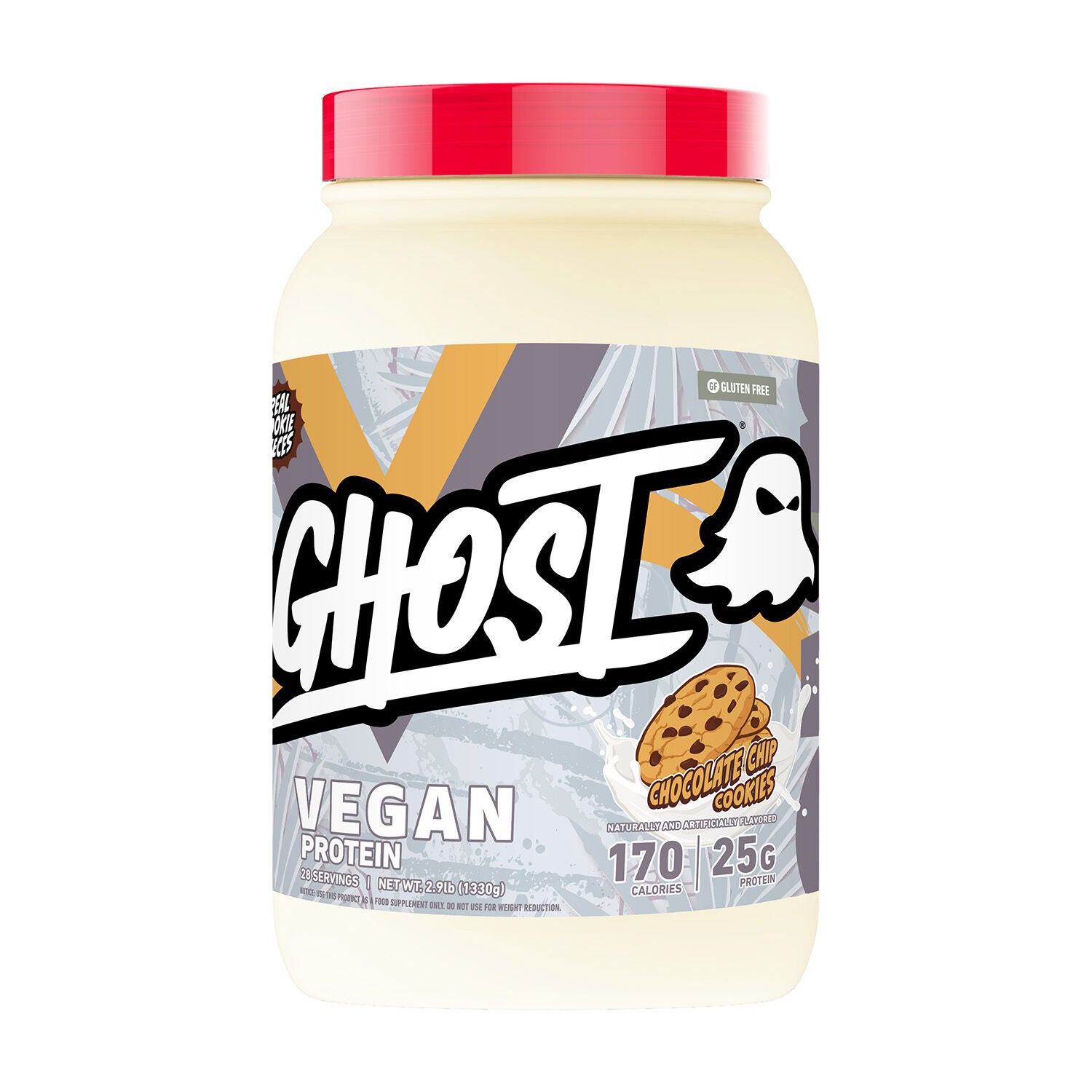
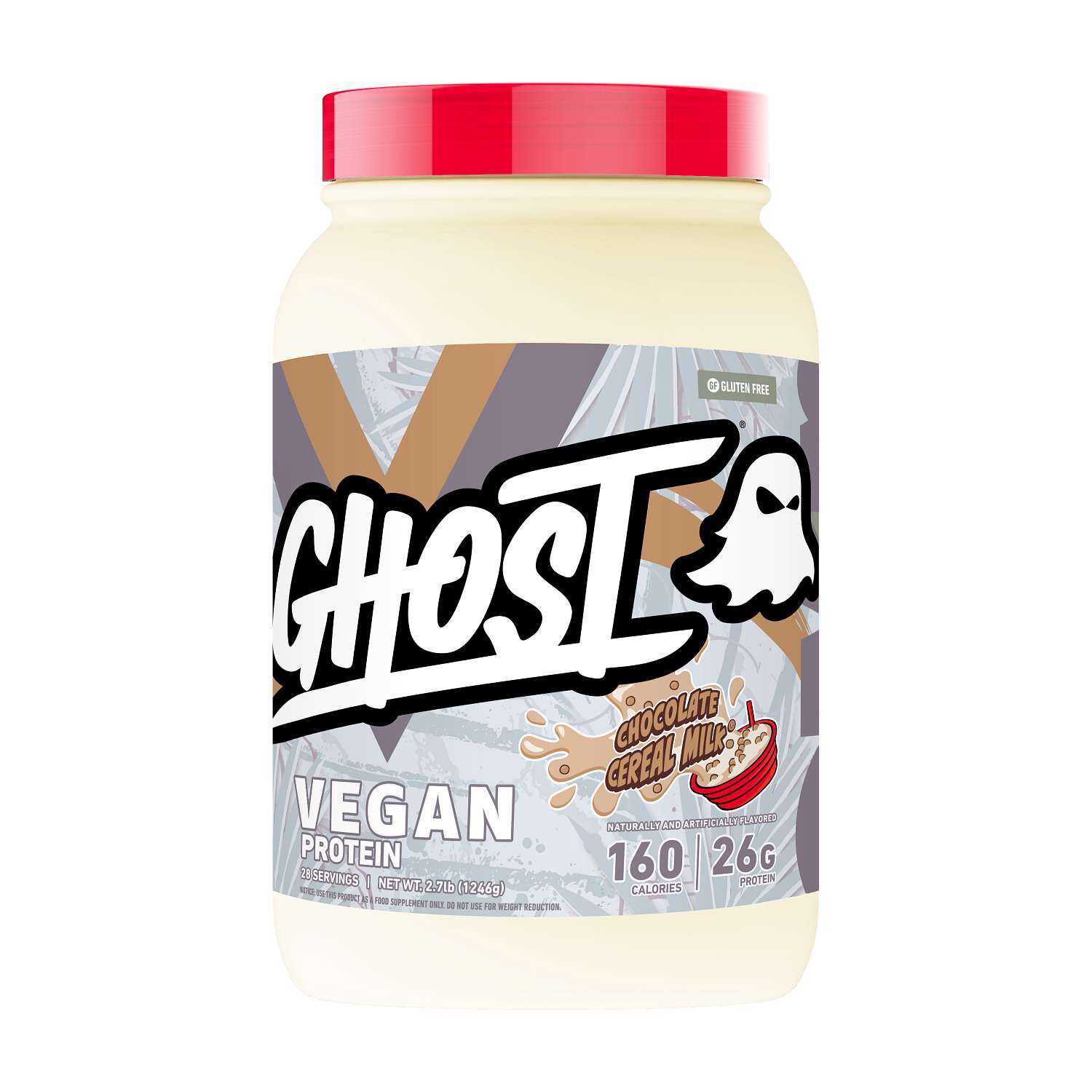
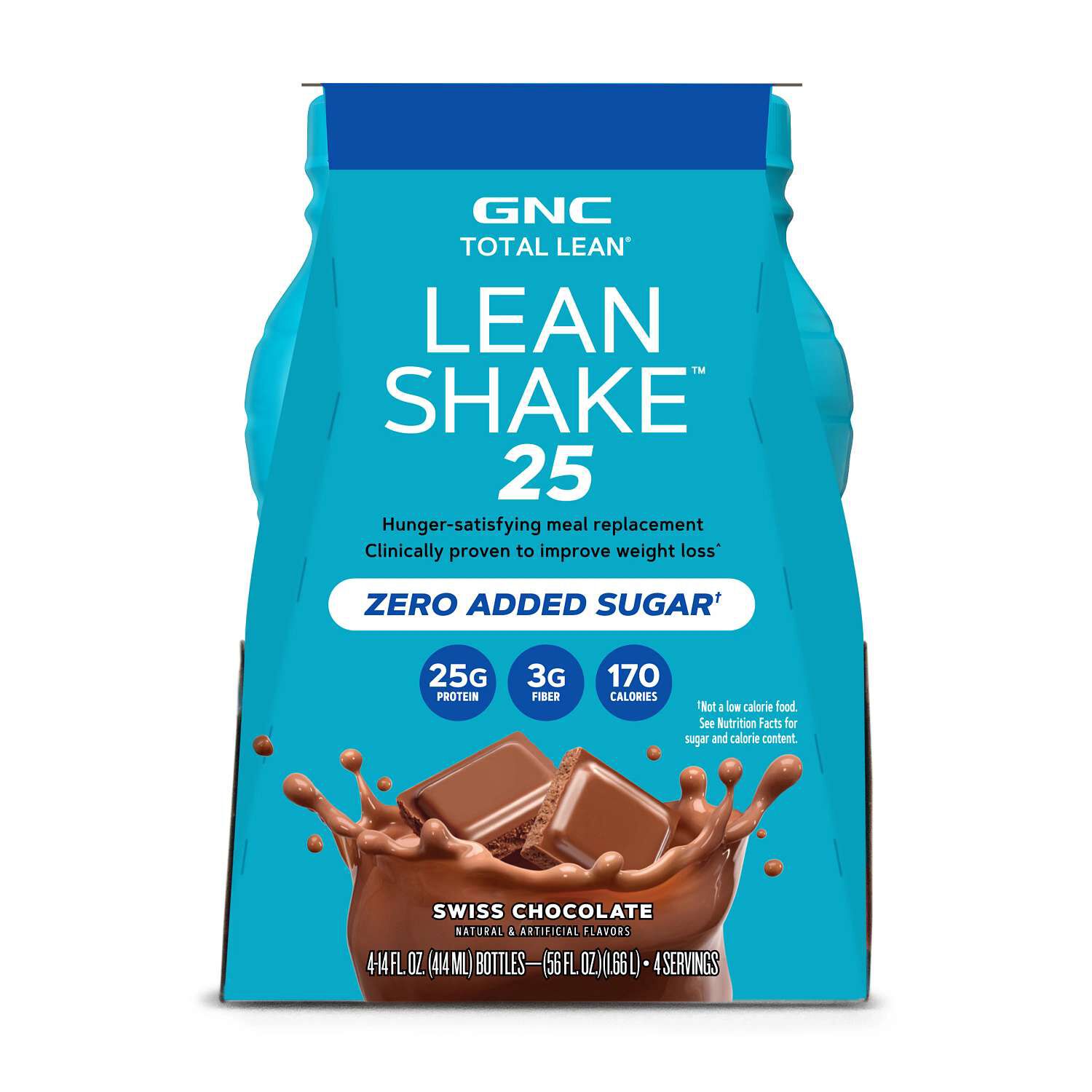
Plant Protein For Weight Loss
(0 Results)
Plant protein for weight loss offers a convenient way to support your wellness journey with options derived from sources like peas, brown rice, and seeds. Many people choose plant-based proteins as part of their active lifestyle or balanced eating plan. Explore a variety of plant protein for weight loss options that may fit into your daily routine, whether you’re blending up a smoothie or looking for an on-the-go shake. Discover how plant-based nutrition could be a satisfying addition to your goals.

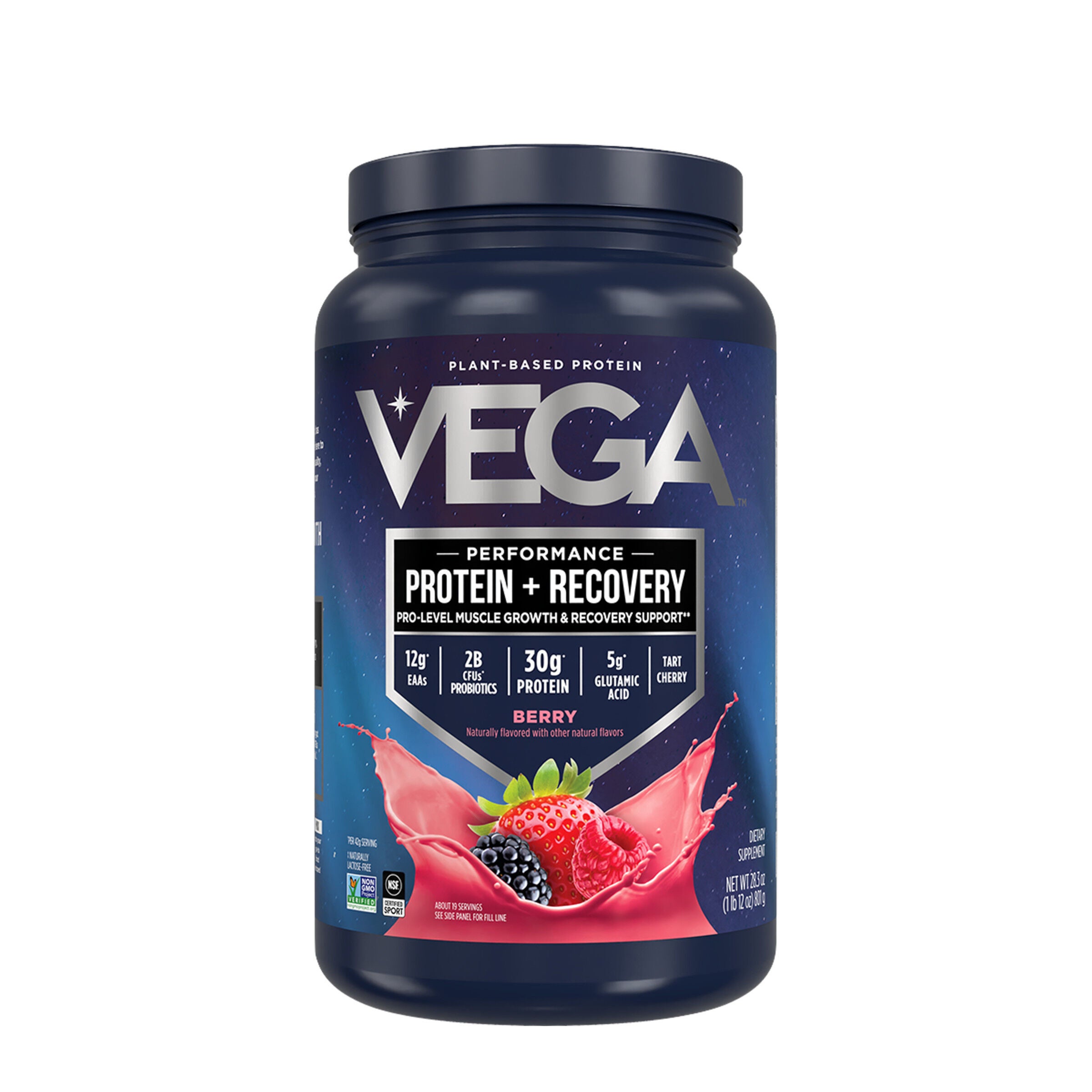
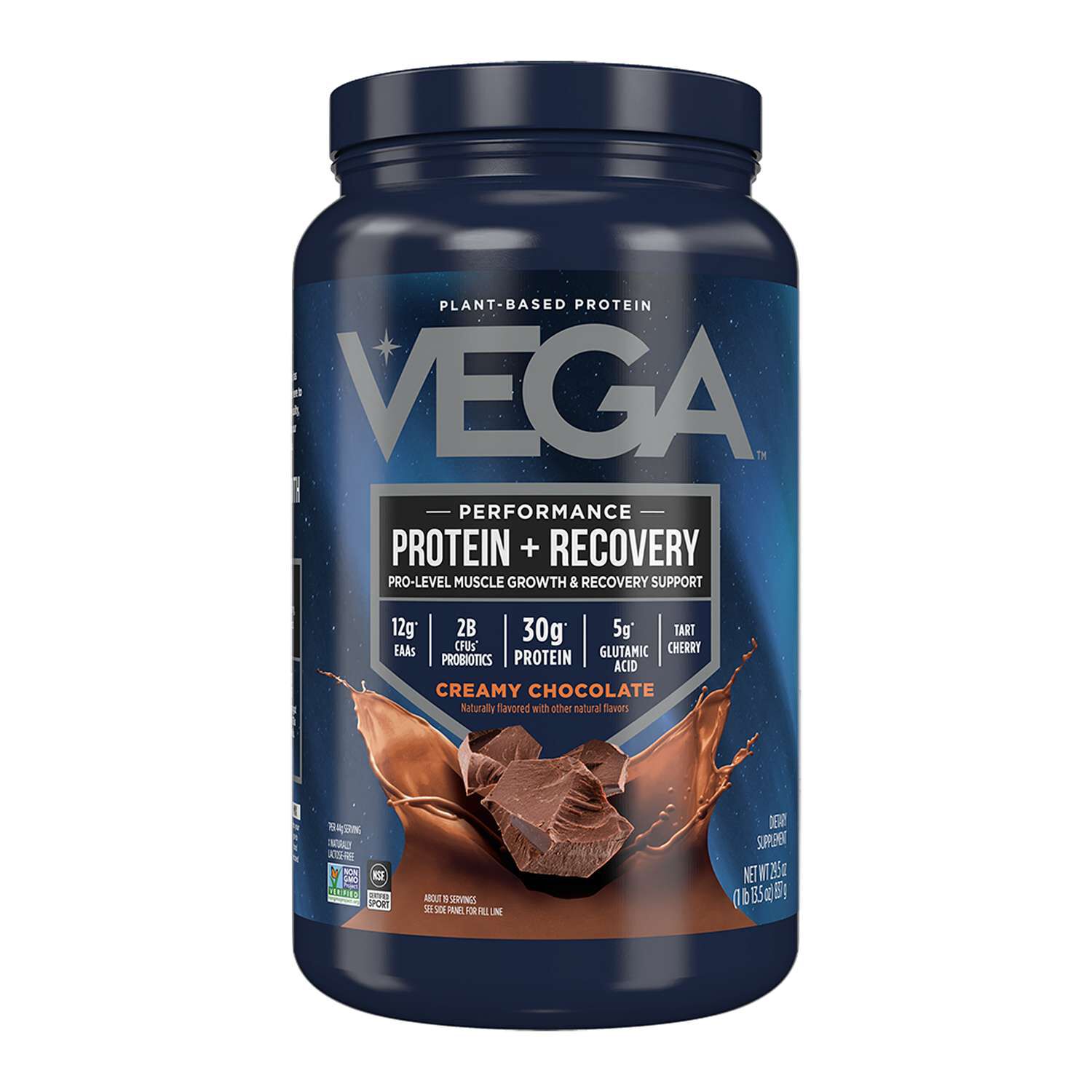
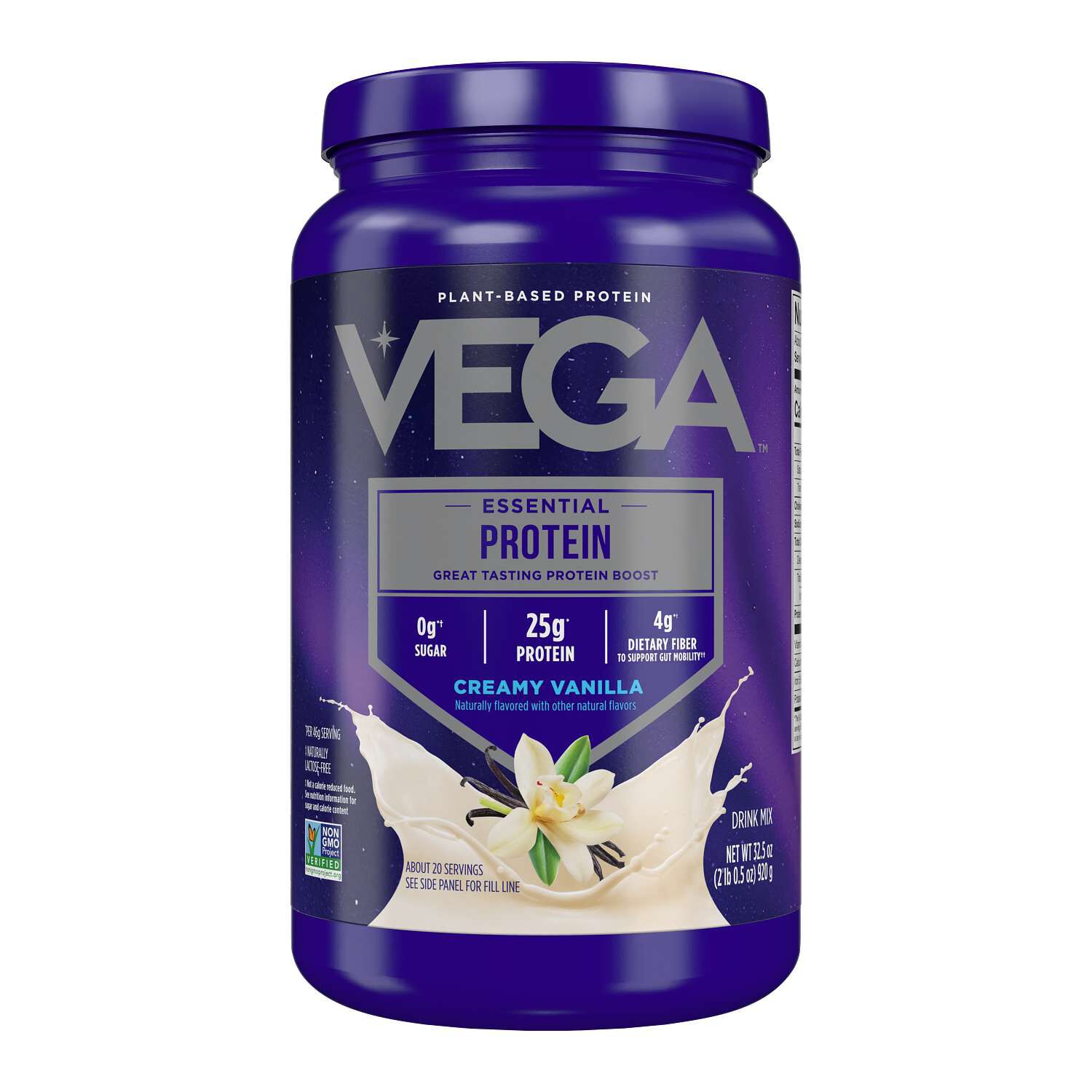

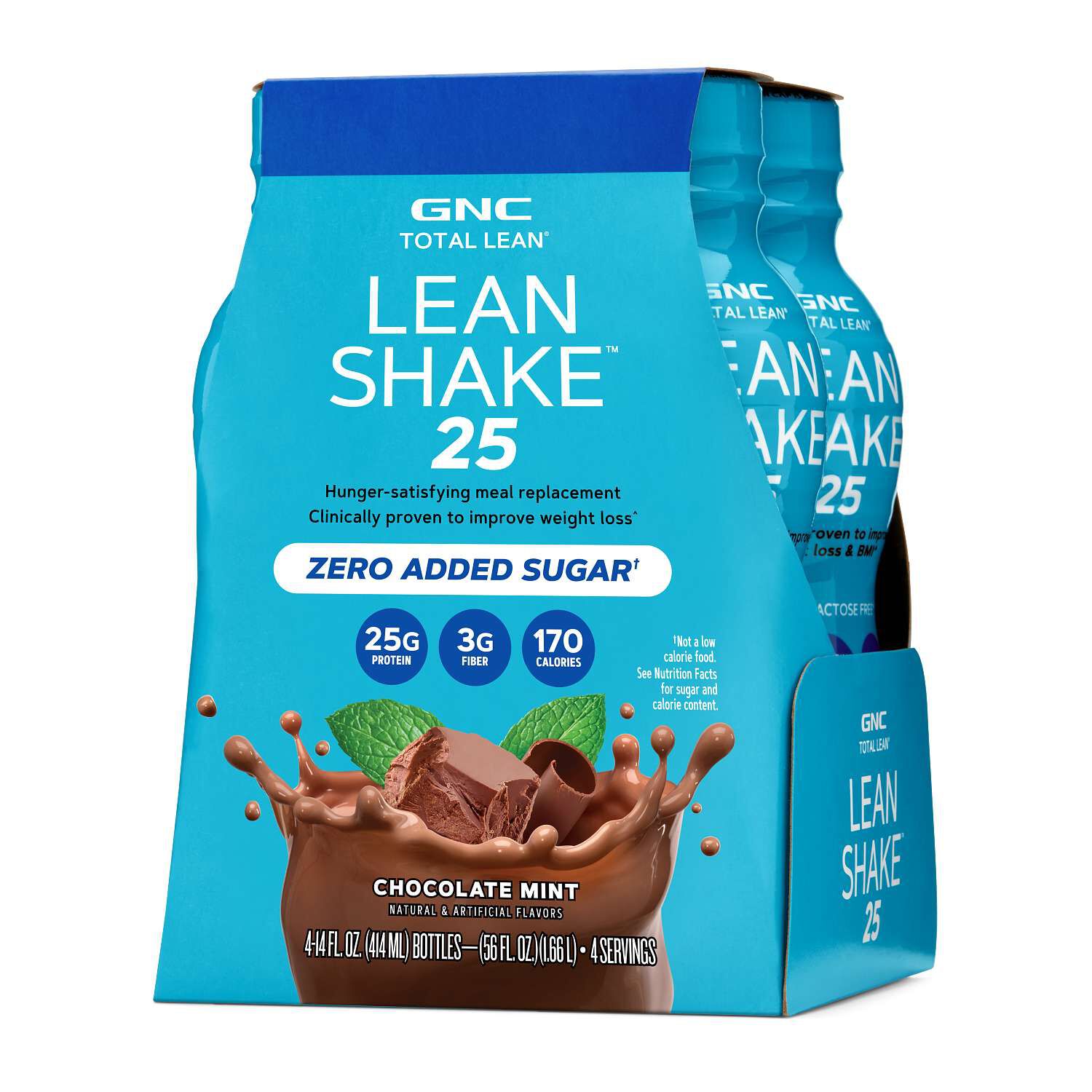
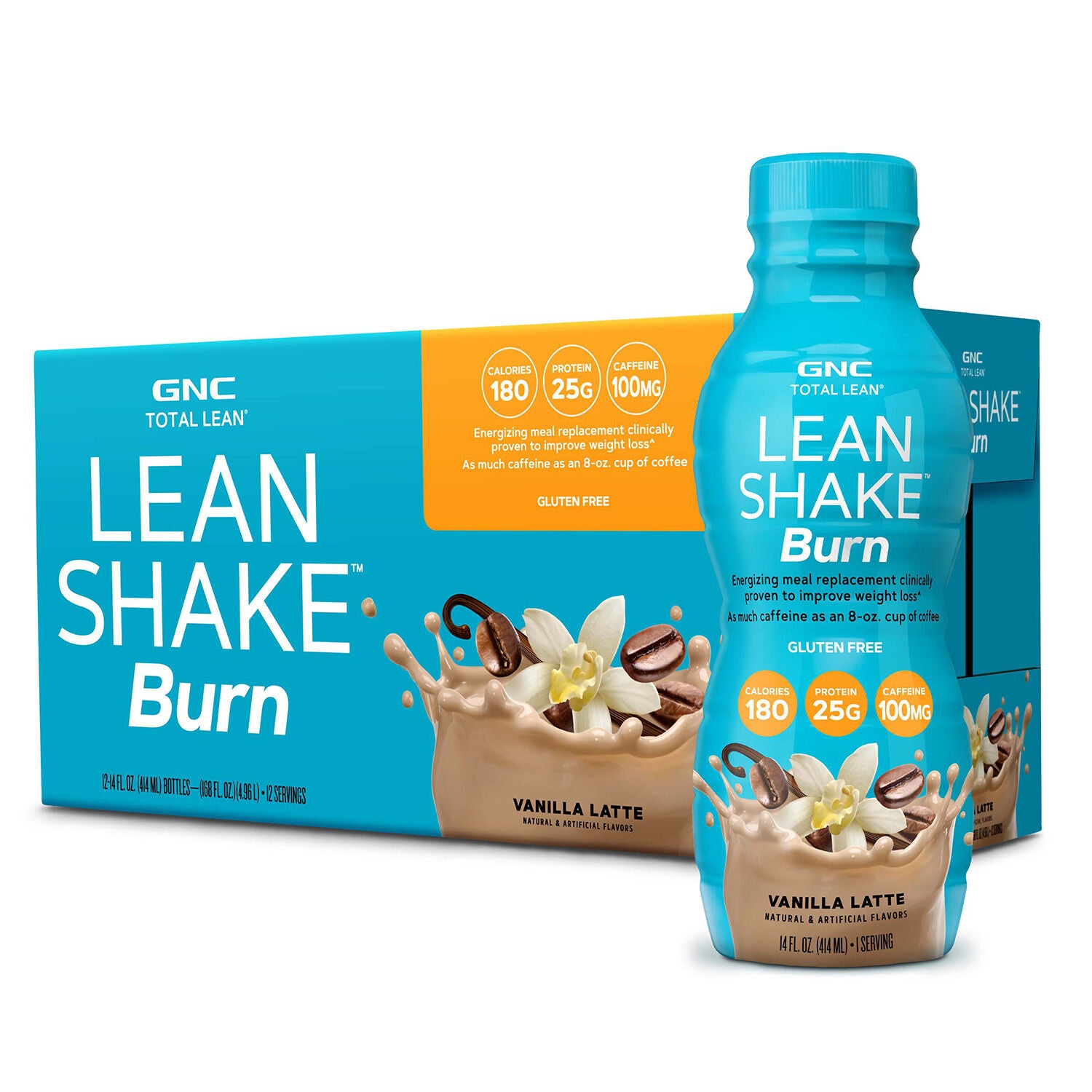


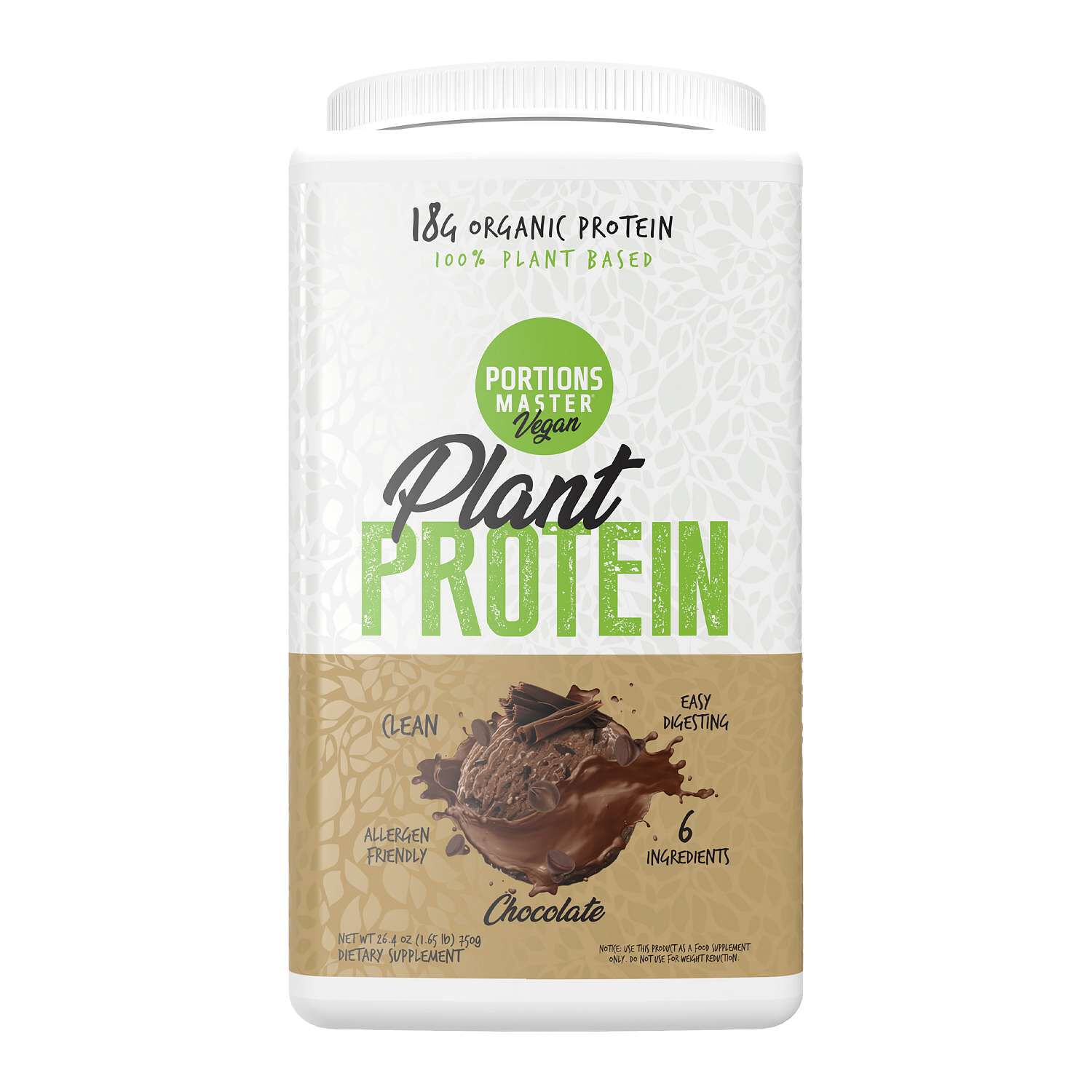
Plant protein for weight loss includes plant-based protein powders that may fit into an eating routine built around personal preferences, activity, and weight-management goals. These powders are typically made with ingredients such as peas, brown rice, soy, or pumpkin seeds, either as a single protein source or in a blend. They offer a different format from beans, lentils, tofu, and other plant-based foods: a measured portion of powder that can be mixed into a beverage or recipe. Protein may contribute to a feeling of fullness, and a protein-containing snack could make the stretch between meals feel more manageable. That does not mean a powder produces weight loss on its own, or that every plant-based formula has the same nutritional profile. The most useful comparisons start with the Nutrition Facts panel: protein grams, calories, serving size, added sugars, fiber, and saturated fat. A large scoop and a small scoop are not necessarily equivalent portions, so comparing the labeled serving weight alongside the protein amount gives a clearer picture than looking at scoop size alone. Fiber deserves its own look, too. Although many whole plant foods contain fiber, a concentrated plant protein powder may contain relatively little unless other ingredients contribute it. Similarly, plant-based does not automatically mean lower in calories or lower in added sugars. Ingredient lists reveal whether a formula includes sweeteners, oils, flavorings, or additional carbohydrate sources. Single-source powders may appeal to shoppers who prefer a shorter ingredient list, while blends may suit those seeking a combination of protein sources. Amino acid information, when provided, offers another point of comparison rather than a reason to judge a formula by its front label alone. Shoppers following a vegan eating pattern can check the full ingredient list and any relevant labeling, since a plant protein source does not establish that every ingredient is plant-derived. Soy, tree nuts, and other potential allergens also deserve attention wherever they appear on the package. These details help distinguish products that look similar at first glance but differ in serving size, ingredients, and intended use.
Flavor and texture often determine whether a plant-based protein powder becomes a regular part of the kitchen routine or stays tucked behind the coffee mugs. Pea-based formulas can have an earthy flavor, rice-based powders may feel slightly grainy, and blends vary according to their ingredients and processing. Vanilla can suit oatmeal, yogurt alternatives, or a fruit smoothie; chocolate pairs naturally with banana or nut butter; and an unflavored option leaves more room for the taste of the surrounding ingredients. Unflavored does not necessarily mean tasteless, however, so the base protein still matters. Sweetness also varies, and the ingredient list can help shoppers distinguish formulas made with added sugar from those using other sweeteners. For someone taking a shaker to work, mixability in water or a preferred plant beverage may matter more than performance in a blender. Someone preparing breakfast at home may prefer a powder that blends smoothly with oats, fruit, and liquid. Following the package’s mixing directions gives a consistent starting point, while the amount of liquid influences how thick the finished drink feels. A simple shake and a smoothie with several additions are different eating occasions, even when both begin with the same serving of powder. Fruit, nut butter, oats, and beverages contribute their own calories and nutrients, so the finished recipe matters when comparing options for a weight-management routine. A protein powder is also not necessarily designed to replace a varied meal; that distinction depends on the product’s labeling and nutritional composition. These products may appeal to vegetarians, vegans, shoppers avoiding dairy ingredients, or anyone who prefers a plant-based option alongside their usual foods. They may also suit people who want a measured protein ingredient for breakfast, an afternoon snack, or a drink around an exercise session. The practical match is a formula whose taste, preparation, and serving format work with the occasion, whether that means a quick shake before a commute or a thicker smoothie enjoyed at the kitchen table.
Packaging, storage, and preparation are worth considering alongside nutrition and flavor, especially when a powder will be used repeatedly. A resealable pouch may fit neatly in a cabinet, while a tub offers a wider opening for measuring; either format needs to be closed as directed between uses. Individually portioned packets offer a different format for a work bag or travel, although the labeled serving still needs to be checked rather than assumed. The number of servings on the package helps show how the container fits into an established routine. Package storage directions and date markings are more useful than assumptions about how long a powder will keep. A dry measuring utensil, a securely closed container, and storage away from moisture help protect the contents during everyday use. Prepared drinks have different storage needs from dry powder, so package directions and the handling requirements of any added ingredients matter. A shaker that is easy to rinse and wash can also make daily preparation more practical, especially when a drink is mixed away from home. Beyond these details, comparing plant protein for weight loss is about choosing an appropriate food ingredient, not finding a shortcut in a tub. The linked collection, Best Weight Loss Protein Powder, offers a broader point of comparison for shoppers considering different protein sources. Within plant-based options, a useful shortlist can reflect preferred ingredients, protein per labeled serving, calorie content, sweetness, texture, and preparation method. There is no need for every use to look the same: a mildly flavored powder may work in breakfast recipes, while a more pronounced flavor may suit a straightforward shake. A suitable choice may make it easier to include protein in a way that feels familiar and enjoyable. The surrounding meals, snacks, and daily habits remain part of the context, making a powder’s everyday fit more meaningful than a dramatic front-of-package claim.
- Q: What is plant protein and how does it differ from animal protein?
A: Plant protein comes from sources like peas, brown rice, soy, and other plants. Compared to animal protein, plant-based options are often lower in saturated fat and cholesterol and may contain additional fiber and beneficial nutrients. - Q: Can plant protein support a weight loss plan?
A: Yes, plant protein can be a helpful part of a weight loss plan. It can help you feel fuller for longer, support muscle maintenance during calorie reduction, and provide important nutrients without excess calories. - Q: Are plant protein powders suitable for people with dietary restrictions?
A: Many plant protein powders do not contain common allergens like dairy, making them suitable for vegans, vegetarians, and those with lactose intolerance or certain food allergies. Always check the label for specific ingredients. - Q: How can I incorporate plant protein into my daily routine?
A: Plant protein powders can be mixed into smoothies, oatmeal, baked goods, or simply blended with water or your favorite milk alternative. They offer a convenient way to increase your daily protein intake. - Q: What should I look for when choosing a plant protein powder for weight management?
A: Look for options with minimal added sugars and artificial ingredients. Consider blends that offer a variety of amino acids and check the nutrition label to ensure it aligns with your dietary goals.