





Protein Drinks For Winter
(0 Results)
Protein drinks for winter may offer a convenient option for those looking to support their nutrition routine during colder months. Whether you’re heading to the gym, spending time outdoors, or simply relaxing at home, these beverages might fit seamlessly into your day. Explore a variety of flavors and formats that could suit different preferences and lifestyles. Discover how protein drinks for winter may help you stay on track with your wellness goals all season long.
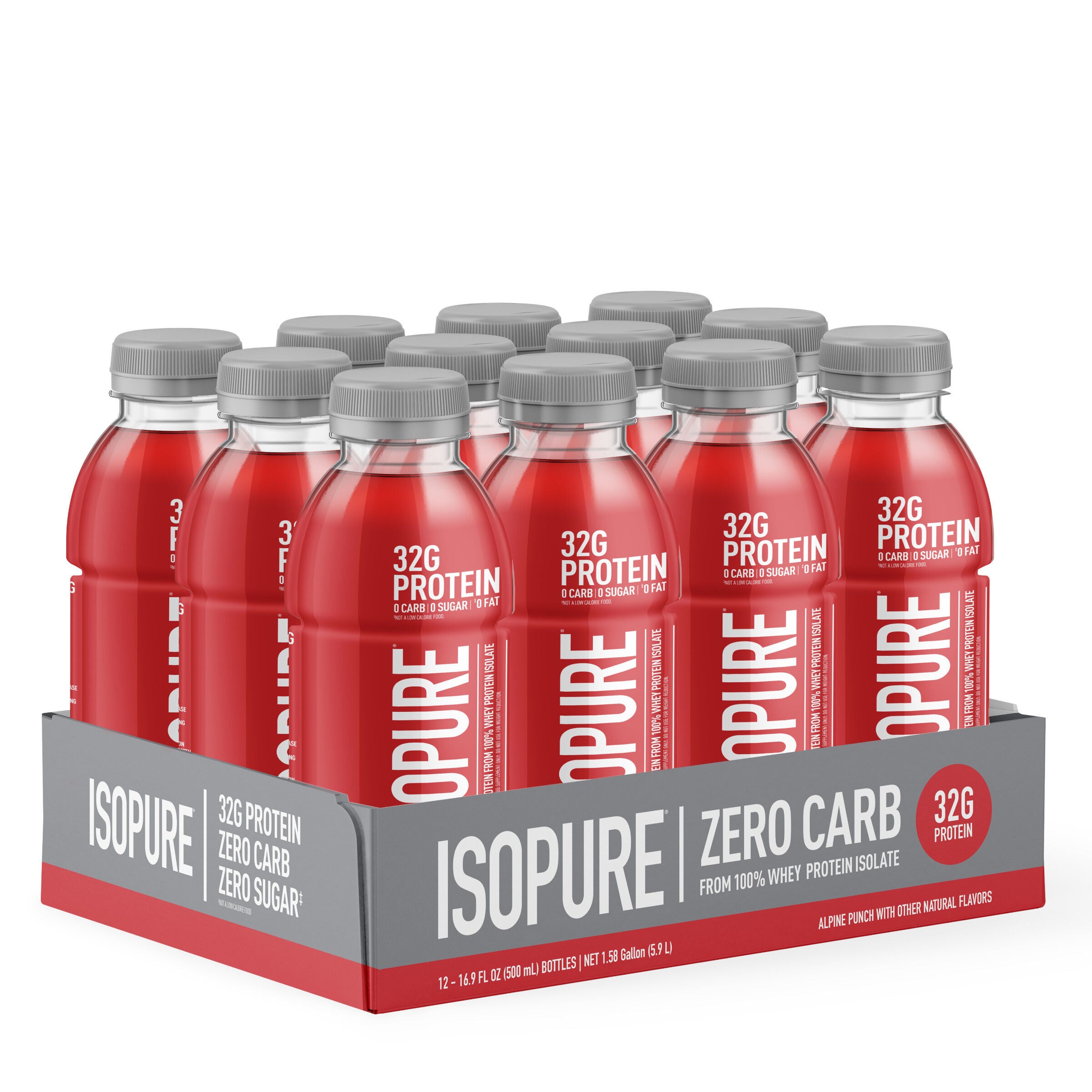
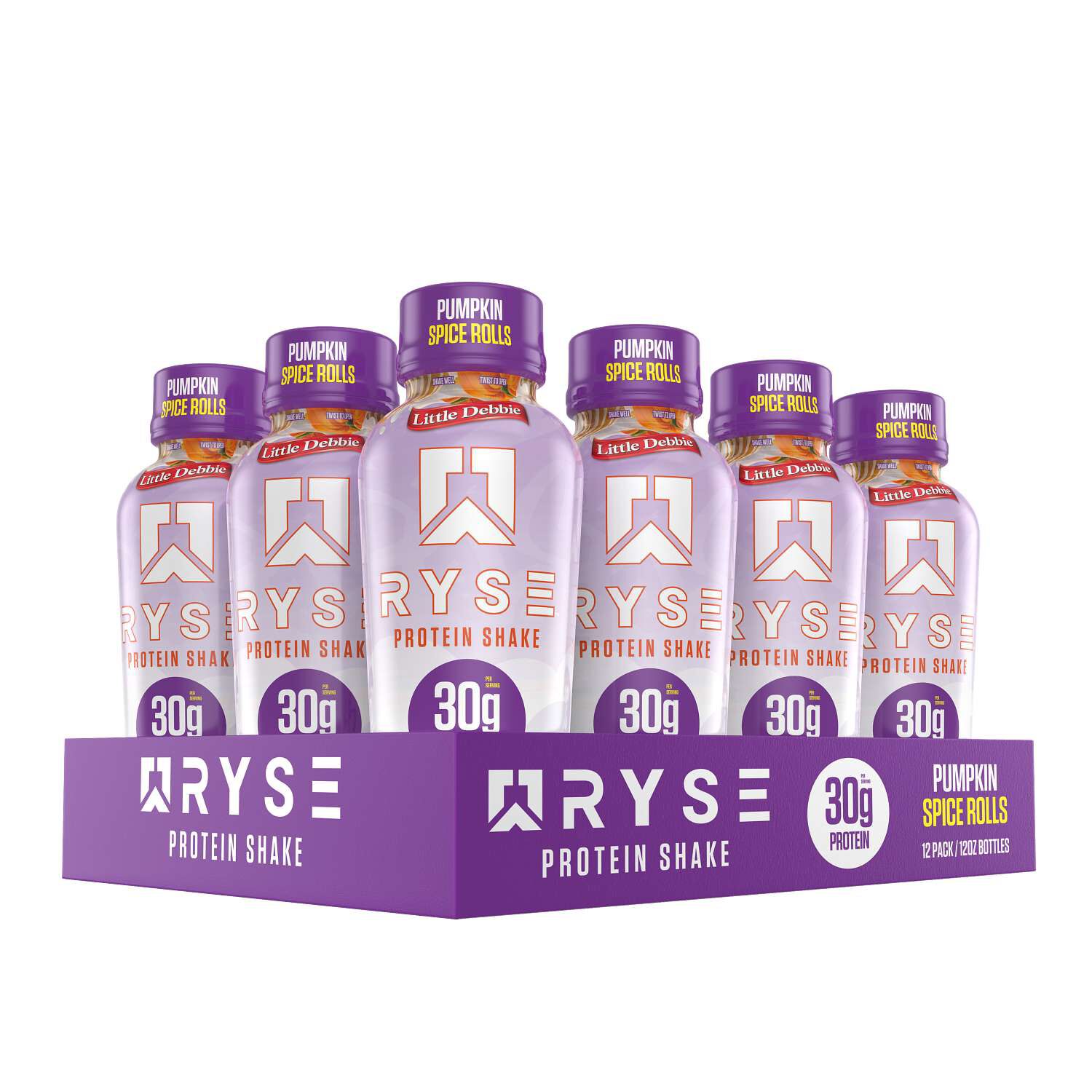


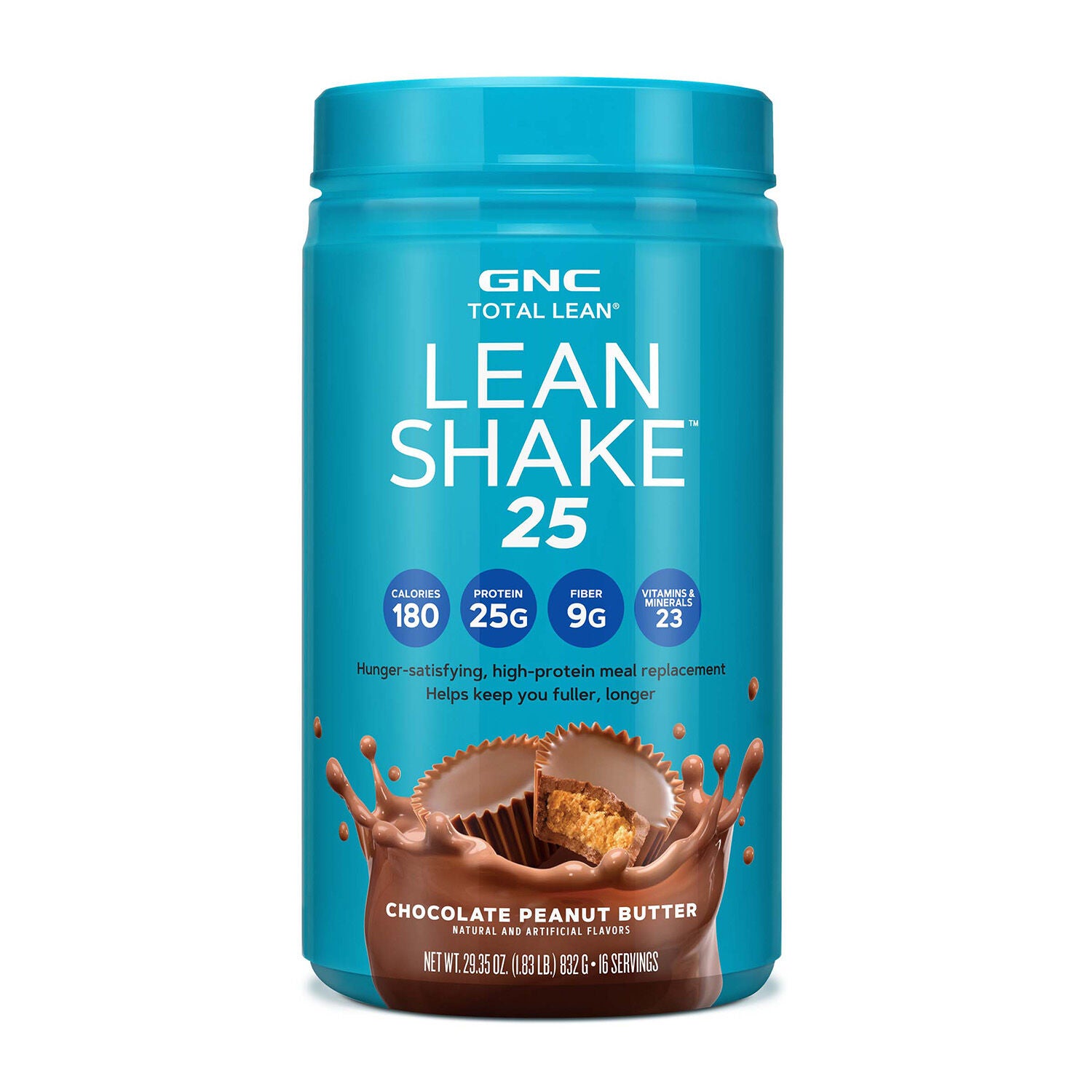
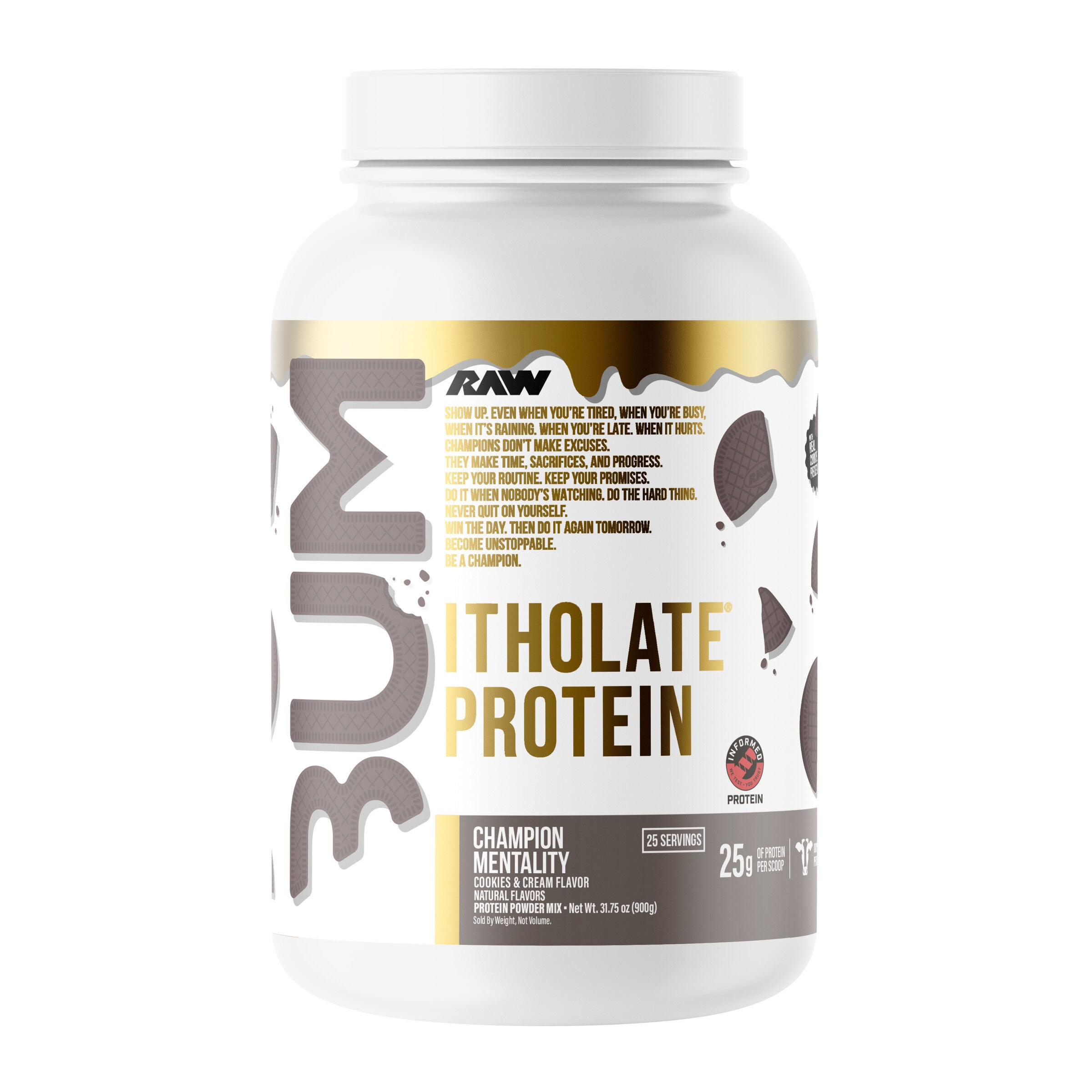
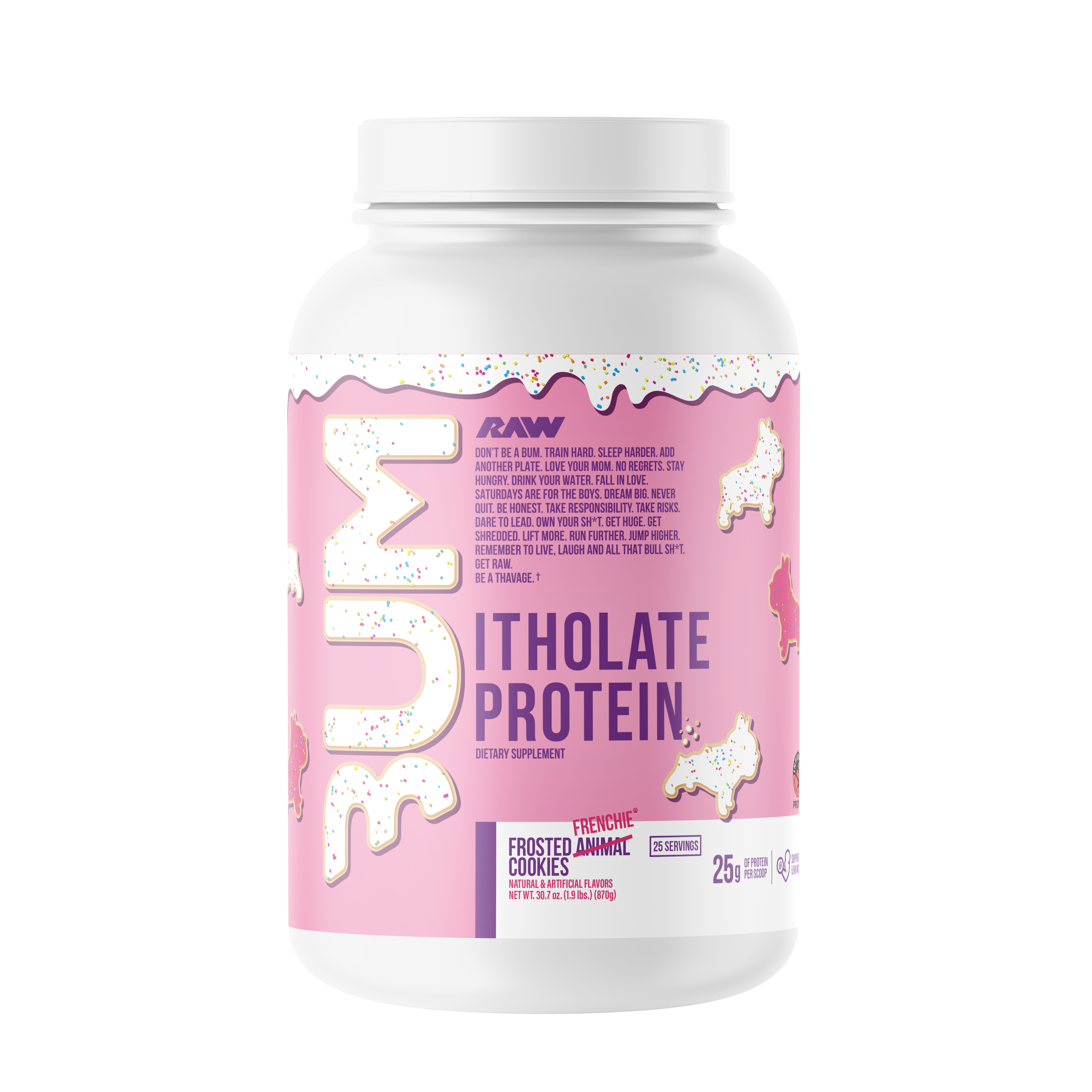


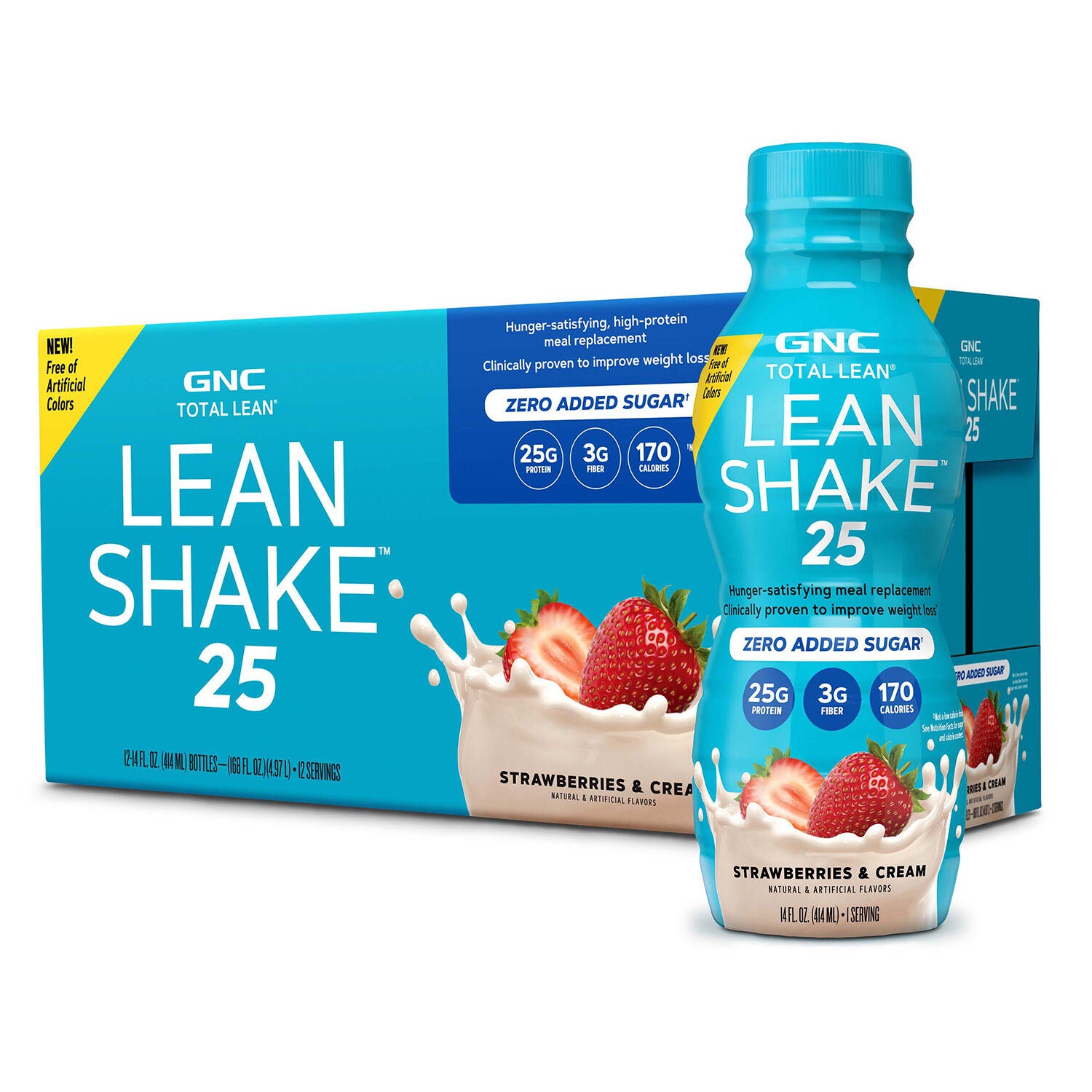
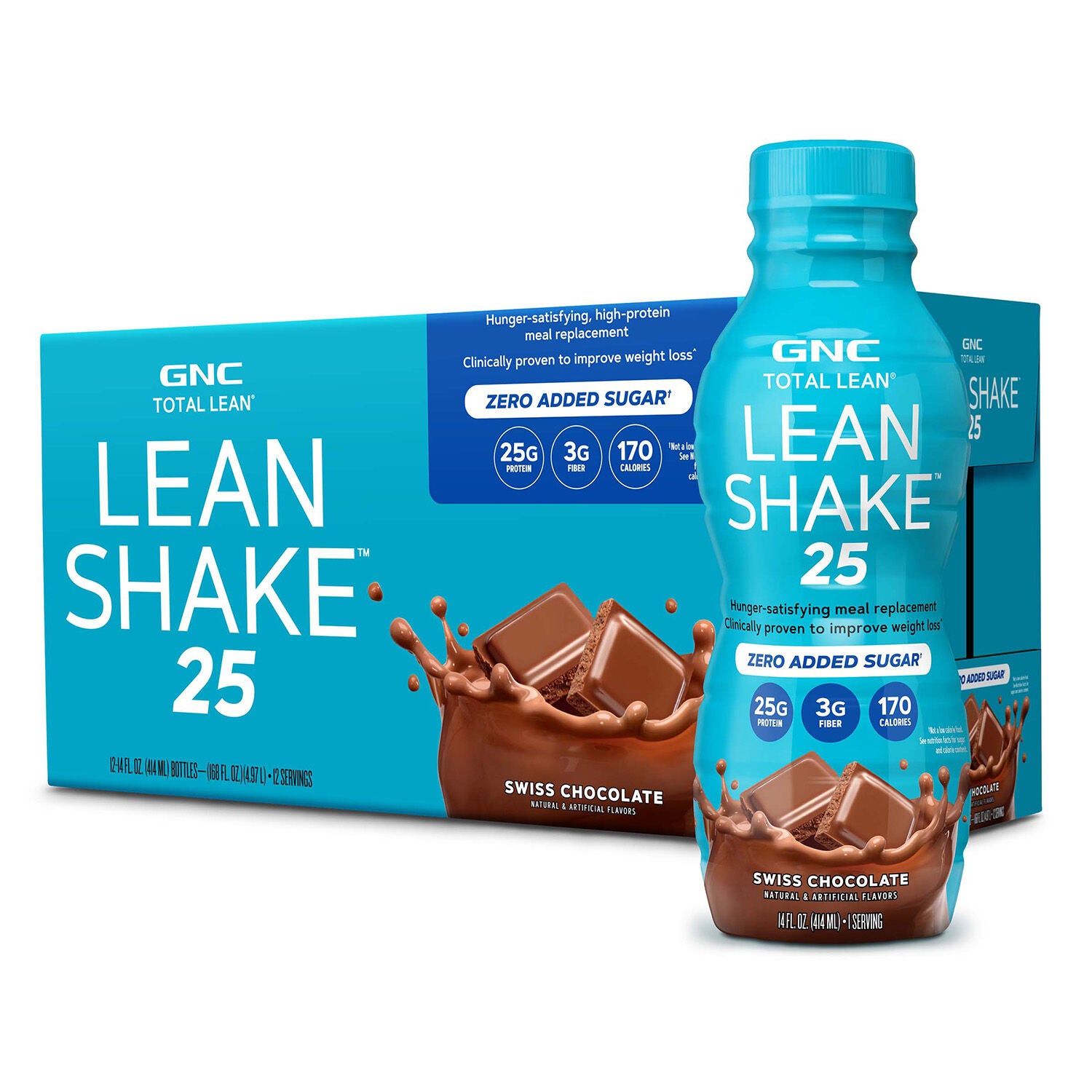
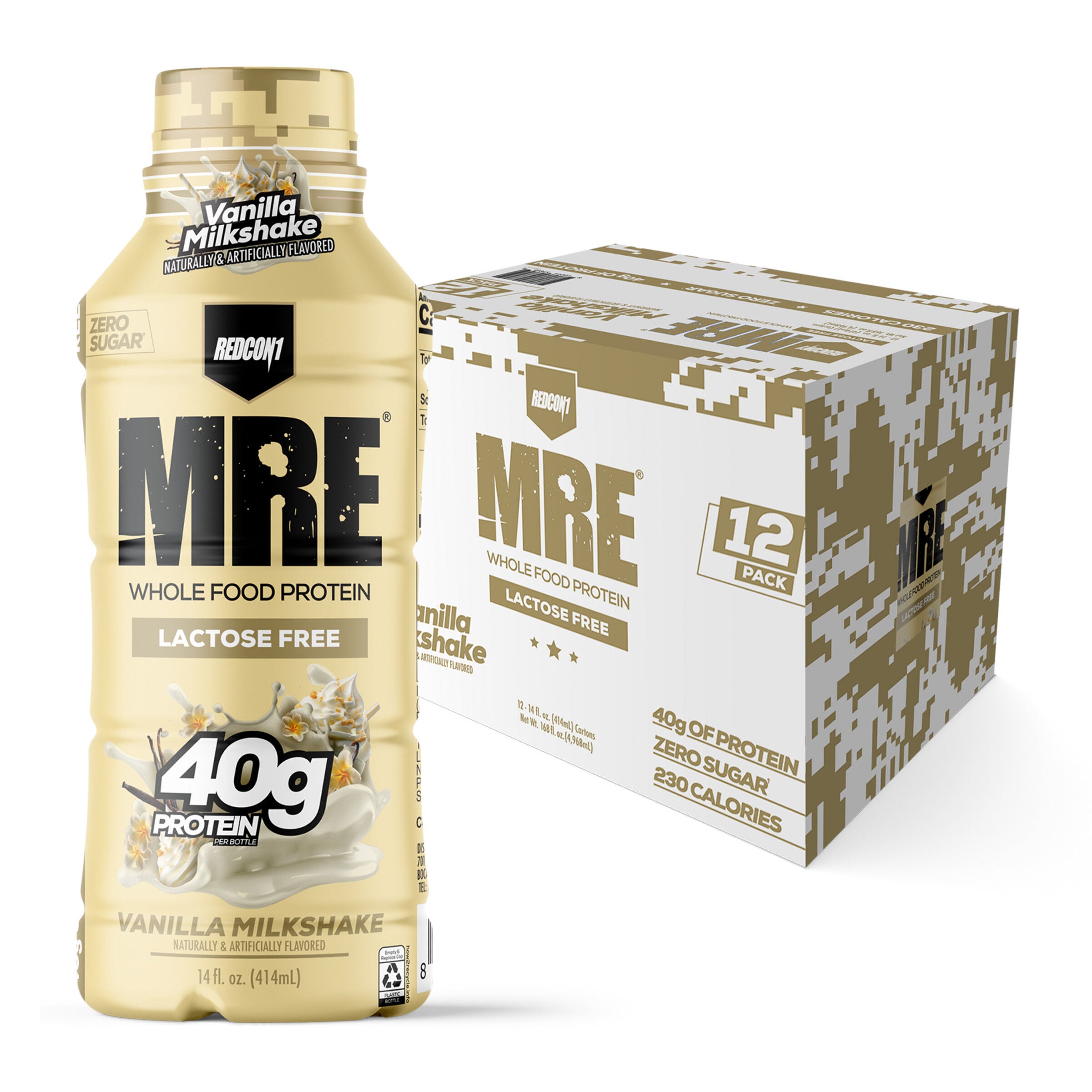

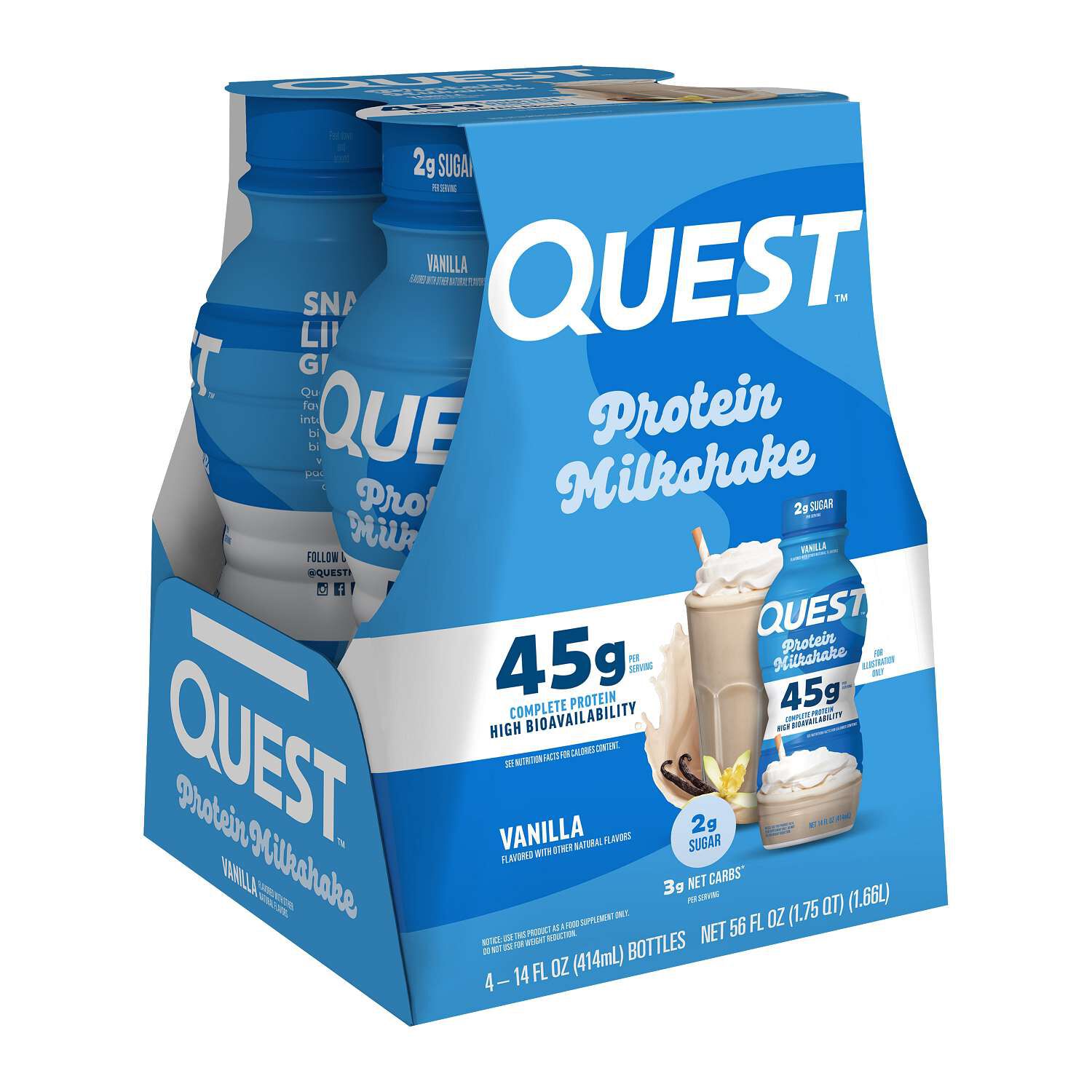
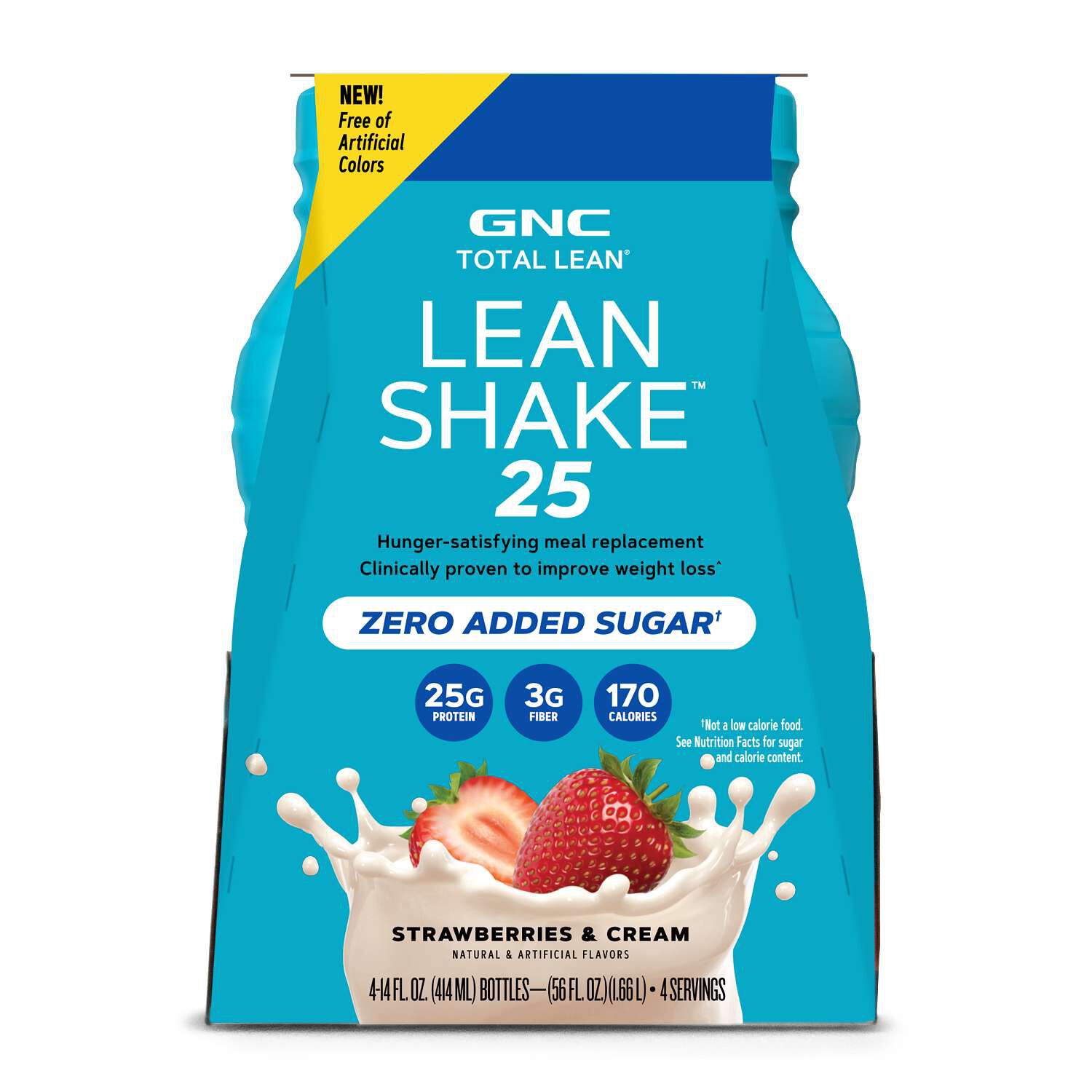
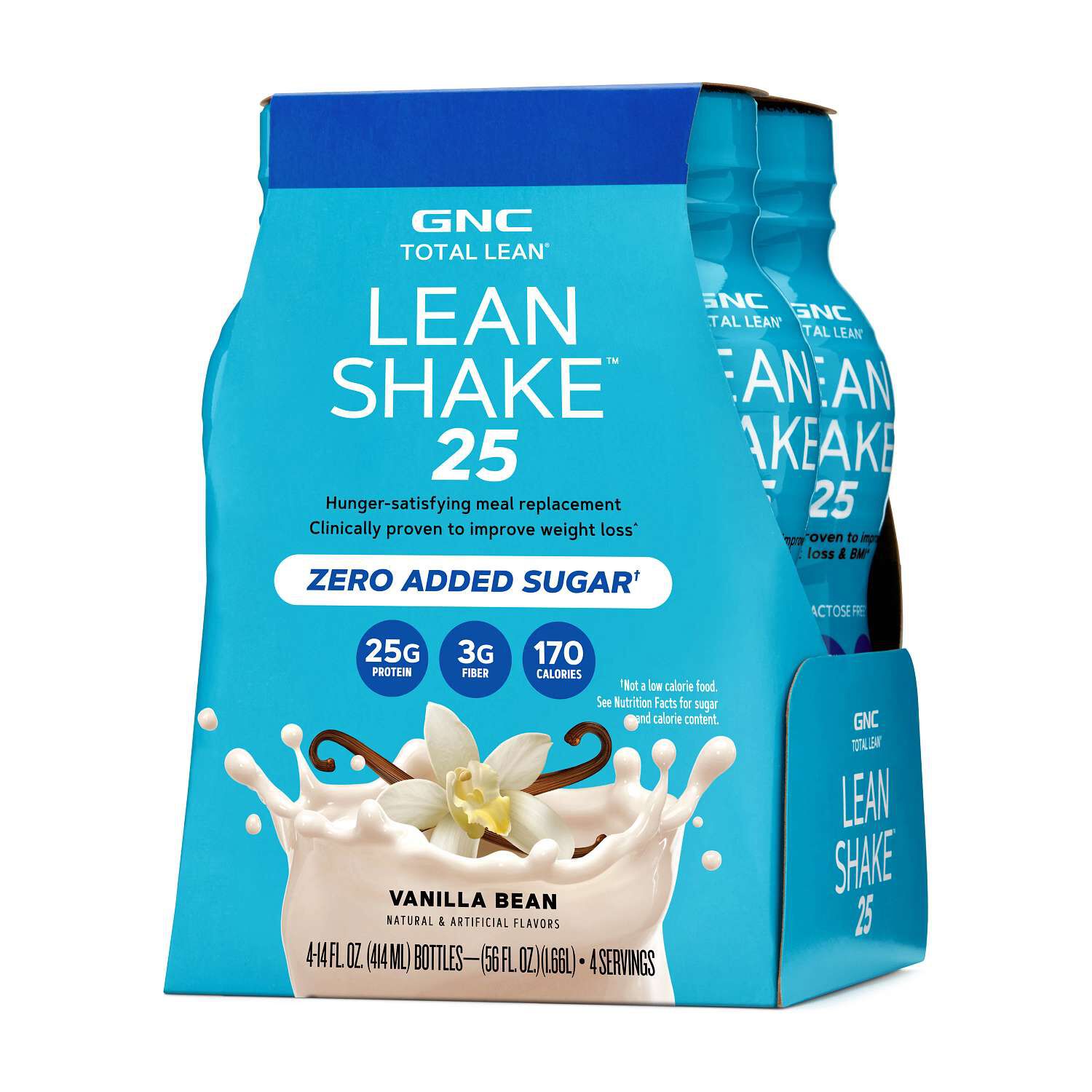
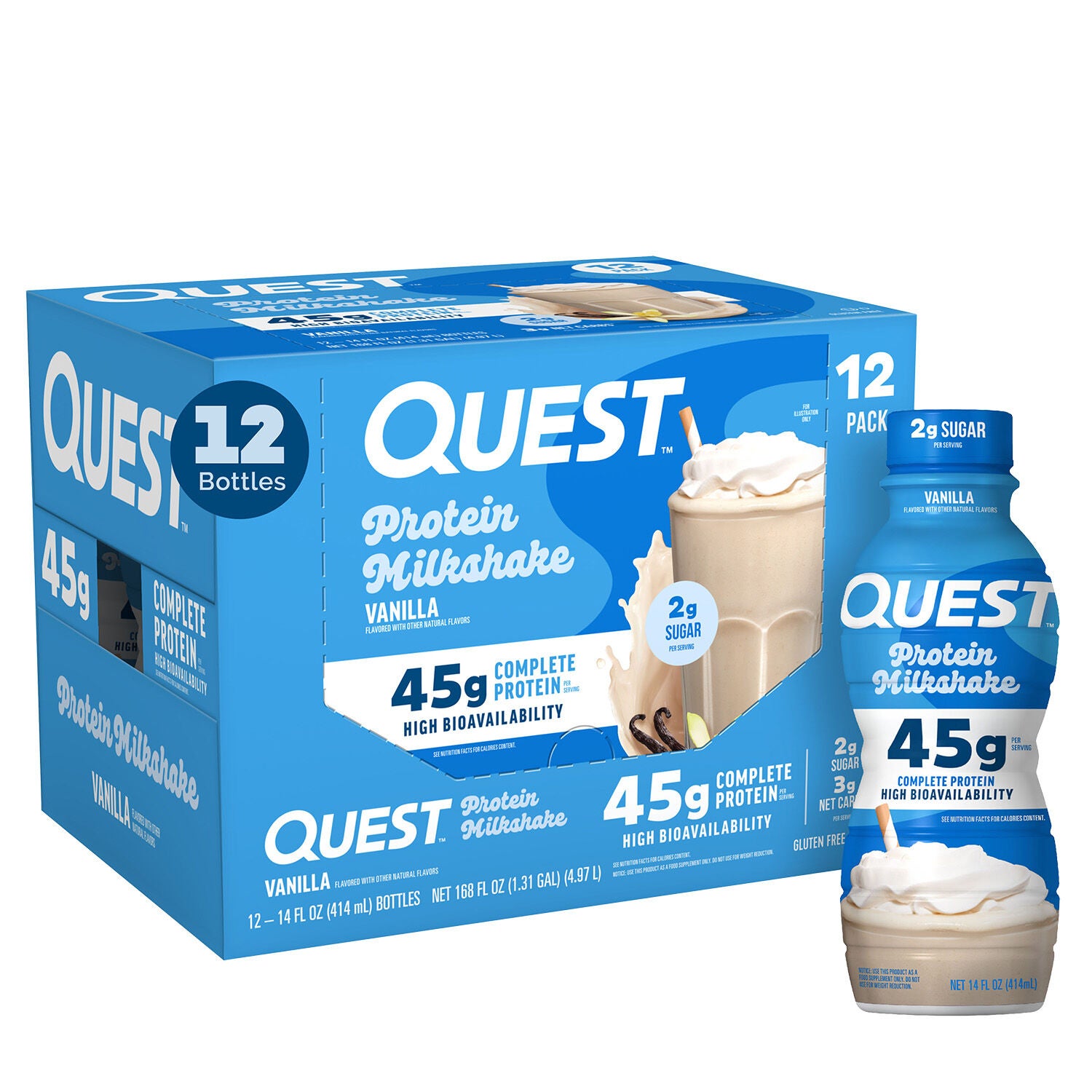
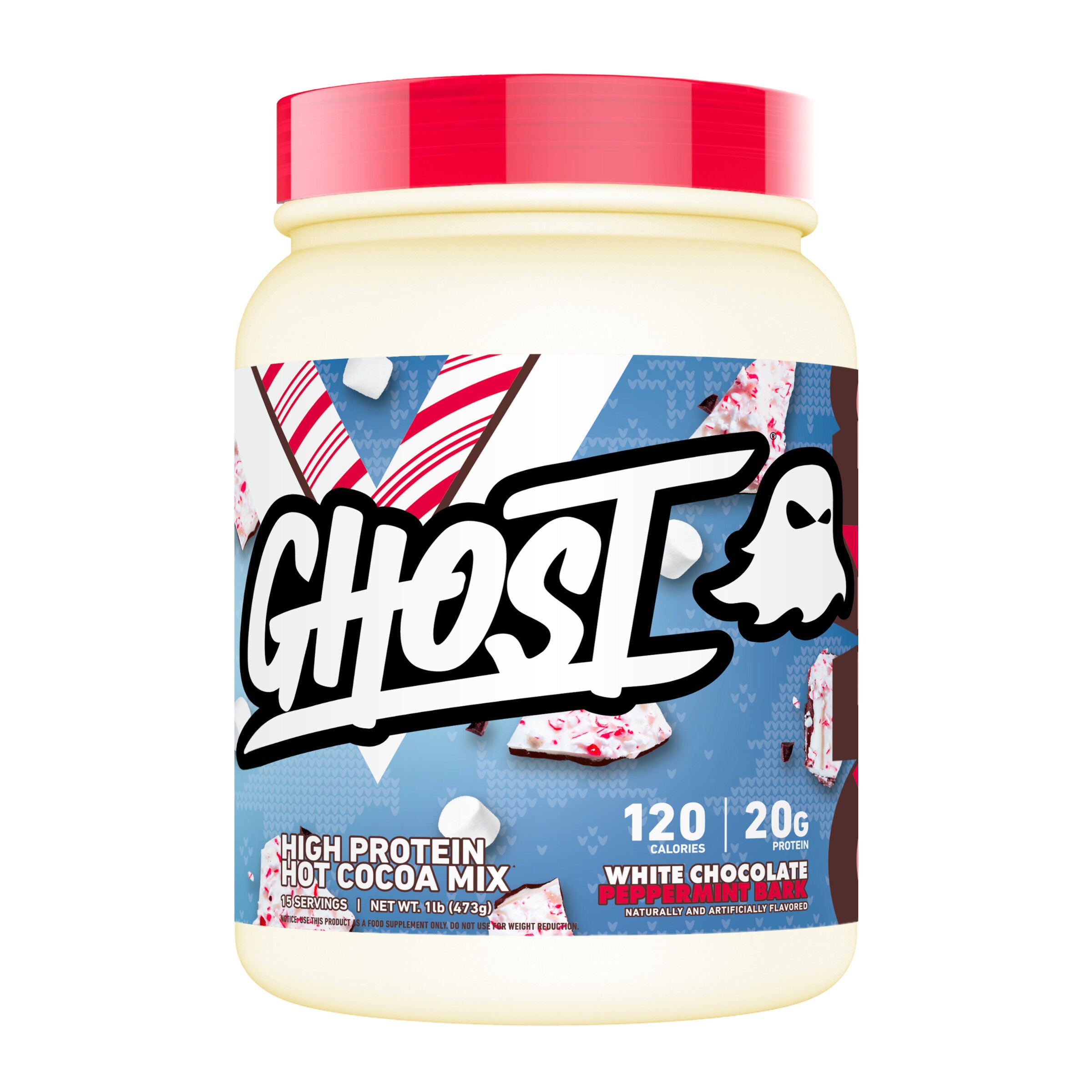

Protein drinks for winter include ready-to-drink shakes and mixable options with flavors suited to a cold-weather routine, from chocolate and vanilla to coffee-inspired blends and cinnamon notes. The category spans bottled drinks for a gym bag, cartons for a workday refrigerator, and powders mixed shortly before serving. Some are intended to be enjoyed chilled, while others have preparation directions that allow for warm drinks. Winter appeal does not depend on serving temperature alone: a chocolate shake after an indoor workout may feel just as fitting as a warm, cocoa-style drink beside a snowy window. Flavor, texture, protein source, and preparation method are useful points of comparison across the assortment. Dairy-based formulas commonly feature whey or milk proteins, while plant-based choices may use pea, soy, rice, or blends of several sources. Those ingredients differ in taste and consistency, so the label offers a more useful starting point than flavor names alone. A vanilla base may suit someone who enjoys a subtle flavor, while a richer chocolate profile could appeal to someone drawn to the character of hot cocoa. Coffee-inspired options range from coffee flavoring to formulas containing actual coffee or added caffeine, making the ingredient list especially relevant for an evening drink. Texture matters, too. Some drinks have a lighter consistency, while others are thick and creamy; either style may suit different preferences before a commute, between errands, or after a visit to the gym. Serving size and the amount of protein per serving also vary, even among drinks with similar packaging. Looking at those details alongside sugar content, sweeteners, and listed allergens may make comparisons more meaningful. The result is a category with room for different tastes and routines, rather than one definition of what a winter protein drink should look like.
Warm preparation deserves particular attention because a shake designed for refrigeration is not automatically intended for heating. Packaging directions establish whether a formula belongs in a cold shaker, a blender, or a warm preparation. Very hot liquid may change the texture of certain protein mixtures, producing a grainy or uneven consistency rather than a smooth drink. When warm mixing is permitted, the recommended order of ingredients and temperature guidance are more useful than assuming every powder behaves the same way. A cocoa-style mixture intended for a warm mug is different from a bottled shake meant to be served cold. Milk, water, and plant-based beverages may yield different textures, and each contributes its own ingredients to the serving. Any additions, including a spoonful of cocoa or a dusting of cinnamon, belong in the overall ingredient picture, especially when preferences or dietary restrictions are involved. For someone who likes to adjust consistency and flavor, Protein Powders For Winter Workouts offers a related category to explore alongside ready-to-drink formats. Containers and cleanup are practical considerations, particularly for drinks carried from a kitchen to a car, office, or fitness studio. A container rated for the intended beverage temperature matters more than its appearance, and an ordinary sealed shaker is not a vessel for hot liquid. Wide openings and removable lids may make washing easier when a thicker shake leaves residue around the rim. Storage instructions deserve the same attention as mixing directions: shelf-stable packaging does not necessarily mean a drink can stay unrefrigerated after opening. Ready-to-drink formats may suit a quick departure, while a powder-based drink could fit a routine with access to a sink and a place to mix. Neither format needs to be warm to belong in a winter selection. A chilled vanilla shake packed for an indoor cycling class and a warm chocolate-style drink prepared according to its label simply reflect different ways to approach the same seasonal category.
Winter routines often involve a mix of indoor workouts, outdoor recreation, travel, and ordinary workdays, so intended use is more helpful than a seasonal flavor alone. A drink stored in a desk drawer has different packaging requirements from one kept in the refrigerator before heading to the gym. Someone returning from a long walk might prefer the familiarity of cocoa and cinnamon, while an early-morning commuter may favor a smooth coffee-style shake with breakfast. A student moving between classes could prioritize a resealable container, and someone who enjoys a slower breakfast at home may prefer a format mixed into a mug. These are matters of convenience and preference rather than reasons to treat every protein drink as interchangeable. The nutrition facts panel distinguishes a smaller serving from a larger drink with additional carbohydrates or fats, and the number of servings per container matters when comparing protein amounts. A short ingredient list is not automatically the right fit for everyone, just as a long one does not explain taste or texture on its own. Milk ingredients, soy, sweetener choices, and caffeine content may be more relevant to a particular shopper than the front-label flavor description. Protein drinks may offer a convenient way to include protein within a varied eating routine, but their place alongside breakfast, lunch, dinner, or a snack depends on the formulation and the rest of the menu. A creamy shake paired with oatmeal is a different eating occasion from a drink carried for after a workout. Clear preparation instructions, suitable storage, and a flavor that remains appealing beyond the first sip are practical considerations across both uses. Within a winter assortment, a drink’s taste, serving size, and format matter as much as its seasonal character, whether the setting is a work break with a chilled carton or a quiet moment with a carefully prepared warm drink after time outside.
- Q: What are the benefits of drinking protein drinks during winter?
A: Protein drinks may help support protein intake, muscle maintenance, and post-workout nutrition, which could be useful during winter when people may have different activity routines. - Q: Can I use protein drinks as a meal replacement in colder months?
A: Protein drinks may be used as a convenient meal or snack option during winter, especially when you’re on the go or looking for a quick way to increase your daily protein intake. - Q: Are there seasonal flavors of protein drinks suitable for winter?
A: Yes, many brands offer seasonal flavors like chocolate, vanilla chai, or spiced latte that are perfect for enjoying warm or cold during the winter months. - Q: How can I make my protein drink more enjoyable in winter?
A: Try warming your protein drink (if the formula allows), blending it with seasonal spices like cinnamon or nutmeg, or adding it to hot beverages such as coffee or oatmeal for a cozy treat. - Q: Is it okay to consume protein drinks even if I’m less active in winter?
A: Maintaining protein intake may be part of a year-round nutrition routine. Even if you’re less active, protein drinks could help you add protein to your day during periods of reduced activity.
Best Sellers


Related Pages


Top Collections
- Daily Collagen Supplements | Top Brands & Deals | GNC
- Cortisol Supplements
- Top Rated Collagen | Shop Customer Favorites | GNC
- Vitamins For Hair Loss
- NAD+ Supplement Tablets
- Peptide Supplements
- Best Brand of Magnesium Glycinate
- Protein Powders For Muscle Growth Support
- Vitamins That Help Support Weight Gain
- Peptide Supplements for Muscle Growth