





Protein Powders For Winter Workouts
(0 Results)
Chilly temperatures and shorter days might make it challenging to stay motivated, but protein powders for winter workouts could be a convenient way to support your cold-weather fitness routine. Whether you’re powering through early morning cardio or recovering from an evening strength session, these options may help you maintain your momentum all season long. Explore a range of protein powders for winter workouts that could fit seamlessly into your active lifestyle.

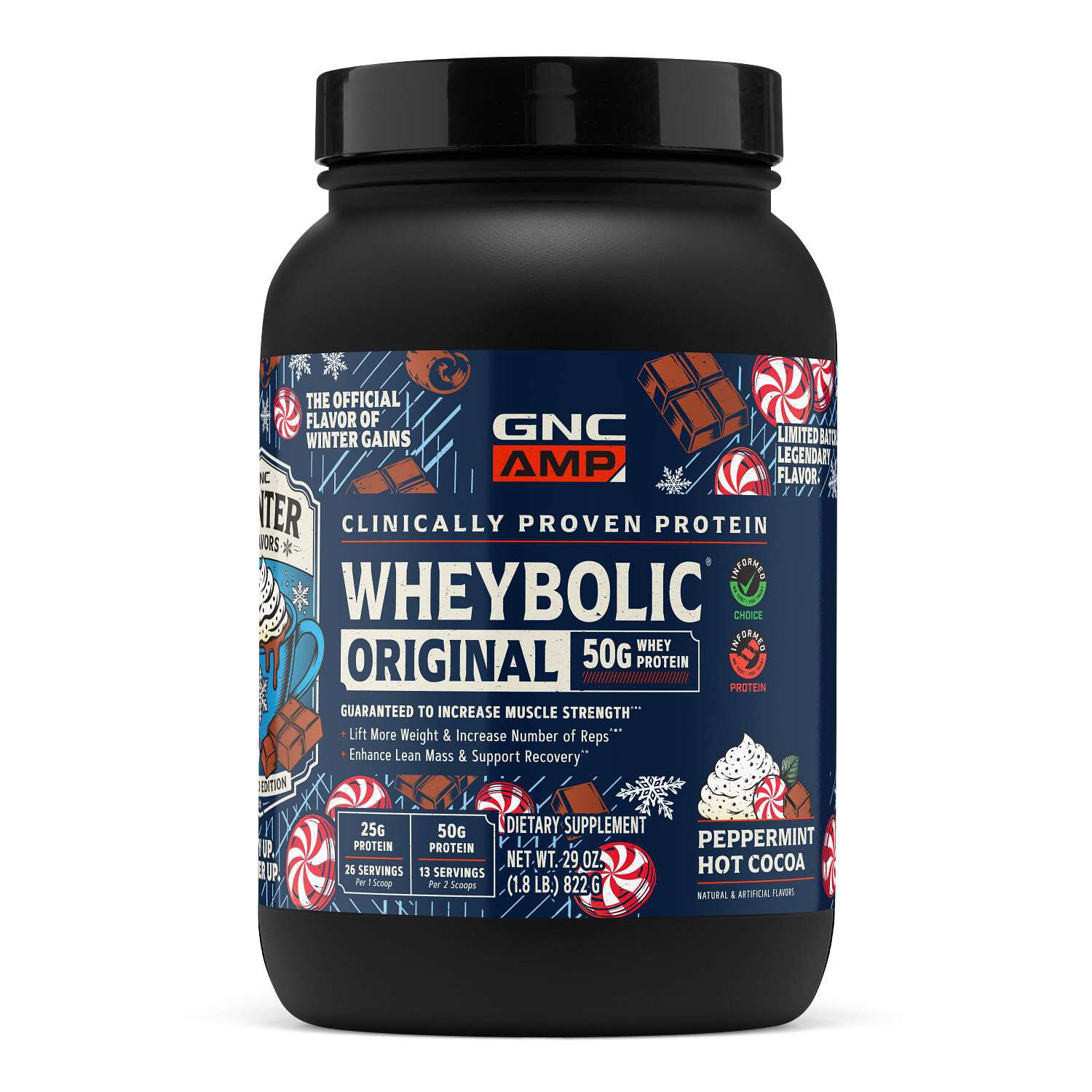
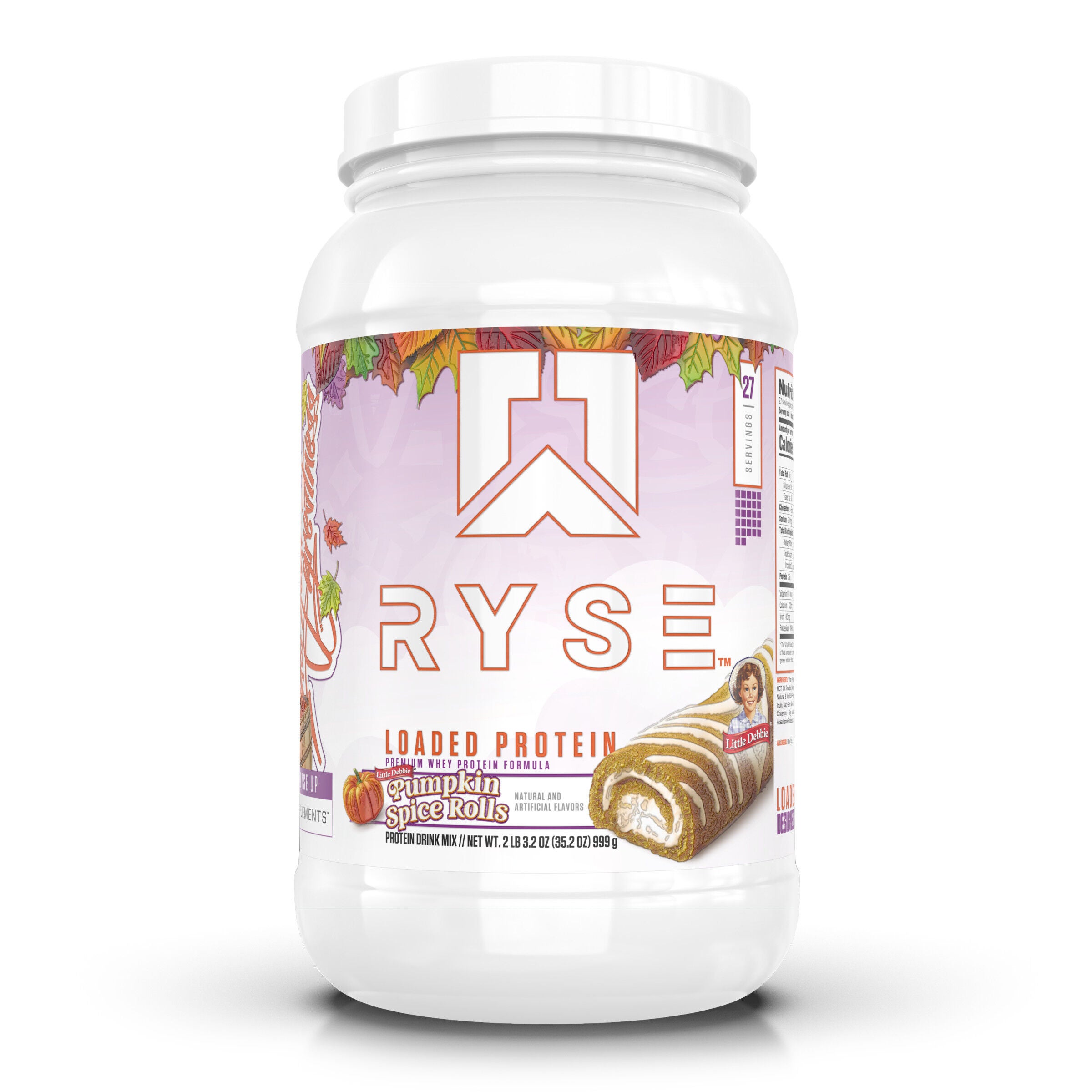
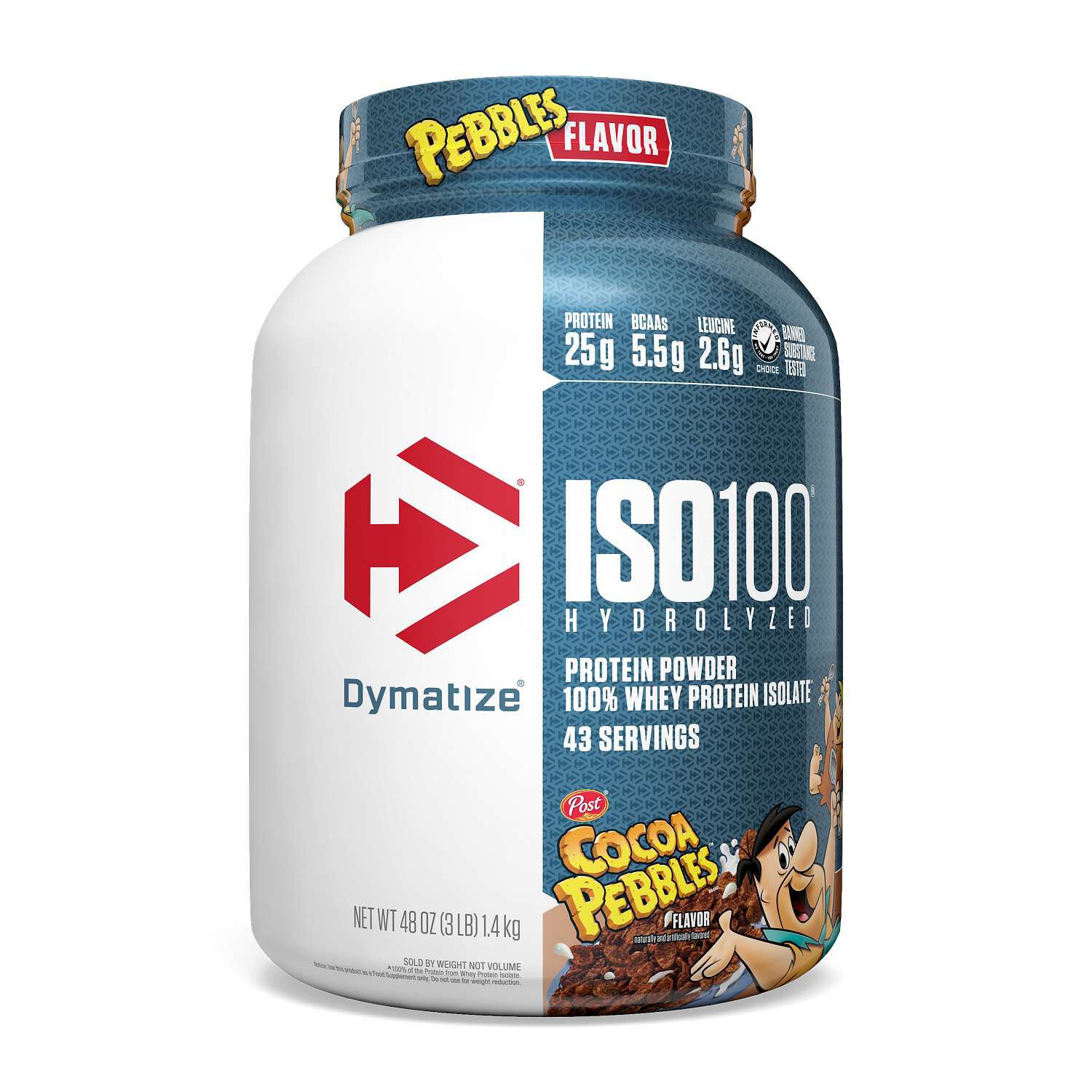
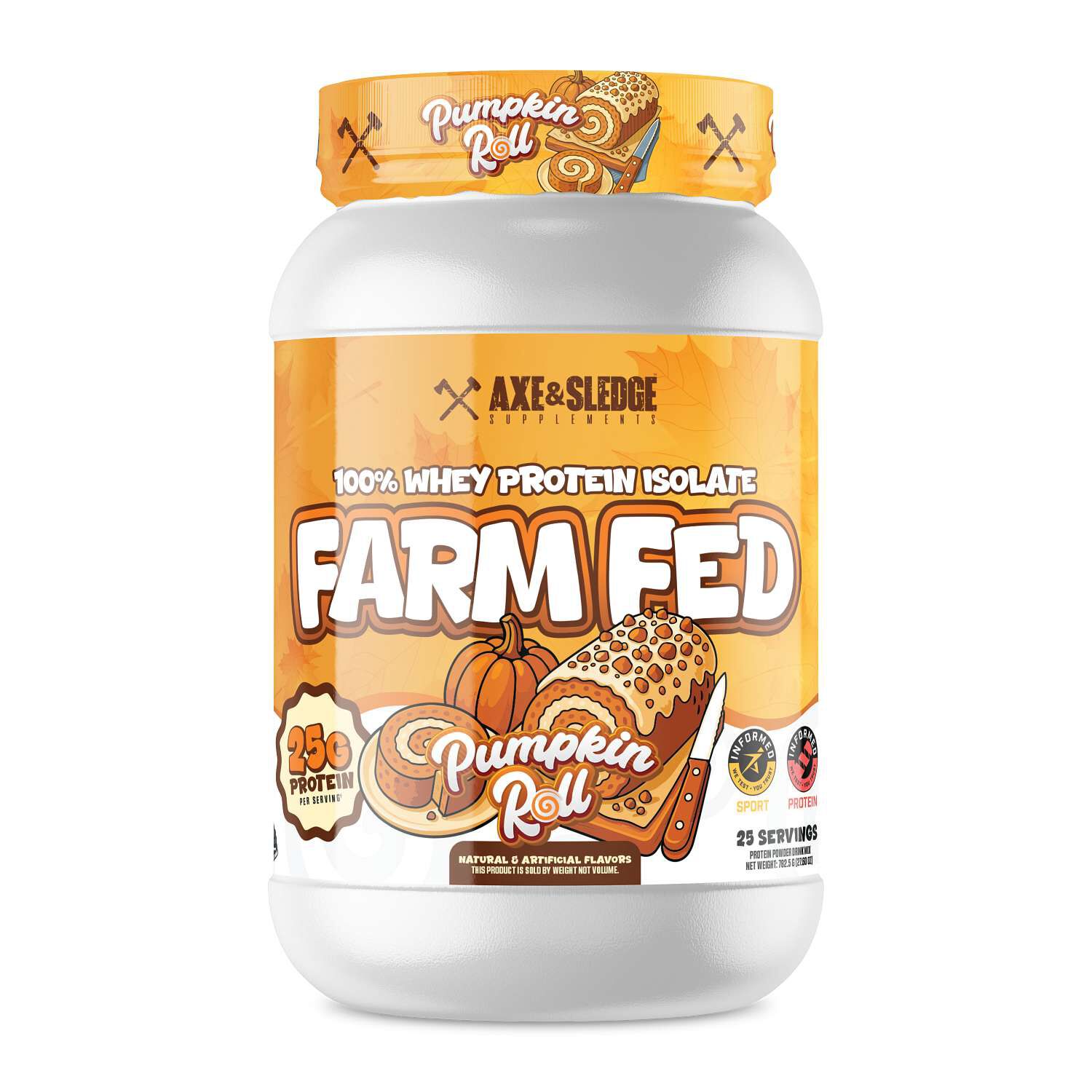
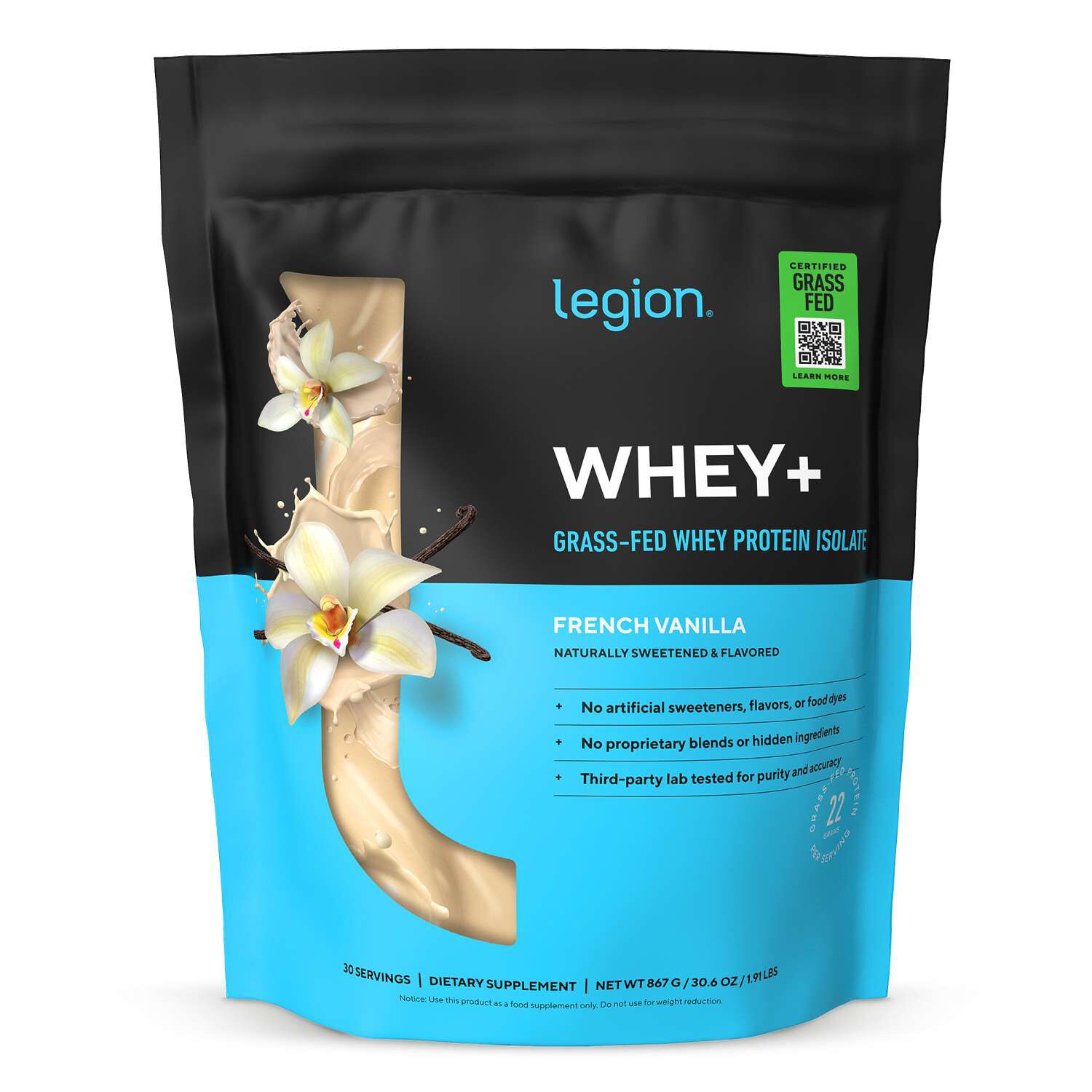
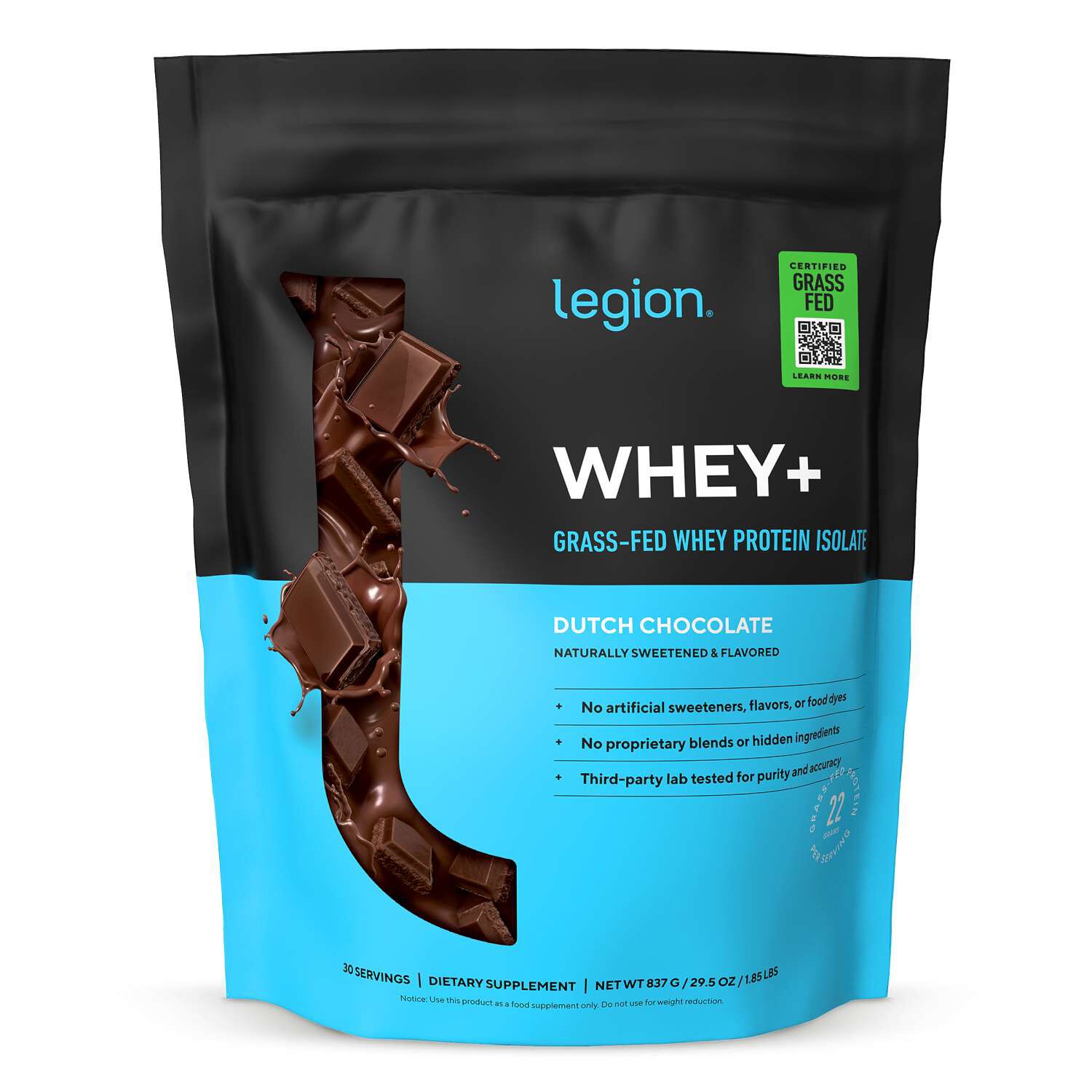
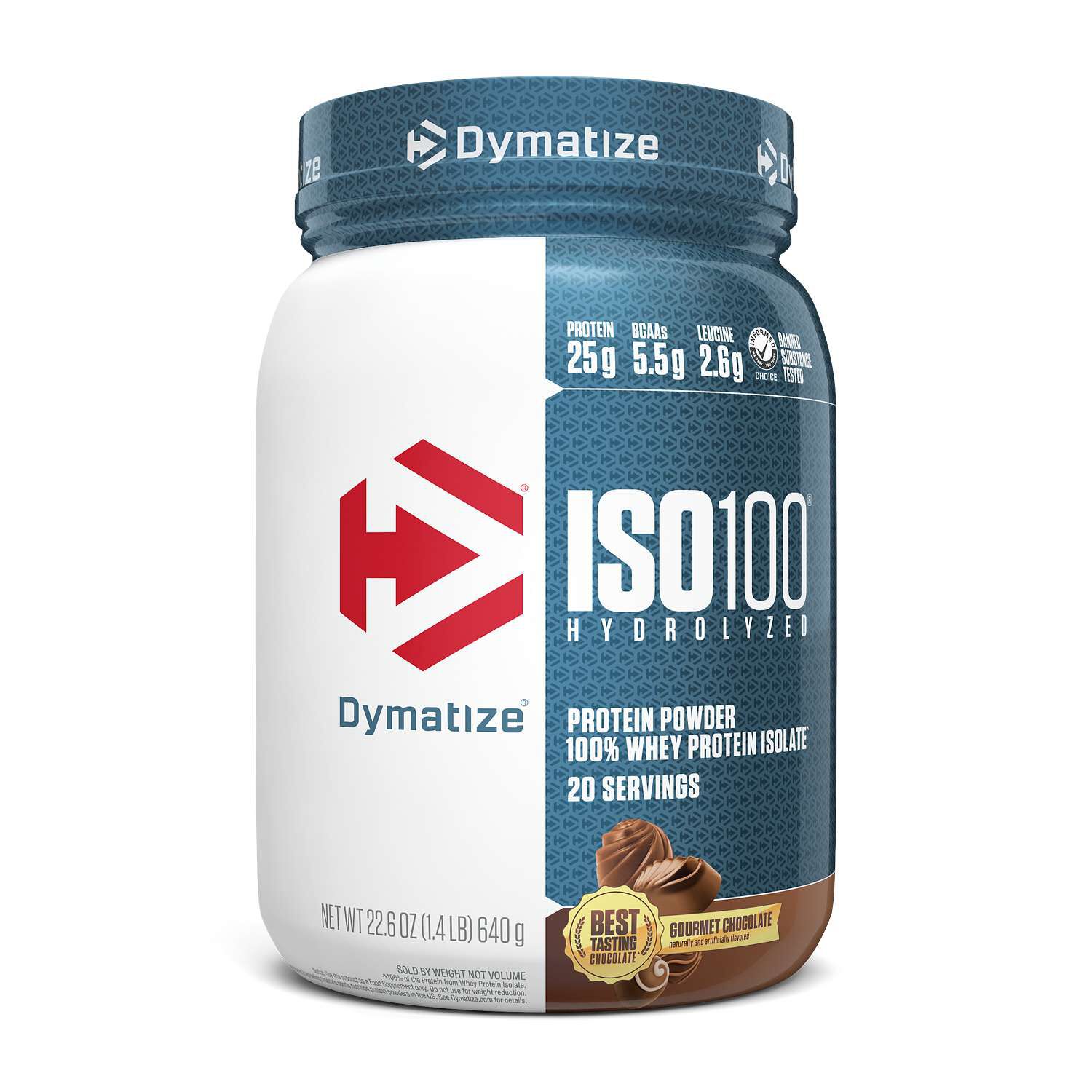
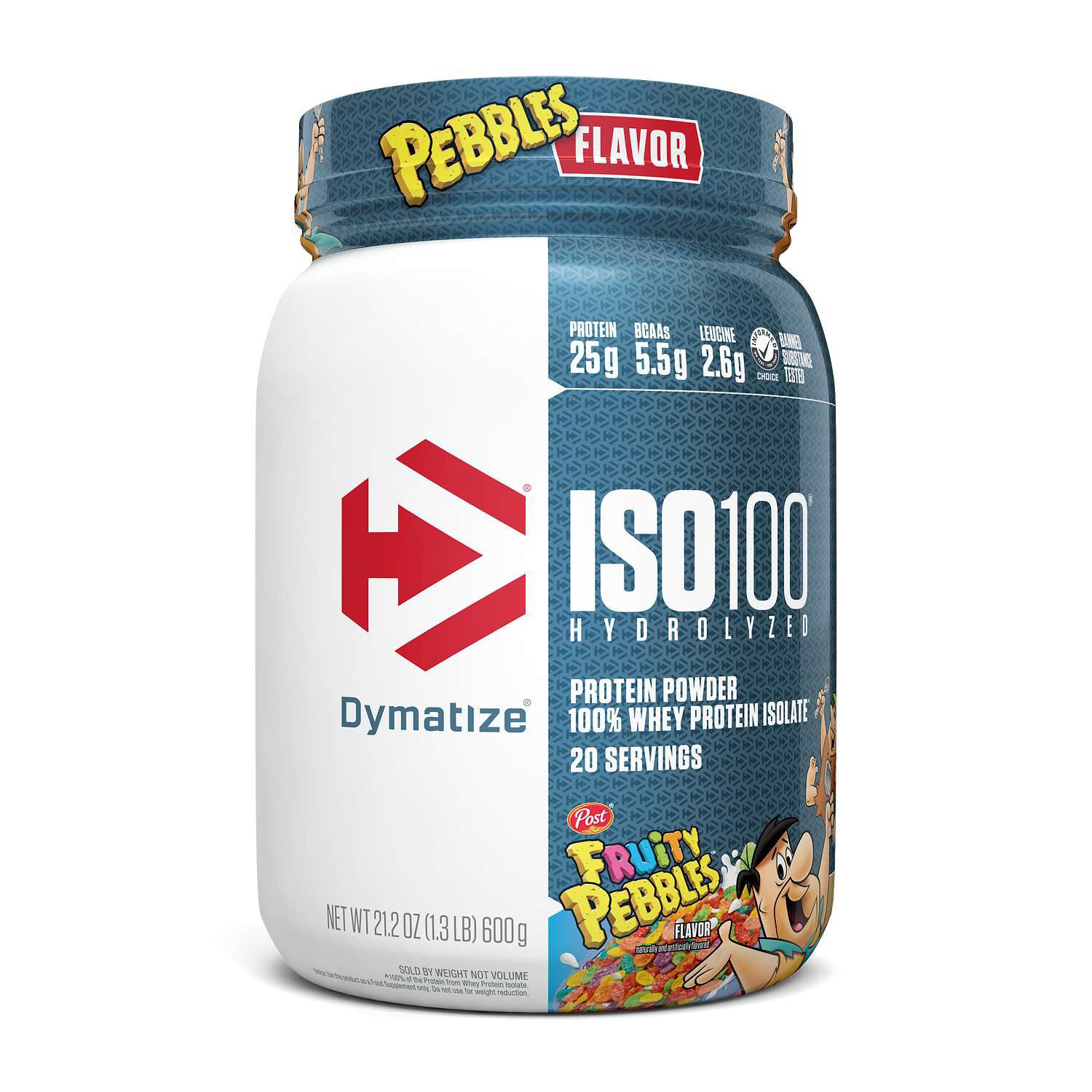
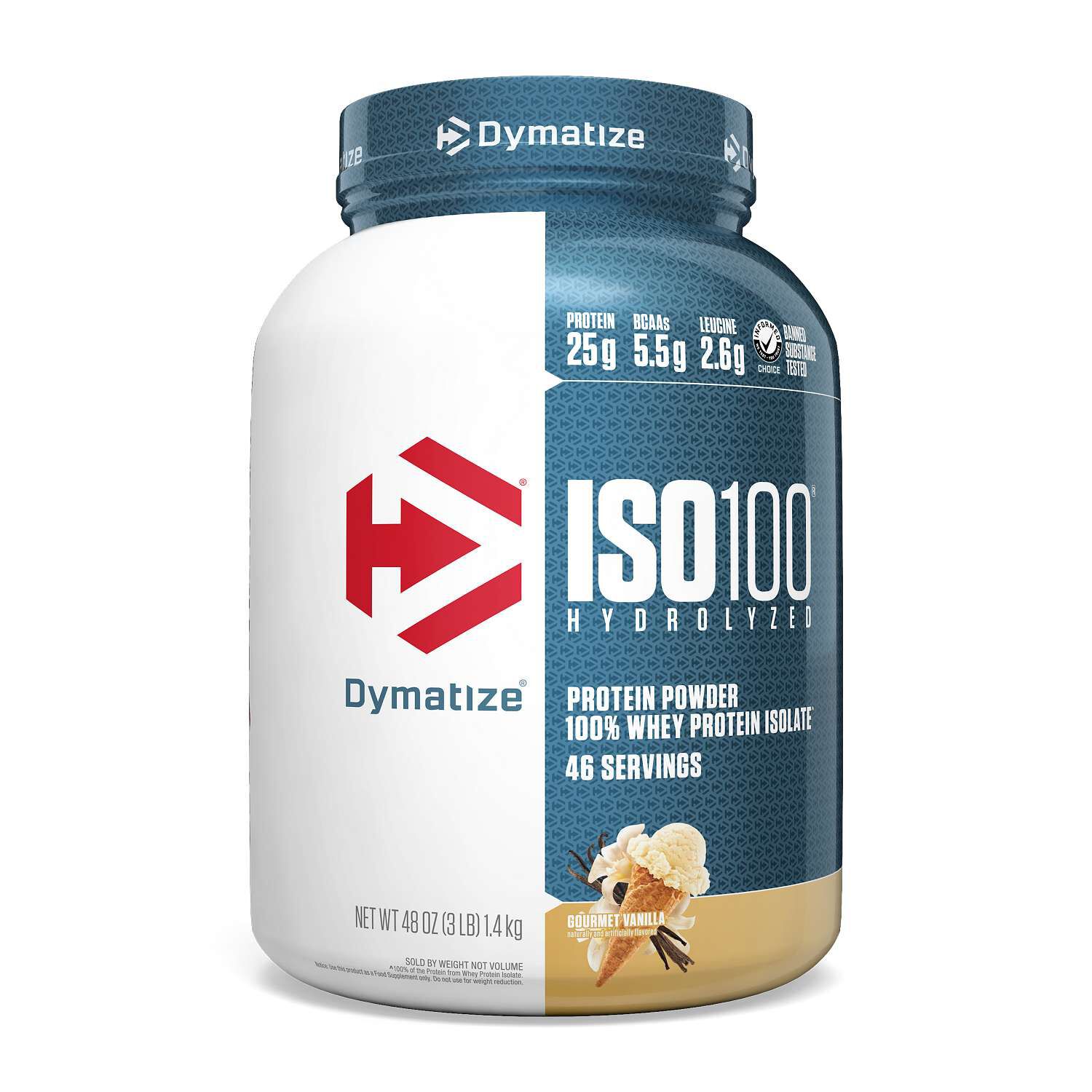


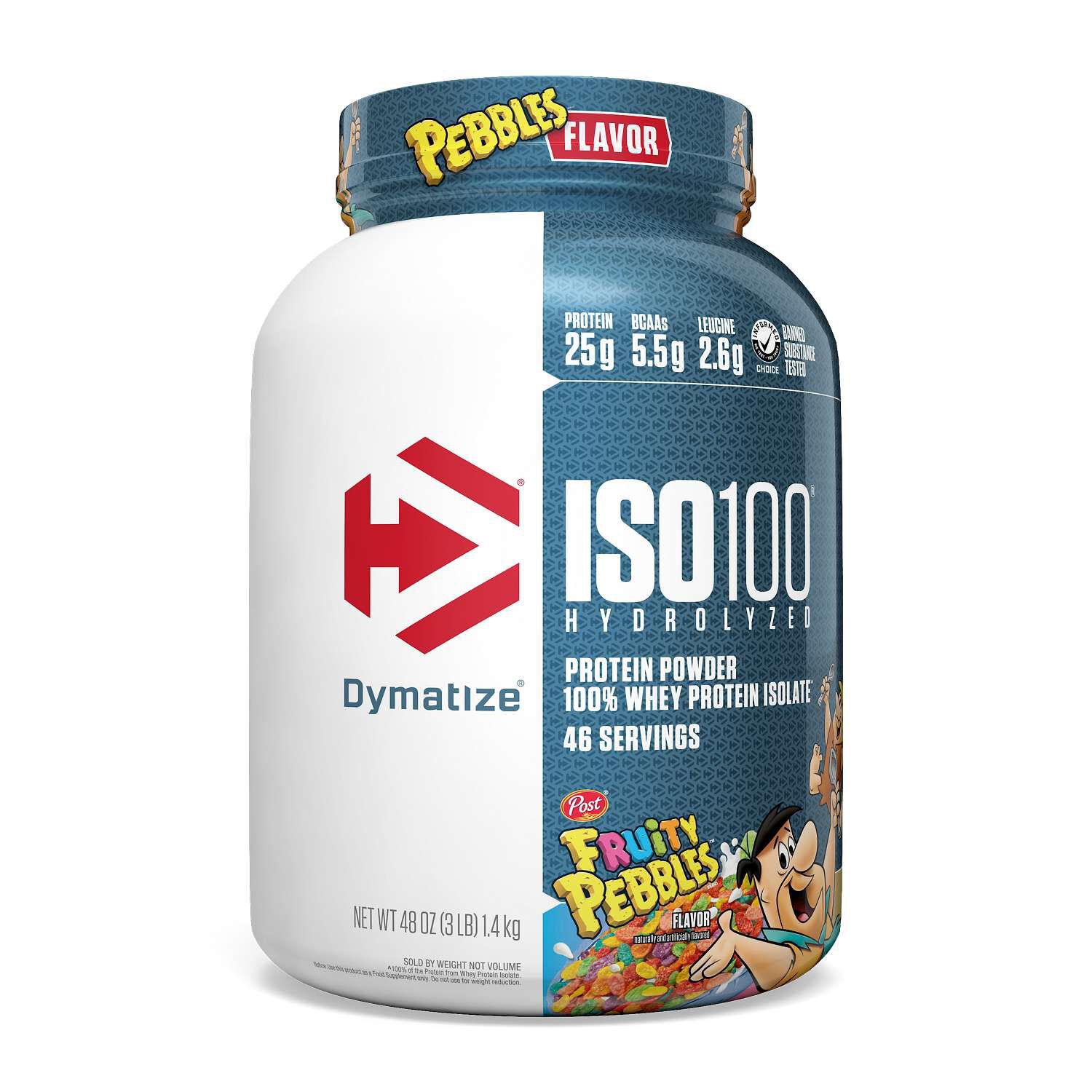
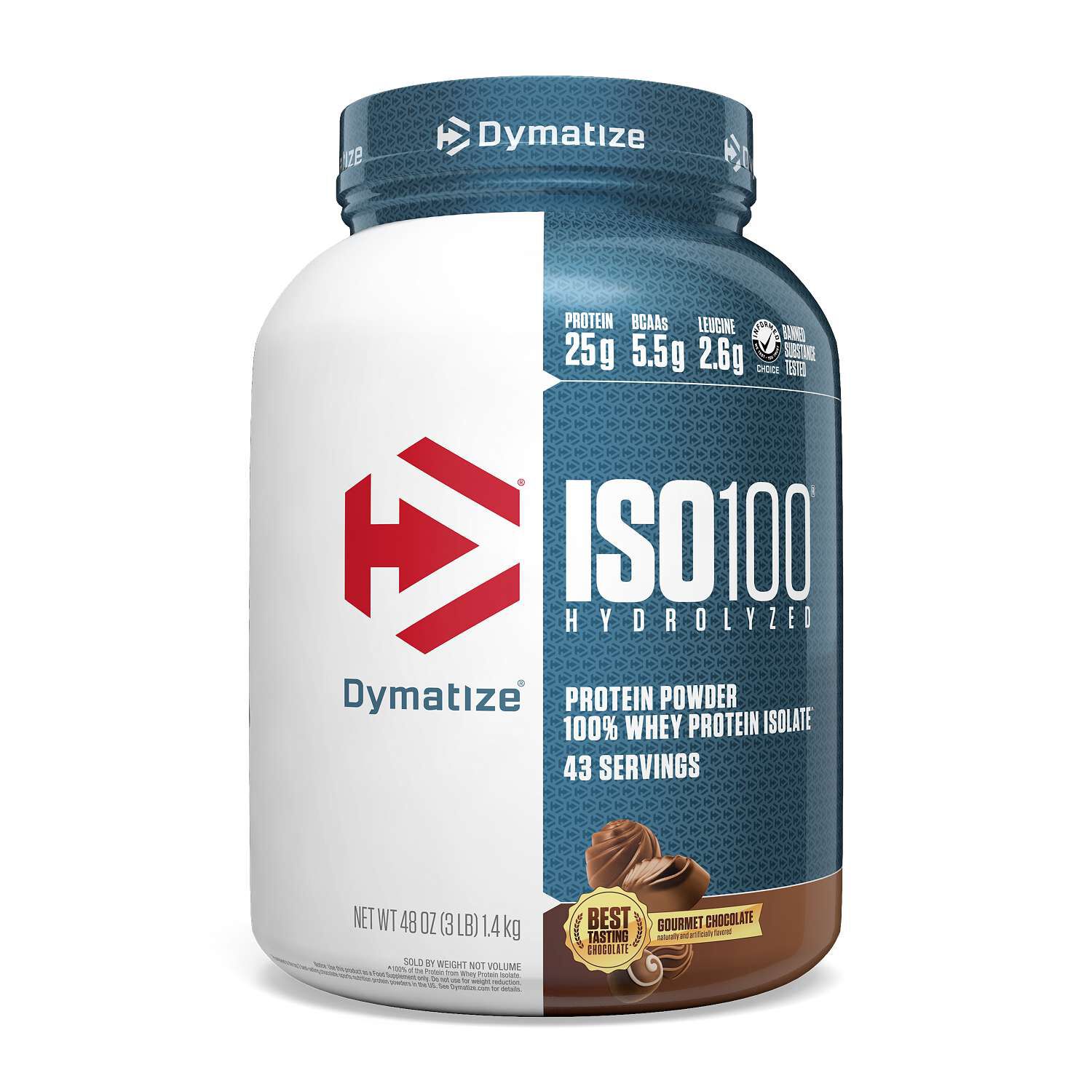
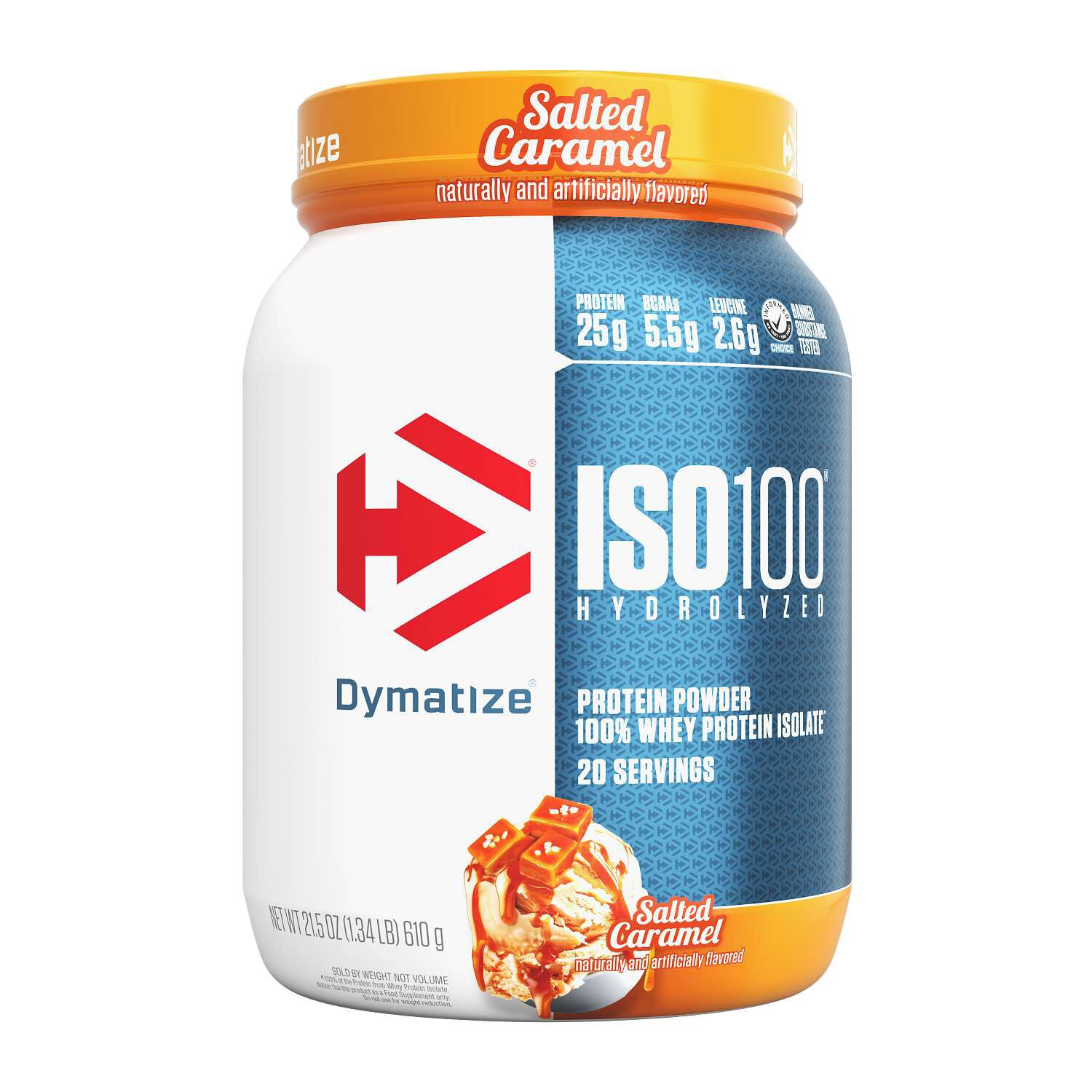
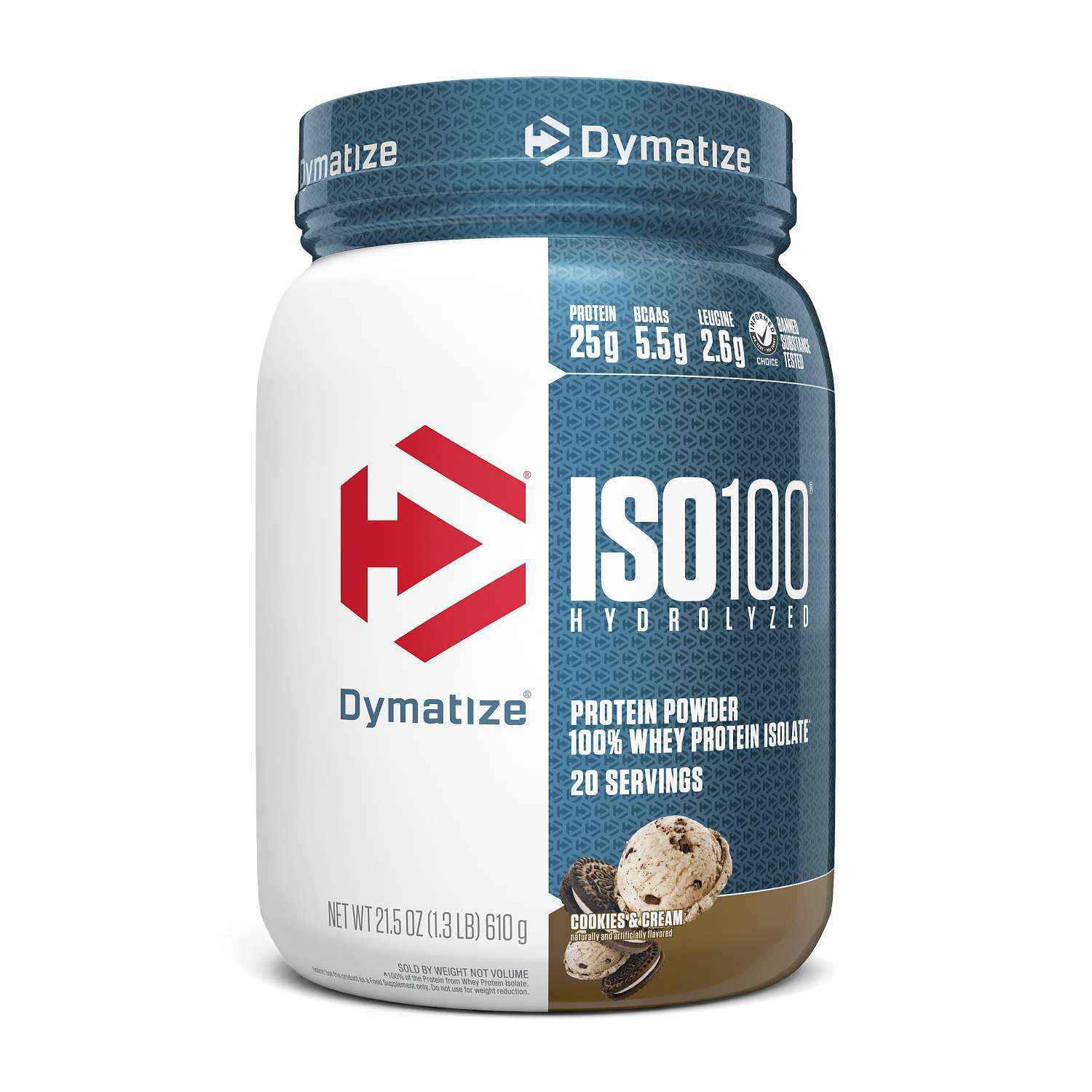


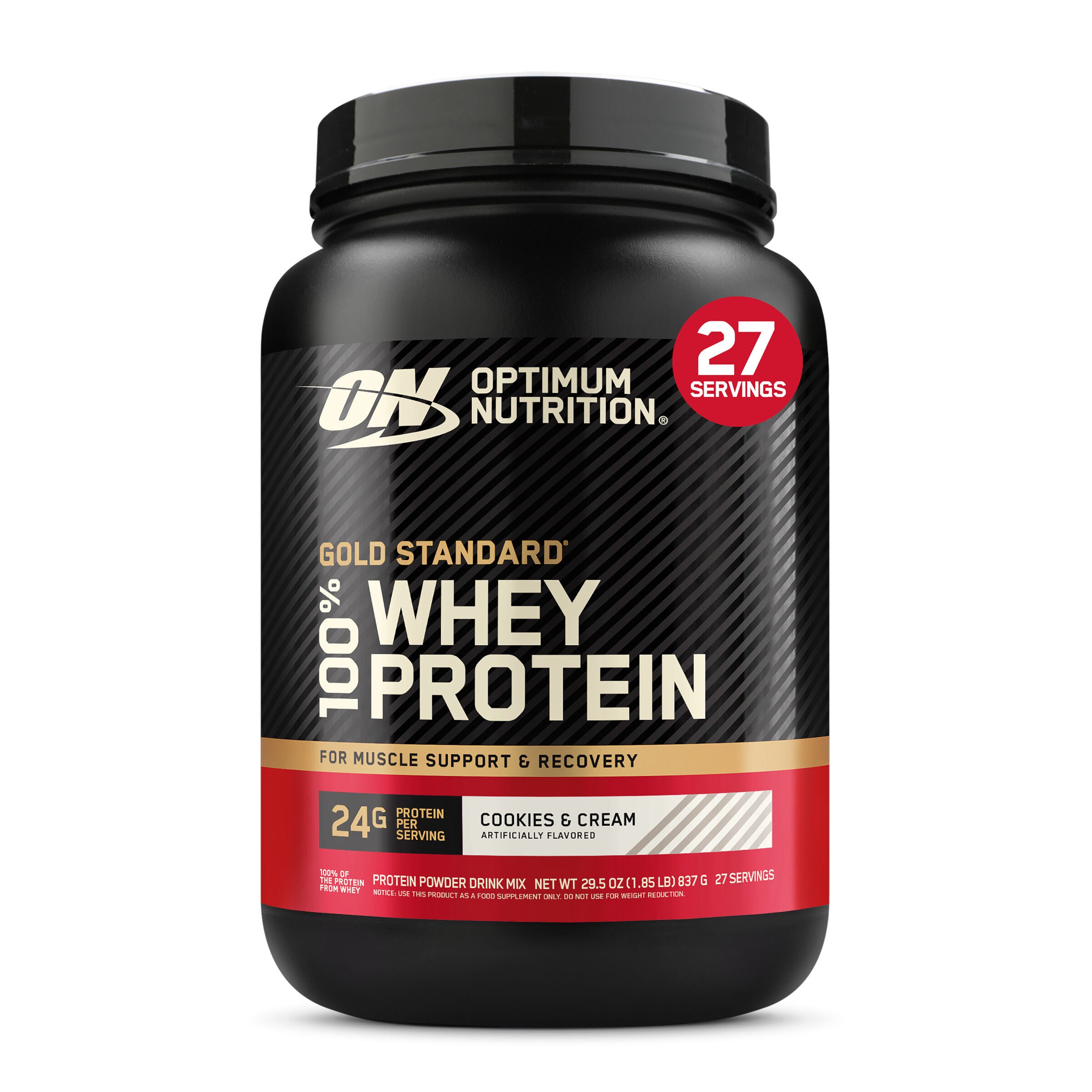


Protein powders for winter workouts fit into routines that look different from one cool morning to the next: an early strength session before work, a treadmill run when the sidewalks are wet, or a weekend hike followed by a warm breakfast. The season brings a change of setting, but choosing a powder still comes down to its ingredients, flavor, texture, and intended use. Protein powder may help supplement everyday protein intake and may support muscle recovery after exercise as part of a varied eating pattern. Whey, casein, and plant-based powders offer different starting points for that choice. Whey and casein come from milk, while plant-based options can contain pea, soy, rice, pumpkin seed, or combinations of these sources. Some blends combine several protein sources, so the ingredient list matters more than the flavor name alone. A familiar chocolate or vanilla powder might suit someone who alternates between shakes and oatmeal, while an unflavored option offers a less dessert-like direction for recipes. For an adult who trains before sunrise, a powder that mixes with a shaker bottle could fit the morning better than one intended for blender recipes. Someone who enjoys a leisurely breakfast after lifting may prefer a thicker texture that works with oats, yogurt, or a spoonable smoothie. Protein grams per serving, serving size, added sugars, sweeteners, and allergen information are useful points of comparison across these formats. Scoop sizes differ, making the serving information on the package a better reference than the appearance of a filled scoop. Milk-derived ingredients, soy, and other listed allergens also deserve attention when selecting for a household with different dietary preferences. Cooler weather does not call for a particular flavor or protein source; the most practical match is one that suits the foods, preparation methods, and workout habits already woven into the day.
Taste and texture become especially noticeable when a protein powder moves beyond a shake made with cold water. Chocolate can pair with banana and a little cinnamon, vanilla works with oats and nutmeg, and a lightly flavored plant-based blend can complement berries or nut butter. These combinations bring familiar breakfast flavors to the cooler months without requiring every serving to taste like a seasonal dessert. Sweetness varies considerably, so a powder intended for mixing with water may taste different when combined with a sweetened beverage or flavored yogurt. Milk, plant-based beverages, and water also create different consistencies, and the amount of liquid changes how thick a shake feels. A blender is useful for recipes containing frozen fruit or oats, while a shaker bottle suits simpler combinations of powder and liquid. For warm preparations, package directions should take priority, since not every formula behaves the same way when heated. When the directions allow it, stirring powder into oatmeal after cooking, once it has cooled slightly, may produce a smoother texture than adding it over direct heat. Mixing the powder with a small amount of room-temperature liquid first is another preparation method to consider where appropriate. Warm liquids belong in an open mug or bowl rather than a sealed shaker bottle. A bowl of cinnamon oats after an indoor cycling session and a chilled shake after a heated gym workout can both have a place in a winter routine; outdoor temperature does not have to determine serving temperature. Powders offer flexibility for adjusting a recipe, while prepared beverages suit occasions when mixing is inconvenient. For a different format alongside powders, Protein Drinks for Winter provides a related category to explore. The distinction is largely about preparation and personal preference: a kitchen counter with a blender invites a different choice than a quick stop at a locker before the commute home.
Packaging, storage, and everyday handling are worth considering alongside flavor, particularly when a powder will travel between home, work, and the gym. A larger container suits a regular place in a kitchen cabinet, while individually portioned formats can be convenient for a gym bag or an overnight trip. Package directions provide the reference for storage conditions and how long a powder should be kept. A tightly closed container, a dry scoop, and storage away from moisture help keep the powder in suitable condition for use. Leaving a container near a steaming kettle or dipping in a damp spoon introduces moisture that does not belong in the package. For someone who mixes a shake after training, an accessible lid and a container opening that accommodates the scoop can matter almost as much as the flavor. Shaker bottles need washing after use, including the lid, drinking opening, and mixing components, followed by drying before storage. Prepared shakes containing perishable ingredients should be handled according to those ingredients’ storage directions rather than left in a bag through a long workday. These practical details are particularly relevant when a dark morning means packing breakfast, workout clothes, and office supplies the night before. Protein powders can suit adults who enjoy strength training, recreational running, indoor classes, or other active pursuits, with the choice shaped by personal eating preferences rather than the season alone. They can also be a thoughtful gift for an adult fitness enthusiast when the recipient’s preferred protein source, flavors, and dietary restrictions are already known. A familiar flavor is often a more personal match than an unfamiliar blend selected only for its packaging. For everyday use, an uncomplicated ingredient profile may appeal to someone who already has favorite smoothie additions, while a flavored blend may suit someone who prefers just powder and liquid. Across these different routines, attention to serving information, mixing directions, and storage instructions makes comparison more useful. A winter workout routine may involve a crowded indoor weight room, a quiet home session, or muddy shoes by the door; the right protein powder for that setting is one that fits naturally into what happens before or after it.
Best Sellers


Related Pages

Top Collections
- Daily Collagen Supplements | Top Brands & Deals | GNC
- Cortisol Supplements
- Top Rated Collagen | Shop Customer Favorites | GNC
- Vitamins For Hair Loss
- NAD+ Supplement Tablets
- Peptide Supplements
- Best Brand of Magnesium Glycinate
- Protein Powders For Muscle Growth Support
- Vitamins That Help Support Weight Gain
- Peptide Supplements for Muscle Growth